
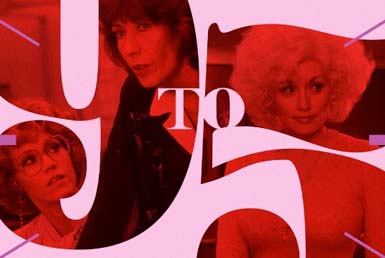
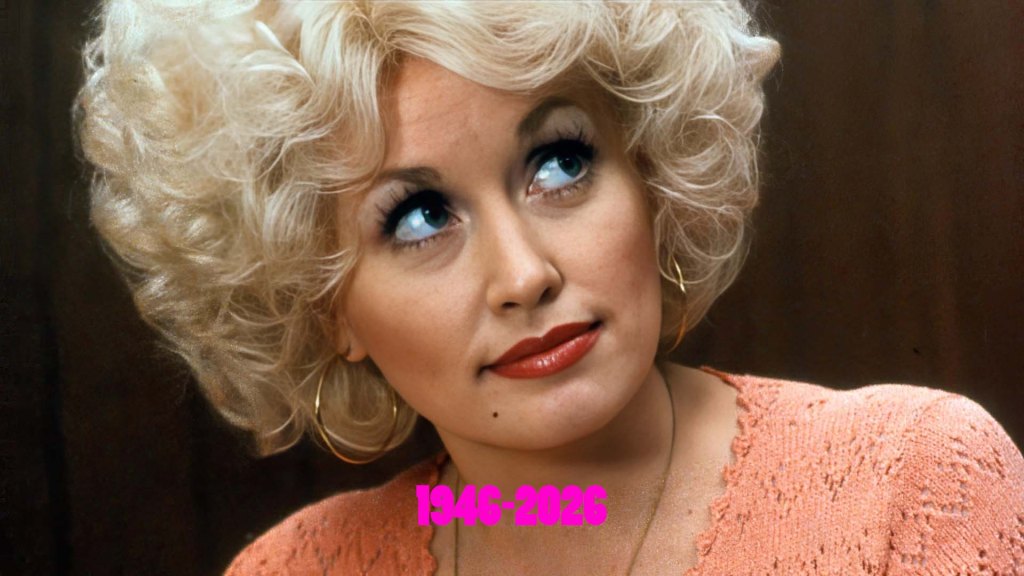
In light of the news of Dolly Parton’s passing at the age of 80, today’s post is dedicated to recognizing her by publishing this piece on “9 to 5.” “9 to 5” was Dolly’s feature film debut, and even though she will always be most remembered for her music career as a performer and writer (“I Will Always Love You,” “Jolene,” to name a few), she was also an accomplished actor and stage producer, and most of all, someone who promoted love over everything. She will be sadly missed, and the world is a better place for having had her in it. Whether you were a fan or not, there was no mistaking her fame the world over.
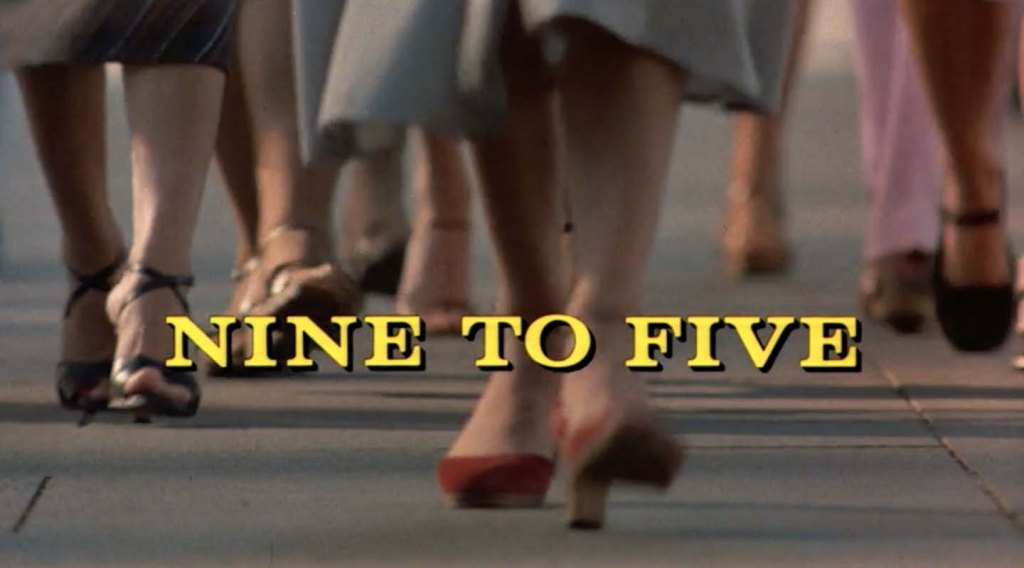
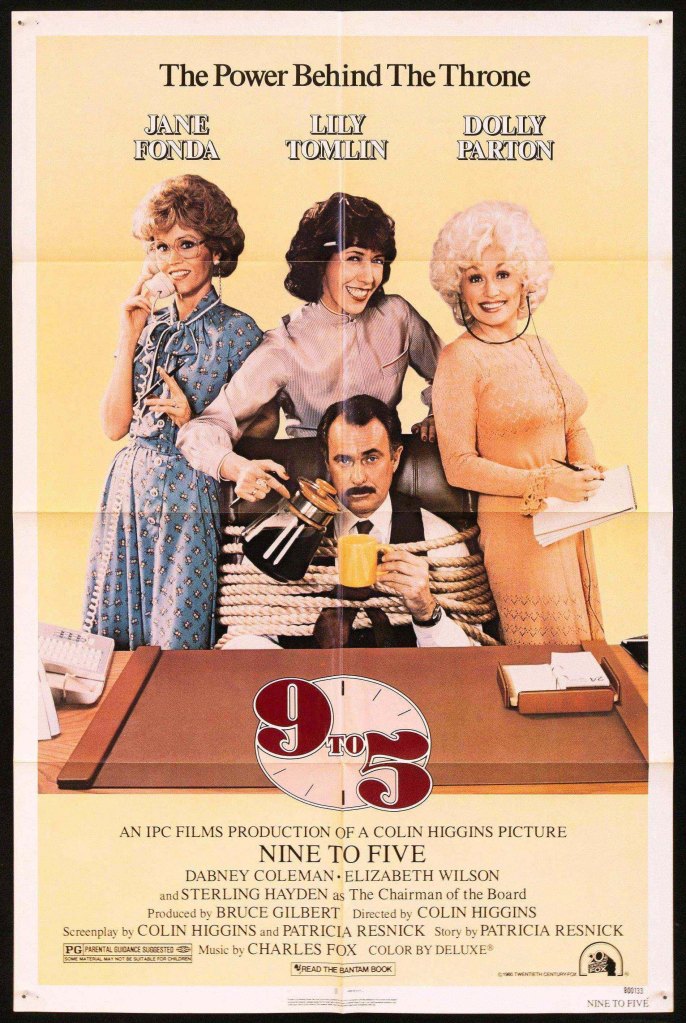
“9 to 5” was released in 1980 and directed by Colin Higgins. The film is a workplace comedy that combines sharp social satire with farce, exploring sexism, workplace discrimination, sexual harassment, and the frustrations of three women trapped in an exploitative corporate environment. The film stars Jane Fonda as Judy Bernly, Lily Tomlin as Violet Newstead, and Dolly Parton as Doralee Rhodes, three very different women who are united by their contempt for their manipulative, sexist boss, Franklin Hart Jr., played by Dabney Coleman.

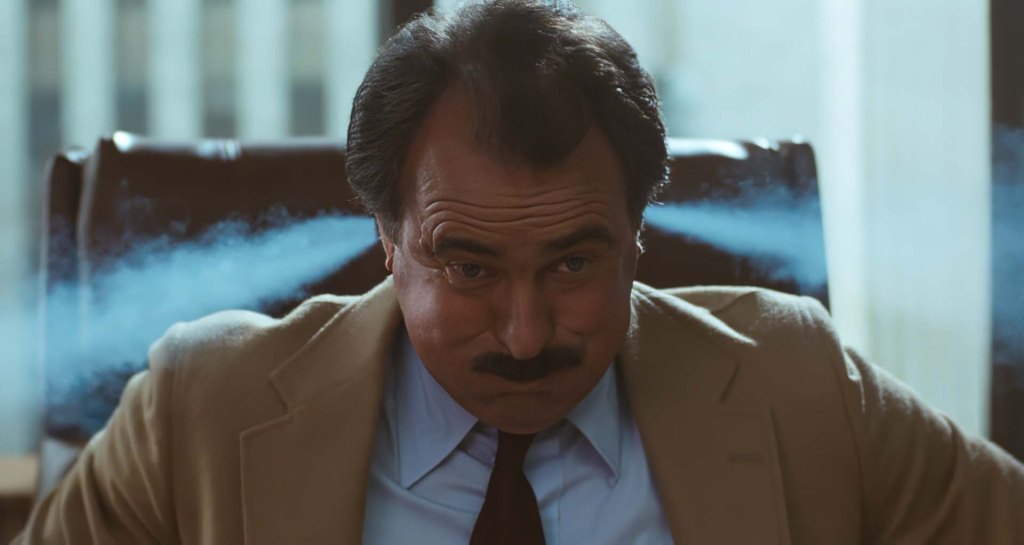
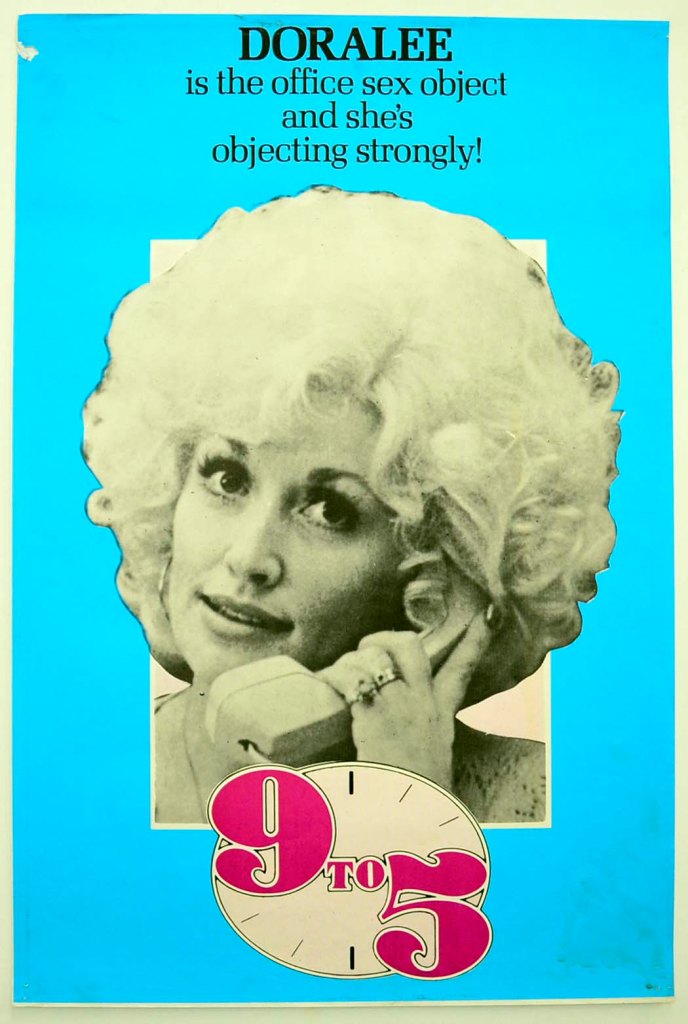
The story takes place at Consolidated Companies, a large, impersonal office where the male-dominated corporate culture is ruled by Franklin Hart, a senior executive who shows little respect for the women who work beneath him. Hart is arrogant, dishonest, and casually misogynistic, taking credit for the work of his employees while treating the women in his office as inferior. He is particularly unpleasant toward his secretary, Doralee Rhodes, whom he openly sexualizes and humiliates by spreading a false rumor that they are having an affair.
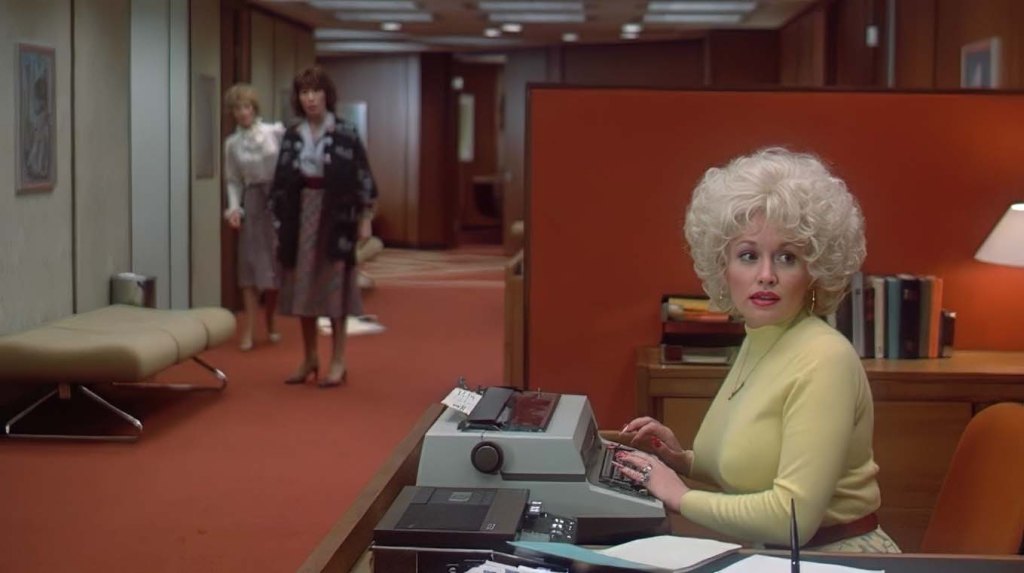
Doralee is actually happily married, and the gossip deeply upsets her. She is outspoken and confident, but the harassment she experiences reflects the limited power women have within the workplace. Meanwhile, Violet Newstead is a highly capable office supervisor who has worked for the company for years. She knows the business inside and out and has effectively been performing many management responsibilities, yet she continually watches less-qualified men receive promotions over her.
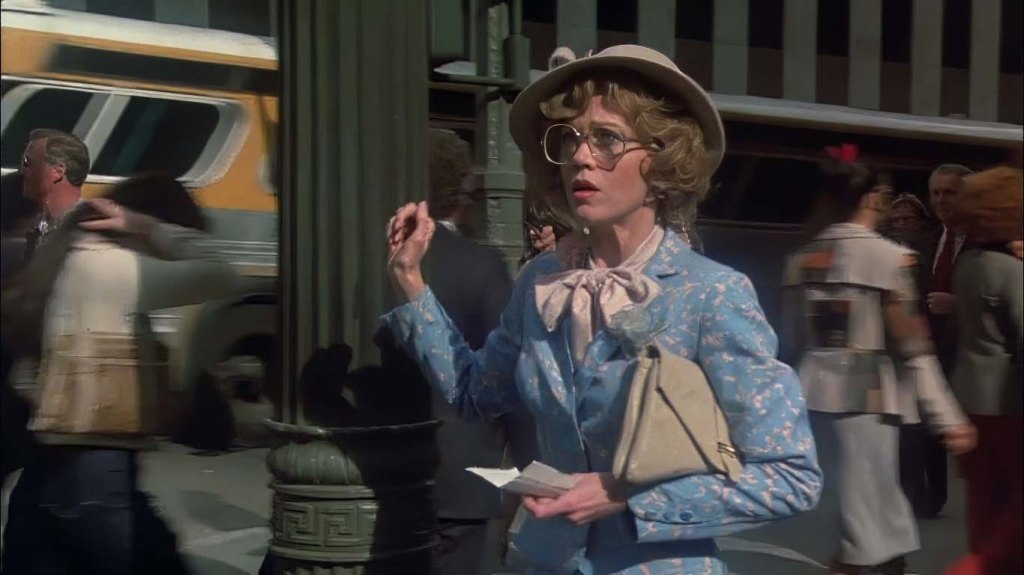
The third woman, Judy Bernly, is new to the company. Having recently separated from her husband, she has been forced to enter the workforce for the first time in years. Nervous and inexperienced, Judy is initially overwhelmed by the office environment and particularly intimidated by Hart. Her circumstances make her especially vulnerable, but she gradually grows more confident as she discovers she is far more capable than she initially believed.
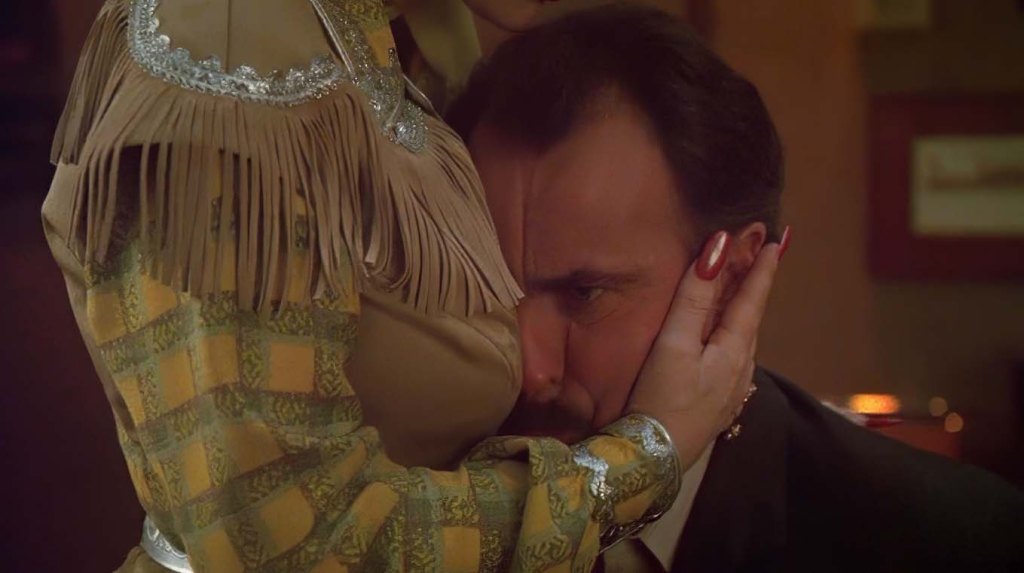

The three women initially have little in common, but their shared resentment toward Hart brings them together. After an evening of drinking, they fantasize about the various ways they would like to get revenge on their boss. Their joking plans take on a more serious tone when circumstances provide an opportunity to act.
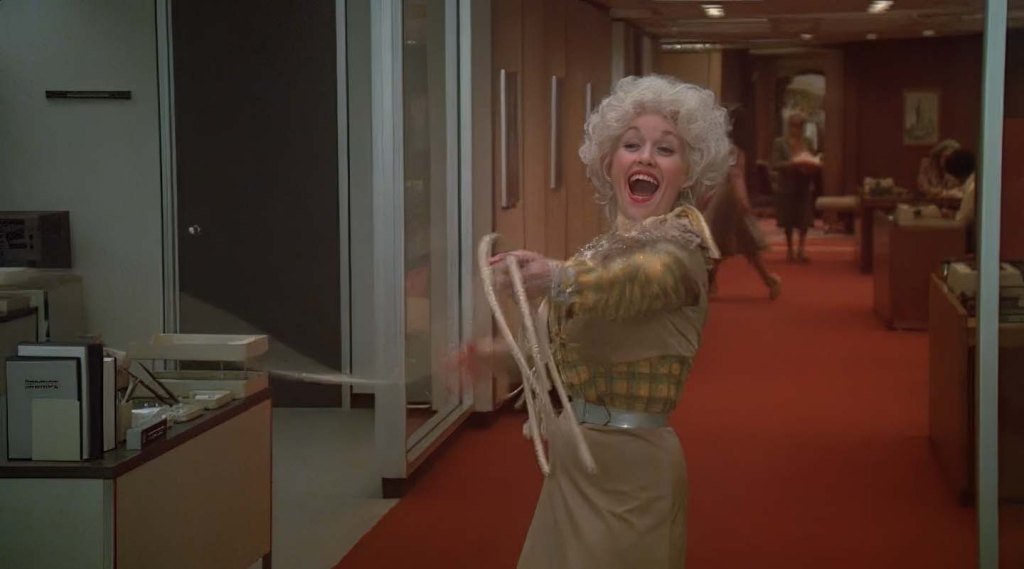
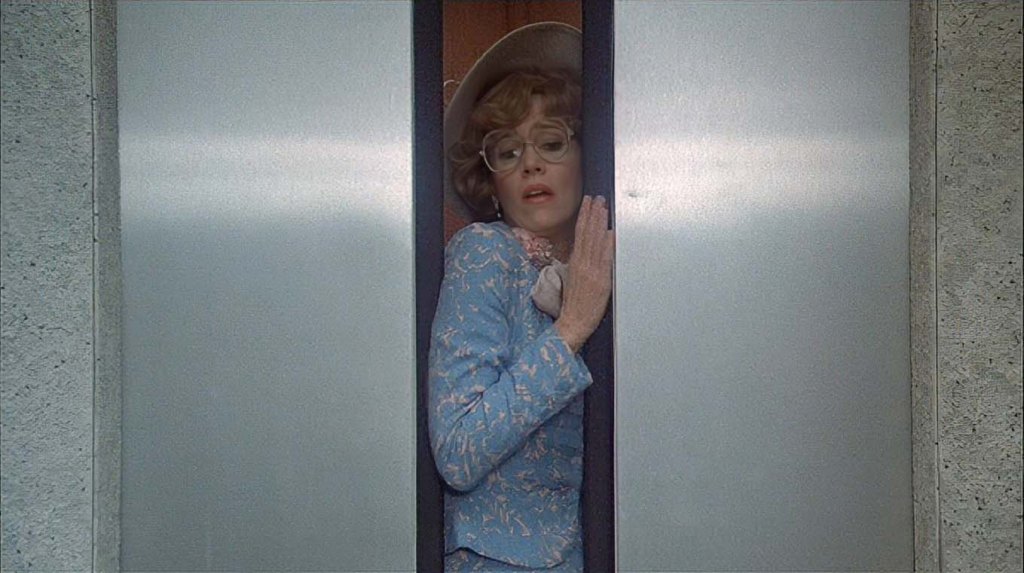
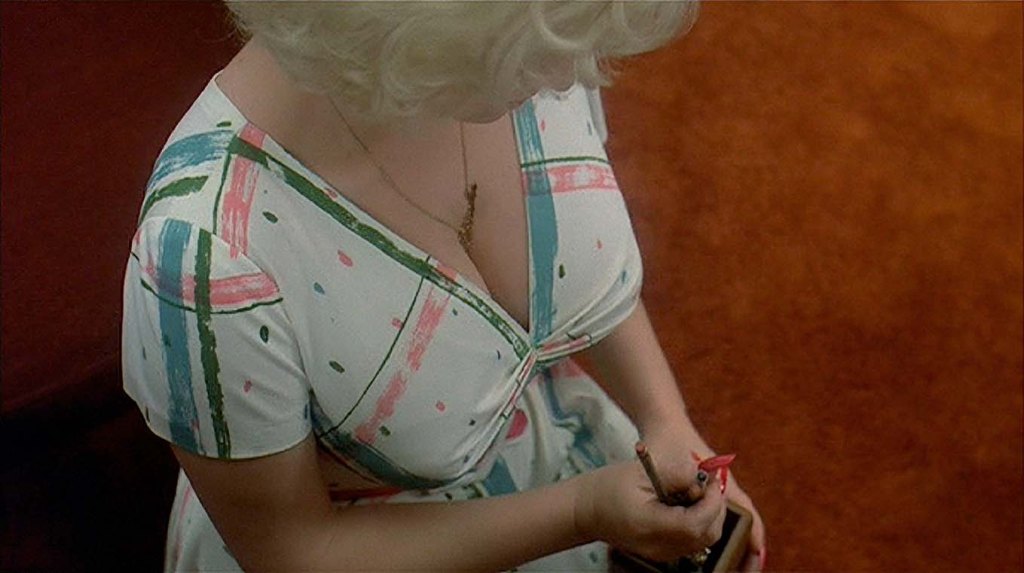
After an accidental series of events, the women become convinced that Hart has been poisoned. Believing that they may have killed him, they panic and abduct him, eventually keeping him confined at his own home. Their supposedly temporary plan becomes increasingly complicated when Hart discovers a way to manipulate the situation from captivity.
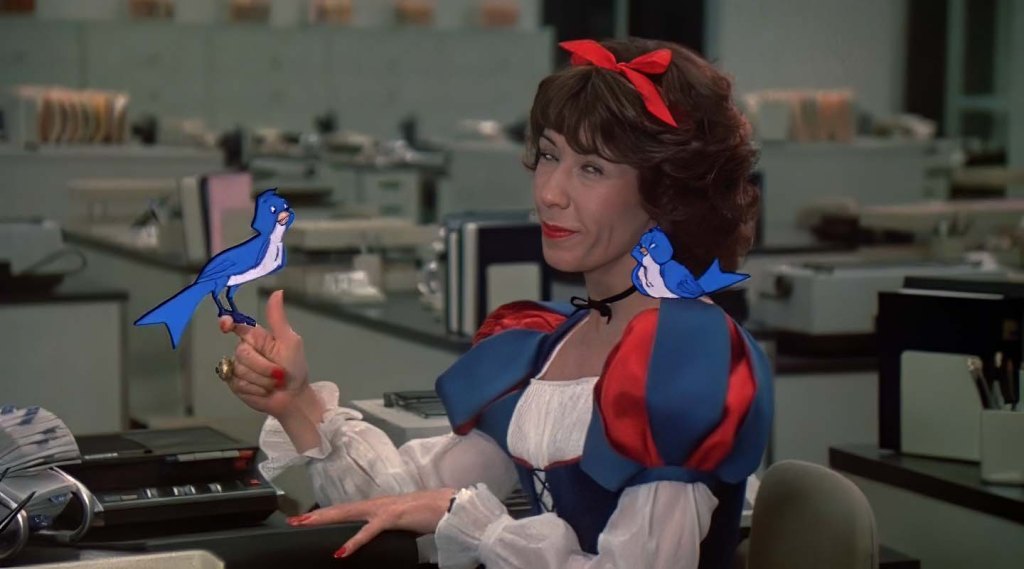
With Hart effectively removed from the office, the women begin transforming their workplace. Violet discovers evidence of Hart’s financial misconduct and realizes that he has been secretly manipulating company records. Rather than simply seeking revenge, the women begin using their newfound freedom to correct the injustices that have plagued the office for years.
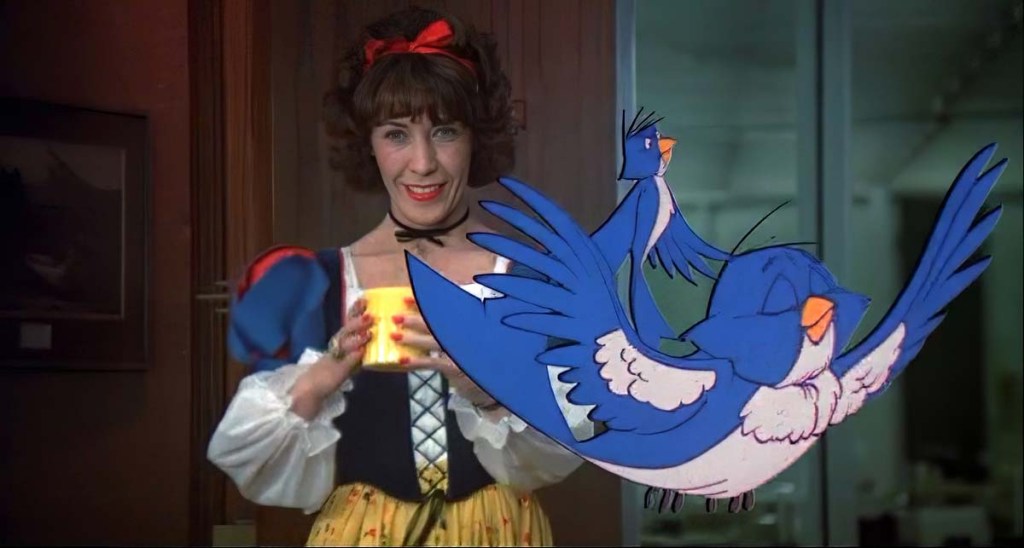
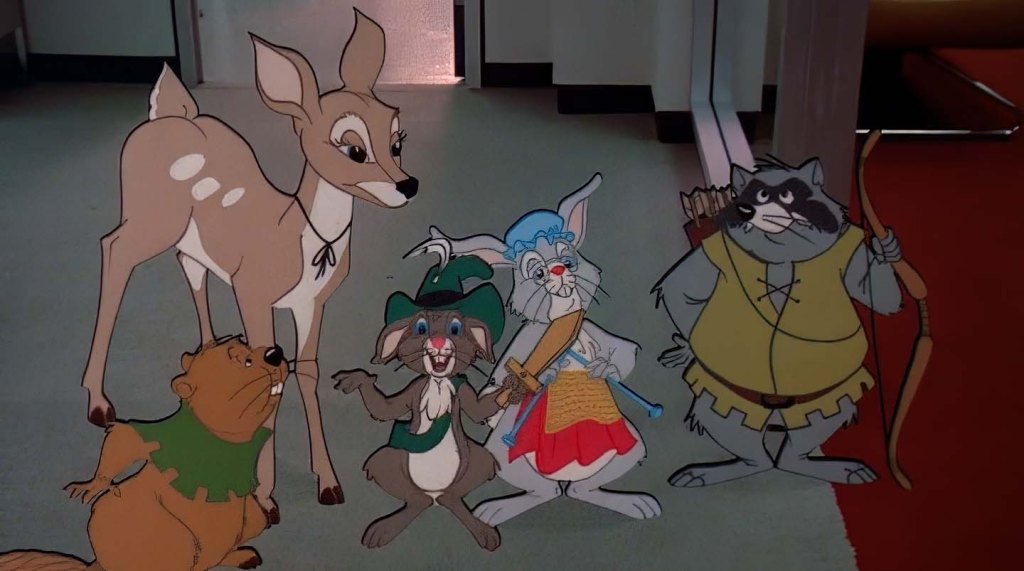
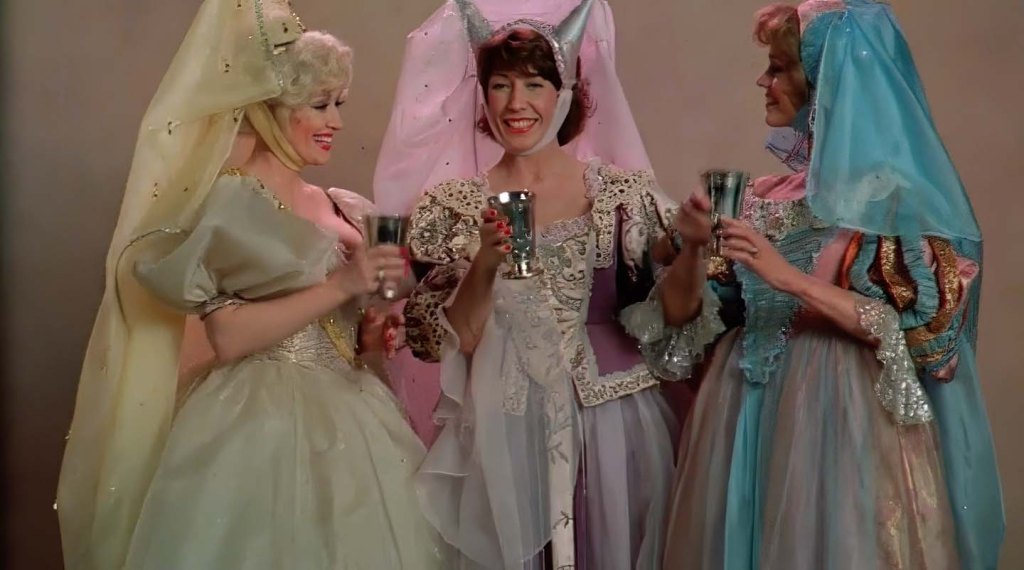
Violet introduces more equitable working practices, including improvements to working conditions and opportunities for female employees. Judy gains confidence and begins asserting herself in ways that would have seemed impossible at the beginning of the film. Doralee, meanwhile, refuses to allow Hart’s sexual harassment or the rumors surrounding her to define her reputation.
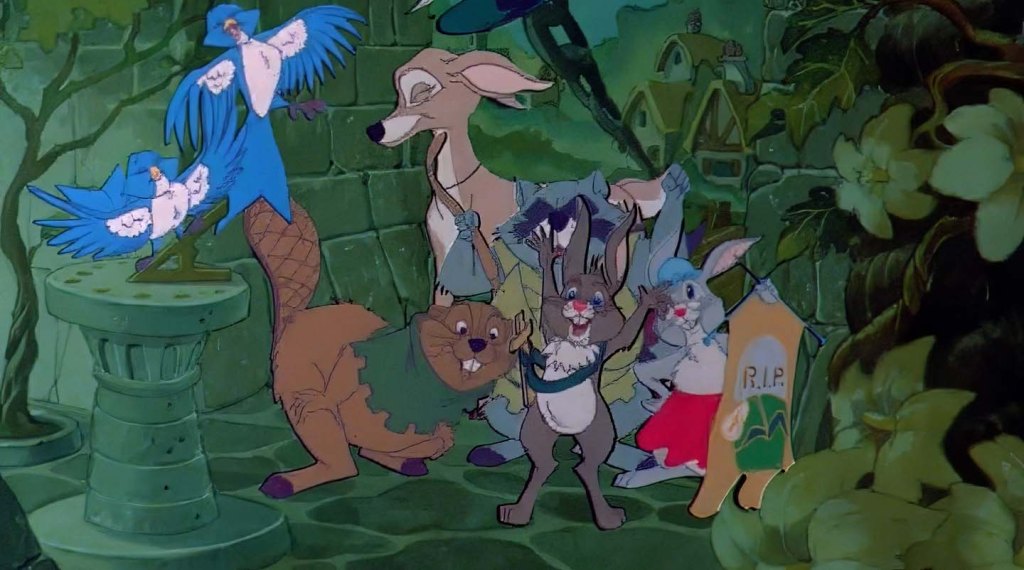
The comedy escalates as Hart repeatedly attempts to escape and regain control, while the women must maintain the appearance that everything at the office is normal. Their elaborate deception becomes increasingly difficult to sustain, particularly when company officials begin investigating Hart’s disappearance.

The film’s central joke is that the women who have been treated as powerless employees prove to be considerably more competent than the man who has been exploiting them. What begins as an impulsive fantasy of revenge evolves into an opportunity for genuine change.
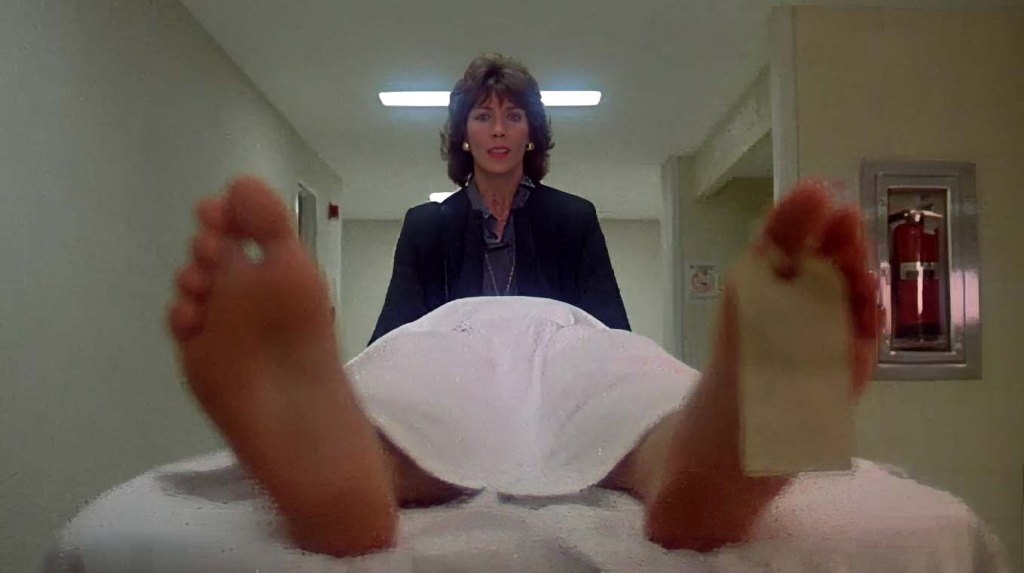
Eventually, the truth surrounding Hart’s crimes comes to light. His financial wrongdoing is exposed, and his attempts to maintain control collapse. The women emerge from the ordeal with greater independence and authority, having demonstrated that the supposedly powerless secretaries and office workers are capable of running the organization far more effectively than their abusive superior.
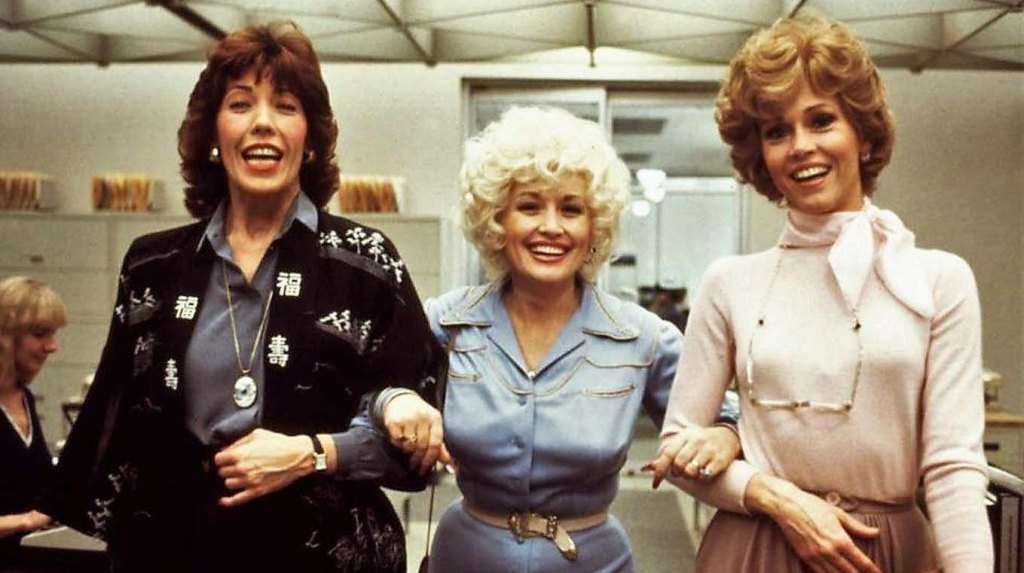
“9 to 5” concludes as a celebration of female solidarity and workplace empowerment. Rather than portraying its protagonists simply as victims, the film allows Judy, Violet, and Doralee to reclaim control over their professional lives. Their friendship becomes the foundation for their transformation, while Hart’s downfall represents the collapse of an outdated corporate culture built on sexism, intimidation, and exploitation.
Godspeed, Ms. Parton.
 The Other Cinema