


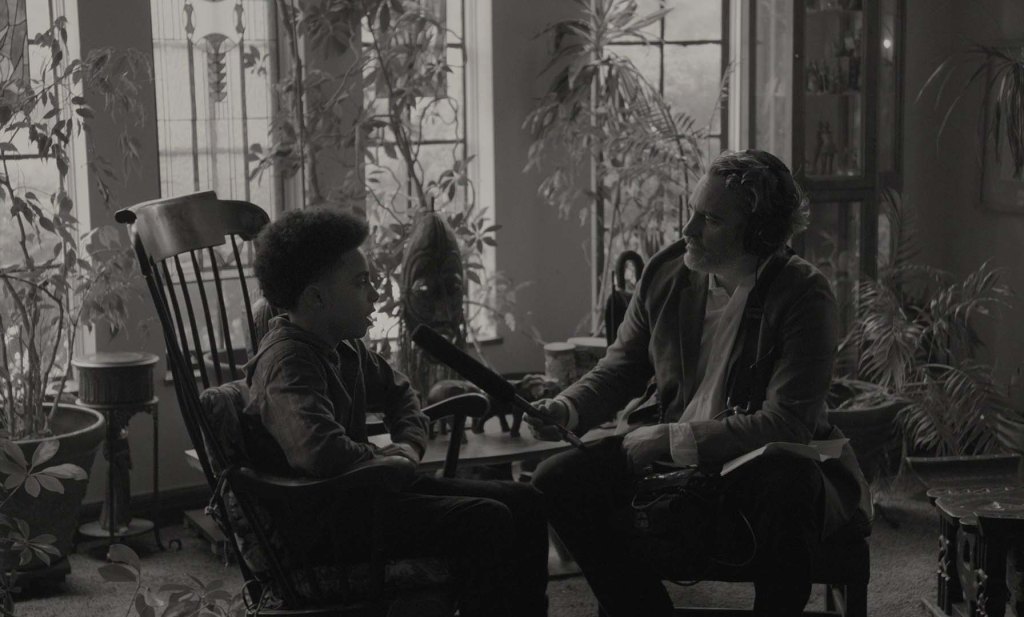

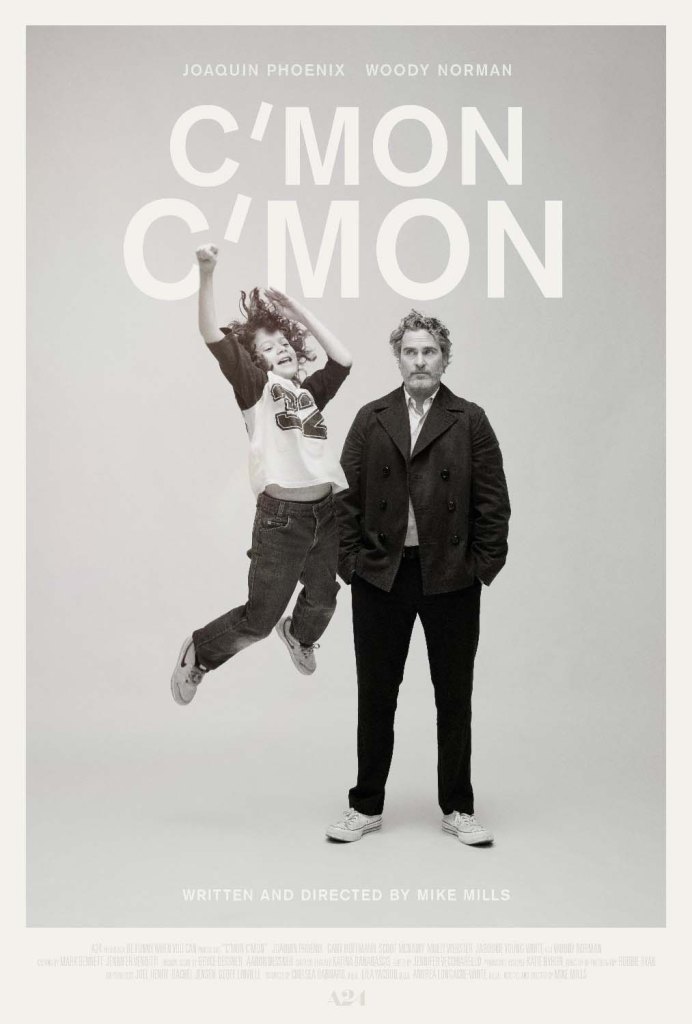
“C’mon C’mon” is a 2021 film written and directed by Mike Mills. It is a tender, introspective drama exploring the fragile connections between adults and children, memory and the future, and listening as an act of love.
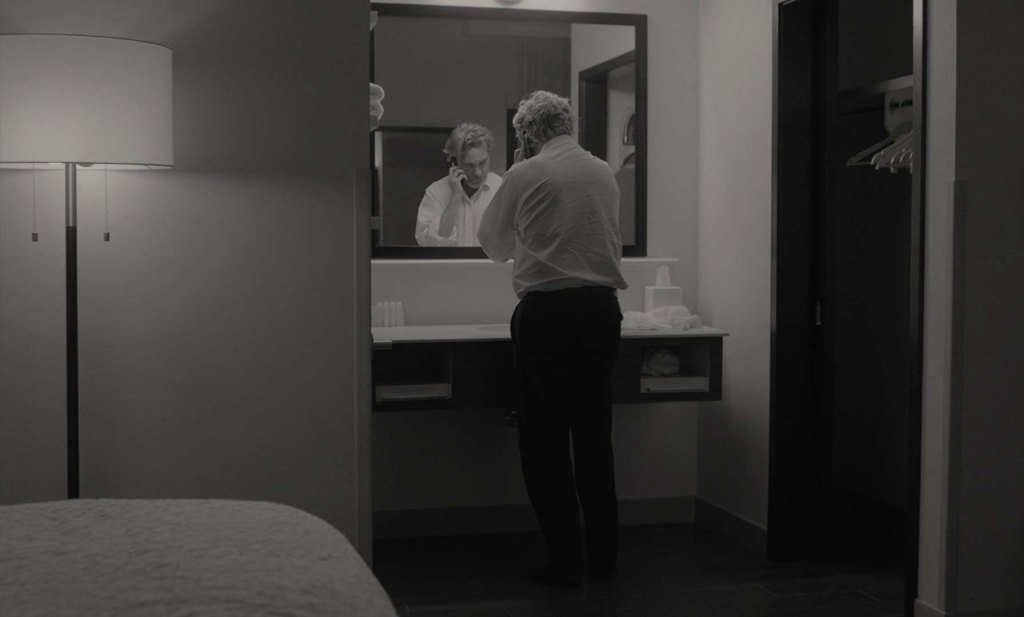
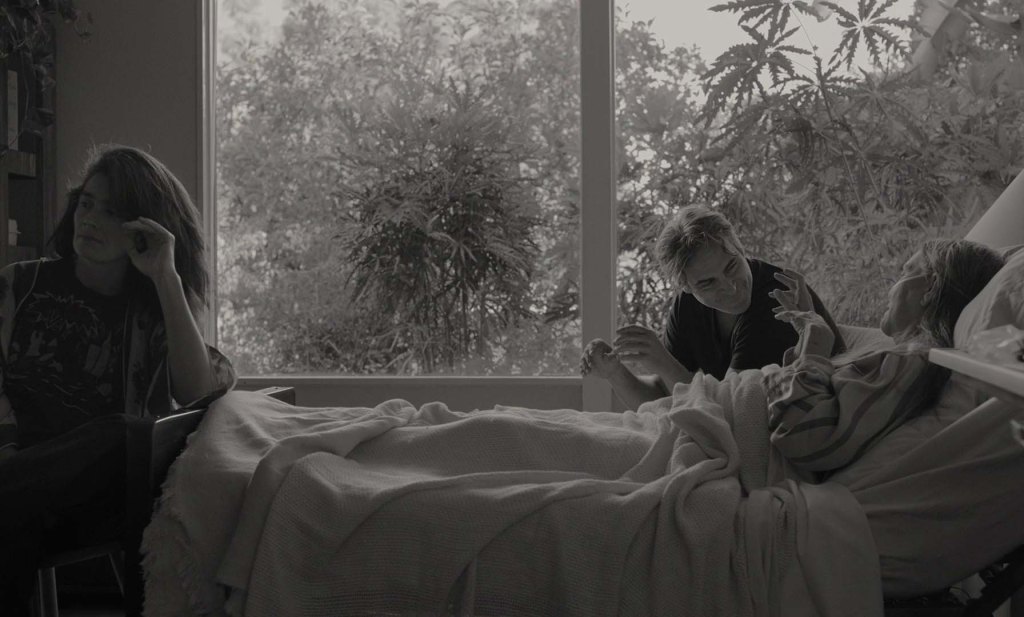



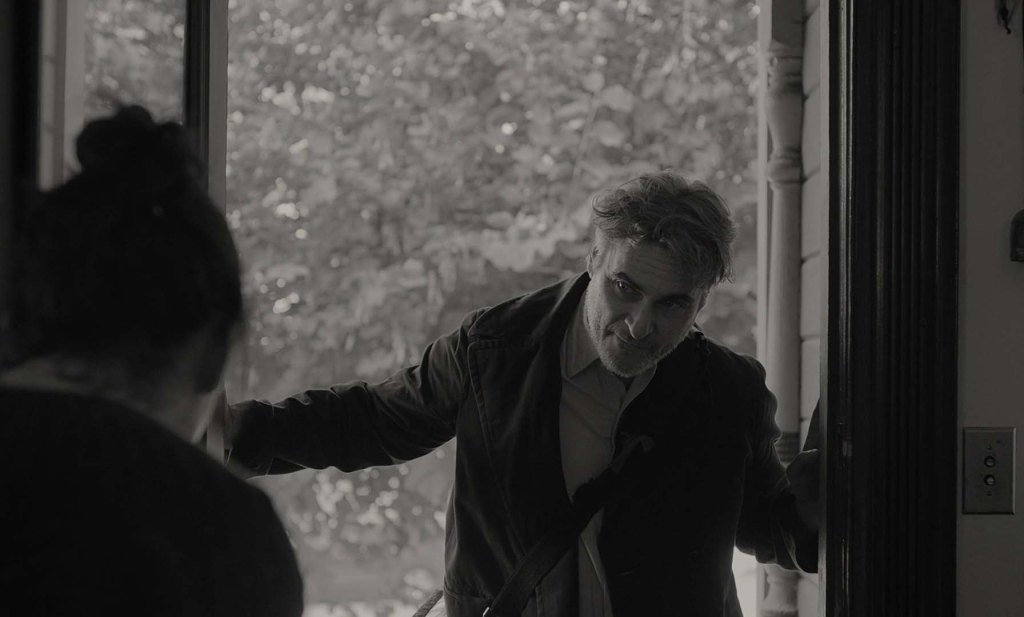
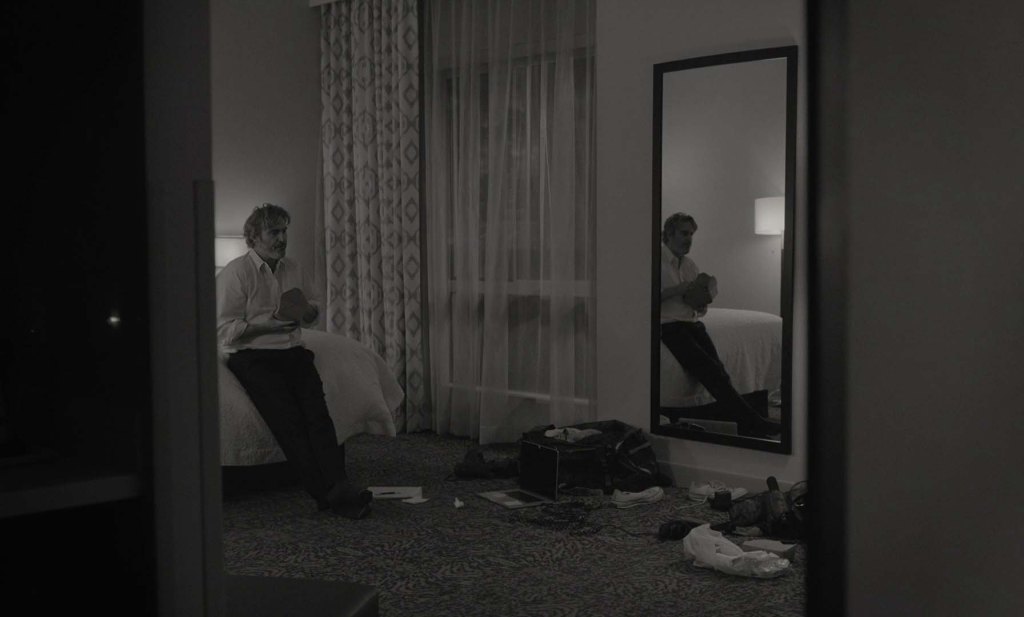
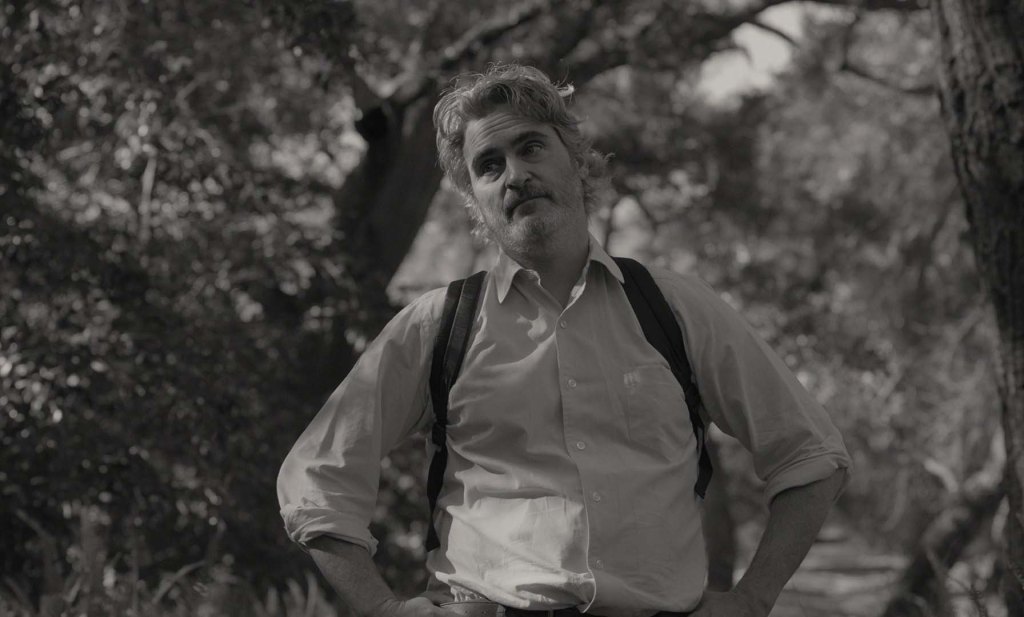
The story centers on Johnny, a soft-spoken radio journalist portrayed by Joaquin Phoenix. He travels across the United States, interviewing children about their thoughts on the future, their fears, and their visions of what the world will become. Johnny’s work is deeply humanistic; he aims to capture voices that are often unheard, using the intimacy of audio to reflect the inner lives of young people. Despite his outward sensitivity, Johnny’s personal life feels somewhat unmoored; he is single, lonely, and emotionally adrift following the death of his mother and a long estrangement from his sister.
Viv, Johnny’s sister, played by Gaby Hoffmann, lives in Los Angeles with her precocious 9-year-old son, Jesse, portrayed by Woody Norman. Viv’s husband, Paul (Scoot McNairy), struggles with mental illness, and when he experiences a relapse, she must travel to Oakland to assist him. She asks Johnny to take care of Jesse, expecting it to be just for a few days.
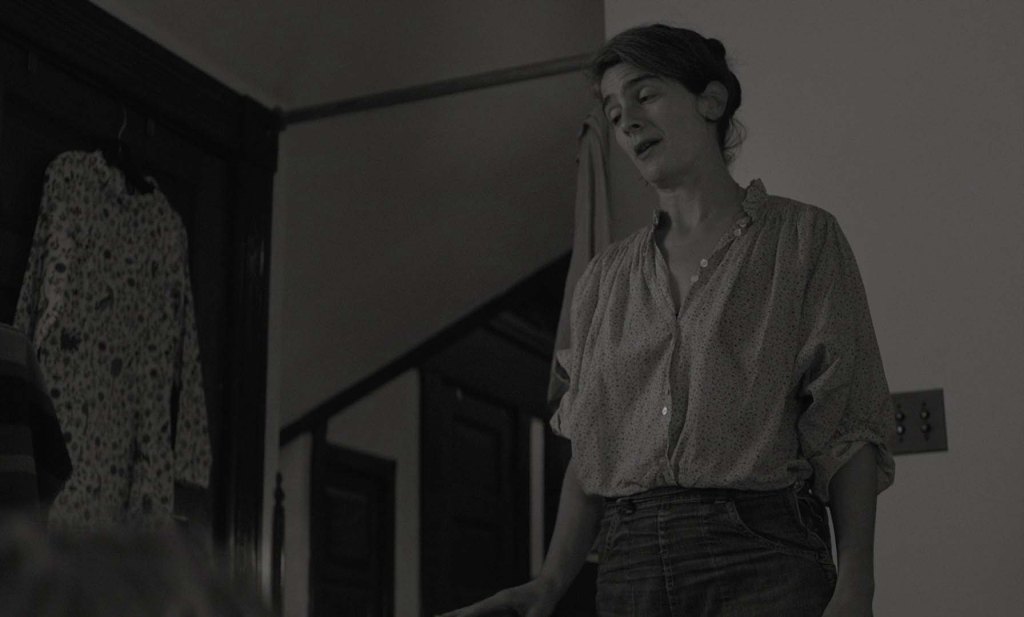

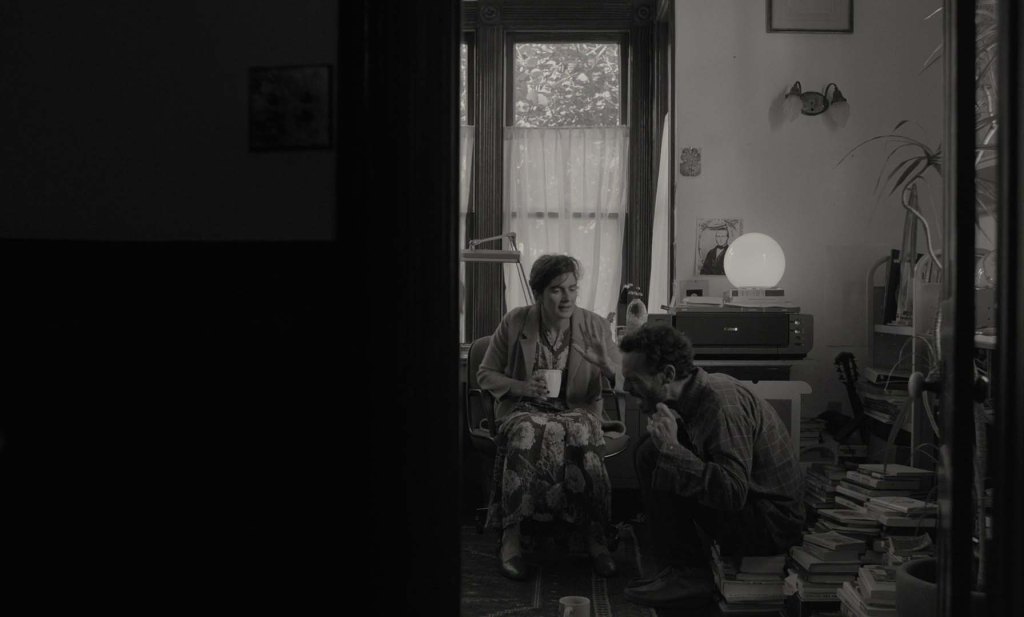

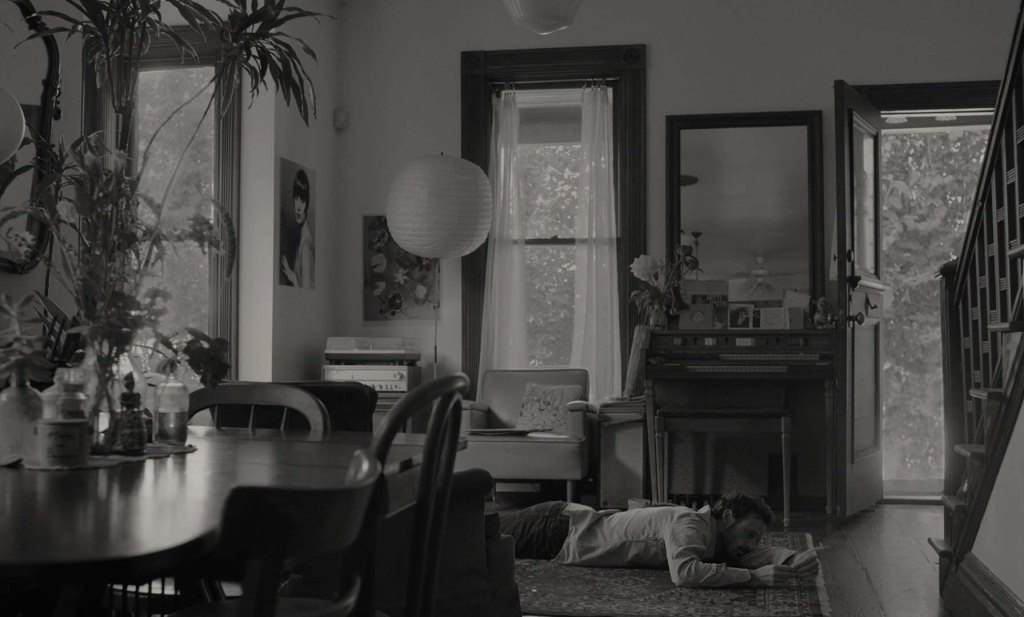


Reluctantly but lovingly, Johnny agrees—setting into motion a road trip and emotional journey that becomes the heart of the film.
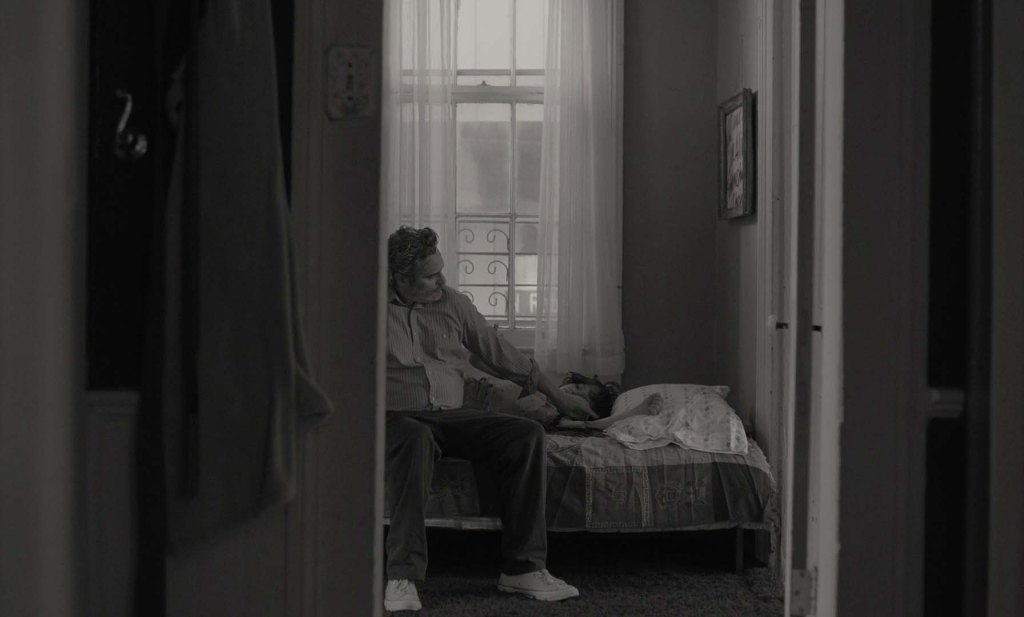
At first, the relationship between Johnny and Jesse is awkward and uncertain. Jesse is curious, whip-smart, and emotionally perceptive, yet also deeply needy and volatile. He tests Johnny with probing questions and mischievous games, pushing boundaries that feel both funny and heartbreaking. Johnny, patient but inexperienced with children, fumbles through caregiving, tender but occasionally frustrated.

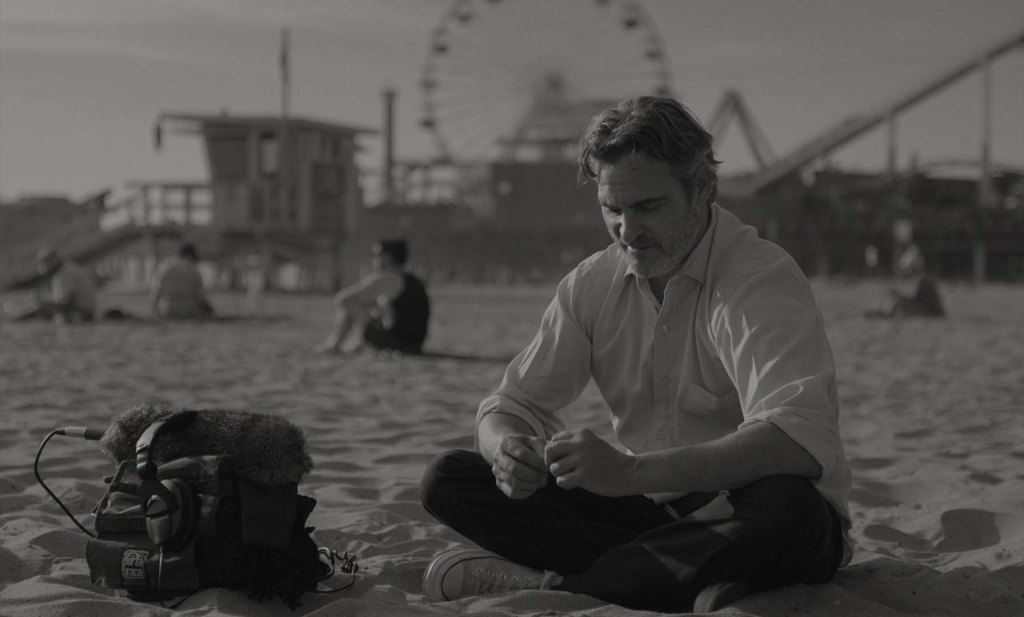




Johnny’s relationship with Jesse starts to change when he invites him to join his work trips to New Orleans, Detroit, and New York City. During these trips, Johnny interviews children about their lives and perspectives on the future. These real interviews with non-actors form the poetic backbone of the film, blending documentary realism with fictional elements. Throughout these experiences, both Johnny and Jesse learn to listen to each other and to the world around them.
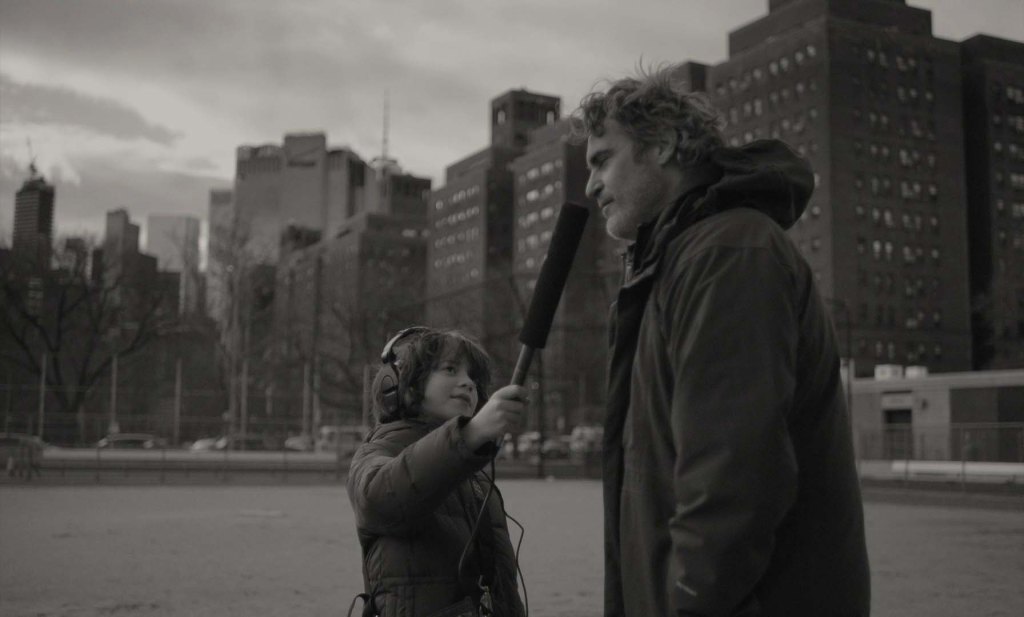

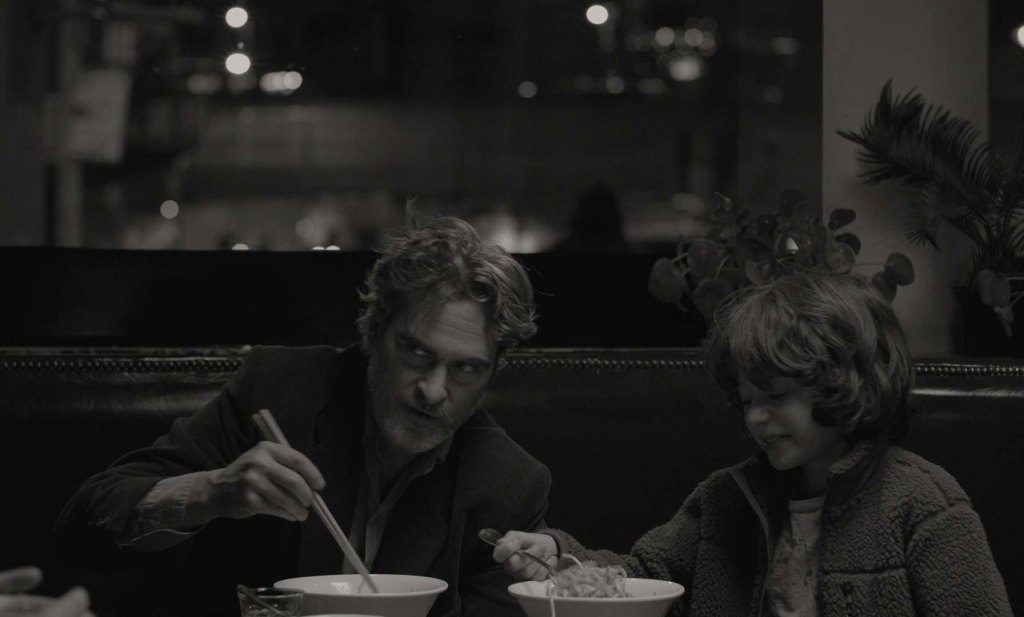
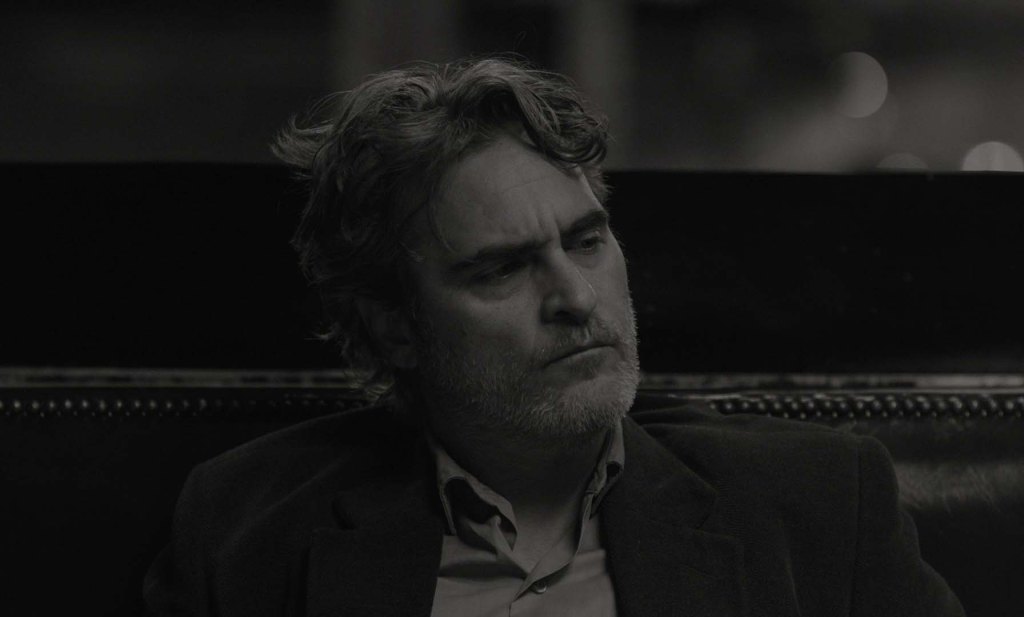
As they travel, Johnny uses his field microphone to record Jesse’s thoughts, asking questions similar to those he poses to the other children. The microphone symbolizes connection and preservation, capturing fleeting emotions, laughter, and wonder. Gradually, the two begin to mirror each other: Jesse’s openness encourages Johnny to break free from his introspection, while Johnny’s calm presence helps keep Jesse’s restless curiosity grounded.

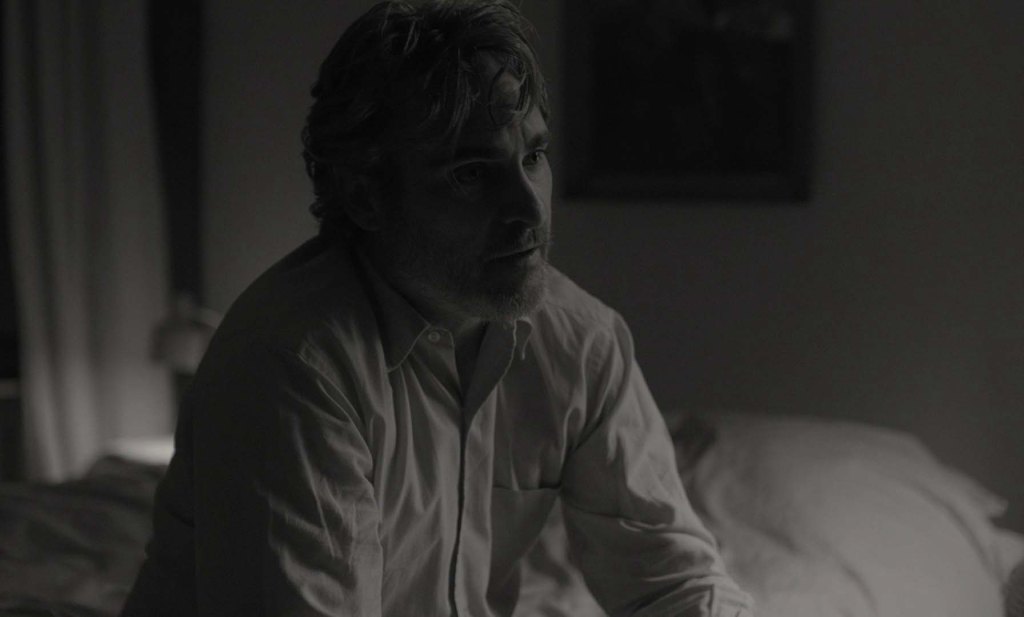
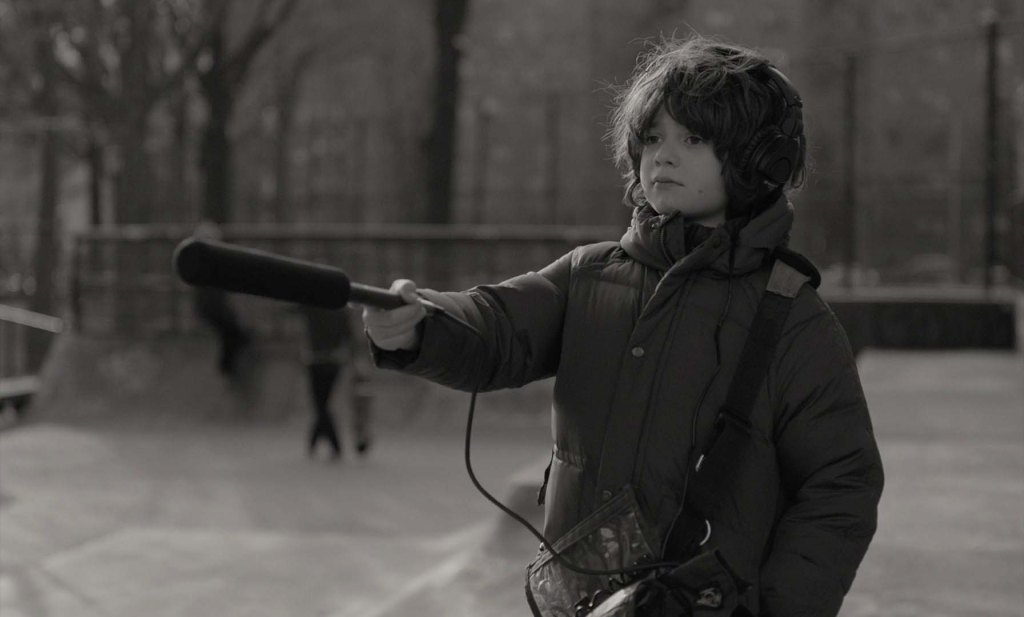
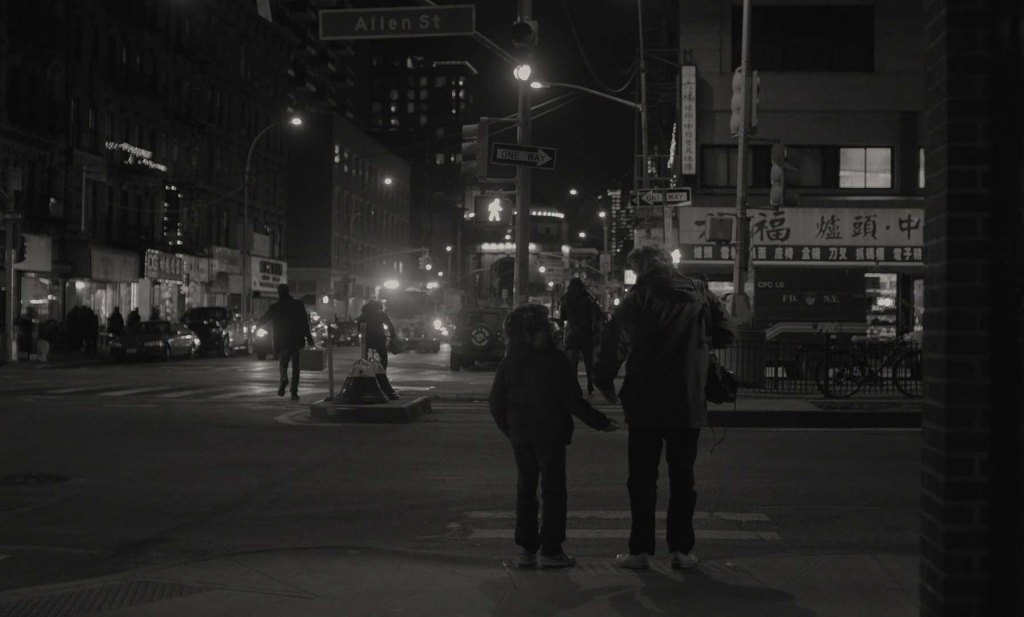
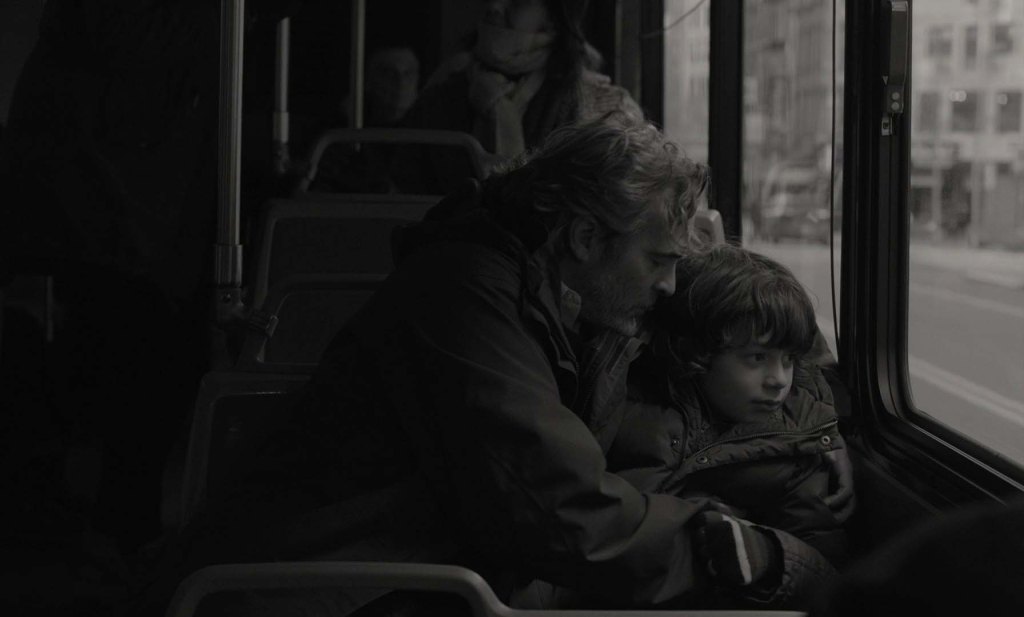
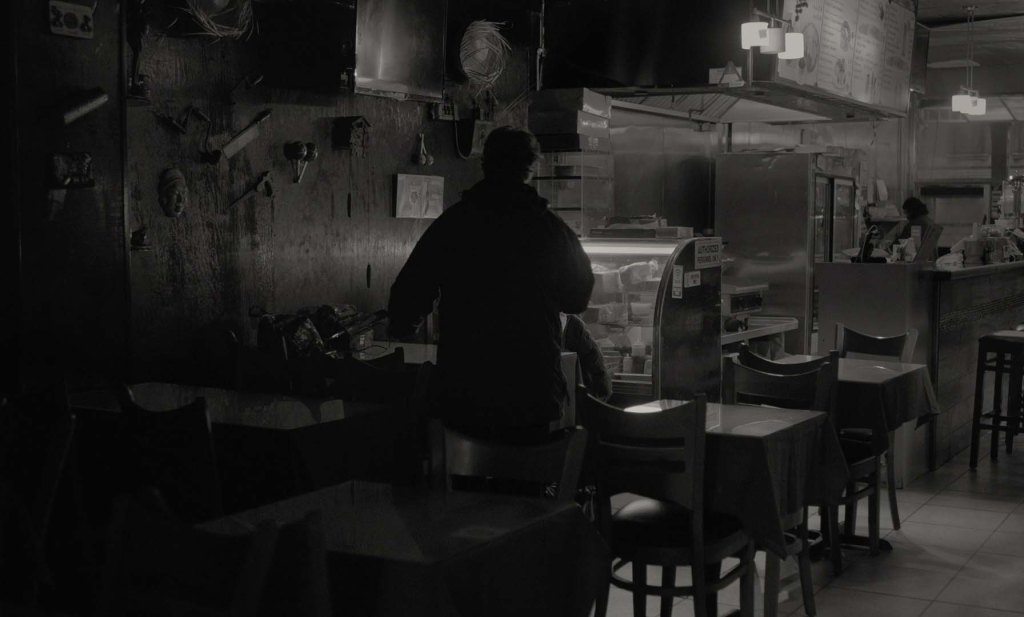
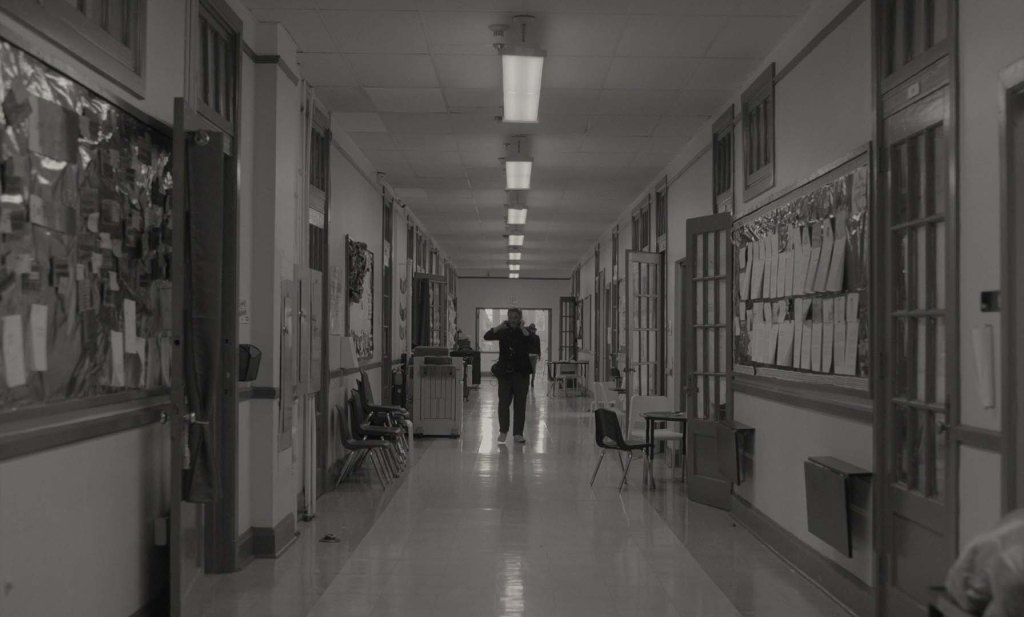
Throughout, Johnny and Viv maintain long, intimate phone conversations. Viv offers parenting advice and emotional insight, exposing the film’s central tension: how adults carry unresolved pain while trying to guide children toward hope. Mills intertwines their dialogue with visual montages of cities, homes, and faces—suggesting that the personal and collective are deeply entwined.
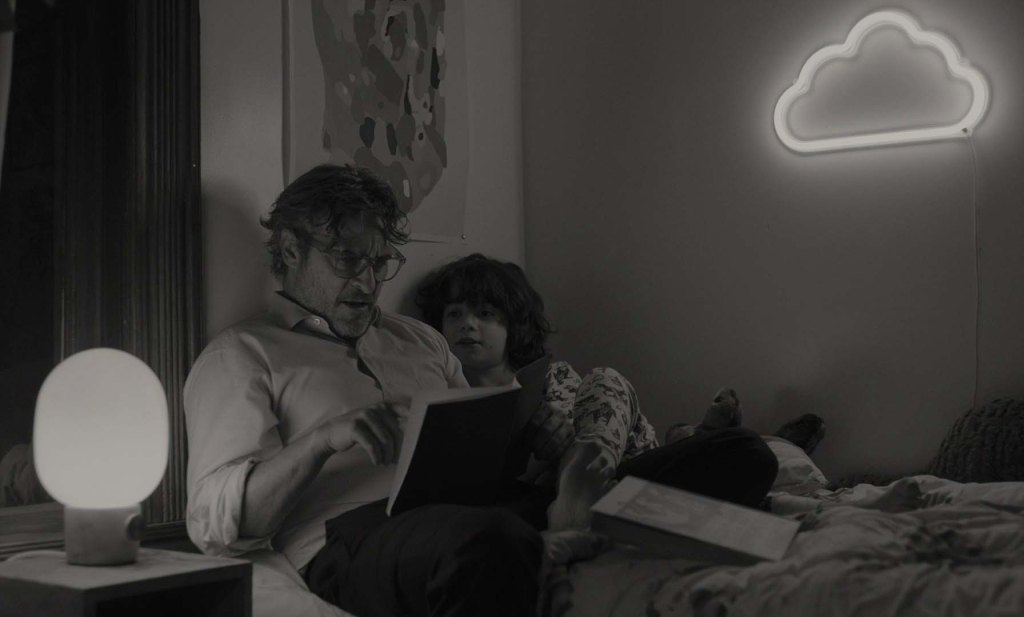

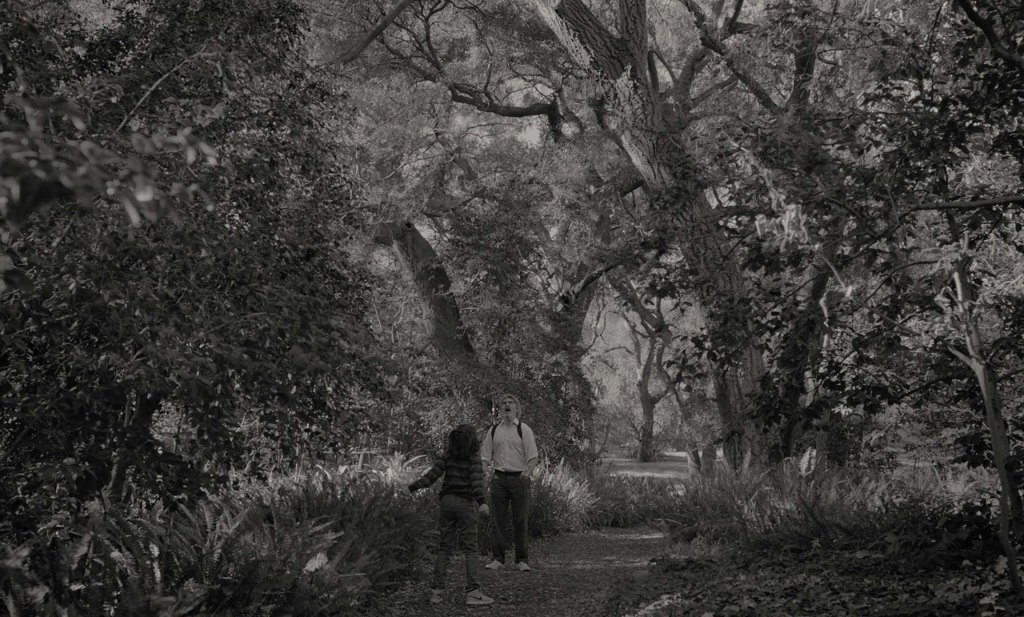
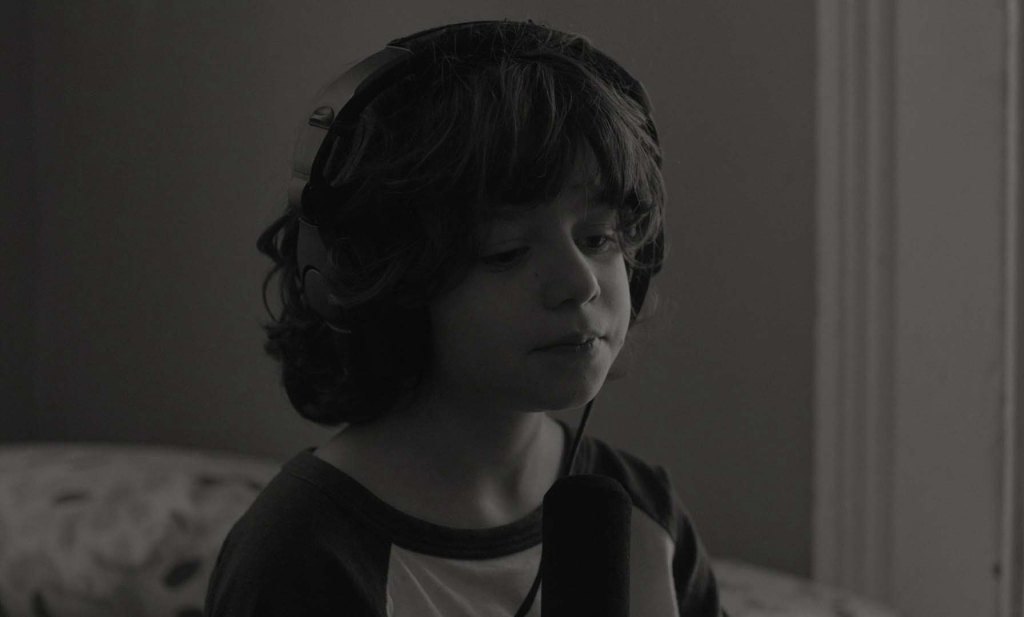
By the time Viv returns, the bond between Johnny and Jesse has grown profound. Their time together has softened Johnny, reconnected him to family, and given Jesse a sense of stability and understanding that transcends his chaotic home life. In the film’s final sequences, Johnny and Jesse say goodbye with mutual affection and sadness. The camera lingers on quiet, everyday gestures—packing a suitcase, walking down a street—imbuing them with emotional resonance.
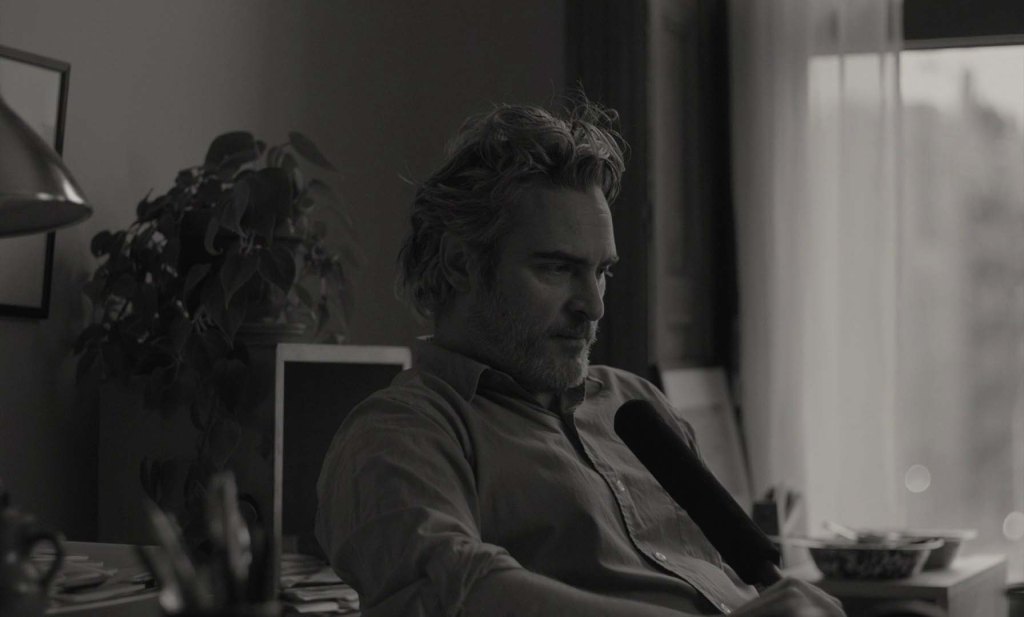
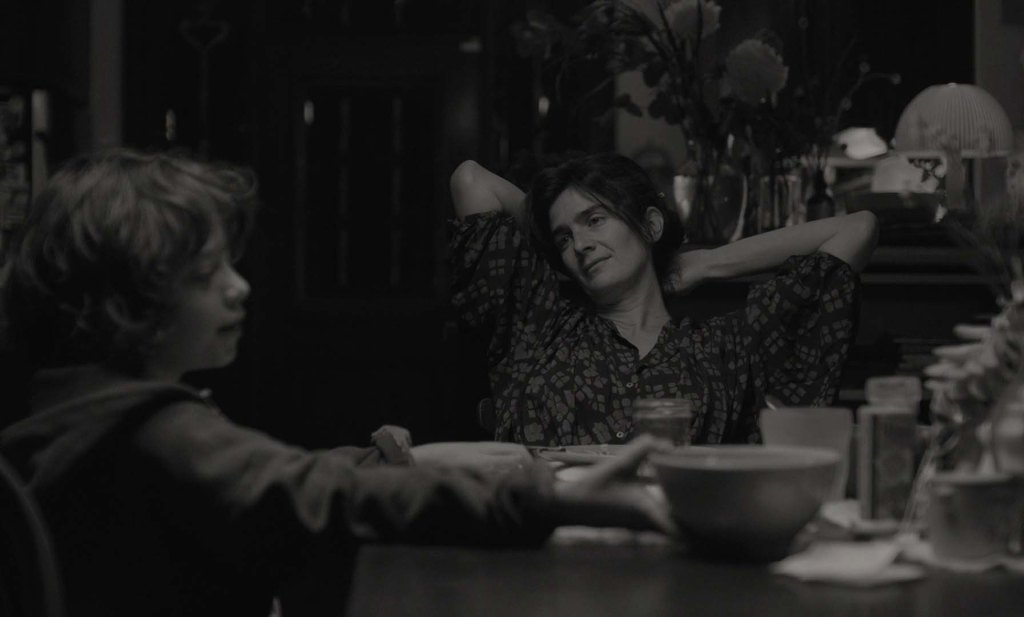
The film ends on a reflective note: Johnny narrates in voiceover, reading from a letter he’s written to Jesse, capturing the impermanence of life and the beauty of remembering.
 The Other Cinema