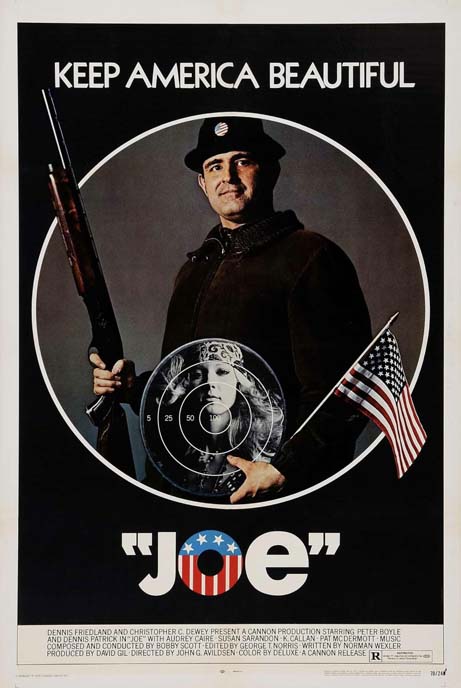
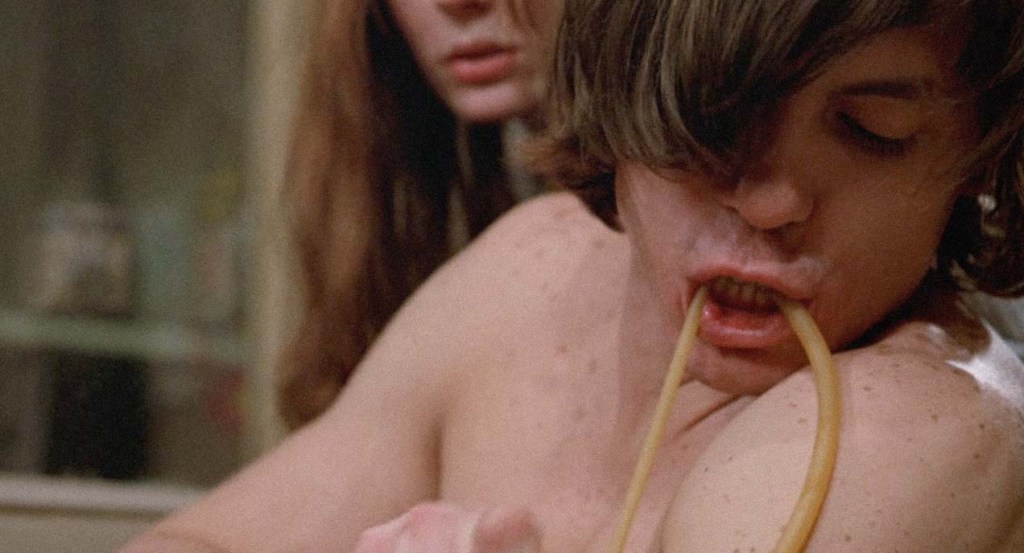
“Joe” is a dark, satirical drama from 1970, directed by John G. Avildsen, who would later go on to direct “Rocky.” The film, written by Norman Wexler, highlights the deep class tensions and cultural divisions in America during the height of the Vietnam War. It contrasts the affluent liberal elite with the resentful working-class conservatives.
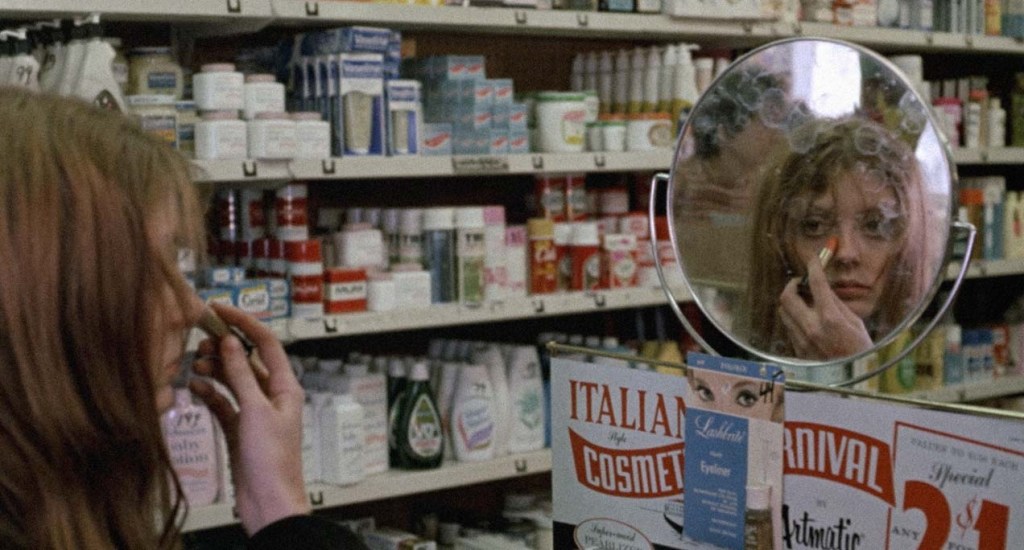
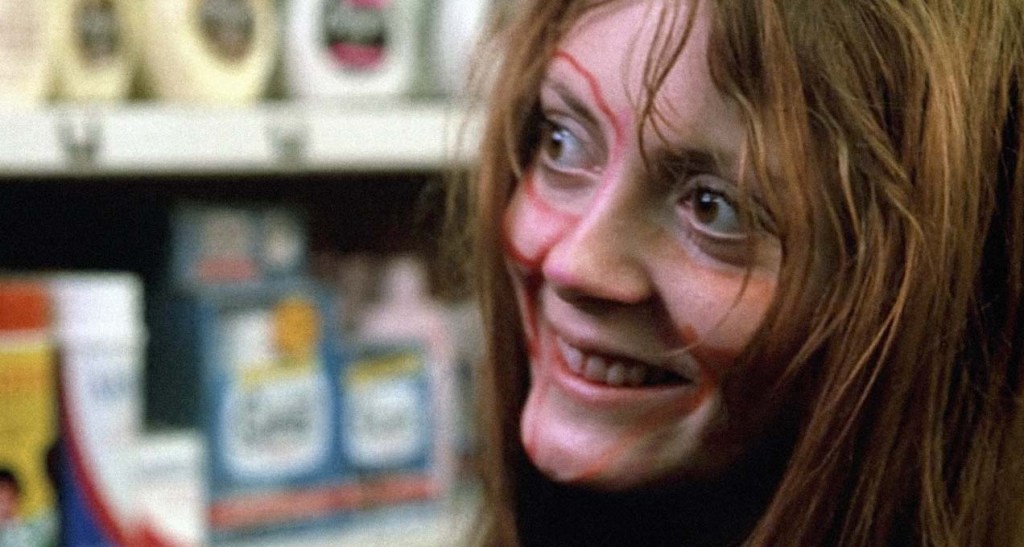
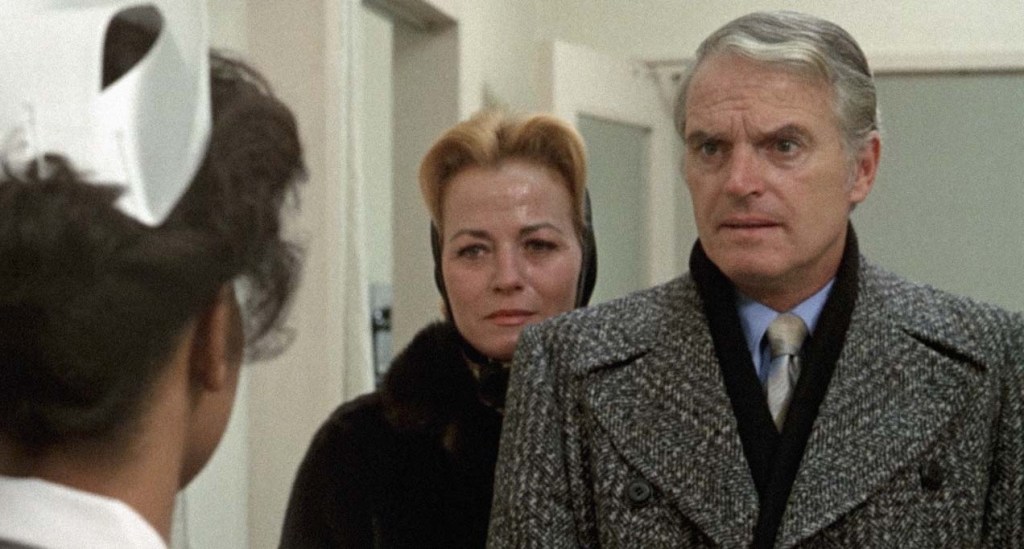
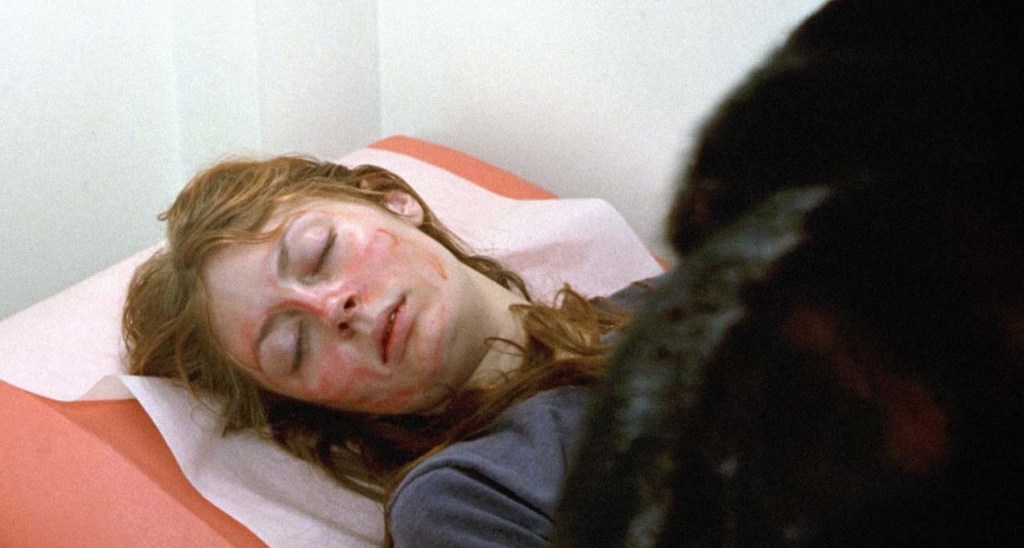
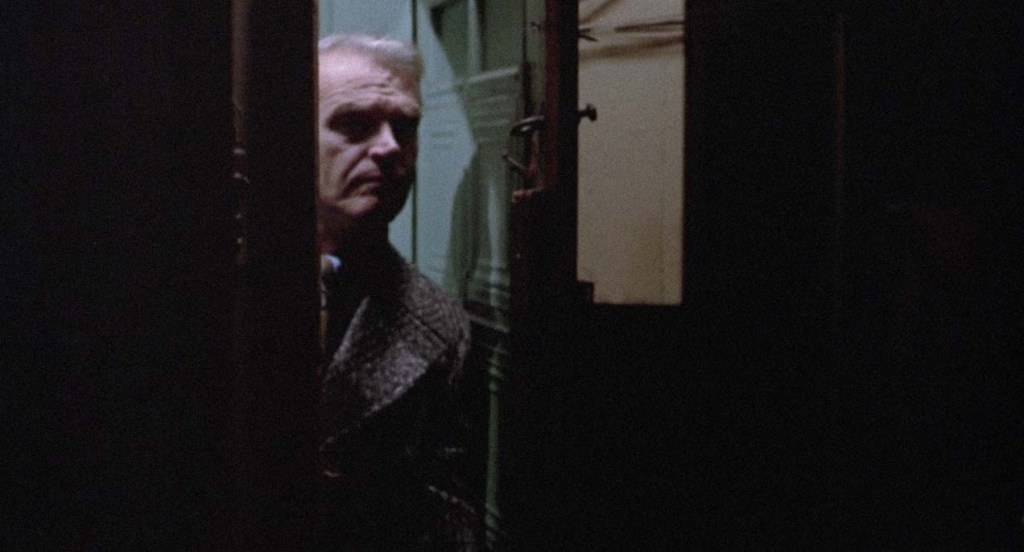
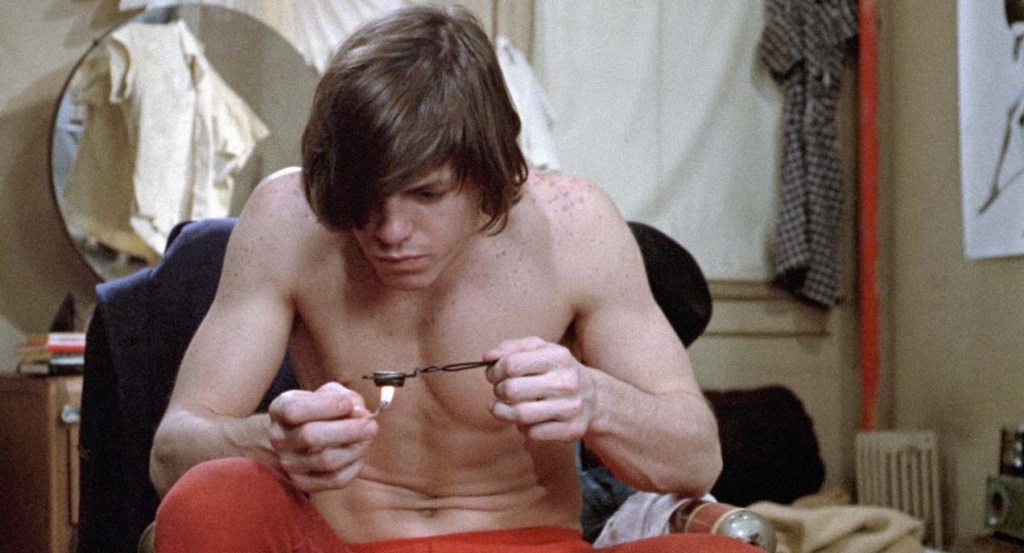
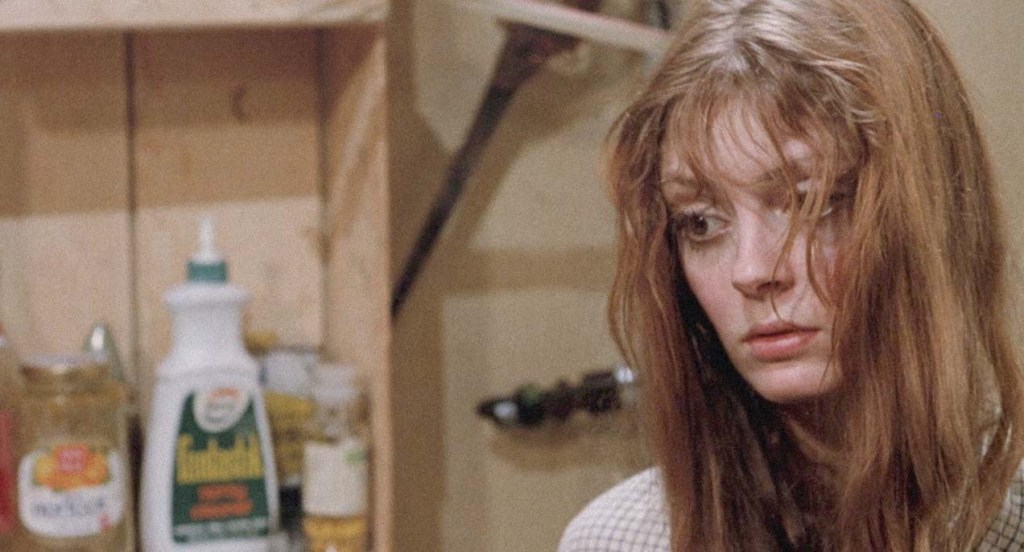
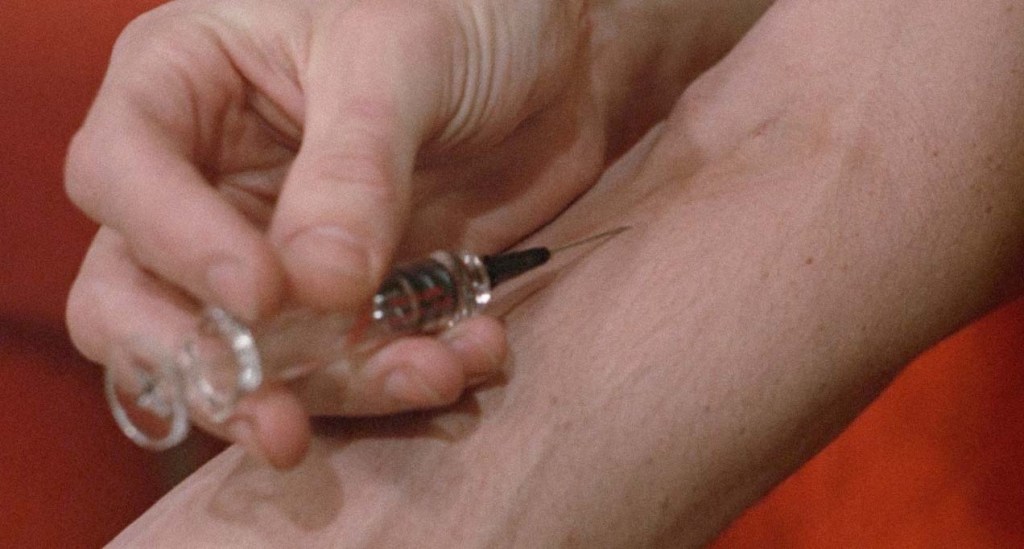
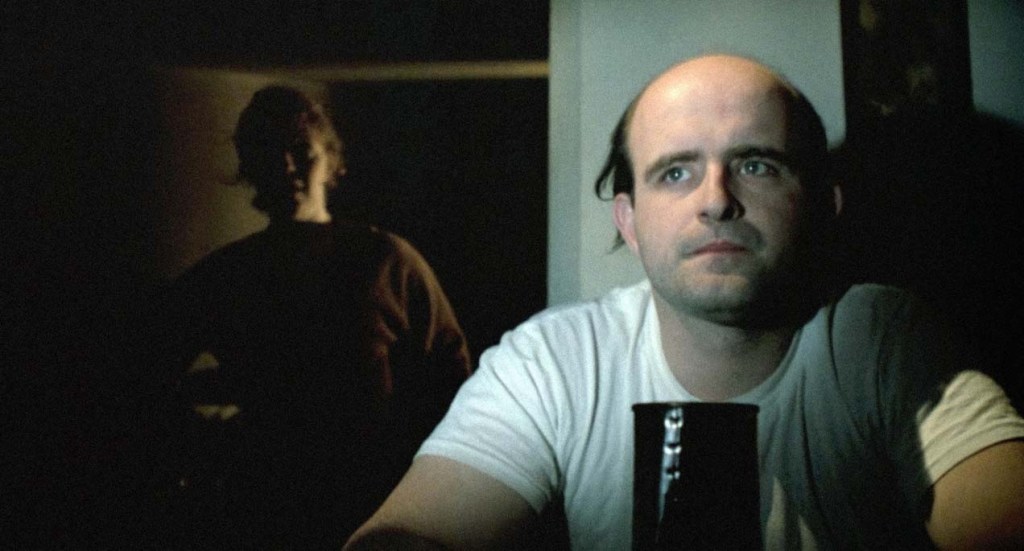
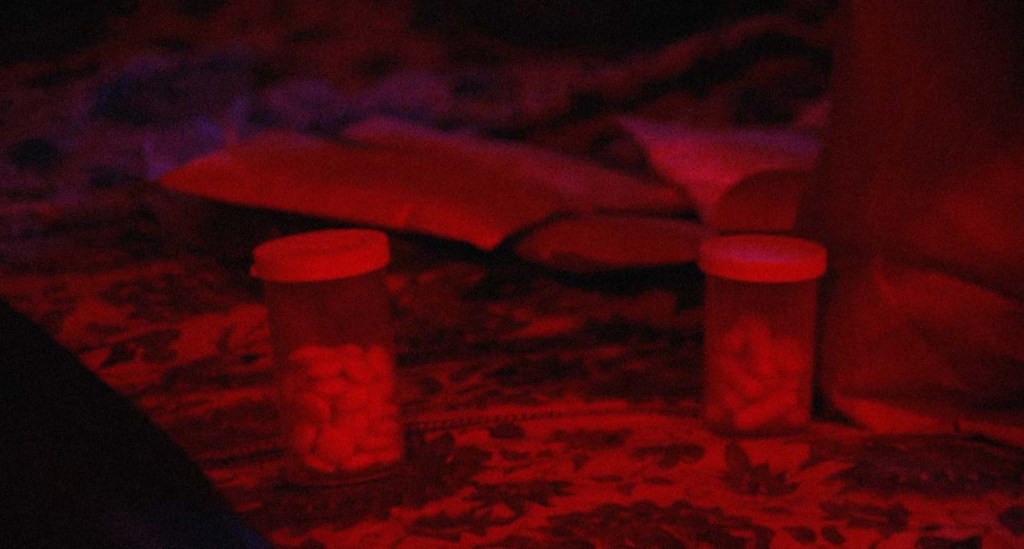
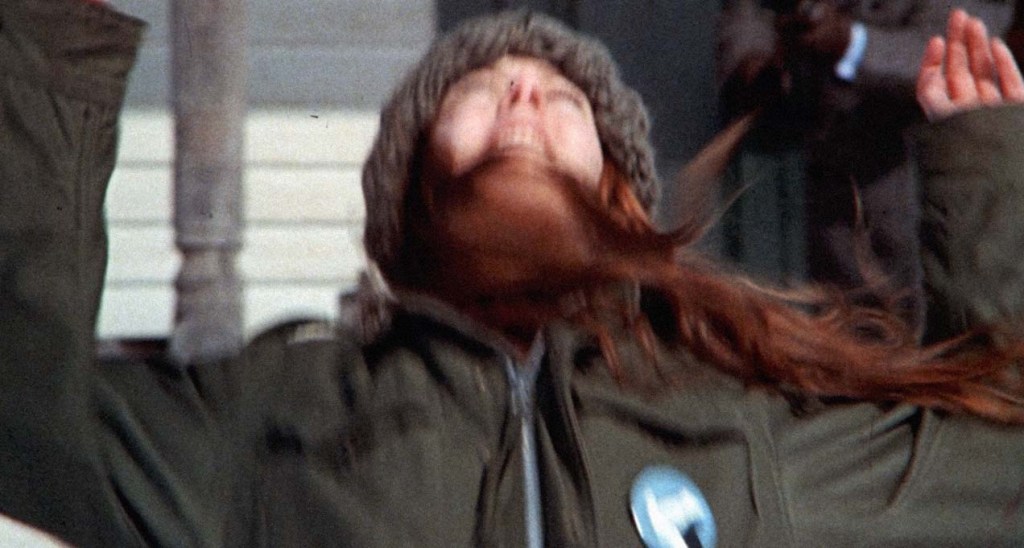
The film begins with Melissa (Susan Sarandon, in her film debut) and her boyfriend Frankie (Patrick McDermott), a junkie drug dealer, in their rundown New York City apartment. As Frankie injects himself with drugs and passes out, the next morning, he dismisses Melissa while she pleads with him to stay. He then leaves to sell drugs, prompting Melissa to find some pills and take them herself. Subsequently, Melissa has an episode in a drug store and is hospitalized as a result. After receiving a call informing them that their daughter Melissa is in the hospital, her parents, Bill Compton and his wife Joan, rush to her side. Bill Compton, portrayed by Dennis Patrick, is a successful advertising executive living in an upscale Manhattan apartment with Joan, played by Audrey Caire. Beneath the polished surface of their lives, however, there is a growing unease: their 17-year-old daughter has fallen into the counterculture scene, lost in a haze of drugs, free love, and rebellion. This situation creates tension not only between Melissa and her parents but also in Bill and Joan’s marriage.
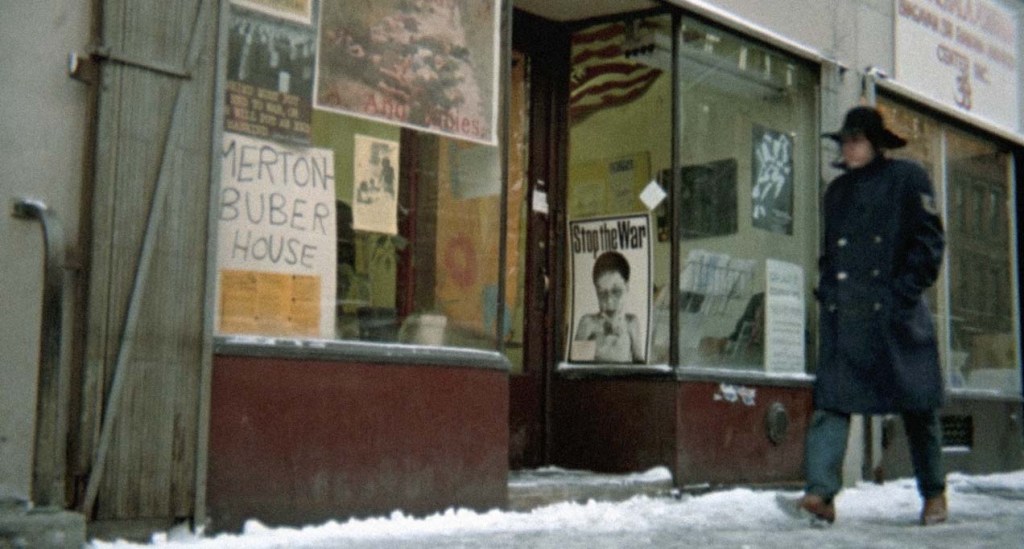
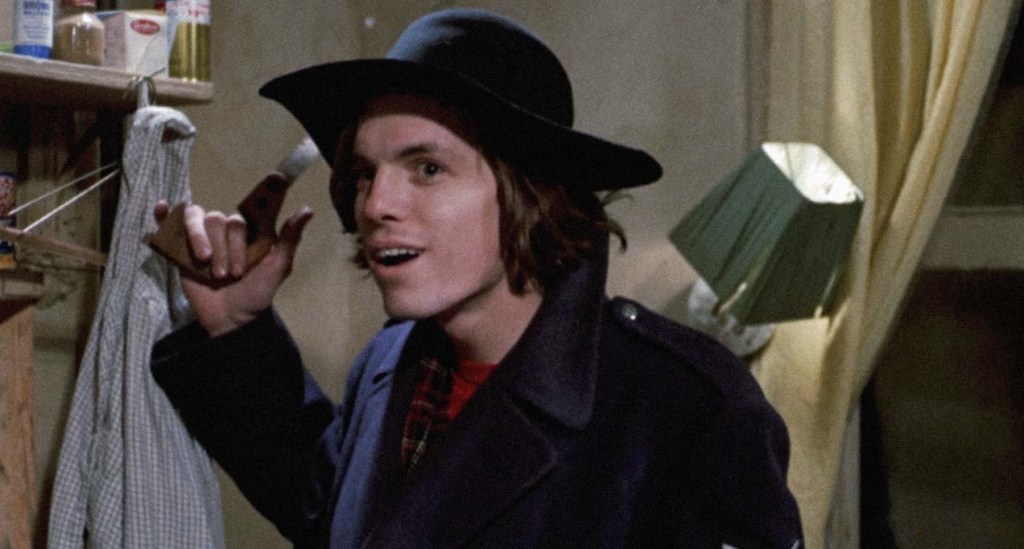
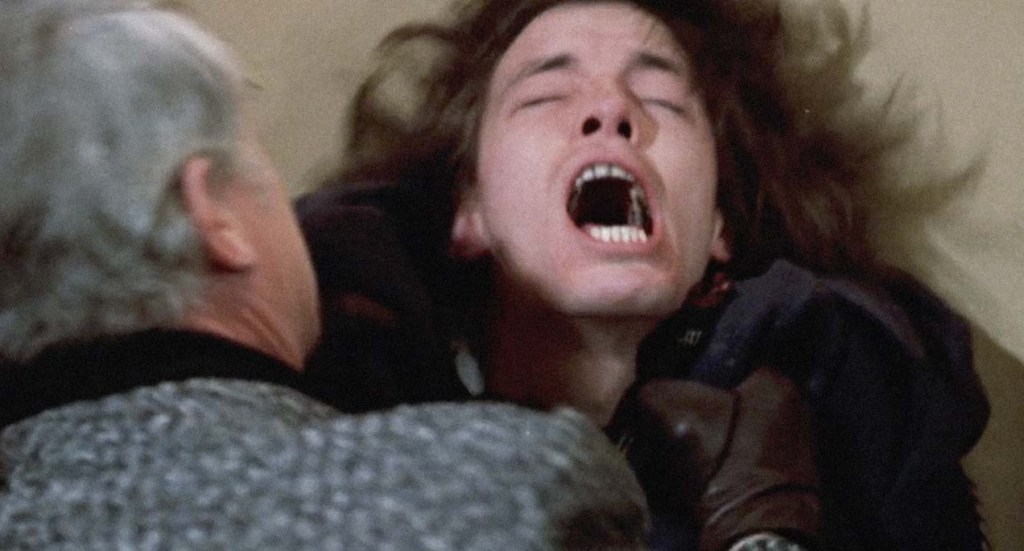
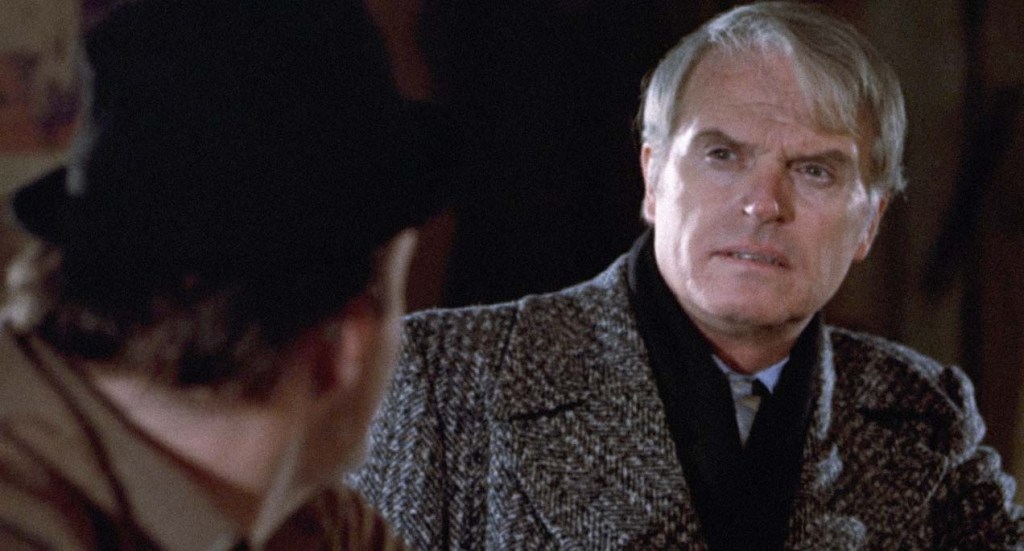
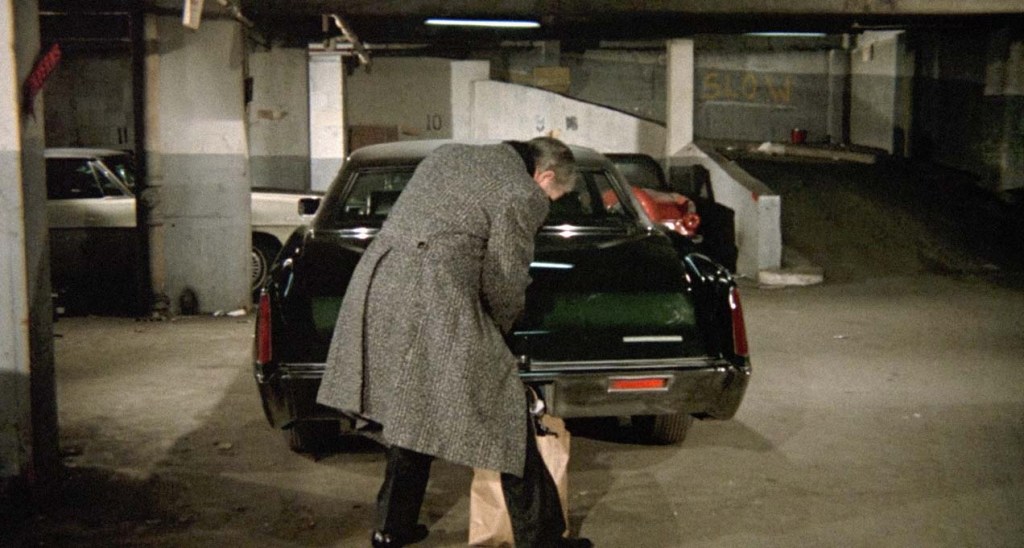
After they visit the hospital, Bill and Joan decide to confront Frankie, a friend of Melissa’s, by going to the apartment to collect Melissa’s belongings. Following a heated exchange in the hallway, Joan abruptly leaves, leaving Bill alone. In a moment of anger and humiliation, Bill breaks into the apartment. As he is inside, Frankie unexpectedly arrives home. In a fit of rage, Bill violently strikes Frankie, accidentally killing him. Shocked by his actions, Bill hastily hides the body, cleans up the scene, and returns home shaken but determined to keep his crime a secret.
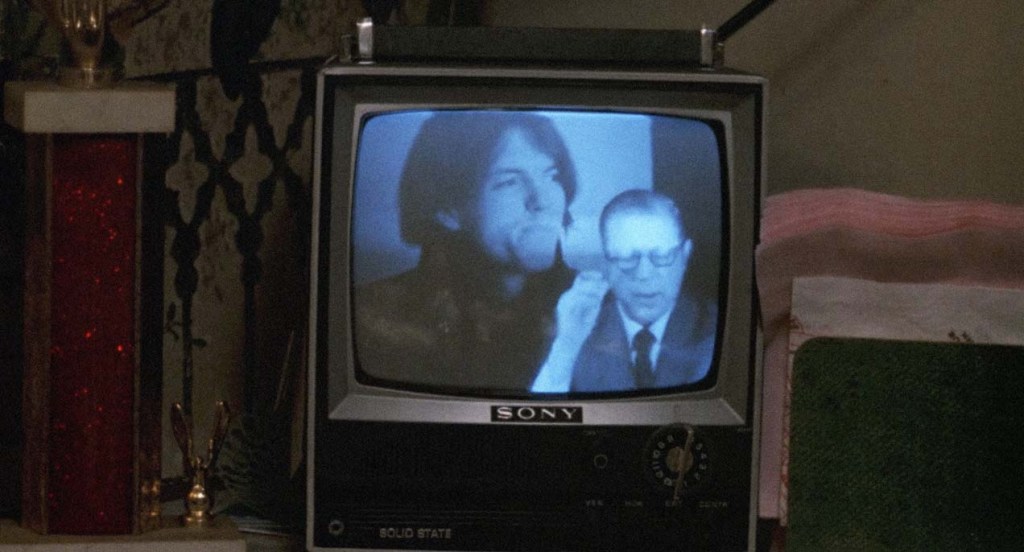
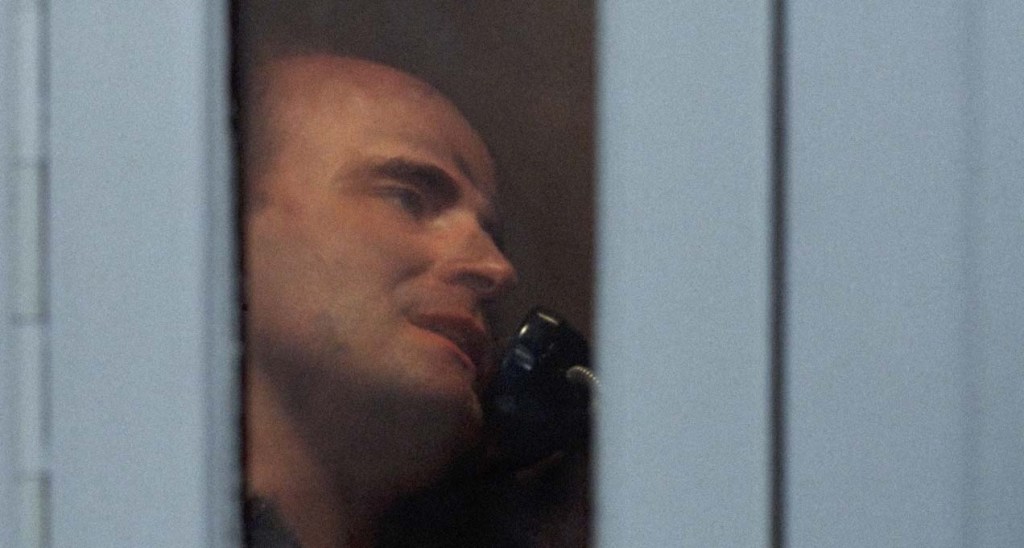
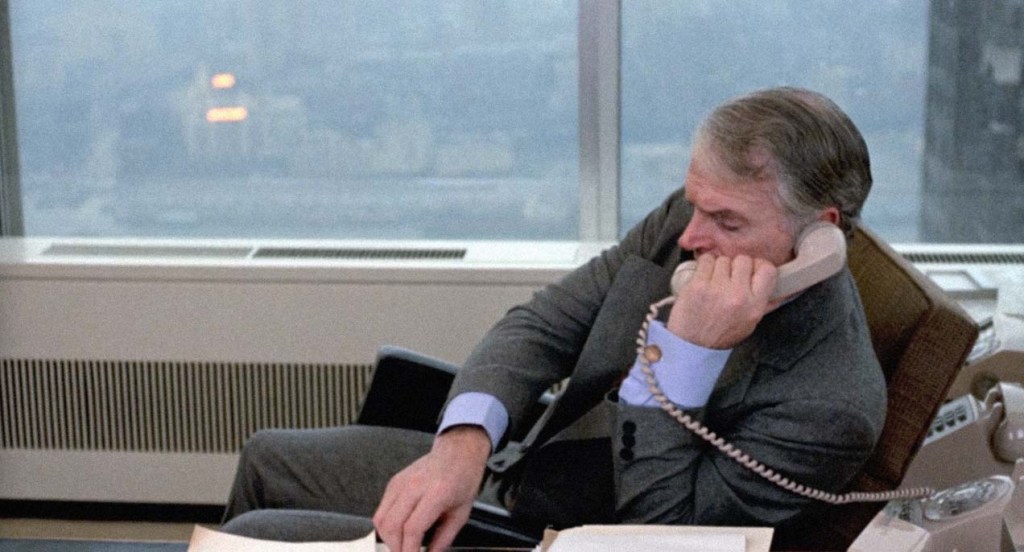
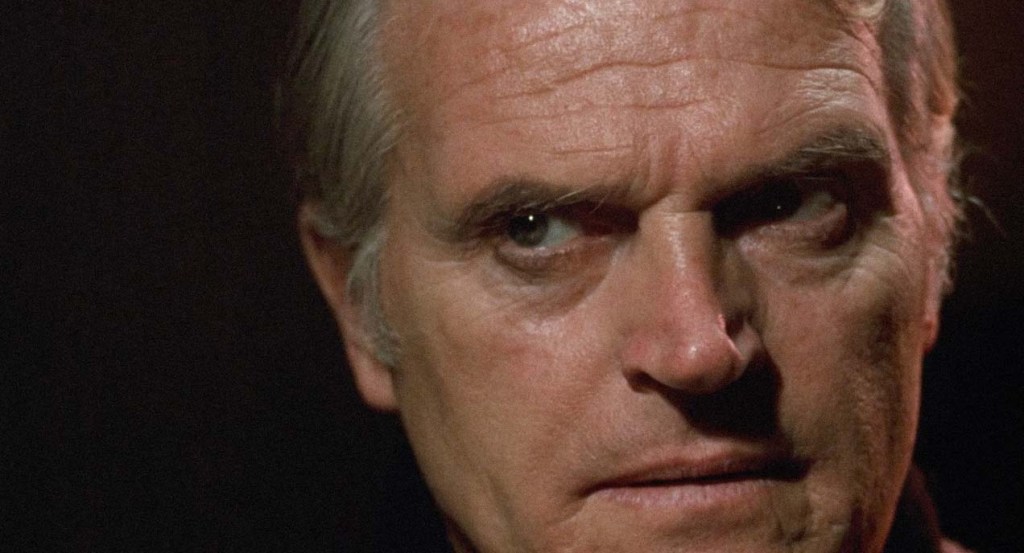
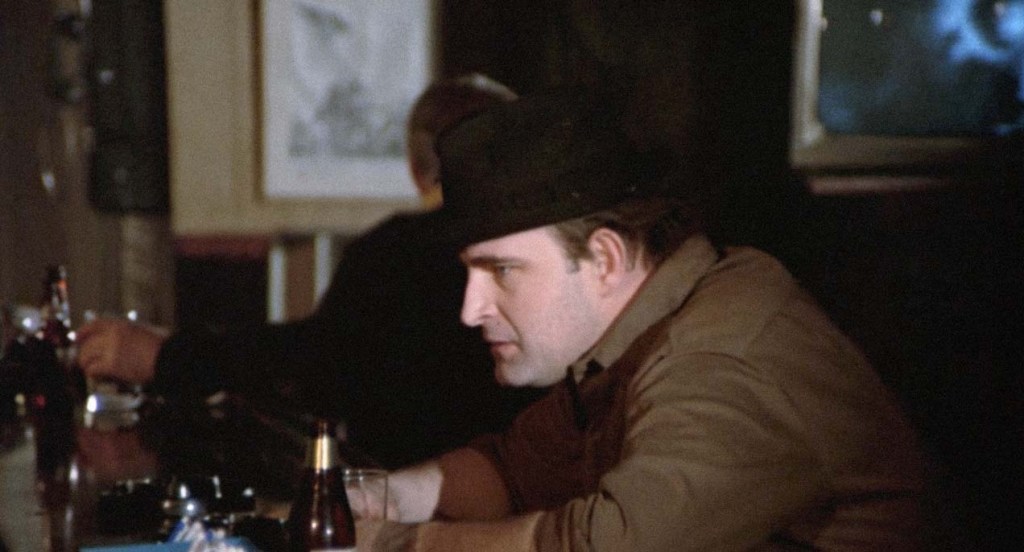
Later that night, still feeling upset, Bill wanders into a working-class bar located in a rough part of town. There, he meets Joe Curran (played by Peter Boyle), a loud, crude, and opinionated factory worker. Joe spends his nights venting his frustrations about “hippies,” “junkies,” and the liberal establishment. His rants are filled with venomous rage towards youth culture and what he perceives as the decline of traditional American values.
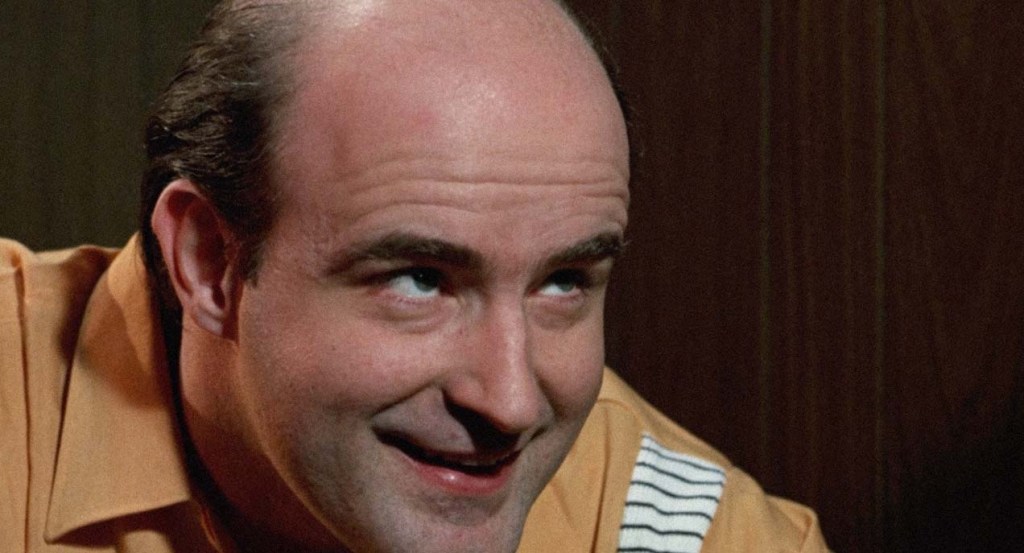
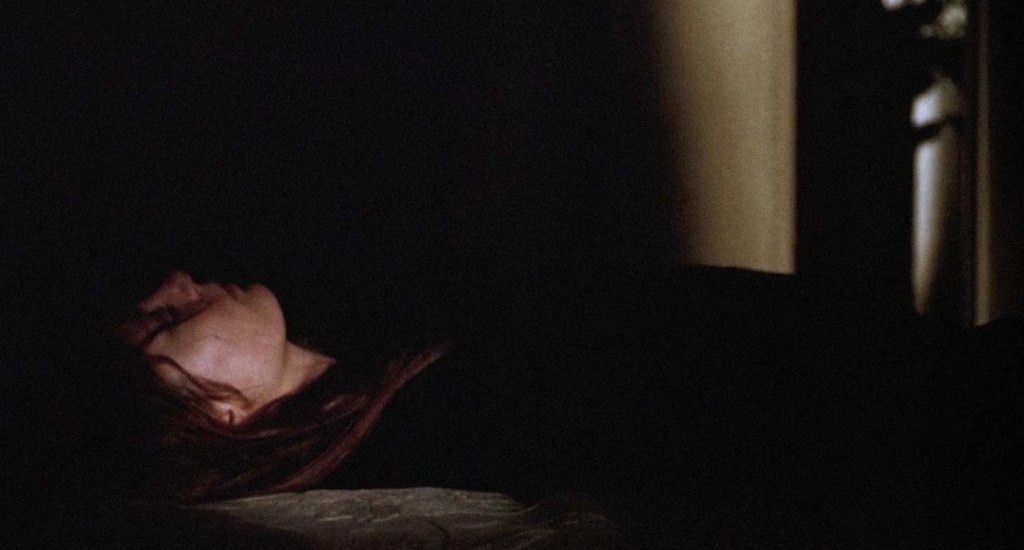

In a moment of misplaced candor, Bill drunkenly confides in Joe that he “killed a hippie.” Instead of being horrified, Joe is thrilled. Joe promises to keep the secret, and the two men form an unlikely, toxic bond: the wealthy executive and the blue-collar bigot united by their shared resentment and fear of social change.
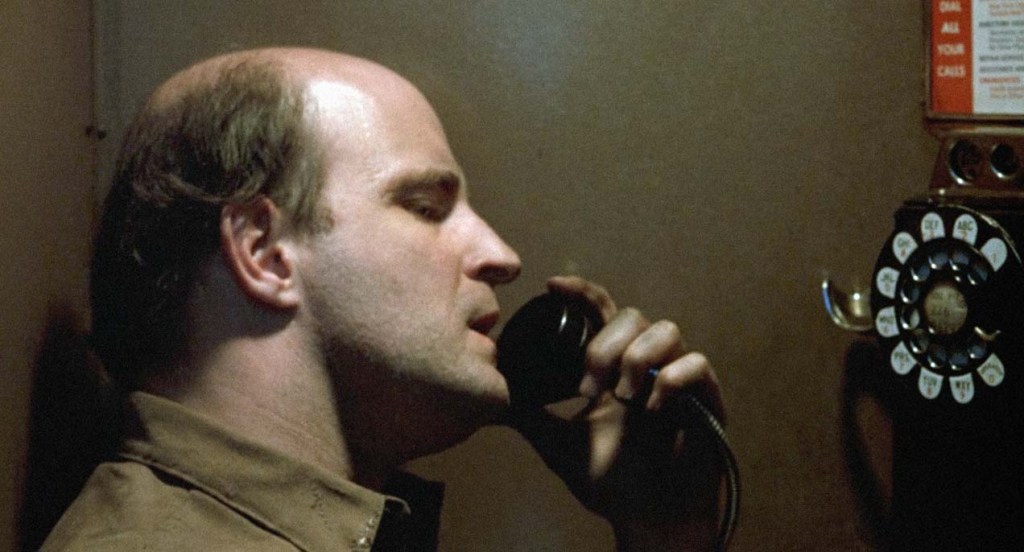
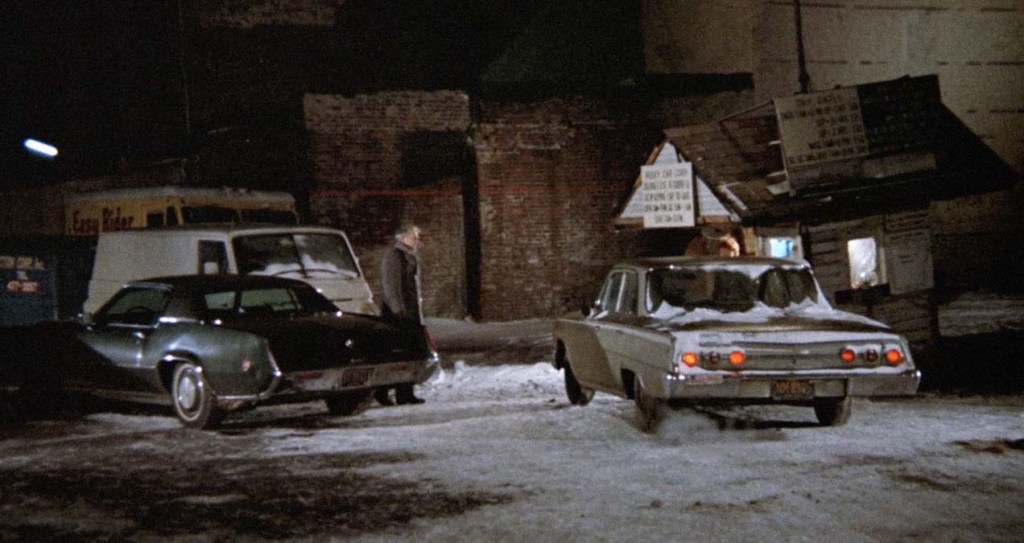
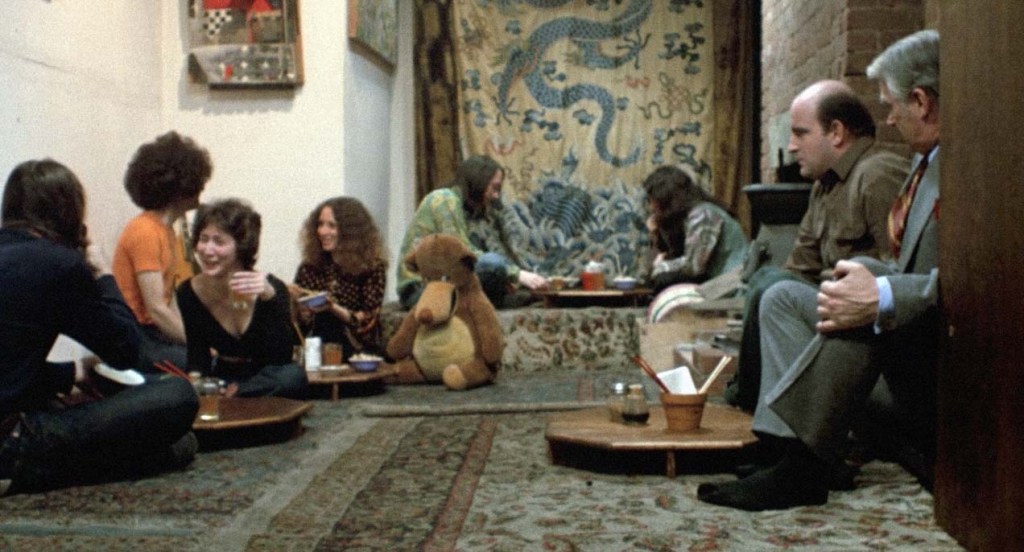
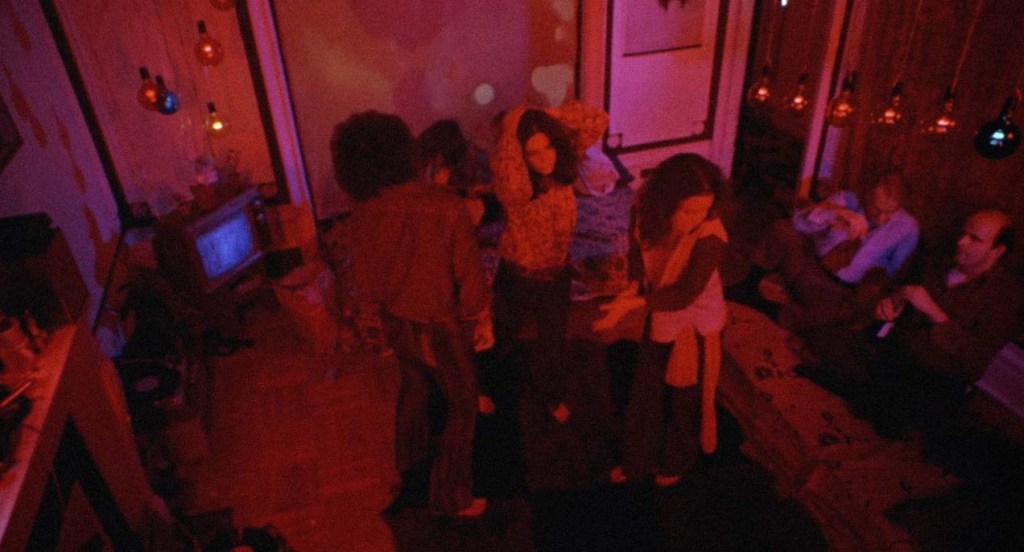
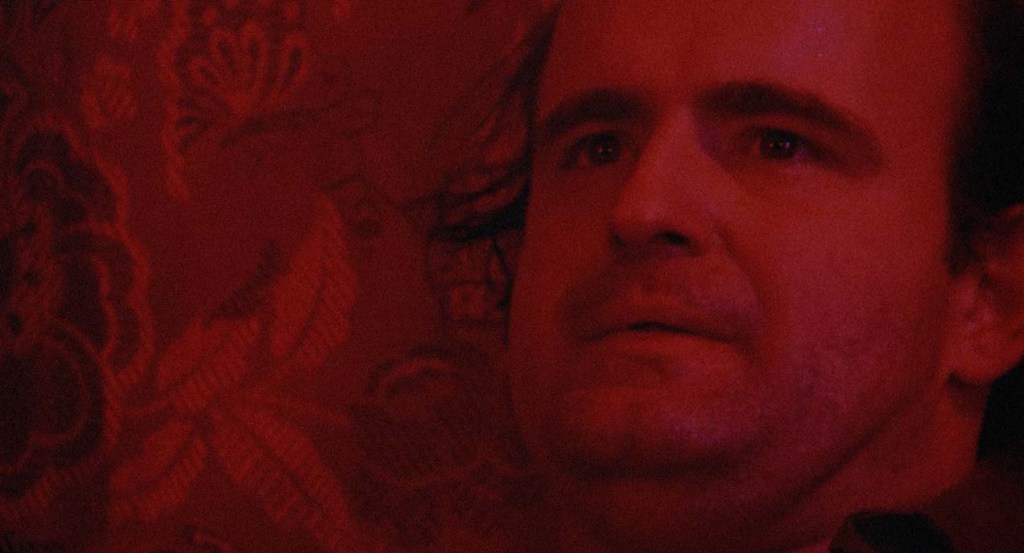

As their friendship deepens, Joe becomes increasingly involved in Bill’s life, captivated by the world of wealth and privilege that Bill inhabits. Meanwhile, Bill is drawn to Joe’s raw masculinity and unfiltered anger, which give voice to emotions he struggles to express within his own refined social circle. Together, they engage in a series of drunken adventures, sharing their mutual disdain for the younger generation’s perceived “degeneracy,” women’s liberation, and racial integration.
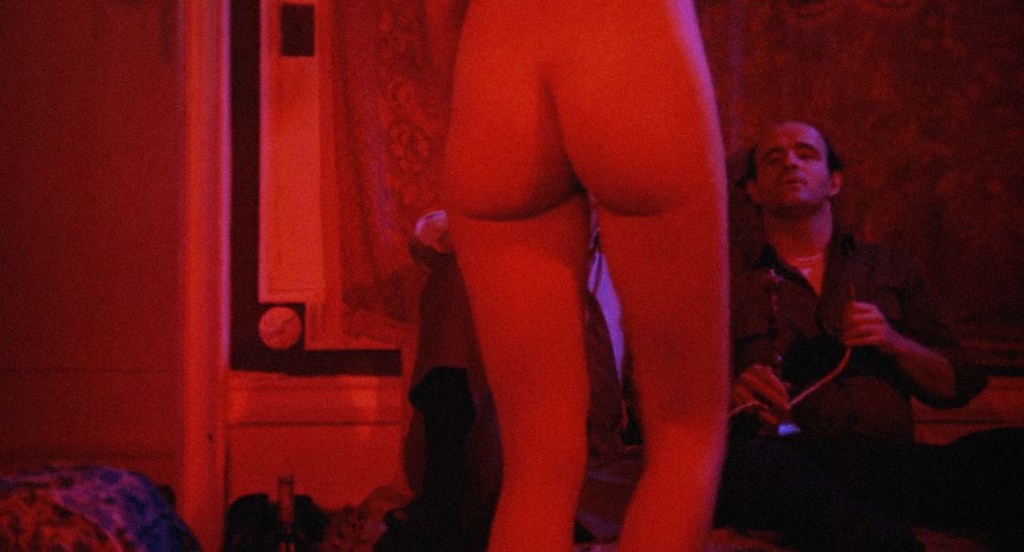
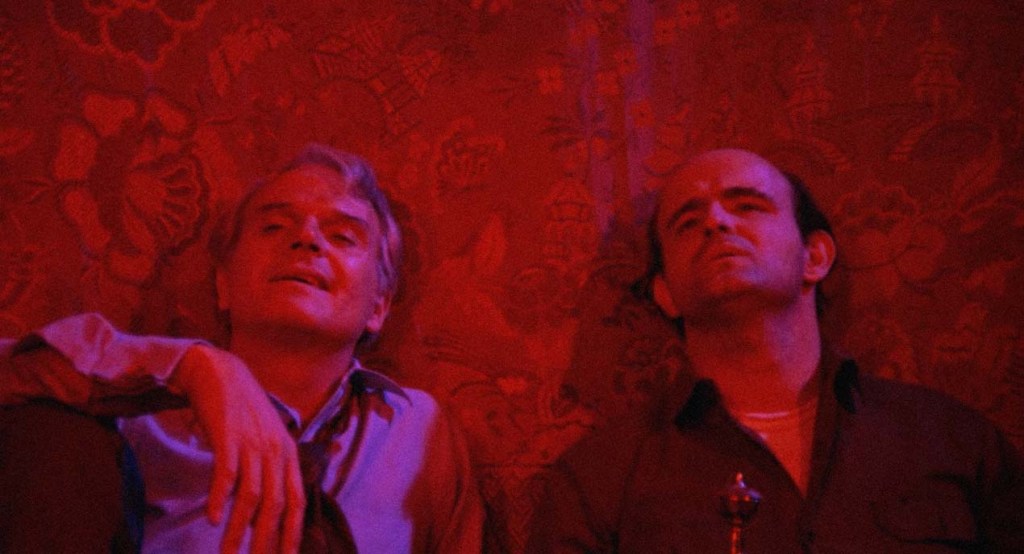

Eventually, Joe convinces Bill to join him in a twisted form of vigilante exploration. They roam through New York’s Lower East Side, looking for “hippies,” motivated partly by curiosity and partly by violent fantasies. What begins as a night of reckless adventure quickly descends into horror.
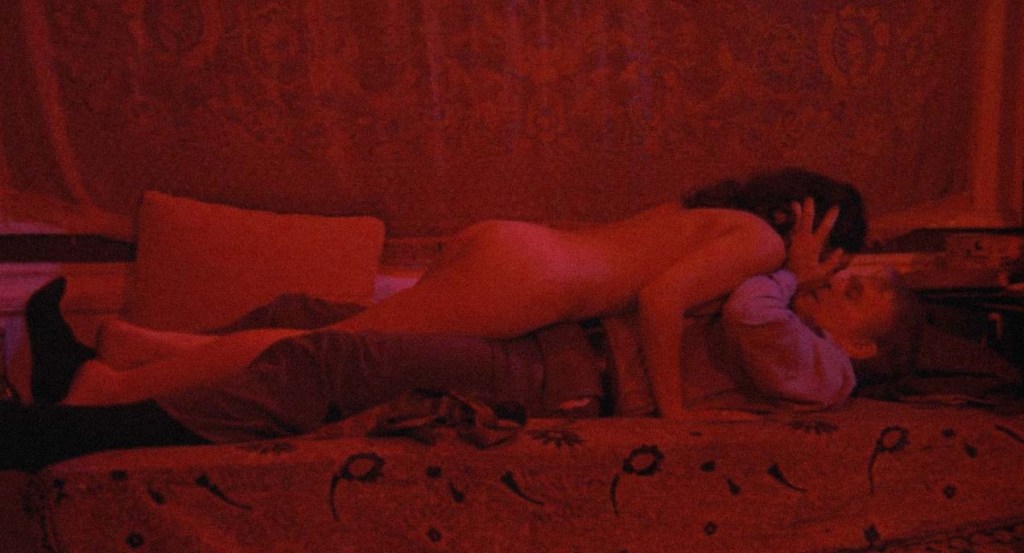
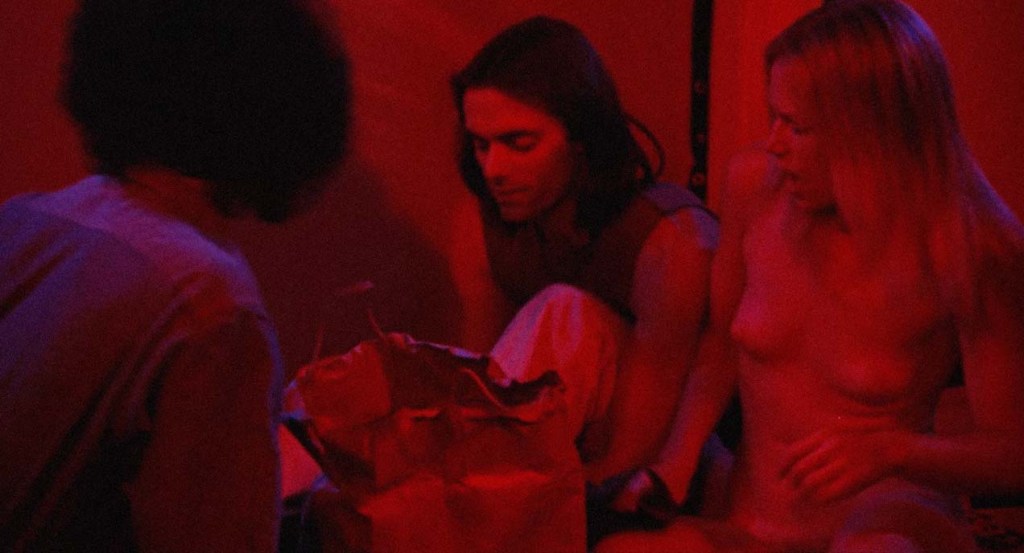
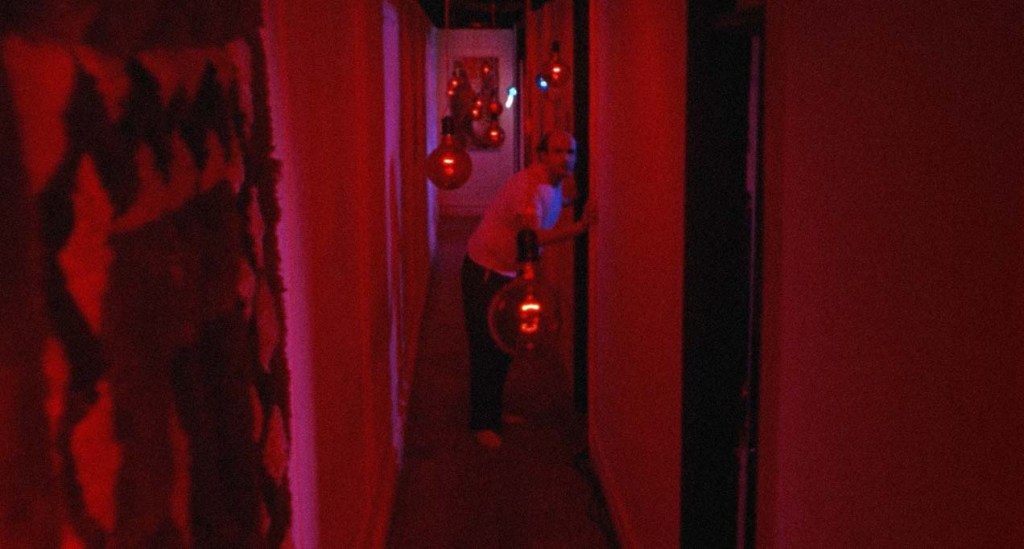
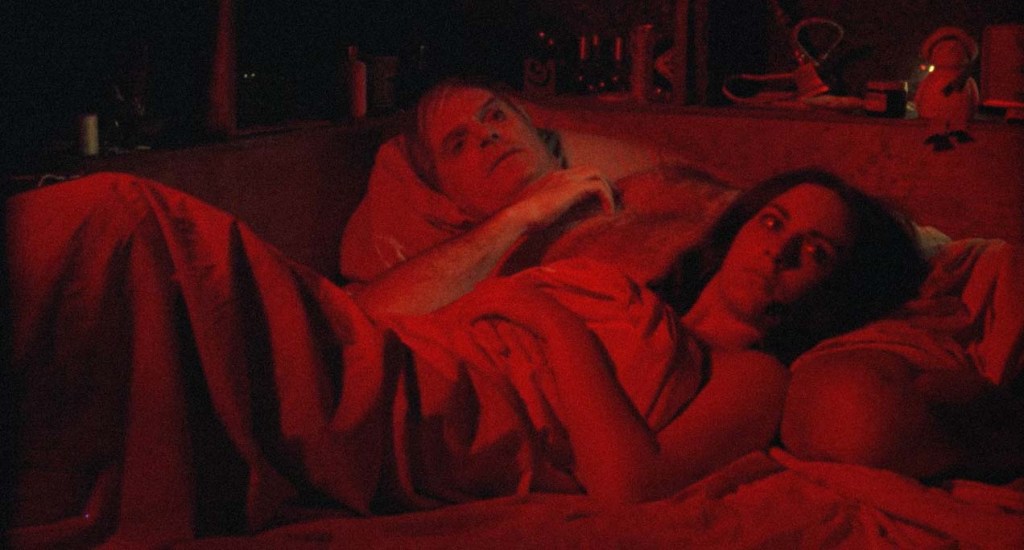
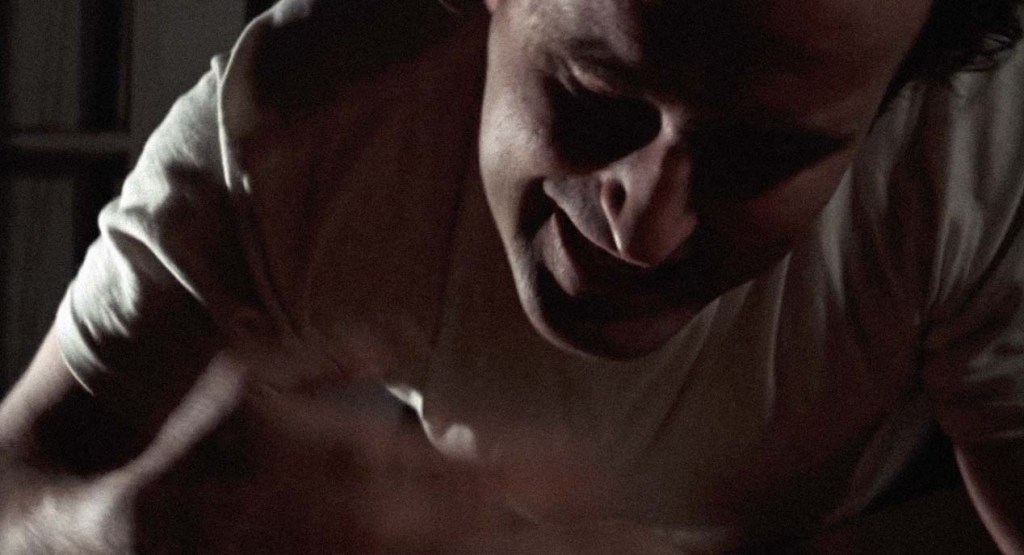
They end up at a rundown apartment where a group of hippies is hanging out. Joe and Bill become enamored with a couple of the hippie girls in a moment of shared affection. However, the atmosphere shifts dramatically when Joe suddenly flips and attacks the girl he was with after discovering that their wallets have been stolen. He demands to know where the rest of the group is and learns that they have a commune in the country.
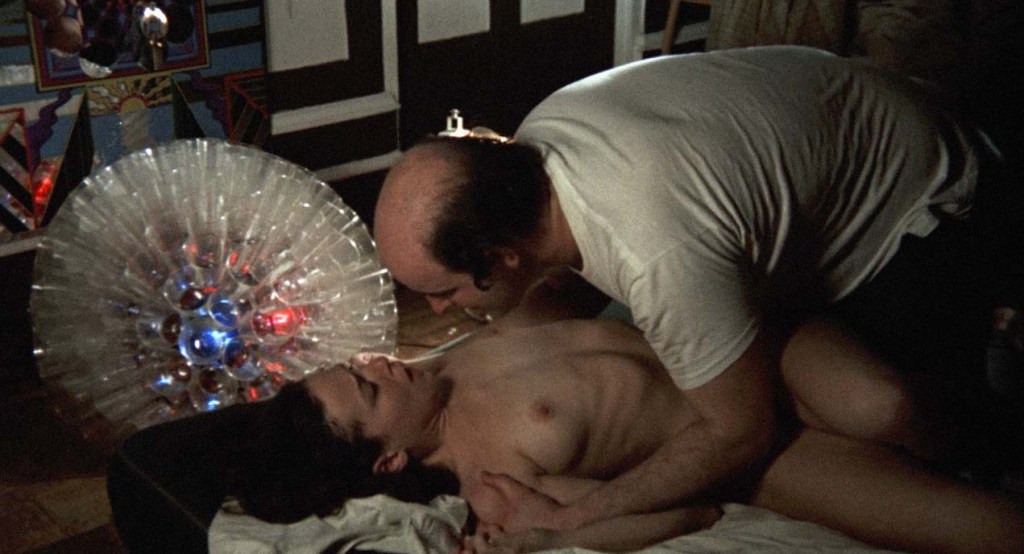
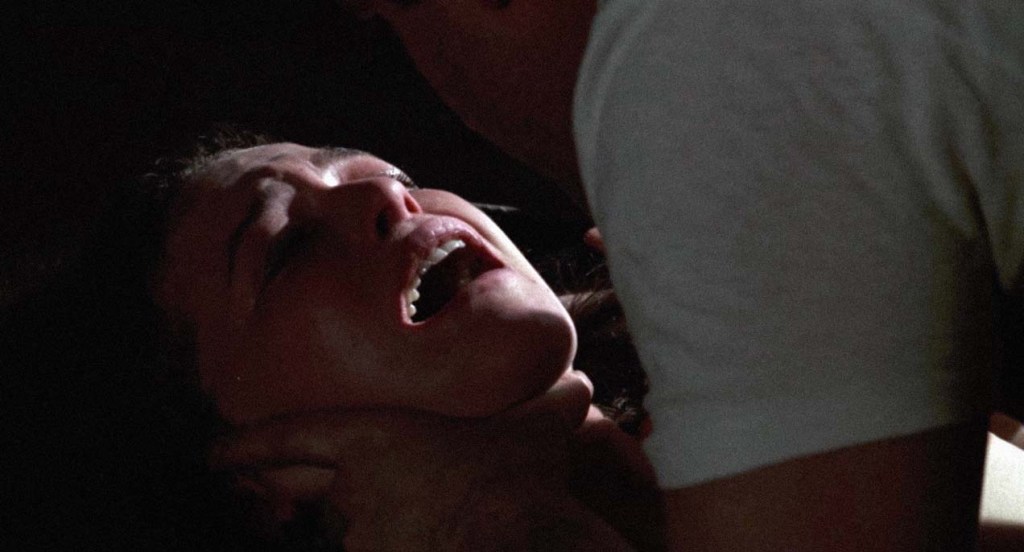
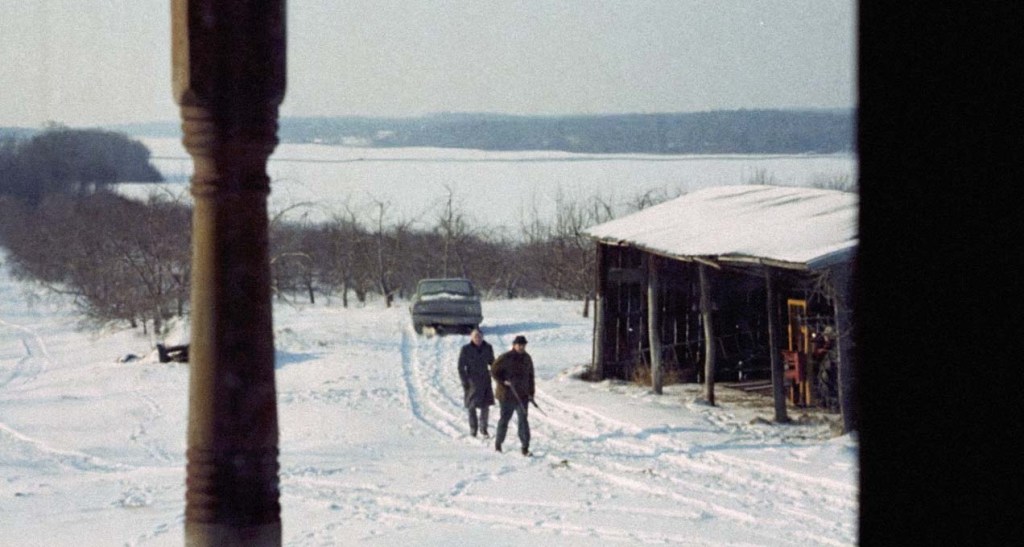
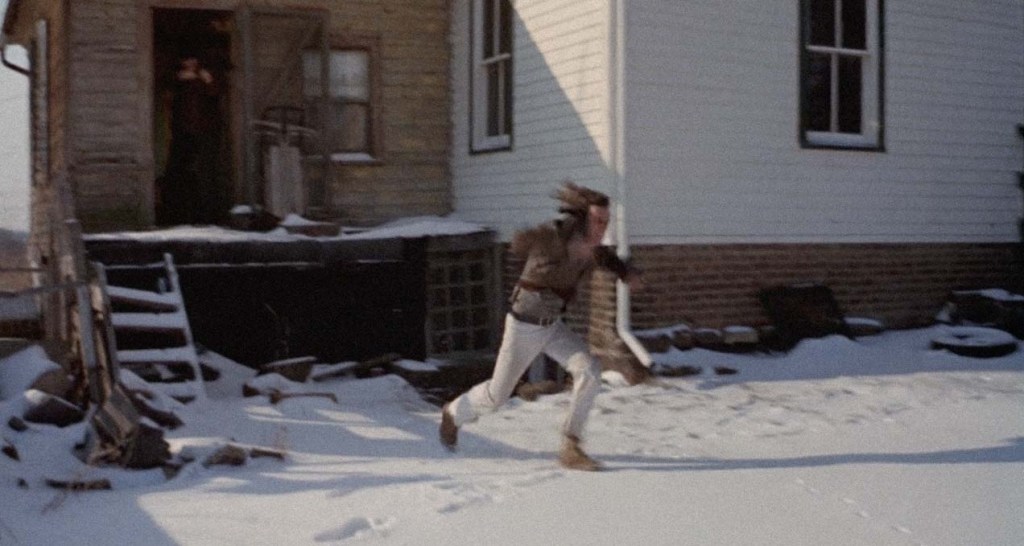
The final act of the story reaches a devastating climax. Melissa, unaware of her father’s involvement in the events unfolding around her, is staying at the commune when Bill and Joe arrive, clearly seeking vengeance. A confrontation erupts, escalating into a senseless massacre. Joe opens fire on the young people, killing several in a frenzied act of misplaced anger, while encouraging Bill to do the same. Bill fires at an escaping young woman. As the gunfire subsides, Bill is horrified to discover that one of the victims is Melissa—his own daughter. The film abruptly ends with Bill crying out her name.

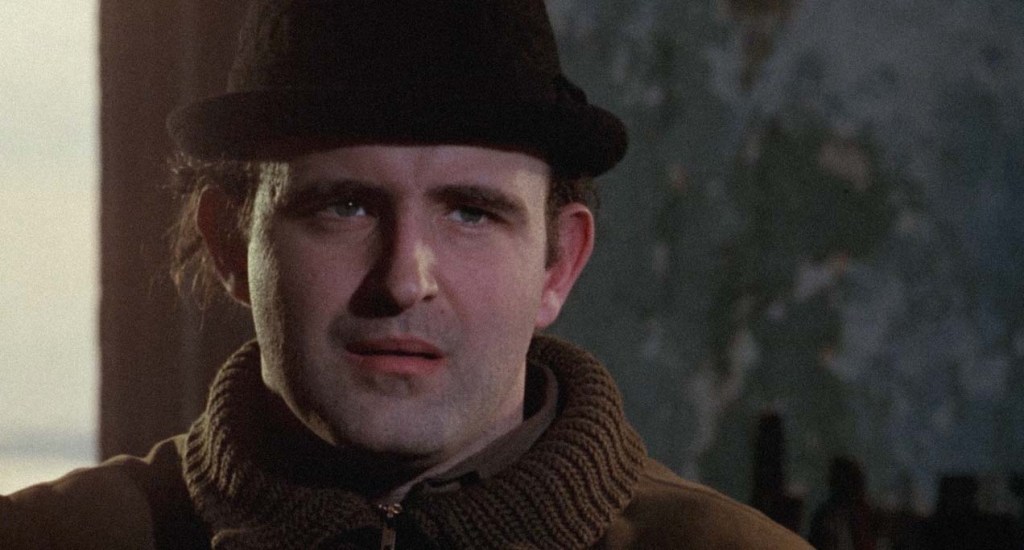
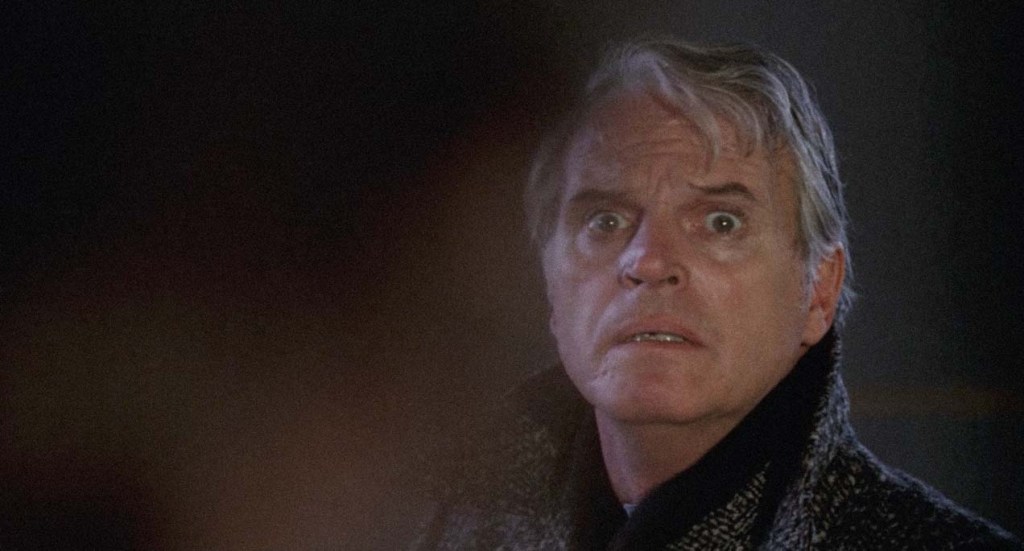
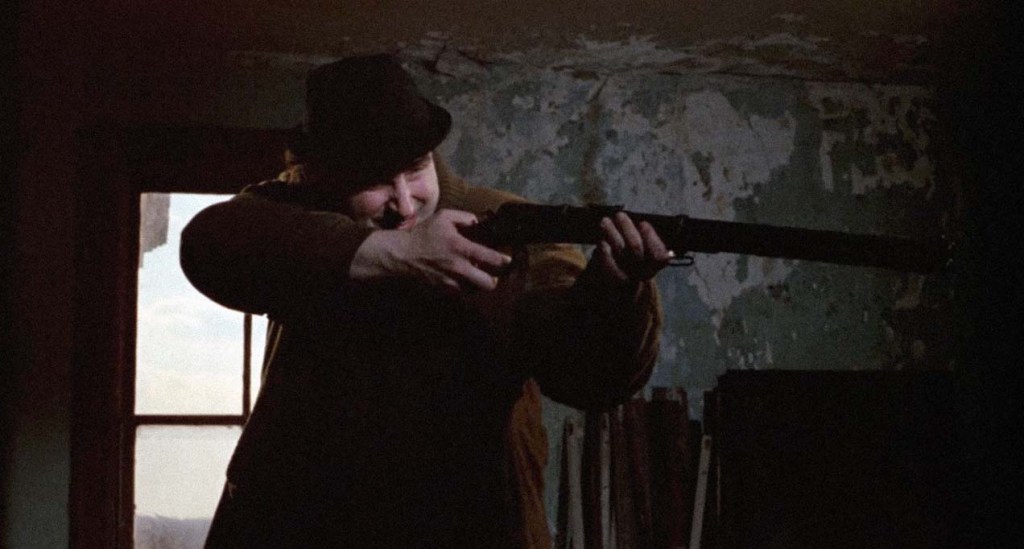
“Joe” is both a product and a critique of its time—a scathing portrait of America’s cultural divide at the dawn of the 1970s. The film blends realism and satire, exposing how fear, frustration, and class resentment can erupt into violence.
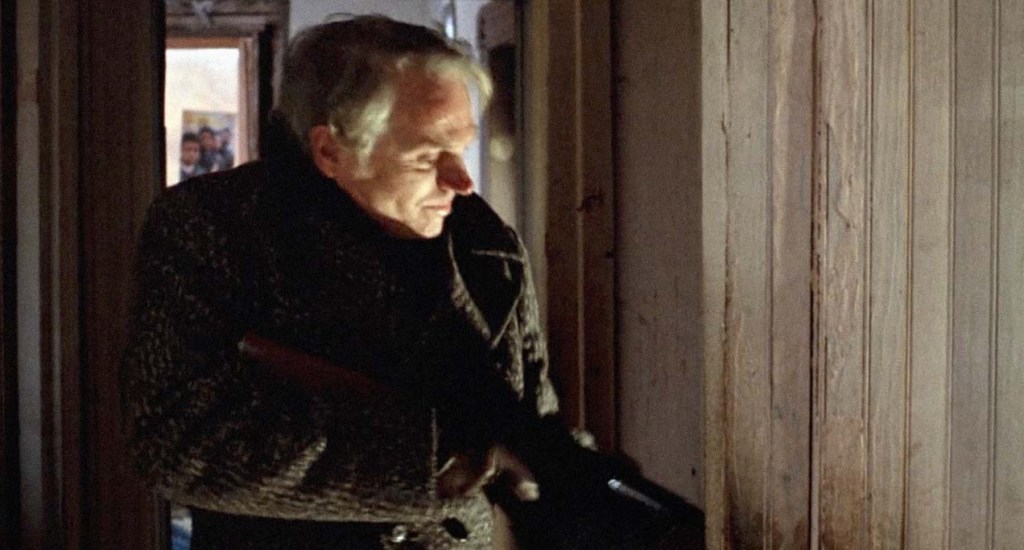
The screenplay by Norman Wexler (who later wrote Saturday Night Fever) captures the raw, often uncomfortable dialogue of working-class anger and suburban hypocrisy. Peter Boyle’s portrayal of Joe is mesmerizing and terrifying—a man whose prejudice and insecurity mask deep existential despair. Ironically, Boyle was so disturbed by audiences’ cheering for Joe’s violent outbursts that he later refused to reprise similar roles, turning down parts that glorified bigotry.
Upon its release, “Joe” became an unexpected box office success and sparked considerable controversy. The film resonated with the cultural anxieties of the Nixon era, appealing to working-class audiences who felt disconnected from the rapid social changes then. Critics admired its boldness, but opinions were divided on whether it condemned or endorsed Joe’s perspective.