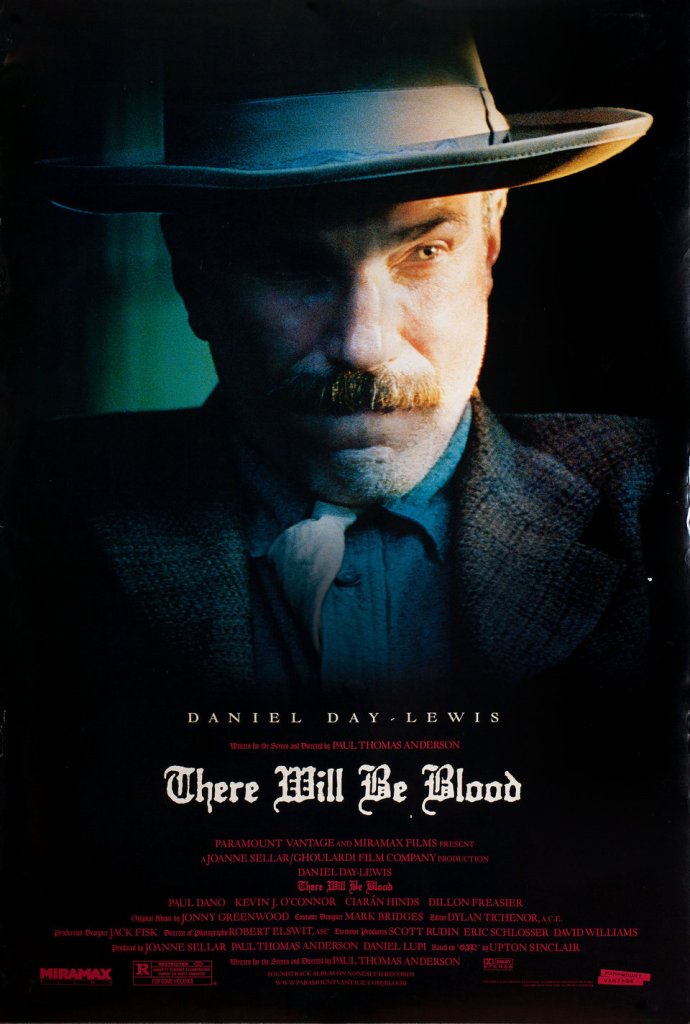
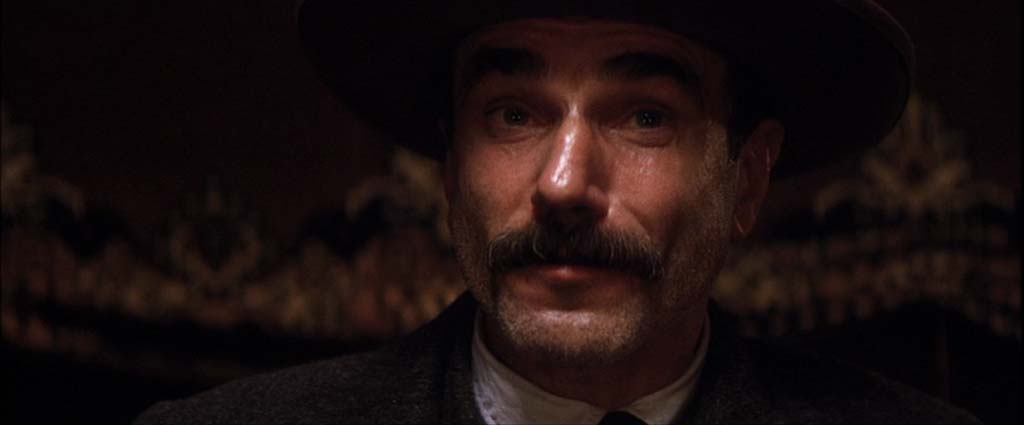
“There Will Be Blood” is a 2007 sweeping American epic, written and directed by Paul Thomas Anderson. The film explores the ruthless rise of capitalism, the rise of faith, and moral decline at the turn of the 20th century. At its center is Daniel Plainview, portrayed by Daniel Day-Lewis—an ambitious, self-made oil prospector. His insatiable hunger for wealth and power ultimately corrodes his soul and destroys those around him.
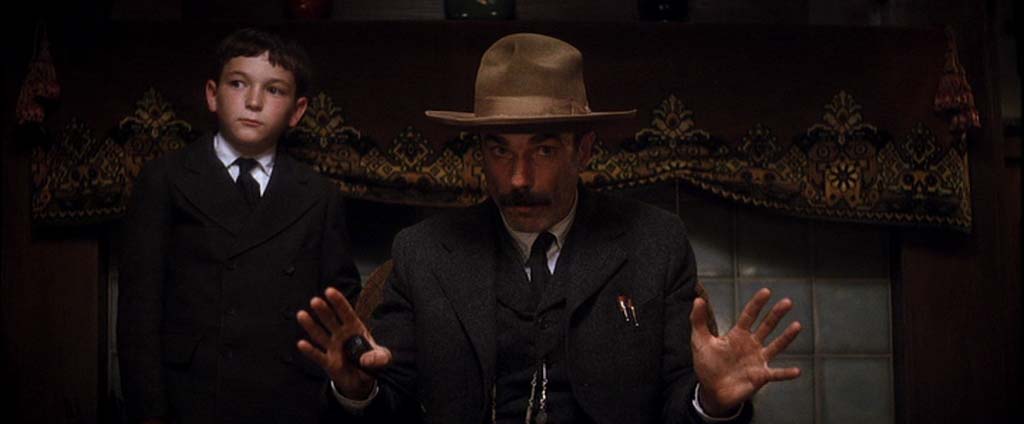
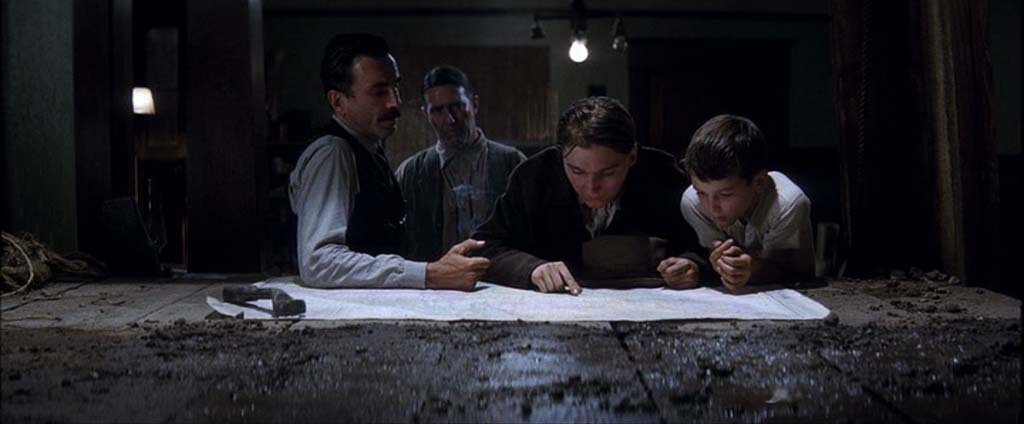
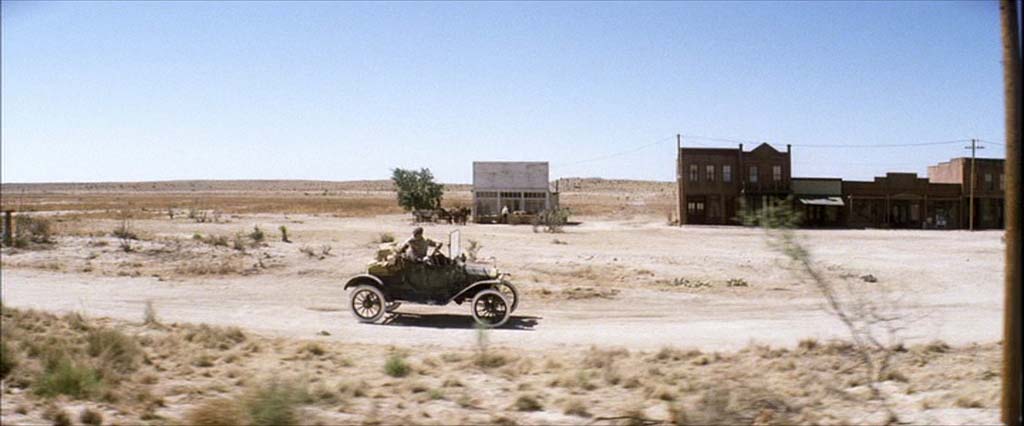
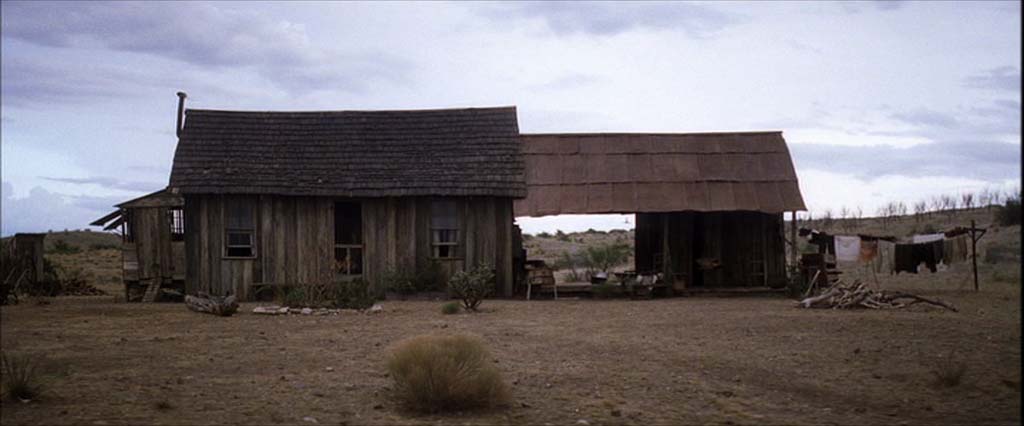
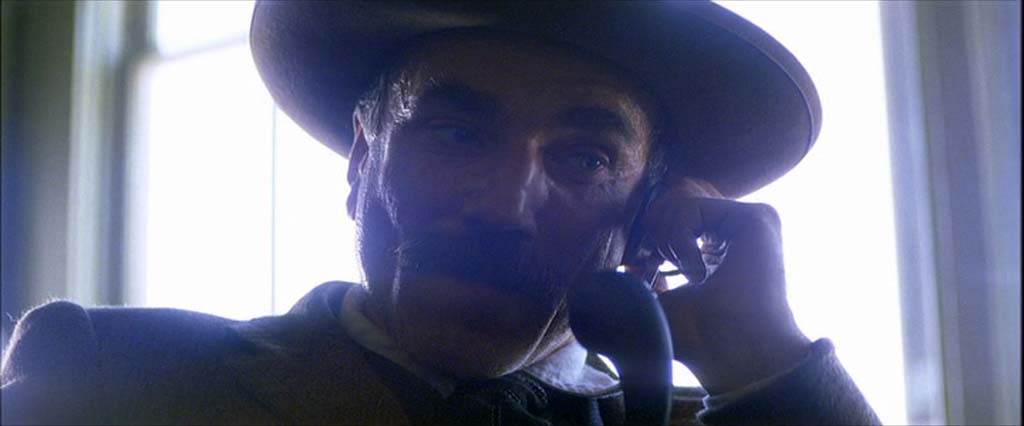
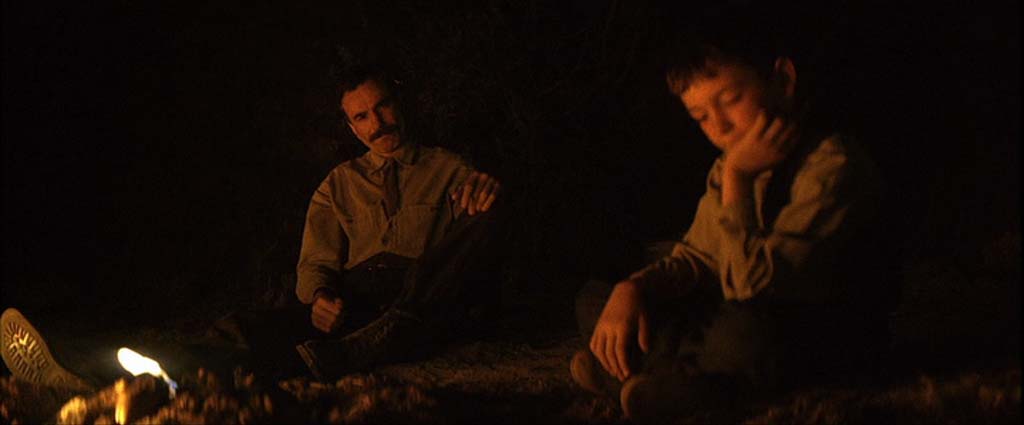
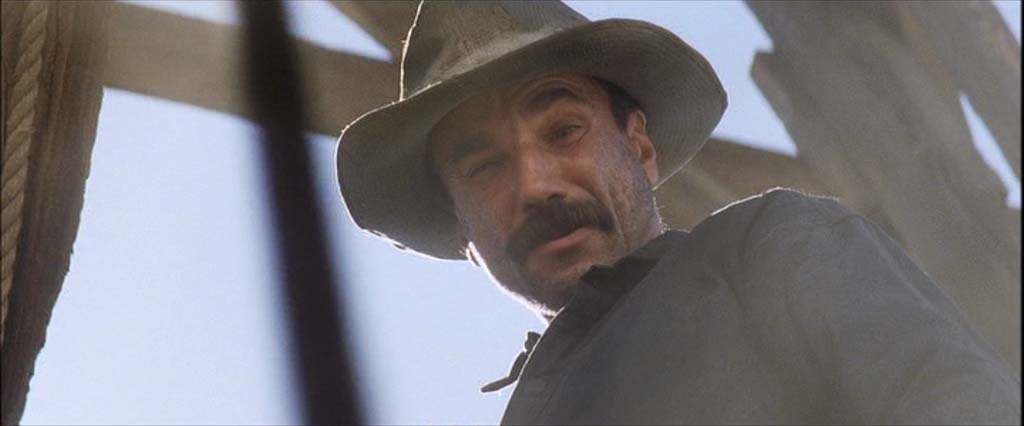
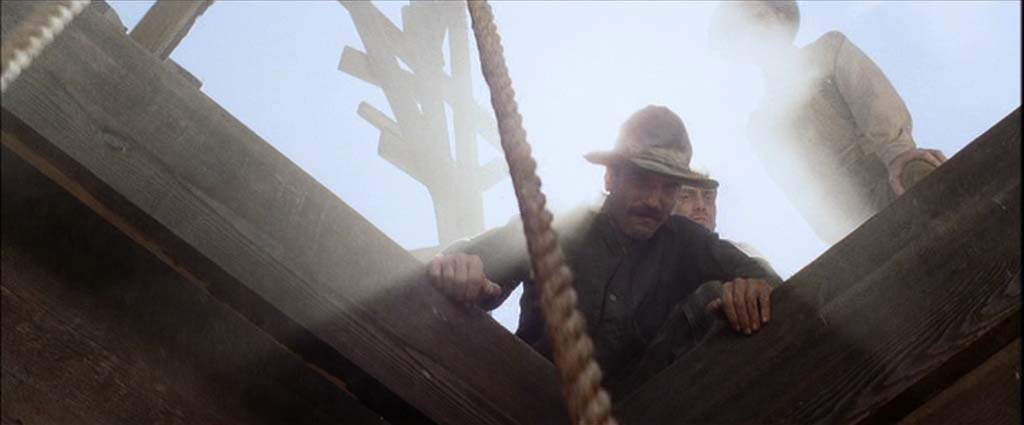
The film opens in near silence in 1898. Deep in the sun-scorched California desert, Plainview is laboring alone in a mine, searching for silver. A fall down the shaft leaves him injured but alive, clutching a sample of silver ore. This moment of solitary triumph marks the beginning of his relentless ascent. By the early 1900s, he shifts his focus from silver to oil, establishing “Daniel Plainview & Co.,” a small but growing drilling operation built on grit, cunning, and manipulation.
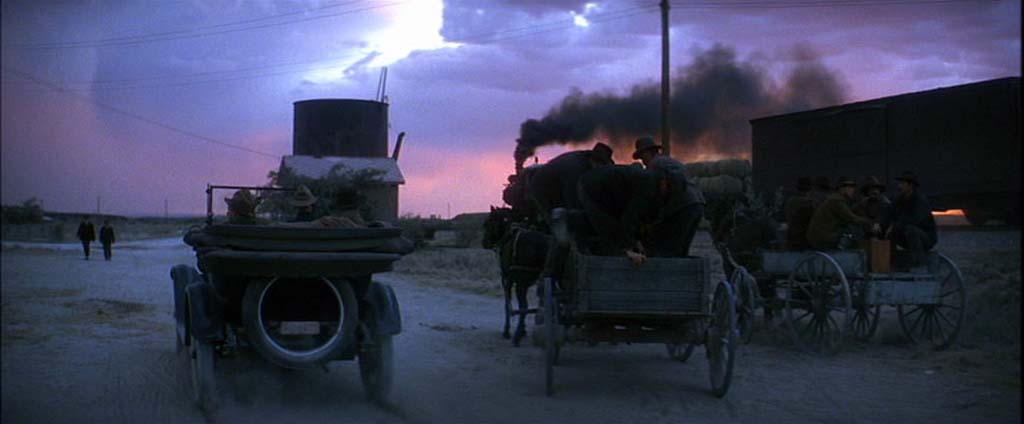
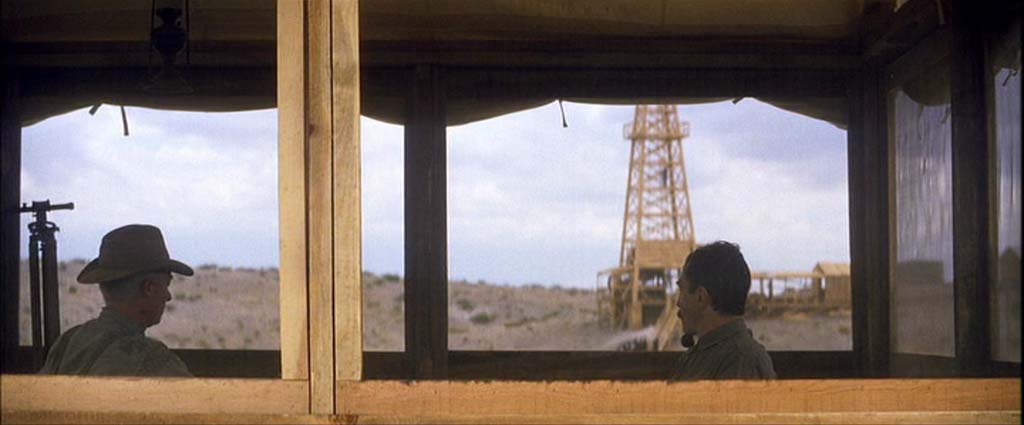
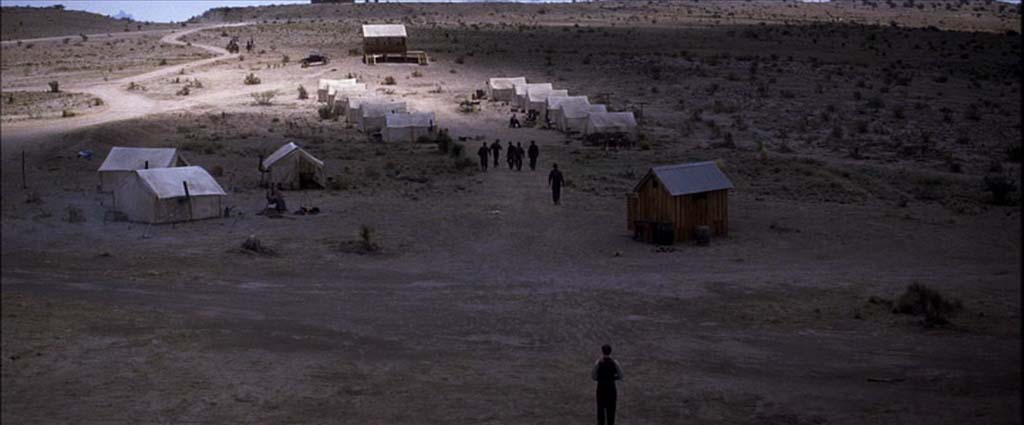
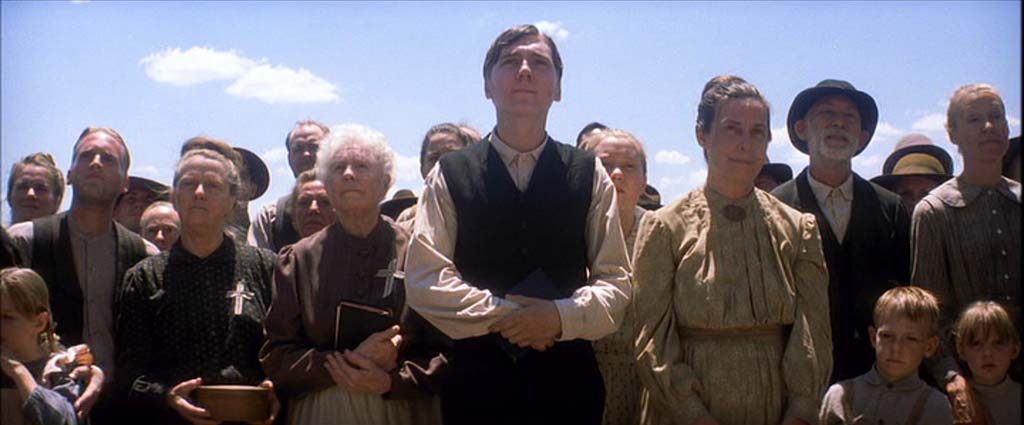
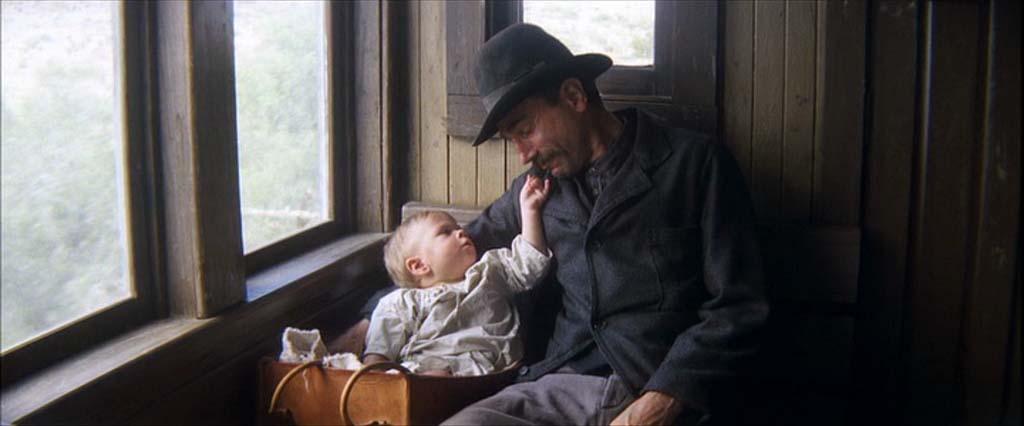
When one of his workers dies in an accident, Plainview adopts the man’s infant son, H.W. (Dillon Freasier), presenting him to the world as his own—a calculated gesture to appear as a “family man” and gain the trust of landowners. Together, Daniel and H.W. travel across the American West, buying up land rights and striking deals with naïve farmers, promising prosperity while concealing his real aim: to drain their land of oil.

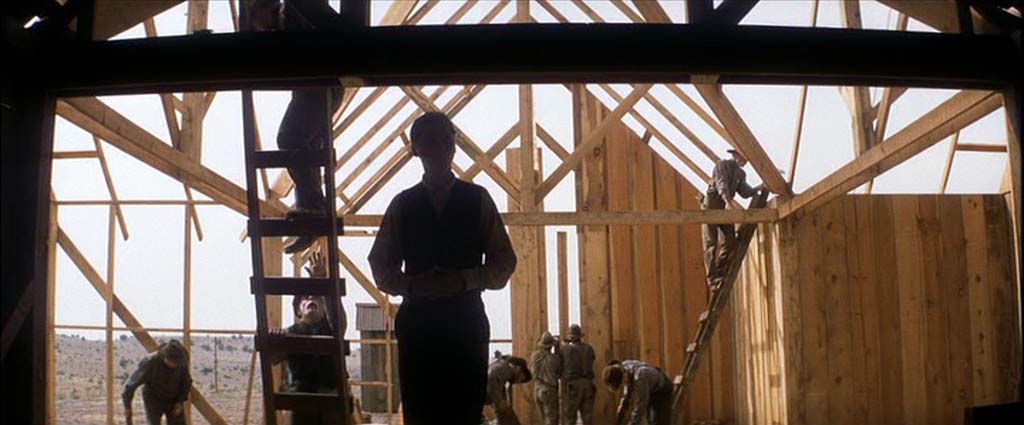
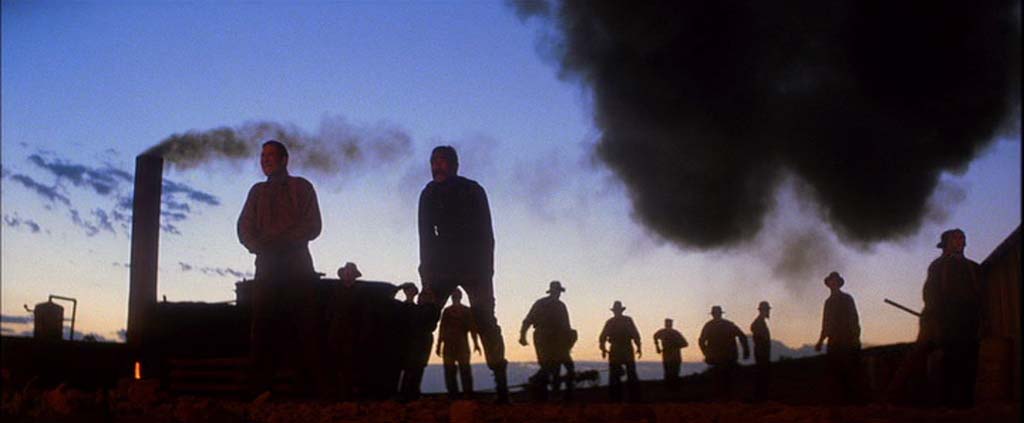
One day, a mysterious young man named Paul Sunday (Paul Dano) approaches Plainview, claiming that his family’s property in Little Boston, California, sits atop an ocean of oil. For $500, Paul sells him the information. Plainview and H.W. set out to the remote settlement, disguised as quail hunters, and confirm the claim—oil seeps from the ground.
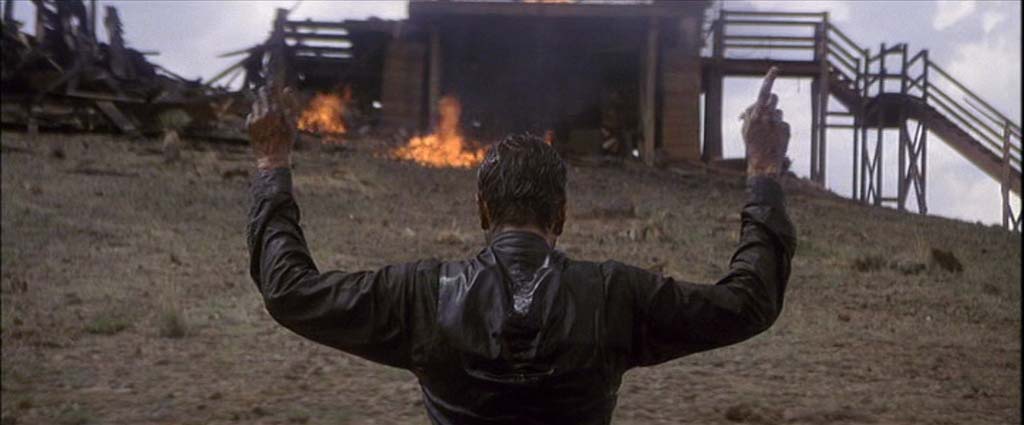
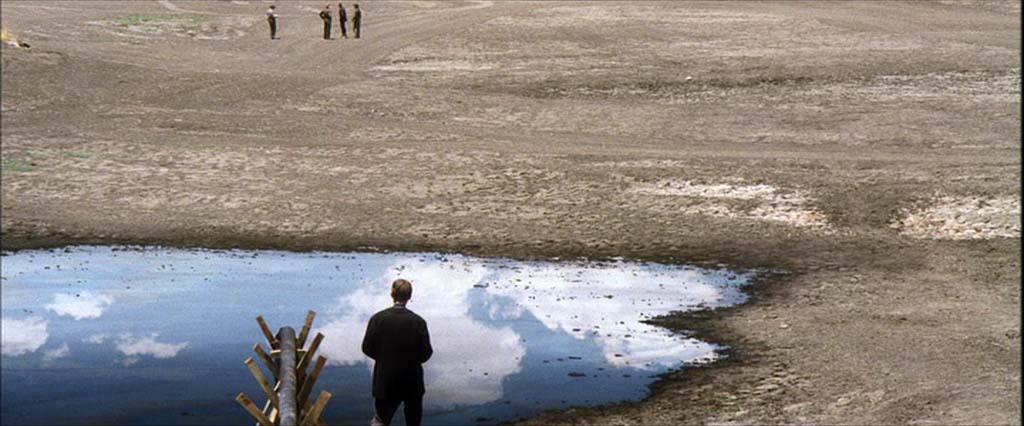
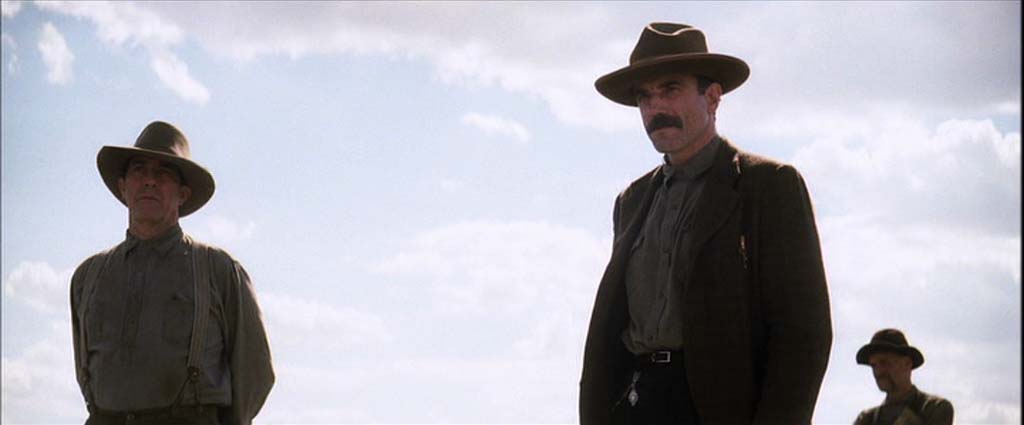
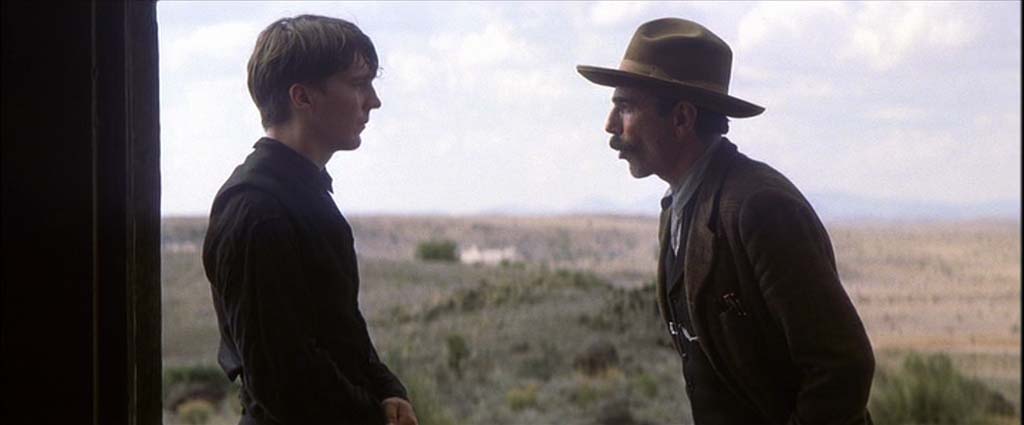
Plainview quickly buys up the Sunday ranch and the surrounding tracts of land. Still, he meets resistance from Eli Sunday, Paul’s twin brother (also played by Paul Dano), a charismatic but manipulative young preacher who leads the local congregation, “The Church of the Third Revelation.” Eli demands that Plainview pay $10,000 to fund his church, but Plainview, contemptuous of religion, dismisses him. From their first encounter, the two men recognize in each other a rival—a mirror of ambition and control.
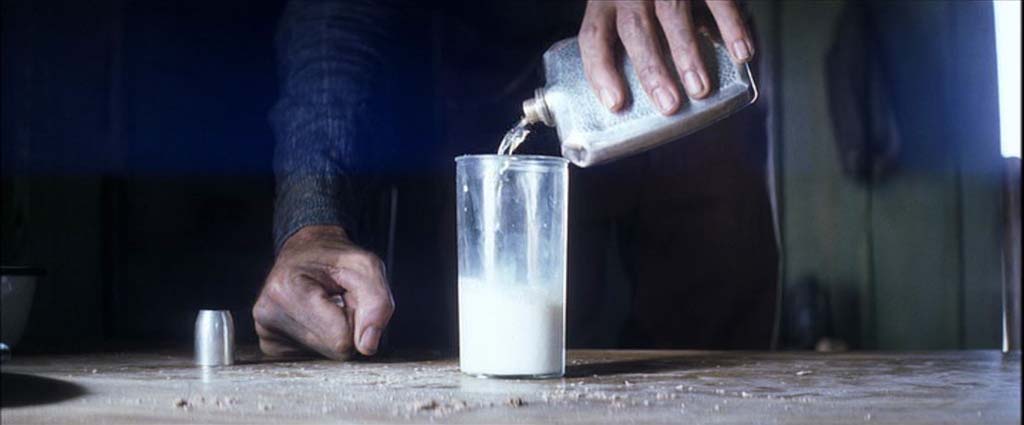
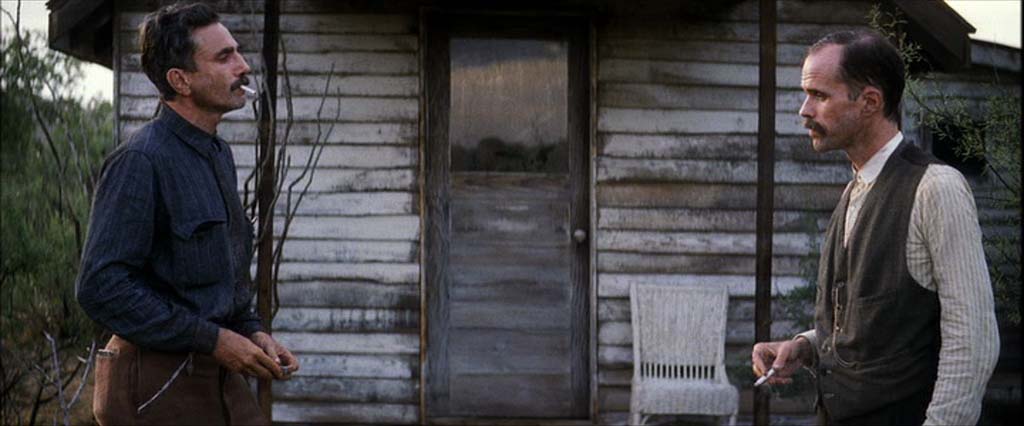

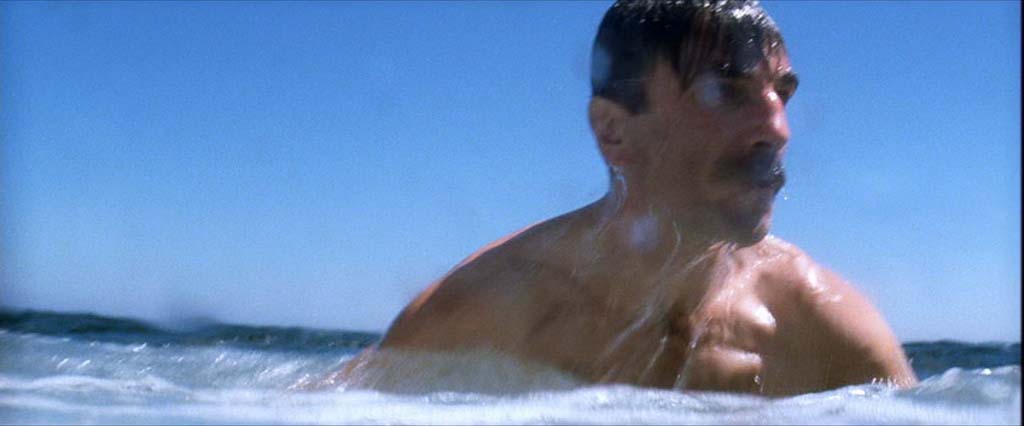
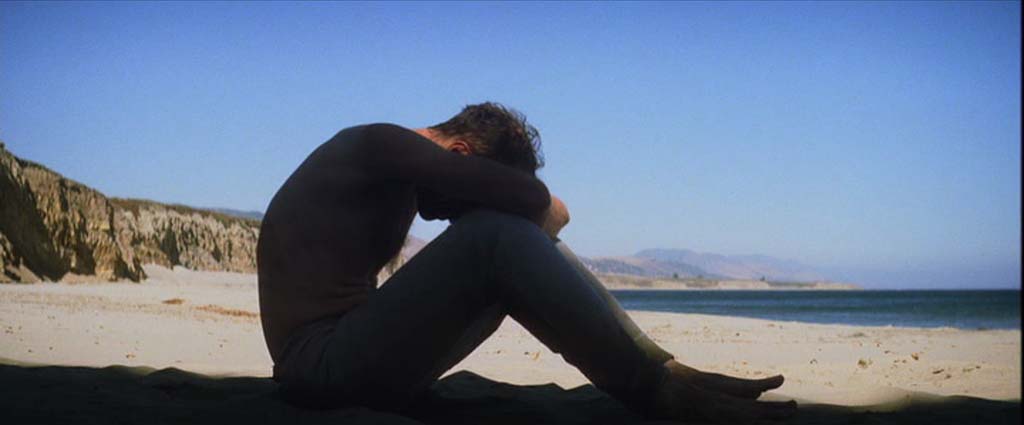
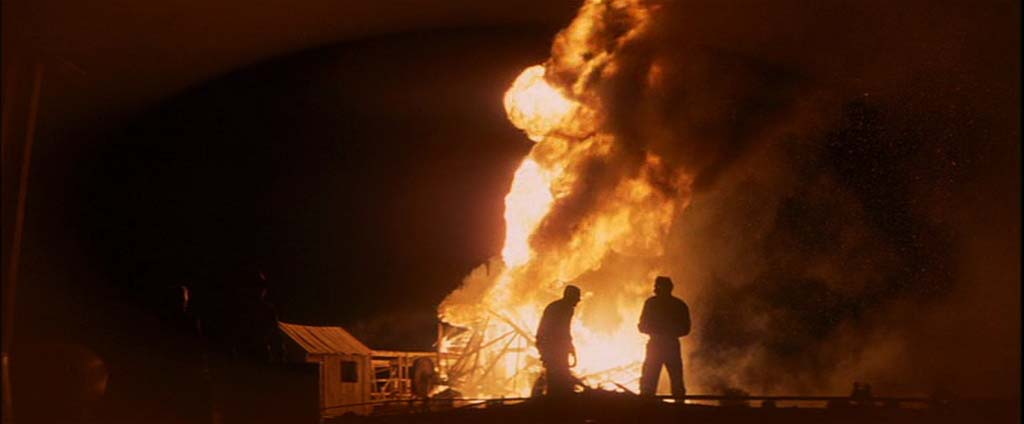
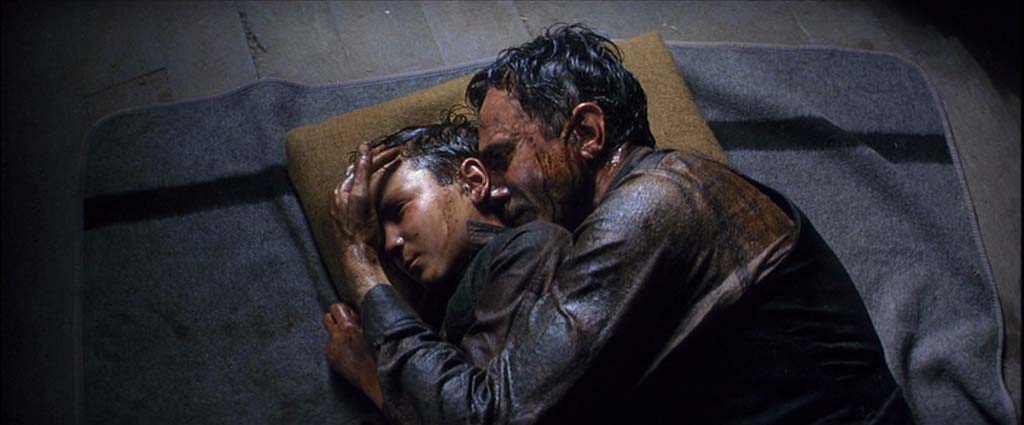
Plainview begins drilling and soon strikes a massive gusher, coating the land in black gold. Wealth and success flow his way, but his relationship with H.W. begins to fracture after a devastating explosion sends oil shooting into the sky, and H.W. is deafened by the blast. Plainview’s inability to express love or vulnerability turns to resentment; his paternal affection gives way to cold detachment.

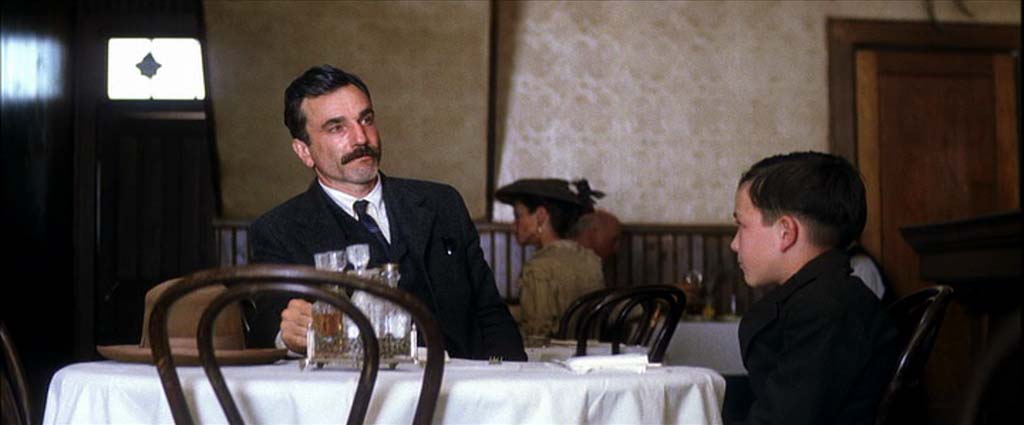
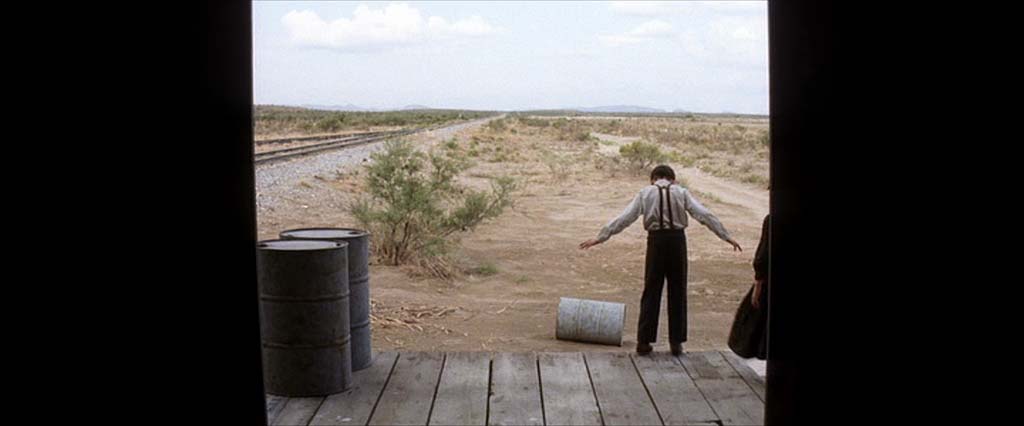
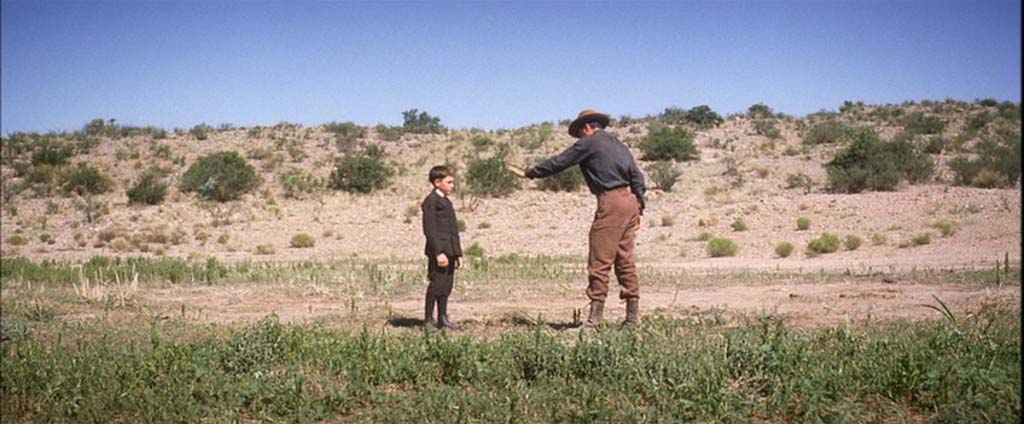
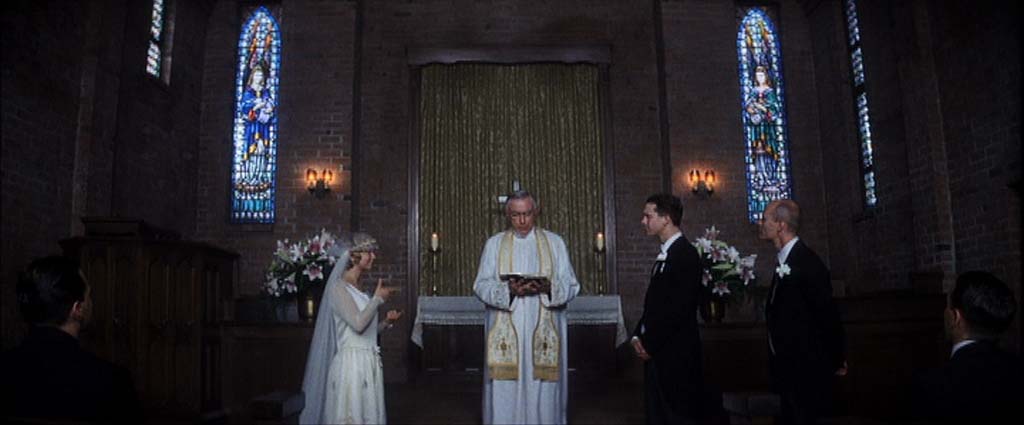


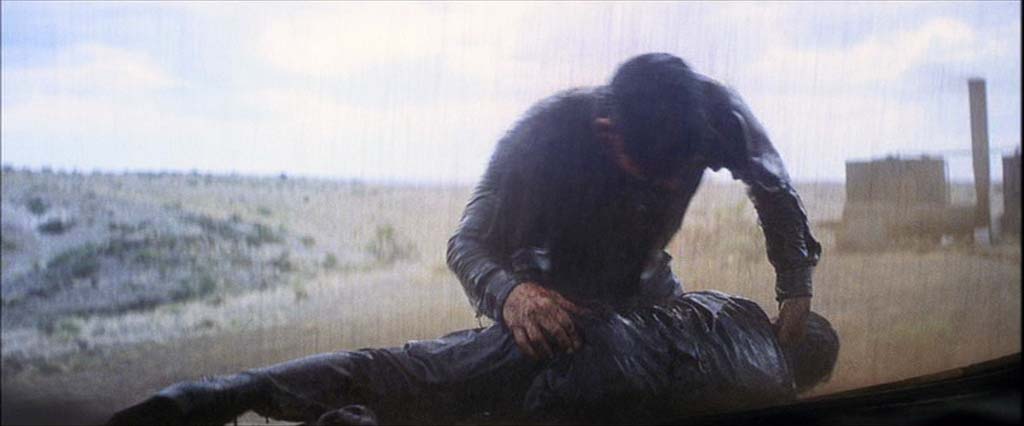
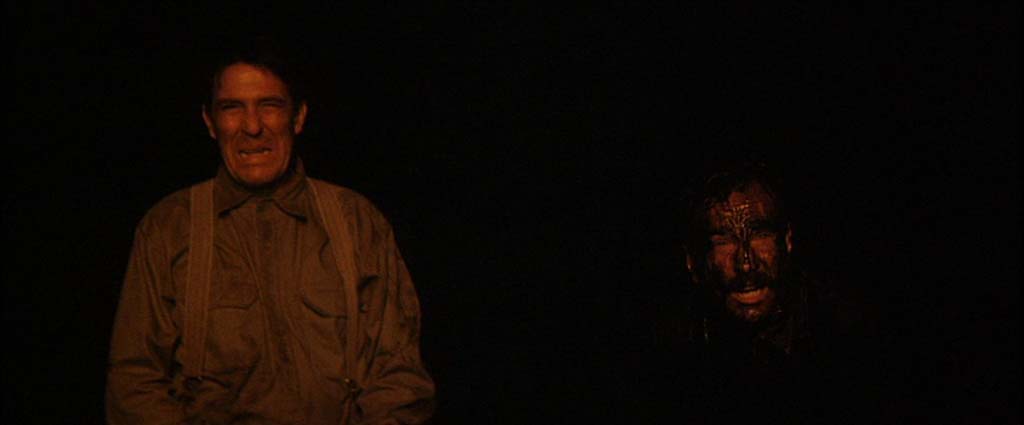
As the business grows, a stranger named Henry Brands (Kevin J. O’Connor) arrives, claiming to be Plainview’s half-brother. Desperate for companionship and trust, Daniel takes Henry in, sharing his secrets and ambitions with him. But when inconsistencies arise in Henry’s story, Daniel realizes he is an impostor. In a chilling sequence, Plainview forces Henry to confess, then murders him in cold blood, burying the body in a shallow grave. His descent into paranoia and isolation accelerates.
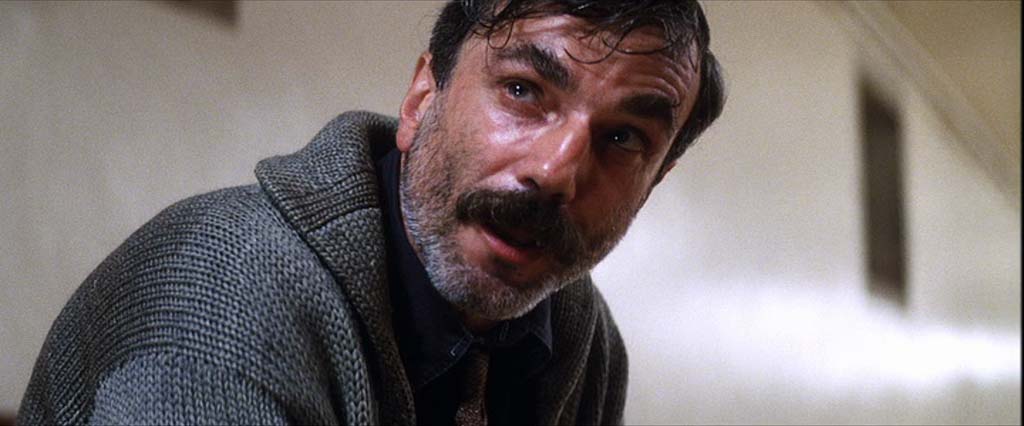
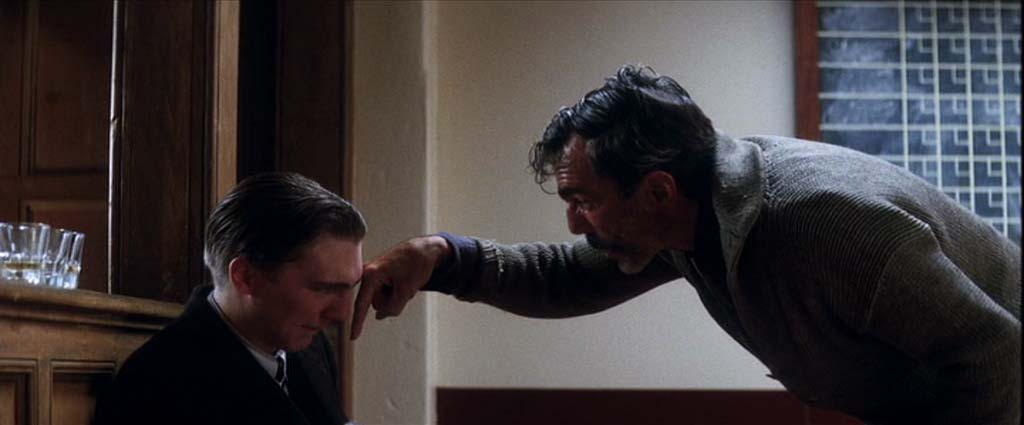
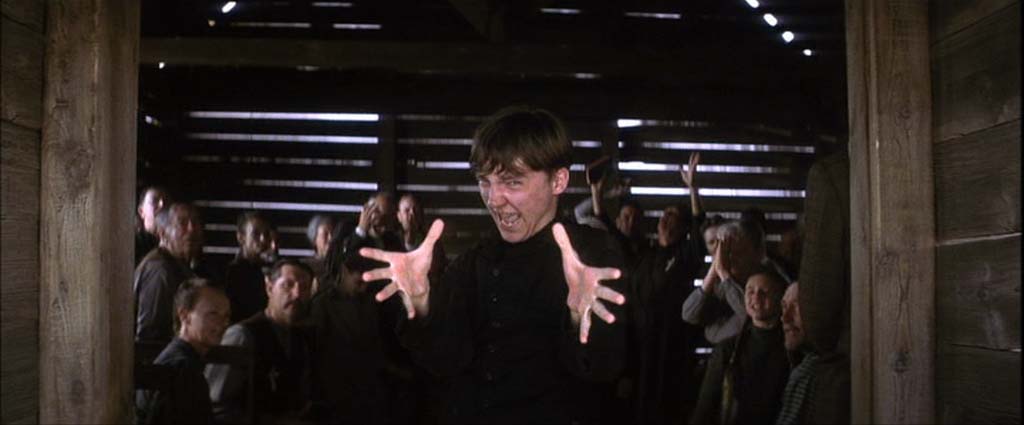
Eli Sunday’s influence also grows—he uses religion as his own form of exploitation, manipulating his congregation and publicly humiliating Plainview when their interests collide. In one infamous scene, after a local man dies in an accident, Eli performs a violent “faith healing,” demanding that Plainview repent for abandoning God. Reluctantly, Plainview submits, screaming “I’ve abandoned my child!” in a moment of raw humiliation. But his repentance is hollow—merely a tactic to secure rights to a valuable pipeline deal.

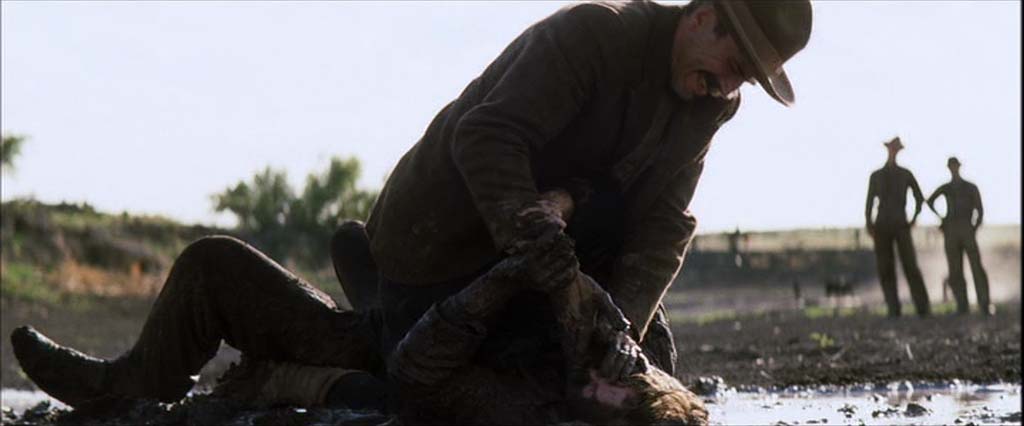
Years pass. By the late 1920s, Plainview has become an immensely wealthy oil tycoon, living alone in a sprawling California mansion, embittered and alcoholic. H.W., now grown, announces his intention to leave and start his own drilling company in Mexico. Consumed by hatred and possessiveness, Plainview mocks him cruelly, revealing that H.W. was not his biological son but “a bastard from a basket.” The scene marks the final rupture between father and son. Shortly afterward, Eli Sunday reappears—older, desperate, and fallen on hard times. He visits Plainview in his private bowling alley, hoping to broker the sale of some oil-rich land. In this final confrontation, their long-simmering rivalry reaches its grotesque conclusion. Plainview forces Eli to renounce his faith and confess that he is “a false prophet, and God is a superstition.” Then, in a moment of primal fury and drunken madness, Plainview beats Eli to death with a bowling pin.
As servants rush in, Plainview sits slumped and satisfied, muttering, “I’m finished.”
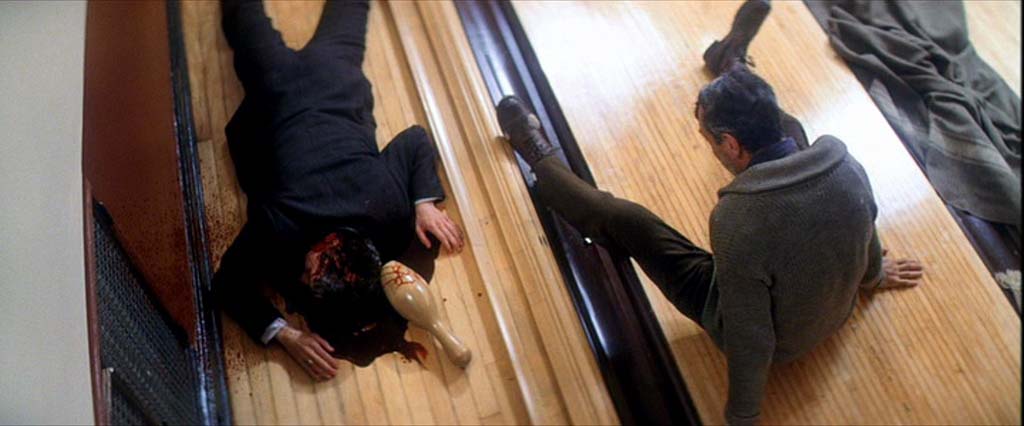

The film ends in silence and emptiness—Plainview triumphant yet spiritually annihilated, the embodiment of the American dream corrupted by greed.
“There Will Be Blood” explores themes of ambition, capitalism, faith, and moral decay. The characters Daniel Plainview and Eli Sunday represent two forces of exploitation: Plainview through business and Eli through religion. Both are driven more by a desire for domination than by a desire for salvation. Director Paul Thomas Anderson presents their conflict as a powerful allegory for America’s founding myth—the belief that prosperity and purity can exist together.
At its core, the film tells the story of a man who drills deep into the earth, ultimately uncovering his own damnation.