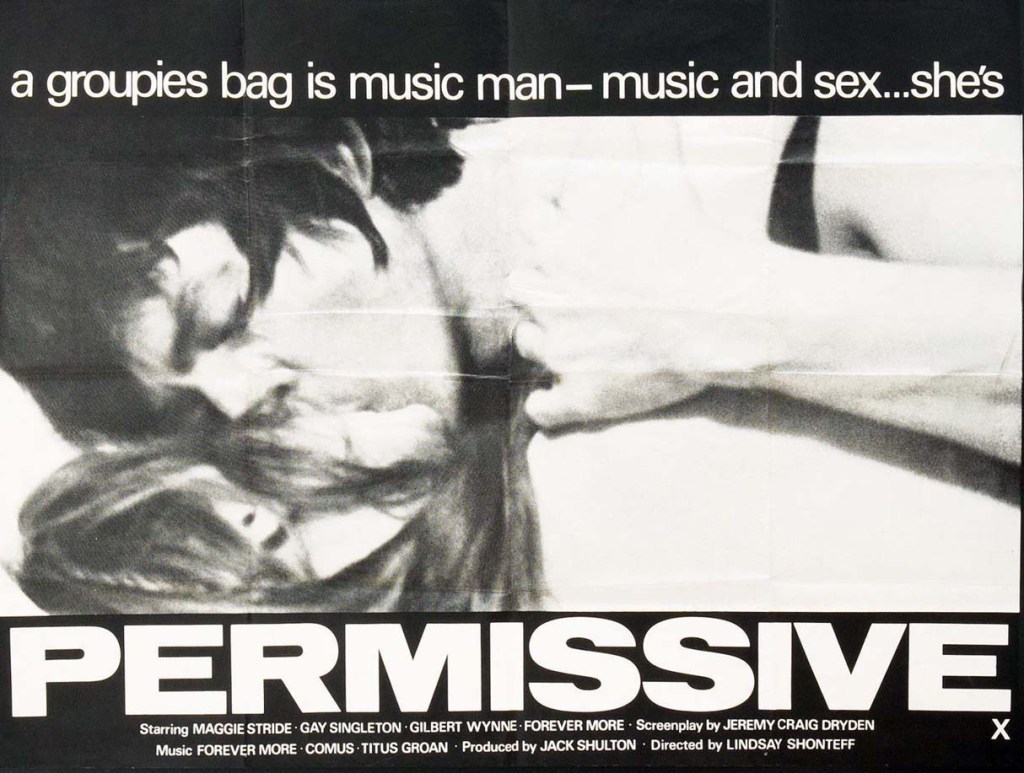
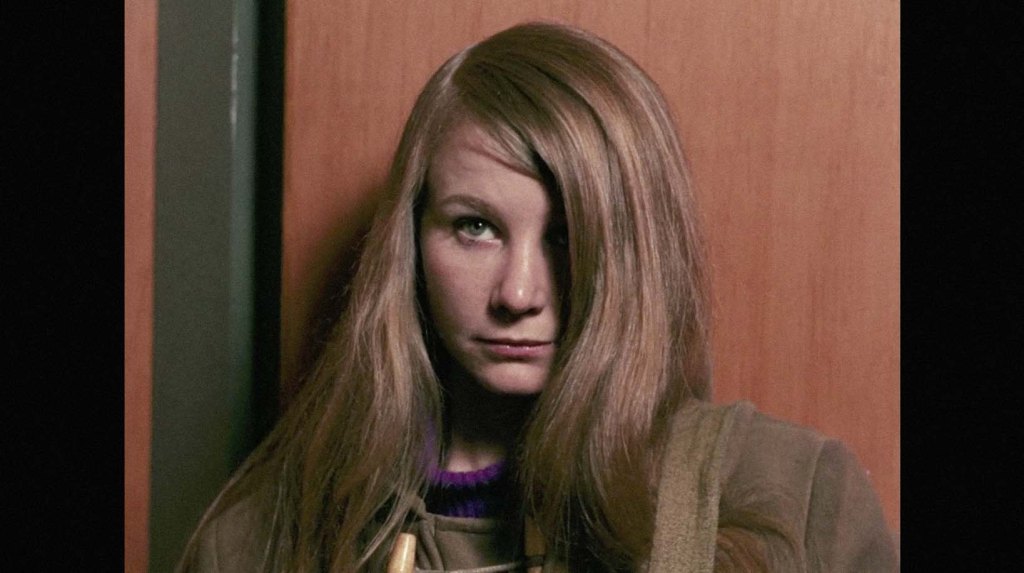
“Permissive” is a gritty and downbeat British drama from 1970, directed by Lindsay Shonteff and written by Suzanne Mercer, one of the few female screenwriters active in the late 1960s counterculture film scene. Set against the backdrop of London’s early 1970s rock culture, the film offers an unflinching, melancholic look at groupie culture, moral disillusionment, and the struggle for survival in a permissive society that has lost its moral compass.
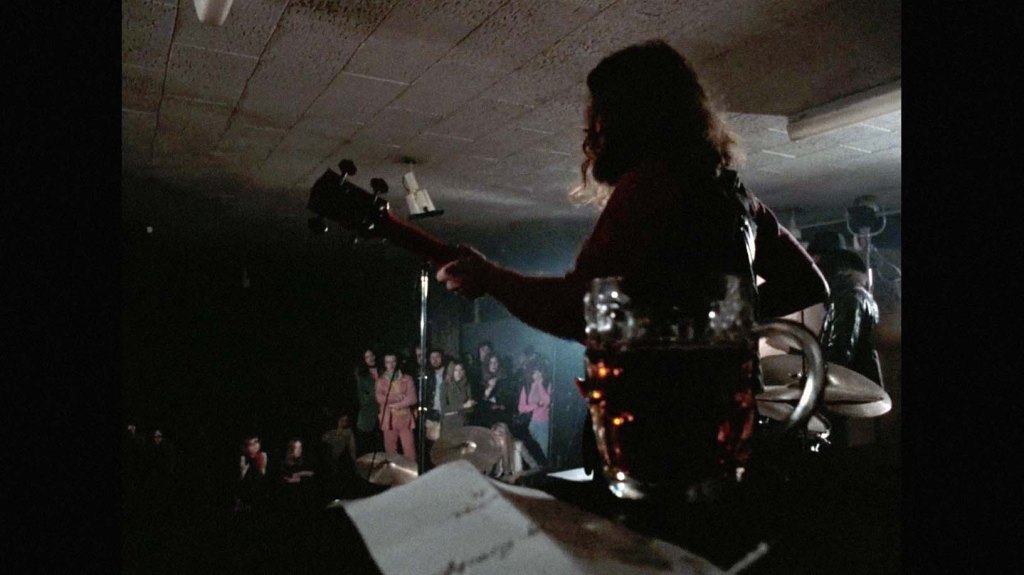
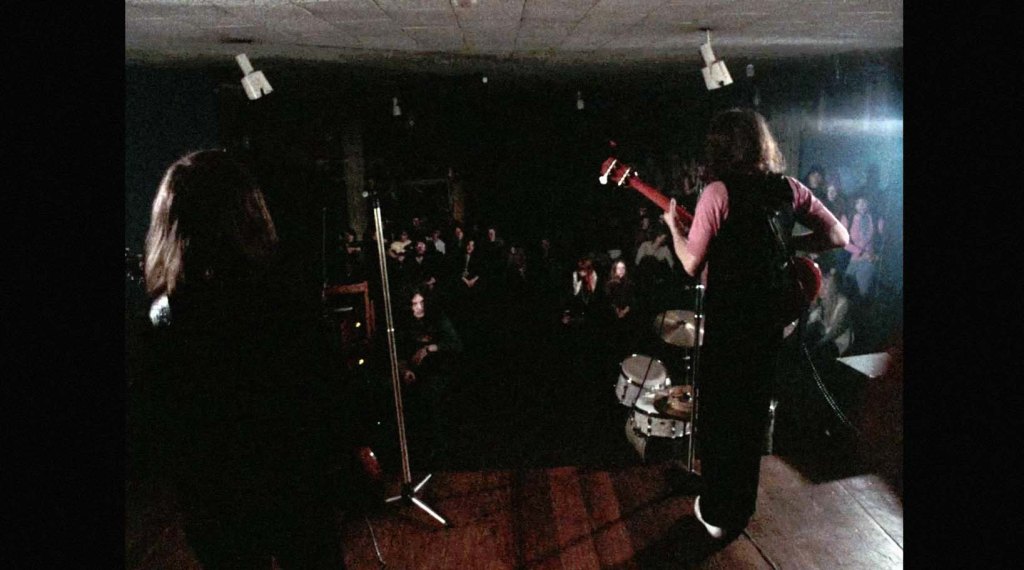
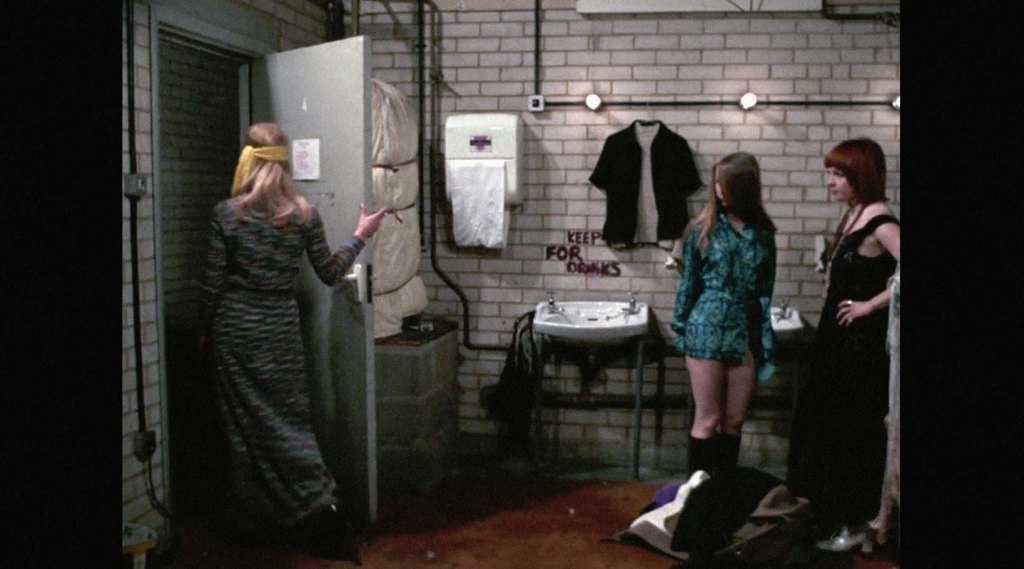
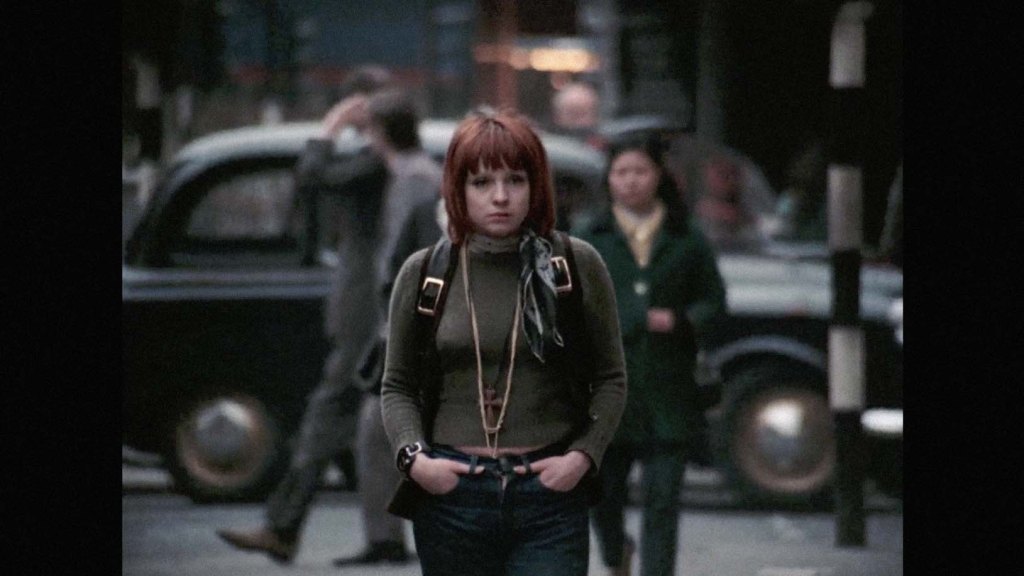
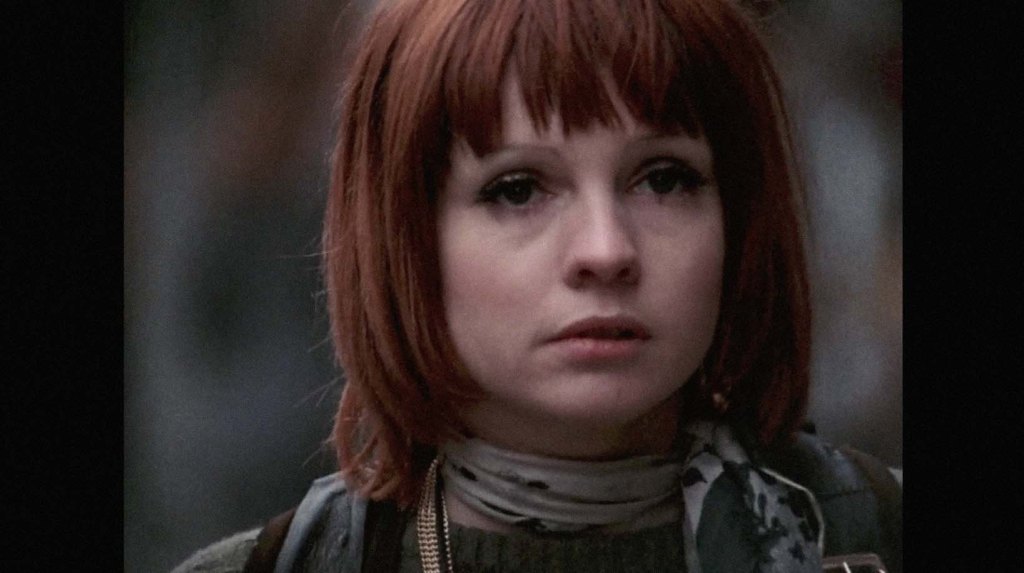
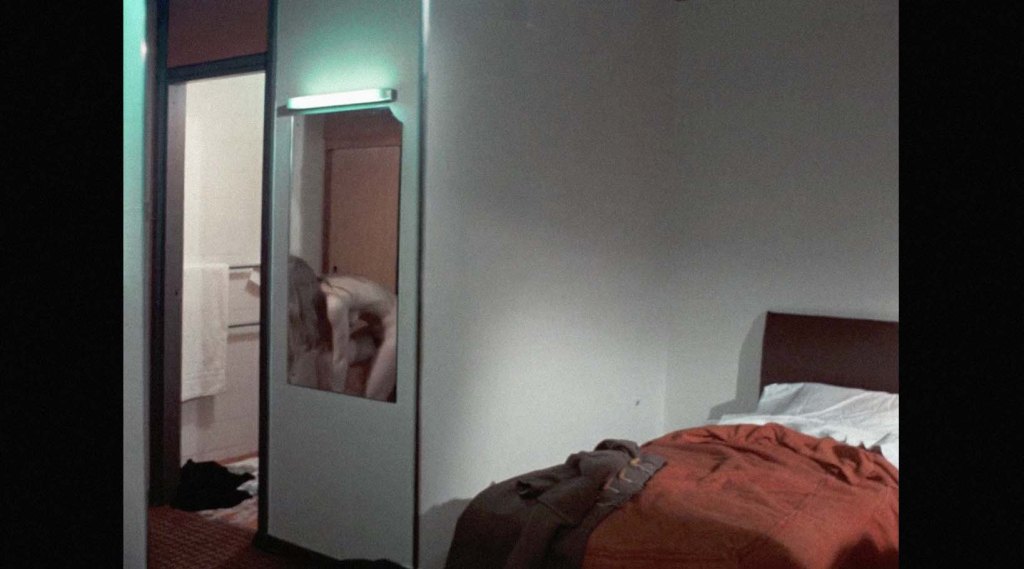
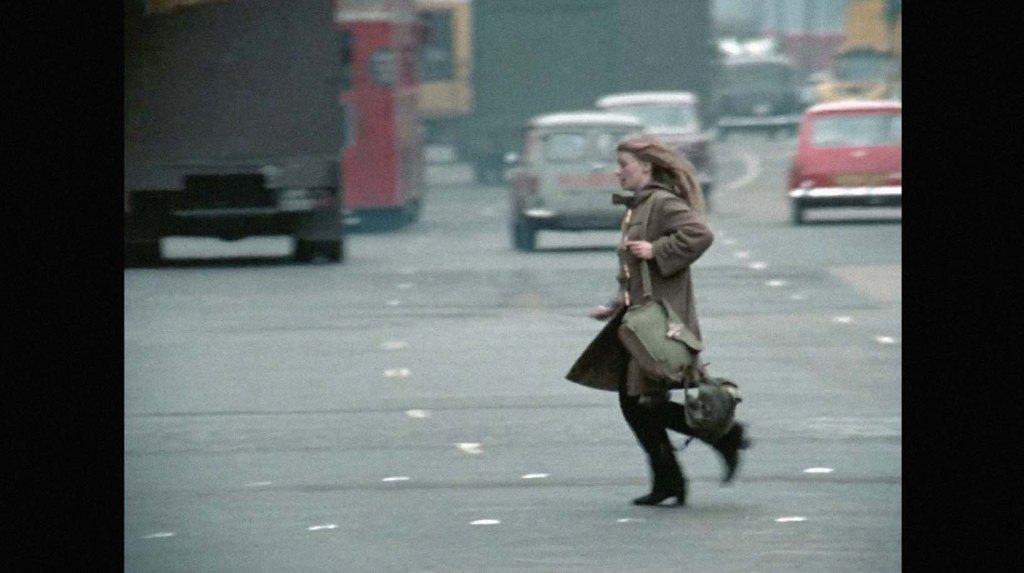
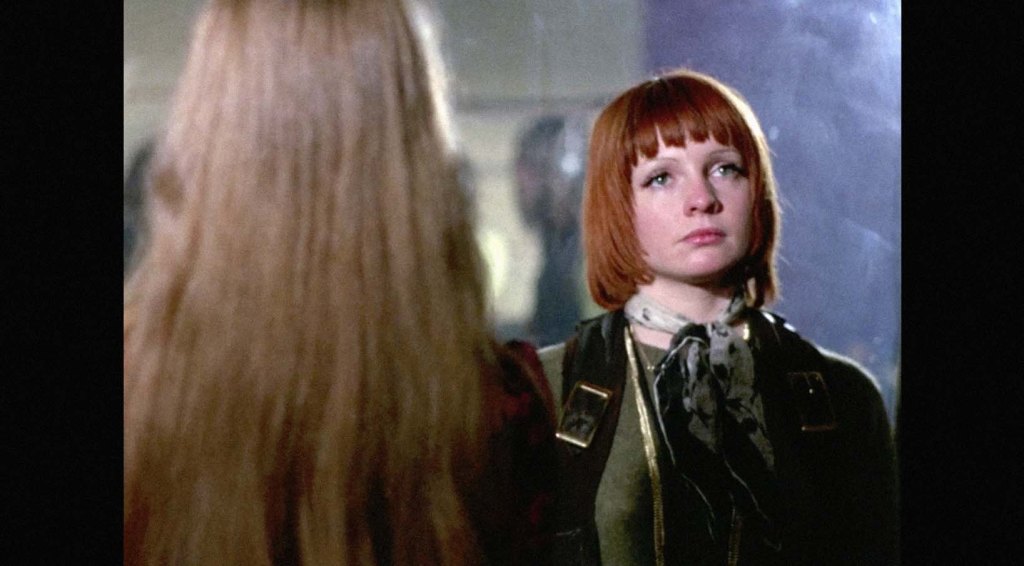
The story follows Suze (Maggie Stride), a naive, somewhat aimless young woman who arrives in London to reconnect with her old school friend, Fiona (Gay Singleton). Fiona now goes by the nickname “Penny” and has reinvented herself within the rock ‘n’ roll scene, drifting from gig to gig as a groupie connected to the up-and-coming band Forever More, which is portrayed by the real-life Scottish progressive rock group of the same name.
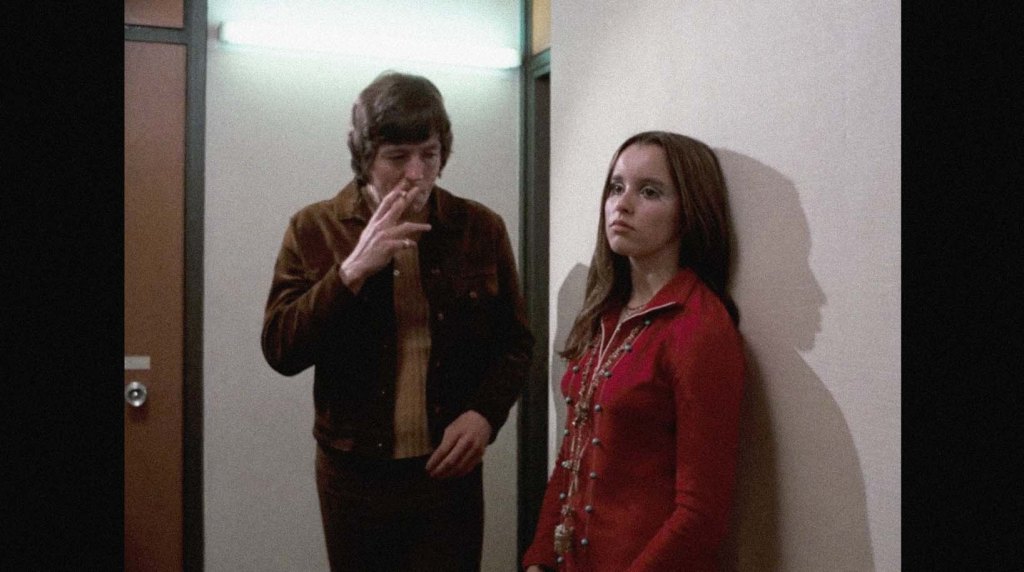
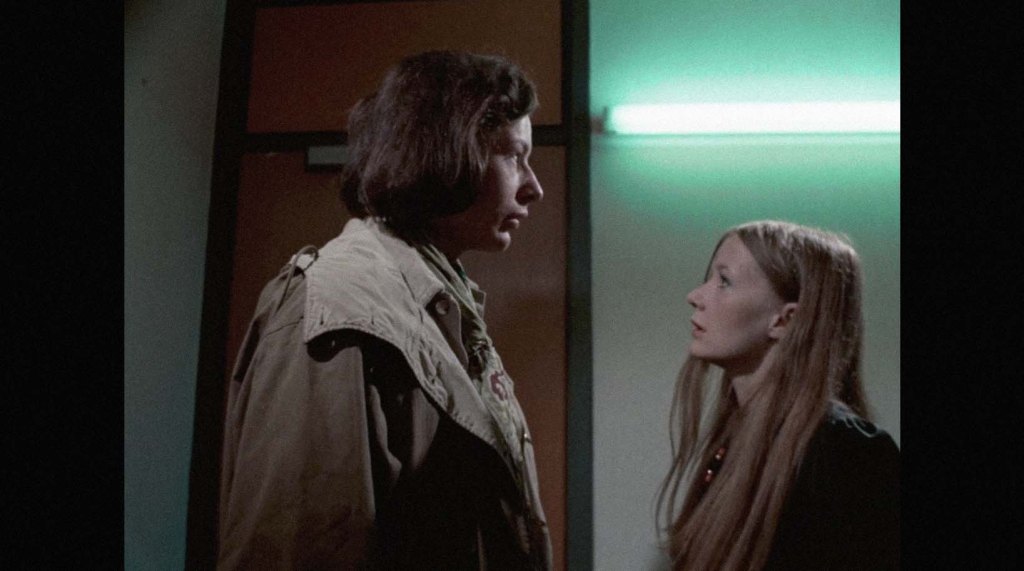
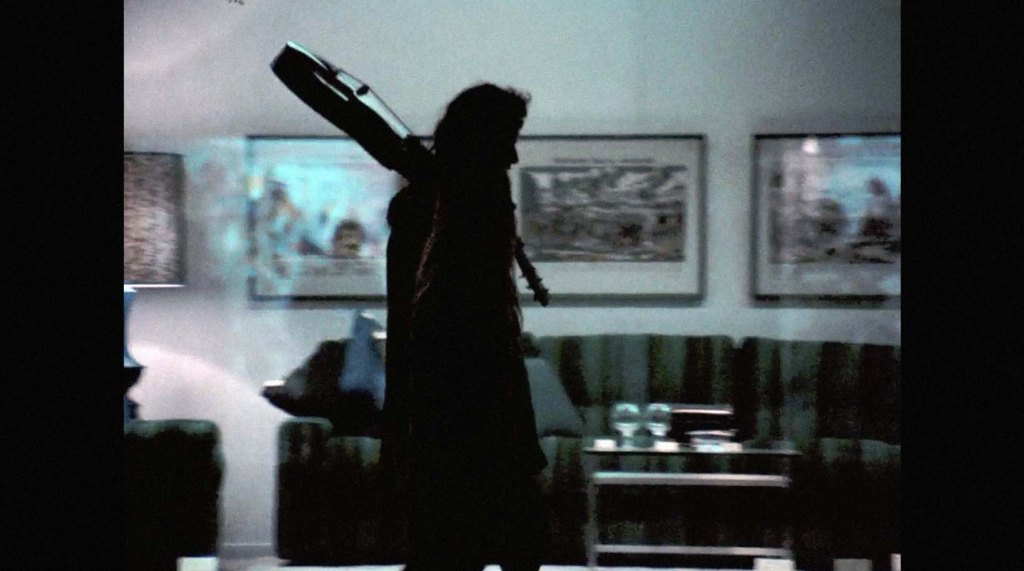
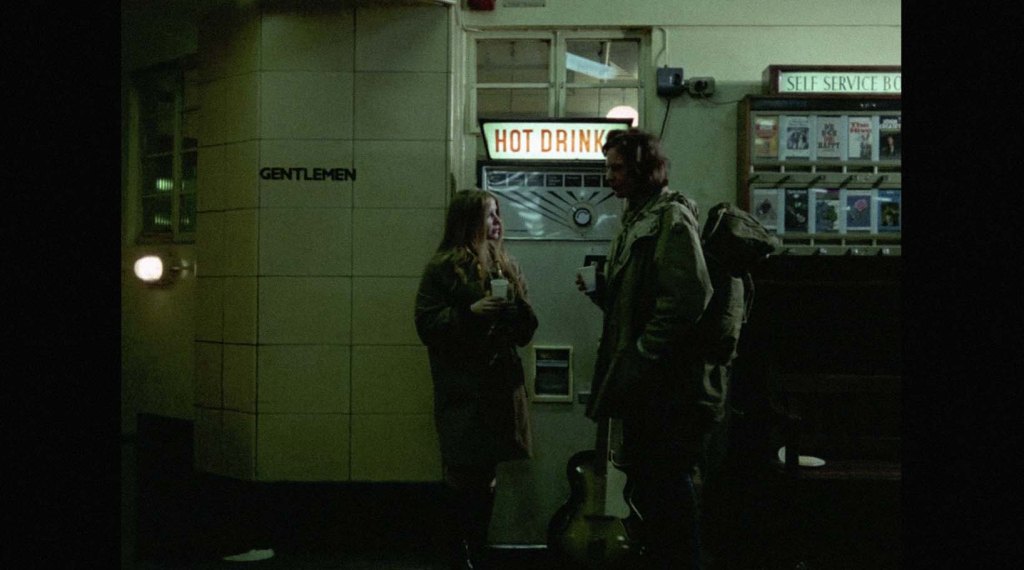
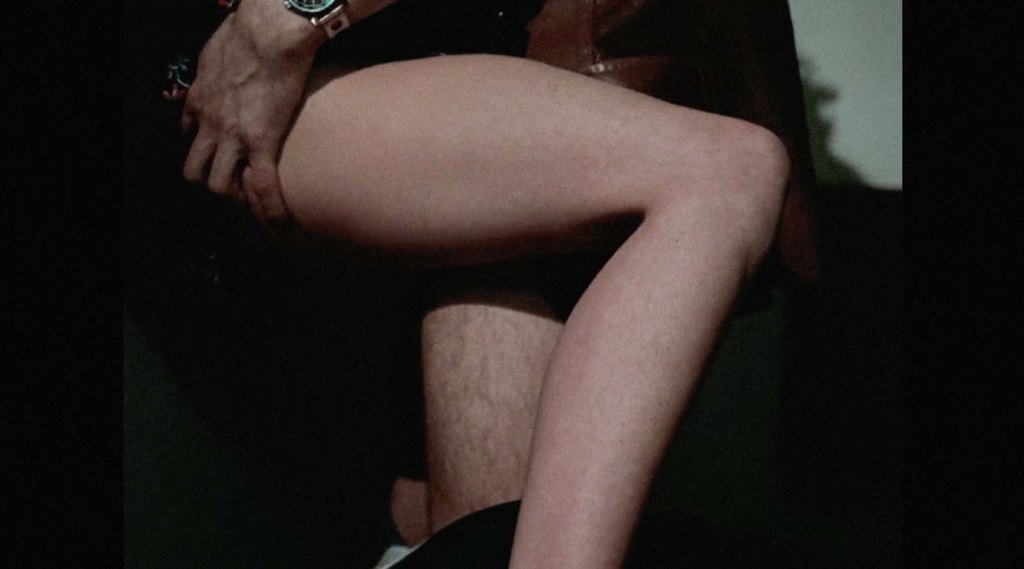
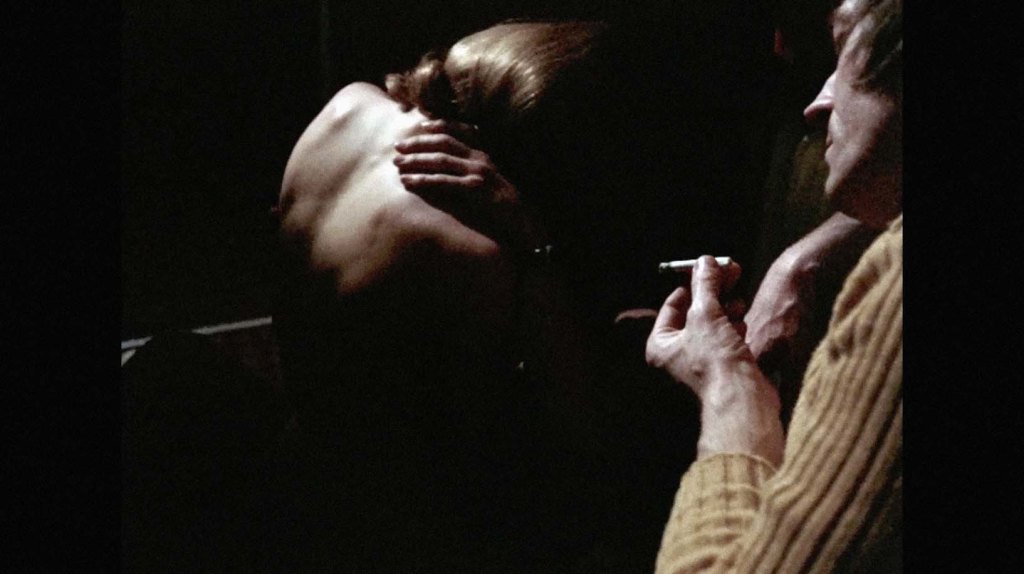
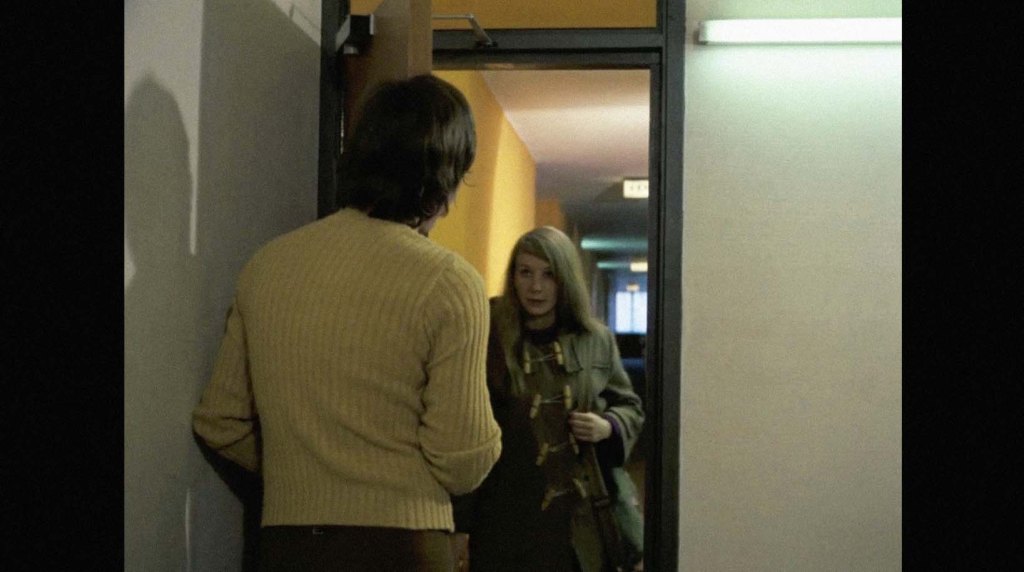
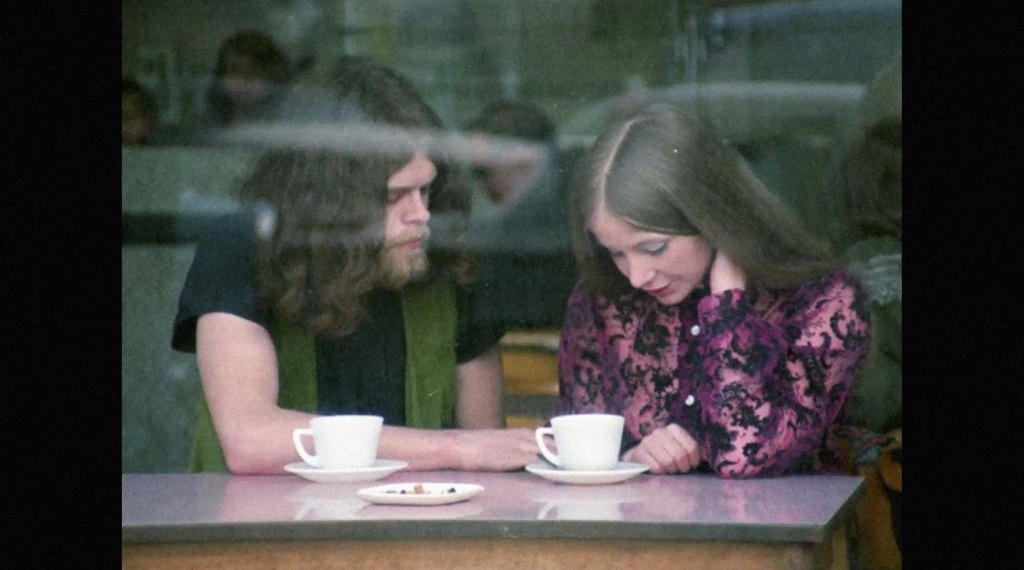
At first, Suze is both fascinated and bewildered by the world she has entered—a swirling haze of sex, drugs, and fleeting glamour. Fiona introduces her to the band members, especially Lee (Gilbert Wynne), the group’s confident and charismatic frontman. The atmosphere feels loose and permissive, but beneath the surface, there lies exhaustion, exploitation, and loneliness. Suze quickly learns that the “freedom” of the rock scene often conceals dependency and emotional manipulation.
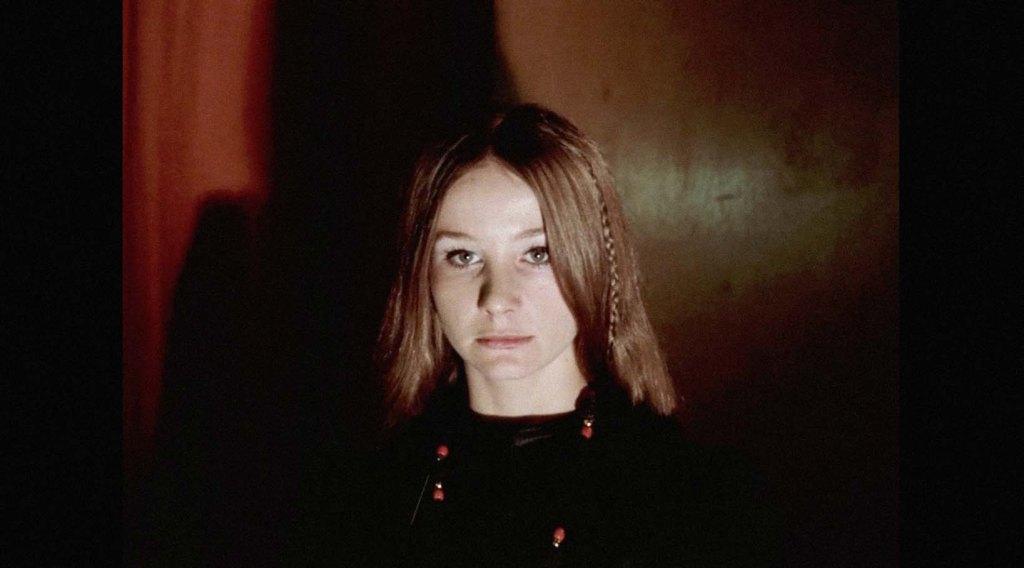
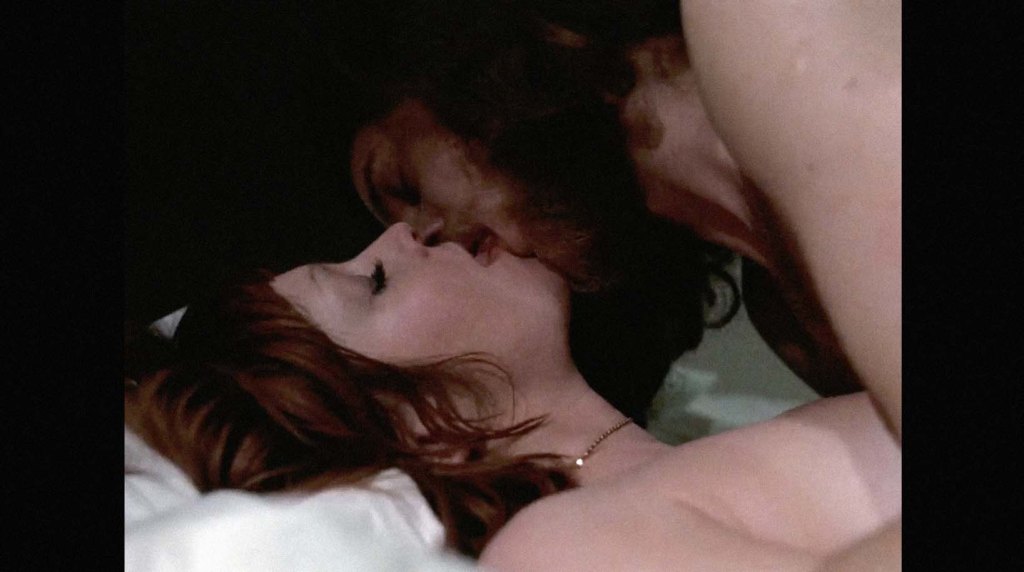
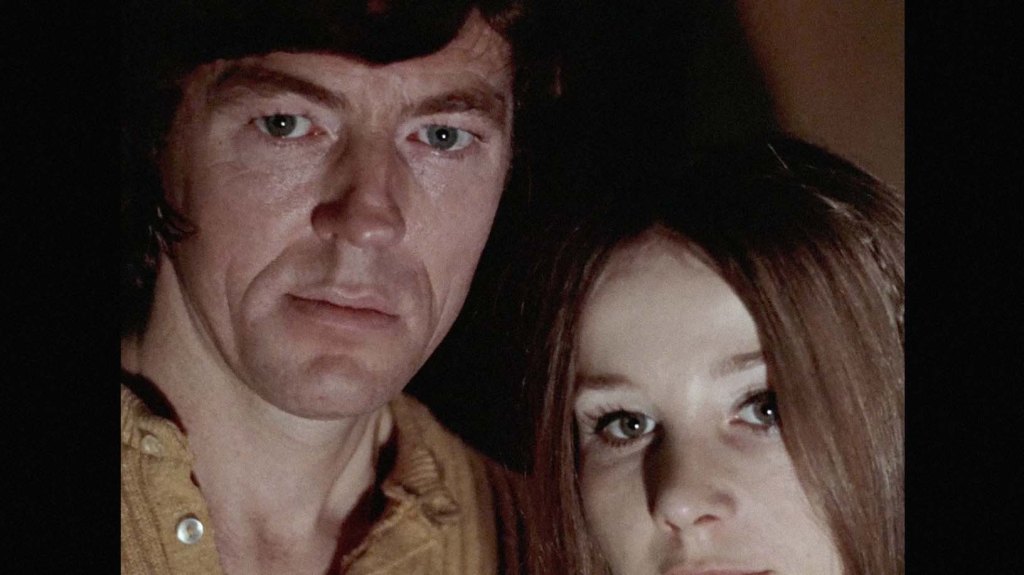
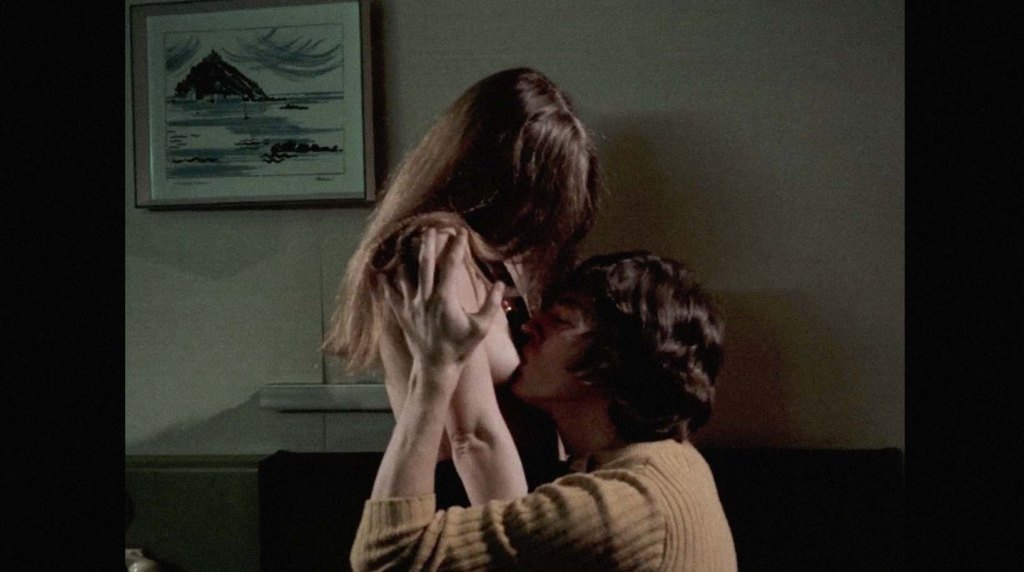
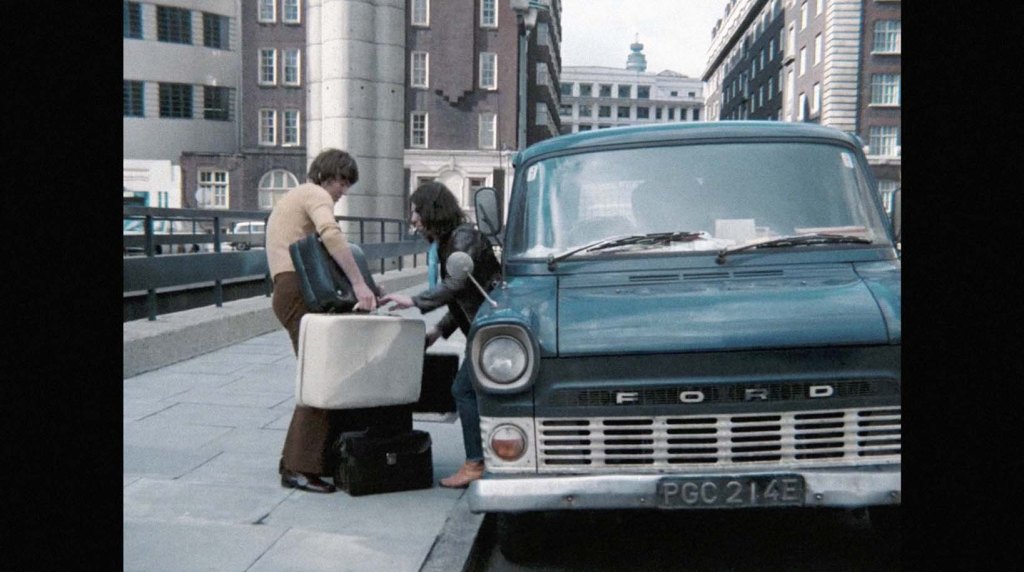
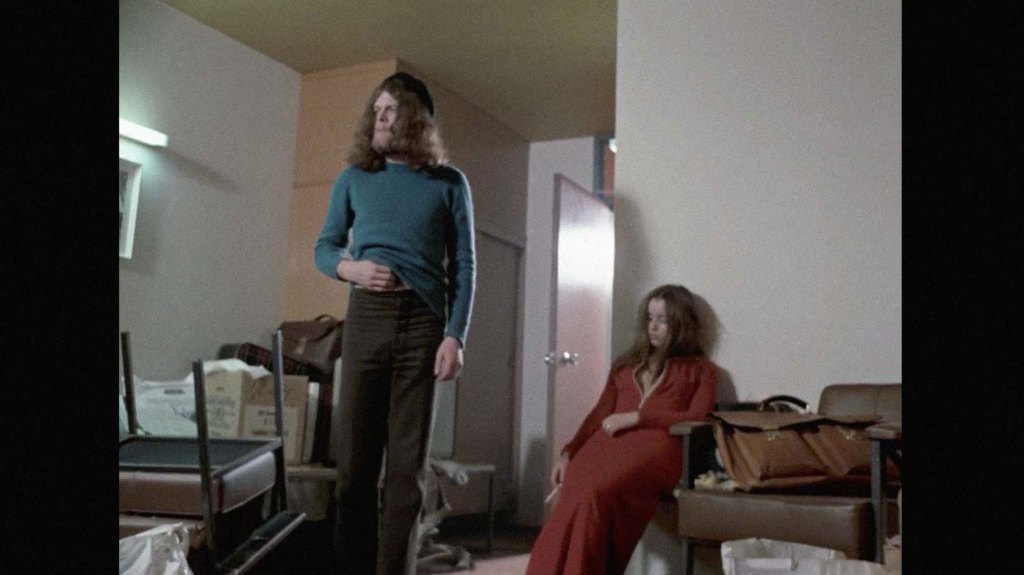
Fiona serves as both a mentor and a rival. She explains how the scene operates: women attach themselves to bands, travel with them, and live off their fame and small gestures of affection. However, the position of a groupie is precarious—one moment they are desired, and the next they are discarded. As the film progresses, Suze’s initial excitement turns into disillusionment. She starts to adopt Fiona’s cynical detachment, engaging in relationships with band members, numbing herself with alcohol and pills, and gradually losing her sense of identity.
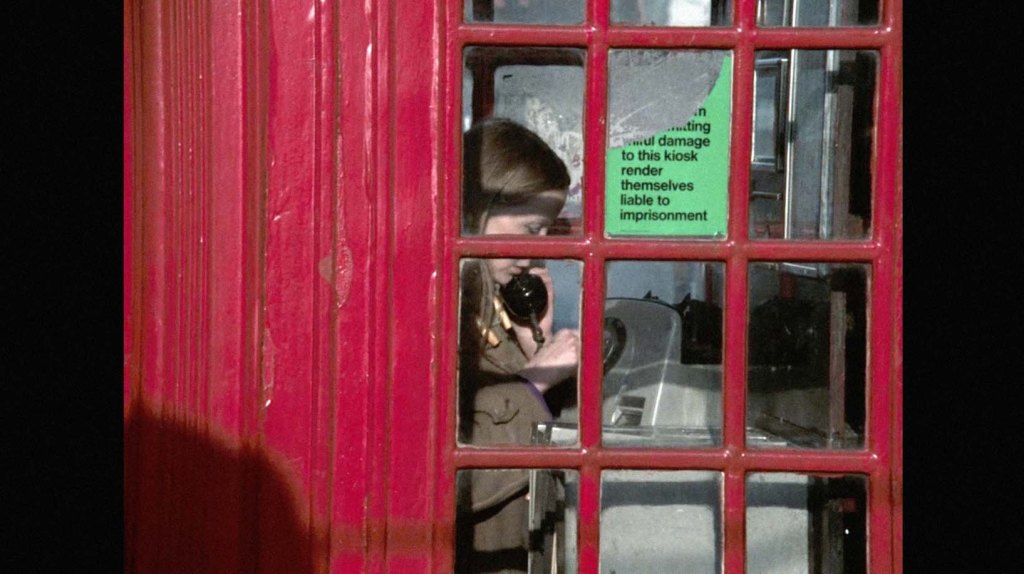
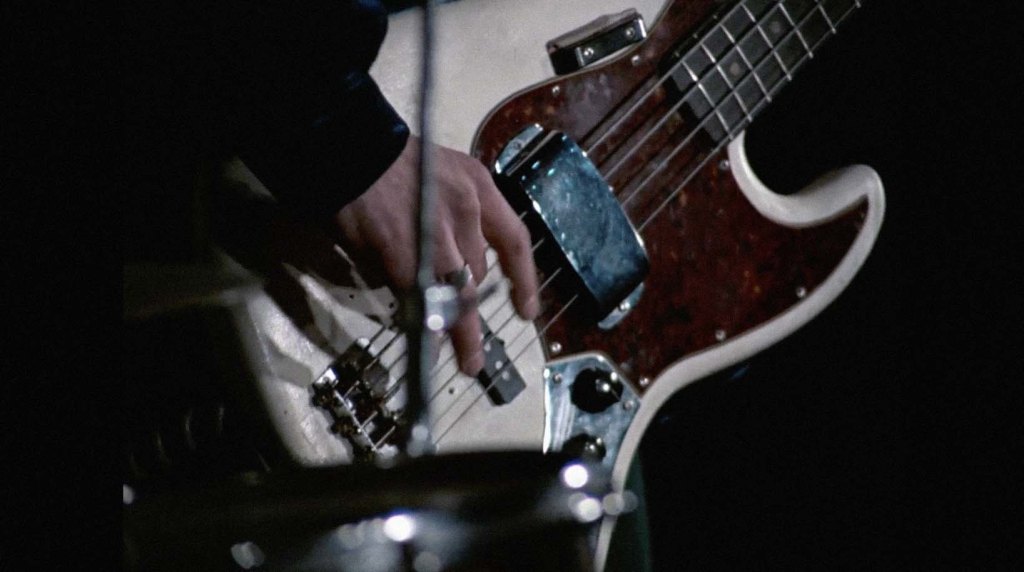
After Fiona is pushed aside by the band and ultimately leaves, Suze takes her place—moving into Fiona’s old spot both emotionally and physically. This causes conflict that boils over at a party into a physical altercation between them.
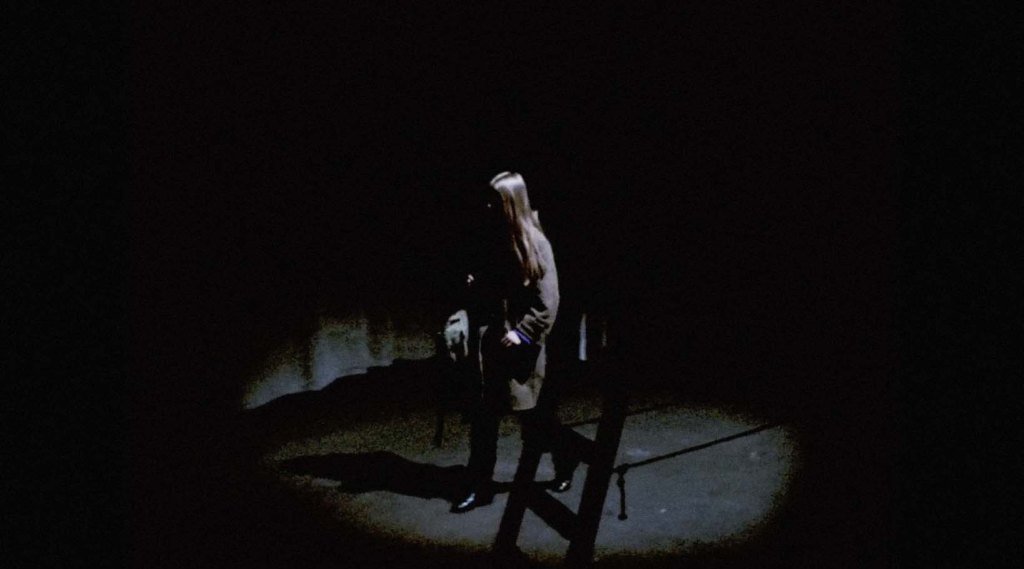
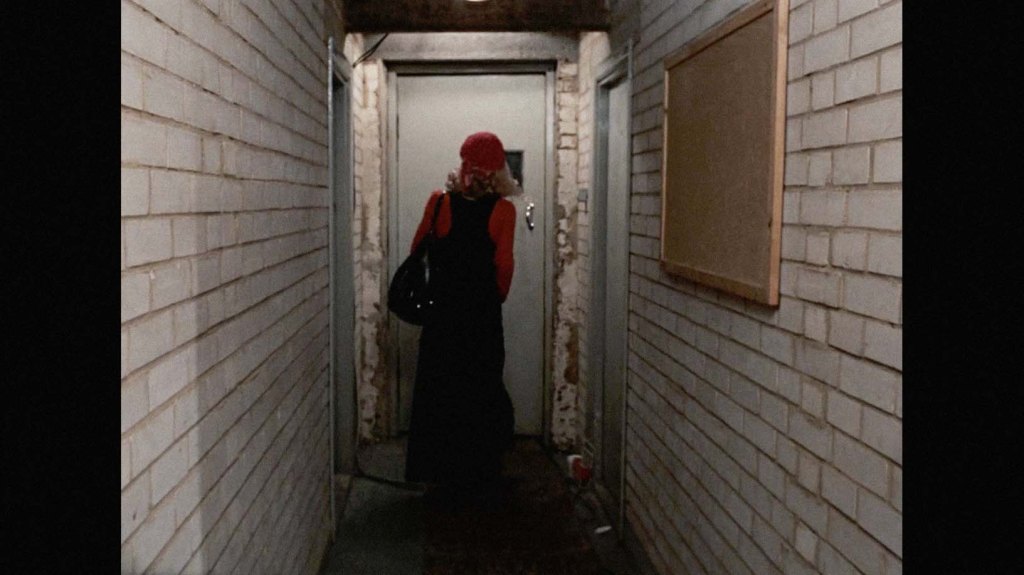
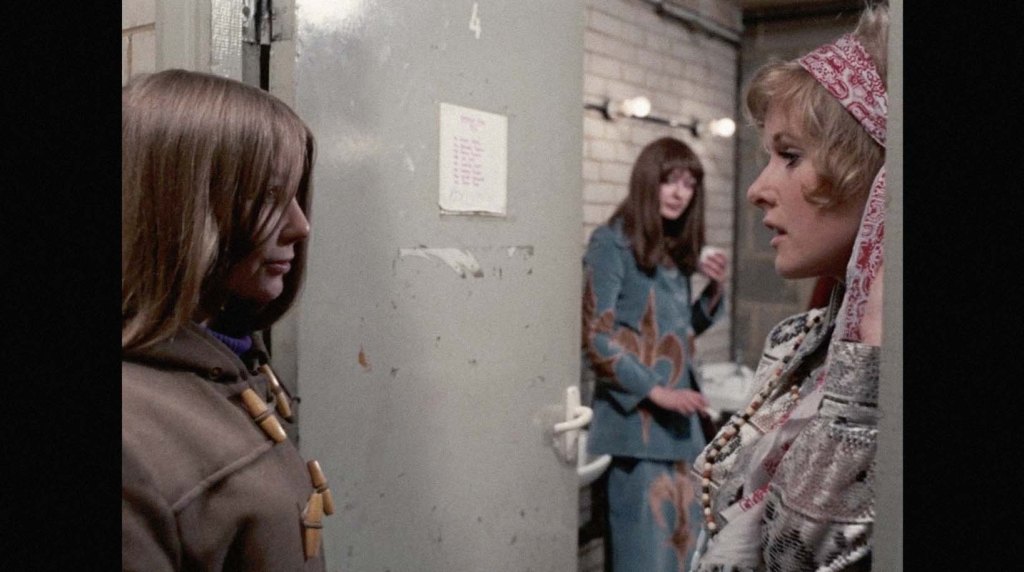
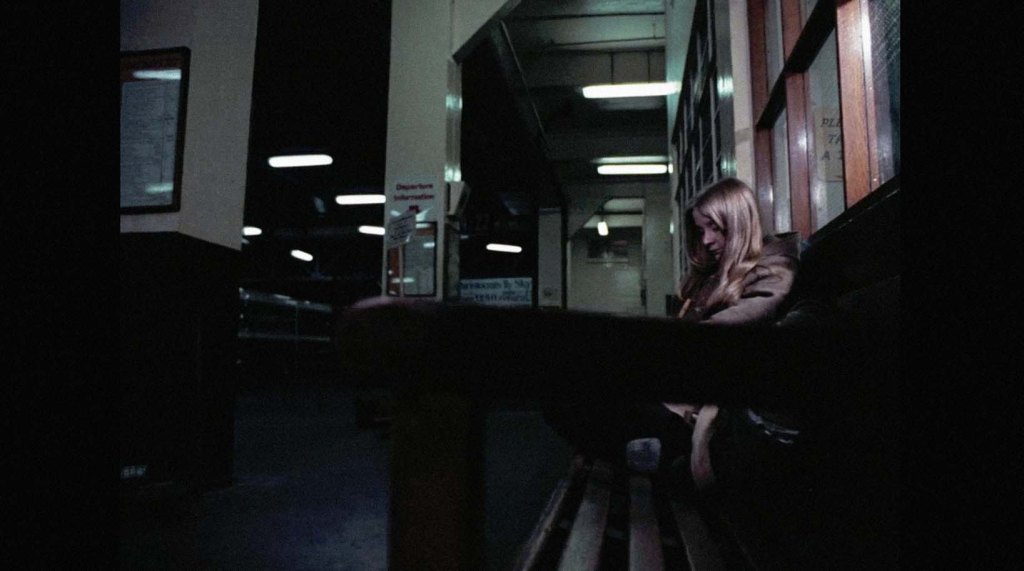
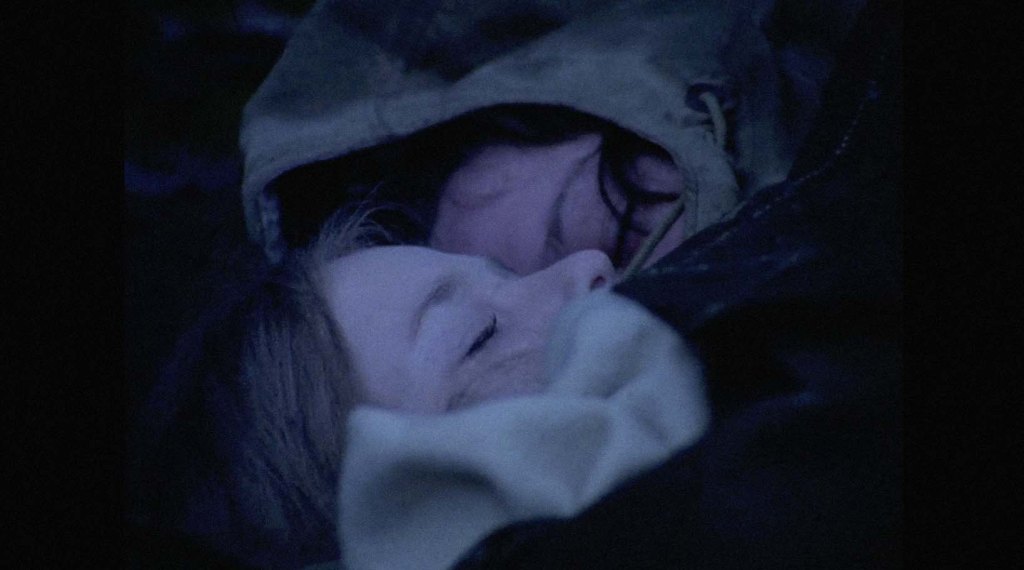
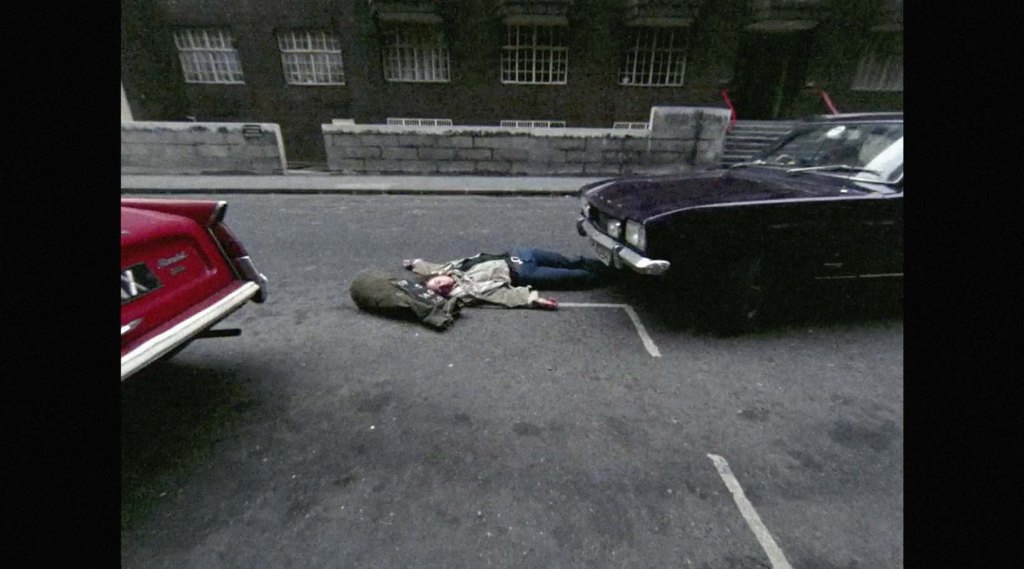
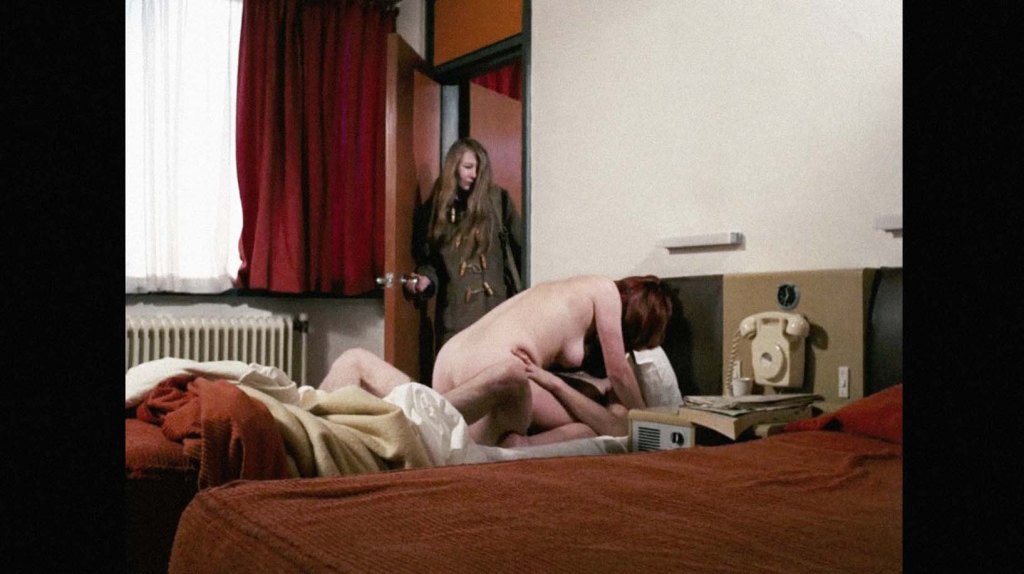
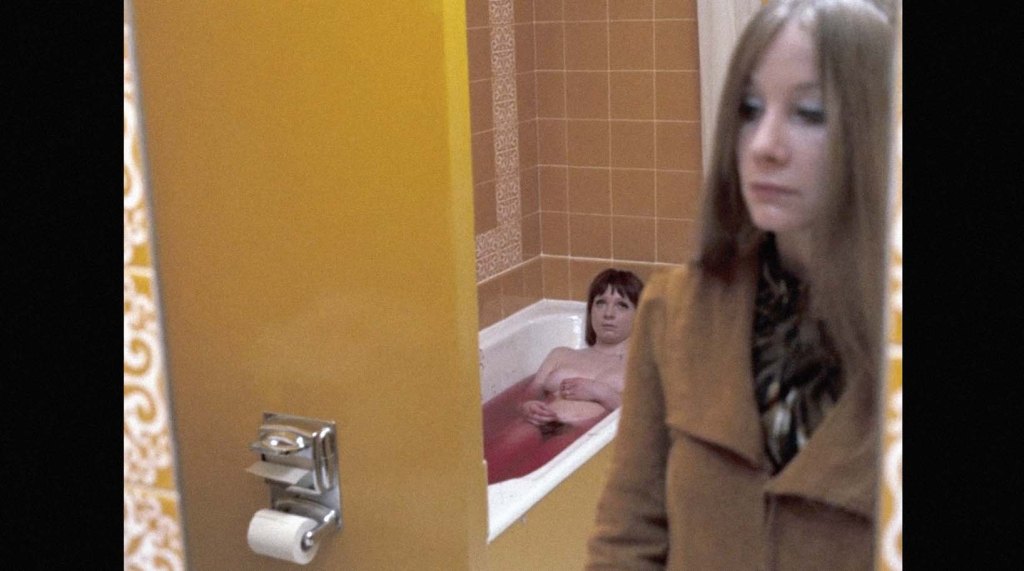
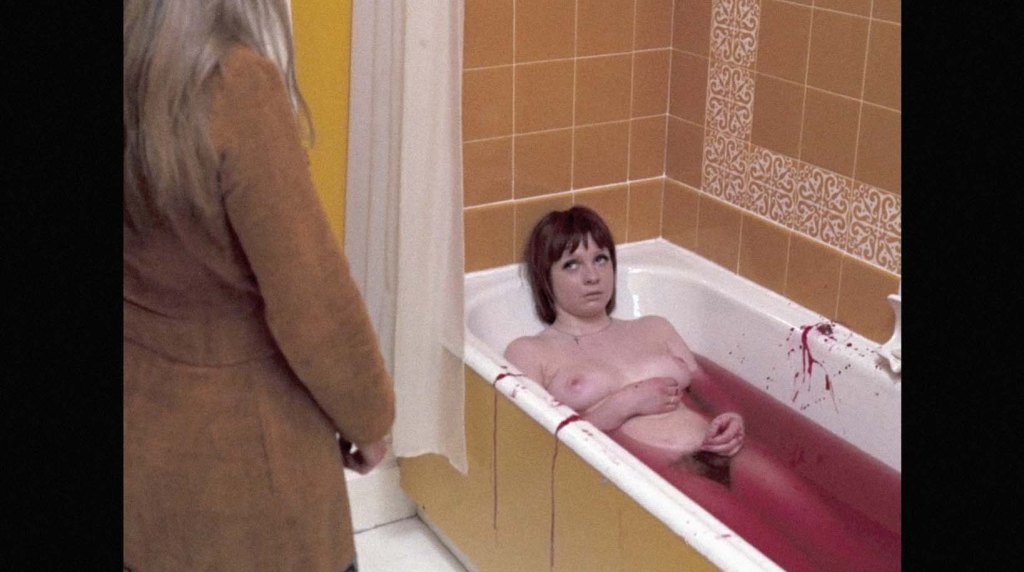
The film’s climax is understated yet devastating. Suze, now emotionally hardened, has taken Fiona’s place and is preparing to leave the hotel with the band, leaving Fiona behind. Upon realizing she has forgotten something, she returns to the hotel room and discovers Fiona in the bathtub, having slit her wrist. Although Fiona is still alive, she is motionless. In a moment of cold determination, Suze decides to walk out without offering any help or saying a word, highlighting just how hardened and callous she has become.
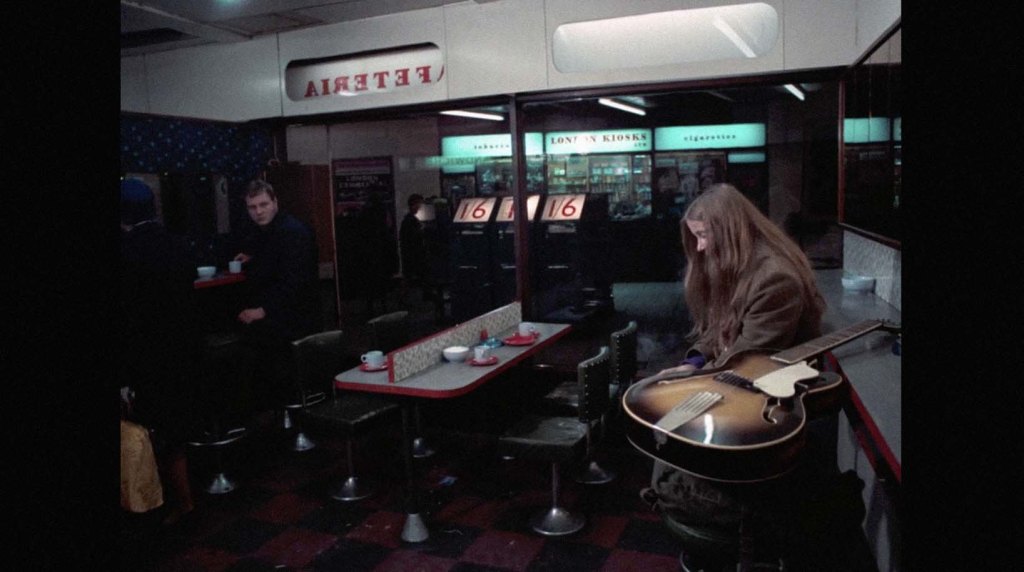
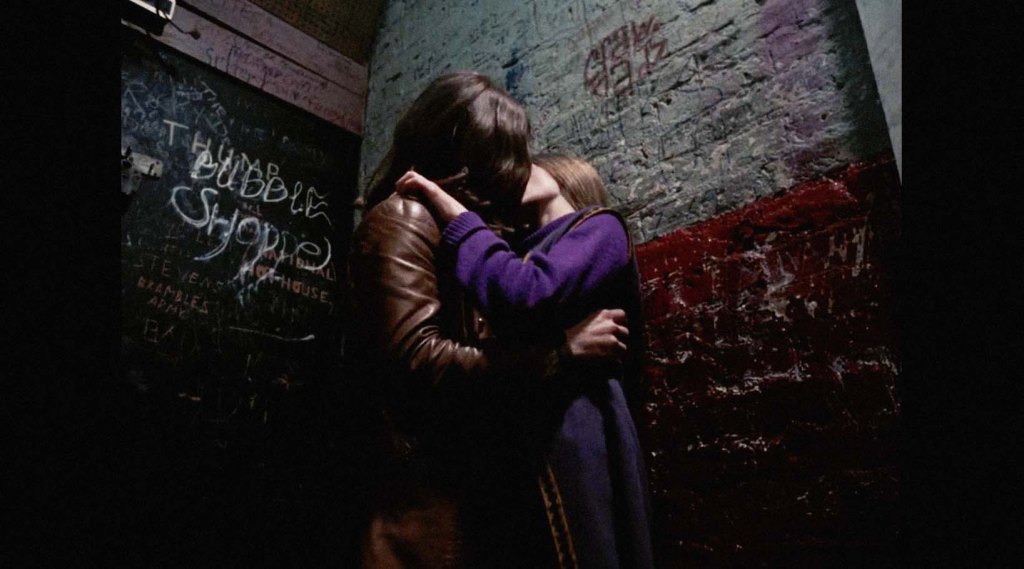
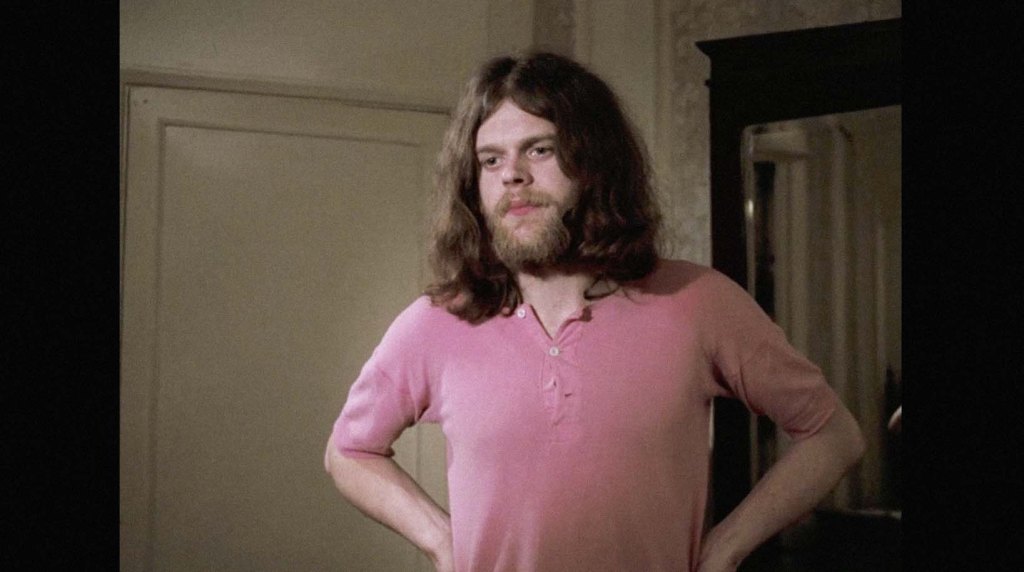
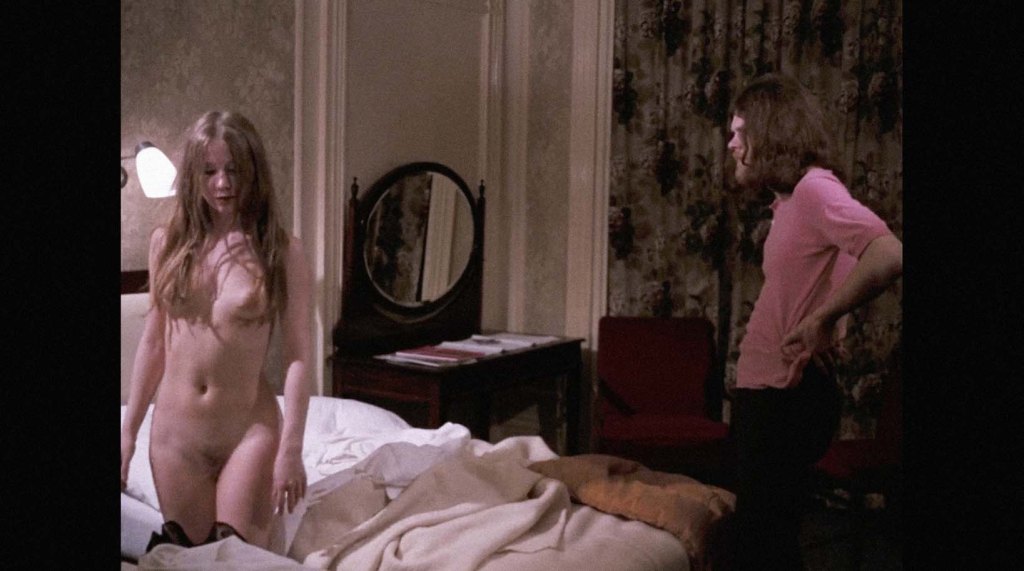
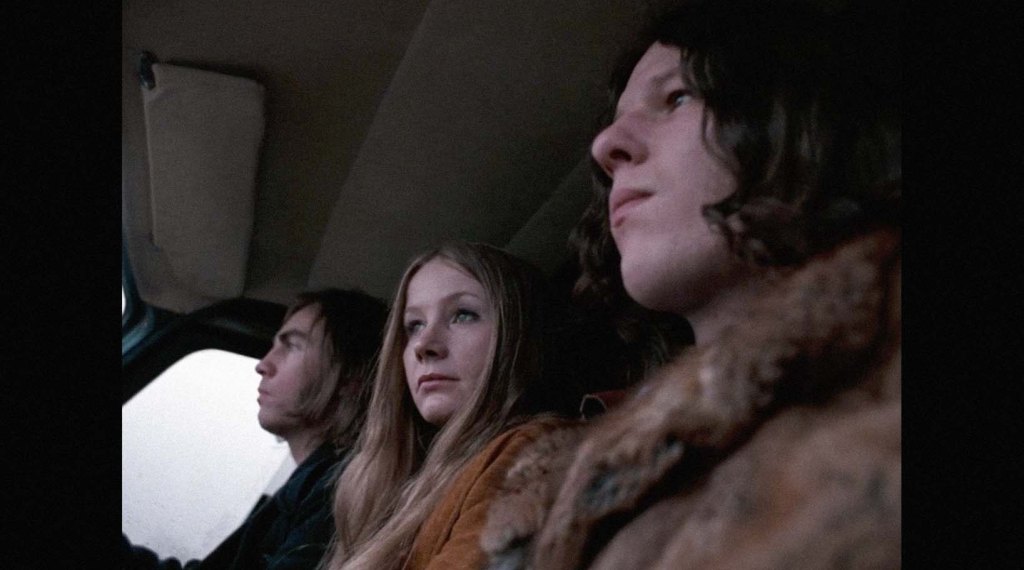
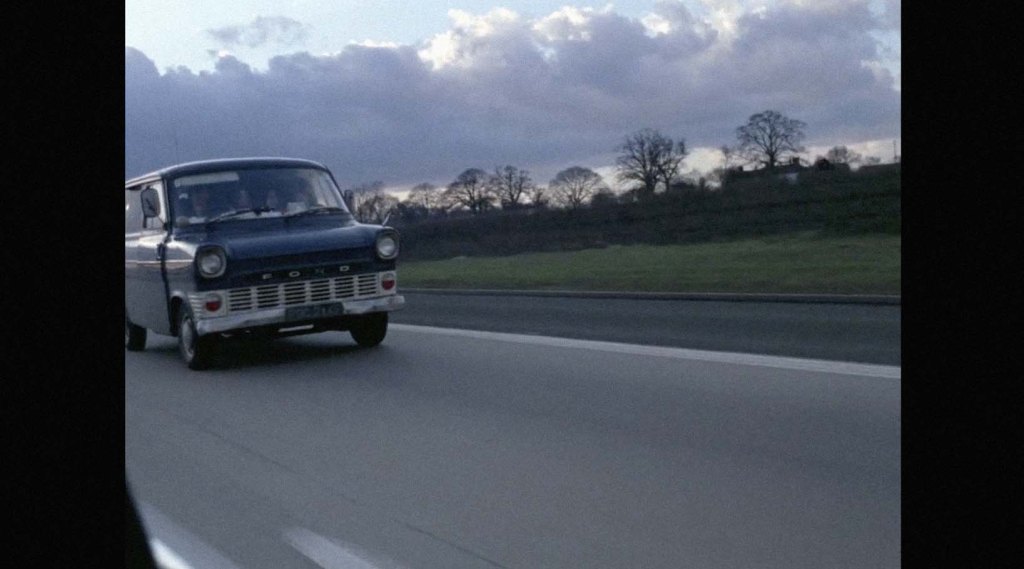
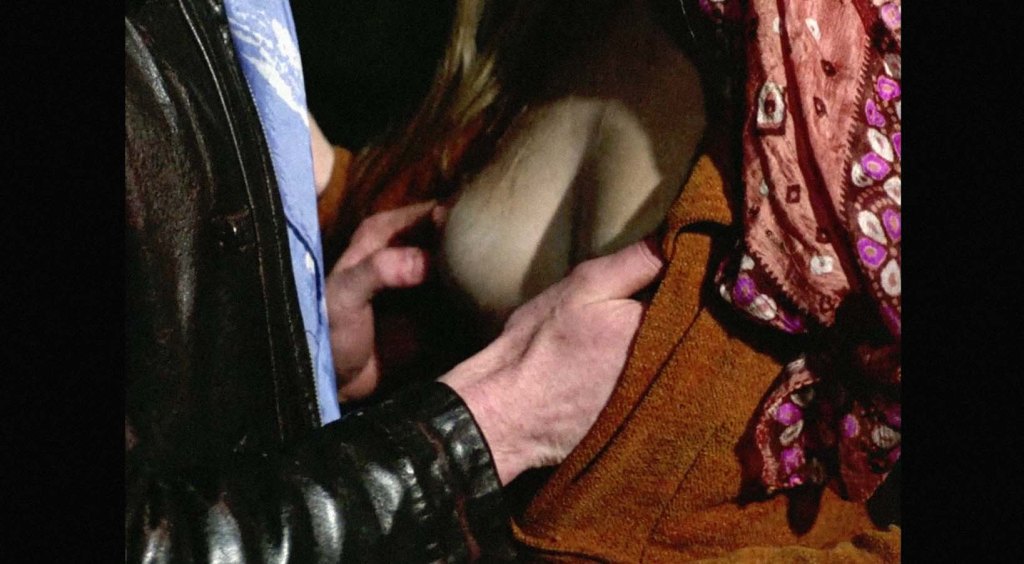
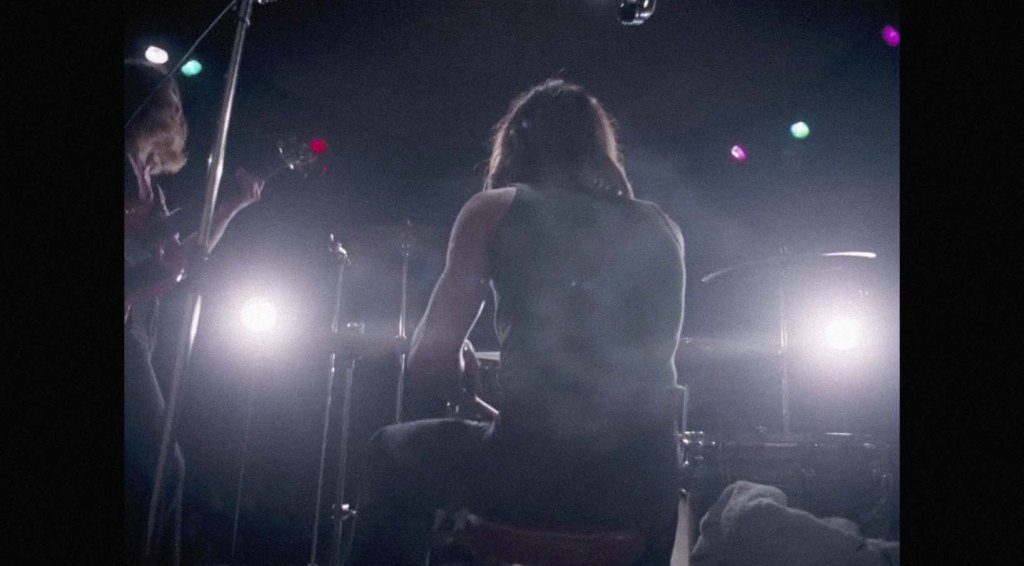
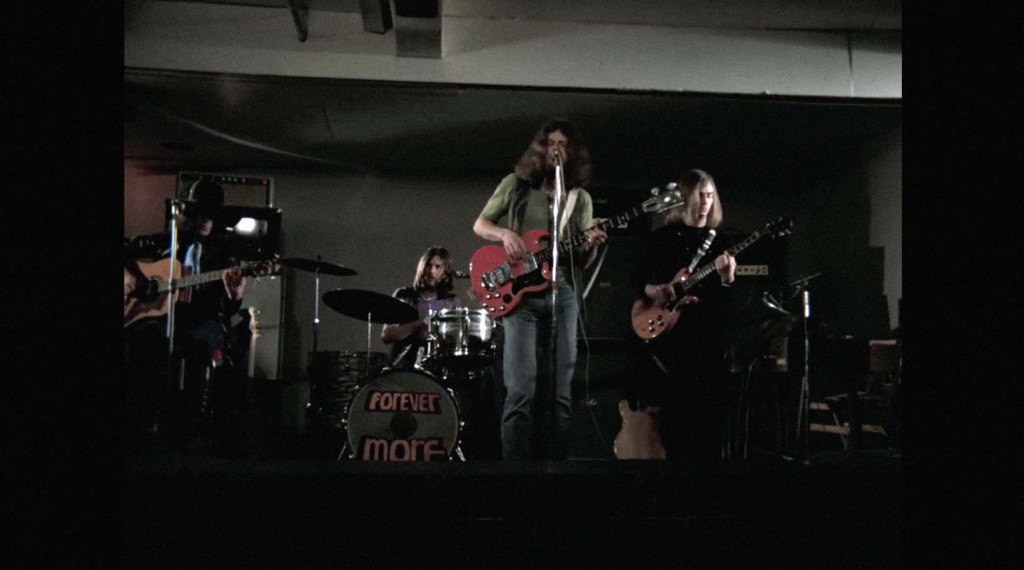
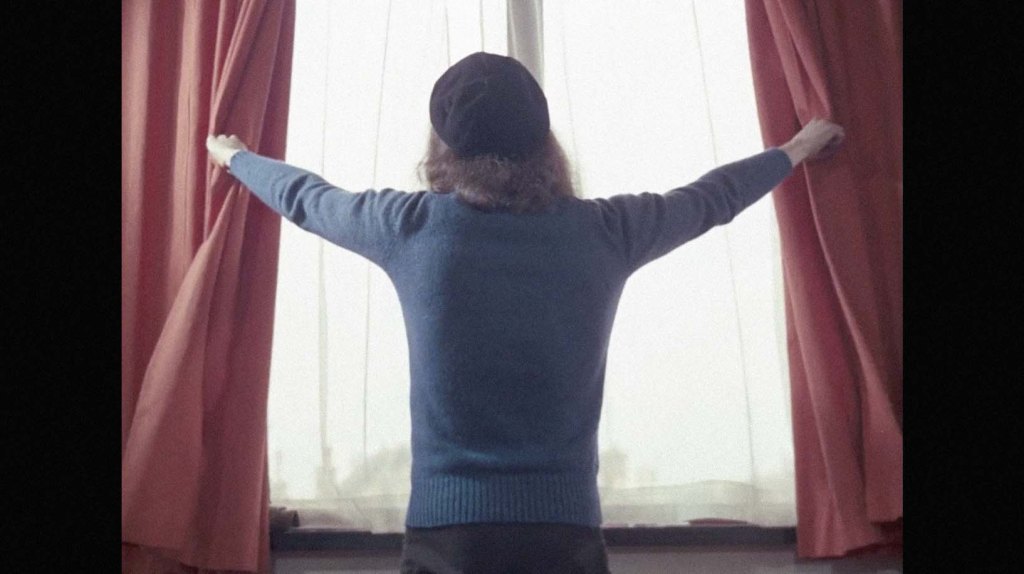
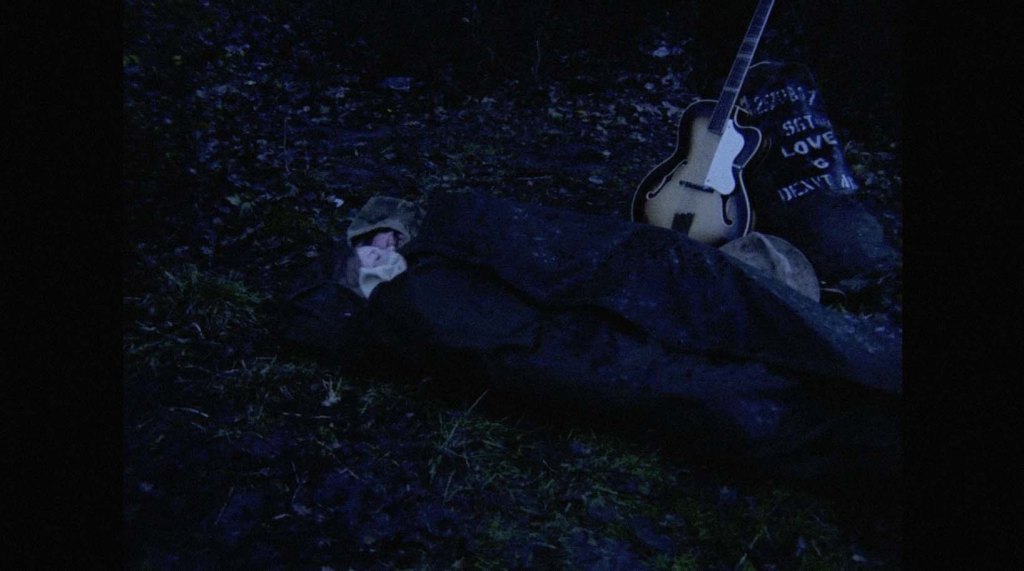
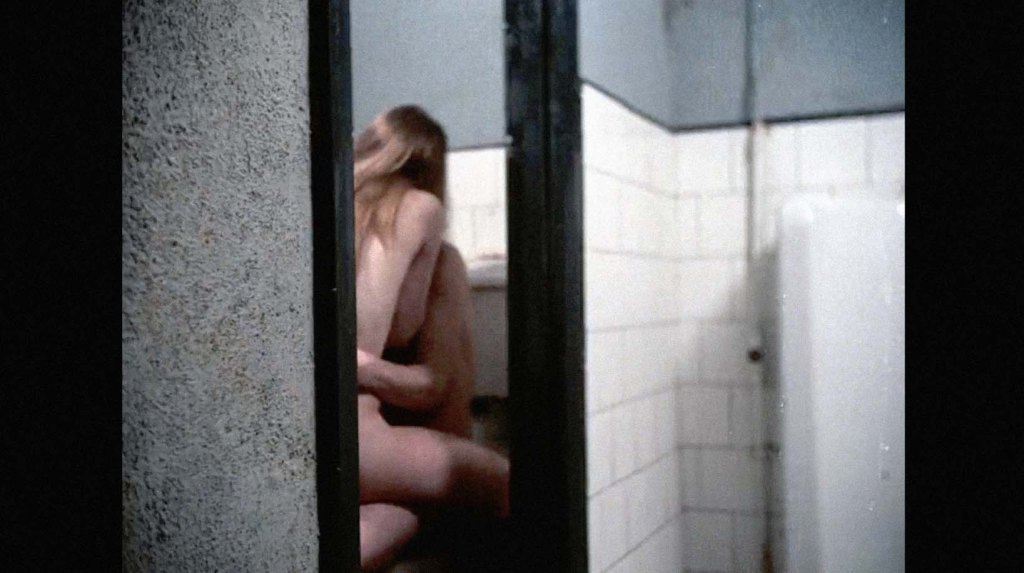
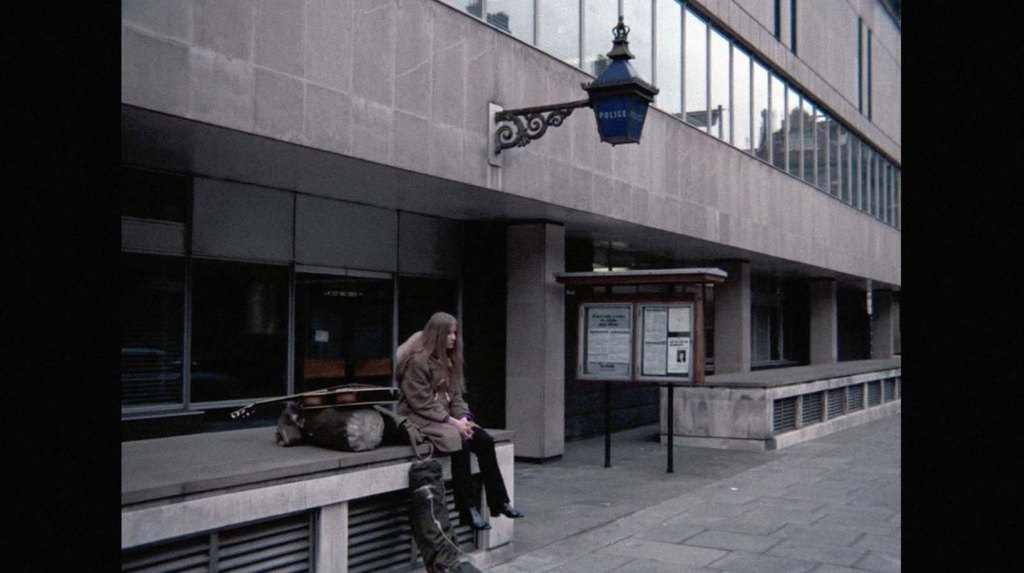
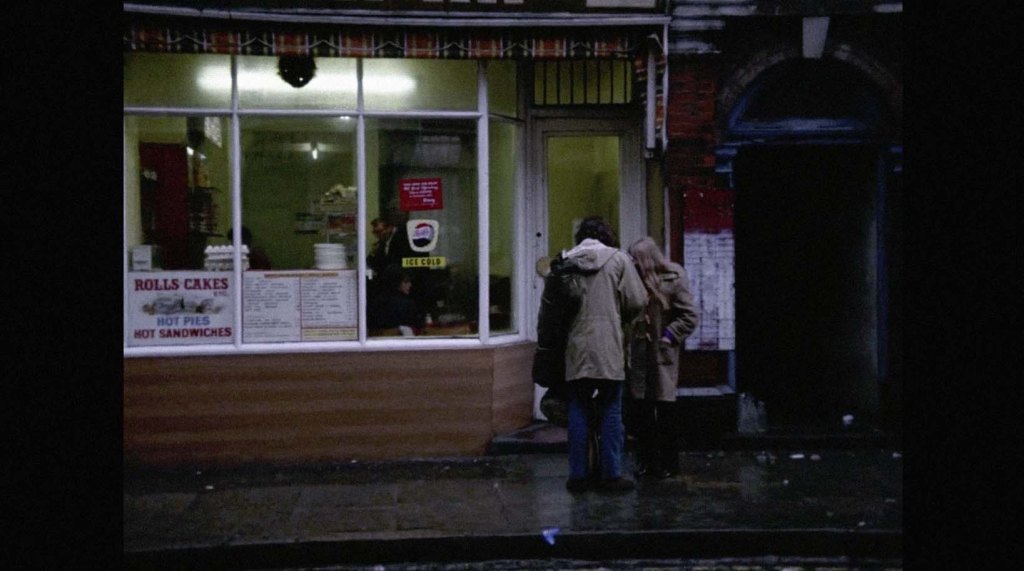
“Permissive” was shot in a gritty, semi-documentary style that blurs the line between fiction and reality. Shonteff uses handheld cameras and natural light to create a feeling of immediacy and authenticity. The film’s muted color palette and raw sound design heighten its sense of realism—capturing the drab, unglamorous side of the London rock scene rather than its Swinging Sixties myth.
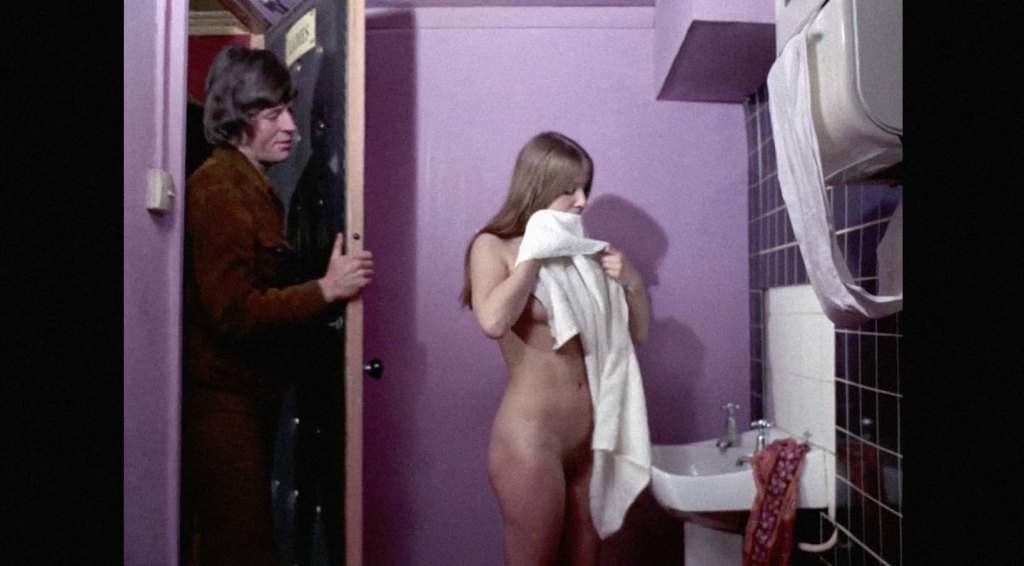
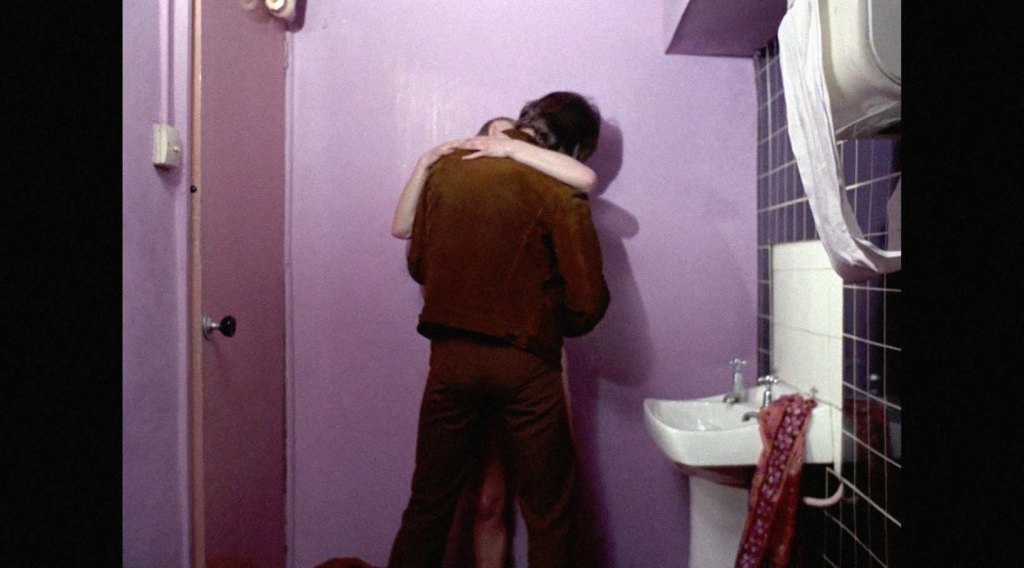
Though largely overlooked upon its release and marketed as a soft-core “youth exploitation” film, “Permissive” has since been re-evaluated as a authentic portrayal of post-’60s disillusionment in British cinema. Its candid depiction of female experiences in the rock world sets it apart.