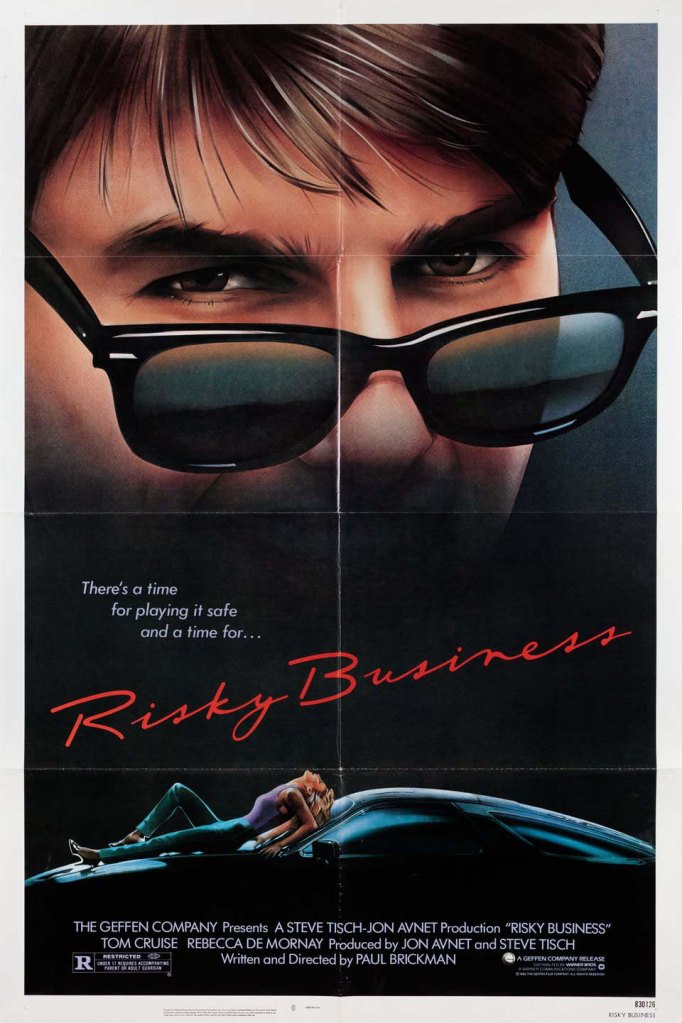
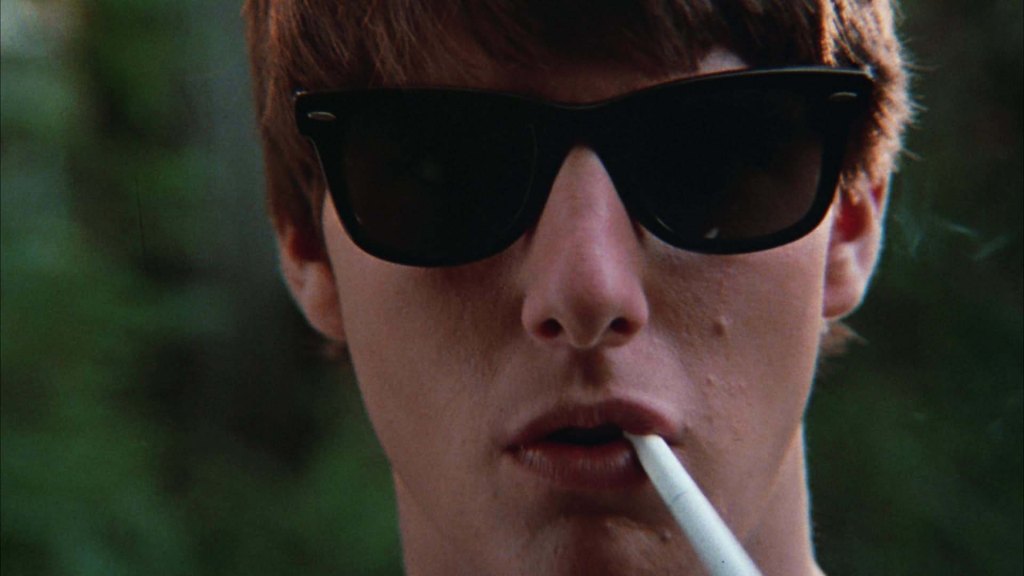
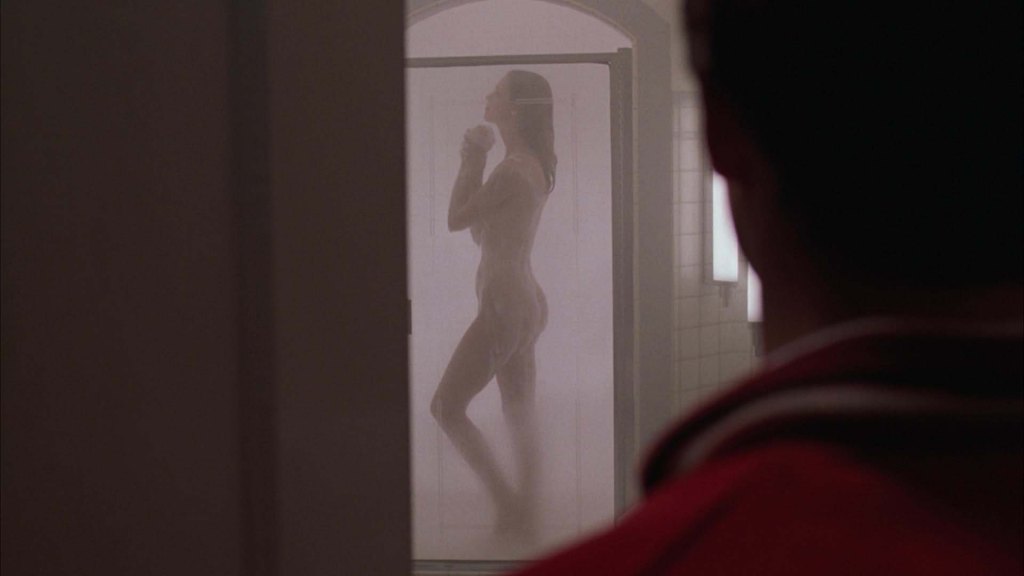
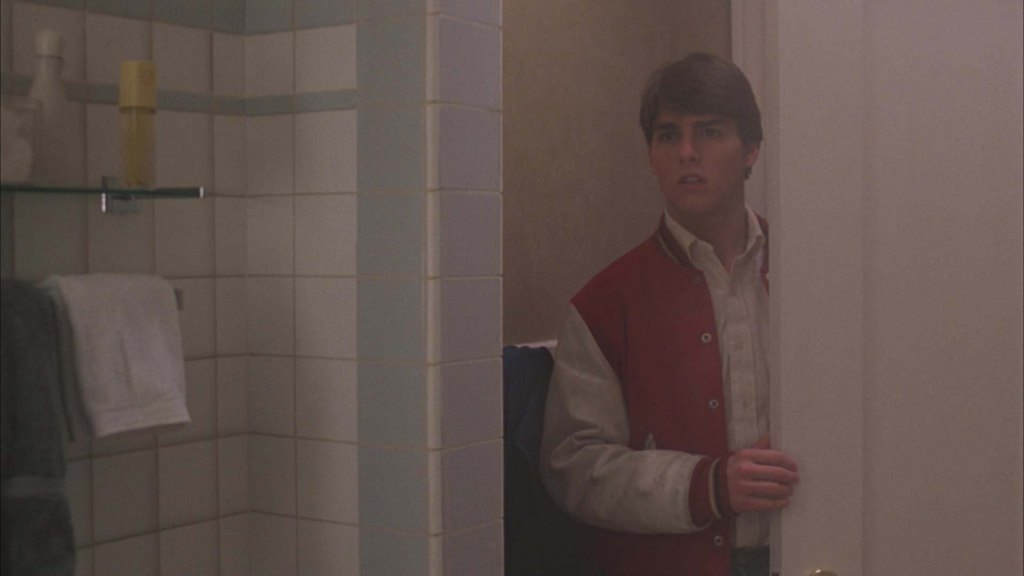
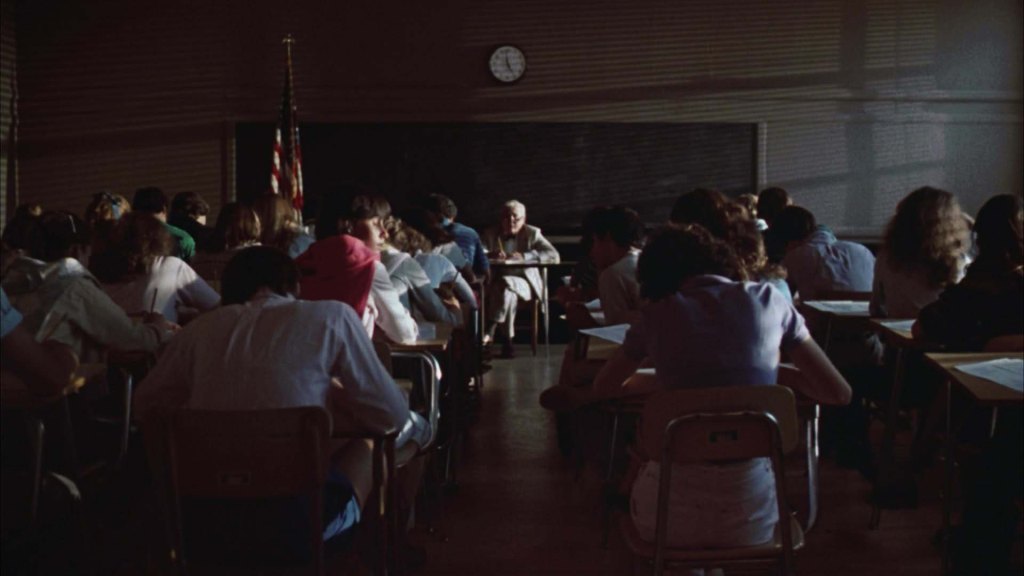
“Risky Business” is a sharp and stylish coming-of-age satire directed and written by Paul Brickman, released in 1983. Set in the affluent suburbs of Chicago, the film combines dark comedy, eroticism, and social commentary while exploring themes of teenage rebellion, capitalism, and moral awakening in Reagan-era America. Notably, it launched Tom Cruise’s career, famously featuring him sliding across the floor in his underwear to Bob Seger’s “Old Time Rock and Roll.”
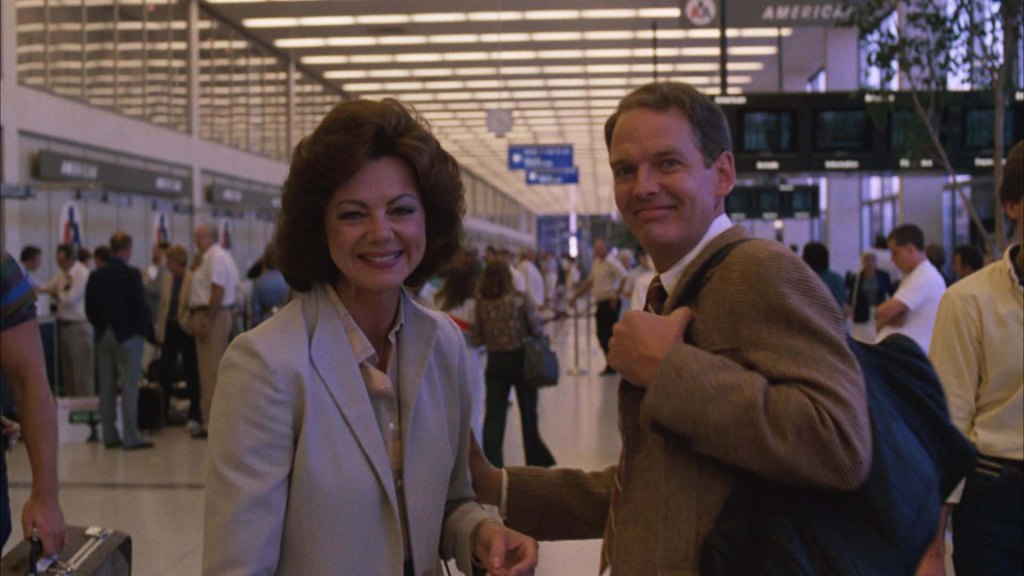
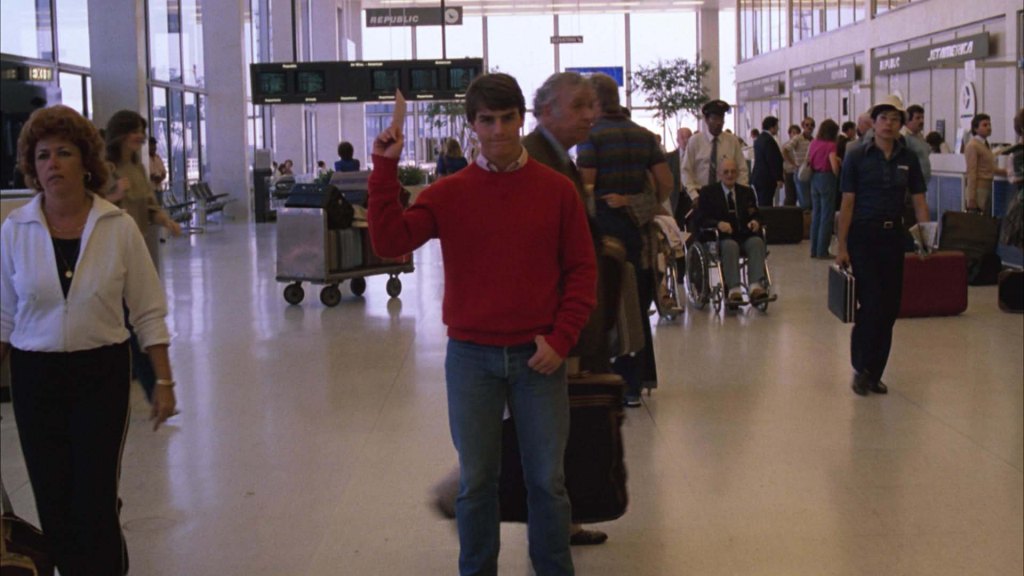
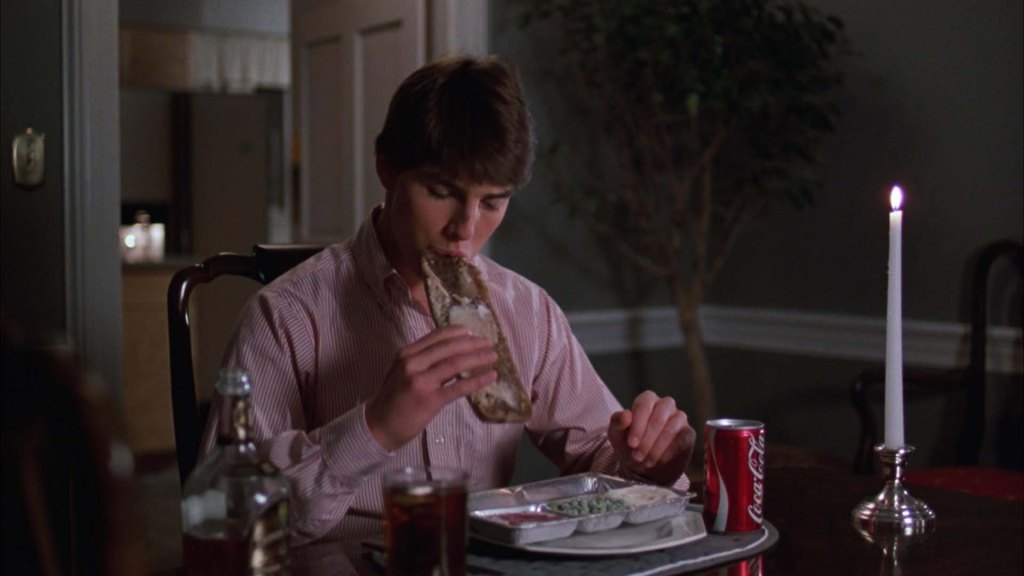
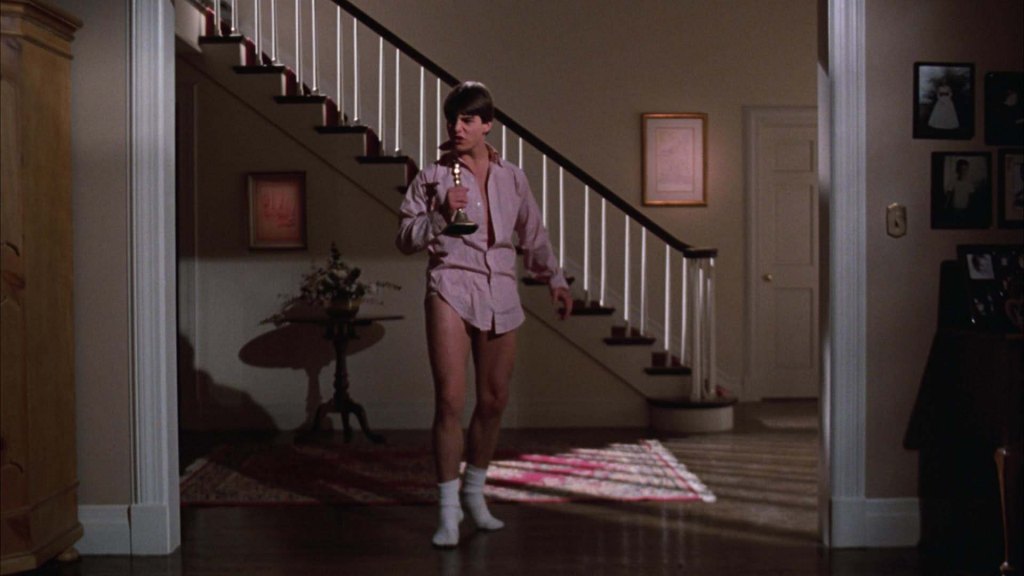
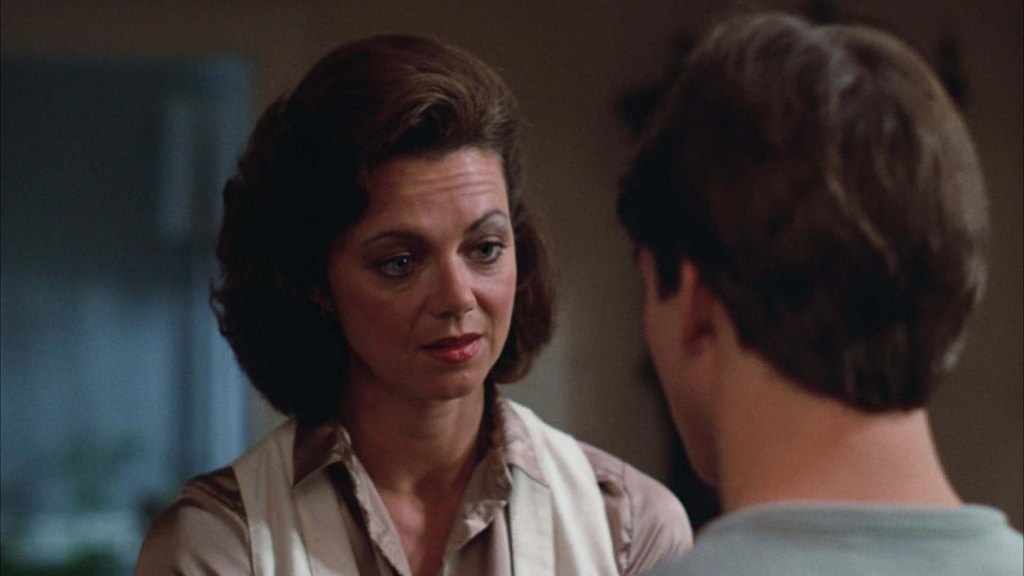
The story centers on Joel Goodson (played by Tom Cruise), a clean-cut, upper-middle-class high school senior from the suburb of Glenbrook, Illinois. He is the ideal son and student—responsible, polite, and headed for college—perfectly embodying his parents’ expectations. His parents (portrayed by Richard Masur and Janet Carroll) are loving yet controlling, fixated on status and success. When they leave for a trip to Europe, they entrust Joel with the house and caution him not to get into any trouble.
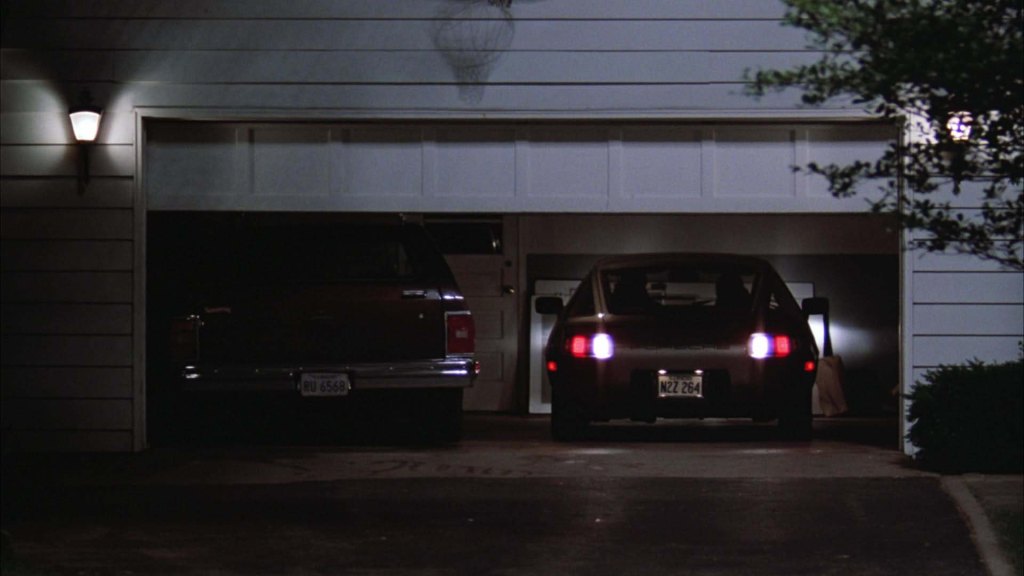
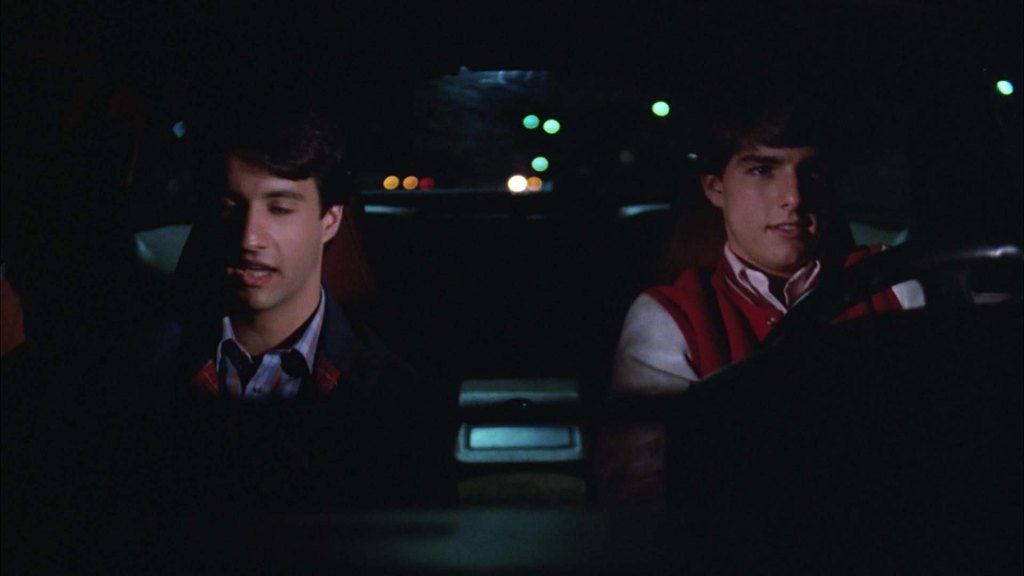


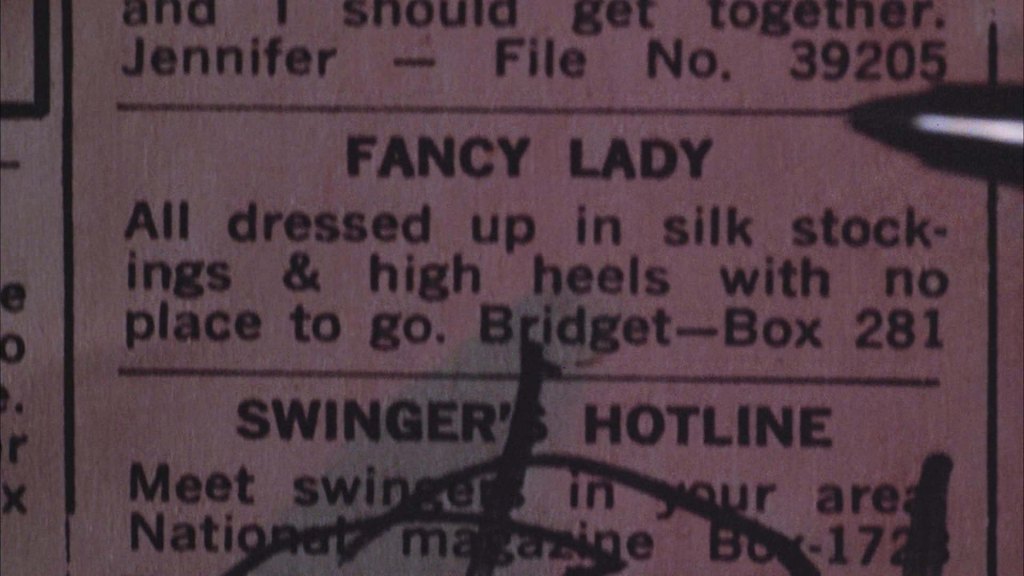
Initially, Joel enjoys his newfound freedom. His friend Miles (played by Curtis Armstrong) encourages him to loosen up and embrace a carefree attitude, urging him to take risks and truly experience life before it’s too late. Joel’s first attempt at rebellion is relatively mild: he drives his father’s prized Porsche, drinks beer, and fantasizes about sex and adventure. However, temptation quickly presents itself in unexpected ways.
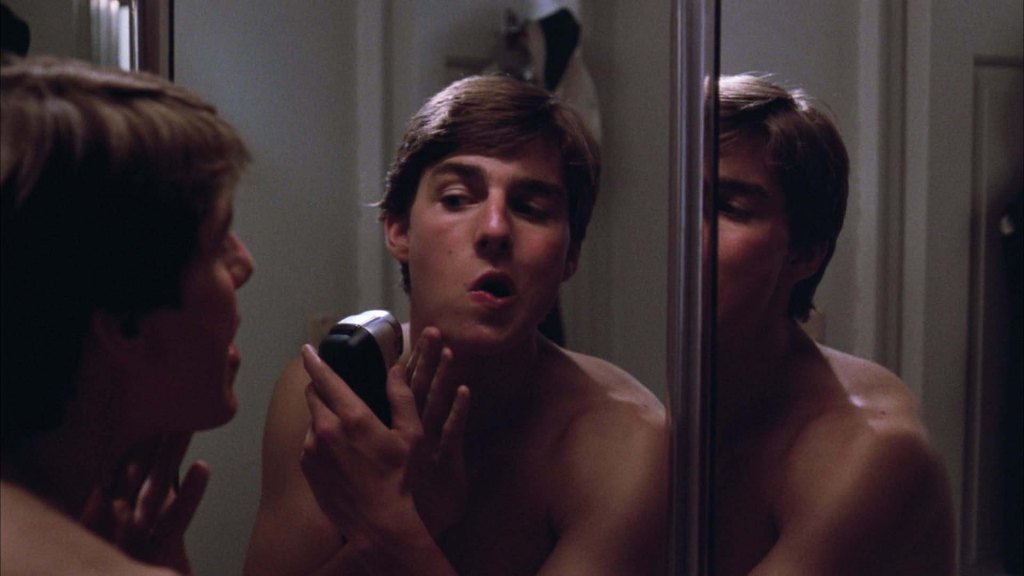
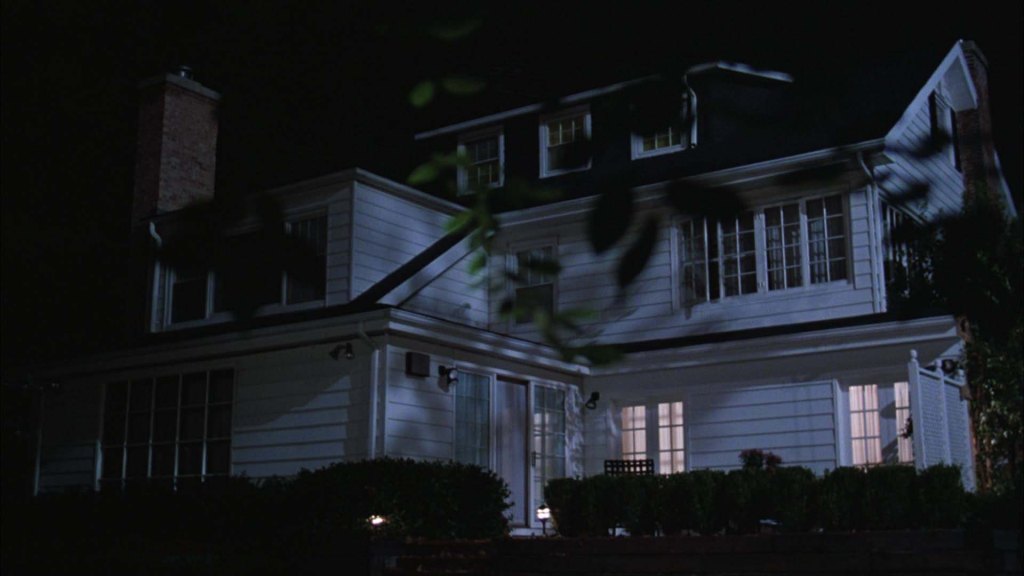
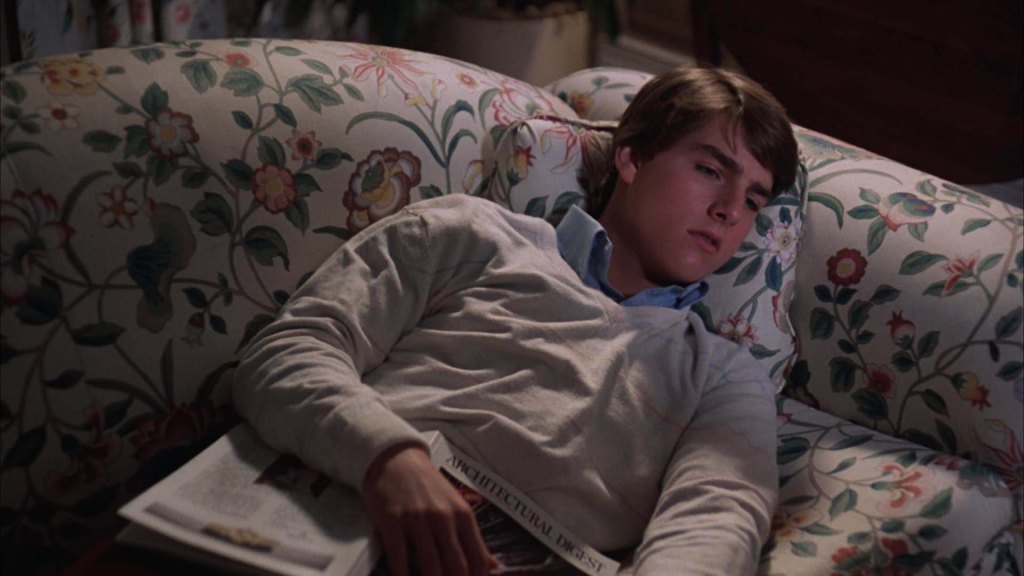
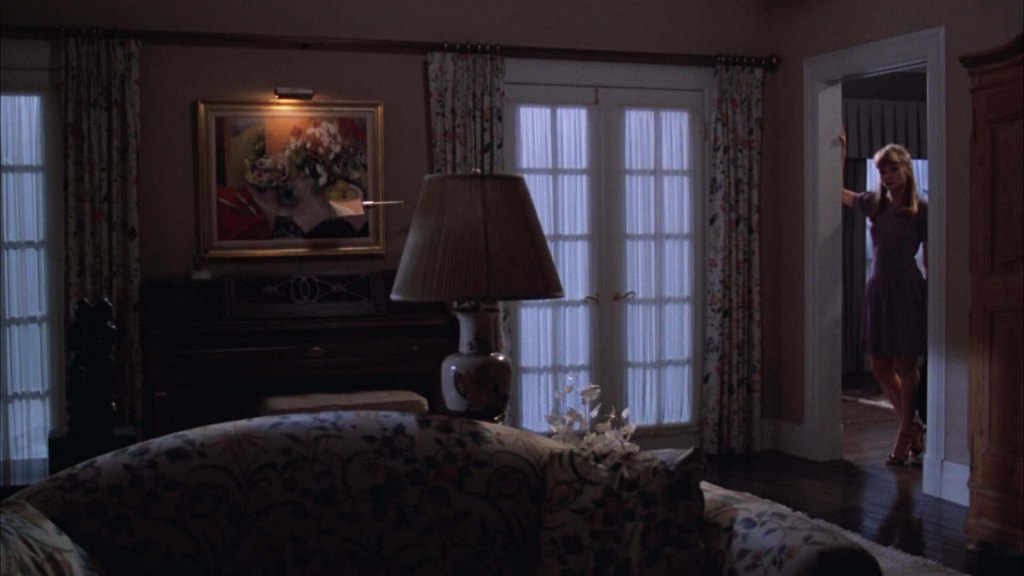
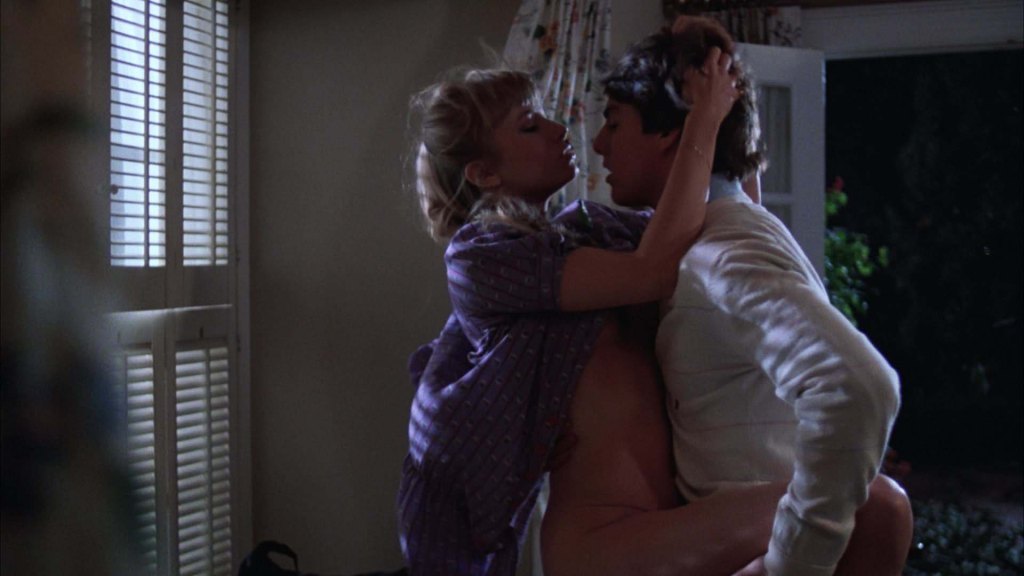
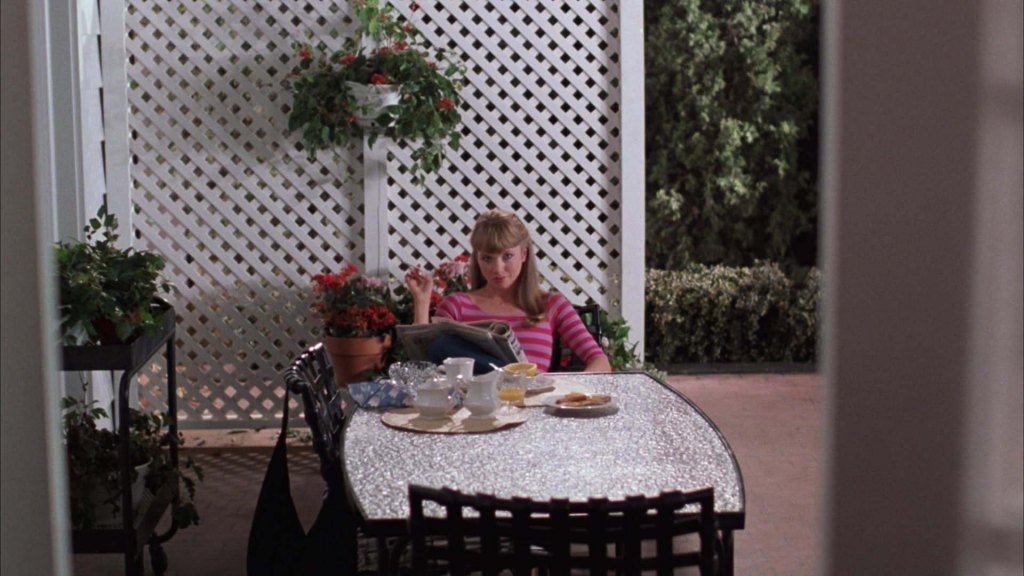
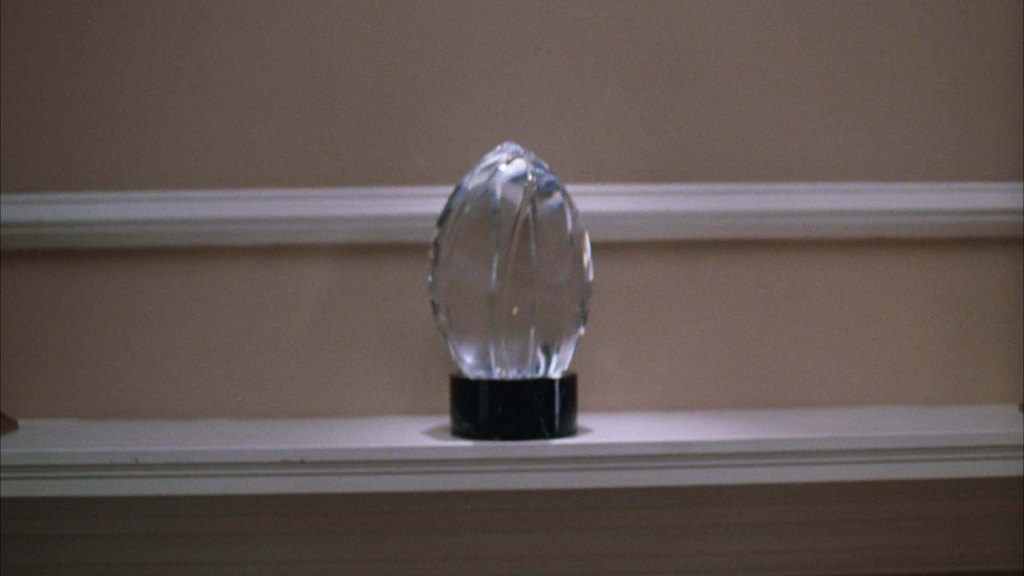
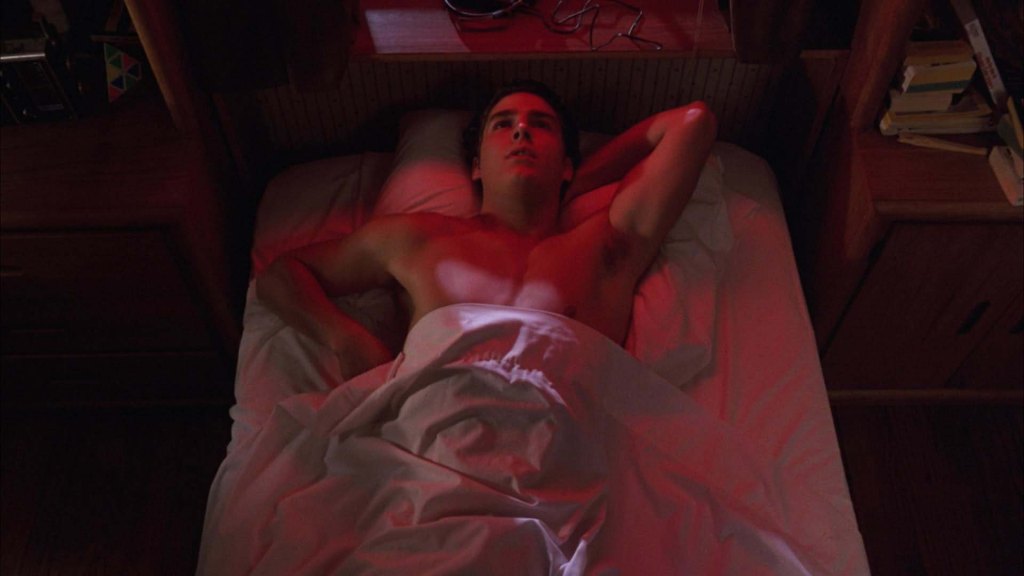
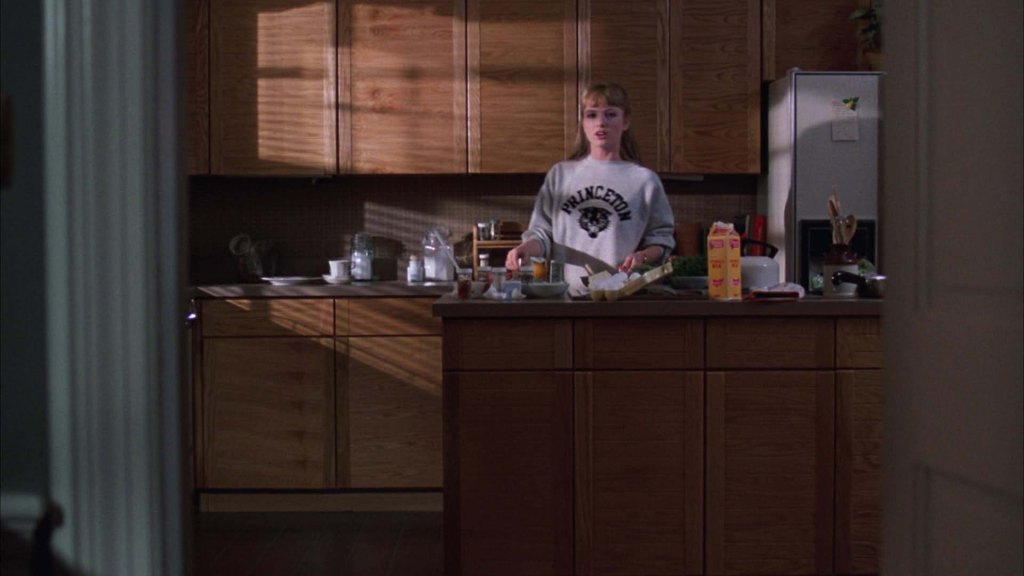
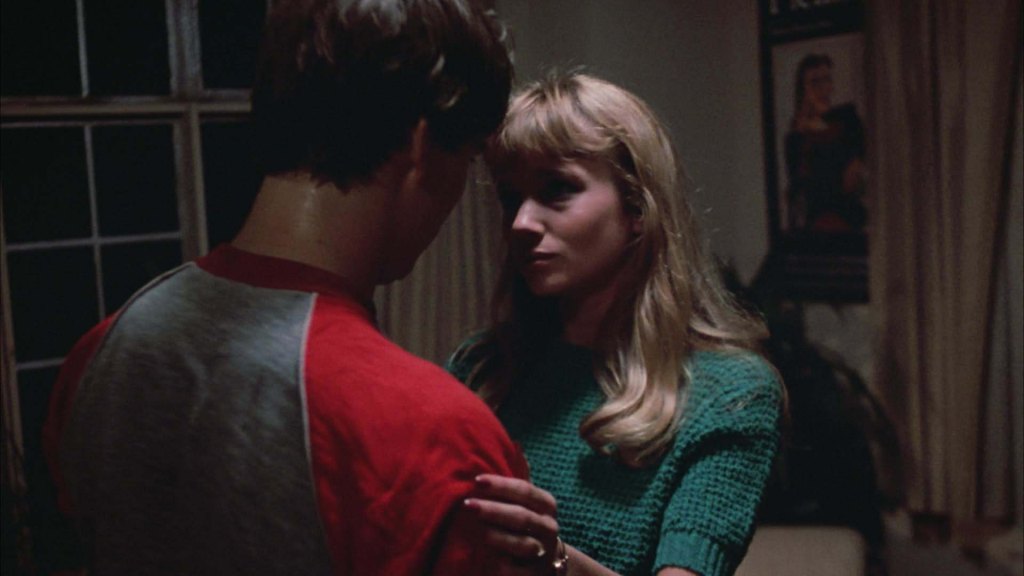
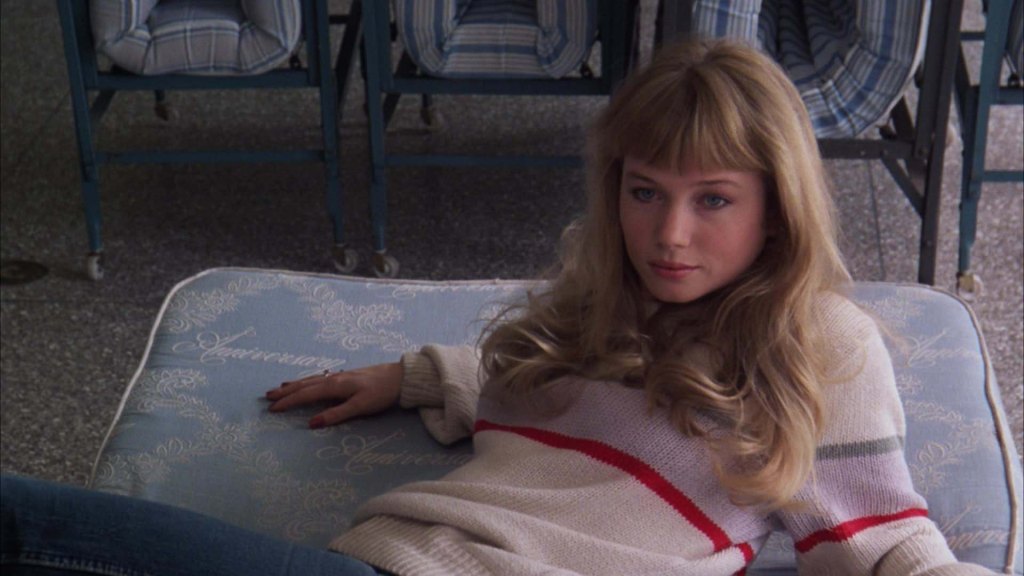
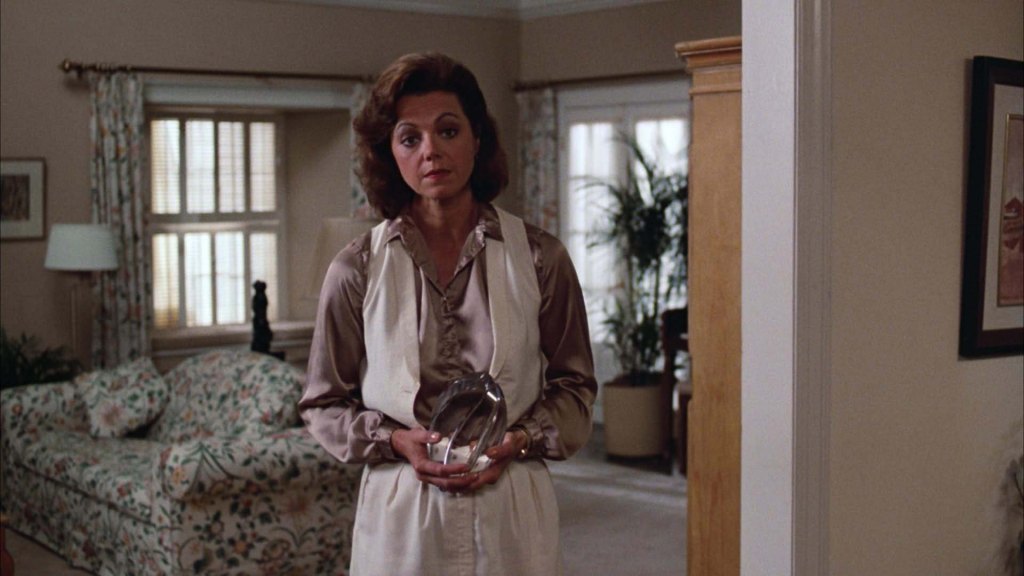
Late one night, Joel calls a number from an escort ad, but she does not show up. He falls asleep, and suddenly a woman named Lana (Rebecca De Mornay) appears in his house. Joel quickly becomes infatuated with Lana, a woman who is calm, confident, and mysterious—she embodies independence and a hint of danger. However, in the morning, when Joel proclaims that he can’t pay her, she takes the expensive glass egg belonging to Joel’s mother, a treasured family heirloom, as “insurance.”
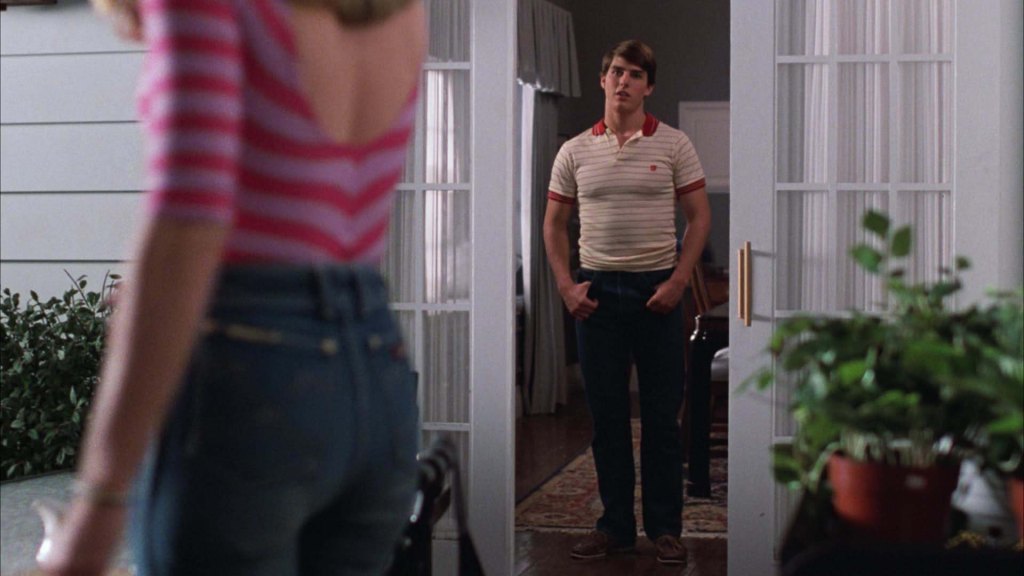
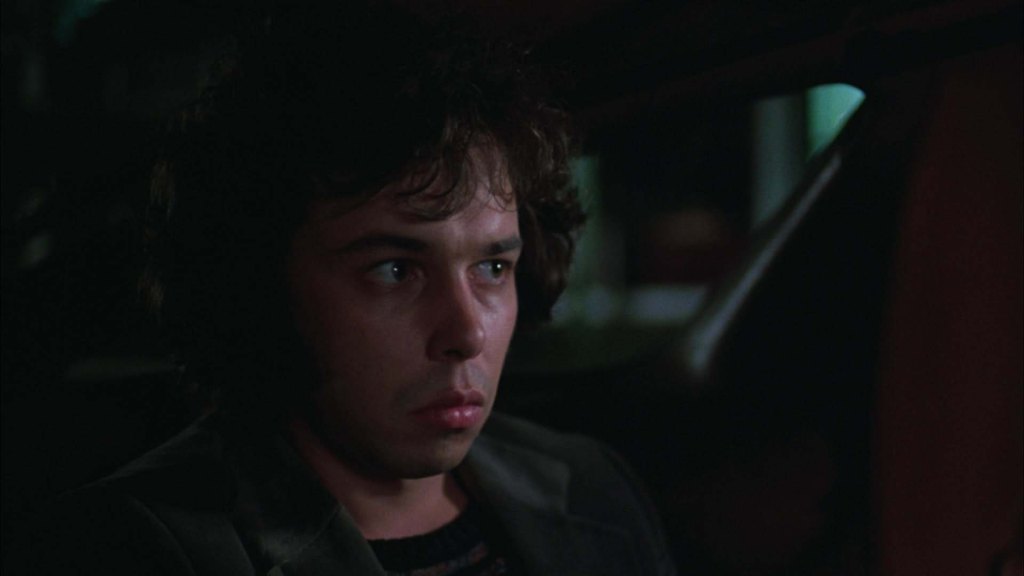
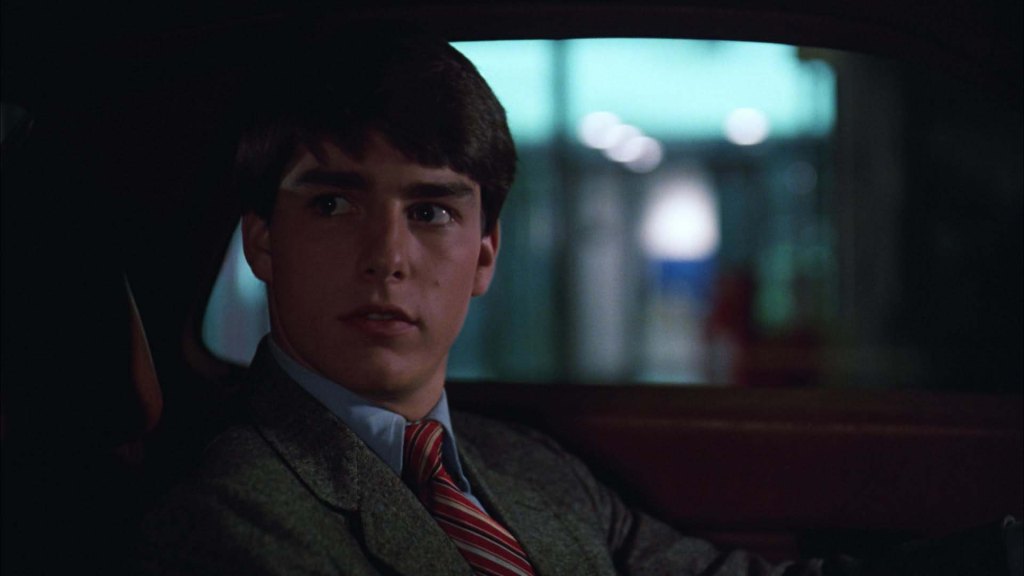
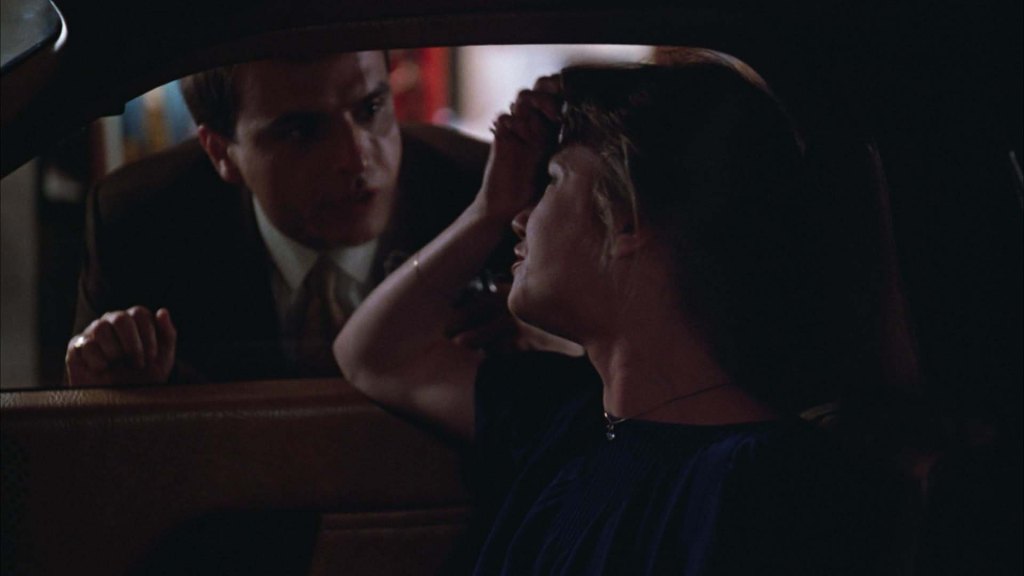
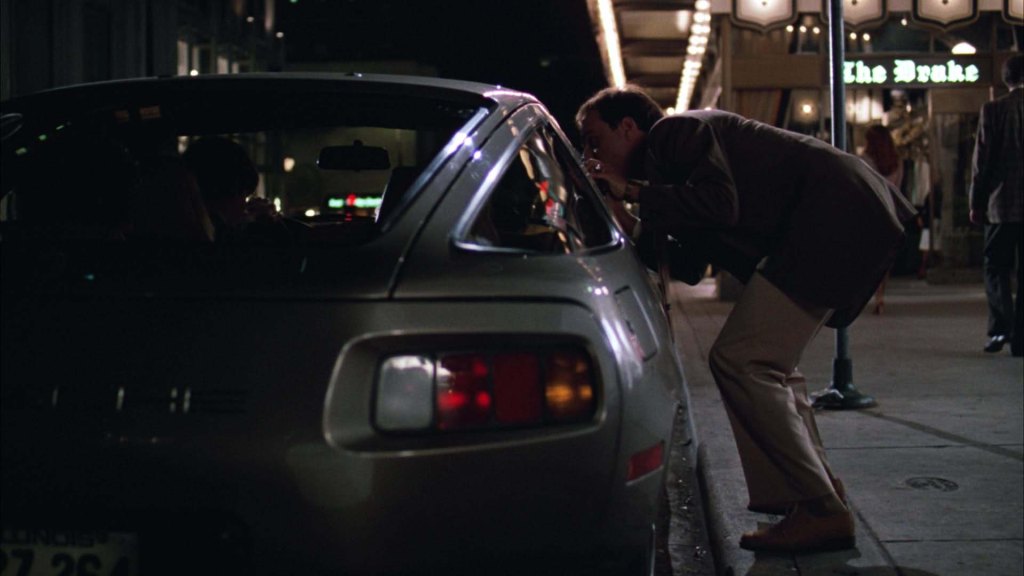
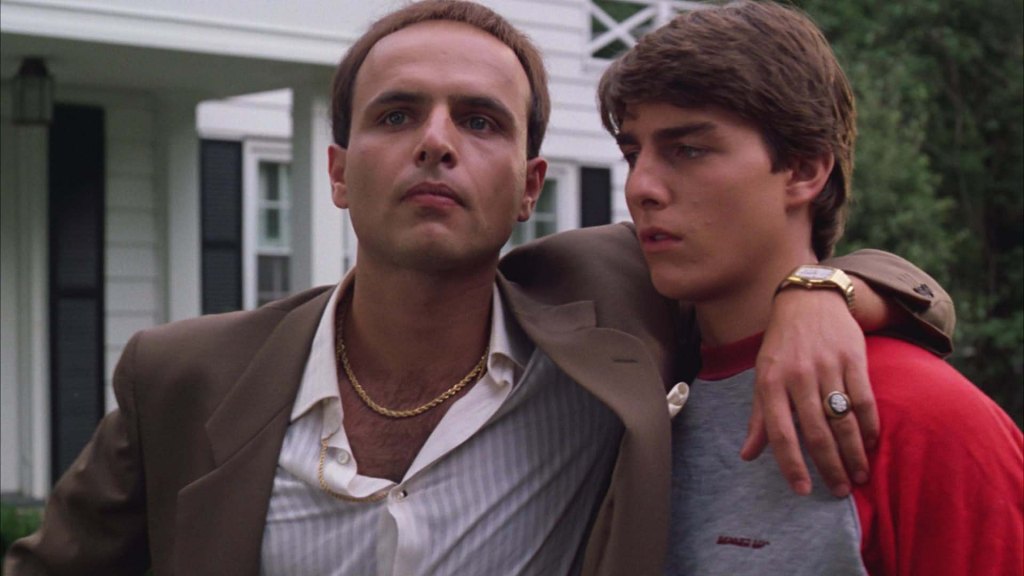
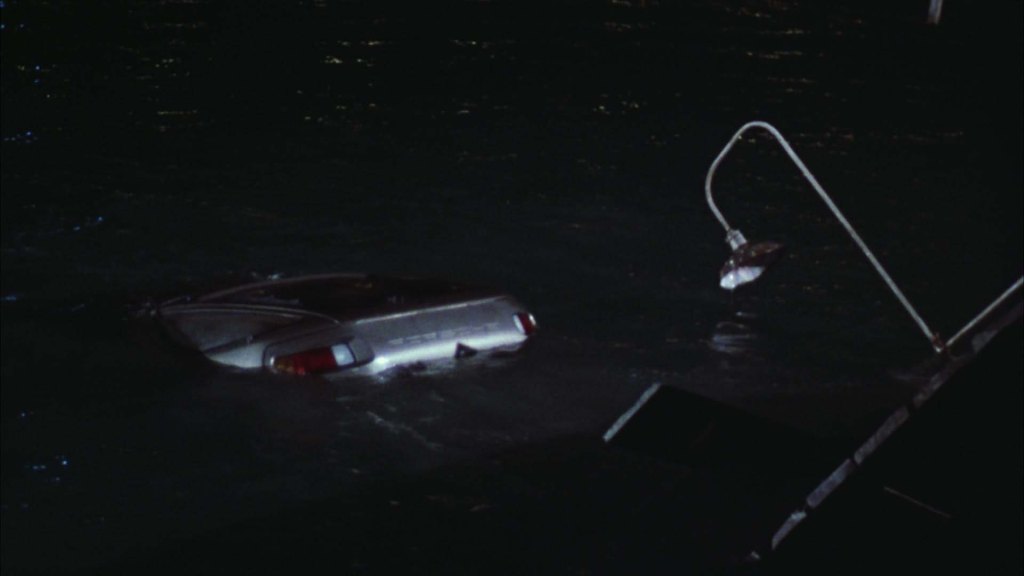
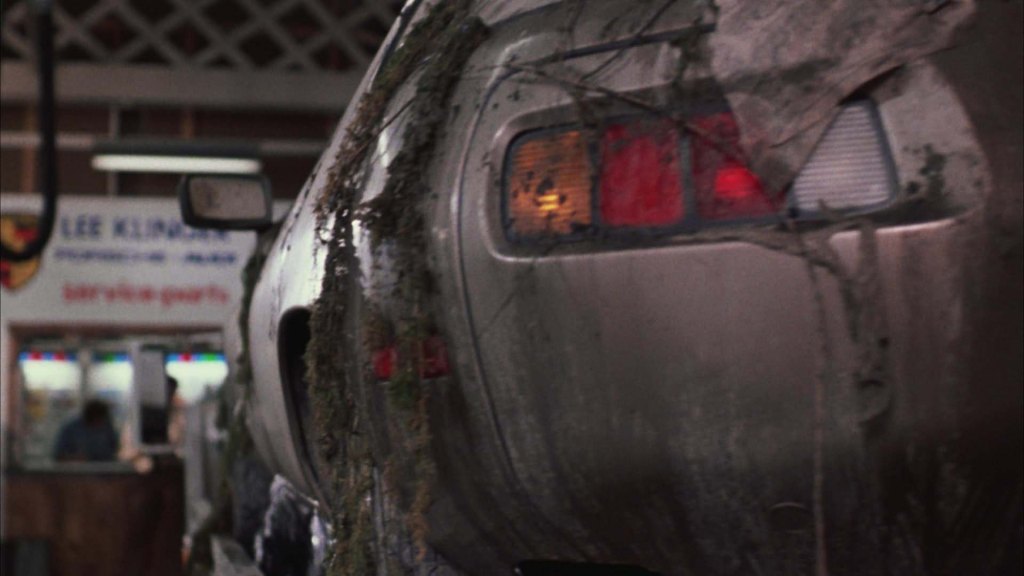
Against his better judgment, Joel becomes involved in Lana’s world. When Guido (played by Joe Pantoliano) threatens him, Joel tries to remain calm, but the situation quickly spirals out of control. His father’s Porsche rolls into Lake Michigan, symbolizing his loss of control. As he works to retrieve and repair the car before his parents return, the facade of his suburban fantasy life begins to unravel.
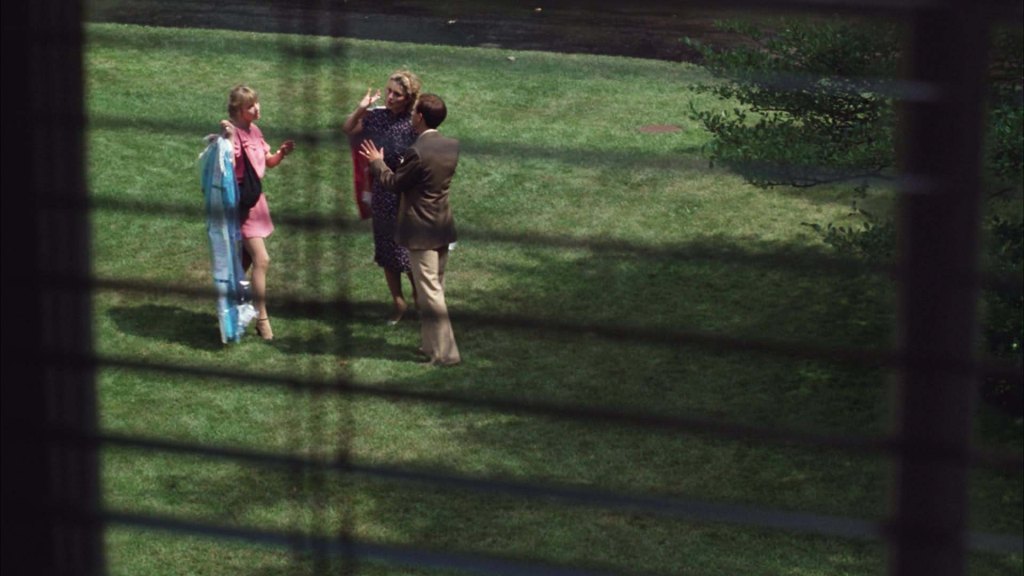
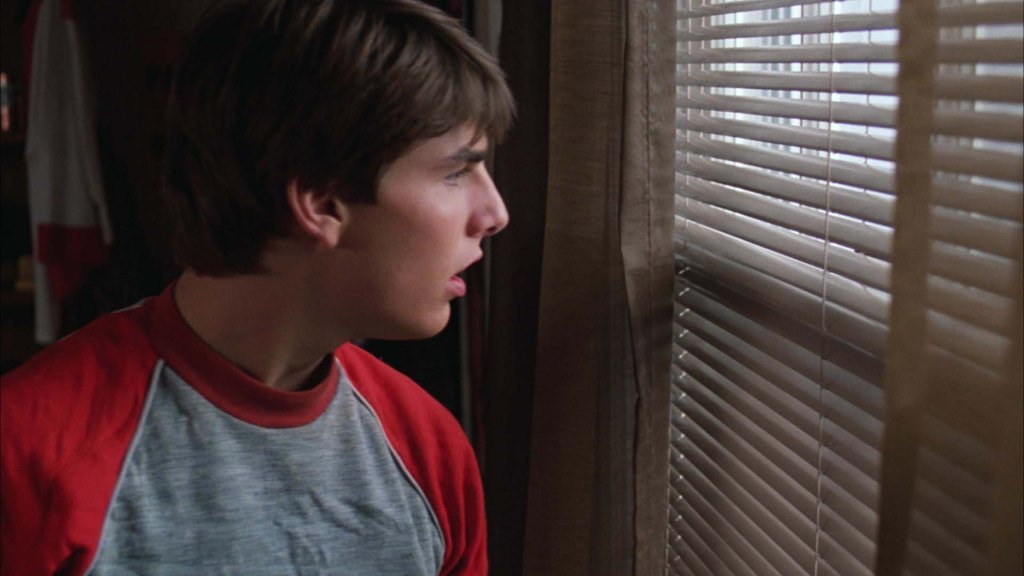
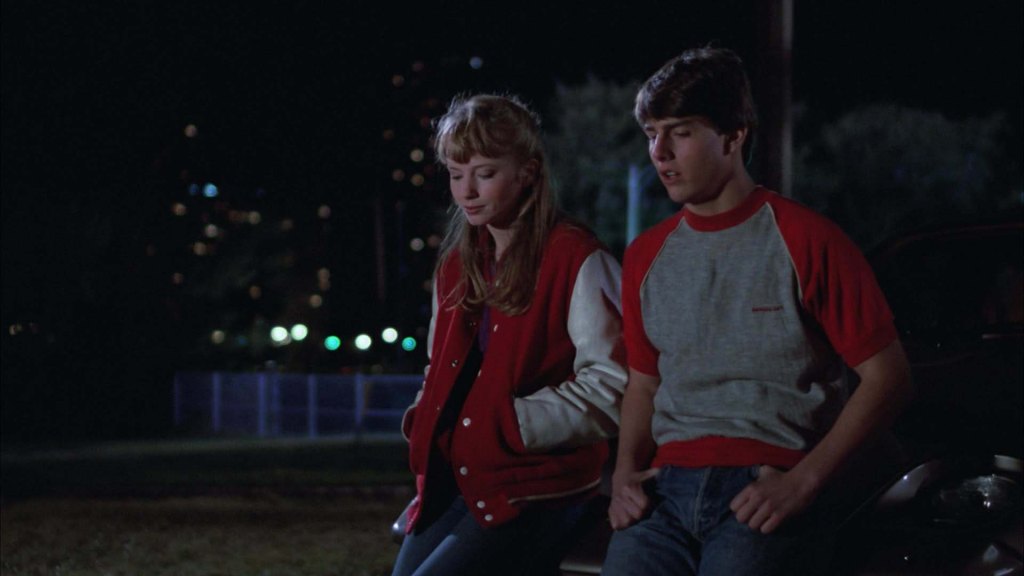
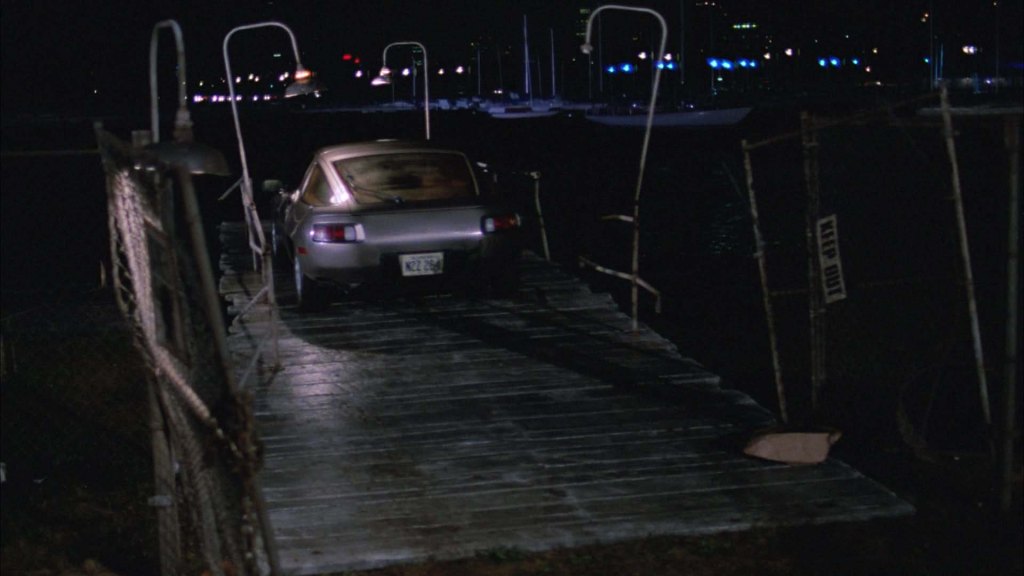
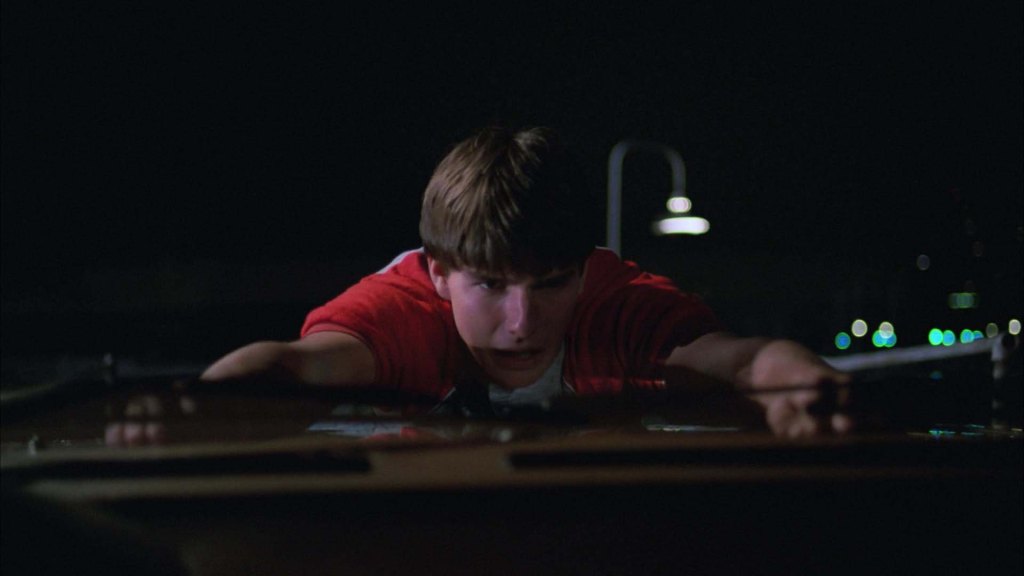
With his financial and moral stability slipping away, Lana proposes a radical idea: she and her friends could turn Joel’s house into a temporary brothel for one night, catering to his wealthy and bored classmates. It’s risky and insane—but it works. The house fills with sex workers and teenage clients, the atmosphere buzzing with energy, money, and decadence. Joel becomes an unlikely entrepreneur, making thousands of dollars in just one night.
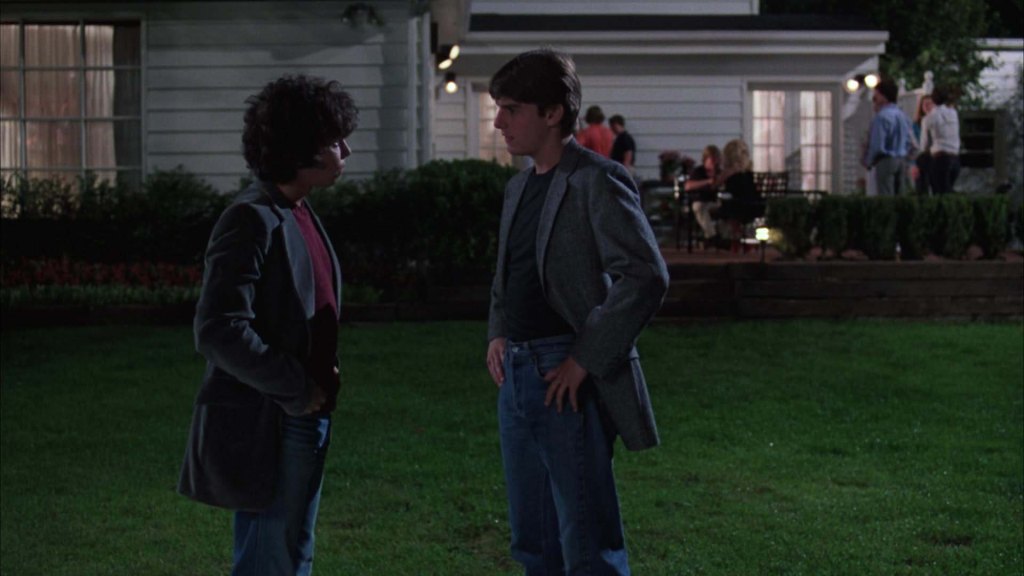
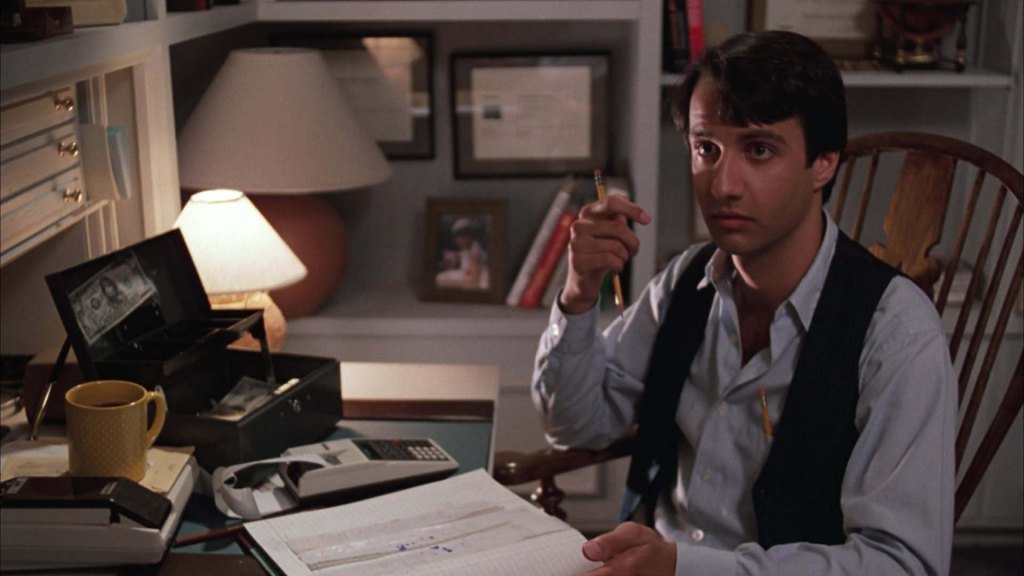
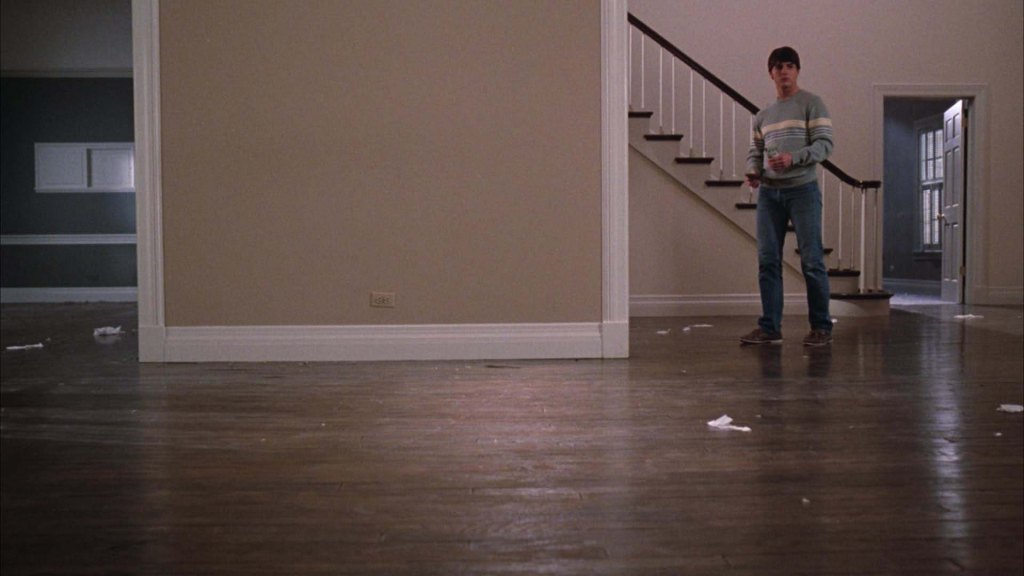
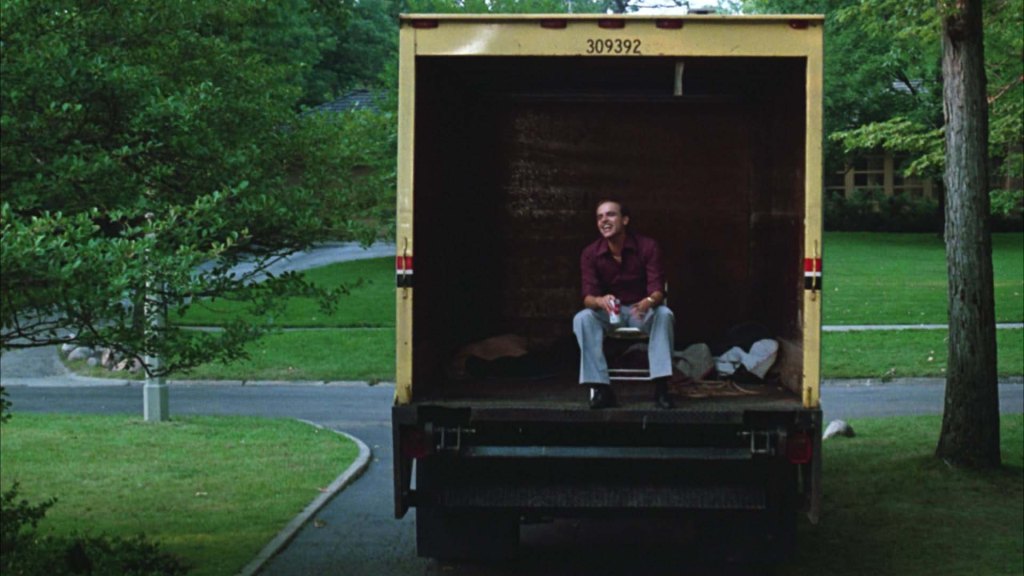
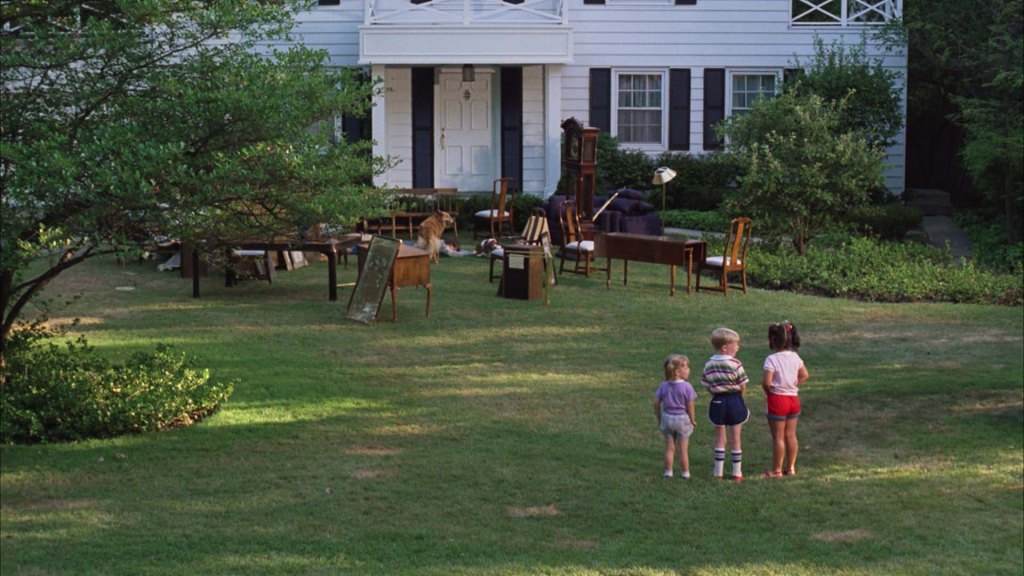
The thrill is short-lived. The next morning, Joel wakes up to find the house stripped bare—furniture, stereo, everything is gone. Guido and his men have taken it all. When Joel confronts them, Guido offers him a deal: if Joel repays what he owes, Guido will return his belongings. With no other option, Joel uses his newfound profits to buy everything back, essentially paying for the mess he created. The illusion of success comes at a steep price.
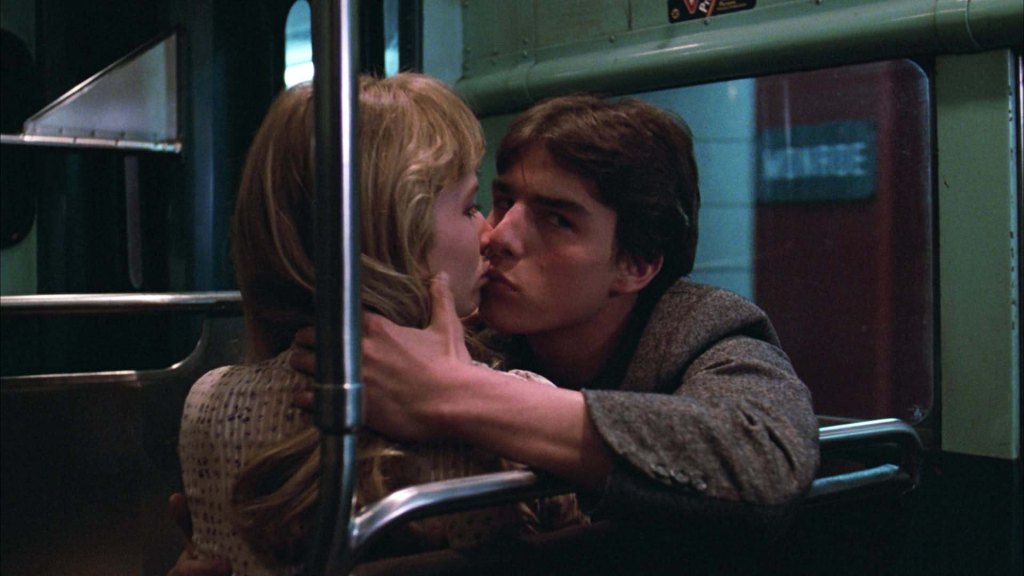

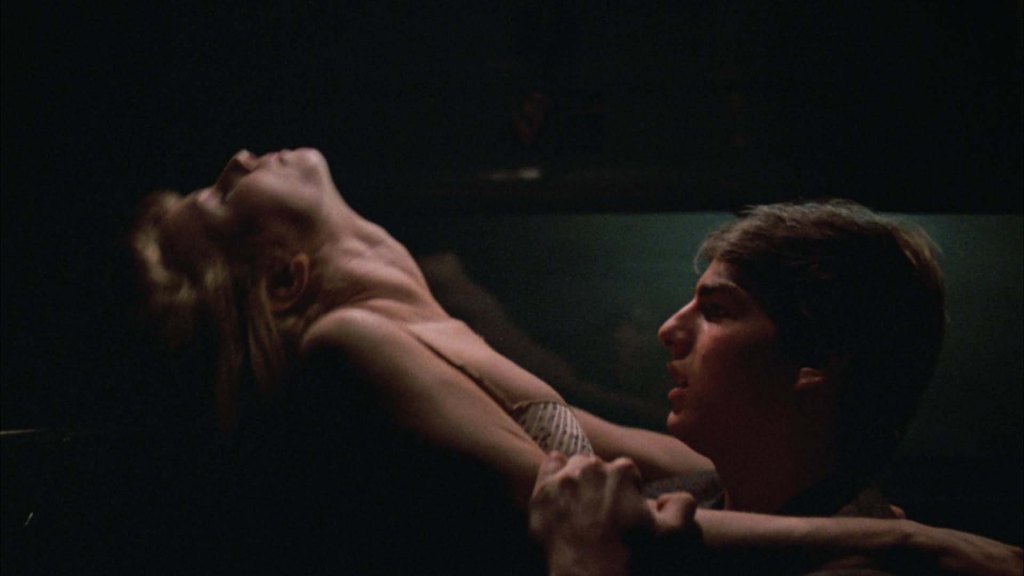
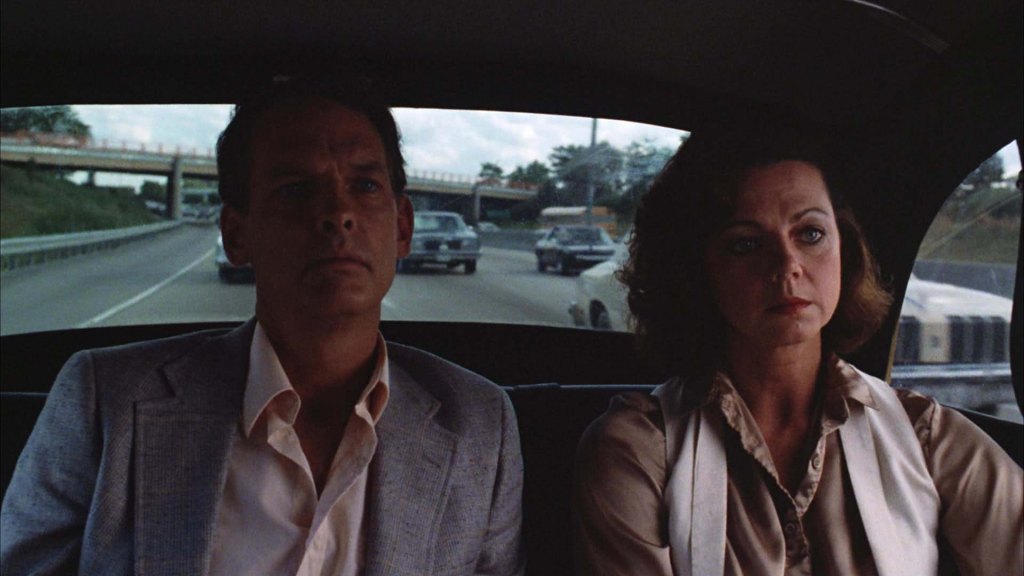
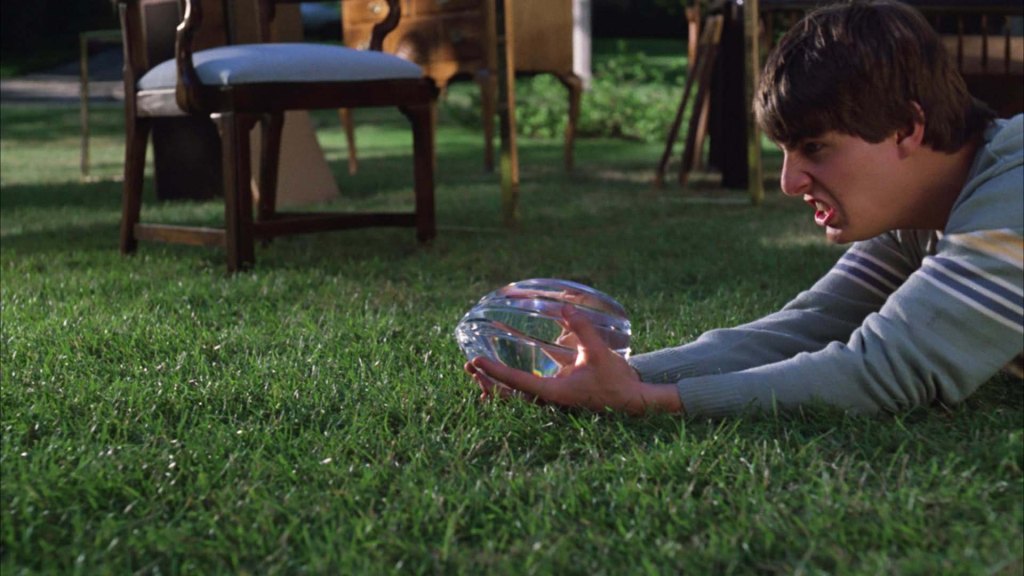
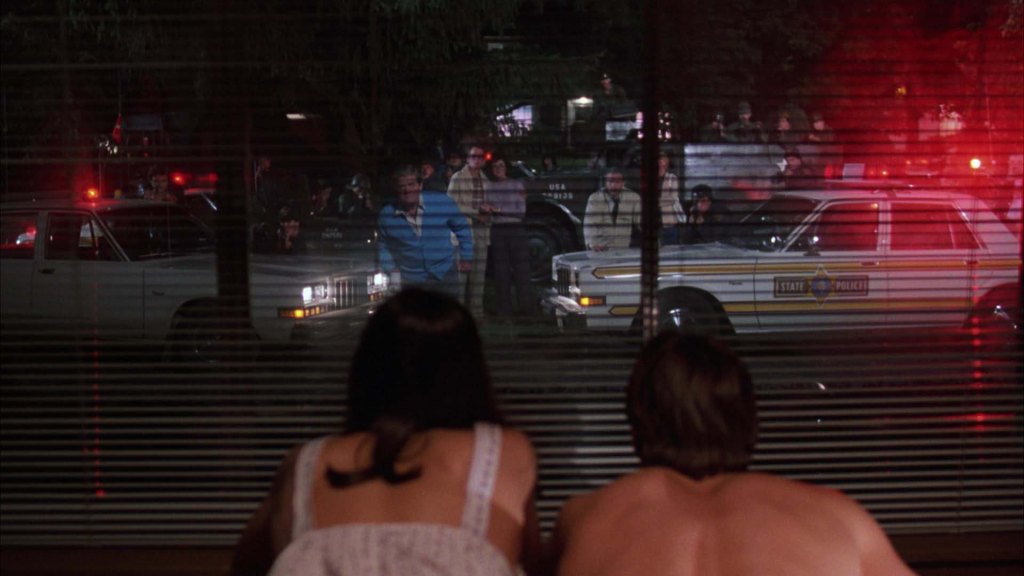
In the final scenes, Joel’s parents return, unaware of what has happened, and the house looks immaculate again—except for the glass egg, which now has a subtle crack, symbolizing Joel’s loss of innocence. Later, Joel meets Lana for one last encounter, and they share a quiet, ambiguous farewell on a restaurant terrace overlooking Chicago.
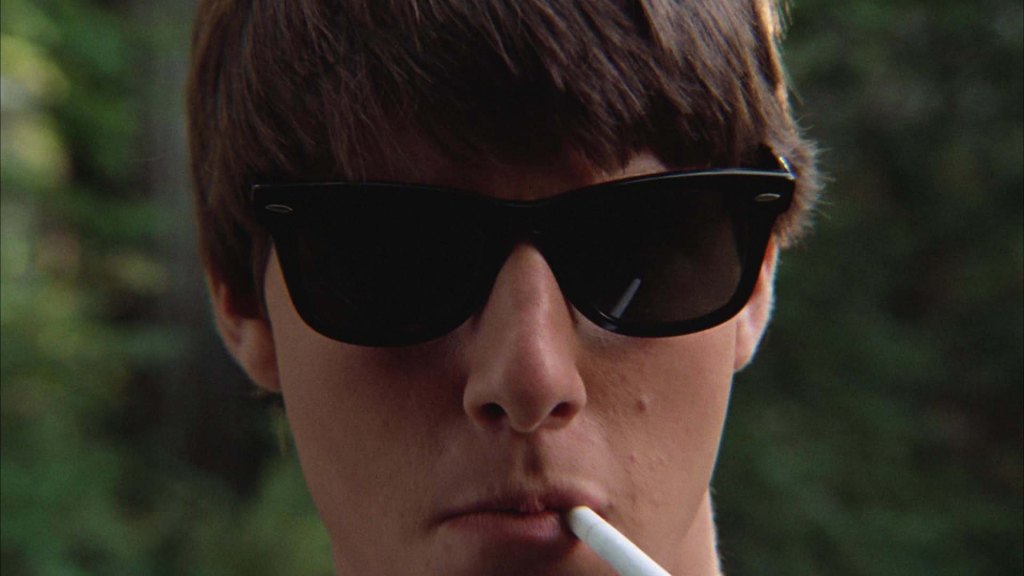
“Risky Business” moves fluidly between comedy, noir, and satire. What begins as a teenage sex comedy slowly morphs into a critique of capitalist ambition and moral compromise. Joel’s journey mirrors the 1980s ethos: turning every desire into a transaction, every fantasy into a commodity.