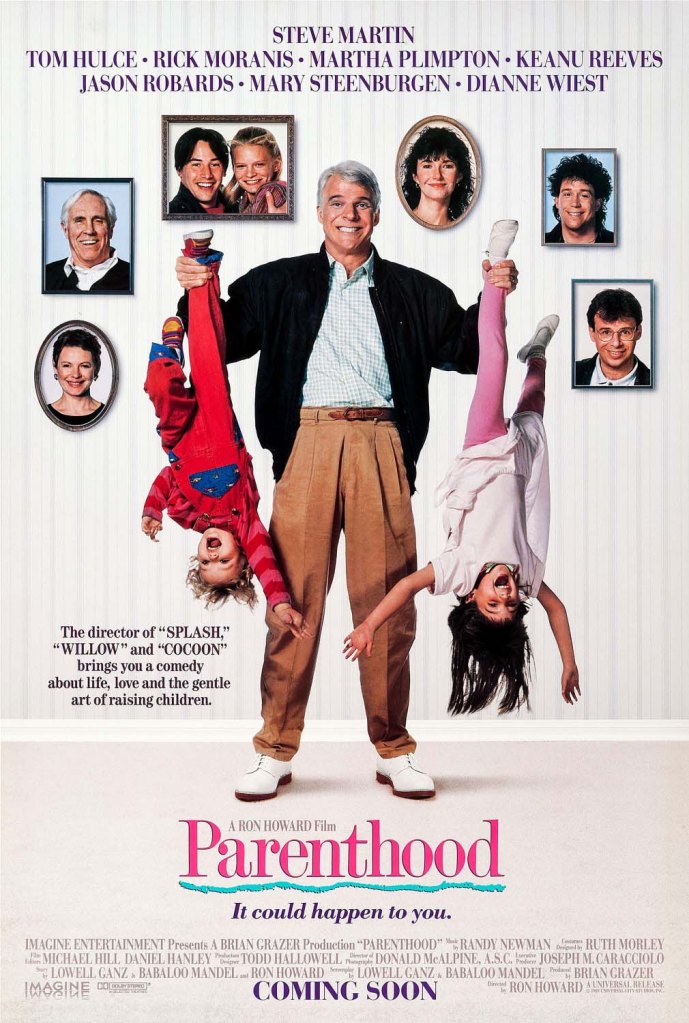
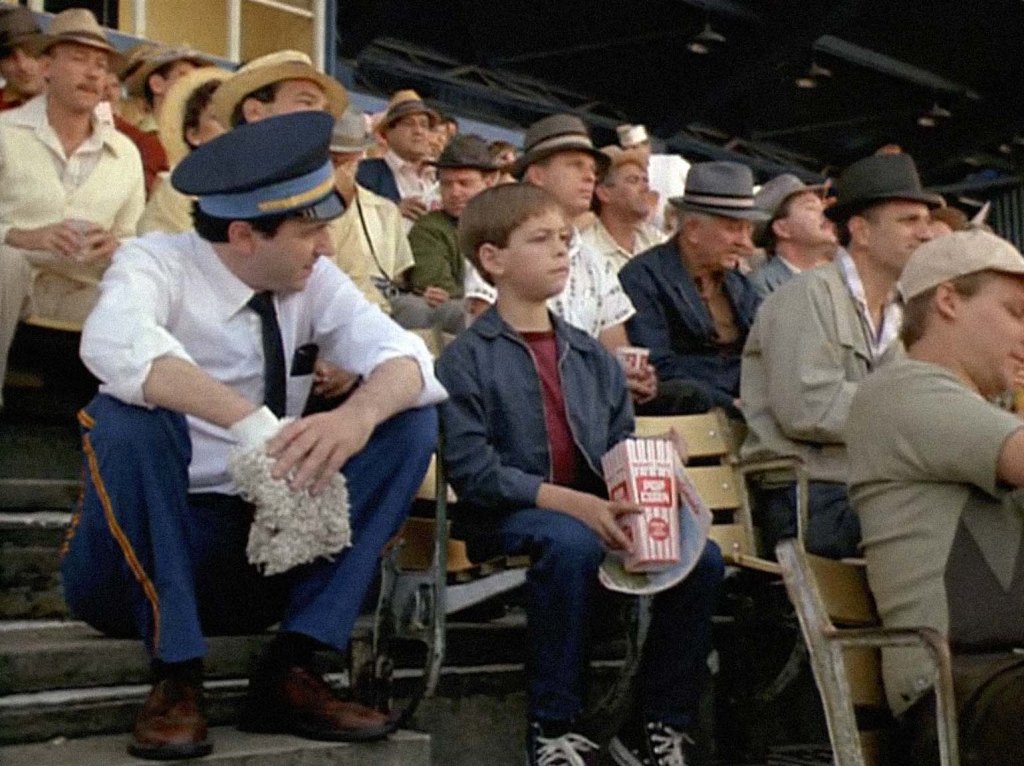
“Parenthood” is a 1989 American coming-of-age comedy-drama film directed by Ron Howard, who collaborated with screenwriters Lowell Ganz and Babaloo Mandel to develop the original story. The film draws heavily from the real family and parenting experiences of Howard, Ganz, Mandel, and producer Brian Grazer. The result is a distinctly human portrayal of American family life that is both genuinely funny and deeply moving.
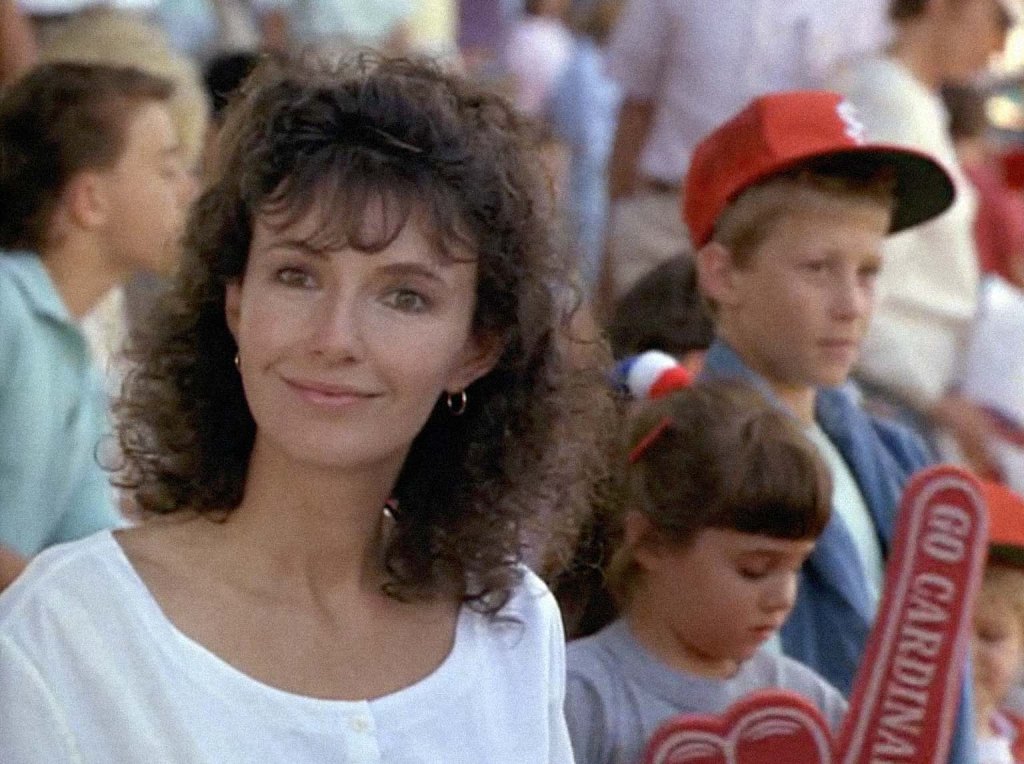
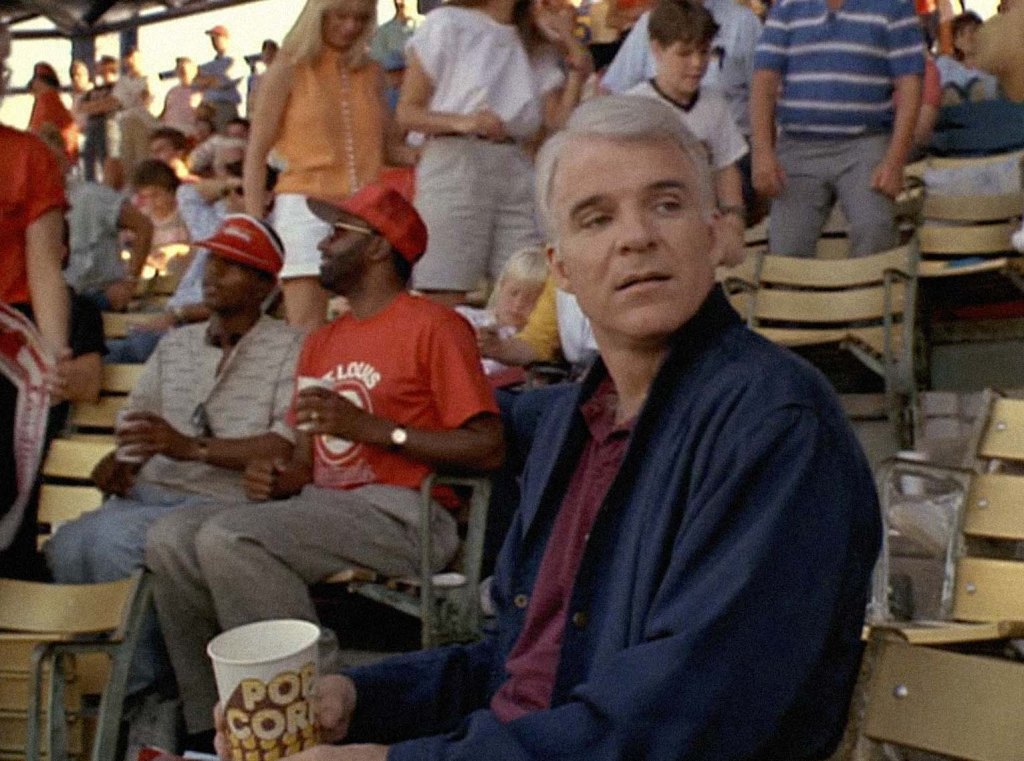
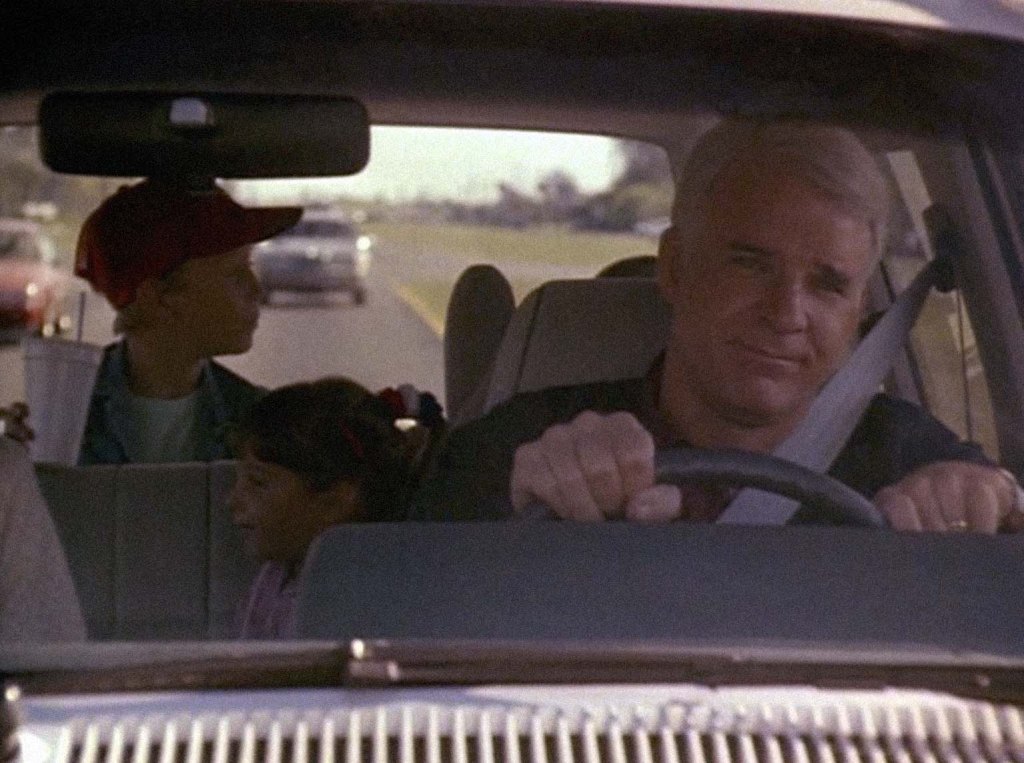
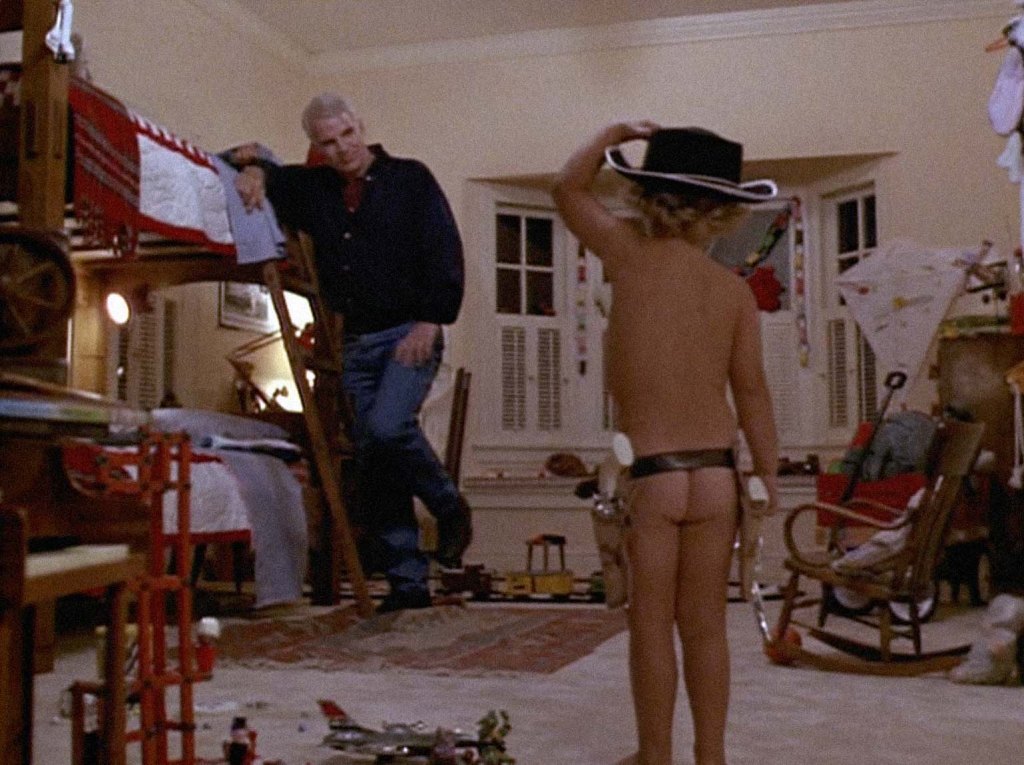
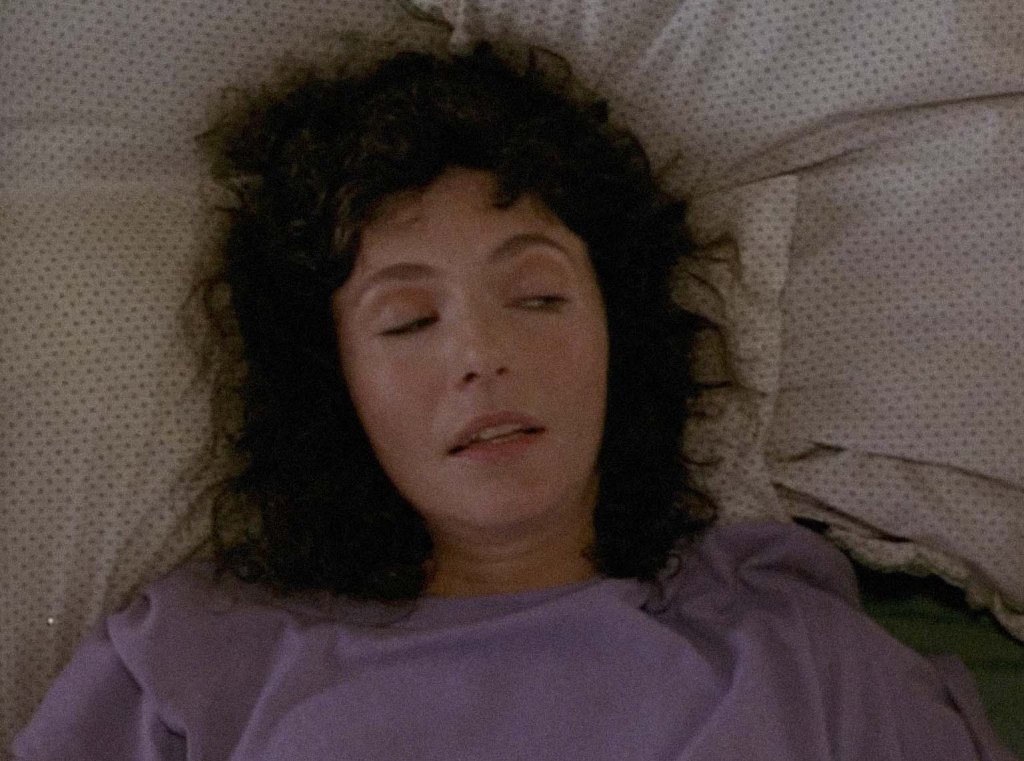
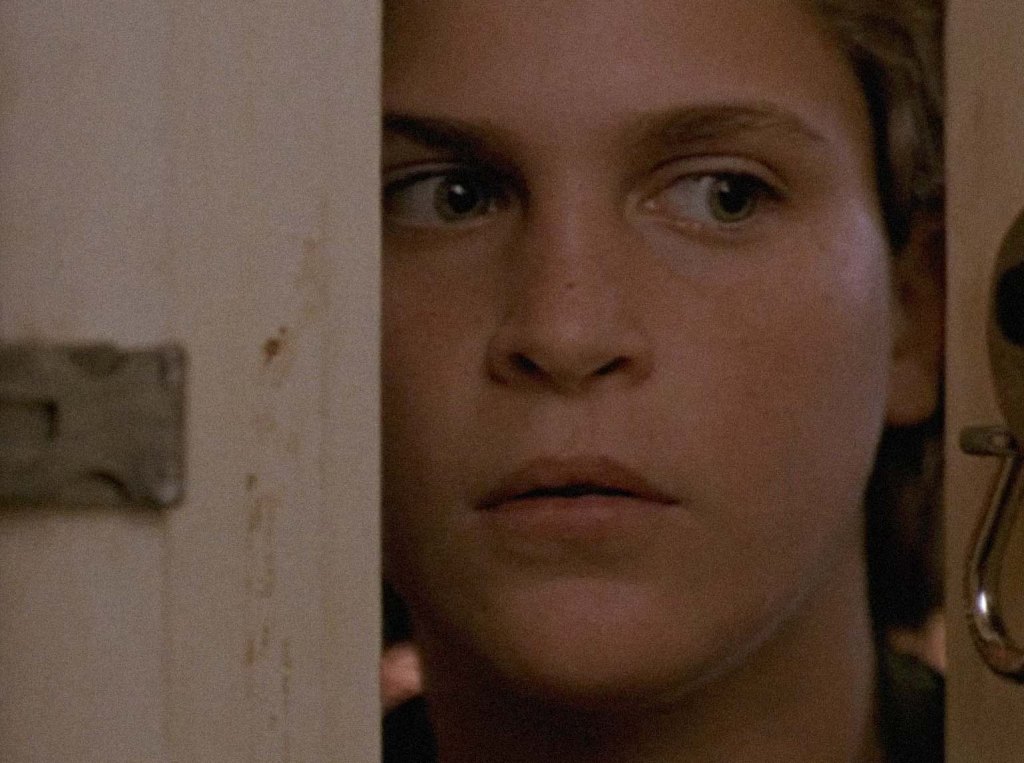
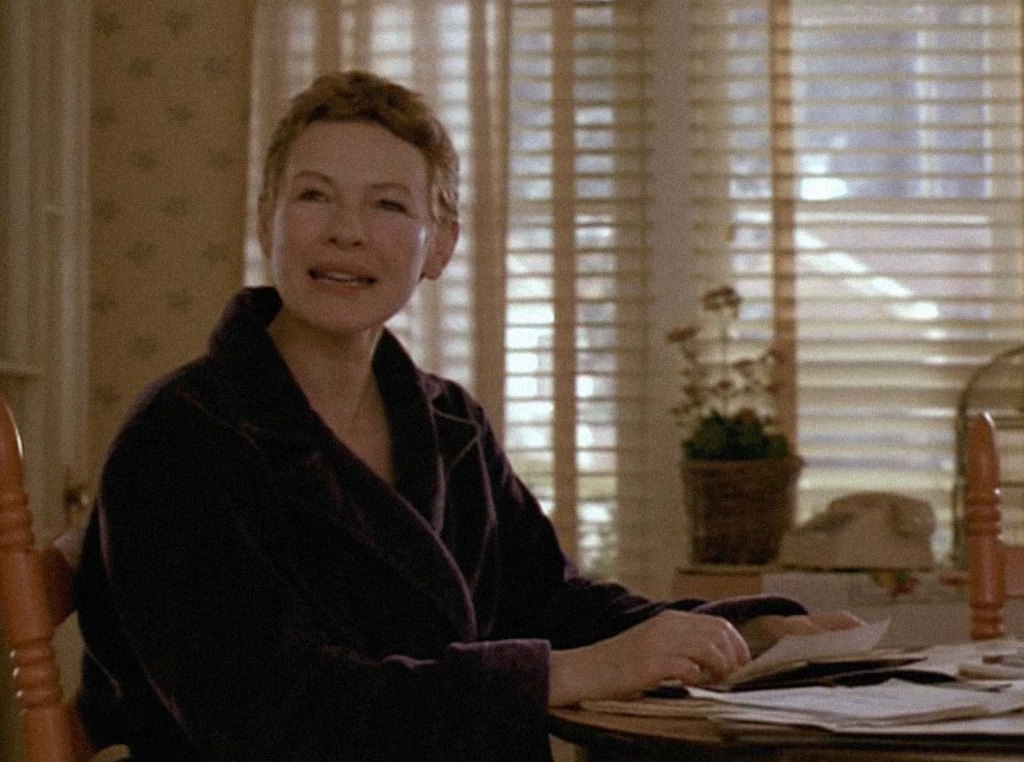
The film features an acclaimed ensemble cast, including Steve Martin as Gil Buckman, Mary Steenburgen as Karen Buckman, Dianne Wiest as Helen Buckman, Jason Robards as Frank Buckman, Rick Moranis as Nathan Huffner, Tom Hulce as Larry Buckman, Martha Plimpton as Julie Lampkin, Keanu Reeves as Tod Higgins, Harley Jane Kozak as Susan, and Joaquin Phoenix (credited at the time as Leaf Phoenix) as Garry Lampkin.
The story follows a group of suburban siblings and their families over the course of a single summer, exploring the joys, frustrations, and emotional complexities of raising children across multiple generations.
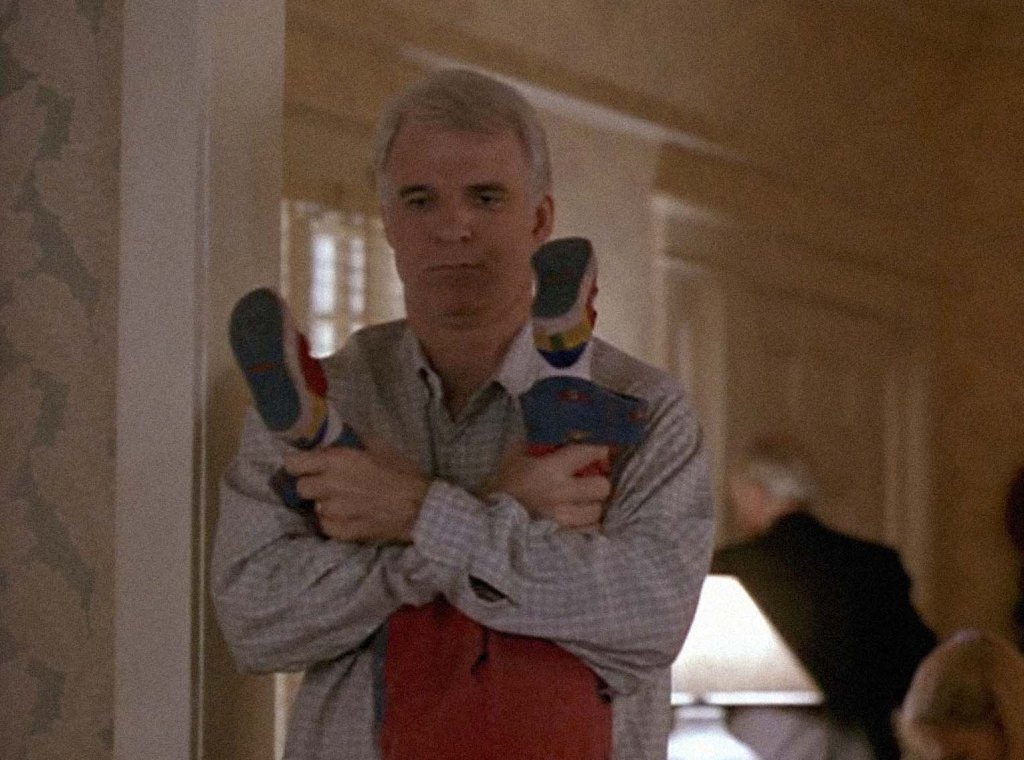
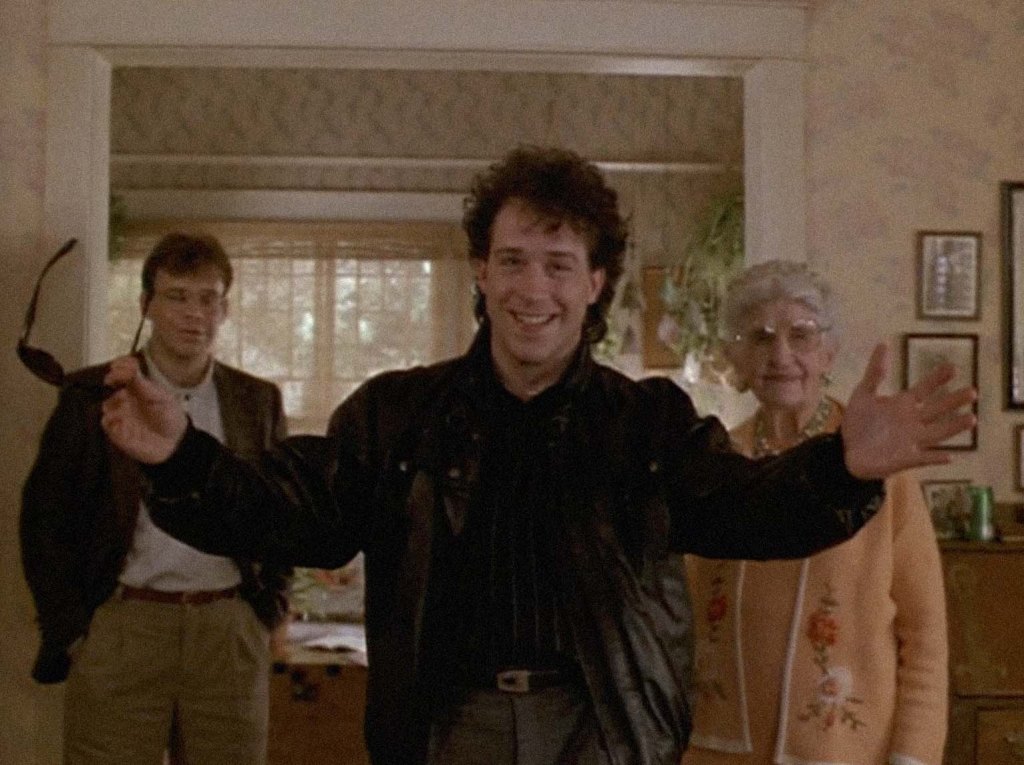
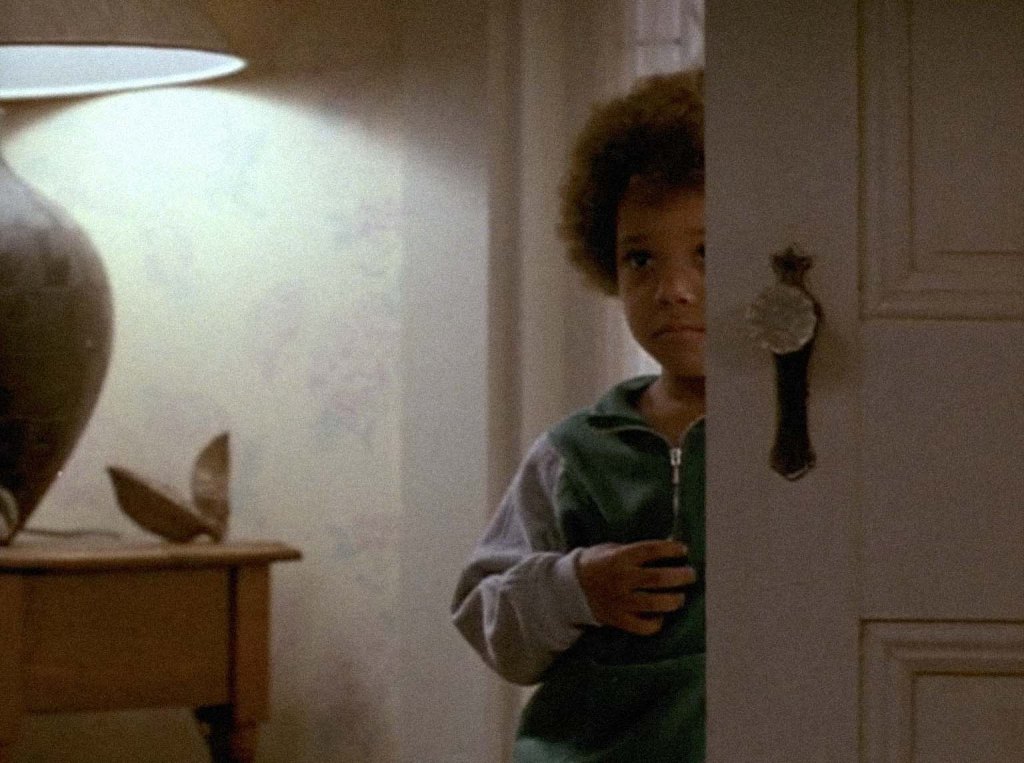
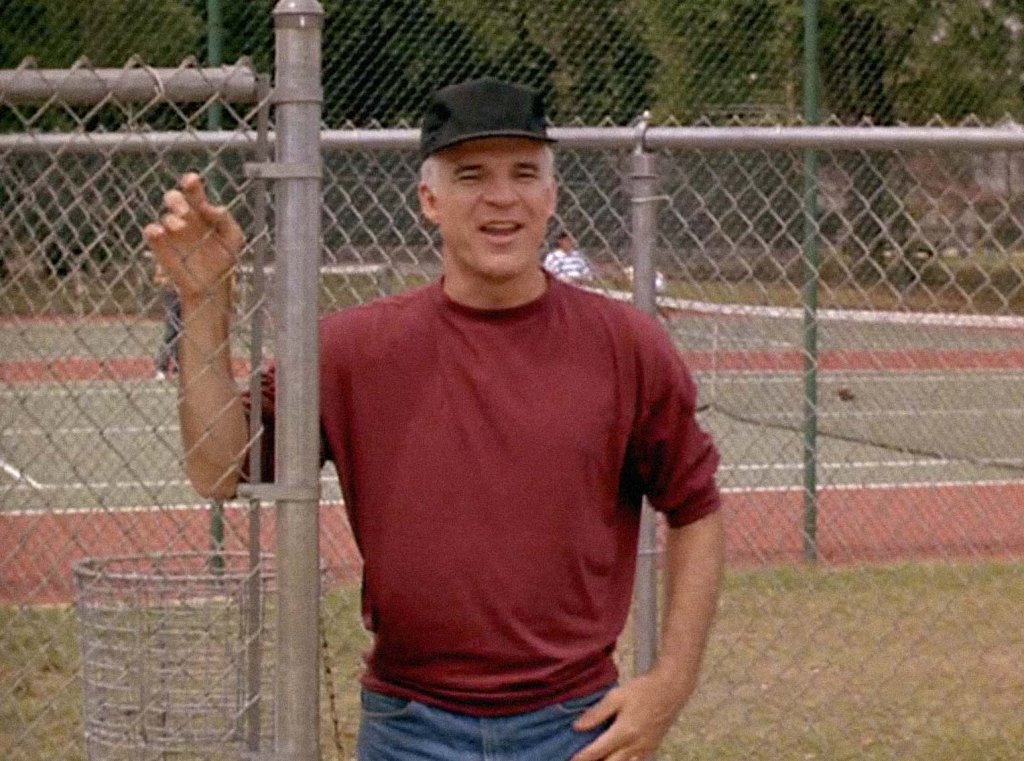
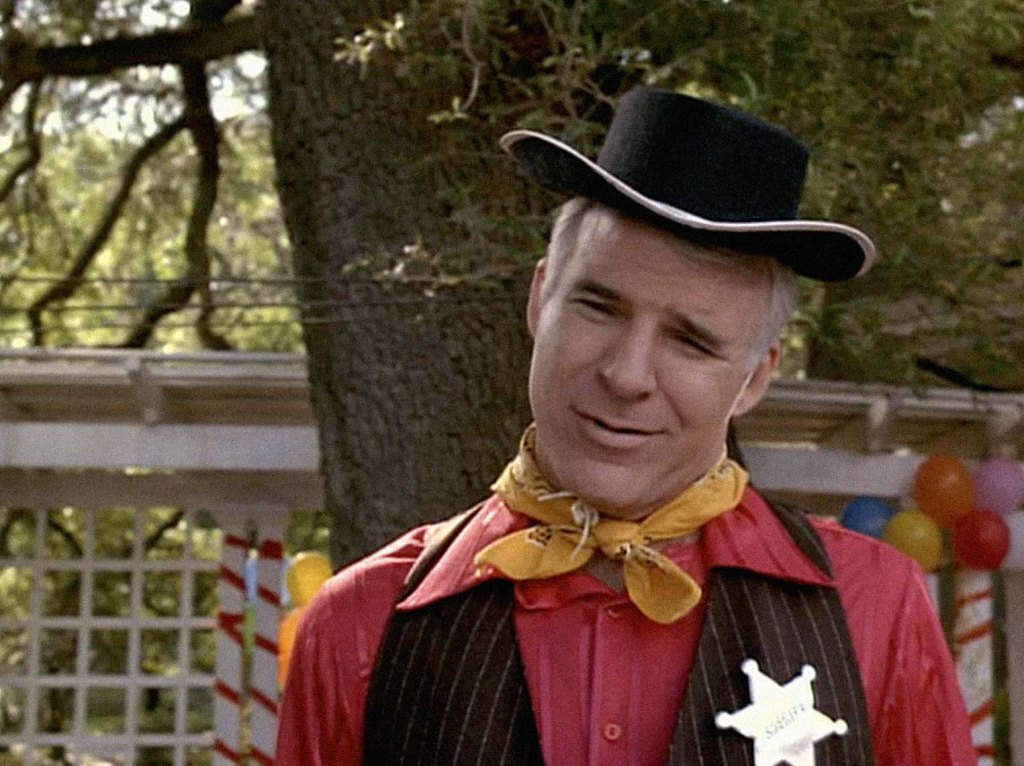
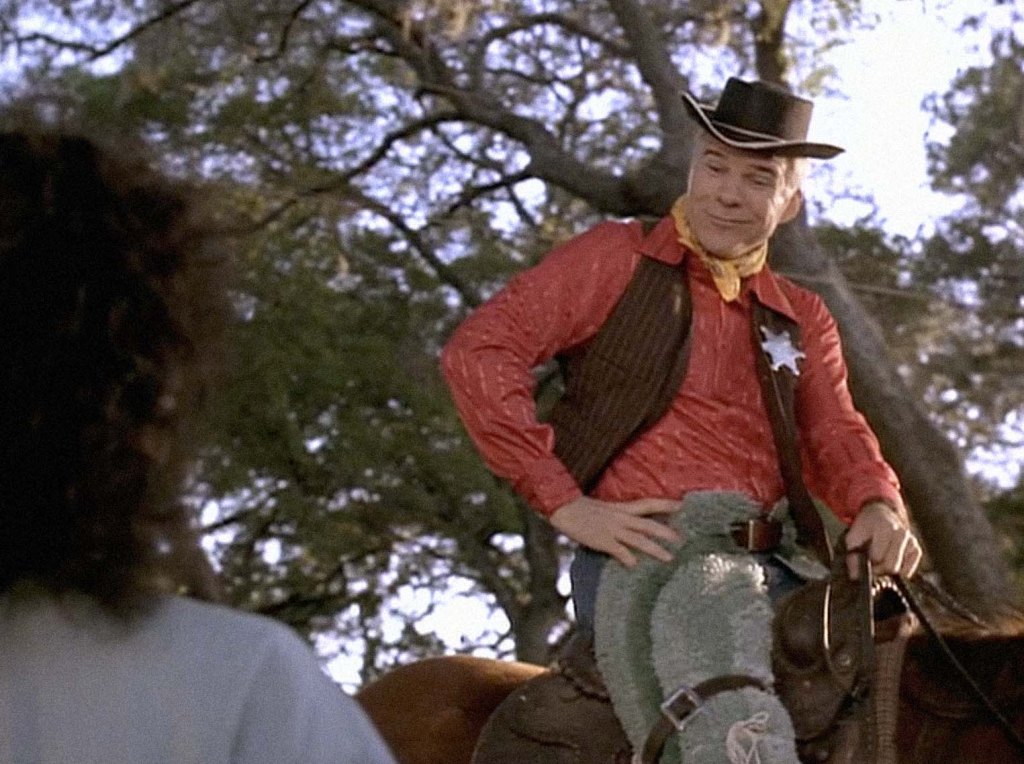
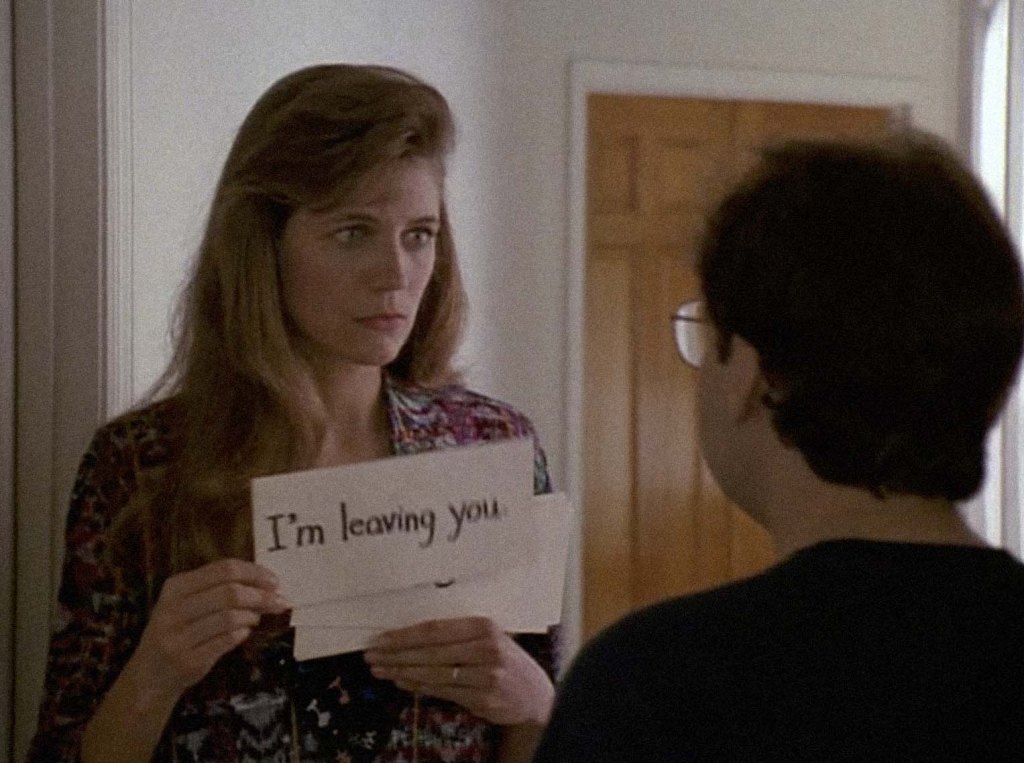
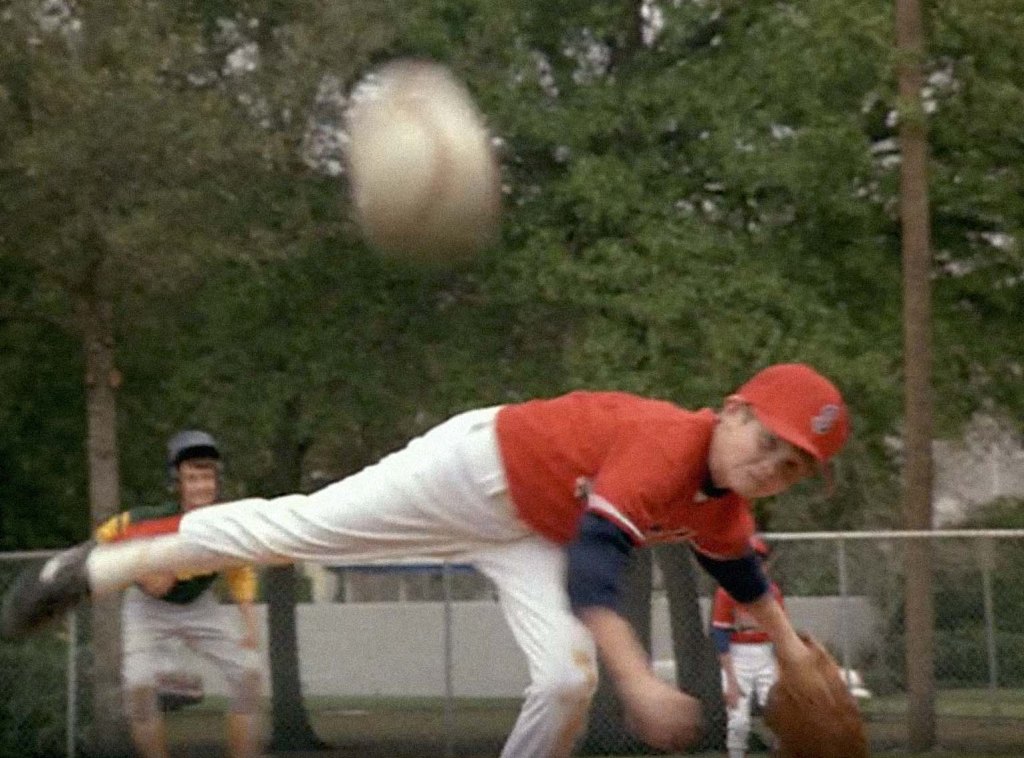
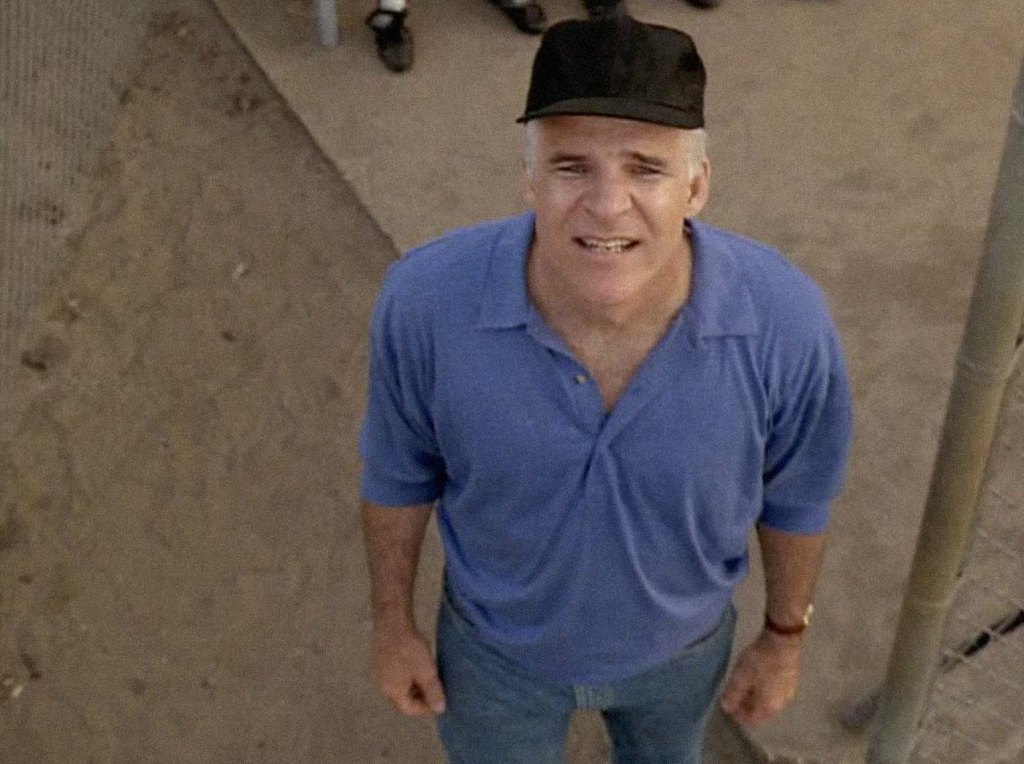
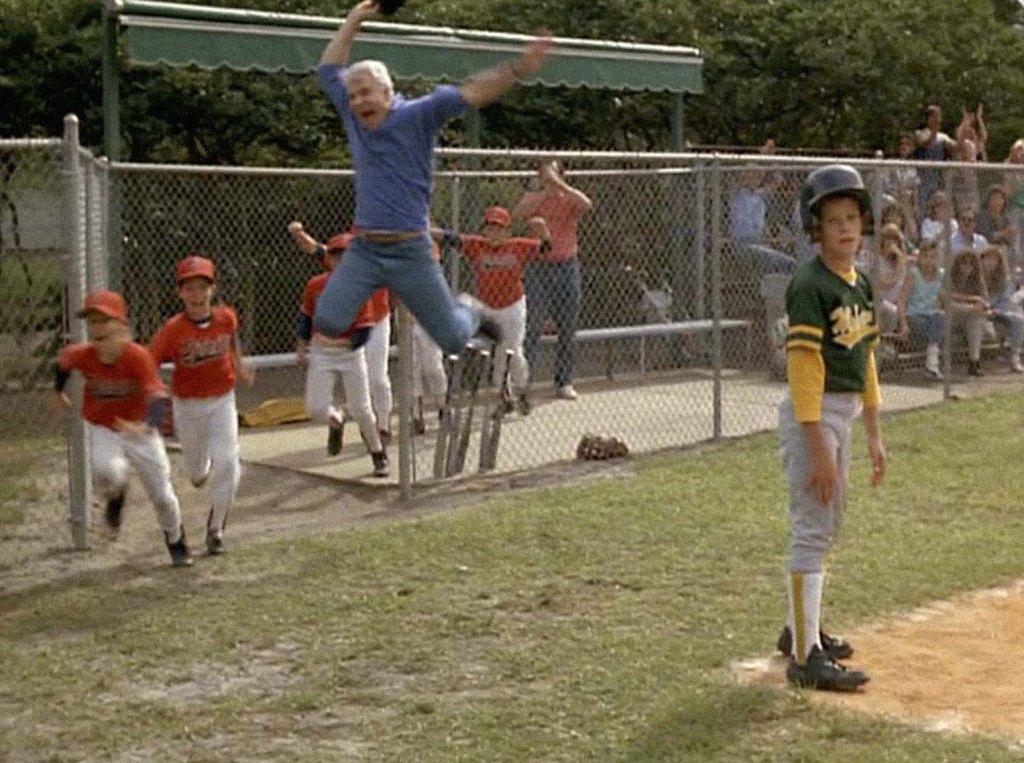
Gil Buckman (played by Steve Martin) is the anxious and well-meaning patriarch at the center of the film. Hardworking Gil and his stay-at-home wife, Karen (Mary Steenburgen), have just a few months to help their oldest son, Kevin (Jasen Fisher), overcome his behavioral challenges before he may need to be placed in special education classes. Gil takes his son’s struggles personally, as they mirror his own complicated relationship with his emotionally distant father. He is determined to be a better father than his own dad, Frank, was, striving to be present for his children while also advancing in his career, a goal he temporarily puts on hold. When Karen reveals that she is pregnant with their fourth child, Gil is pushed to his emotional limits and forced to confront the kind of father and man he truly wants to be.
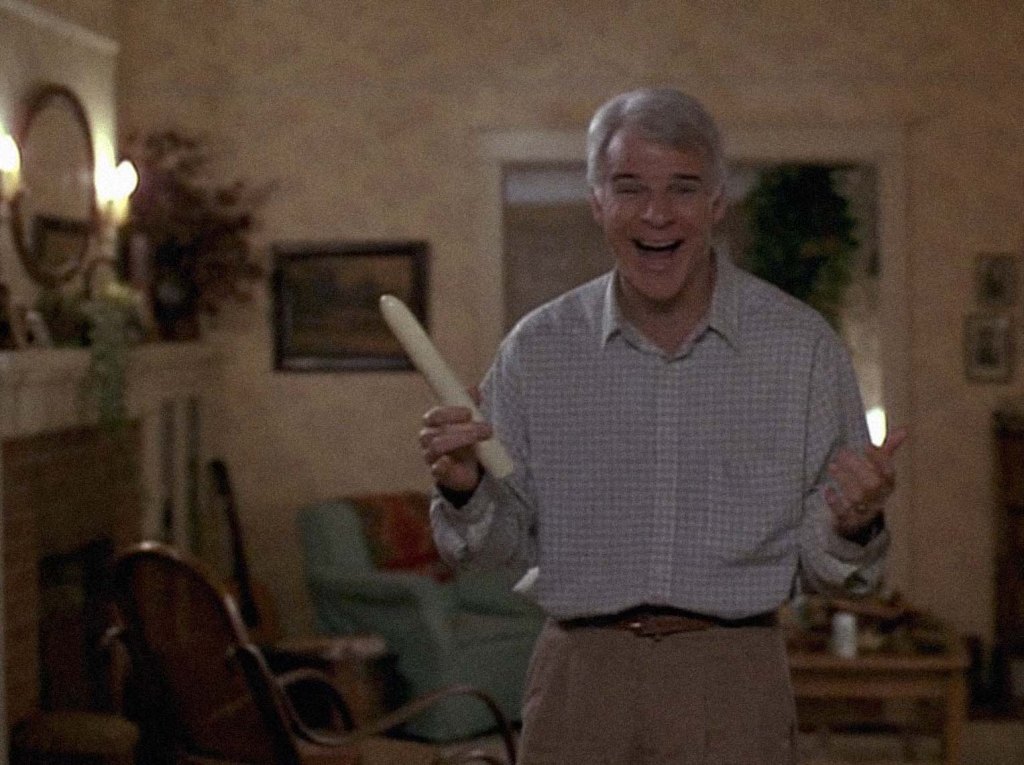
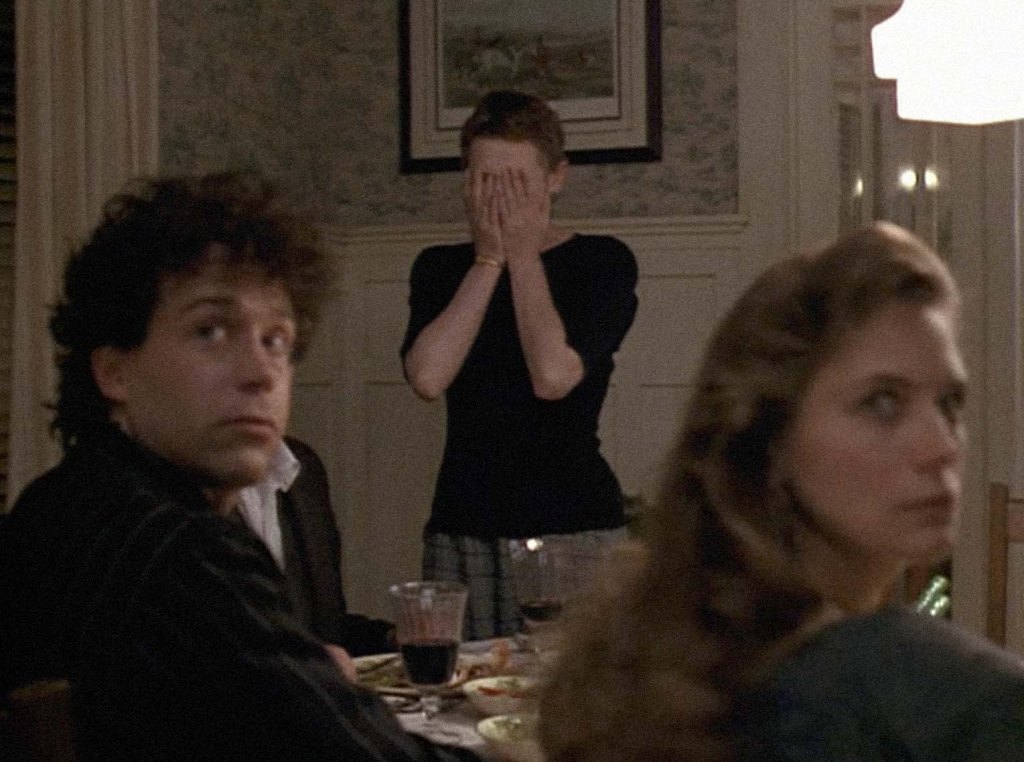
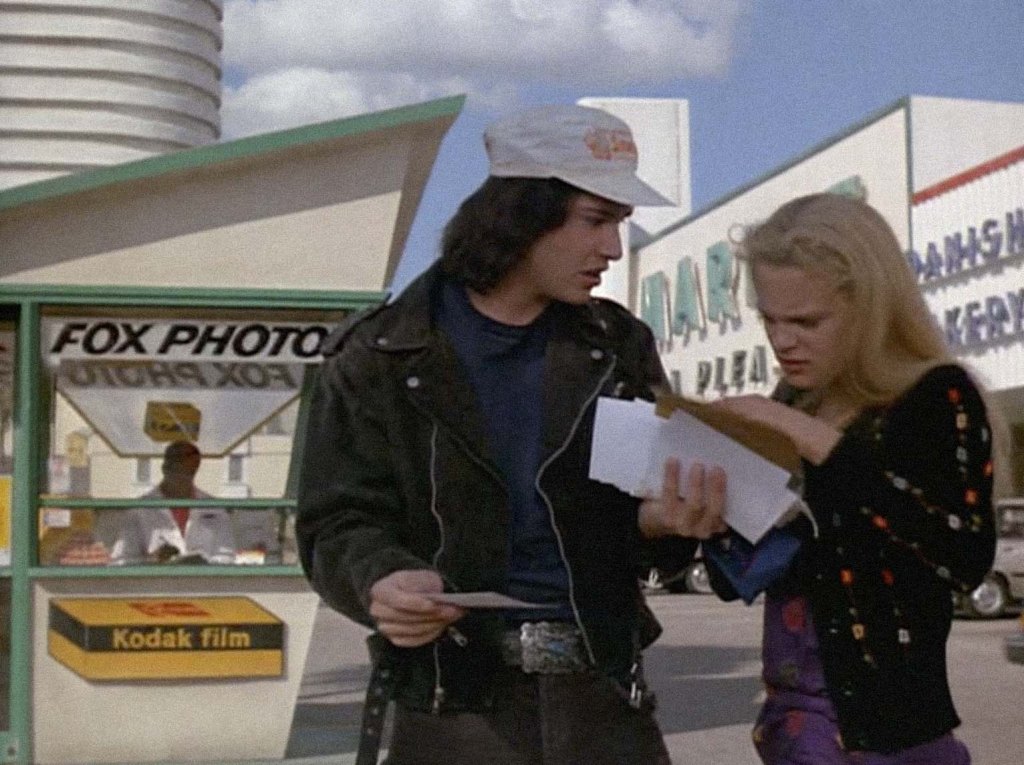
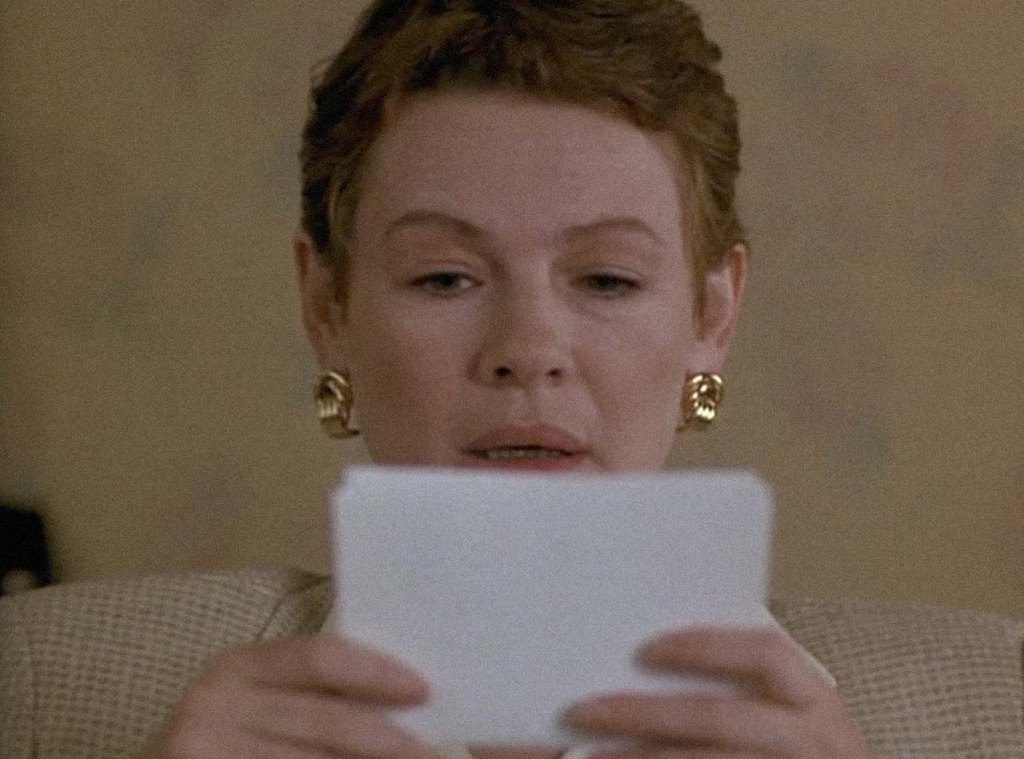
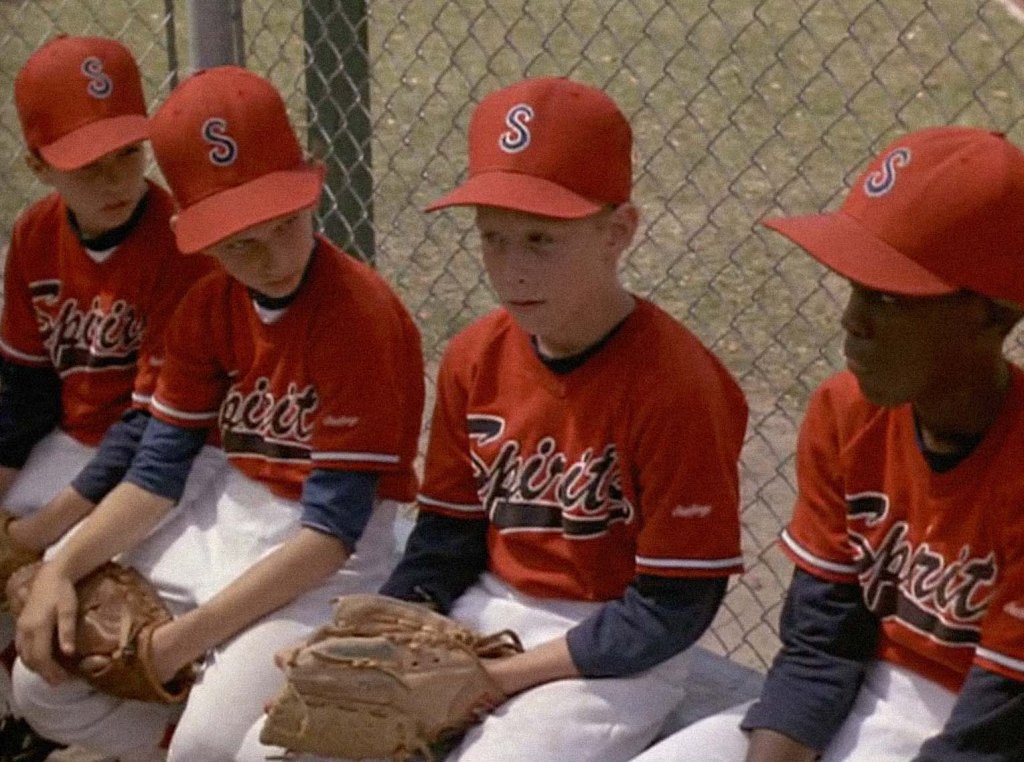
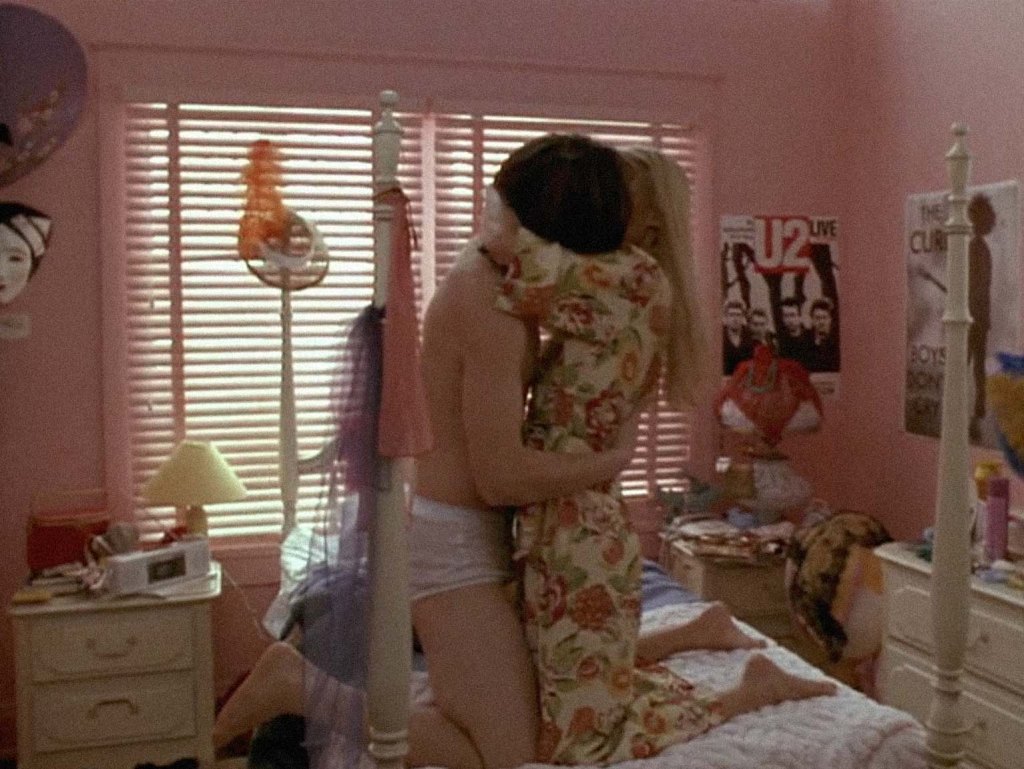
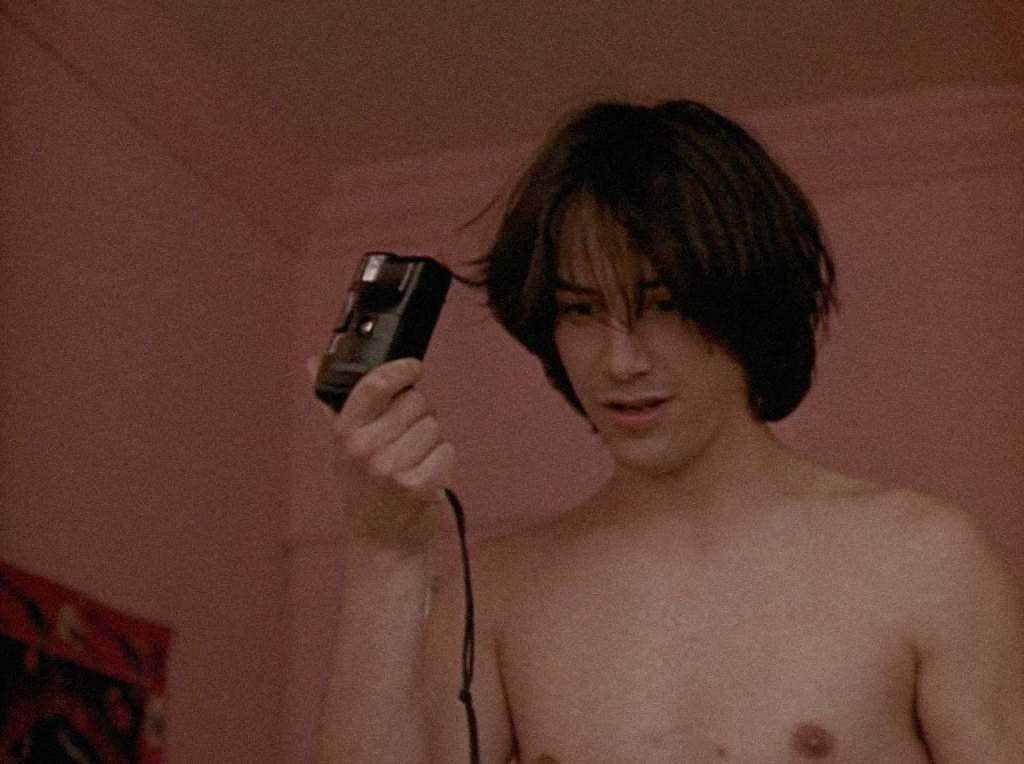
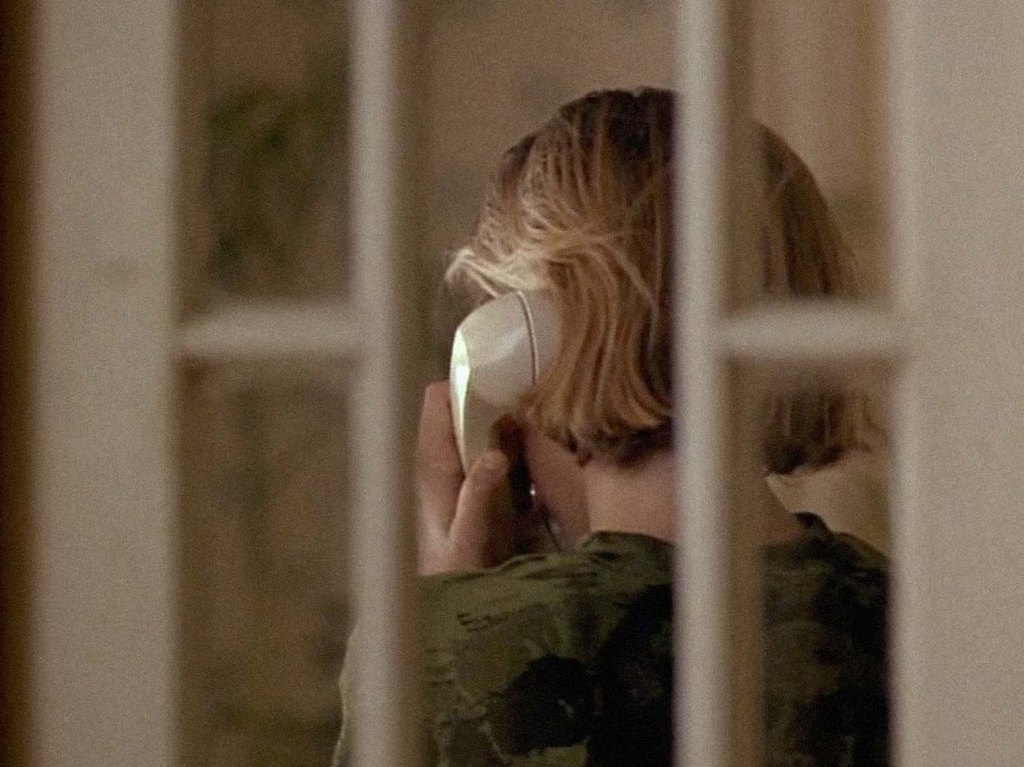
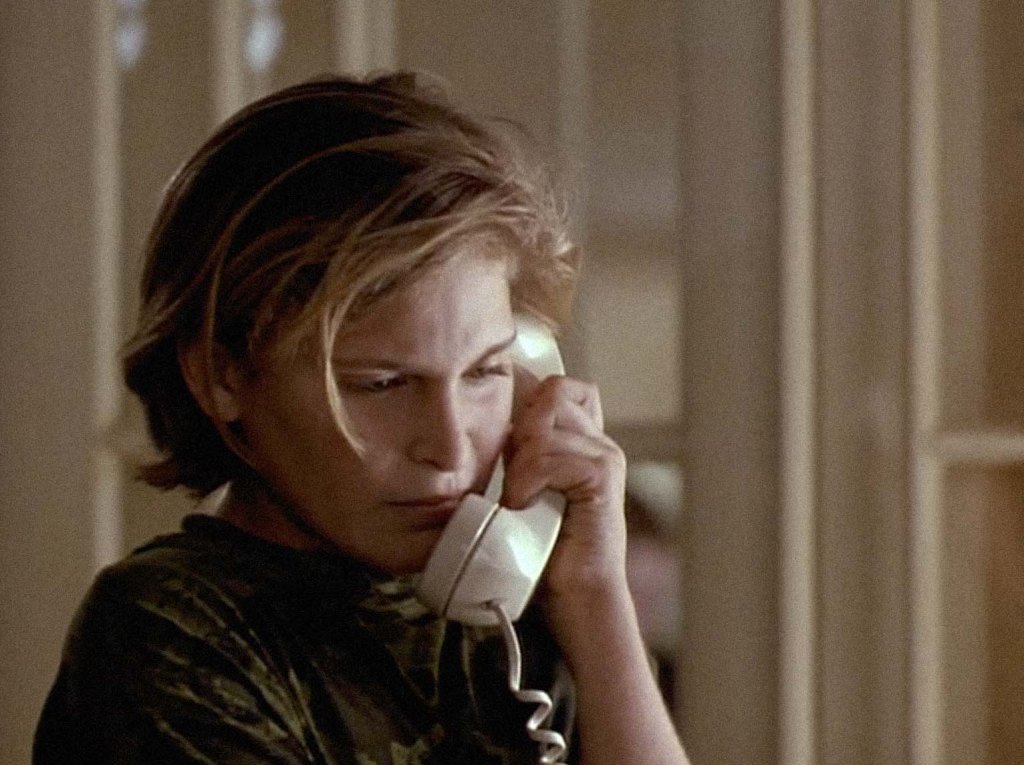
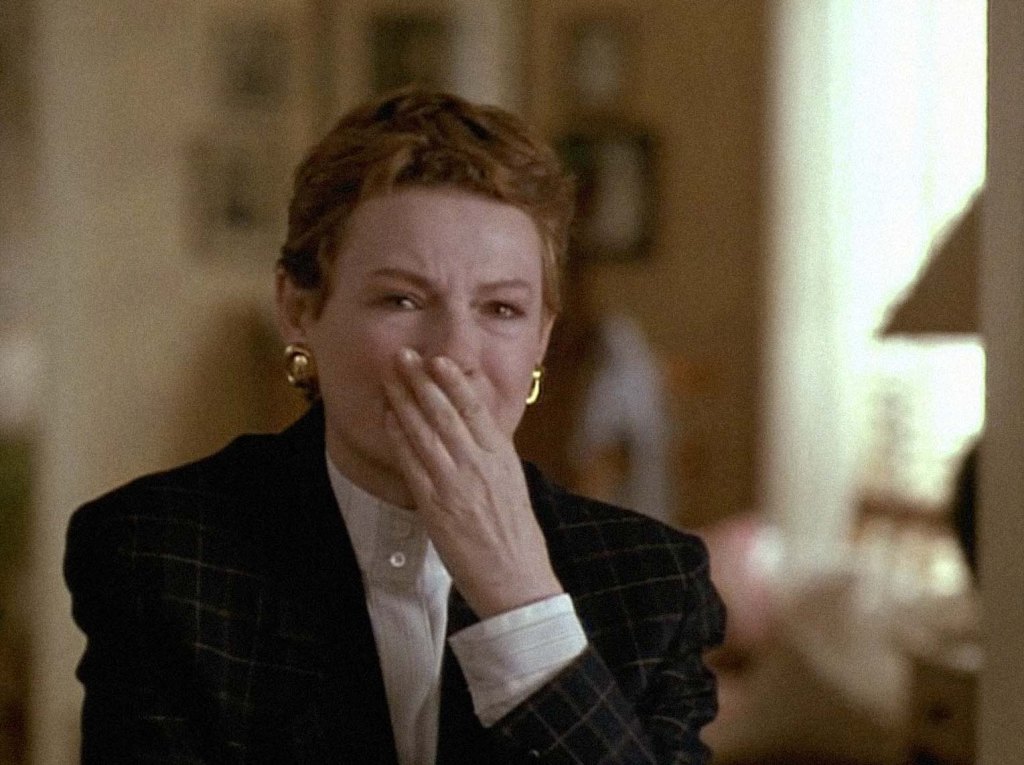
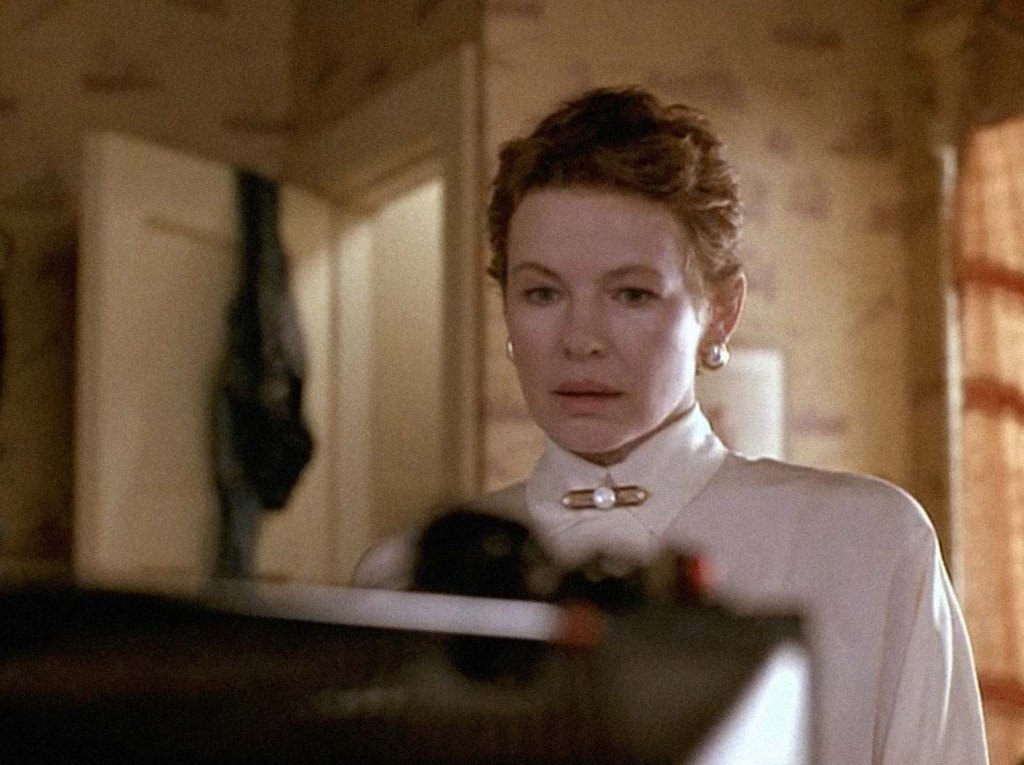
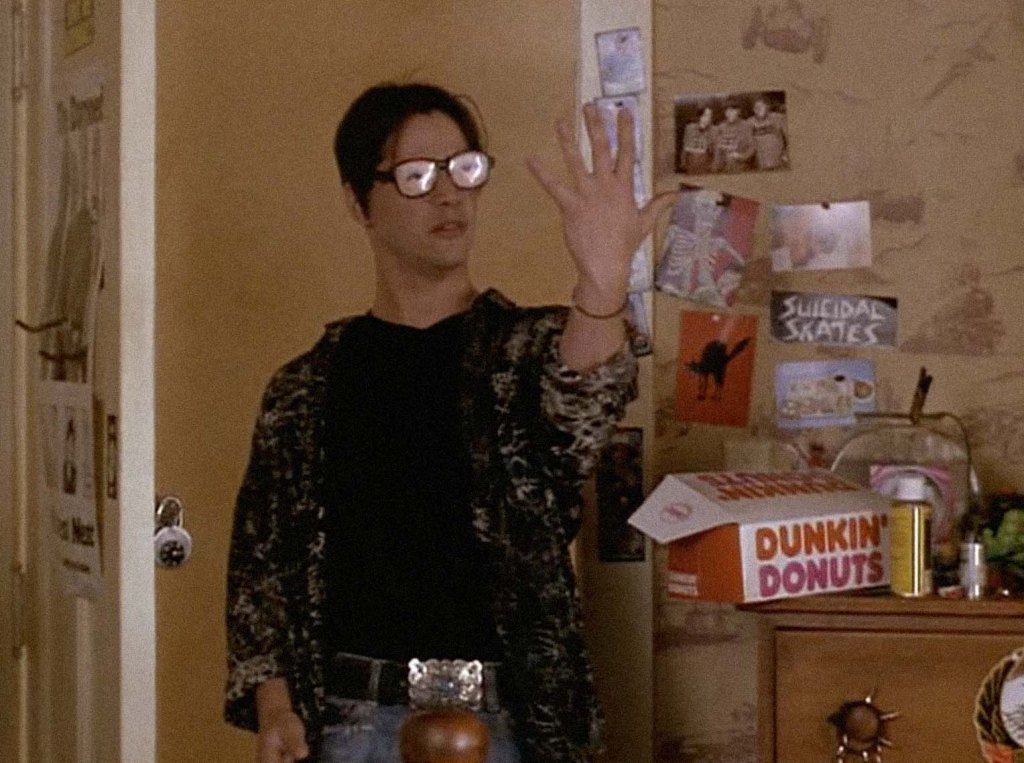
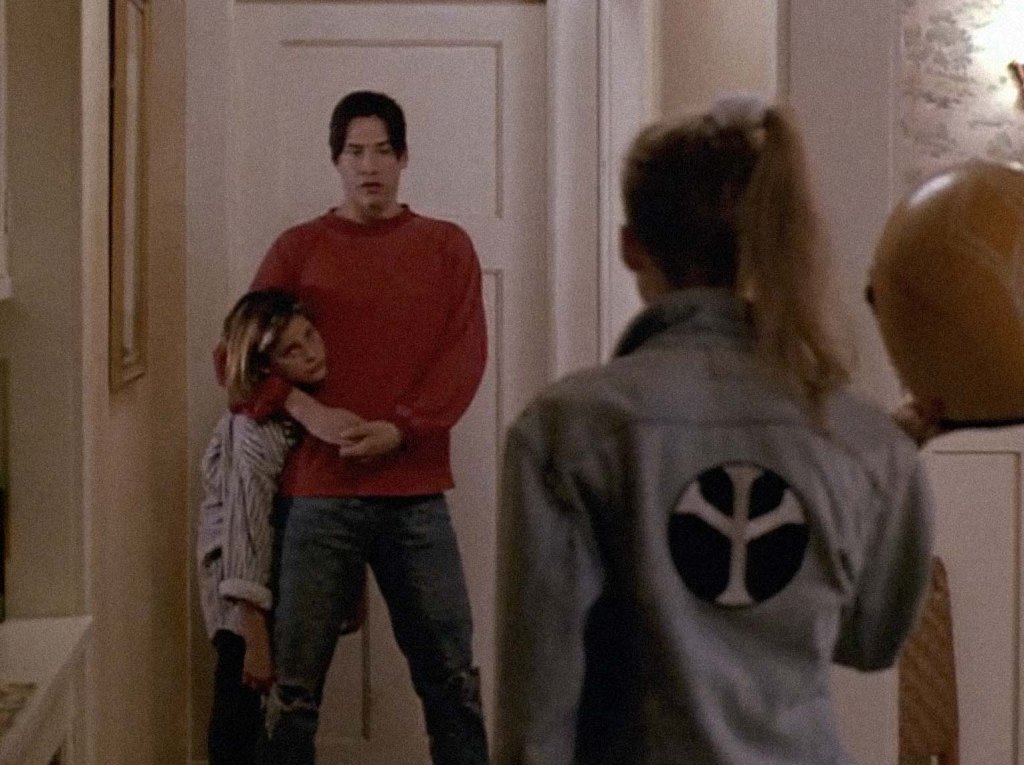
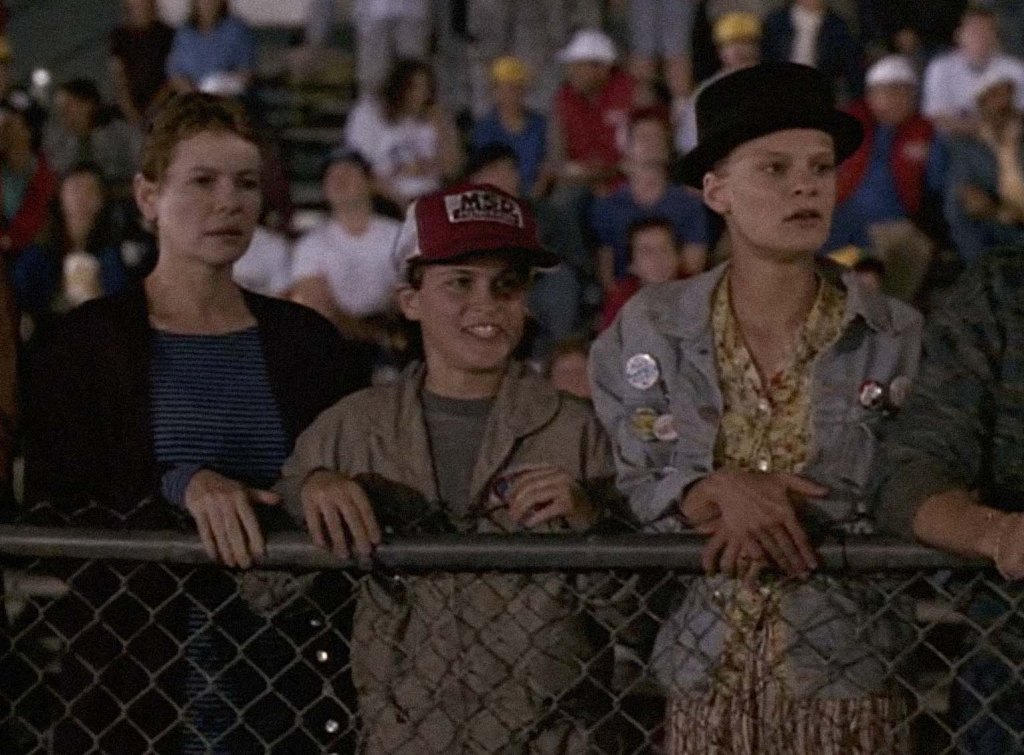
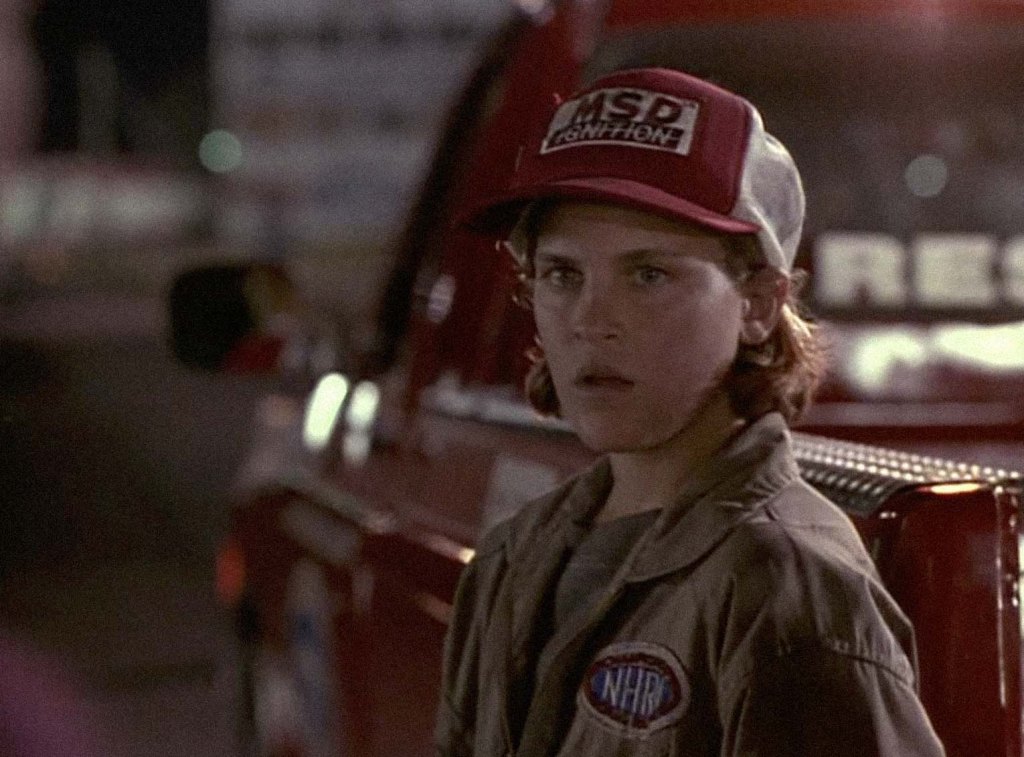
Helen Buckman (Dianne Wiest) is Gil’s divorced sister, struggling to raise her moody adolescent son, Garry (Joaquin Phoenix), and her independent-minded daughter, Julie (Martha Plimpton), without any support from her wealthy ex-husband, who is more focused on his new wife and family. Helen finds it difficult to connect with her withdrawn and secretive son, Garry, who hides adult videotapes and often retreats into his own world. To make matters more complicated, Julie impulsively marries her impulsive and free-spirited boyfriend, Tod (Keanu Reeves), a young man with a troubled past whom Helen initially dislikes. However, over time, Tod proves to be more capable and devoted than anyone expected. Eventually, Julie discovers she is pregnant, unexpectedly thrusting Helen into the role of grandmother.
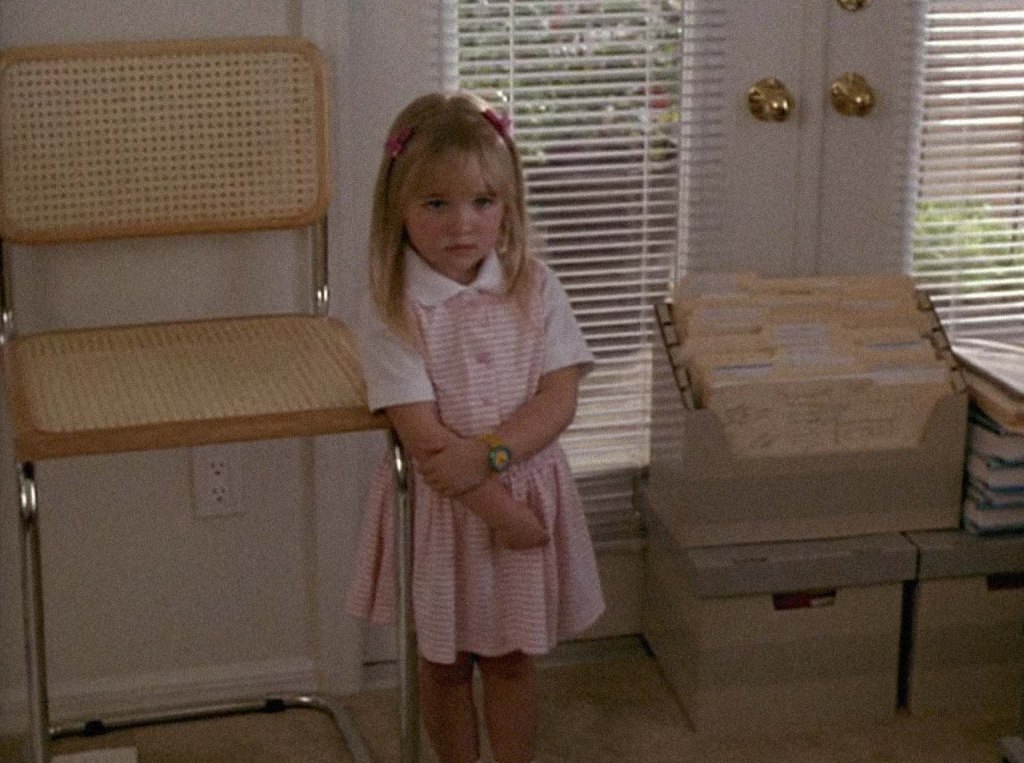
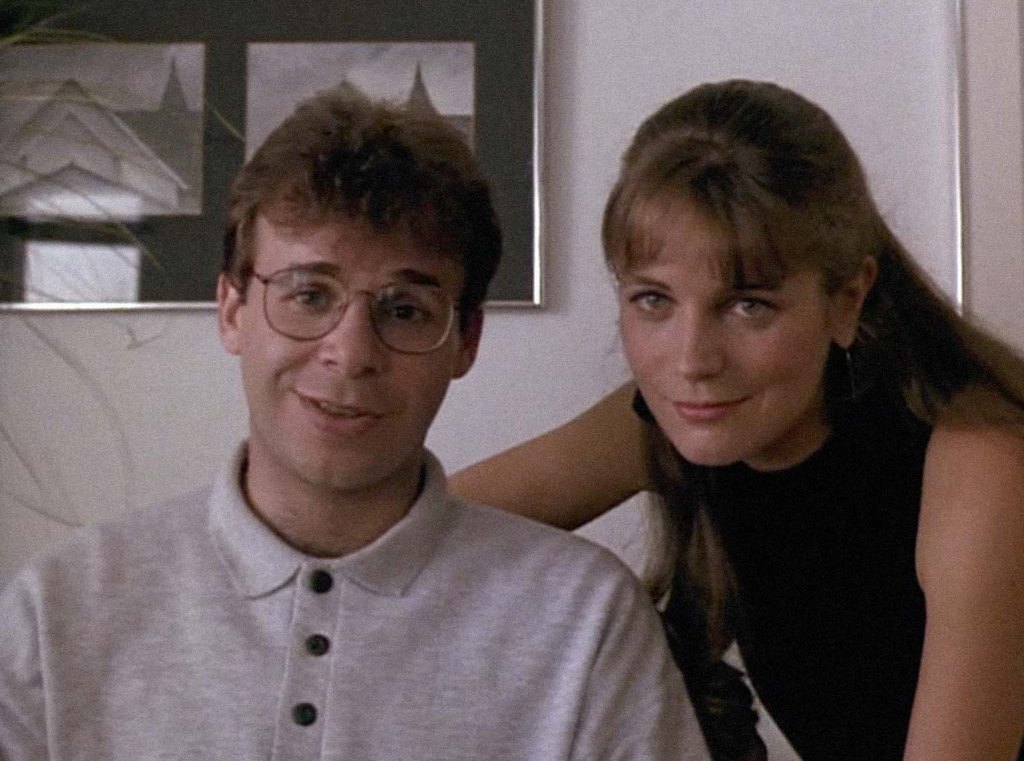
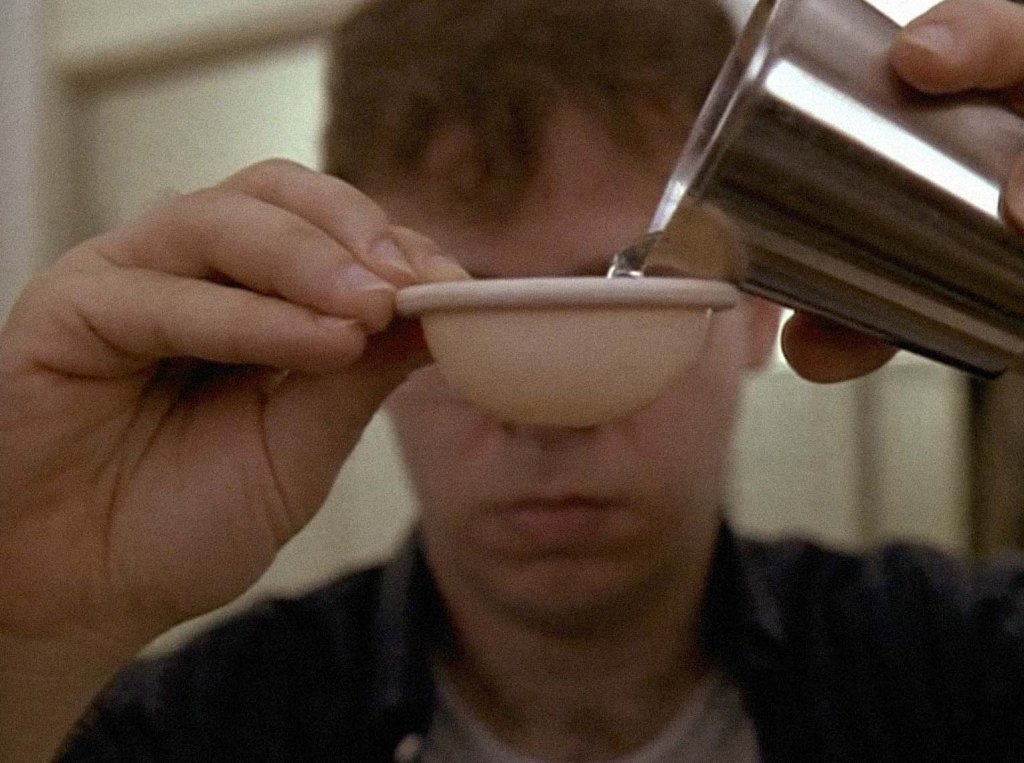
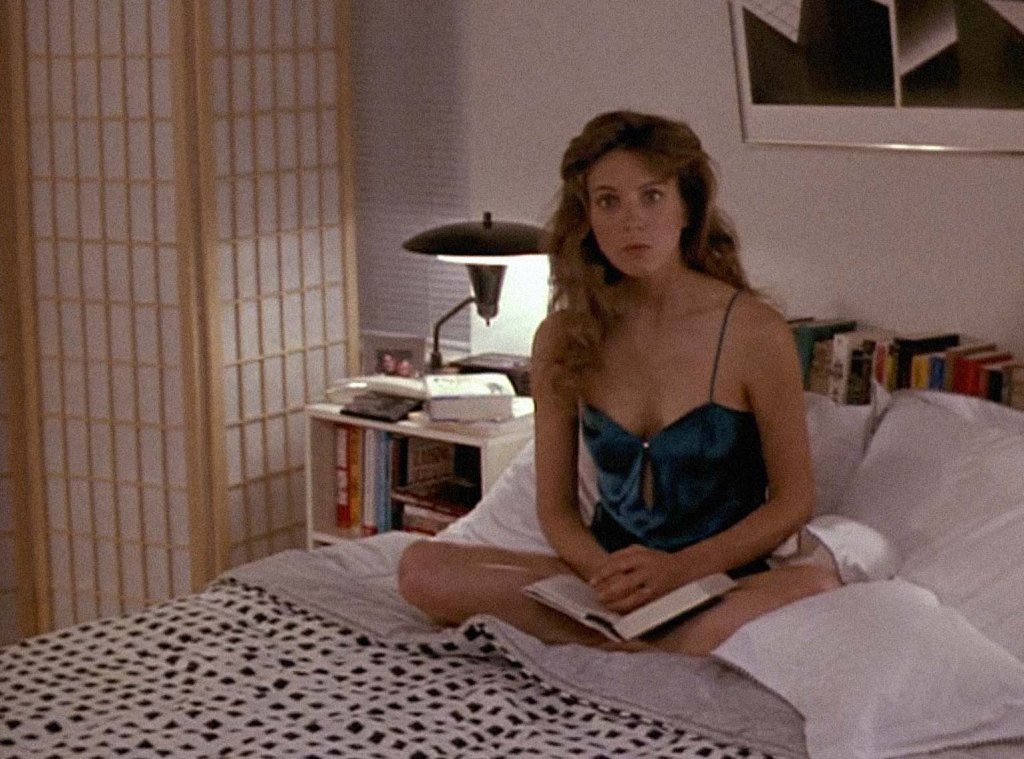
Susan Huffner (played by Harley Jane Kozak), one of Gil’s sisters, is married to Nathan (played by Rick Moranis), an obsessively intellectual man. Nathan is incredibly focused on unlocking the genius within young children; he even reads Kafka at bedtime to their daughter, who is not yet four years old, and takes pride in demonstrating that she can calculate square roots using a set of paper dots.
Susan, on the other hand, desires another child and a more balanced family life. However, she increasingly feels alienated by her husband’s rigid, achievement-driven approach to parenting. Their ongoing tension raises an important question: Does pushing a child toward excellence deprive them of a genuine childhood?
Larry Buckman (Tom Hulce) is the youngest and most troubled of the Buckman siblings, known as the family’s lovable but unreliable black sheep. He is introduced with the warning, “Whatever you do, don’t lend him any money.” A compulsive gambler and charismatic charmer, Larry arrives with yet another get-rich-quick scheme and surprises everyone by introducing a young son that no one knew about.
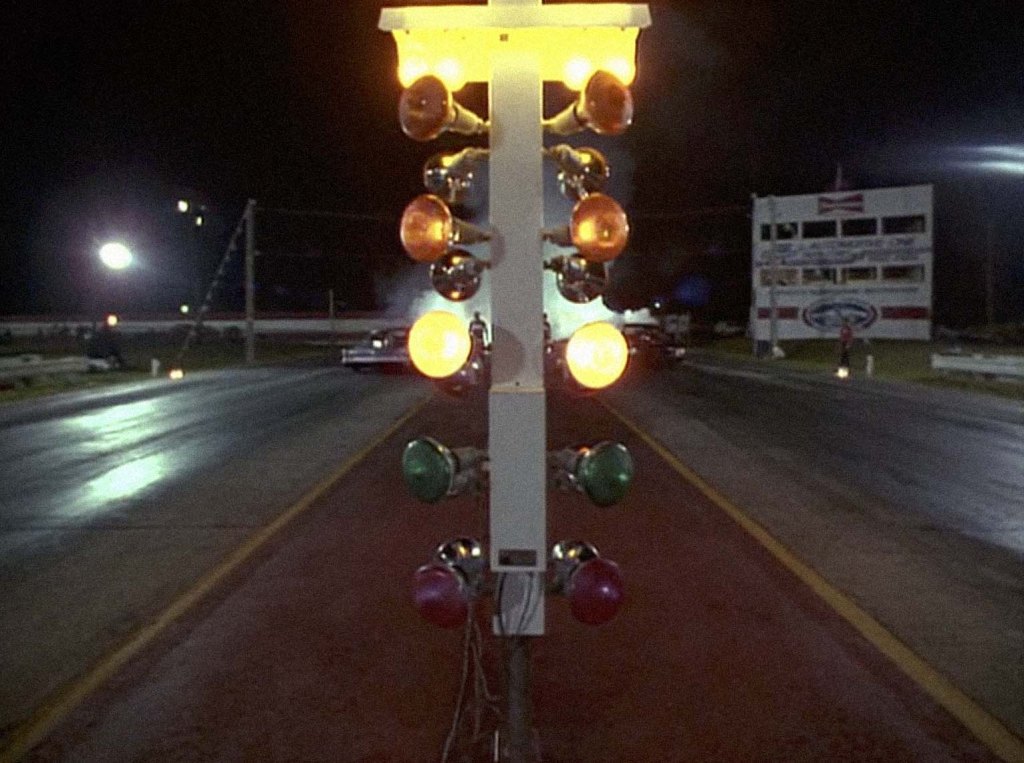
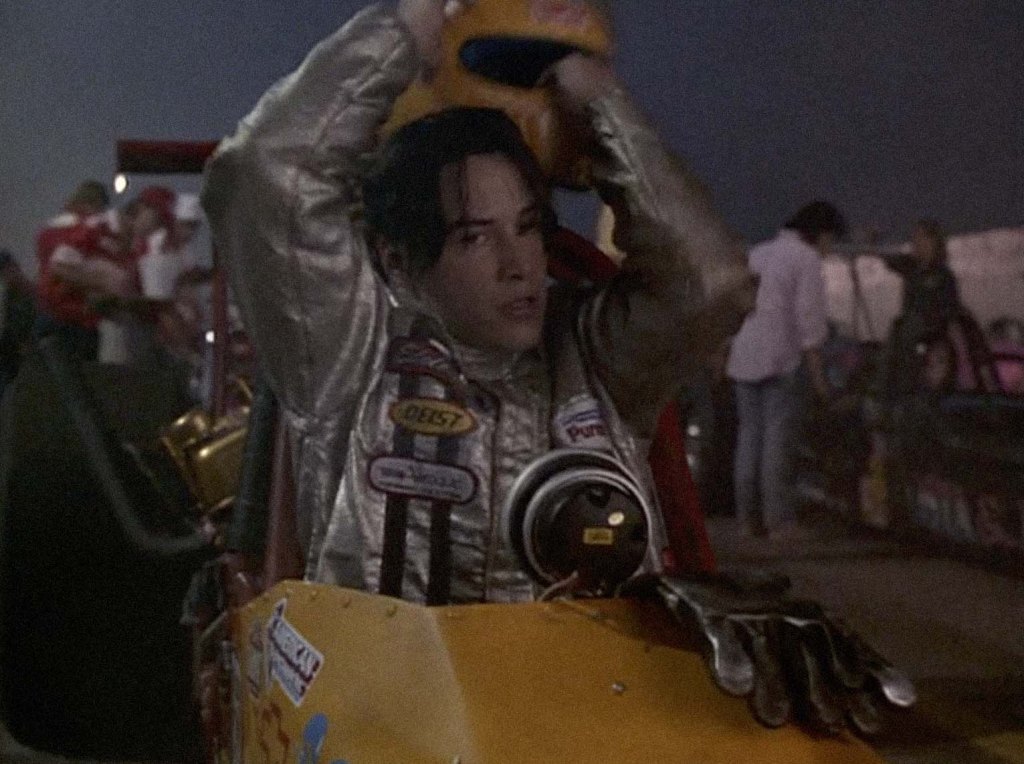
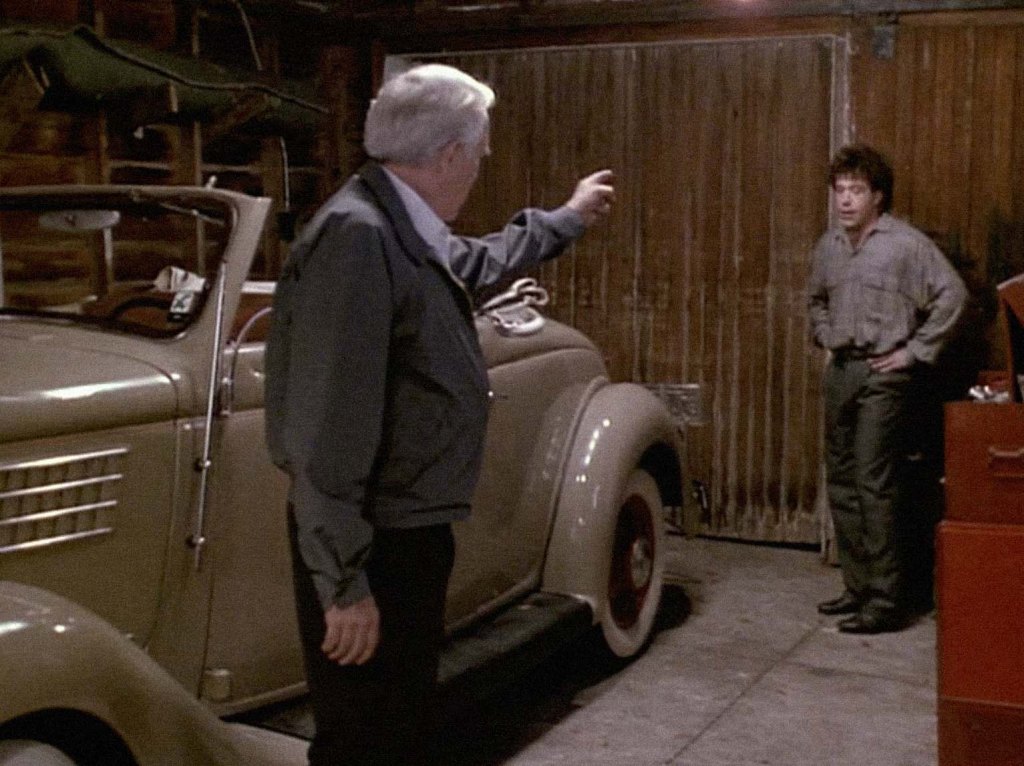
Larry’s storyline culminates in one of the film’s most poignant moments, where their father, Frank (Jason Robards), makes a painful sacrifice for his son, only for Larry to betray that trust once again. This moment exposes the heartbreak of loving a child who refuses to be saved.
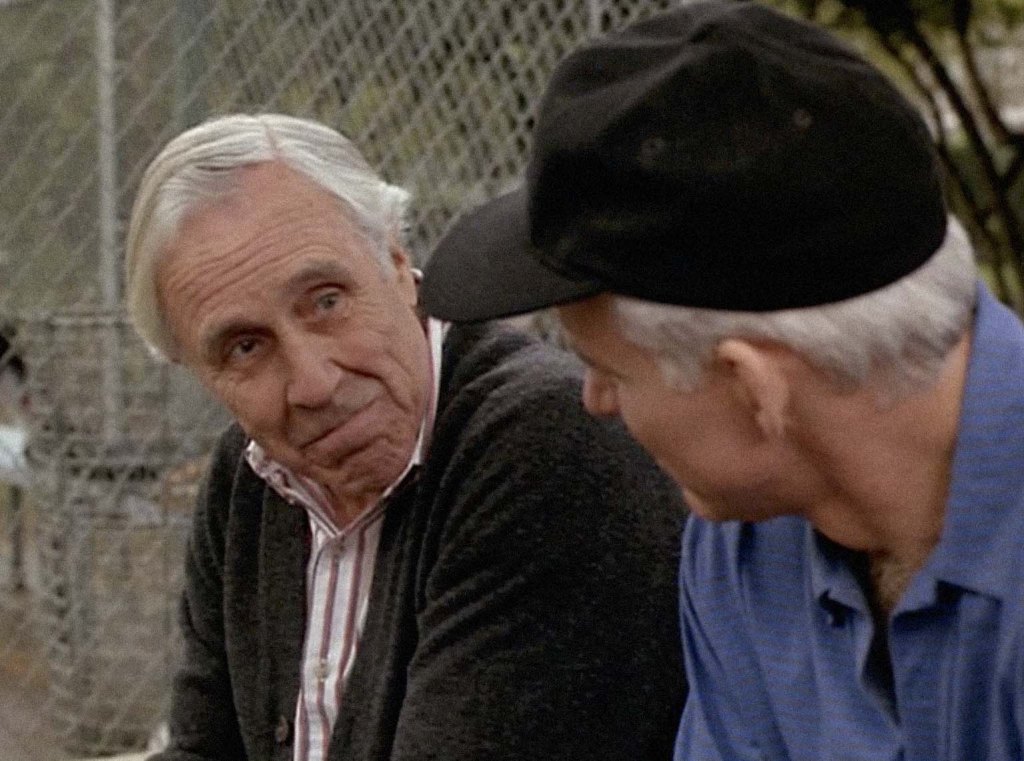
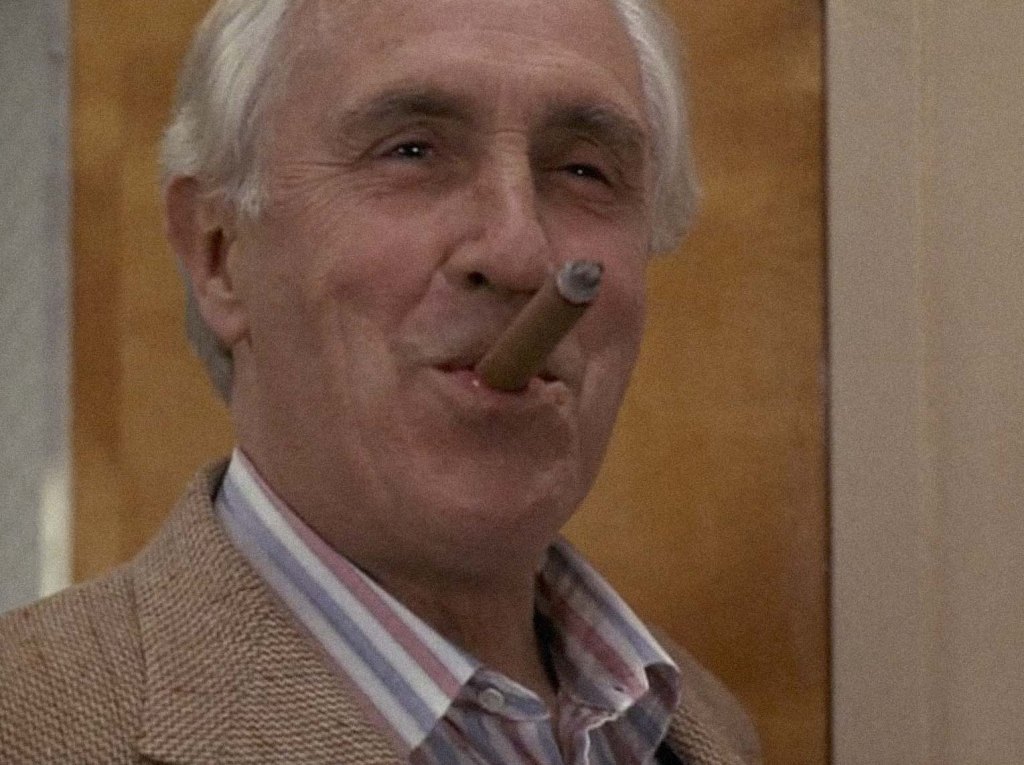
Frank Buckman, portrayed by Jason Robards, acts as the emotional anchor of the older generation in the story. He is a flawed father who struggled to express his emotions and, as a result, failed his children in several ways. Now, he must confront the consequences of his parenting as he watches his children grapple with the wounds he inflicted on them. The scenes between Frank and his son Gil are particularly impactful, highlighting how the patterns of fatherhood resonate across generations.
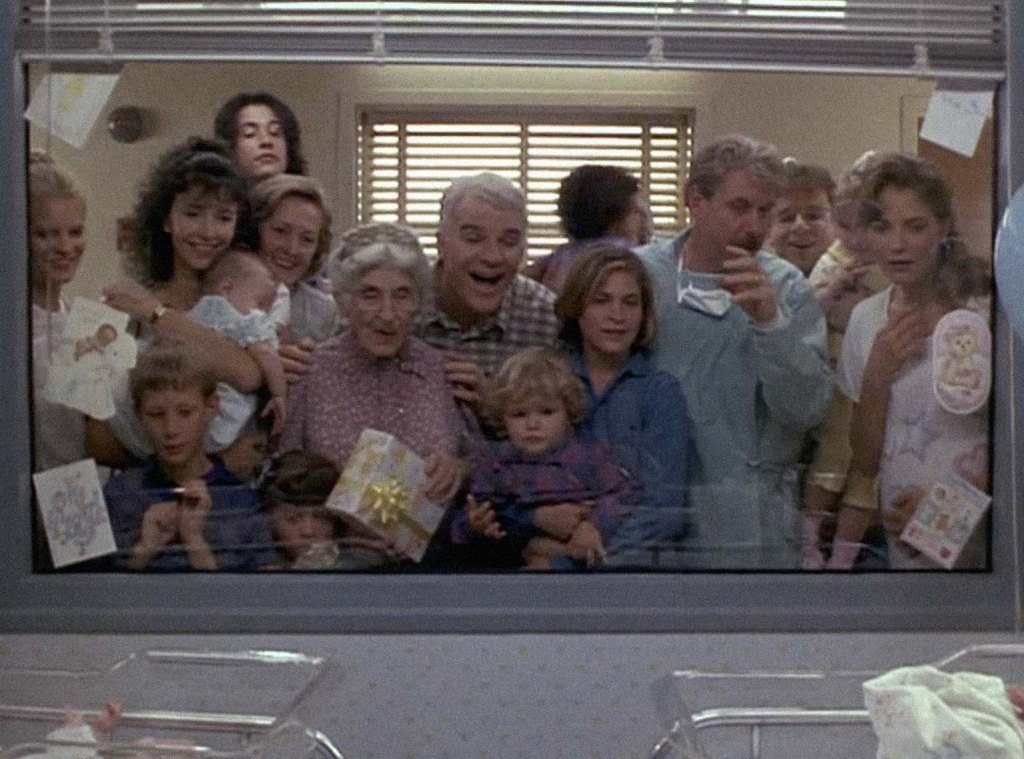
The film spans four generations, from an ancient matriarch to a three-year-old. Since nearly every character embodies both a parent and a child, much of the film’s emotional power comes from observing how each generation reacts to the one that precedes it.