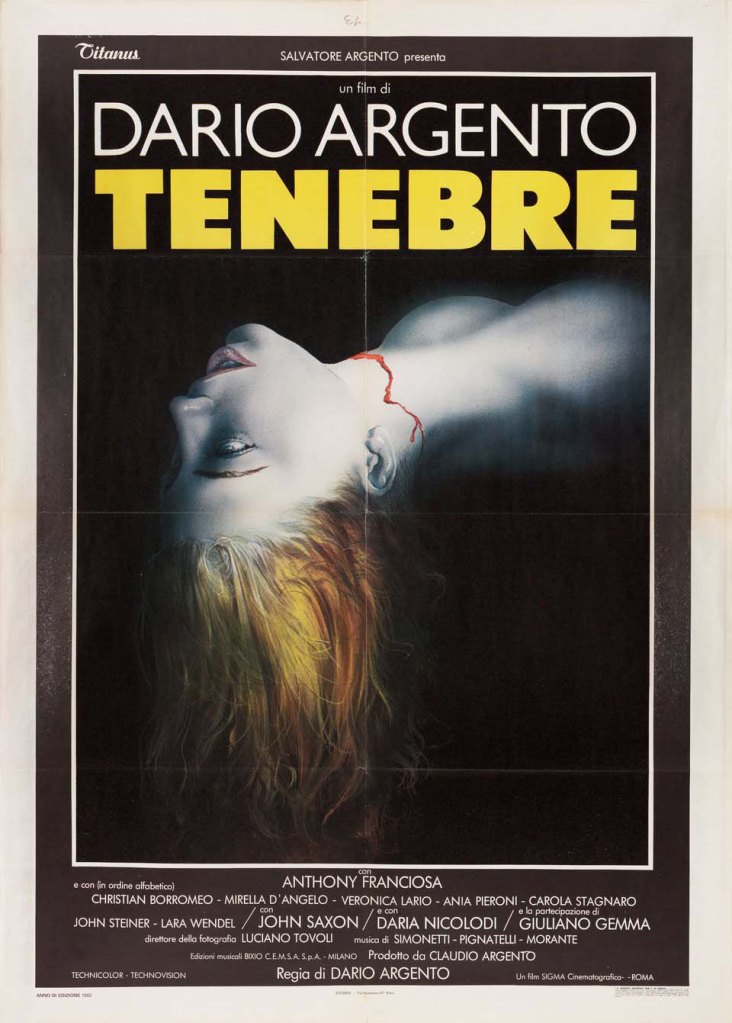
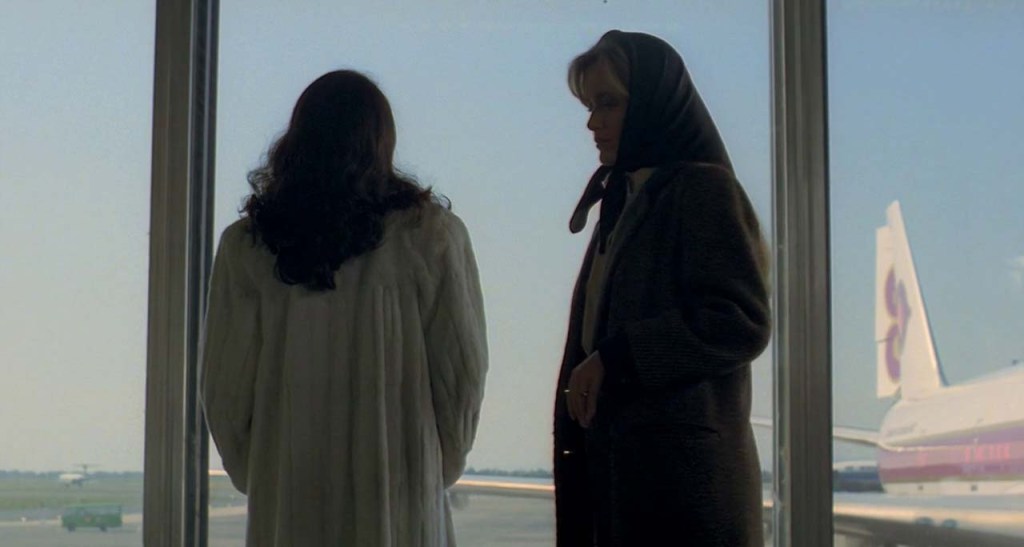
“Tenebrae” (also known as “Tenebre”) is a 1982 Italian giallo film written and directed by Dario Argento. After exploring pure supernatural horror in “Suspiria” (1977) and “Inferno” (1980), “Tenebrae” marked the filmmaker’s return to the giallo horror subgenre, and many consider it one of his finest works. The title is derived from Latin/Italian, meaning “darkness” or “shadows”.
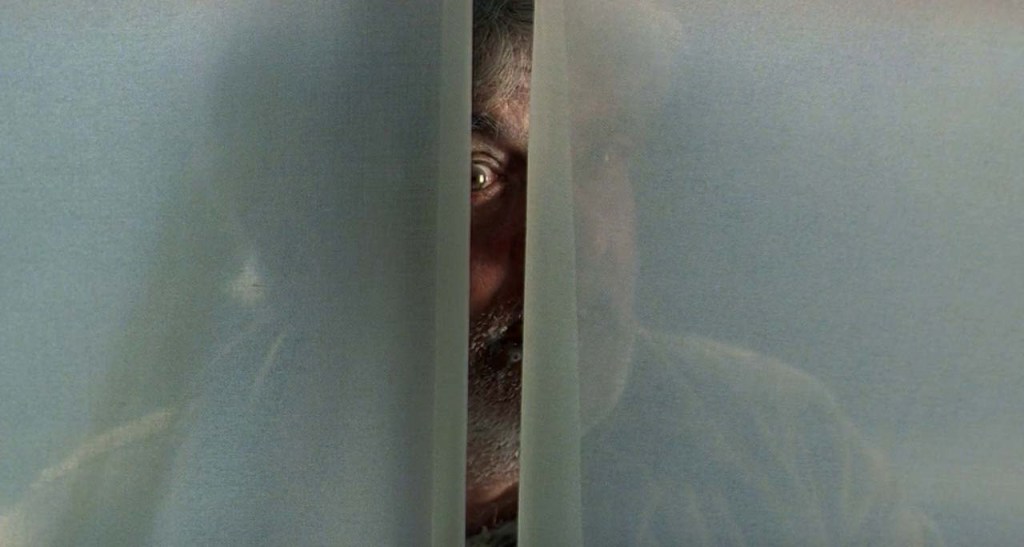
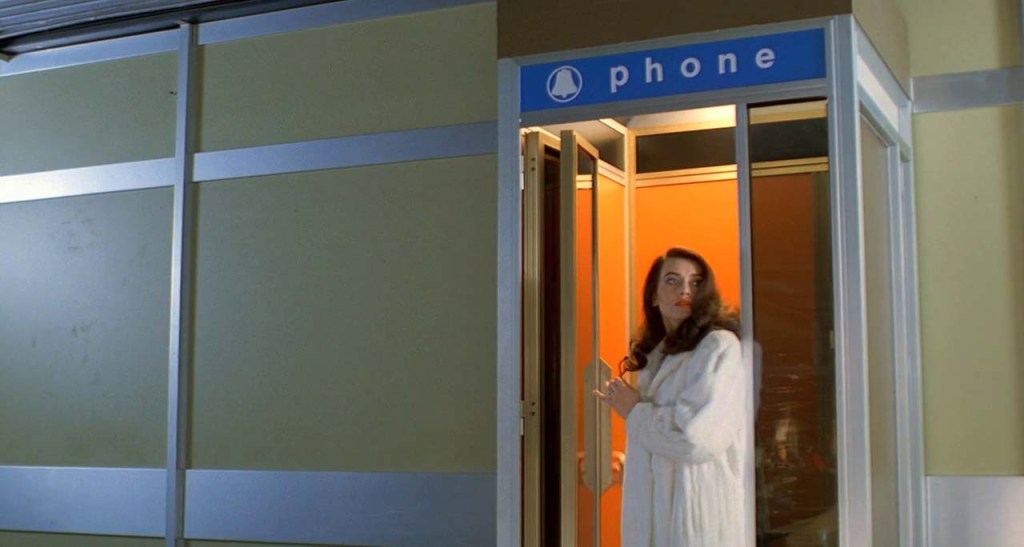
The film features Anthony Franciosa as Peter Neal, John Saxon as Bullmer, Daria Nicolodi as Anne, Giuliano Gemma as Detective Germani, and Mirella D’Angelo as Tilde. The cast also includes John Steiner, Veronica Lario, Ania Pieroni, Eva Robin’s, Lara Wendel, and Carola Stagnaro, who plays a detective investigating the murders.
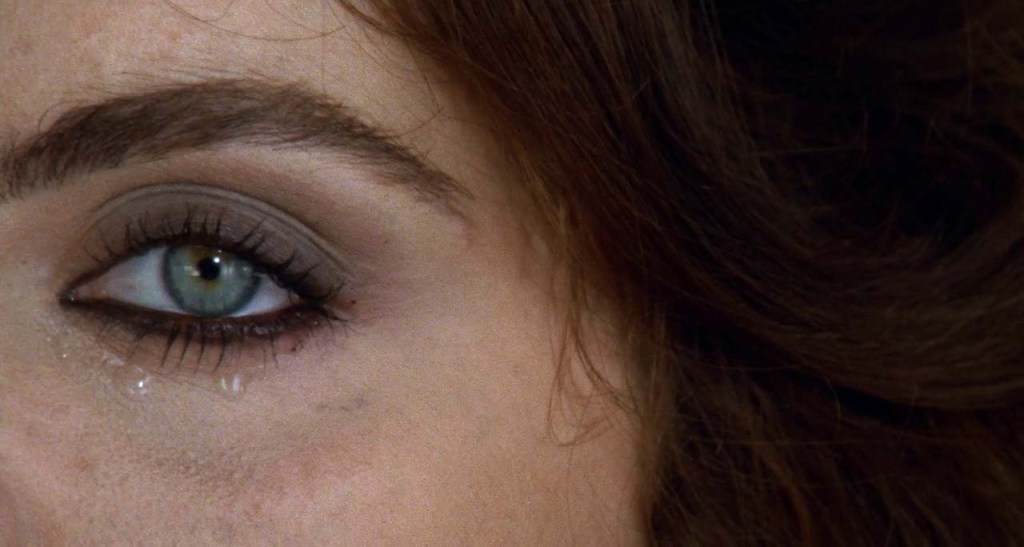
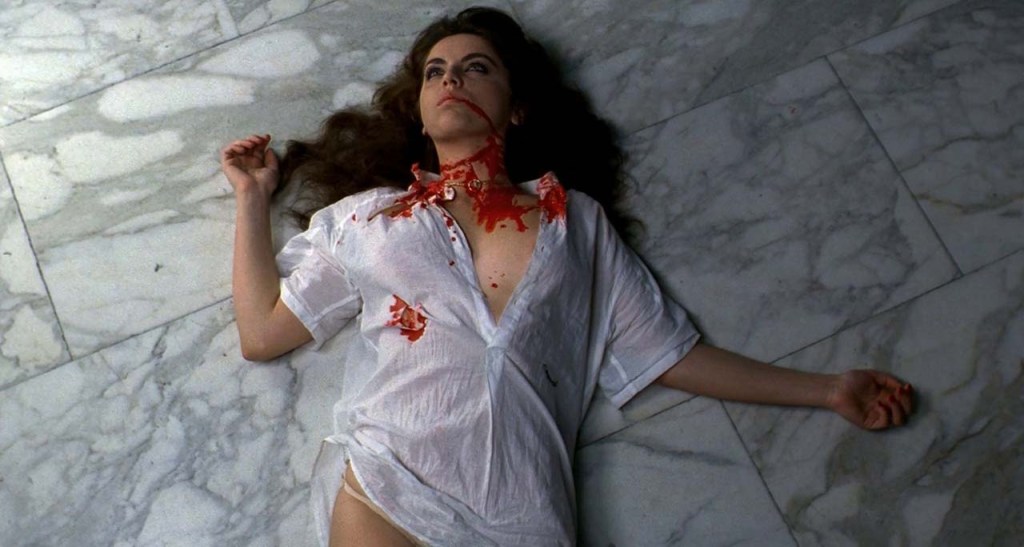
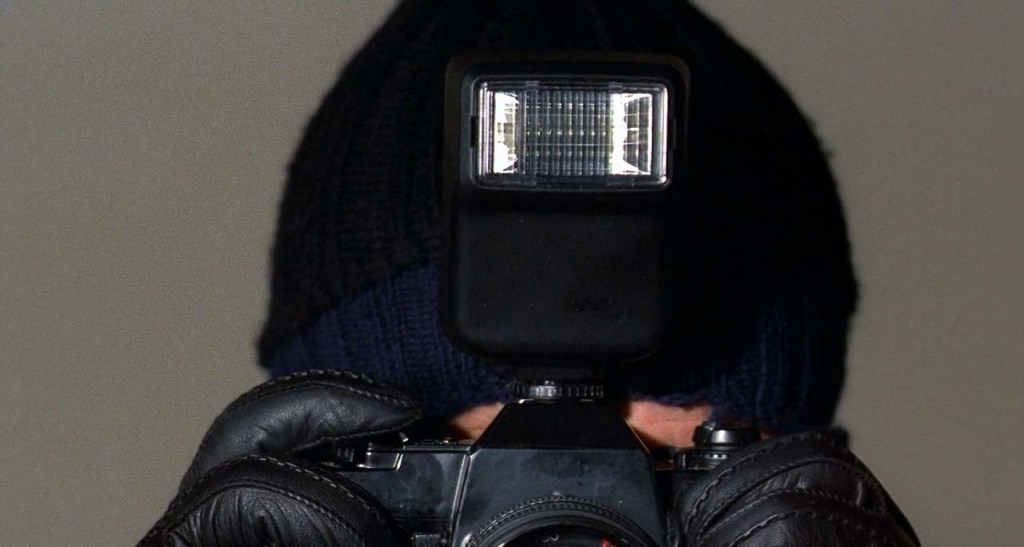
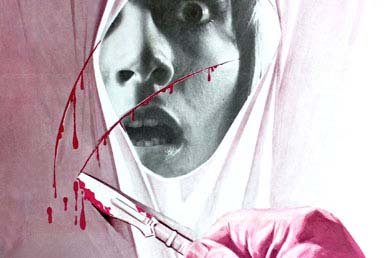
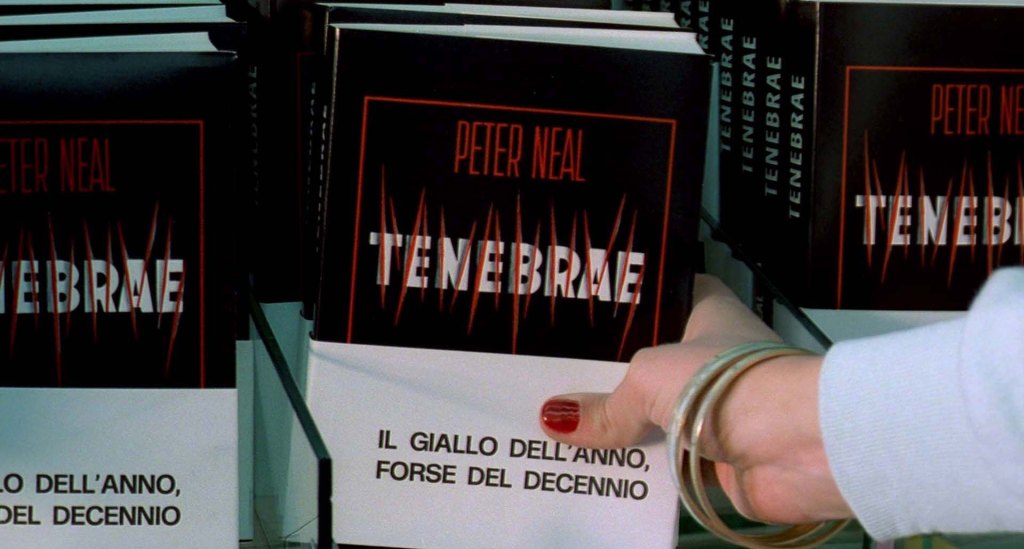
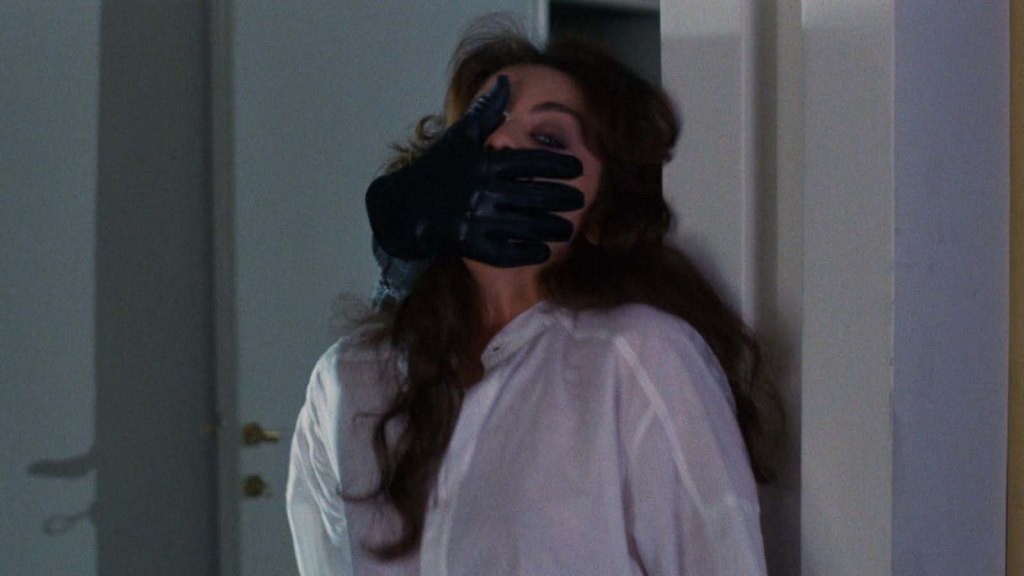
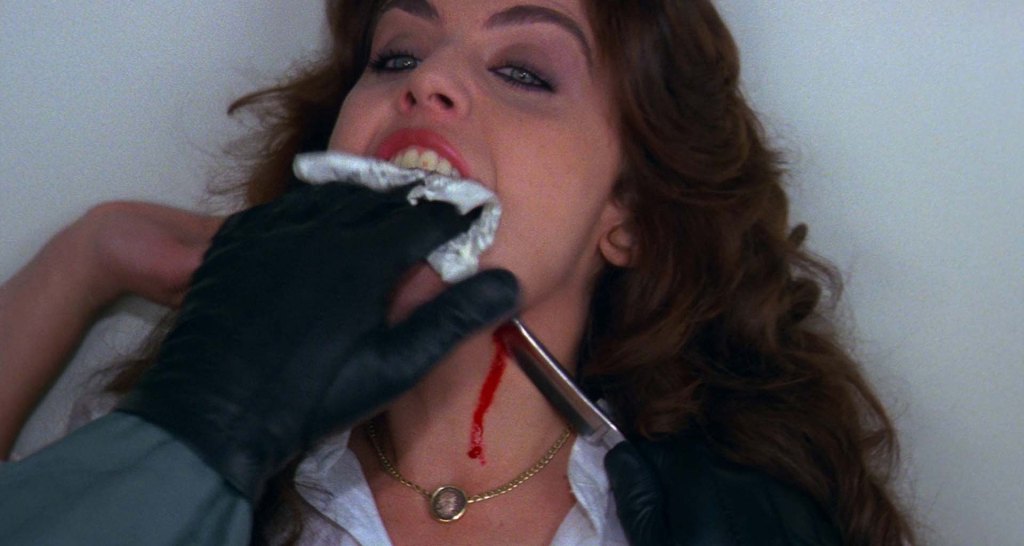
The story follows American mystery author Peter Neal (played by Anthony Franciosa) as he arrives in Rome to promote his latest novel, also titled “Tenebrae.” Shortly after his arrival, a razor-wielding psychopath starts a series of murders, taunting Neal and killing those close to him in ways that mirror the violent scenes depicted in his book.
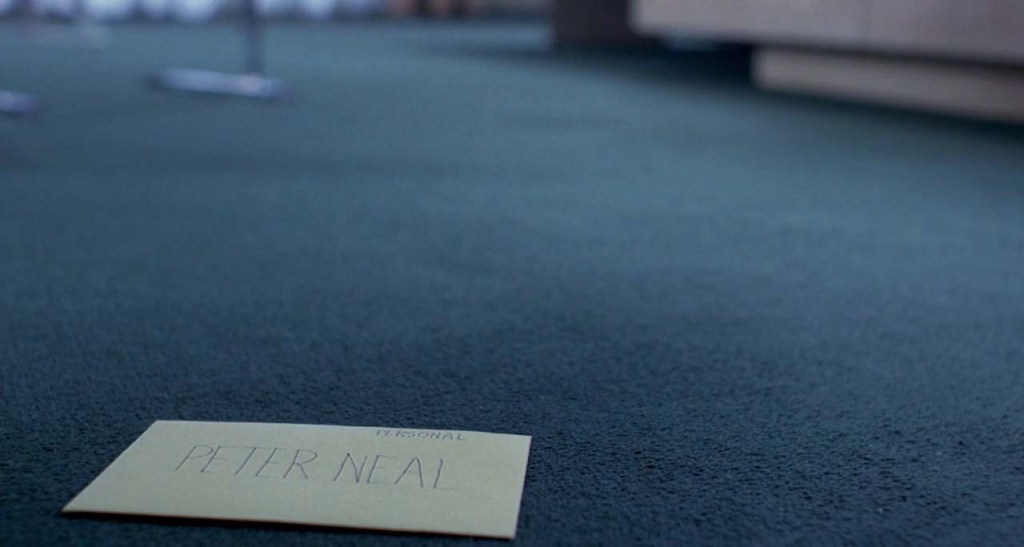
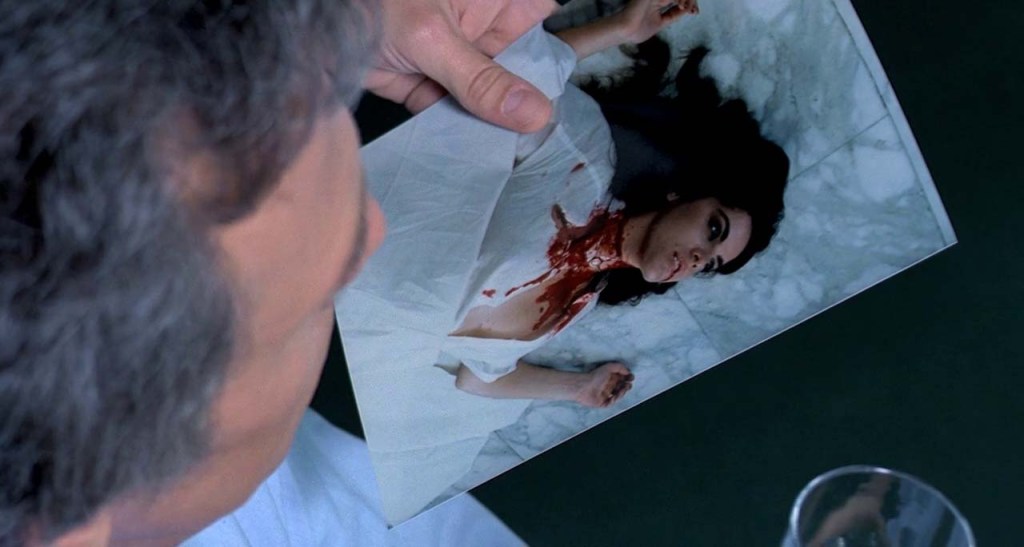
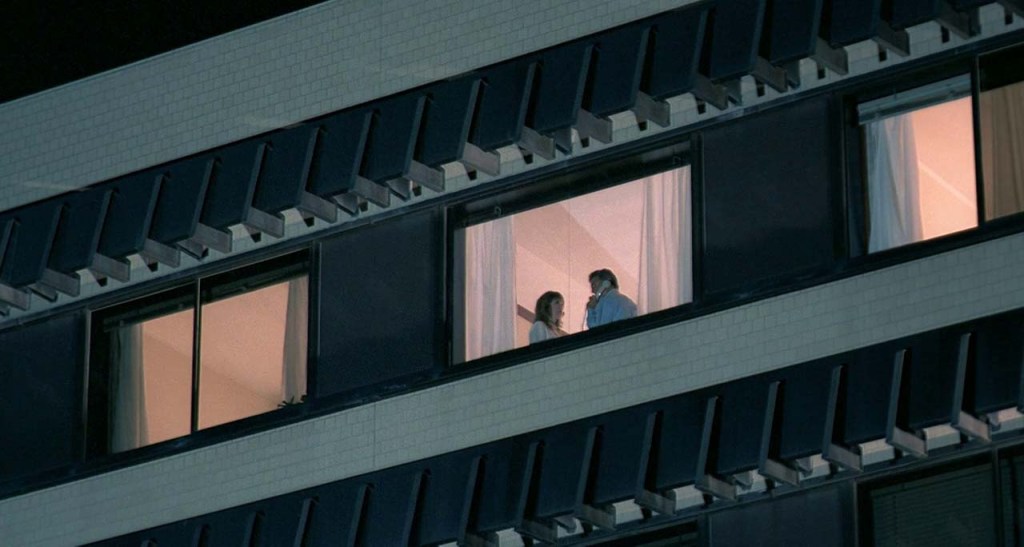
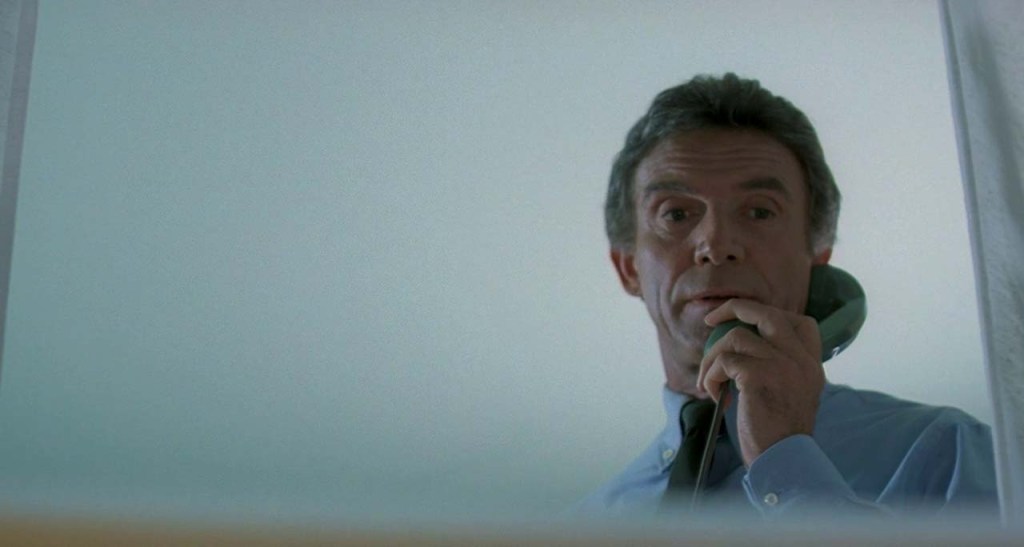
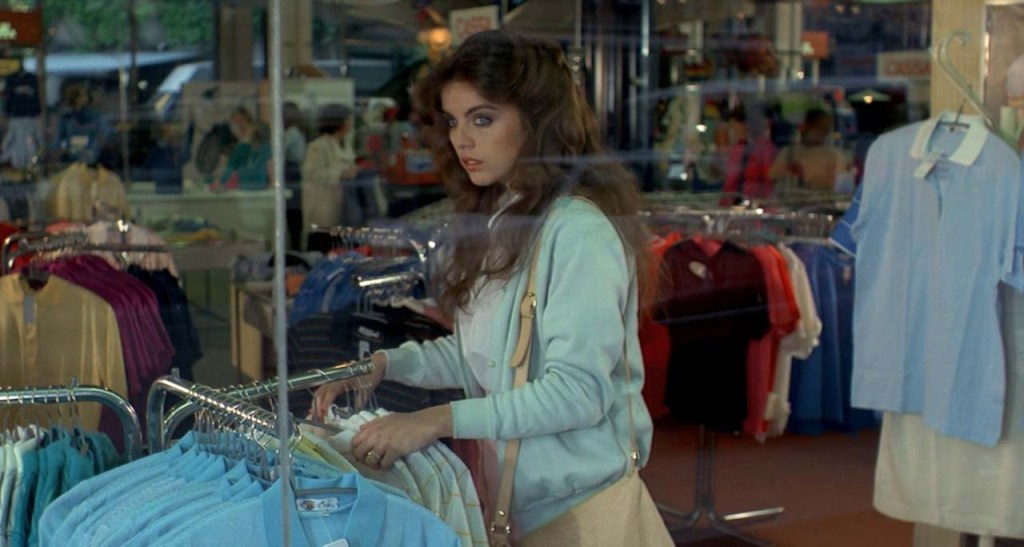
As soon as Peter arrives, the murder of a shoplifter catches the attention of Detective Germani (played by Giuliano Gemma), who has been assigned to the case. He meets with Peter and informs him that the killer seems to have been inspired by Peter’s novel to commit the crime. Shortly after, Peter receives a letter directly from the murderer, and soon after that, two more victims are killed. In the letter, the killer states that “perverts must be eliminated.”
Peter is joined on his trip to Rome by his loyal assistant Anne (played by Daria Nicolodi) and his literary agent Bullmer (portrayed by John Saxon). Both characters become embroiled in the increasingly perilous investigation as the body count rises and more suspects emerge. Believing he can identify the killer before the police do, Peter begins conducting his own parallel inquiry into the murders. The film features strong metafictional elements, with Peter’s fictional narratives increasingly intertwining with the reality around him.
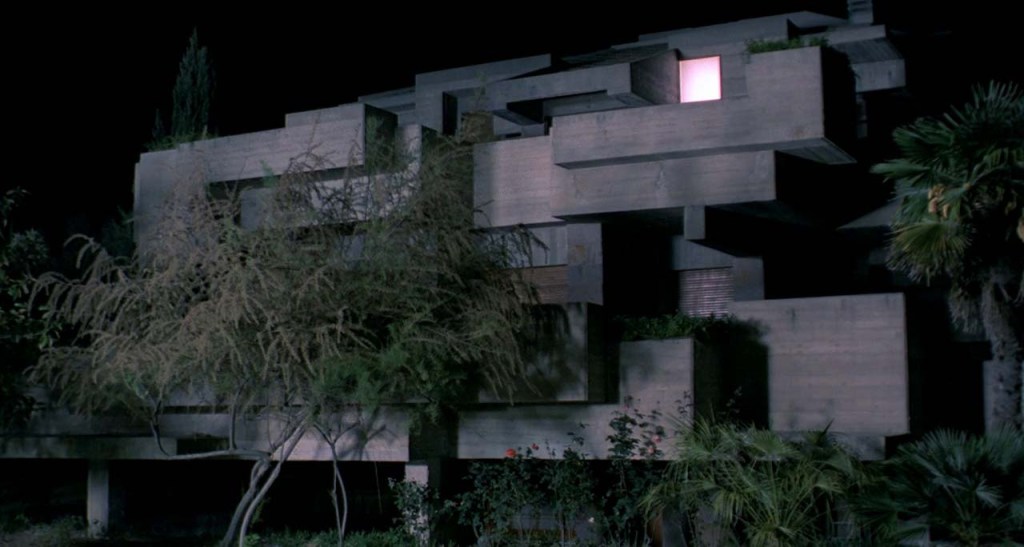
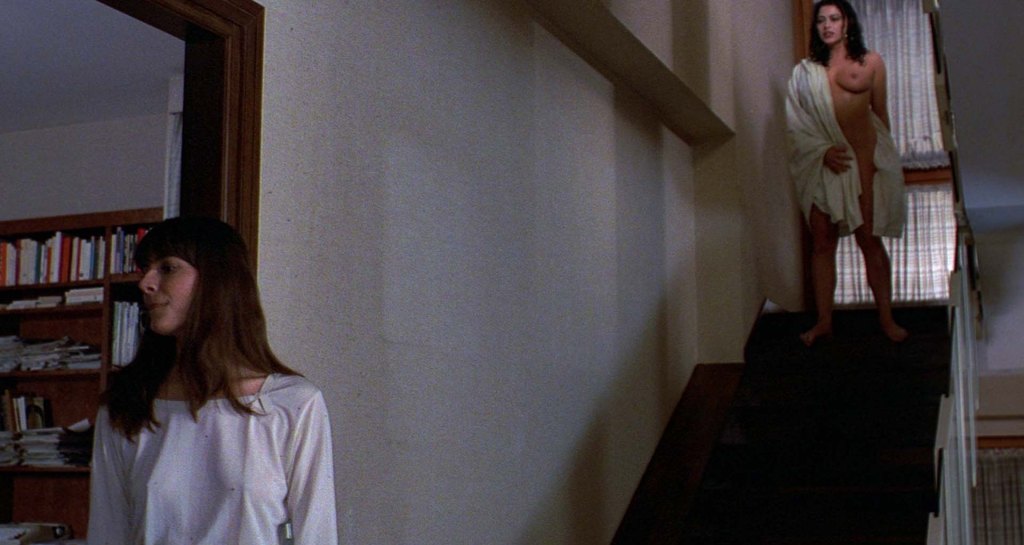
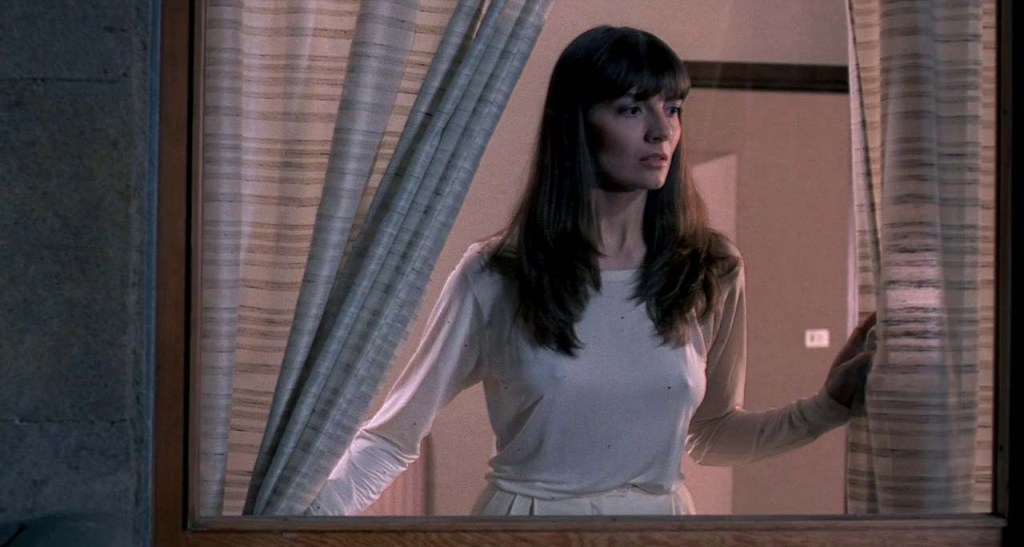
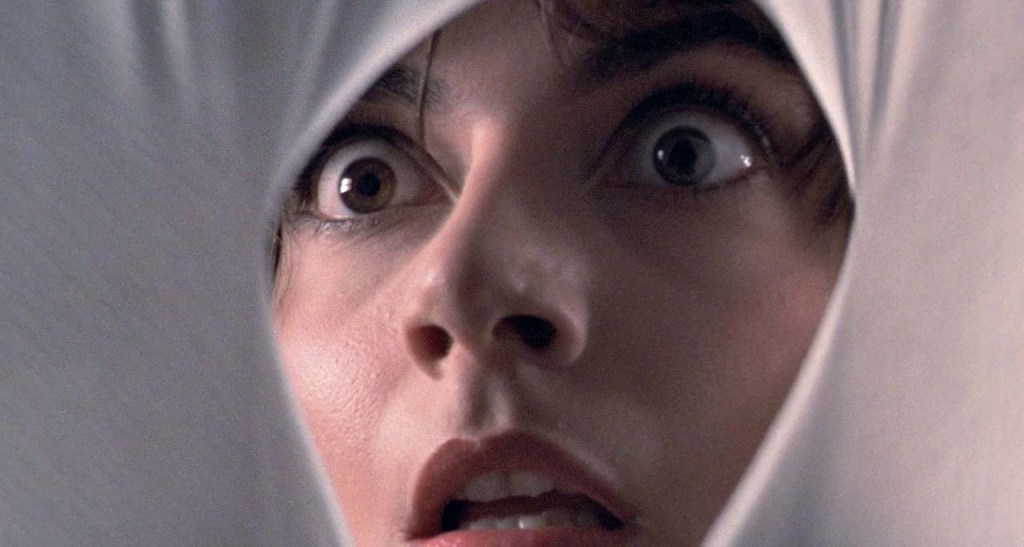
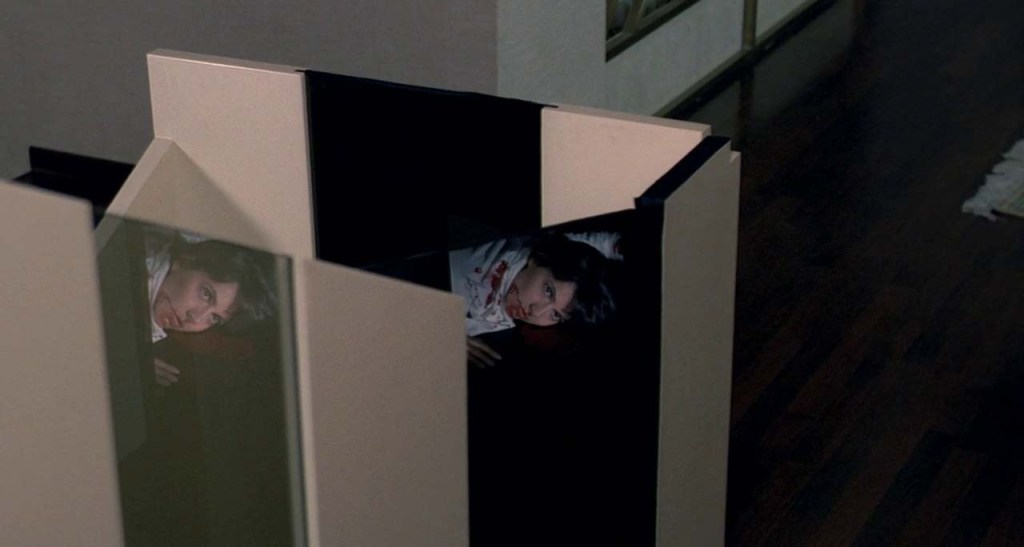
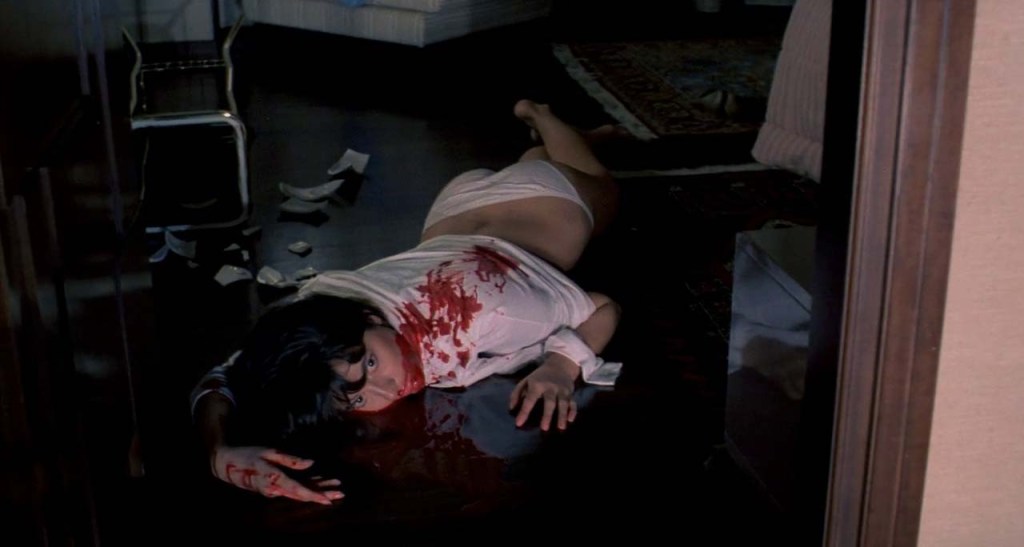
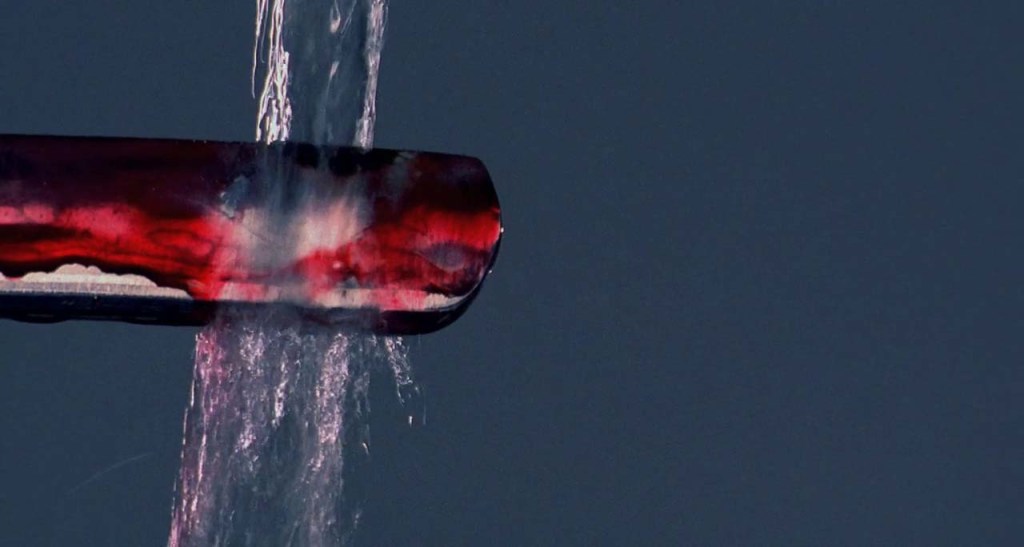
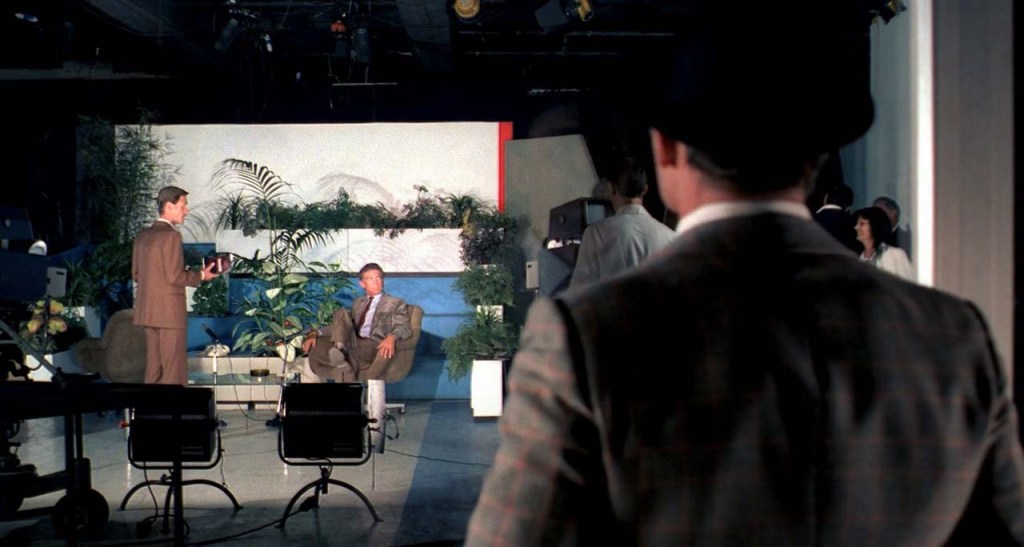
The film was partly inspired by Dario Argento’s real-life harassment by a fan stalker who obtained his phone number while he was in Los Angeles in 1980 and began making a series of veiled threats. This personal experience lends the film an unsettling authenticity; it explores the idea of an artist being held responsible for the violence their work may have inspired, a theme treated with genuine unease.
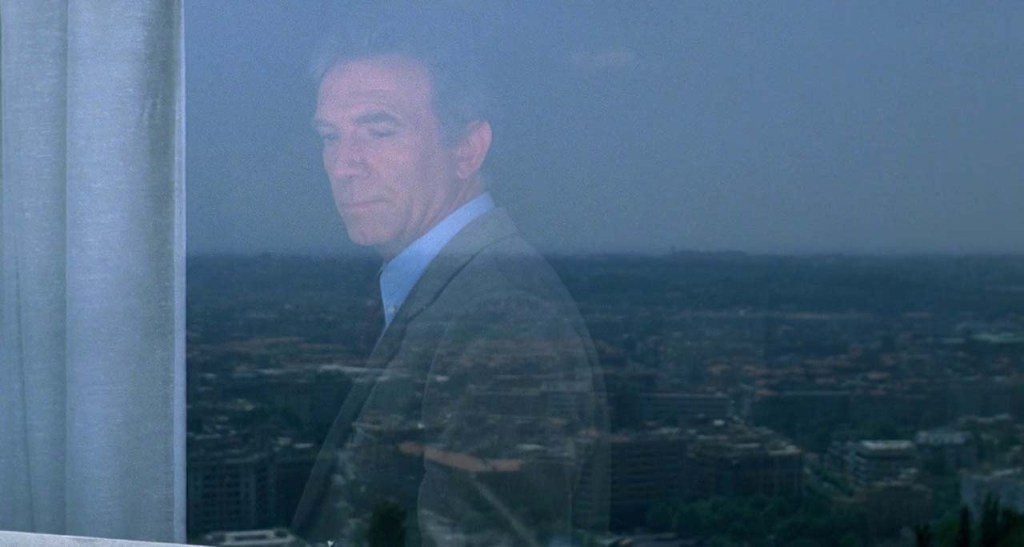
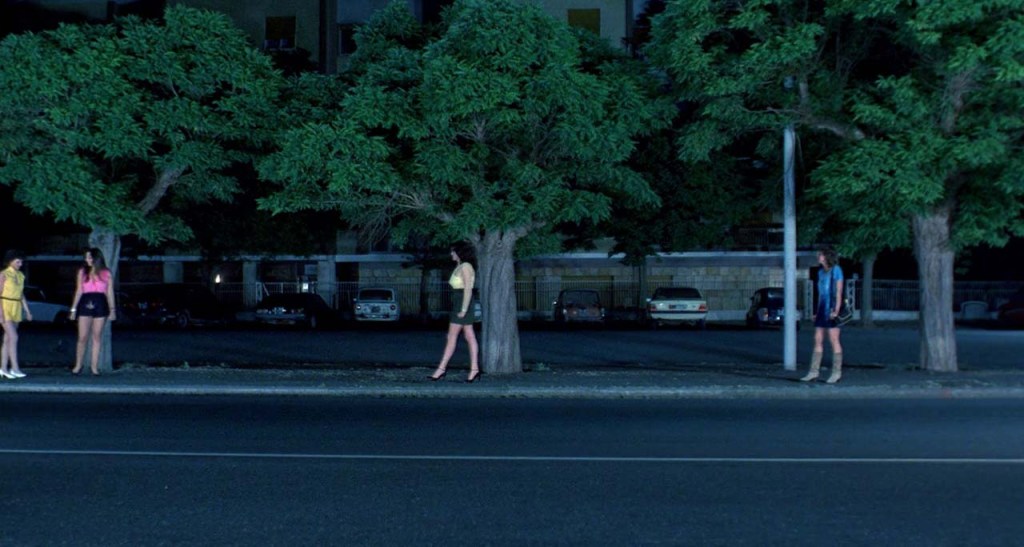
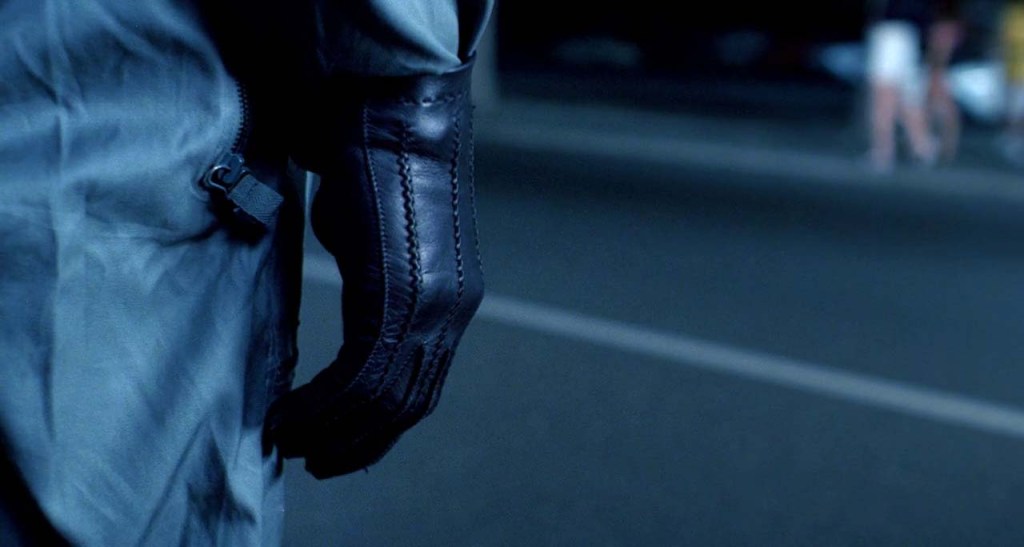
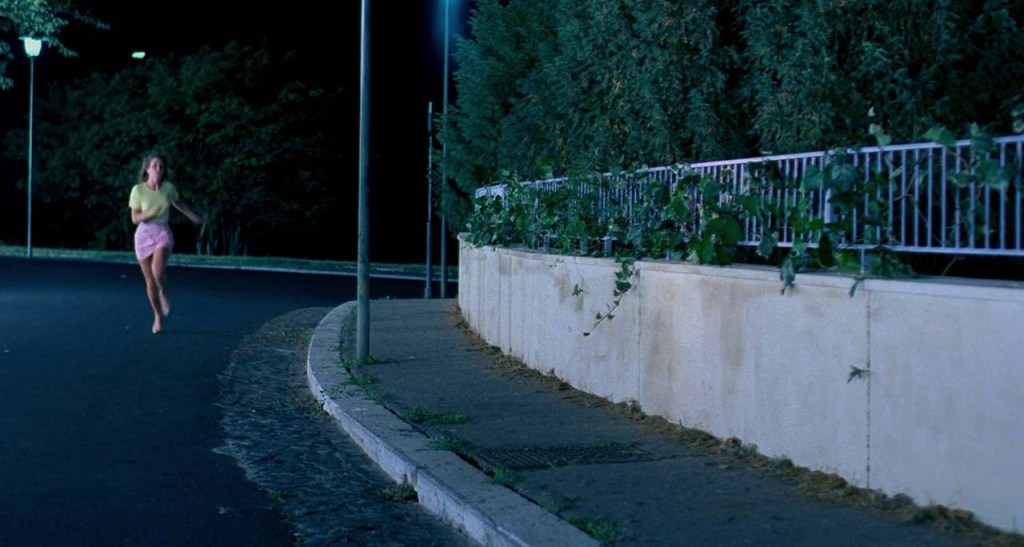
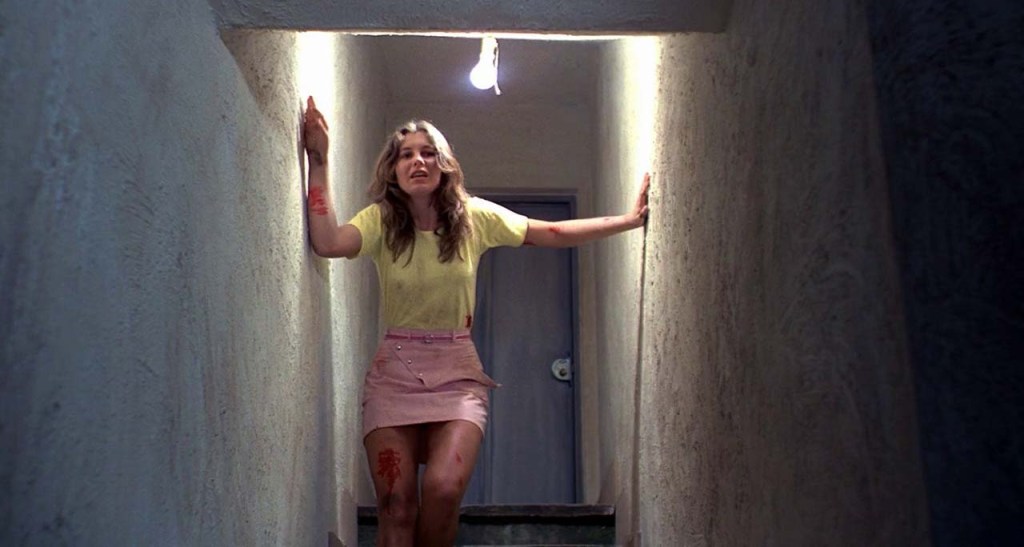
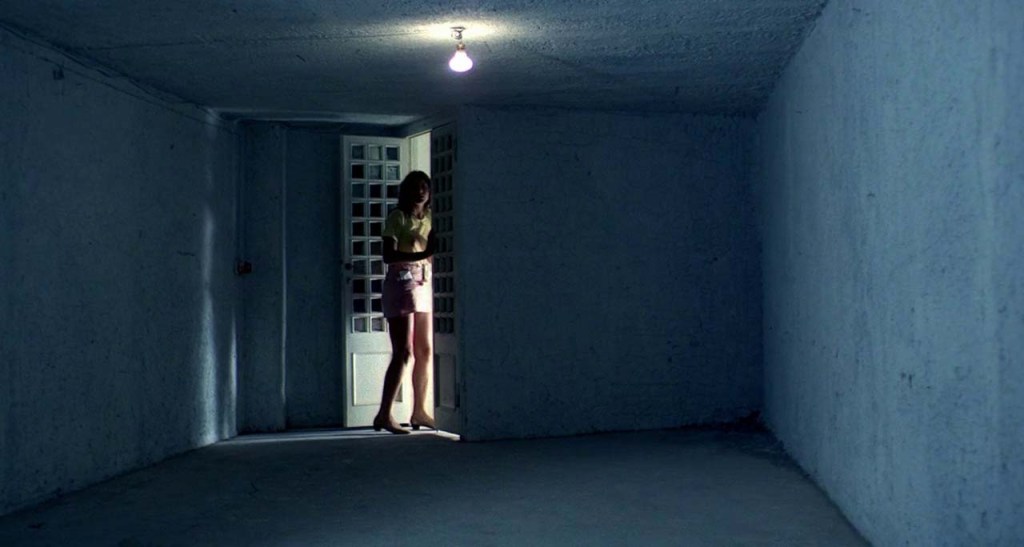
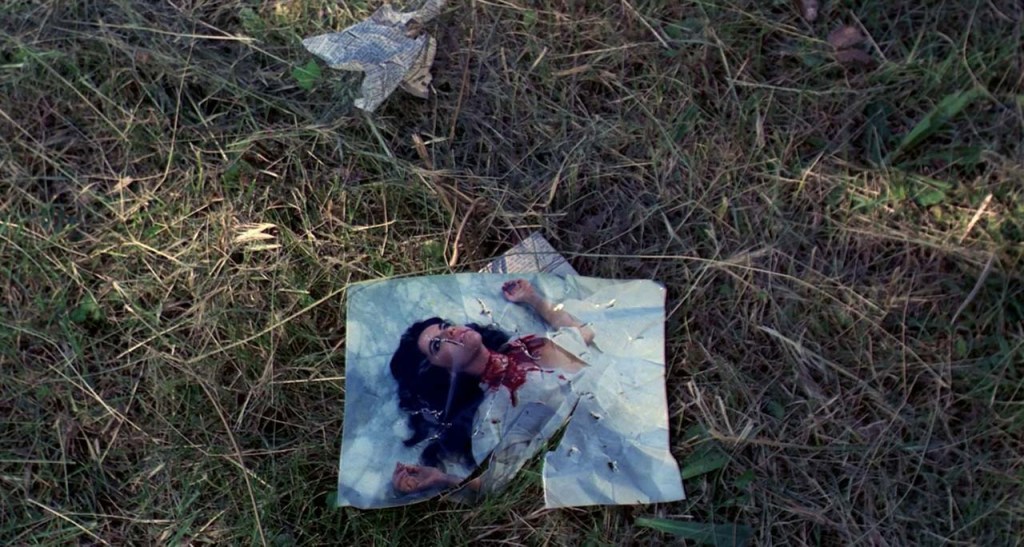
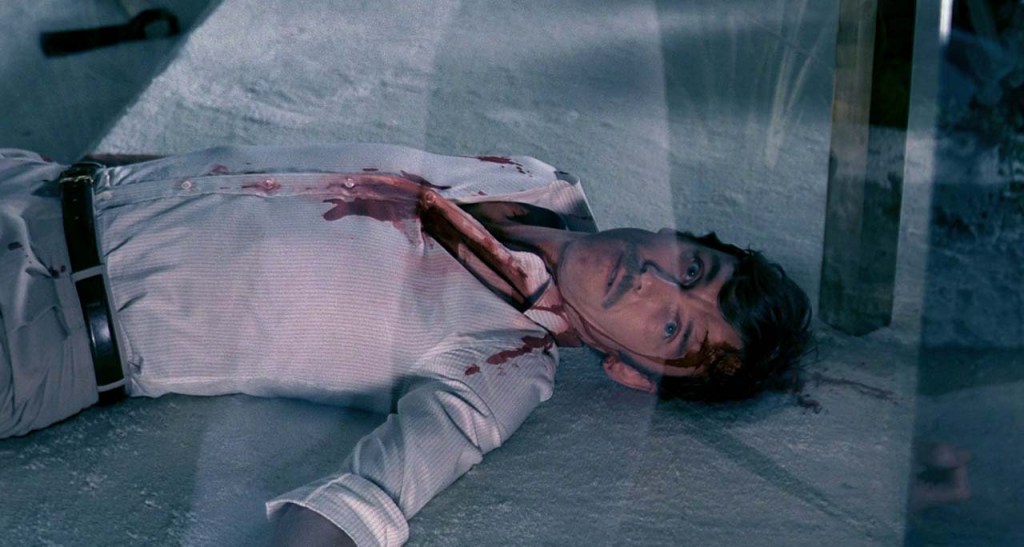
Some commentators believe that “Tenebrae” serves as a direct response from Argento to the criticism he faced regarding his previous work, particularly his portrayals of the murders of women. A scene in which a woman criticizes the lead character’s books as sexist reflects the criticisms directed at Argento’s own films. At a press conference within the film, the character Neal pointedly deflects these accusations.
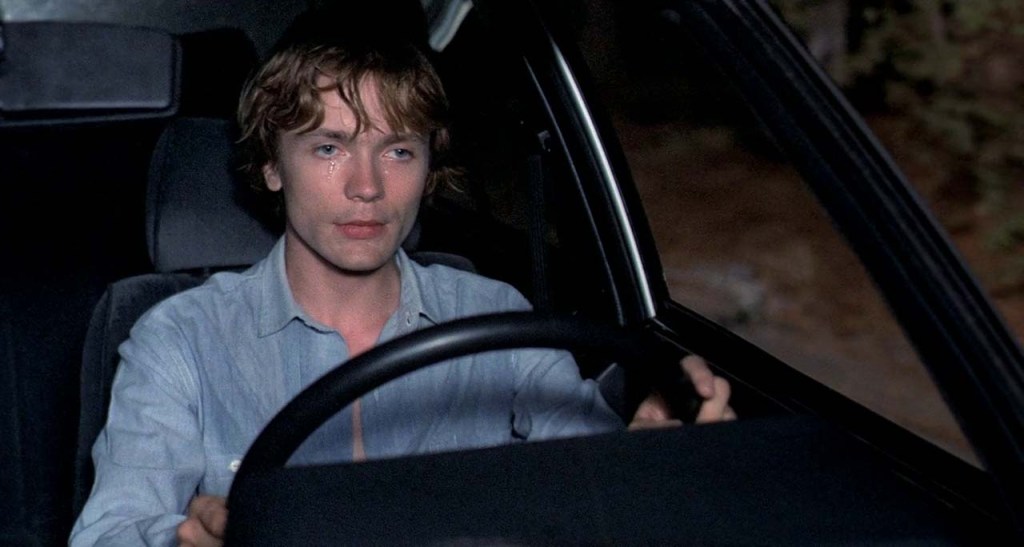
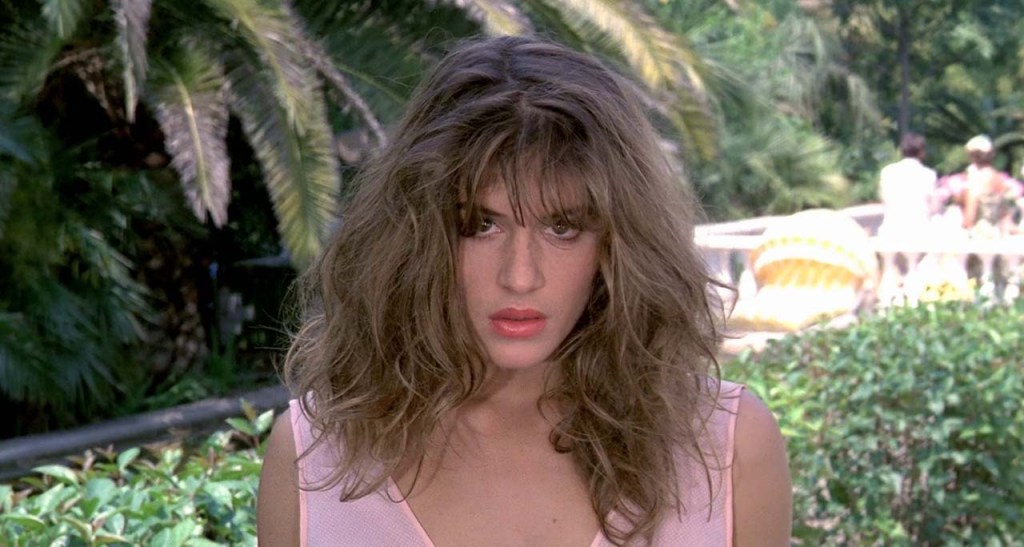
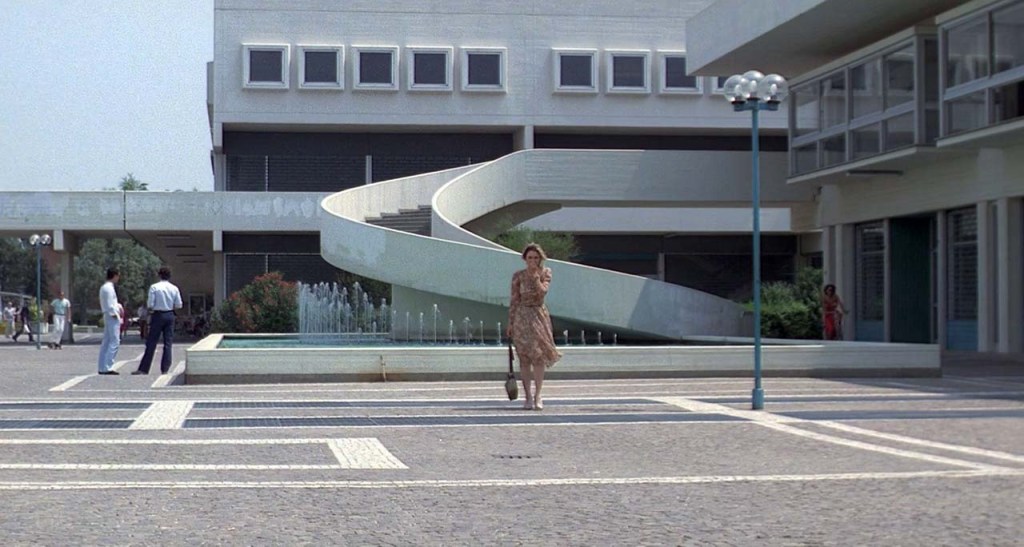
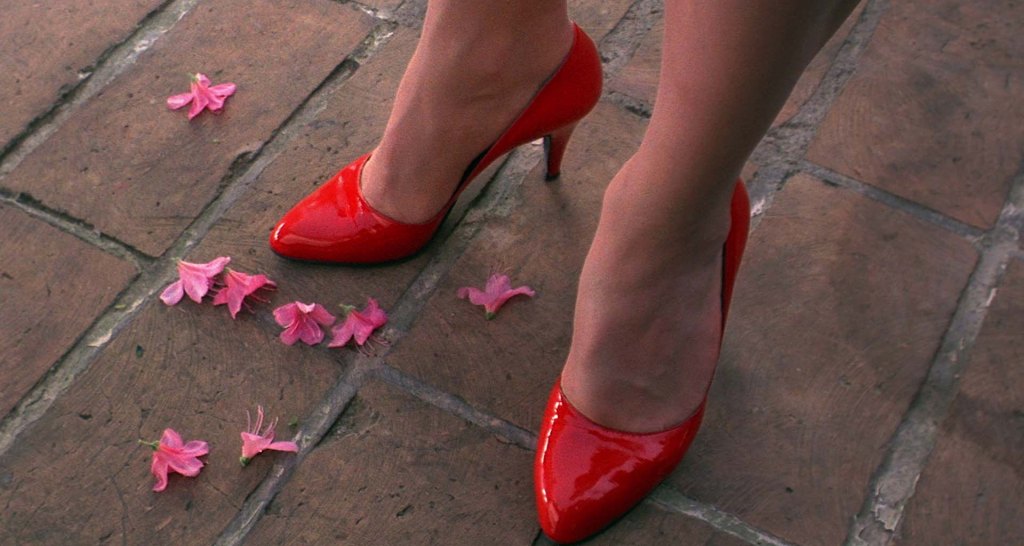
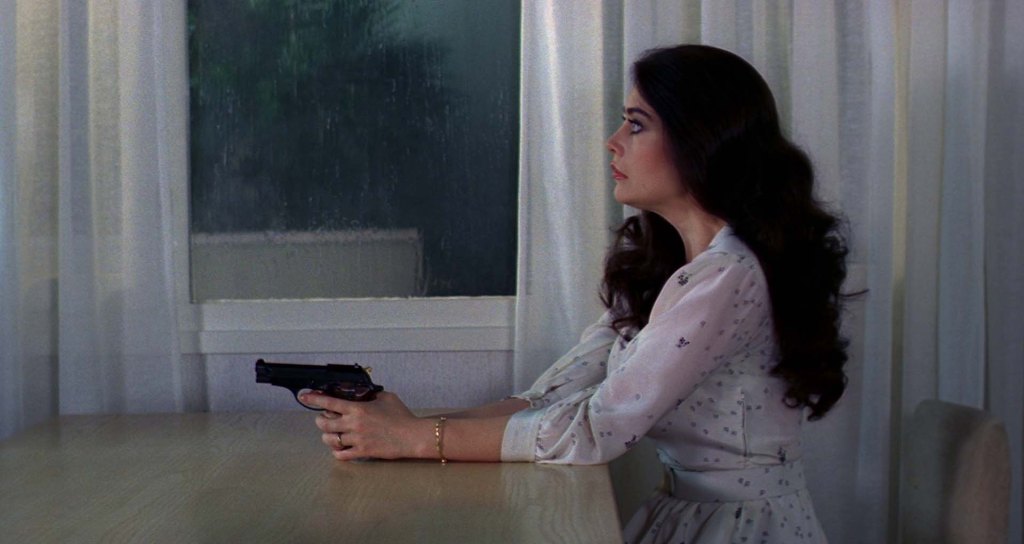
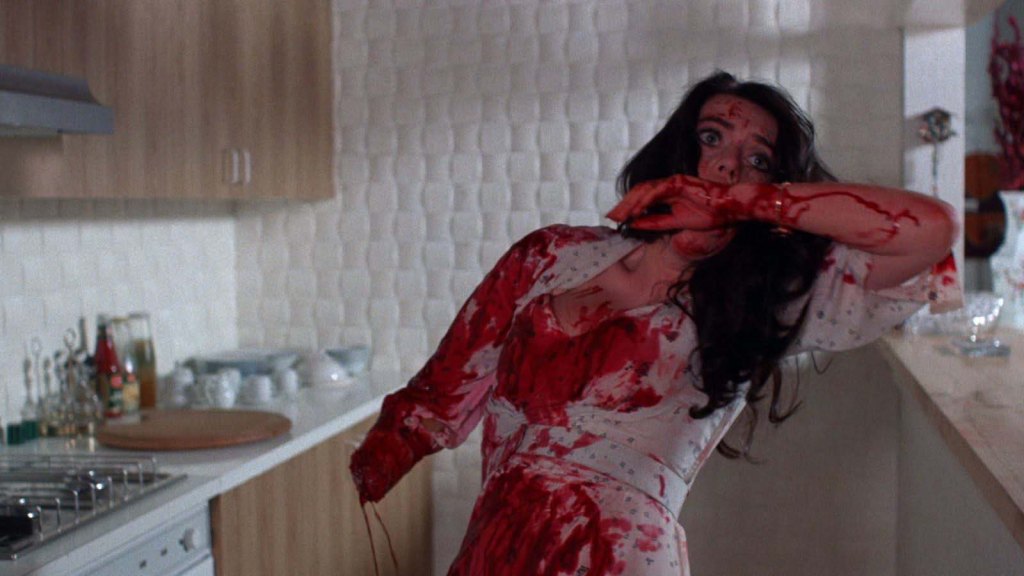
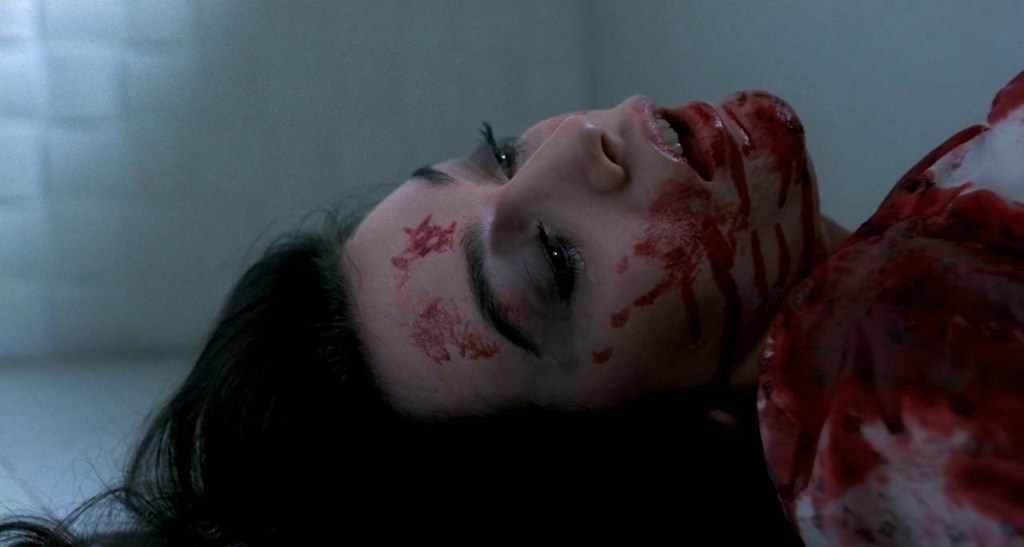
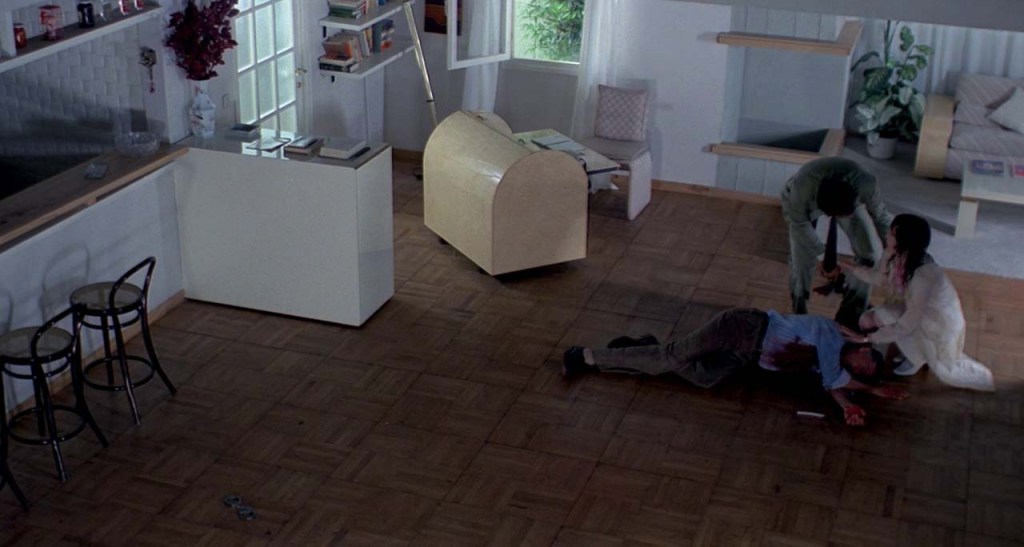
As the mystery surrounding the killings intensifies, Neal’s investigation takes surprising twists, leading to a mind-bending conclusion that defies genre boundaries. The film culminates in a remarkable series of late revelations, including a double twist involving multiple killers. This recontextualizes much of what has come before, leaving the audience genuinely taken aback.
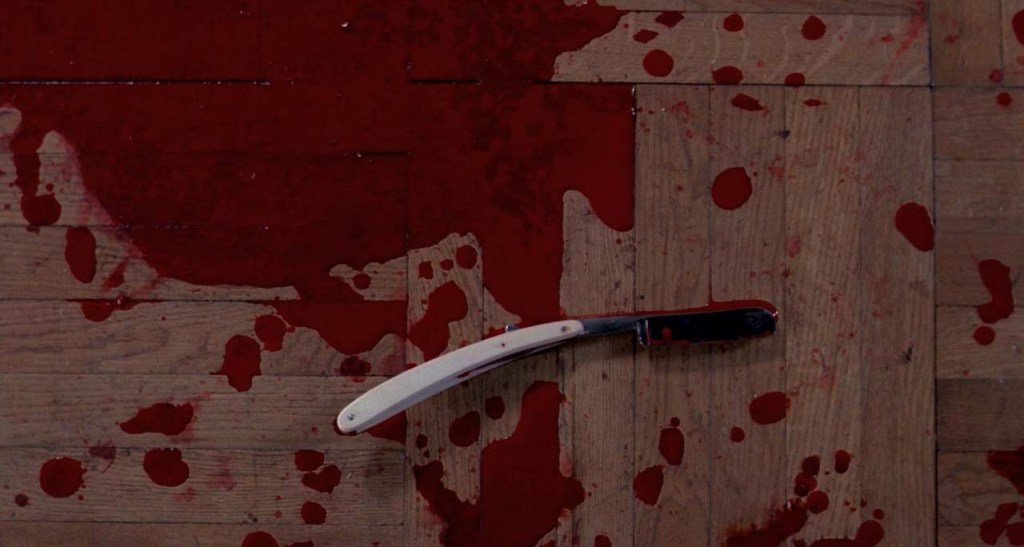
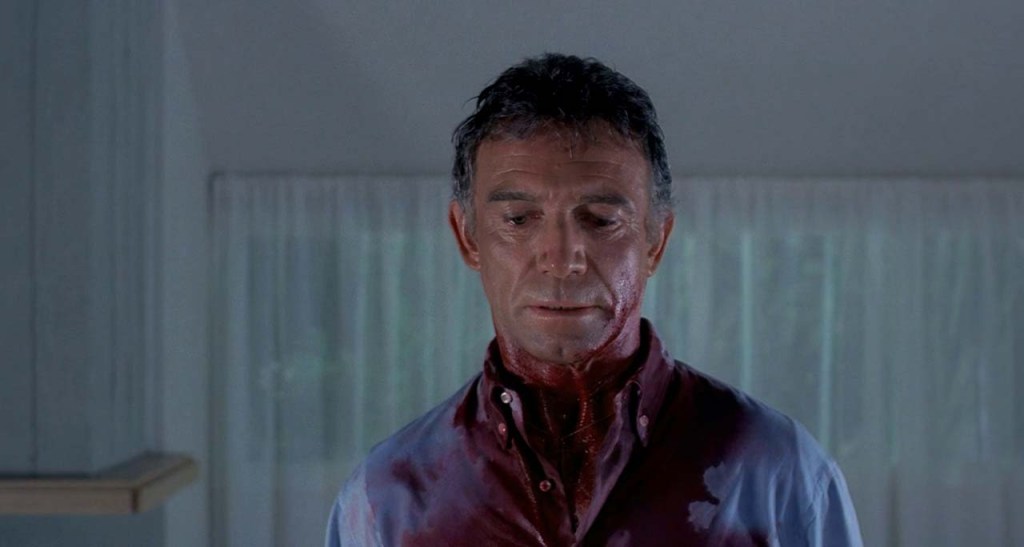
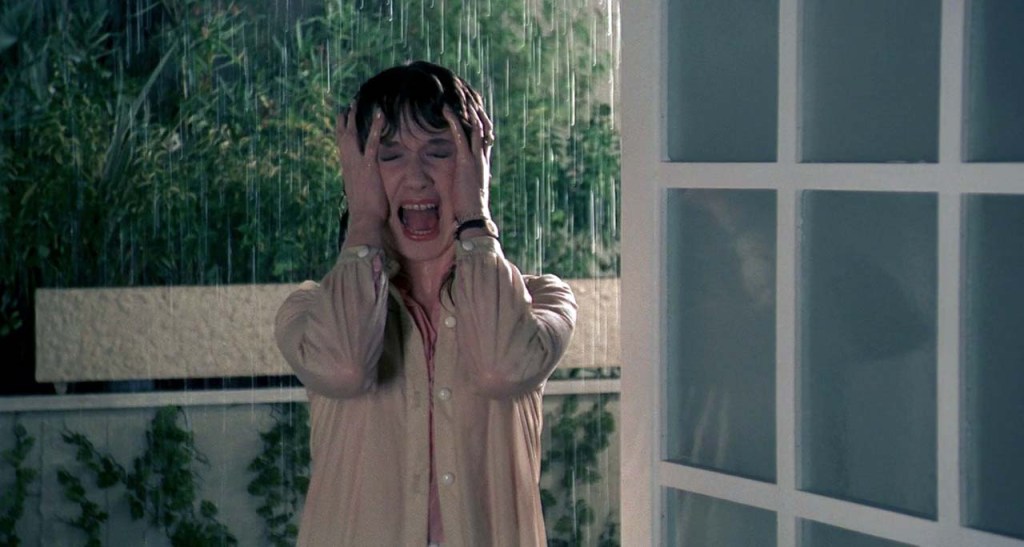
“Tenebrae” was initially released in the United States as a heavily edited version titled “Unsane,” which removed much of its graphic content. Since then, the film has been fully restored and is now recognized as a landmark of the giallo genre. Critics have described it as a “reflexive commentary” on Dario Argento’s earlier work, interpreting it as his clearest expression of psychological and stylistic obsessions, albeit through a more critical lens. For fans of Italian horror, it remains essential viewing.