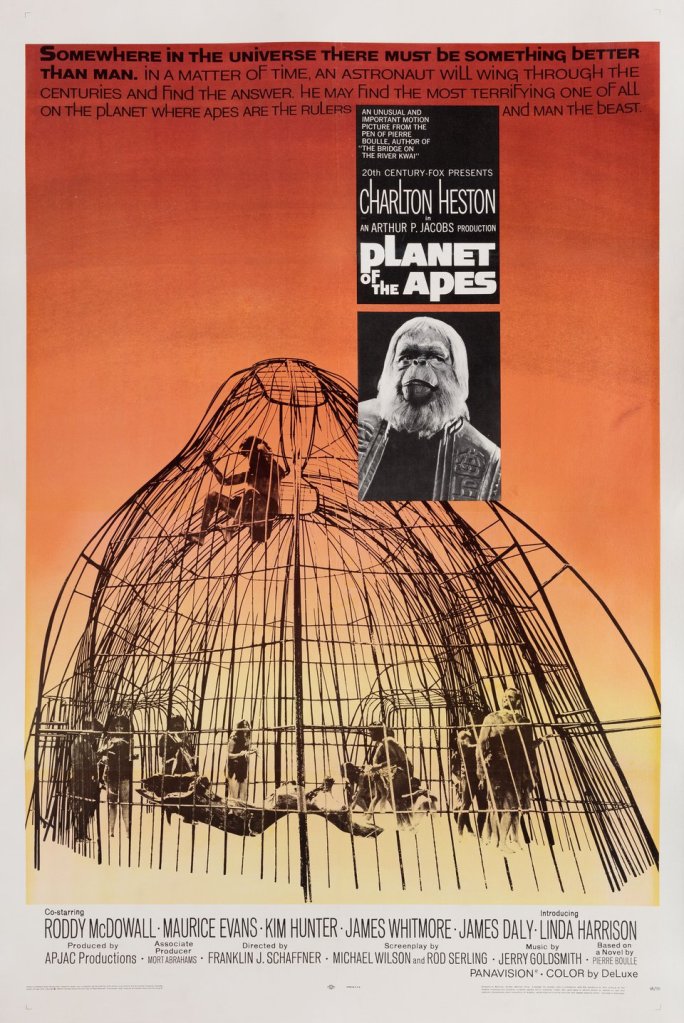

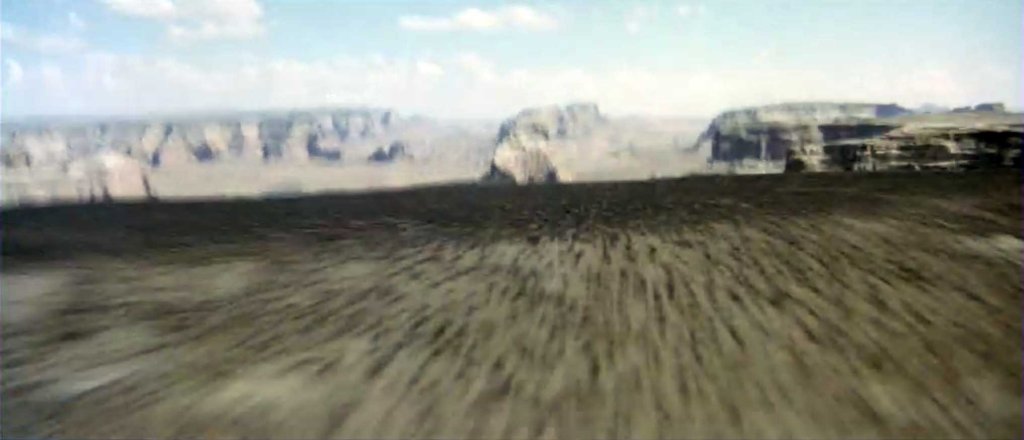
“Planet of the Apes” is a 1968 science-fiction classic directed by Franklin J. Schaffner that follows a group of astronauts who crash-land on a mysterious planet in the distant future, only to discover a world where intelligent apes rule, and humans are primitive creatures hunted for sport.
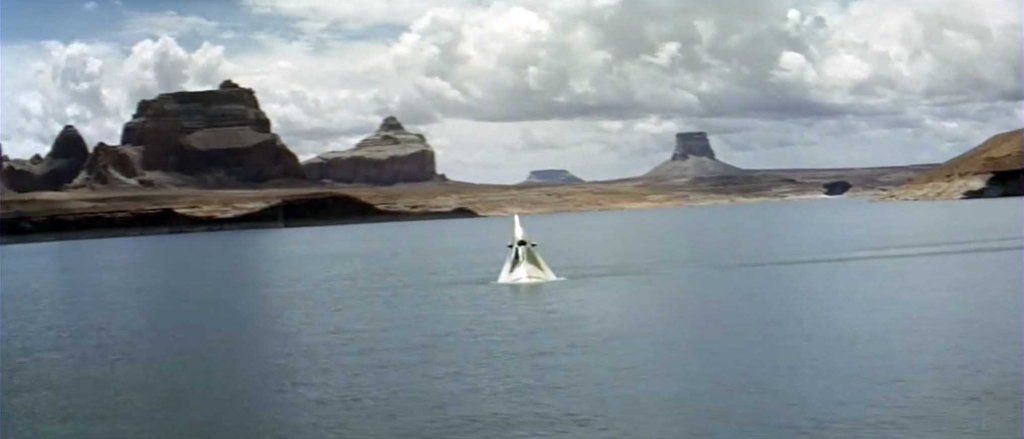

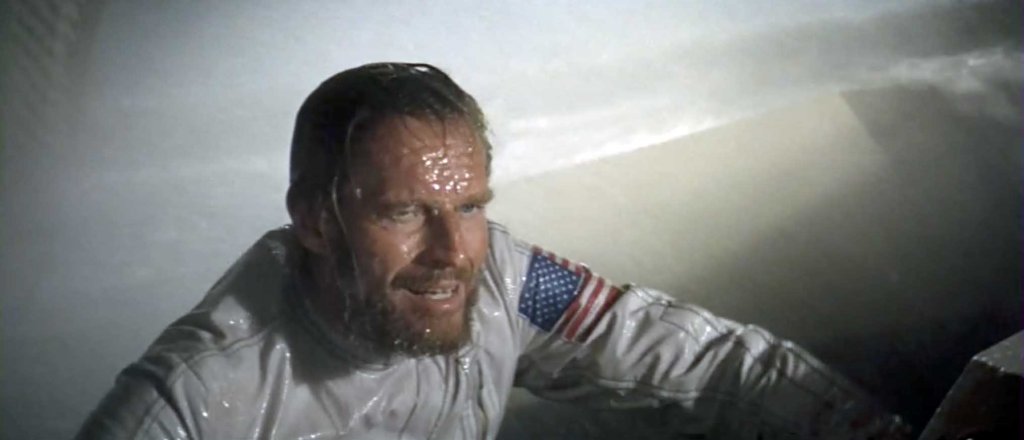
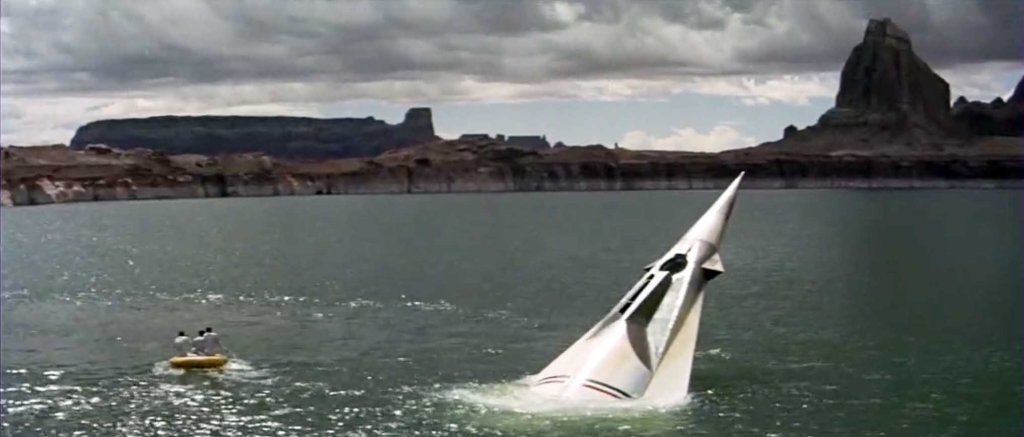
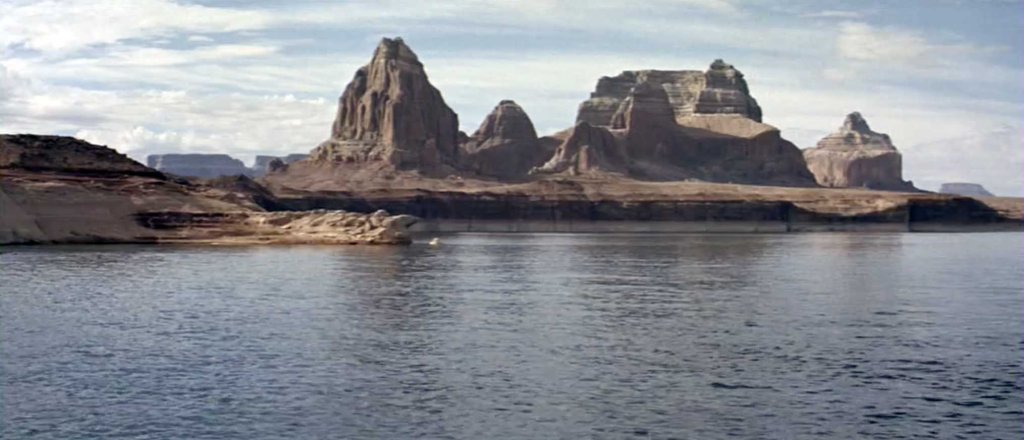

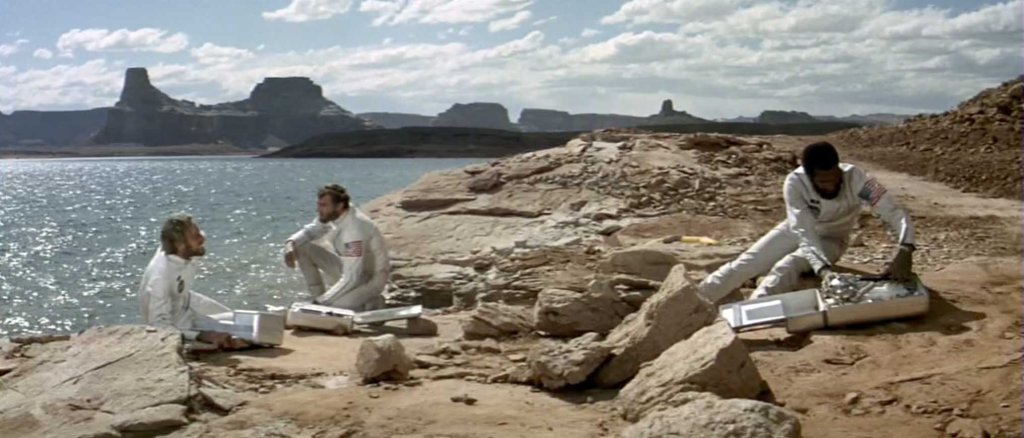
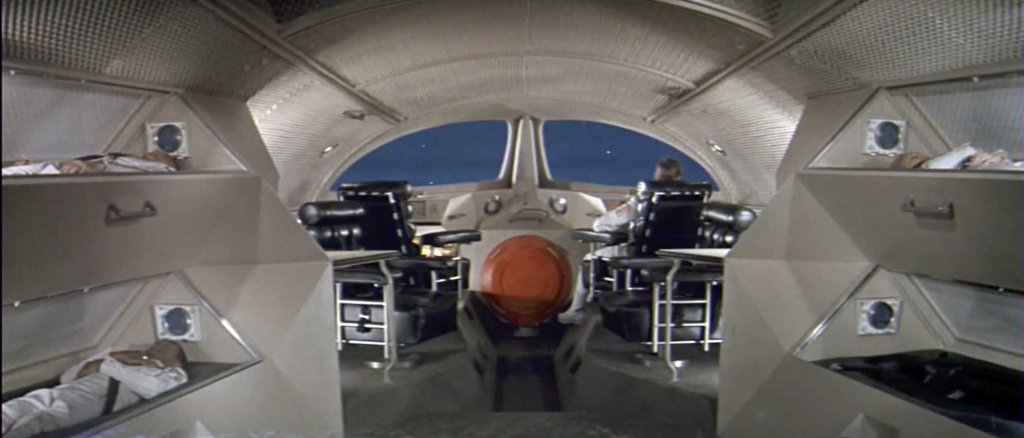
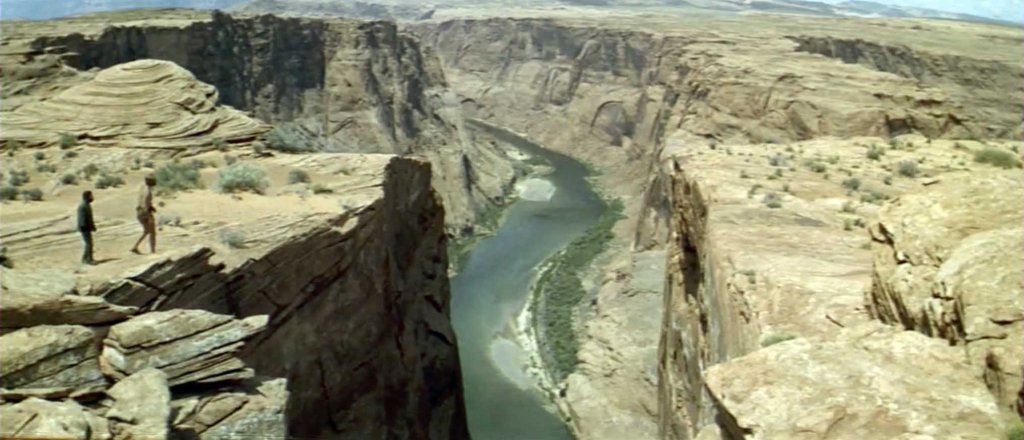
The story begins with astronaut George Taylor (played by Charlton Heston) and his fellow crew members, Landon (Robert Gunner) and Dodge (Jeff Burton), who are traveling through deep space in suspended animation. Their spacecraft eventually crashes on an unknown desert planet after what appears to be centuries of travel. When the surviving astronauts awaken, they discover that their female crewmate has died during the long journey. With limited supplies and no communication with Earth, the men venture into the barren landscape in search of life.
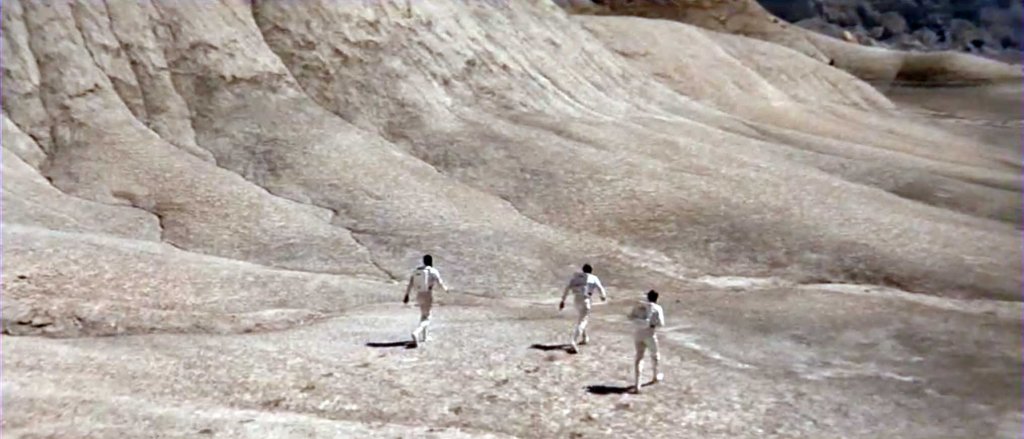
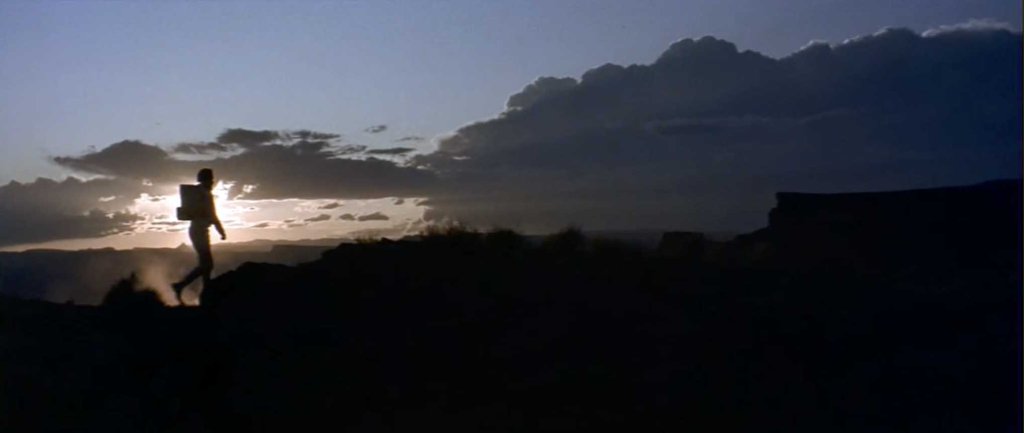
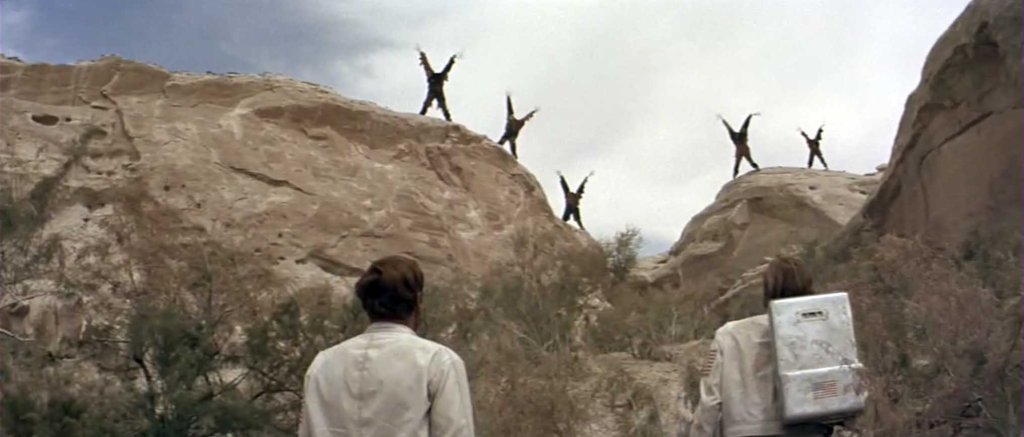

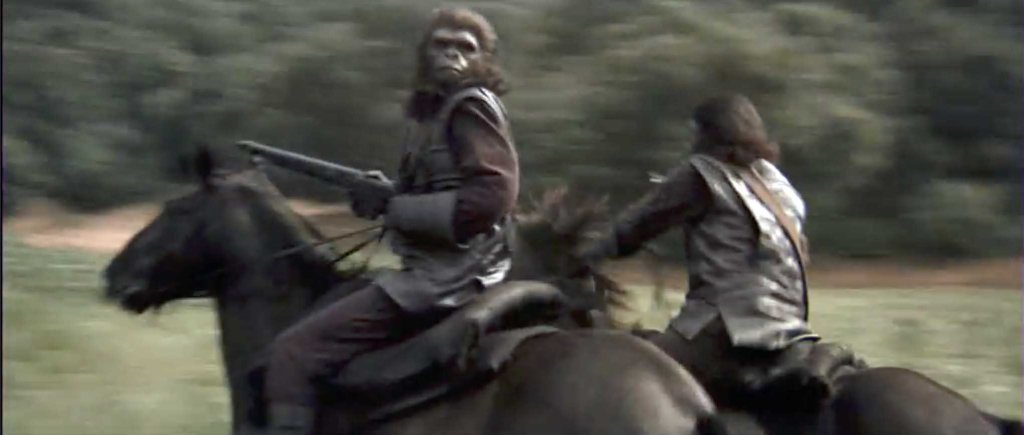

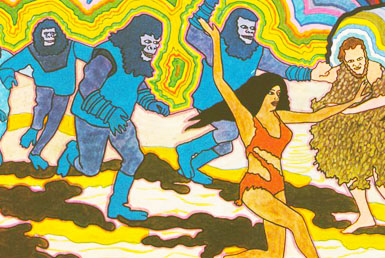
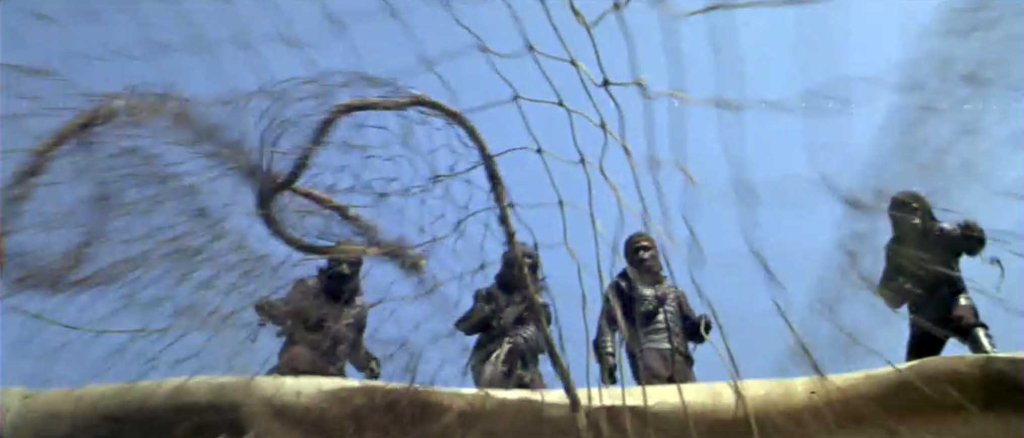
After wandering through a desolate wilderness, the astronauts discover lush vegetation and eventually come across groups of mute, primitive humans living in the wild. Just as they begin to grasp the situation, armed gorillas on horseback suddenly attack, hunting the humans with rifles and nets. Amid the chaos, Dodge is killed, and Landon is captured. Taylor is shot in the throat, leaving him temporarily unable to speak.
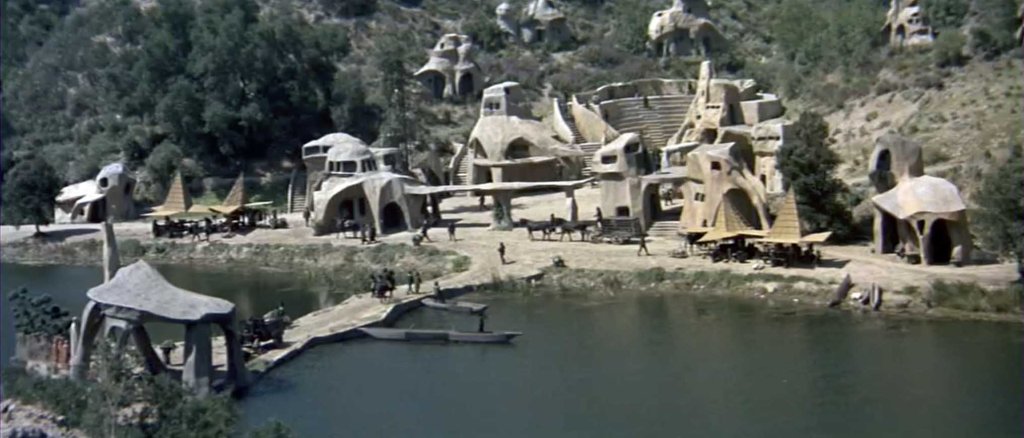
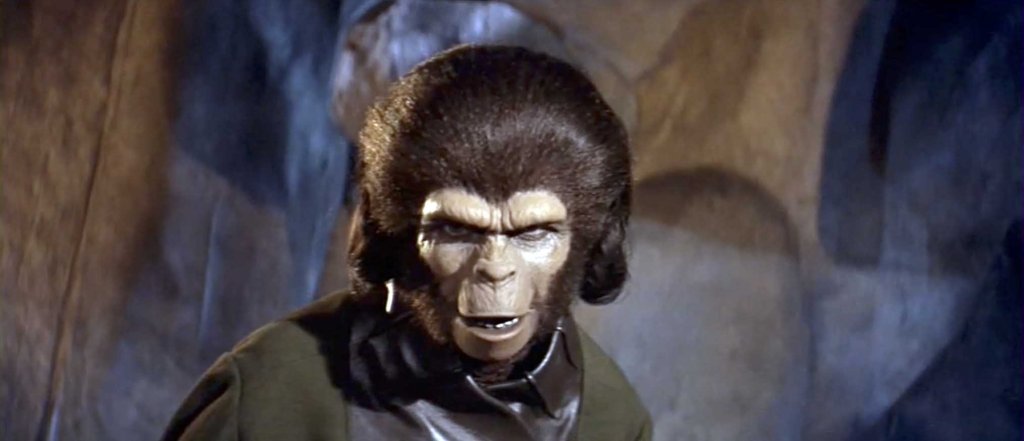
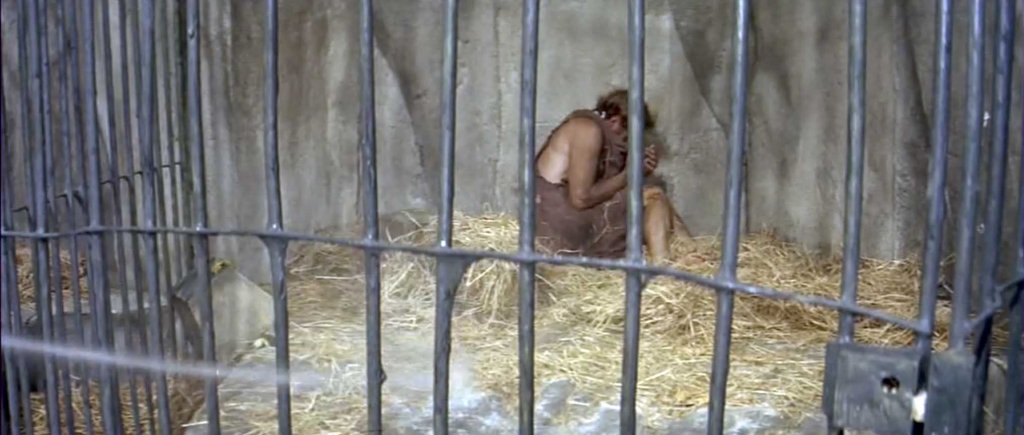
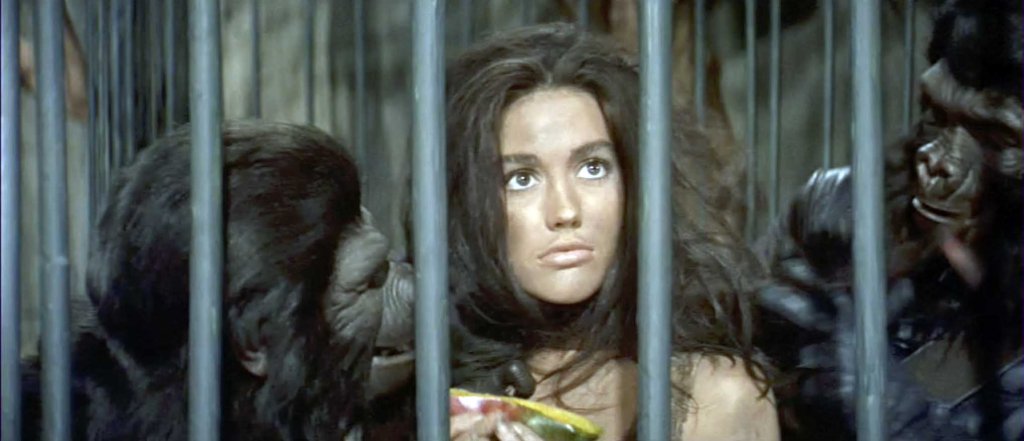
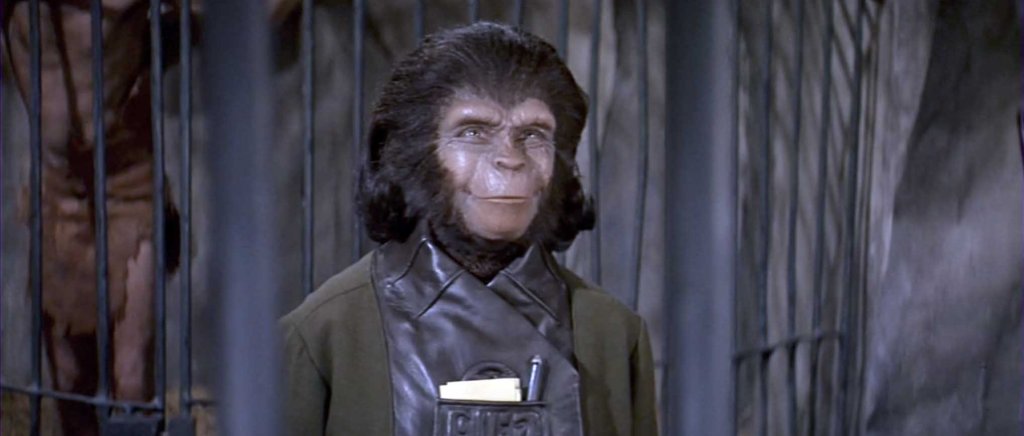
Taylor finds himself in a strange civilization where apes are the dominant intelligent species. In this society, chimpanzees serve as scientists and intellectuals, orangutans serve as politicians and religious leaders, and gorillas serve as soldiers and law enforcement. Humans, on the other hand, are regarded as savage animals that lack the ability to speak or reason.
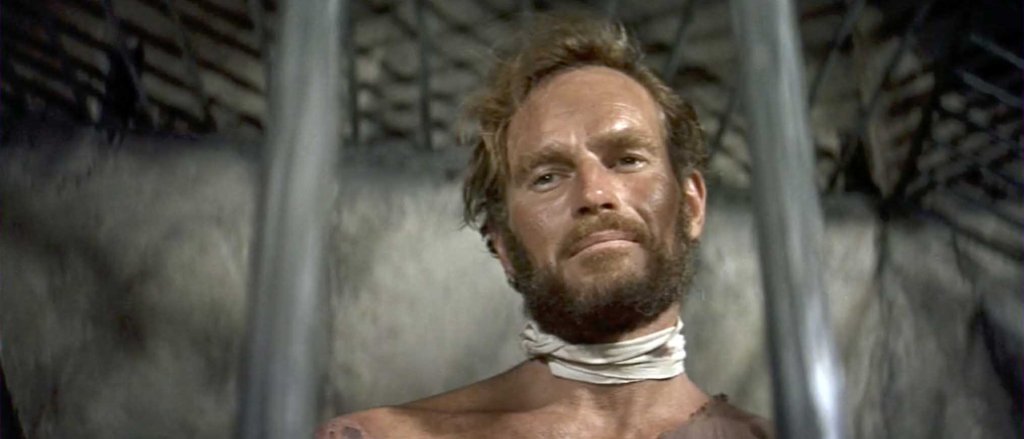
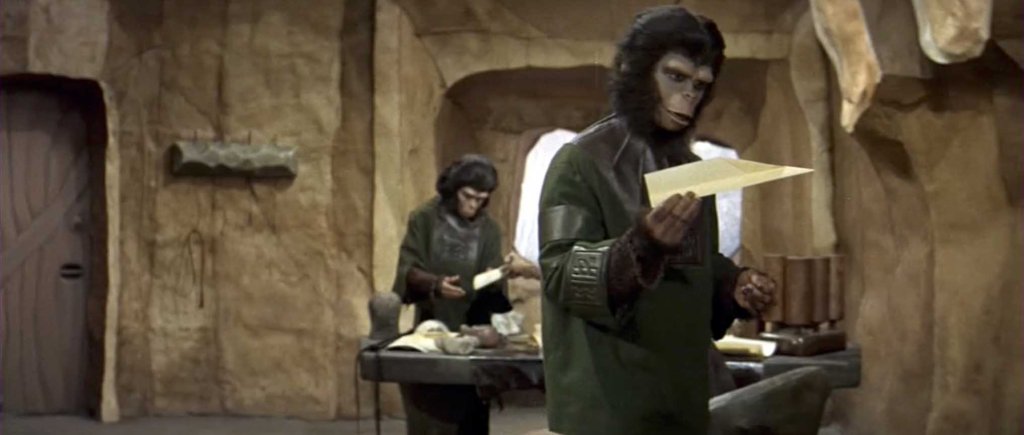
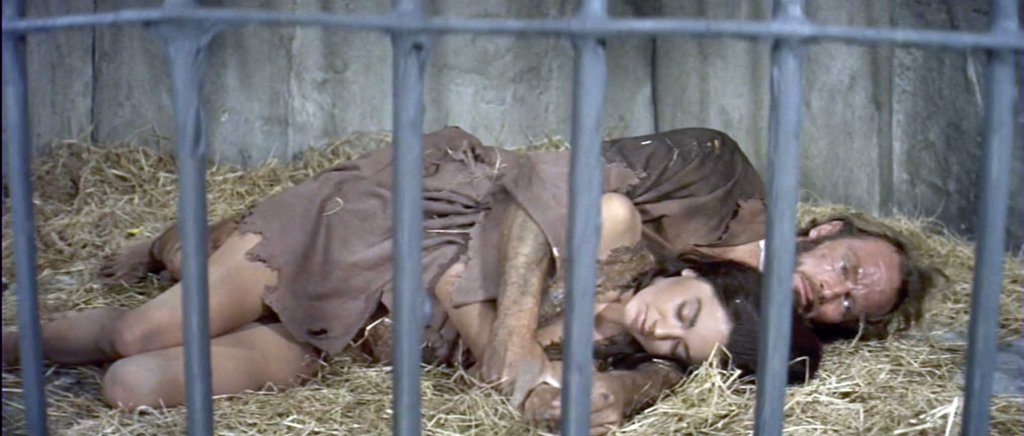
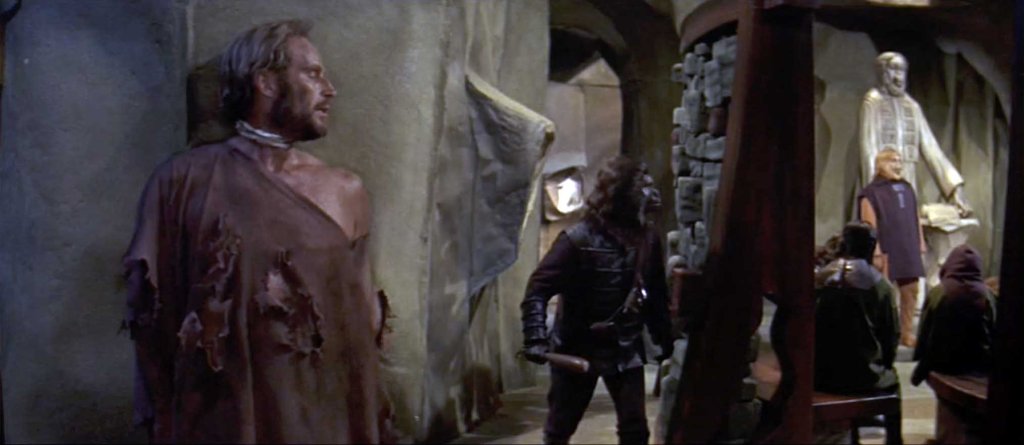
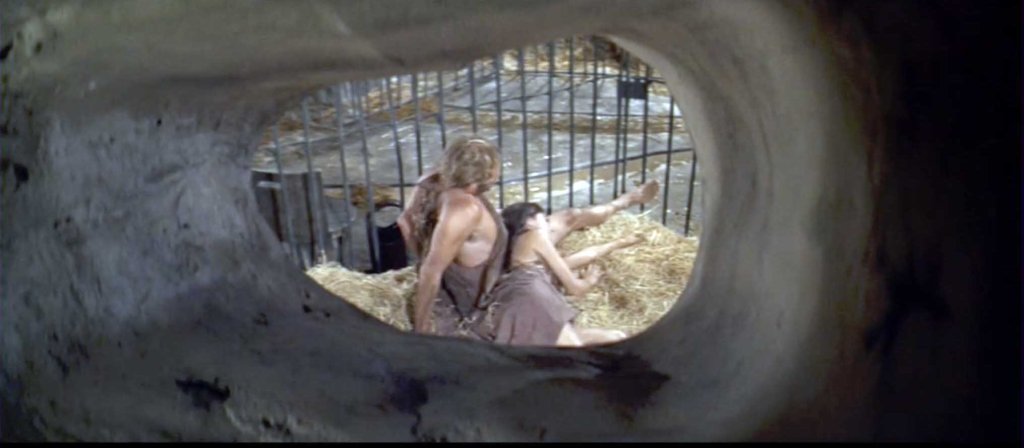
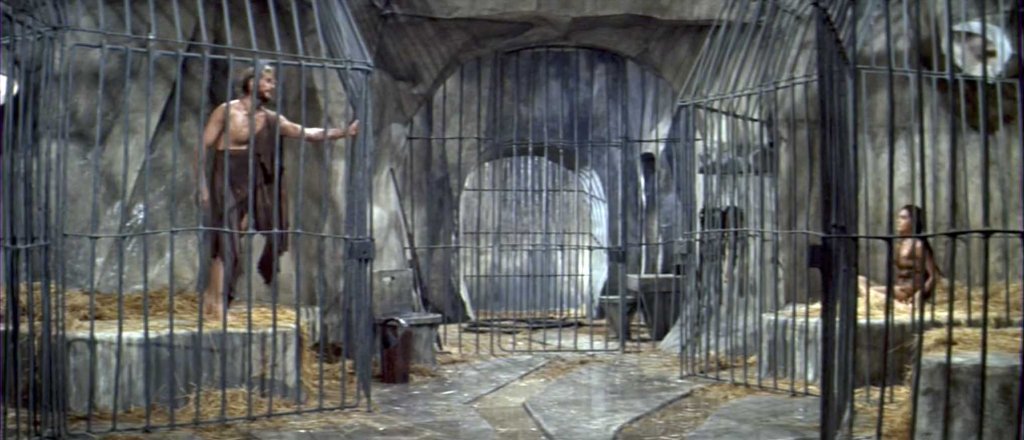
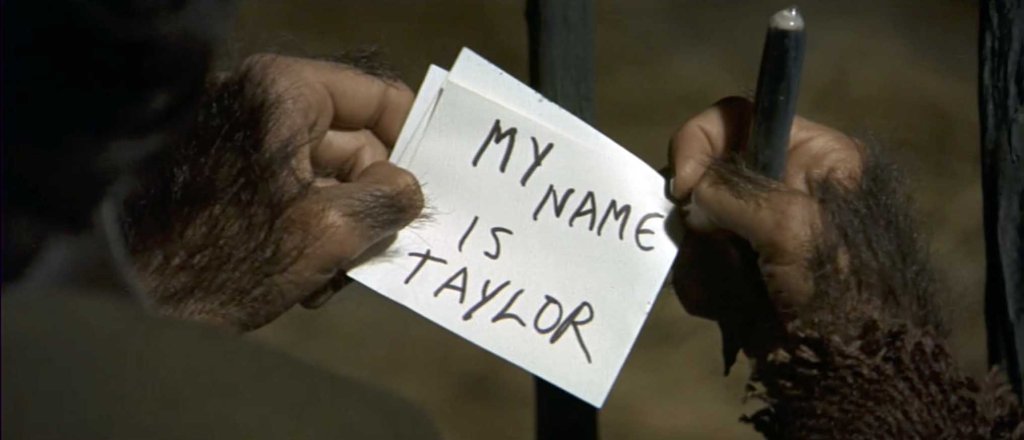
While imprisoned, Taylor becomes the focus of study for two sympathetic chimpanzee scientists: Dr. Zira, a psychologist intrigued by human behavior, and Cornelius, an archaeologist interested in the origins of ape civilization. They begin to suspect that Taylor may possess greater intelligence than other humans, especially when he starts communicating in writing.
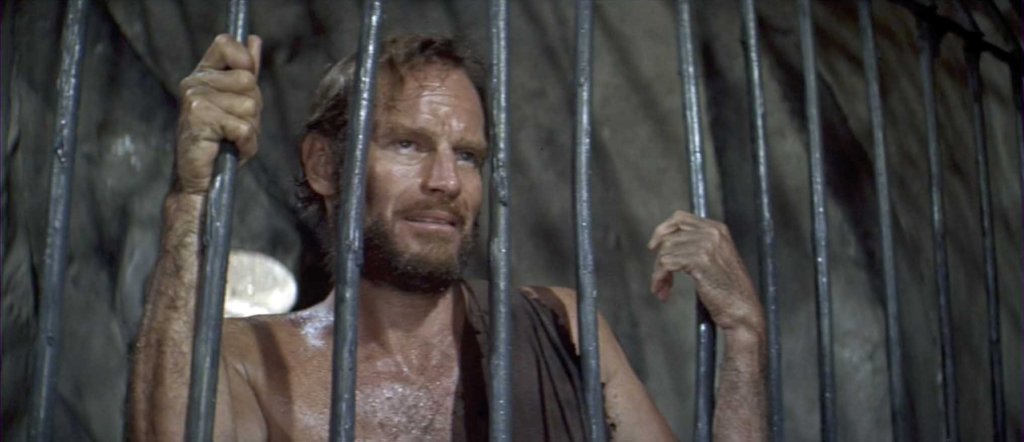
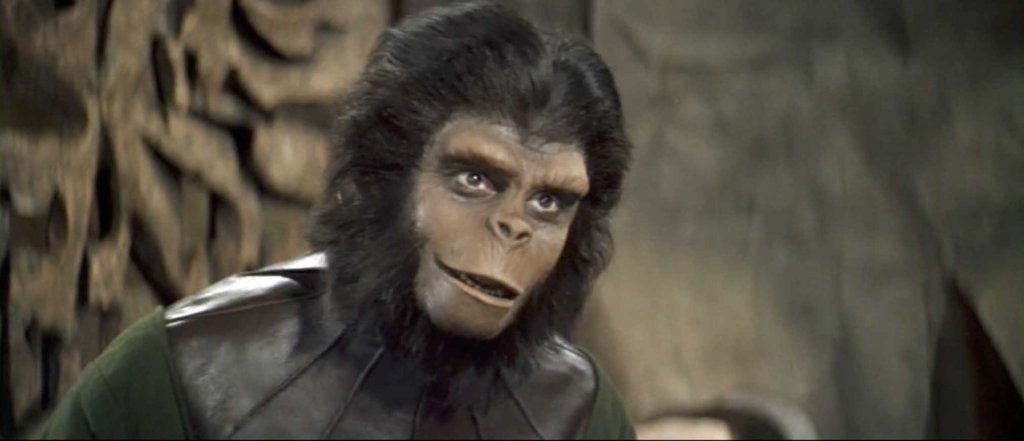
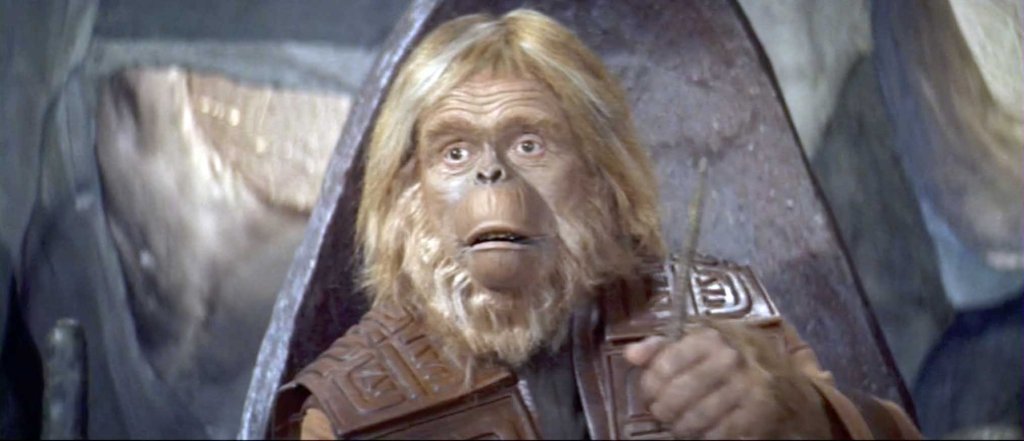
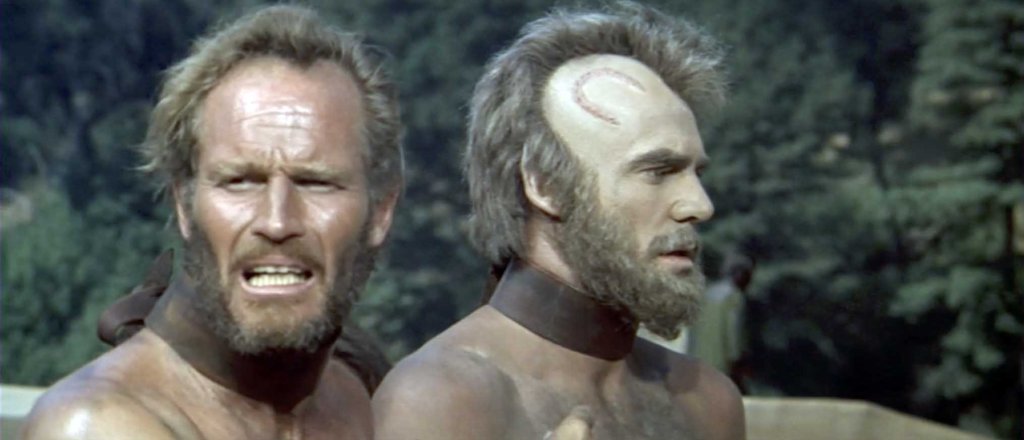
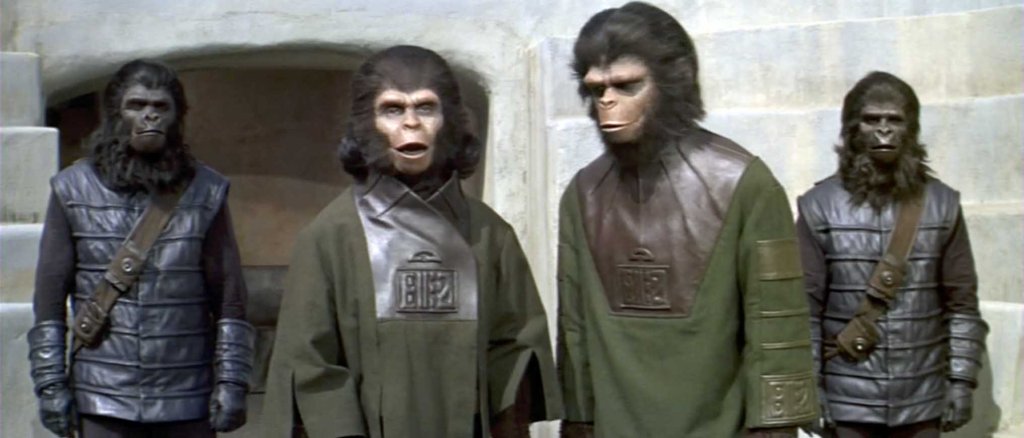
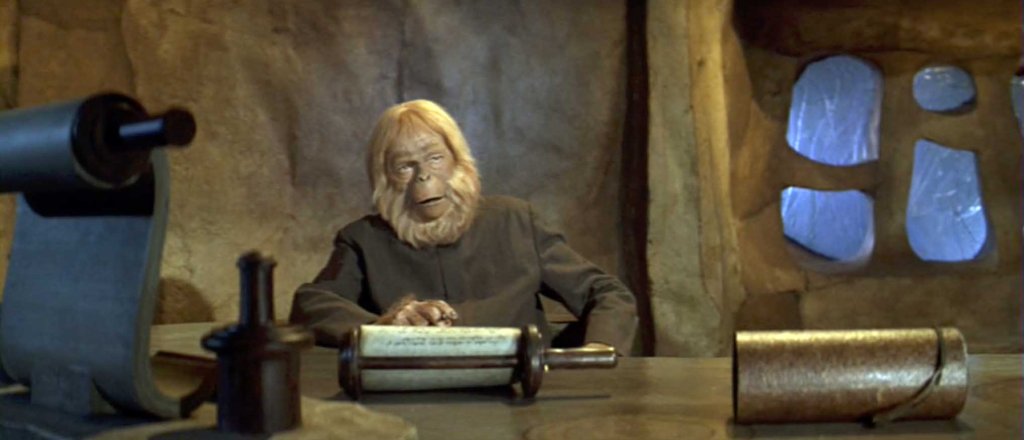
Eventually, Taylor regains his voice and surprises the apes by speaking fluently. He declares himself an intelligent being from another world, challenging the rigid social and religious order maintained by the ruling orangutans. This is particularly threatening to Dr. Zaius (played by Maurice Evans), the powerful Minister of Science and chief defender of ape orthodoxy. Zaius insists that humans are inferior beasts and views Taylor as dangerous evidence that their beliefs may be wrong.
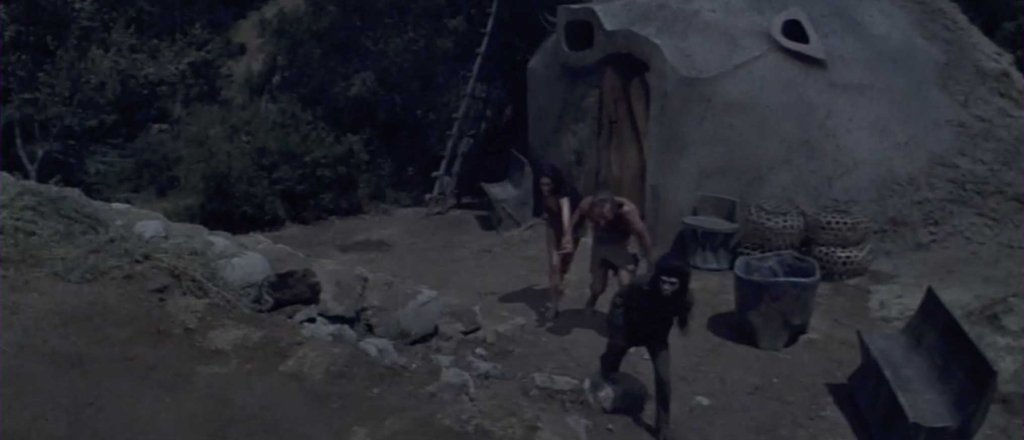
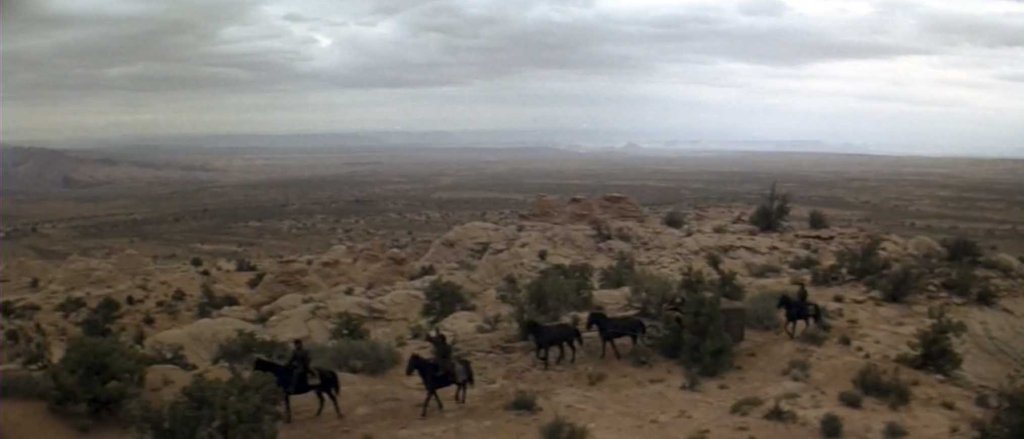
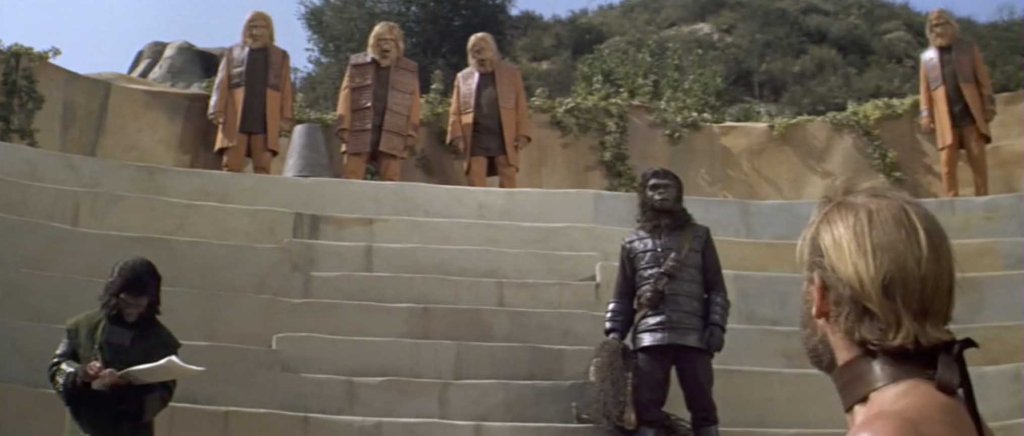
Taylor is put on trial in a satirical courtroom scene where the orangutan council tries to suppress any evidence that humans once possessed intelligence. Zira and Cornelius present archaeological findings indicating that ancient humans had a civilization, but the court silences this information to maintain ape dominance.
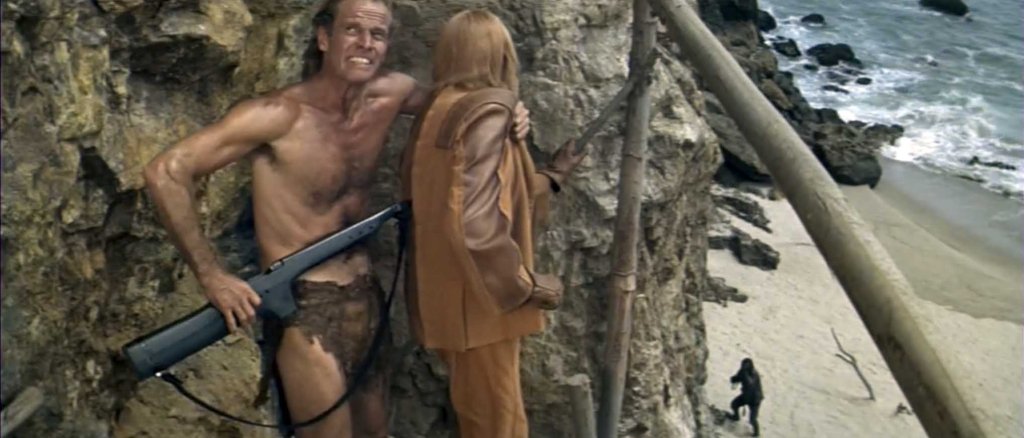
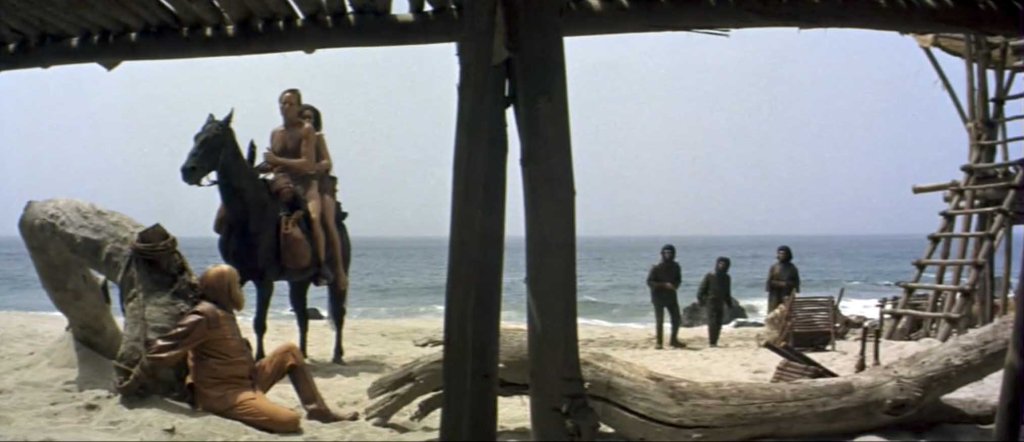
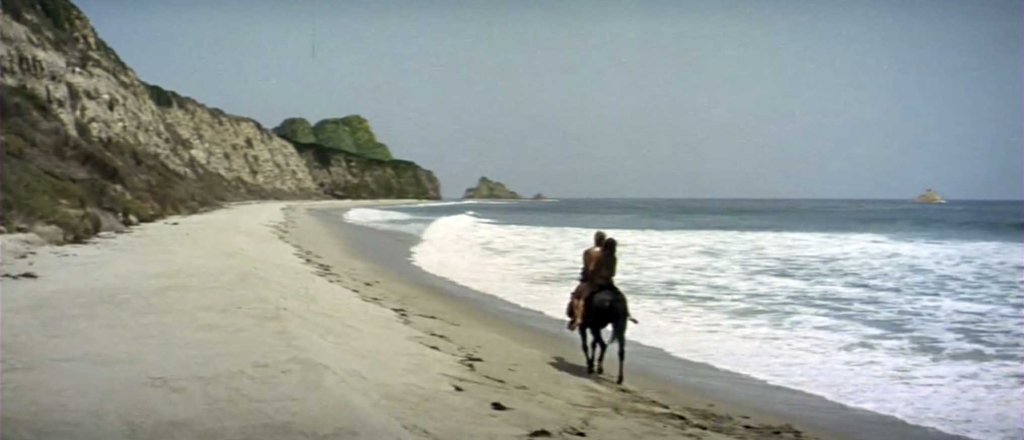
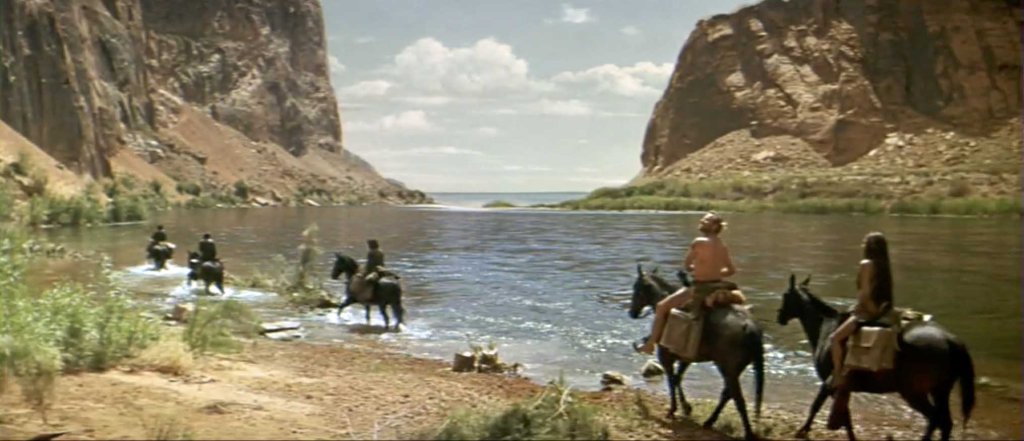
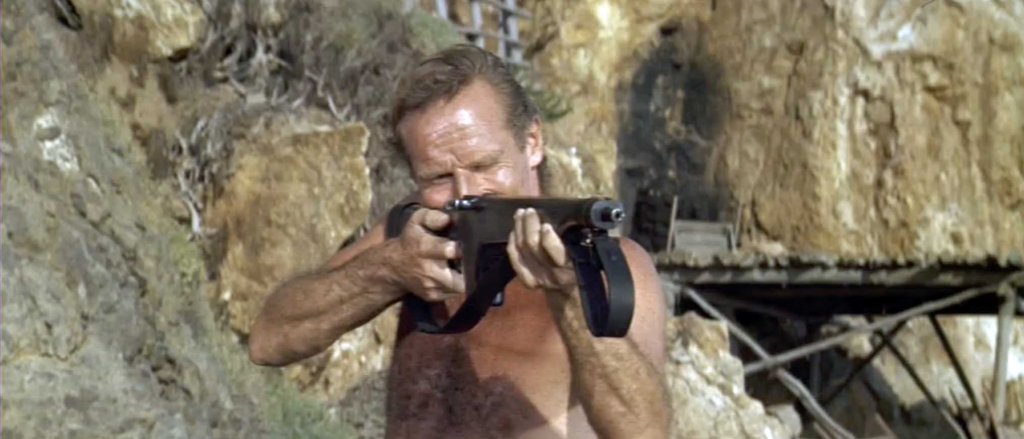
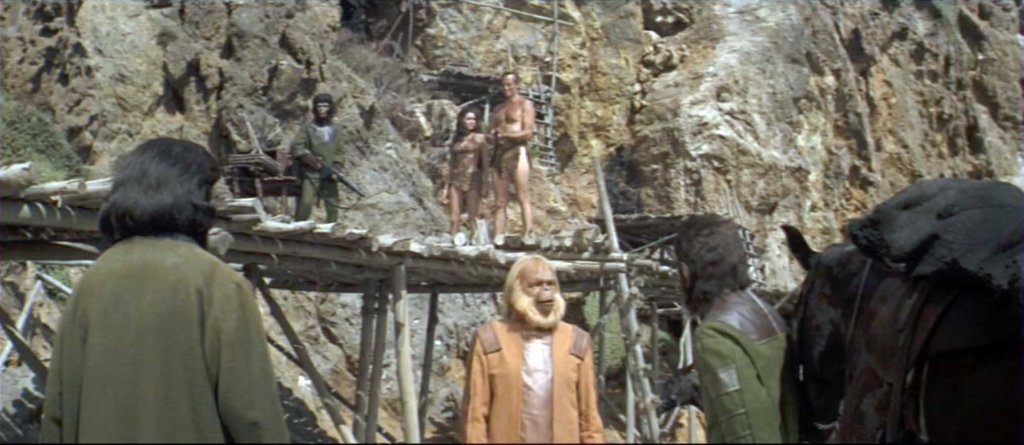
After escaping captivity with the help of Zira and Cornelius, Taylor flees into the Forbidden Zone, a desert region off-limits to others. He is accompanied by a mute woman named Nova (played by Linda Harrison). Reluctantly, Dr. Zaius follows them with a group of soldiers. During their pursuit, Cornelius discovers evidence of a prehistoric human society, including artifacts and a talking human doll, which further supports the theory that humans once ruled the planet.

Despite these revelations, Zaius remains determined to keep the truth hidden, warning that humanity’s past demonstrates its destructive nature.
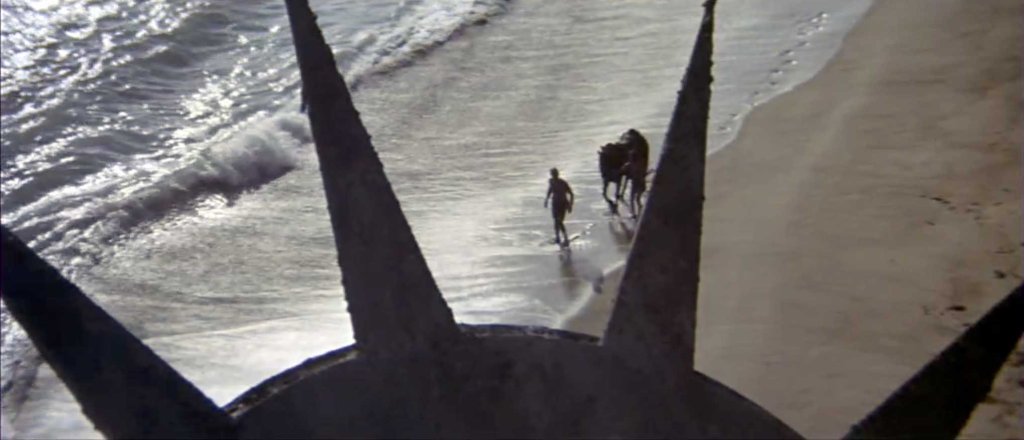
The film concludes with one of cinema’s most famous twists. As Taylor rides along a desolate beach, he suddenly encounters the half-buried ruins of the Statue of Liberty. Upon realizing this horrifying truth, he understands that the planet is not alien at all; it is Earth in the distant future, long after human civilization has destroyed itself in a catastrophic war. The rise of the apes and the fall of humanity resulted from mankind’s own self-destruction.
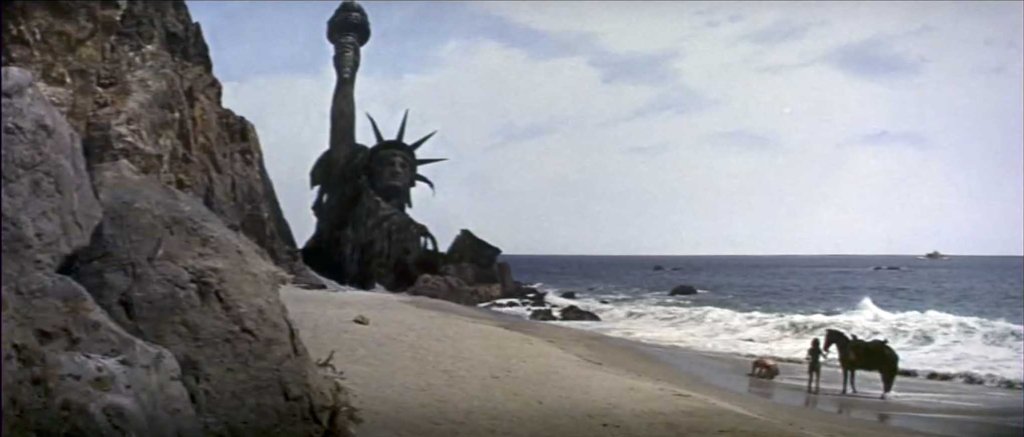
In despair, Taylor collapses before the ruined monument, cursing humanity for its fate. The final image leaves viewers with a bleak warning about nuclear war, human arrogance, and the fragility of civilization.