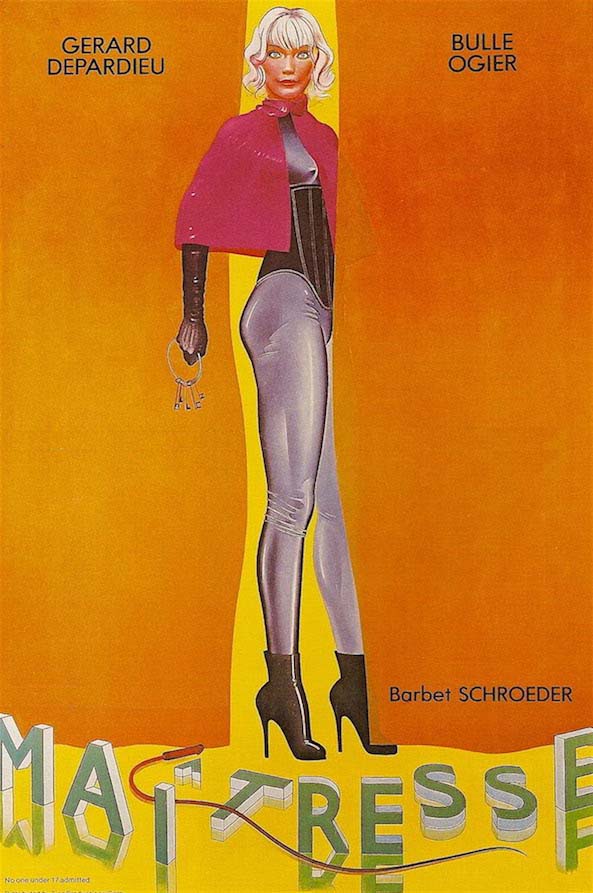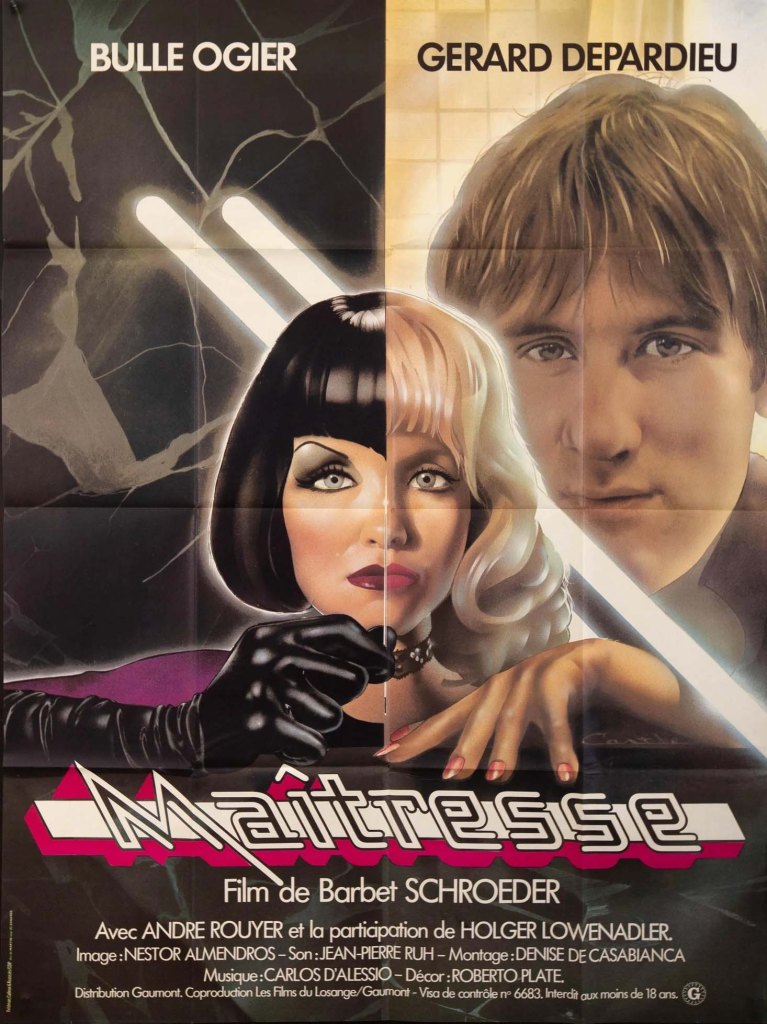
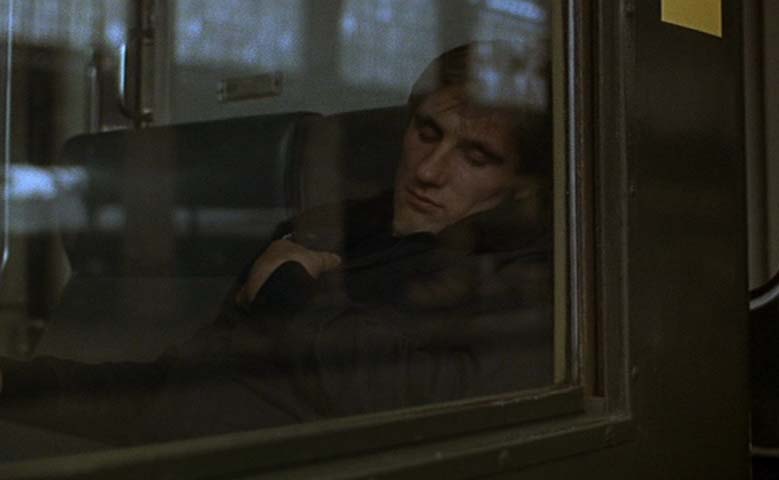
“Maîtresse” is a 1976 drama directed by Barbet Schroeder. The film stars Gérard Depardieu, Bulle Ogier, André Rouyer, and Roland Bertin. It’s a controversial film that explores an intense, complicated relationship between a working-class man and a professional dominatrix in Paris. Blending raw realism with provocative subject matter, the film examines sexuality, power, love, and the uneasy intersection between emotional intimacy and professional control.
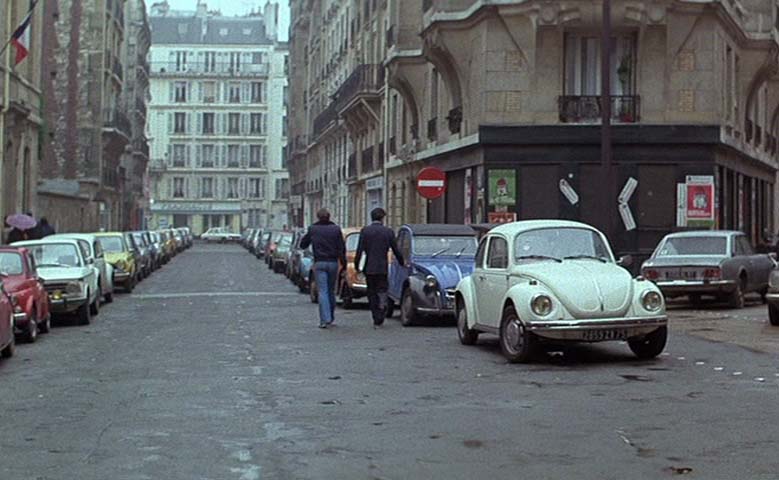

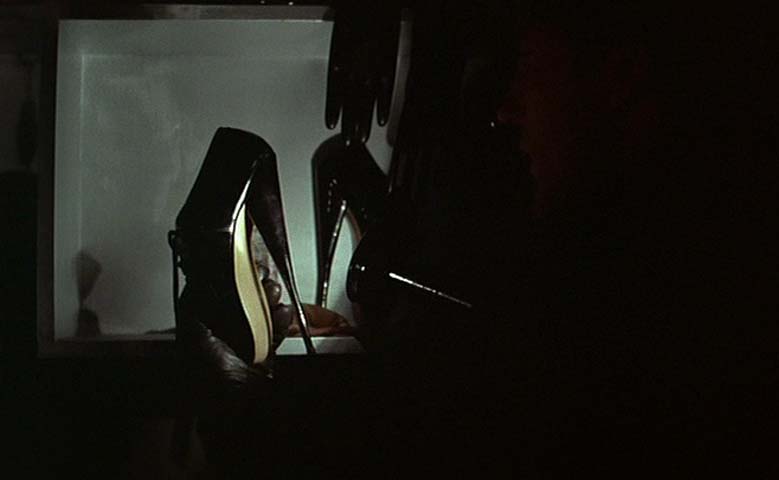


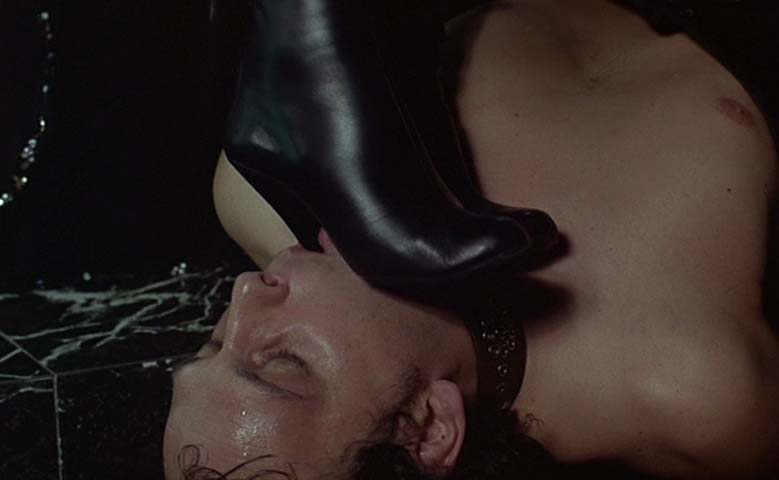
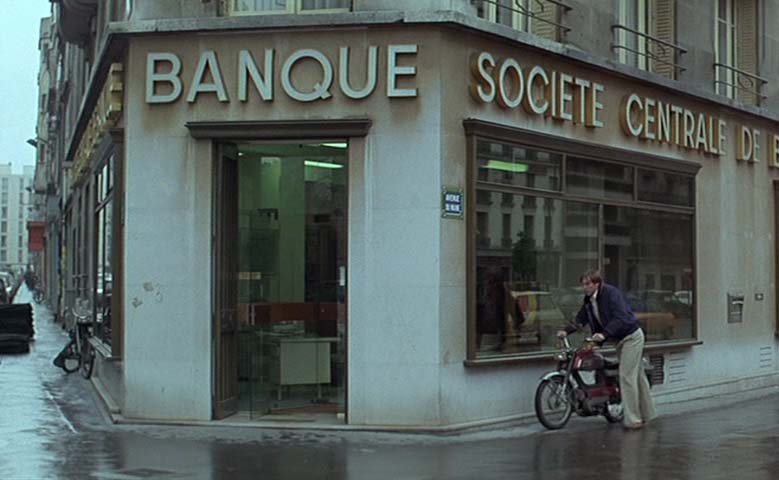
The story follows Olivier (Gérard Depardieu), a small-time Parisian thief who, along with a partner, survives by committing petty burglaries. During an attempted break-in, Olivier enters what he assumes is an empty apartment, only to discover it is actually Ariane’s (Bulle Ogier) workplace. This sophisticated and enigmatic woman works as a professional dominatrix, catering to wealthy clients with elaborate sadomasochistic fantasies.

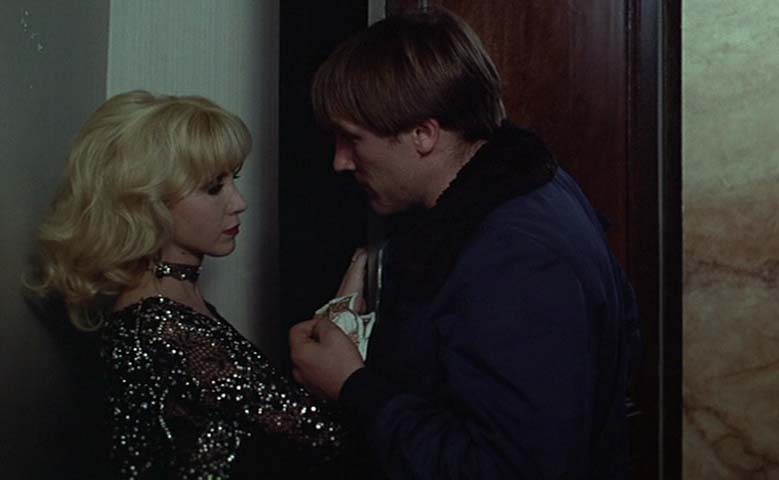
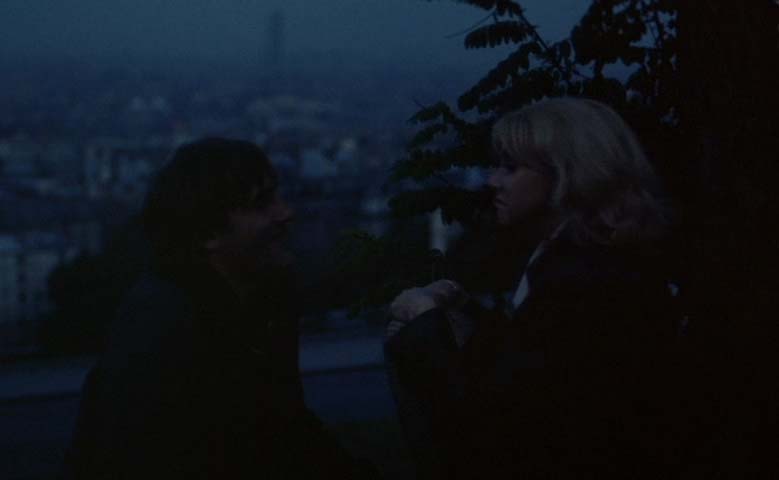
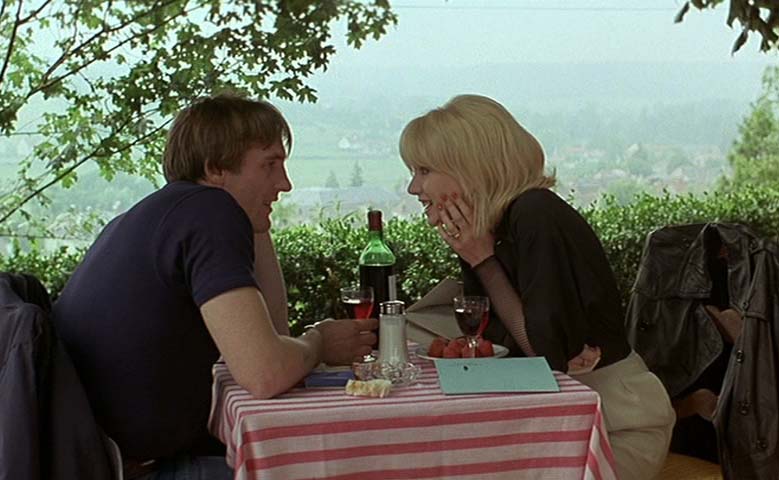
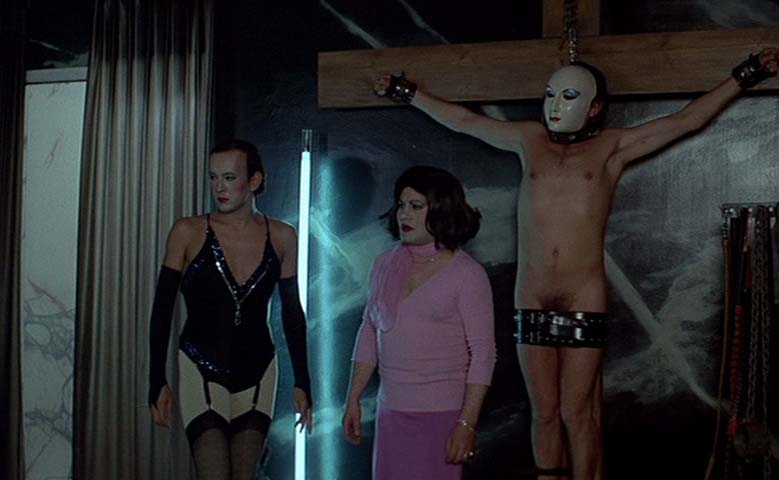
Instead of reacting with outrage or fear, Ariane calmly confronts the intruders and ultimately decides not to report them to the police. Olivier, captivated by her confidence and the unusual environment he has encountered, becomes intrigued by her lifestyle and starts visiting her again. Ariane’s apartment is revealed to be a carefully crafted theatrical space, filled with chains, cages, leather costumes, and instruments used during her sessions with submissive clients.

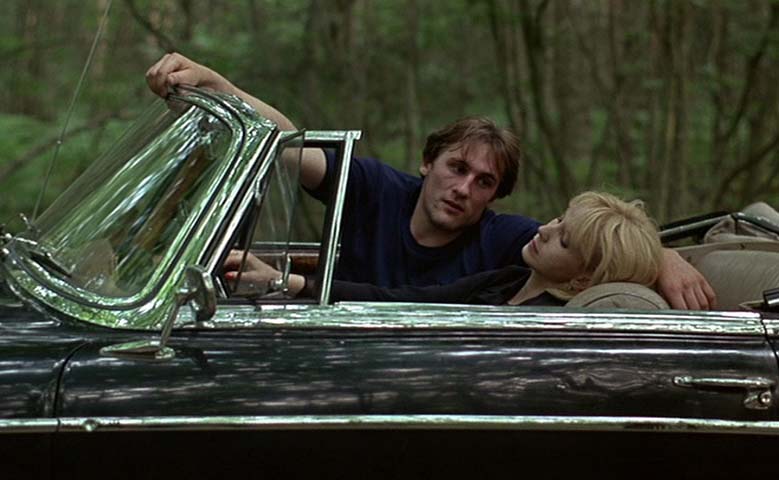

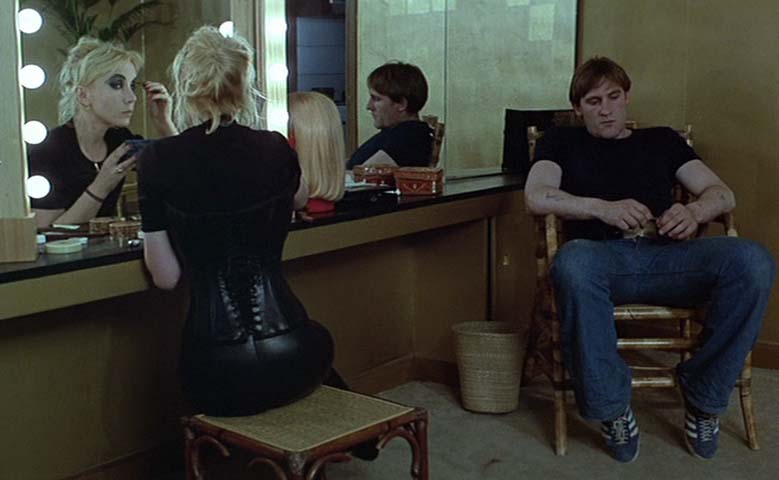

Olivier soon becomes romantically involved with Ariane and moves into her apartment. Although he is drawn to her charisma and independence, he struggles to accept the reality of her profession. Ariane treats her work with cool professionalism; to her, the elaborate rituals of domination are simply a business transaction with clearly defined roles and boundaries. Olivier, however, finds it increasingly difficult to separate the woman he loves from the persona she adopts for her clients.
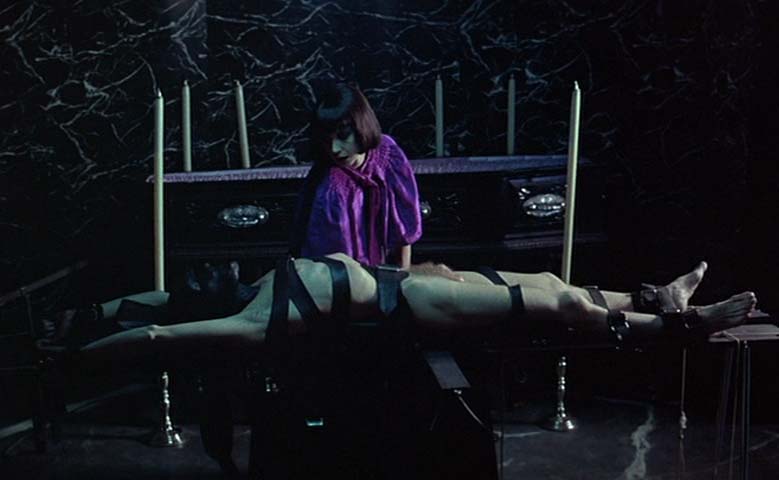
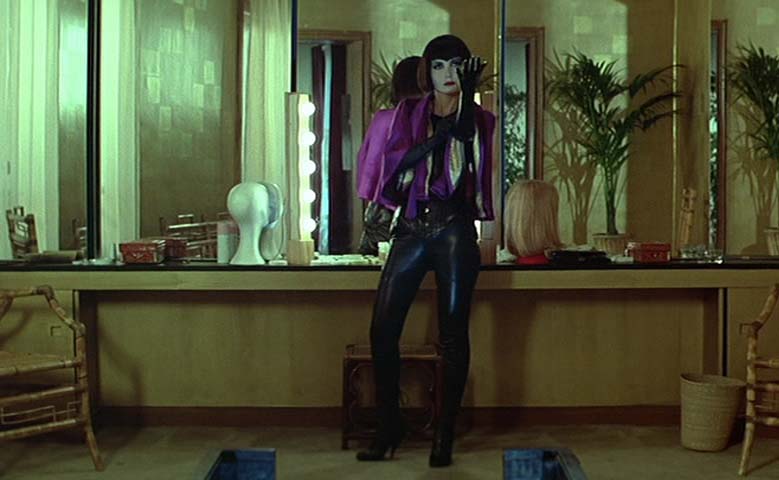
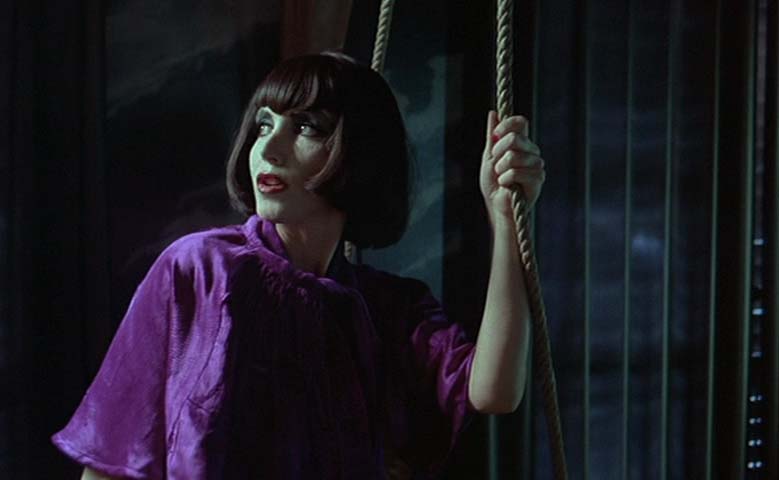
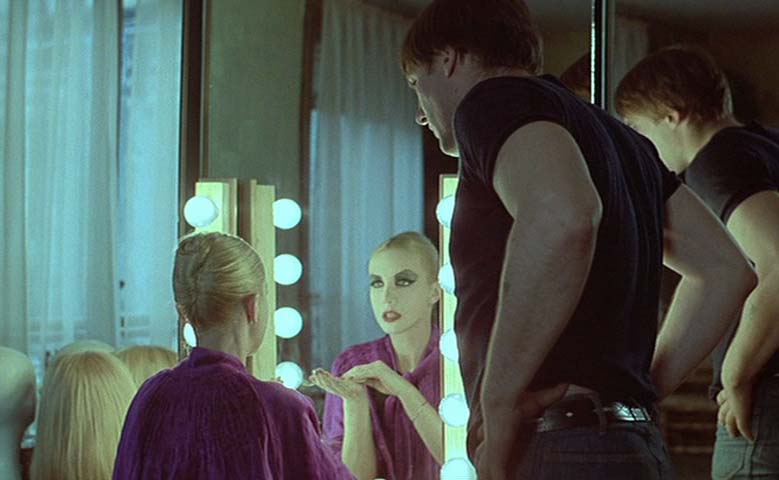
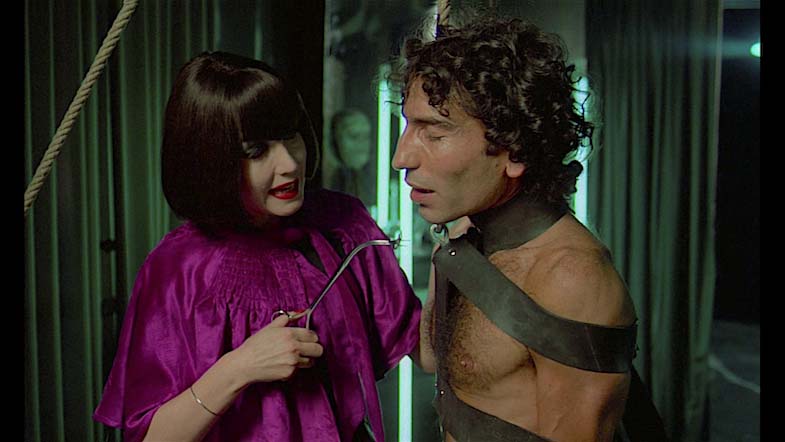

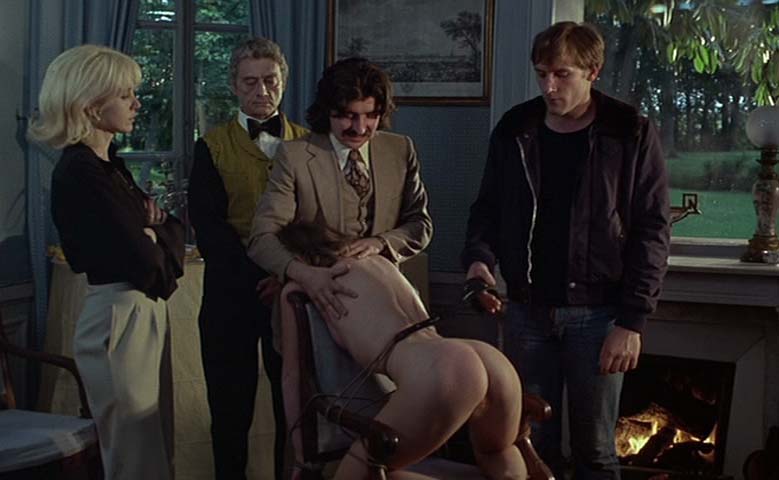
As Olivier becomes more involved in Ariane’s life, he observes several of her sessions with clients—men from respectable social backgrounds who willingly subject themselves to humiliation, pain, or complex bondage scenarios. The film depicts these encounters in a stark, almost documentary style, highlighting the rituals’ performative nature and the participants’ psychological motivations.
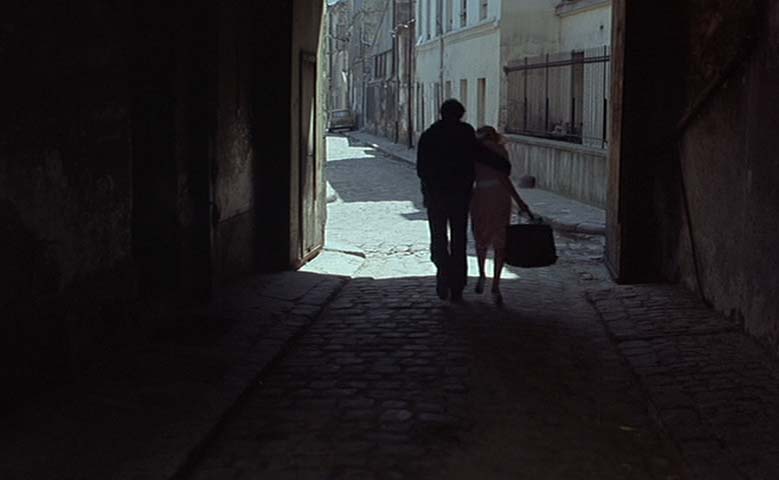

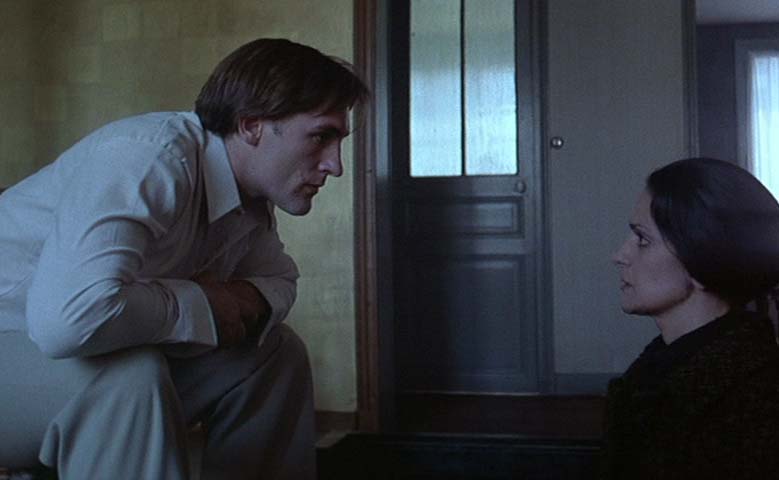
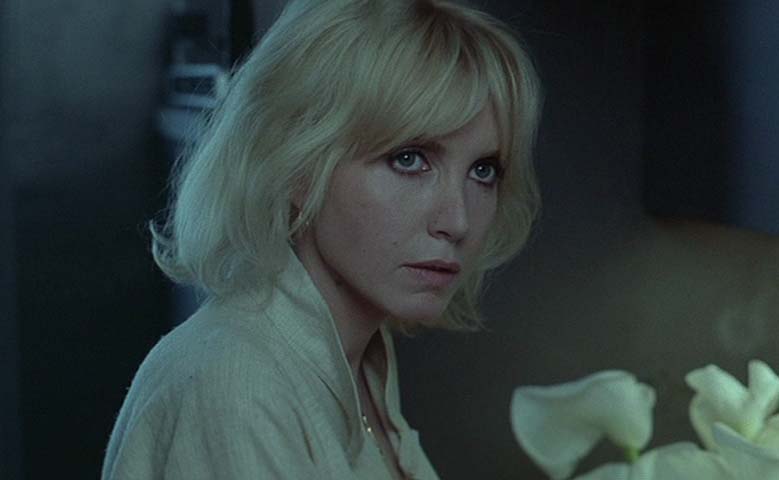

Olivier initially accepts Ariane’s profession, but jealousy and insecurity gradually overwhelm him. He begins to feel threatened by the intimacy and trust she shares with her clients, even though their relationships are strictly professional. His working-class masculinity clashes with Ariane’s independence and sexual autonomy, creating tension between them.
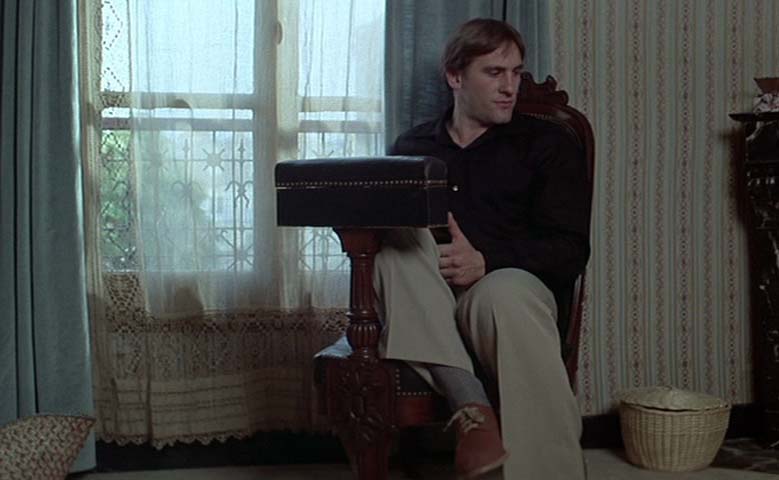
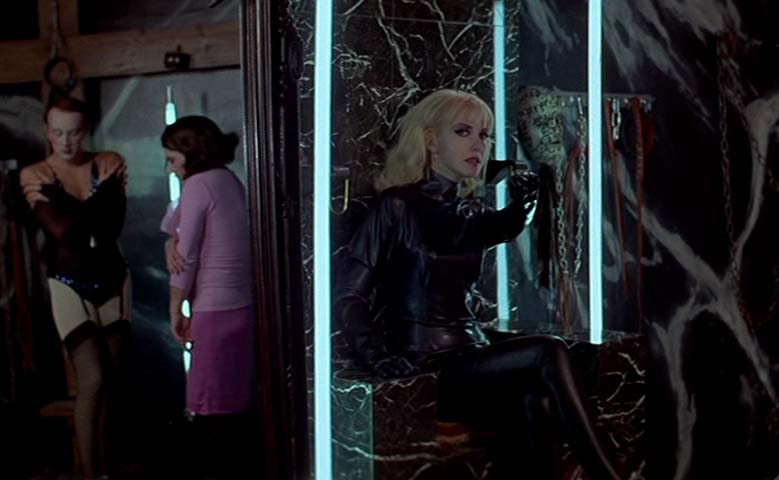

At the same time, Olivier tries to assert himself in her world, occasionally helping manage her appointments or interfering with the dynamics of her sessions. These intrusions disrupt the careful balance Ariane maintains between her private life and her work. She repeatedly insists that her profession has nothing to do with love, but Olivier cannot reconcile that distinction.

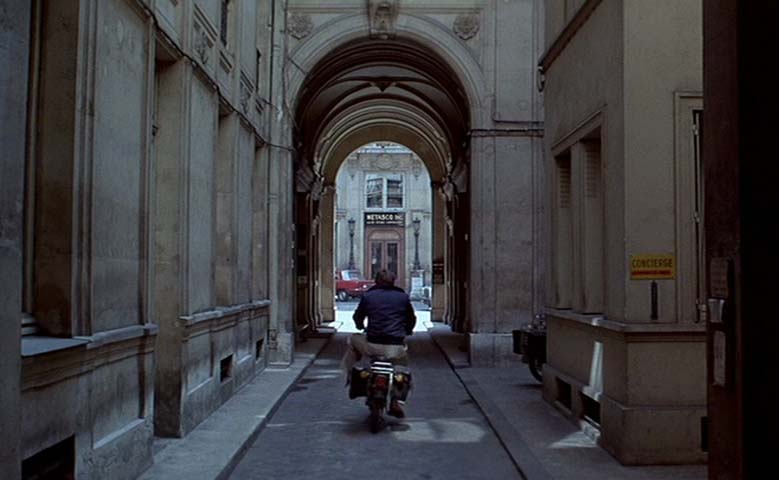
Their relationship grows increasingly volatile as Olivier attempts to change Ariane’s lifestyle and persuade her to abandon her work. Ariane resists, arguing that her profession is both financially necessary and personally liberating. The conflict reveals the film’s deeper themes: the struggle between emotional possession and personal freedom, and the fragile line between performance and authenticity in human relationships.

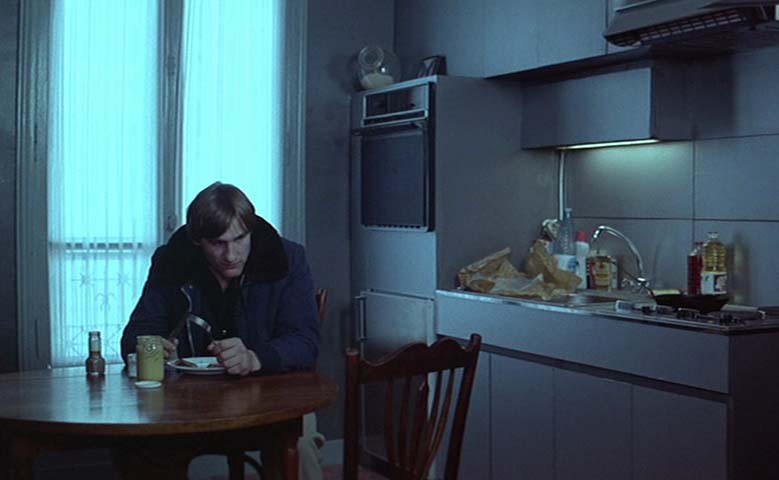
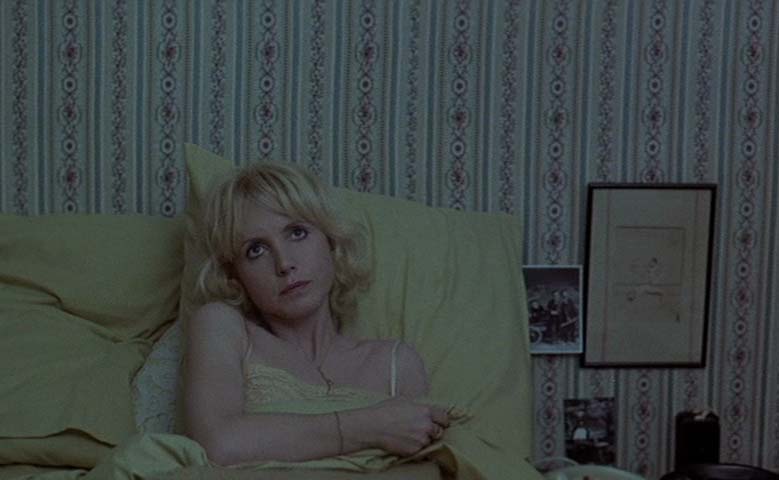
Eventually, the tensions escalate to a breaking point. Olivier’s jealousy and frustration erupt into violent confrontation, forcing Ariane to question whether their relationship can survive. While she cares for him, she refuses to surrender the autonomy and identity she has built for herself.
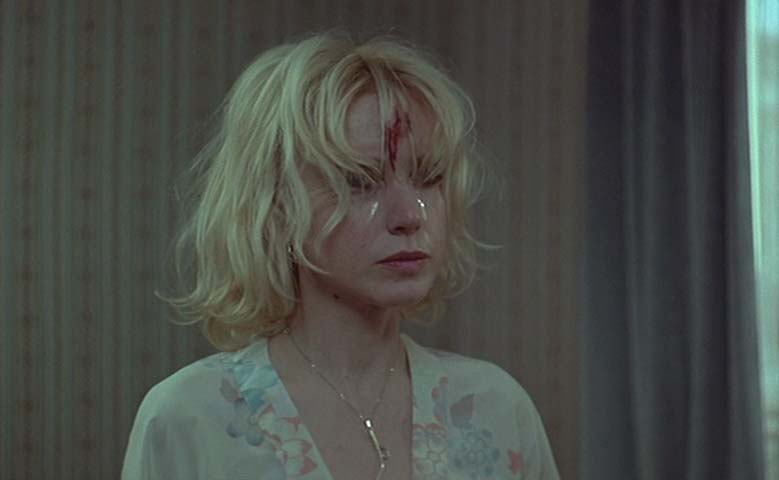

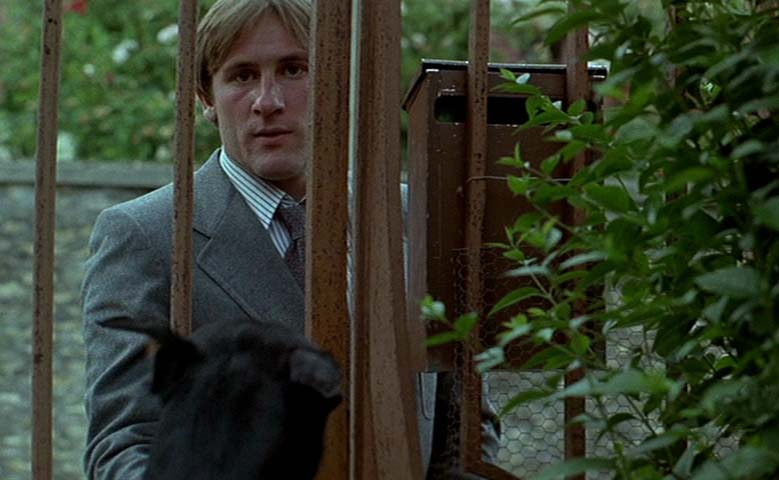
The film ends on a note of uneasy ambiguity. Although the two characters share a genuine emotional connection, the gulf between Olivier’s desire for exclusivity and Ariane’s fiercely independent life remains unresolved. Their relationship becomes a reflection of broader questions about power, control, and the difficulty of reconciling love with individual freedom.
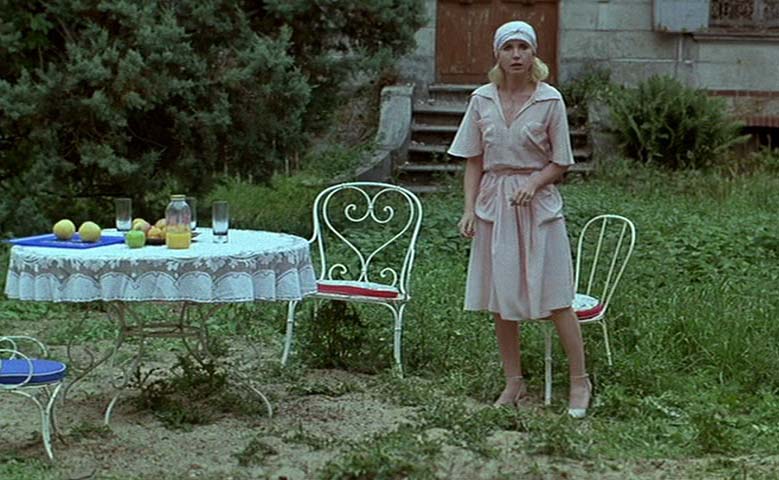

Upon its release, “Maîtresse” was notorious for its explicit depictions of BDSM culture, featuring scenes filmed in actual Parisian fetish clubs. This sparked censorship controversies in several countries. Today, the film is considered one of the boldest works of 1970s European cinema and an early exploration of sexual politics, supported by powerful performances from Gérard Depardieu and Bulle Ogier.