
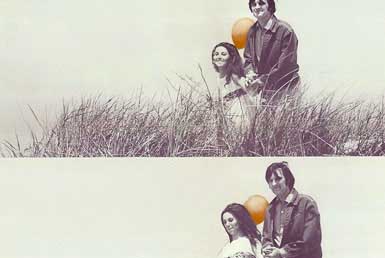
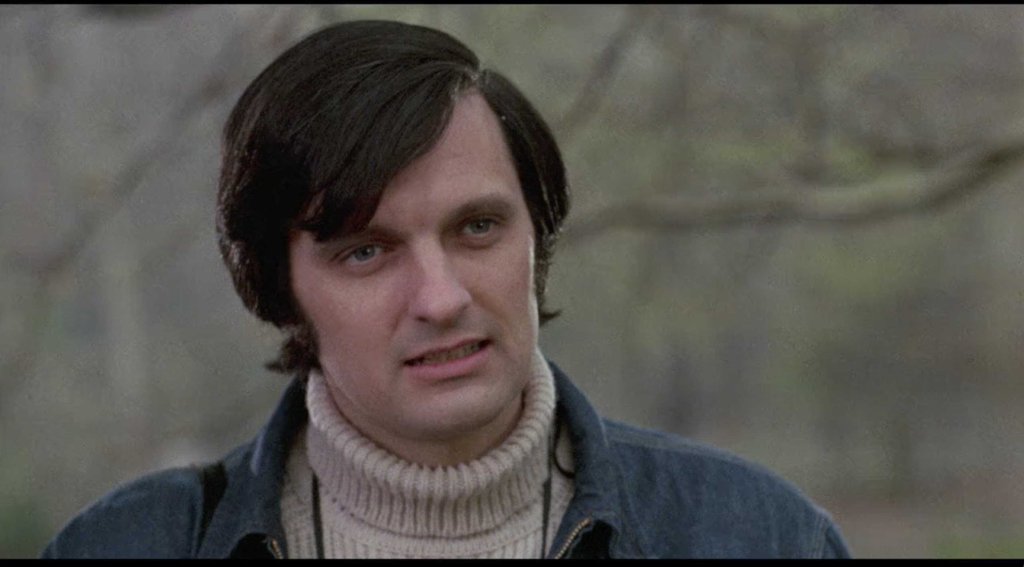

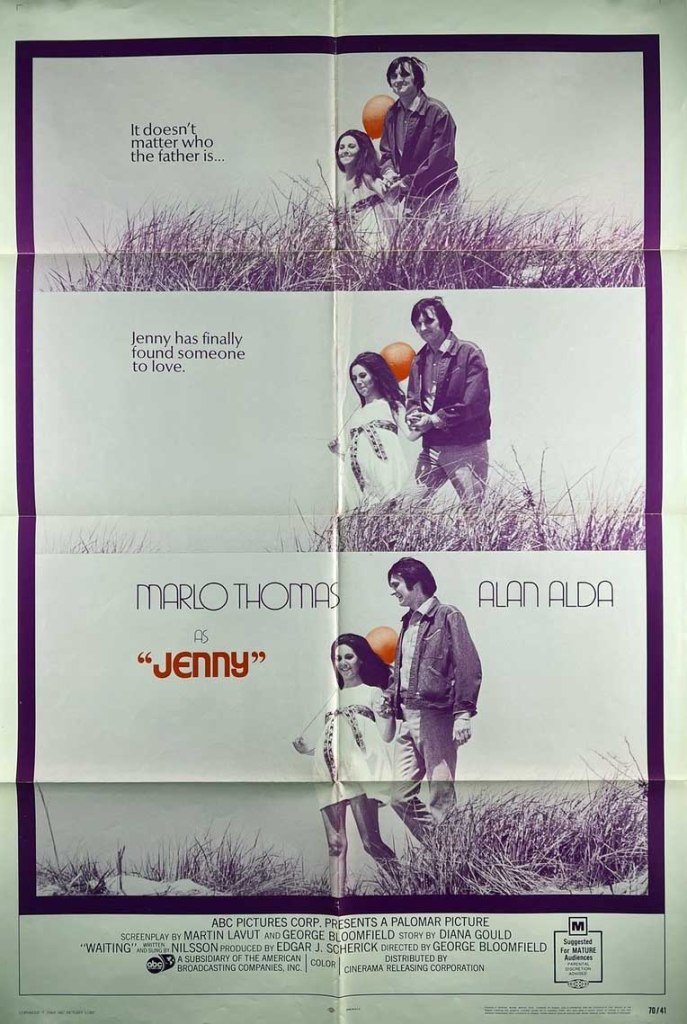
“Jenny” is a 1969 drama directed by George Bloomfield, starring Marlo Thomas in her on-screen debut alongside Alan Alda.
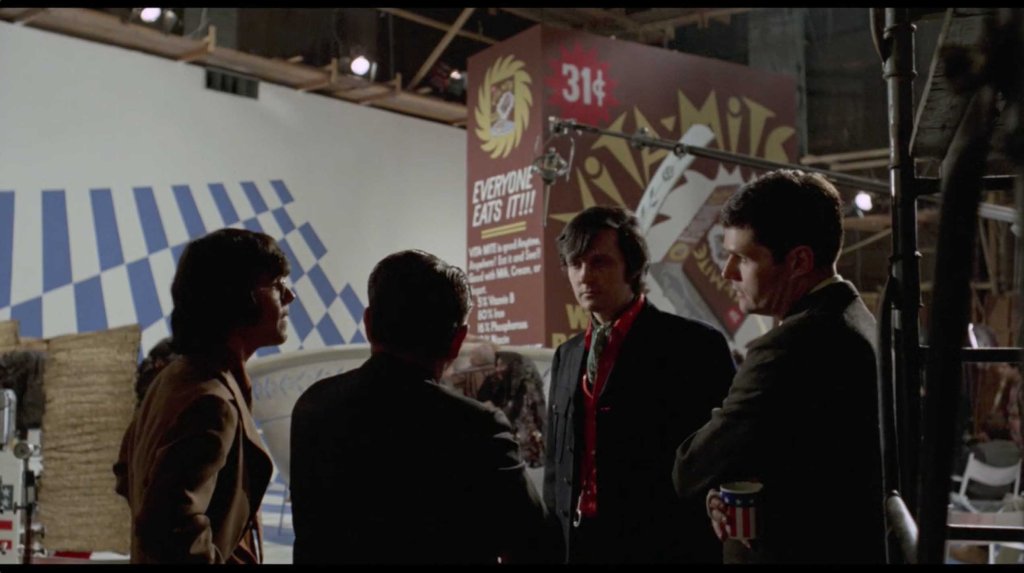
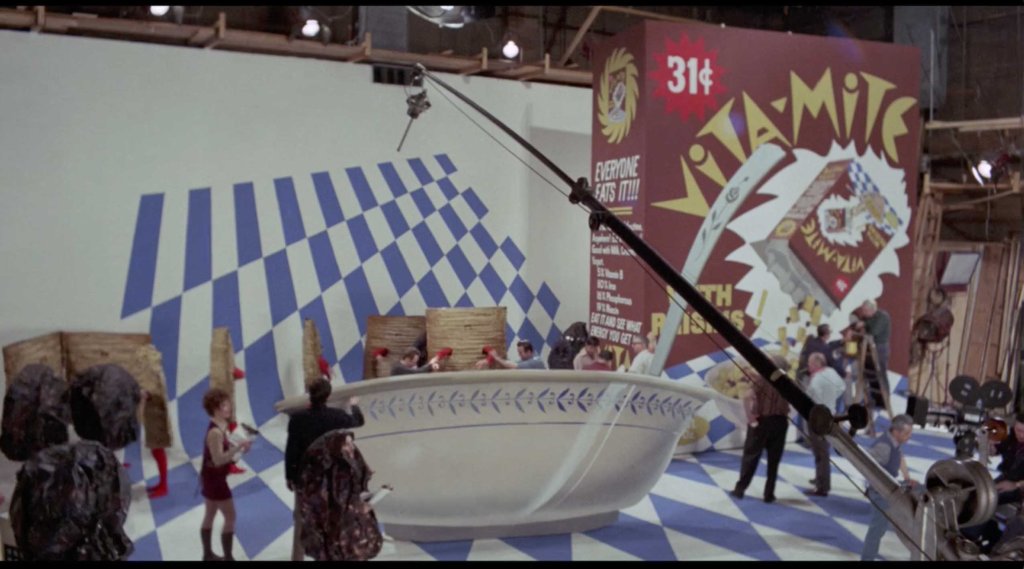
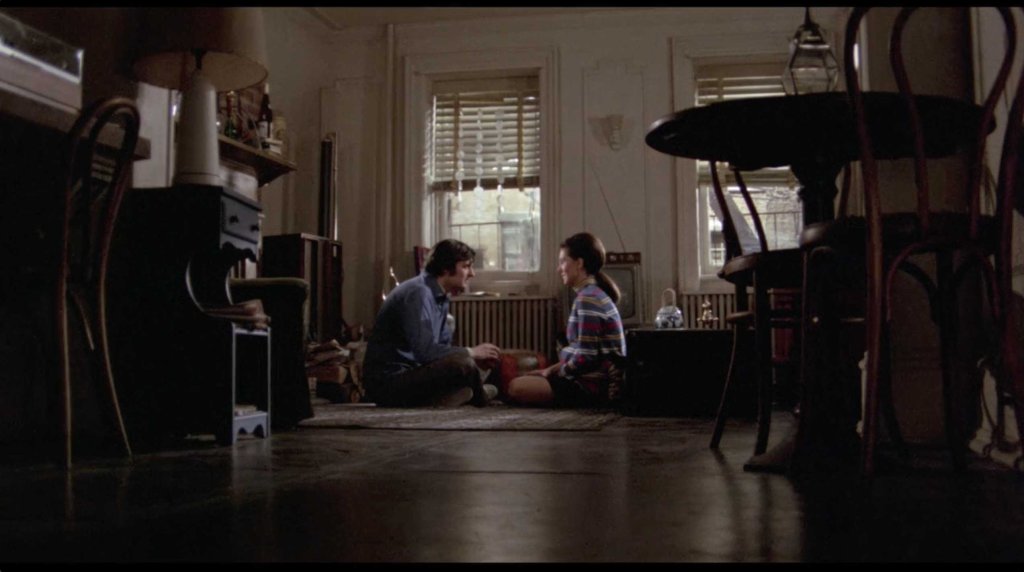
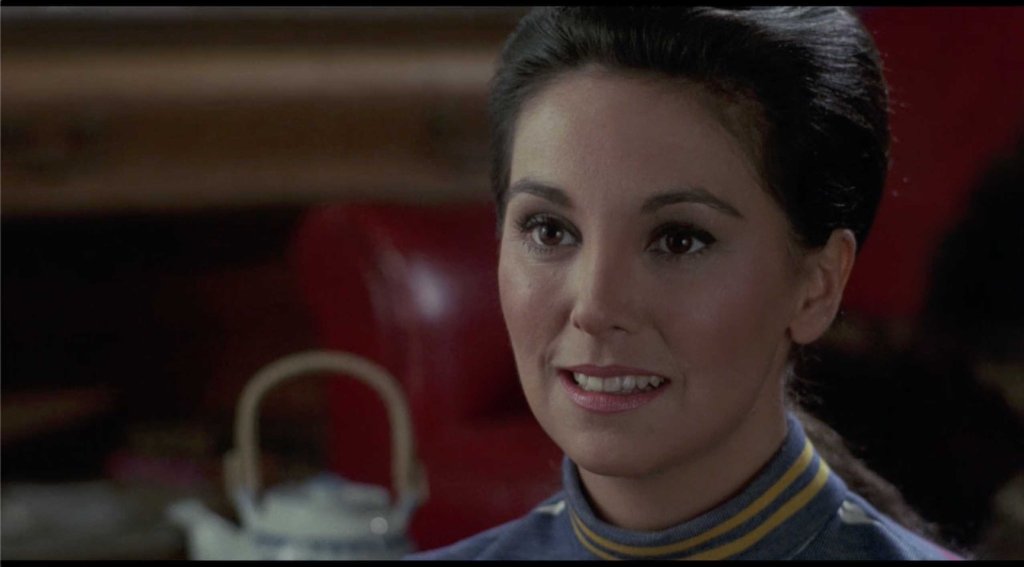
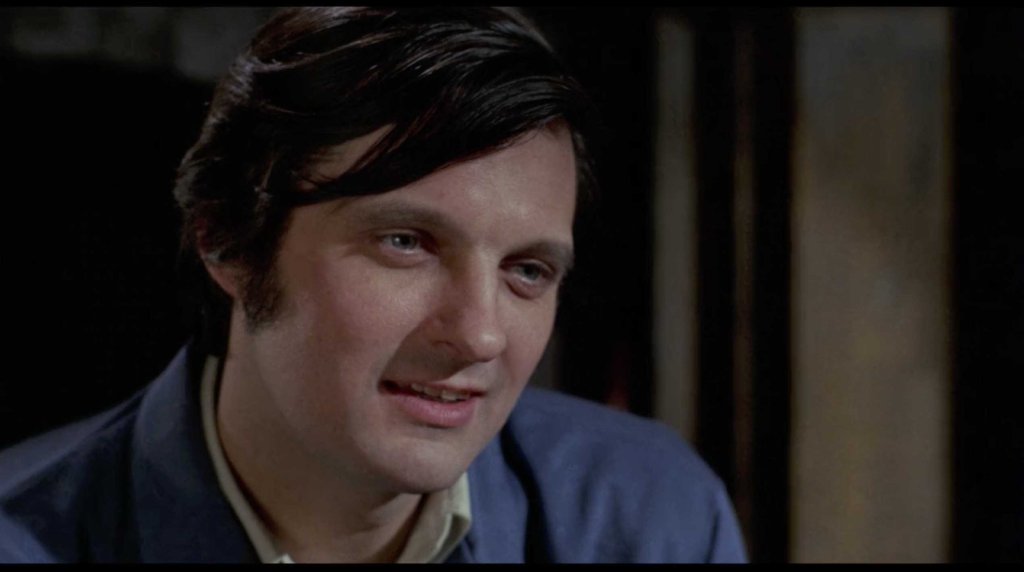
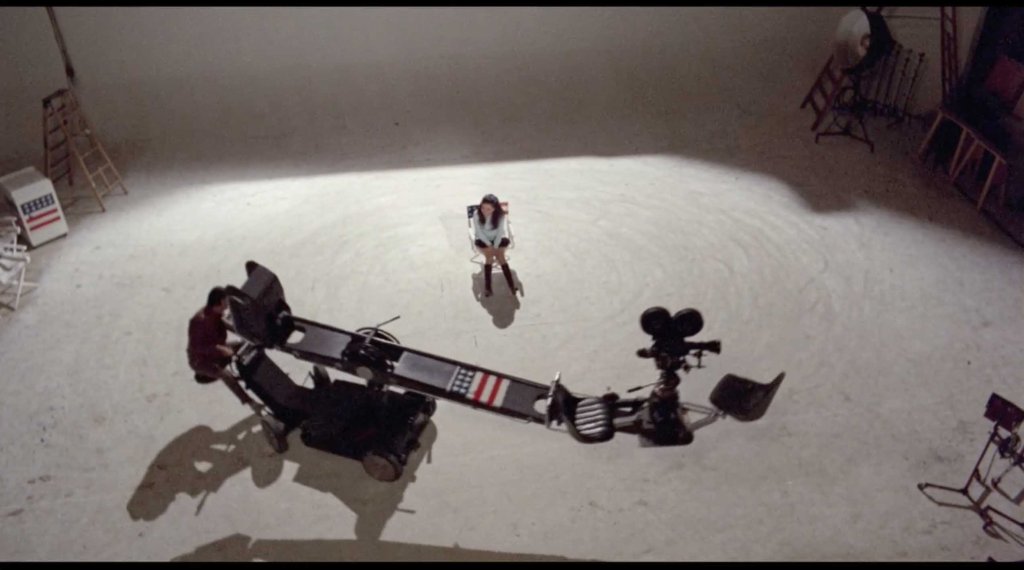
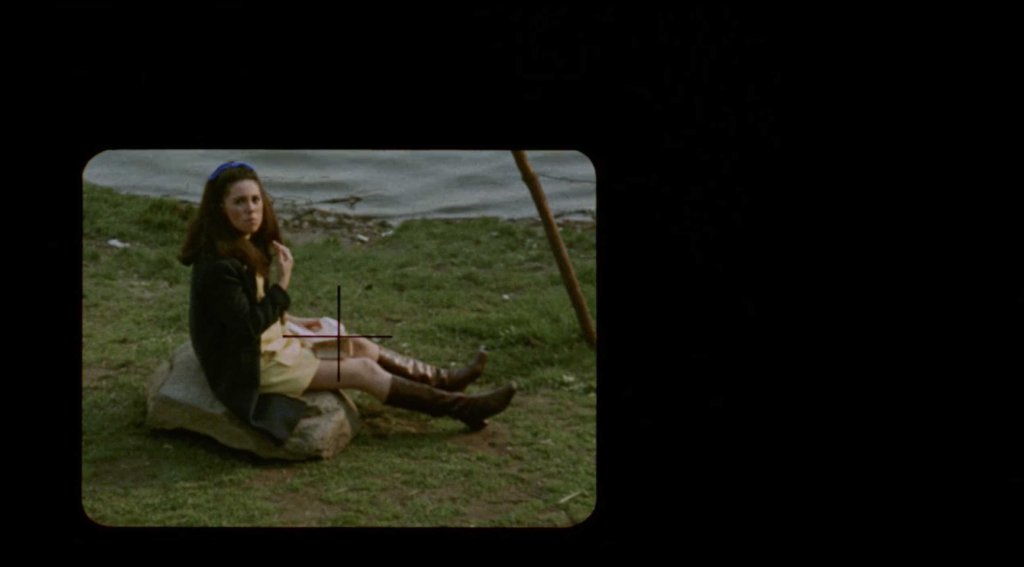
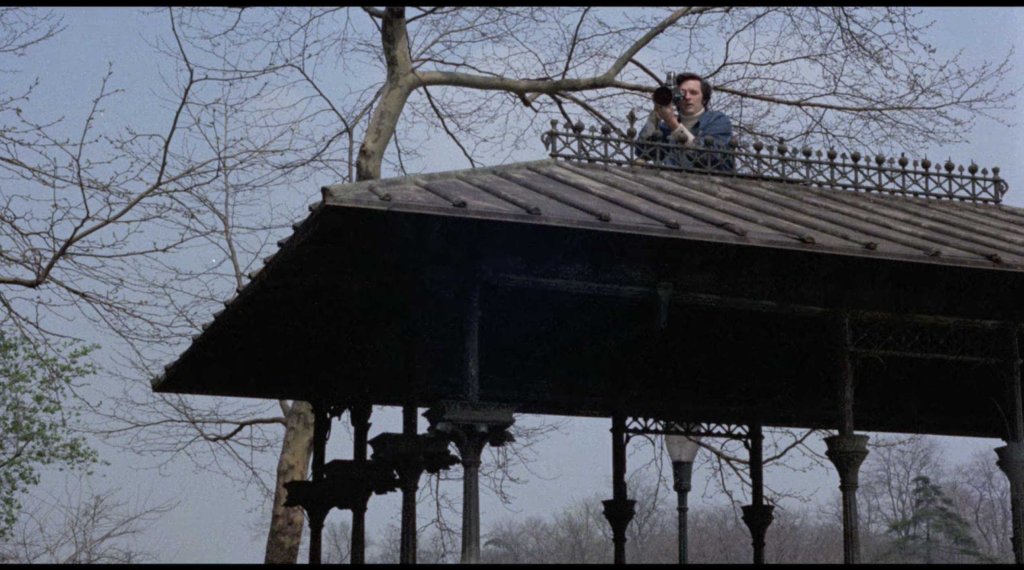
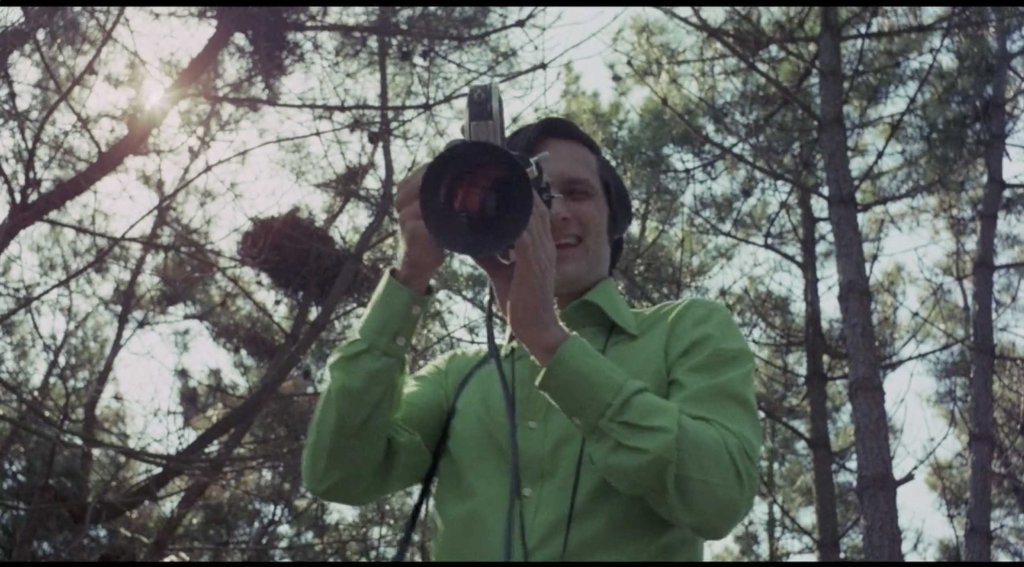
The film follows Jenny, a young woman from a small town who, after finding herself pregnant from a one-night stand, leaves home and moves to New York City. Alone and uncertain of her future, she catches the eye of Delano — a driven, charming filmmaker who first spots her in the park and turns his camera on her. It is a meeting that will change both their lives.
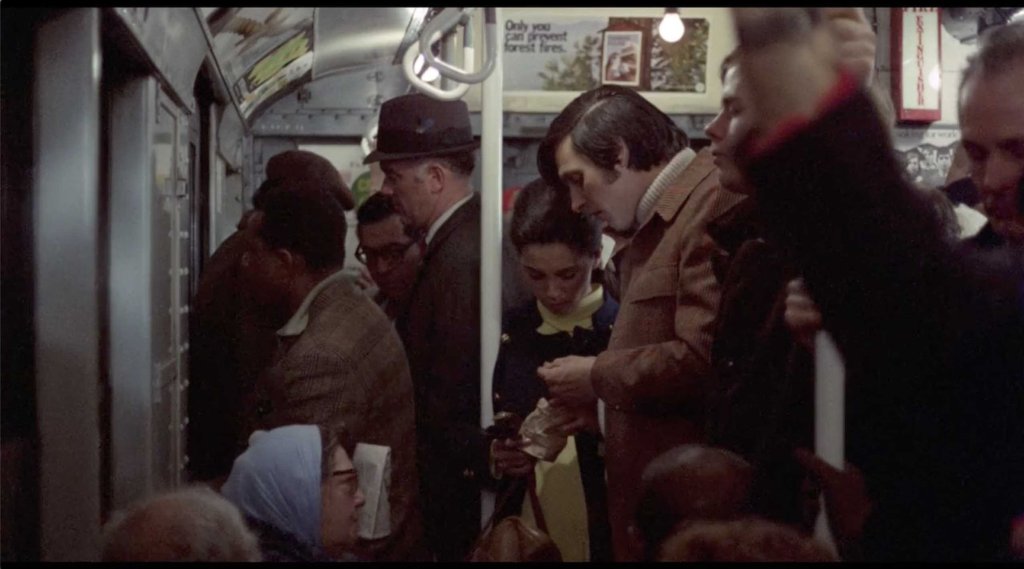
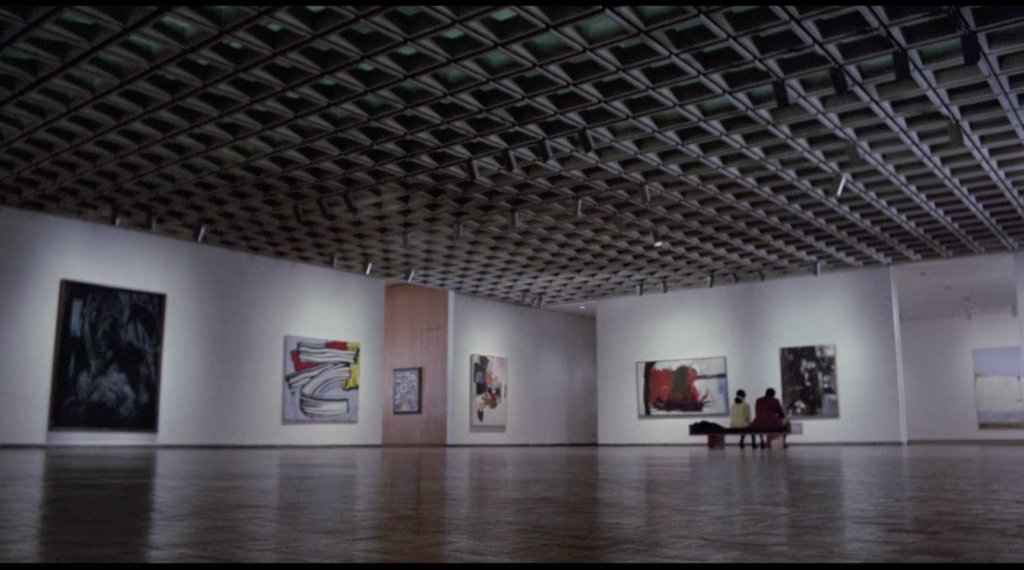
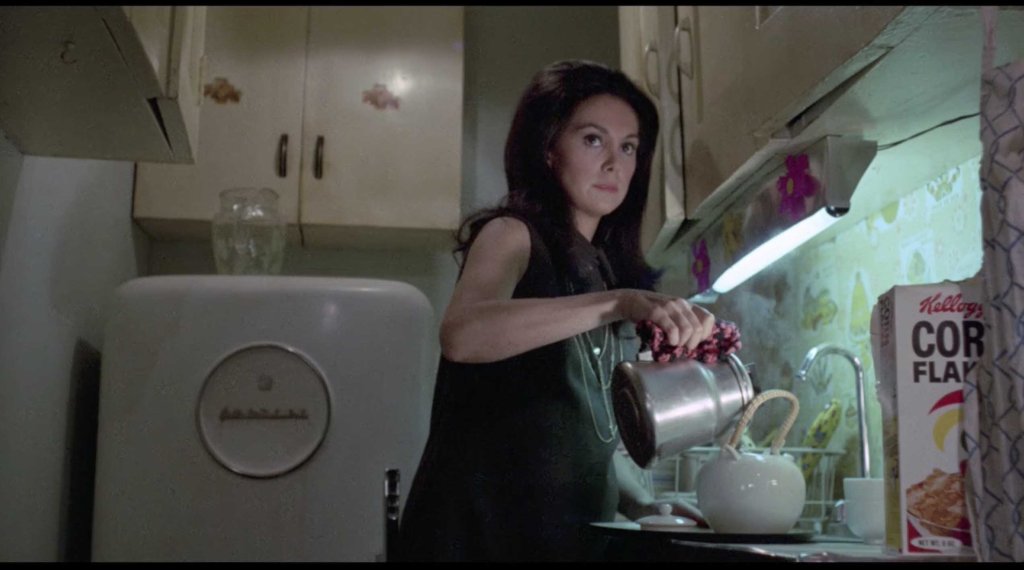
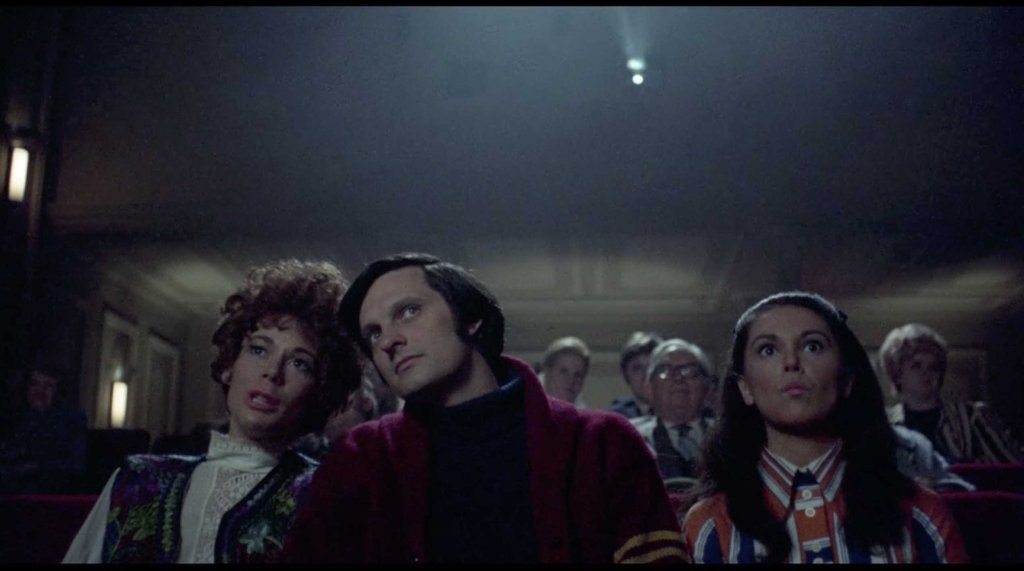
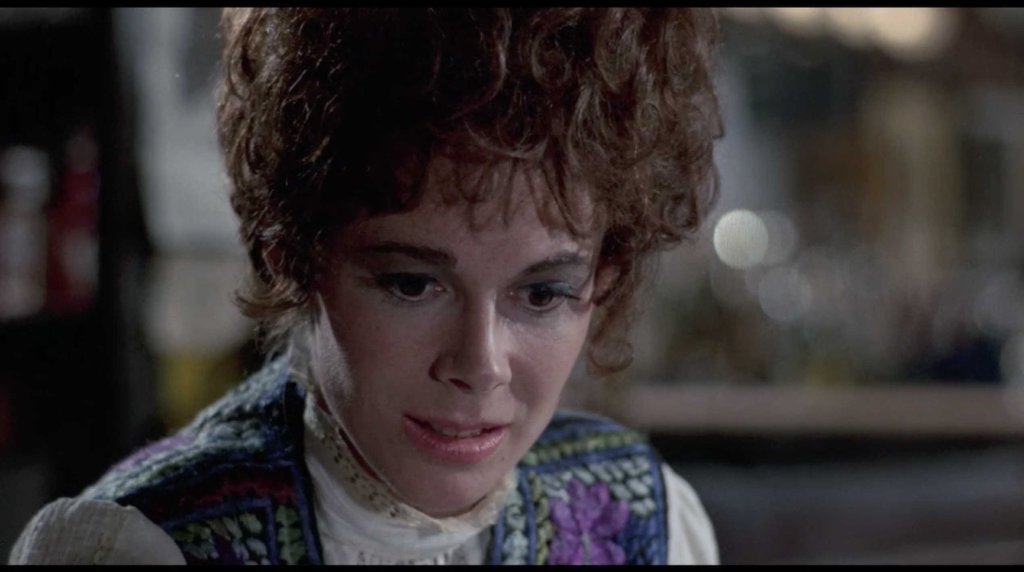
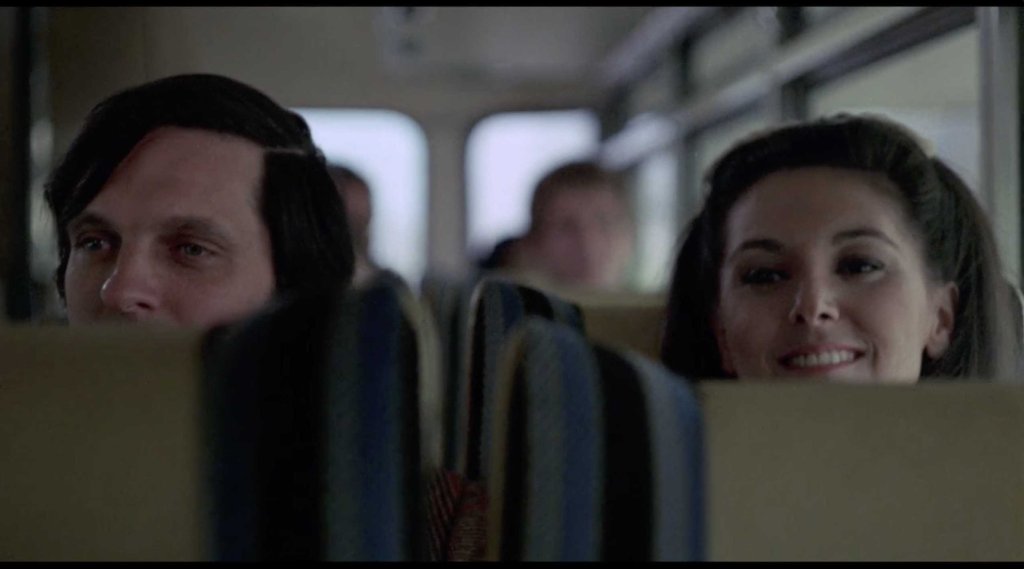
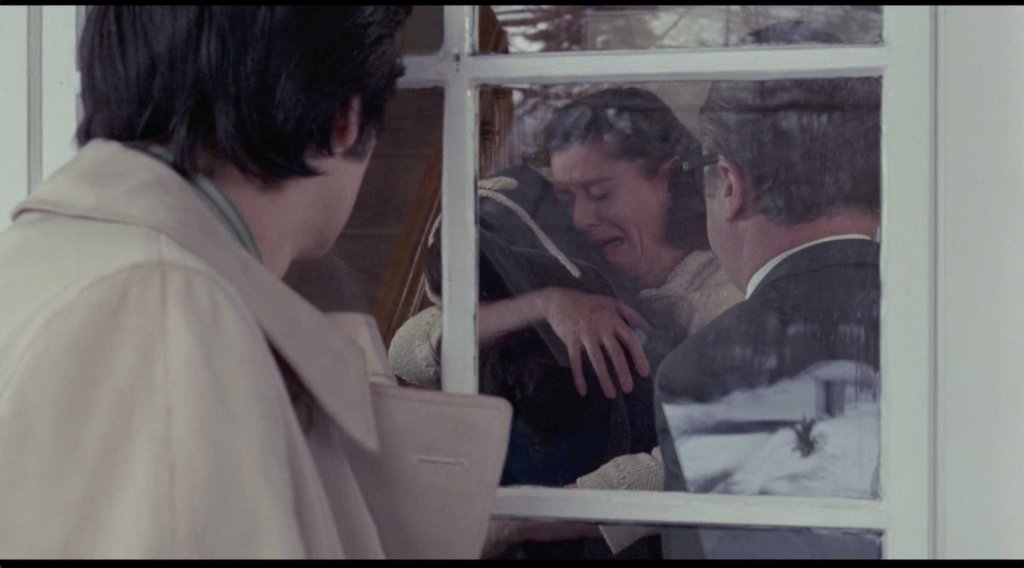
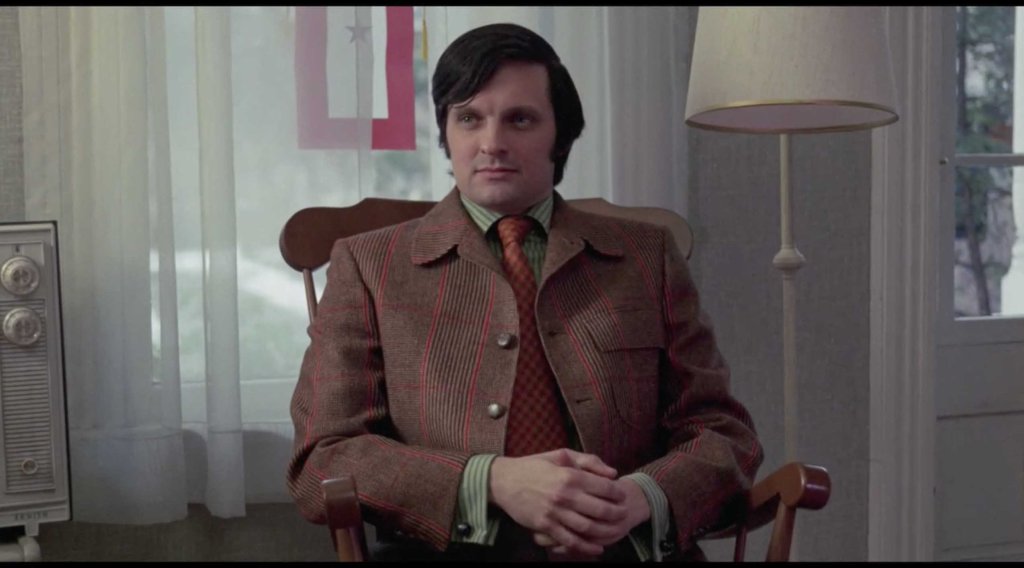
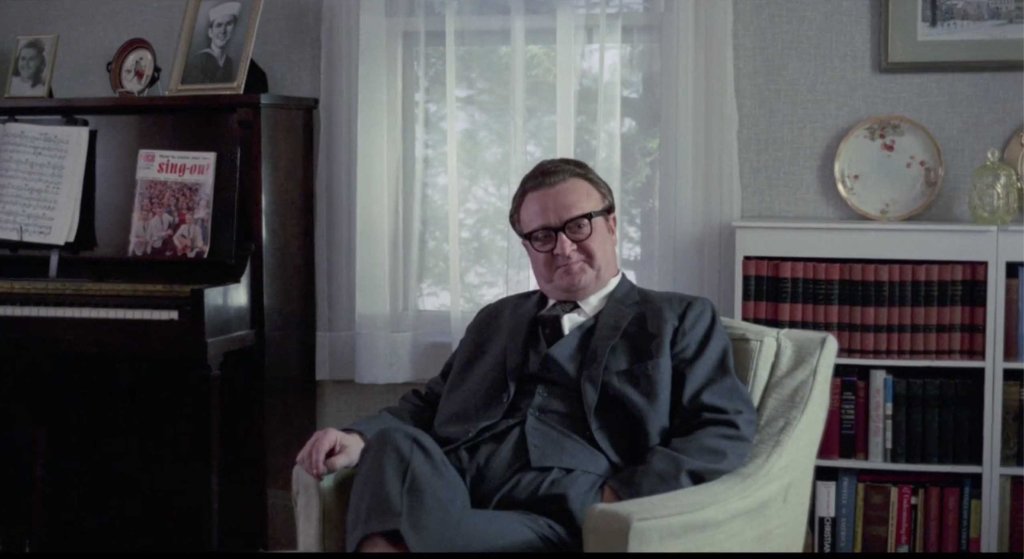
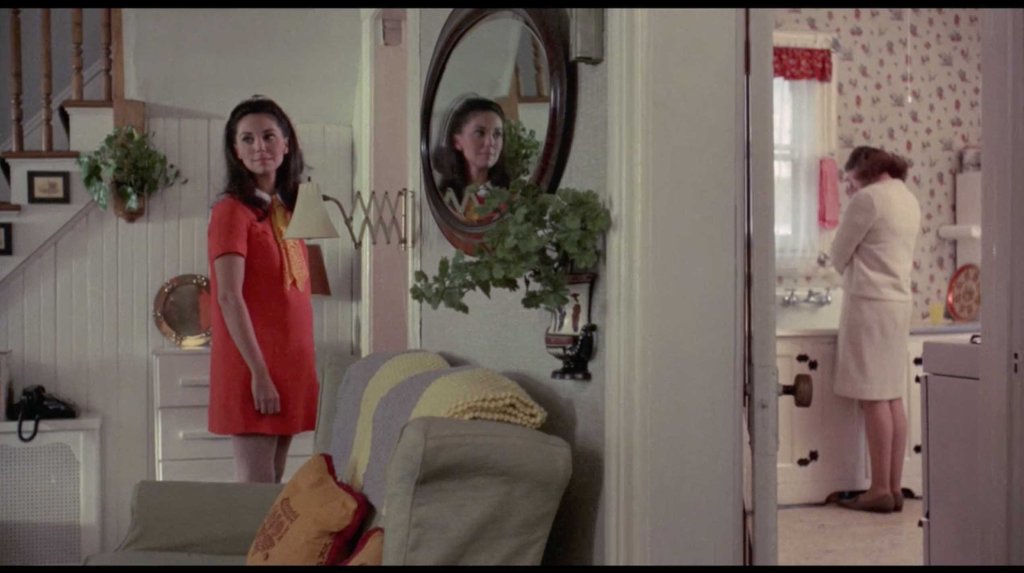
Delano’s world has been thrown into chaos by the arrival of his draft notice. Faced with the very real possibility of being sent to fight in Vietnam, he is desperately seeking a legal way out. When he learns that an acquaintance avoided conscription by having a child on the way, he sees a chance — and in Jenny, he finds a potential solution. Delano proposes a simple arrangement: a marriage on paper, with him claiming paternity and providing financial support, in exchange for Jenny pretending to be his expectant wife.
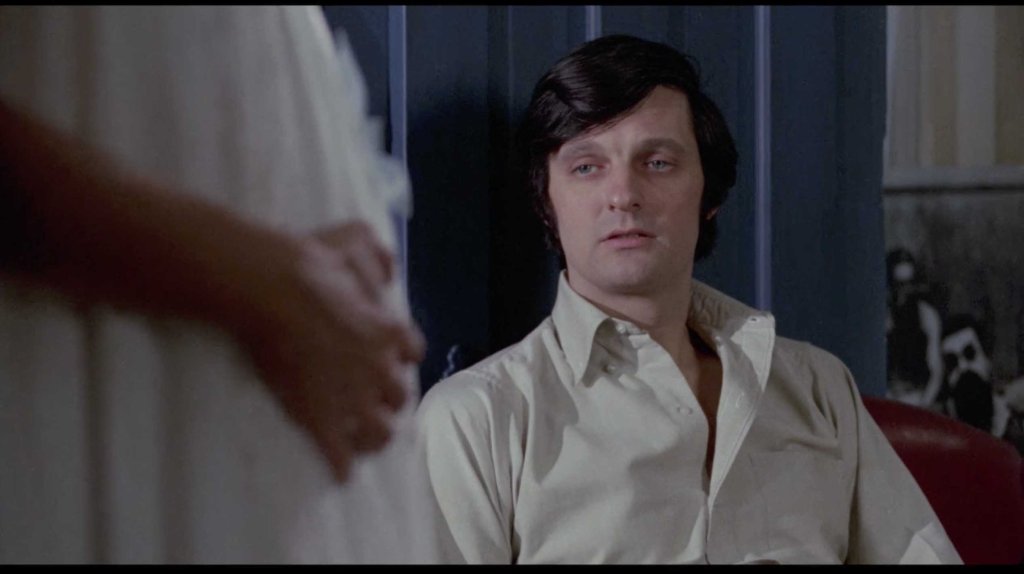
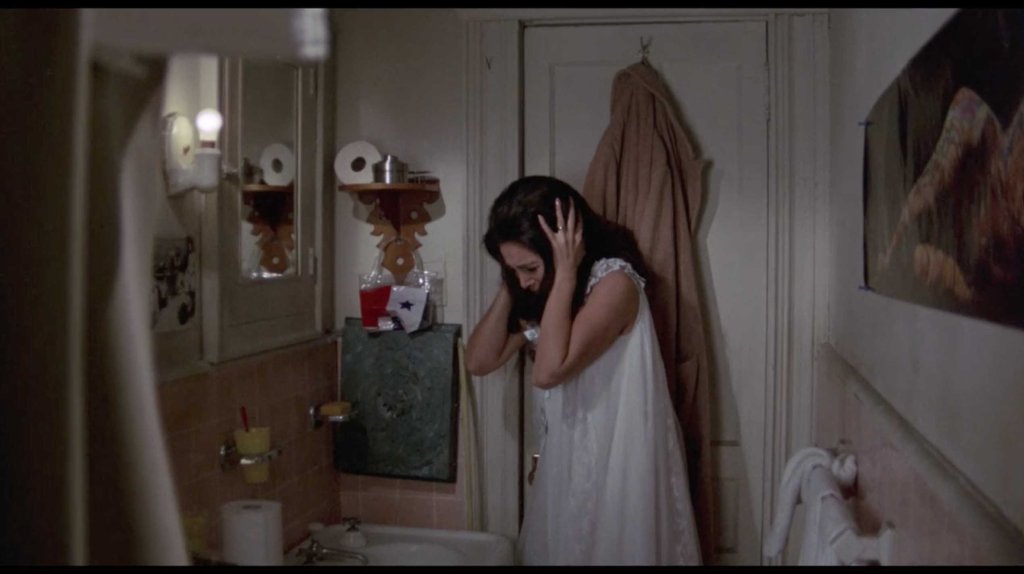
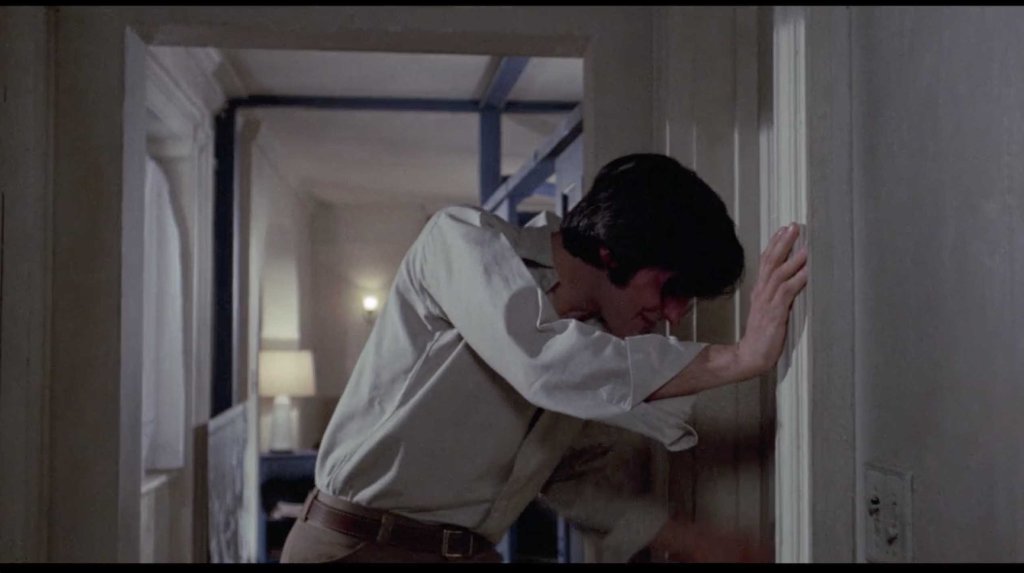
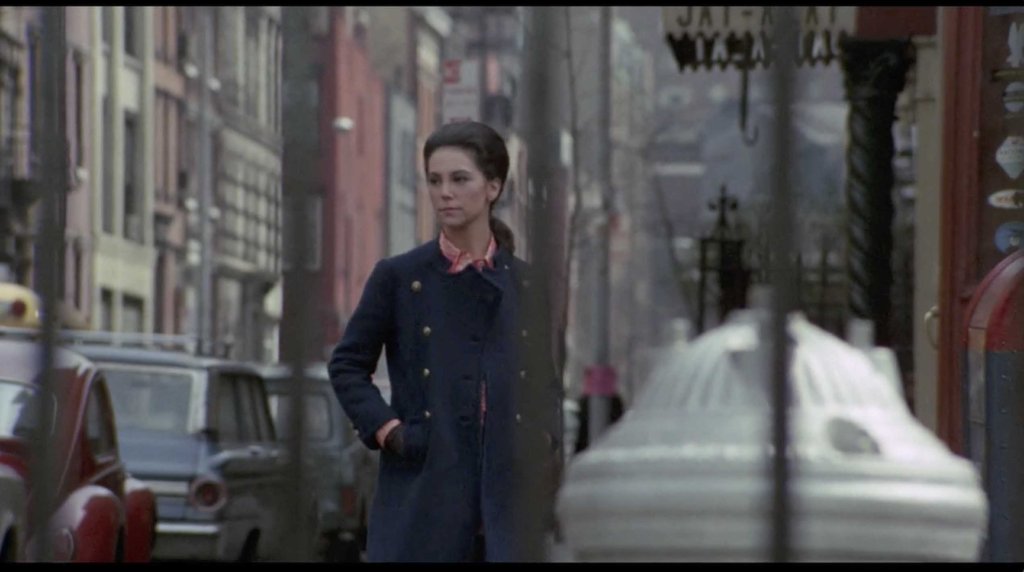
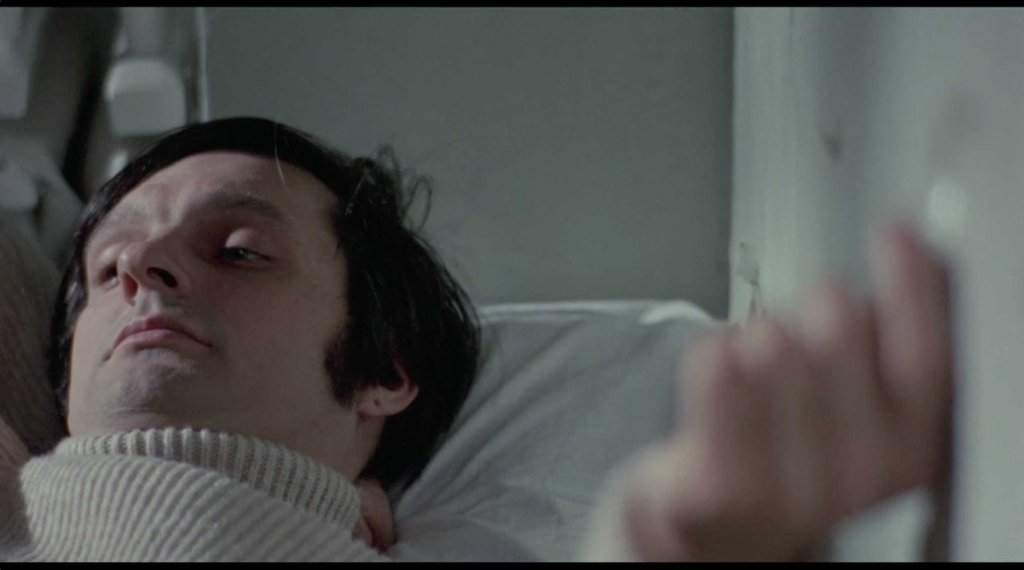
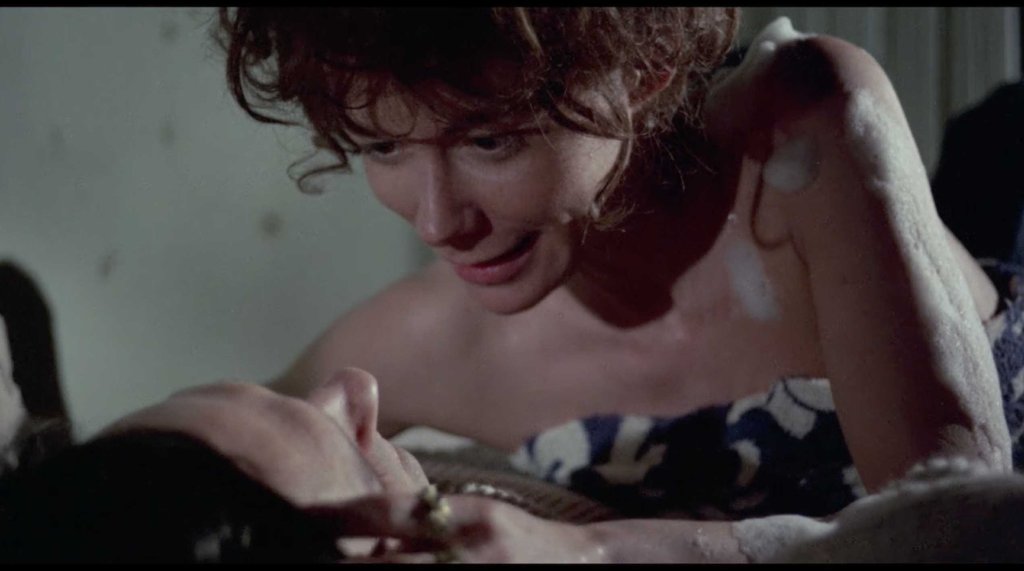
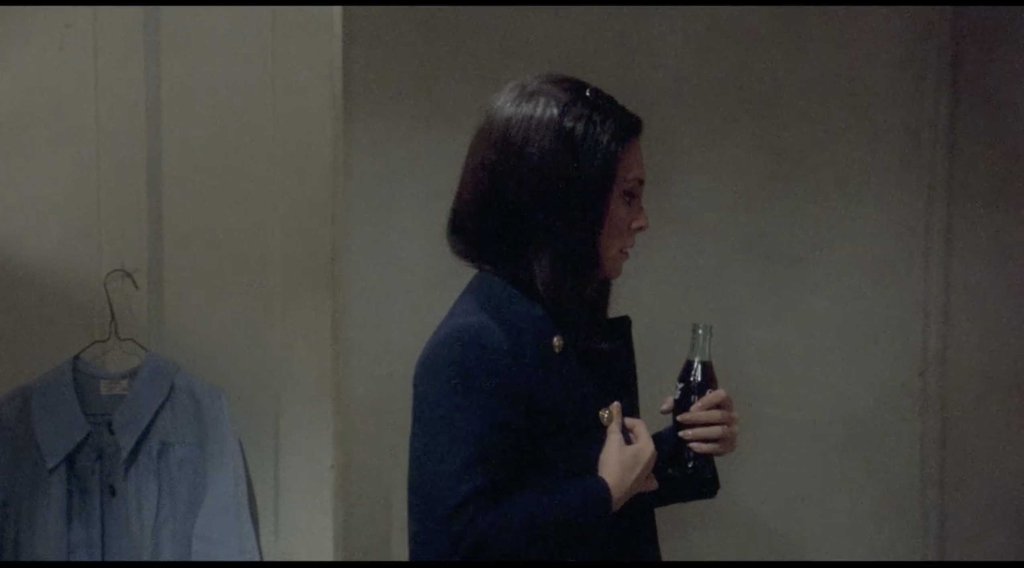
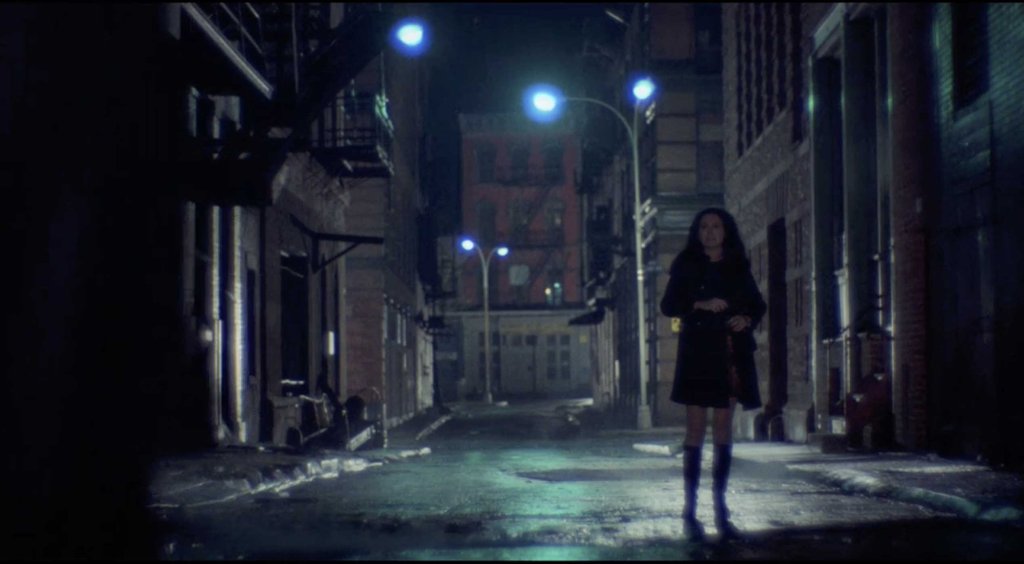
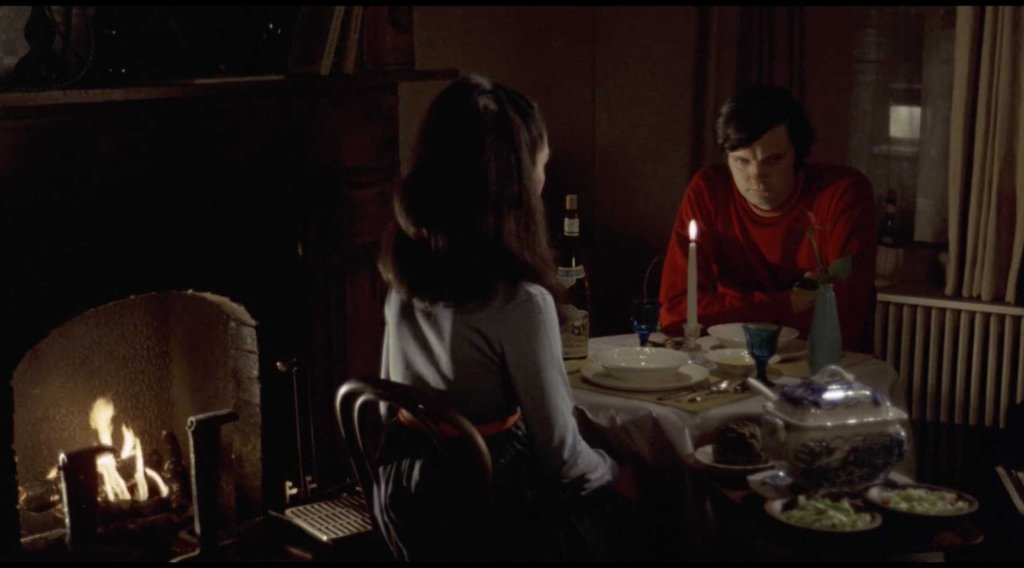
Jenny, facing limited options and possessing a practical side that complements her vulnerability, decides to agree to an unconventional arrangement. She and Delano move in together, embarking on the sometimes-awkward journey of sharing a life neither anticipated. Delano’s girlfriend, Kay, looms as a constant reminder that his heart isn’t fully committed to this new situation. Simultaneously, Jenny’s conservative father openly expresses his disapproval during a tense visit back home. Throughout this process, the uncertainty surrounding Delano’s draft case lingers over everything, providing their temporary marriage with its only real deadline.
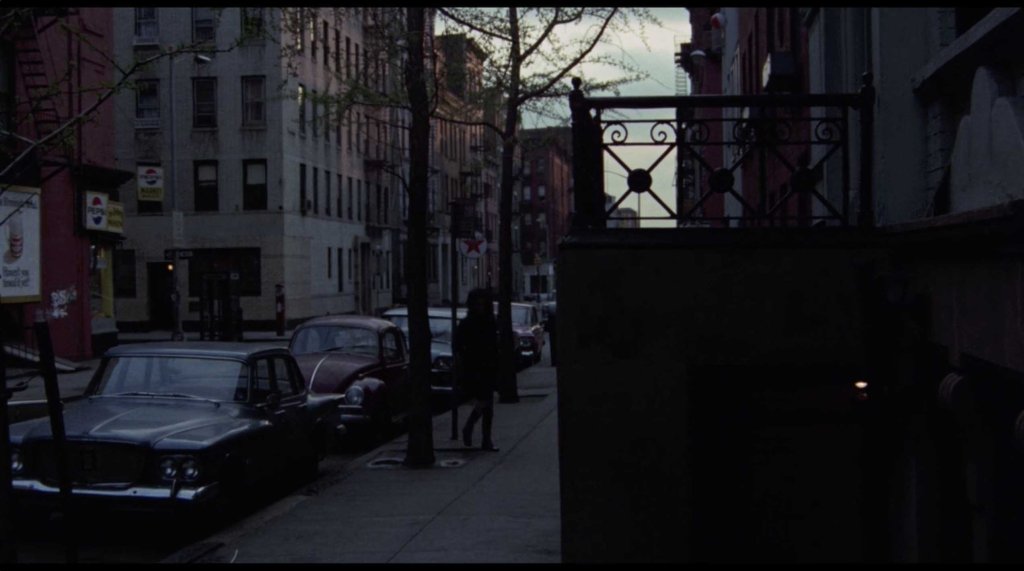
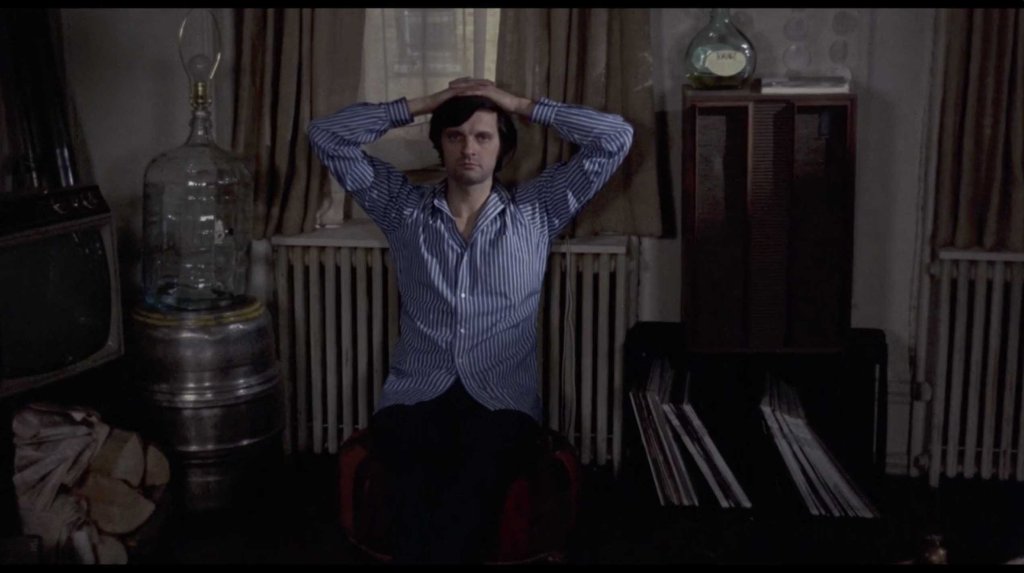
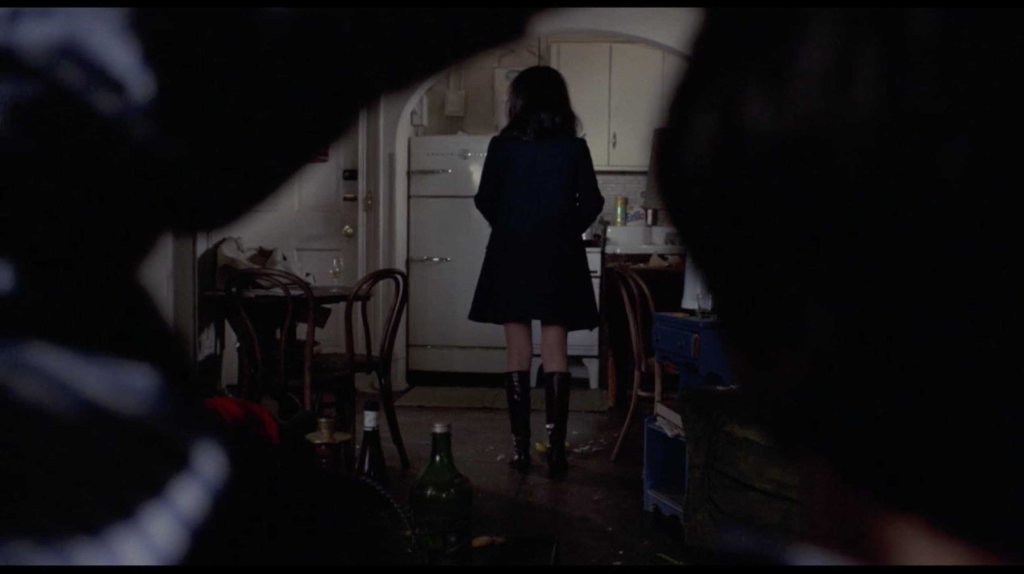
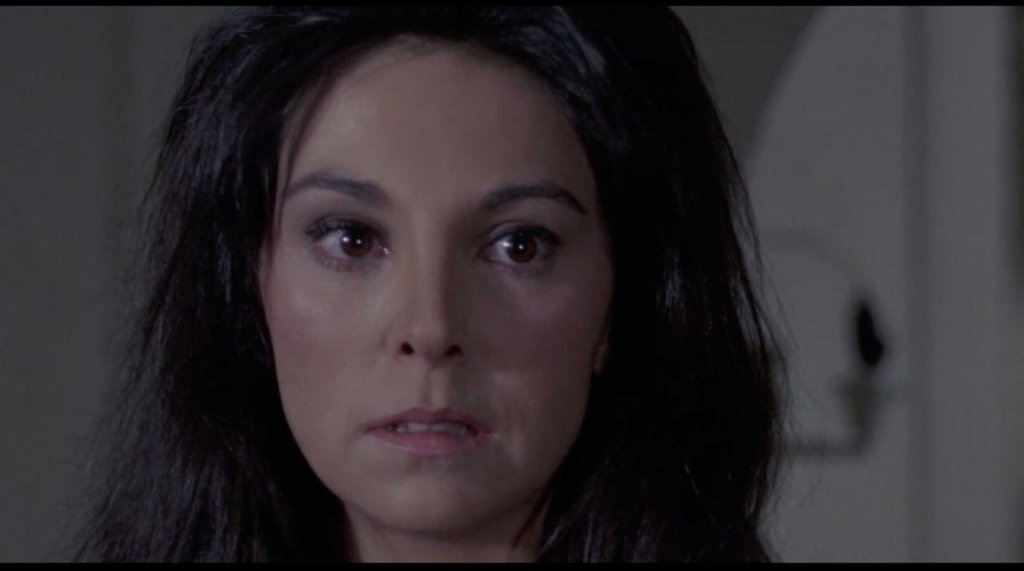
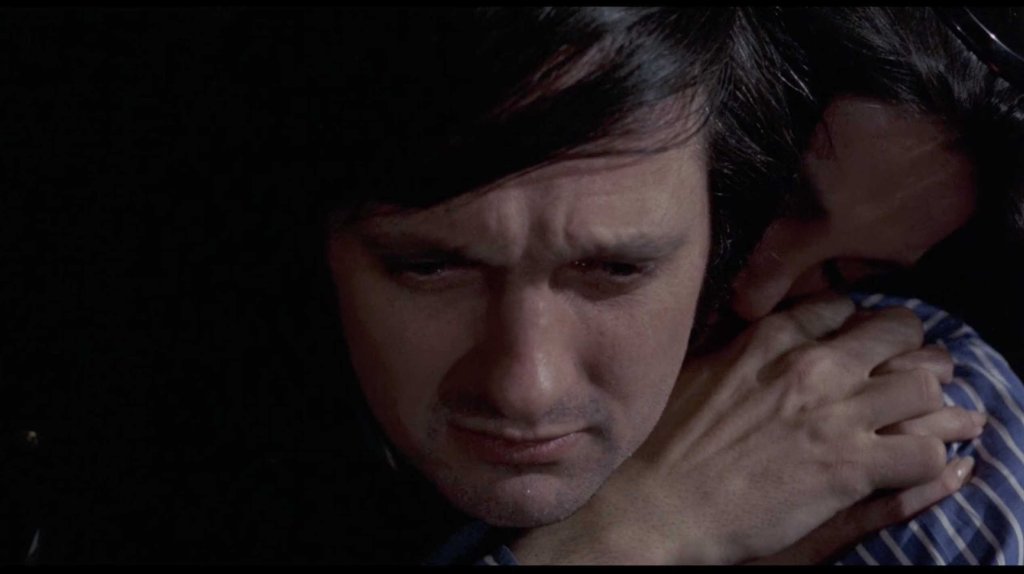
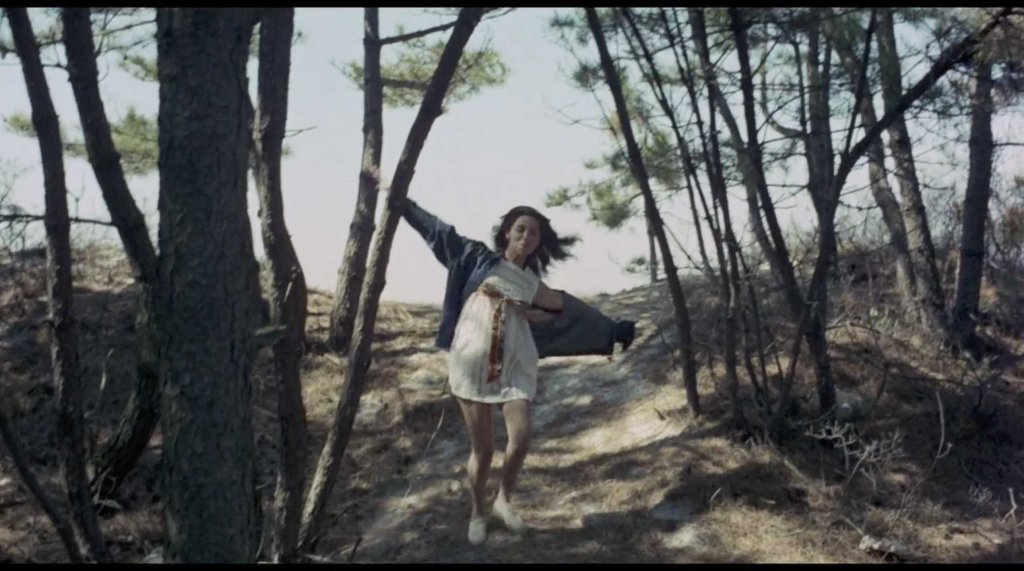
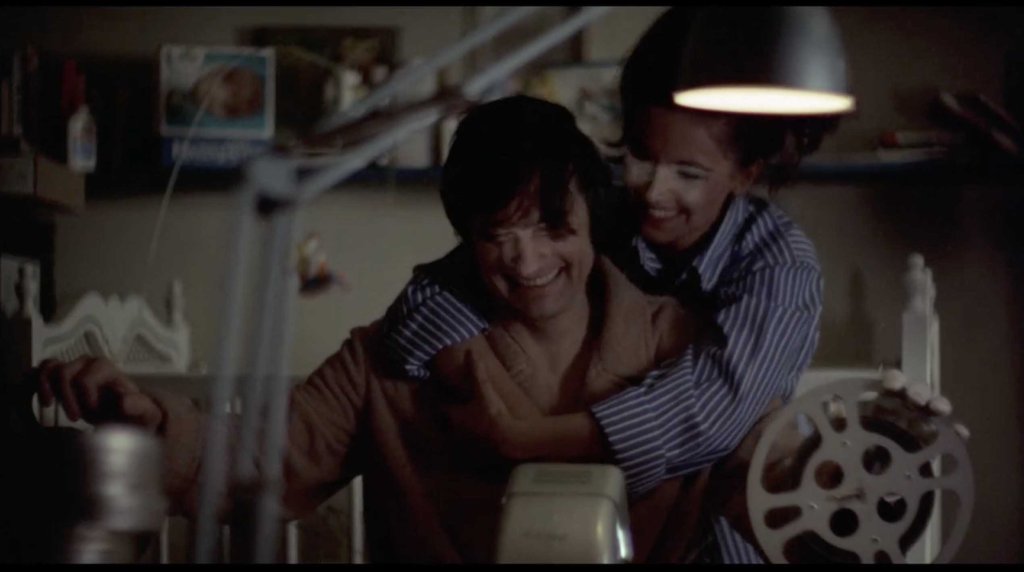
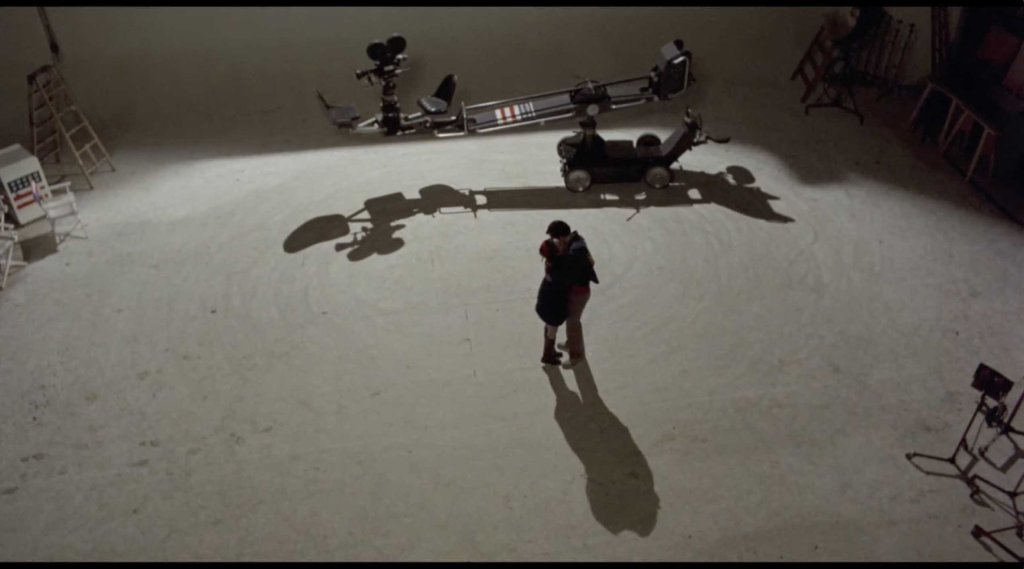
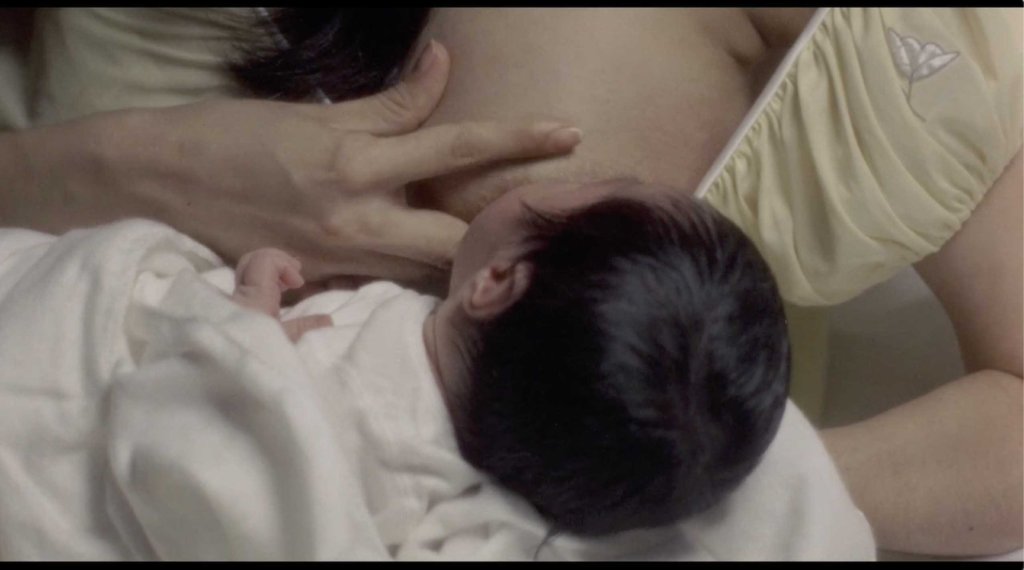
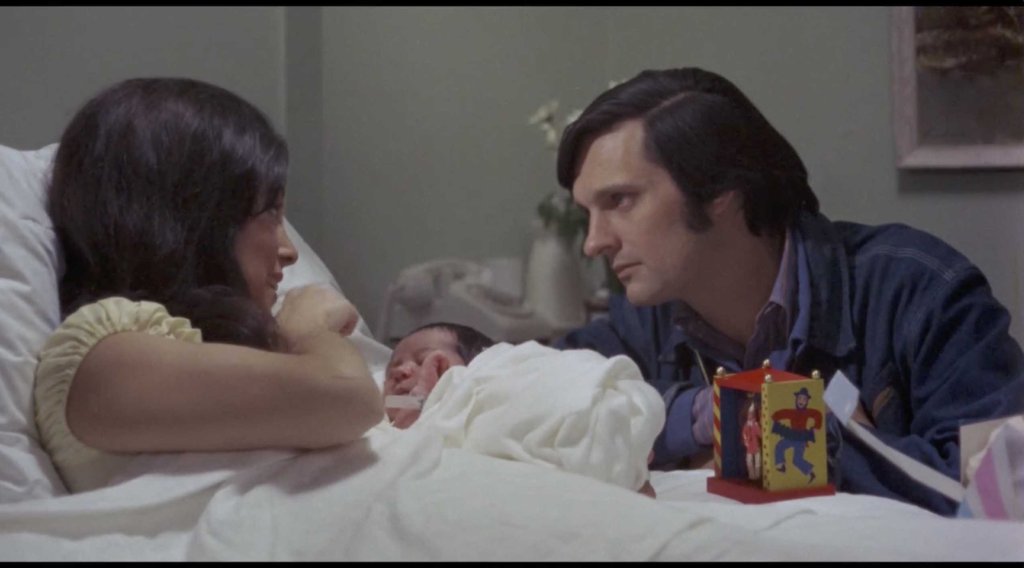
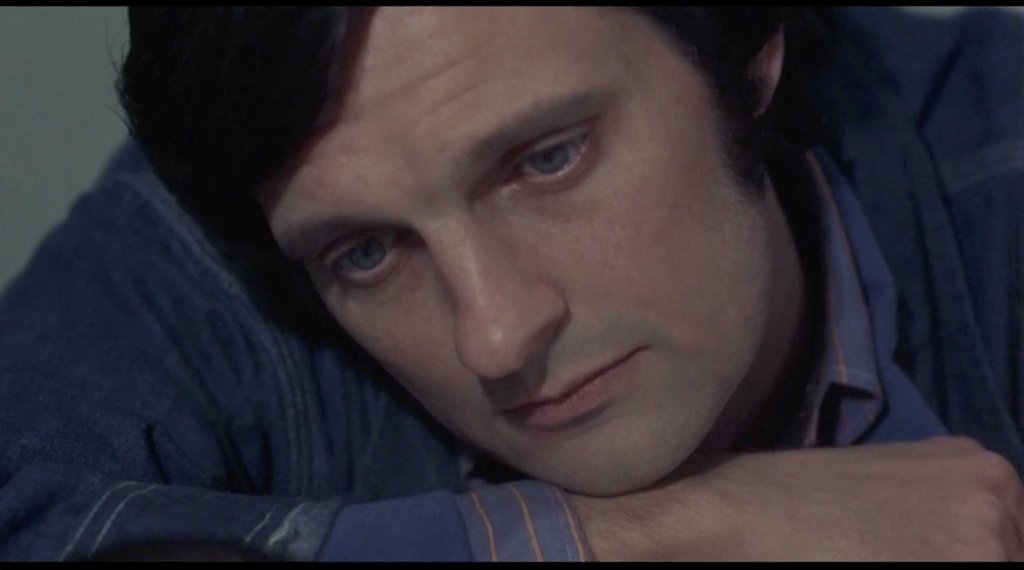
Yet time, proximity, and small daily kindnesses have a way of undoing even the most carefully constructed arrangements. As the months pass and Jenny’s pregnancy progresses, the two find themselves drawn together in ways neither anticipated. The pretense quietly dissolves. By the time Jenny goes into labor, what began as a transaction has become something far more genuine. The film closes on a moment of quiet grace — Delano presents Jenny with a small music box, its gentle melody filling the room as a nurse brings in the newborn. Jenny holds her baby close, Delano looks on, and for a brief moment the outside world — the draft, the war, the complications — ceases to exist entirely.
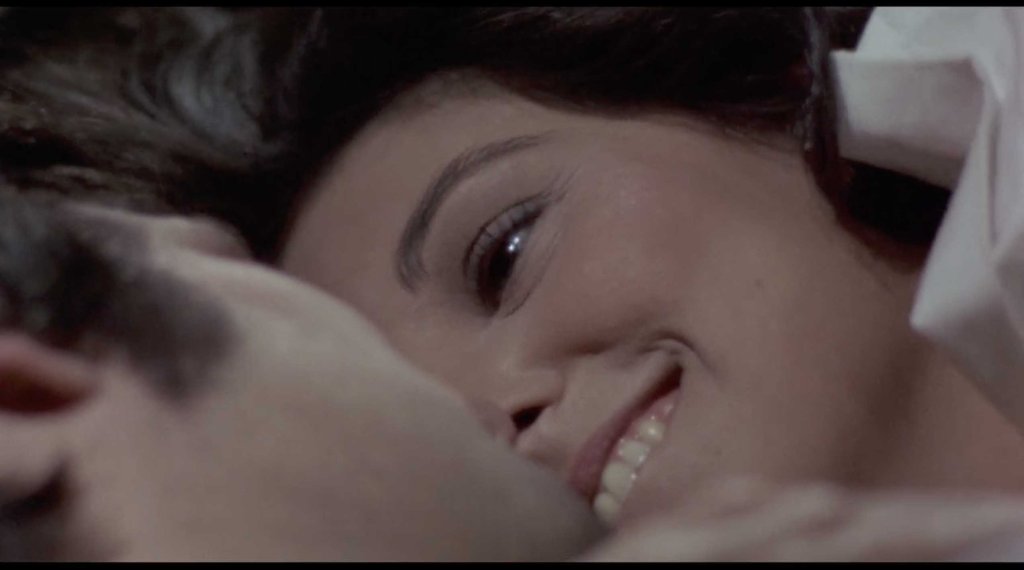
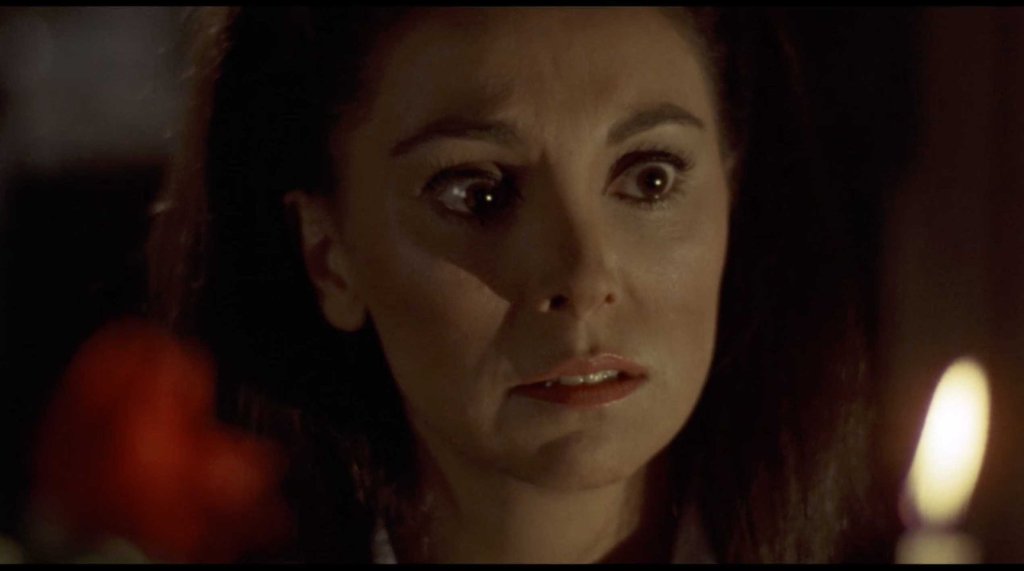
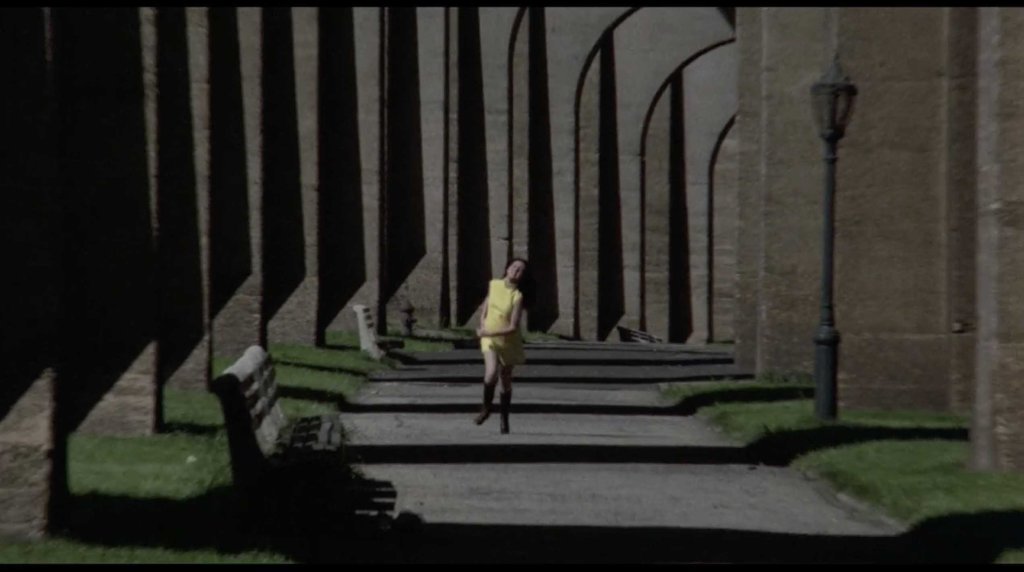
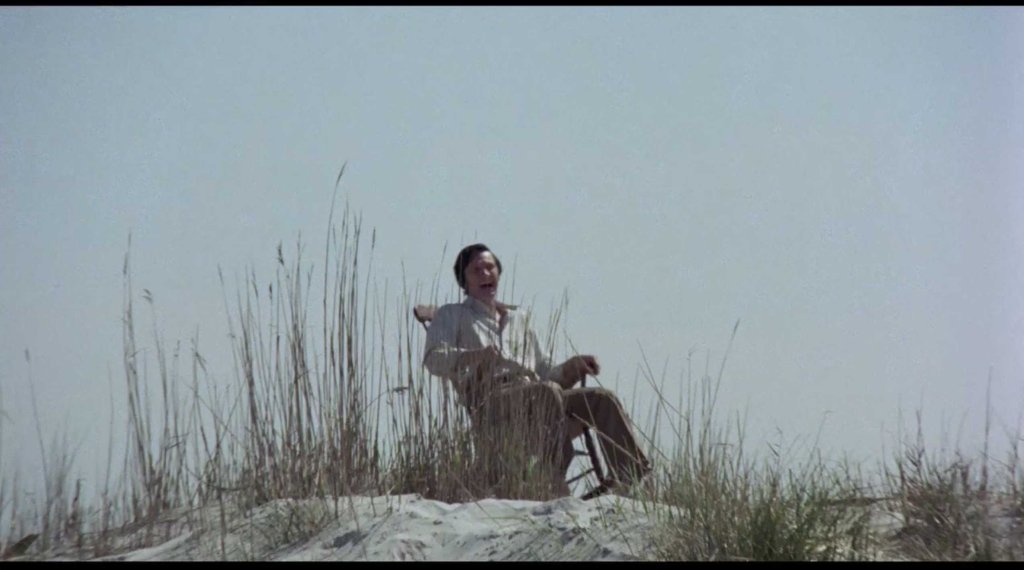
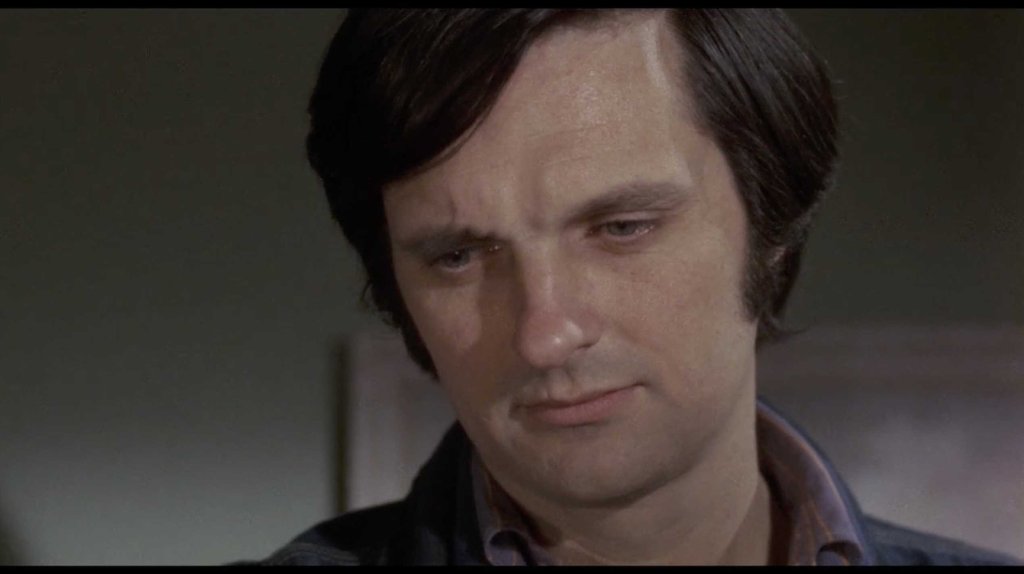
“Jenny” is, at heart, an old-fashioned film — one that gently accumulates the trappings of late-1960s modernity without ever fully surrendering to them. It nods to the era’s shifting attitudes toward marriage, pregnancy, and the Vietnam War, but always with one foot firmly planted in the reassuring conventions of classic Hollywood romance. The result is a film that courts sentimentality as much as it courts social relevance, inviting its audience to feel their way through the story rather than interrogate it. And yet in that tension — between the world it acknowledges and the world it wants to believe in — “Jenny” finds a quiet honesty that lingers long after the music box stops playing.
Since we are big fans of Harry Nilsson, it’s noteworthy that he recorded the soundtrack, including the main theme.
No Trailer Found.

