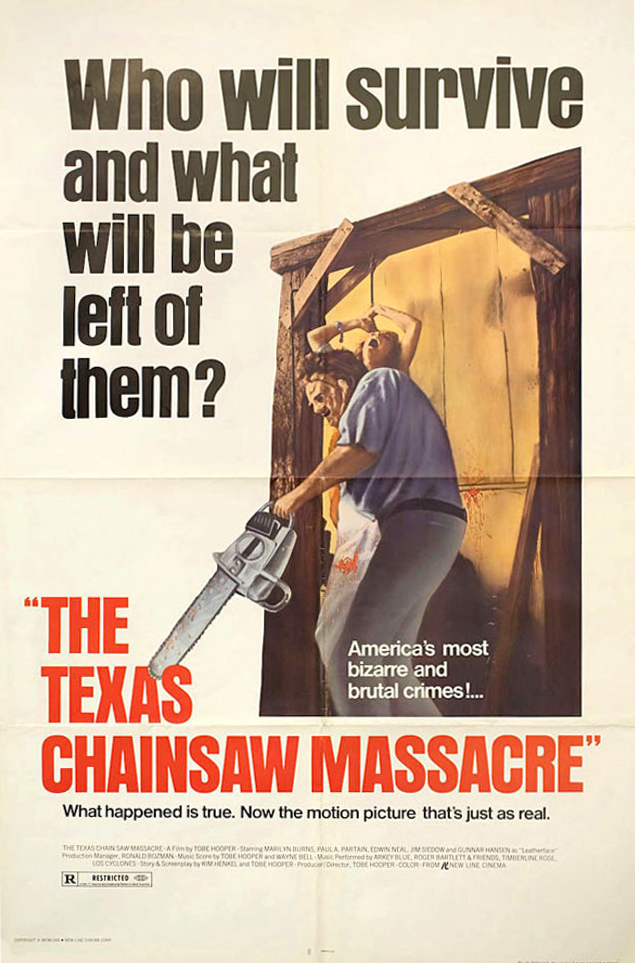
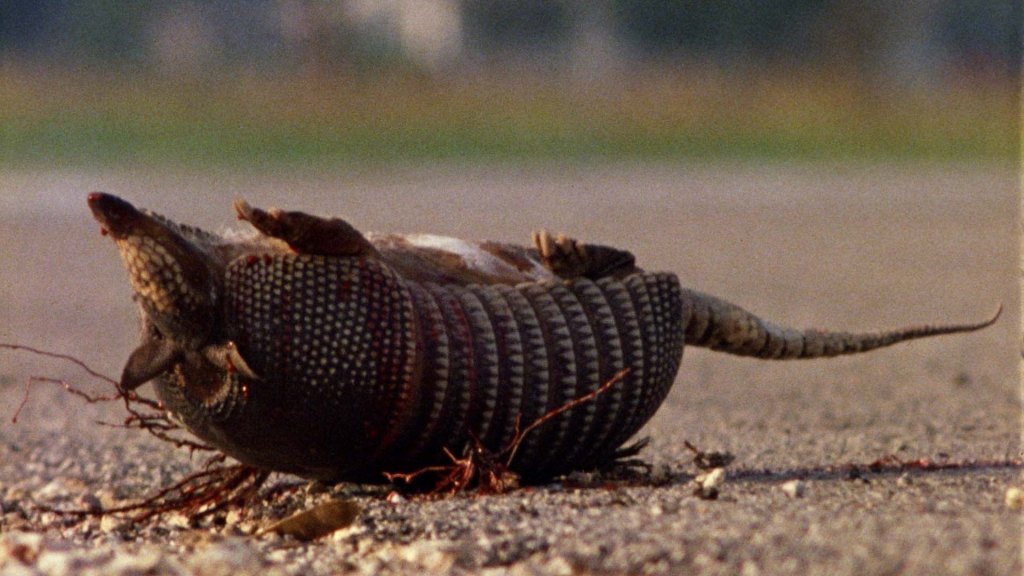
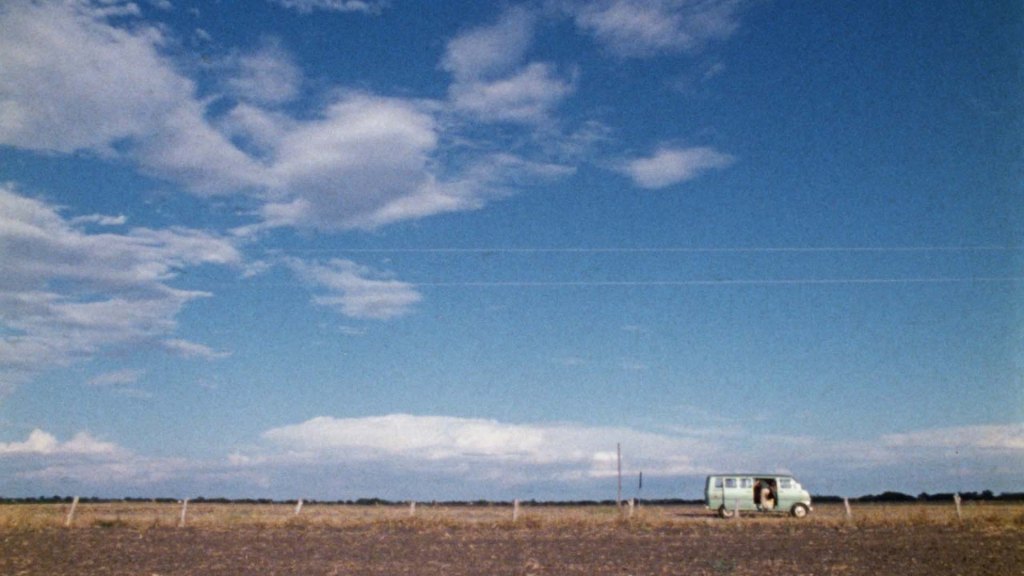
“The Texas Chainsaw Massacre” is a groundbreaking horror film released in 1974 and directed by Tobe Hooper. The story follows a group of young friends traveling through rural Texas who become the targets of a family of cannibalistic killers. Renowned for its relentless tension and raw, documentary-like style, the film delves into themes of violence, social decay, and the decline of rural America.
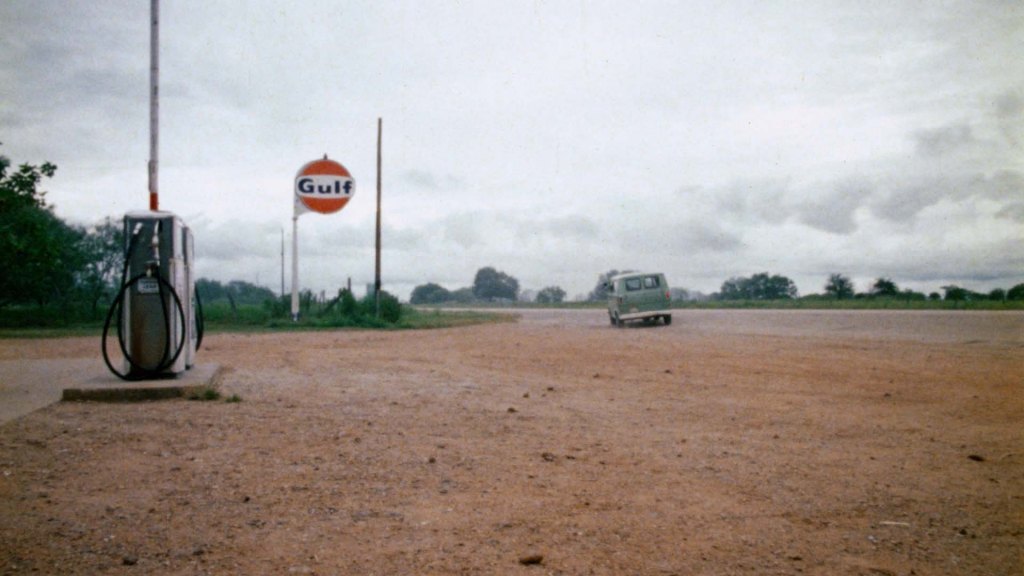
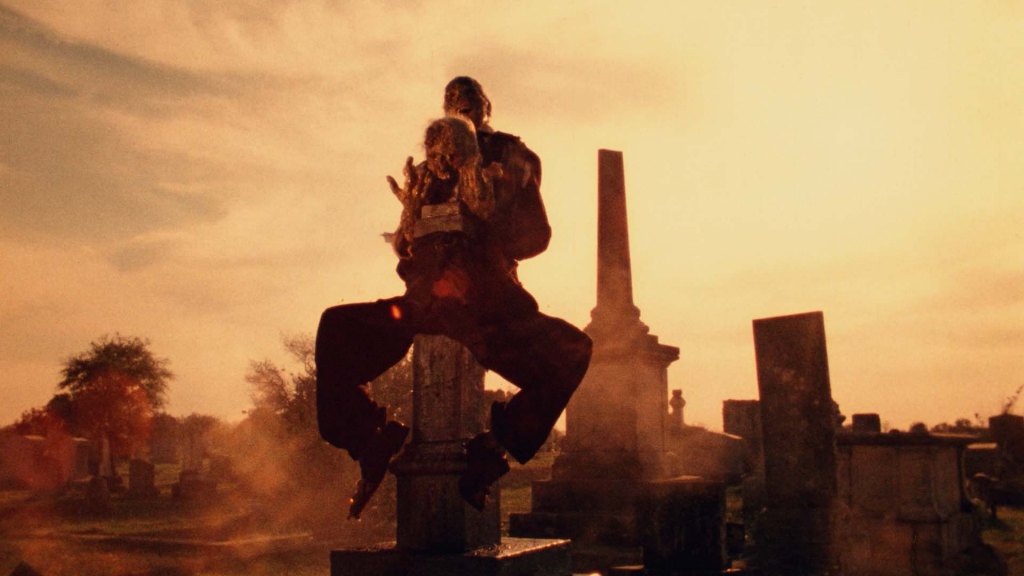
The story begins with a disturbing narration describing a series of grave robberies and bizarre acts of vandalism across rural Texas. Photographs of mutilated corpses and desecrated graves set a grim tone, suggesting that something deeply sinister is unfolding in the region.
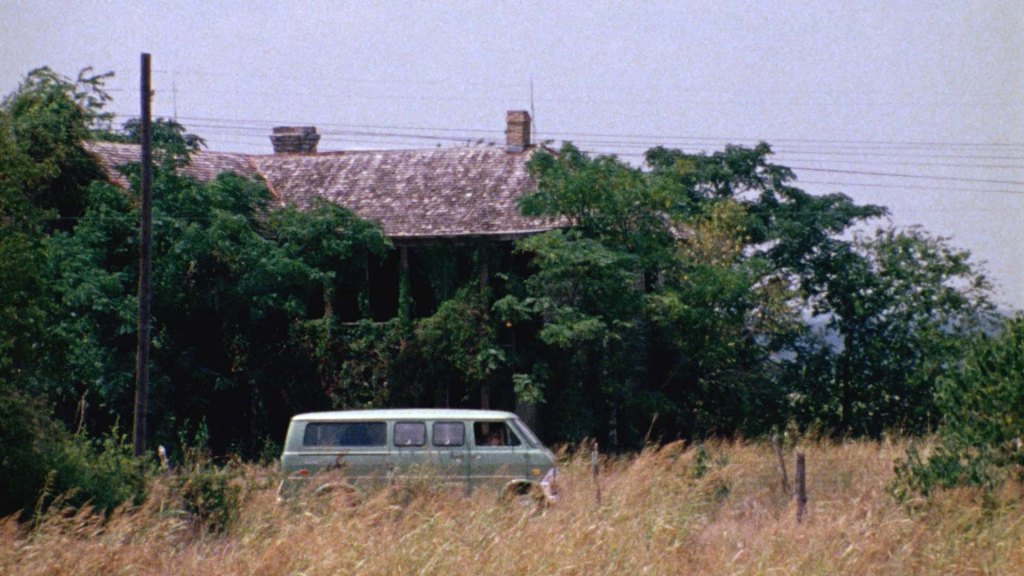
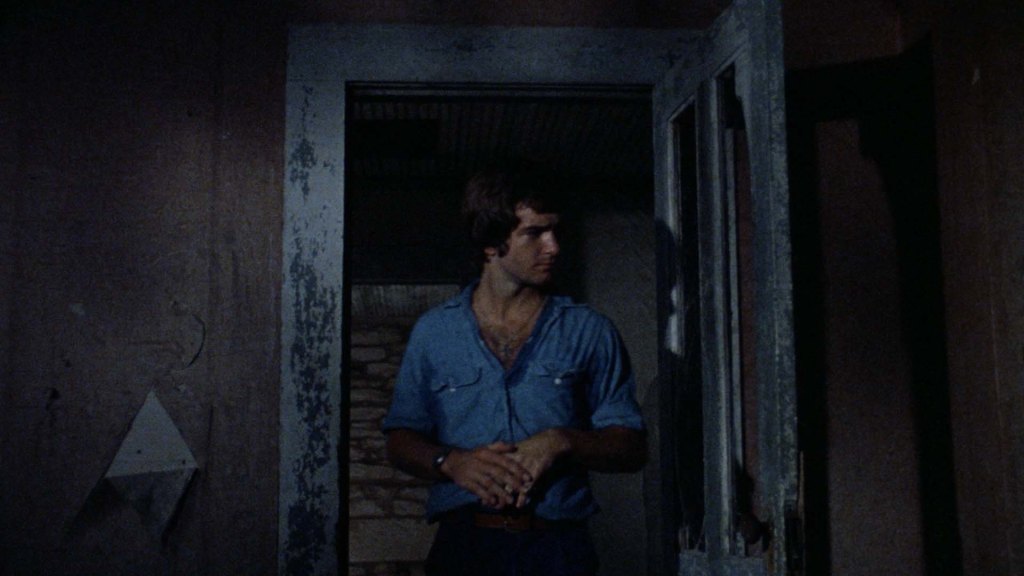
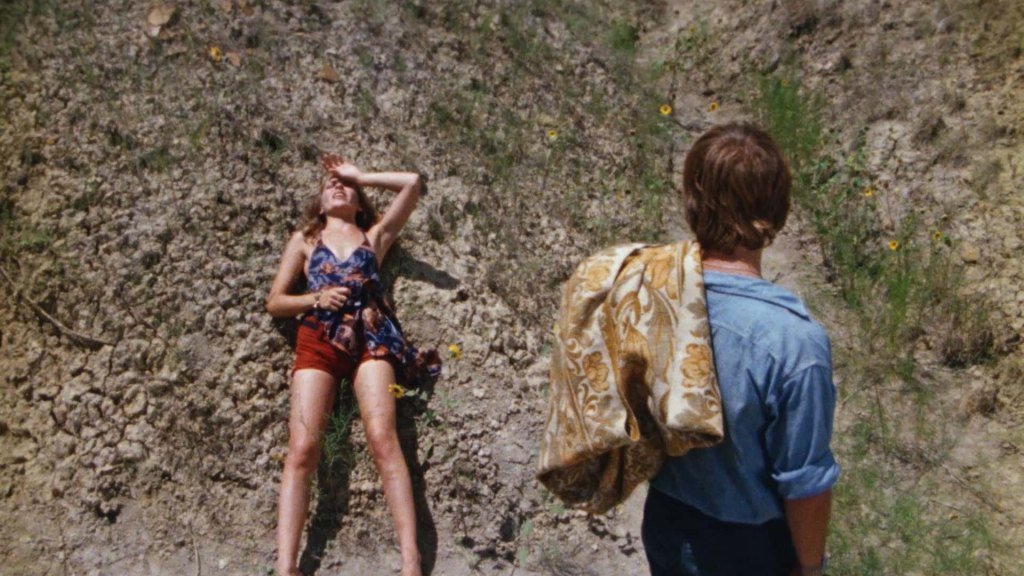
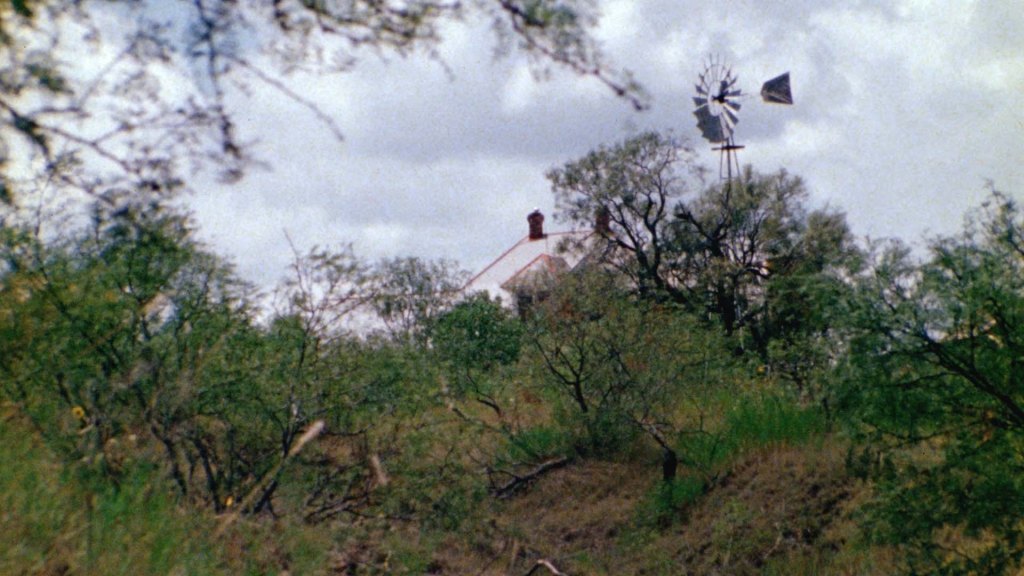
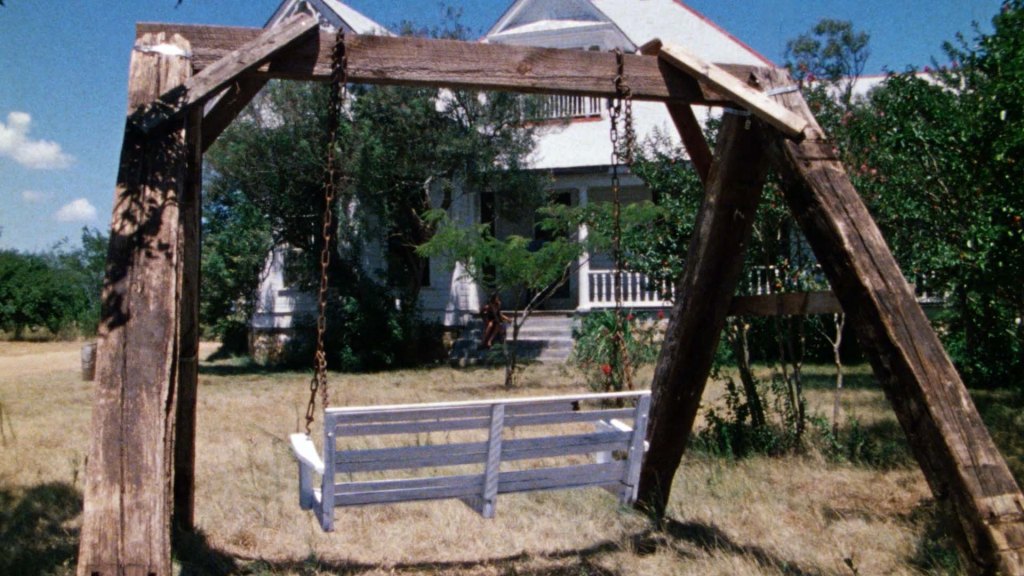
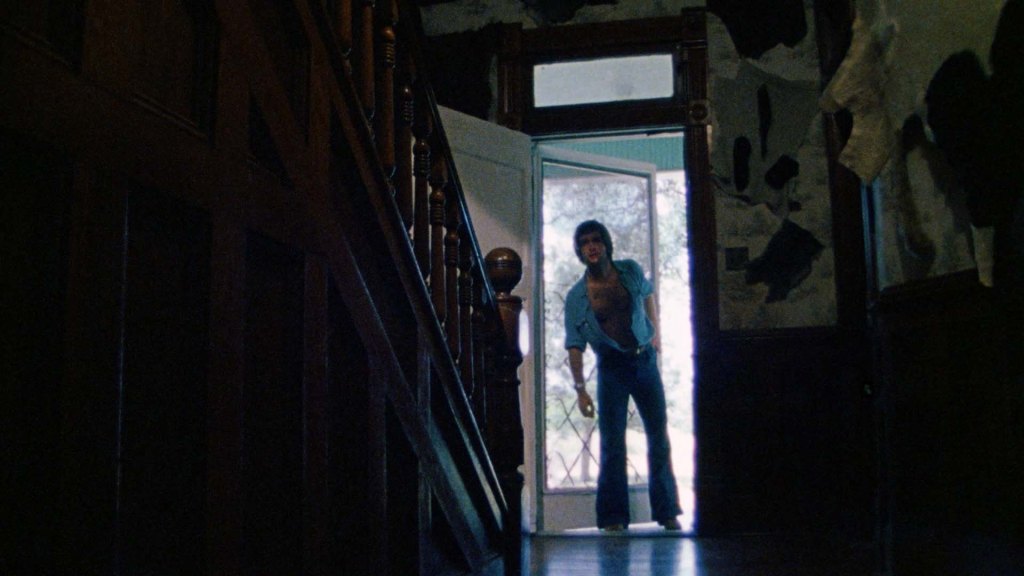
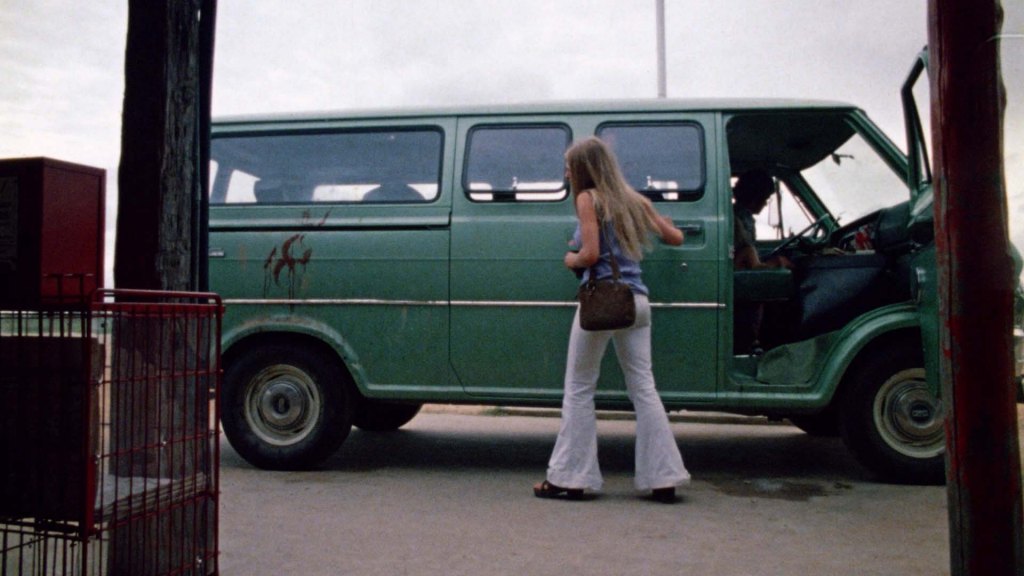
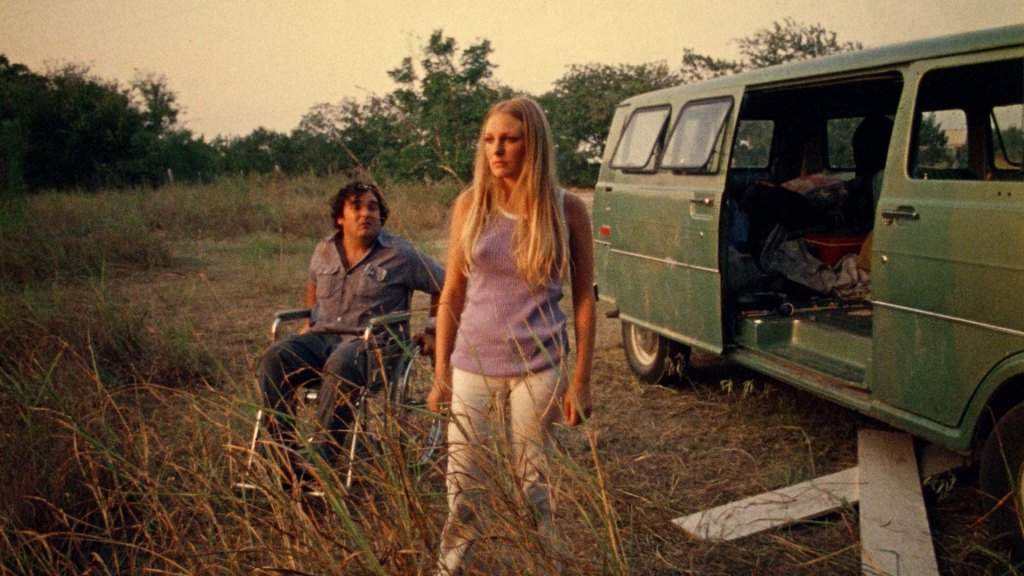
A group of five young travelers—Sally Hardesty (played by Marilyn Burns), her wheelchair-bound brother Franklin (Paul A. Partain), and their friends Jerry (Allen Danziger), Kirk (William Vail), and Pam (Teri McMinn)—are driving through the Texas countryside in a van. They are headed to the Hardesty family’s old farmhouse after hearing reports of vandalized graves in a nearby cemetery.
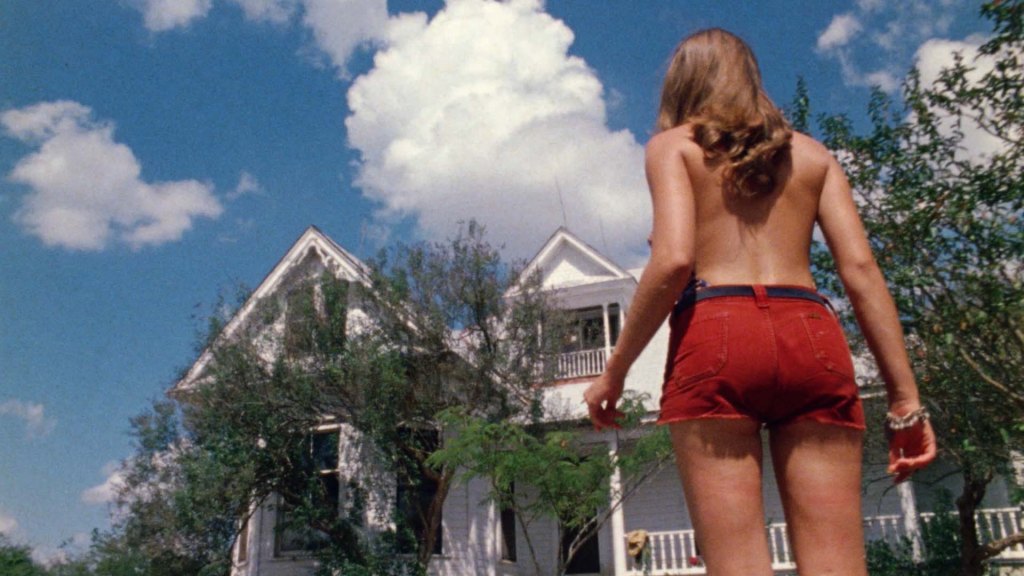
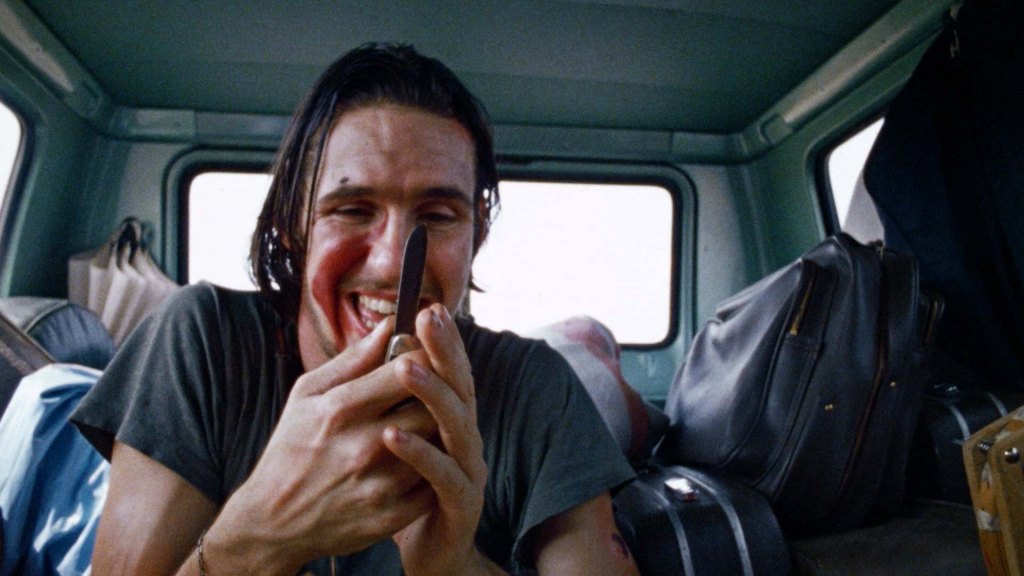
As they are driving down the road, the group picks up a strange hitchhiker named Edwin Neal, whose erratic behavior quickly makes them uneasy. He speaks in cryptic terms about slaughterhouses and the methods used to kill livestock. In a shocking moment, he cuts his own hand and smears the blood on the van before attacking Franklin with a straight razor. Terrified, the group forces him out of the vehicle and continues their journey, deeply unsettled by the encounter.
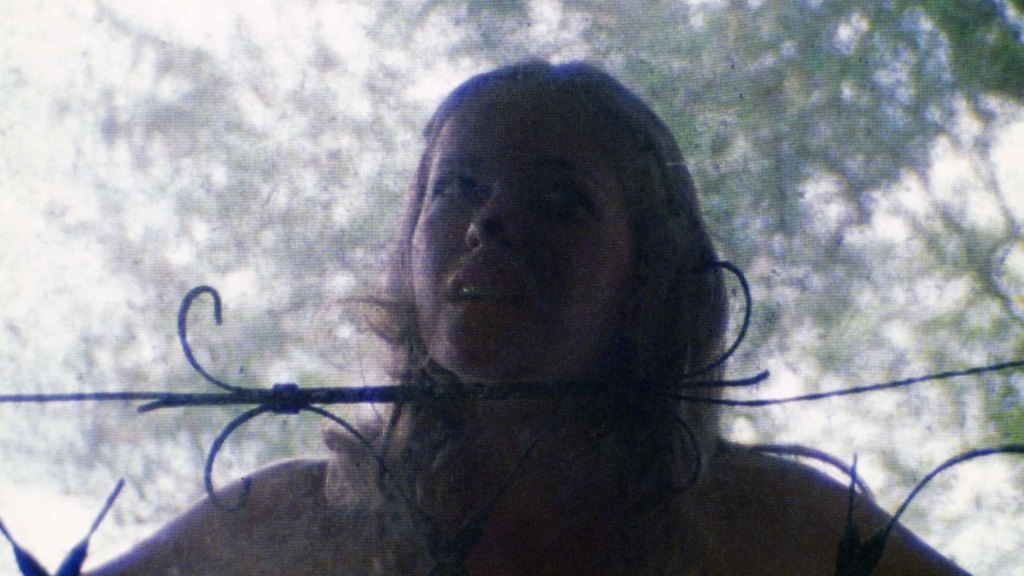
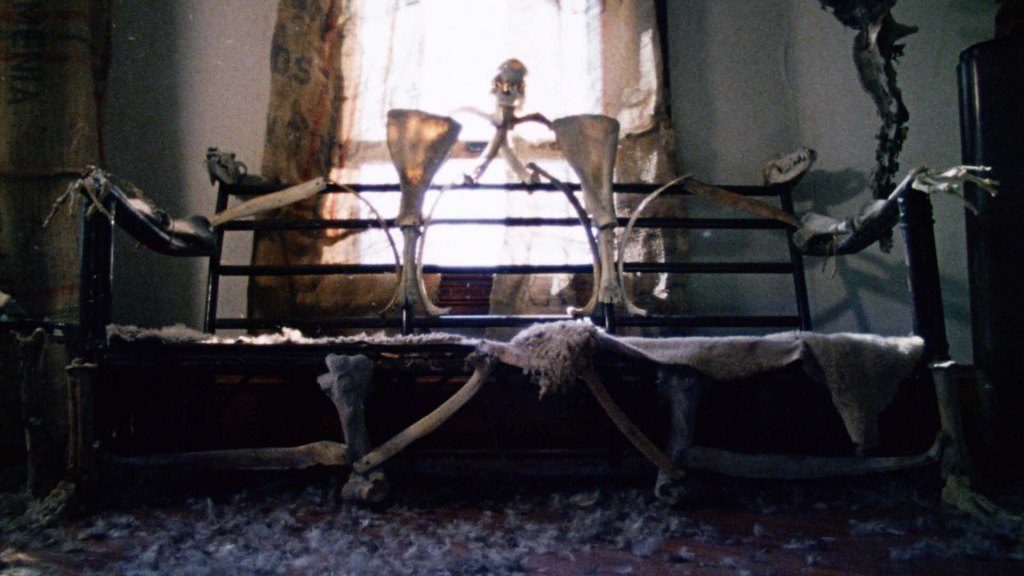
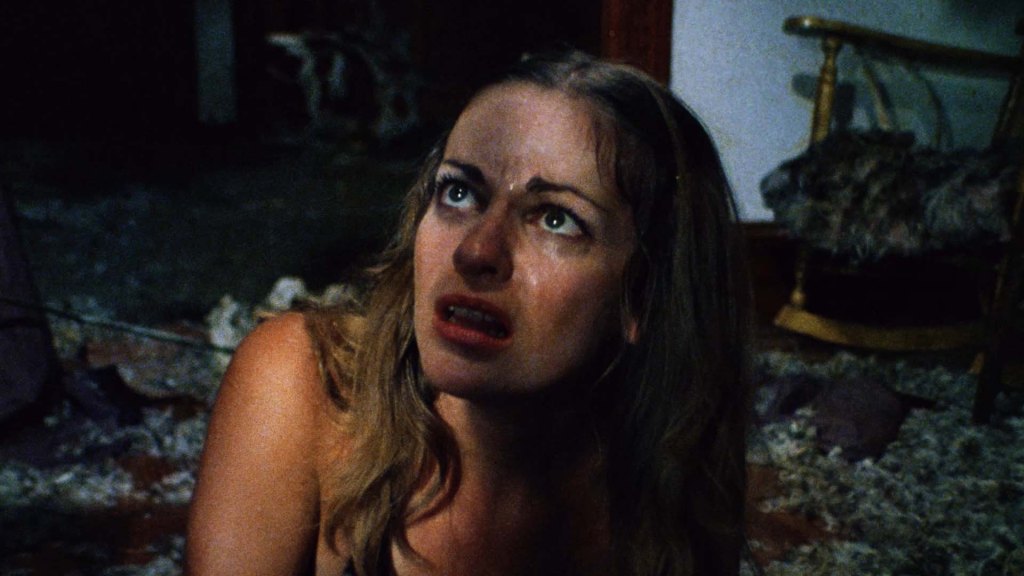
Eventually, they arrive at the abandoned Hardesty family farmhouse. The house looks neglected but harmless, so the group begins exploring the surrounding area. Running low on fuel, Kirk and Pam decide to visit a nearby house they believe belongs to friendly locals who might sell them gasoline.
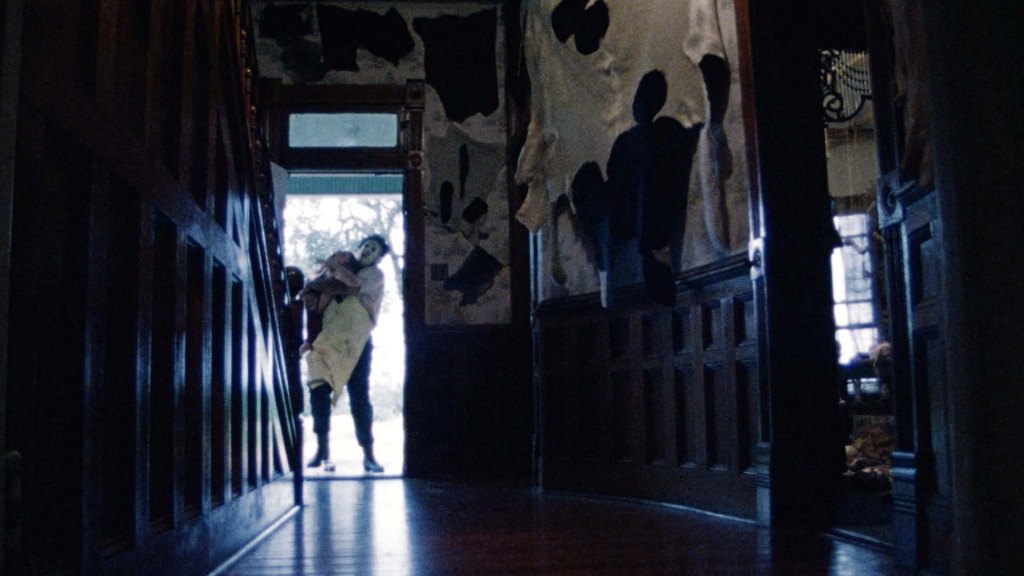
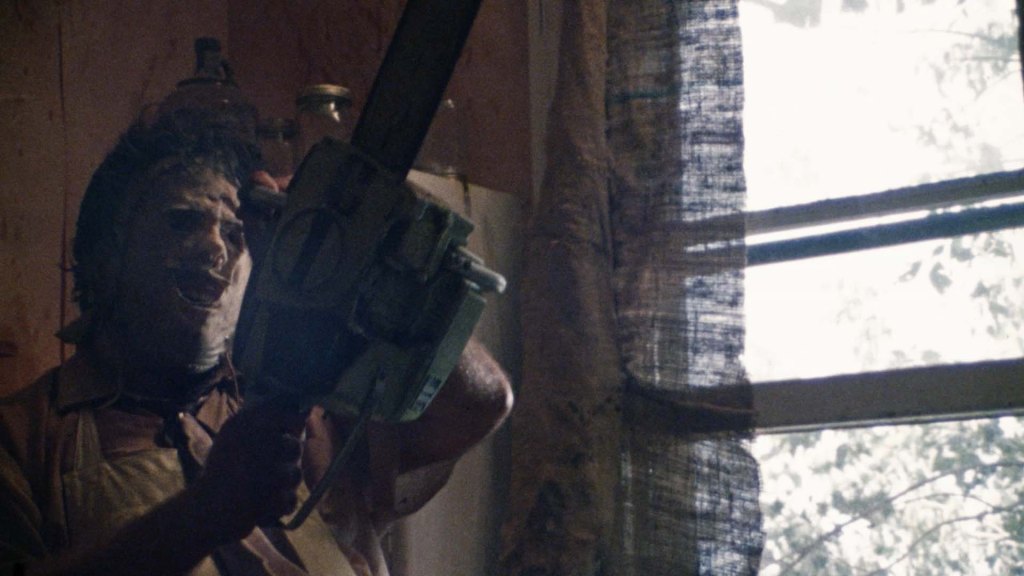
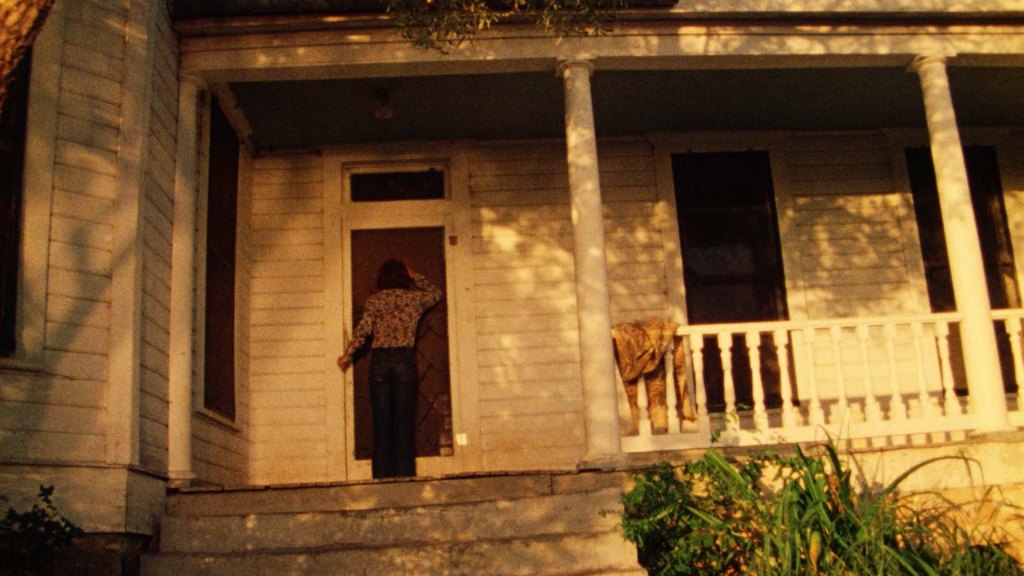
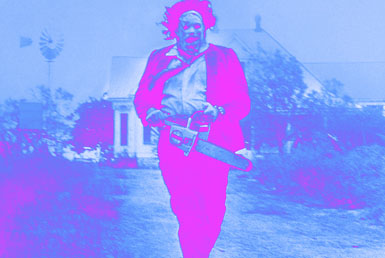
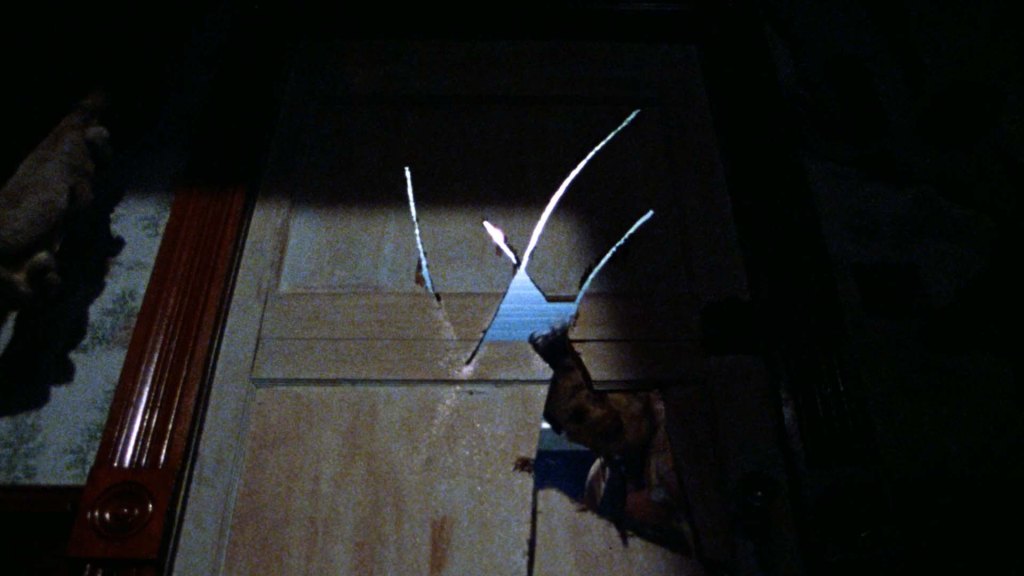
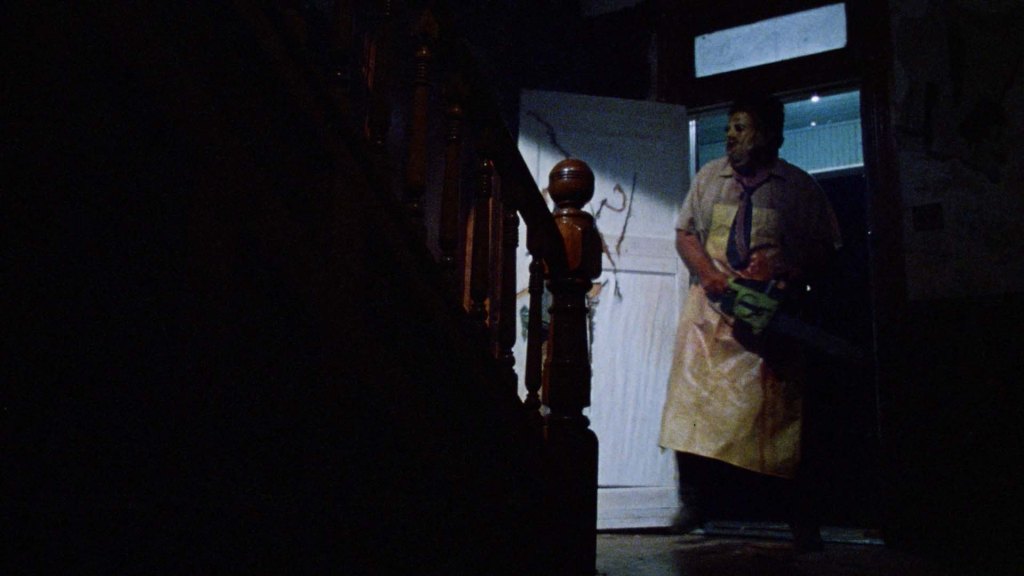
Unbeknownst to them, they enter the territory of a grotesque and violent family. Inside the neighboring farmhouse, Kirk is suddenly attacked and killed by a towering figure wearing a mask made of human skin—Leatherface (Gunnar Hansen). Armed with a sledgehammer and later a chainsaw, Leatherface drags Kirk’s body into the house and slams a heavy metal door shut, sealing the horror inside.
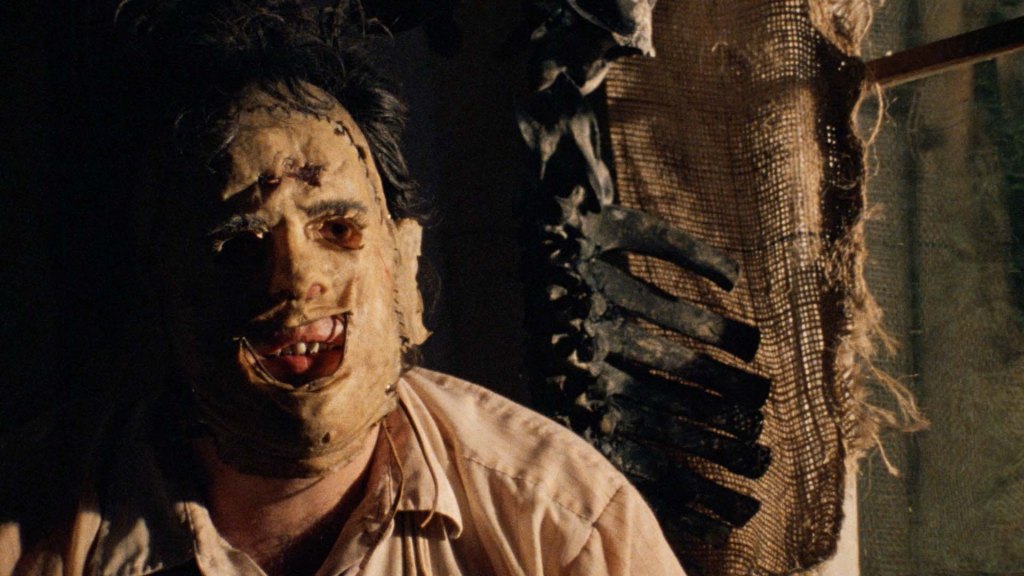
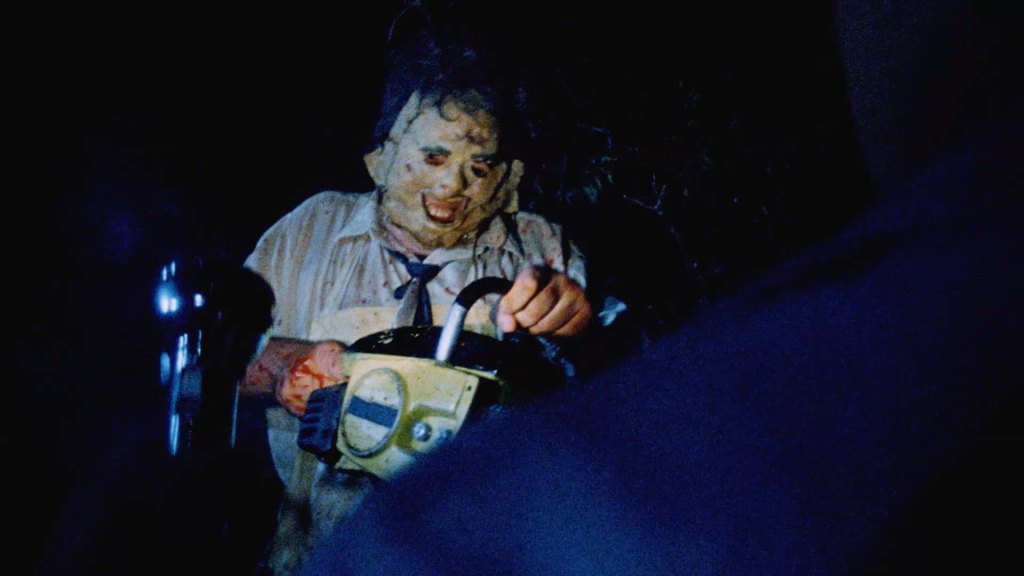
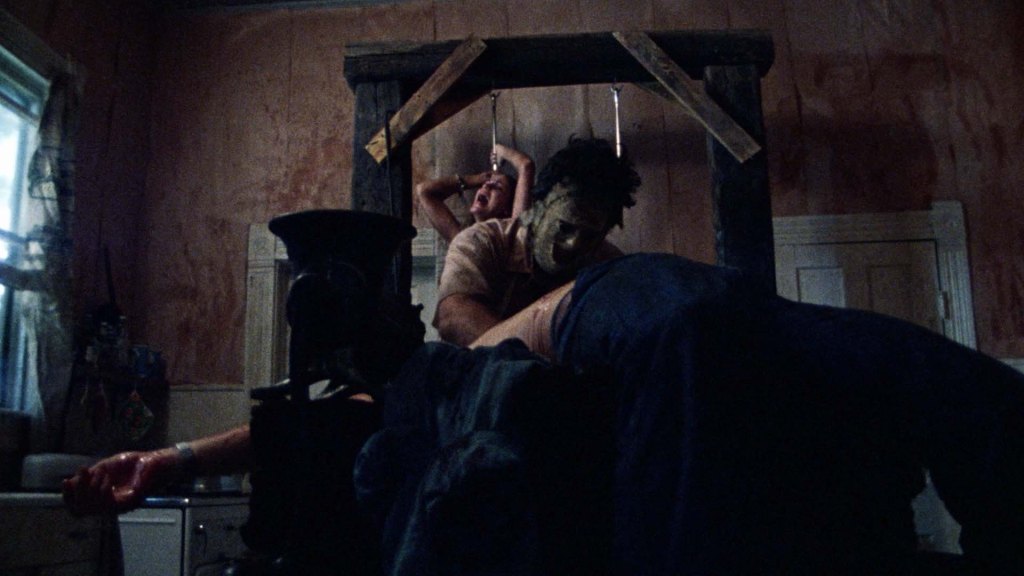
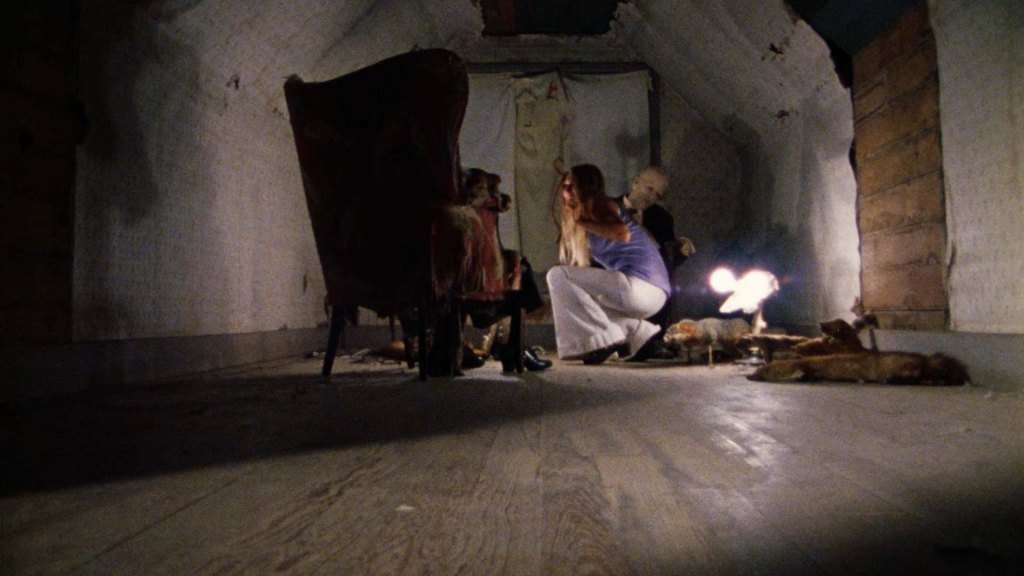
When Pam goes looking for Kirk, she too is captured and hung on a meat hook in a nightmarish room filled with bones, feathers, and decaying remains. Leatherface methodically butchers Kirk with a chainsaw while Pam helplessly watches.
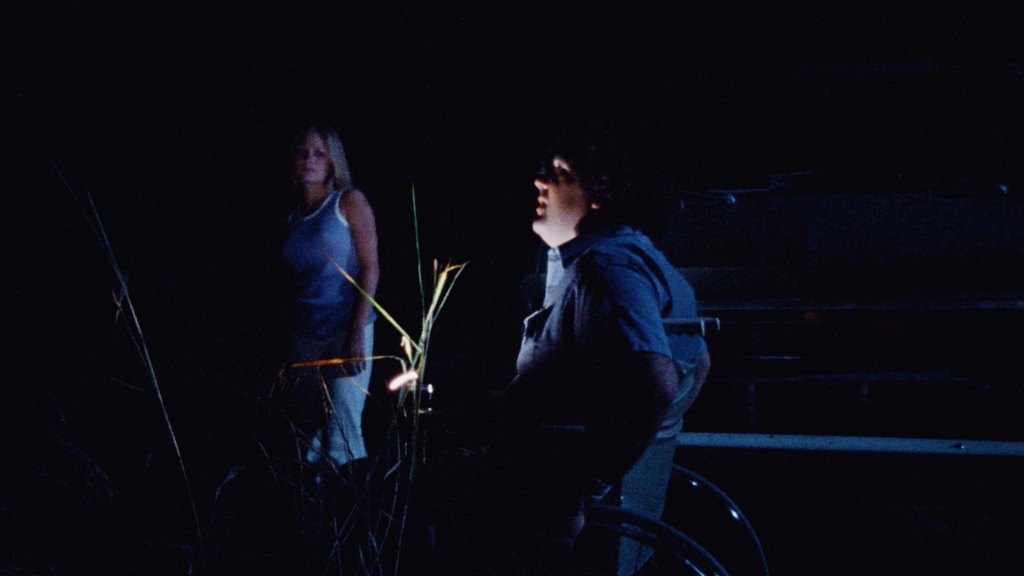
Back at the farmhouse, Sally and Franklin grow worried when their friends fail to return. As night falls, they go searching for them, only to stumble onto the killers’ property. In one of the film’s most famous scenes, Leatherface emerges from the darkness and kills Franklin with a chainsaw in a sudden, brutal attack.
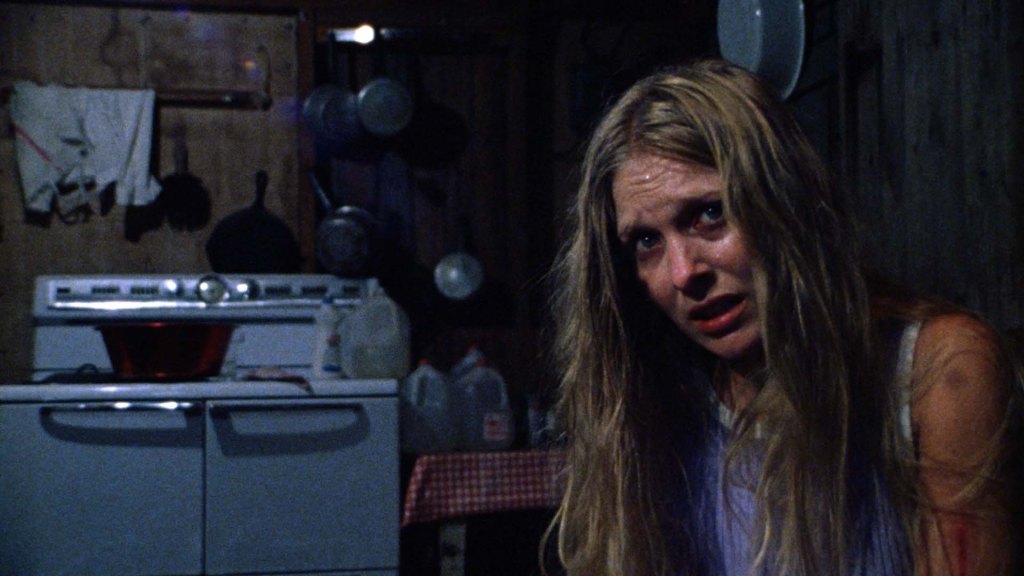
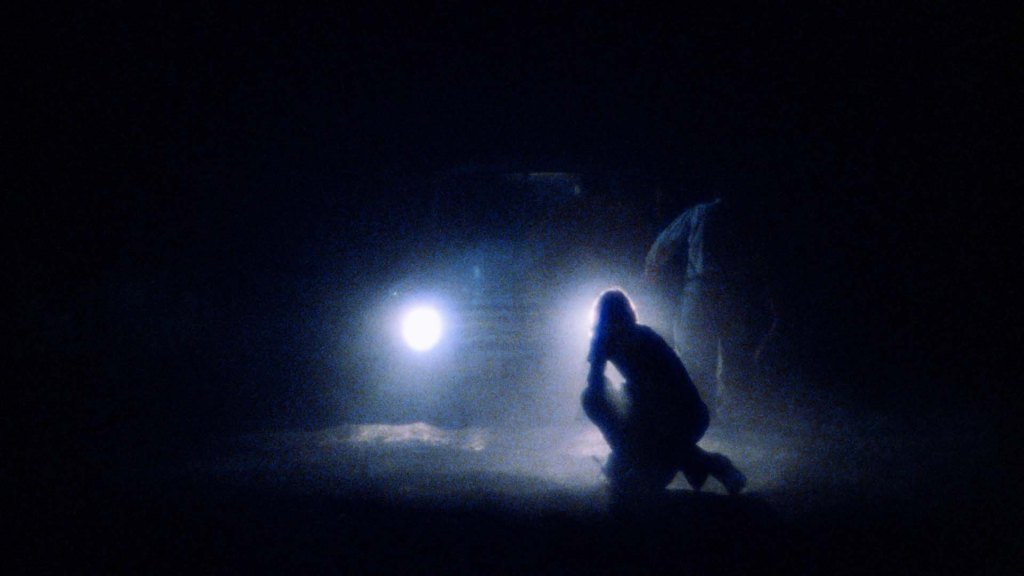
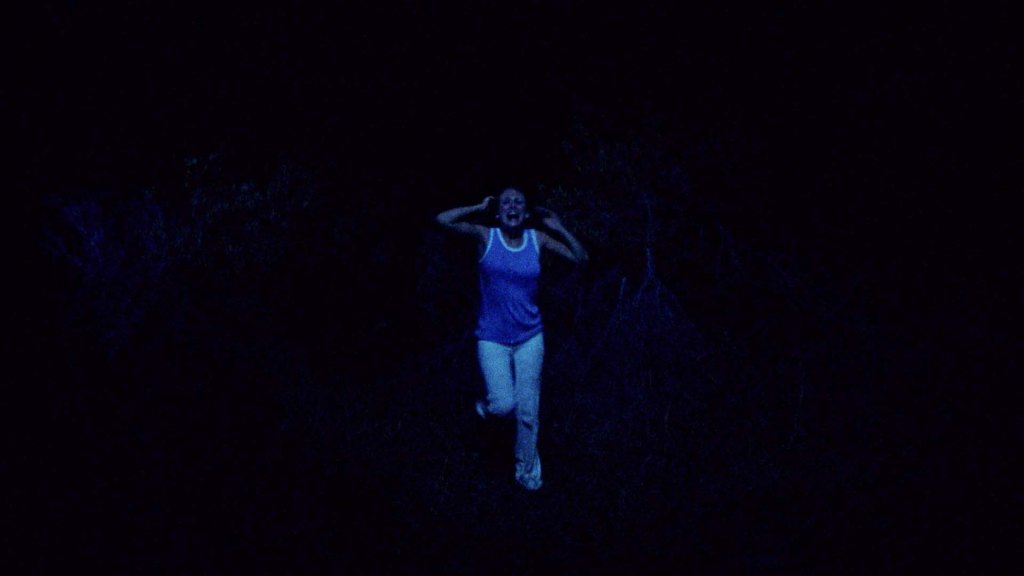
Sally flees in terror through the woods, pursued relentlessly by Leatherface. Eventually, she reaches the house of the earlier hitchhiker, who turns out to be part of the same murderous family. The hitchhiker captures her and brings her back to the farmhouse, where the full extent of the family’s madness is revealed.
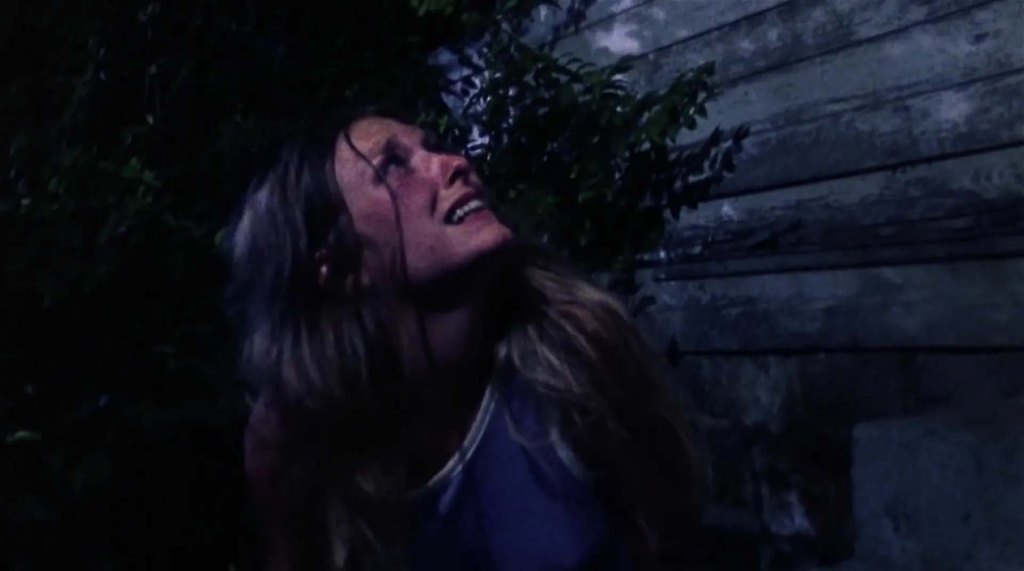
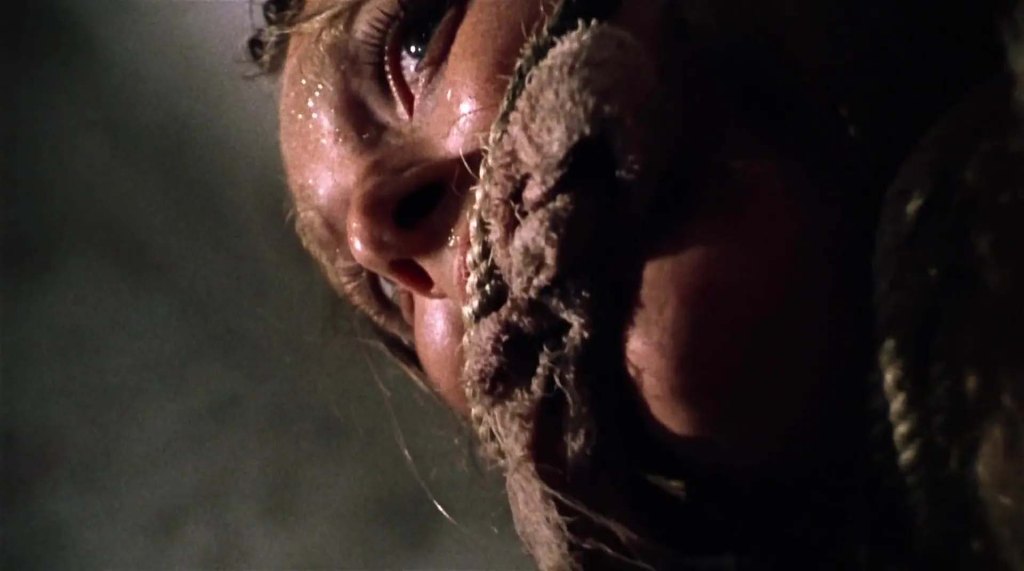
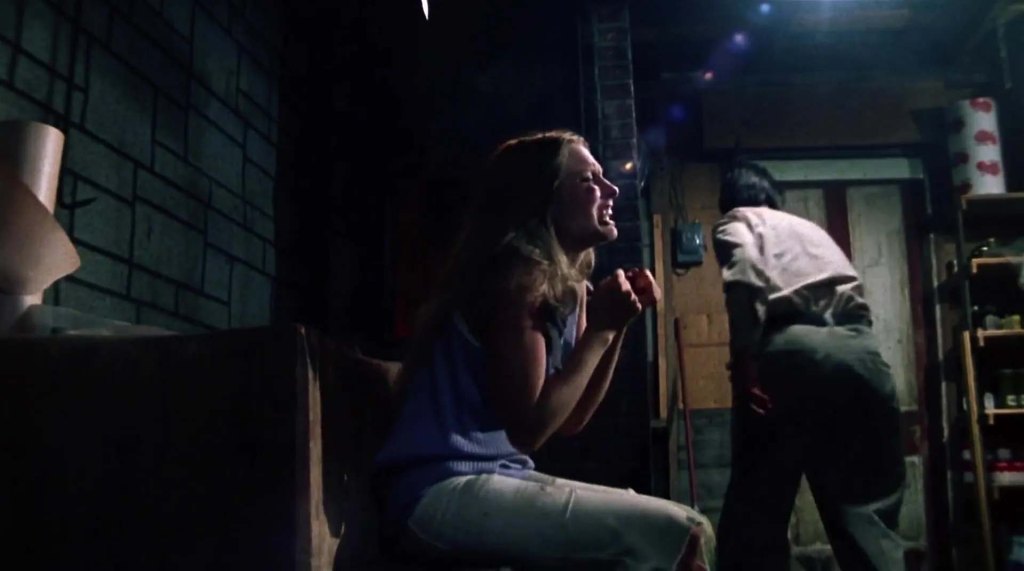
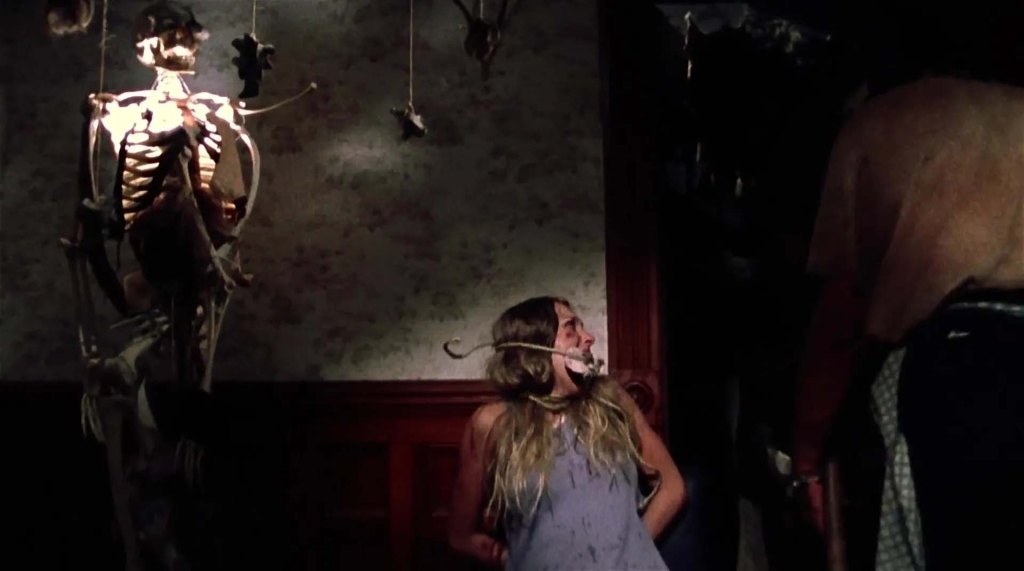
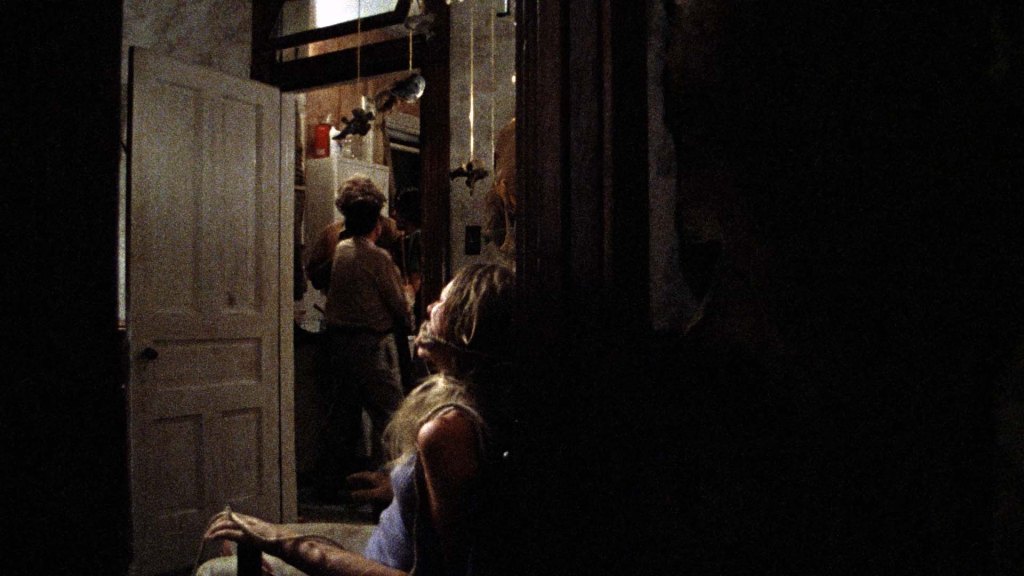
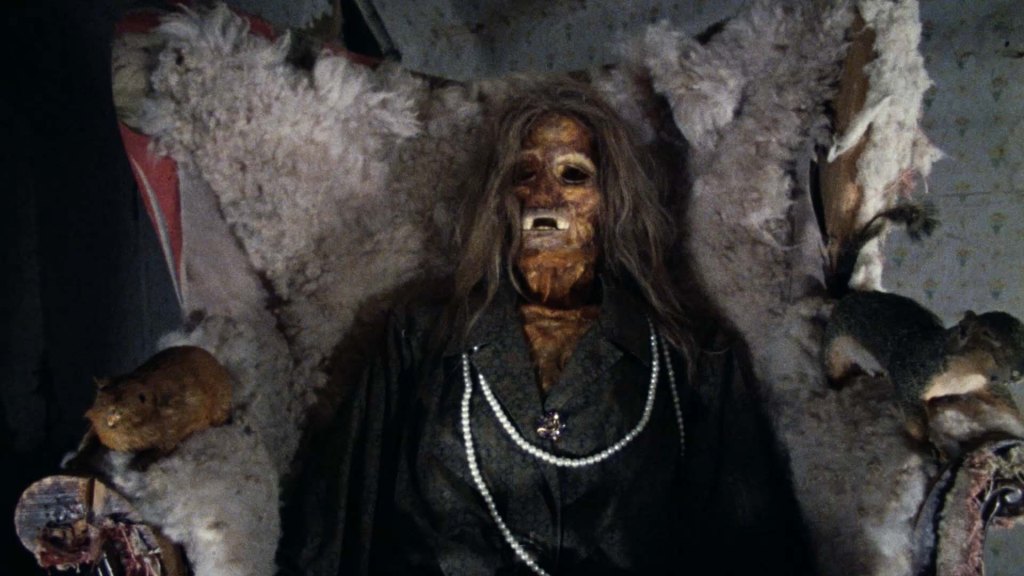
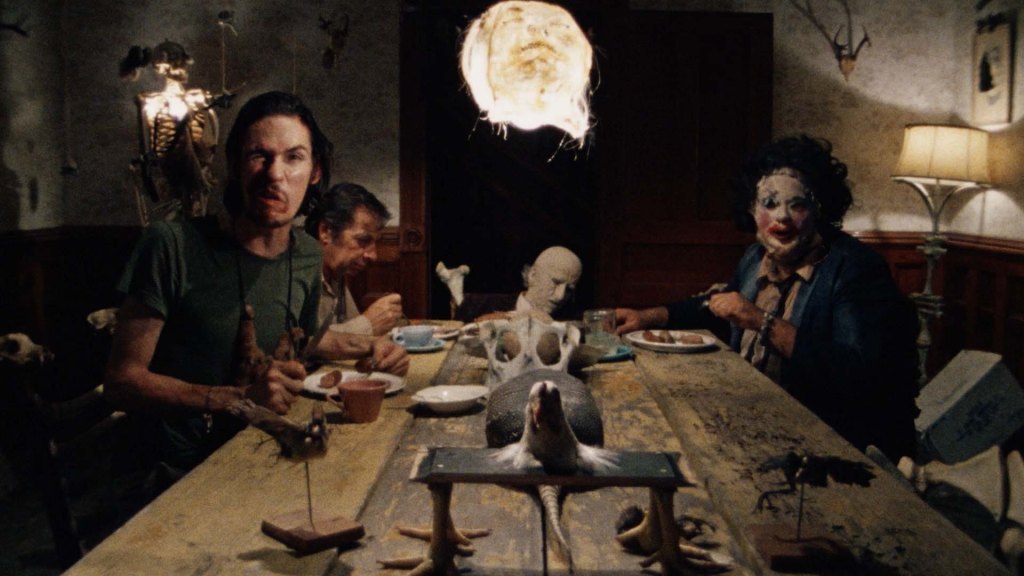
Sally is forced to endure a horrifying dinner scene with the grotesque clan. The group includes Leatherface, the hitchhiker, and their nearly mummified grandfather, once a legendary slaughterhouse worker. The family taunts and tortures Sally, mocking her screams and planning to have the elderly grandfather kill her with a hammer to prove he still possesses his old strength.
Terrified and hysterical, Sally manages to break free and escape from the house. She runs onto the road as dawn approaches, where a passing truck driver briefly intervenes and injures Leatherface by striking him with a wrench. Sally eventually flags down a pickup truck and climbs into its bed as it speeds away.
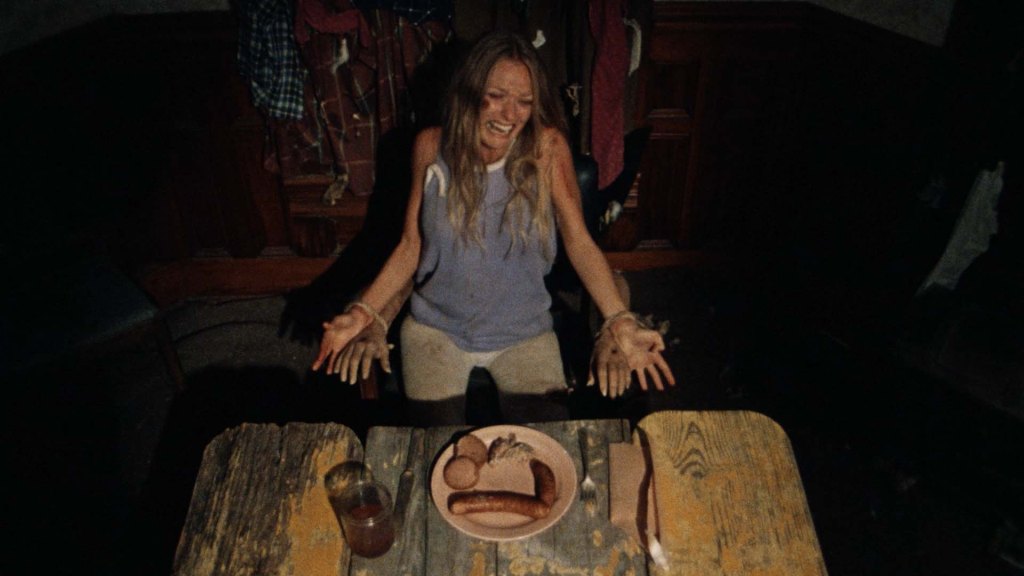
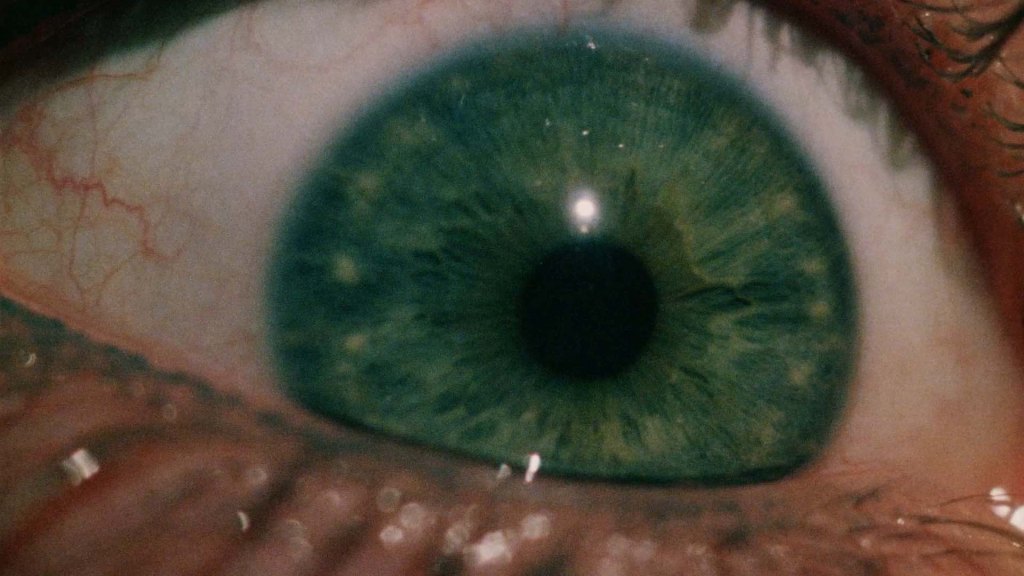
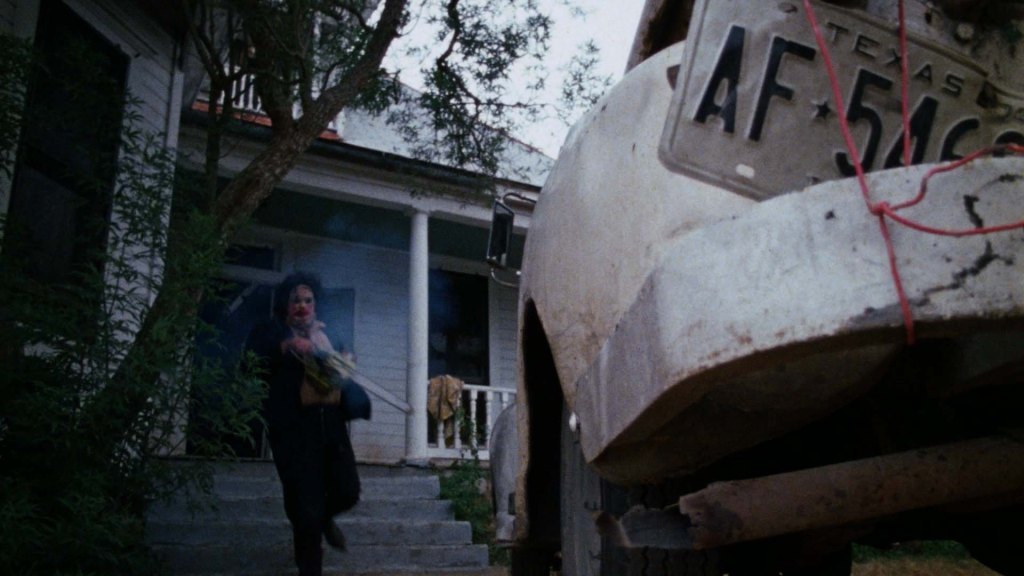
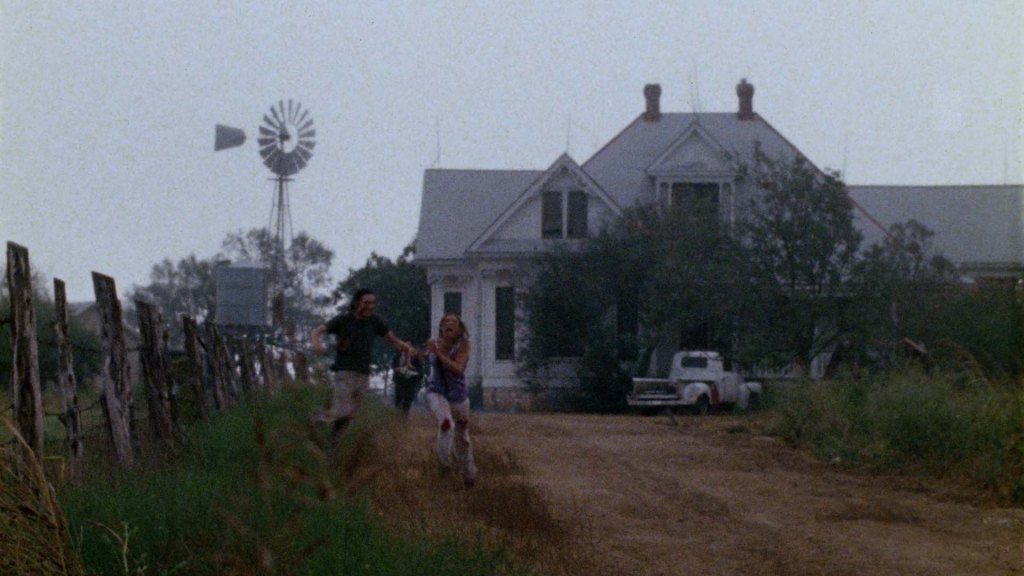
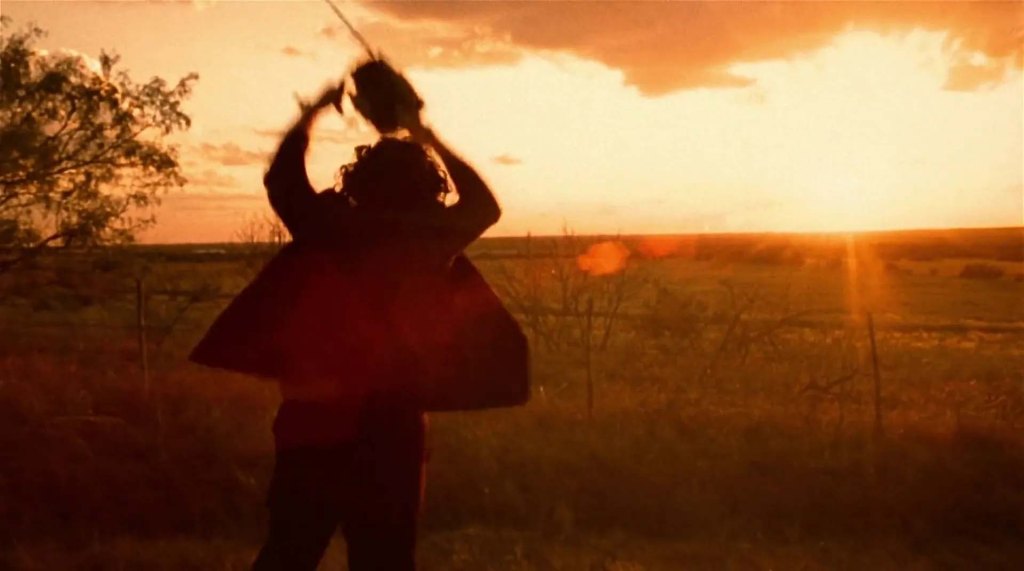
The film ends with Sally hysterically laughing and crying in shock as she escapes down the highway, while Leatherface, enraged and wounded, swings his chainsaw wildly in the rising sun.
Loosely inspired by the crimes of serial killer Ed Gein, “The Texas Chainsaw Massacre” became one of the most influential horror films ever made. Its gritty realism, documentary-style filmmaking, and relentless tension helped define the modern slasher genre.