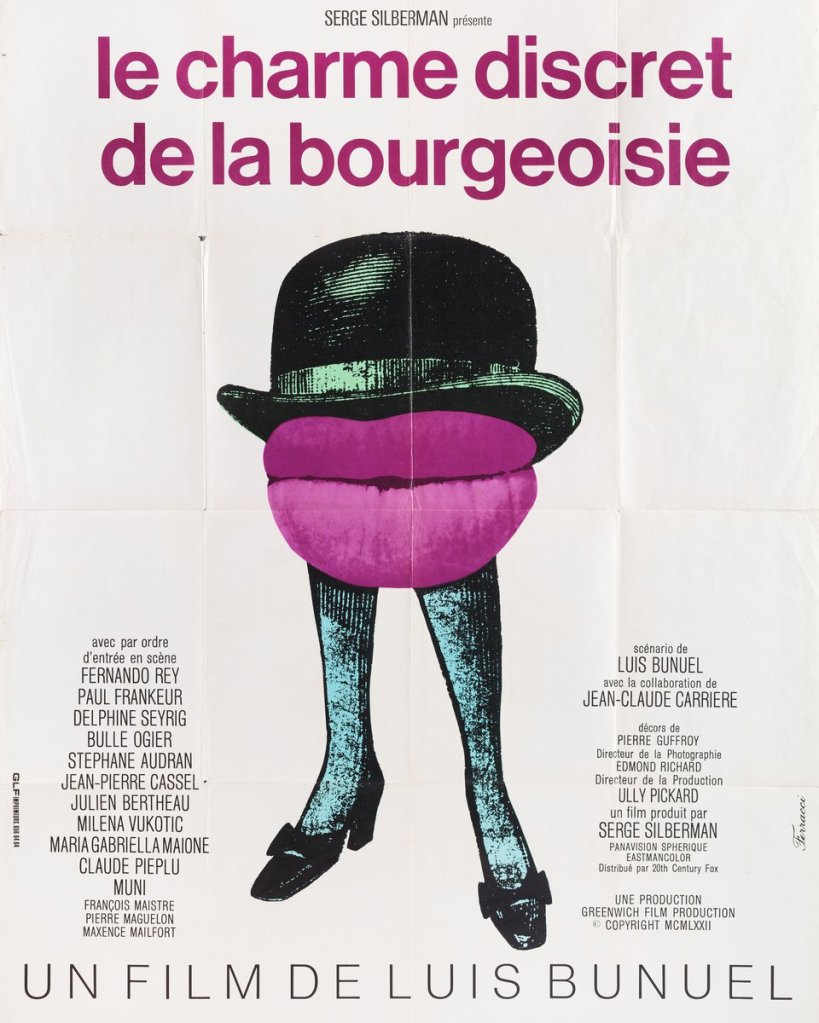
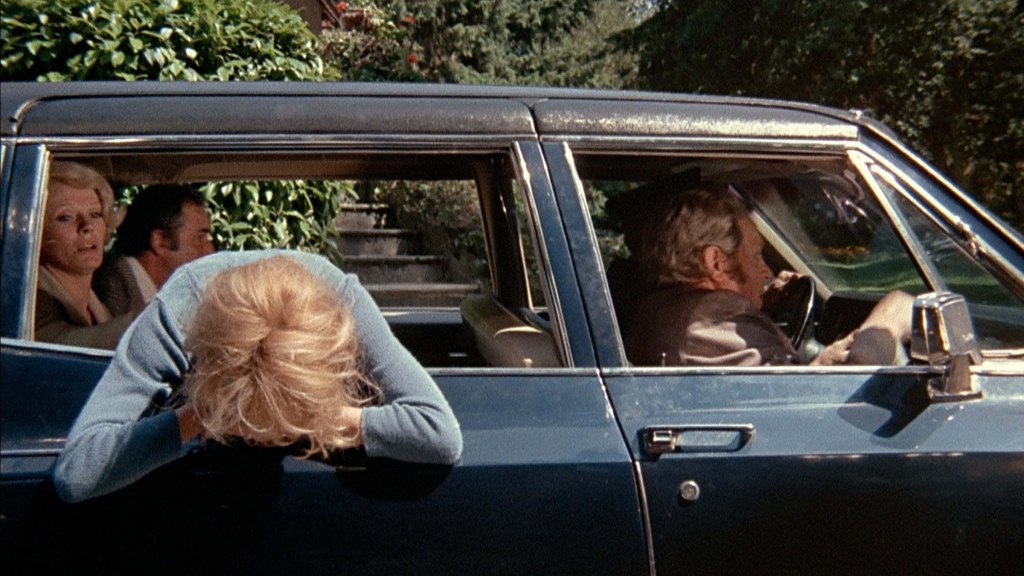
“The Discreet Charm of the Bourgeoisie” is a 1972 surreal satirical comedy directed by Luis Buñuel in which a group of affluent friends repeatedly attempt—and continually fail—to sit down and enjoy a proper dinner together. Through a series of absurd interruptions, dreams within dreams, and bizarre coincidences, Luis Buñuel constructs a sharp critique of upper-middle-class social rituals, hypocrisy, and complacency.
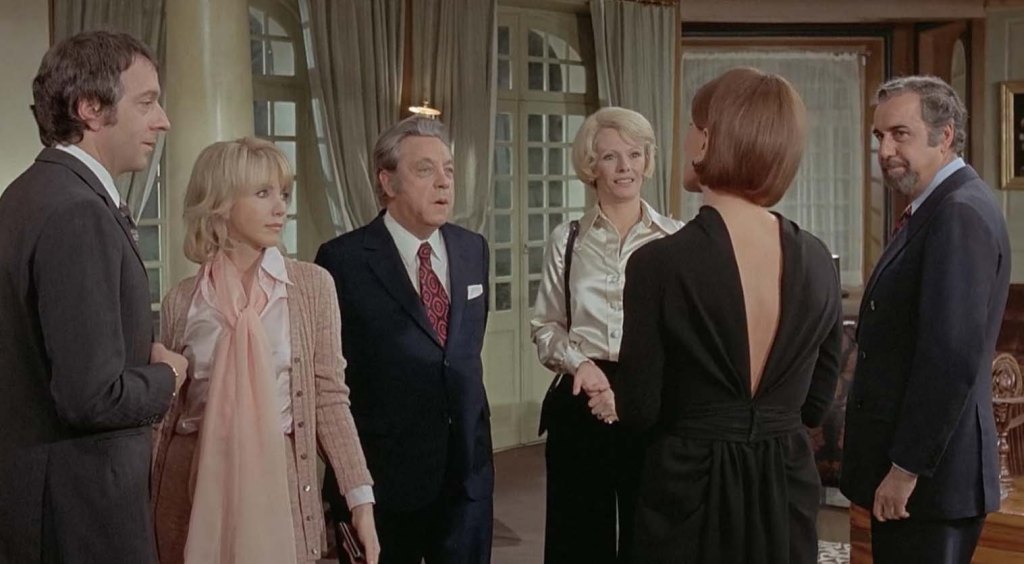
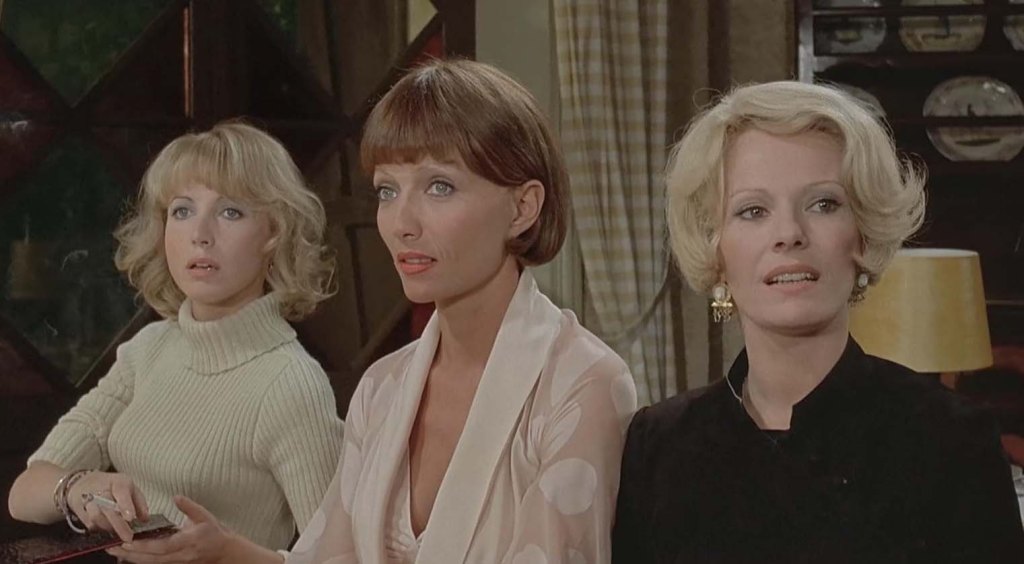
The story revolves around six affluent acquaintances: diplomat Rafael Acosta (played by Fernando Rey), the elegant couple François and Simone Thévenot (portrayed by Jean-Pierre Cassel and Stéphane Audran), Henri and Alice Sénéchal (played by Paul Frankeur and Delphine Seyrig), and Simone’s sister, Florence (played by Bulle Ogier). This group forms a close-knit social circle typical of the comfortable European bourgeoisie—polished, polite, and deeply invested in etiquette and social status.
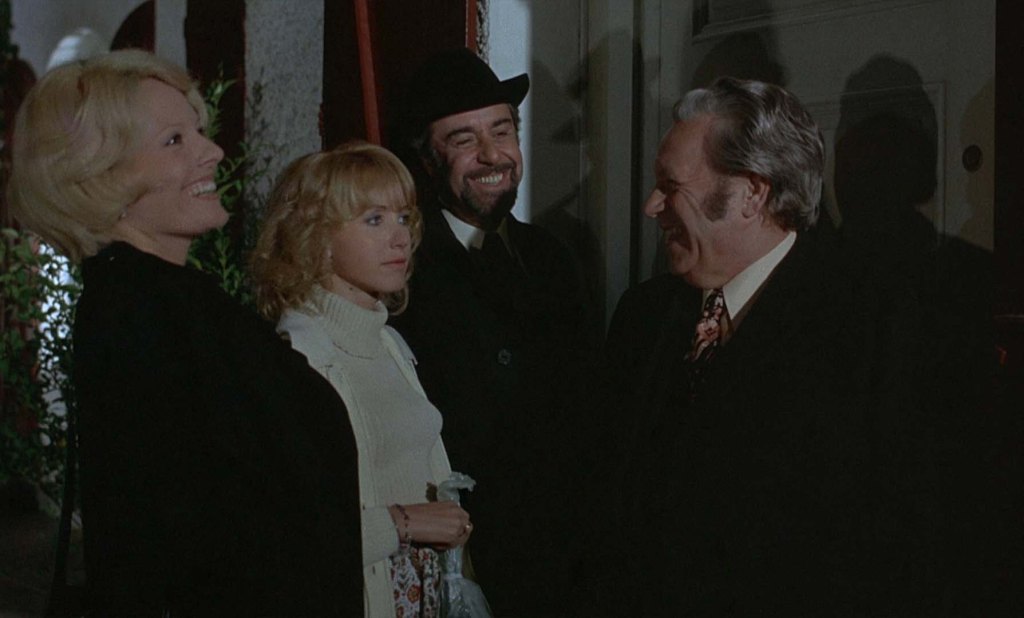
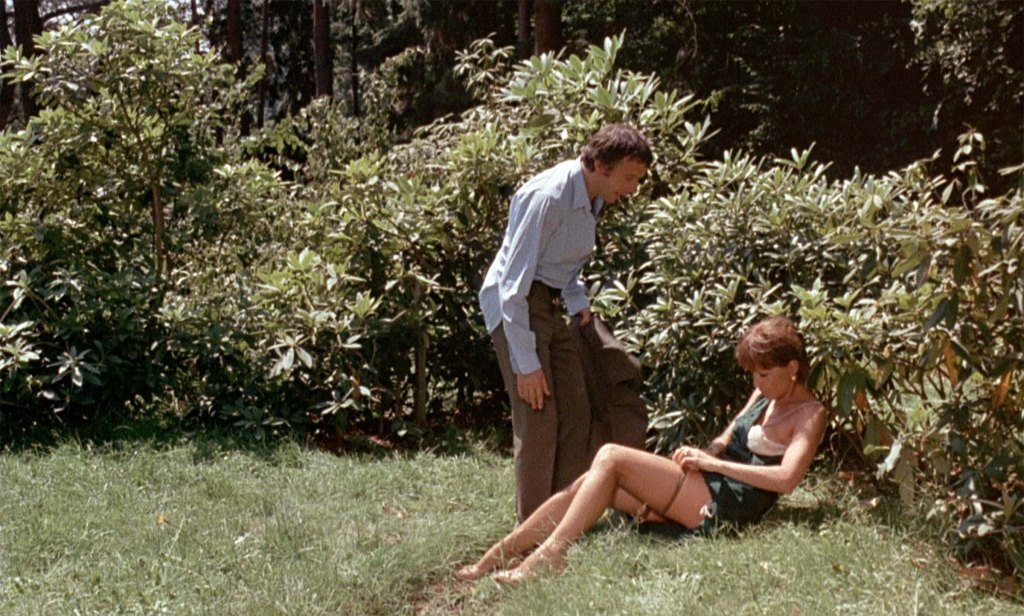
The story begins when a group of friends arrives at the Sénéchal home for a dinner party, only to discover they have come on the wrong evening. The hosts are surprised and unprepared, as they had planned the dinner for the following night. Although embarrassed, the friends remain undeterred and decide to try again at a restaurant.
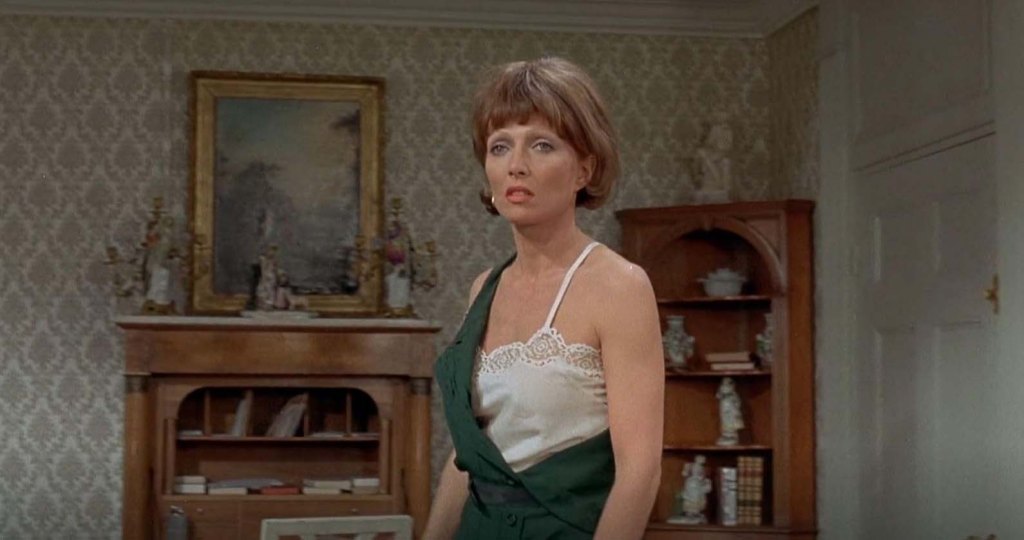
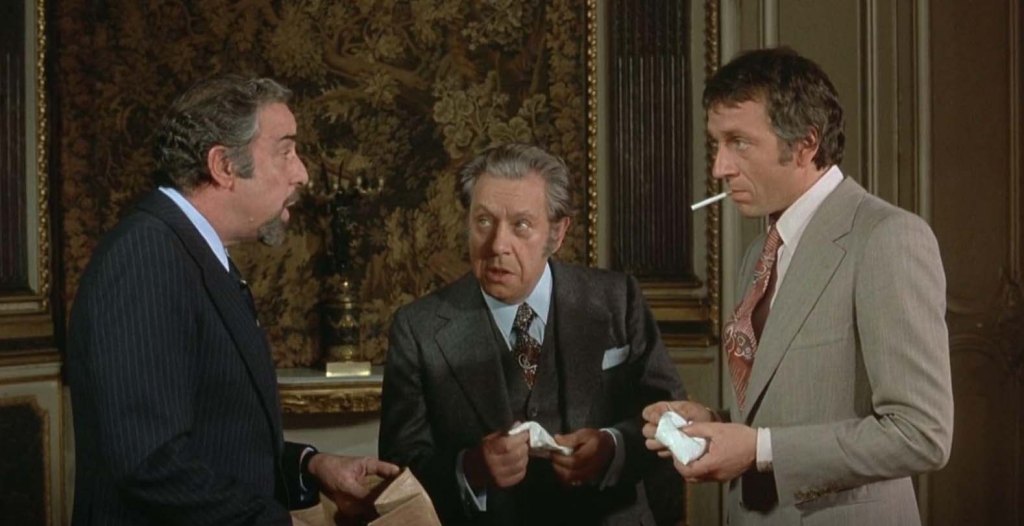
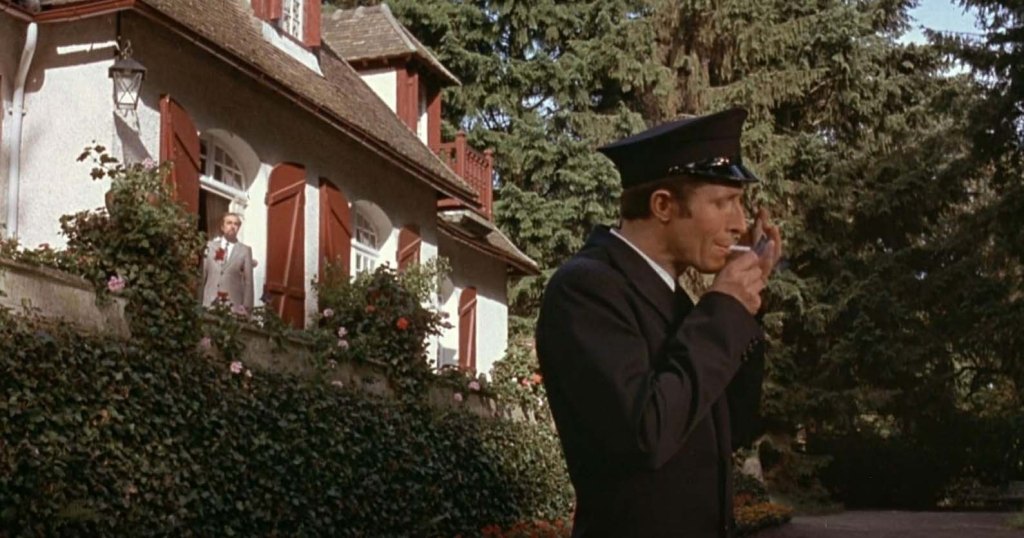
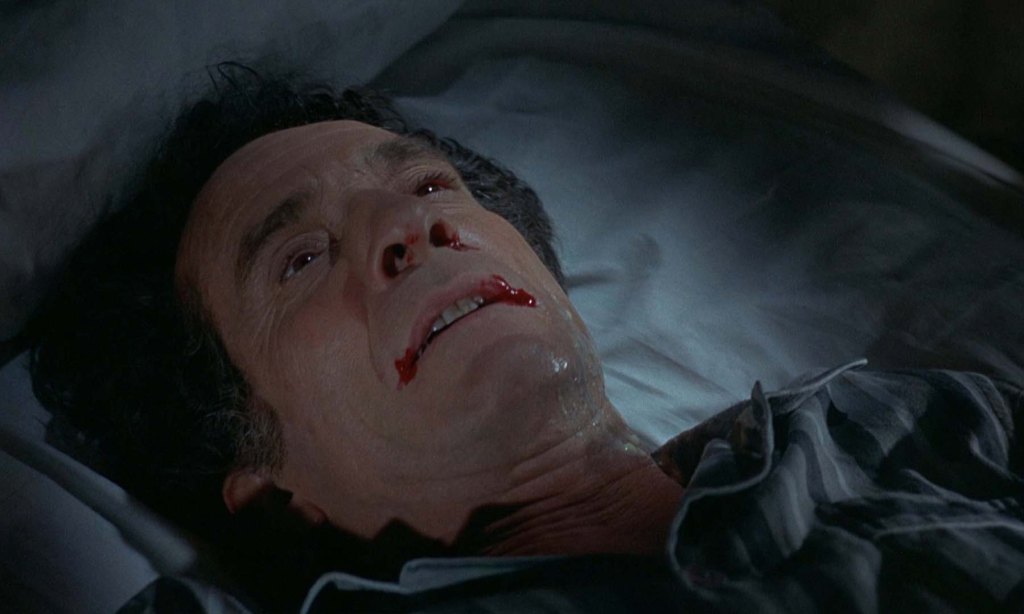
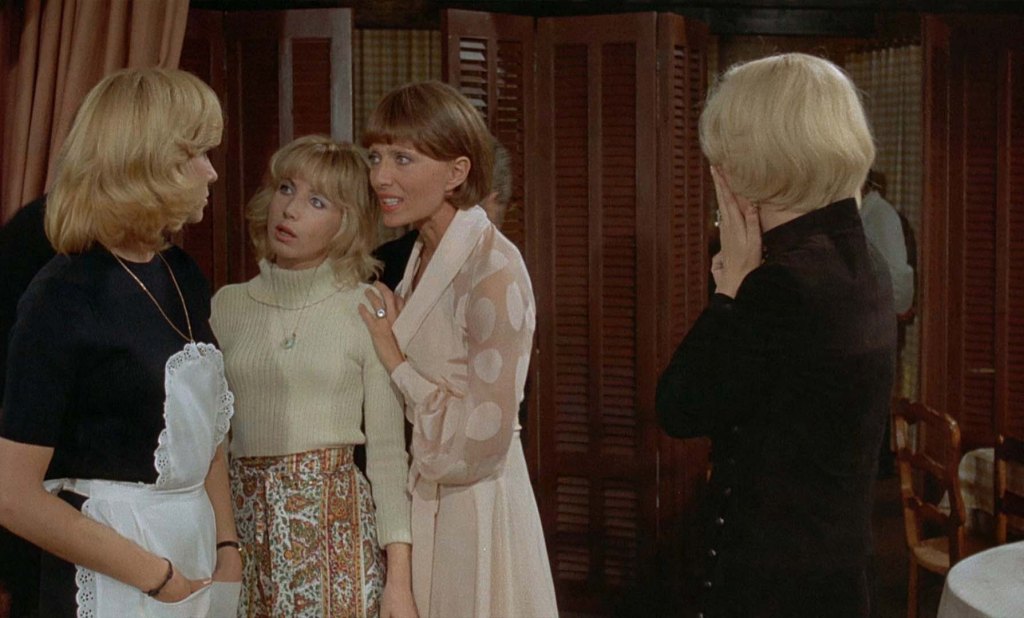
There, they discover that the owner has died, and his corpse is lying in the next room while the staff awkwardly continues to serve guests. Once again, their meal is interrupted.
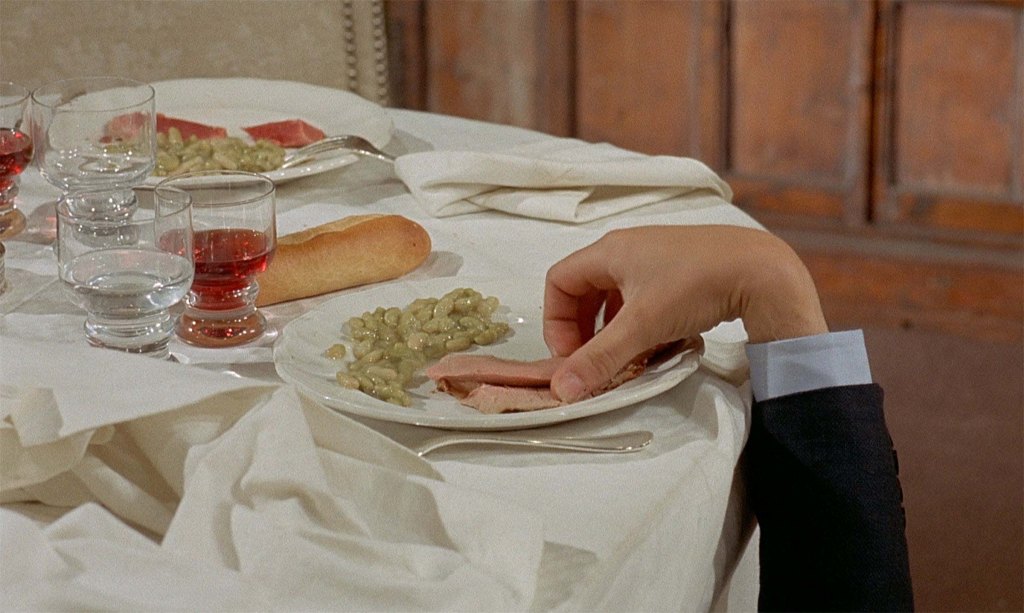
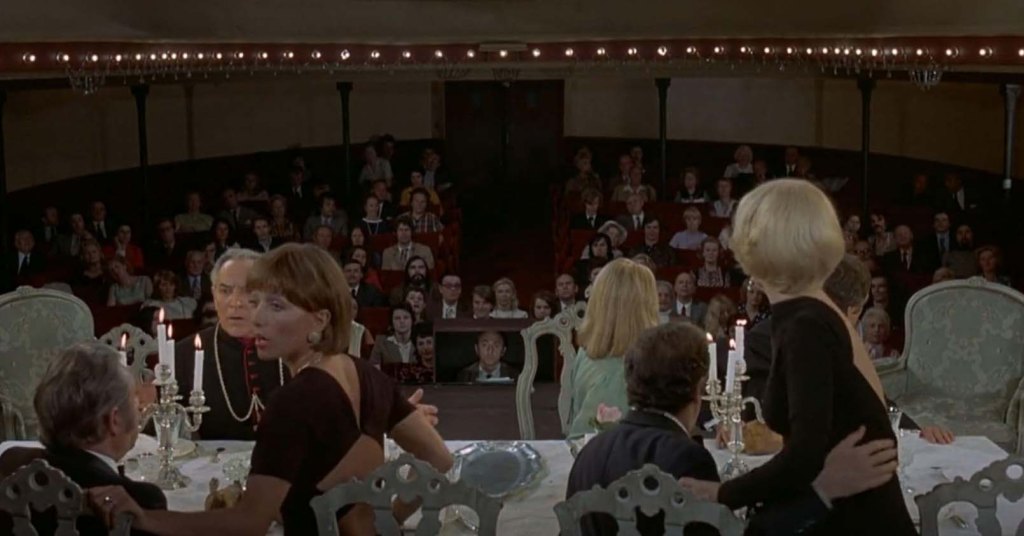
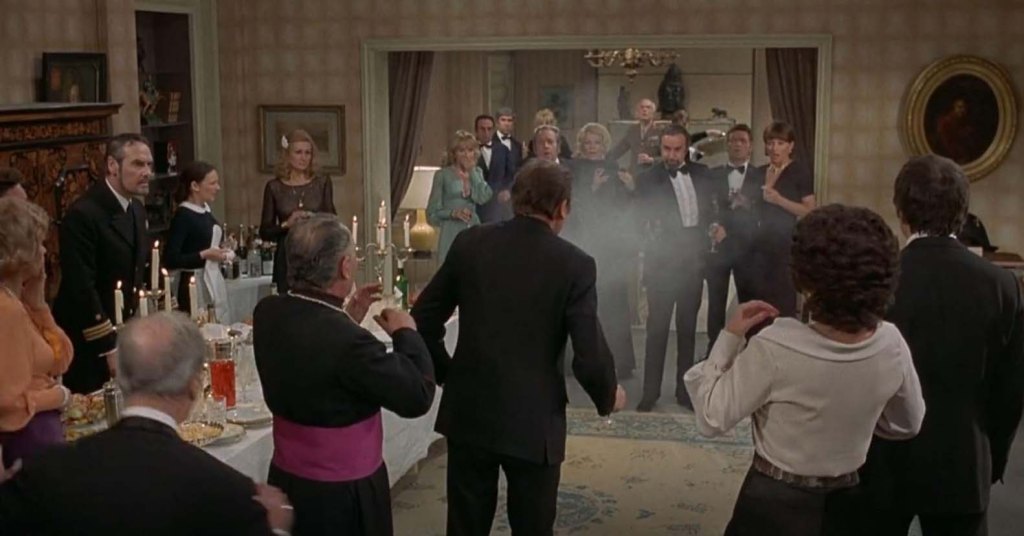
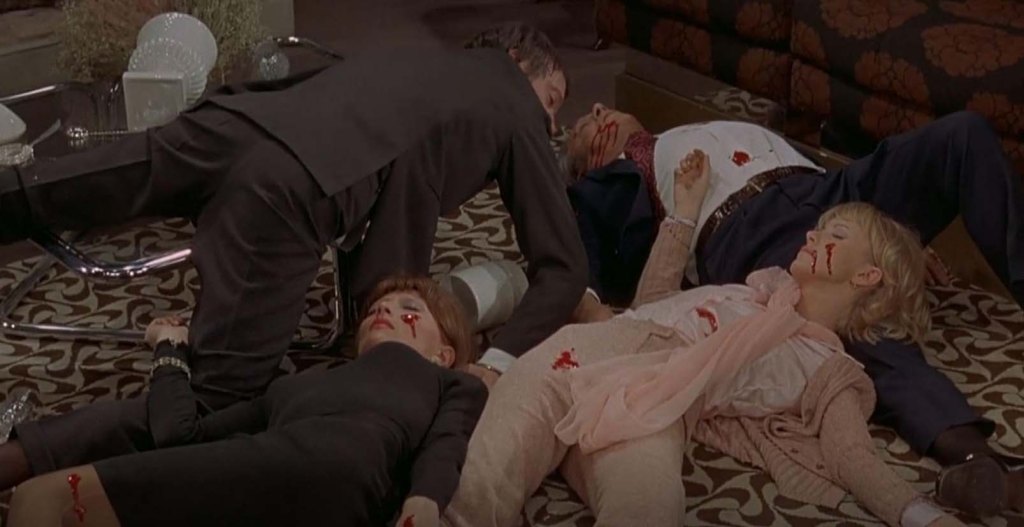
This pattern recurs throughout the film: each time the group prepares to dine, something strange or disruptive happens. Soldiers burst in, police raids interrupt gatherings, hosts vanish unexpectedly, and social decorum breaks down under surreal circumstances. Often, these interruptions occur within dreams—only to reveal that the characters are themselves dreaming, sometimes several layers deep. At one point, the group finally sits down to eat, only to find themselves on a theatrical stage before a silent audience, leaving them humiliated and speechless.
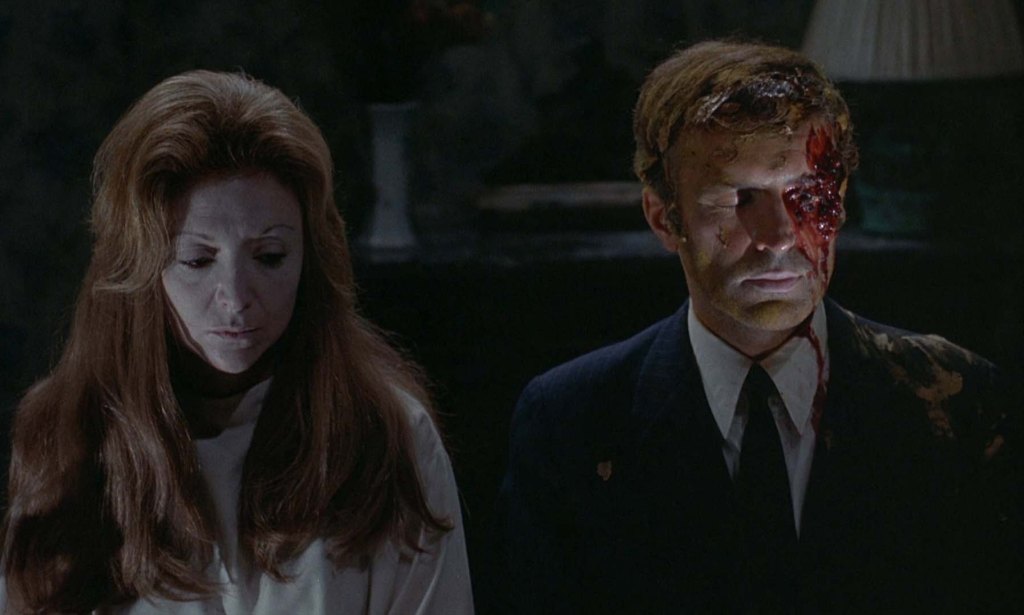
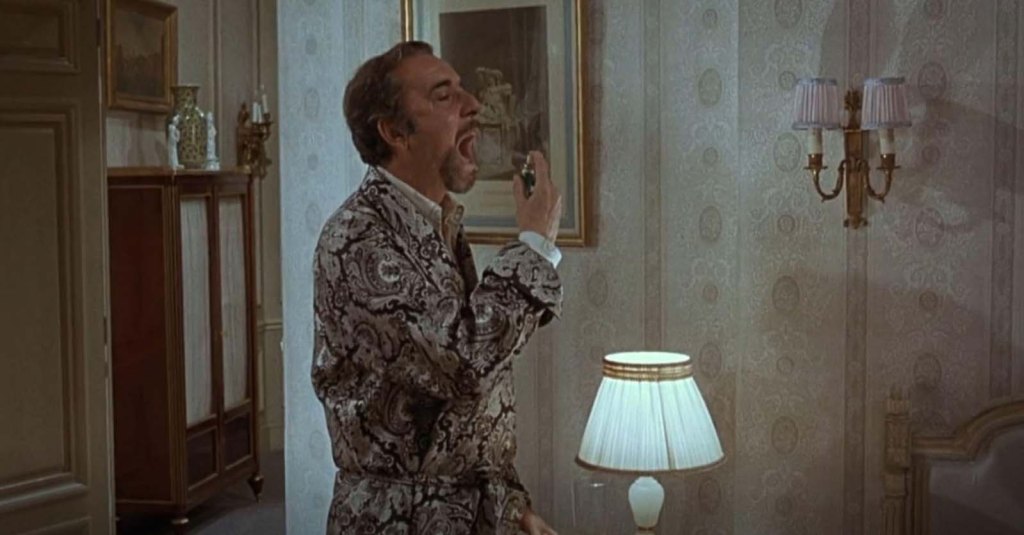
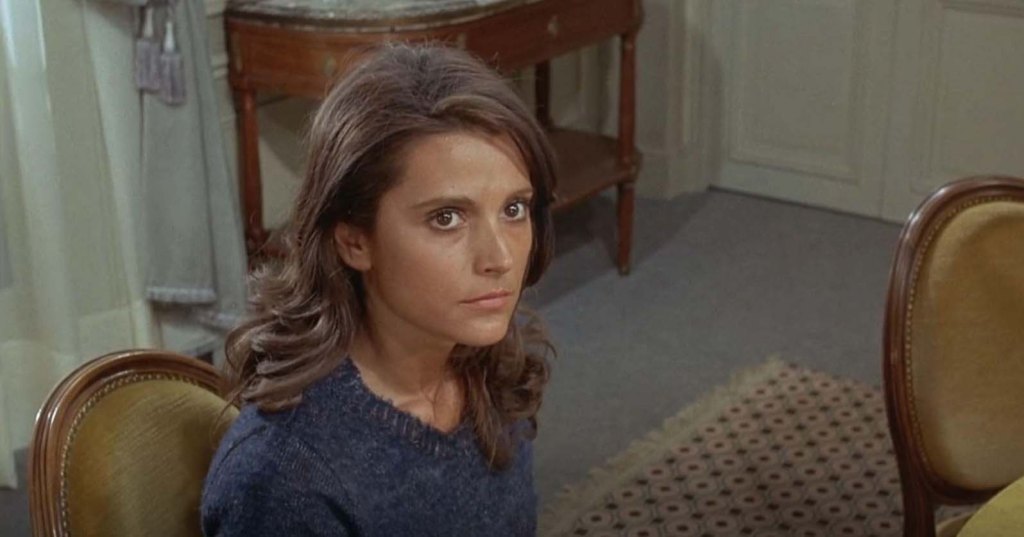
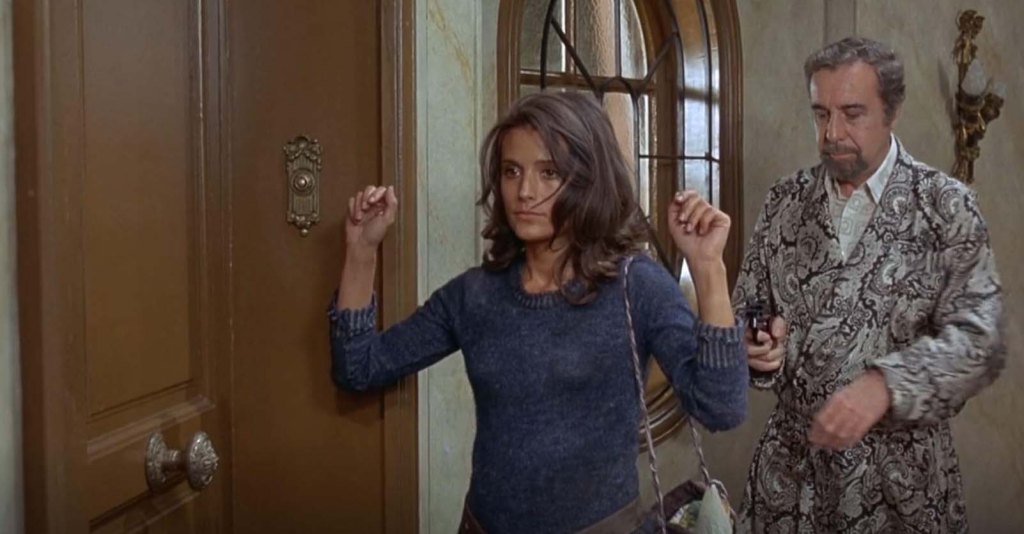
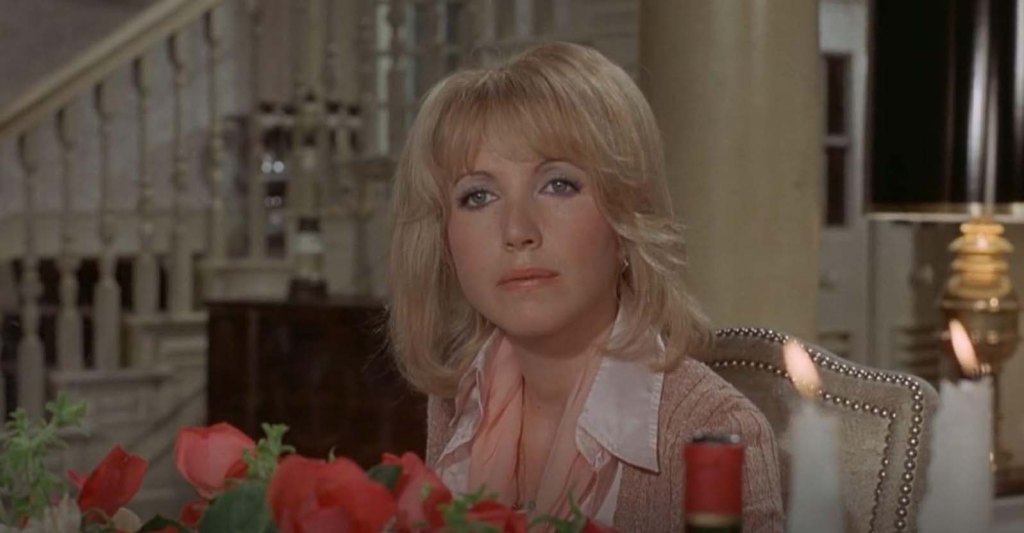
Alongside the dinner attempts, the story unfolds of Ambassador Rafael Acosta, who secretly engages in narcotics trafficking while maintaining the facade of a respectable diplomat. His hypocrisy reflects the broader moral emptiness of the social circle. A bishop frequently appears in unusual circumstances: initially as a gardener looking for work, and later revealing a personal vendetta related to the murder of his parents. His storyline intersects with the main group in bizarre and darkly comedic ways.
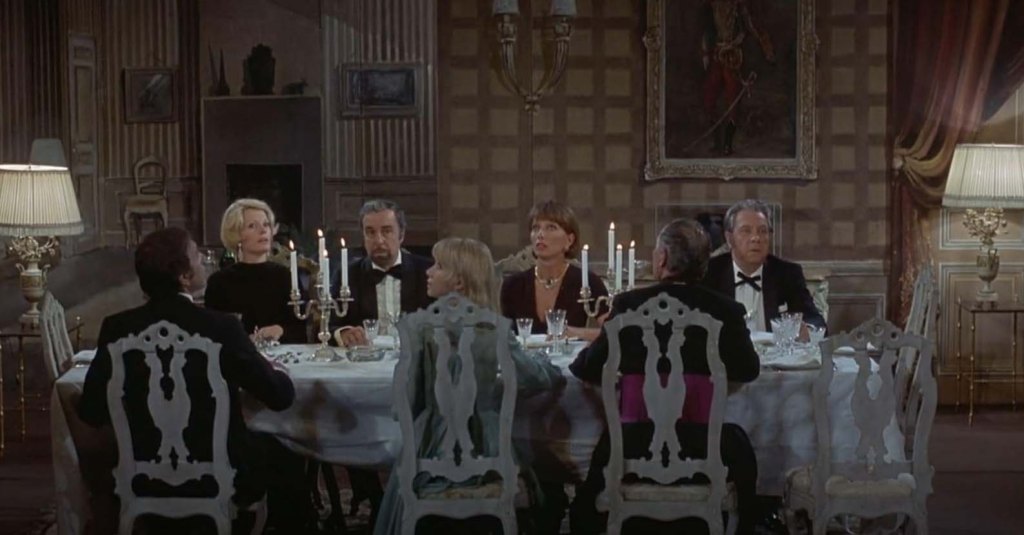
Throughout the film, there are recurring dream sequences, particularly one that features six friends walking endlessly along an empty country road. These scenes serve as a symbolic refrain, highlighting the cyclical and aimless nature of their lives. Despite their careful planning for gatherings, they consistently find themselves lacking true satisfaction, ensnared in routines of social performance rather than achieving meaningful connections.
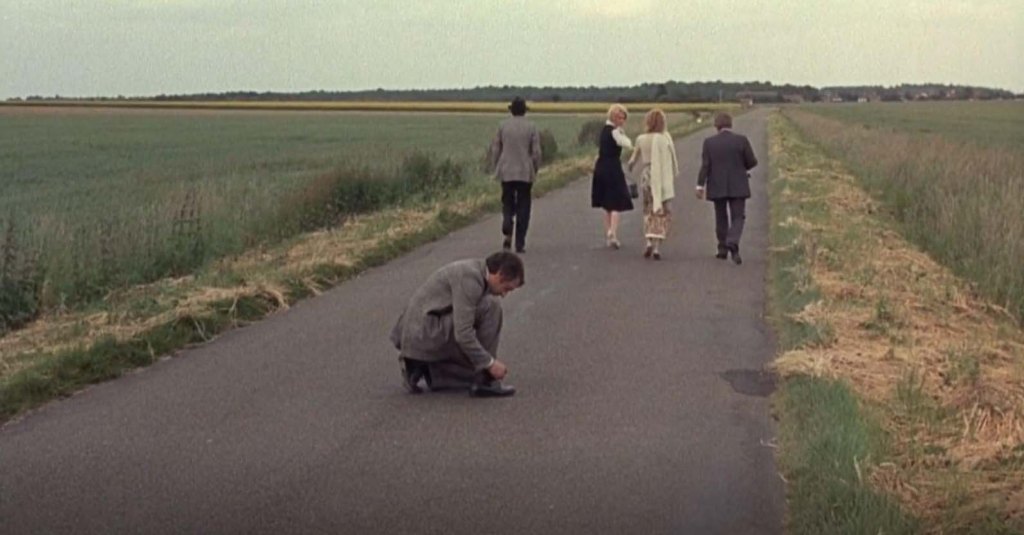
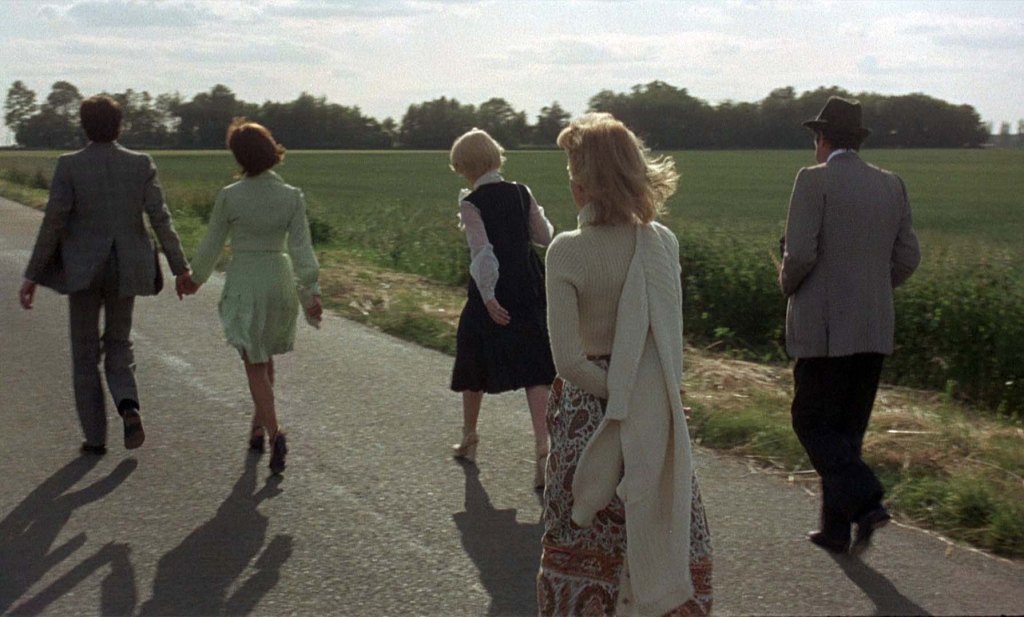
As the film progresses, the lines between dreams and reality completely blur. Characters awaken from one dream only to find themselves in another, making it increasingly difficult to discern what is real. This narrative structure reflects Buñuel’s surrealist sensibilities, highlighting subconscious fears and anxieties, as well as the absurdity that lies beneath bourgeois respectability.
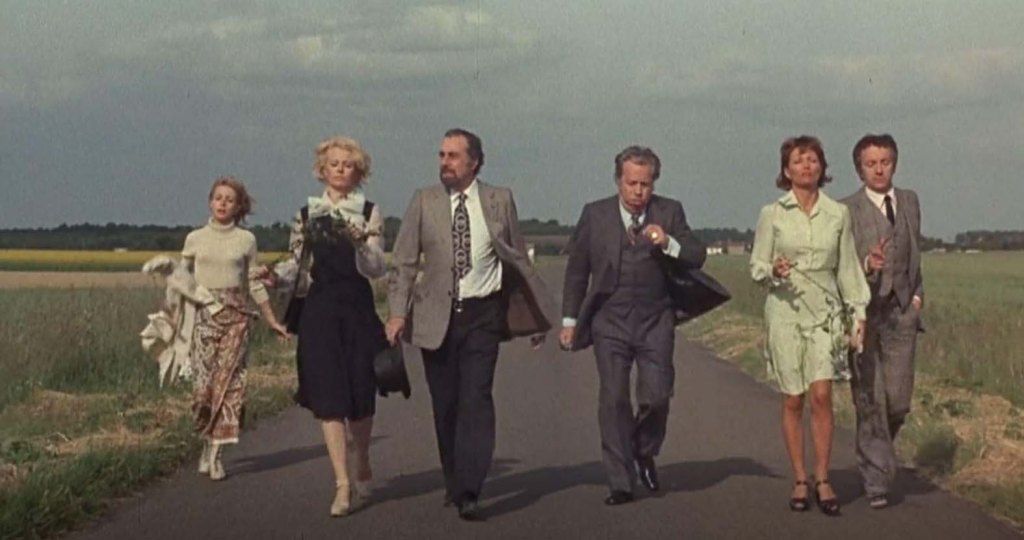
In the end, the characters never finish their dinner. Their endless attempts serve as a metaphor for the emptiness and fragility of the social rituals they hold onto. Beneath their polished manners exists corruption, repression, and quiet desperation.