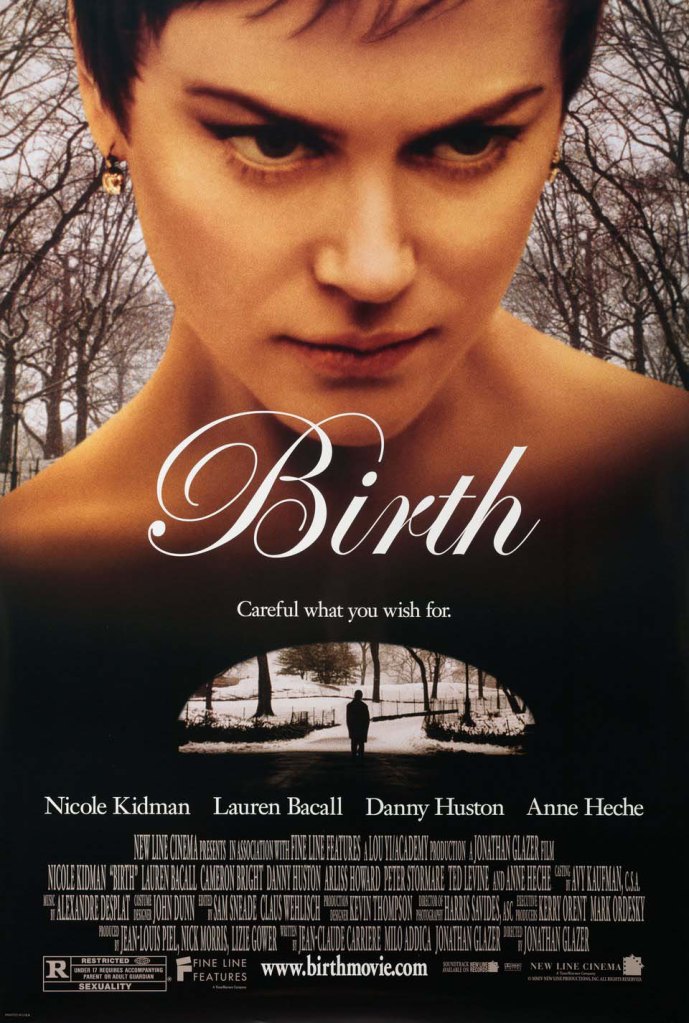

“Birth” is a psychological drama released in 2004, directed by Jonathan Glazer and written by Jean-Claude Carrière and Milo Addica. The film delves into themes of grief, belief, and the disconcerting idea of reincarnation. Set within an elegant upper-class Manhattan backdrop, it follows Anna (played by Nicole Kidman), a widow who remains emotionally affected by the sudden death of her beloved husband, Sean, ten years prior.
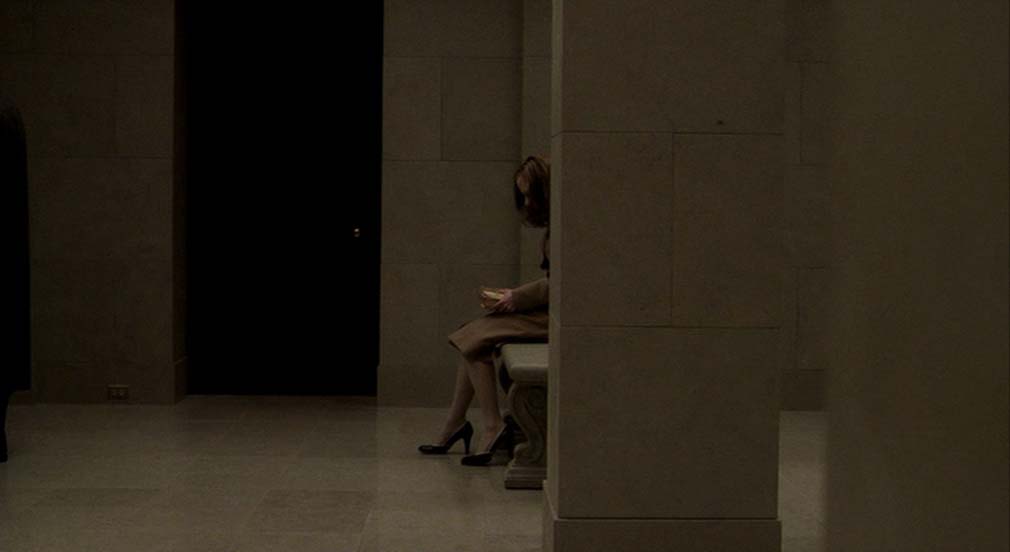
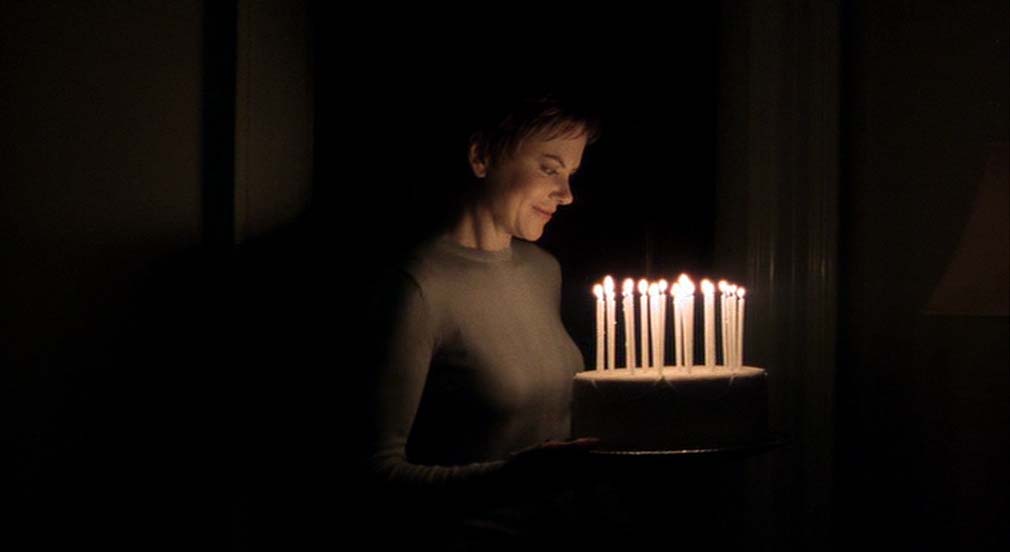
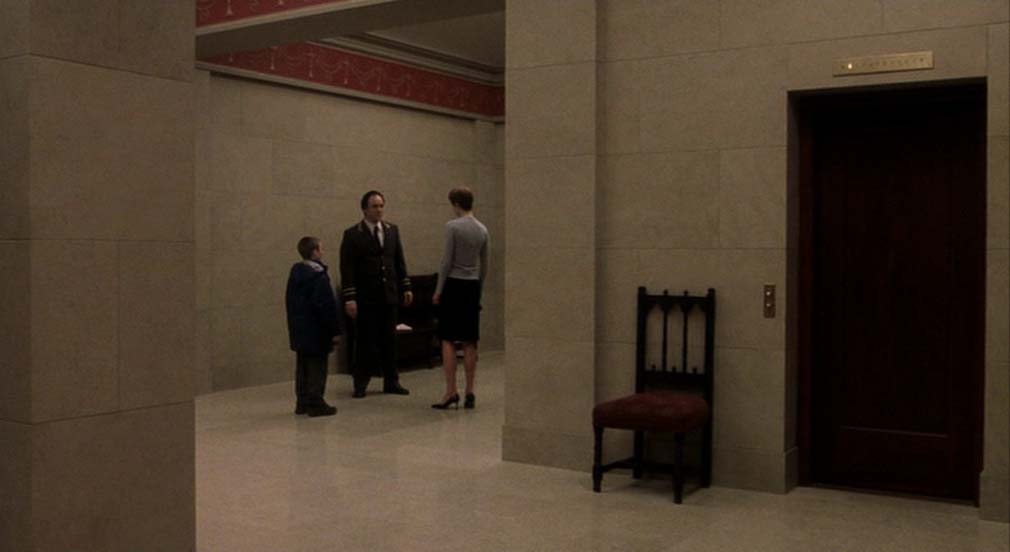
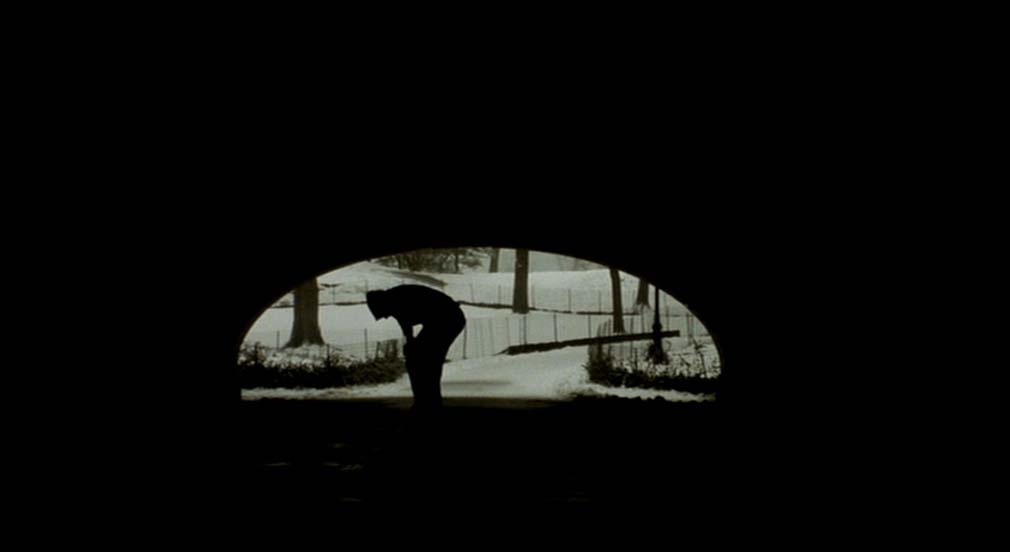
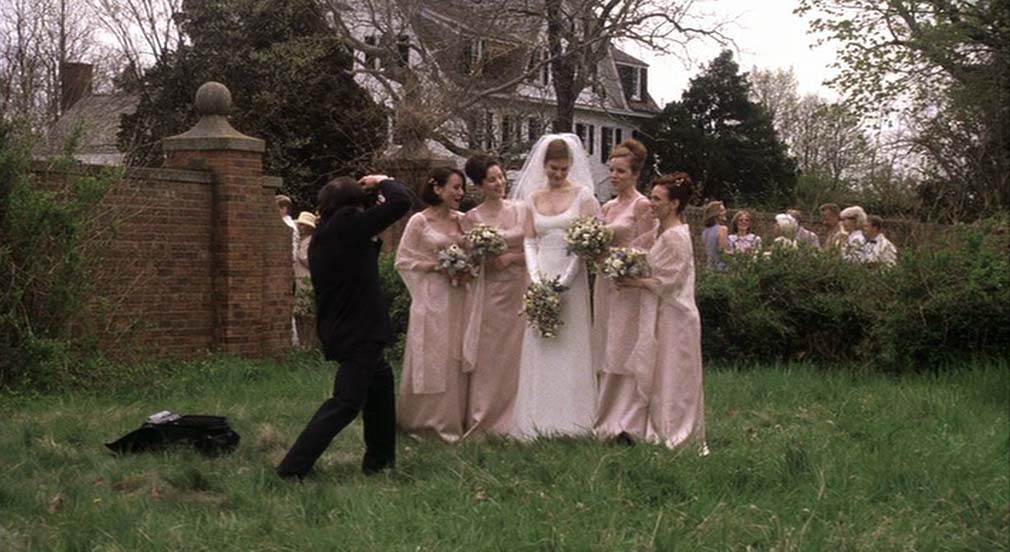
The film begins with Sean jogging through a snowy park, where he suddenly collapses and dies of a heart attack. His unexpected death leaves Anna devastated and struggling to move on with her life. A decade later, she seems ready to start anew. She is engaged to Joseph (Danny Huston), a thoughtful and supportive man who has patiently waited for her to heal. Anna’s wealthy and socially prominent family—led by her sharp-tongued mother, Eleanor (Lauren Bacall)—comes together to celebrate the engagement.
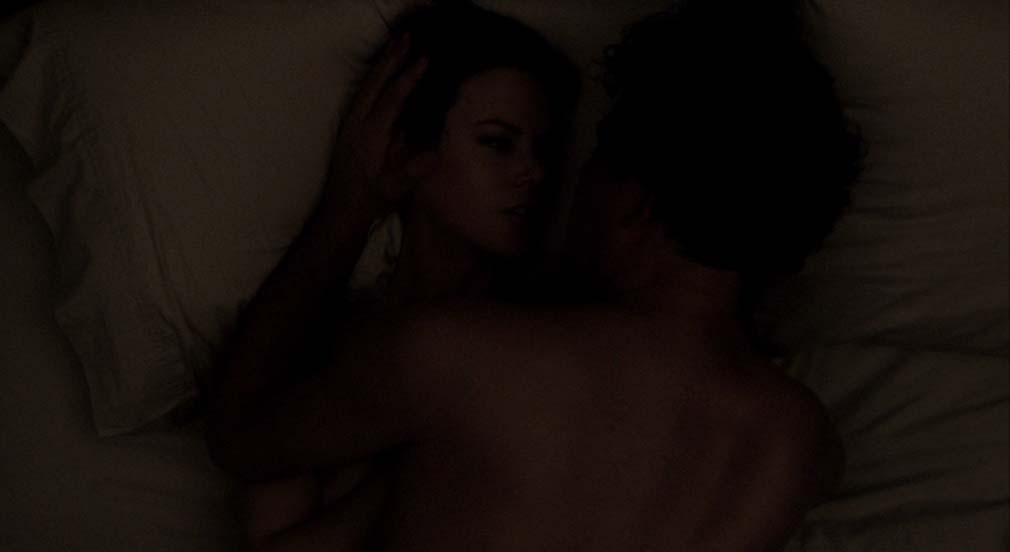
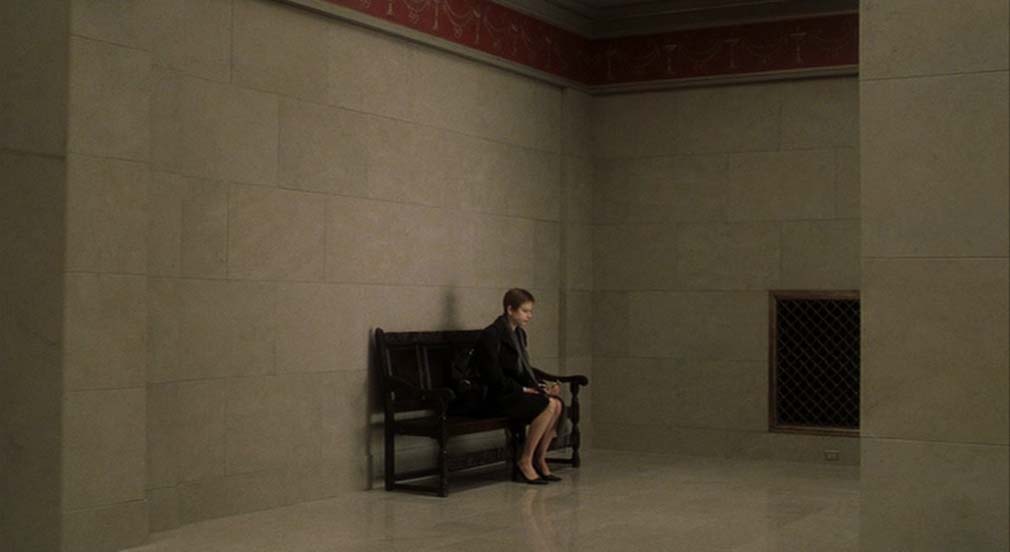
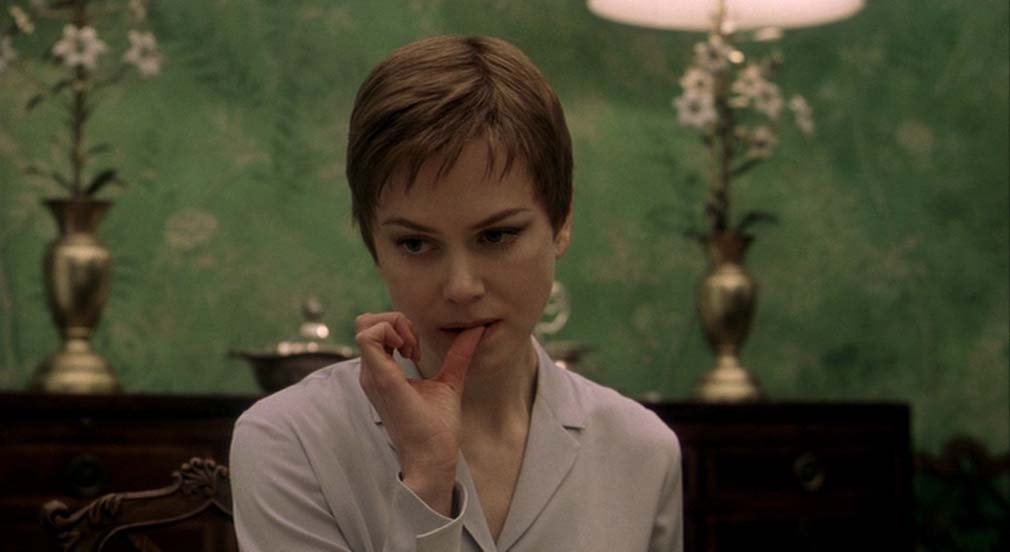
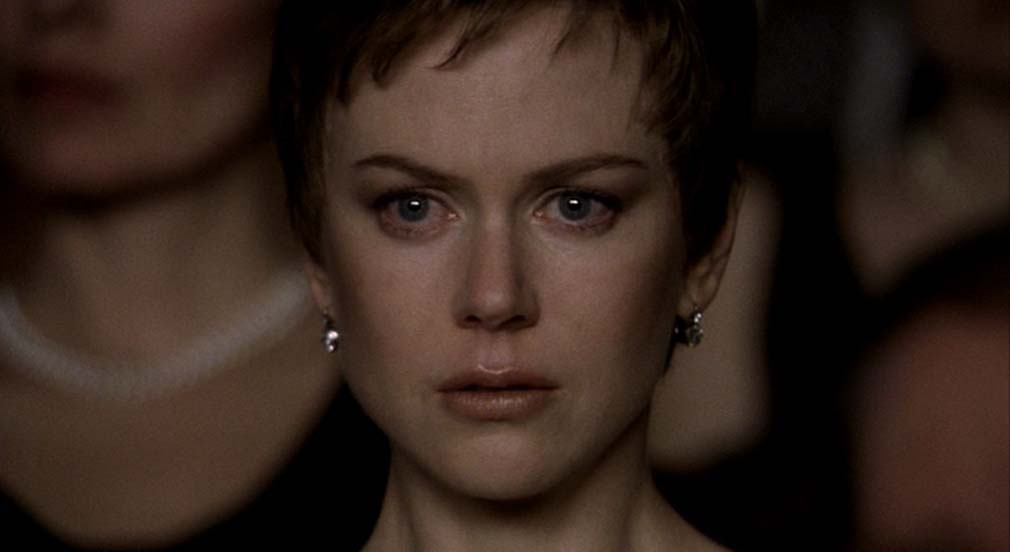
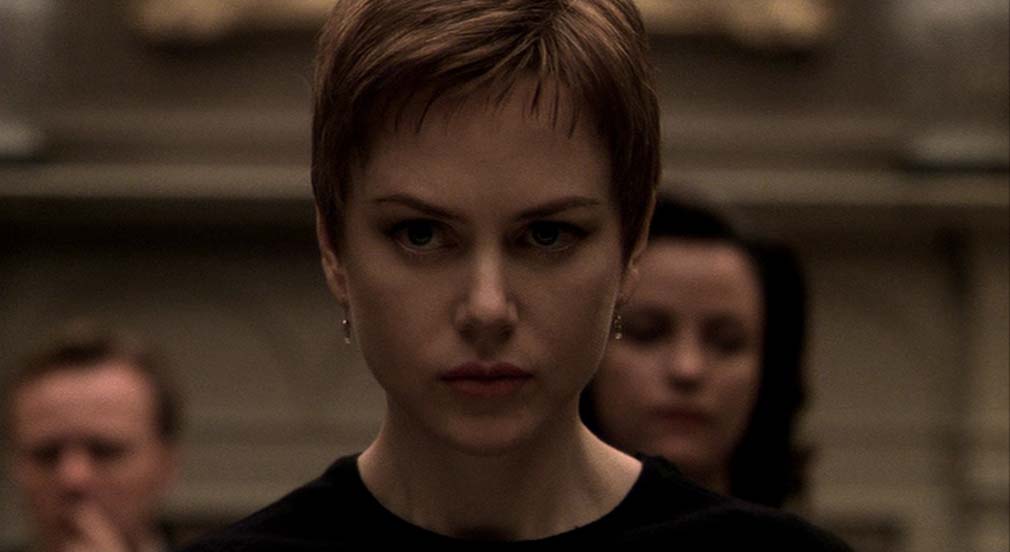
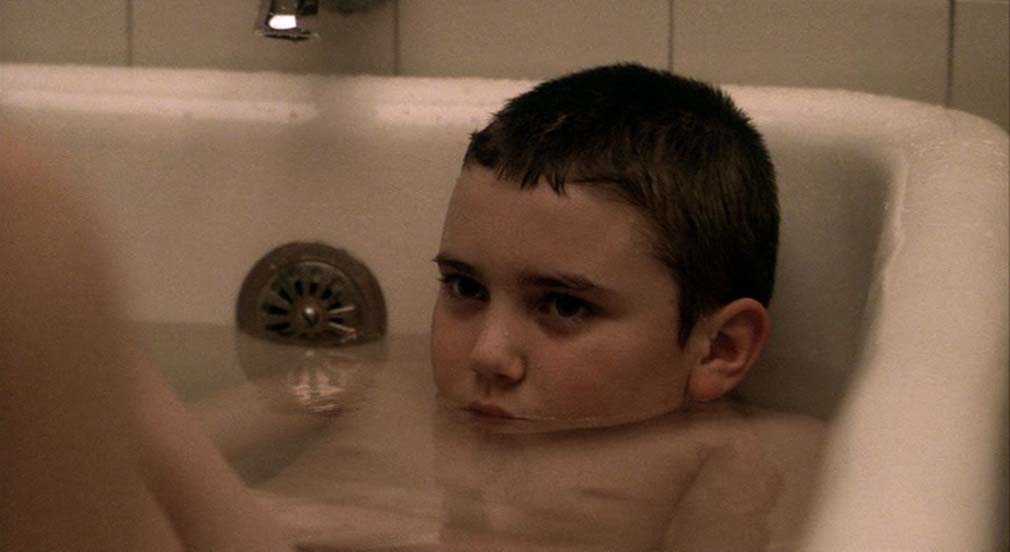
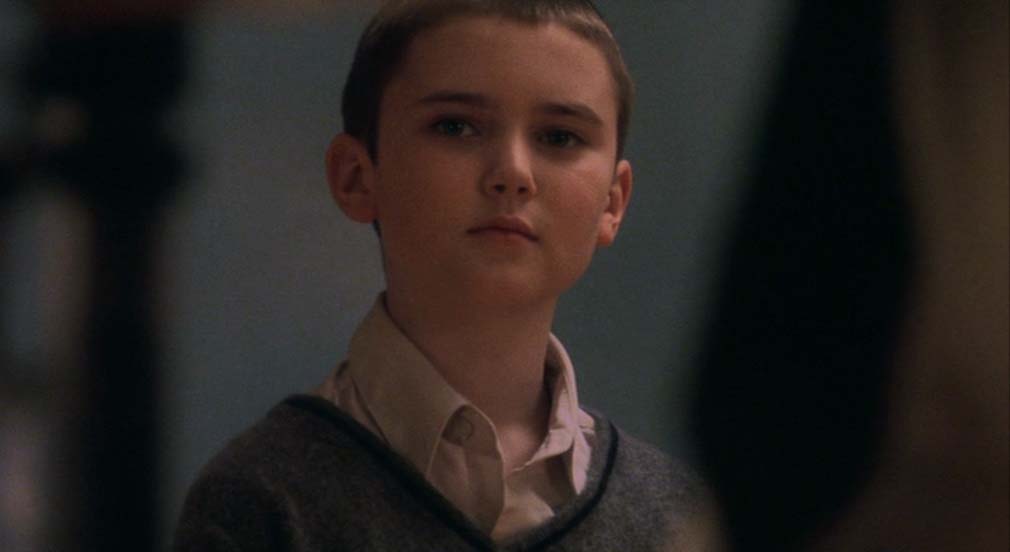
During Anna’s engagement party, an unexpected visitor arrives: a solemn ten-year-old boy named Sean (Cameron Bright). Calm and eerily self-assured, the boy claims to be the reincarnation of Anna’s late husband. Initially, the adults dismiss his assertion as a peculiar prank or a childish fantasy. However, Sean persists with quiet conviction, revealing intimate details about Anna and her deceased husband that seem impossible for a child to know.
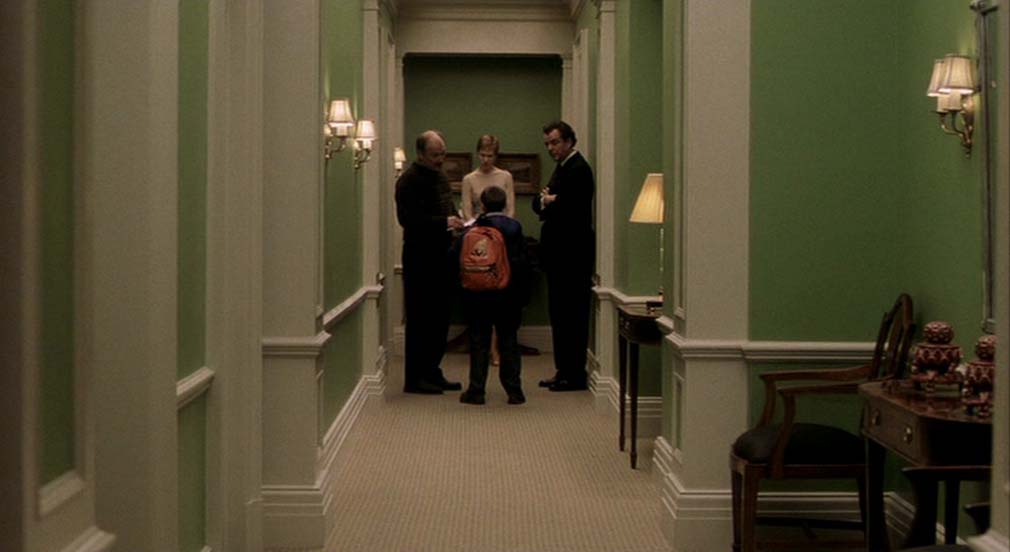
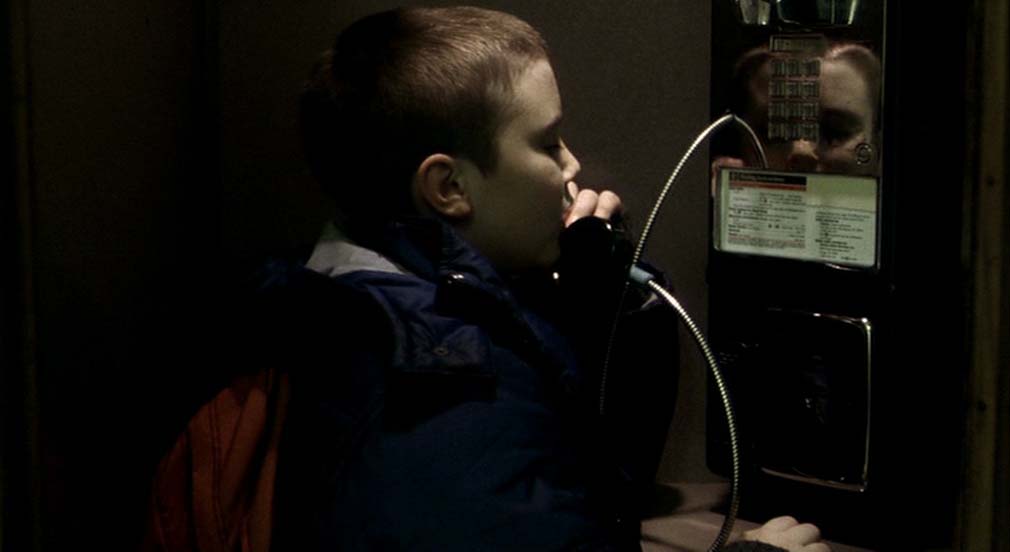
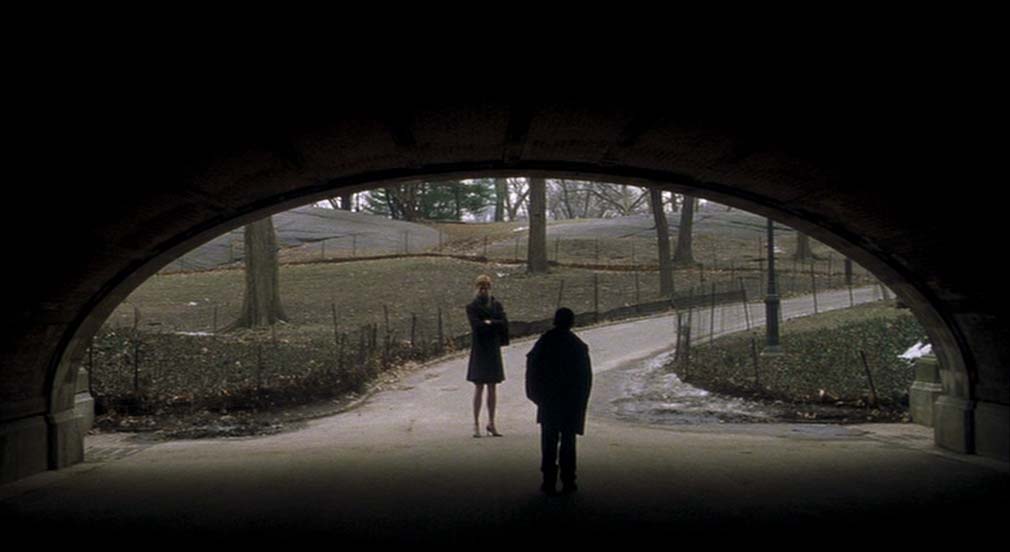
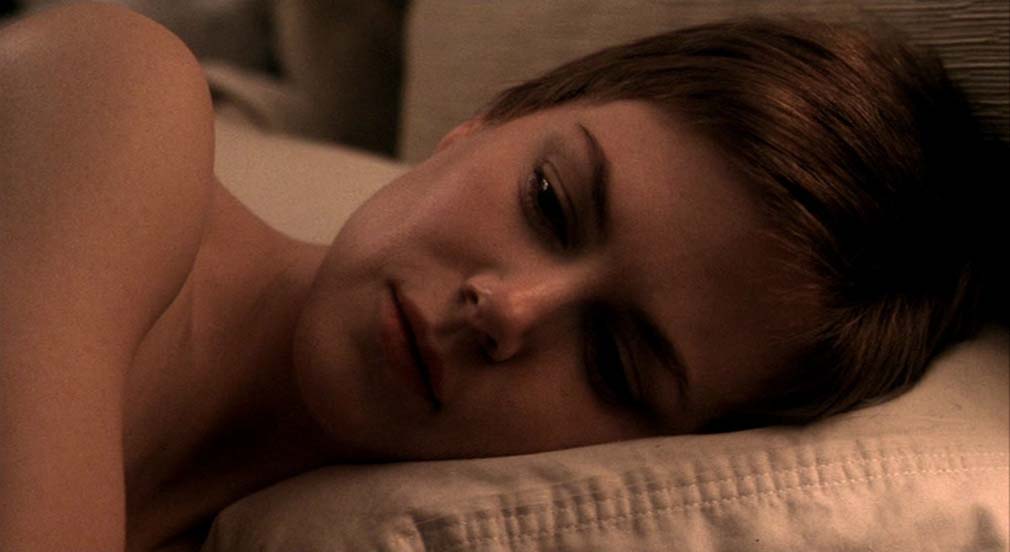
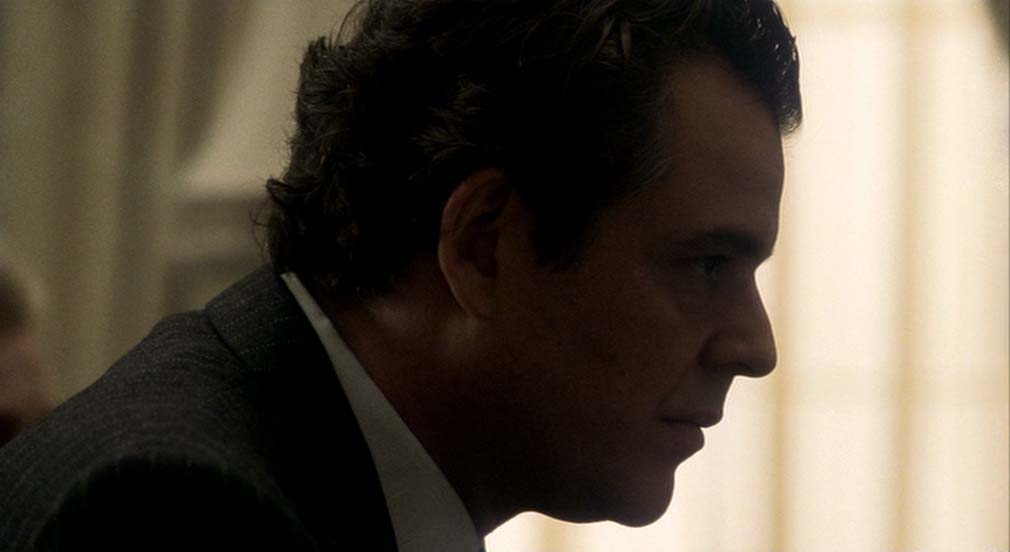
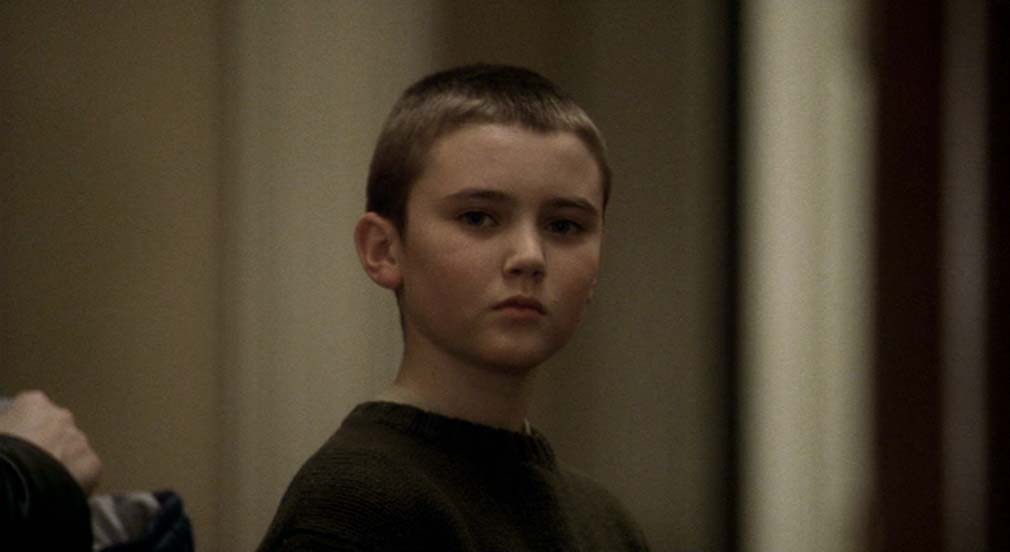
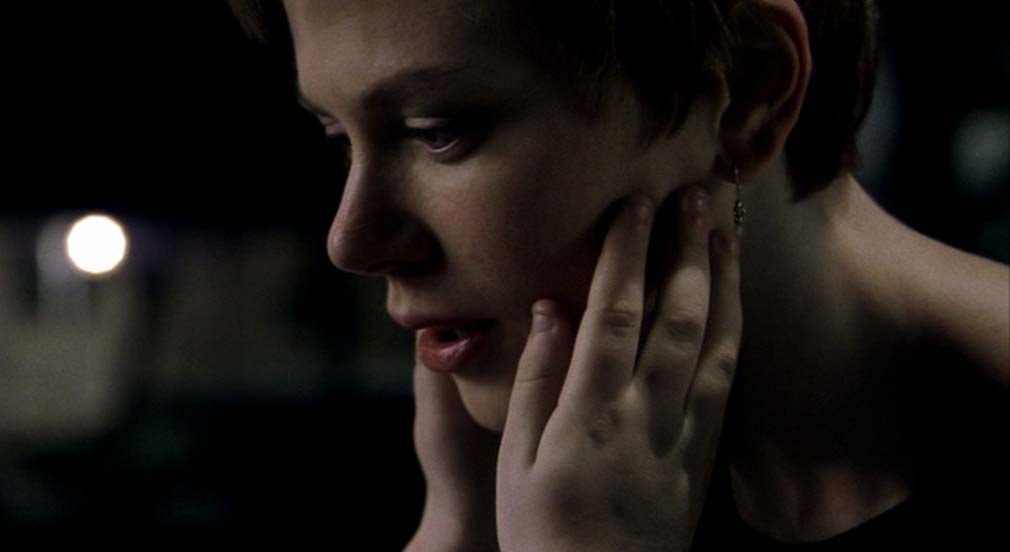
Disturbed yet intrigued, Anna gradually becomes captivated by the boy’s claims. He shares personal memories of their life together and insists that he has returned because he still loves her. His unwavering certainty and intense emotions begin to destabilize Anna’s fragile recovery from grief.
The situation quickly becomes uncomfortable for everyone involved. Joseph increasingly feels threatened by the boy’s presence and Anna’s fascination with him. Her family suspects manipulation or mental instability, while others wonder if the child has somehow learned private information about the late Sean.
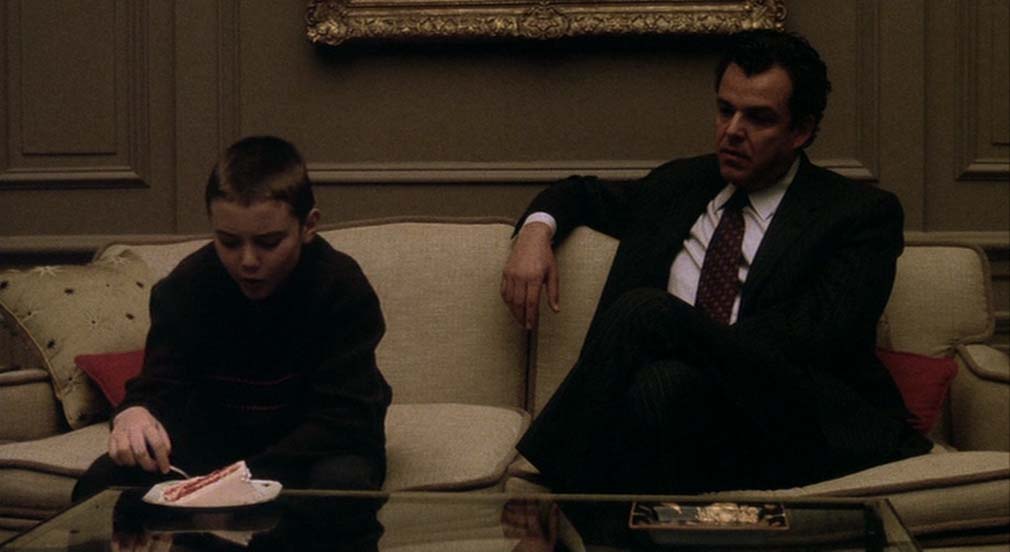
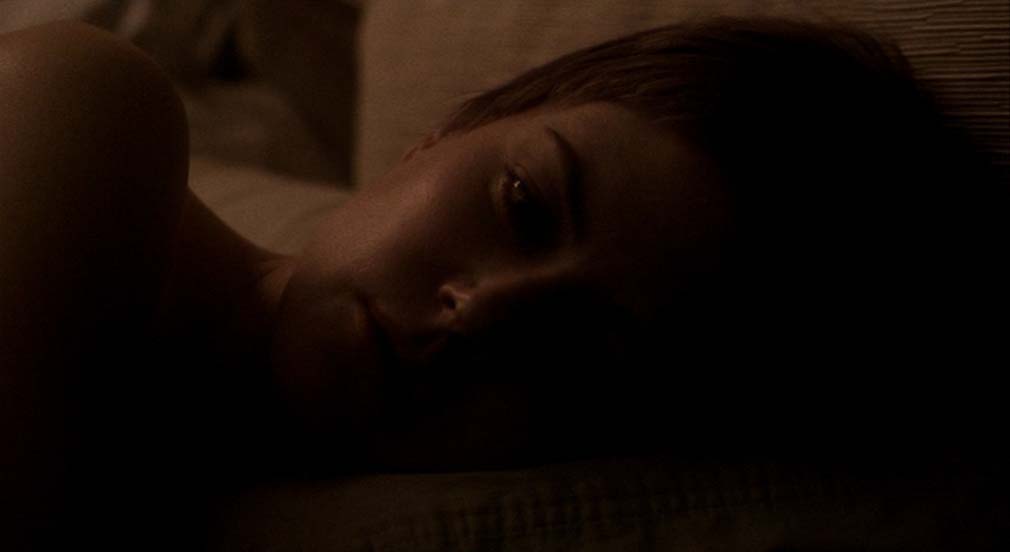
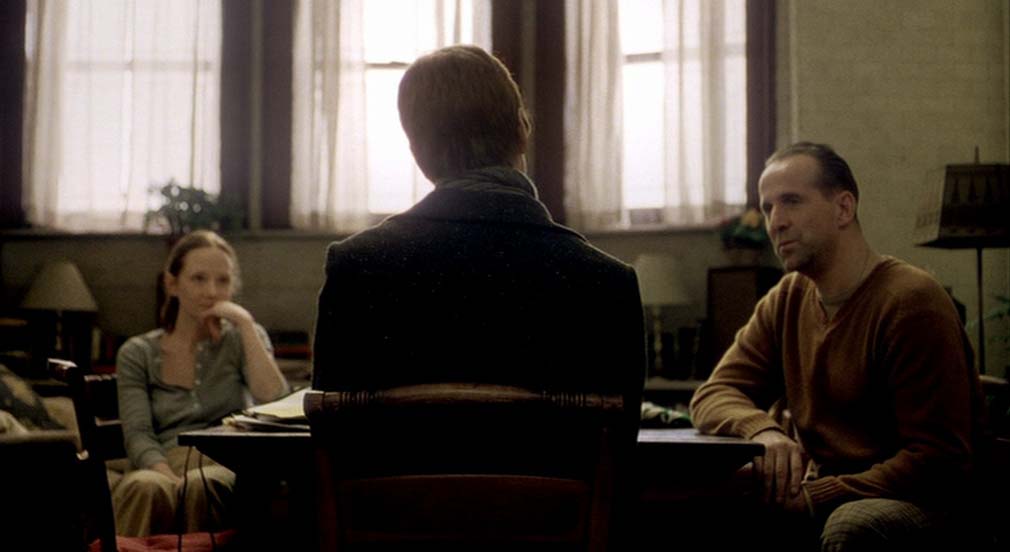
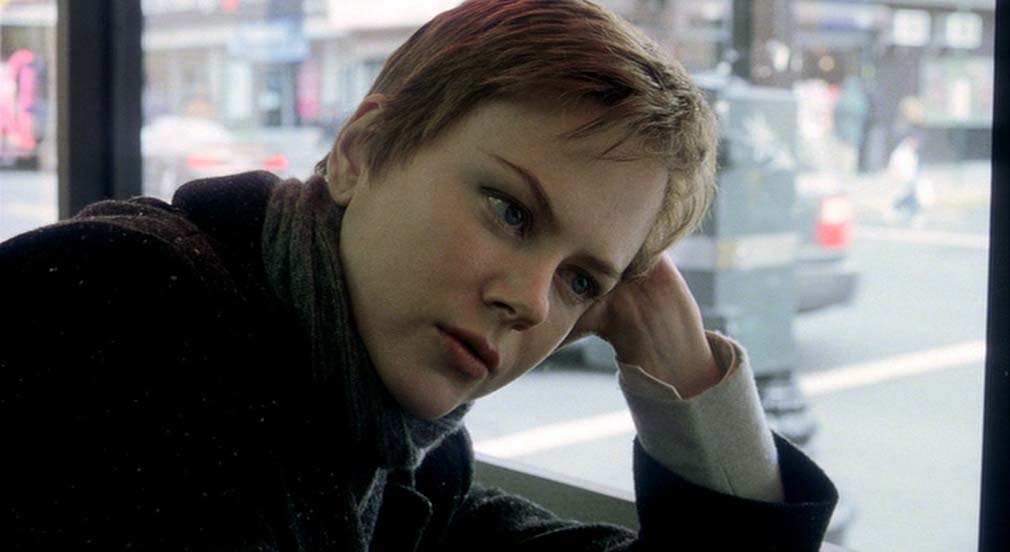
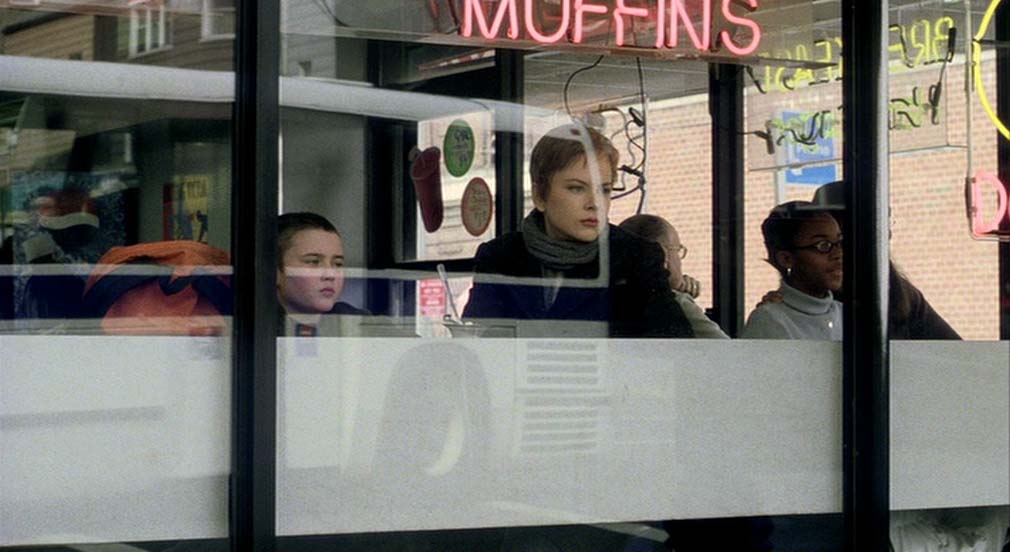
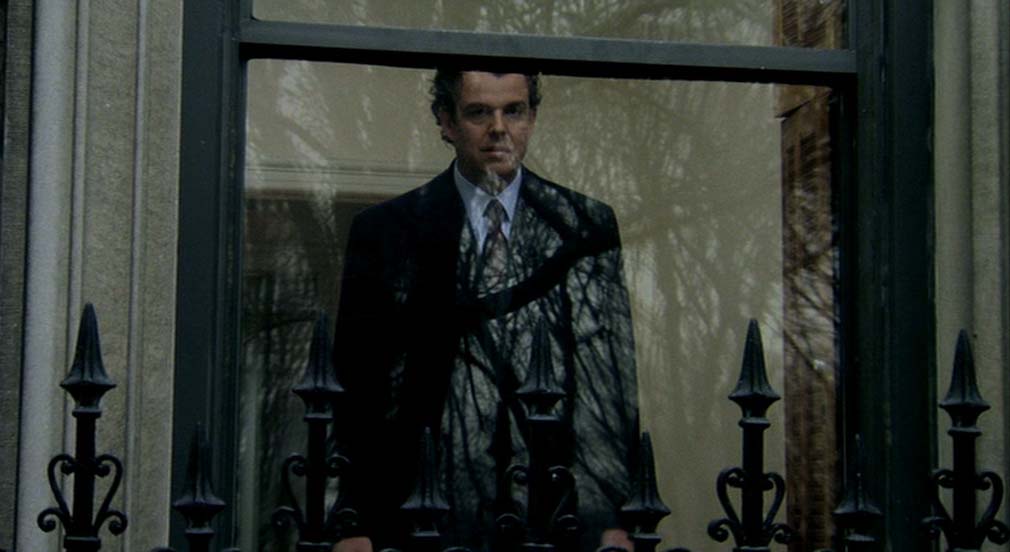
As Anna spends more time with the boy, her emotional boundaries begin to blur. She starts to consider the possibility that his claims might be true. Their conversations grow more intimate and confessional, unsettling those around them. In a particularly controversial moment, the boy urges Anna to delay her wedding to Joseph, insisting that she still belongs with him. Anna’s confusion deepens as she grapples with the conflict between her rational skepticism and the emotional pull of her unresolved feelings.
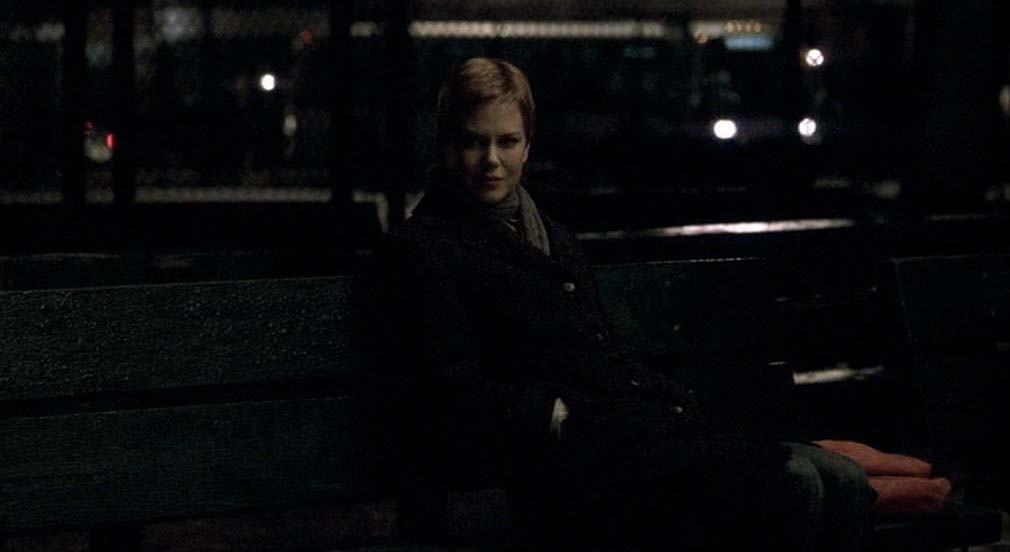
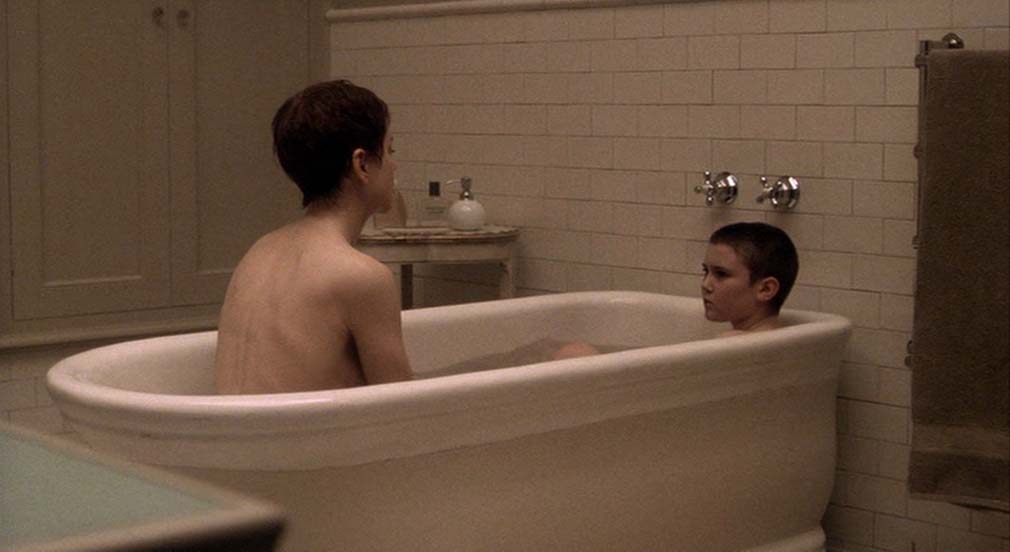
Seeking clarity, Anna eventually demands proof. The boy claims he hid something years ago that only the real Sean would know about. This prompts Anna and others to investigate the truth behind his statement. The subsequent revelation exposes the fragile psychological state underlying the entire situation.
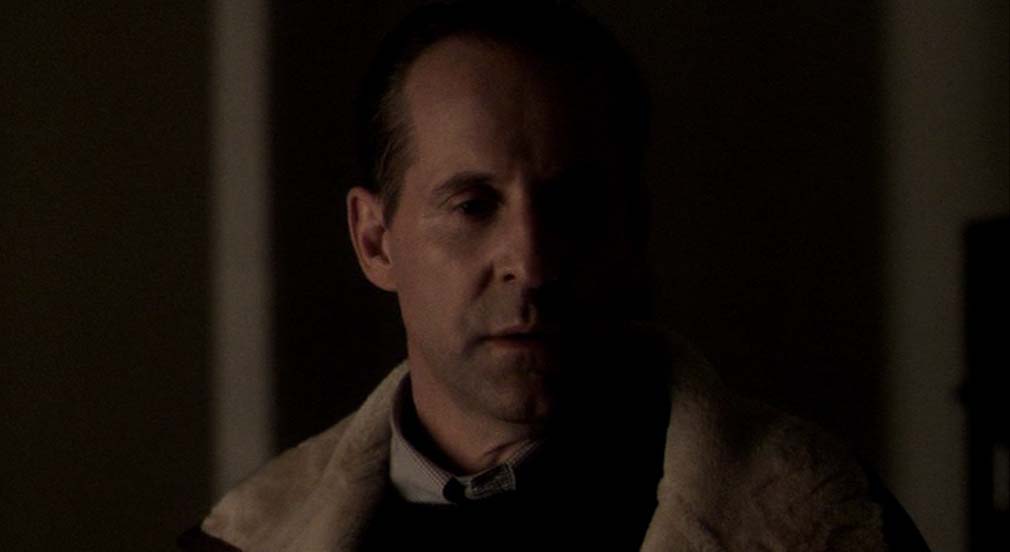
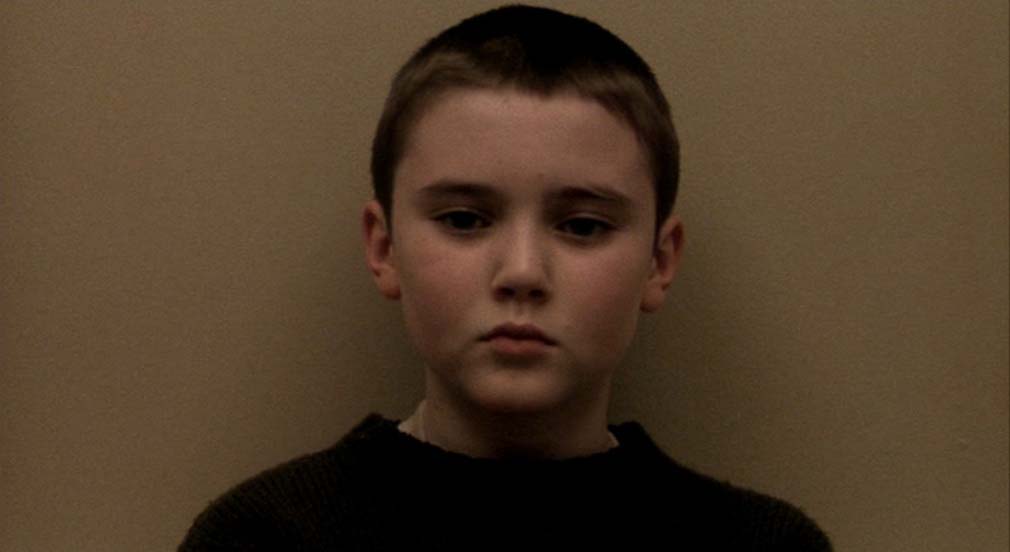
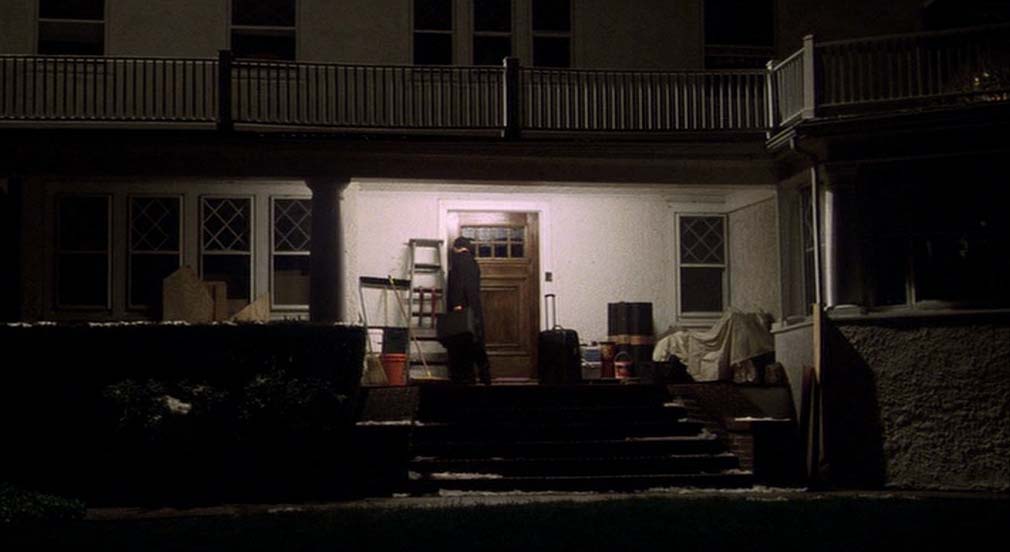
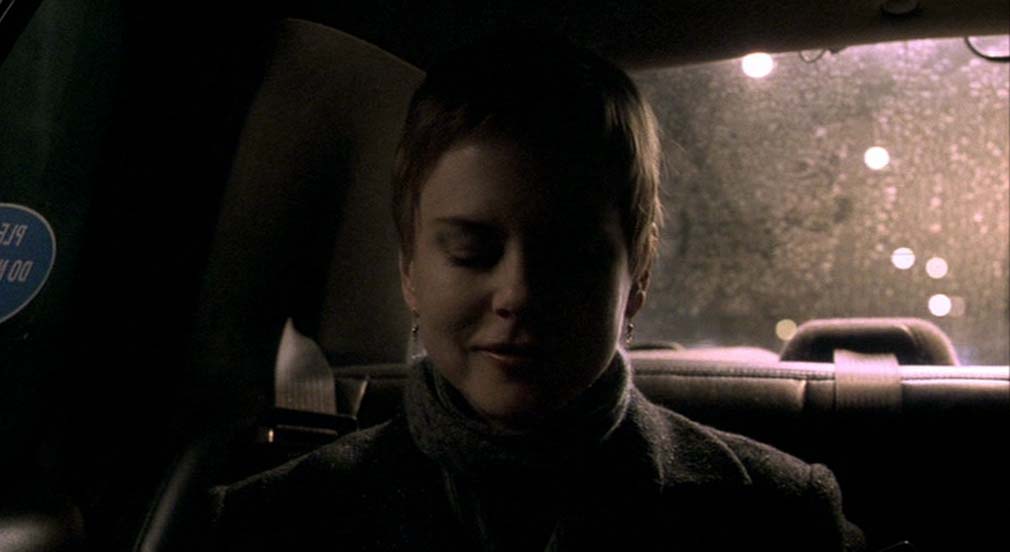
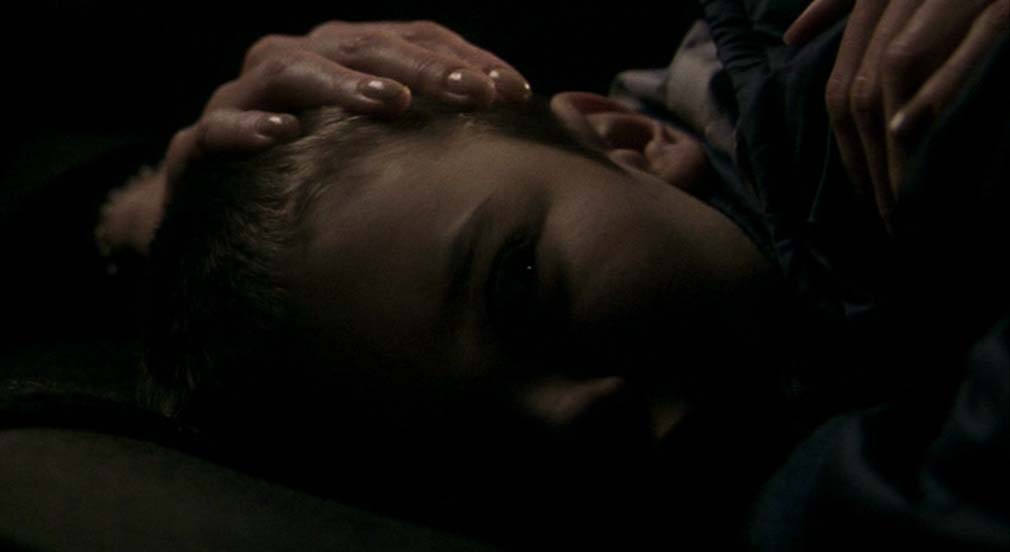
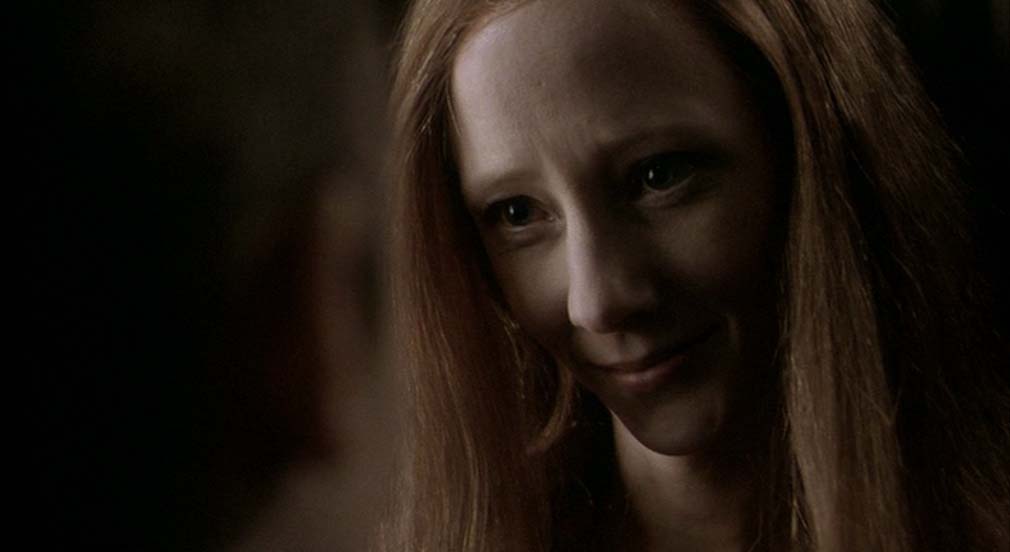
It is eventually revealed that the boy overheard information about Anna’s late husband and used it to create the story of his reincarnation. His motivations are not entirely malicious; rather, they stem from a childhood obsession and emotional confusion. This revelation shatters the delicate fantasy that Anna had started to believe in.
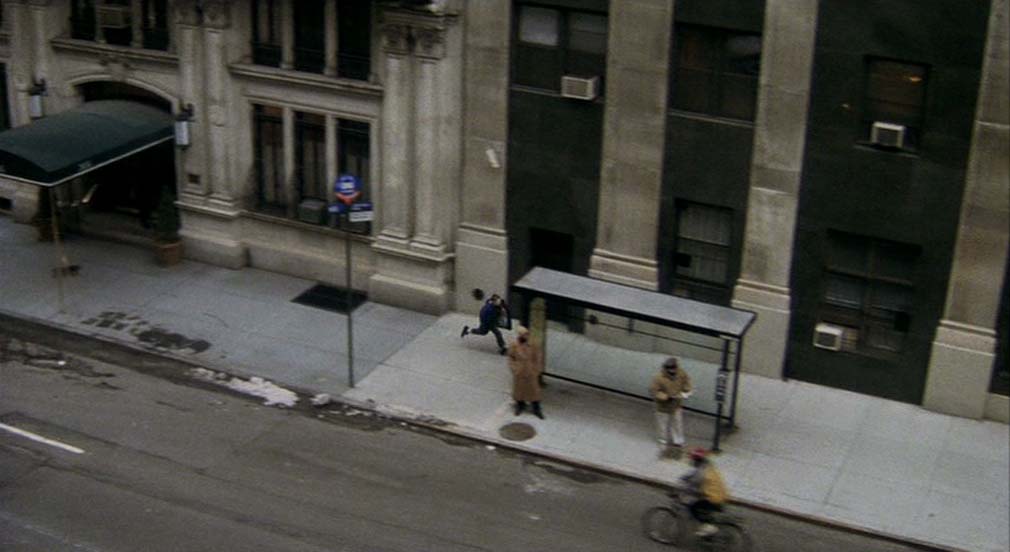
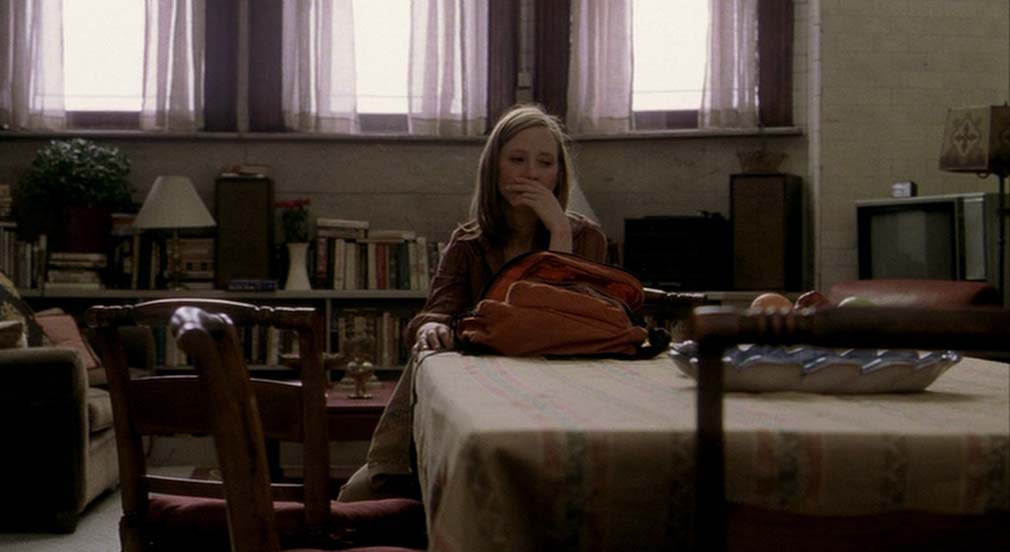

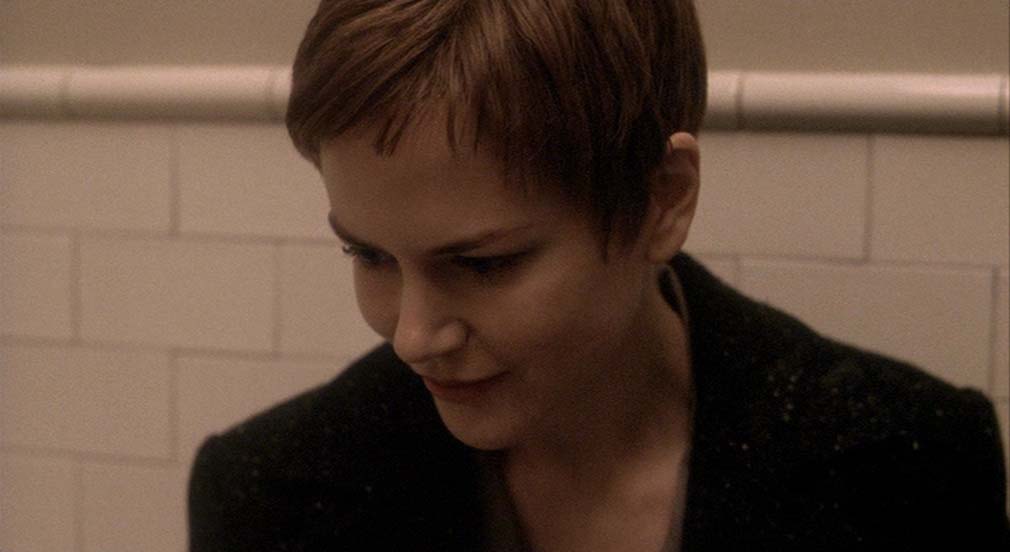
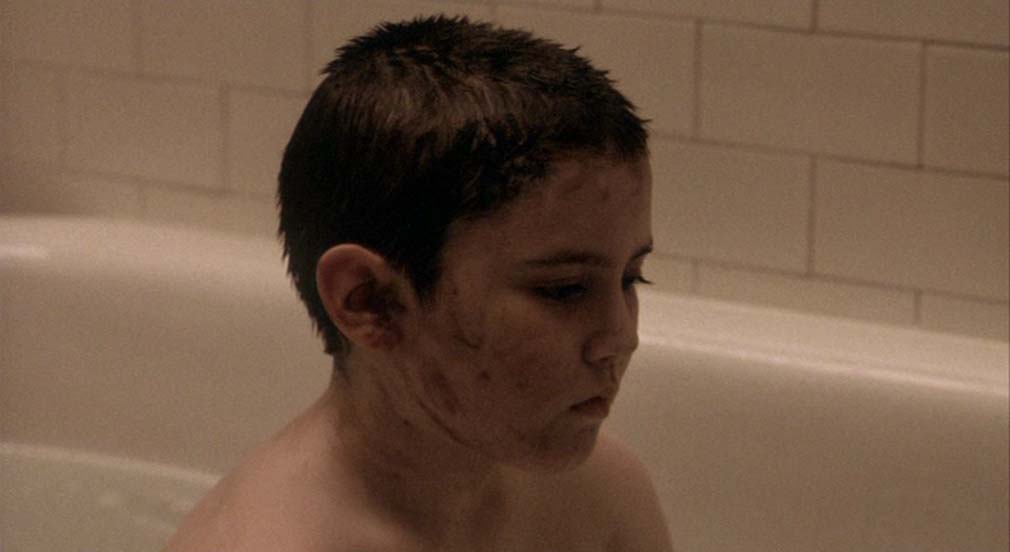
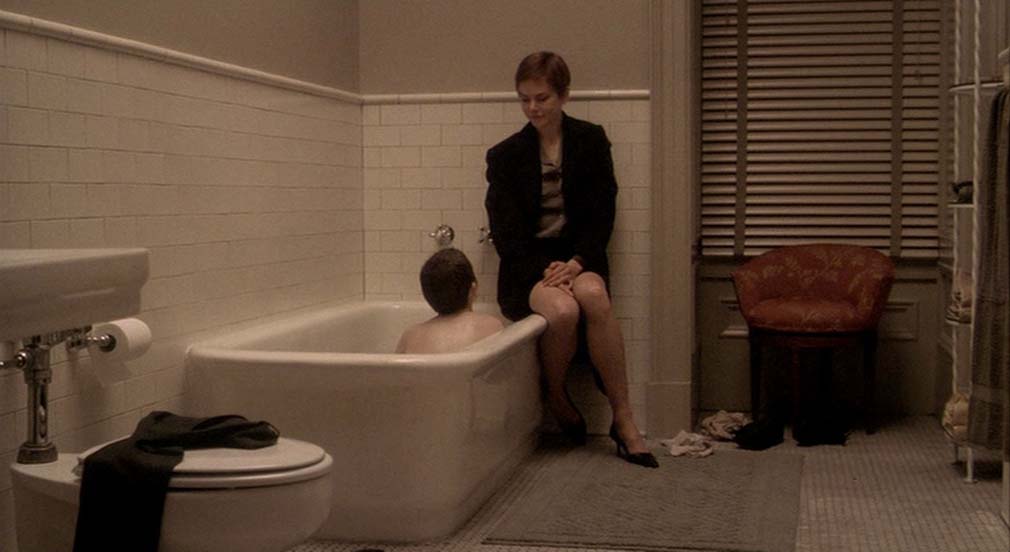
The emotional aftermath compels Anna to face a truth she had avoided for years: she never truly accepted her husband’s death. The boy’s story merely manifested her ongoing grief and longing.
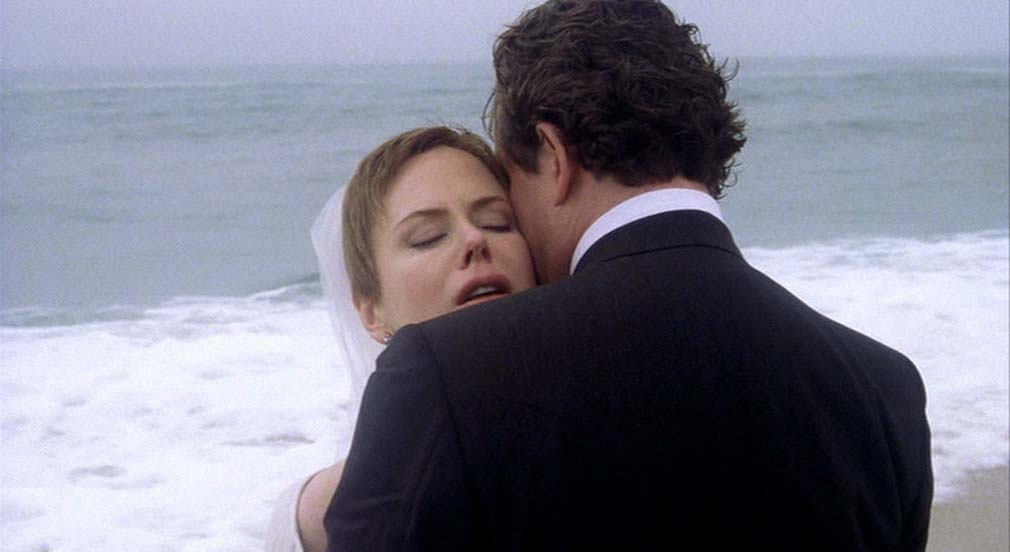
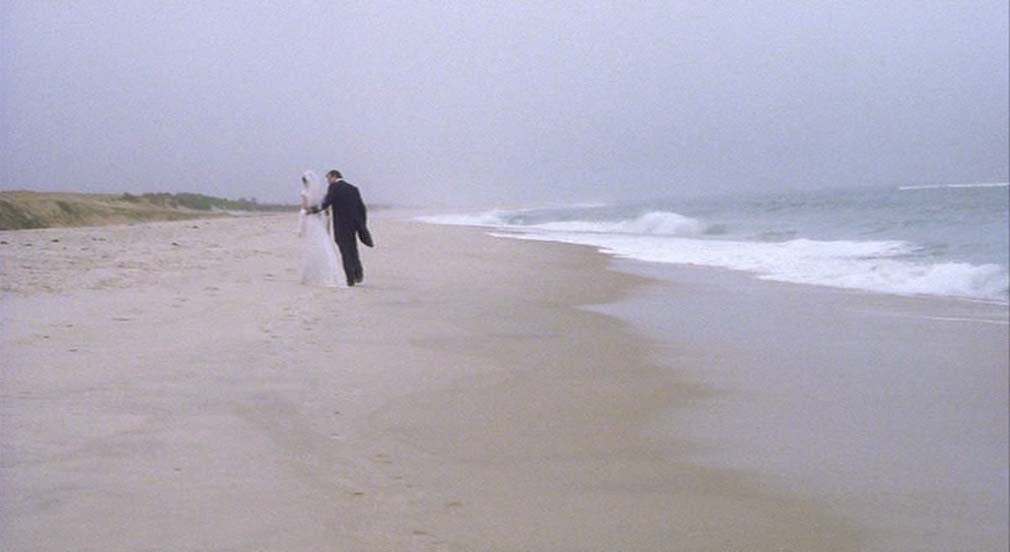
The film concludes with Anna, many years later, sitting alone by the sea in quiet reflection. Although the ending is ambiguous, it suggests that she has finally achieved a sense of acceptance—recognizing that love, memory, and loss cannot be brought back to life, only carried forward.
“Birth” is more a reflection on mourning, belief, and emotional vulnerability than a supernatural tale. The film employs its eerie premise to explore how grief can distort our perception and how deeply the human mind yearns for the impossible return of lost love.