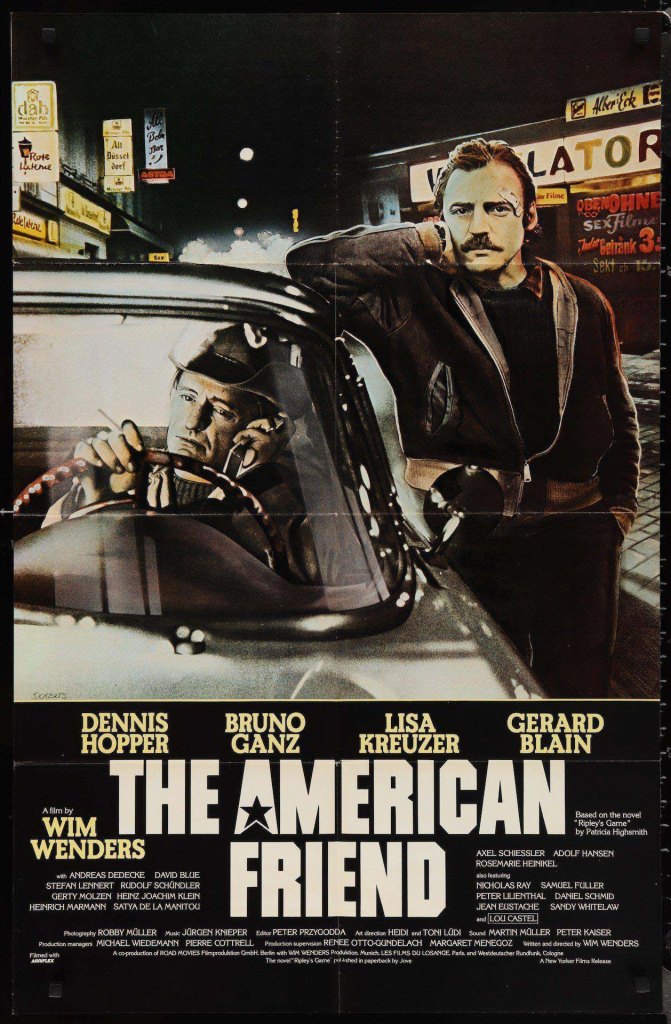
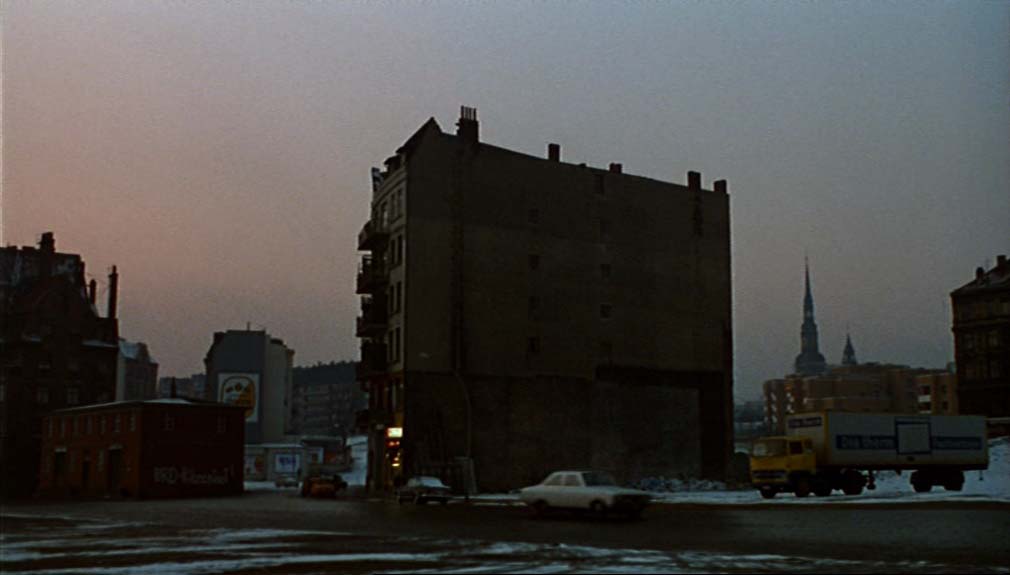
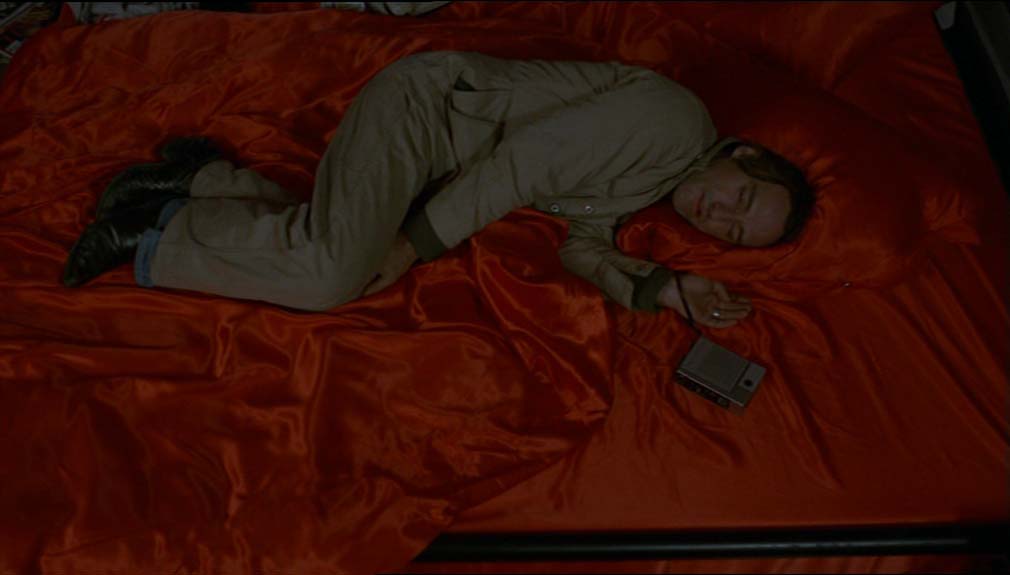
“Der amerikanische Freund” aka “The American Friend” is a 1977 neo-noir crime drama directed by Wim Wenders. It is loosely adapted from Patricia Highsmith’s novels “Ripley’s Game” and “Ripley Under Ground.” The film combines elements of existential drama and suspense, exploring themes of friendship, moral compromise, and the quiet desperation of ordinary lives.
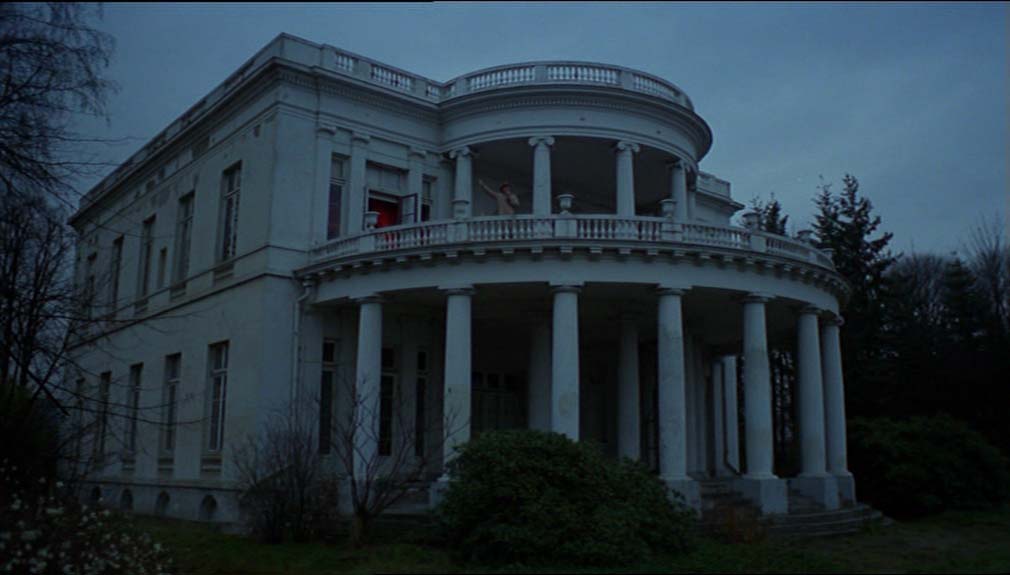
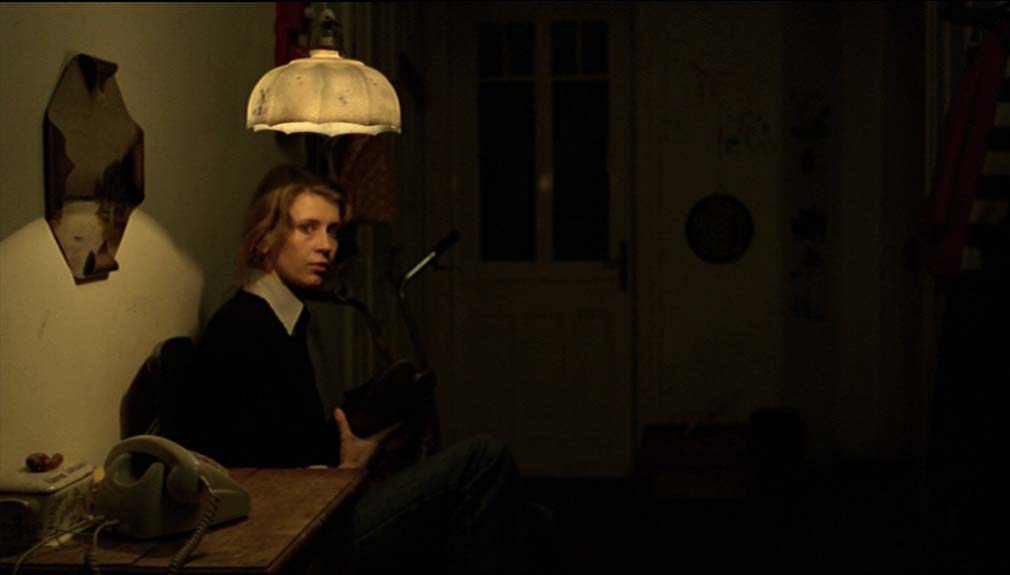
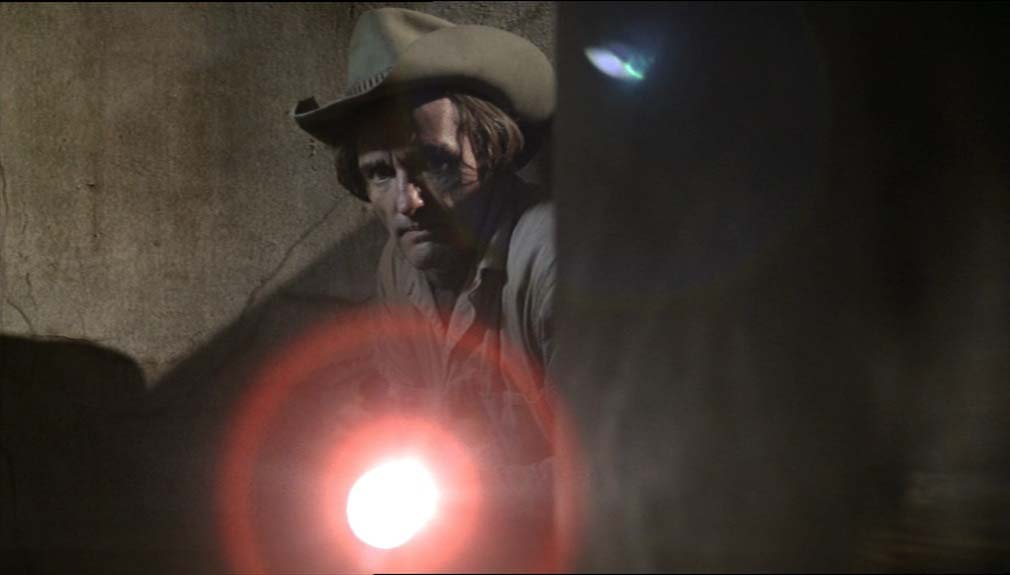
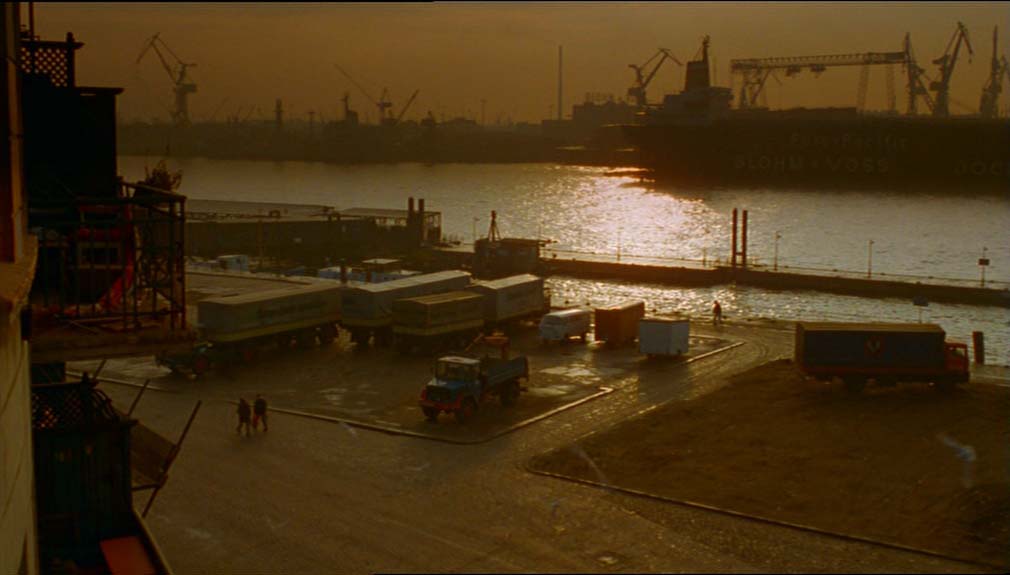
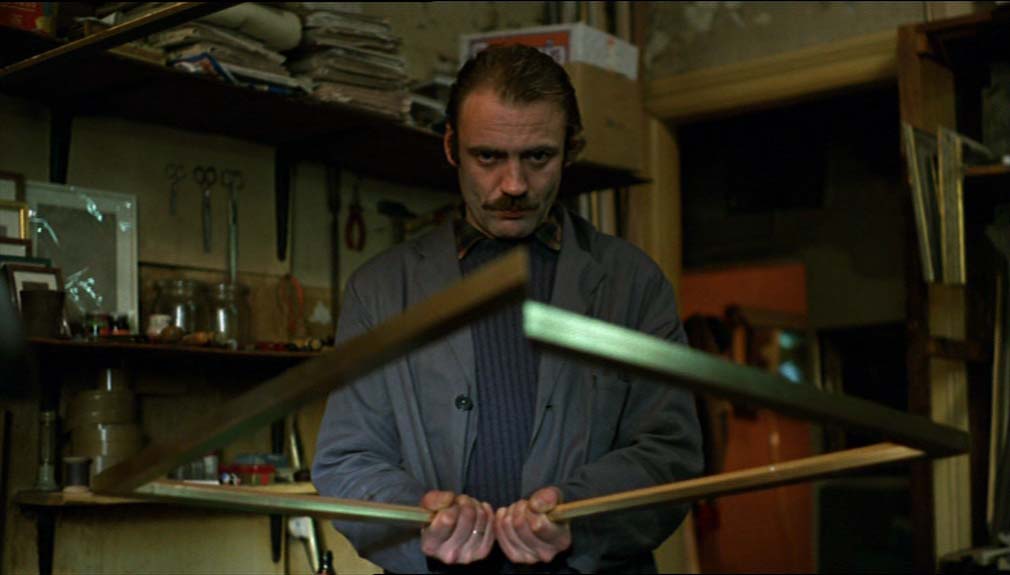
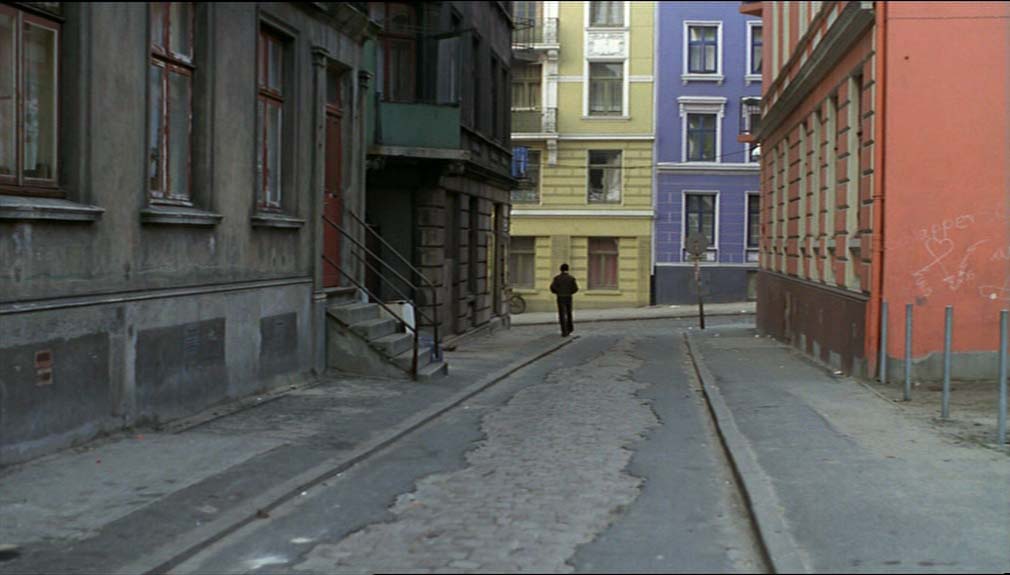
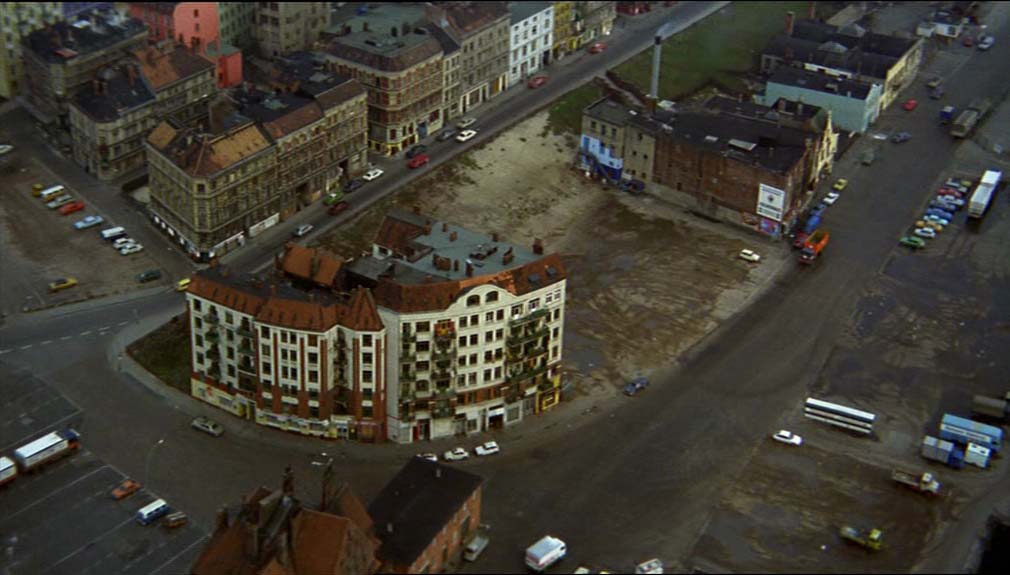
The story primarily takes place in Hamburg, Germany, and focuses on Jonathan Zimmermann, portrayed by Bruno Ganz. Jonathan is a gentle and somewhat introverted craftsman who specializes in restoring and framing paintings. He lives with his wife, Marianne, played by Lisa Kreuzer, and their young son. Although he is devoted to his family, Jonathan carries a heavy burden: he suffers from a rare blood disease that he fears will soon take his life.
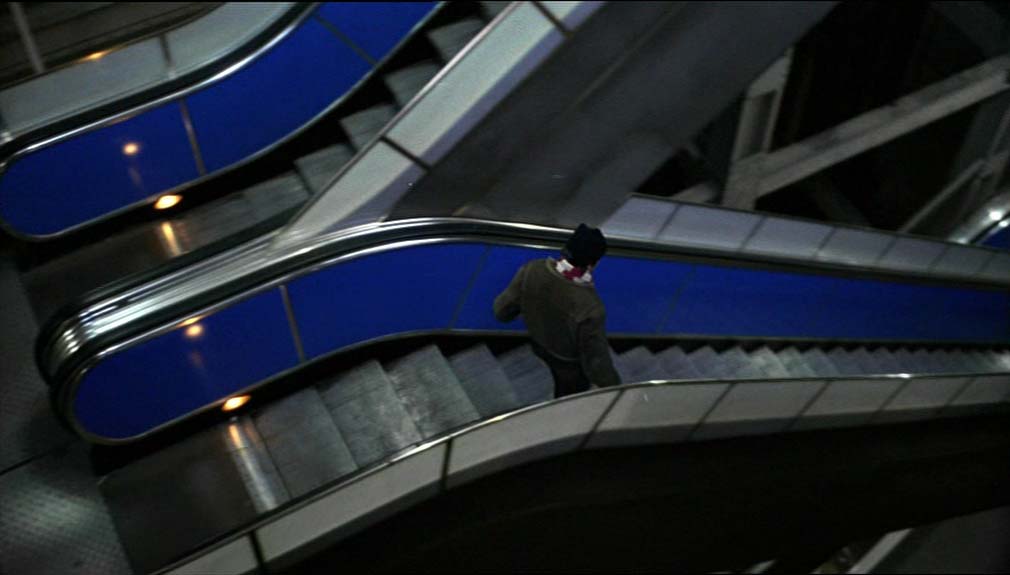
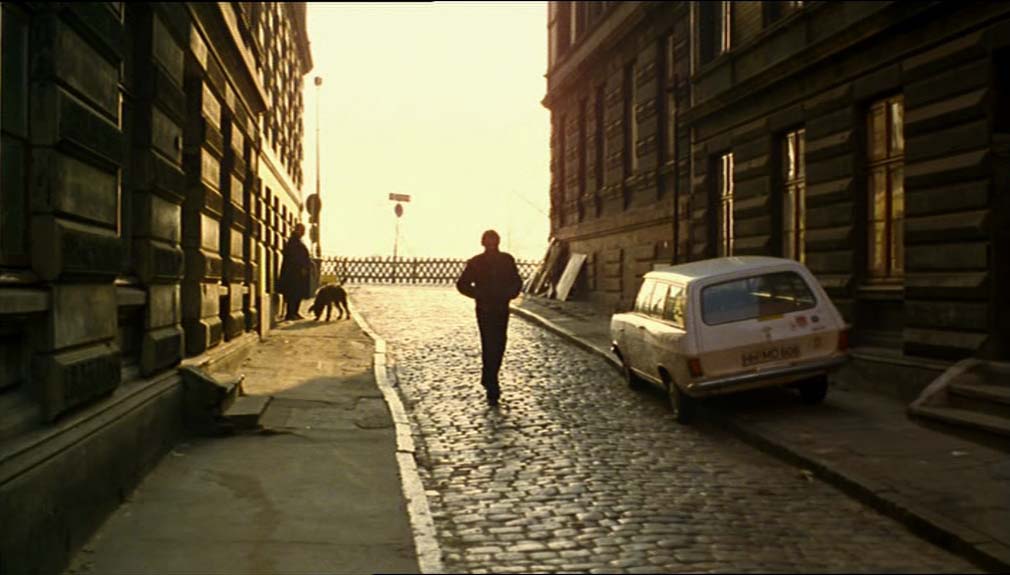
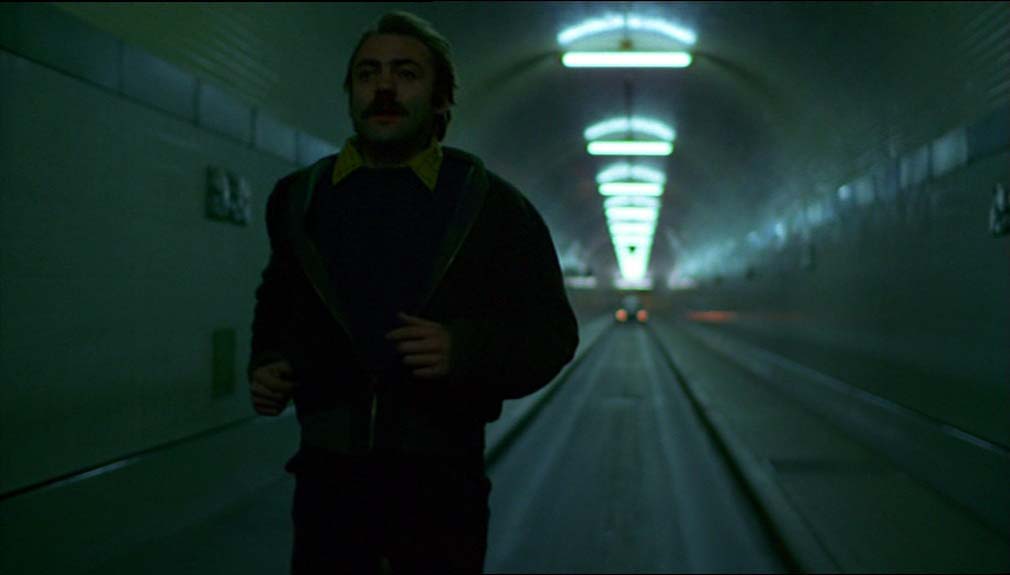
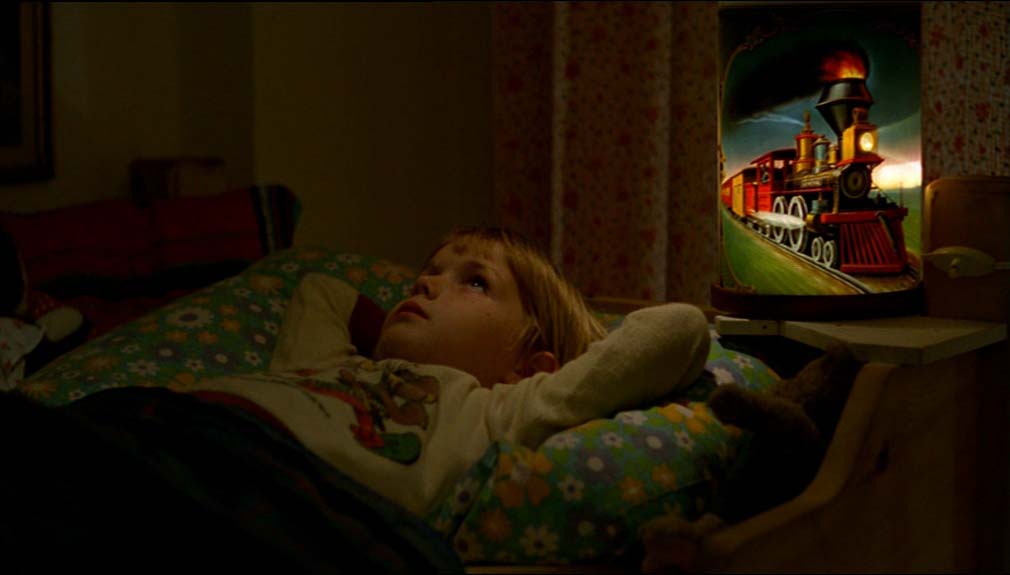
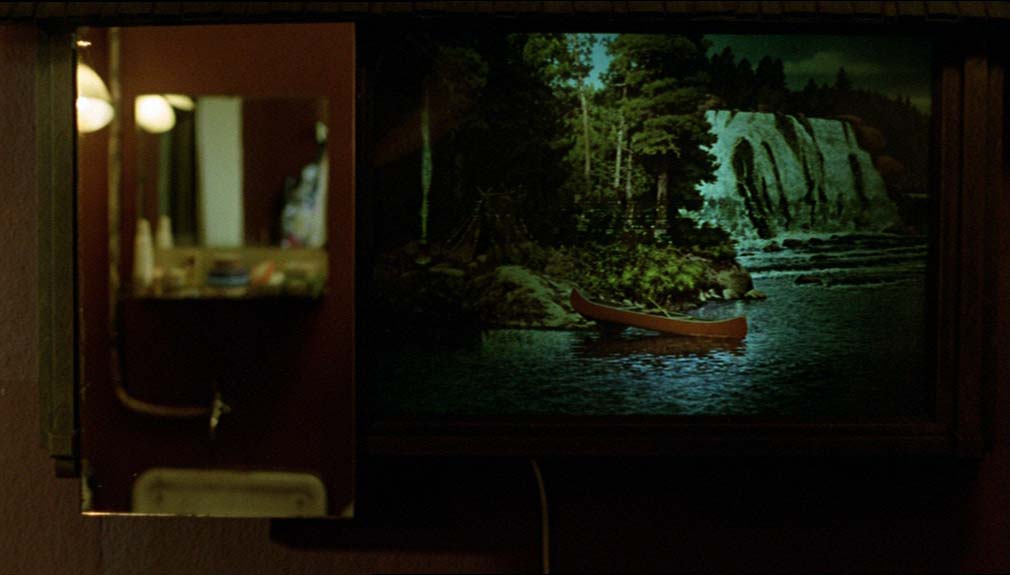
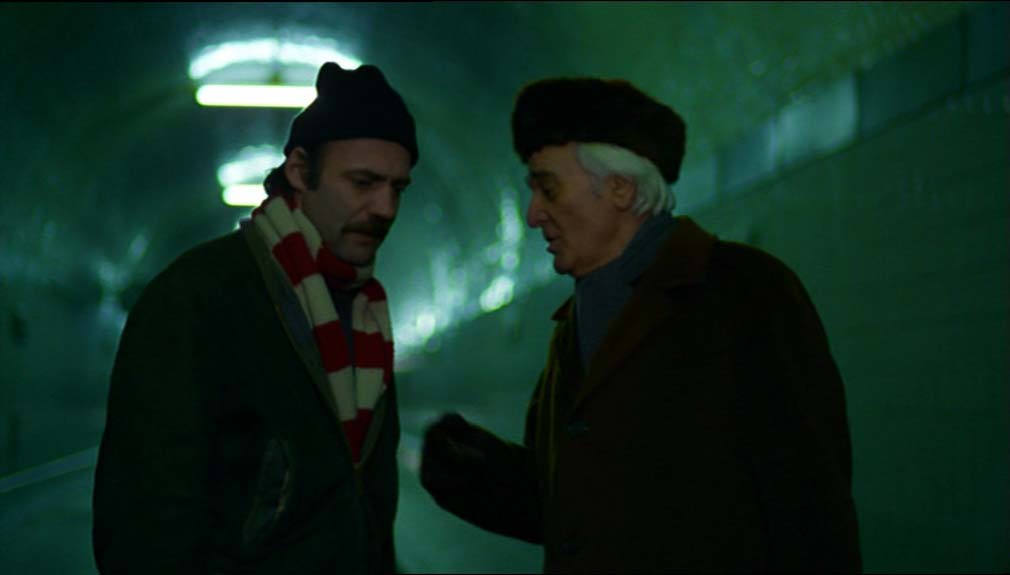
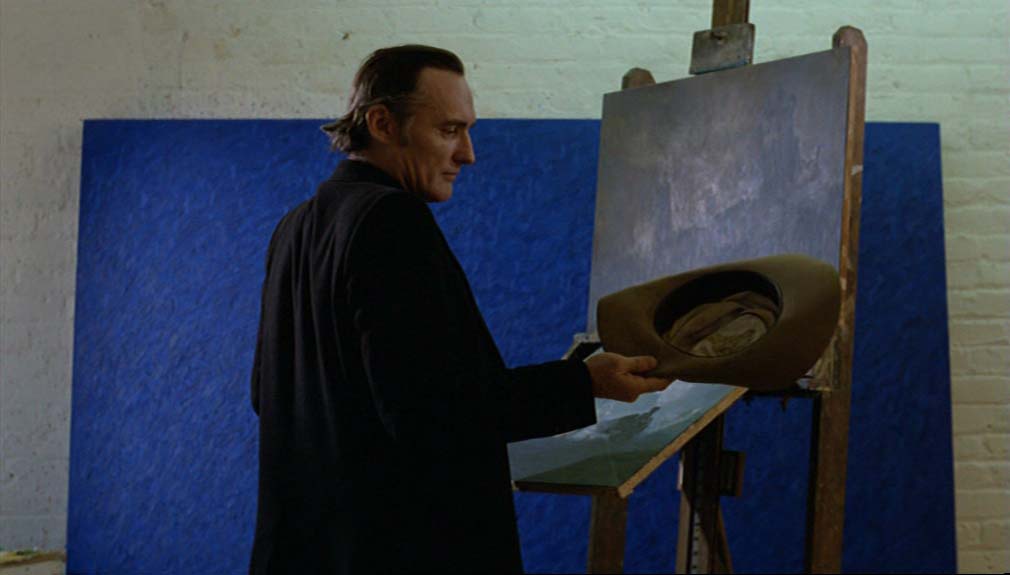
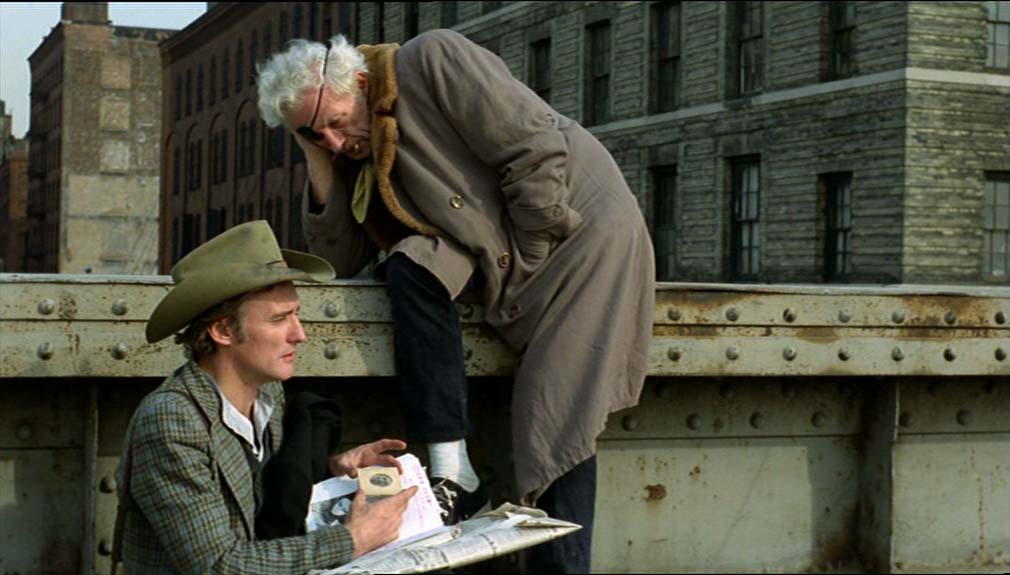
Jonathan’s life becomes intertwined with the enigmatic American drifter, Tom Ripley (played by Dennis Hopper). Ripley resides in Hamburg, surrounded by dubious associates, and is involved in a scheme involving forged paintings. Although he appears charming and laid-back—often seen wearing cowboy boots and a hat—Ripley is unpredictable, amoral, and subtly dangerous.
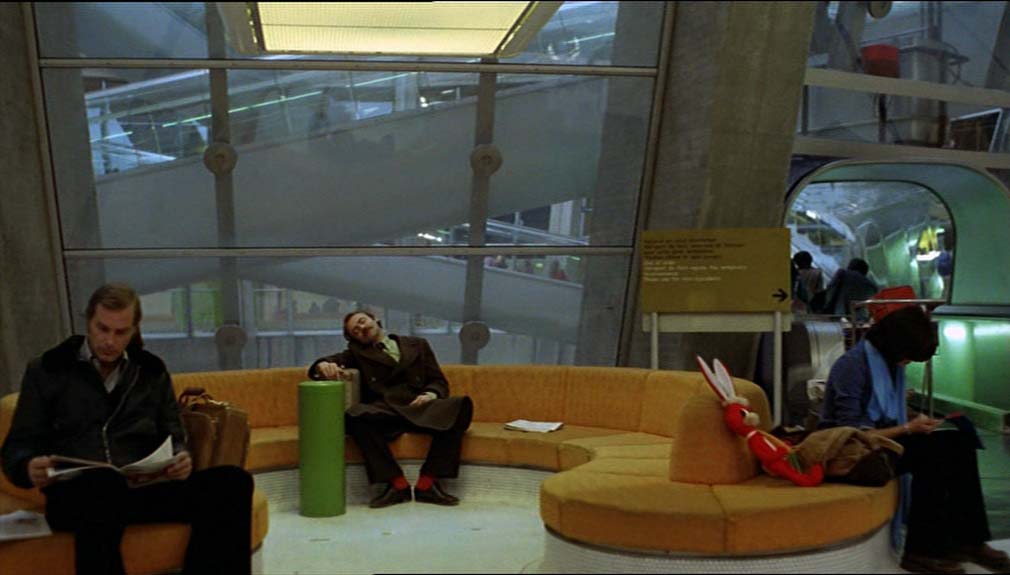
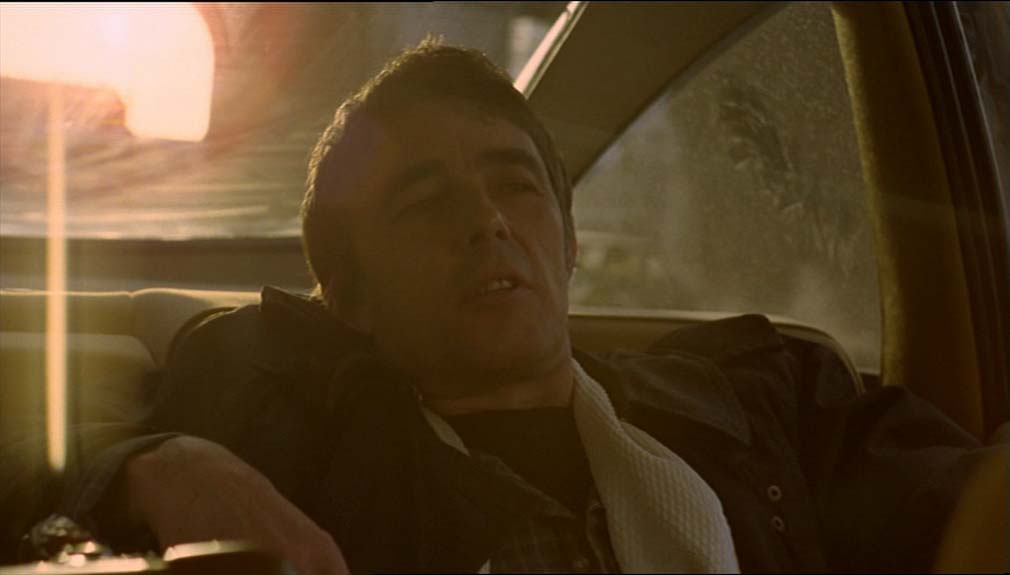
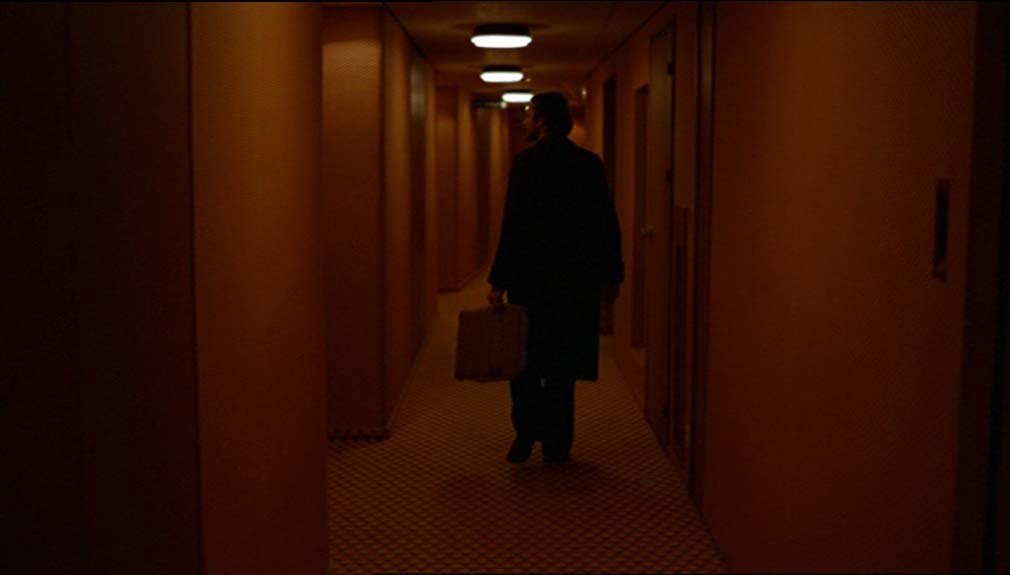
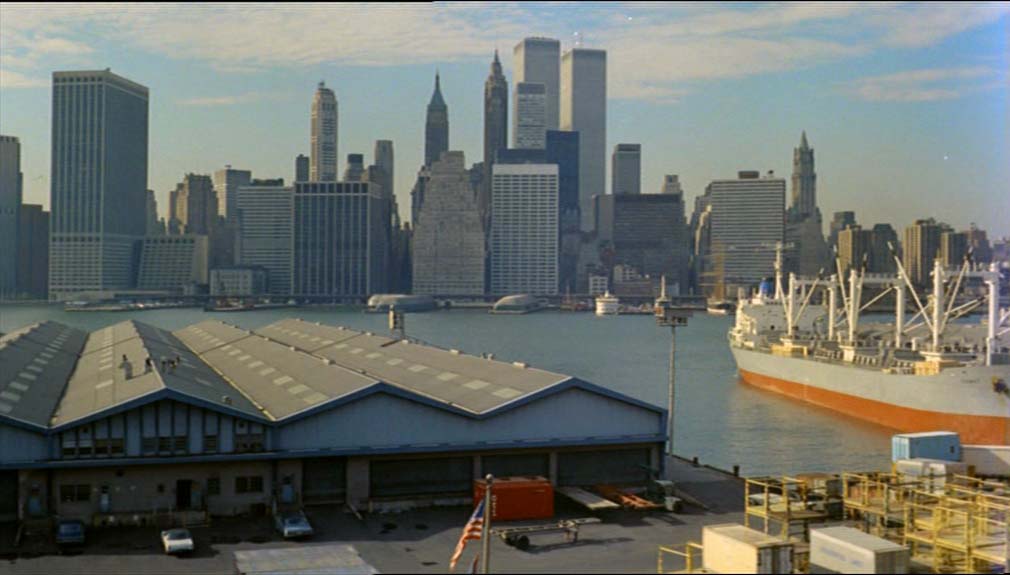
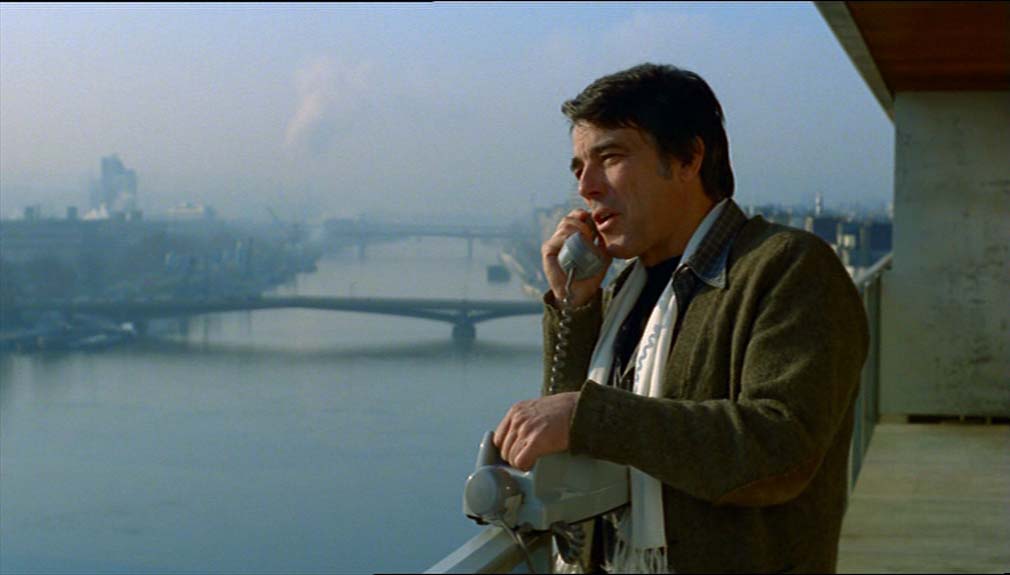
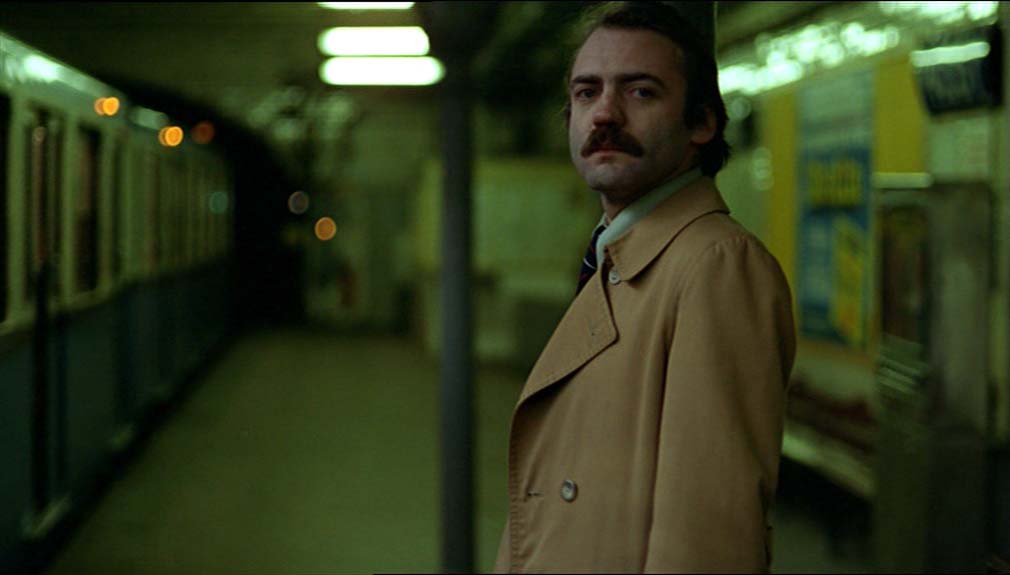
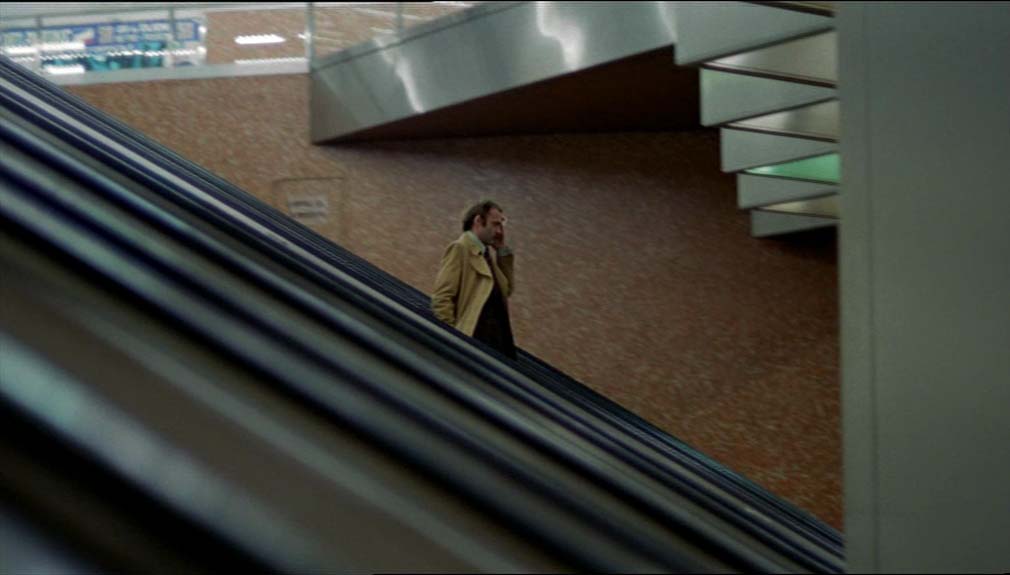
At an art auction, the two men briefly meet, but Jonathan refuses to shake Ripley’s hand after hearing rumors of his involvement in art forgery. Ripley feels offended by this small social rejection, although he does not retaliate immediately.
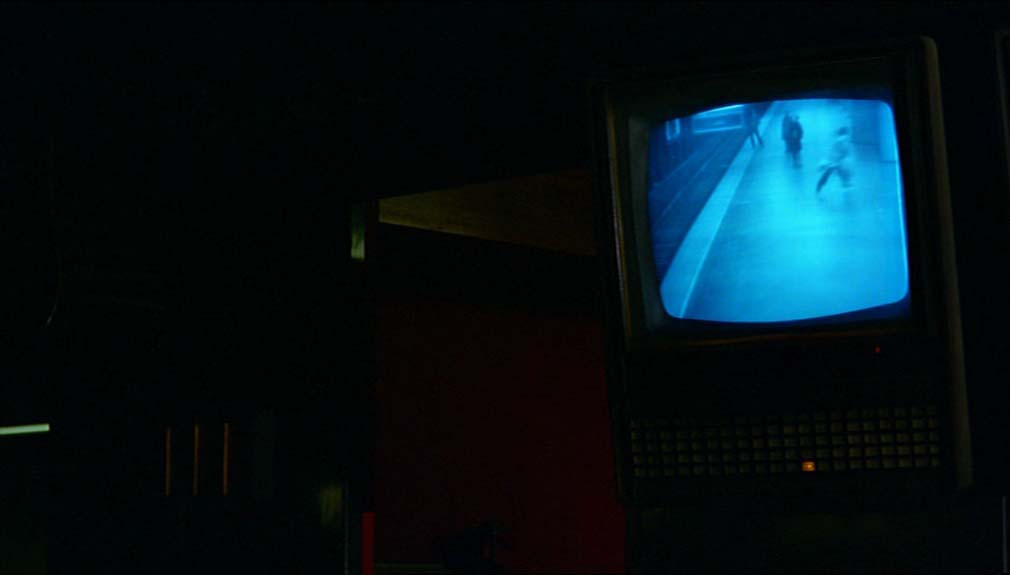
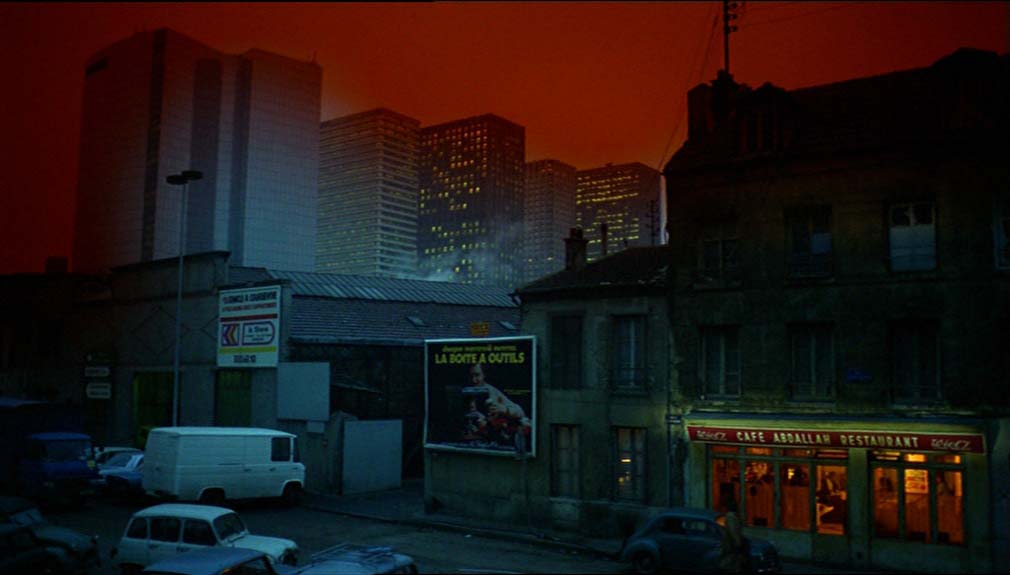
Ripley’s acquaintance, Raoul Minot (Gérard Blain), is a criminal middleman linked to organized crime. He is looking for someone to carry out a contract killing in Paris. The job requires an inconspicuous individual—an ordinary man who wouldn’t attract police attention. Ripley suggests that Jonathan would be the perfect candidate for this task.
To manipulate him into accepting the job, Minot spreads a lie that Jonathan’s illness is terminal and that he has only a short time left to live. Desperate to secure financial stability for his family before he dies, Jonathan reluctantly agrees to commit the murder.
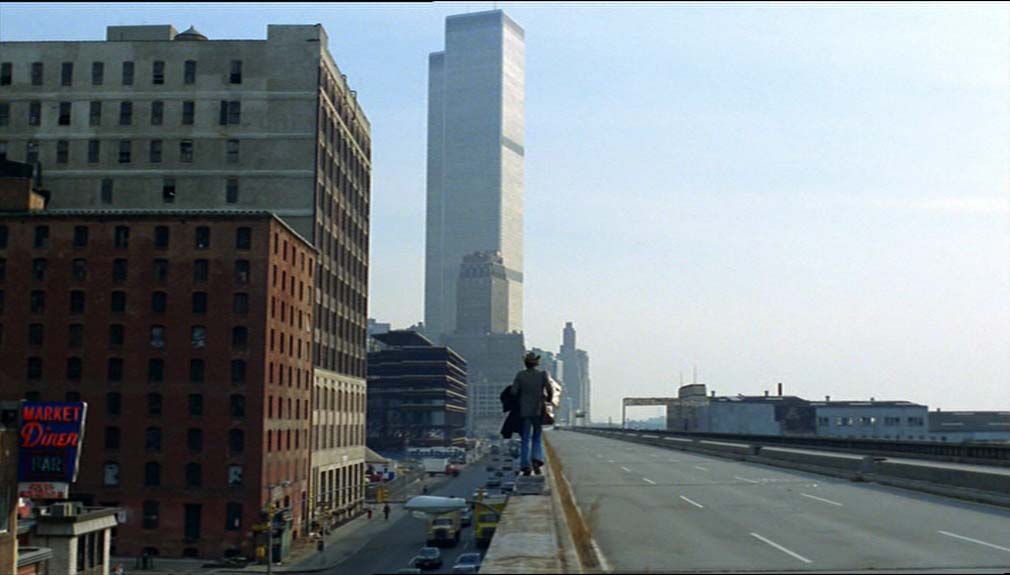
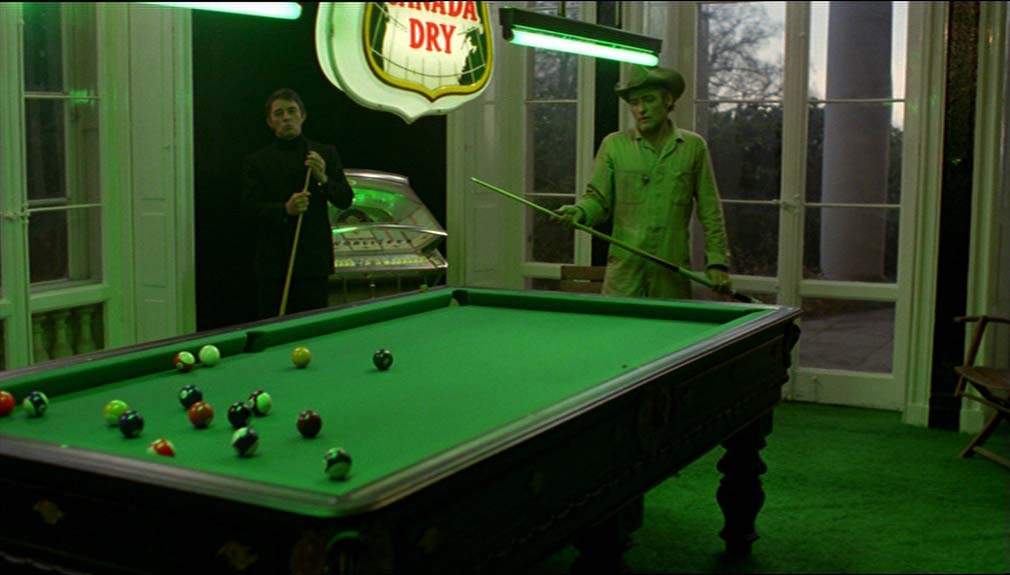

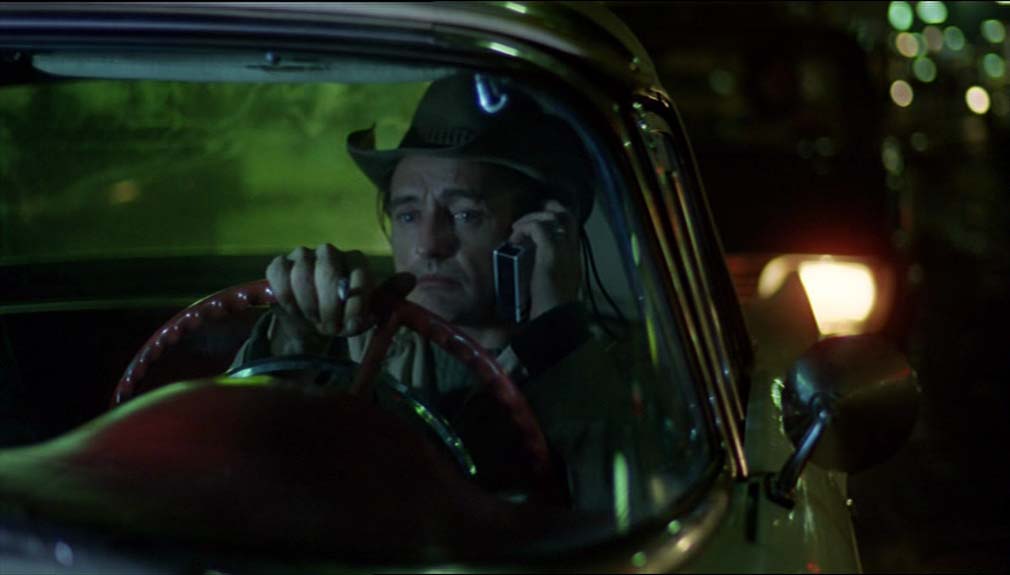
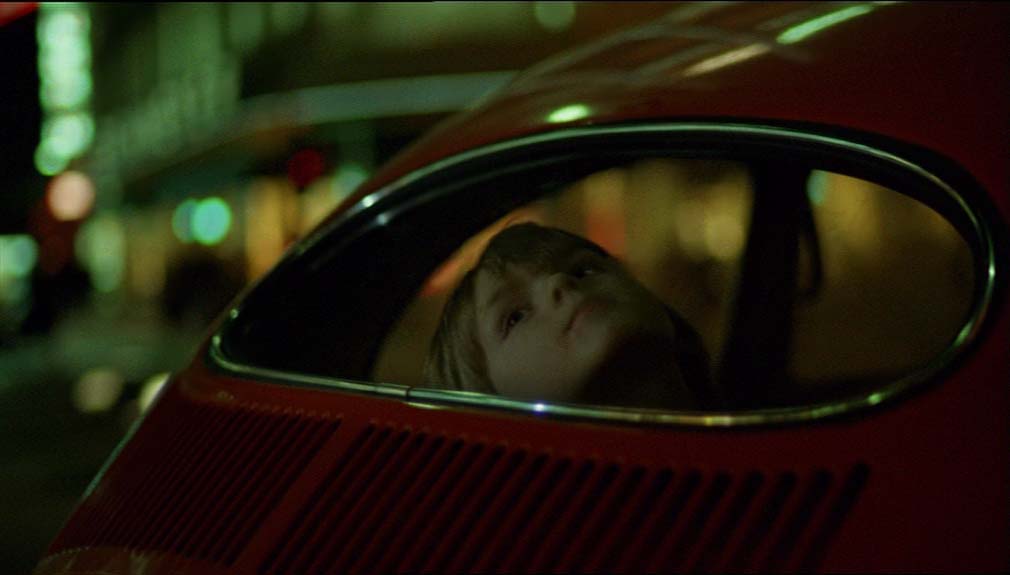
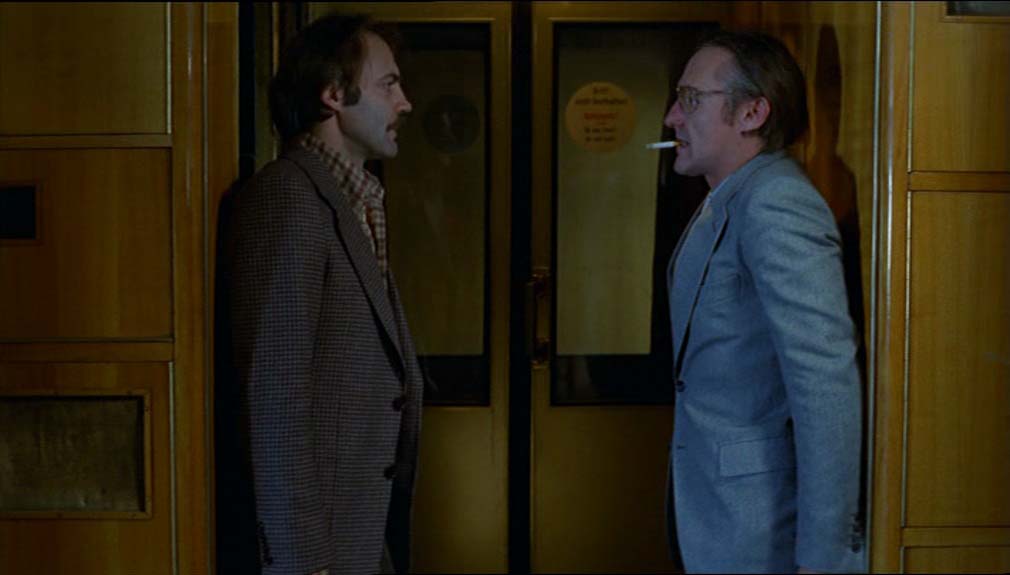
Traveling to Paris, Jonathan carries out the hit in a subway station, shooting a mob figure on a crowded train. The act deeply traumatizes him, and he returns home shaken and consumed with guilt. Despite this, he receives a substantial payment for the job and secretly hides it from his wife.
Soon afterward, Minot pressures Jonathan to carry out a second assassination, this time on a moving train traveling between Munich and Hamburg. This task is far more dangerous and psychologically overwhelming for Jonathan, who feels trapped in Minot’s criminal scheme.

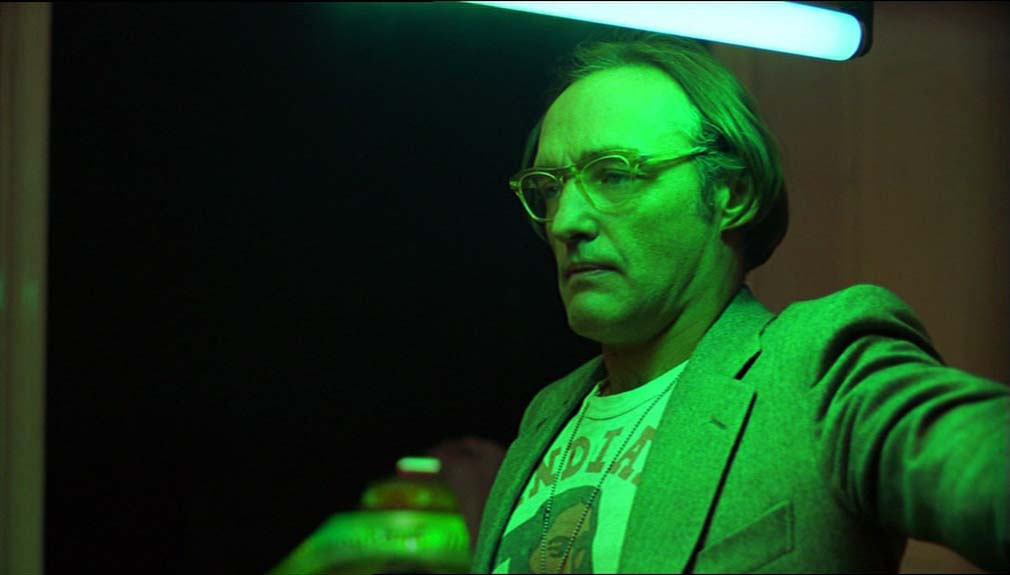
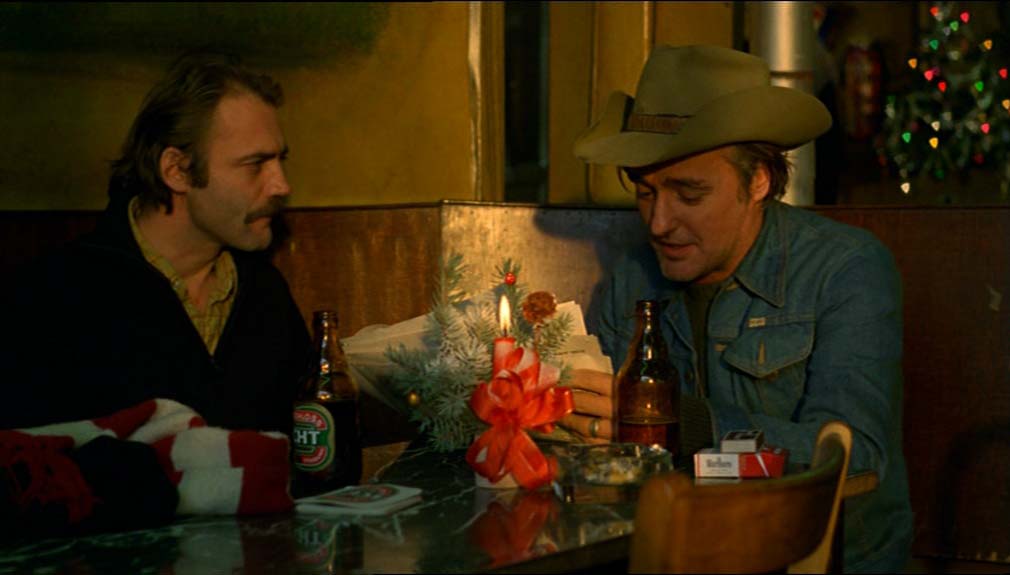
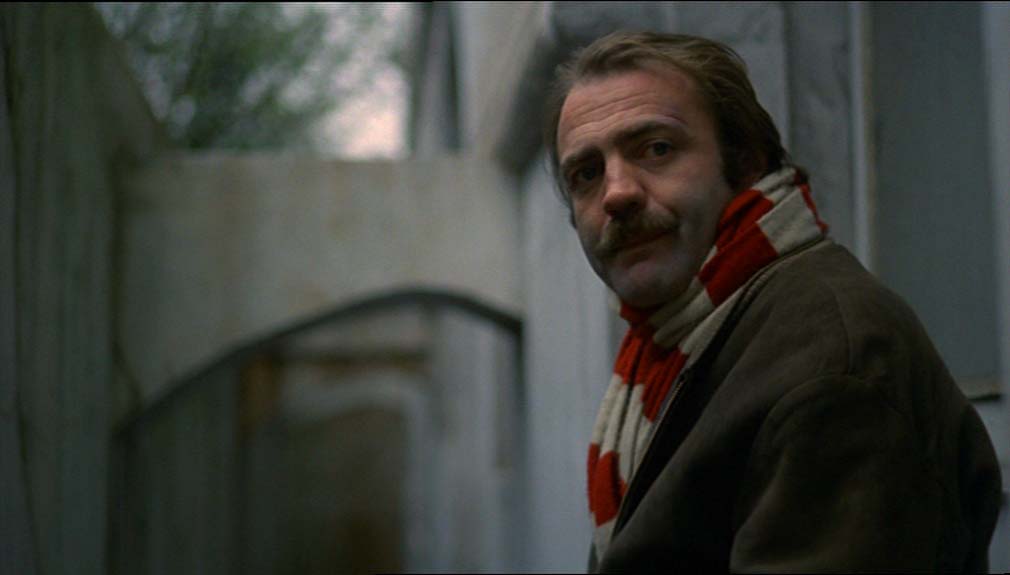
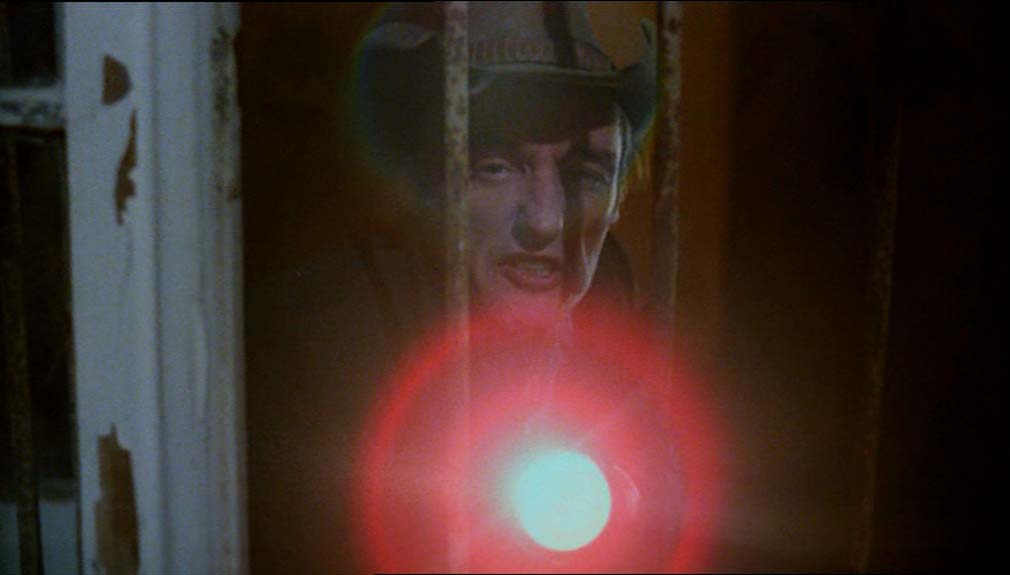
Unexpectedly, Ripley becomes personally involved. Although he originally suggested Jonathan as a pawn in the plan, Ripley begins to feel a strange sympathy for him. During the tense train journey, Ripley secretly assists Jonathan in completing the assassination and protecting himself from Minot’s associates.
An uneasy bond develops between the two men through their experiences. Ripley, who is usually detached and manipulative, finds himself strangely drawn to Jonathan’s vulnerability and decency. Meanwhile, Jonathan struggles to reconcile his actions with his identity as a loving husband and father.
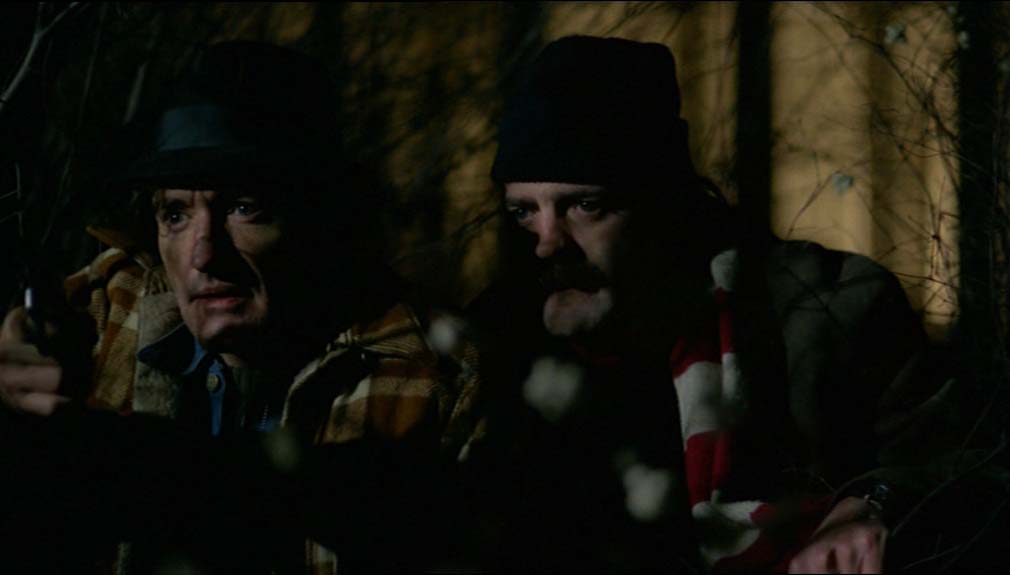
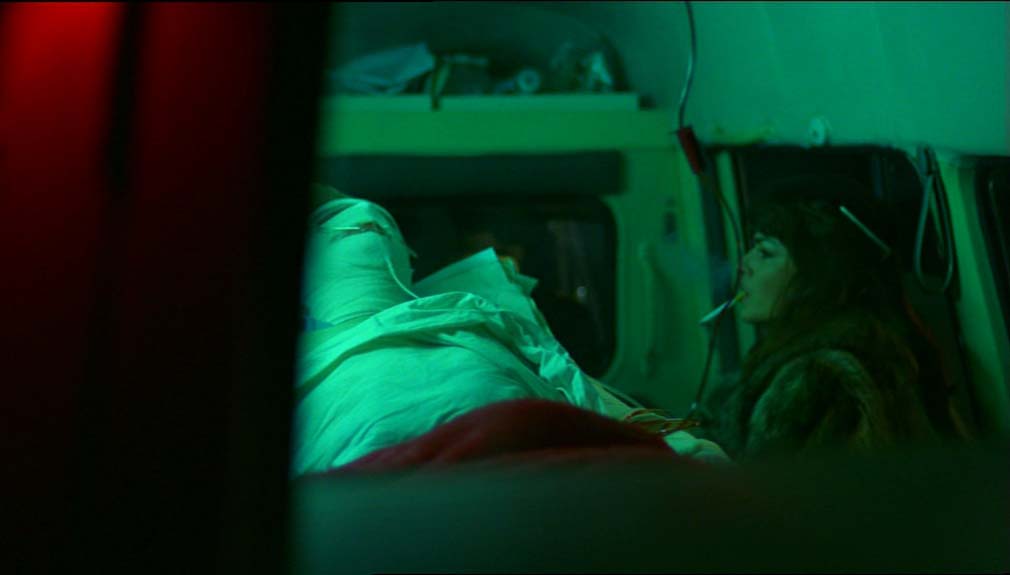
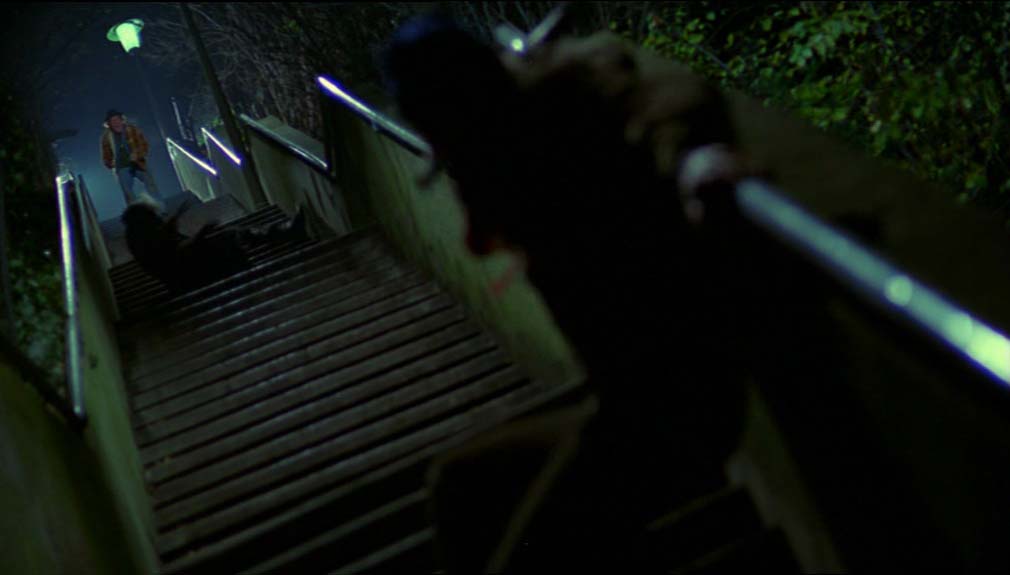
After the second killing, both men realize that Minot intends to eliminate them to cover up the crimes. Ripley warns Jonathan that they have been set up and that their lives are now in danger.
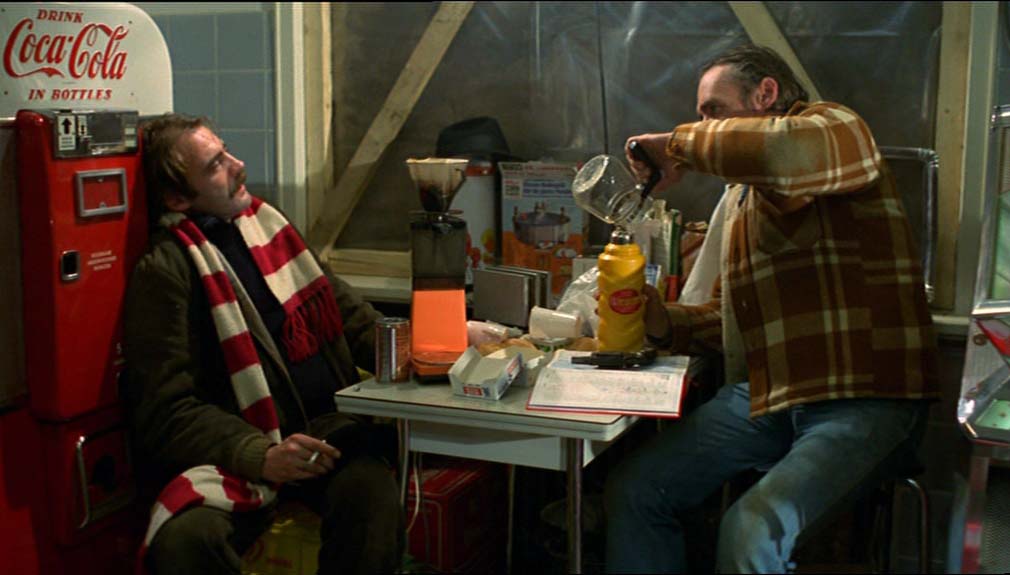
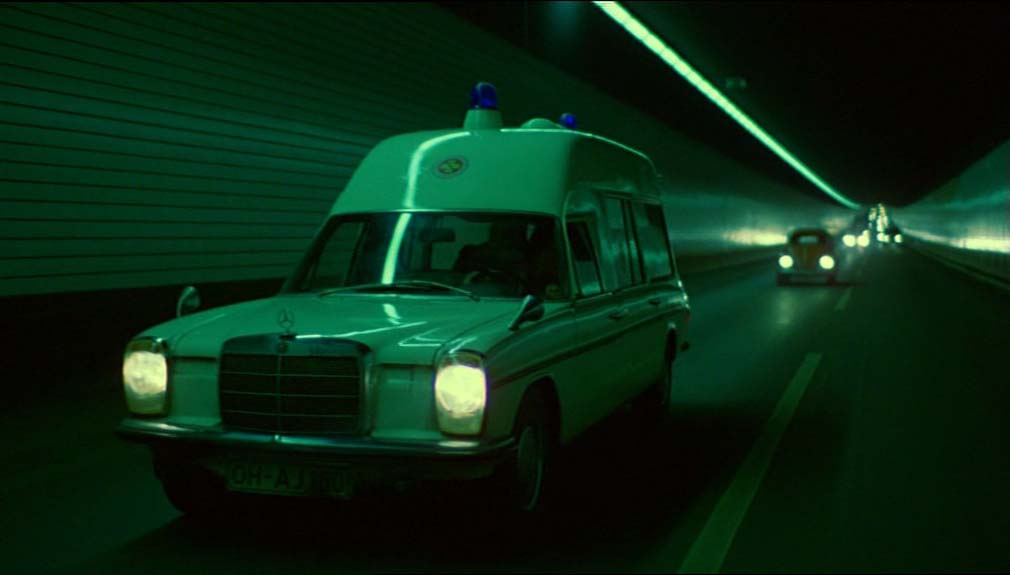
The final act unfolds on a remote riverboat along the Elbe River, where Ripley and Jonathan confront Minot and his men. In the ensuing violence, Jonathan is mortally wounded. Ripley manages to kill Minot and escape the ambush, but Jonathan dies soon afterward, leaving his family behind.
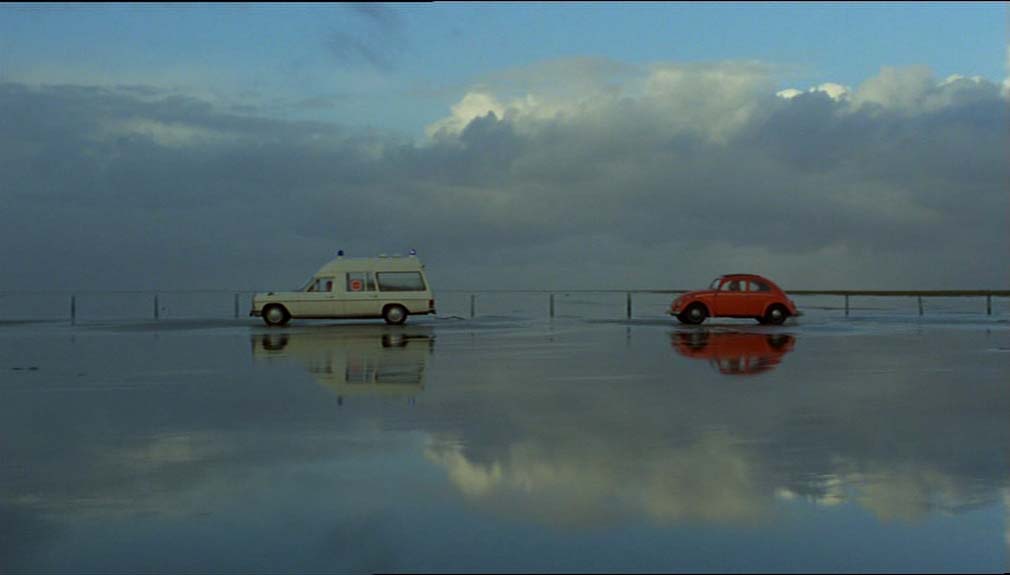
In the film’s final moments, Ripley reflects on the tragic outcome of their unlikely connection. Despite his cynical nature, he appears genuinely affected by Jonathan’s death, indicating that the fragile friendship between them briefly penetrated his emotional detachment.
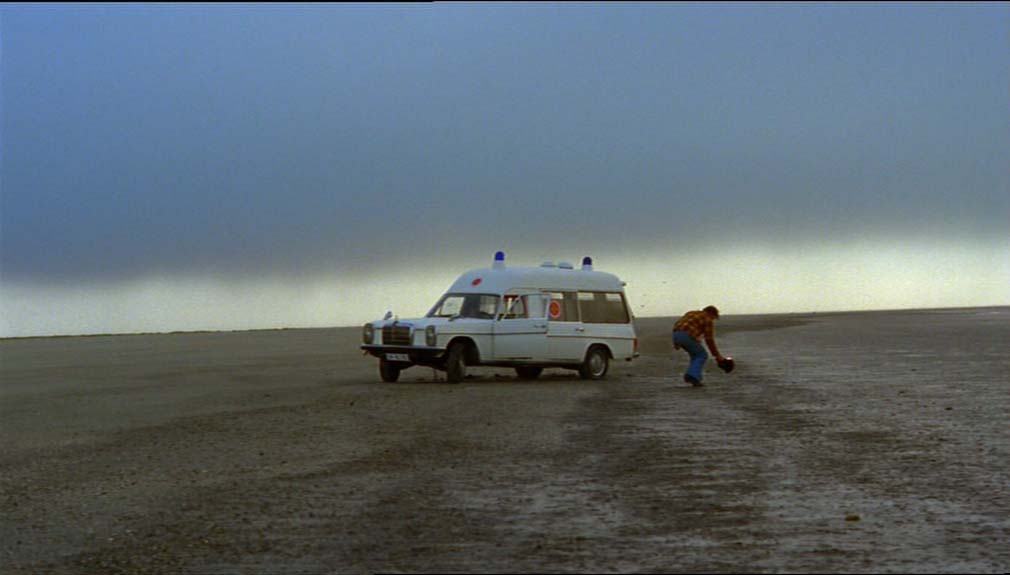
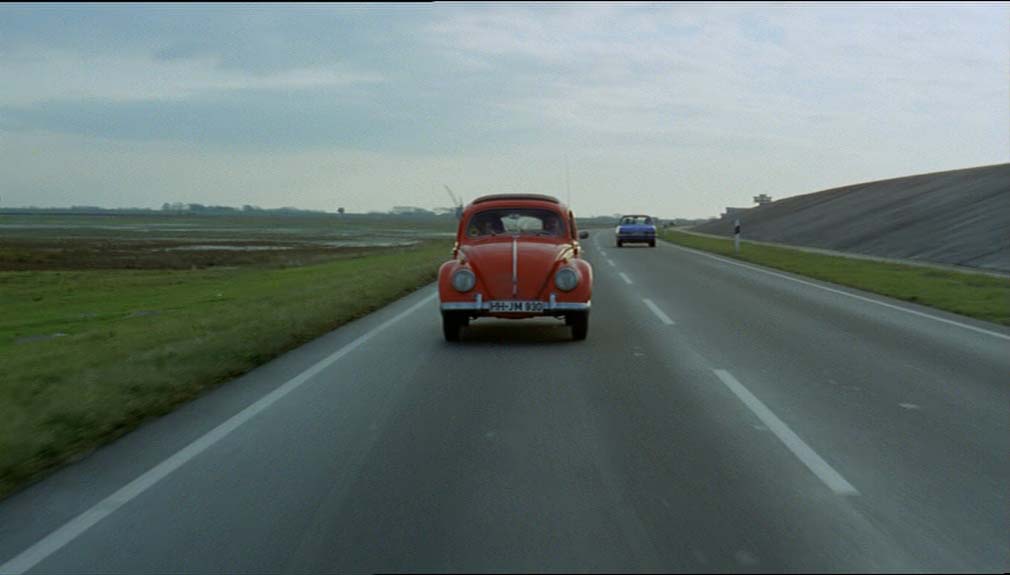
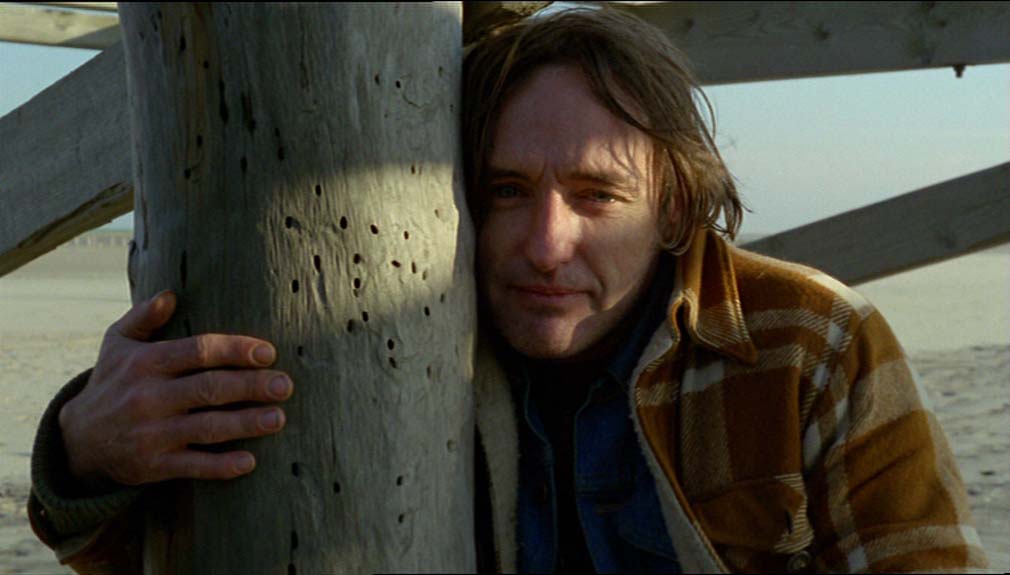
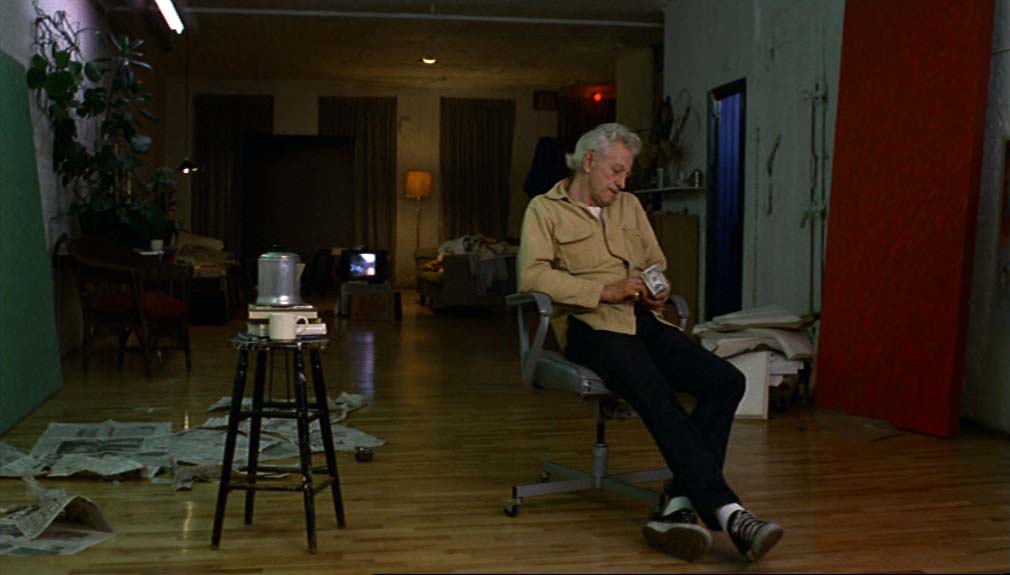
“The American Friend” is notable for its atmospheric cinematography, existential tone, and slow-building tension. The film combines elements of American noir with the sensibilities of the New German Cinema movement. It delves into themes of moral compromise, loneliness, and the unusual connections that can develop between very different individuals. Beneath its crime narrative, the film offers a melancholy reflection on mortality and the delicate choices that shape a person’s life. Additionally, the film features cameo appearances by legendary directors Nicholas Ray and Samuel Fuller, underscoring Wenders’ homage to classic American cinema.