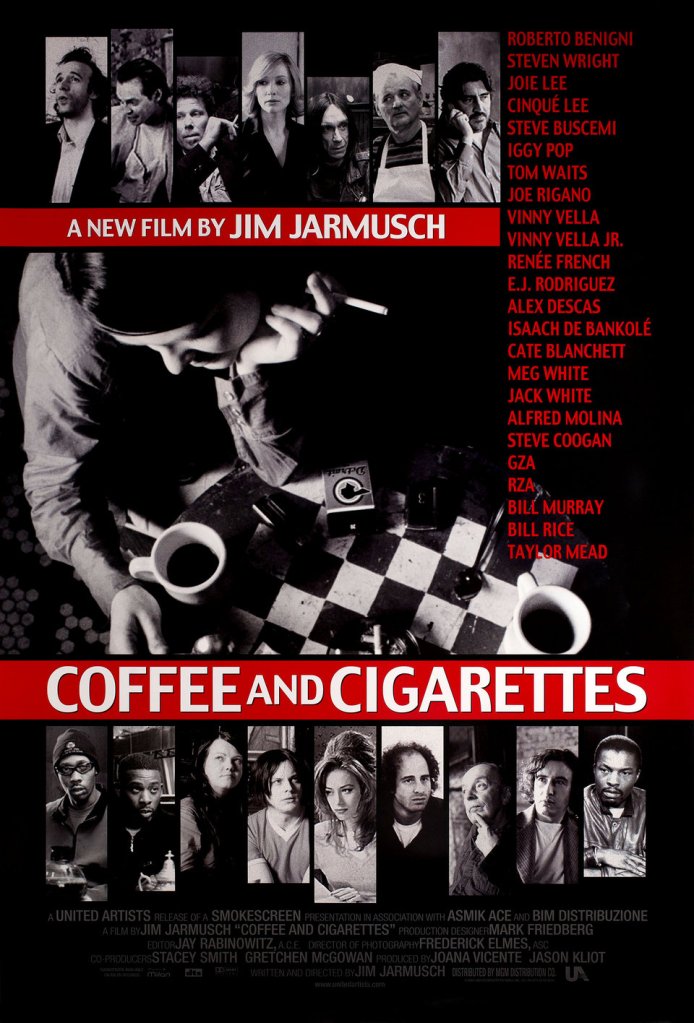
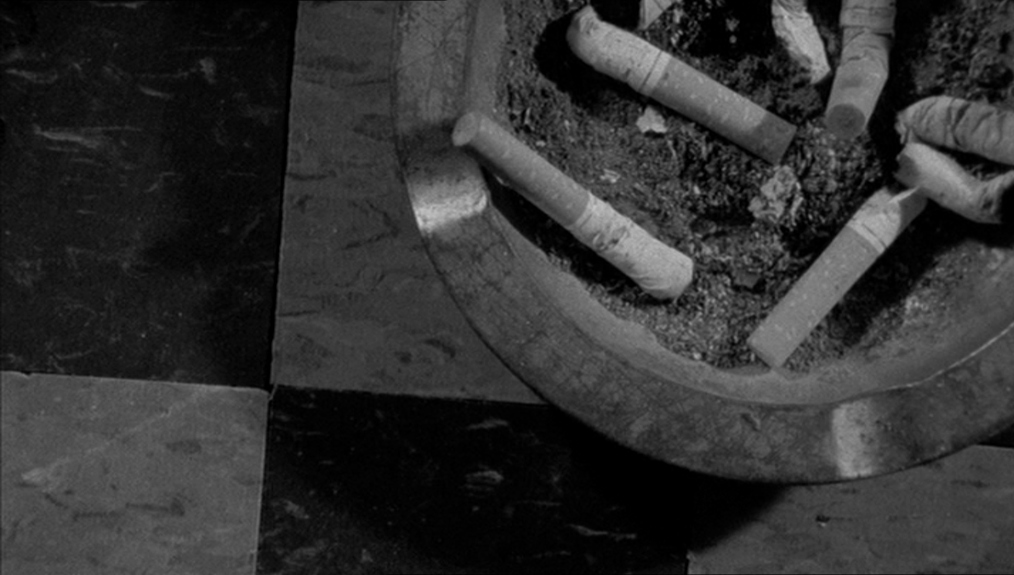
“Coffee & Cigarettes” is a 2003 anthology film directed by Jim Jarmusch, consisting of eleven short vignettes filmed in black-and-white. The film is united by a common theme: people sitting at tables, drinking coffee, and smoking cigarettes. It was created over nearly two decades, with some segments originally produced as short films for television in the late 1980s. Despite its seemingly simple premise, the film delves into complex themes such as social awkwardness, ego, intellectual posturing, paranoia, and the nature of human connection, or often the lack thereof.
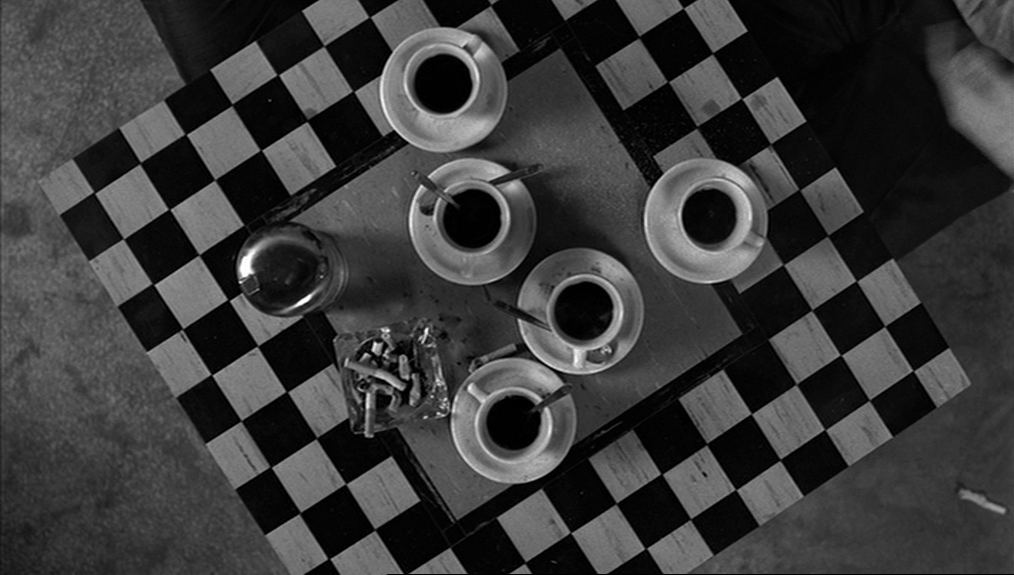
The film is divided into the following segments:
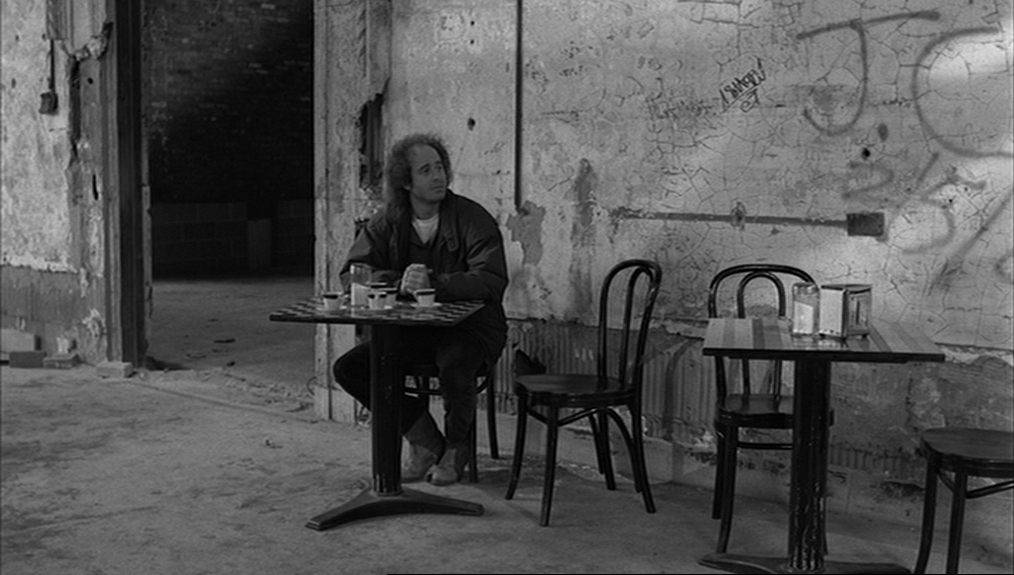
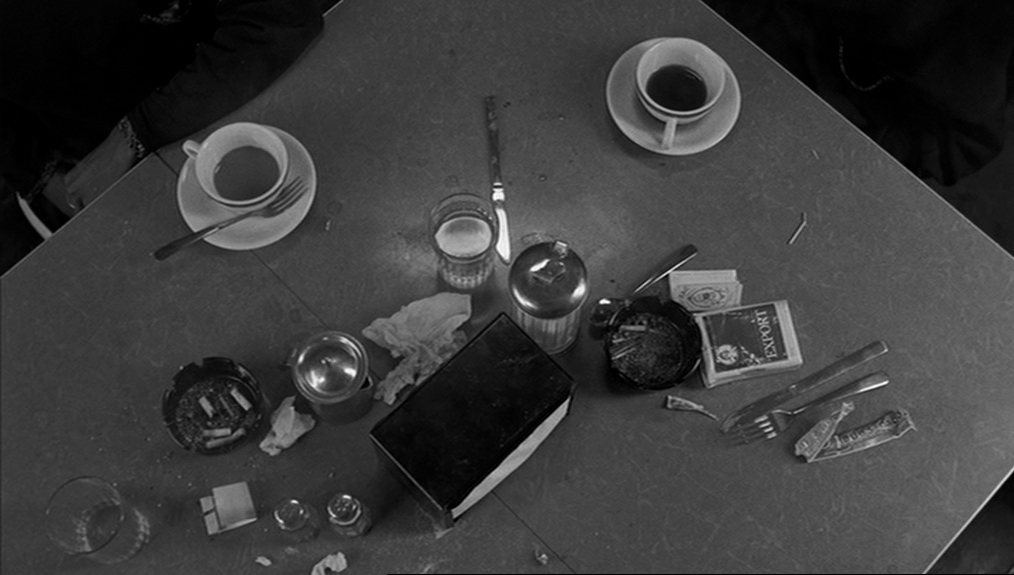
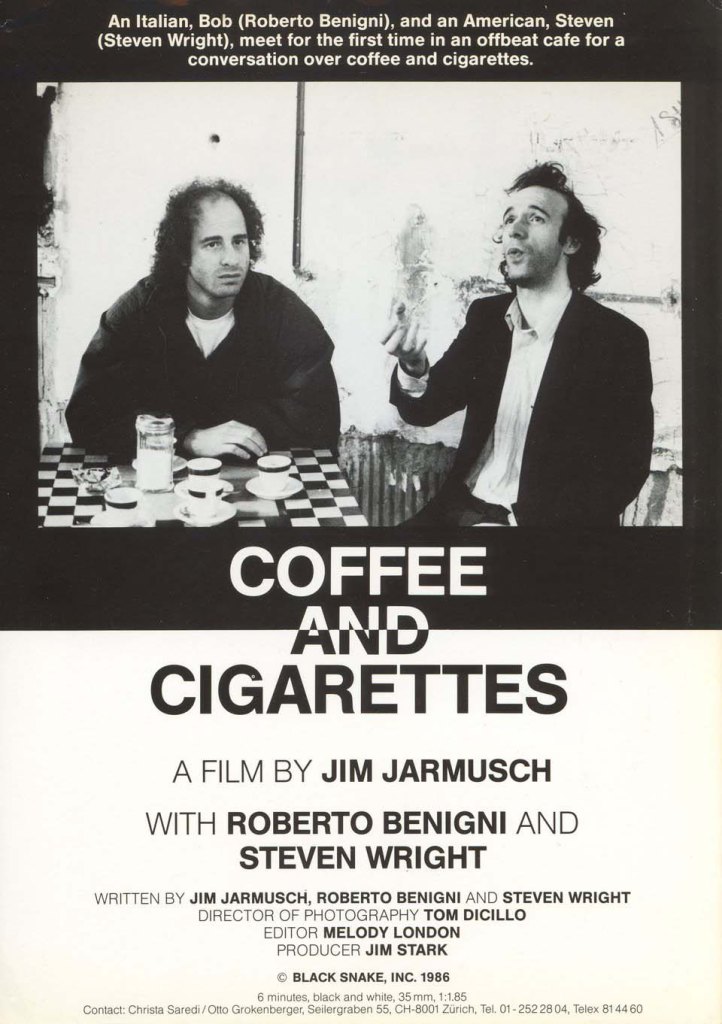
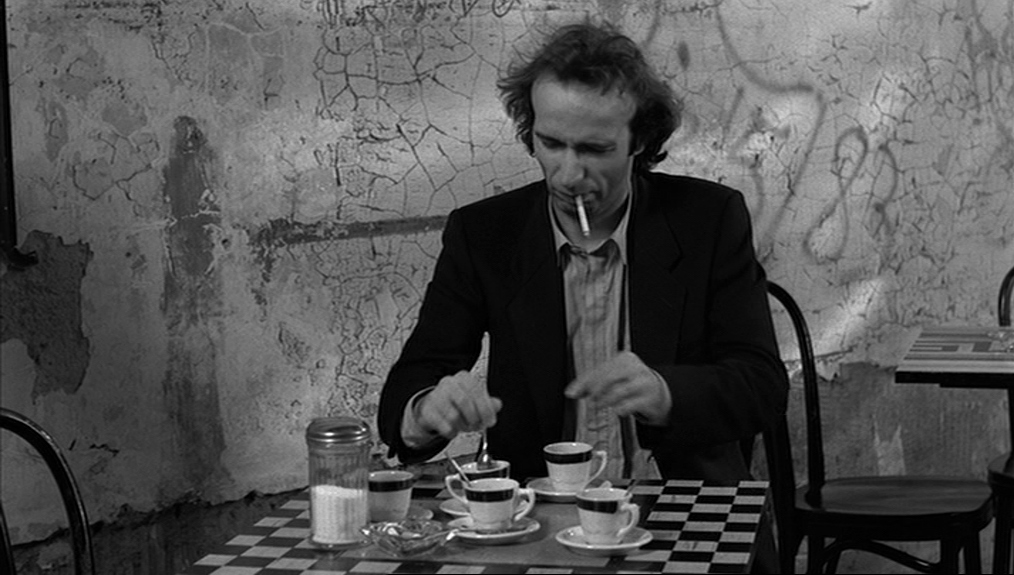
1. “Strange to Meet You” (1986) – Roberto Benigni and Steven Wright sit across from each other at a diner. Roberto announces that he has a dentist appointment, but doesn’t want to go. In response, Steven offers to go in his place. Their conversation spirals into cheerful and absurd confusion.
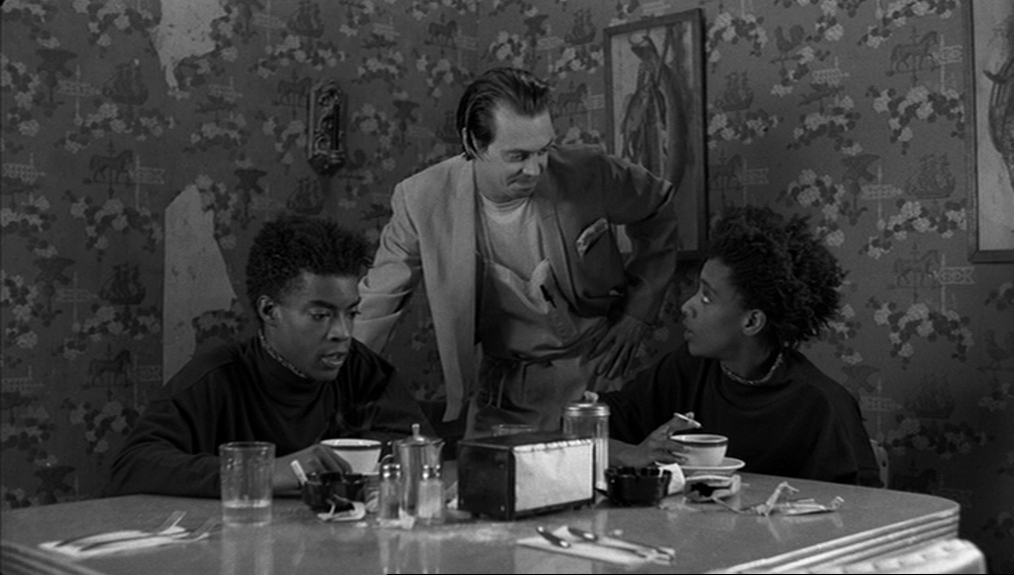
2. “Twins” (1989) – Joie Lee and Cinqué Lee portray twins who share a table with their cousin, played by Steve Buscemi. Buscemi launches into an elaborate theory that Elvis Presley was actually a twin, and that the “evil twin” prevailed. This segment serves as a deadpan meditation on family dynamics and obsessive trivia.
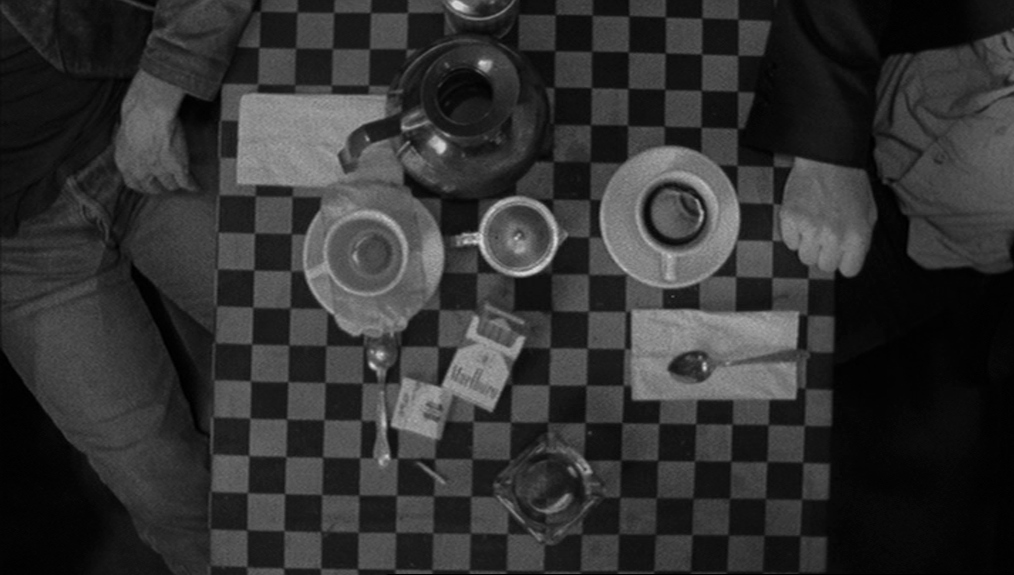
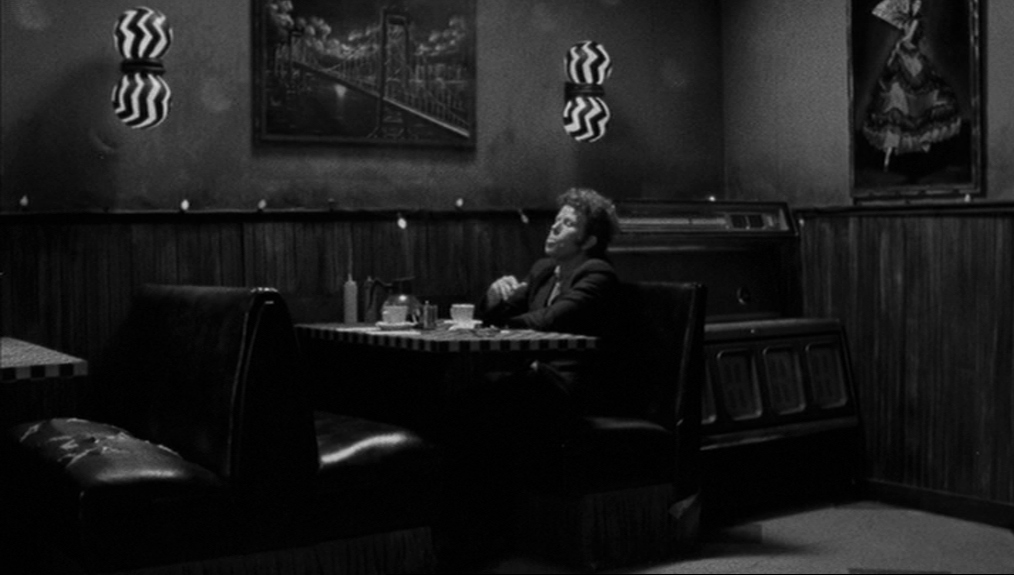
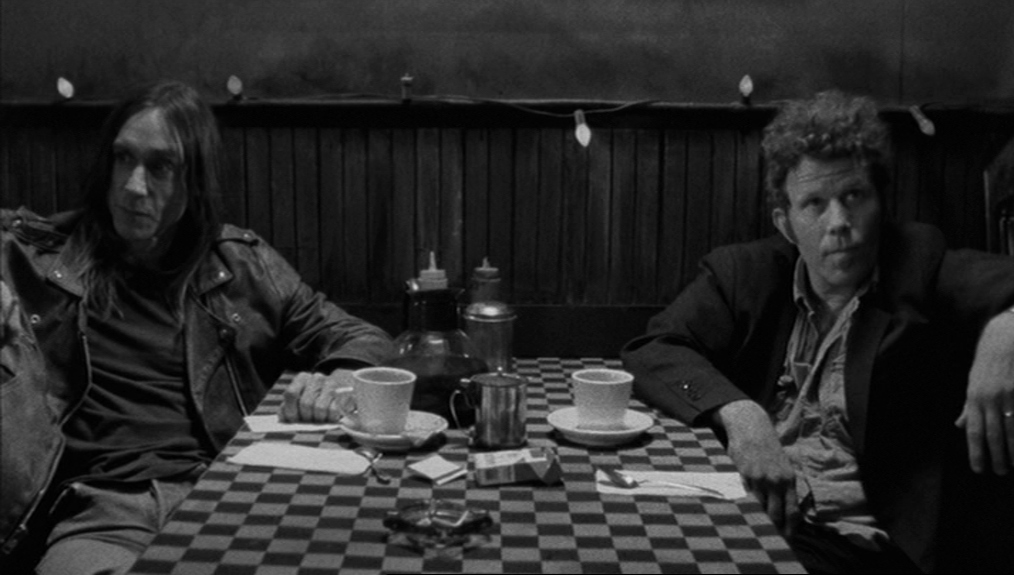
3. “Somewhere in California” (1992): Iggy Pop and Tom Waits, two icons of outsider culture, meet in a diner. Both men try to project a sense of cool nonchalance while clearly delighted to see each other. They flirt with the idea of having a cigarette—both claiming to have quit—and bond over their mutual admiration, although neither is willing to fully drop their guard.
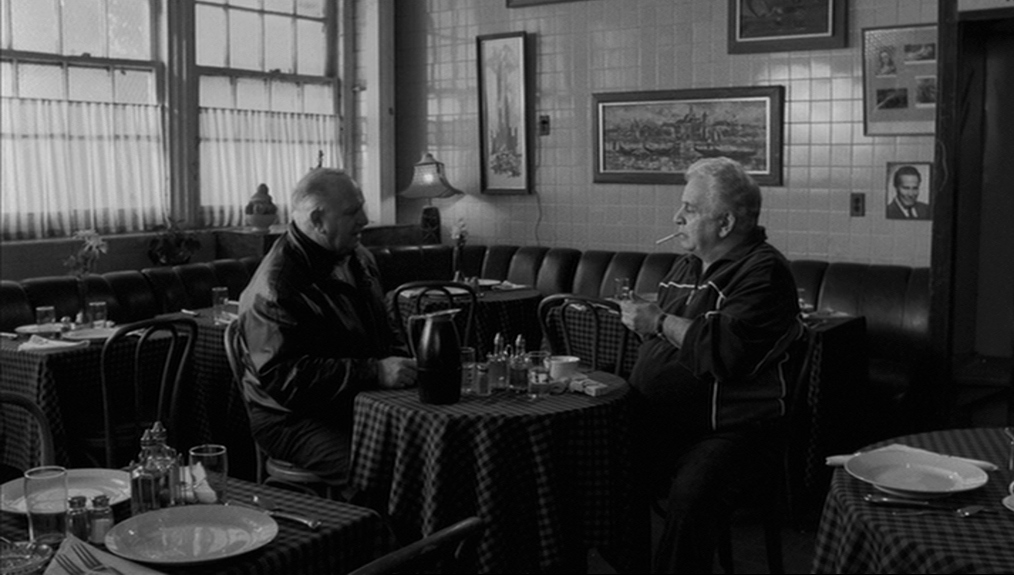
4. “Those Things’ll Kill Ya” Joe Rigano and Vinny Vella sit at a roadside table. Rigano persistently lectures Vella about the dangers of smoking, while Vella’s son, Vinny Vella Jr., occasionally makes an appearance. This segment portrays two old men caught in the familiar patterns of their friendship.
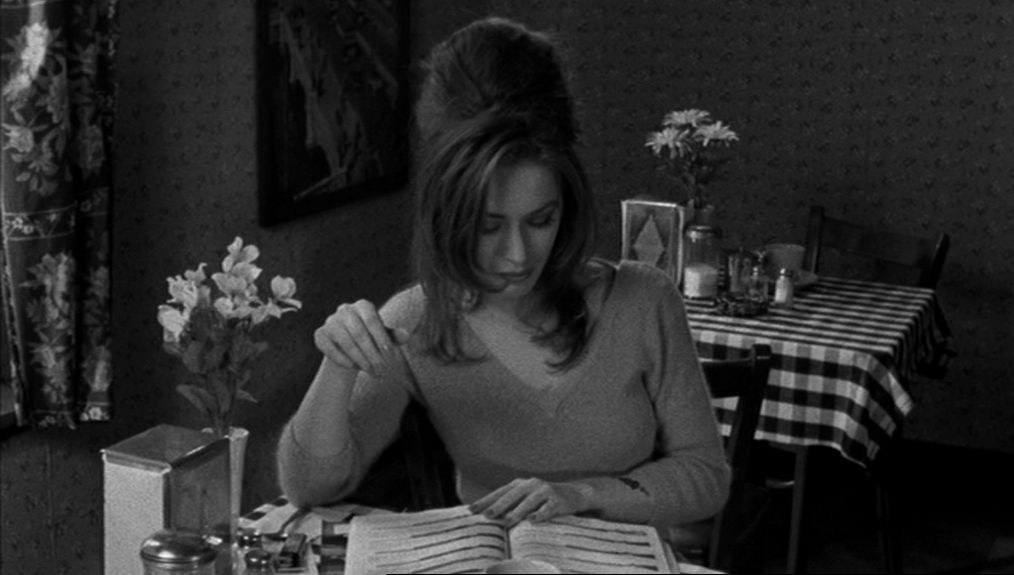
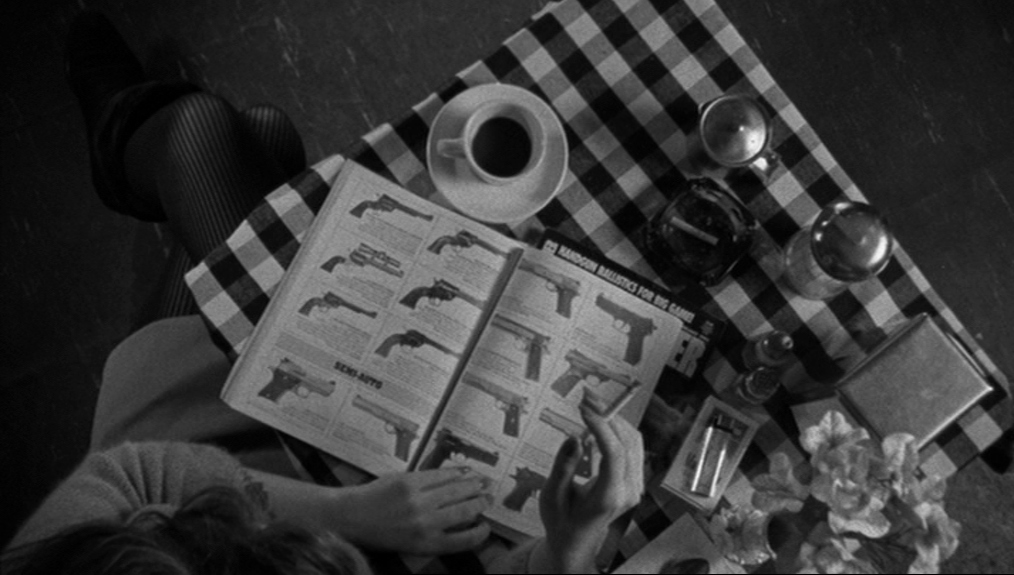
5. “Renée” Renée French sits alone at a diner, sketching on a napkin. A waiter named E.J. Rodriguez becomes increasingly fixated on her, hovering and fussing. The segment is quiet and slightly unsettling, presenting a study in unspoken tension.
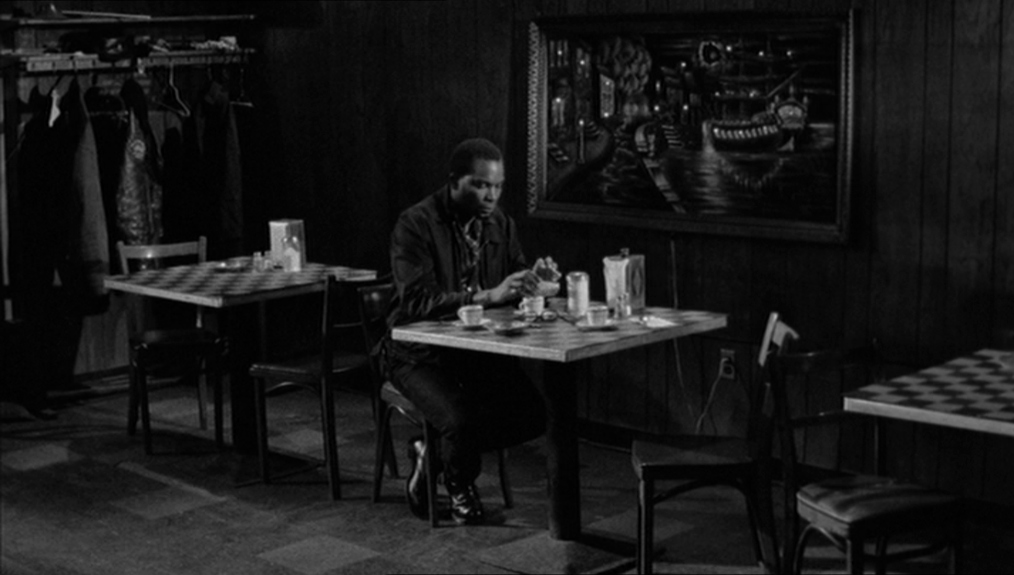
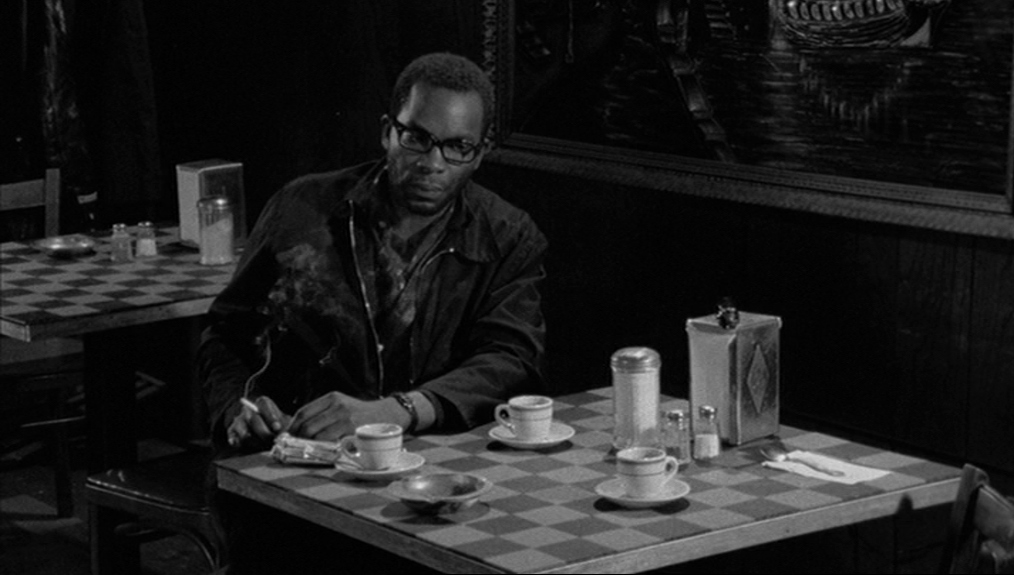
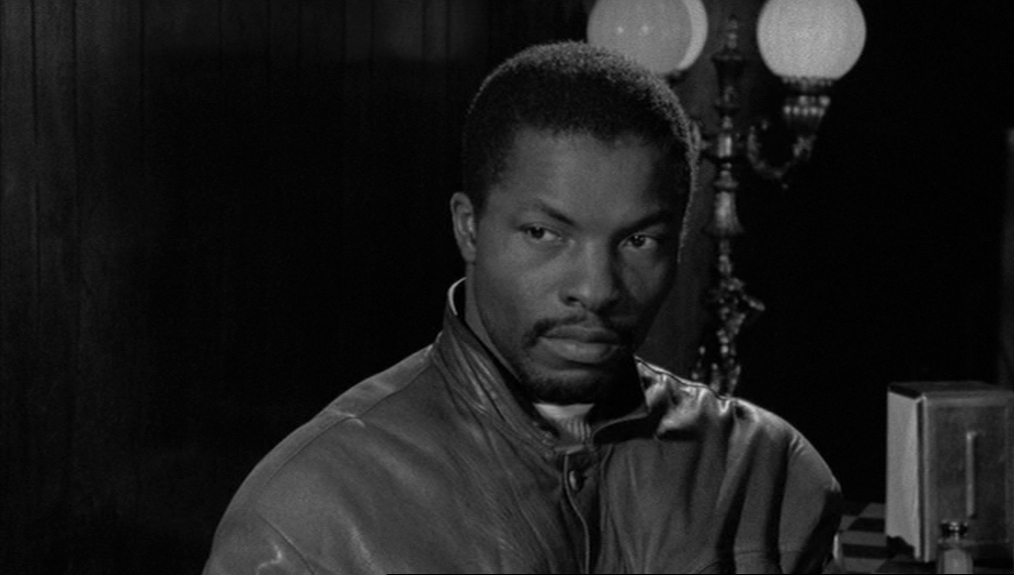
6. “No Problem” Alex Descas and Isaach De Bankolé portray two friends whose reunion is strained by their insistence that everything is fine — even though it clearly is not.
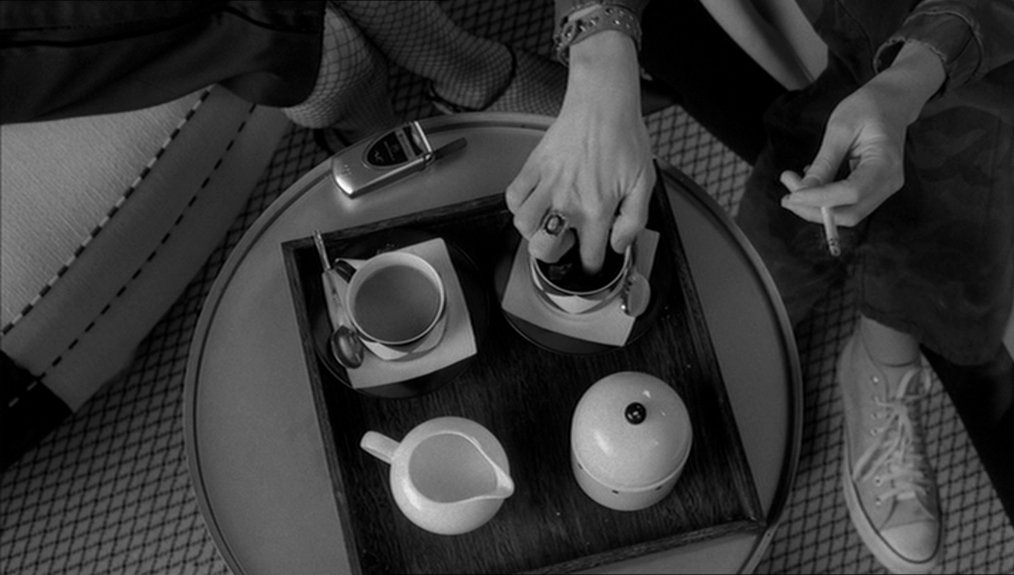
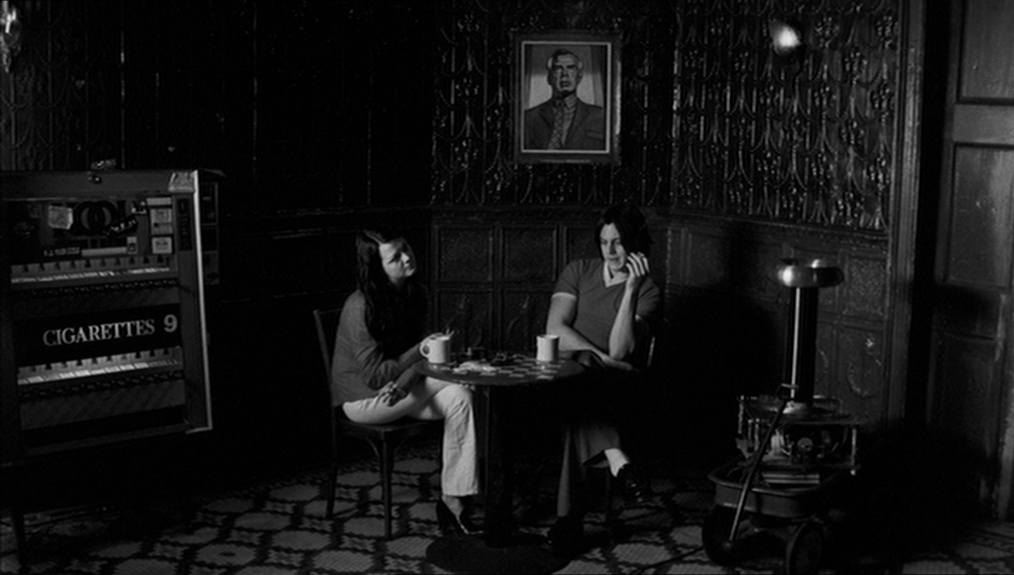
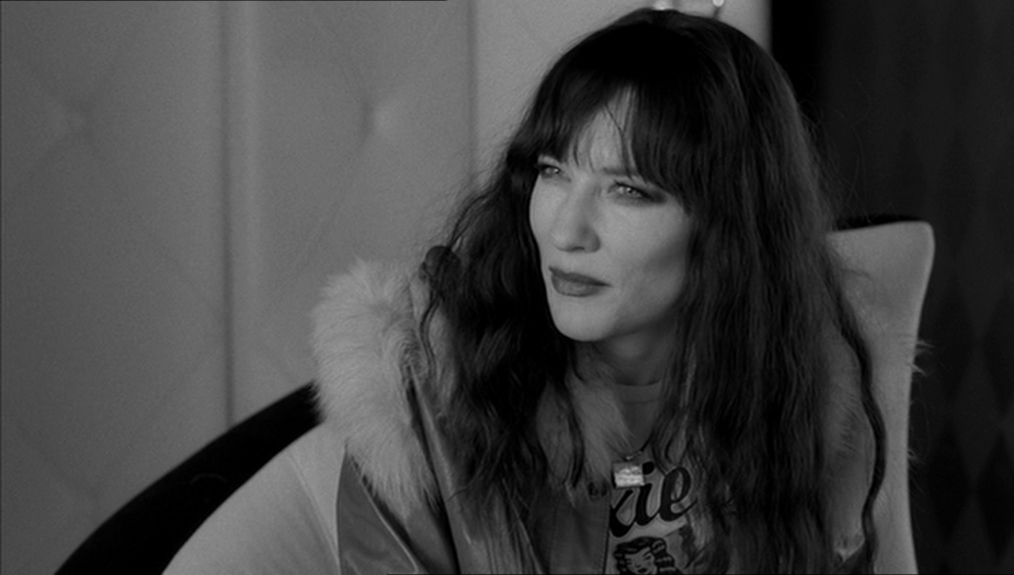
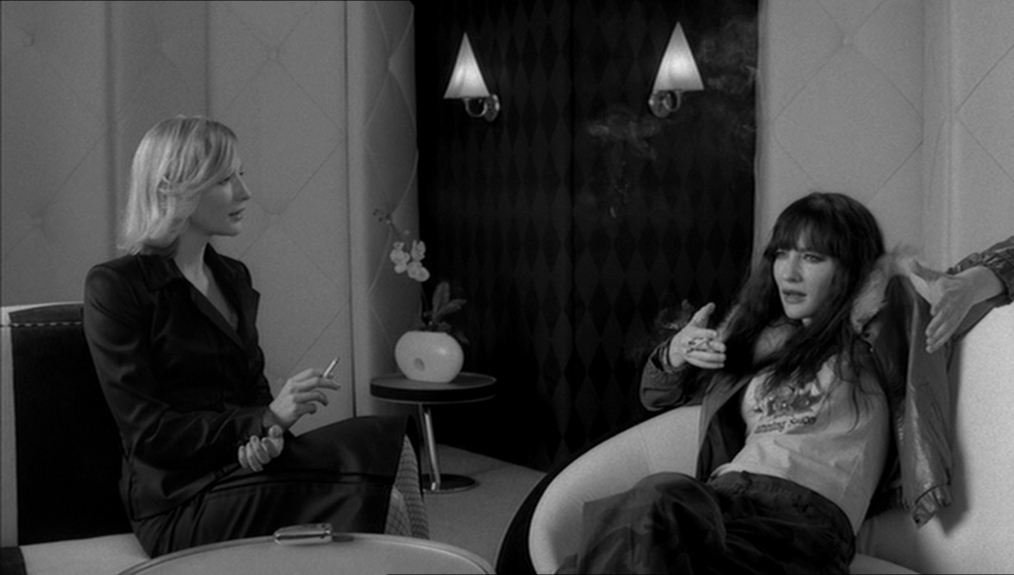
7. “Cousins” (2003) Cate Blanchett delivers a remarkable dual performance by playing both herself and her fictional cousin, “Shelly.” In a hotel bar, the glamorous and successful Cate encounters her scruffier, envious cousin, Shelly. This segment stands out as one of the film’s most technically impressive and emotionally resonant moments, delving into themes of class, resentment, and the discomfort that comes with fame.
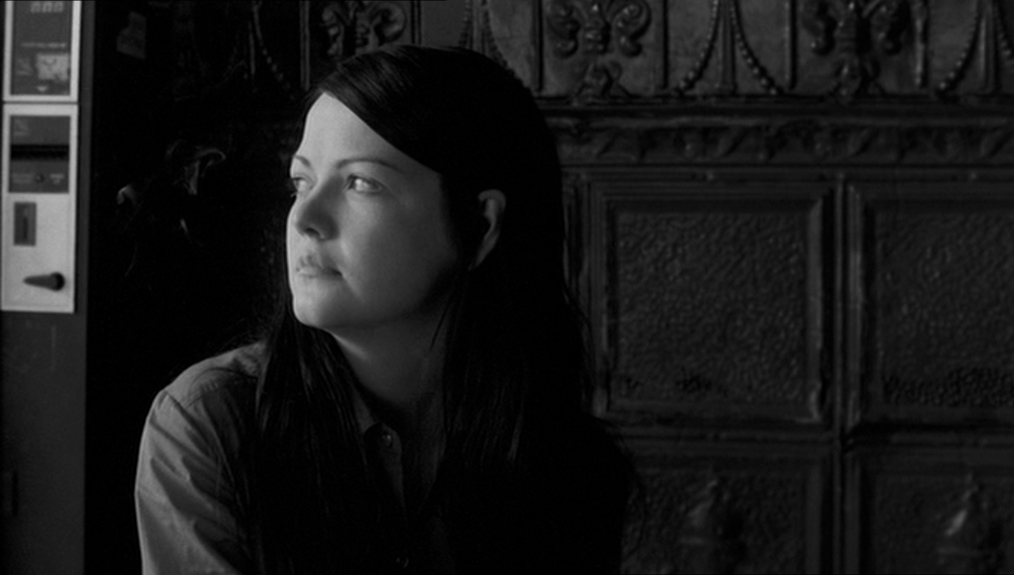
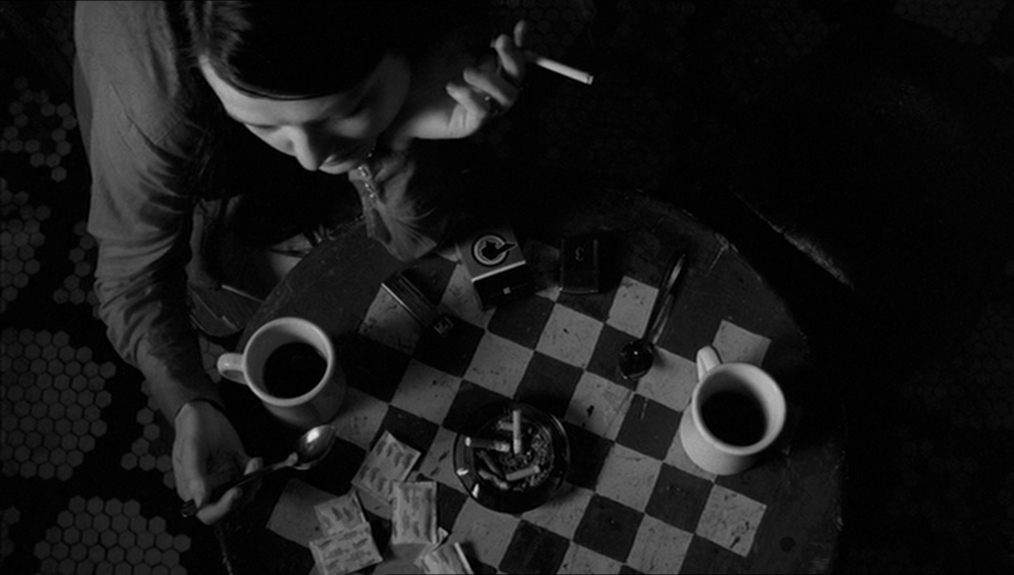
8. “Jack Shows Meg His Tesla Coil” Jack White and Meg White of The White Stripes meet at a café. Jack excitedly demonstrates his homemade Tesla coil, drawing parallels between Nikola Tesla’s innovations and the essence of their music. Meanwhile, Meg remains largely uninterested and responds with short, monosyllabic answers, creating a humorous and understated portrait of their contrasting personalities.
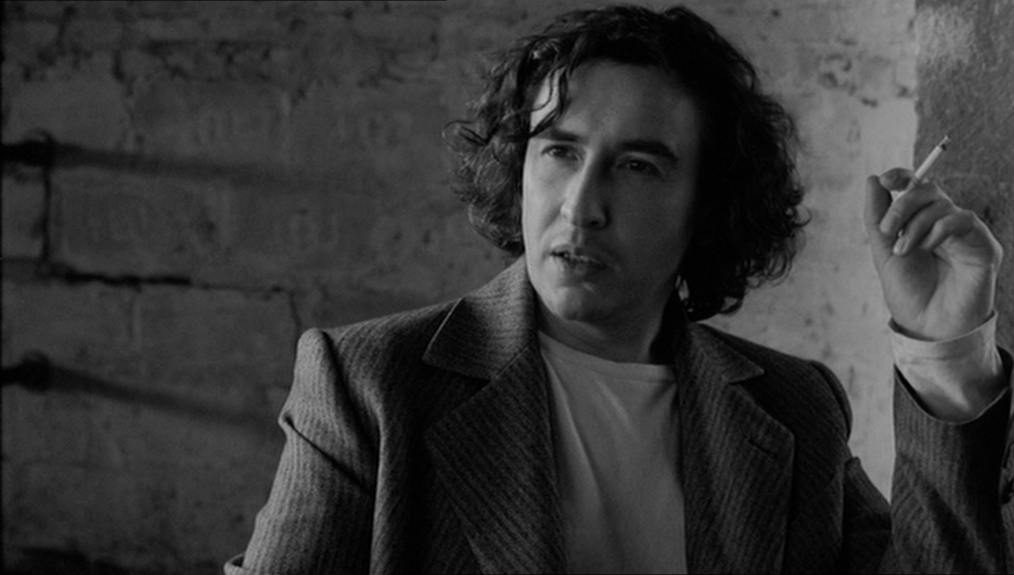
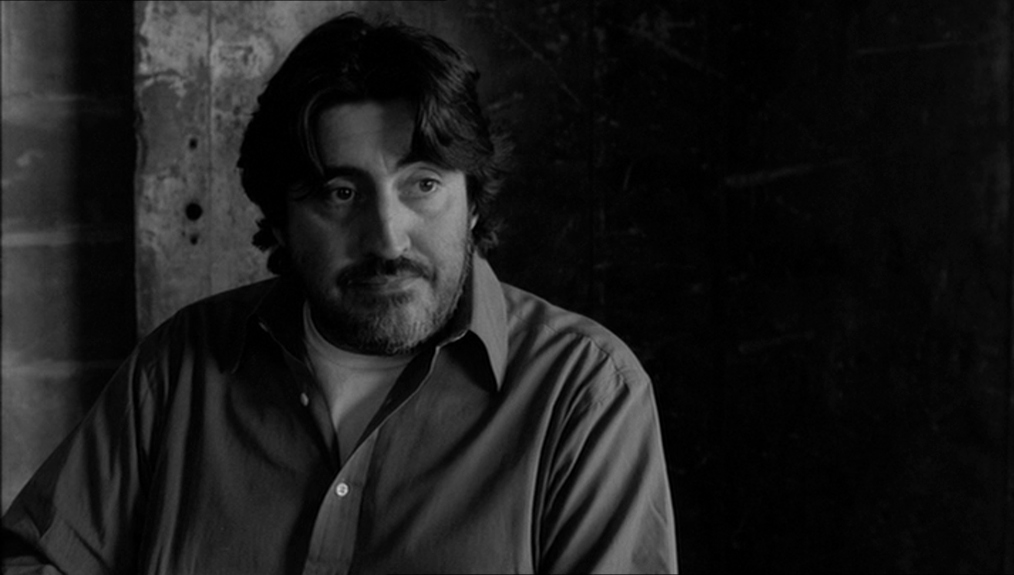
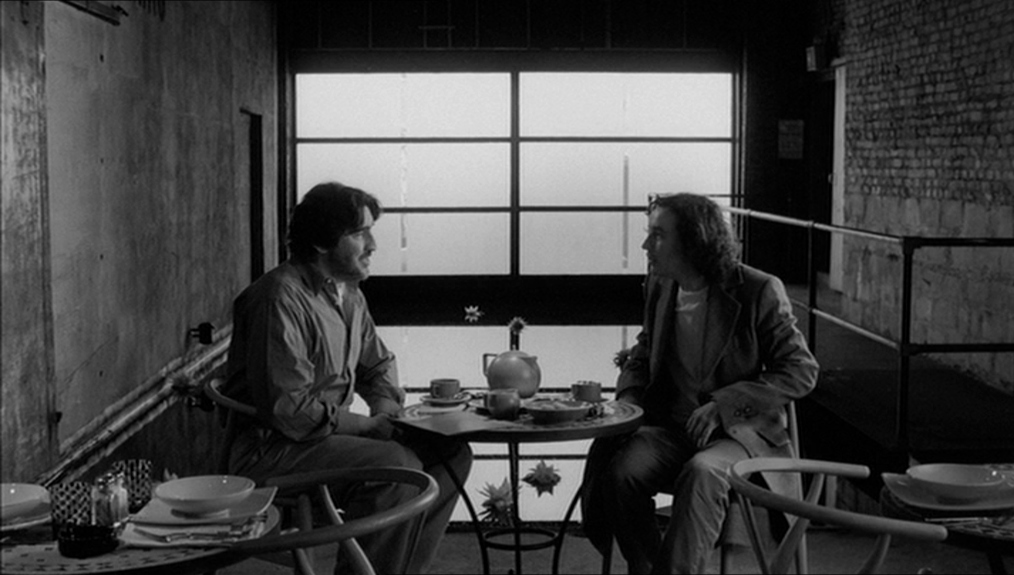
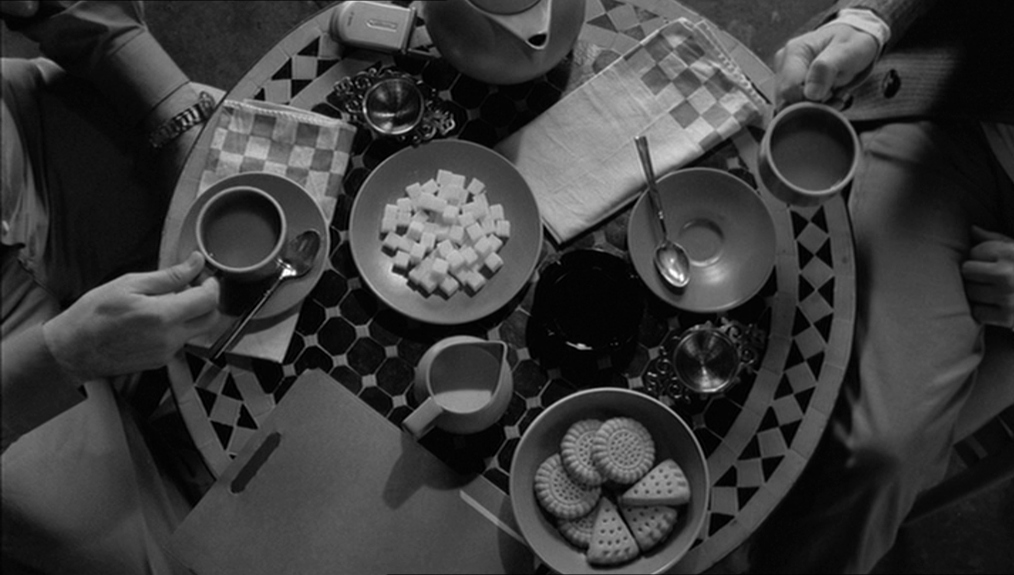
9. “Cousins?” (2003) Alfred Molina discovers through research that he and Steve Coogan are distant cousins. He invites Coogan to a café to share the news. Initially, Coogan reacts with snobbish reluctance, but this feeling quickly gives way to enthusiasm—only to shift back again in a sharp, satirical exploration of vanity and celebrity.
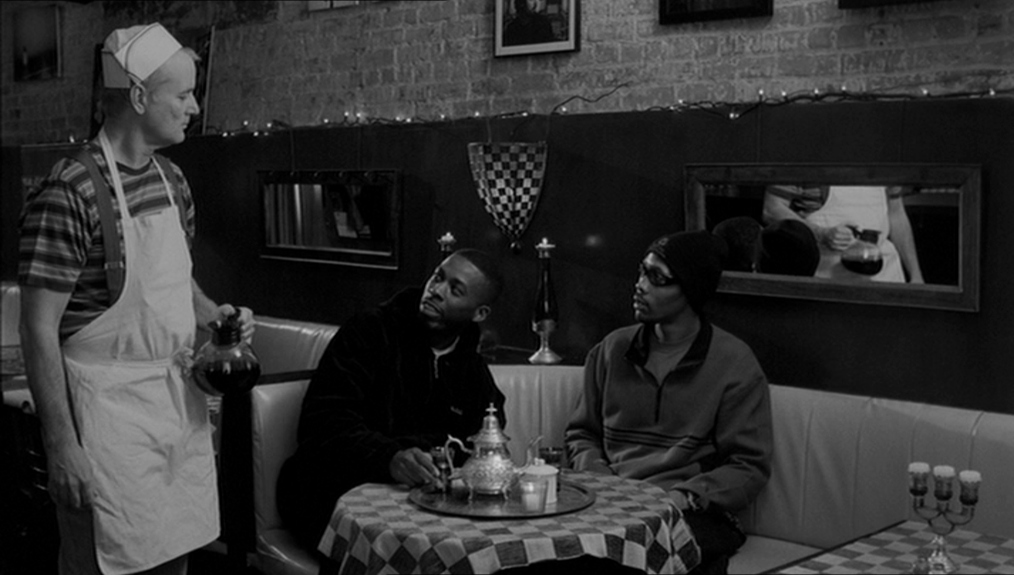
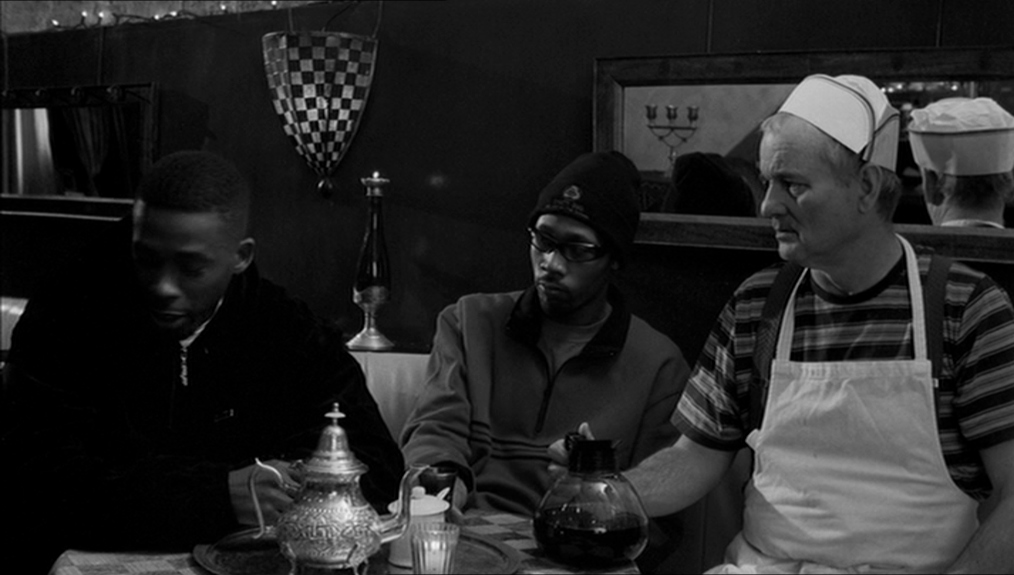
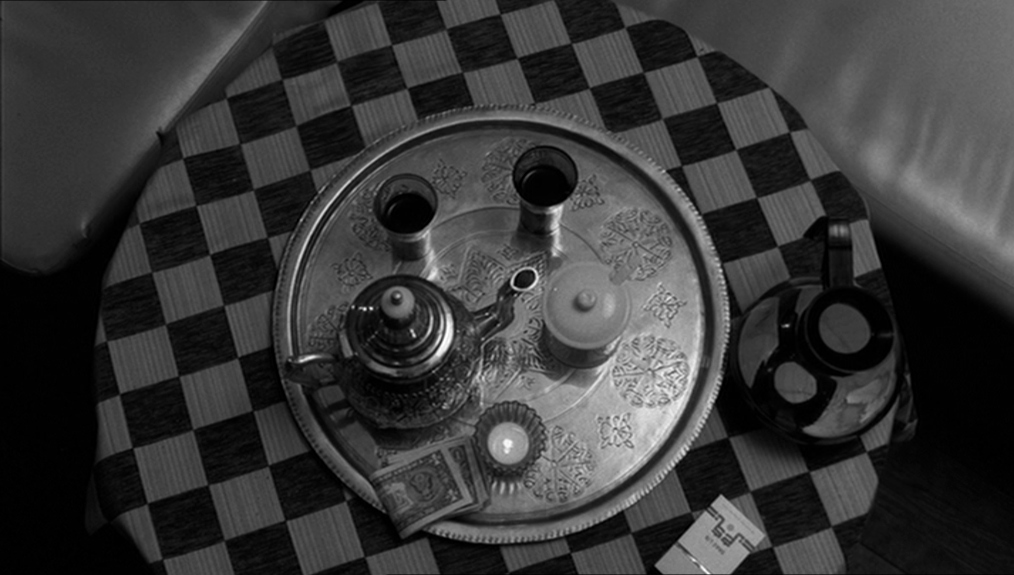
10. “Delirium” GZA and RZA of the Wu-Tang Clan share a table with Bill Murray, who appears as their waiter. Murray drinks from their cups and dismisses their health advice. This surreal, comedic gem plays on both Murray’s legendary status and the Wu-Tang members’ cool authority.
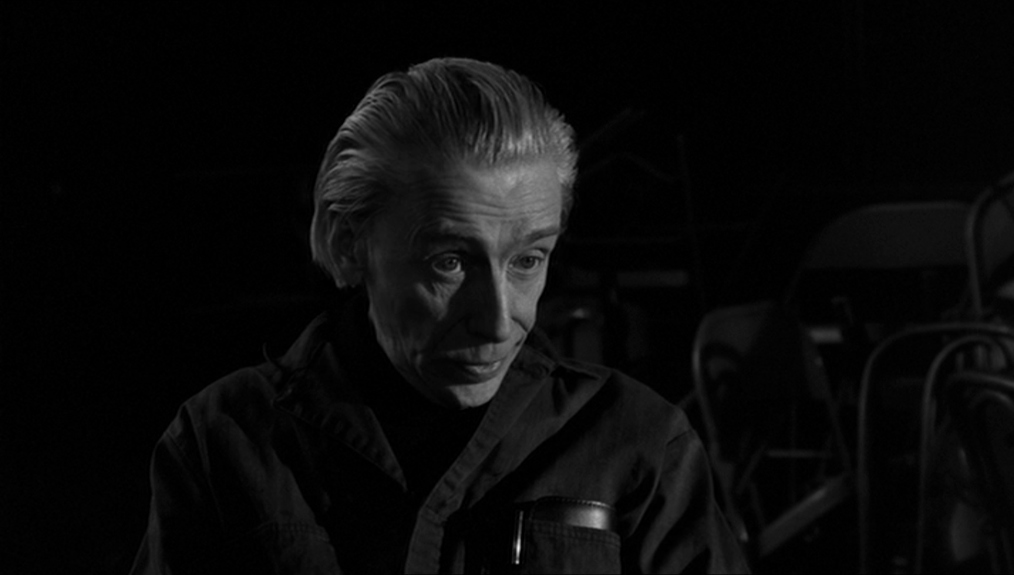
11. “Champagne” Bill Rice and Taylor Mead, two aging bohemian figures, close the film with a poignant segment. They sit together, reflecting on mortality while substituting champagne for coffee. The moment is both melancholy and tender—providing a fittingly quiet ending to the film.
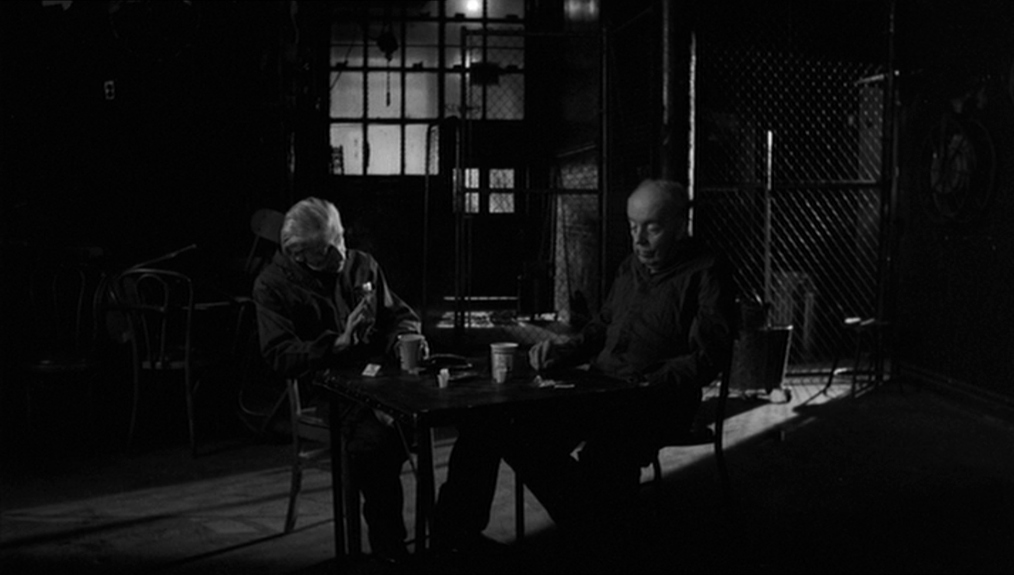
The film is shot in sharp, high-contrast black-and-white, giving it a timeless and static quality—suggesting that the world beyond the tables hardly exists. Coffee and cigarettes serve as symbols of ritual, representing the excuses people use to sit across from one another in an often unsuccessful attempt to connect. Rather than focusing on plot, the film explores the comedy and tragedy inherent in conversation itself.