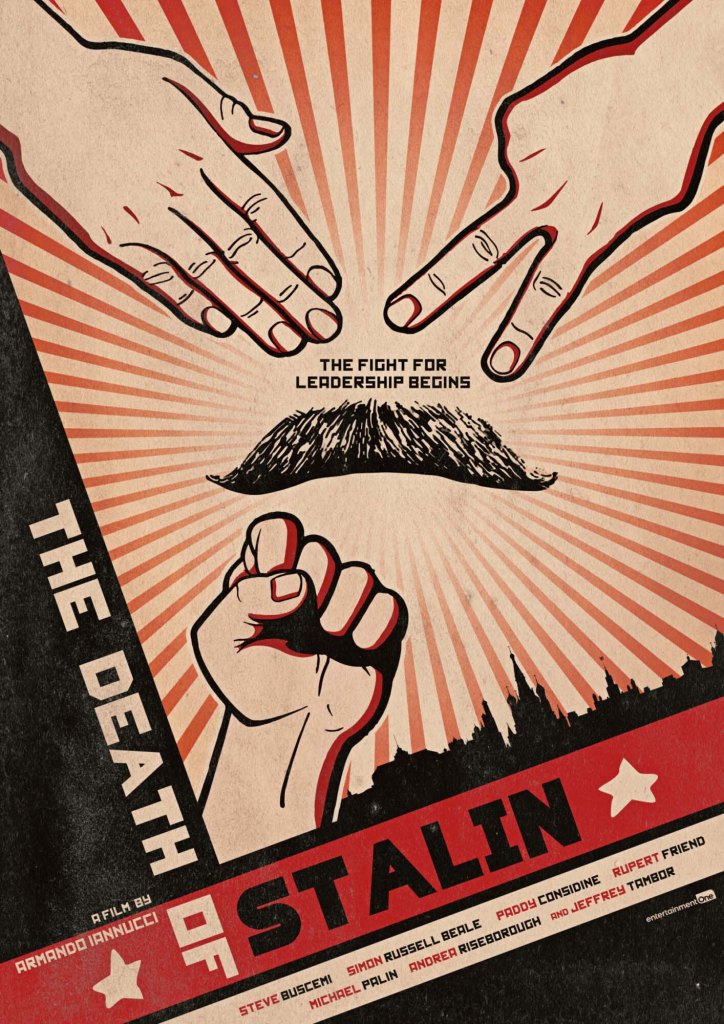
“The Death of Stalin” is a 2017 black political satire directed by Armando Iannucci, based on the French graphic novel by Fabien Nury and Thierry Robin. The film portrays the chaotic power struggle that ensued among Soviet leaders immediately after Joseph Stalin’s death in March 1953. Despite its dark subject matter, the film is presented as a farcical comedy, featuring an ensemble cast that speaks in their natural accents—American, British, and everything in between—instead of adopting Russian accents. The result is a film that is both hilarious and genuinely horrifying, using absurdist comedy to reveal the workings of totalitarian terror.
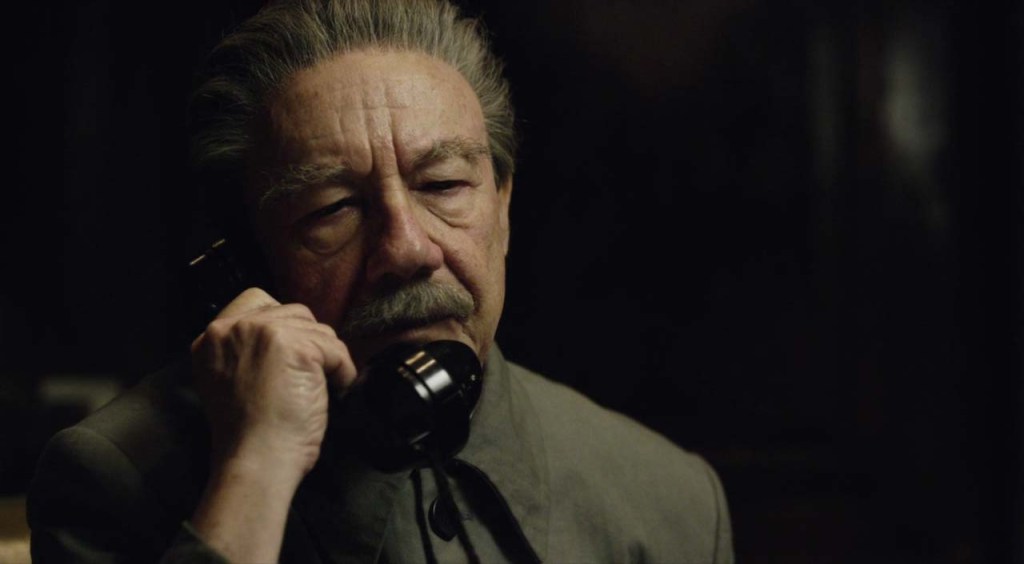
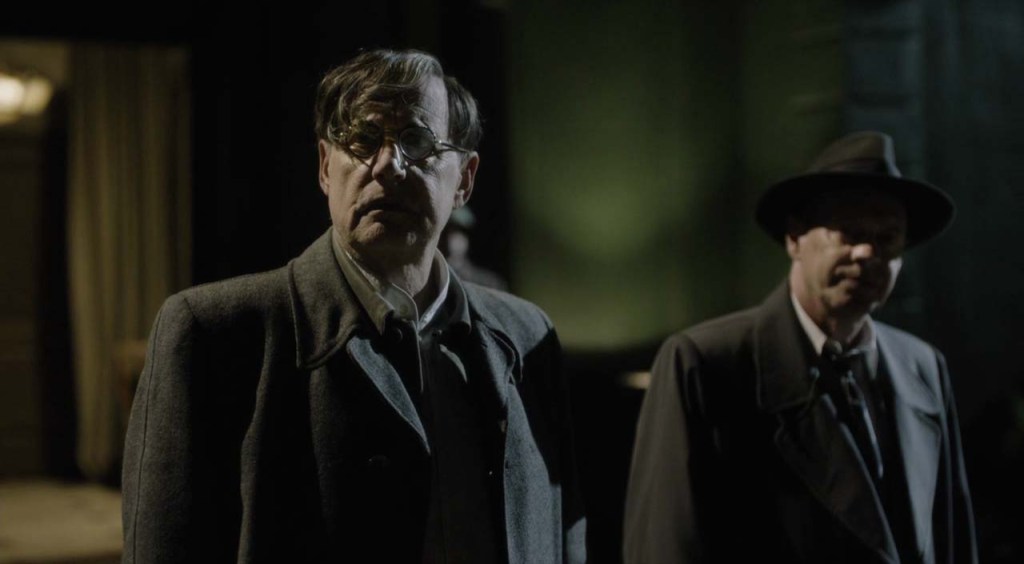
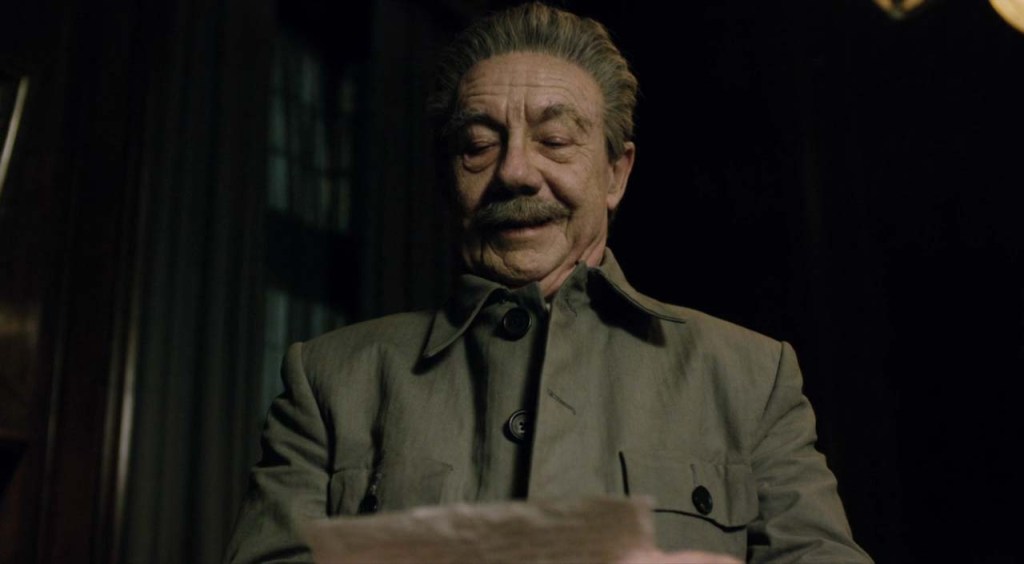
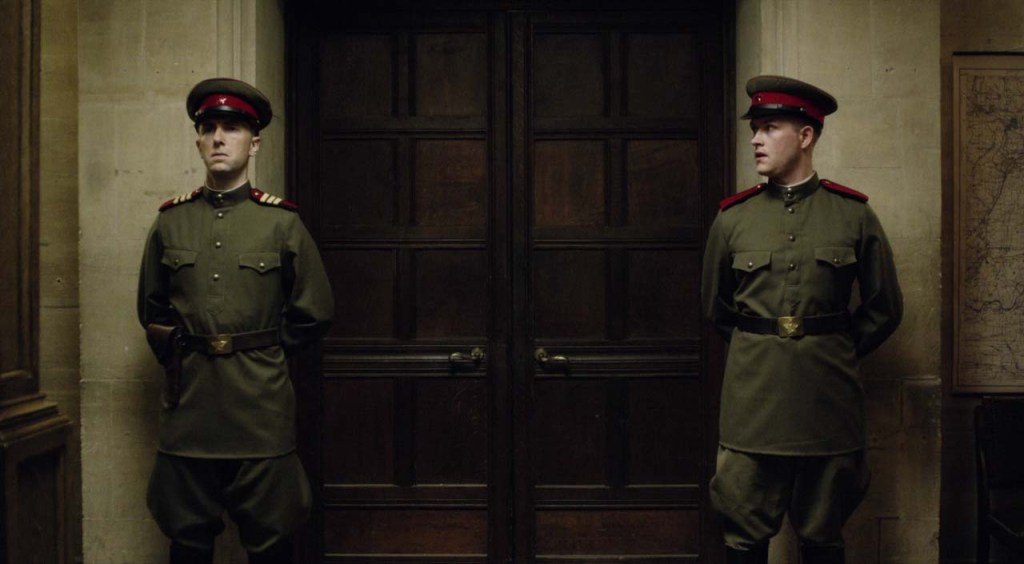
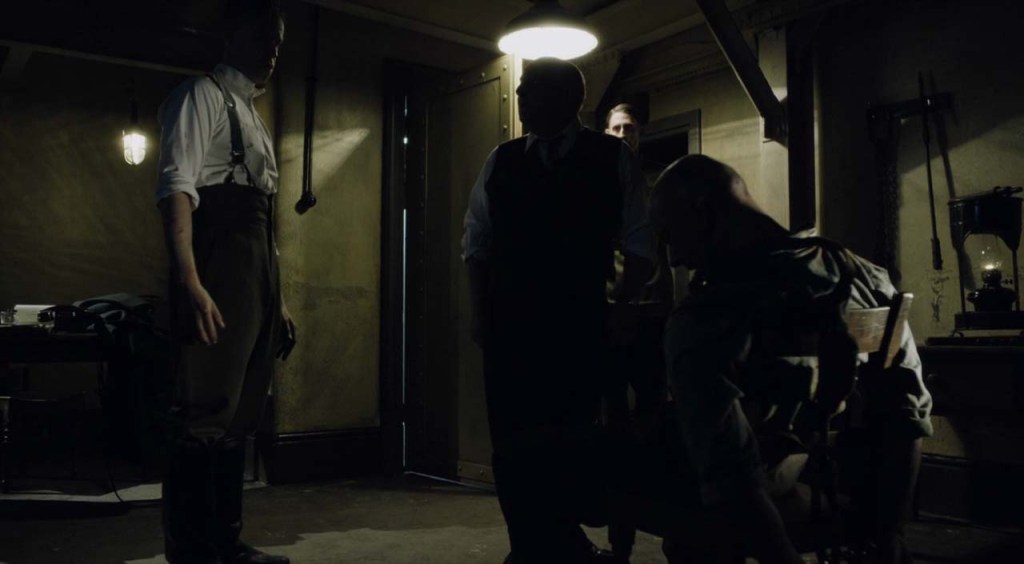
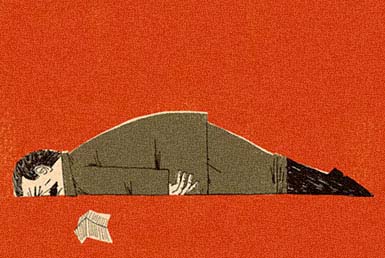
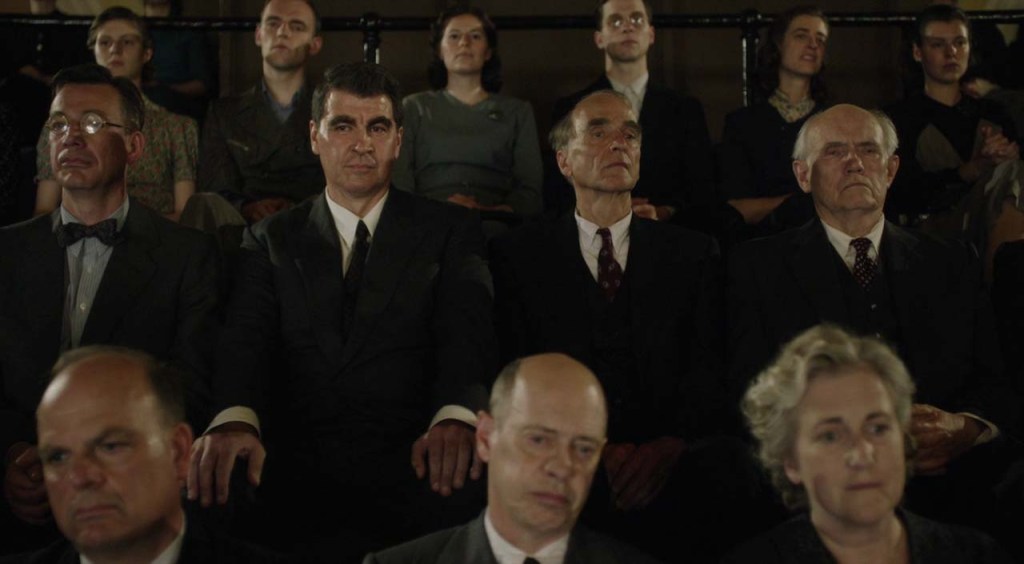
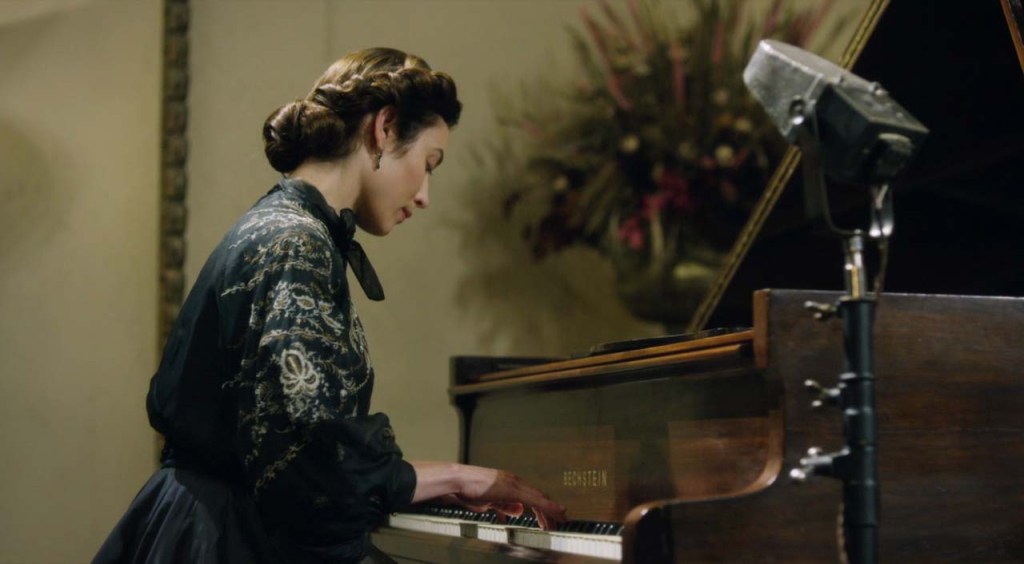
The film begins at Radio Moscow, where a live piano concerto is being broadcast. Stalin demands a recording of the performance, but none exists. The station’s panicked producer, Andreyev, must secretly gather the entire orchestra and audience again in the dead of night to perform the concerto once more, even bringing in a replacement conductor in his pajamas. The pianist, Maria Yudina, is coerced into playing again, but she slips a note into the record sleeve denouncing Stalin as a tyrant. Stalin discovers the note, laughs at it, and then suffers a massive stroke alone on his dining room floor, where he remains undiscovered until the following morning.
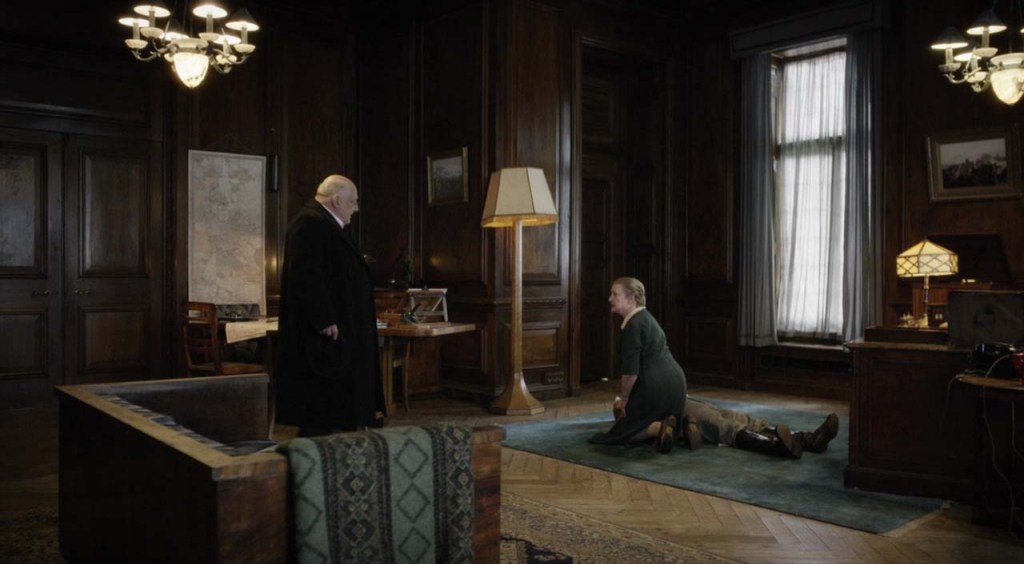
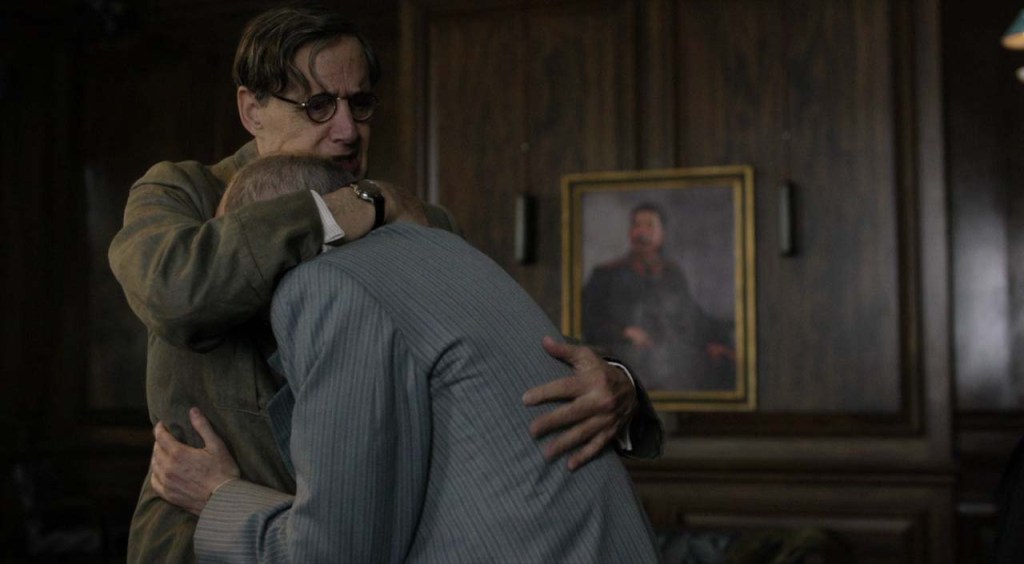
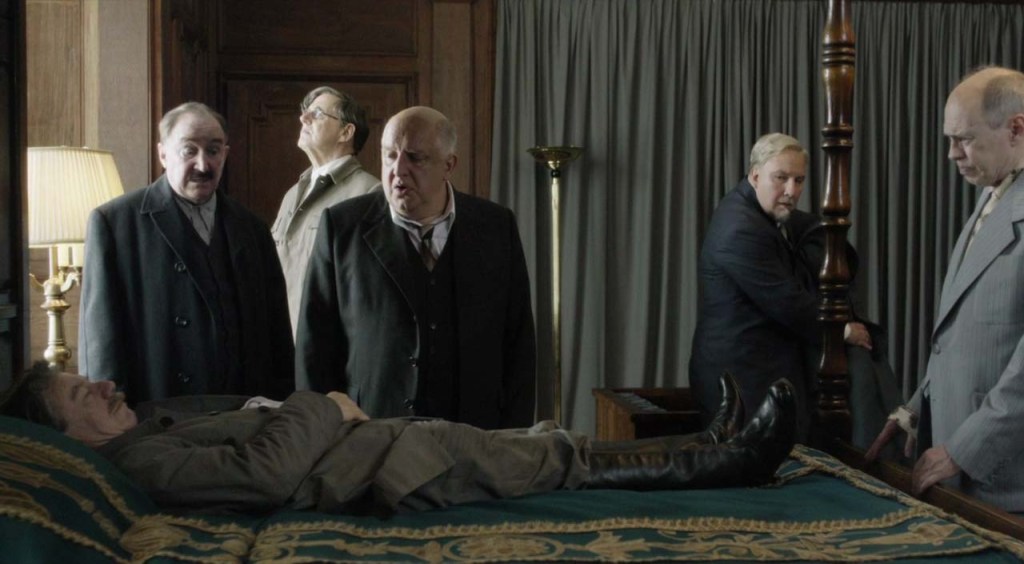
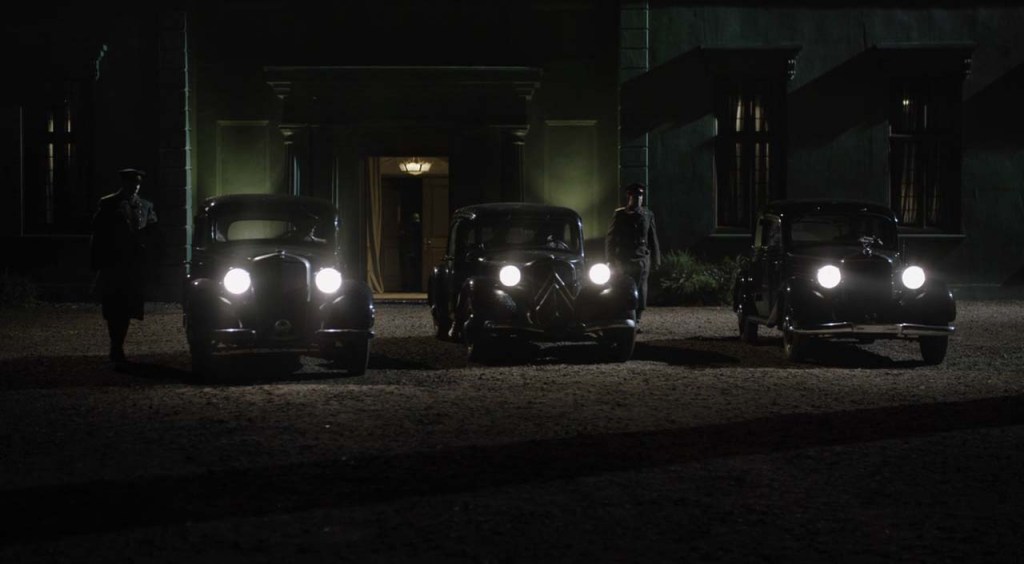
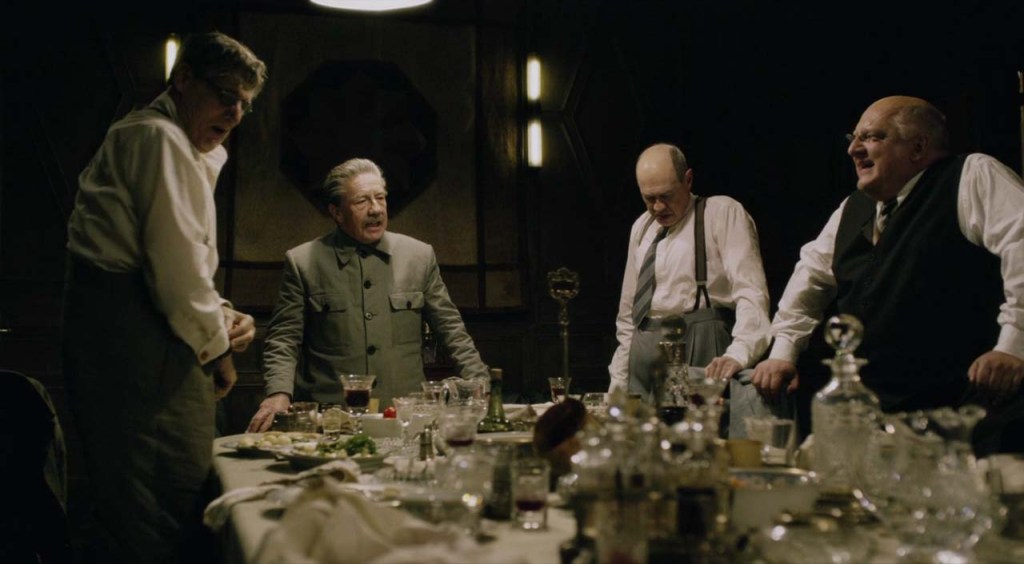
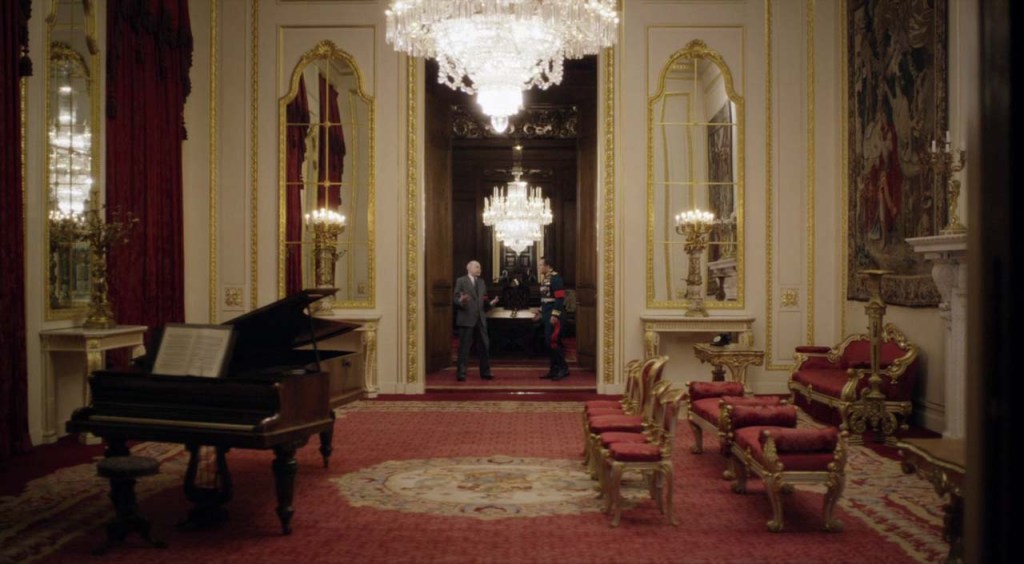
Stalin’s terrified inner circle—Beria, Malenkov, Khrushchev, Molotov, and others—was summoned to the dacha. Upon arrival, they discovered him incapacitated on the floor. Panic and scheming quickly replaced any façade of grief and concern. Since Stalin had previously purged most of Moscow’s best doctors, finding competent medical help was nearly impossible. The doctors who eventually arrived were elderly, half-blind, and ineffective. Stalin passed away shortly after.
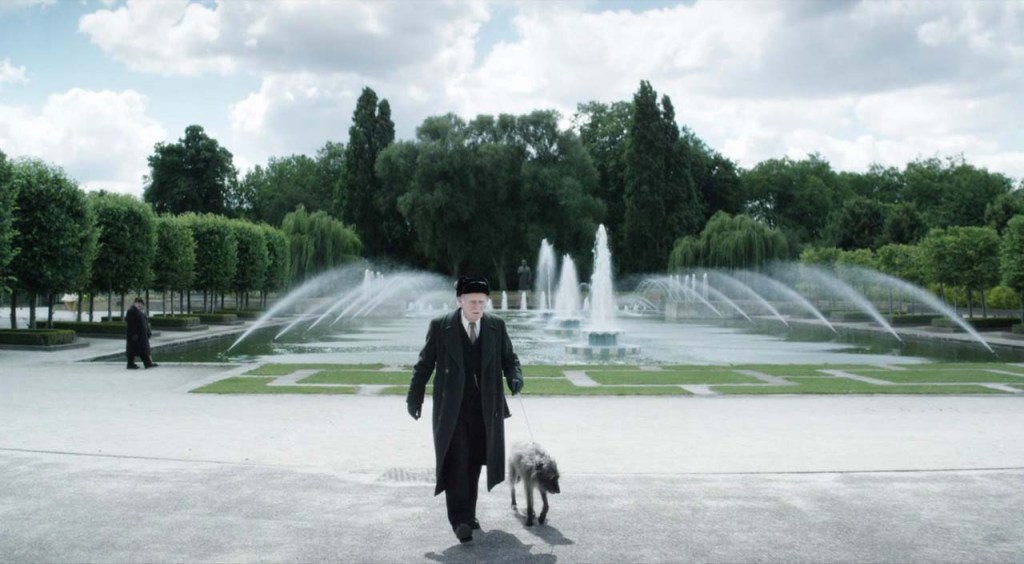
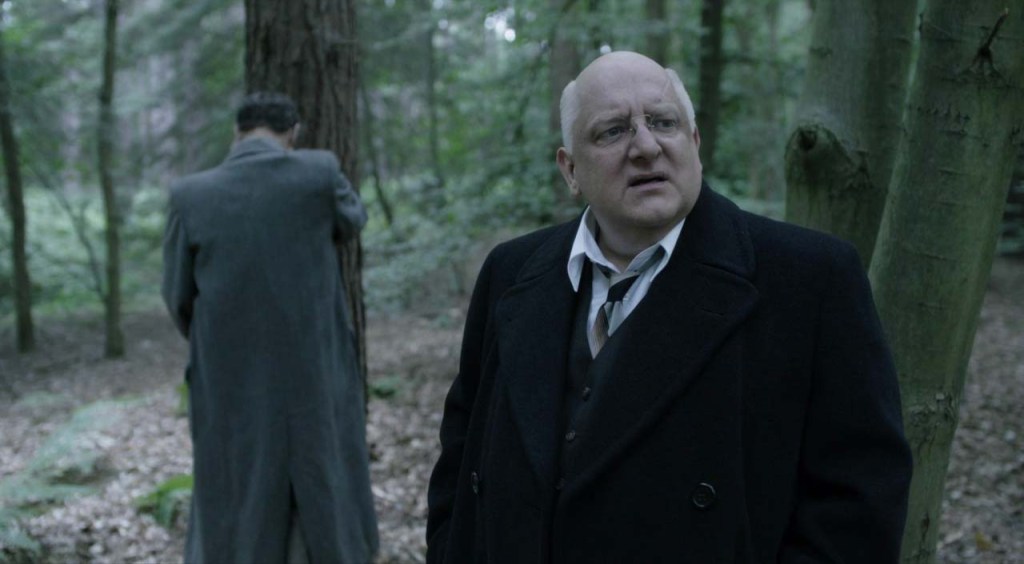
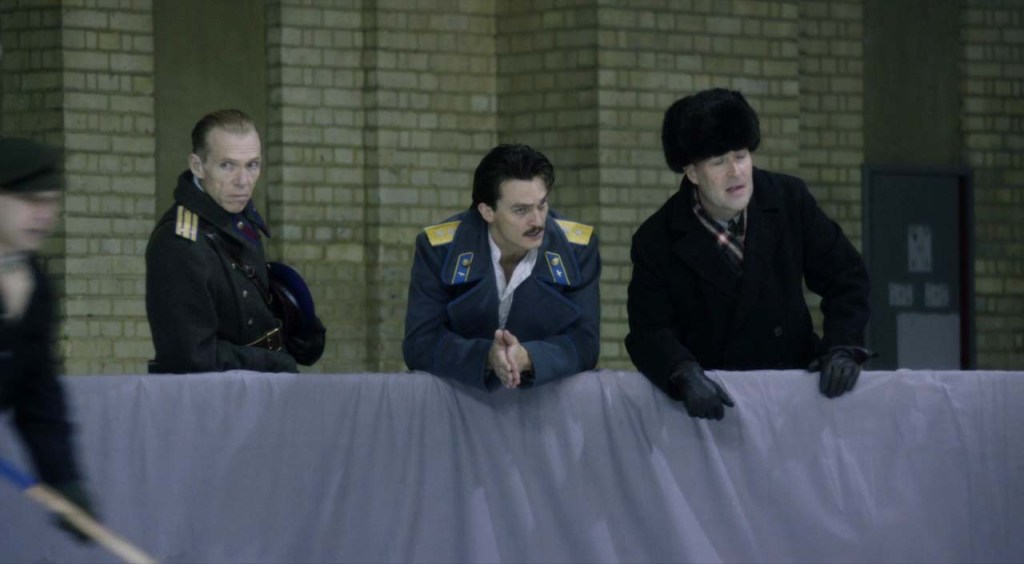
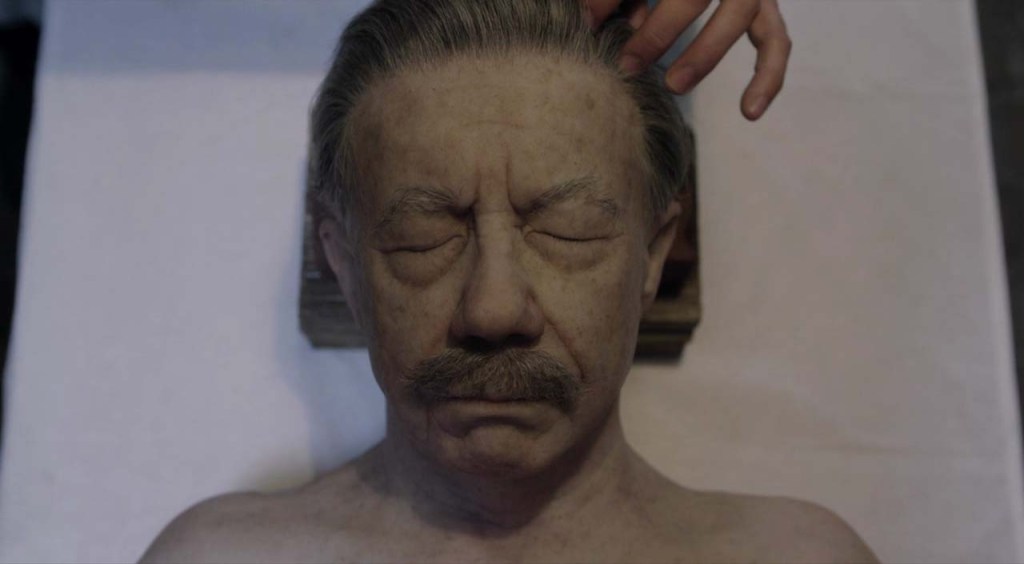
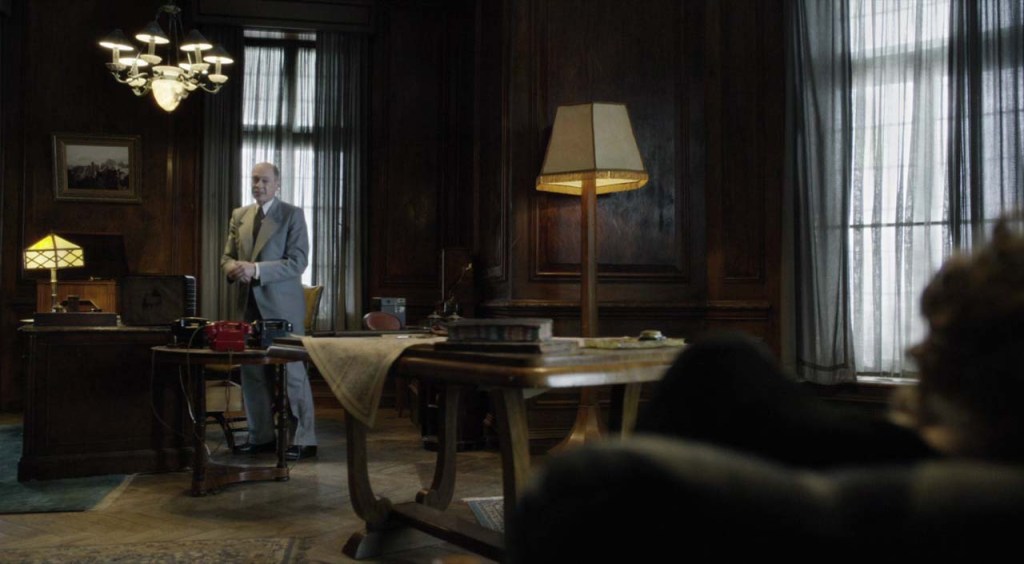
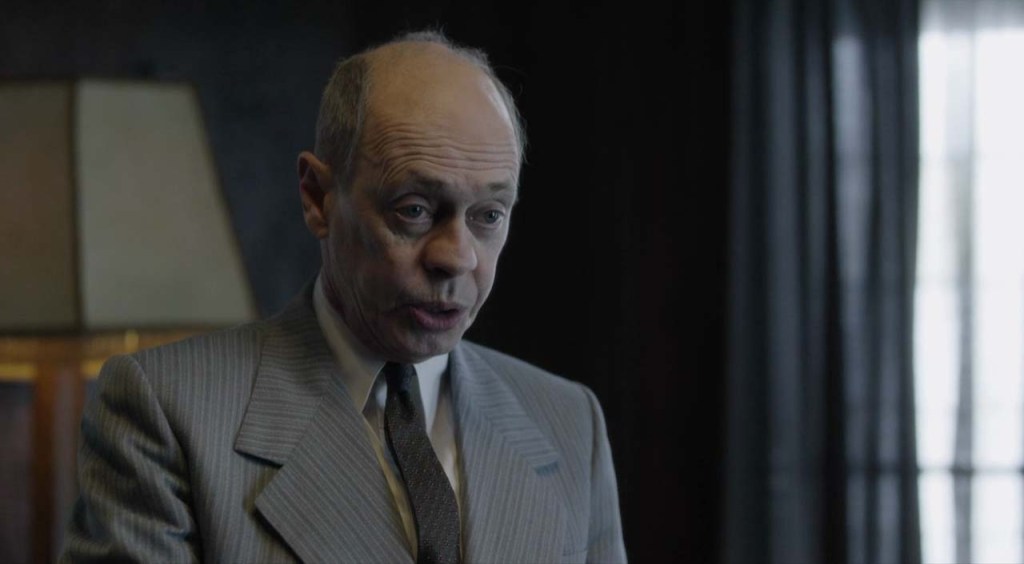
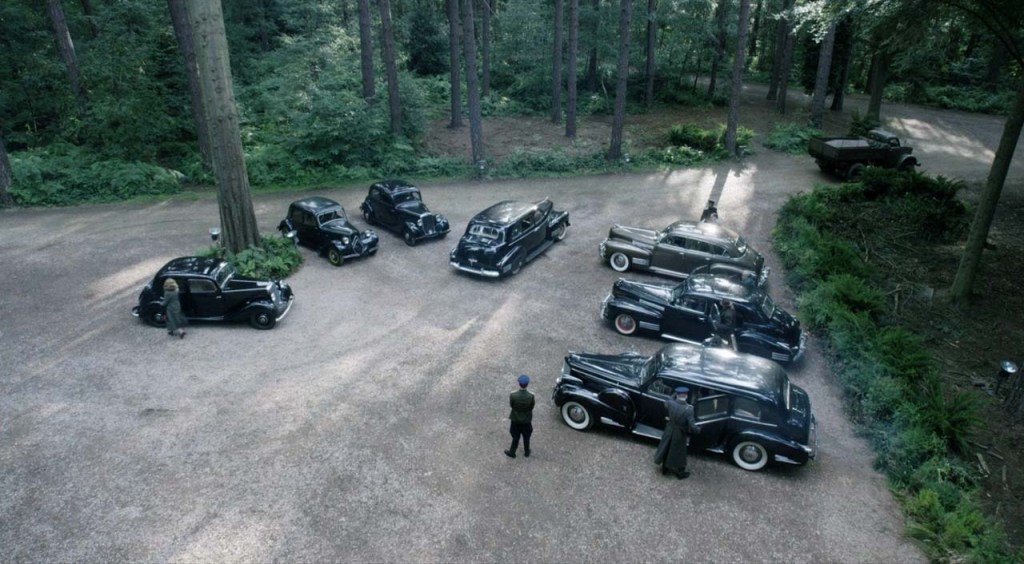
With Stalin’s death, the power struggle began almost immediately. Beria, the most feared and genuinely dangerous man in the room, moves quickly and ruthlessly. He raided Stalin’s personal files, released thousands of political prisoners—largely as a tactical maneuver to gain popular goodwill—and positioned himself as a reformer while continuing to scheme murderously behind the scenes. Beria also manipulates the dim-witted and vain Malenkov, who is nominally named First Secretary, by dressing him, advising him, and effectively pulling his strings.
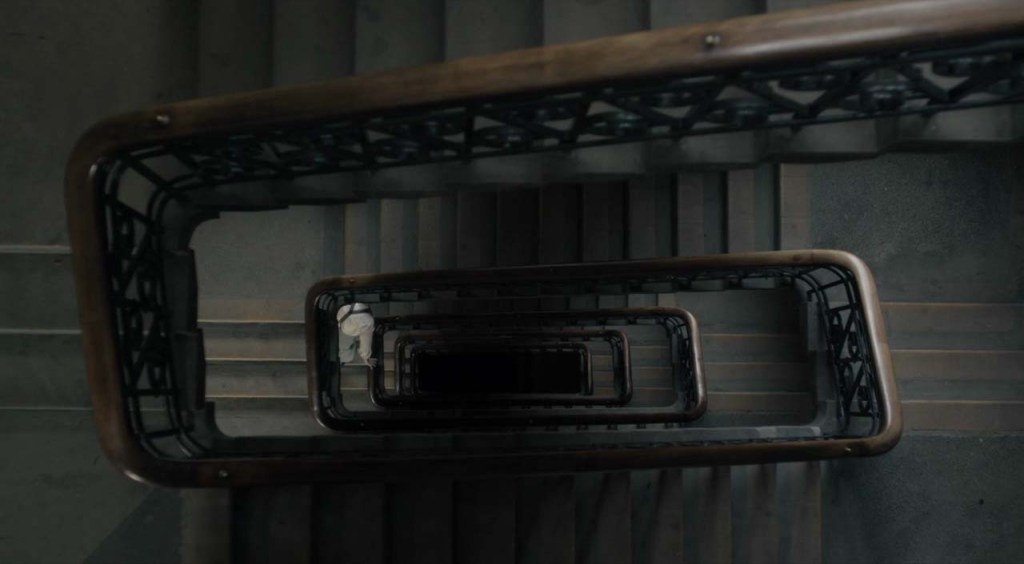
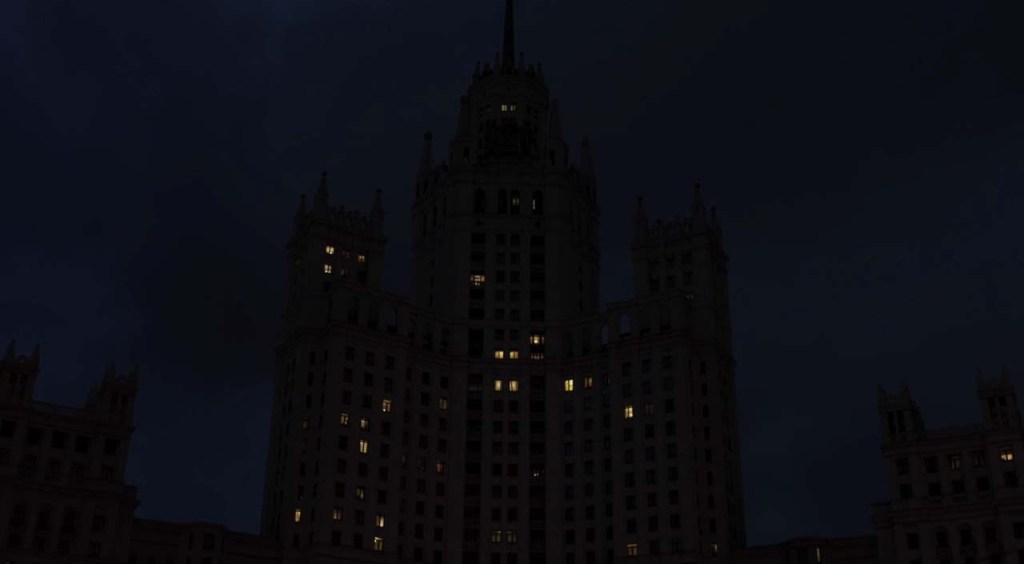
Meanwhile, Khrushchev is acutely aware of Beria’s threat. Practical, cunning, and sharp beneath his bumbling exterior, he secretly takes notes after every meeting—paranoid, calculating, and determined to outmaneuver Beria before Beria can eliminate him.
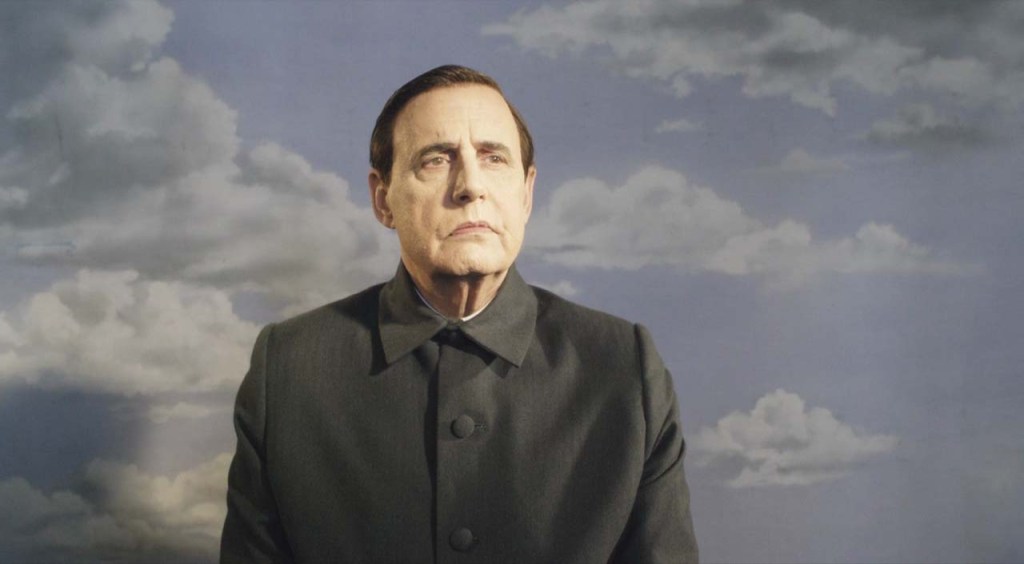
Molotov, a staunch Stalinist whose own wife was sent to a labor camp on Stalin’s orders (a decision he defended), navigates events in a haze of ideology and denial. When Beria orchestrates the release of Molotov’s wife, Molotov unexpectedly becomes a pawn in the political game.
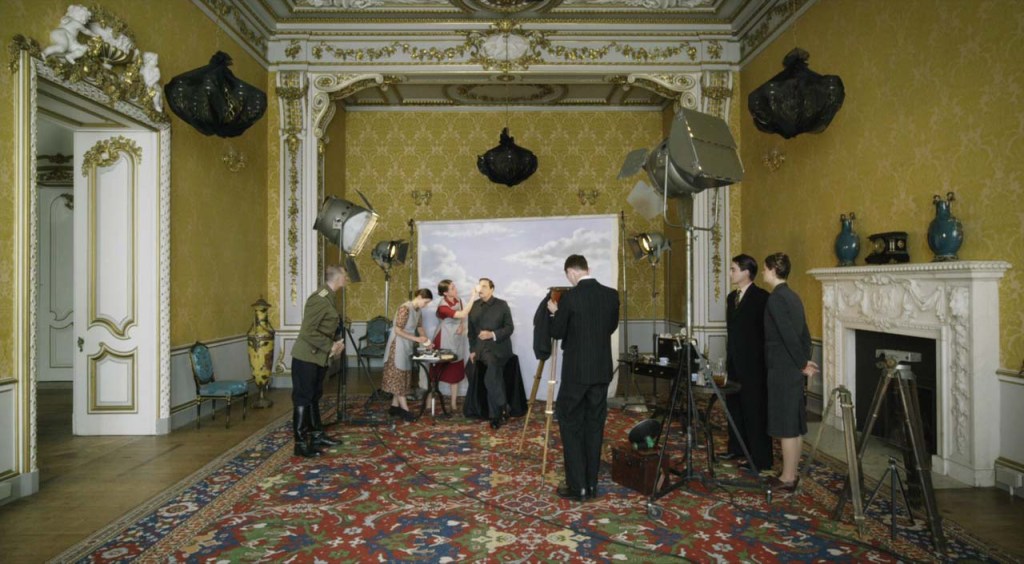
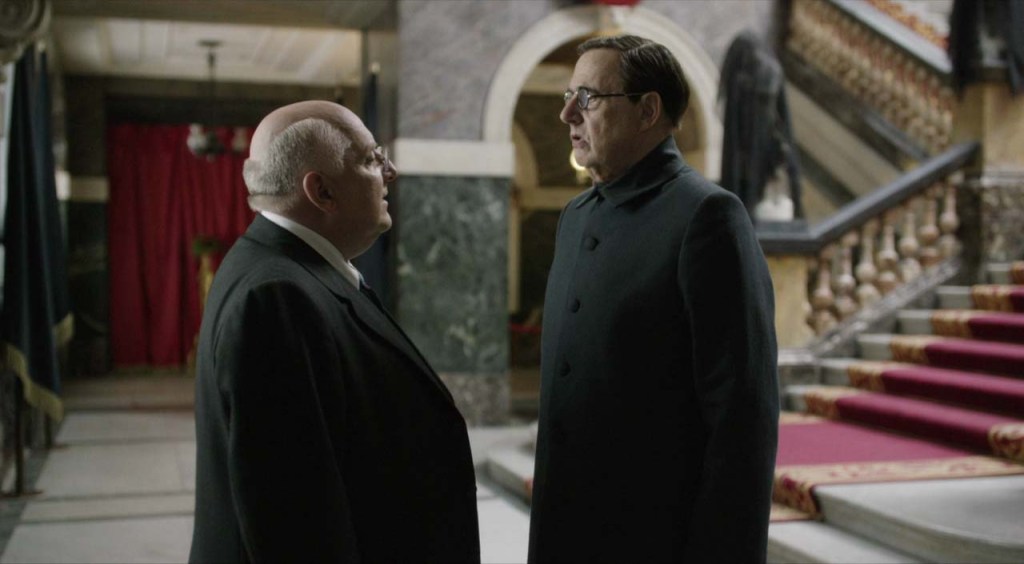
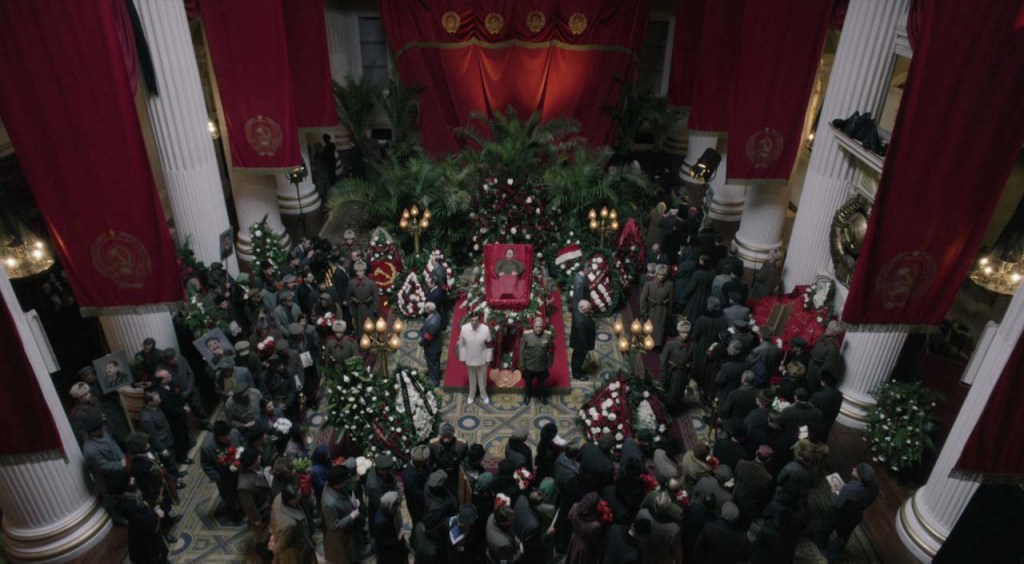
The planning of Stalin’s state funeral turns into a crisis of competing egos and logistical challenges. Hundreds of thousands of citizens flood the streets of Moscow to pay their respects, leading to a deadly crush of the crowd. Meanwhile, the leadership observes this chaos from a window, their expressions detached and vaguely inconvenienced.
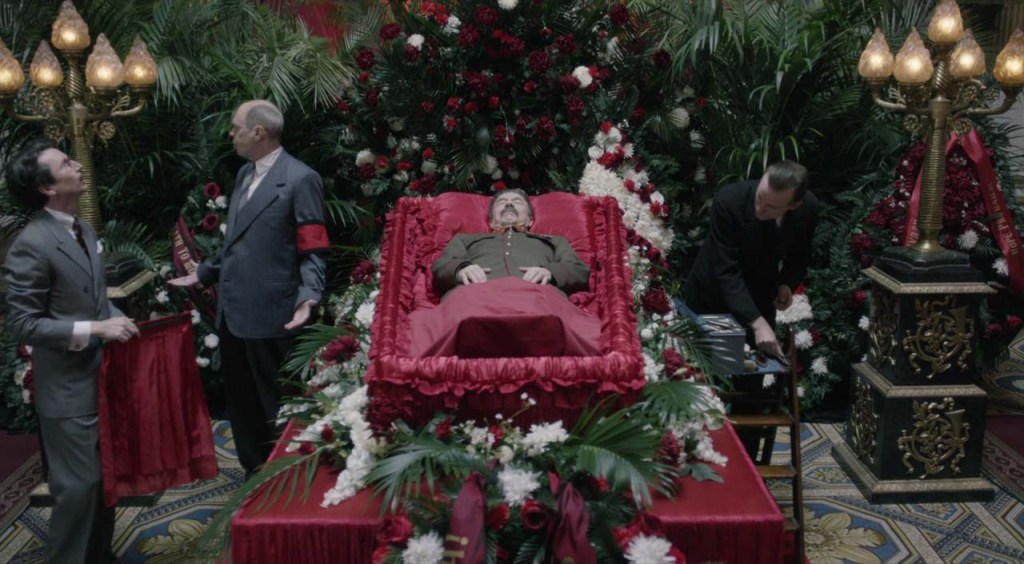
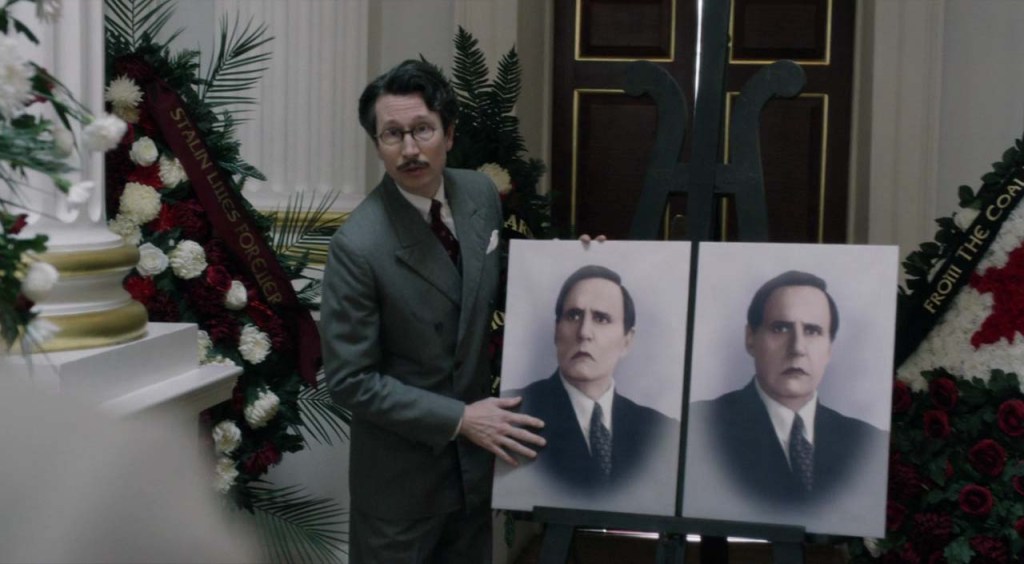
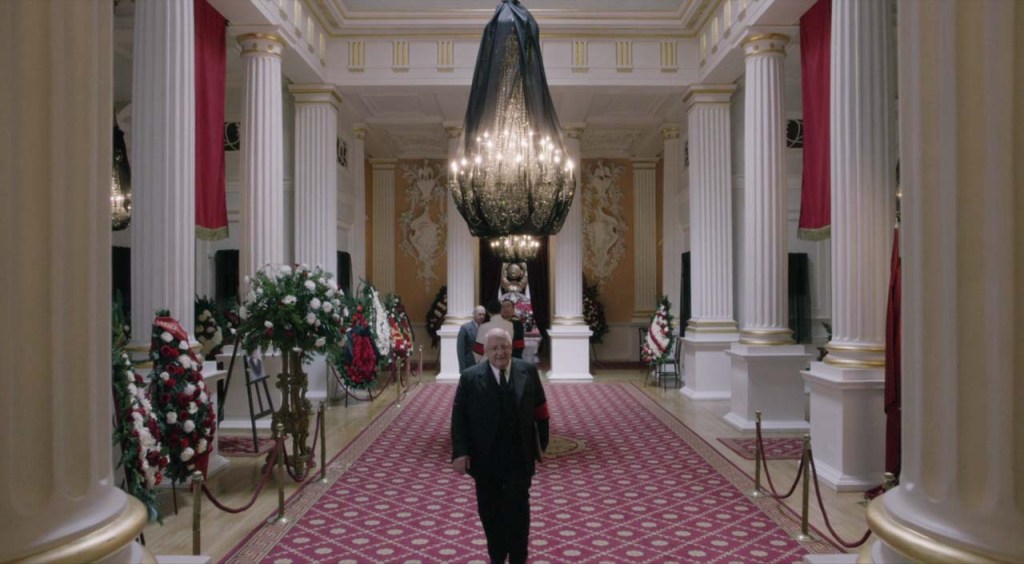
Stalin’s son, Vasily, drunkenly disrupts several proceedings, ranting and making wild accusations while threatening to reveal the circumstances surrounding his father’s death. His sister, Svetlana, is more sympathetic and clear-headed; she genuinely grieves as she navigates the treacherous dynamics among the men around her. Beria’s treatment of Svetlana is particularly sinister, as his attention toward her carries a distinctly predatory undertone.
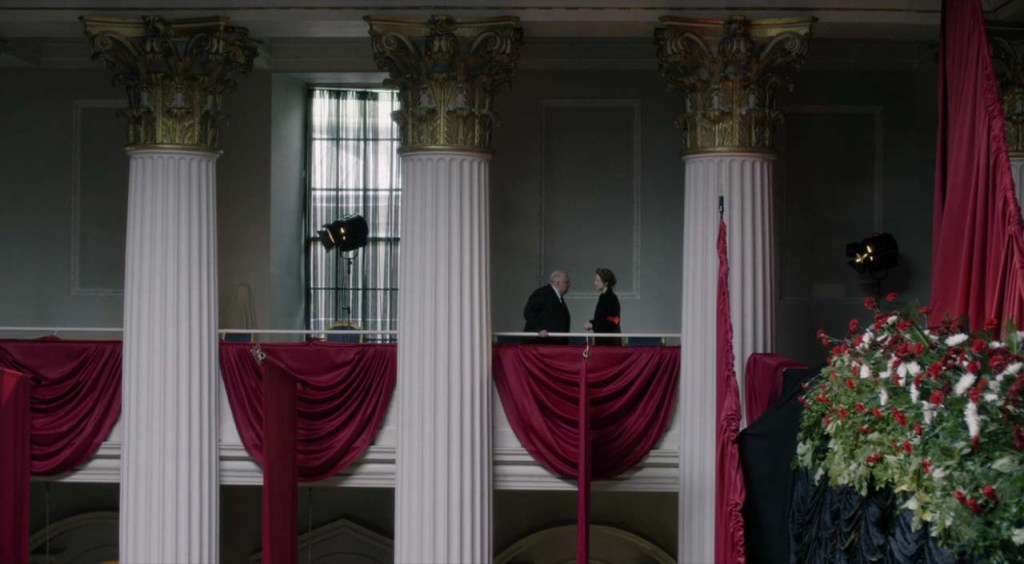
A pivotal shift occurs with the arrival of Field Marshal Georgy Zhukov, portrayed by Jason Isaacs with impressive swaggering confidence. He enters like a force of nature—blunt, decorated, and utterly disdainful of the political class surrounding him. Khrushchev realizes that Zhukov and the military are essential to defeating Beria, so he begins carefully building a coalition.
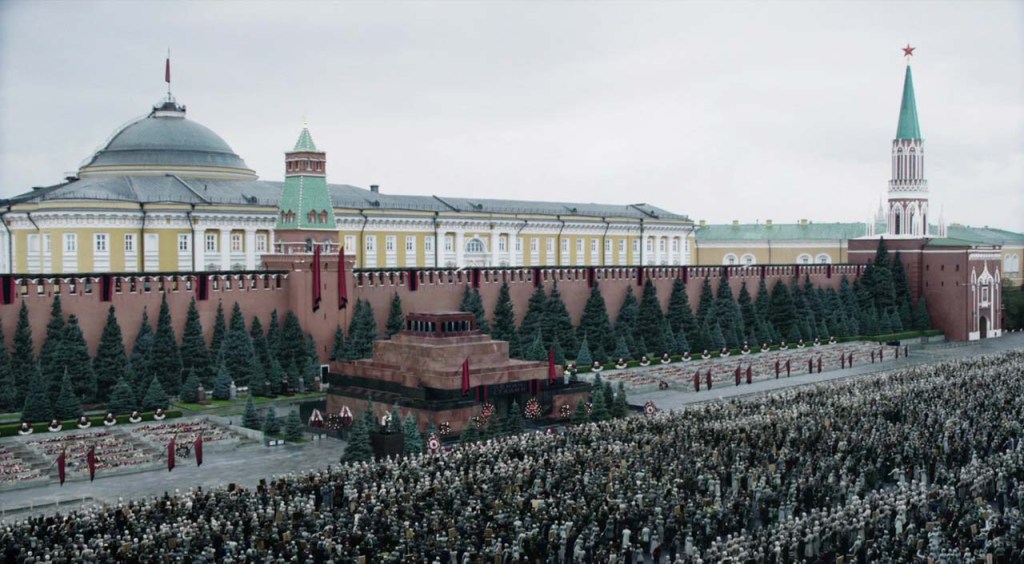
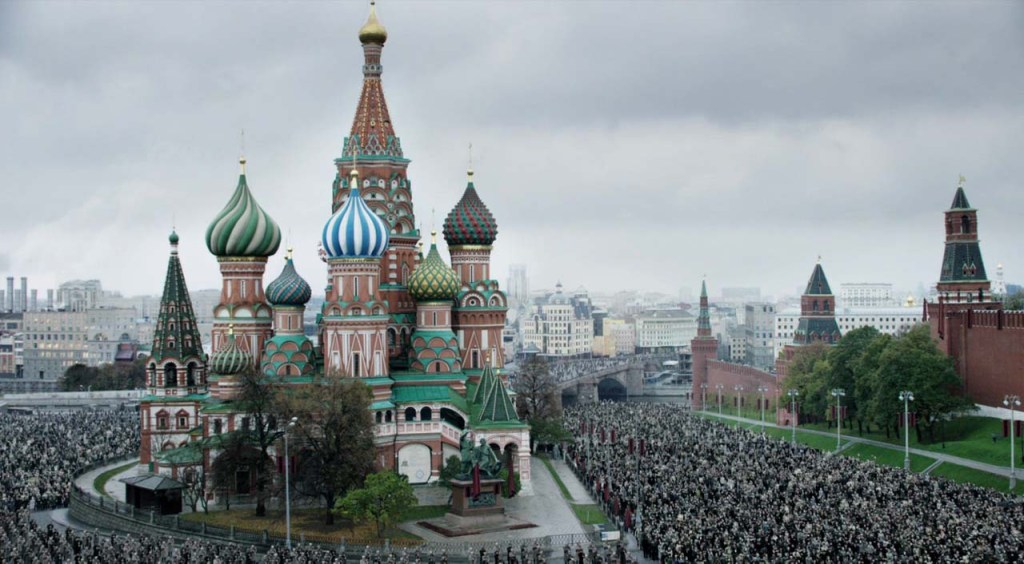
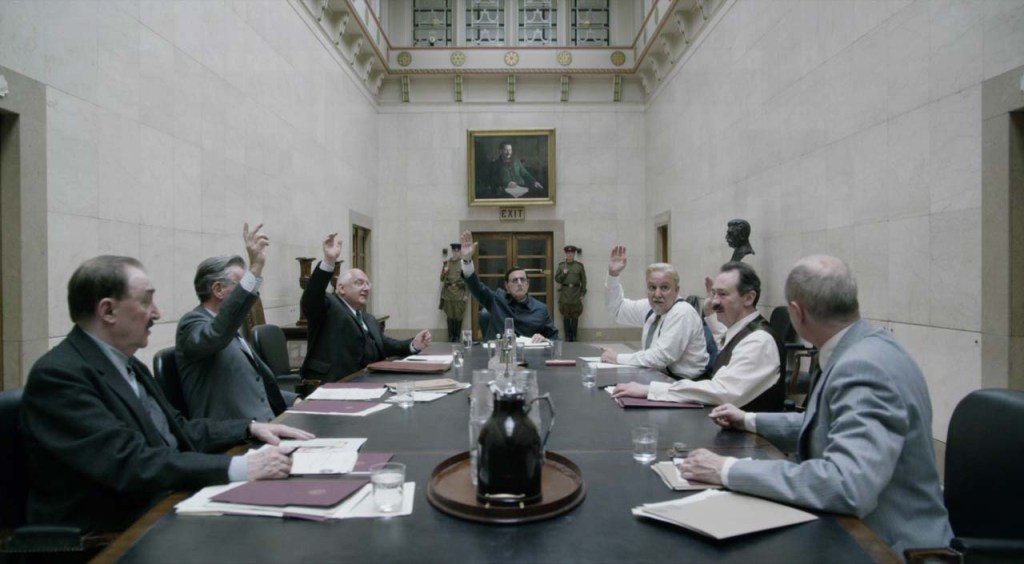
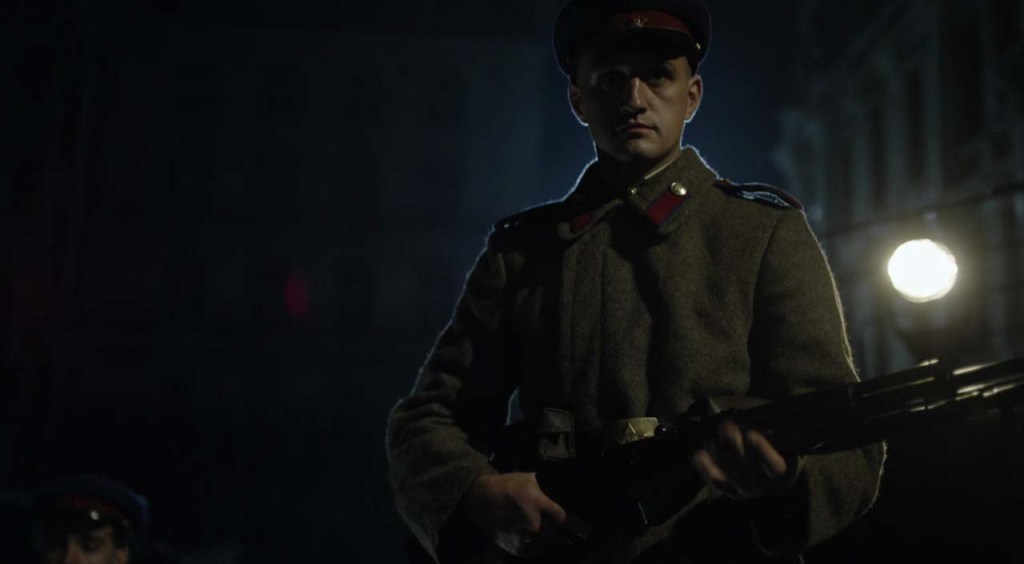
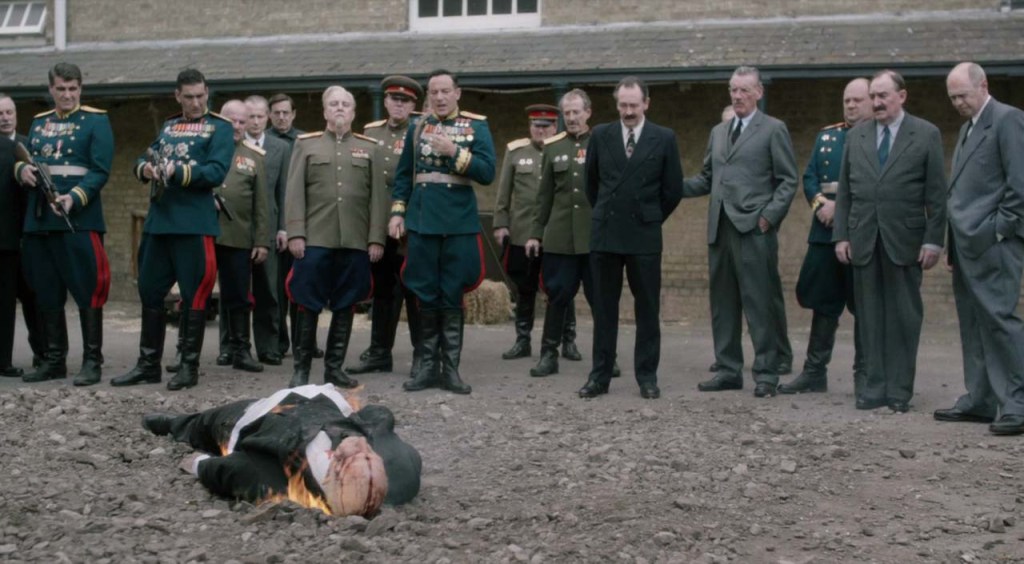
Khrushchev’s alliance strengthens as he unites Malenkov, Molotov, Zhukov, and other Central Committee members. During a staged meeting, Beria—who arrives expecting a routine discussion—suddenly finds himself surrounded and arrested by military officers. The atmosphere is tense, absurd, and shocking all at once. Beria, who has long been the architect of terror for others, collapses into a state of pleading disbelief.
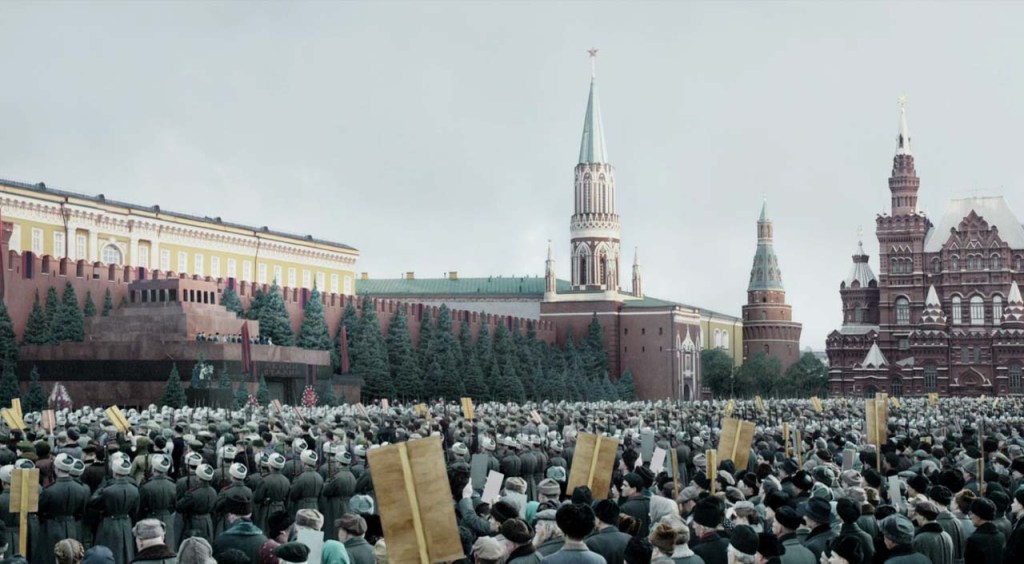
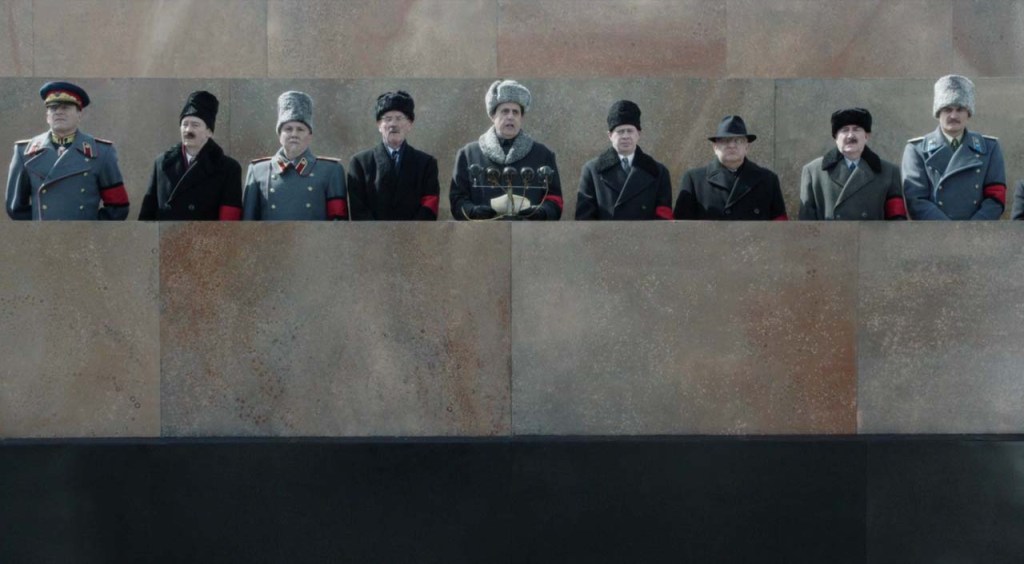
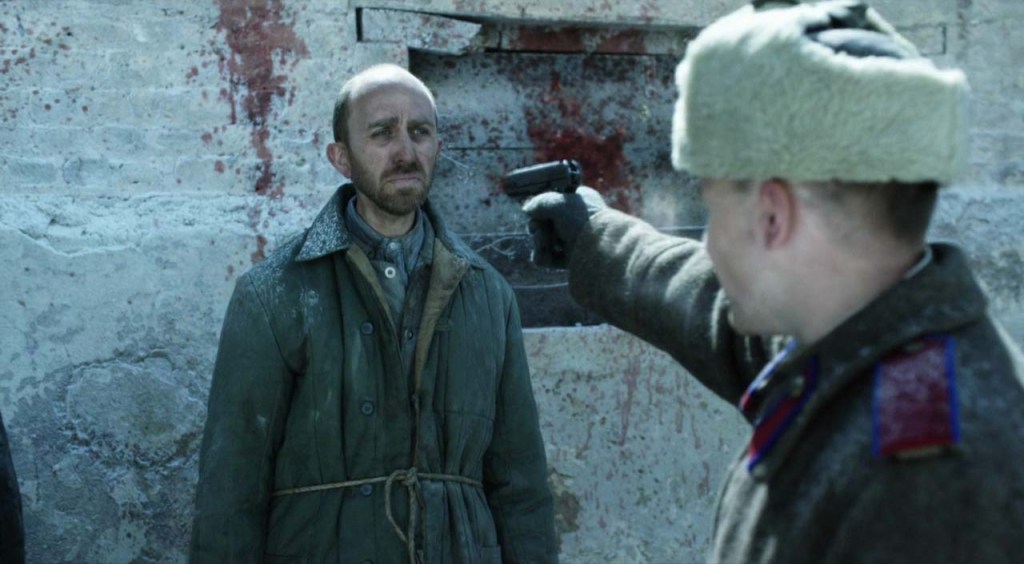
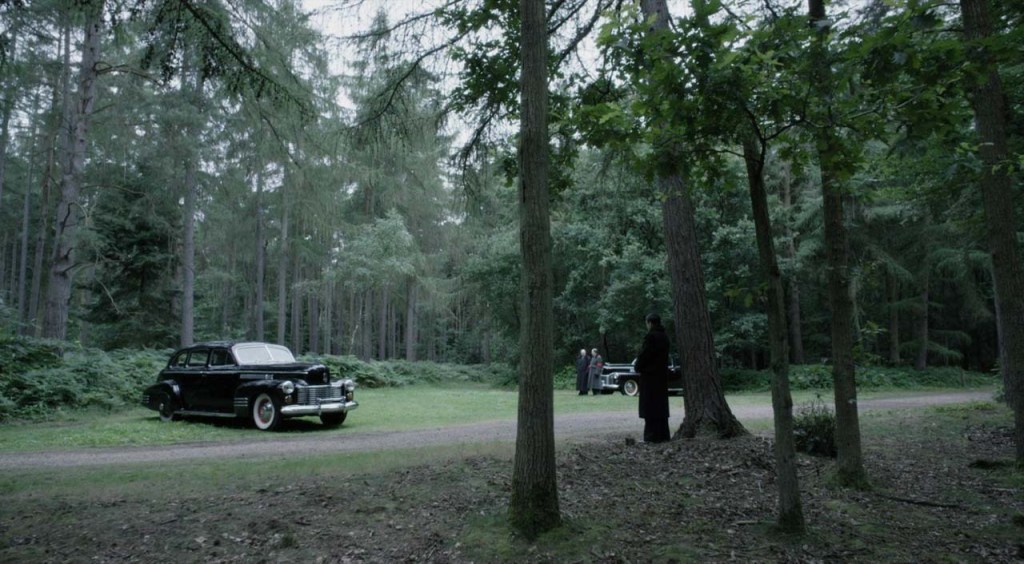
He is quickly subjected to a hasty trial, where the charges are read aloud at lightning speed, and the verdict is predetermined. Simon Russell Beale portrays Beria’s unraveling with genuine menace, which gradually gives way to a pathetic desperation. He is sentenced to death and executed almost immediately, with his body disposed of by burning.
The film concludes with a semblance of order restored. Khrushchev has outmaneuvered everyone and stands triumphant. The final scene hints at the ongoing cycle of power and paranoia: new leaders emerge, but the same machinery remains in place. Malenkov is quietly pushed aside. The Soviet system continues to operate, indifferent to the individuals it consumes.
The film suggests that totalitarianism is not upheld by supervillains, but rather by committees of vain, frightened, and mediocre men—each performing loyalty to a system that could destroy any one of them at any moment. The banality of the evil portrayed is what makes it both amusing and deeply unsettling.
The Cast
- Steve Buscemi as Nikita Khrushchev
- Simon Russell Beale as Lavrentiy Beria
- Jeffrey Tambor as Georgy Malenkov
- Paddy Considine as Andreyev
- Michael Palin as Vyacheslav Molotov
- Rupert Friend as Vasily Stalin
- Andrea Riseborough as Svetlana Stalin
- Jason Isaacs as Field Marshal Georgy Zhukov
- Olga Kurylenko as Maria Veniaminovna Yudina, a concert pianist
- Adrian McLoughlin as Joseph Stalin