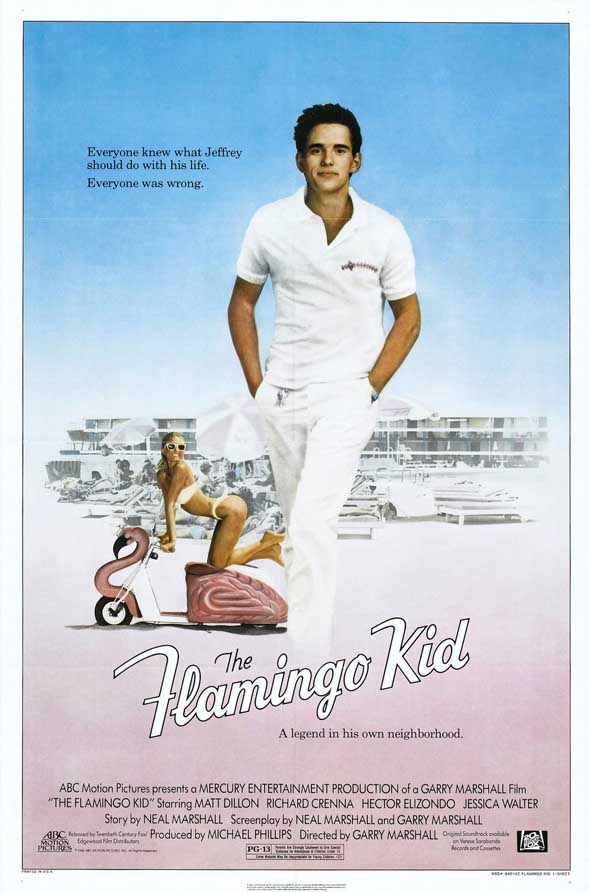
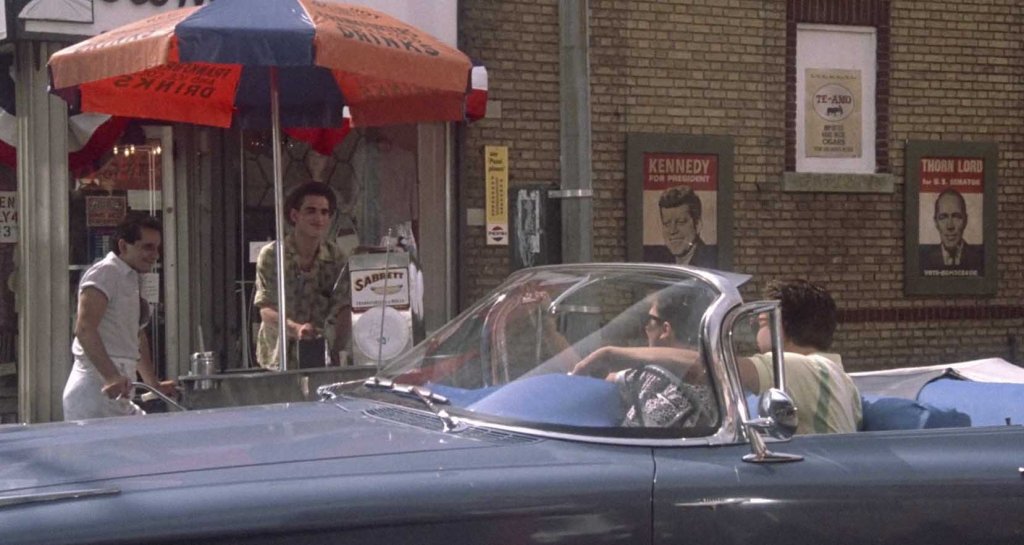


“The Flamingo Kid” (1984) is a coming-of-age comedy-drama directed by Garry Marshall, set in New York during the summer of 1963. The film follows a working-class teenager from Brooklyn who gets a job at an exclusive beach club on Long Island. There, he is captivated by the glamour and easy confidence of a wealthy car dealer, prompting him to question the values his modest, hardworking father instilled in him.




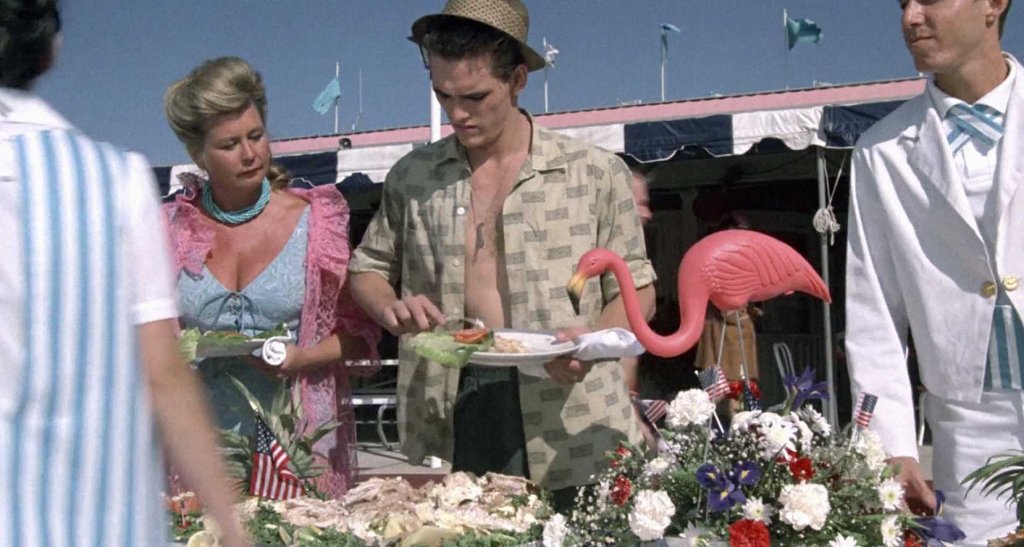
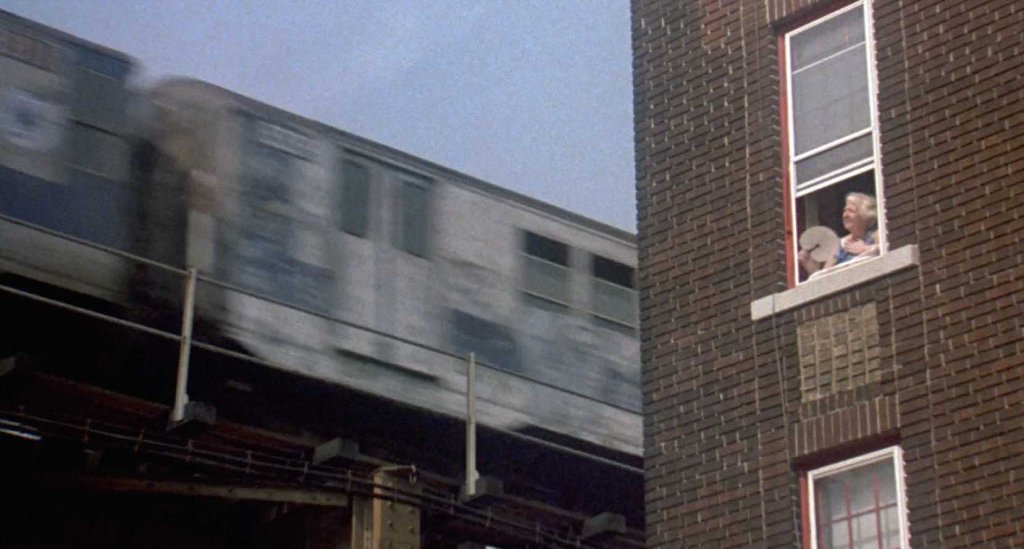
The film opens in Brooklyn during the summer of 1963. Jeffrey Willis is an eighteen-year-old from a close-knit, working-class family. His father, Arthur, is a plumber and pipe fitter—a dignified and quietly proud man who places a strong emphasis on the value of education and honest work. Arthur has outlined a sensible future for Jeffrey: attend college, acquire a trade or profession, and build something meaningful. Jeffrey is intelligent and good-natured, but he feels restless. He is uncertain about what he wants from life and is vaguely dissatisfied with the modesty of his family’s circumstances, though he doesn’t fully understand why.
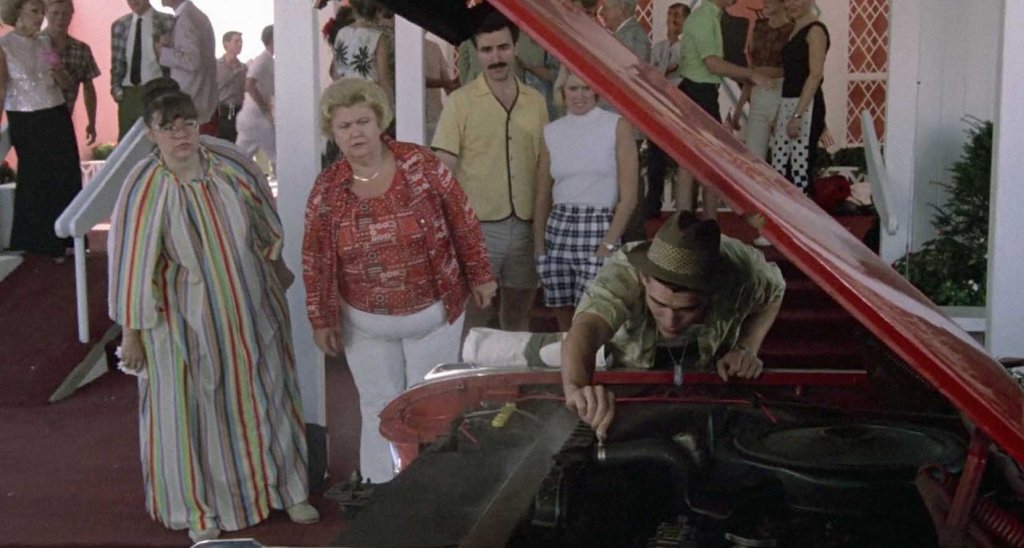
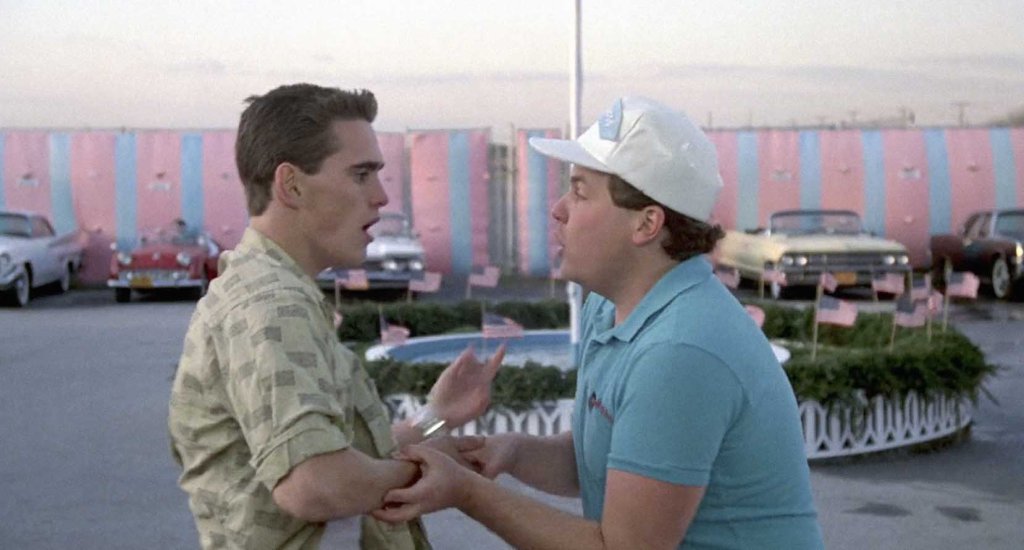
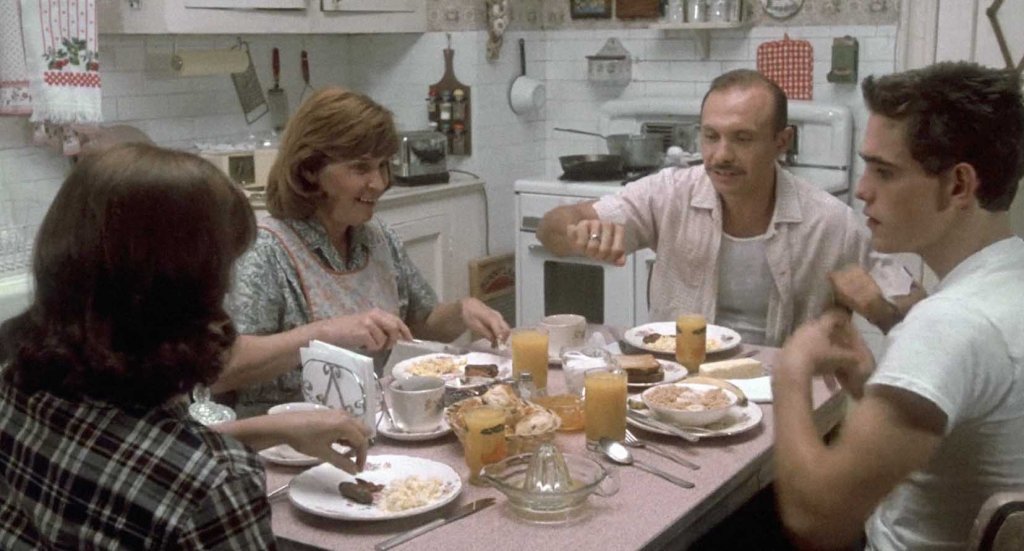

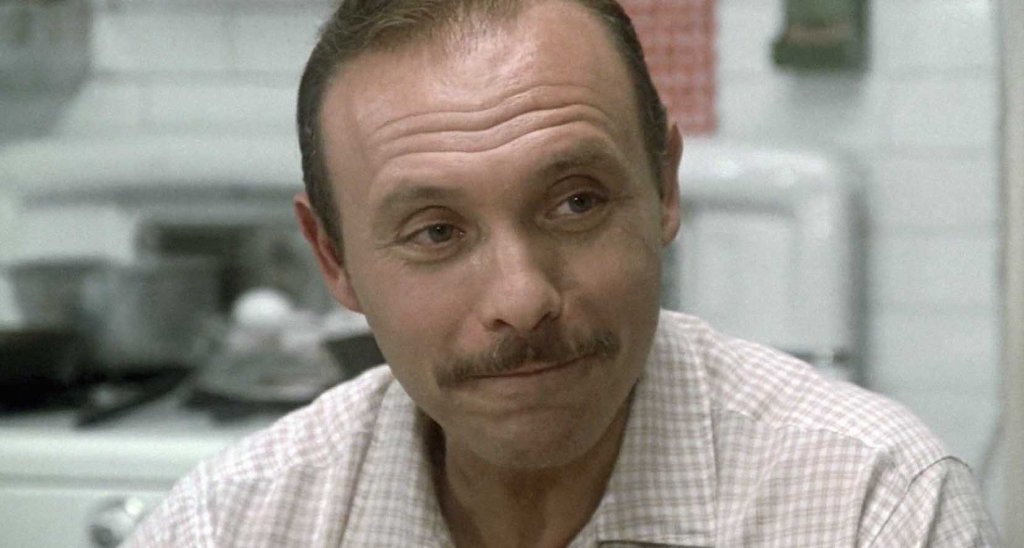

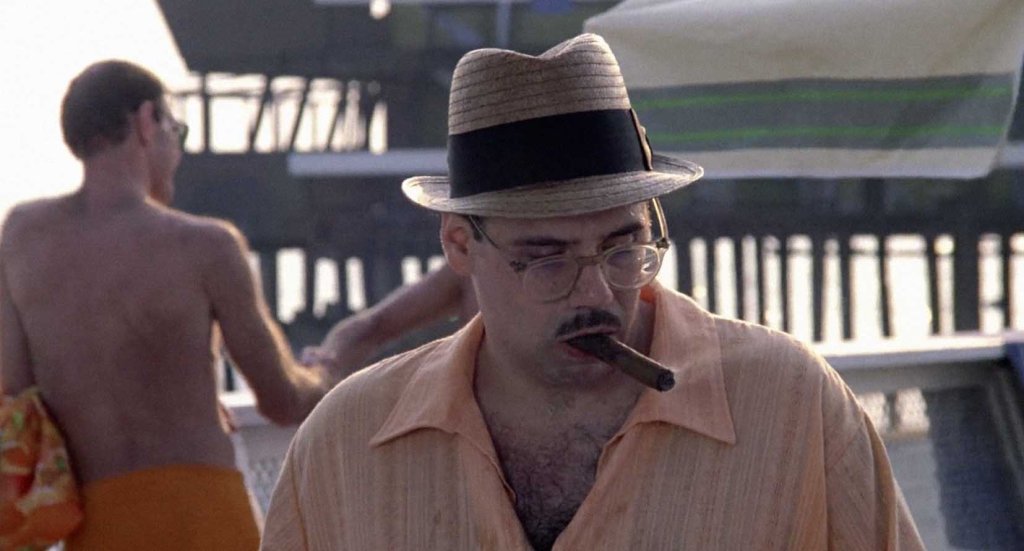

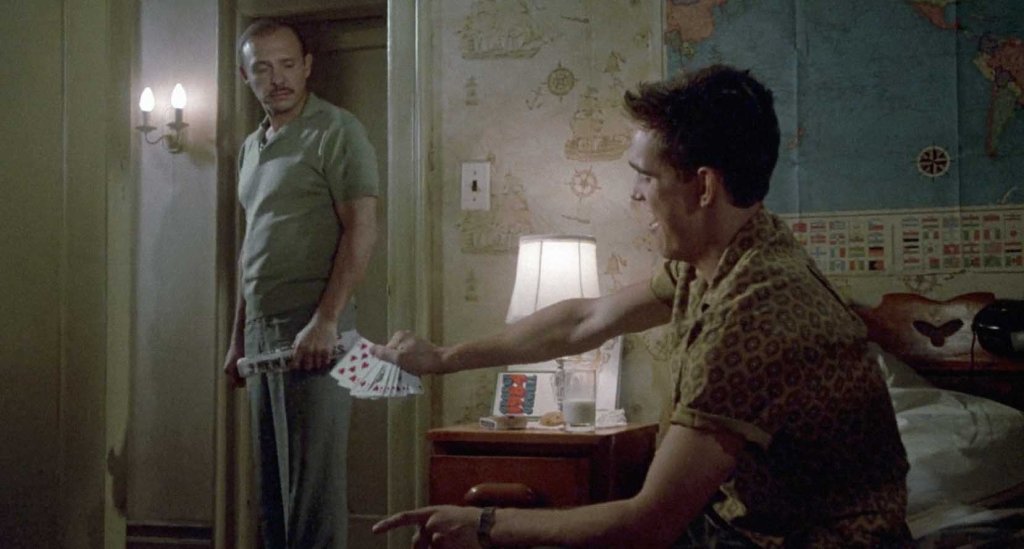
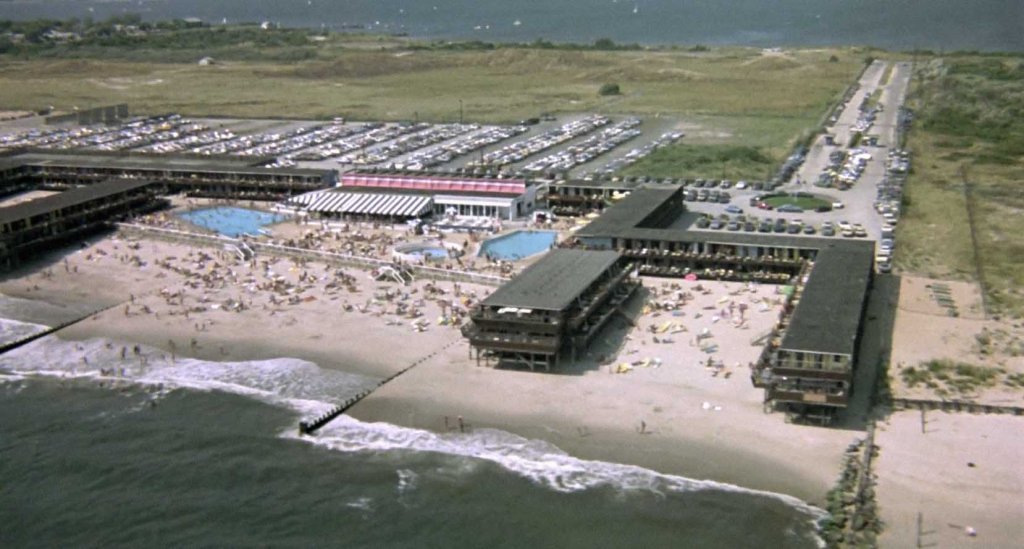
Through a connection with friends, Jeffrey secures a summer job as a cabana boy at El Flamingo, an upscale beach and tennis club on Long Island. This world of leisure, wealth, and social confidence is entirely new to him. He is immediately captivated by the gleaming boats, the tanned and easy-laughing members, and the sense that life here operates under different, more enjoyable rules.
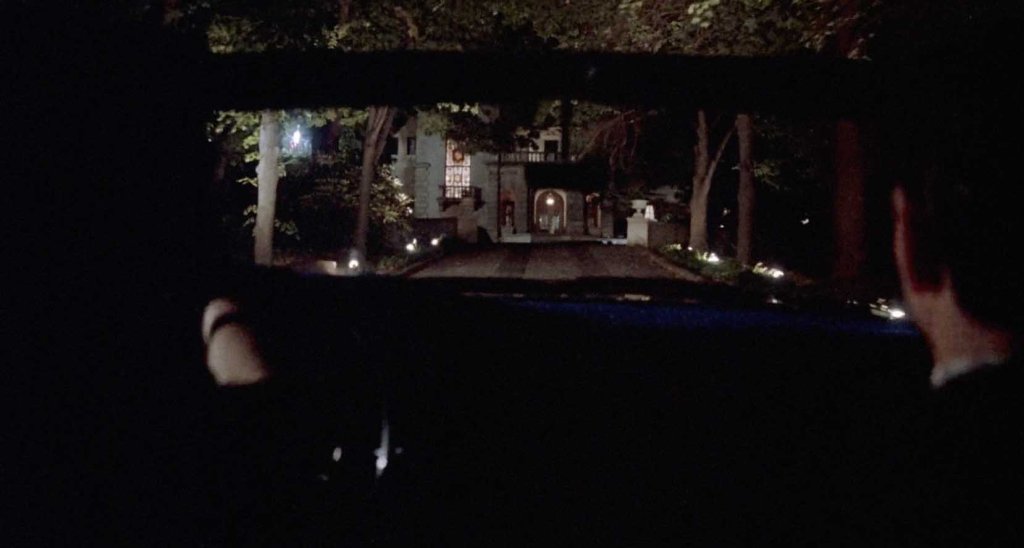
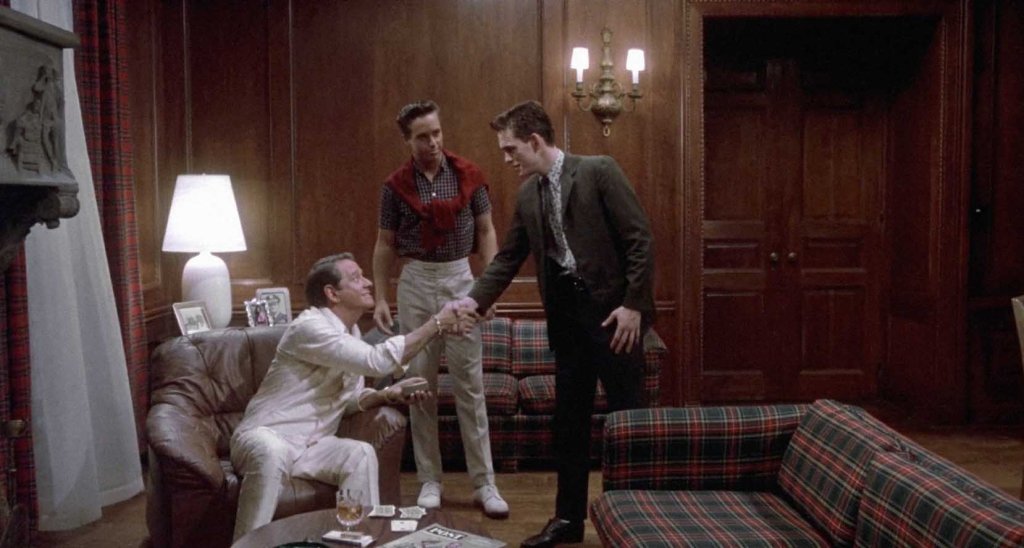

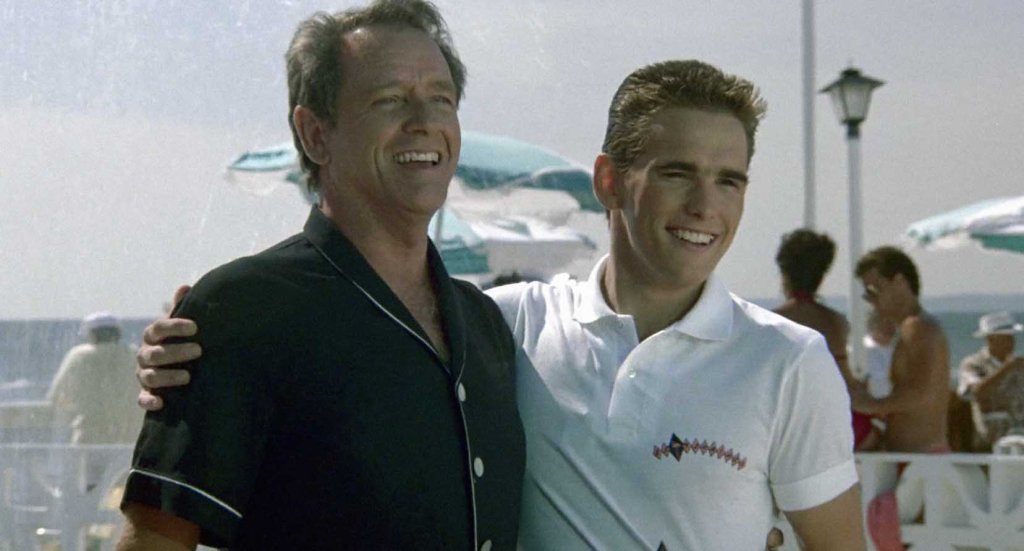
As he settles into his duties at the club—fetching towels, setting up chairs, and running errands for the well-to-do members—Jeffrey proves to be likable and sharp. He catches the attention of Phil Brody, a hugely charismatic self-made car dealer who dominates the social scene at the club like an unofficial king. Brody embodies qualities that Jeffrey’s father lacks: he is flashy, expansive, and generous with both money and praise. He radiates the belief that charm and confidence are all a man truly needs to succeed in the world.


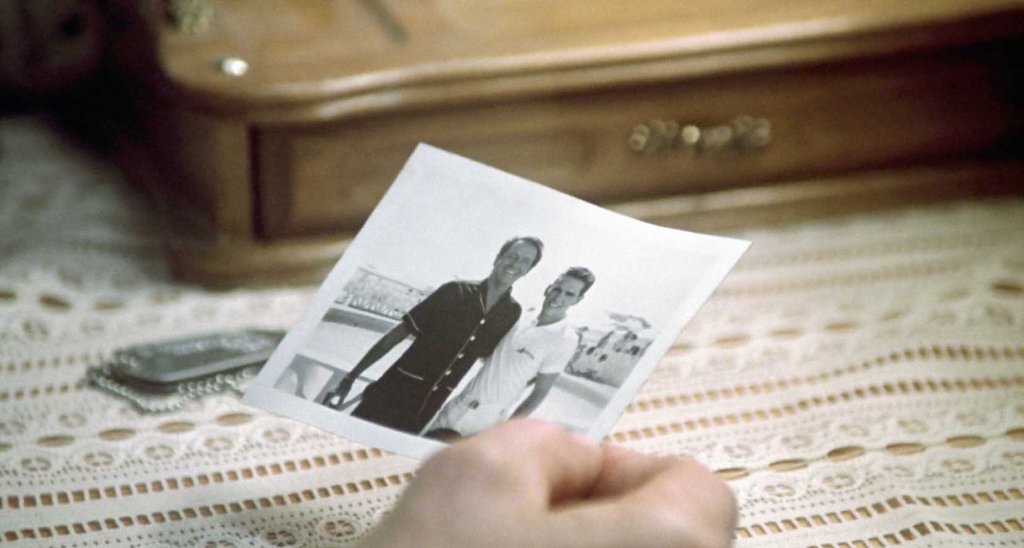
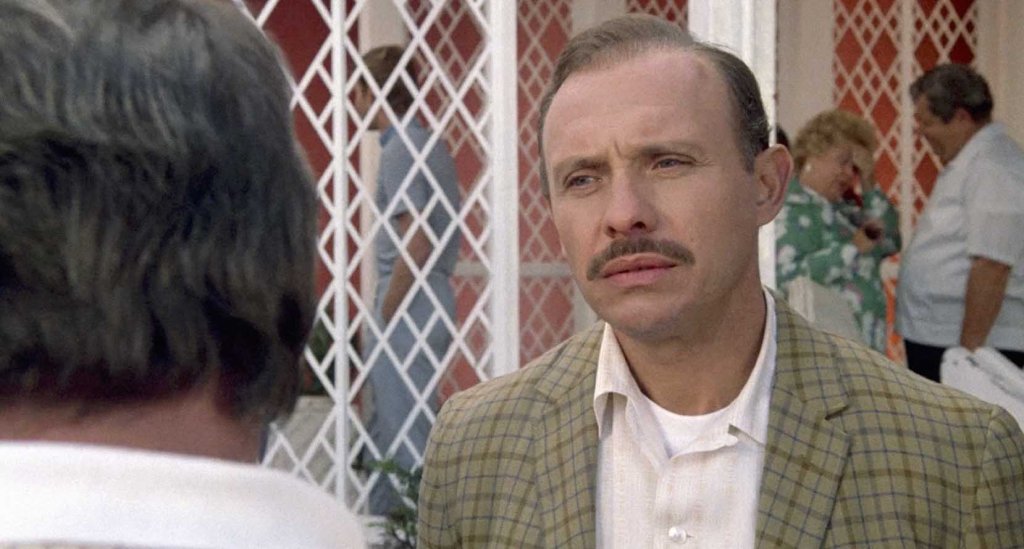

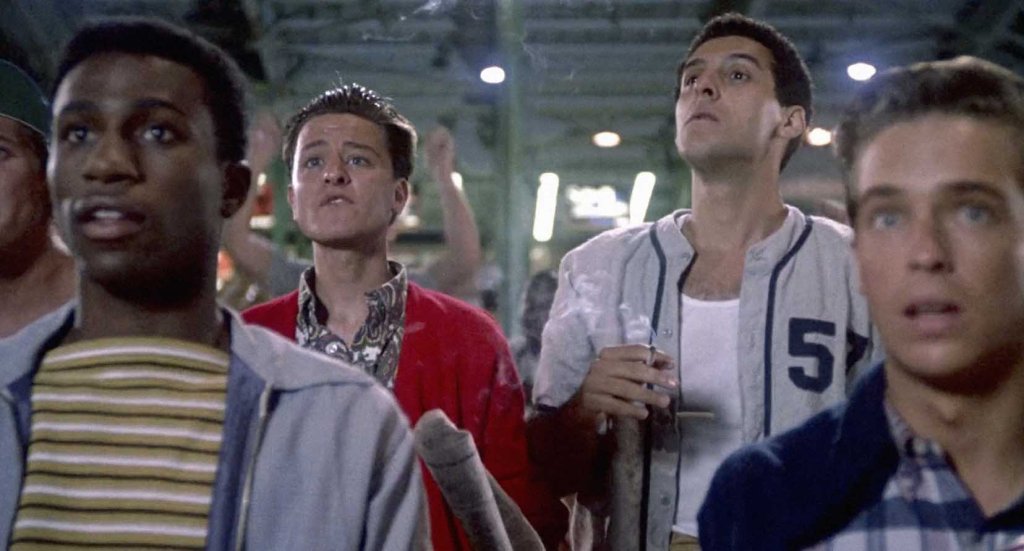

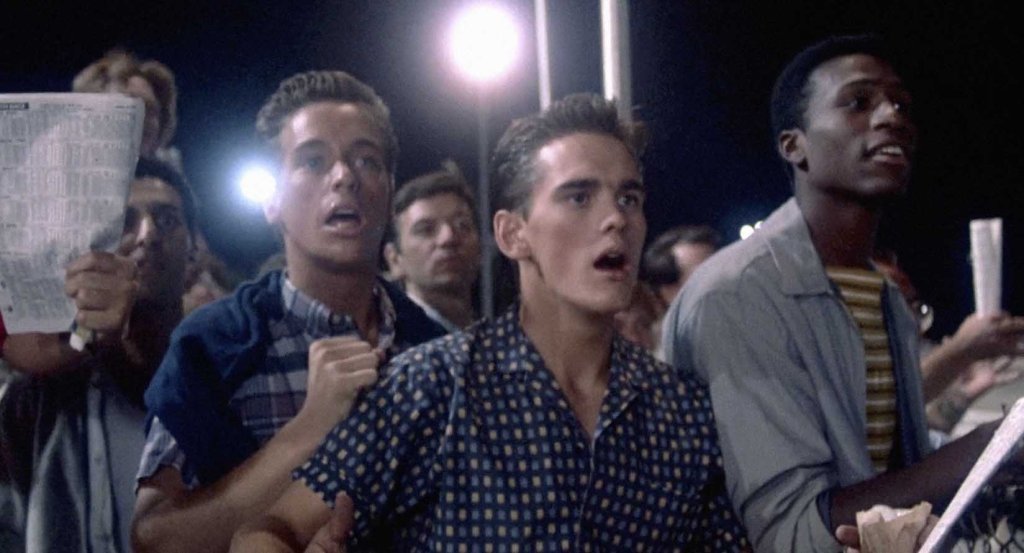
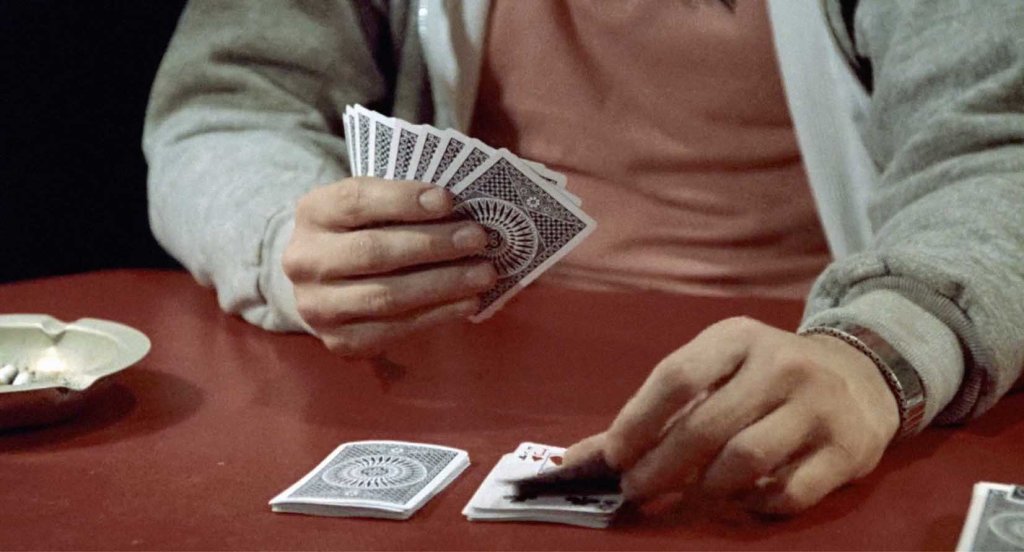
Brody takes a liking to Jeffrey and starts mentoring him informally. He invites Jeffrey into his social circle, allowing him to enjoy some of Brody’s success by association. Brody introduces Jeffrey to gin rummy, the club’s signature card game, and, being naturally gifted, Jeffrey quickly excels at it. Brody uses his own life as an example: he left school early, never attended college, and built a successful car dealership through sheer personality. He tells Jeffrey that college is a waste of time, arguing that the real lessons are learned in the world by men of action.
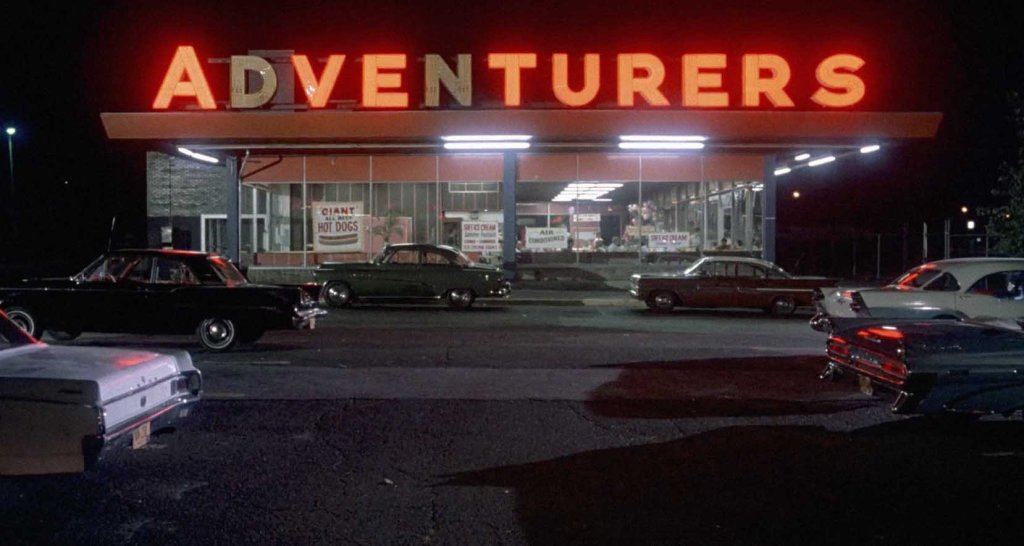
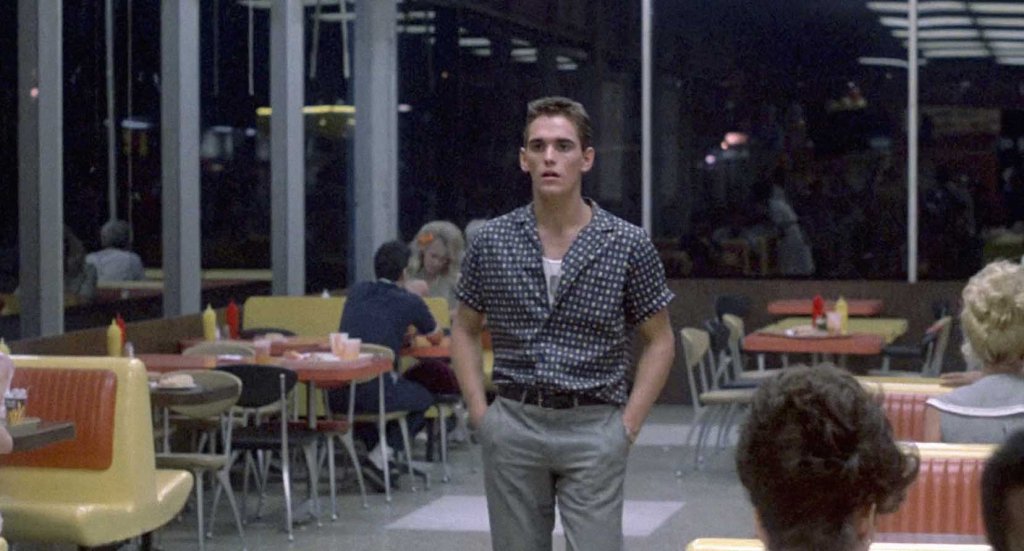
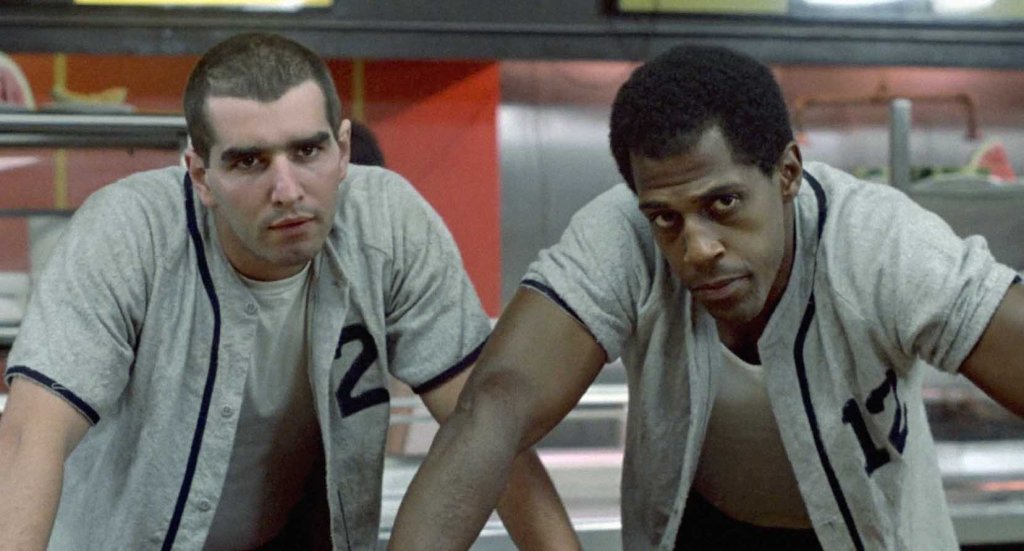

Jeffrey is highly influenced by this message. Brody has a magnetic presence, and his attention feels like a validation — a sign that Jeffrey is special and destined for something greater than life in Brooklyn.
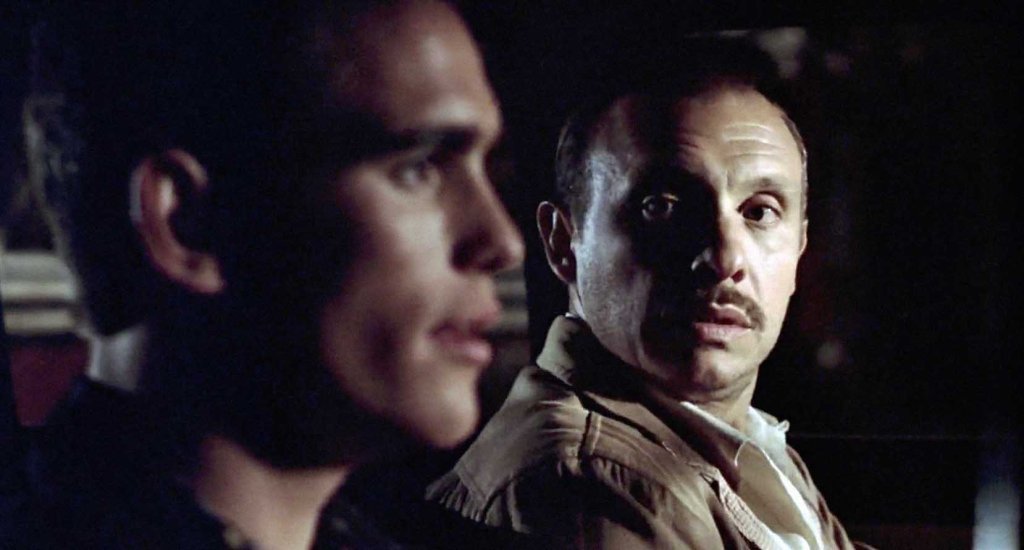
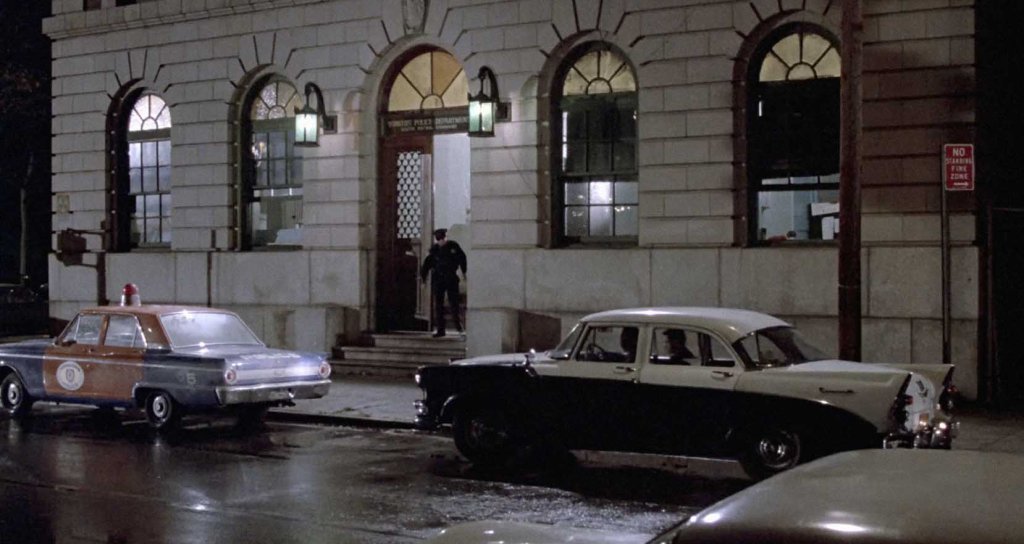
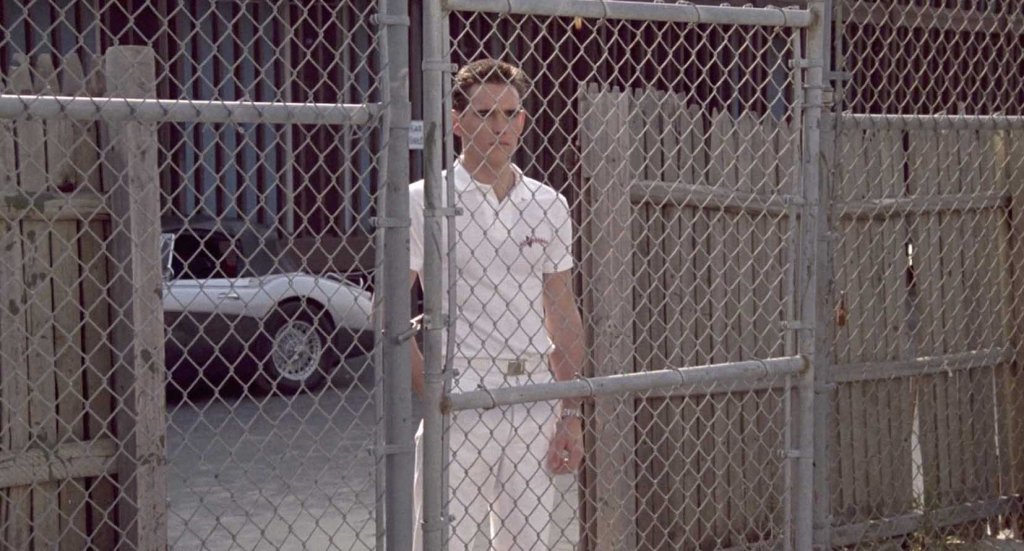
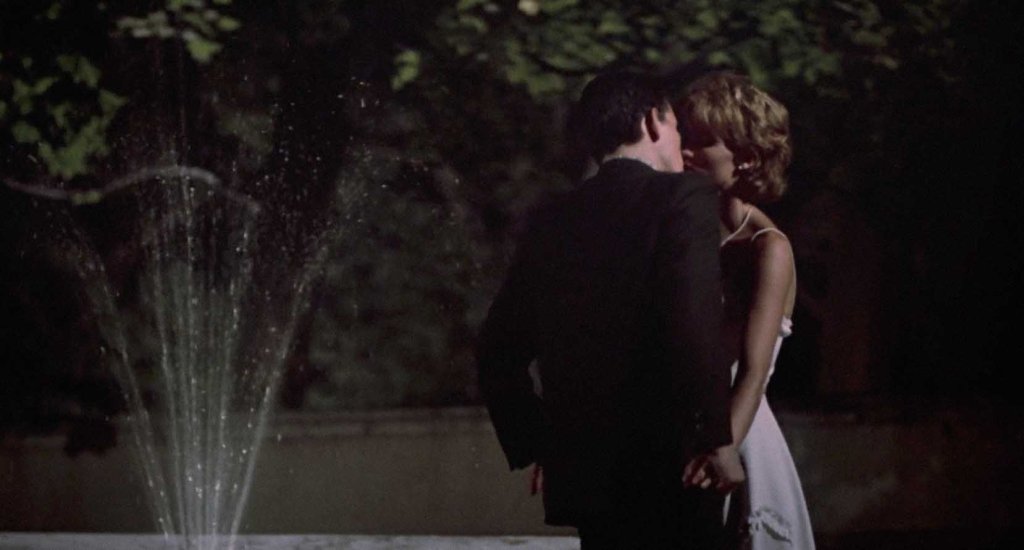
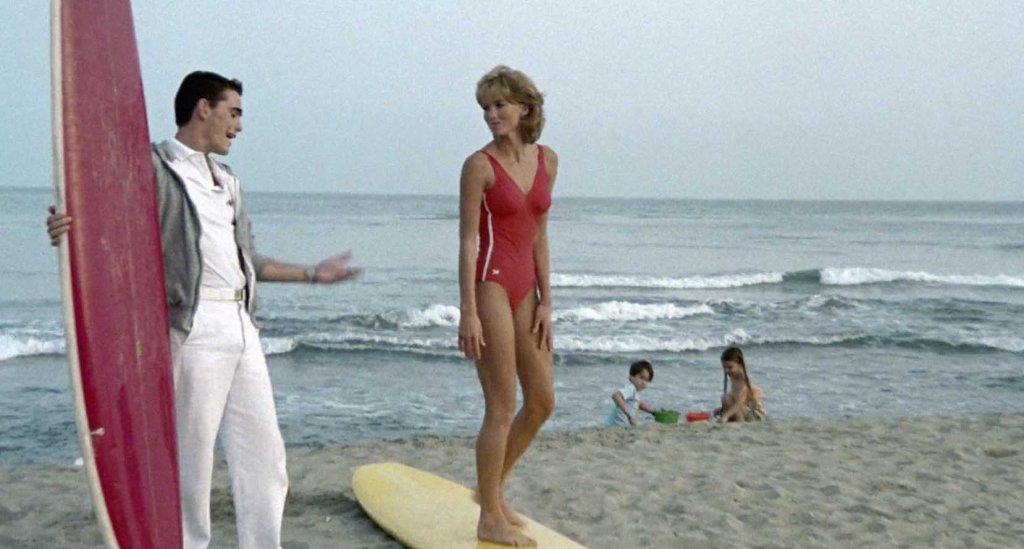
Adding to the summer’s allure is Carla Samson, a beautiful young woman who moves in Brody’s social circle at the club. Jeffrey is instantly captivated by her, and Carla — older, sophisticated, and somewhat weary of the world — is charmed by his sincerity and enthusiasm. A tentative, sweet romance begins to blossom between them, with Jeffrey’s infatuation lending the summer an almost dreamlike quality. While Carla is fond of him, she is also perceptive enough to recognize aspects of the Flamingo world — and of Brody — that Jeffrey, enchanted as he is, has yet to see.



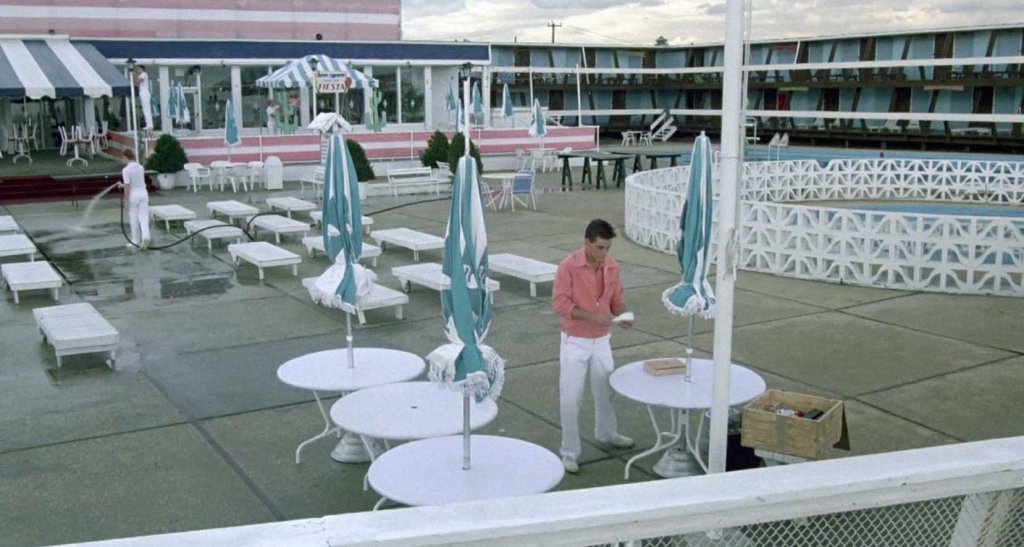
As summer goes on, Jeffrey begins to fully embrace Brody’s worldview. He begins to view his father’s life — marked by a small apartment, hard work, and careful saving — with a new, uncomfortable disdain. Arguments erupt at the family dinner table as Jeffrey mimics Brody’s dismissal of formal education, insisting that he doesn’t need college to succeed. Arthur, a man of great dignity and patience, feels hurt and alarmed — not because he is worried about Jeffrey’s ambition, but because he recognizes that his son is being drawn in by a seductive yet shallow set of values presented by someone who has no real investment in his future.

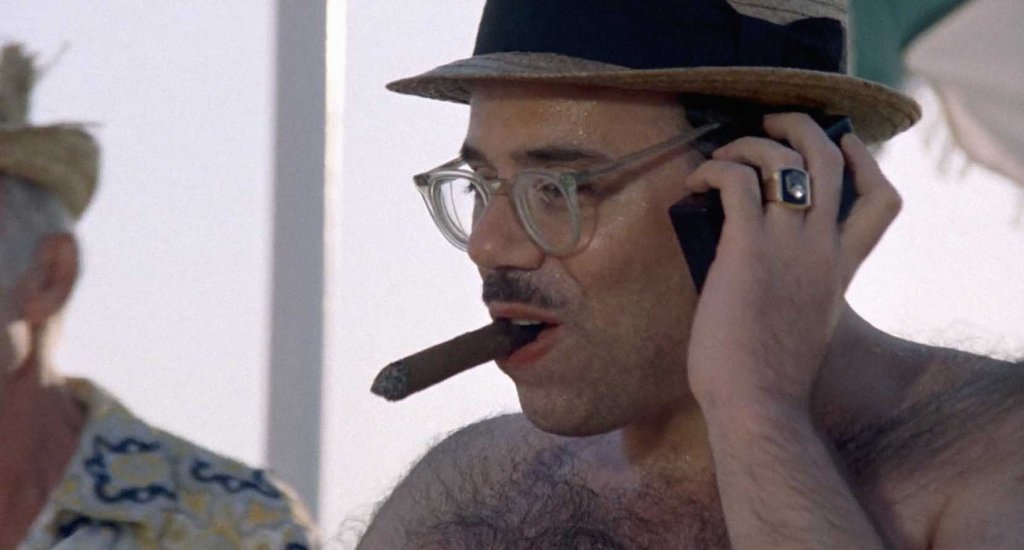
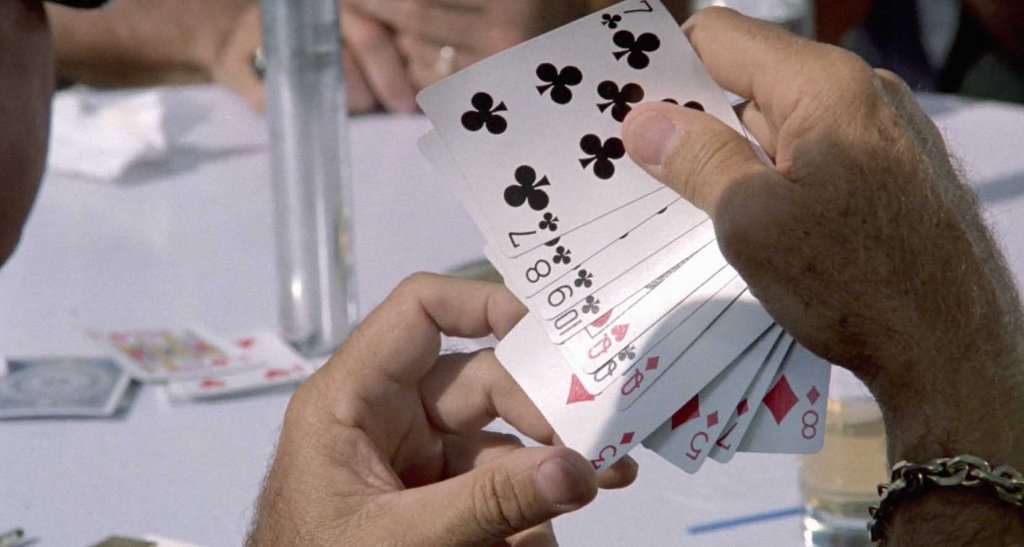
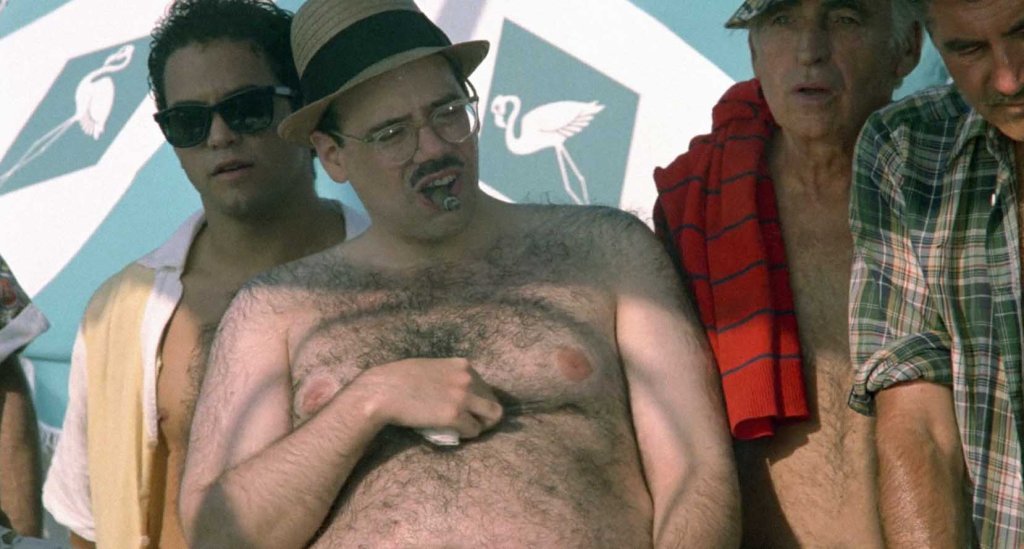
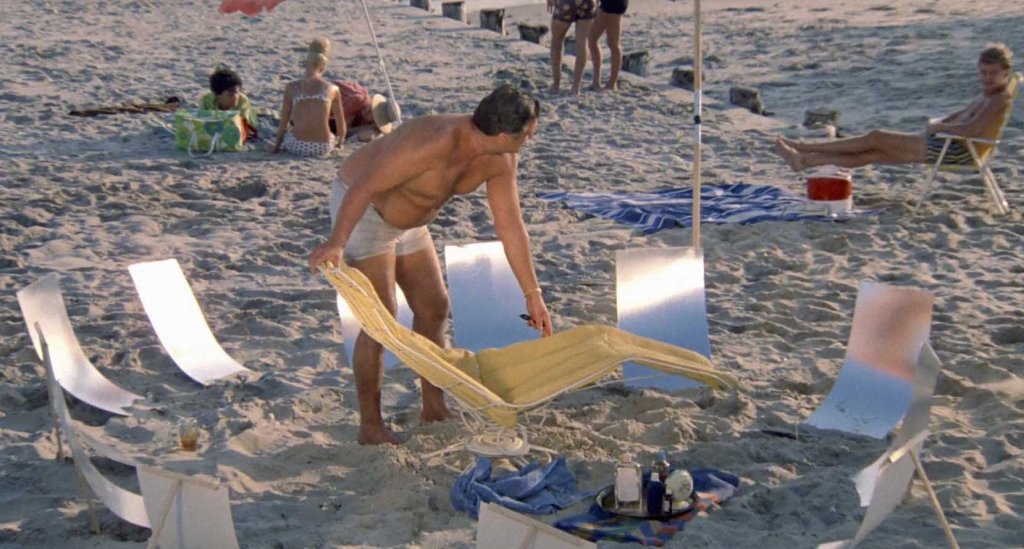
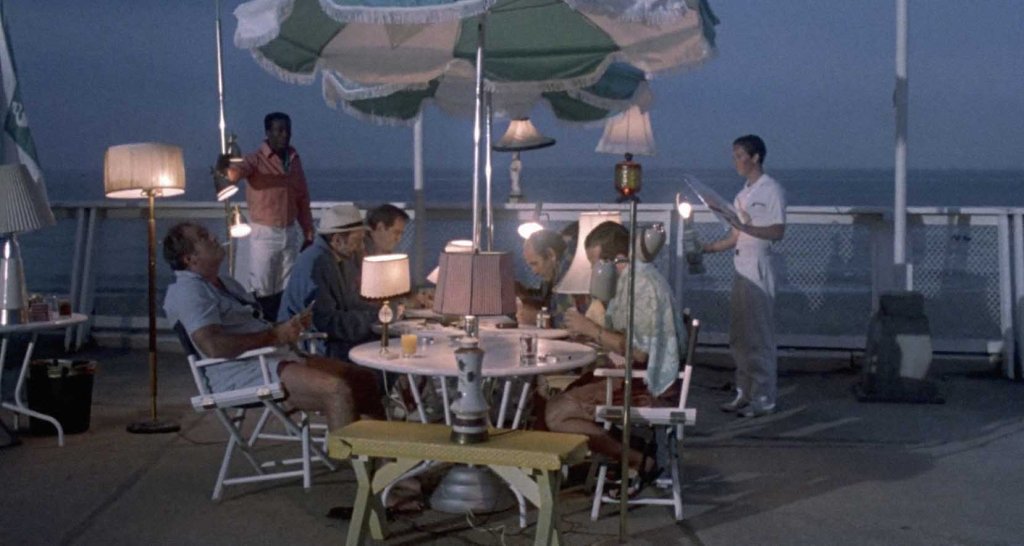
The film takes a turning point when Jeffrey starts to see beyond Brody’s impressive facade. The cracks in Brody’s image begin to show: his generosity turns out to be selective and self-serving. At the same time, his supposed wisdom proves to be mere salesmanship aimed at manipulating people. Most importantly, Jeffrey discovers that Brody has been engaged in dishonest business practices—exploiting and manipulating those who trusted him, including people connected to the club. Ultimately, the confident, carefree philosophy Brody promotes is revealed as a cover for his complete lack of integrity.

The discovery is devastating because Jeffrey had invested so much of his summer identity in Brody’s vision of the world. He had started to reshape himself in Brody’s image — and now that image has been revealed as false.

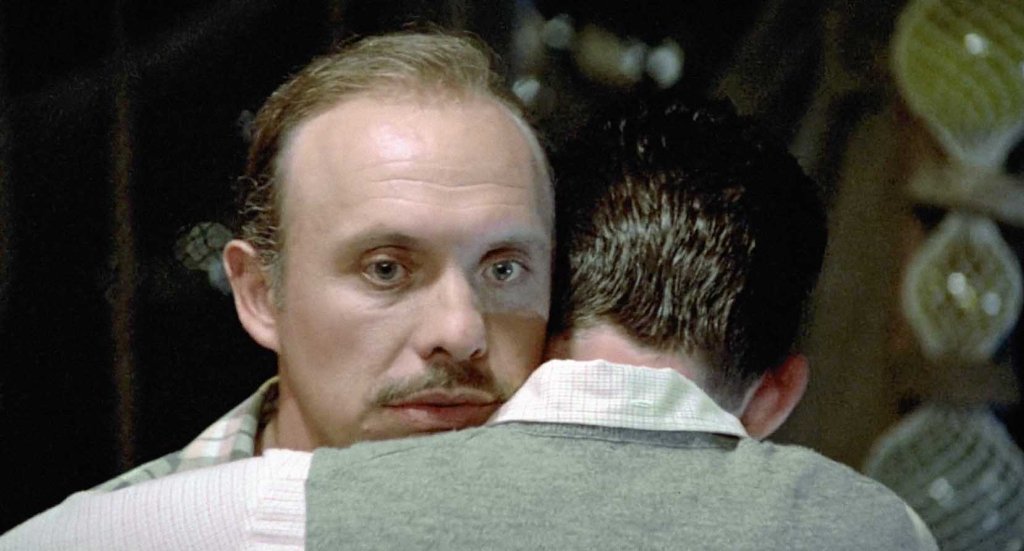
Feeling disillusioned, Jeffrey returns home and reconciles with his father, Arthur. Their reconciliation is marked by restraint and tenderness—there are no lengthy speeches or dramatic confrontations filled with yelling. Instead, it is a quiet, earned reconnection: Jeffrey begins to see, with a fresh perspective, the genuine substance of the life his father has built and the values he has attempted to pass on.
As summer comes to an end, Jeffrey goes back to Brooklyn, facing the prospect of college and the future his father envisioned for him. However, he returns changed and more self-aware, having learned the important distinction between glamour and character.