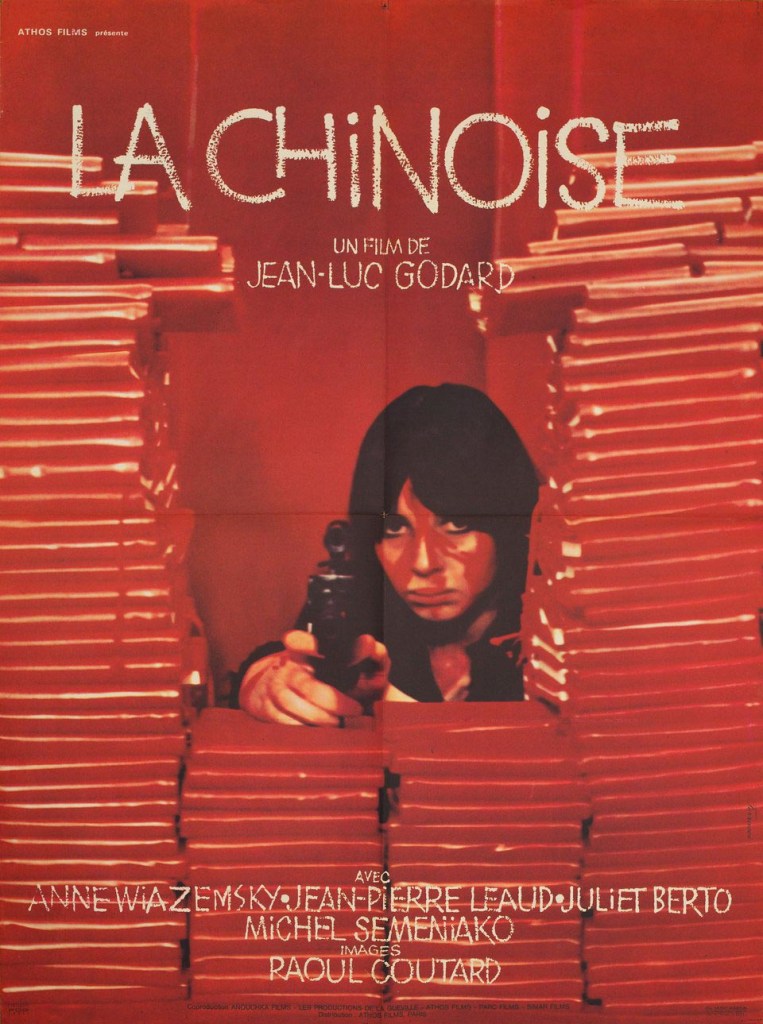
“La Chinoise” is a radical political film directed by Jean-Luc Godard in 1967, during one of the most turbulent and intellectually vibrant periods of his career. Filmed in the summer of 1967—almost a year before the May 1968 student uprisings that would shake France—the movie is strikingly prophetic. It captures the mood, rhetoric, and internal contradictions of the French radical left with both empathy and sharp irony.
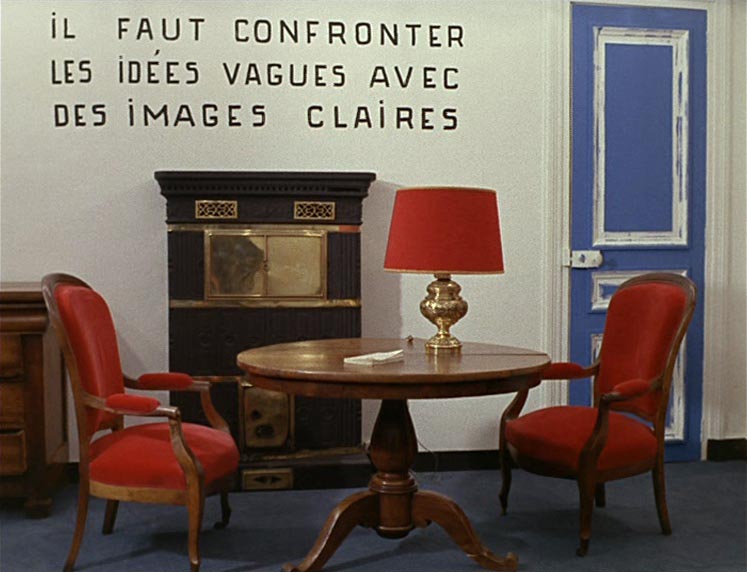
The film is loosely structured as a series of dialogues, debates, performances, and direct addresses to the camera. It follows a group of young Maoist students who have isolated themselves in a borrowed Paris apartment for the summer to study revolutionary theory. As the story unfolds, they begin to consider moving from theoretical discussions to violent action.
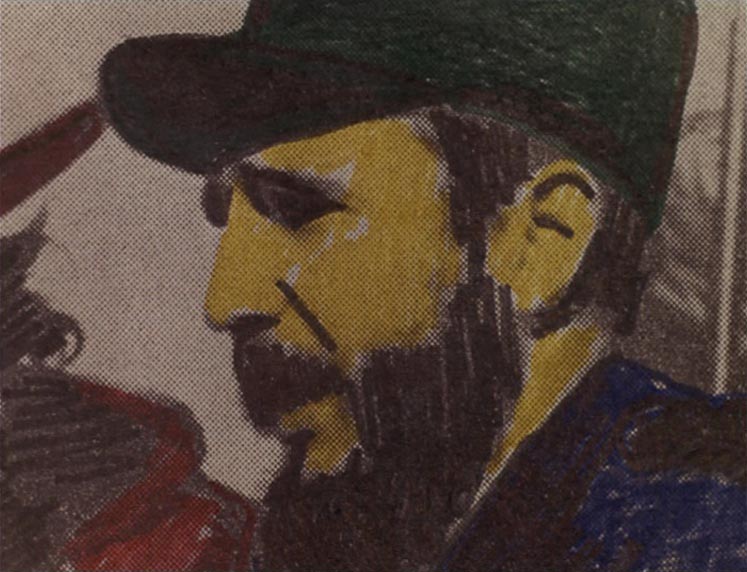
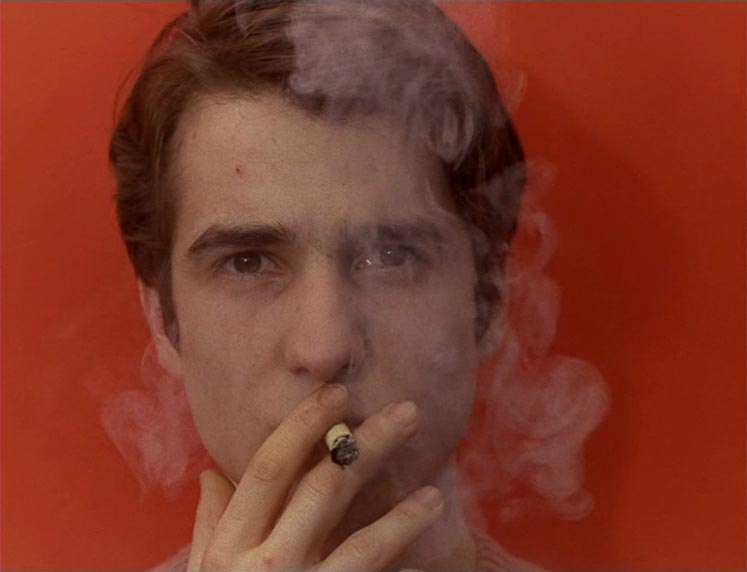
The film stars Anne Wiazemsky as Véronique, Jean-Pierre Léaud as Guillaume, Michel Semeniako as Henri, Lex de Bruijn as Kirilov, Juliet Berto as Yvonne, philosopher and activist Francis Jeanson as himself, and Omar Diop as Omar.
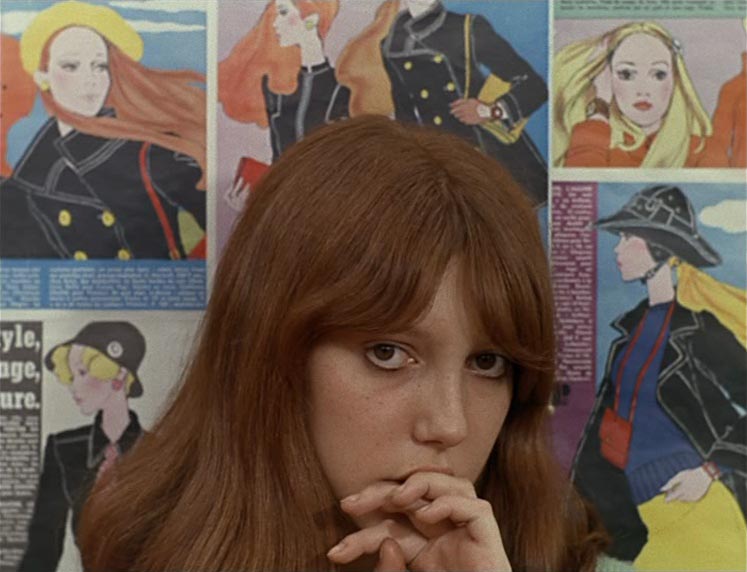
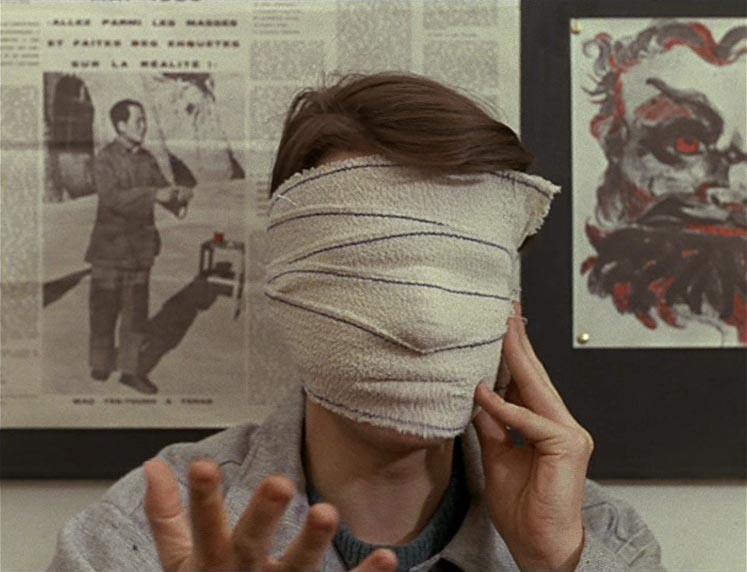
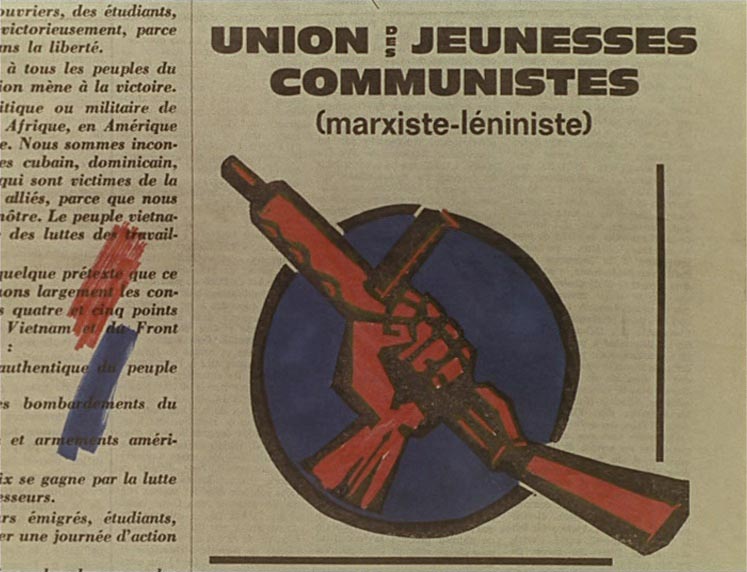
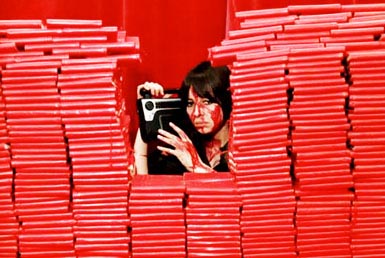
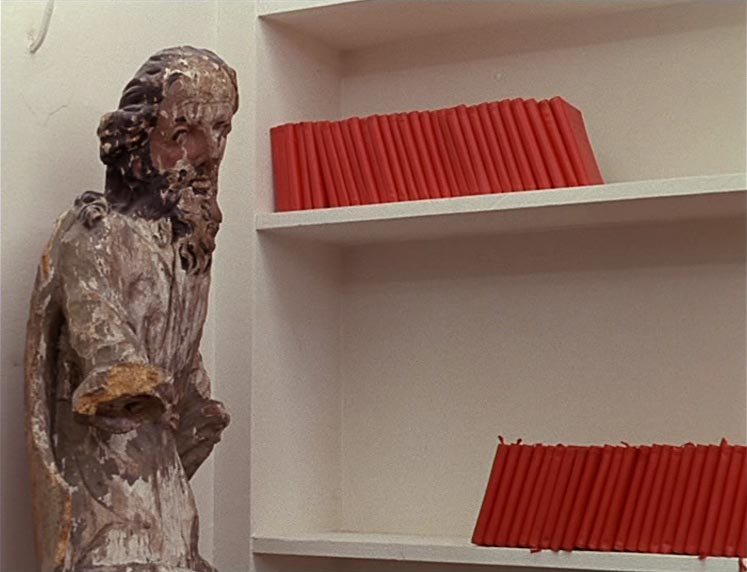
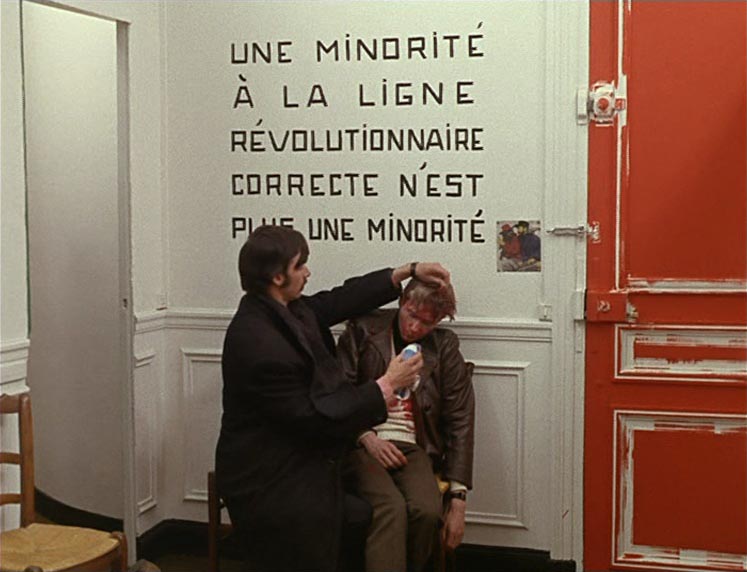
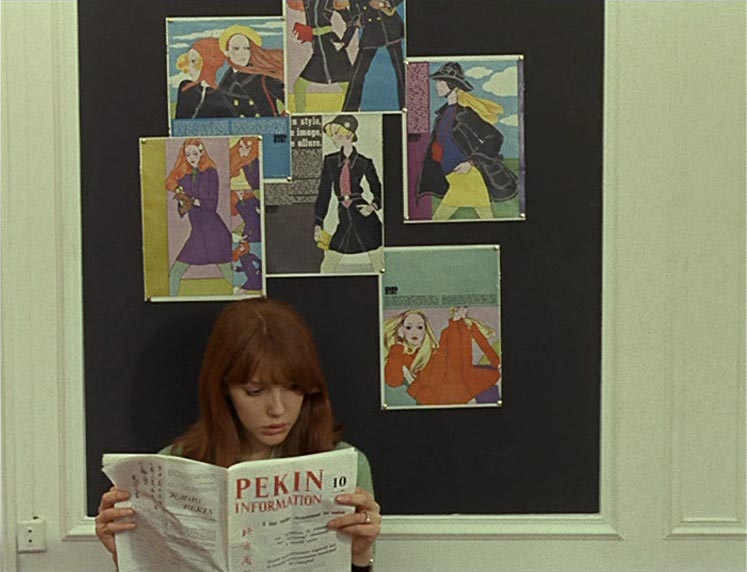
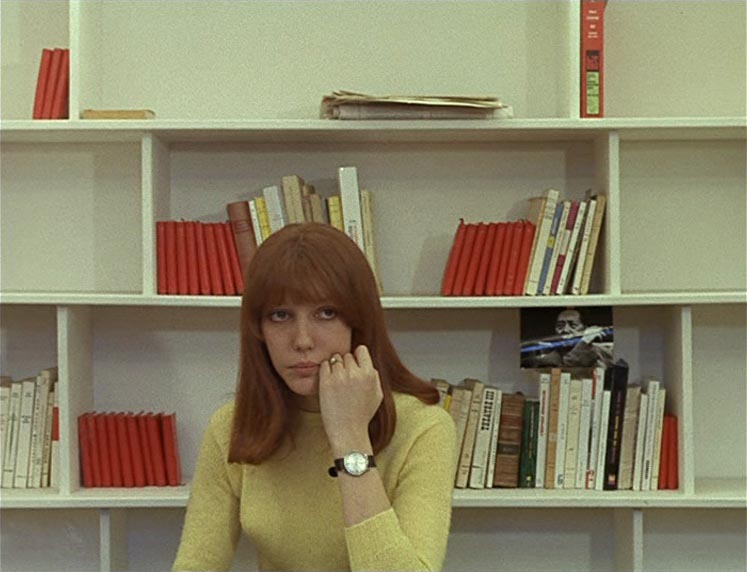
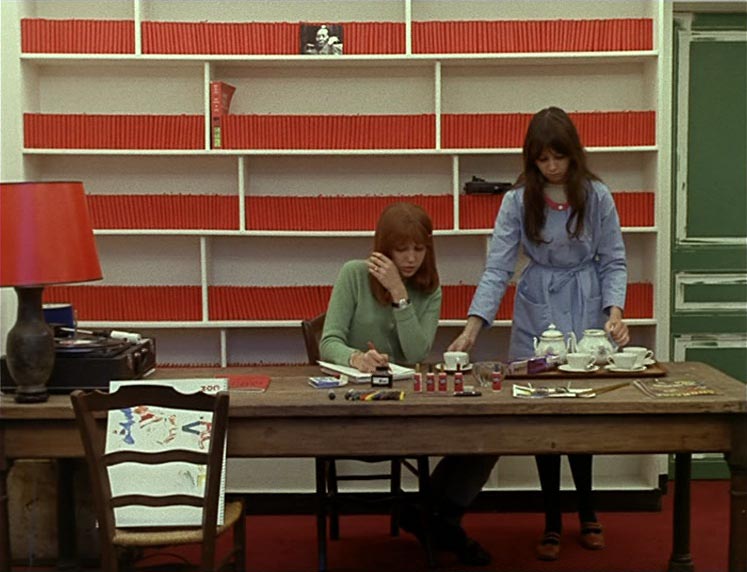
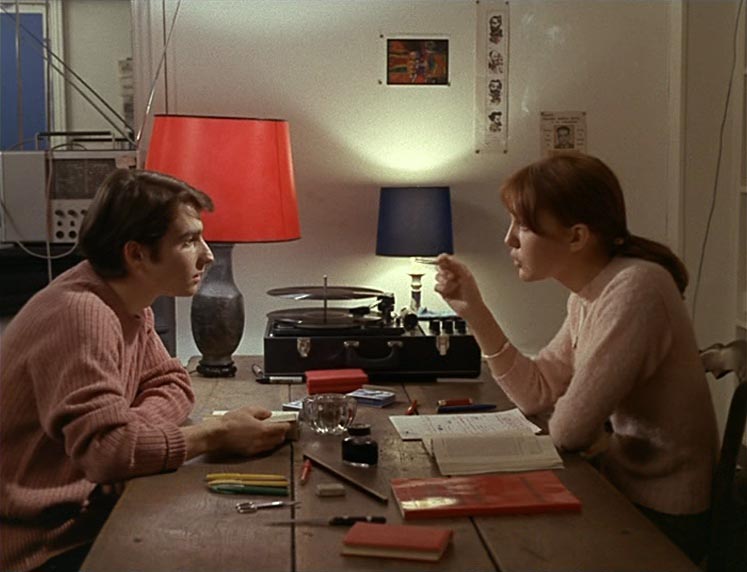
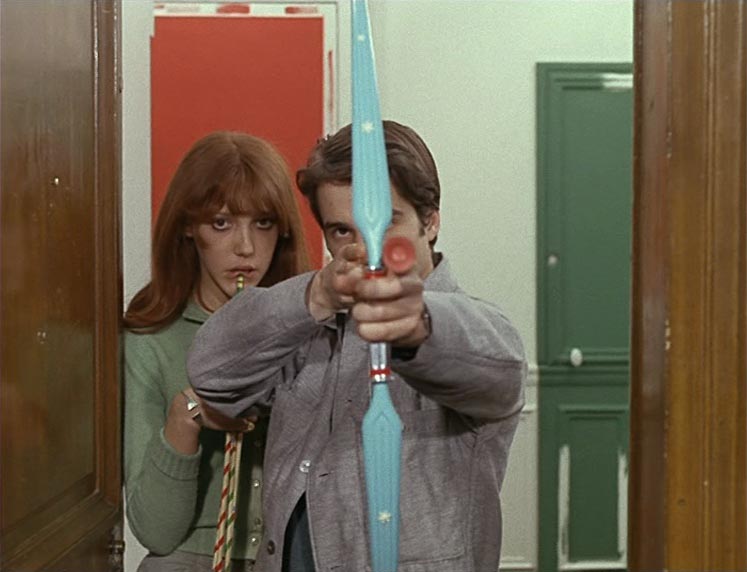
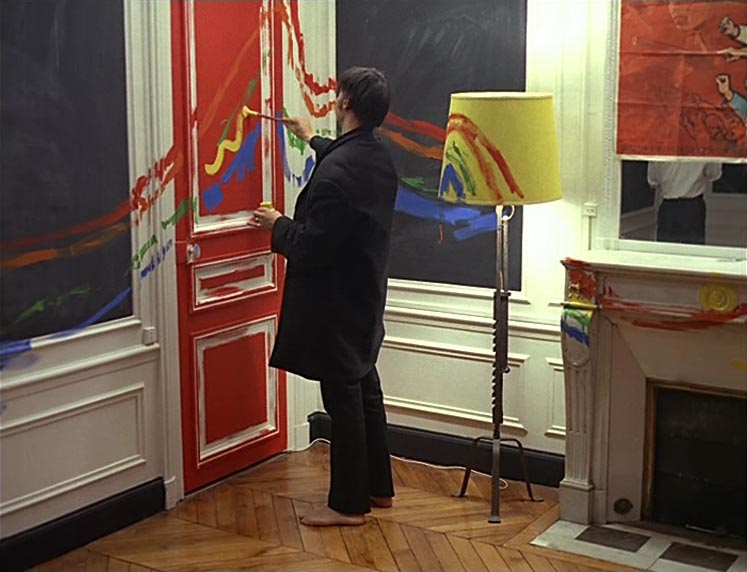
The film takes place almost entirely in a bright, primary-colored Paris apartment borrowed for the summer from a bourgeois family. Five young individuals have formed a Maoist cell called the Aden Arabie group, named after a novel by Paul Nizan. They have retreated to this apartment to immerse themselves in revolutionary study. The walls are adorned with Mao’s Little Red Book arranged in rows, political slogans painted in bold letters, posters of Marx, Lenin, and Mao, and images from the Vietnam War. The apartment serves as both a revolutionary headquarters and, unmistakably, a stage set. Godard continually reminds us that we are watching a performance.
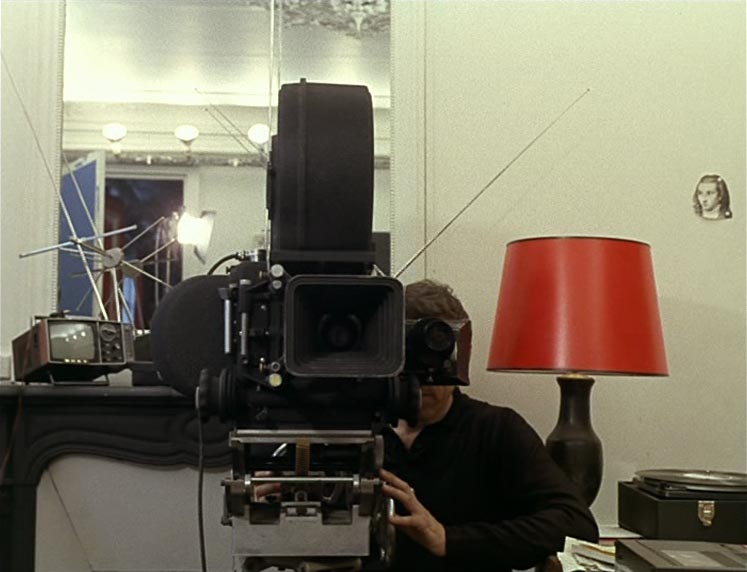
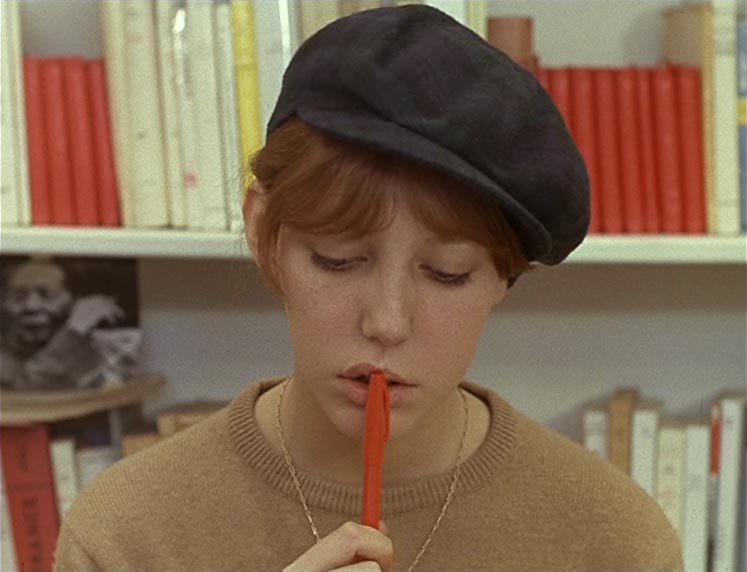
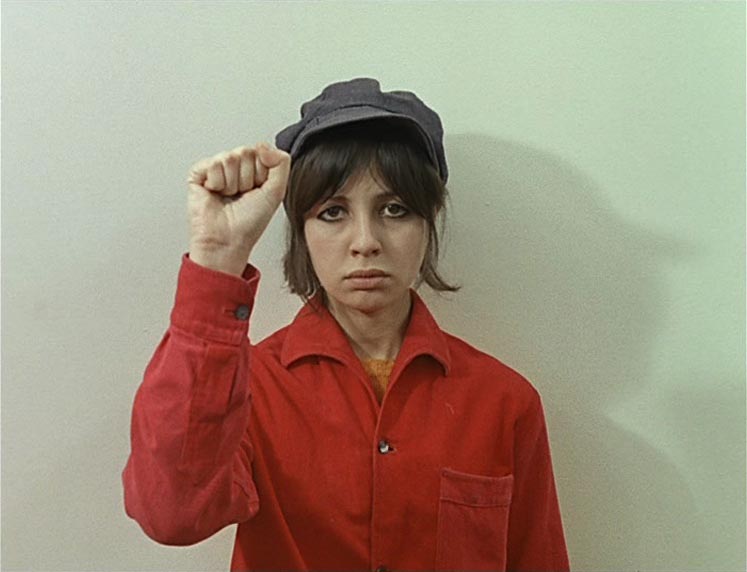
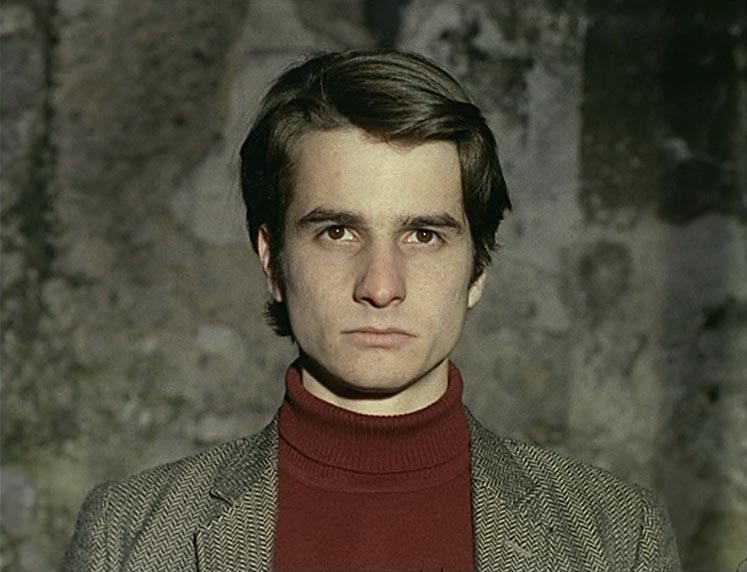
The group consists of five members: Véronique, a philosophy student who is the most committed ideologue; Guillaume, her boyfriend and an aspiring actor who views politics as a form of theater; Henri, a more orthodox communist who is increasingly questioning the group’s Maoist extremism; Yvonne, a country girl from a peasant background who acts as a housekeeper for the group and represents the working class that the others theorize about; and Kirilov, a deeply troubled young man named after the suicidal character from Dostoevsky’s novel “The Possessed,” a borrowing that carries significant thematic weight.
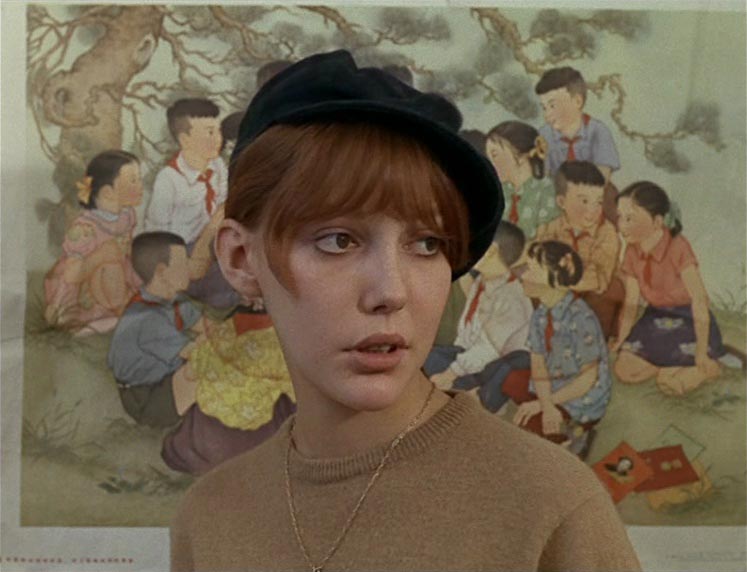
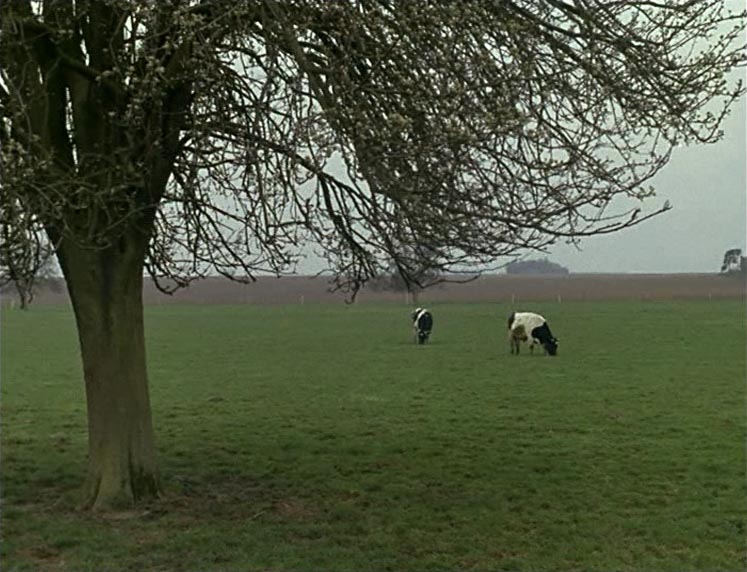
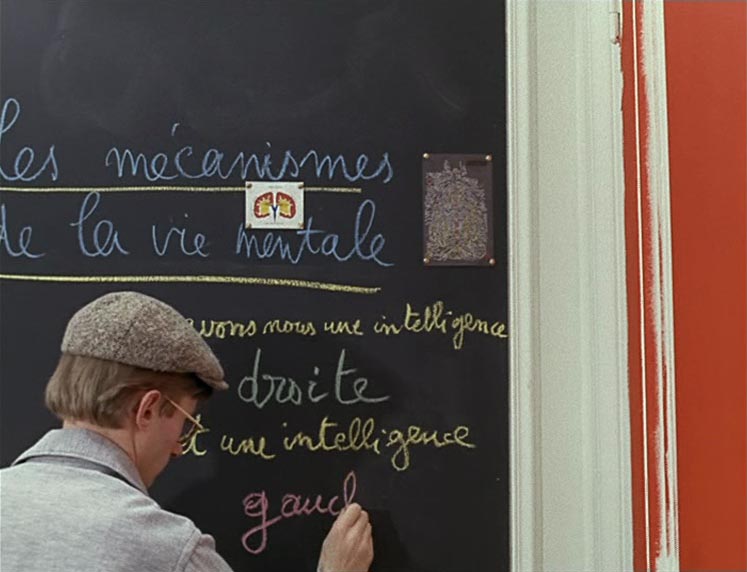
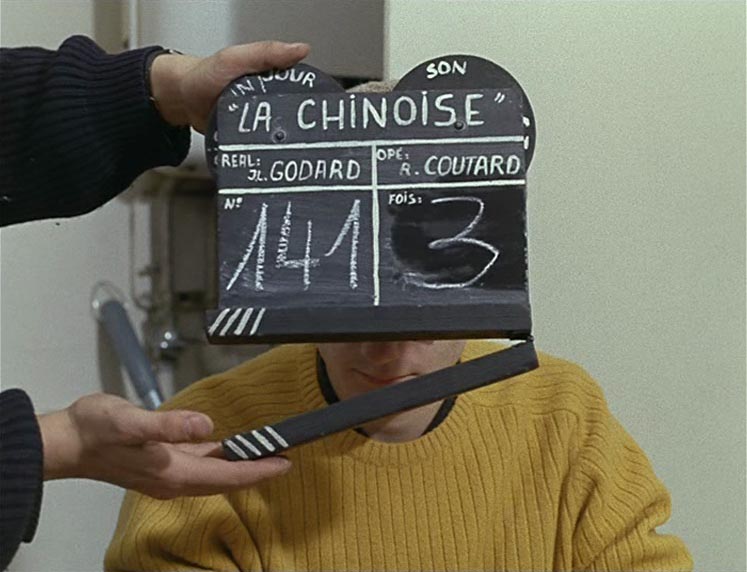
Godard largely abandons conventional narrative. Instead, the film unfolds through a series of episodes, interruptions, and formal experiments. Characters deliver lengthy monologues directly to the camera, and intertitles often appear, sometimes mid-sentence. Guillaume performs theatrical sketches, including a satirical piece where he portrays multiple figures associated with American imperialism. The soundtrack cuts in and out intermittently, and a clapperboard is shown on screen. Characters are interviewed as if in a documentary format. The film consistently highlights its own artificiality, examining the relationship between political representation and cinematic representation simultaneously.
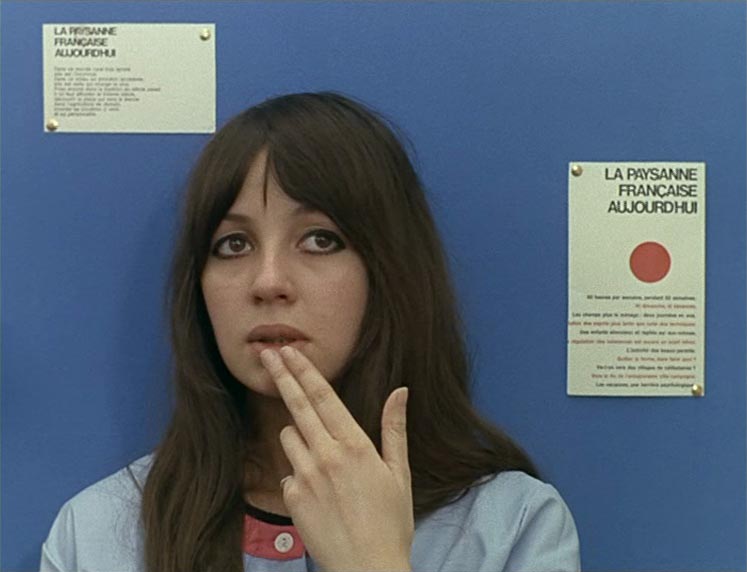
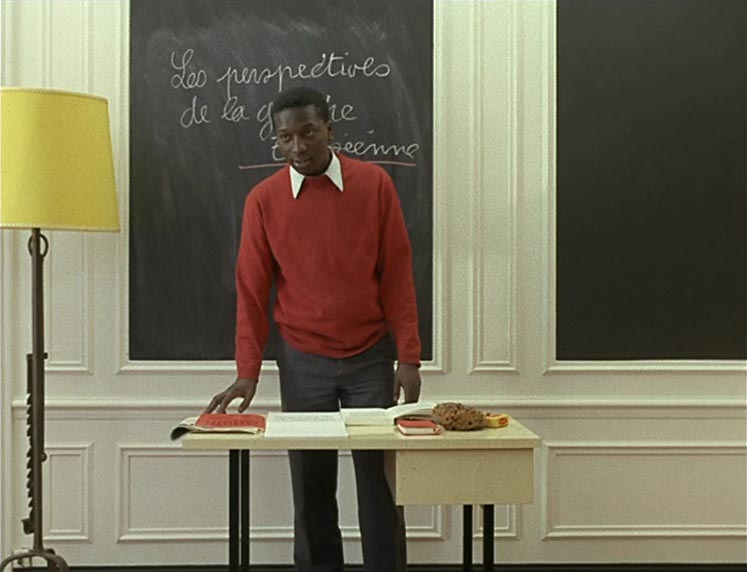
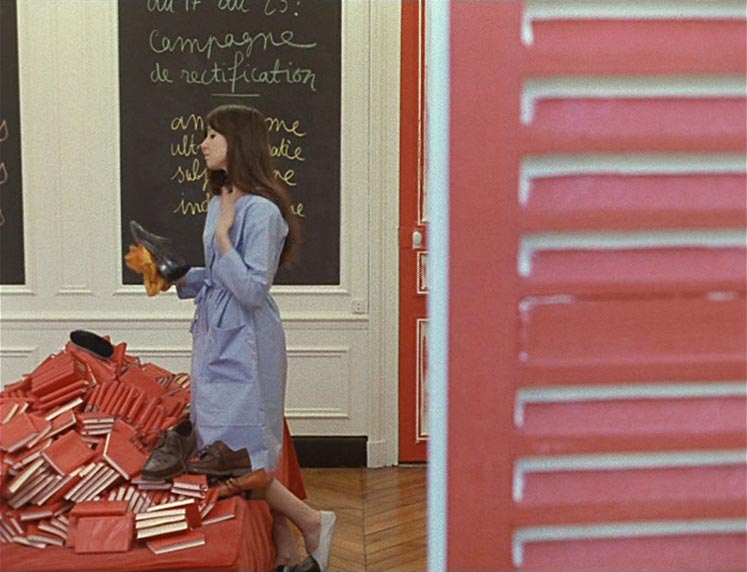
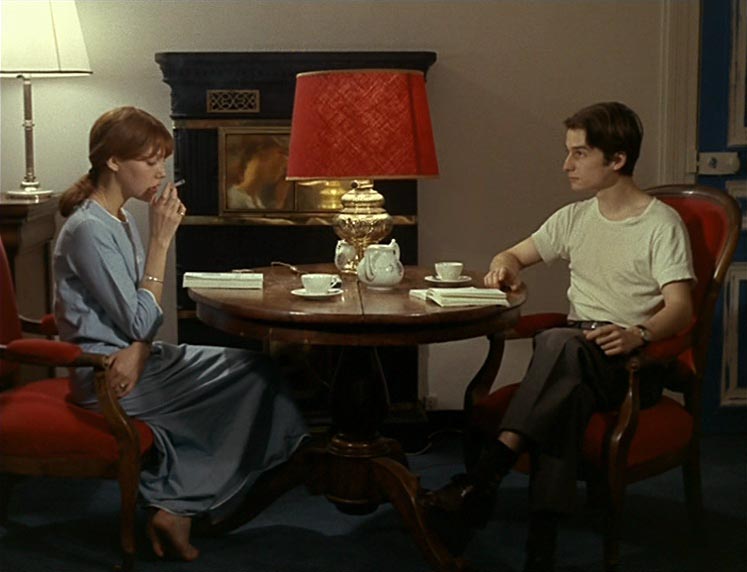
This sense of formal restlessness serves as a political argument: Godard suggests that revolutionary politics and revolutionary cinema must go hand in hand. To convey a radical story through conventional means, in his view, is a form of betrayal. At the same time, his use of ironic and distancing techniques allows him to observe his characters with a sense of affectionate skepticism. This approach lets their contradictions stand out more clearly rather than simply endorsing their viewpoints.
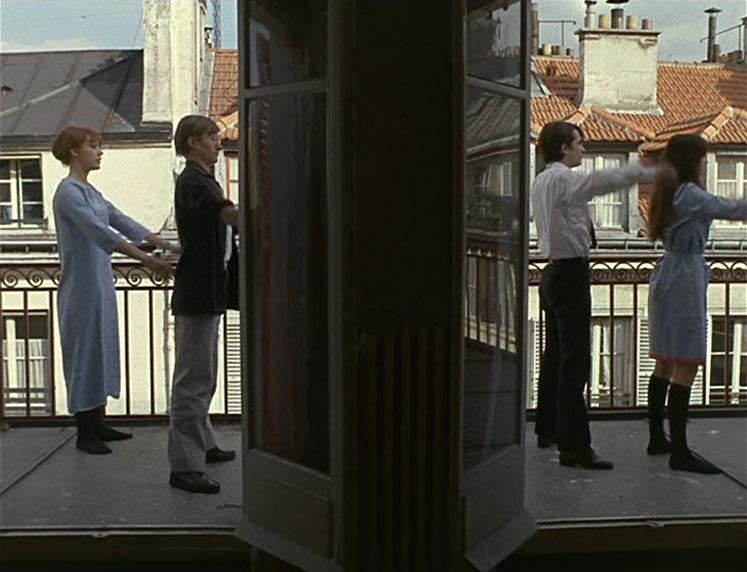
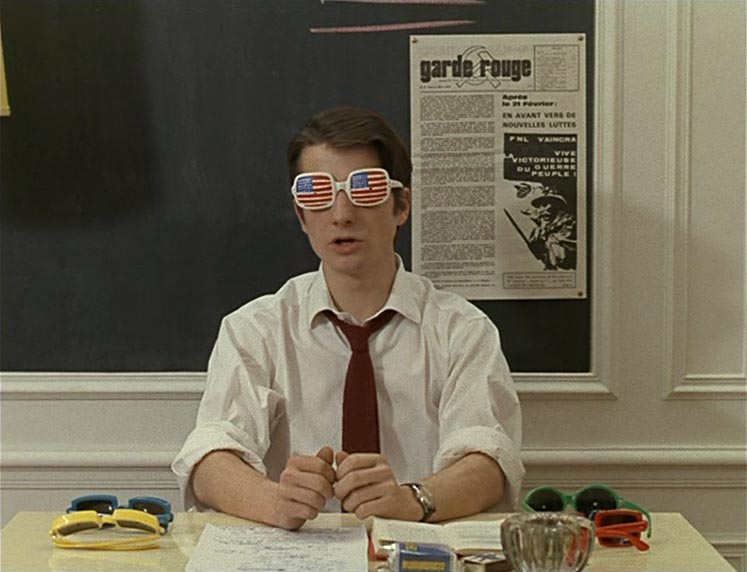
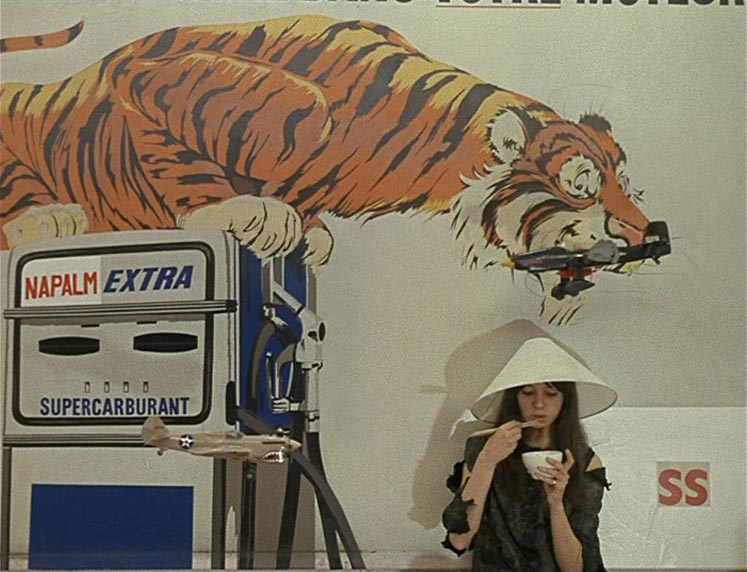
Many scenes in the film focus on the debate and dialogue among the five characters, where the film’s intellectual richness is most evident.
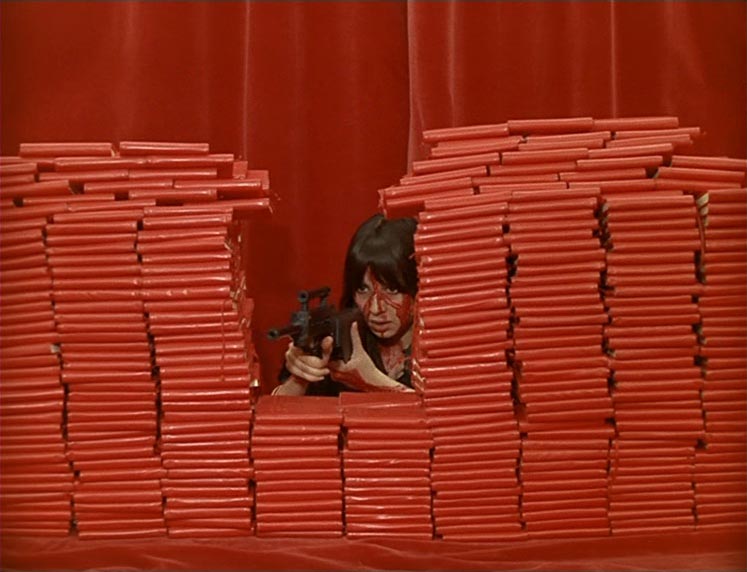
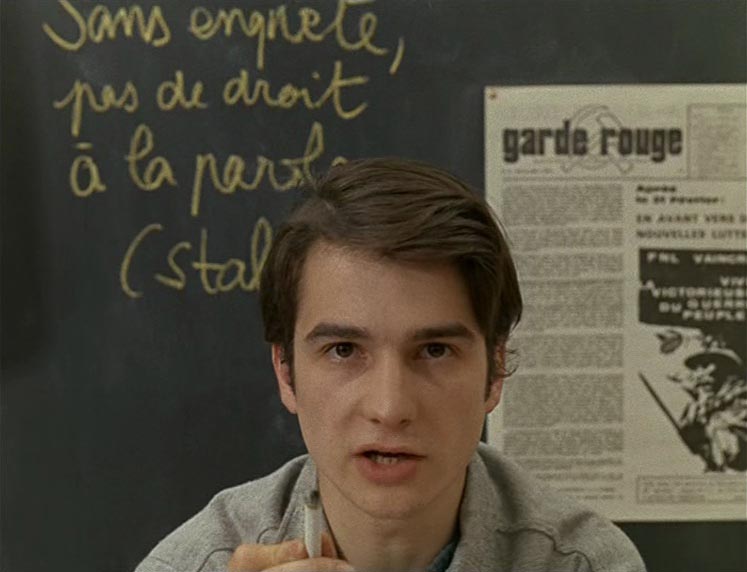

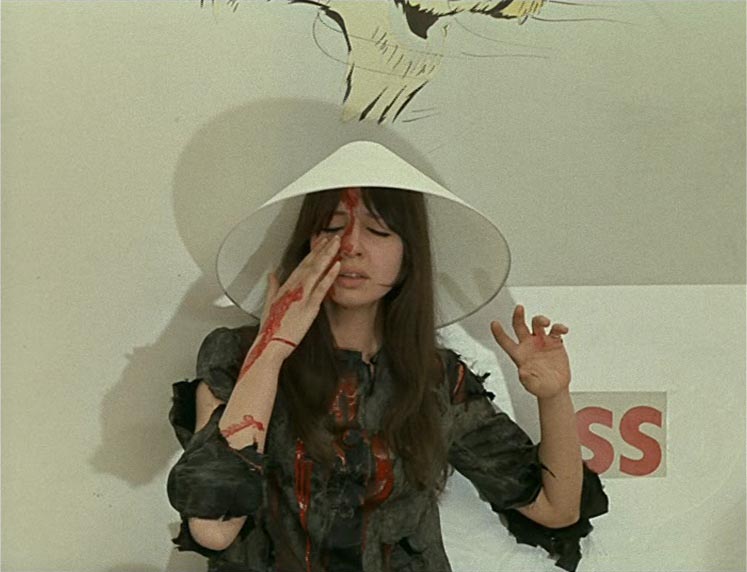
Véronique is the driving force of the group: earnest, intelligent, and increasingly convinced that theoretical study should yield to direct action. She argues that the Western university system serves as a tool of imperialism, claiming that violent acts — specifically, the assassination of Soviet cultural representatives whom she considers complicit in revisionism — are not only justified but necessary. Her commitment exhibits an absolute, almost religious certainty.
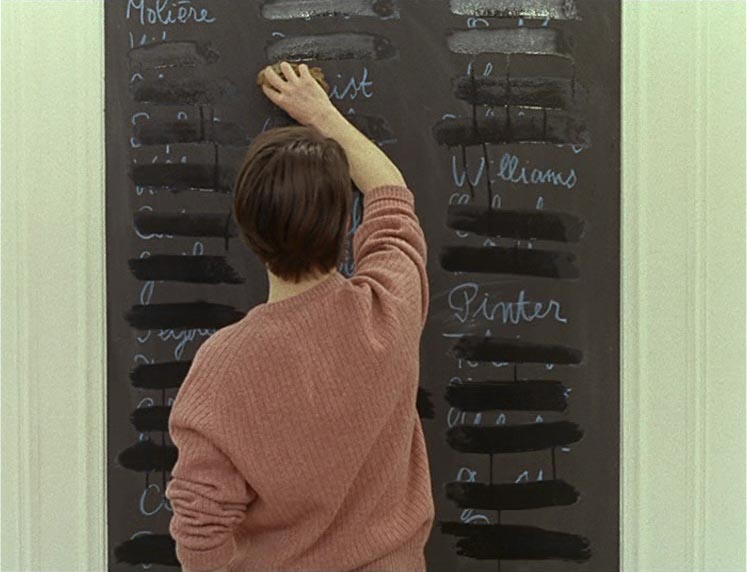
Henri serves as a dissenting voice within the group. Unlike the others, he is less focused on Maoist purism and leans more towards the established French Communist Party, which the rest dismiss as hopelessly compromised and revisionist. His growing discomfort with the group’s direction ultimately leads to his expulsion from the cell. This event is handled with a chilling sense of bureaucratic indifference, as his name is simply erased from the blackboard listing the members.
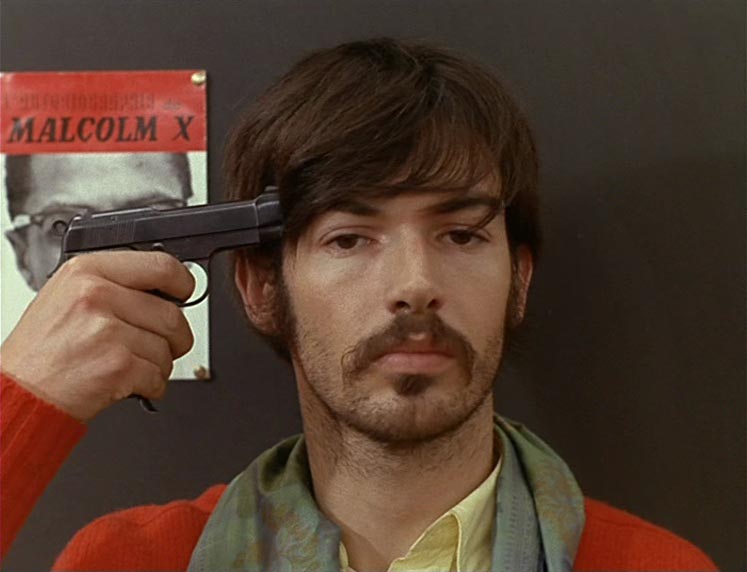
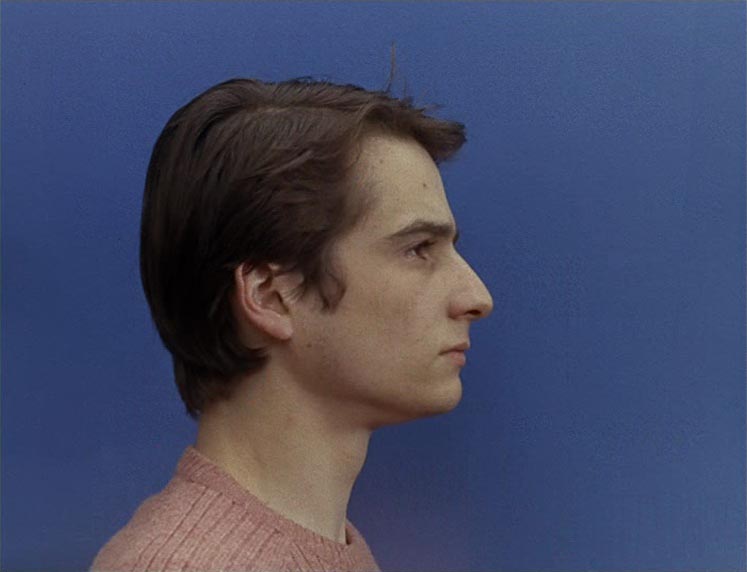
Guillaume, the actor, embodies many aspects of a Godardian character in the film. He is self-aware, performative, and recognizes that politics often involves a degree of spectacle. While he loves Véronique, his engagement with revolutionary theory is infused with a theatricality that occasionally diminishes its seriousness. His lengthy monologues are among the film’s most visually inventive sequences.
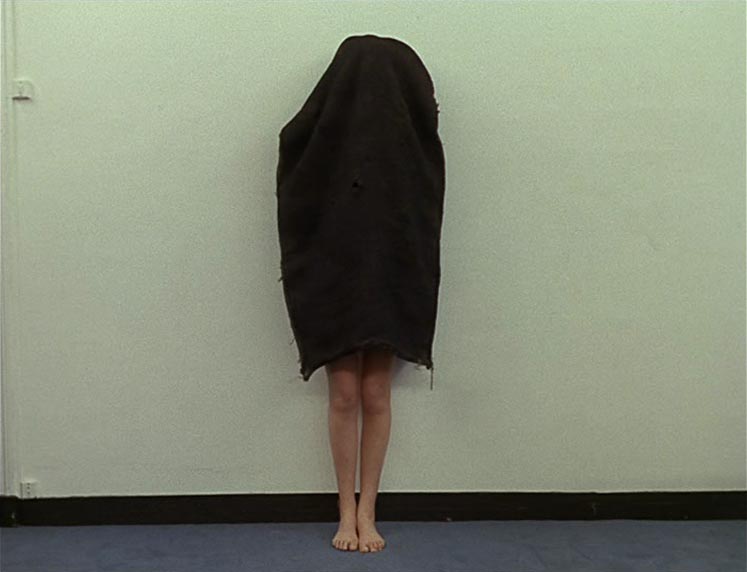
Kirilov, who becomes increasingly silent and withdrawn, navigates through the film under the weight of his Dostoevskian name. His journey concludes with suicide—an act that the film presents with typical Godardian obliqueness, depicting it as a logical endpoint of a certain kind of radical absolutism.
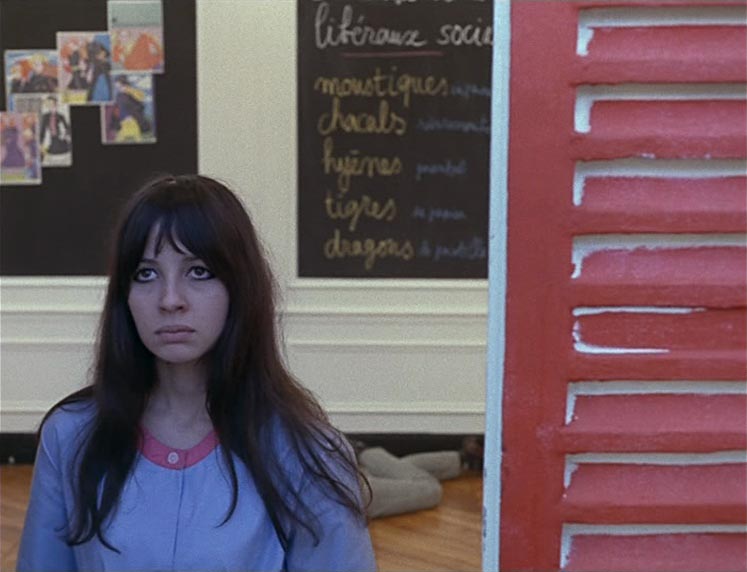
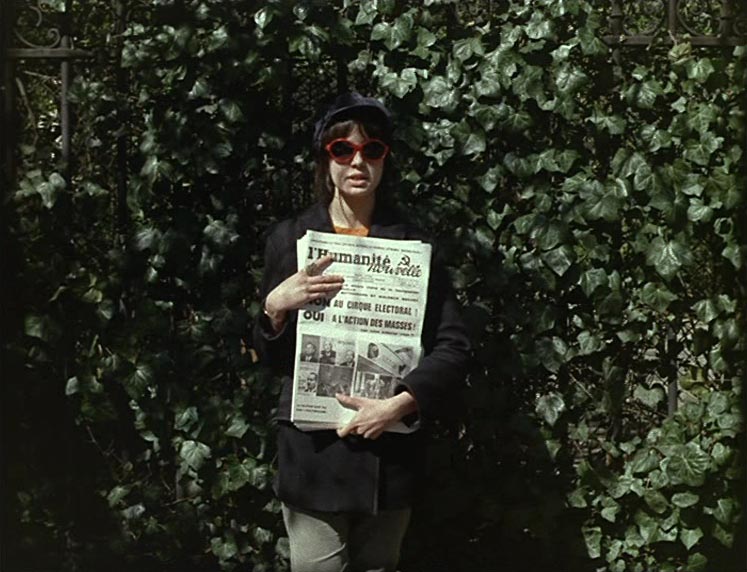
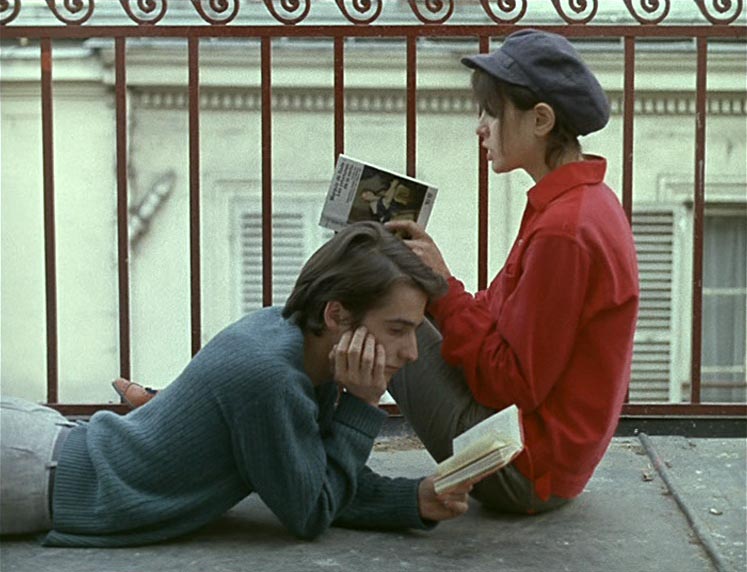
Yvonne, the only character with an actual working-class background, serves as the film’s quiet moral touchstone. The stark contrast between her lived reality and the theoretical ideas the other characters construct around the concept of “the proletariat” highlights one of the film’s most significant and enduring ironies.
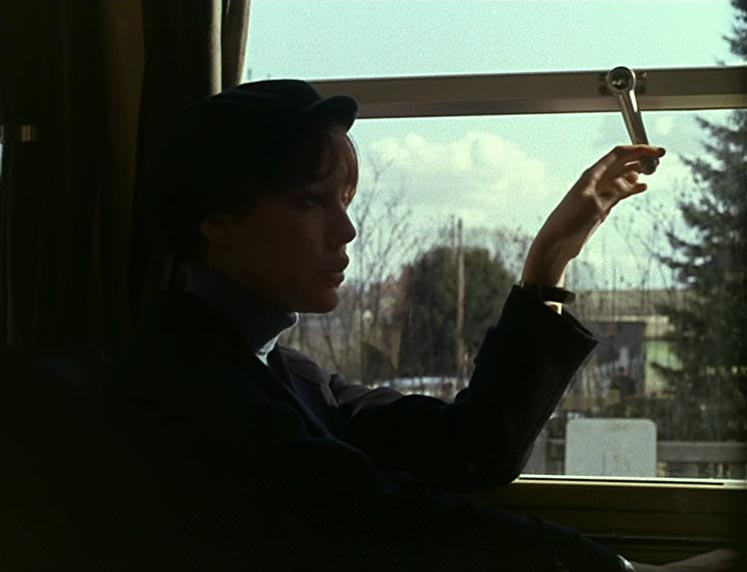
One of the film’s most memorable sequences steps entirely outside the apartment. Véronique rides a train and engages in a conversation with Francis Jeanson, played by the real Francis Jeanson, a philosopher and activist who famously supported the Algerian independence movement—a genuine figure of the left. Their conversation is a brilliant example of dialectical filmmaking: Jeanson listens attentively to Véronique’s arguments in favor of political violence and, with great patience and intelligence, dismantles them. He highlights the naivety of her assumptions, points out the magical thinking behind her belief that isolated acts of terror will ignite revolutionary consciousness, and emphasizes the tremendous human cost of the path she is considering.
The scene is remarkable because Godard allows Jeanson—who represents experienced, pragmatic radicalism—to win the argument. However, Véronique’s beliefs are not simply dismissed. She listens, visibly shaken, and then reaffirms her stance. This scene highlights the difference between theory and practical wisdom, illustrating the gap between the enthusiasm of the newly converted and the hard-earned knowledge of those who have actually endured political struggles.
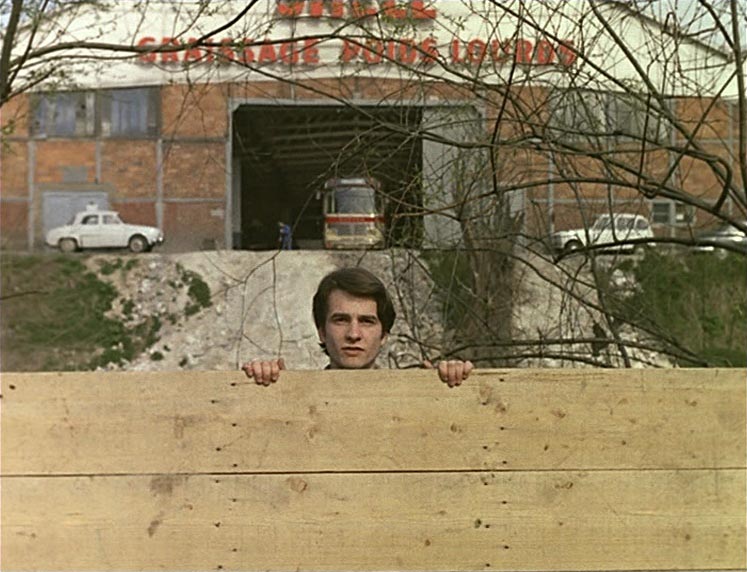
Véronique’s theoretical commitment translates into a concrete plan: she decides to assassinate a Soviet cultural minister visiting Paris as a symbolic act against what she perceives as Soviet complicity with imperialism. She carries out her mission but makes a terrible, farcical mistake by going to the wrong hotel room and killing the wrong man first. She must then return to complete her intended act. The violence, when it occurs, is presented without any glamour or dramatic weight. It is reported and processed in the same flat, analytical tone as everything else in the film, which serves as a devastating commentary on the gap between revolutionary rhetoric and its actual human consequences.
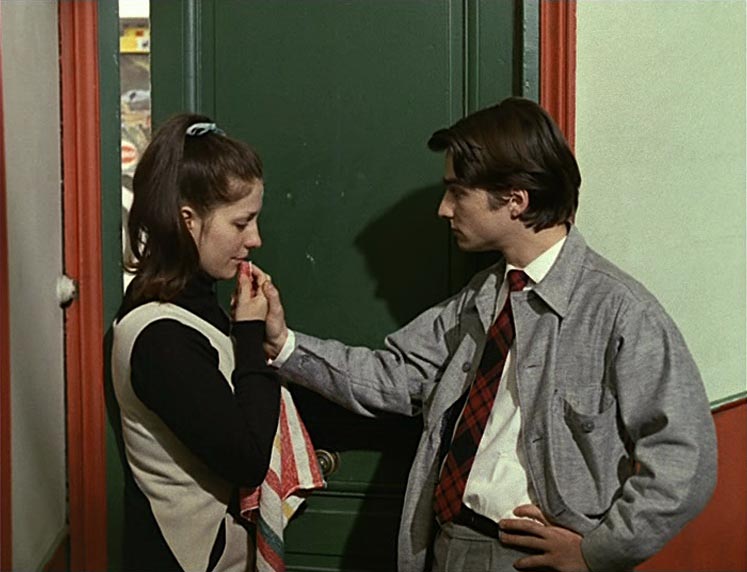
The aftermath within the group is dissolution. Henri has already gone. Kirilov is dead. The summer ends. In the film’s closing scene, Véronique — in voiceover — reflects on the experience with striking self-awareness. She describes the summer as a beginning rather than an end, suggesting that the group’s experiments, however flawed, have taught her something foundational. It is, characteristically for Godard, an ambiguous conclusion: neither a triumphant endorsement of her radicalism nor a clean moral repudiation of it.
THEMES FOR TAGS
The film is simultaneously a portrait of youthful idealism, a critique of political dogmatism, a meditation on the relationship between images and reality, and a love story. It is one of Godard’s most important works and a key document of 1960s radical culture.