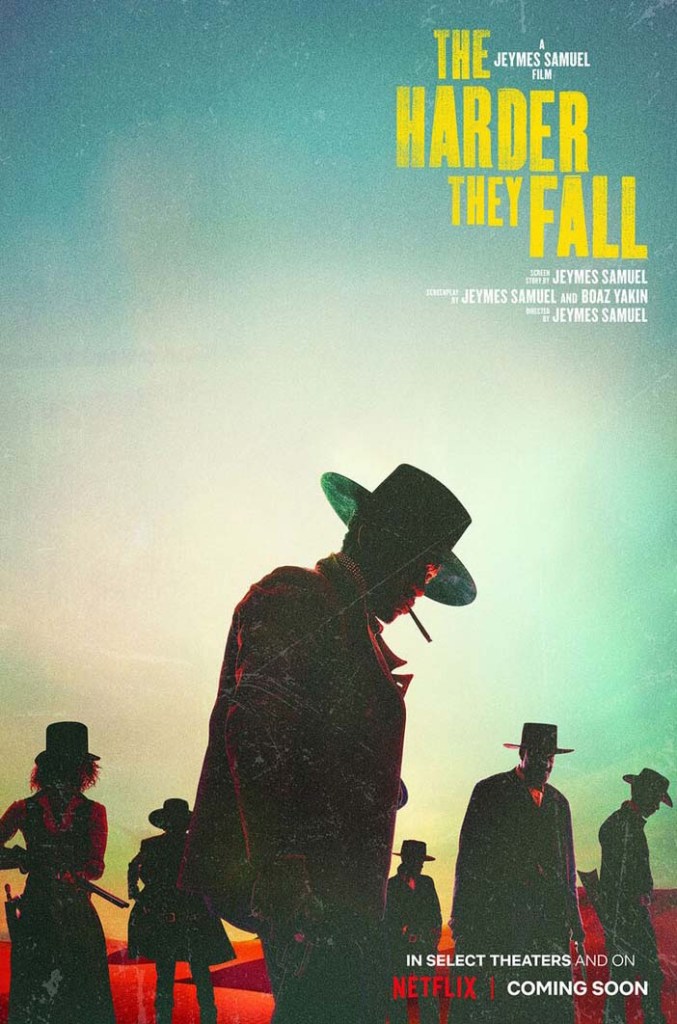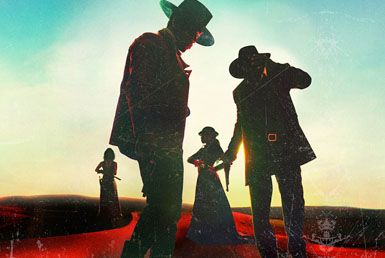
“The Harder They Fall” is a 2021 Western film written and directed by British filmmaker and musician Jeymes Samuel, also known as The Bullitts, and produced in part by Jay-Z. The film features a predominantly Black cast portraying fictionalized versions of real historical Black figures from the American West, including outlaws, lawmen, and others. It announces itself from the very first frame as a deliberate act of reclamation, presenting a Western that places Black cowboys, gunfighters, and desperadoes at the center of a genre that has long marginalized or erased their existence.
The film begins with a shocking act of violence. A young boy sits at a dinner table with his parents, enjoying a moment of ordinary domestic peace. Suddenly, a man named Rufus Buck enters the scene. He is calm, purposeful, and terrifying. With methodical brutality, he kills the boy’s parents. Afterward, he turns to the boy, locks eyes with him, and carves a cross into the child’s forehead with a knife. Remarkably, he does not kill the boy; instead, he leaves him alive, forcing him to bear the mark and, implicitly, the emotional wound for the rest of his life. The boy is Nat Love, and leaving him alive proves to be Rufus Buck’s single mistake.
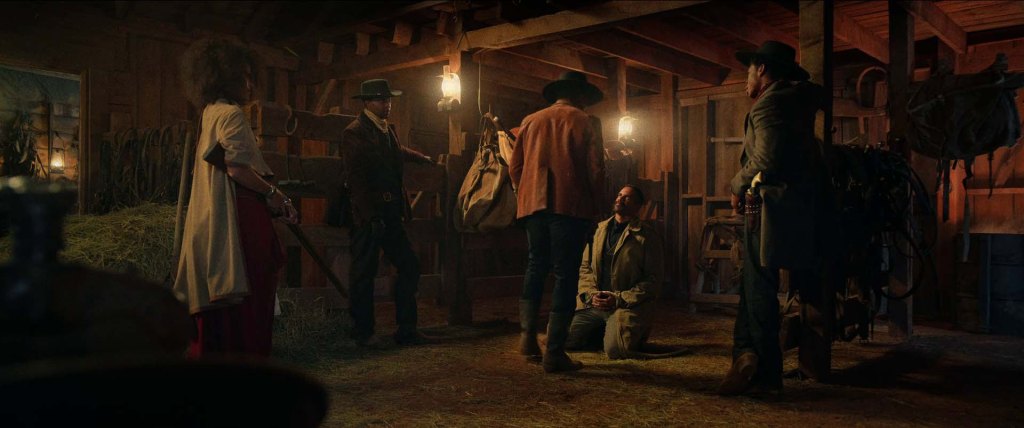
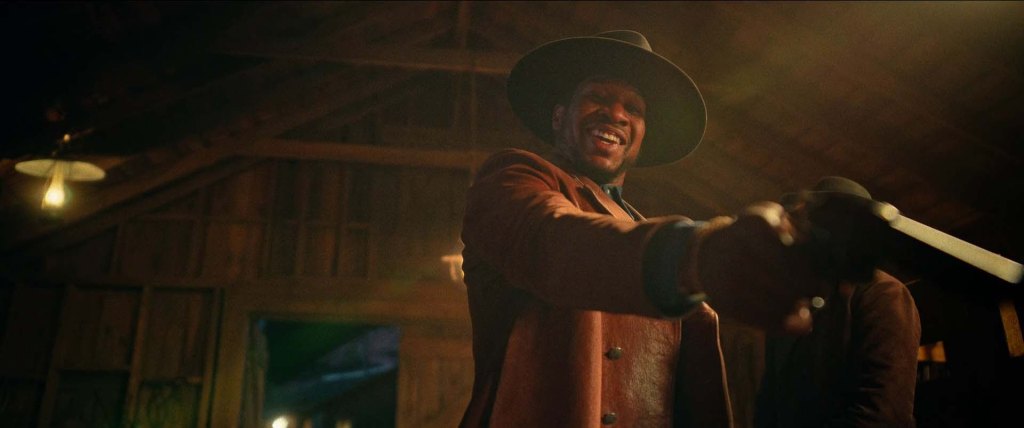
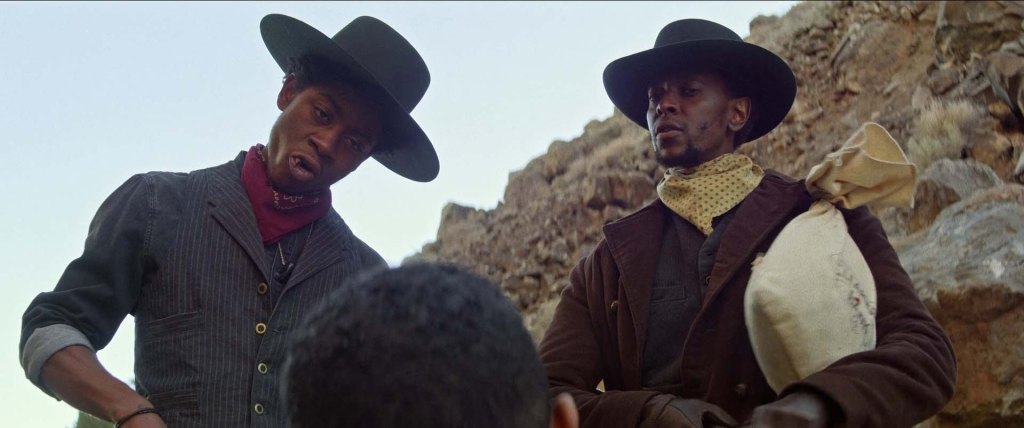
Years later, Nat Love is now a grown man, portrayed by Jonathan Majors, who brings a captivating intensity, charisma, and barely contained rage to the role. He leads his own outlaw gang across the American West, embodying a charming, quick, and deadly presence as he navigates the landscape with the confident ease of someone entirely at home in peril. His gang consists of Bill Pickett, a powerfully built and fiercely loyal enforcer; Jim Beckwourth, who is wiry and quick-witted; and Wiley Cernak, who is older and more cautious.
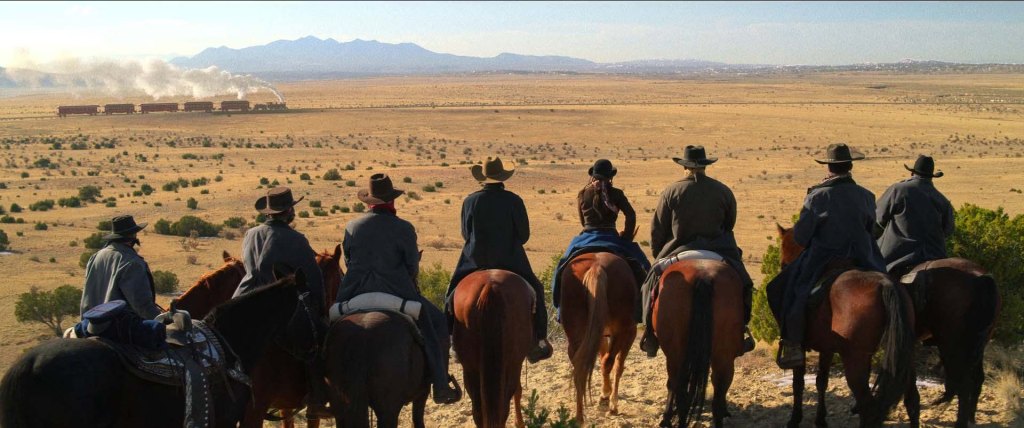
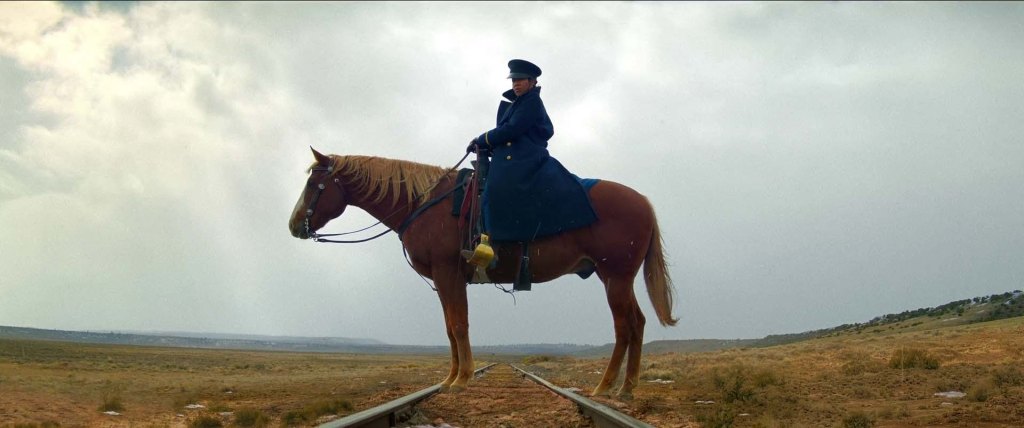
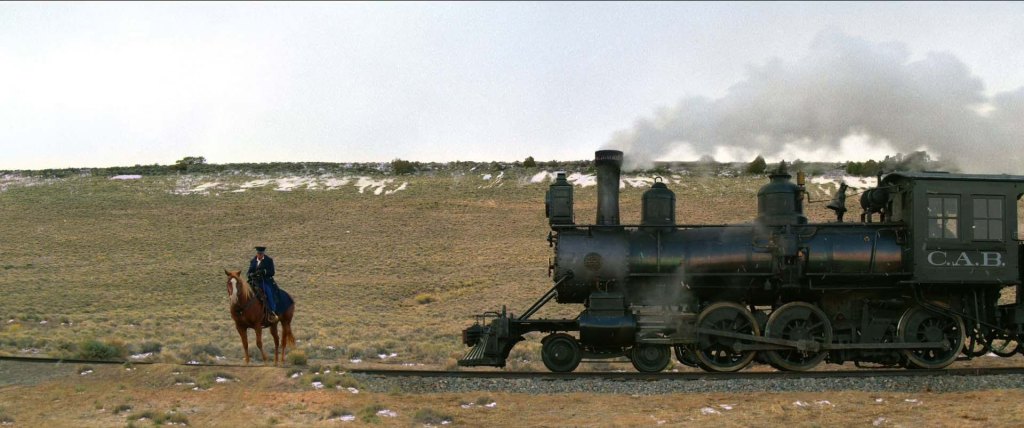
Nat is driven by a singular obsession: Rufus Buck. This isn’t just a general desire for revenge; it’s a lifelong fixation. Every action Nat takes, every dollar he steals, and every plan he devises is ultimately aimed at the day he will confront Buck and settle the score from that childhood night.
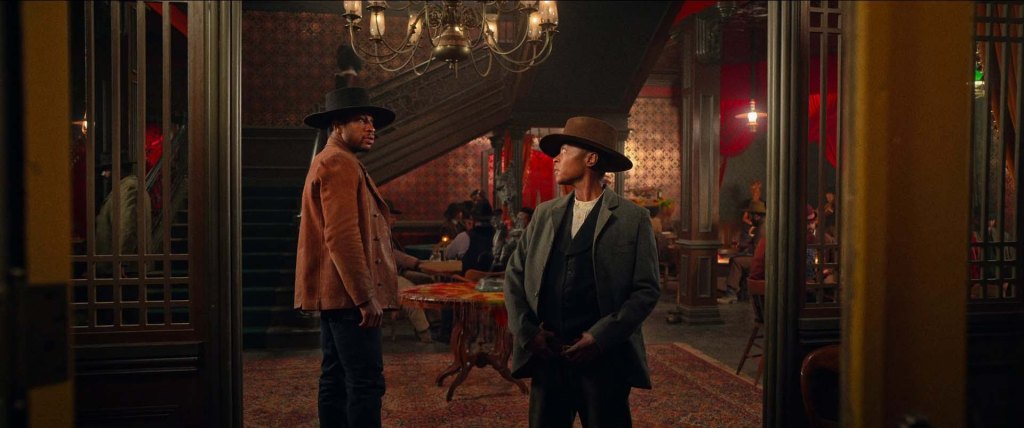
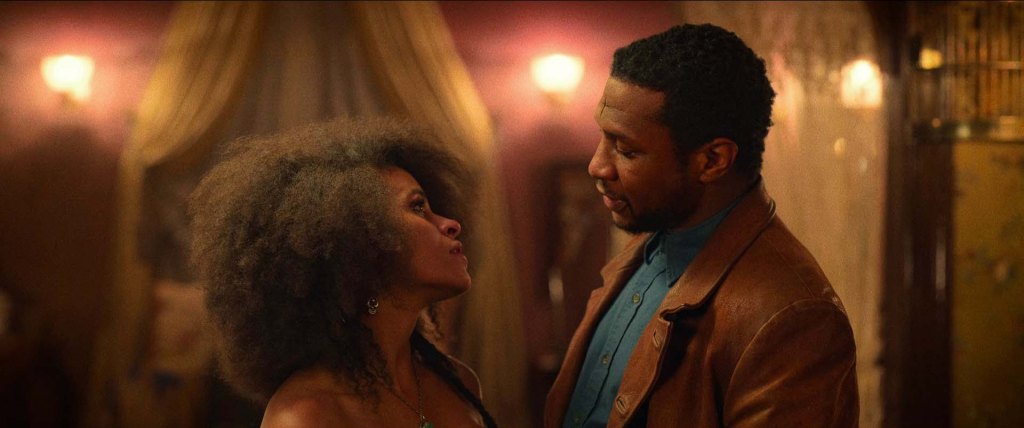
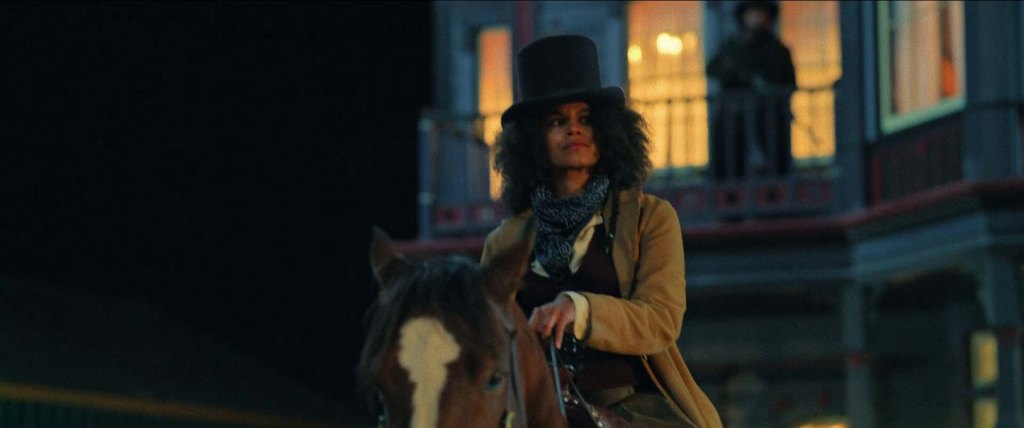
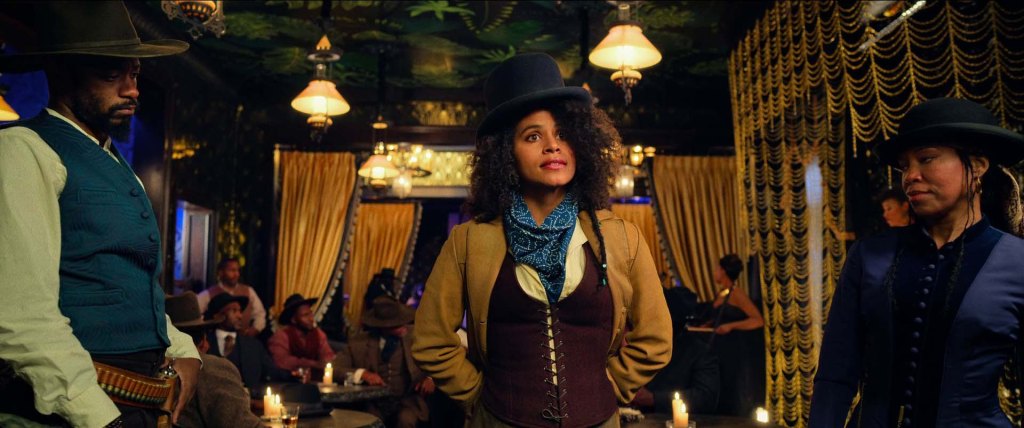
Complicating and enriching Nat’s life is Mary Fields, known as Stagecoach Mary, one of the film’s most captivating characters. Portrayed by Zazie Beetz with a blend of wit, charm, and strong self-assurance, Mary operates a saloon and confidently navigates any situation she encounters. Her relationship with Nat is both romantic and combative, built on deep mutual respect. Mary is not merely an accessory; she has her own goals, her own business, and her own moral code. The film emphasizes that she stands as Nat’s equal in every significant way.
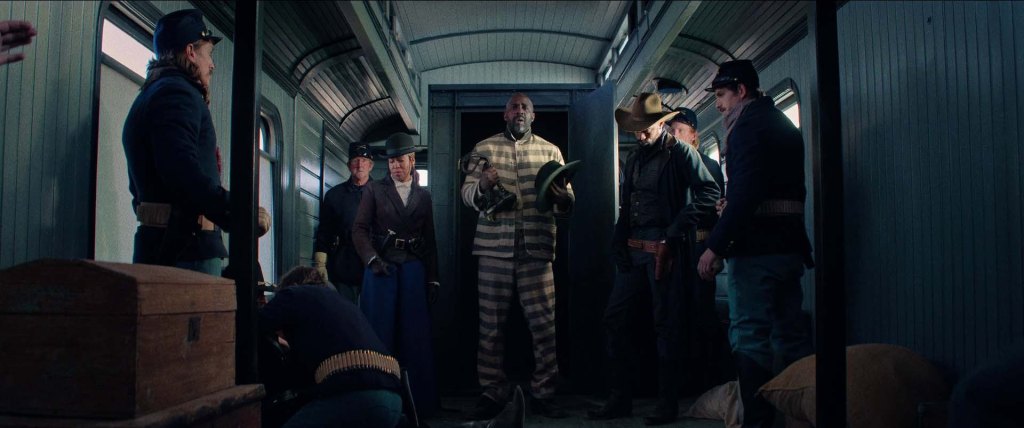
The film comes alive when Rufus Buck is dramatically freed from prison by his gang in a visually striking sequence by Jeymes Samuel. The prison break is executed with precision by Buck’s crew, led by the fiercely loyal Trudy Smith, portrayed by Regina King with chilling authority.

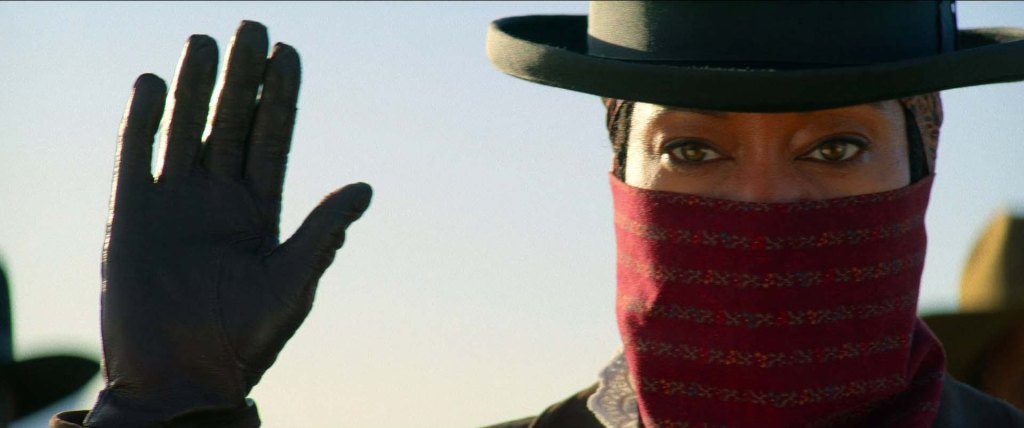
Trudy is one of the film’s standout characters. Dressed in black and strikingly composed, she is deadly with a firearm and fiercely loyal to Buck, embodying absolute conviction. Regina King portrays her with precision, making her scenes captivating.
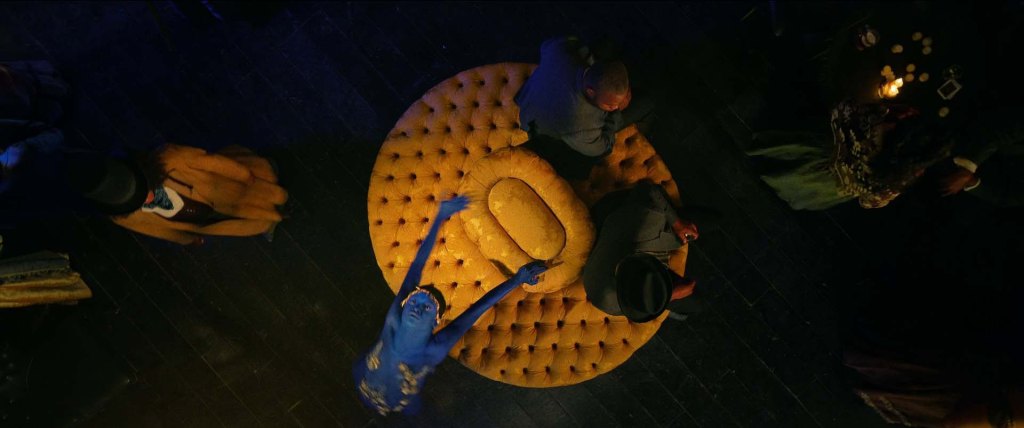
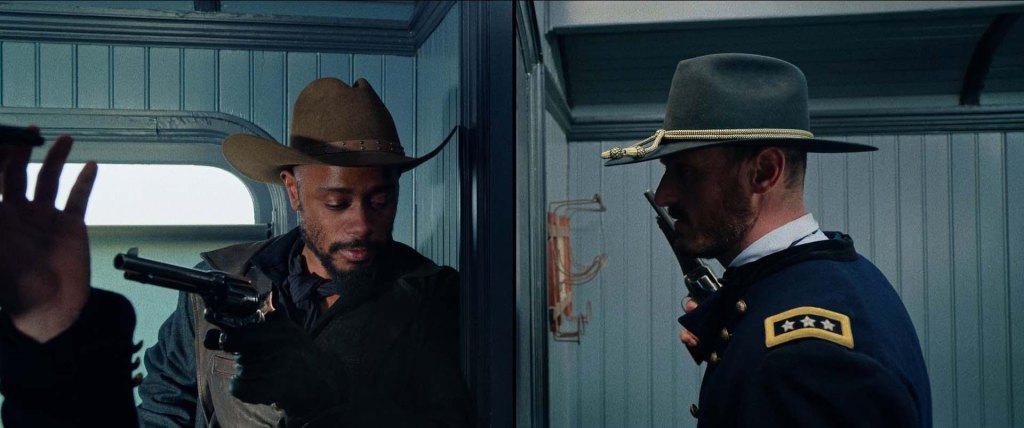
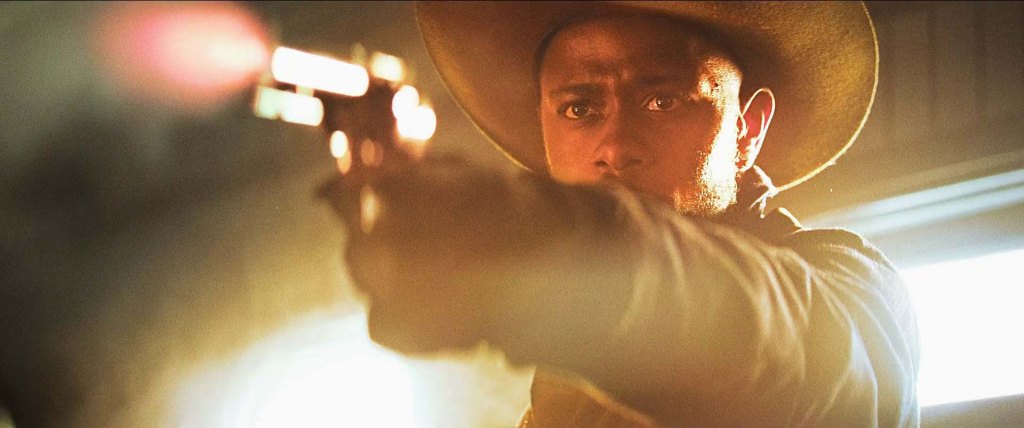
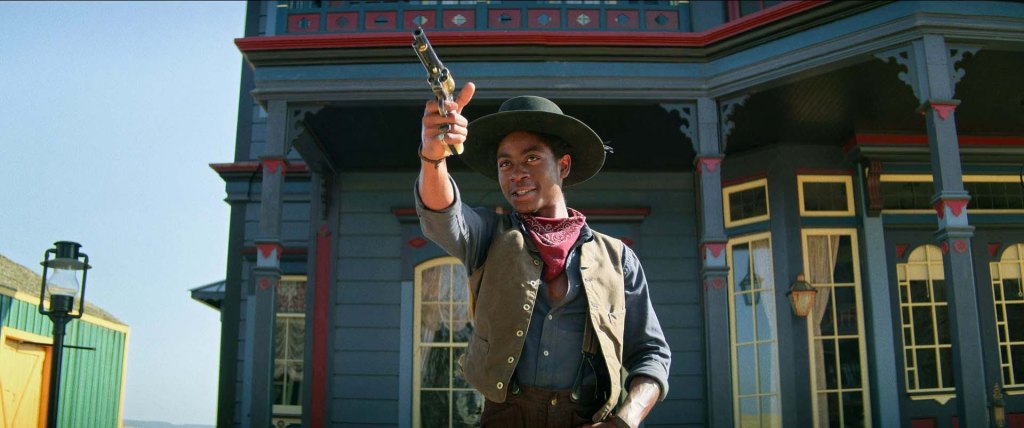
Riding alongside Buck is Cherokee Bill, played by LaKeith Stanfield, an unpredictable and genuinely dangerous character. Cherokee Bill stands apart from other outlaws. While they follow a violent code, he seems to take pleasure in chaos, navigating scenes with a disconcerting, half-smiling detachment.
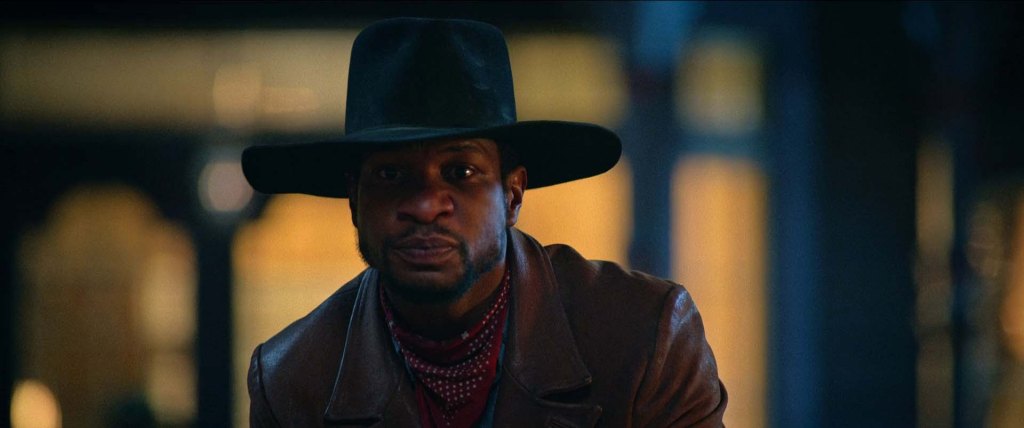
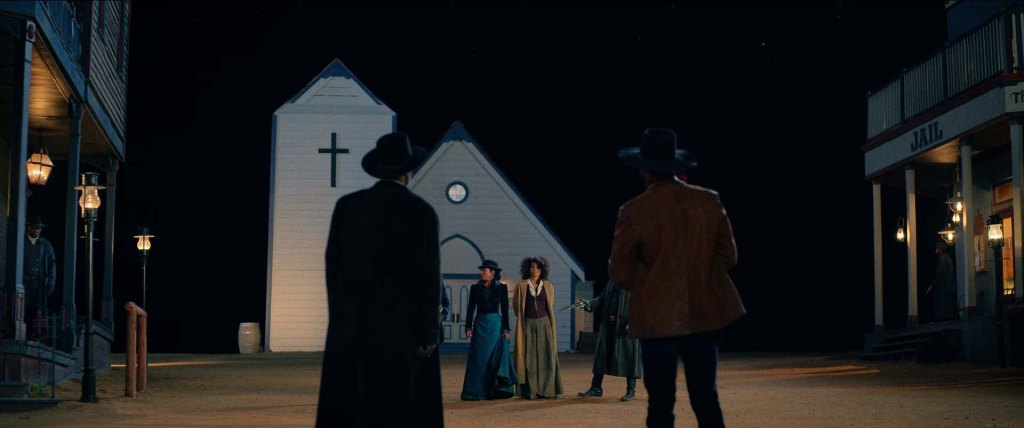
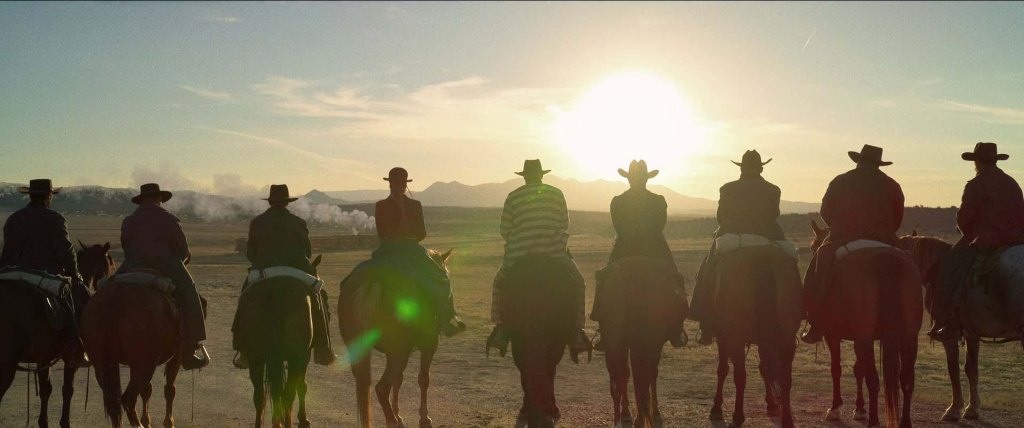
When Nat hears about Buck’s escape, his reaction is immediate and all-consuming; this is the moment he has been anticipating his entire adult life. He gathers his gang and sets off to find Buck, but the journey is far from simple. It becomes apparent that Buck has his own goals: he is heading to Redwood City, a thriving, entirely Black town he intends to seize and rule as his personal kingdom.
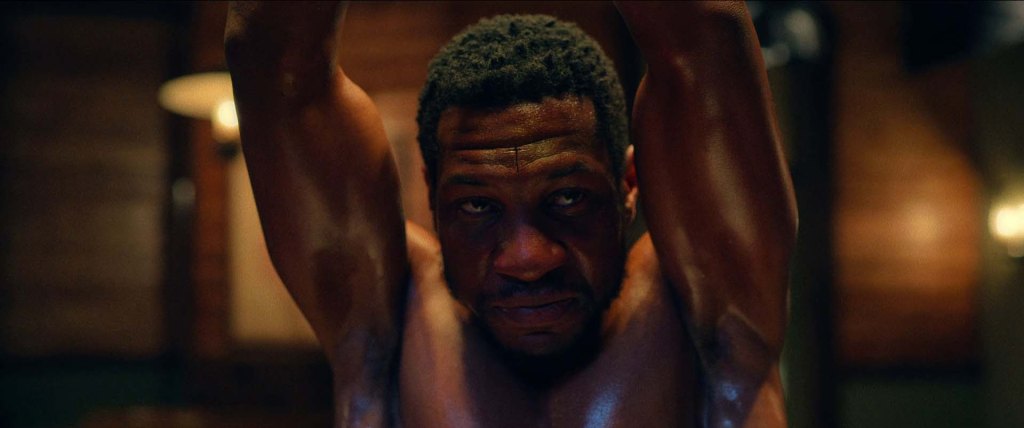
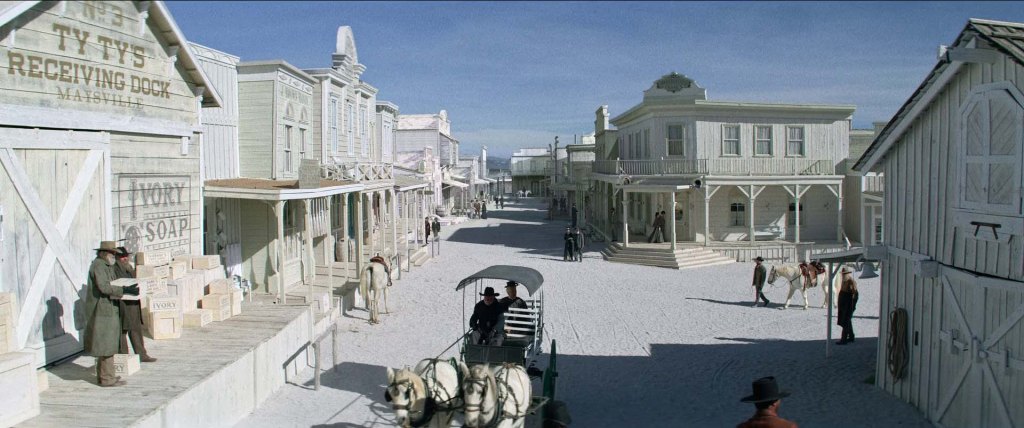
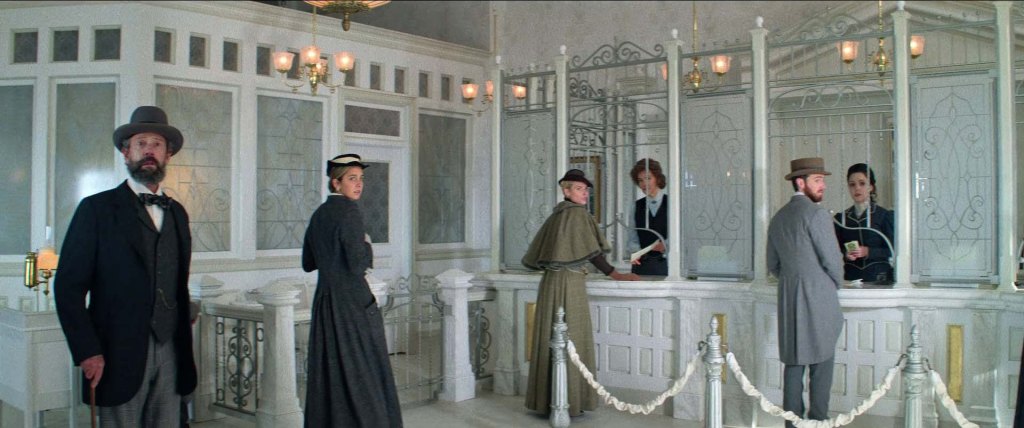
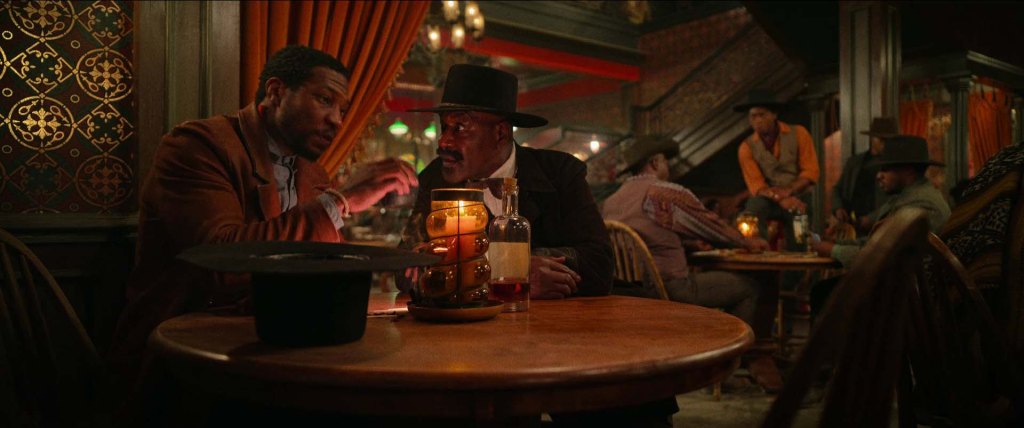
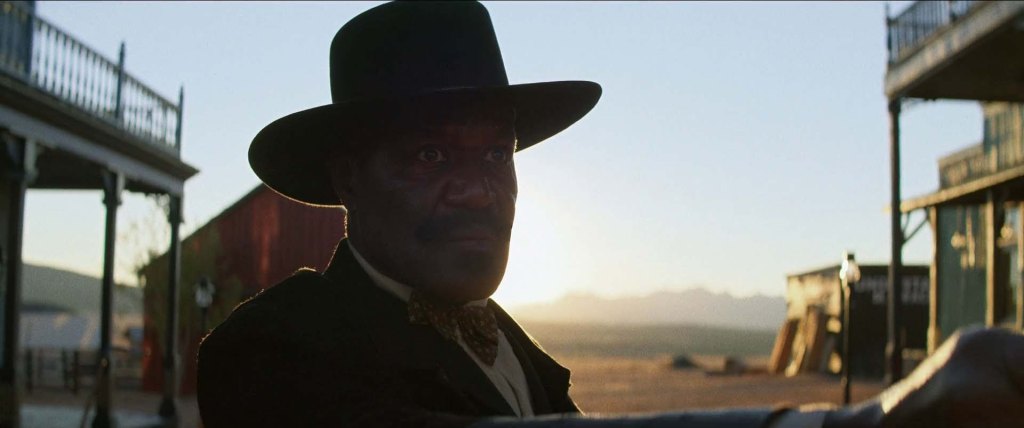
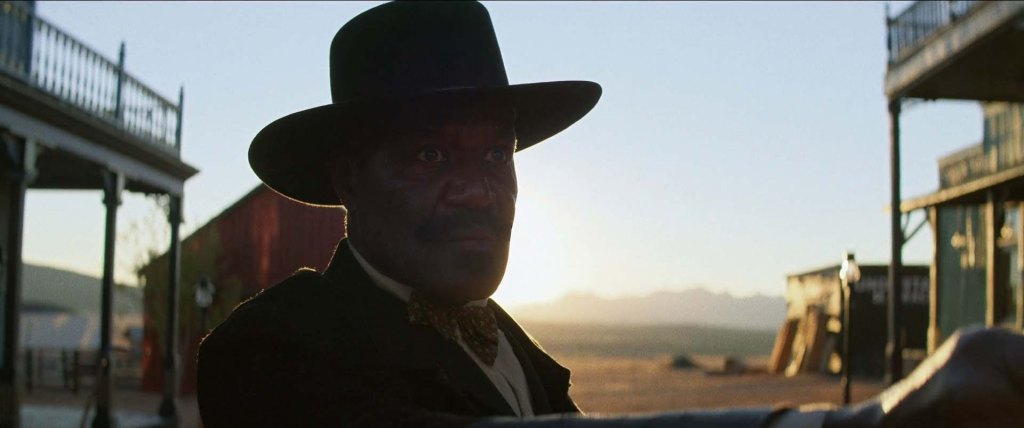
Nat’s plan is to intercept Buck before he solidifies control over Redwood City. To do this, he needs information and resources, which leads him to an uneasy partnership with Bass Reeves, a legendary lawman portrayed by Delroy Lindo. Reeves, a man of unwavering principle, operates strictly within the law, while Nat works outside of it. Their interests align, but their values remain divergent.
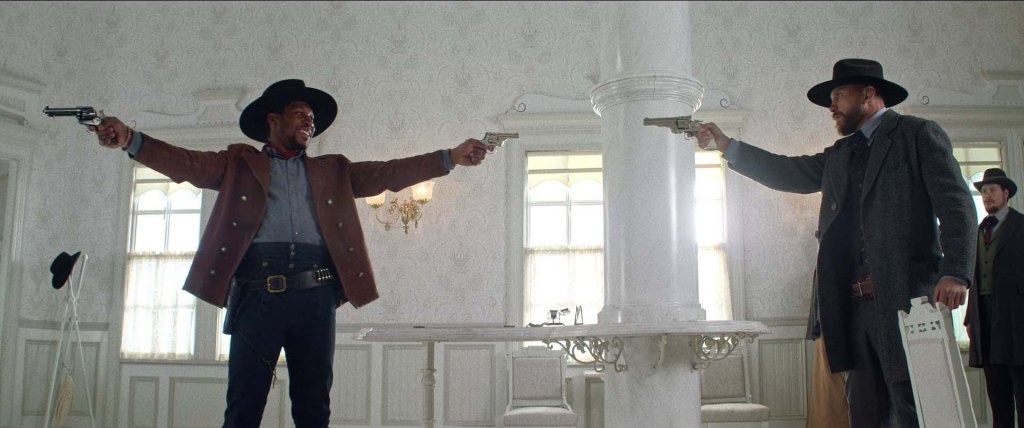
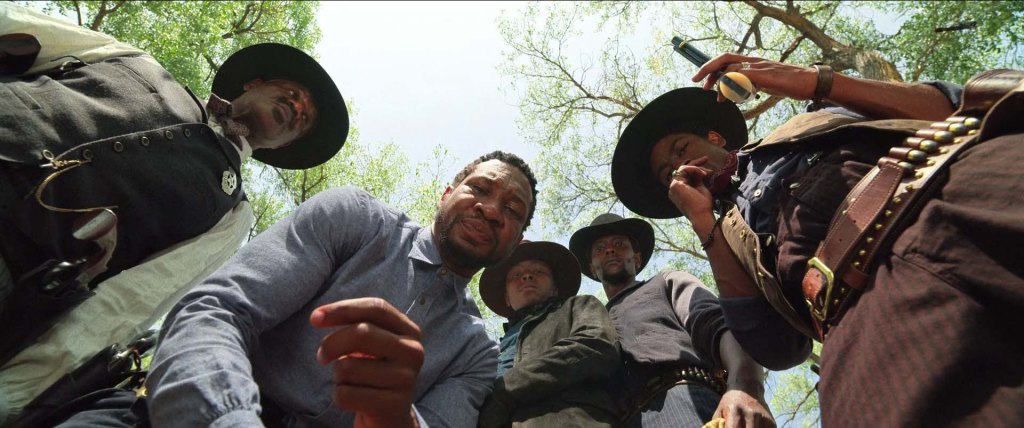
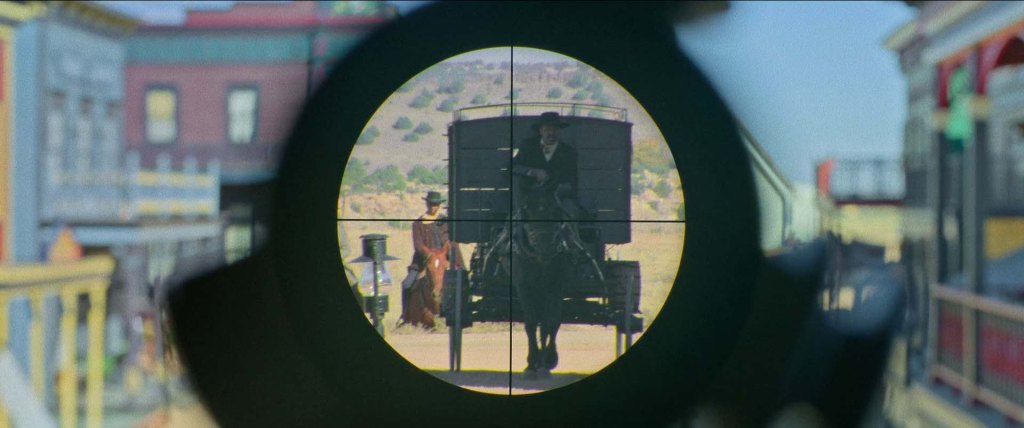
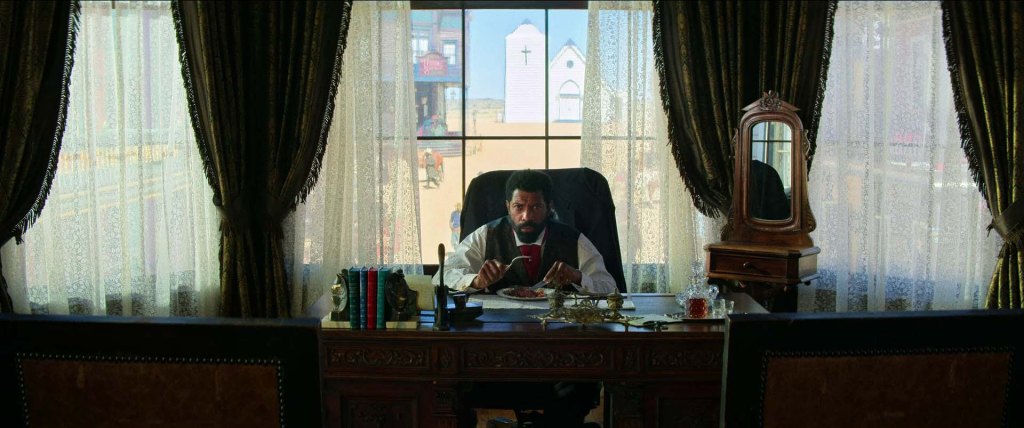
The film’s middle section focuses on Redwood City, symbolizing Black autonomy and self-determination in the post-Civil War West—a community built by and for Black Americans, thriving and proud. When Buck’s gang arrives, their takeover is swift and brutal; Buck proclaims himself ruler, believing he is rightfully claiming what is his.
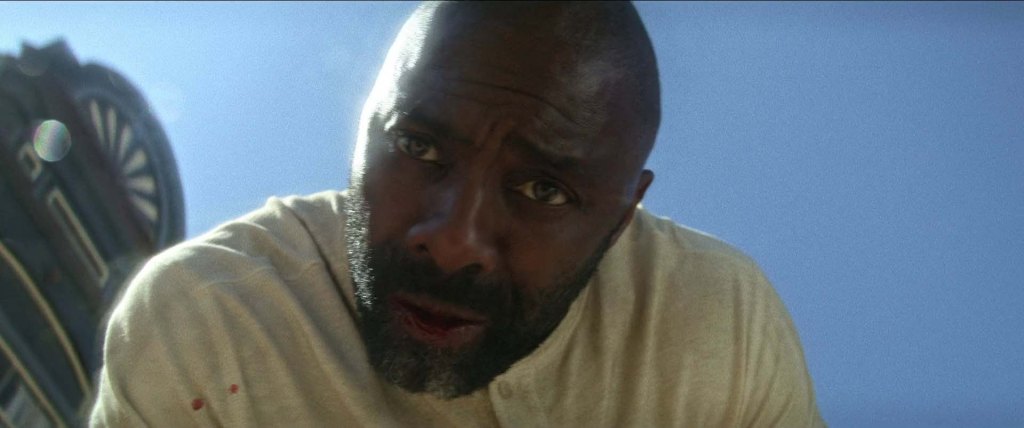
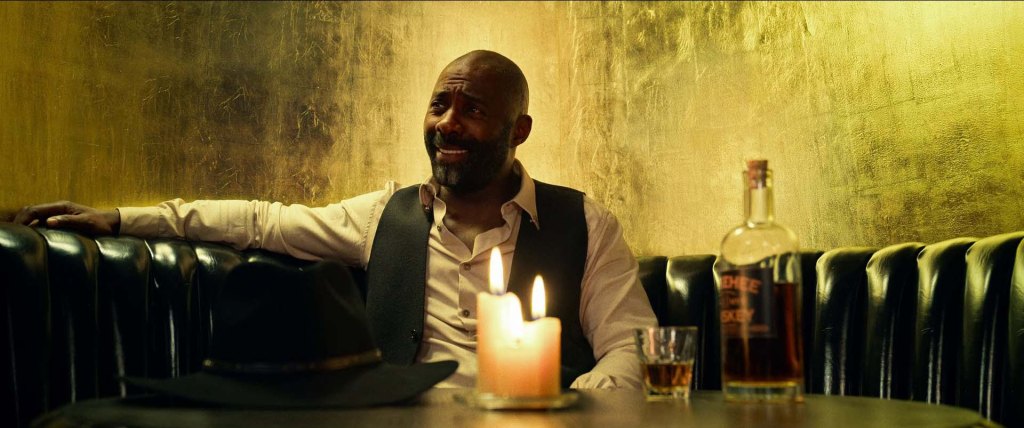
Idris Elba’s portrayal of Buck goes beyond conventional villainy. He embodies a charismatic stillness that is more unsettling than over-the-top theatrics. Buck has a warped vision, and the film develops his character and grievances, making him monstrous yet not a mere caricature.
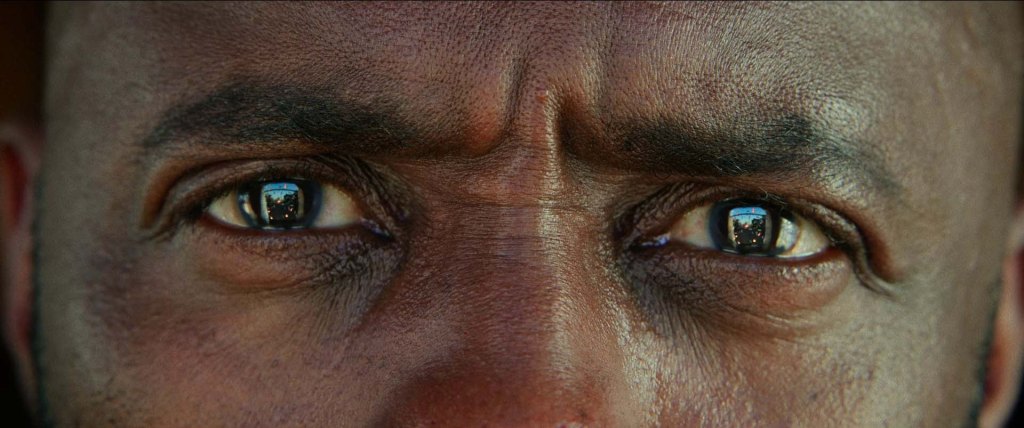
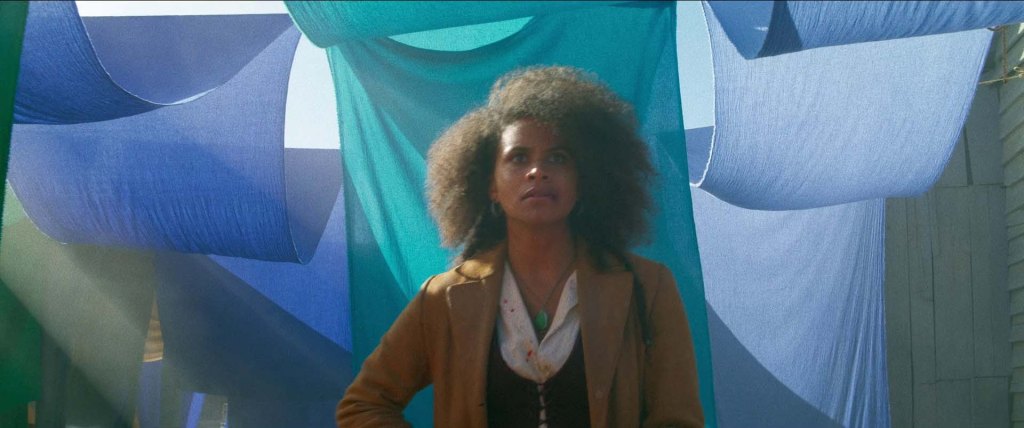
The occupation of Redwood City brings the film’s storylines together. Nat’s gang infiltrates the town, with Trudy managing security effectively and Cherokee Bill lurking unpredictably. The townspeople struggle to survive between Buck’s control and an approaching conflict.
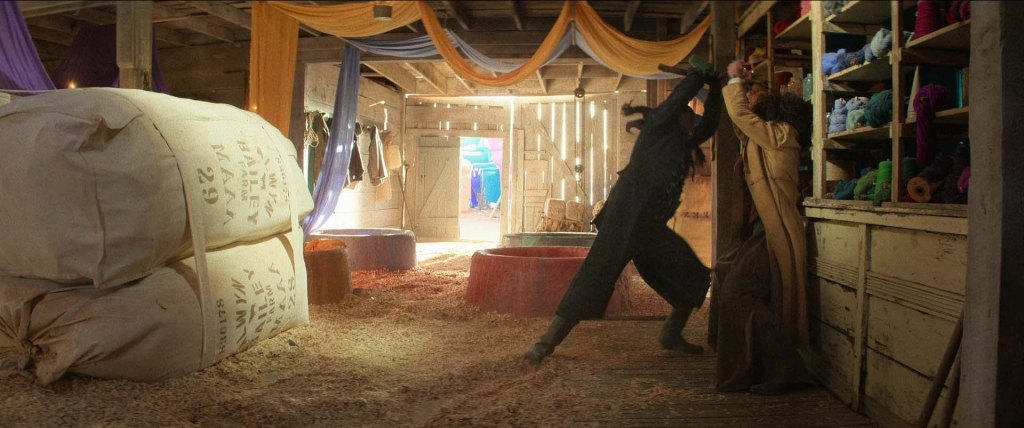
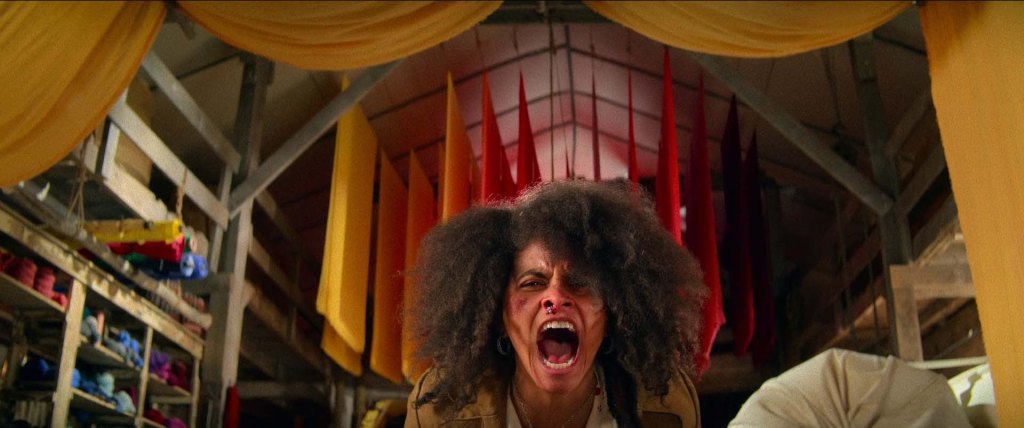
As the film nears its climax, key revelations change our understanding of the story. The relationship between Nat and Buck is more complex than a simple predator-prey dynamic, revealing hidden connections in their histories that shed new light on their choices and obsessions.
Mary Fields, on the other hand, demonstrates that she is several steps ahead of everyone else in the film. Her own agenda falls into place with a satisfying narrative twist, rewarding the audience for paying attention to how she is portrayed as an independent, fully active character rather than just a reactive supporting role.
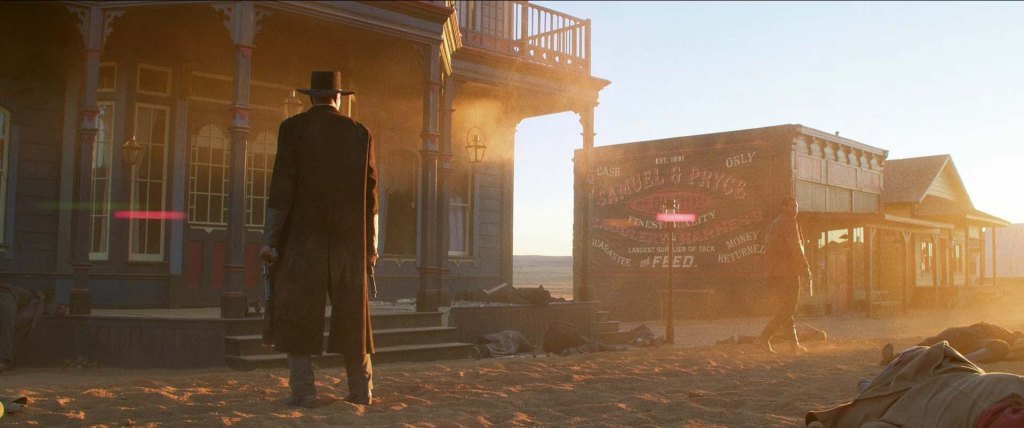
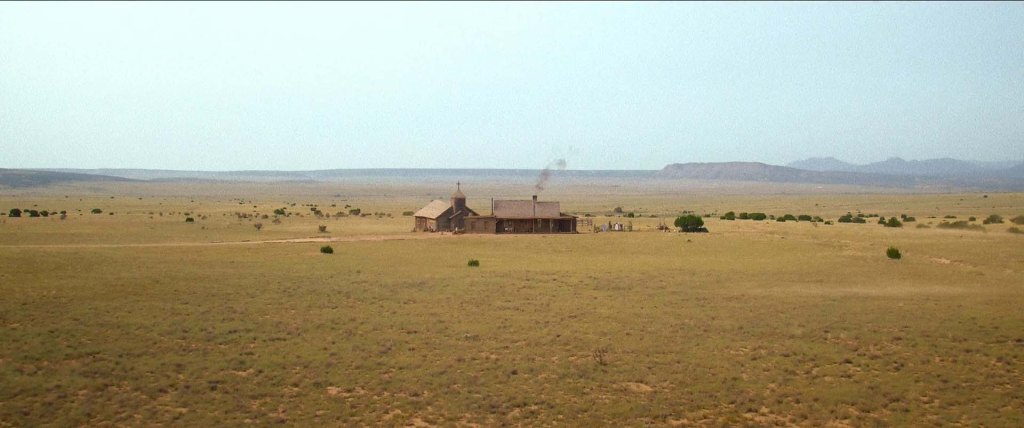
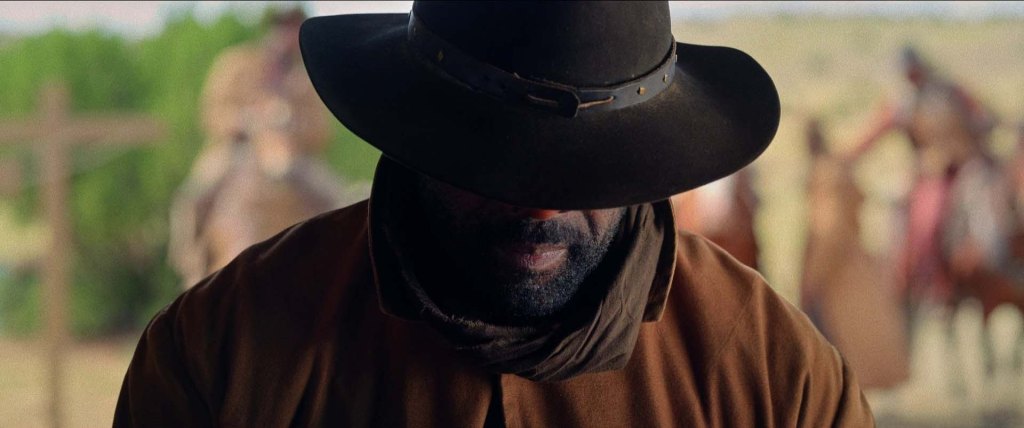
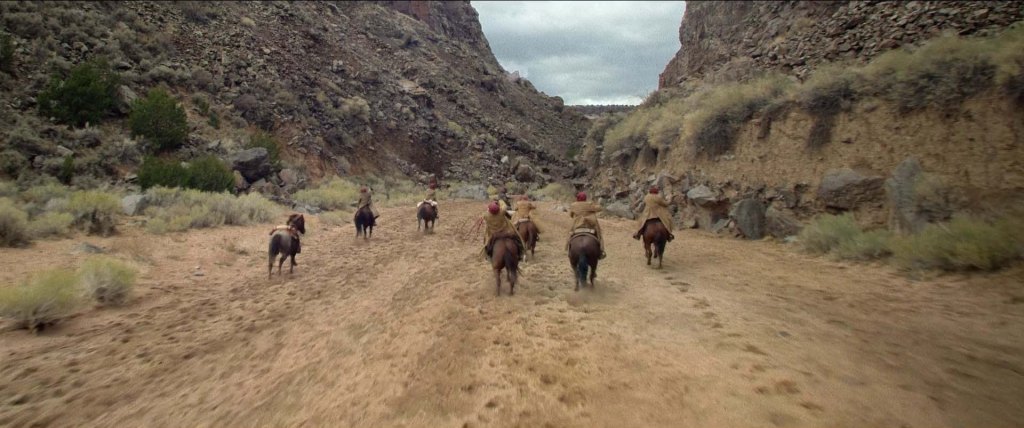
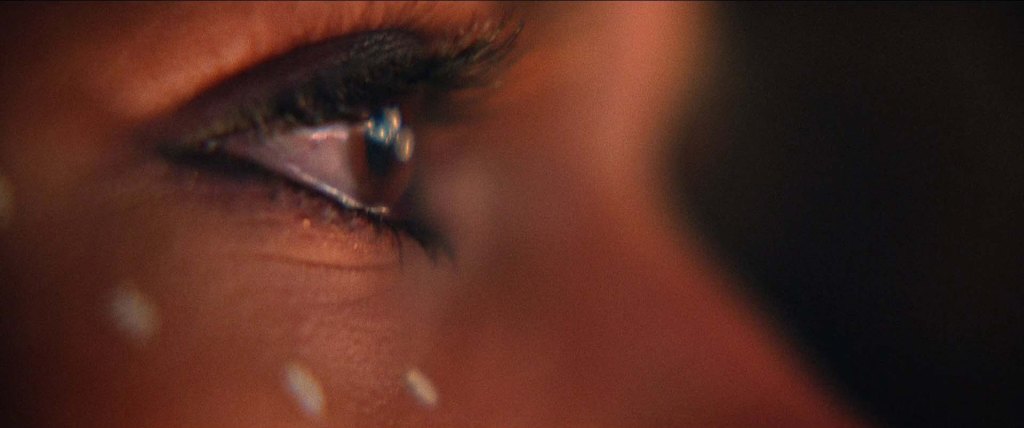
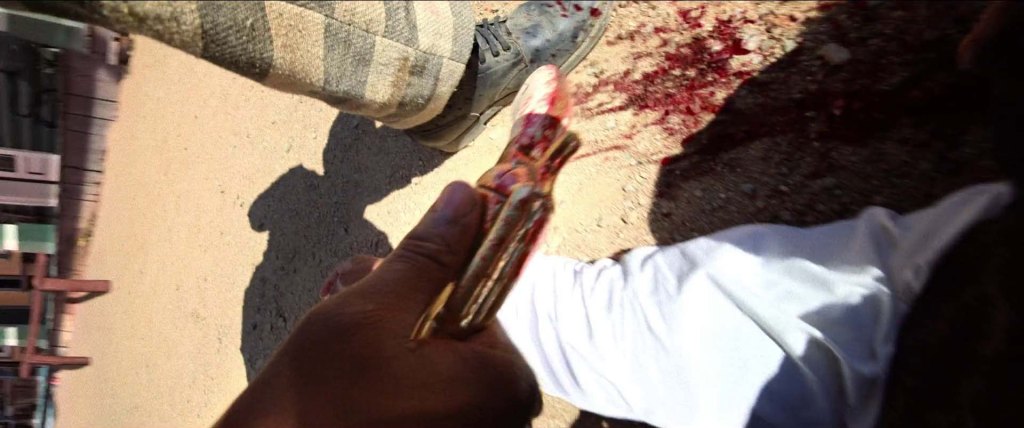
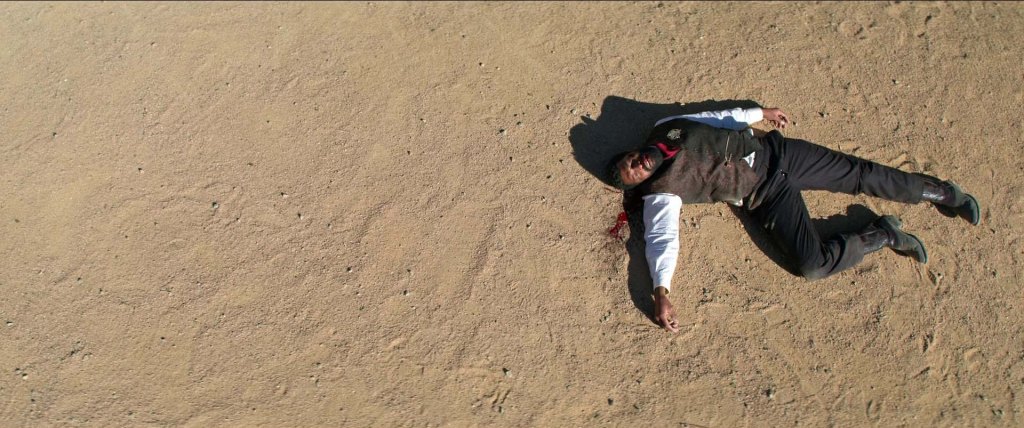
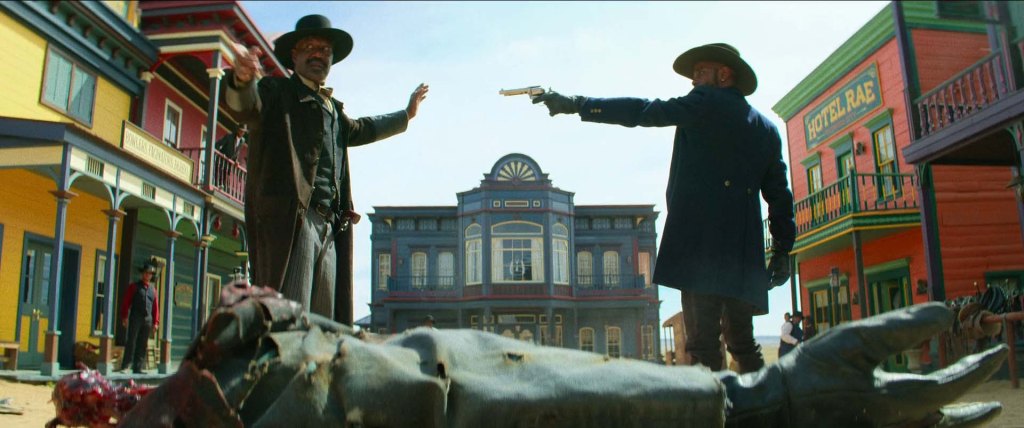
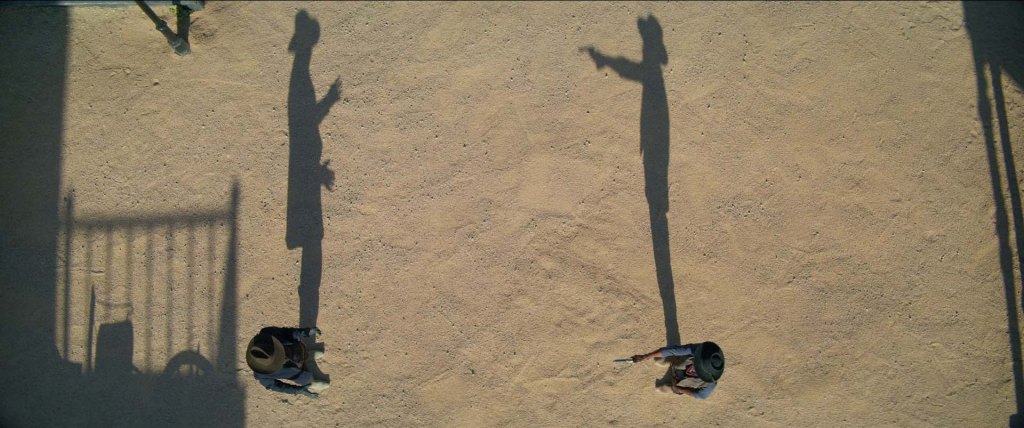
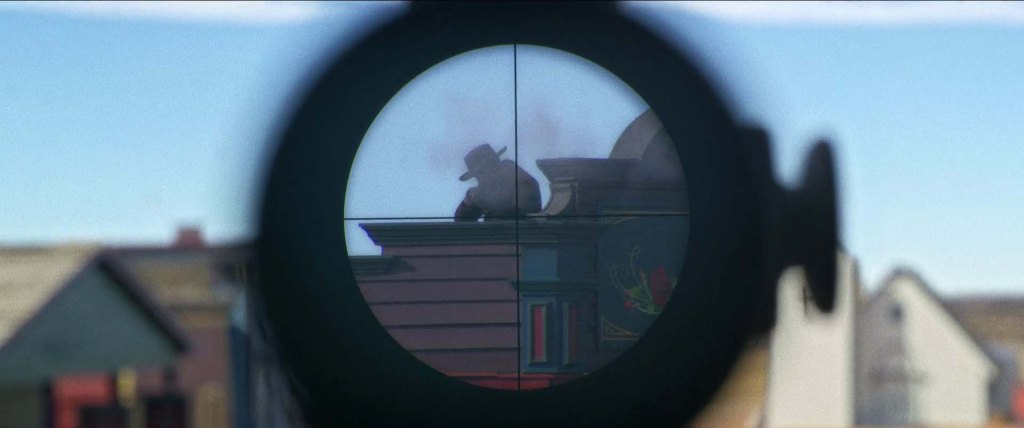
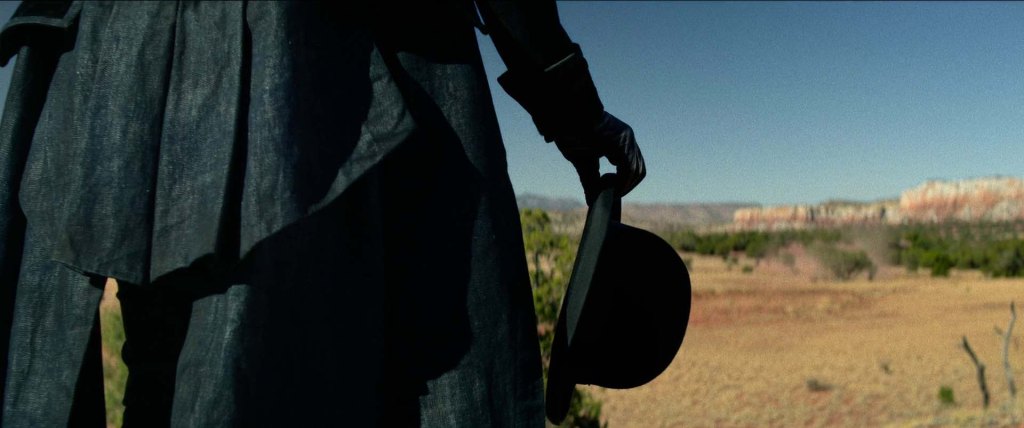
The film builds to a series of extraordinary set pieces in and around Redwood City — shootouts staged with kinetic, Sergio Leone-influenced precision, using wide vistas and extreme close-ups, silence and sudden eruptions of sound and violence.
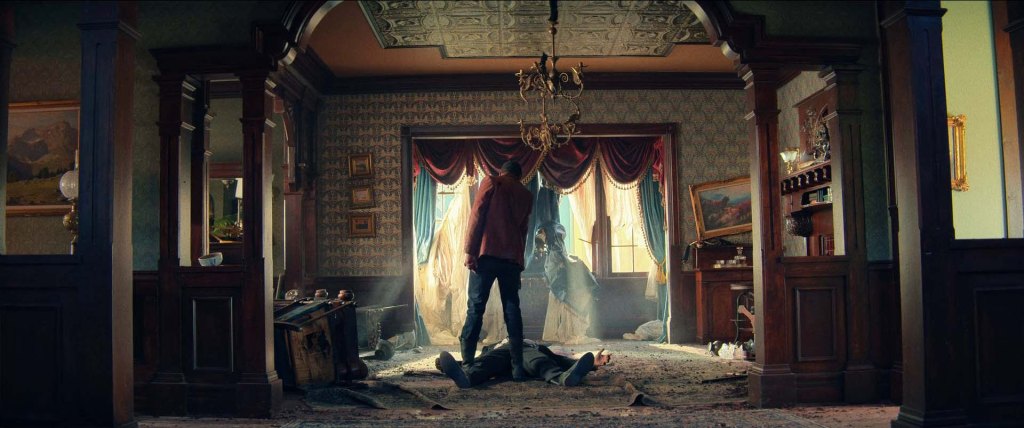
The final confrontation between Nat and Rufus Buck is the film’s emotional culmination: two men shaped by the same originating act of violence, one carrying a scar on his forehead, meeting at last to resolve what was set in motion on the night of that childhood dinner table — all the film’s accumulated tension and history concentrated into a single, decisive encounter.
The film closes with a title card reminding the audience that the characters depicted — Nat Love, Bass Reeves, Stagecoach Mary Fields, Cherokee Bill, Bill Pickett, and others — were real historical figures, and that their stories, like those of countless Black Americans in the post-Civil War West, have been systematically overlooked and underrepresented in the popular mythology of the American frontier. It is a final, explicit statement of the film’s purpose: not just to entertain but to restore.