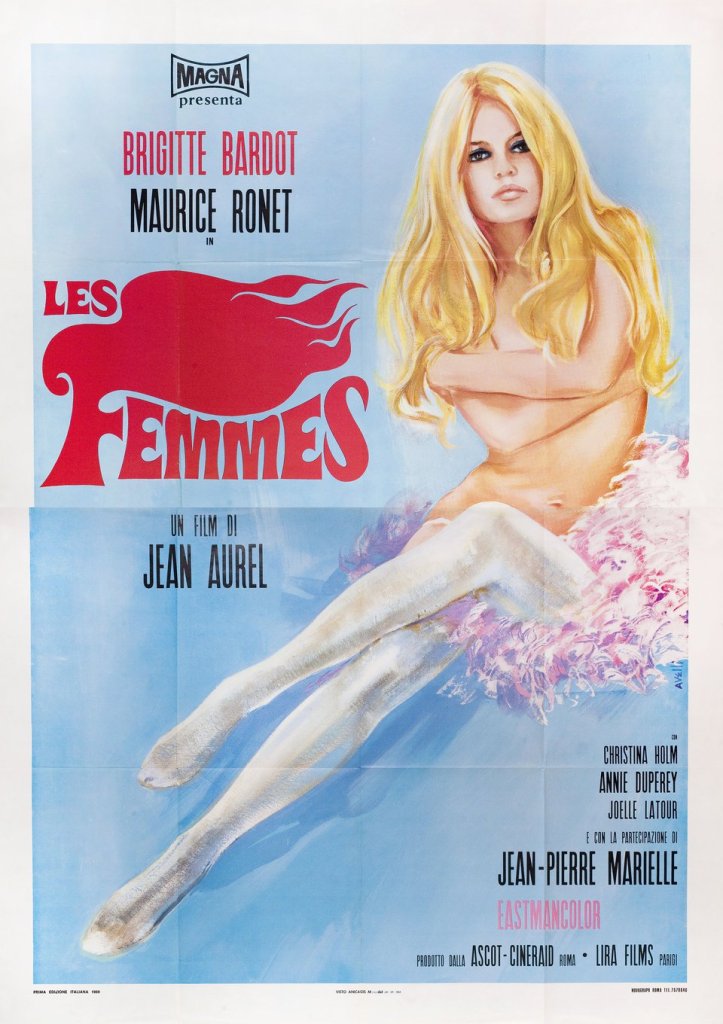


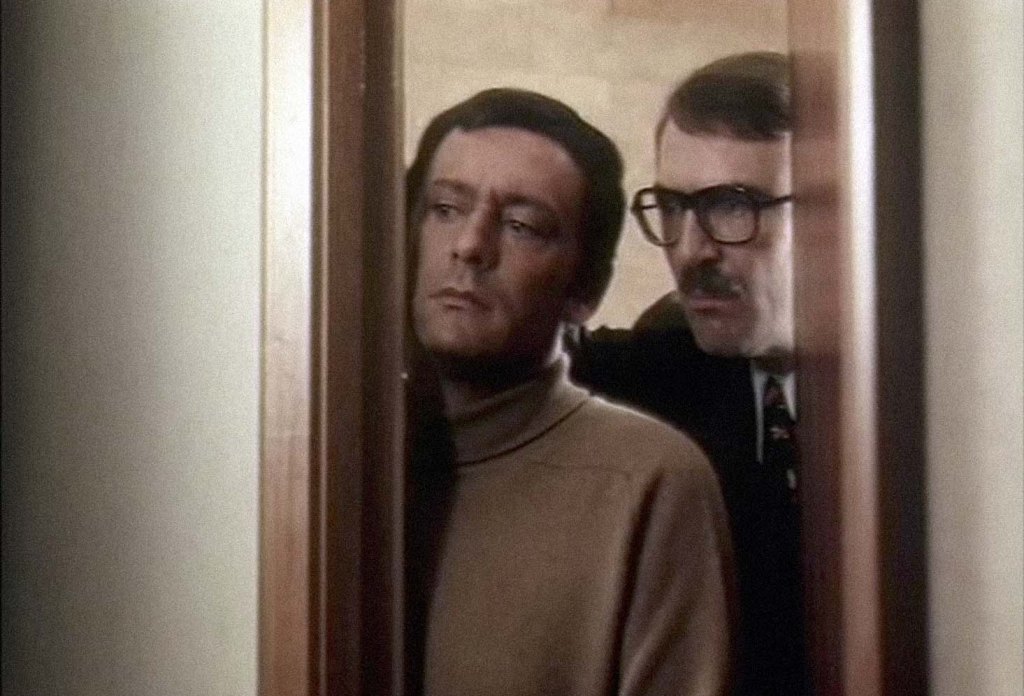
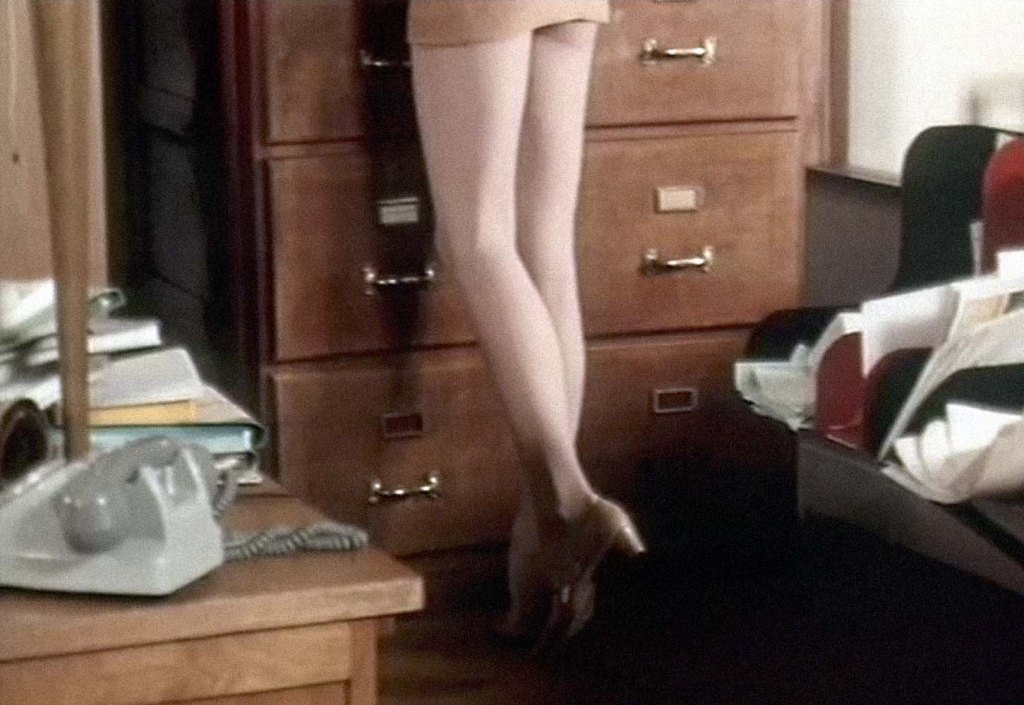
“Les Femmes,” or “The Women,” was released in the U.S. as “The Vixen.” This 1969 French-Italian comedy-drama was directed by Jean Aurel, a notable filmmaker of the 1960s. Aurel often explored the relationships between men and women with a light, ironic touch characteristic of the late Nouvelle Vague style of French cinema. The film stars Brigitte Bardot, who was in the final phase of her acting career, just a few years before her well-known retirement in 1973.
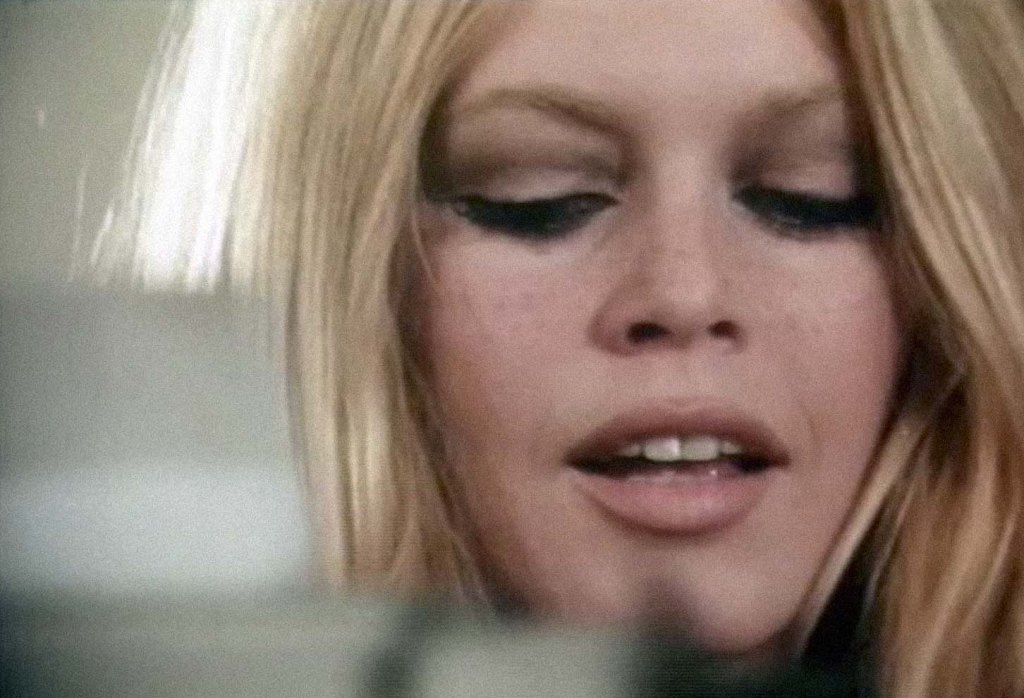
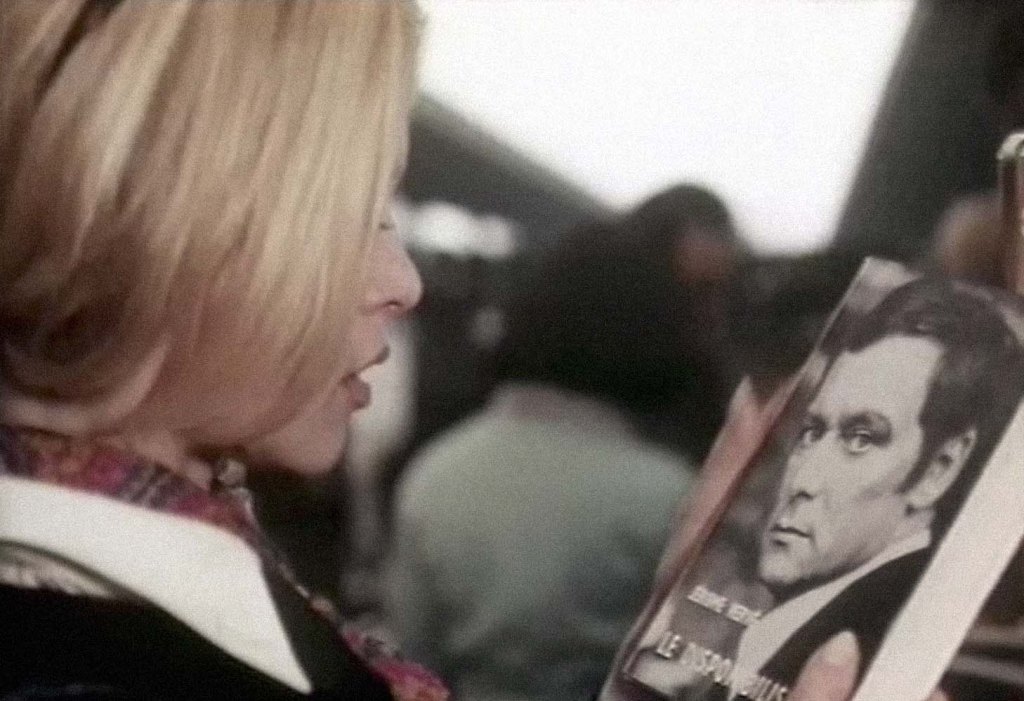

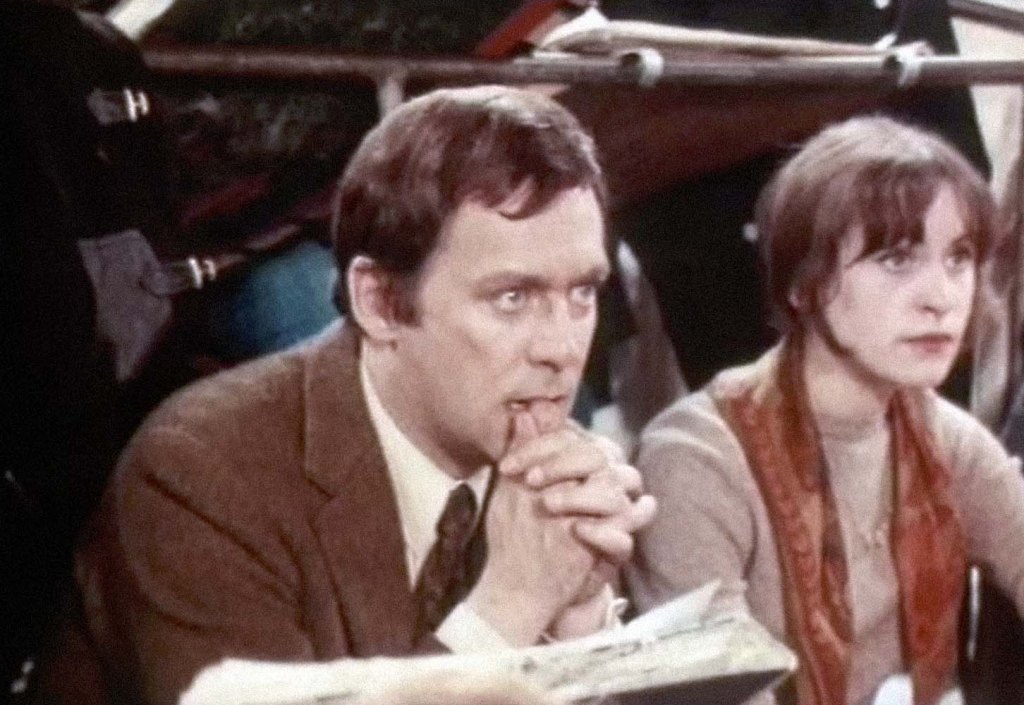
The story follows Jérôme Hervé, portrayed by Maurice Ronet, a successful yet emotionally drained novelist and infamous womanizer. Jérôme has built both his literary reputation and personal identity around seducing women. Despite his outward confidence and cultivated sophistication, he is grappling with severe writer’s block. His publisher is pressuring him to complete his memoirs, but Jérôme is becoming increasingly disillusioned with both his writing and the endless romantic conquests that once inspired his creativity.
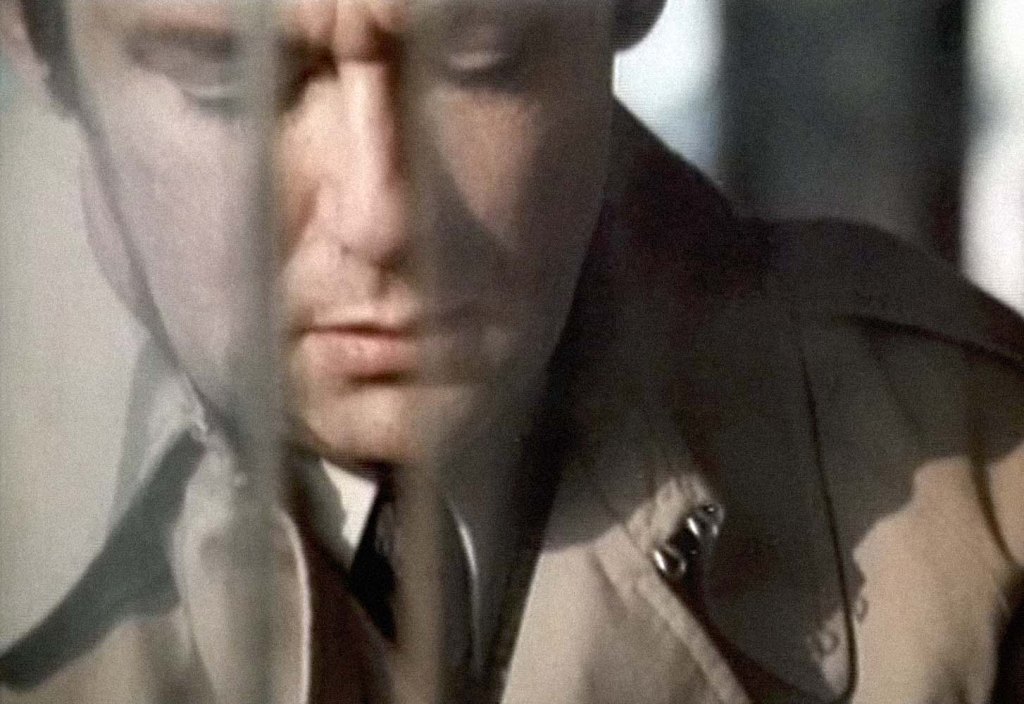
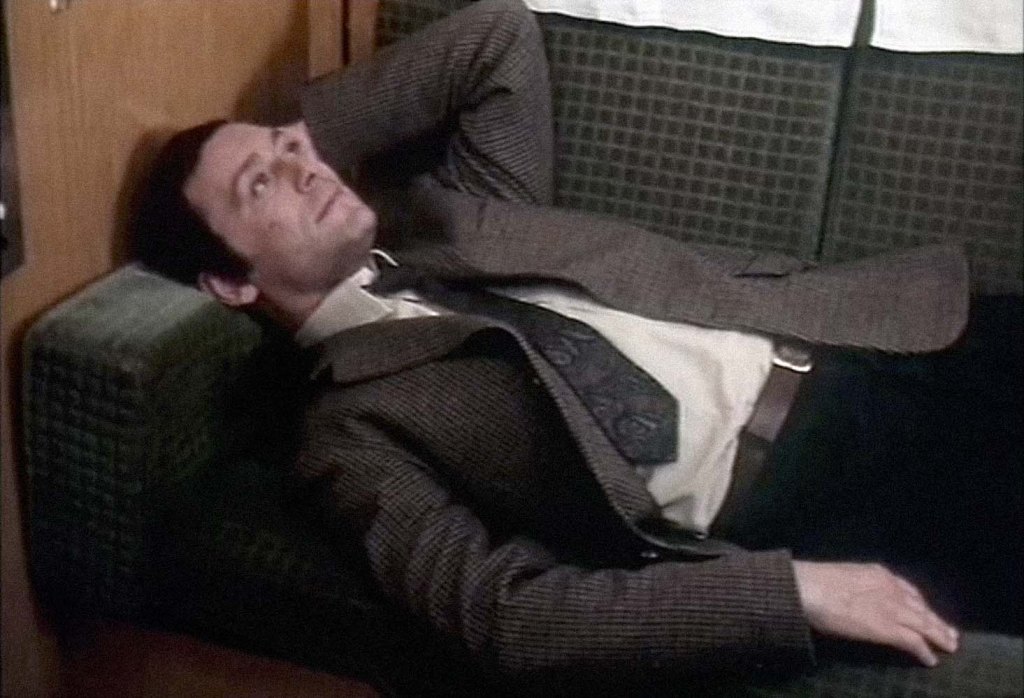

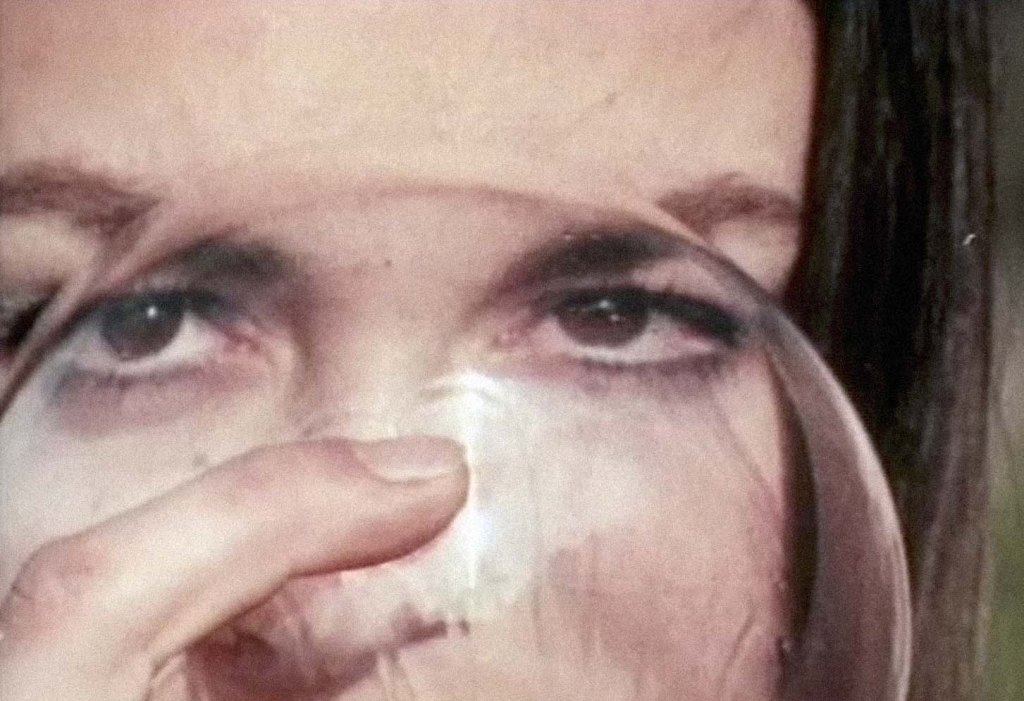
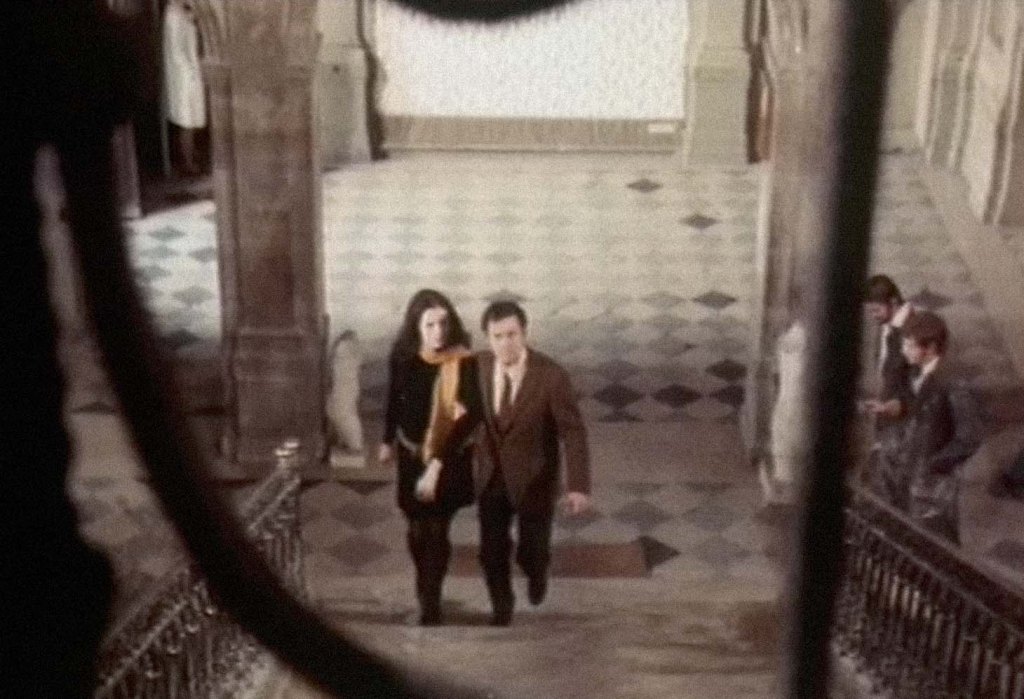
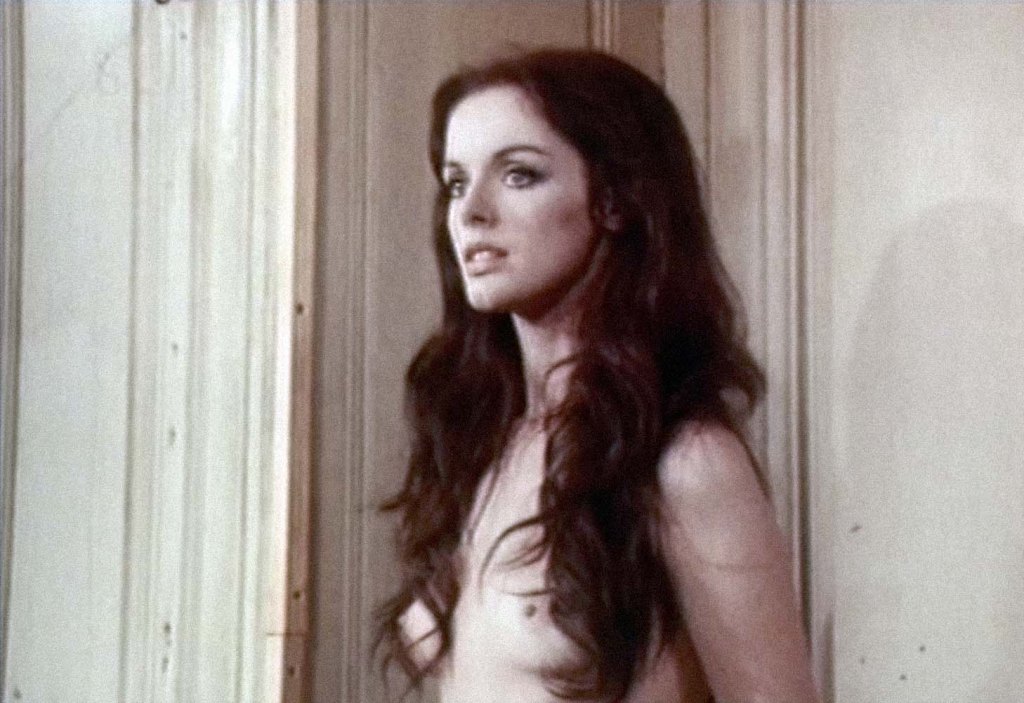
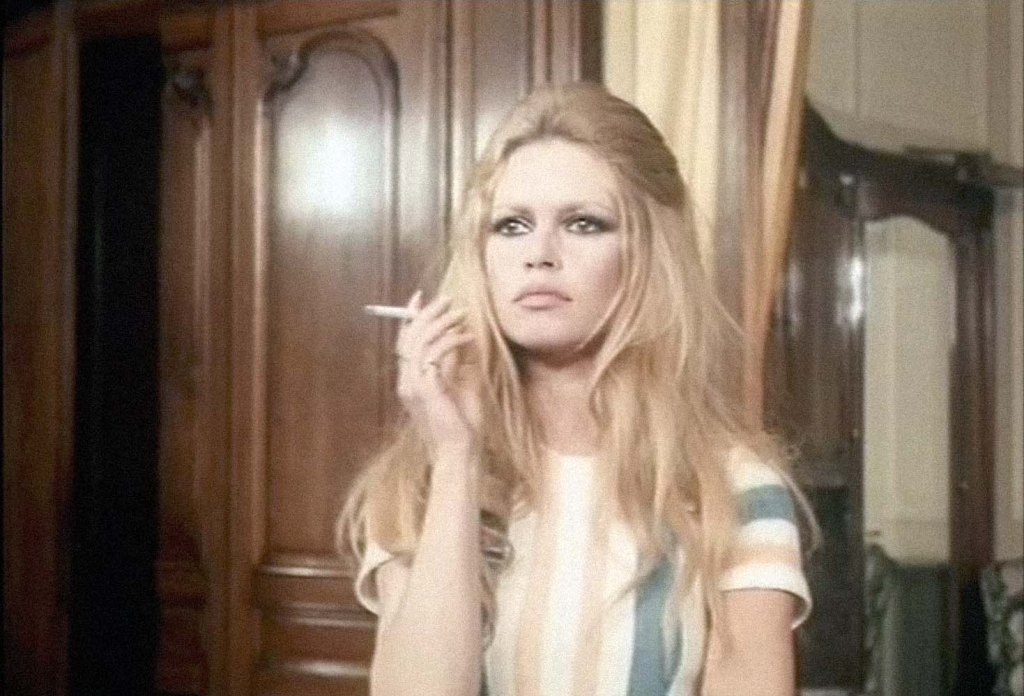
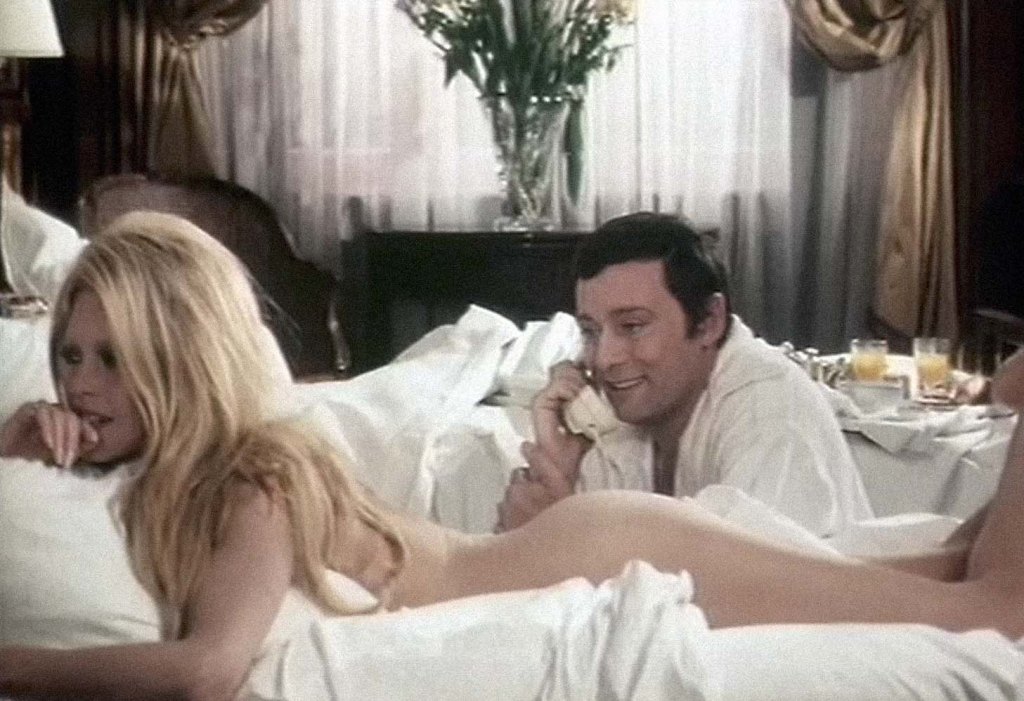
To help him complete his manuscript, Jérôme hires Clara (Brigitte Bardot) as his secretary and traveling assistant. Clara is intelligent, attractive, observant, and much less naïve than Jérôme initially assumes. Her official role is to take dictation and organize his chaotic work habits. Still, Jérôme quickly starts treating her as just another woman to revolve around his ego and desires.

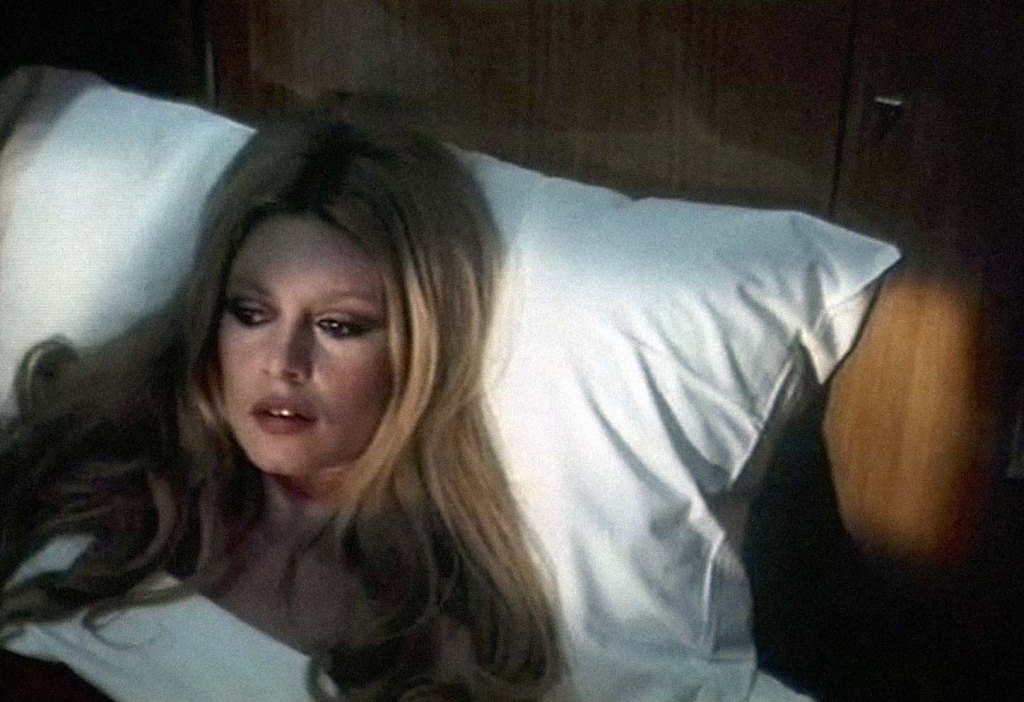

As he dictates stories from his romantic past, the film shifts between present-day interactions, memories, flirtations, and erotic fantasies, blurring the line between autobiographical confession and self-serving fiction. Much of the film unfolds as a cynical “battle of the sexes.”


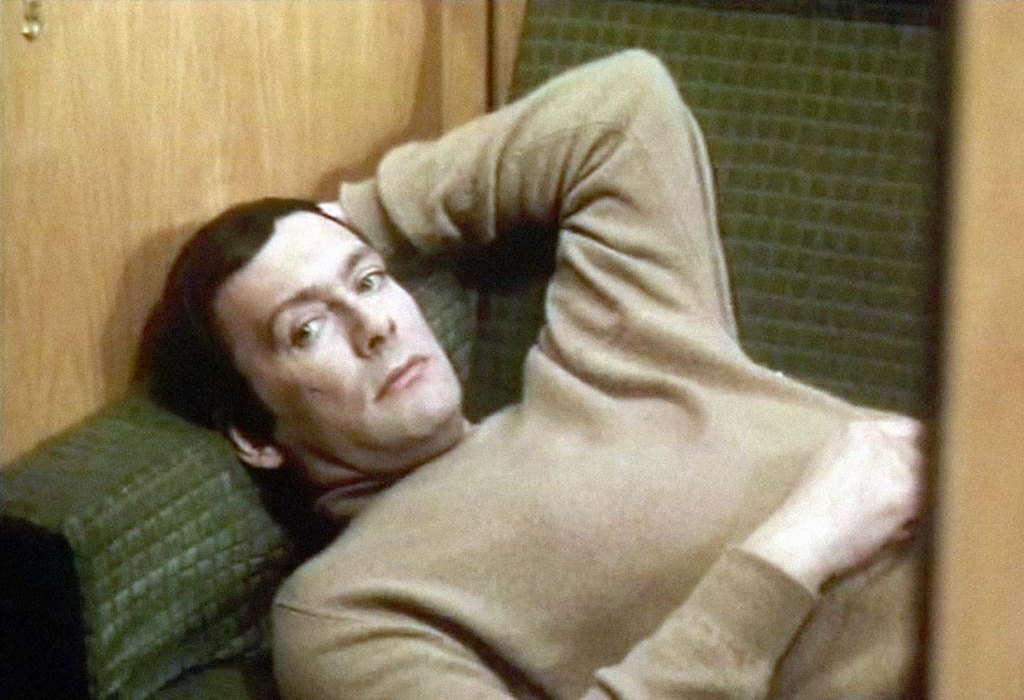
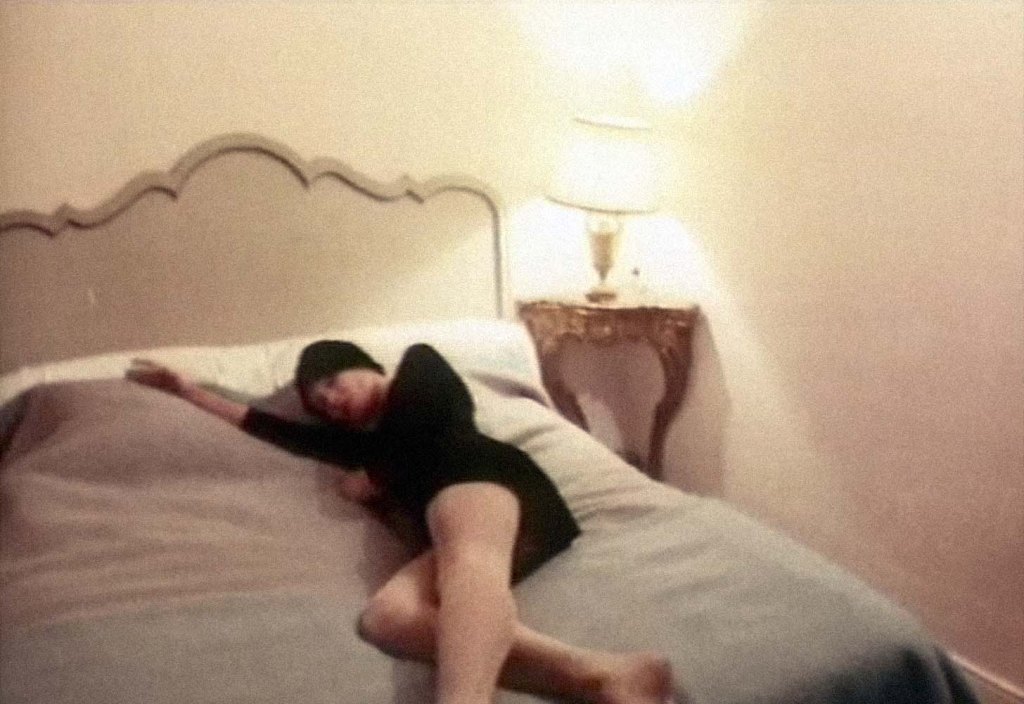
Jérôme attempts to seduce Clara through charm, manipulation, and intellectual bravado, convinced that women will inevitably be captivated by his honesty about his own selfishness. However, Clara refuses to fully embrace his worldview. While she is attracted to him, she also perceives the emptiness beneath his carefully crafted image.
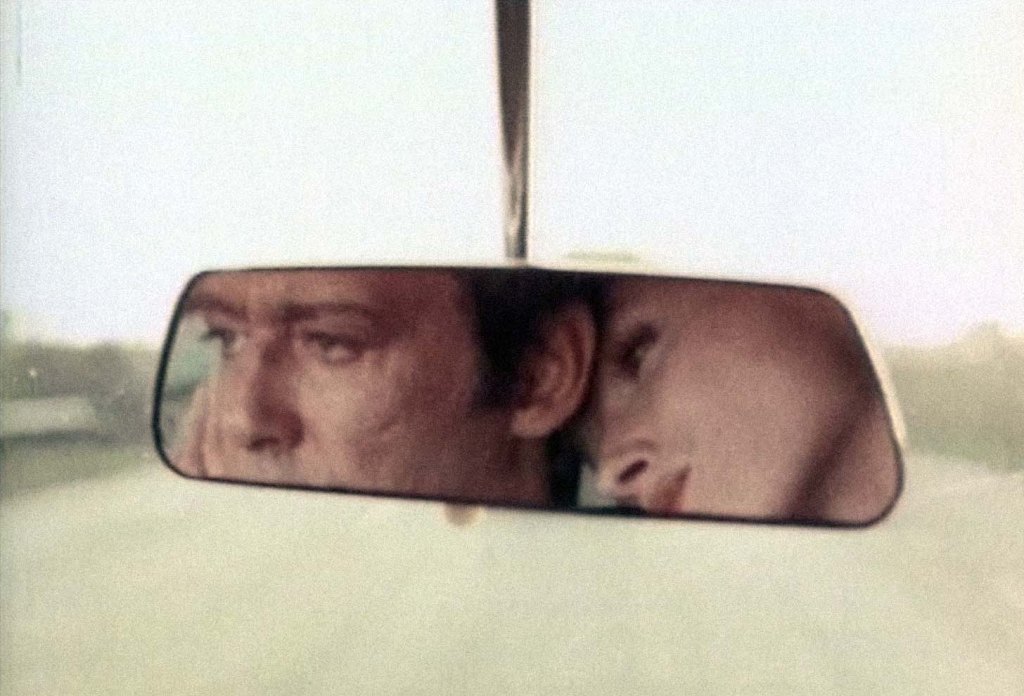

The relationship between Antoine and Clara is the film’s core. Their bond features a tension of attraction and mistrust, as both clever characters navigate their connection, attempting to decipher who is manipulating whom.

As the pair travels and interacts with various women from Jérôme’s life—including former lovers, admirers, and acquaintances like Marianne (Christina Holme) and Hélène (Anny Duperey)—the film gradually reveals a portrait of a man who is terrified of emotional commitment and aging. Jérôme’s relentless pursuit of women no longer brings him satisfaction; instead, it deepens his creative paralysis and emotional isolation. Clara increasingly serves as both his muse and a mirror, reflecting his own shallowness back at him.
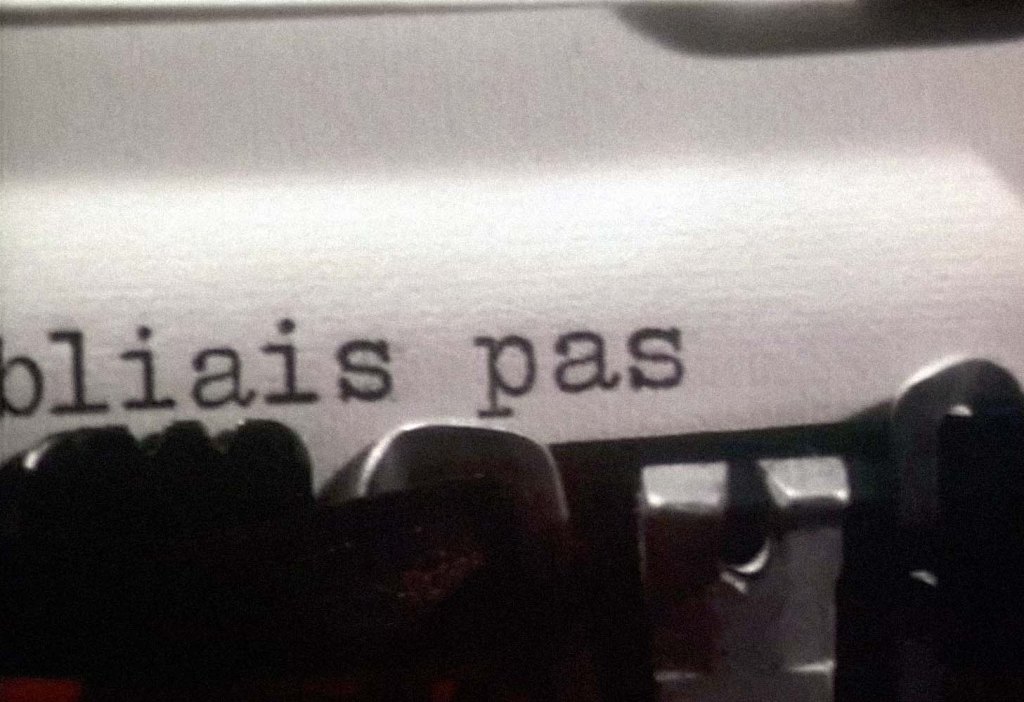
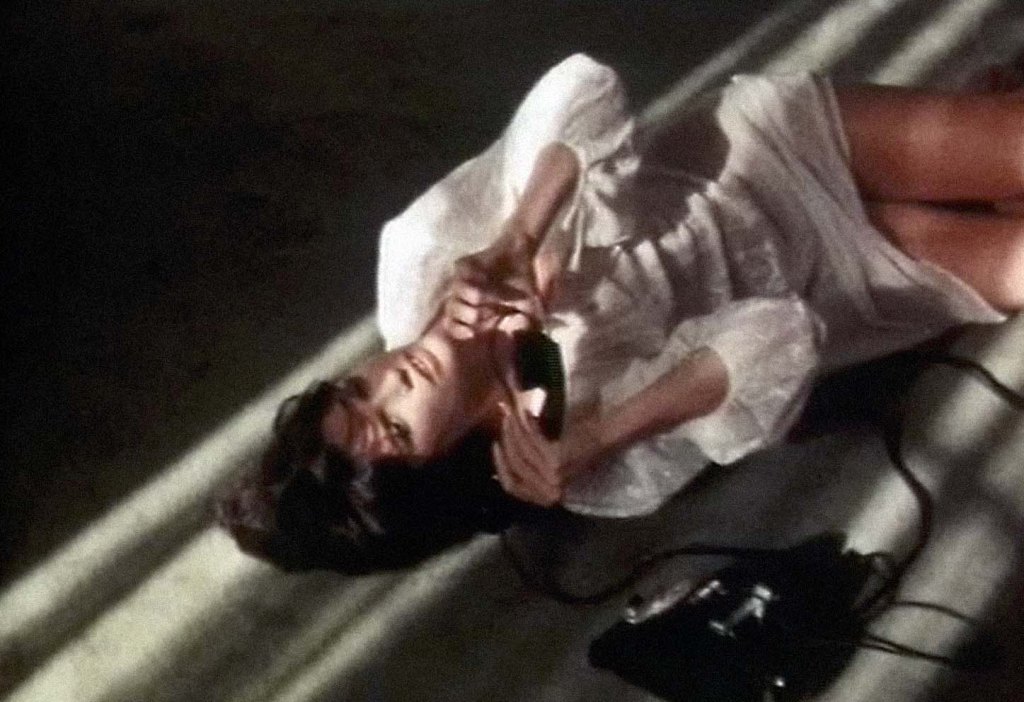
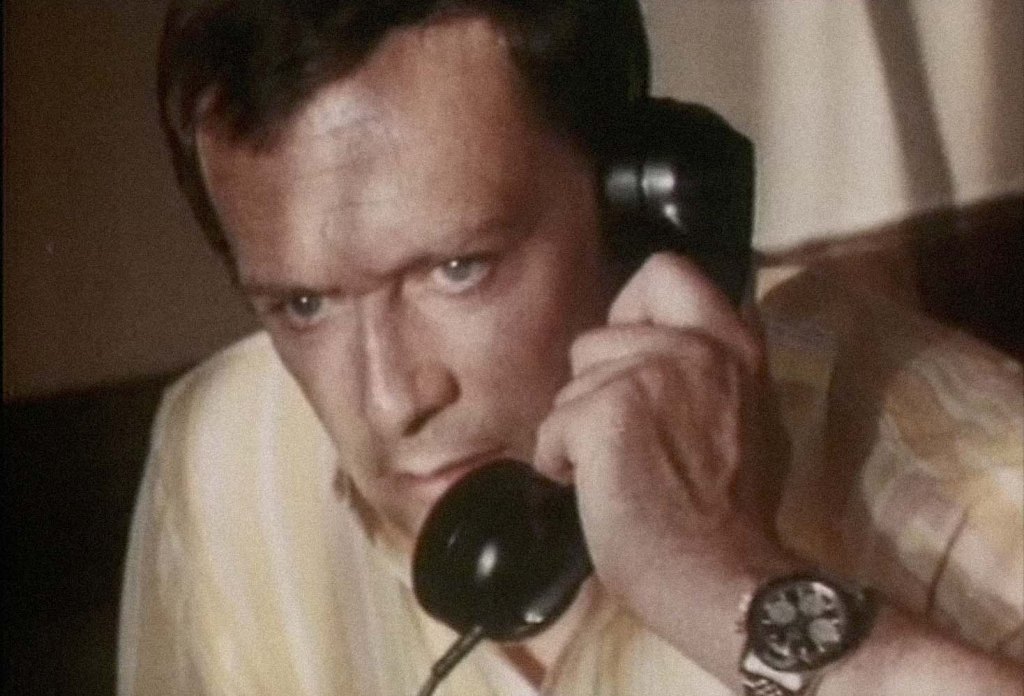
The film reaches a resolution typical of French cinema from this period—it does not offer a clear ending in either a romantic-comedy or a dramatic sense, but rather something more ambiguous and authentic.
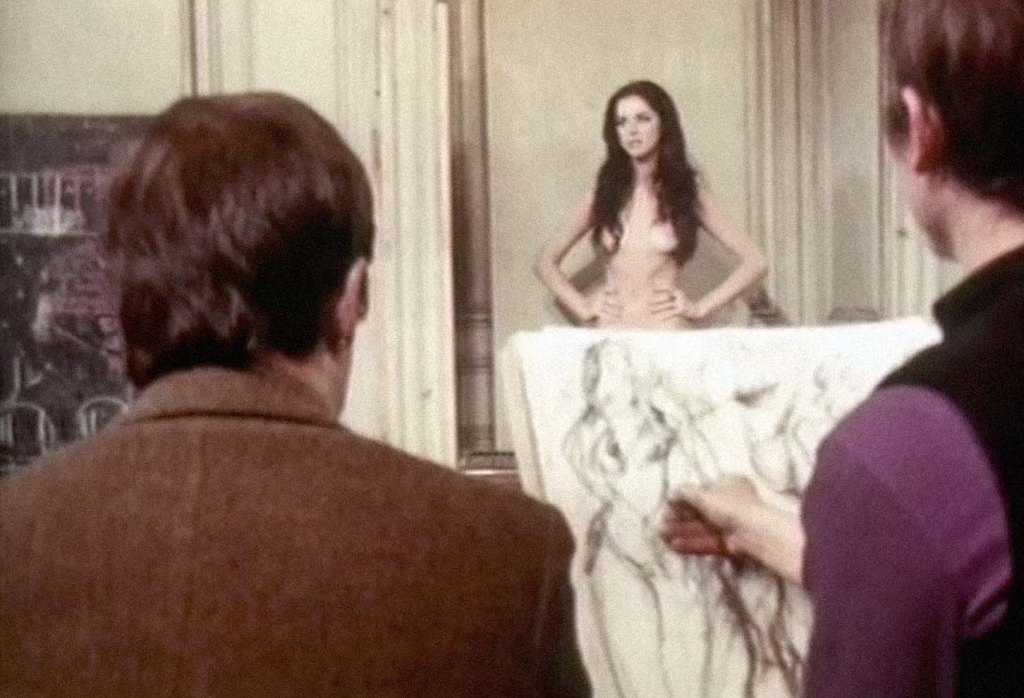
The question of who has been using whom remains unanswered, as the film suggests that both characters have taken advantage of each other for reasons neither fully understands.


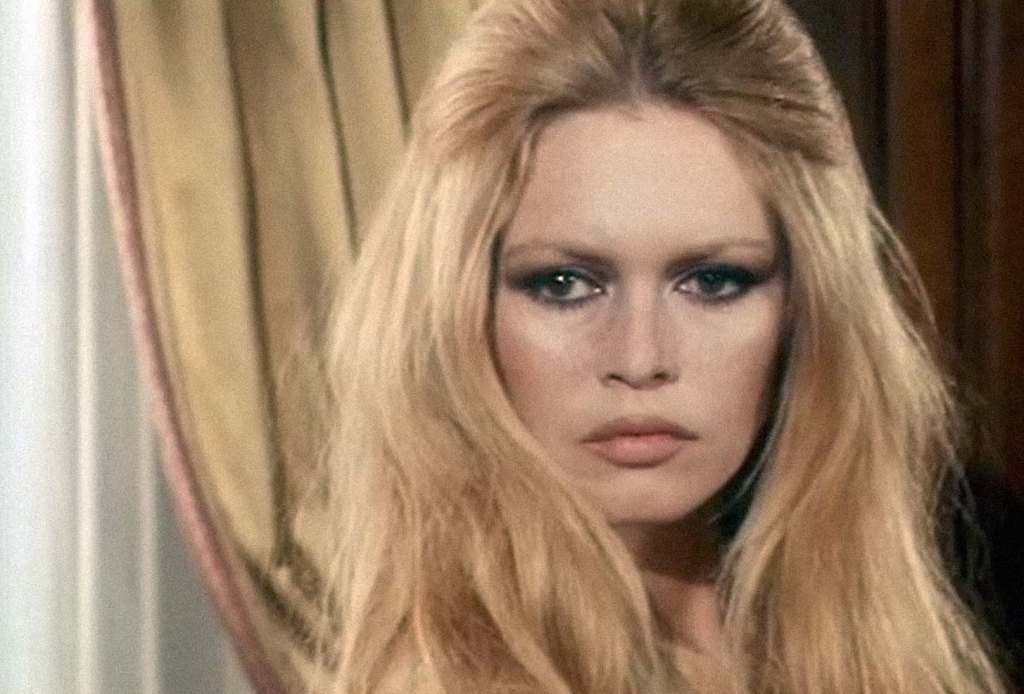
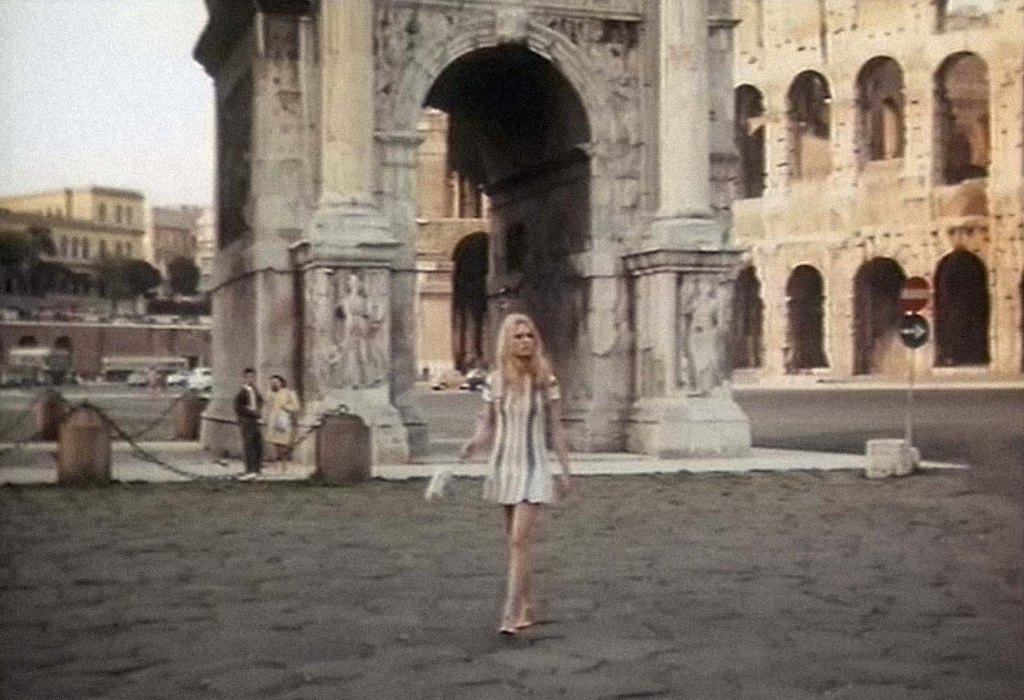
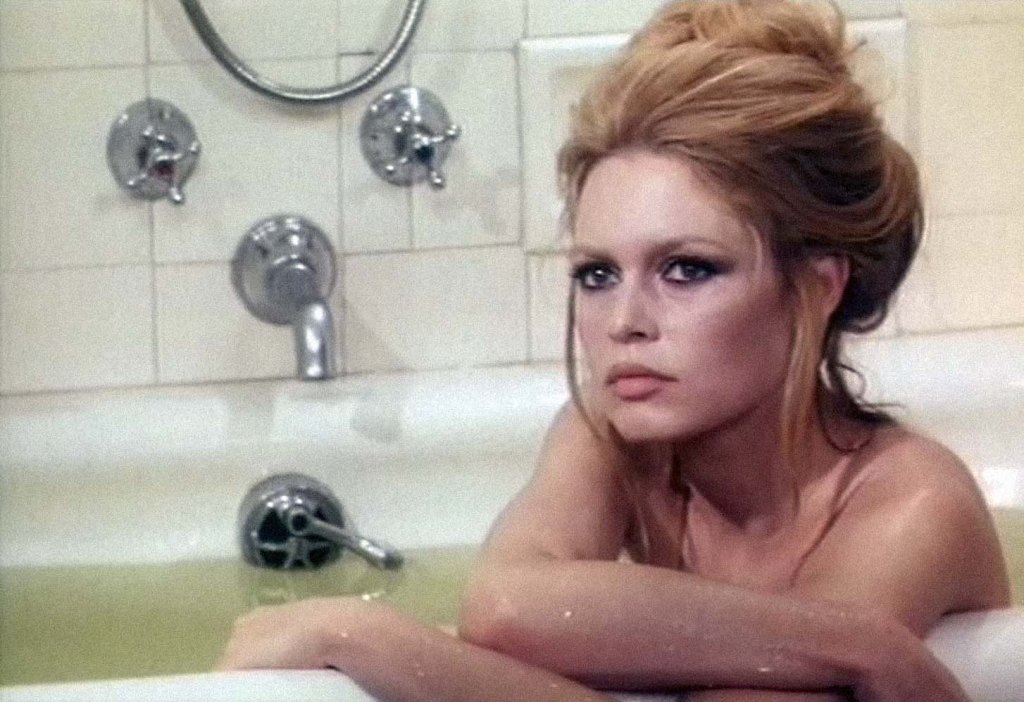
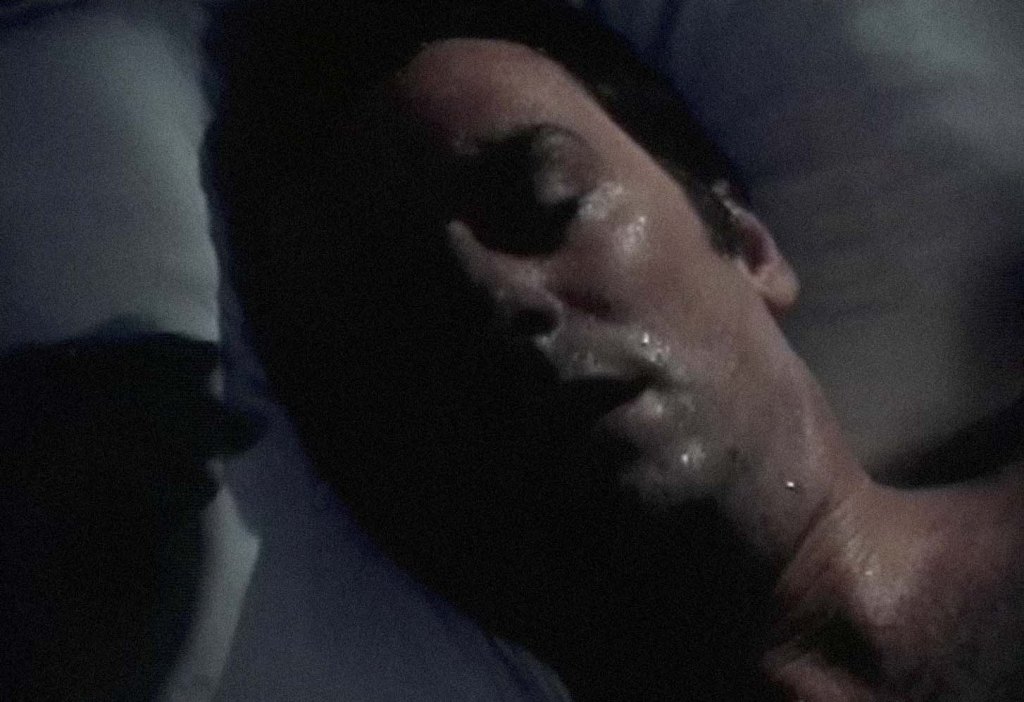
Although marketed in some countries as a light erotic comedy, “Les Femmes” is more melancholic than scandalous. Jean Aurel presents the glamorous world of affluent intellectuals and casual affairs with a detached, ironic tone. Bardot’s performance is central to the film’s appeal; she portrays Clara with a blend of sensuality, independence, and quiet intelligence, subtly undermining Jérôme’s attempts to emotionally dominate her. Maurice Ronet, known for playing morally ambiguous characters in European art cinema, gives Jérôme a weary charm that prevents the character from becoming entirely unsympathetic.
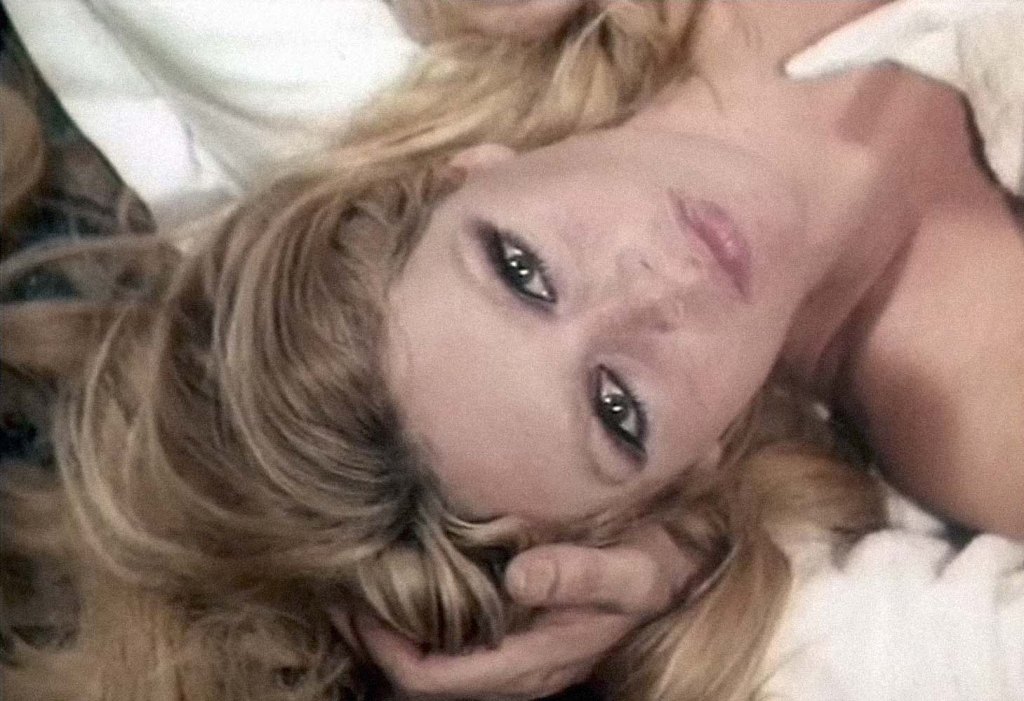
“Les Femmes” is part of a recognizable trend in late-1960s French cinema that explores the dynamics of sexual and intellectual power between men and women. This interest was partly fueled by the emerging women’s liberation movement and the broader cultural upheavals of the decade, even though the films themselves were commercially mainstream rather than politically radical.
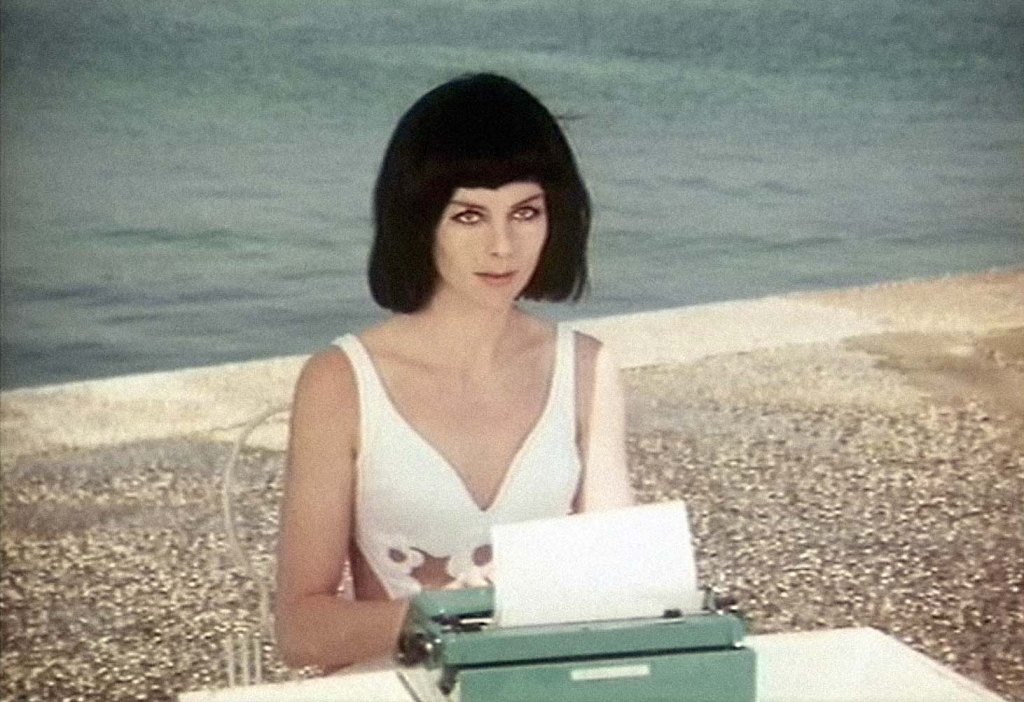
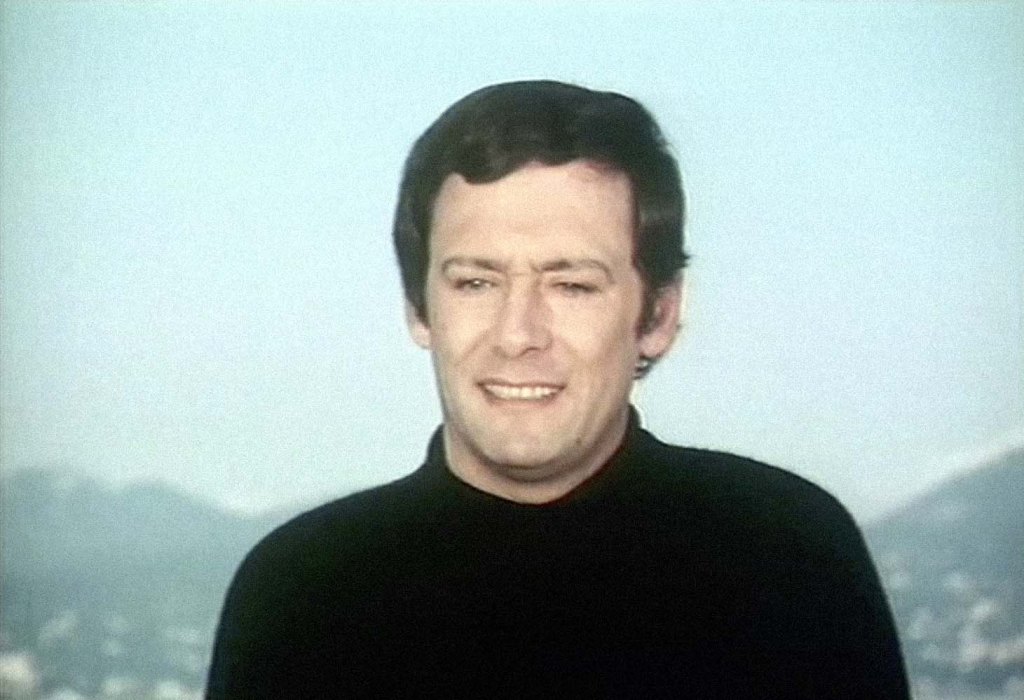
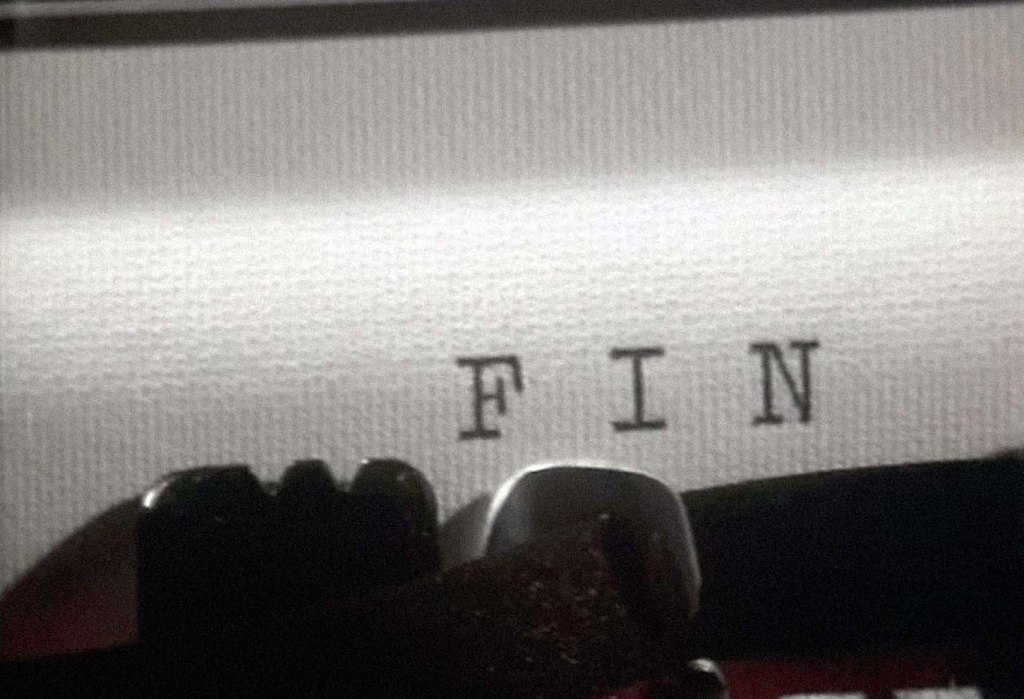
While the film may not attain the same level of greatness as the best works of the Nouvelle Vague—since it neither reinvents cinematic form nor pushes its ideas to uncomfortable extremes—it remains an intelligent production that deserves attention. It is especially appealing to viewers interested in Brigitte Bardot, Jean-Pierre Ronet, or the characteristics of French cinema at the end of its most prolific decade.