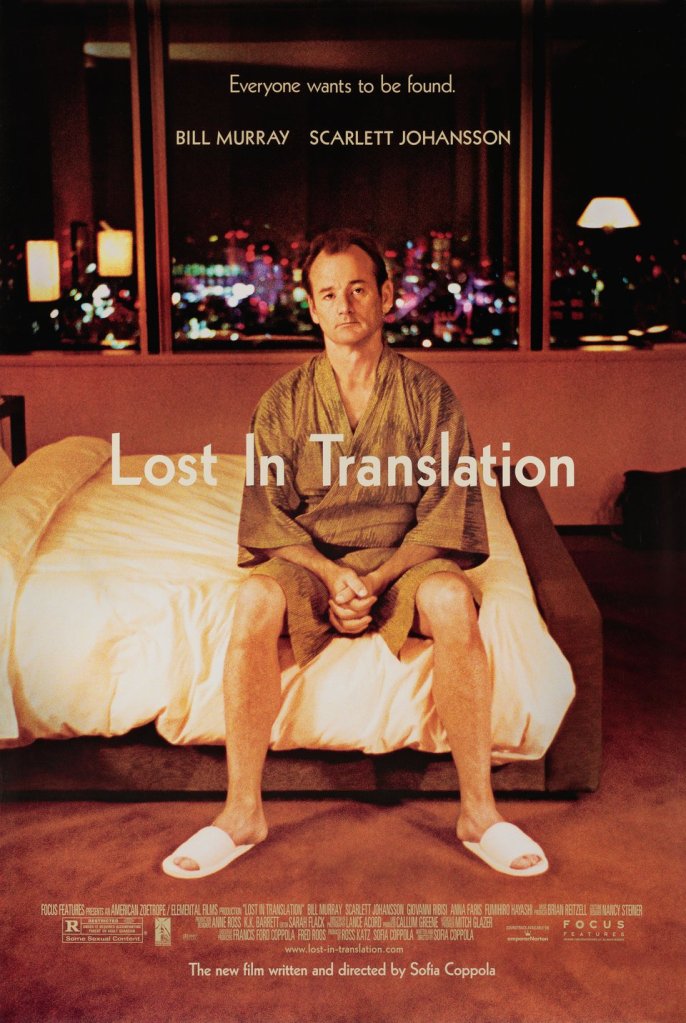


“Lost in Translation” is a 2003 comedy-drama written and directed by Sofia Coppola. Set in the vibrant, neon-lit metropolis of Tokyo, the film tells a thoughtful, emotionally resonant story about two lonely Americans who unexpectedly form a bond as they navigate cultural dislocation and personal uncertainty.
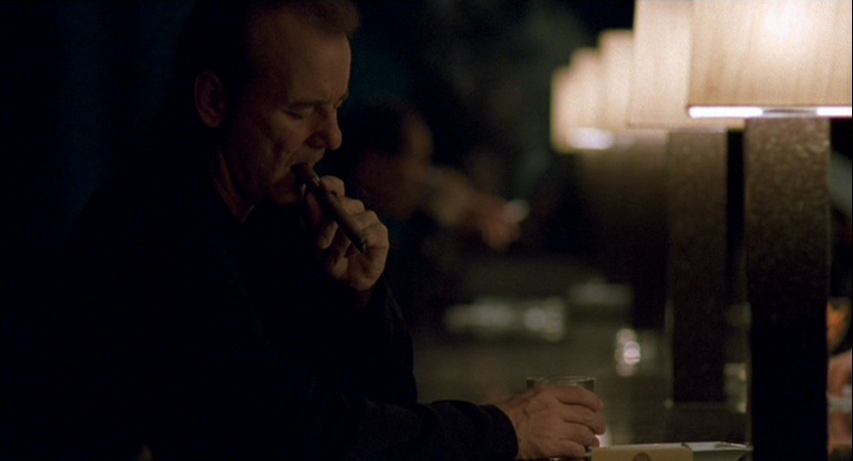

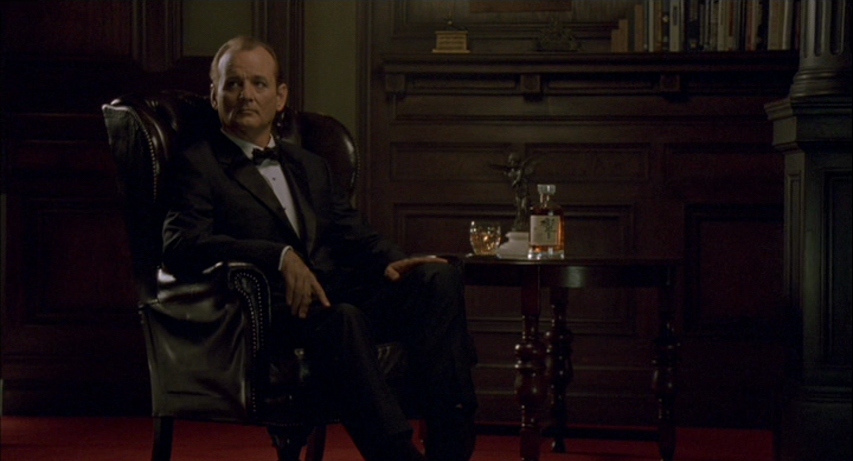

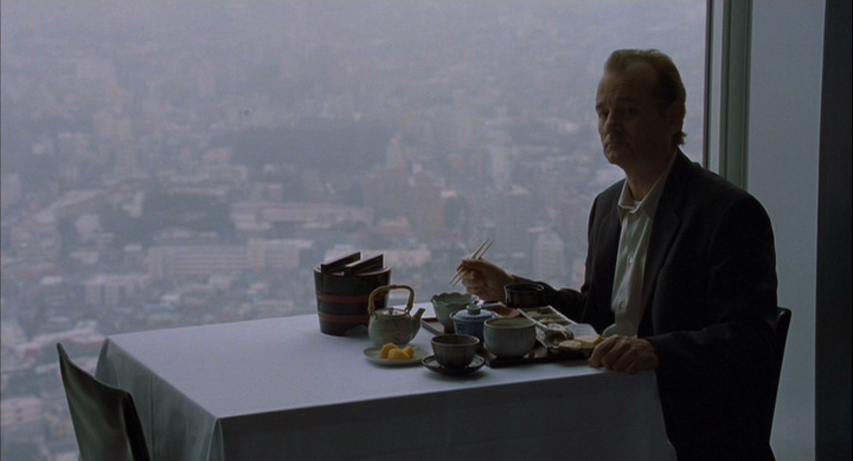
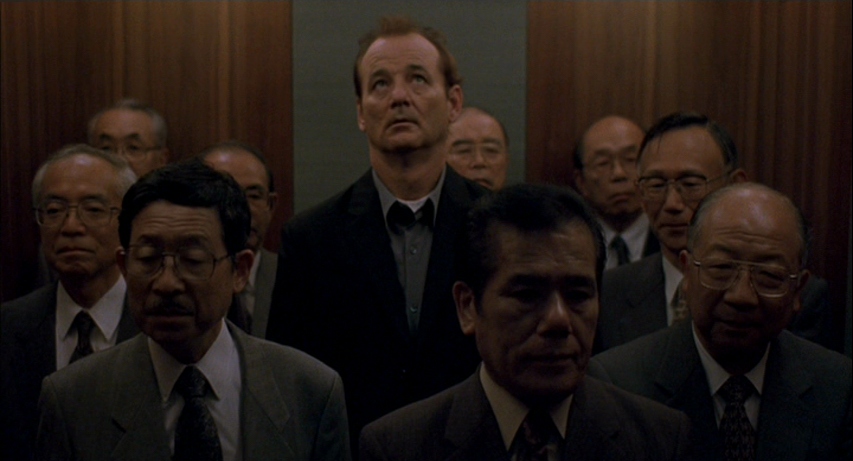
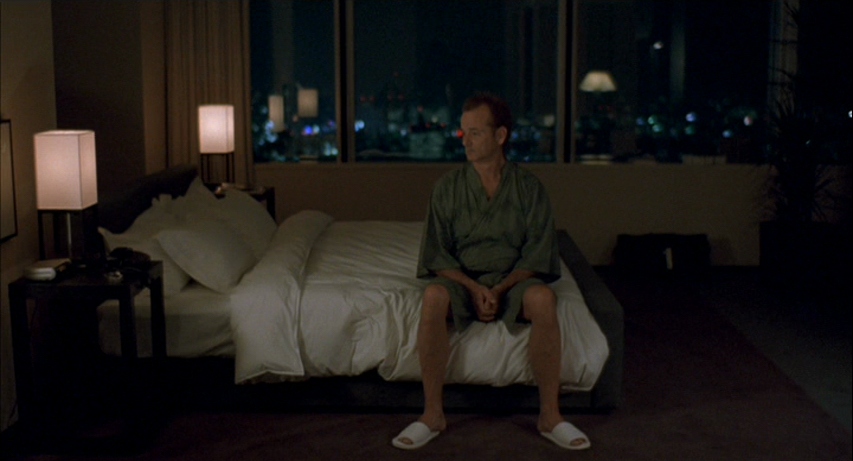
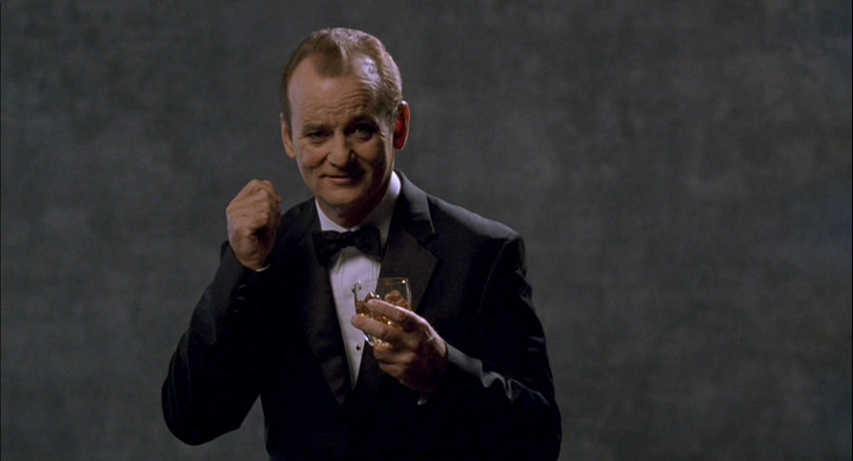
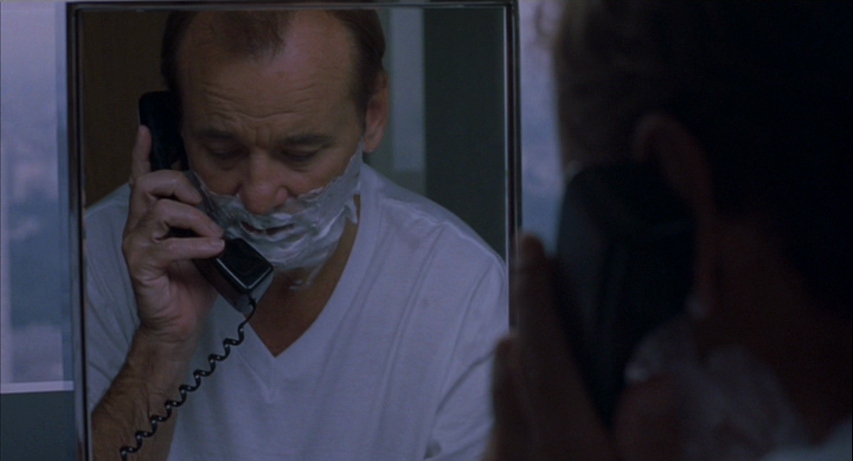
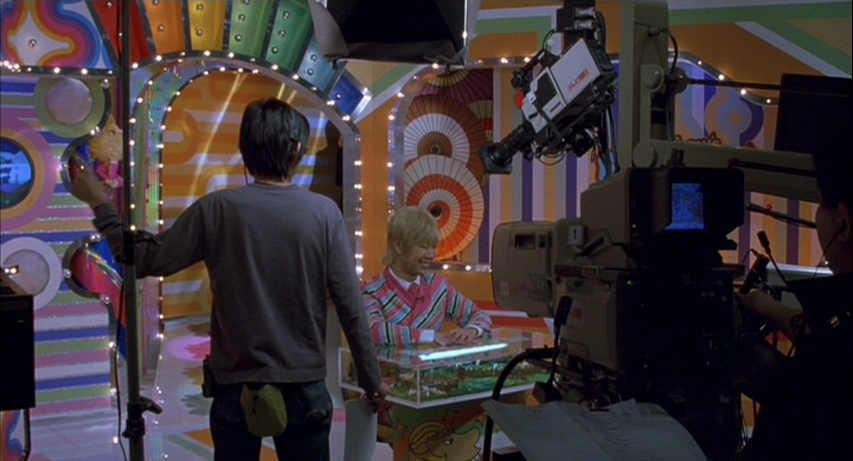
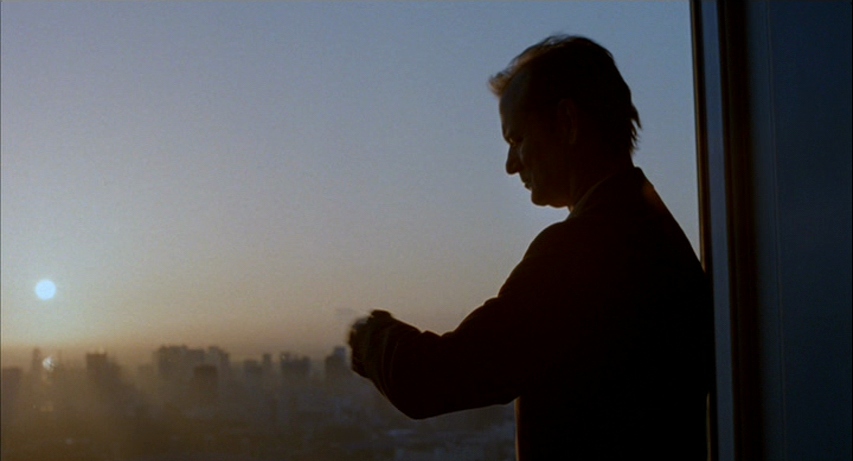
Bob Harris, played by Bill Murray, is a fading movie star who travels to Tokyo to film a lucrative whiskey commercial. Jet-lagged and feeling disconnected from his wife back home, he is quietly facing his own midlife crisis. Bob drifts through the luxurious yet isolating atmosphere of the Park Hyatt Tokyo, watching the city from a distance and grappling with the search for meaning during his temporary stay.
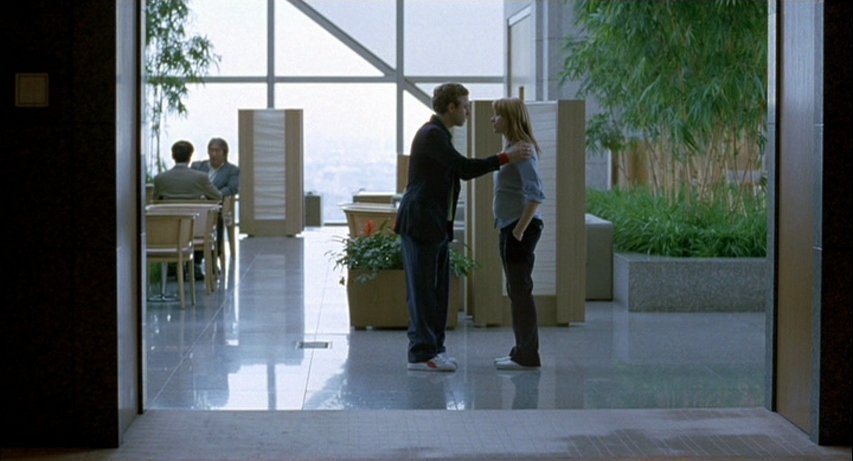


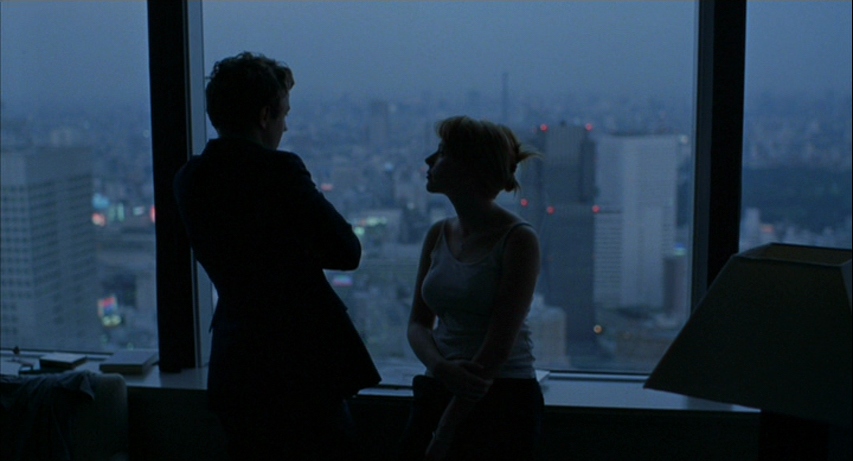
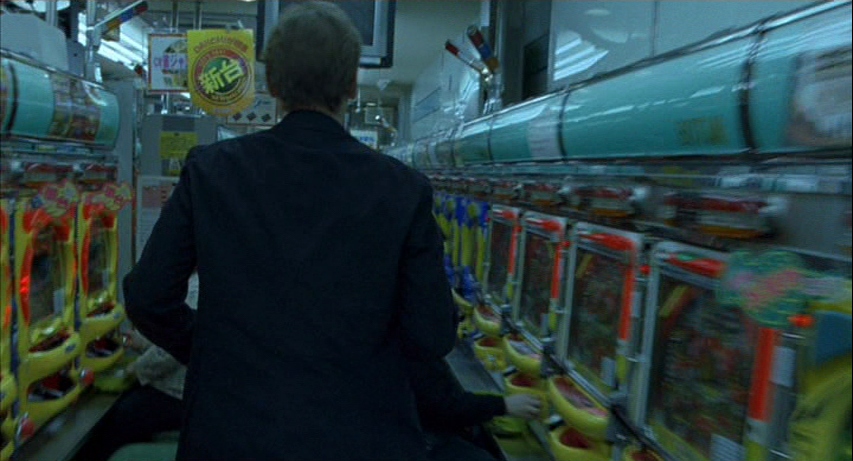
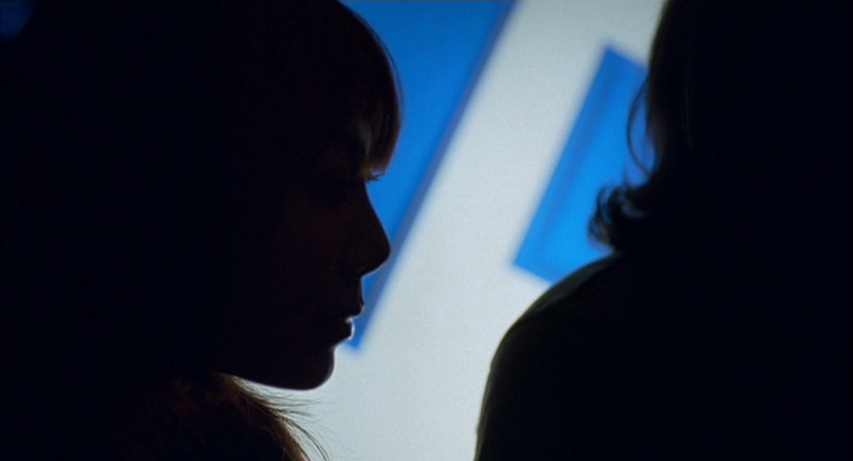
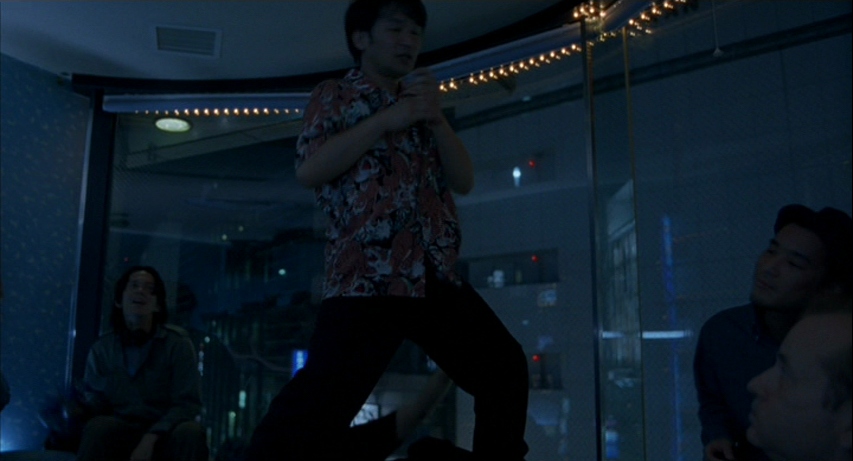
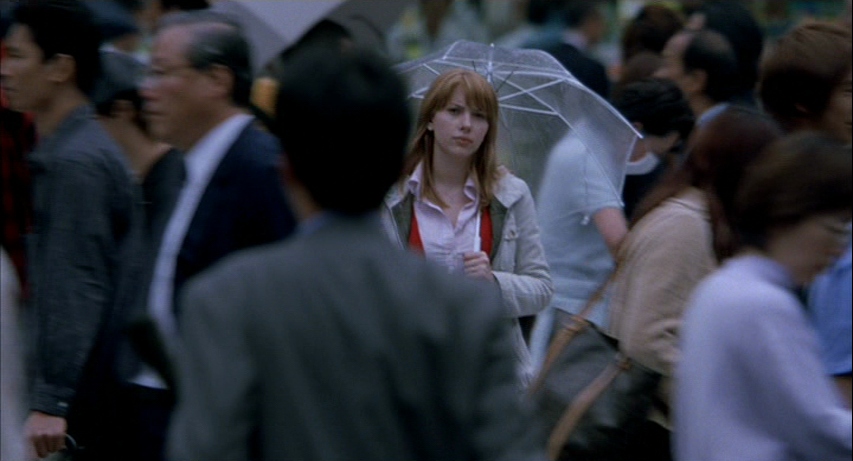
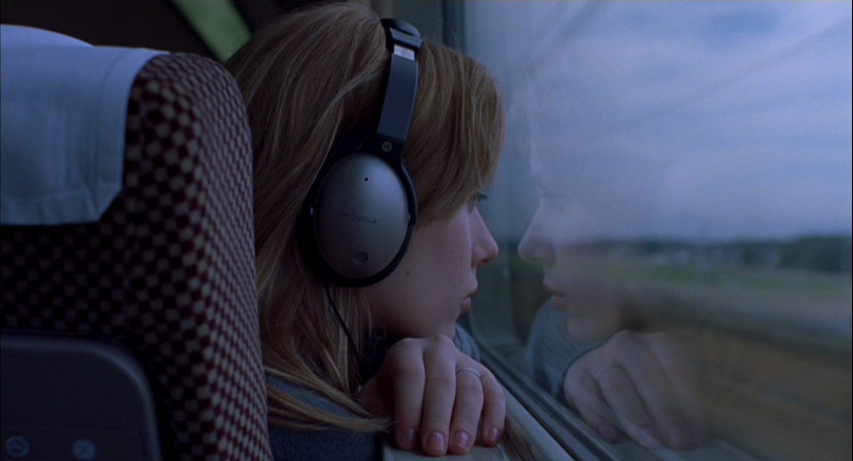
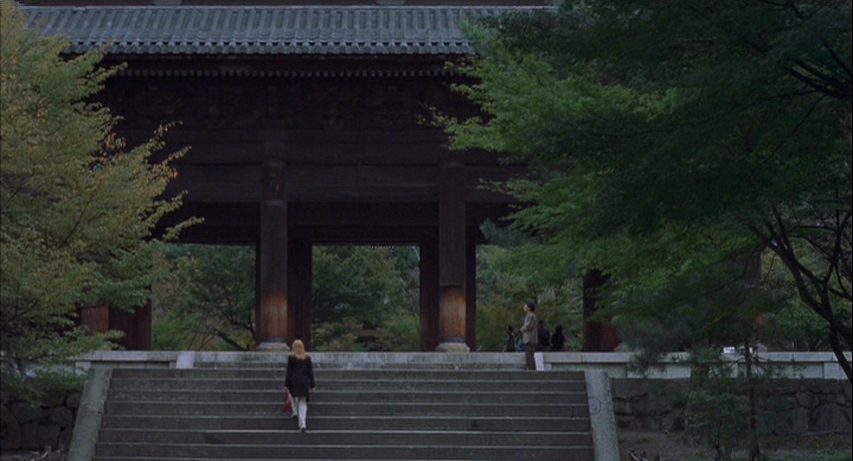
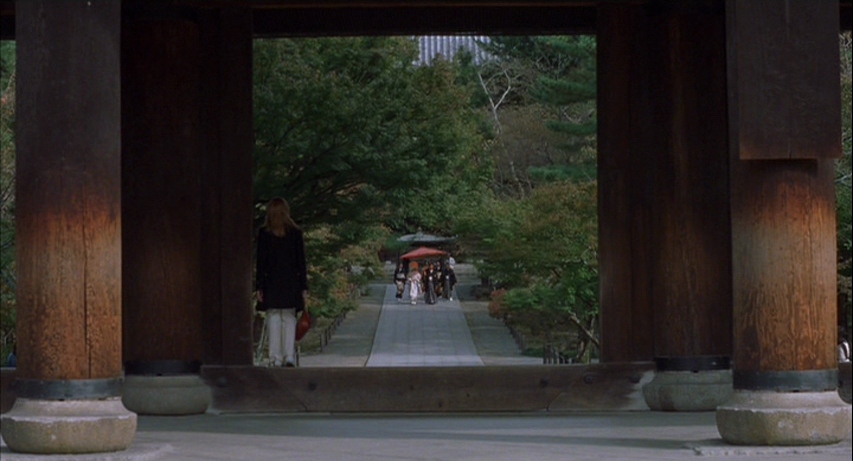
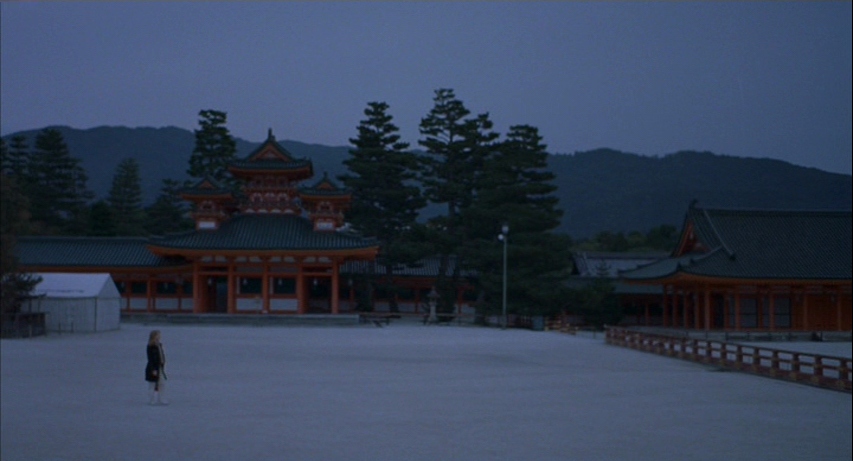
Charlotte (Scarlett Johansson), a recent college graduate, accompanies her husband John (Giovanni Ribisi), a photographer, on a work trip to Tokyo. While John is occupied with photo shoots—especially with a vivacious actress named Kelly (Anna Faris)—Charlotte finds herself alone in an unfamiliar city. She spends her days wandering the streets of Tokyo, visiting temples, and reflecting on her uncertain future, questioning both her marriage and her sense of purpose.

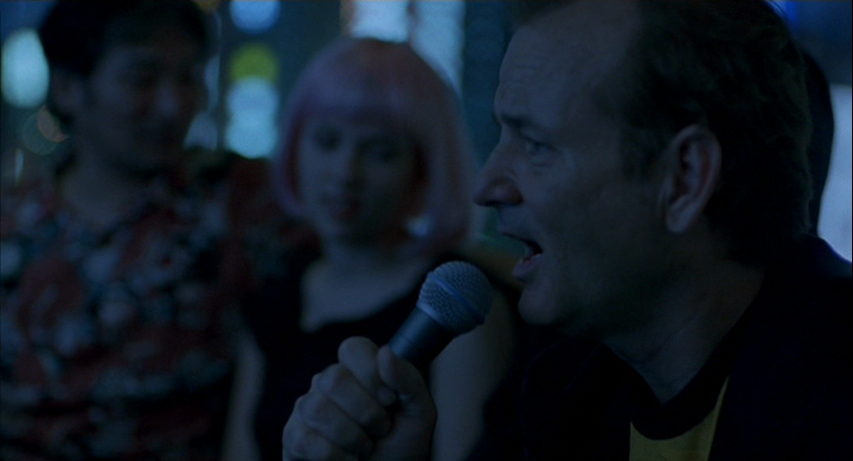

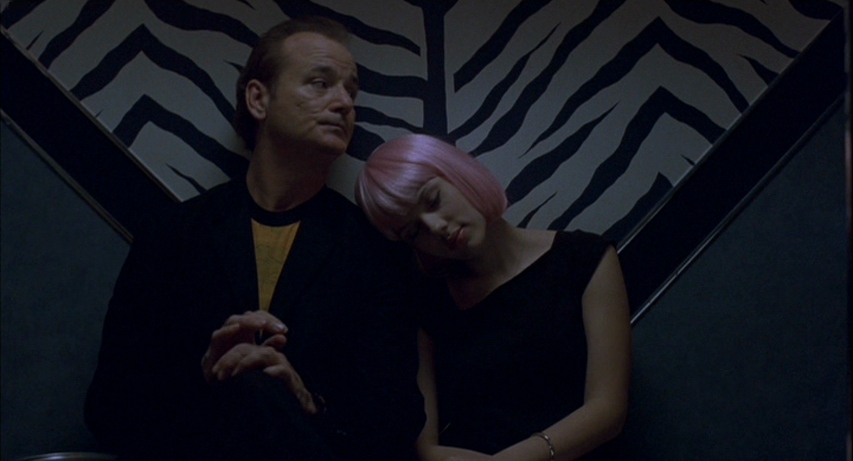
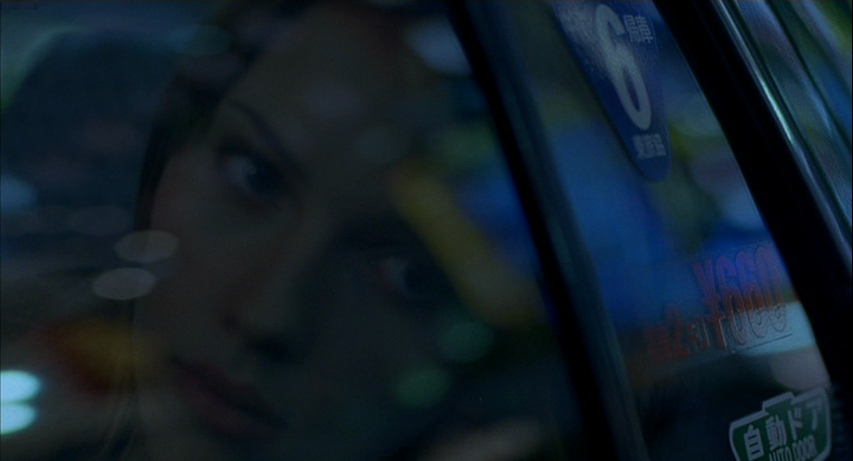

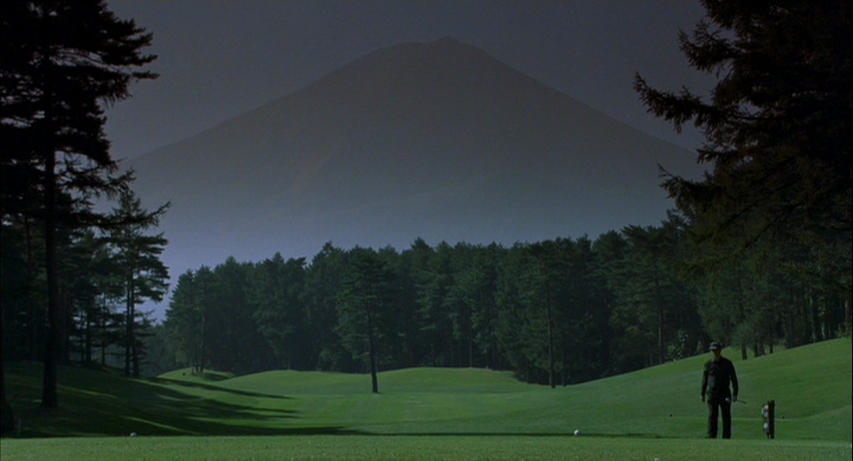
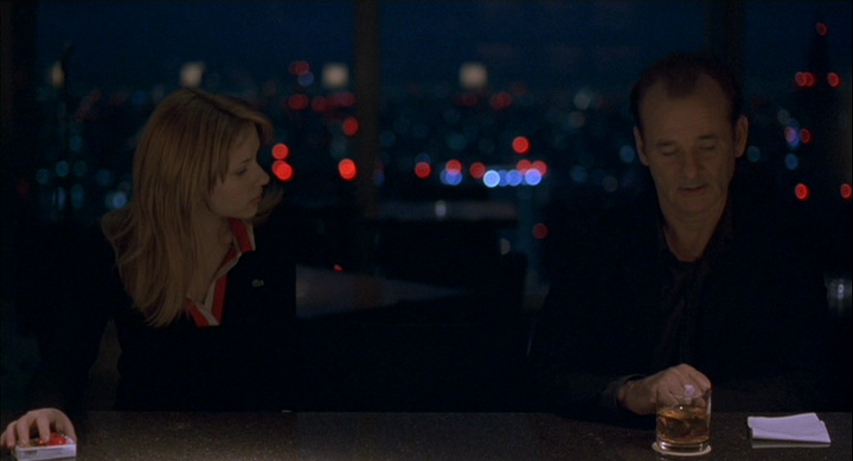
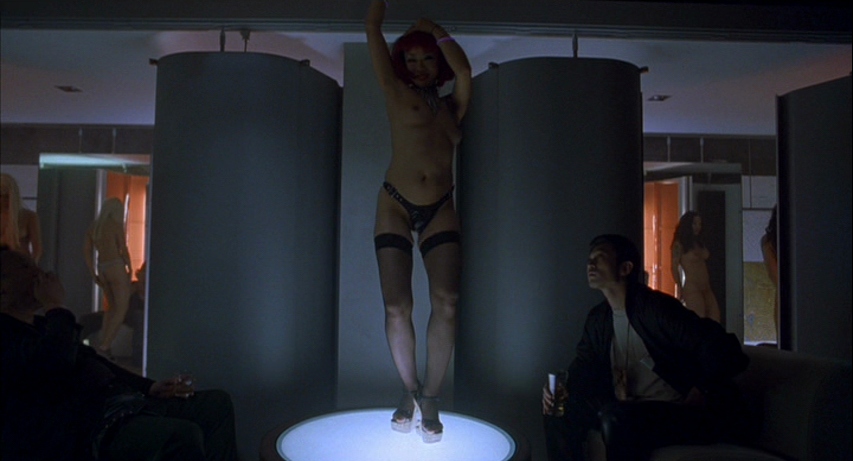
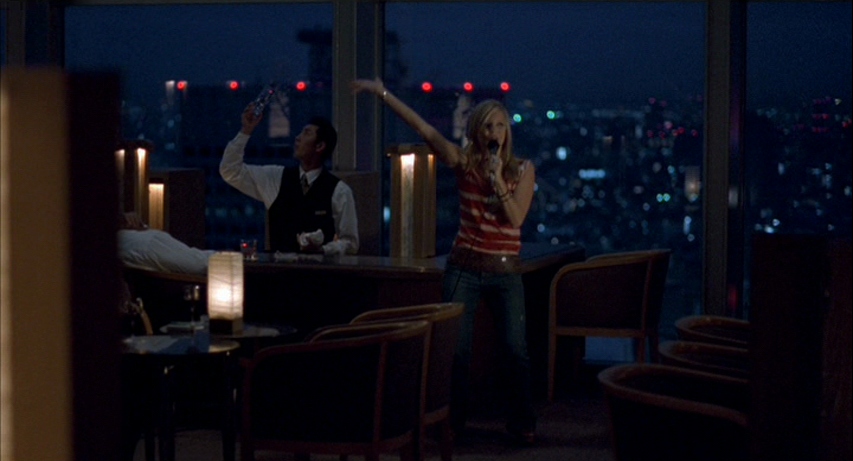
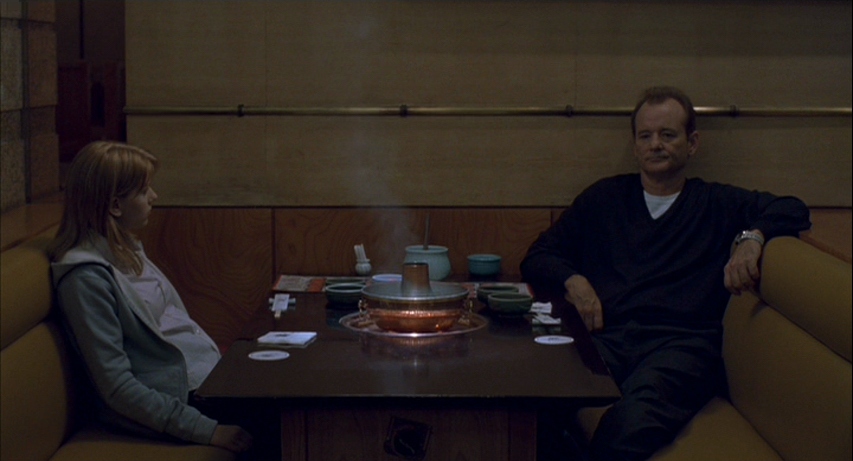
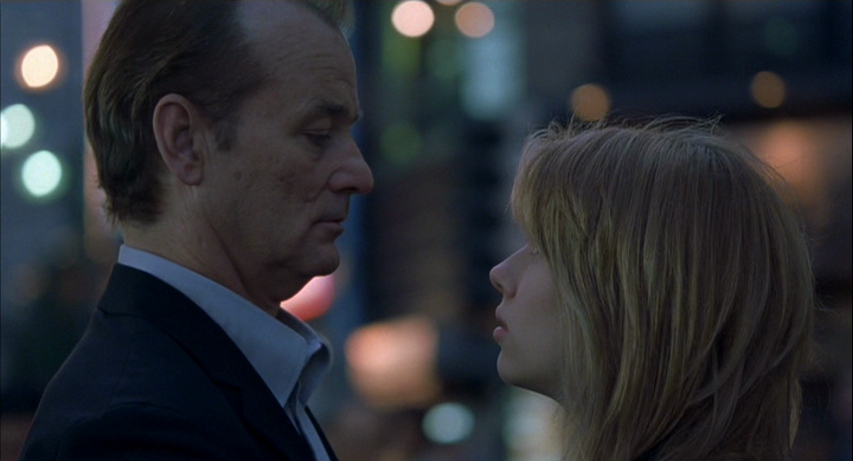
Bob and Charlotte first notice each other in the hotel bar, where their mutual sense of isolation draws them together. Their connection develops gradually through quiet conversations, shared insomnia, and late-night adventures across Tokyo. They explore karaoke bars, arcades, restaurants, and glittering streets, finding comfort in their shared feelings of displacement. Despite their age difference and varying life stages, they form a deep emotional intimacy built on humor, vulnerability, and understanding.
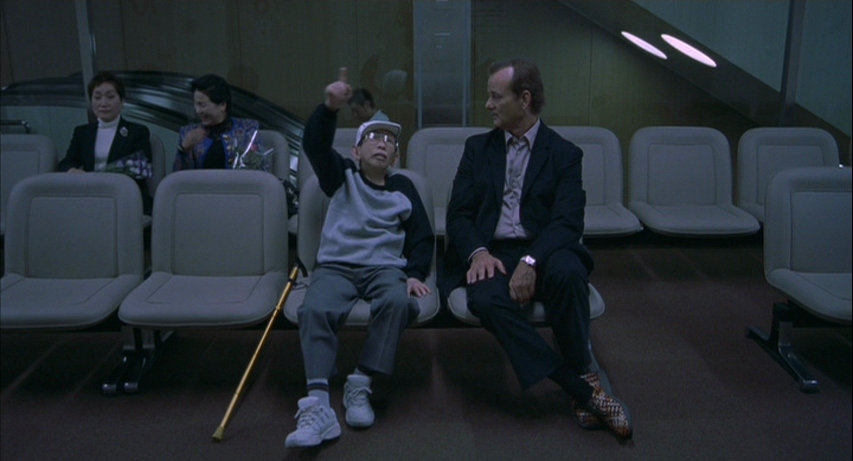

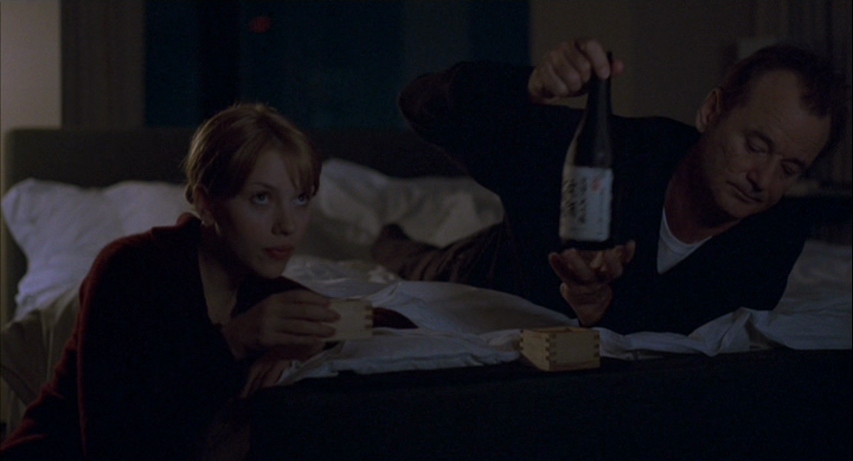
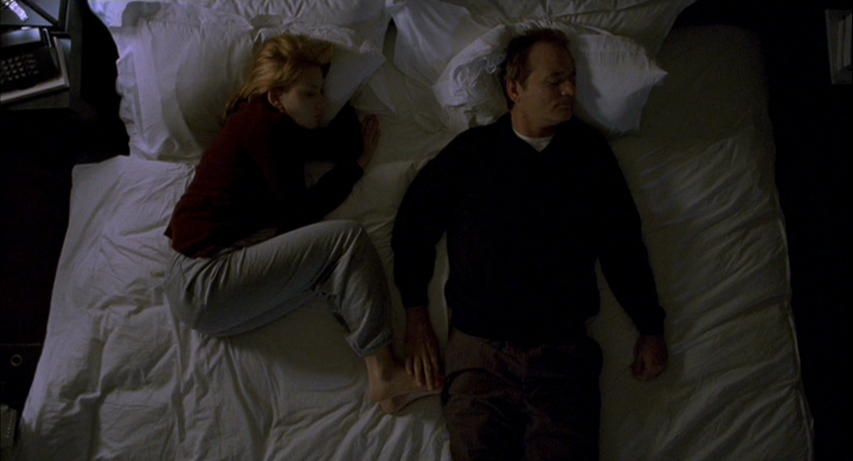
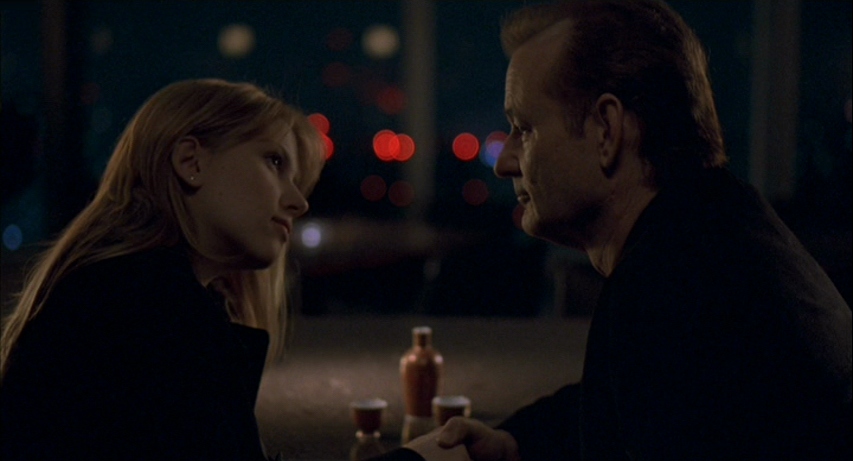
As Bob and Charlotte spend time together, Bob starts to rediscover a sense of vitality and connection, while Charlotte gains clarity about her own life and relationships. Their bond is delicately platonic yet emotionally profound, characterized by unspoken feelings and fleeting moments of closeness.



Eventually, Bob’s commercial shoot wraps up, and he prepares to leave Tokyo. The inevitability of their separation highlights the film’s central themes of transience and connection. In a quiet, poignant farewell, Bob and Charlotte share an emotional goodbye that culminates in an intimate, whispered exchange—deliberately left unheard—before he departs.

“Lost in Translation” is celebrated for its understated storytelling, atmospheric cinematography, and subtle performances — a film that lingers in the mind long after it ends, much like the fleeting connections it so tenderly portrays.