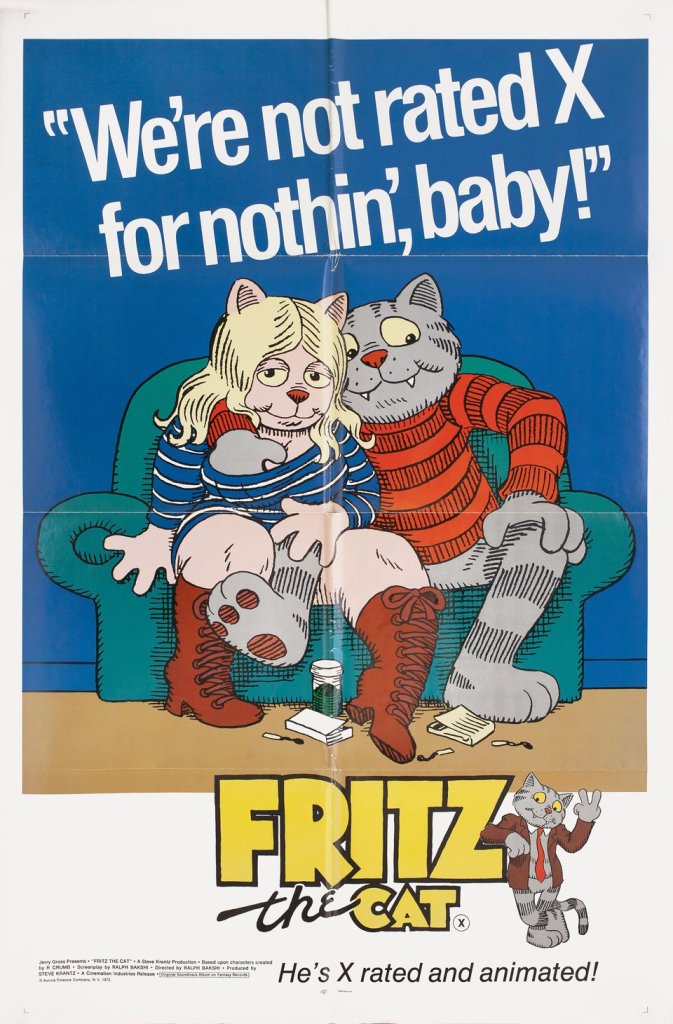
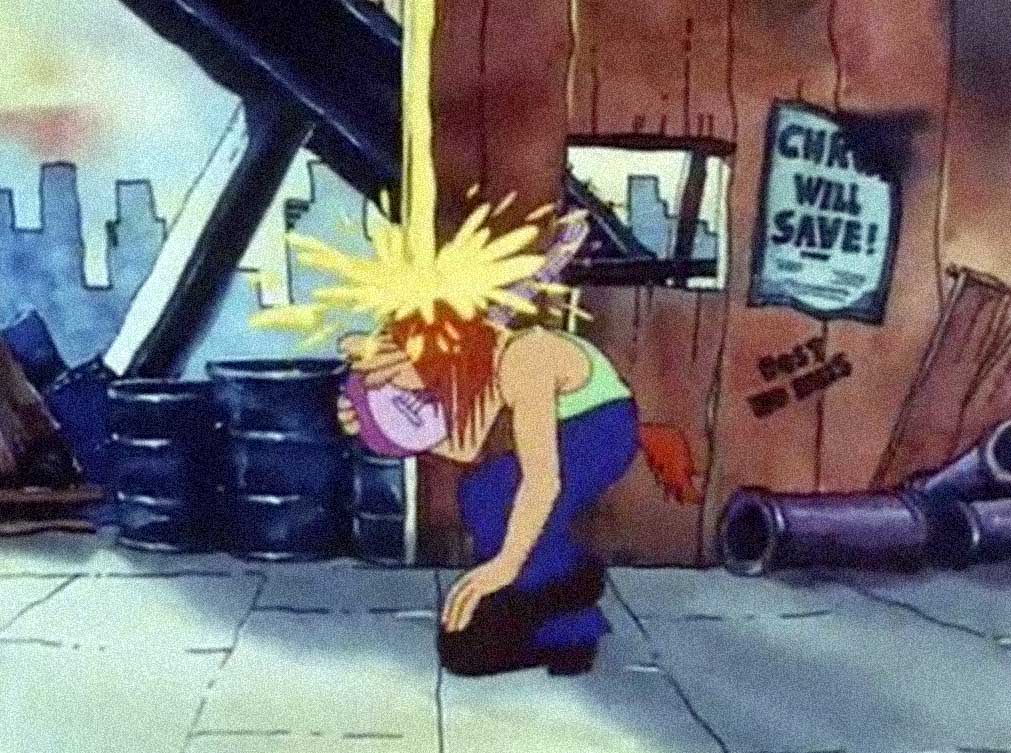
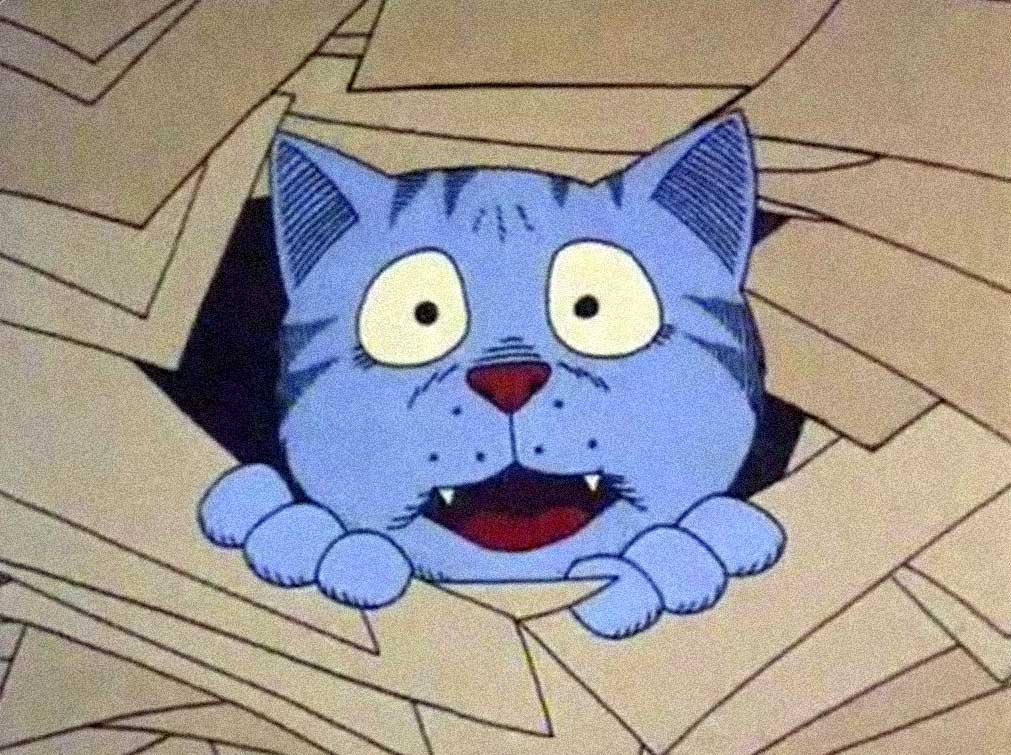
“Fritz the Cat” (1972) is an adult animated satirical comedy directed by Ralph Bakshi. It is based on the underground comic character created by Robert Crumb. The film features voice performances by Skip Hinnant, Rosetta LeNoire, John McCurry, and Phil Seuling. Notably, it is the first animated feature to receive an X rating in the United States. The film uses anthropomorphic animals to satirize American society during the tumultuous late 1960s and early 1970s.
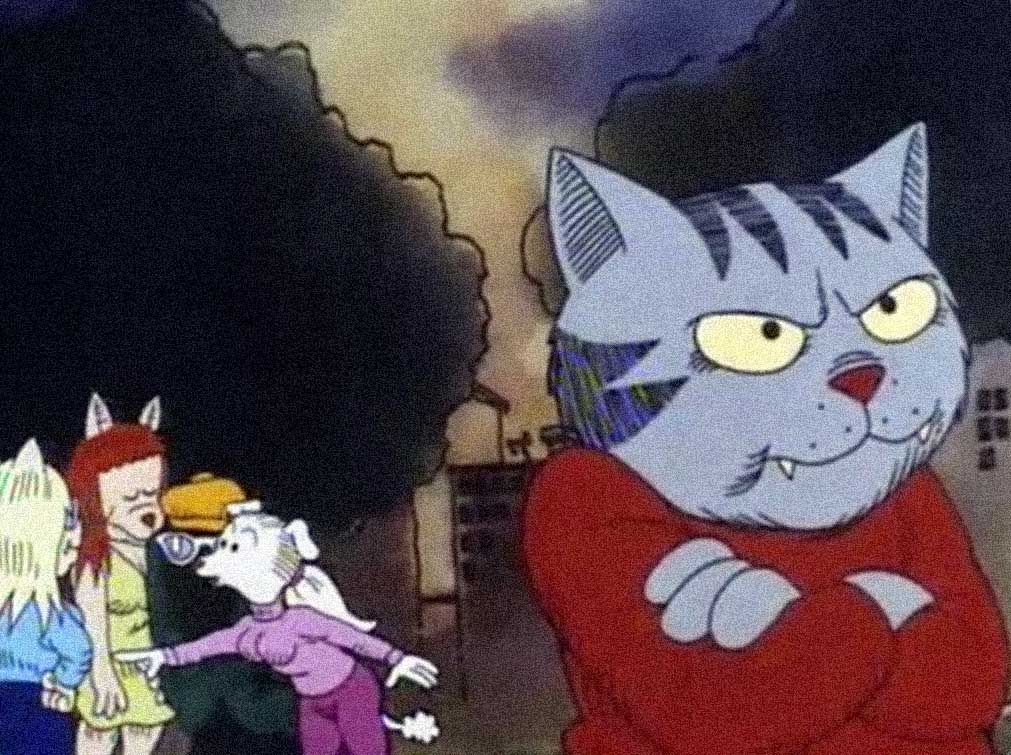
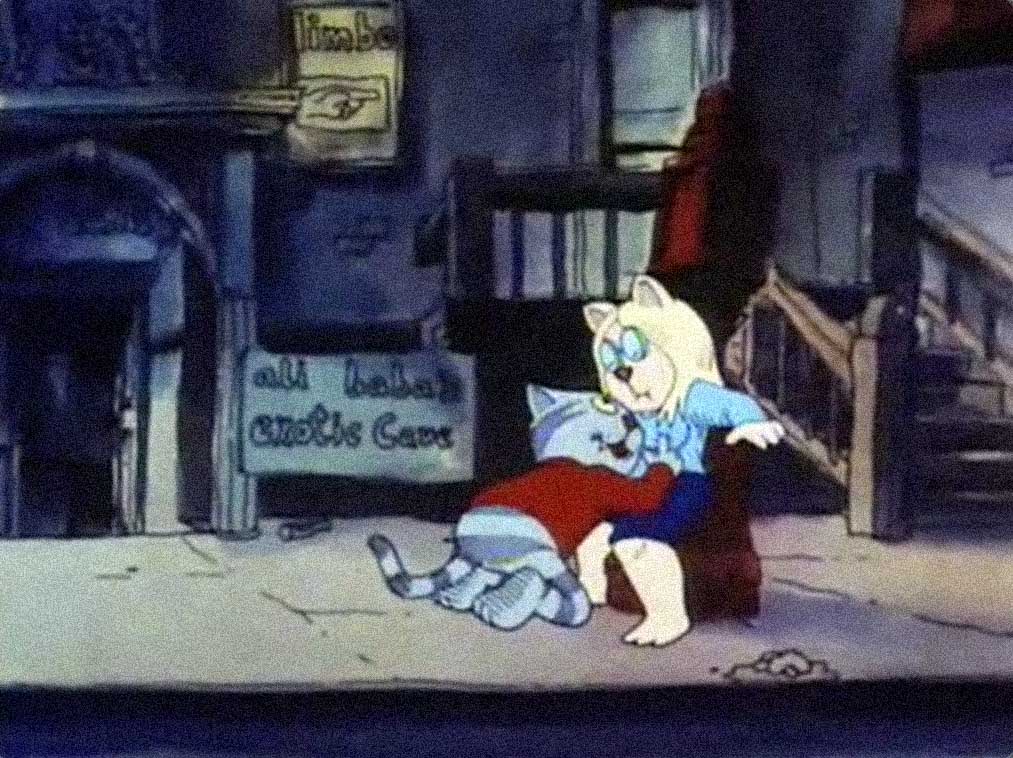
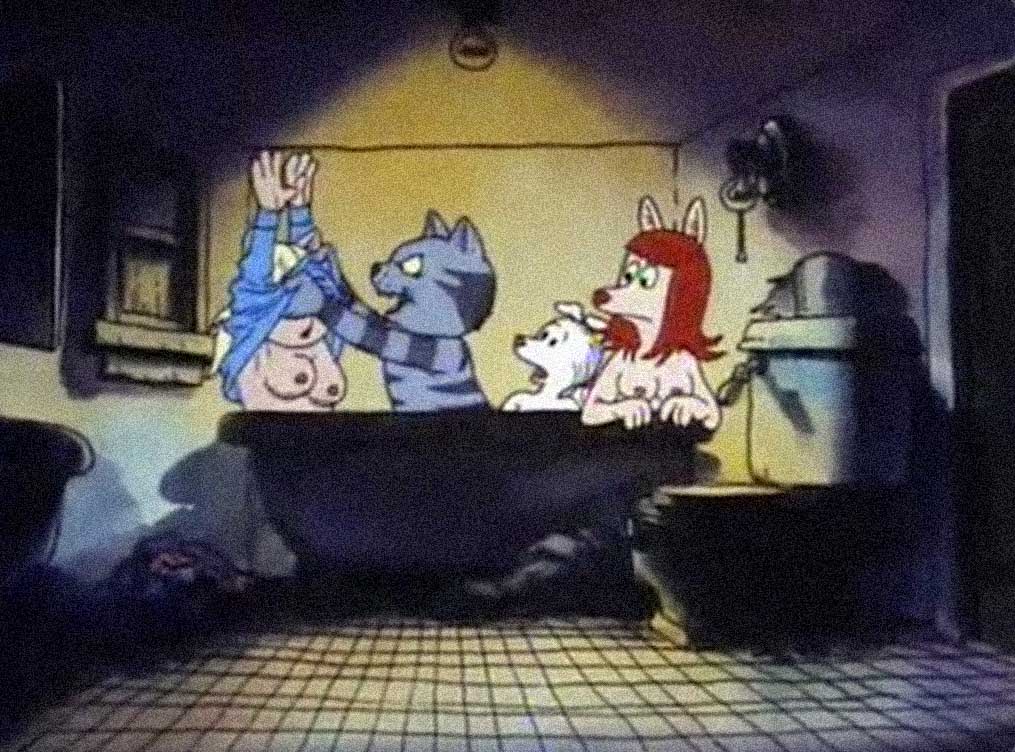
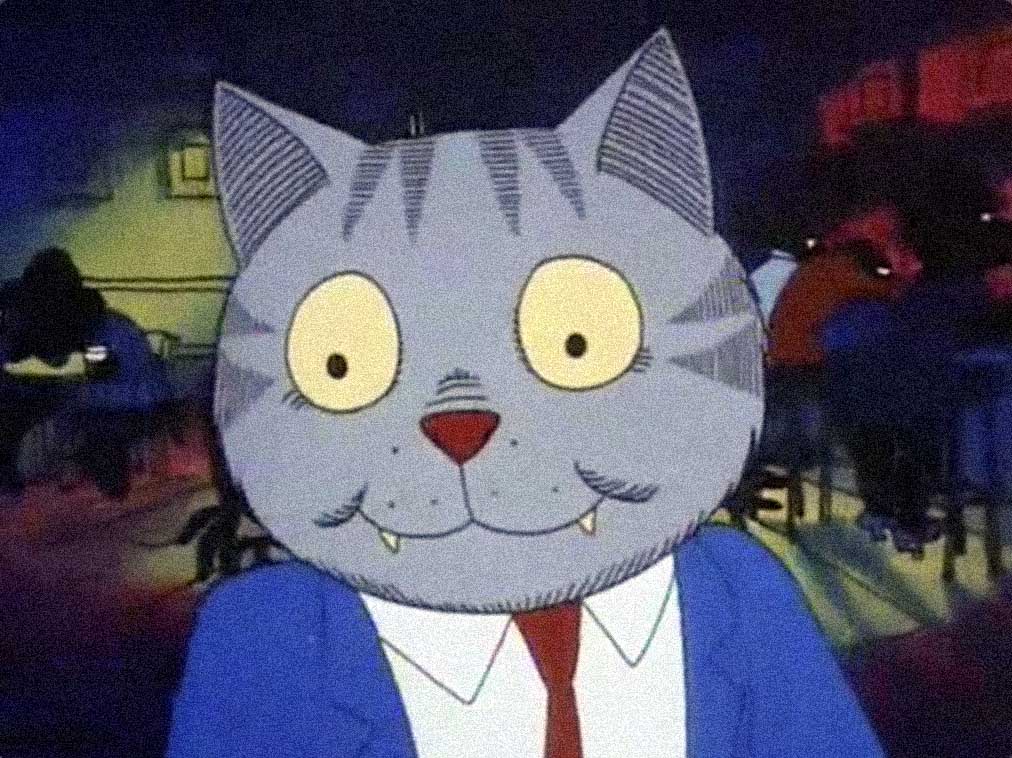
The story revolves around Fritz, a slick, streetwise college student voiced by Skip Hinnant. He lives in a version of New York City populated entirely by anthropomorphic animals, each representing a different social group. Fritz is a cynical, self-indulgent cat who drifts through life in pursuit of pleasure, excitement, and sexual encounters, while avoiding responsibility and commitment.
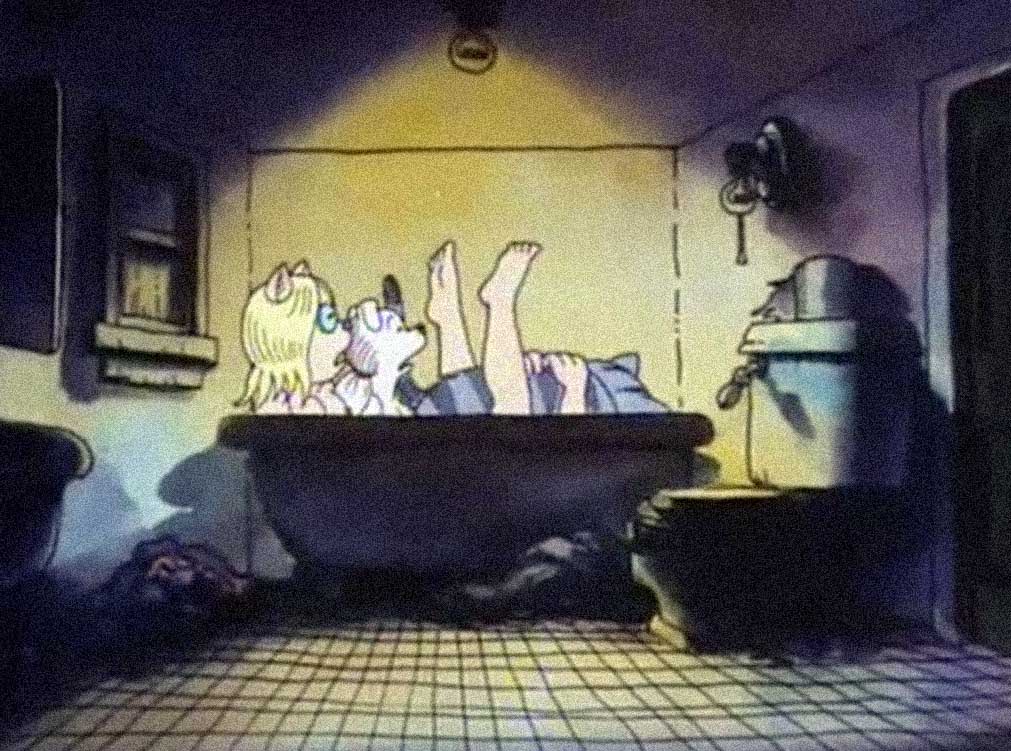
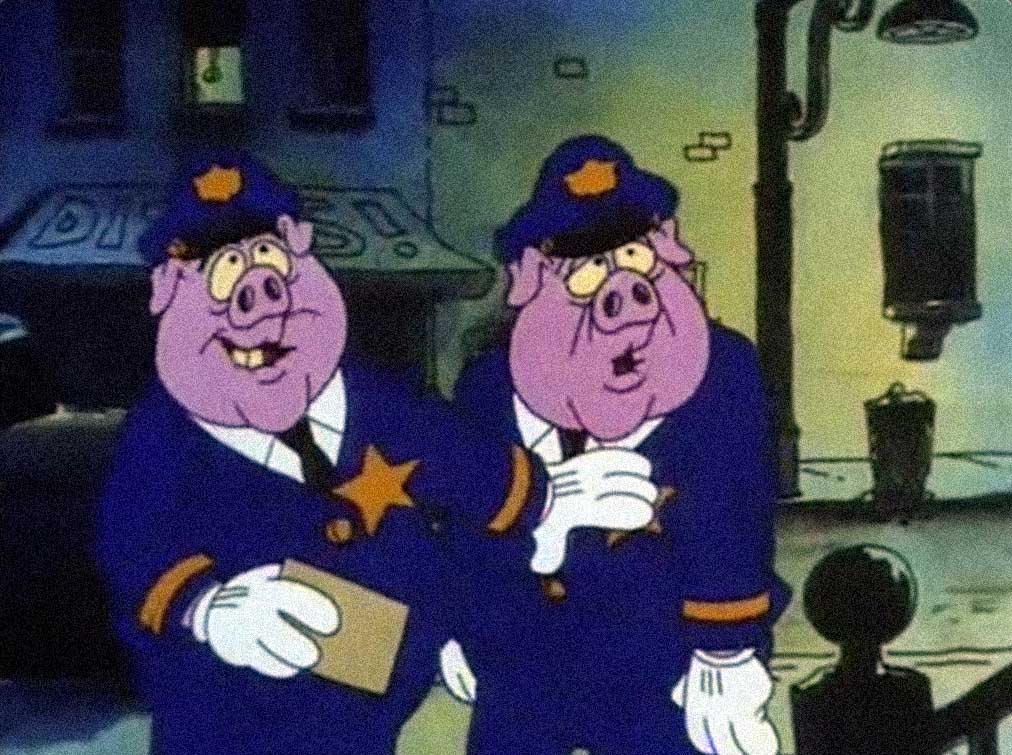
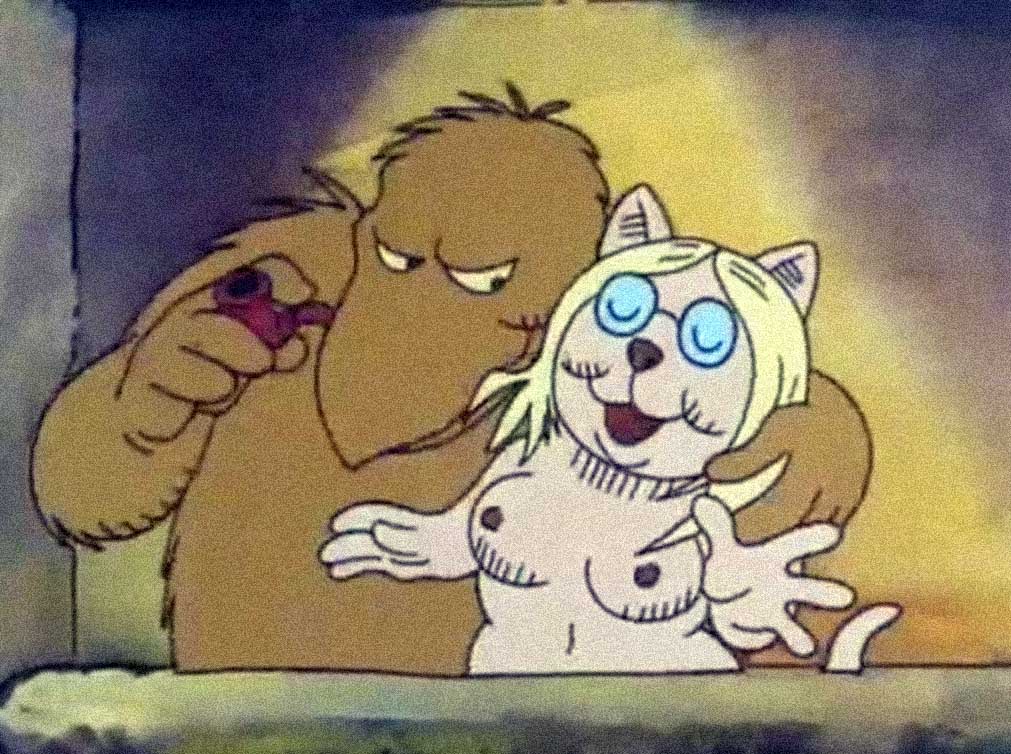
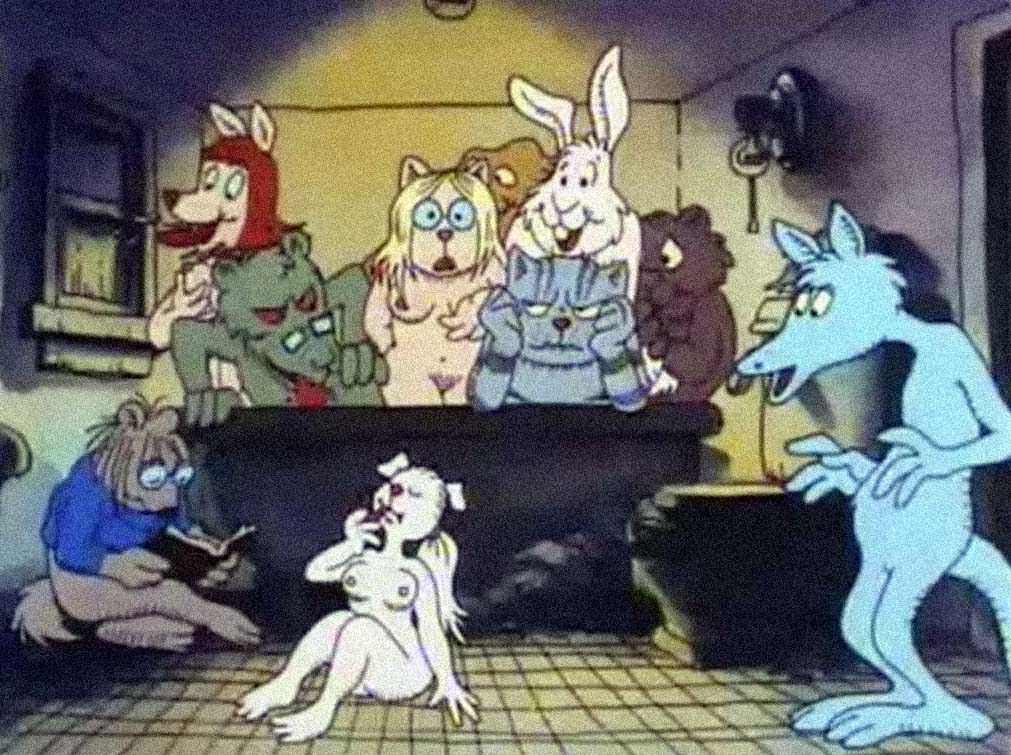
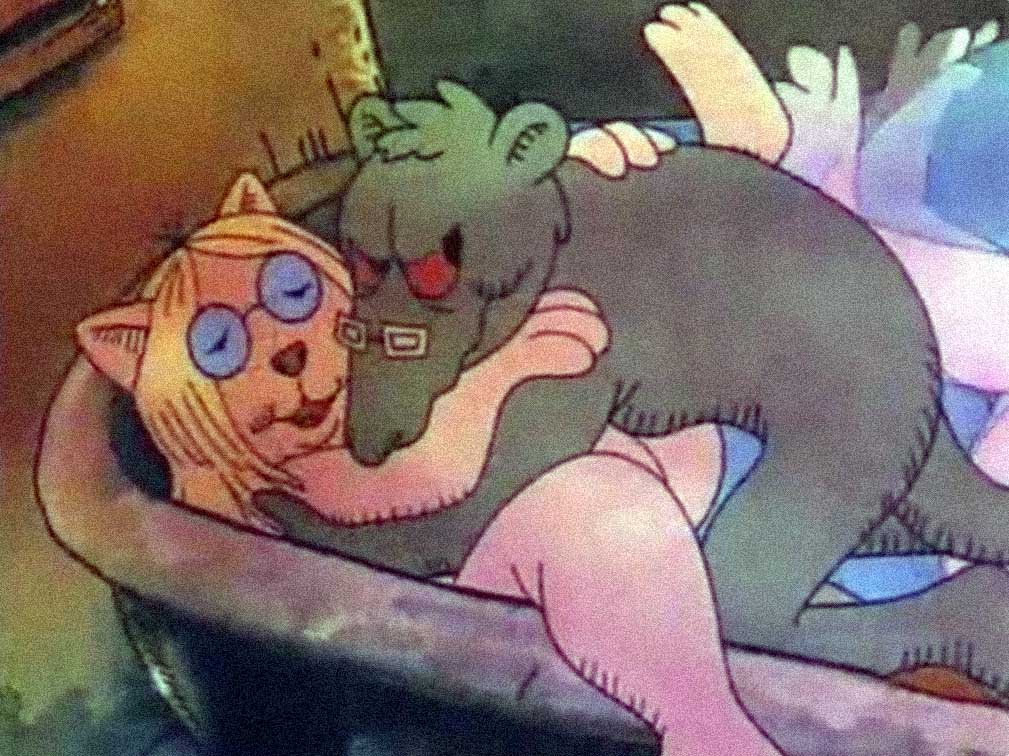
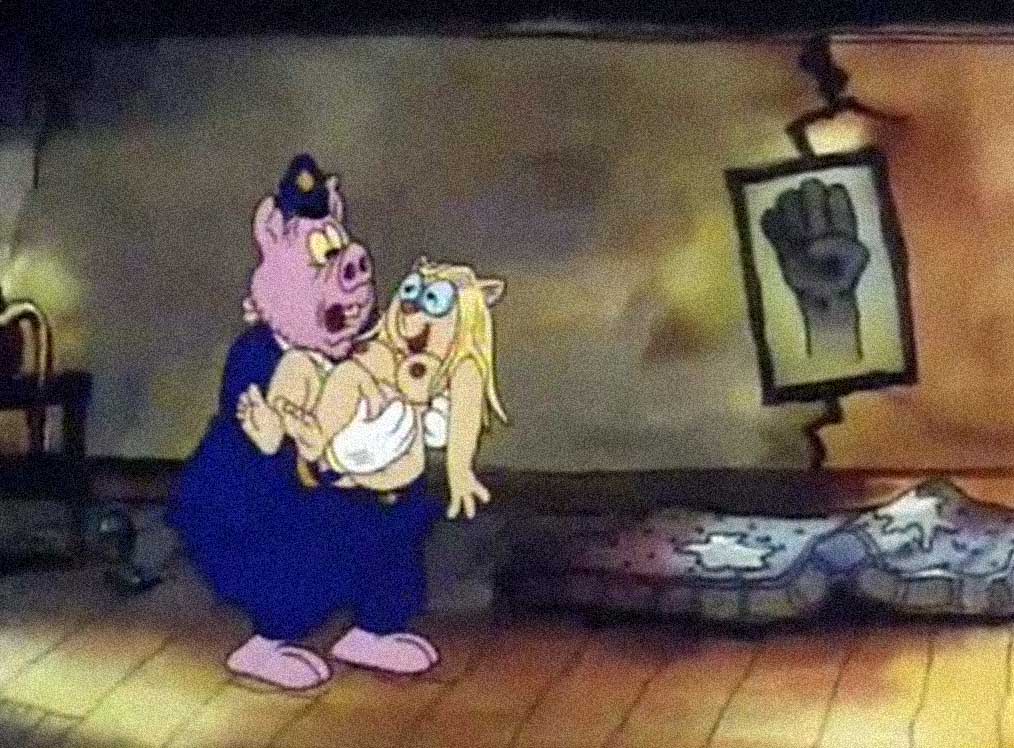
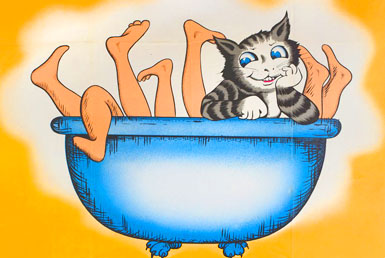
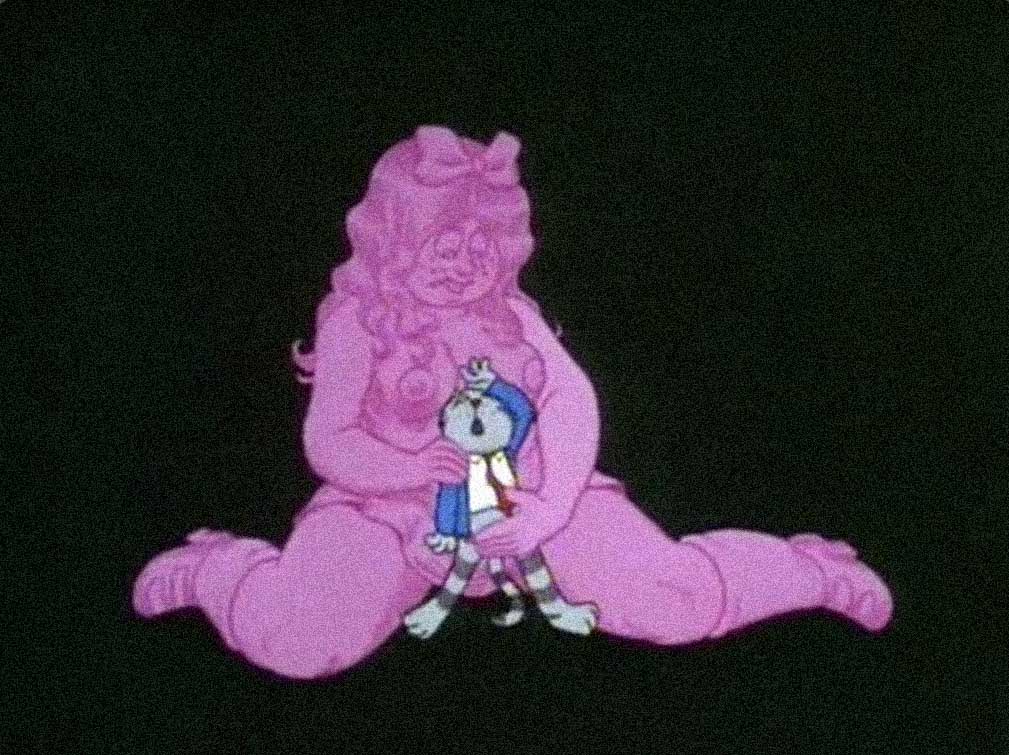
The film begins in Washington Square Park, where Fritz interacts with a group of young female college students. Using a combination of charm and manipulation, he persuades them to come with him to his small apartment for a wild party. What starts as a casual gathering quickly escalates into a drug-fueled orgy, as the characters indulge in alcohol, marijuana, and increasingly chaotic behavior. This scene establishes Fritz’s carefree, hedonistic attitude and showcases his ability to talk his way into situations while evading consequences.
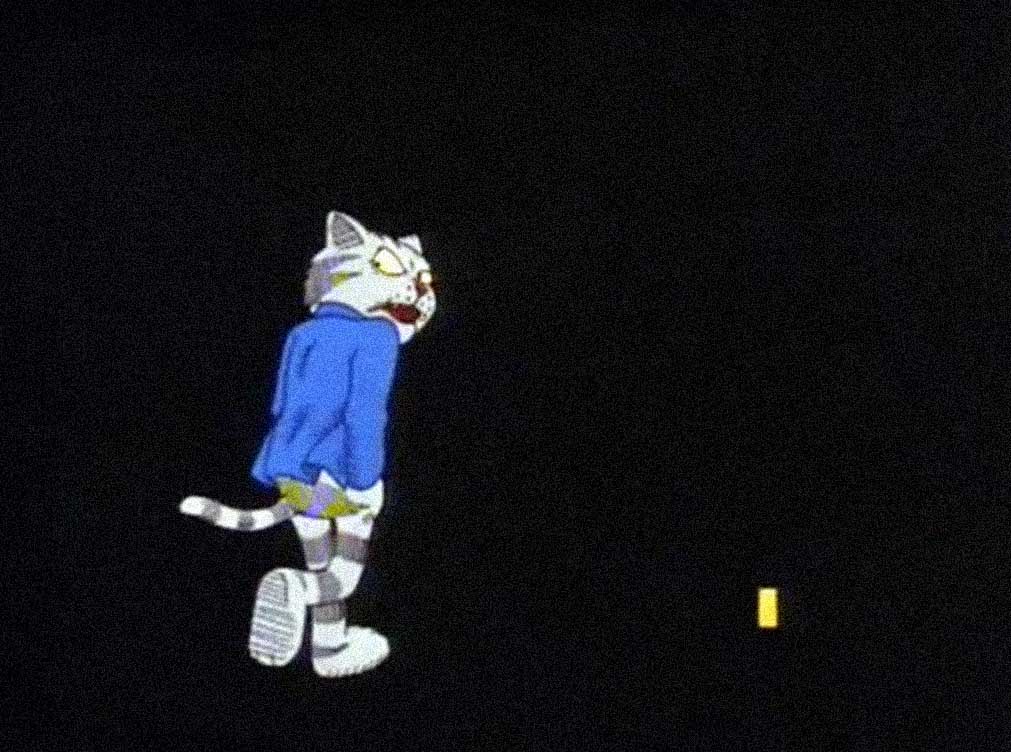
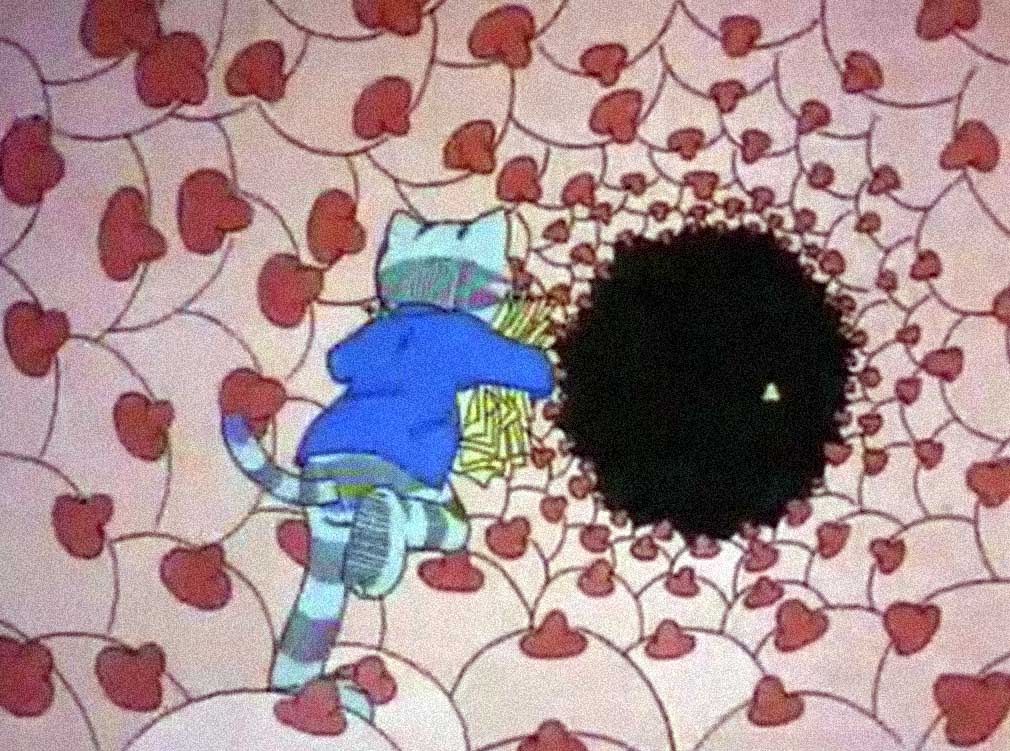
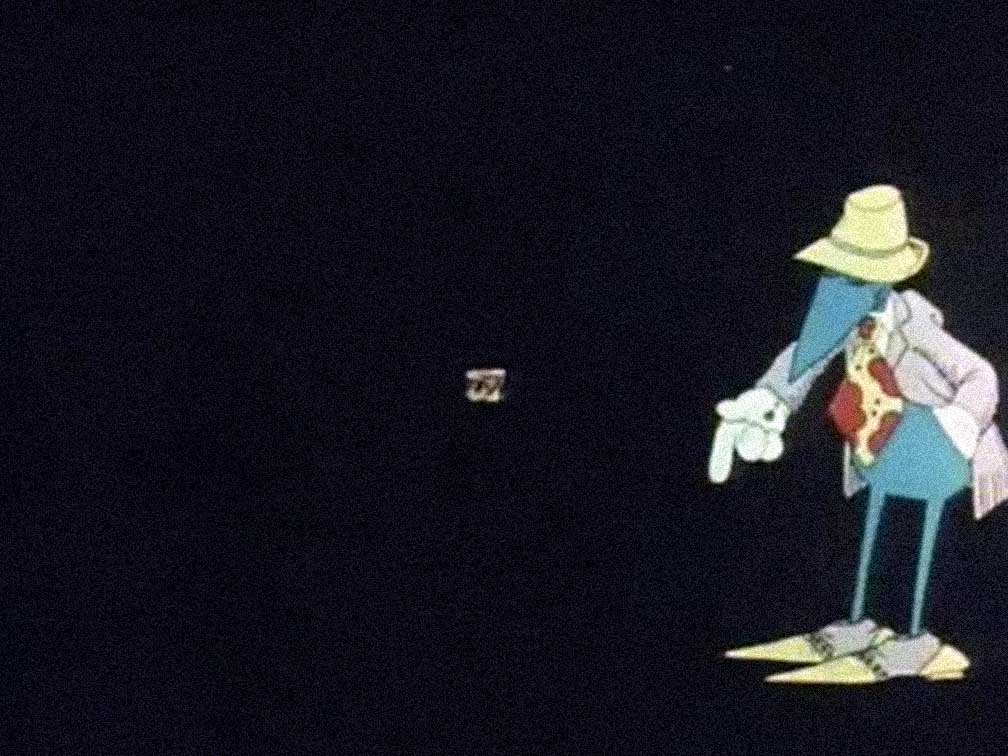
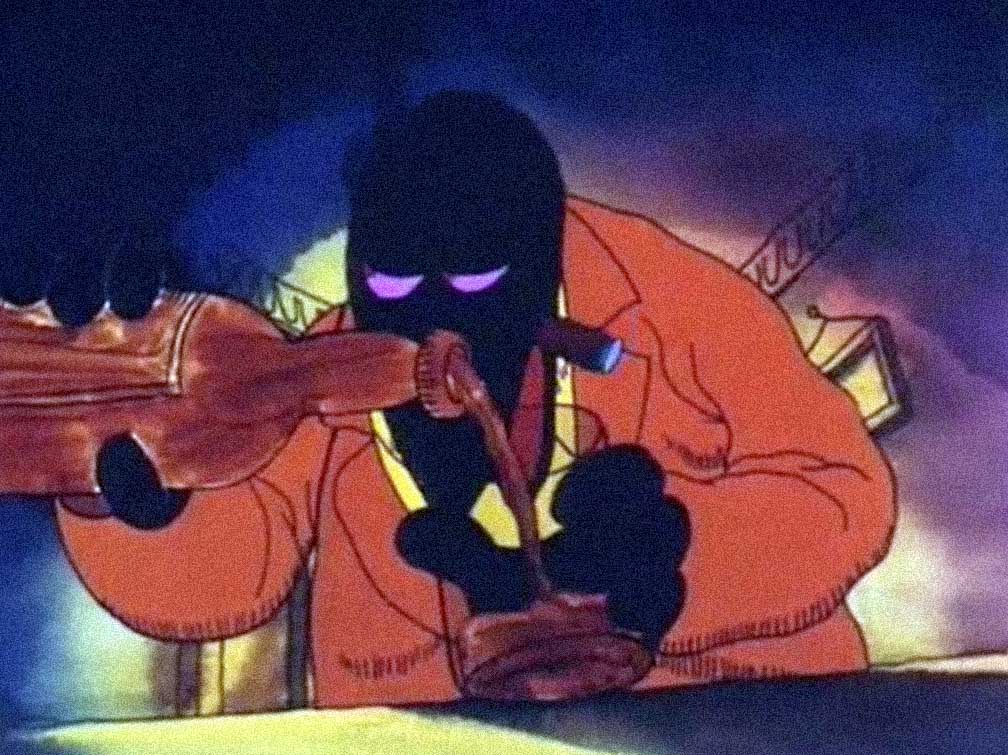
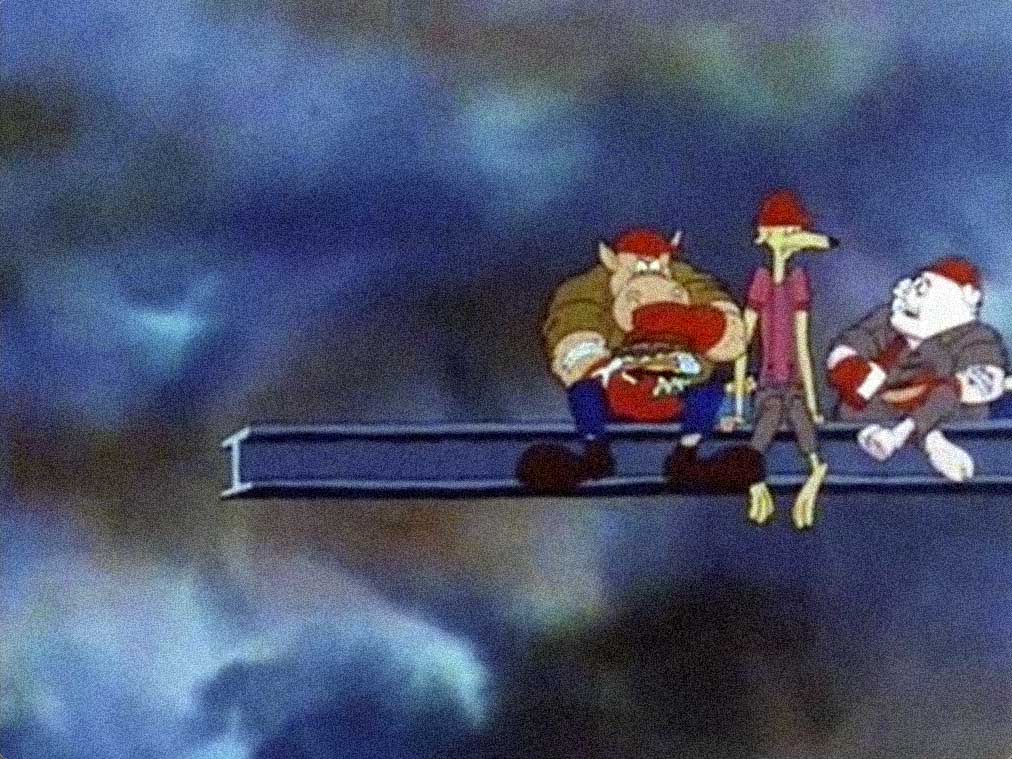
After the party gets out of control, Fritz flees the apartment and wanders through the city, encountering a variety of bizarre and politically charged environments. In one scene, he finds himself in Harlem, a predominantly Black neighborhood portrayed in the film as a place of crows. There, Fritz befriends Duke (voiced by John McCurry), a militant crow involved in revolutionary politics. Duke is deeply disillusioned with racial inequality and is engaged in a plot to incite a violent uprising against the oppressive social order.

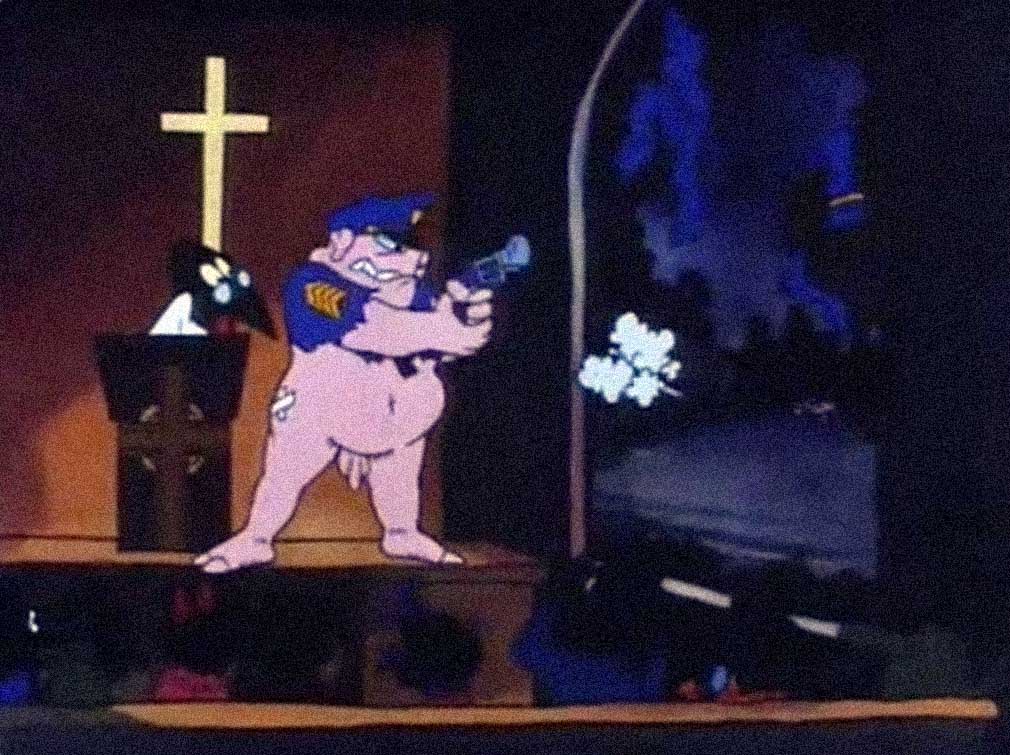
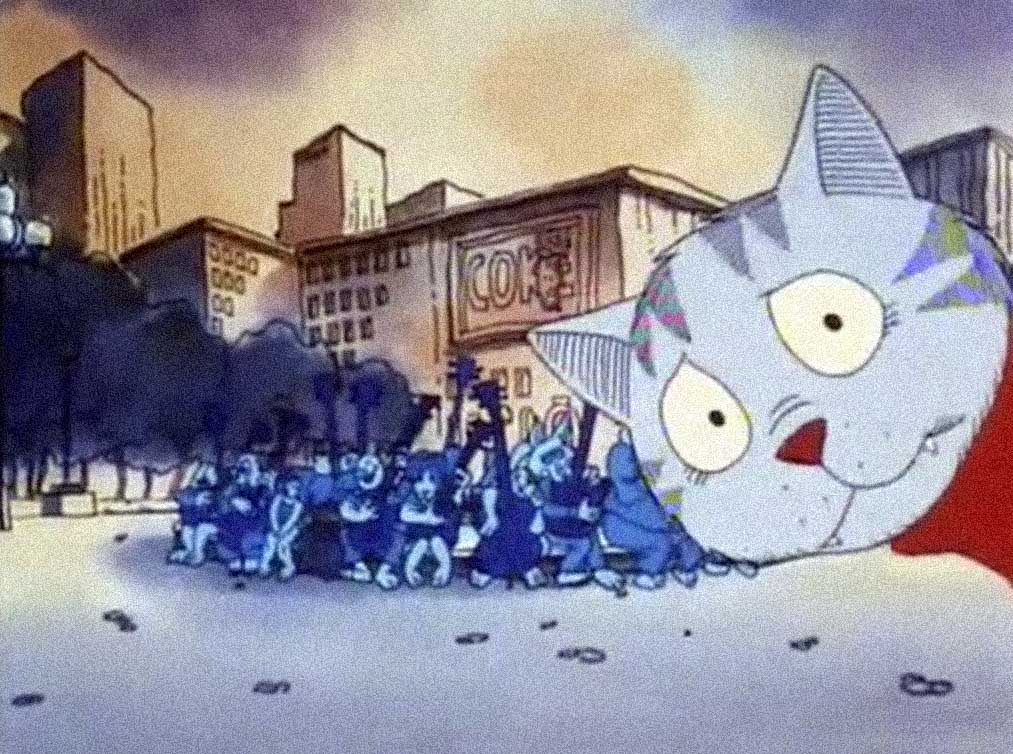
Fritz, initially captivated by Duke’s radical rhetoric, becomes involved with the revolutionary group out of curiosity rather than conviction. However, the situation escalates when a confrontation with the police leads to a riot that engulfs the neighborhood. Buildings are set ablaze, crowds clash with authorities, and the city briefly descends into chaos. Realizing the danger he has stumbled into, Fritz quickly decides to leave the movement and slips away, demonstrating his unwillingness to commit to any cause beyond his own pleasure.
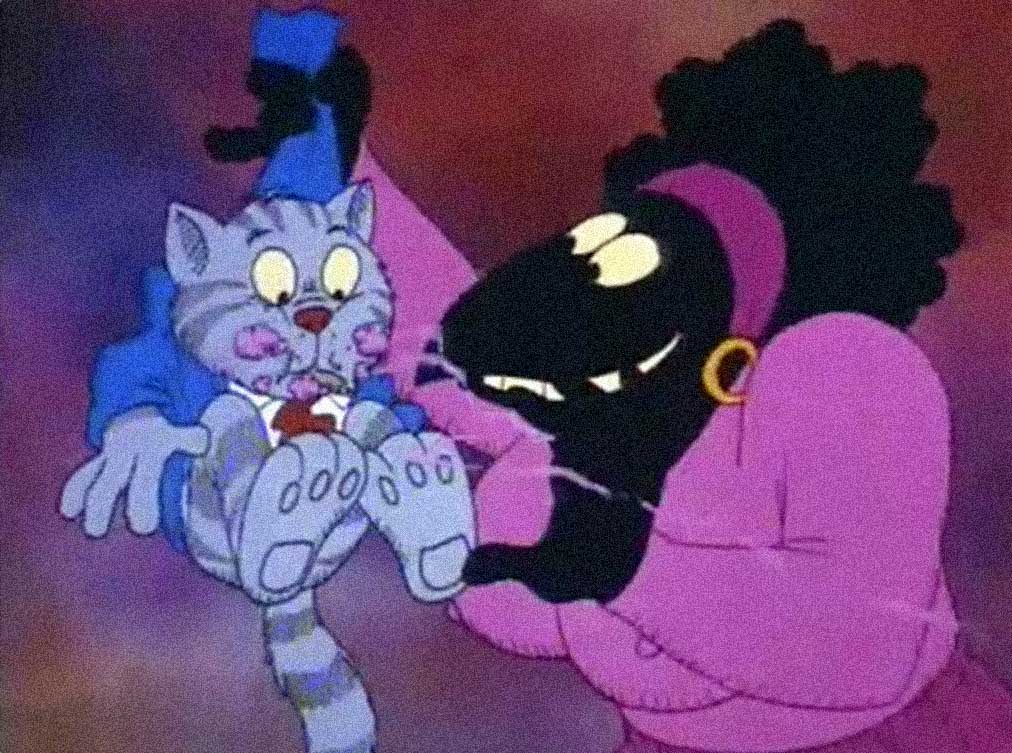
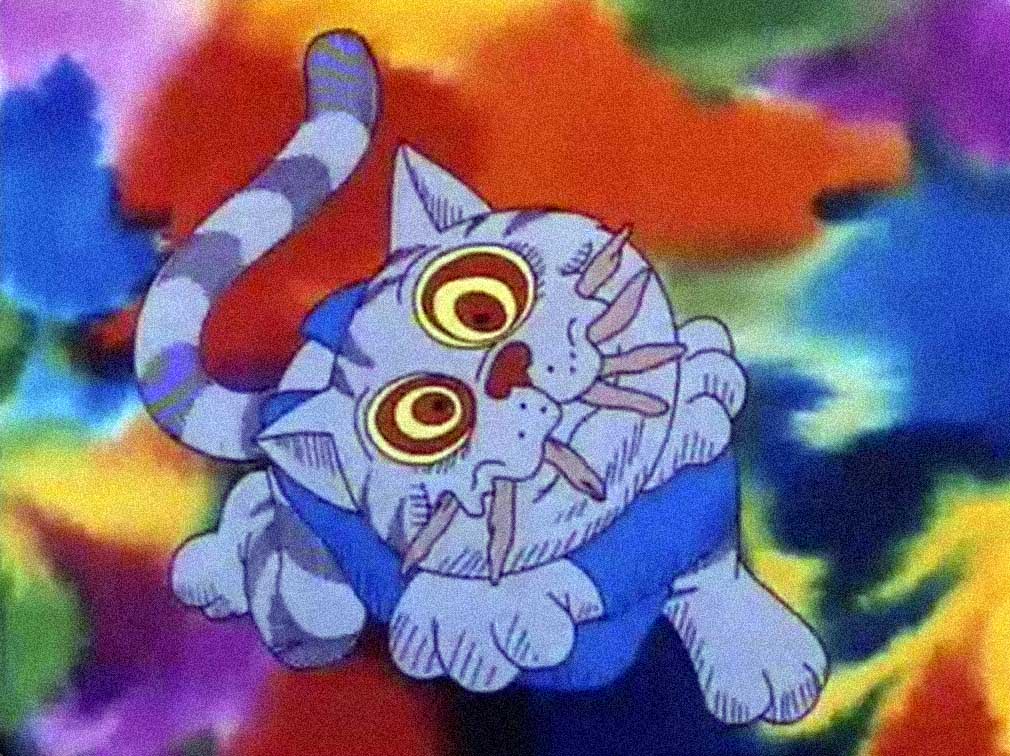
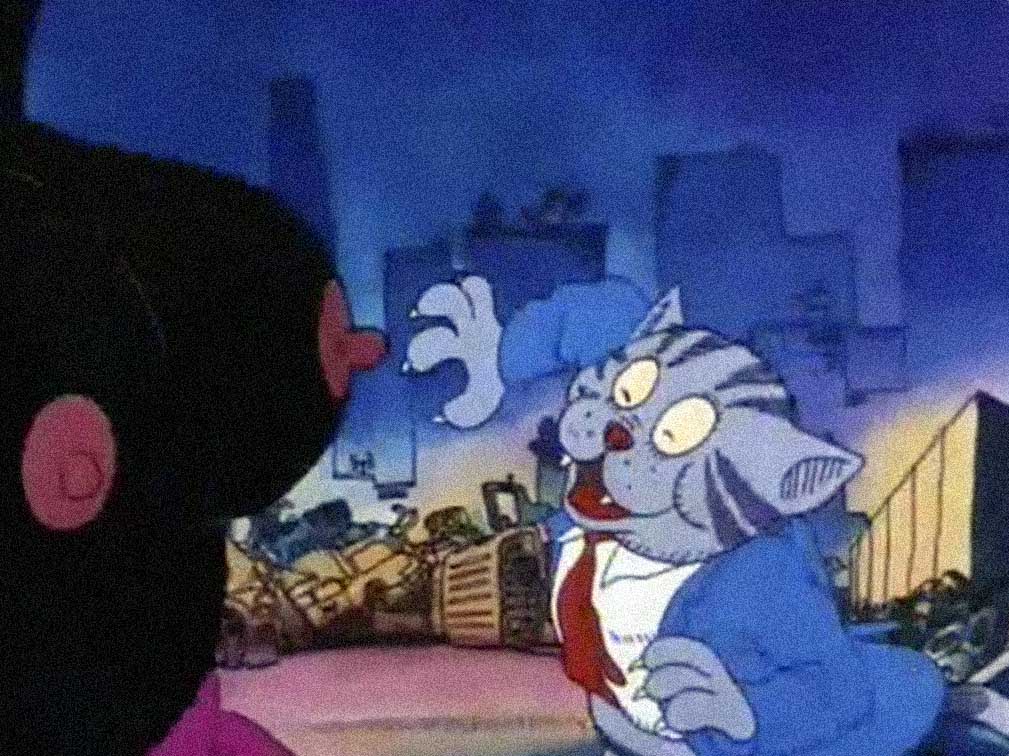
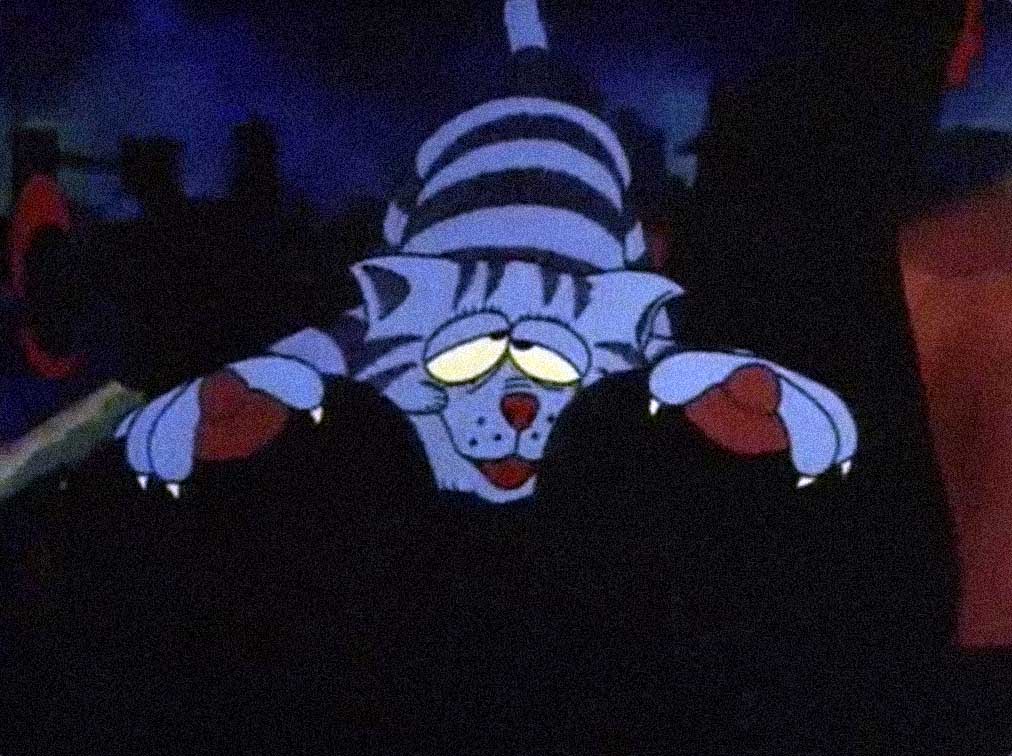
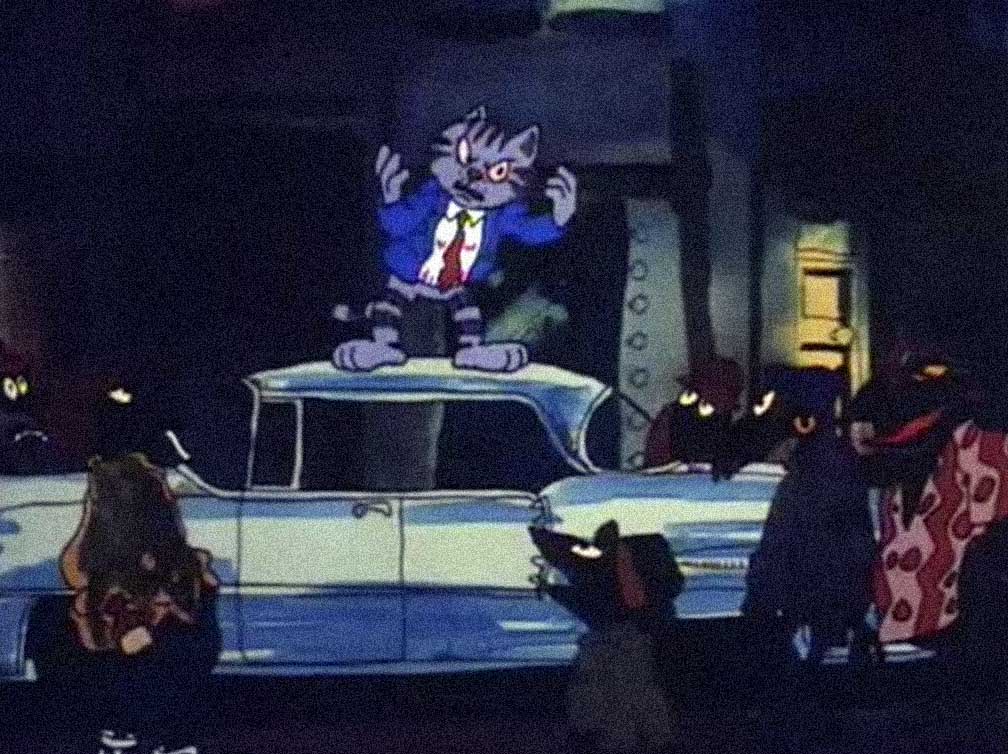
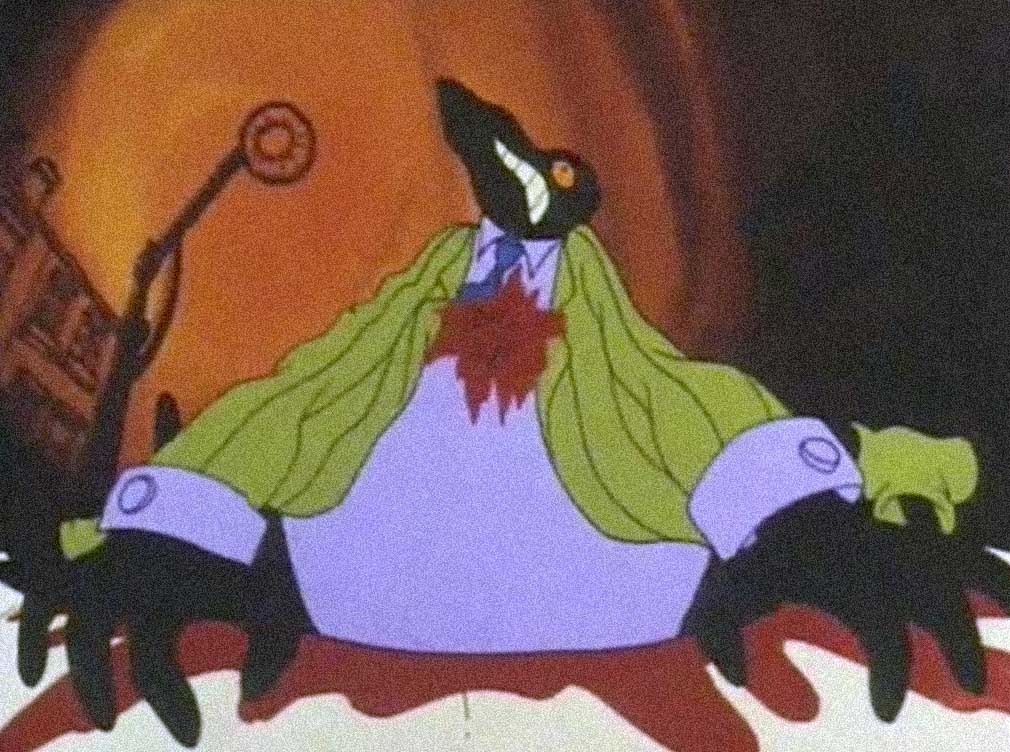
While trying to escape the chaos of his surroundings, Fritz encounters a drug-addicted female fox named Bertha (Rosetta LeNoire). Feeling a fleeting sense of sympathy, Fritz attempts to help her. However, their encounter leads to even more trouble when they accidentally destroy a synagogue while experimenting with explosives. This incident triggers a massive police manhunt, forcing Fritz and Bertha to flee the city.
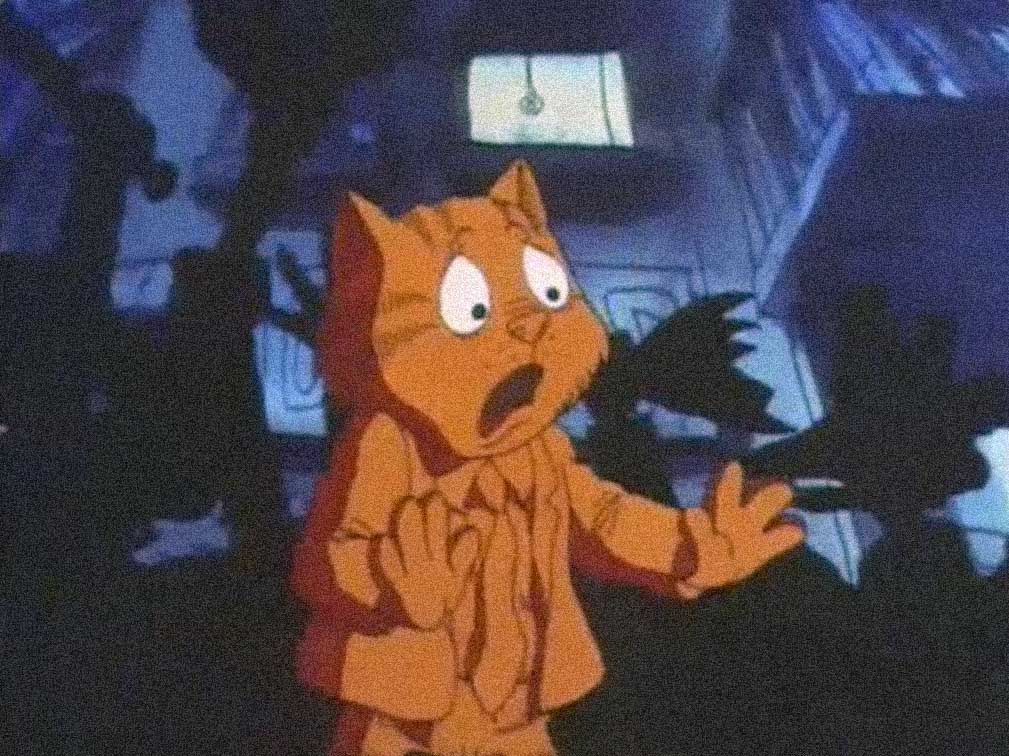
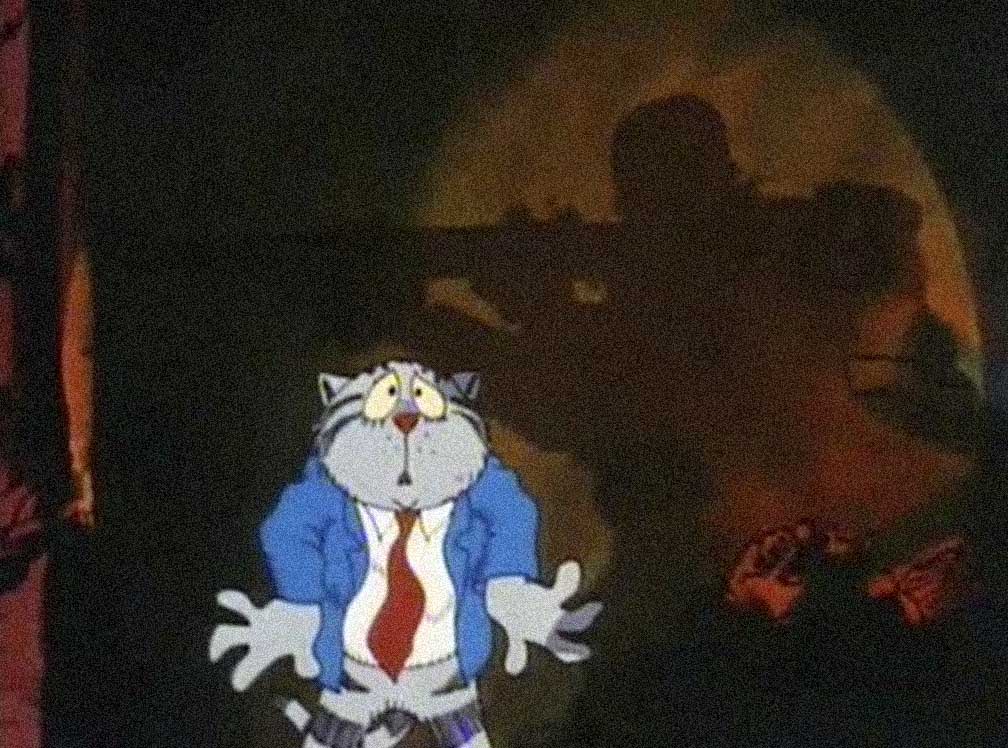
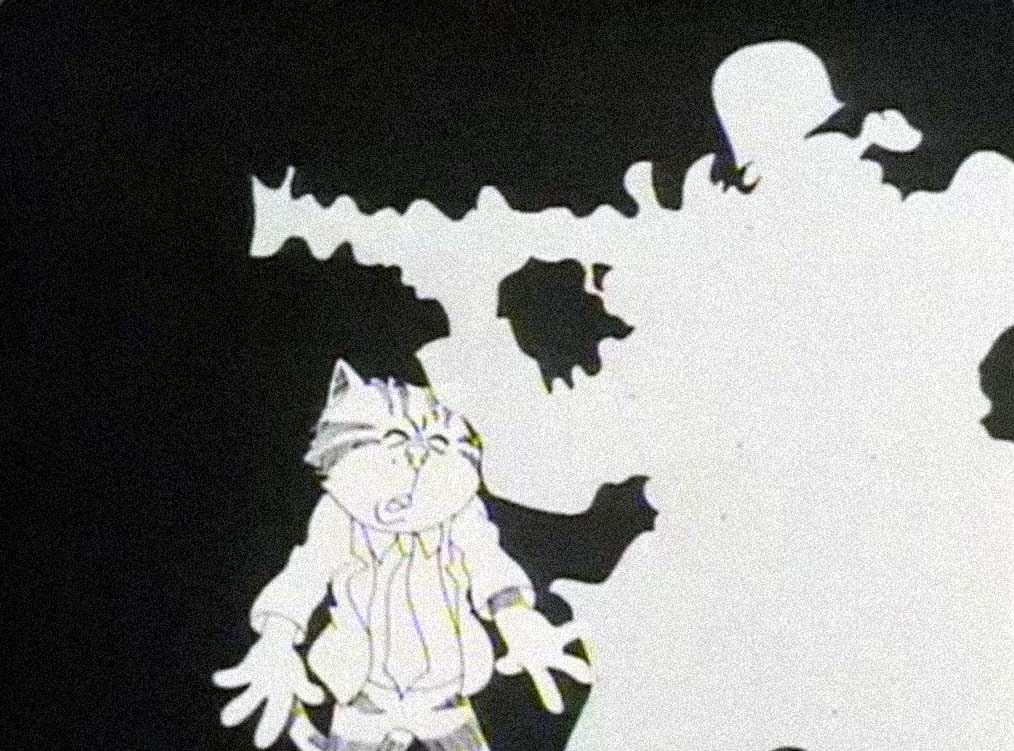
Eventually, the pair finds refuge in a rural area, where they spend time exploring the countryside. For a brief moment, Fritz seems to contemplate a quieter life away from the city’s turmoil. However, his restless nature soon takes over. When Bertha expresses her desire for stability and emotional connection, Fritz panics and pulls away, unwilling to accept responsibility for another person.

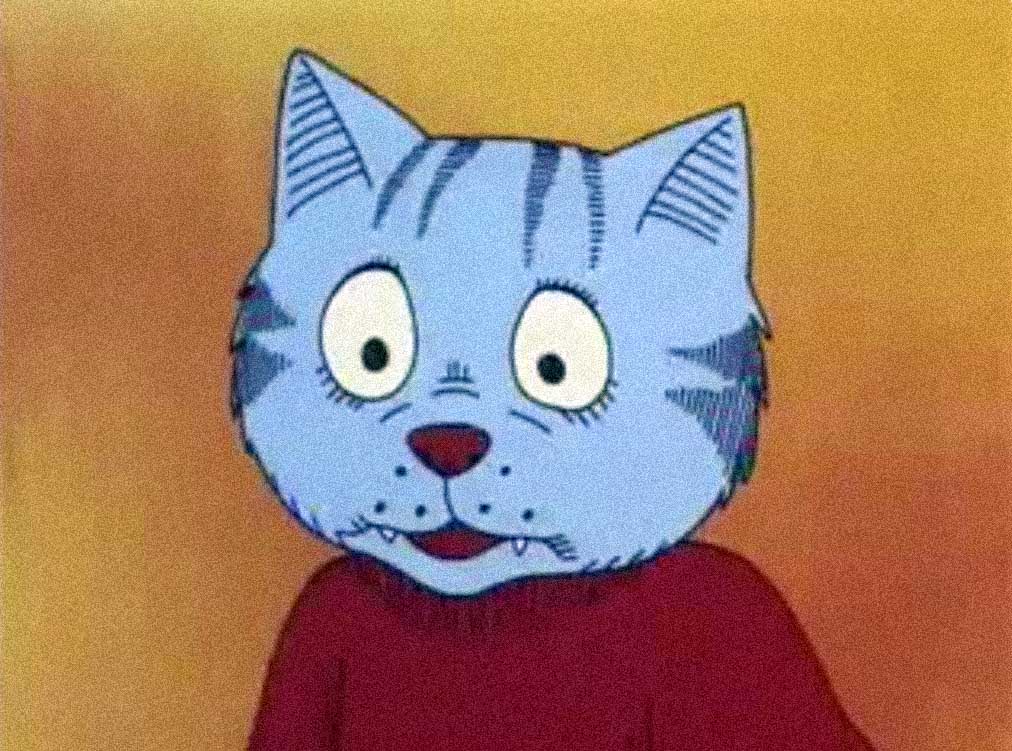
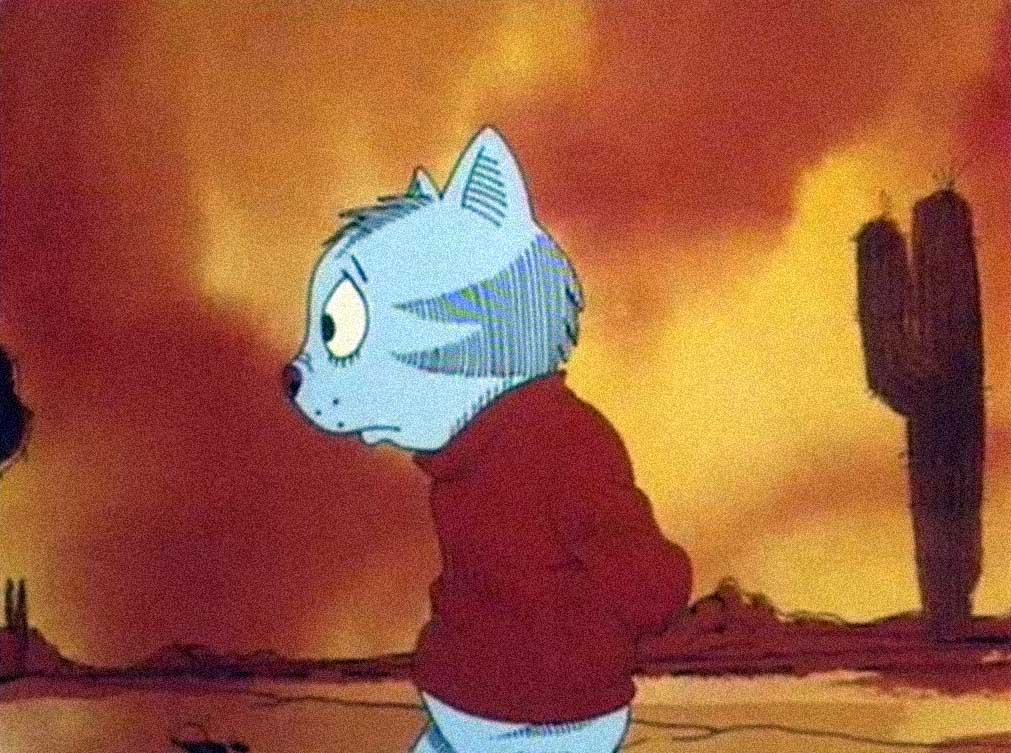

Eventually, Fritz returns to New York, feeling disillusioned and somewhat shaken by his experiences. In a moment of introspection, he begins to recognize the emptiness of his self-centered lifestyle. However, this realization remains ambiguous; Fritz’s personality suggests he will likely continue drifting through life as he has before.
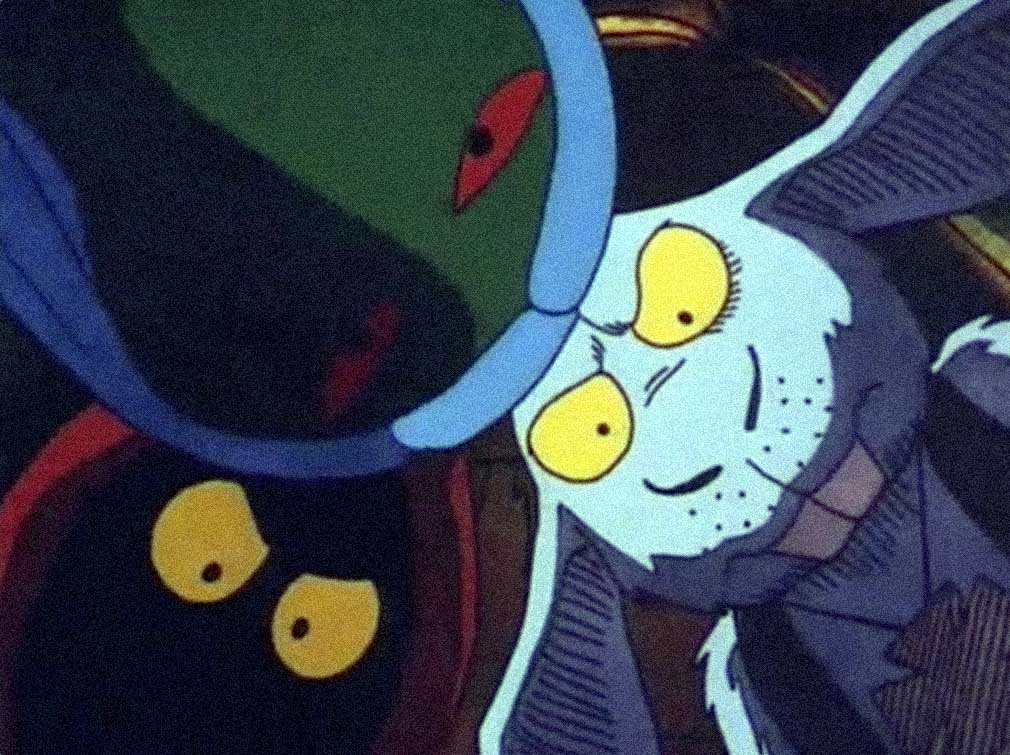

“Fritz the Cat” is a provocative satire that employs animal characters to comment on significant social issues of its time. The film captures the tensions of late-1960s America, including the counterculture and sexual revolution, racial conflict and urban unrest, and political radicalism and disillusionment, all under the banner of hedonism.

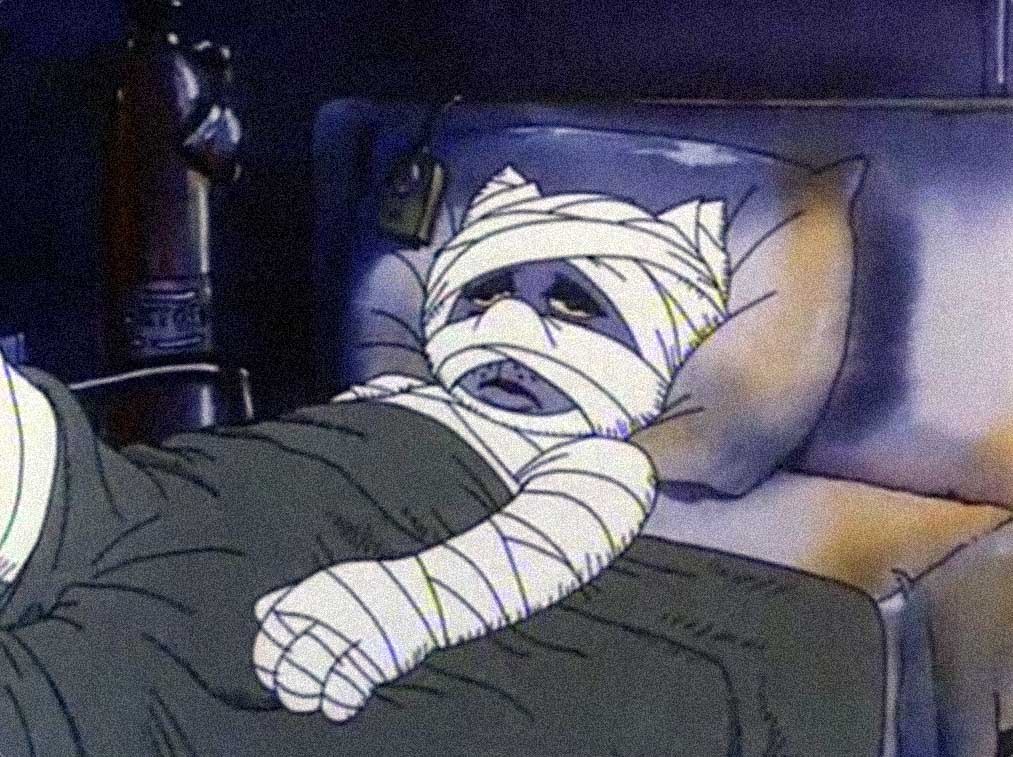
Despite its success, creator Robert Crumb famously disliked the adaptation and later killed off the character in his comic strips, distancing himself from the film’s interpretation of Fritz.
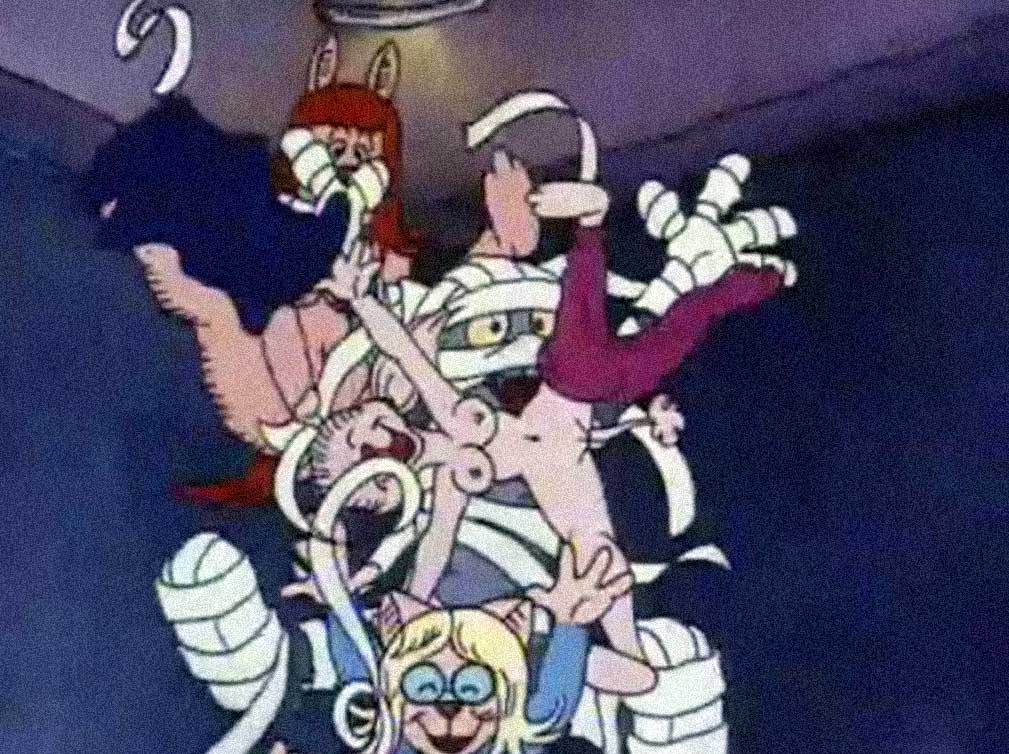

“Fritz the Cat” was a significant commercial success, earning far more than its modest budget. It demonstrated that animation could engage adult audiences and explore mature themes.
The film paved the way for later adult-oriented animation, including “Heavy Traffic,” another provocative film by Ralph Bakshi; “Heavy Metal,” a cult adult animated anthology; and television shows like “The Simpsons,” “South Park,” and “Family Guy,” which helped normalize animation aimed at adult viewers. Today, “Fritz the Cat” is often regarded as one of the most important early examples of adult animation in American cinema, despite its controversial politics, humor, and portrayal of race.