

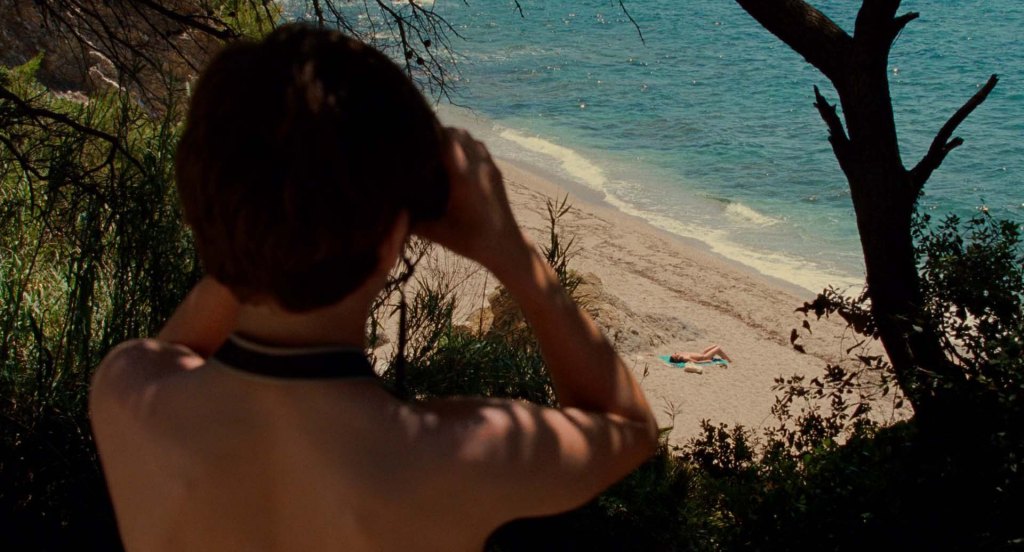

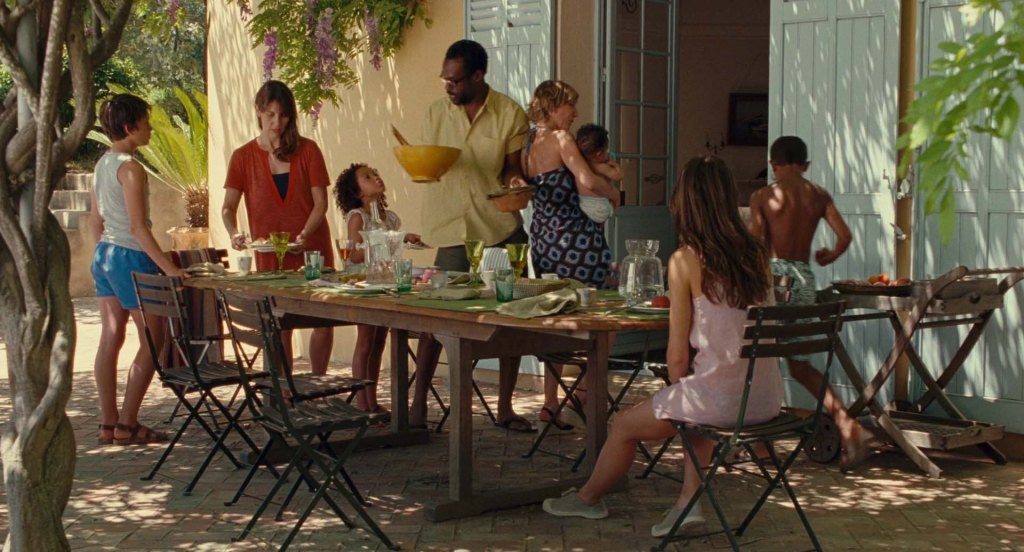
“Jeune & Jolie” (Young & Beautiful) is a 2013 film directed by François Ozon, featuring Marine Vacth, Géraldine Pailhas, Frédéric Pierrot, and Charlotte Rampling. This film is a quiet yet provocative coming-of-age drama that explores sexuality, identity, and emotional detachment, following a teenage girl through four distinct seasons.
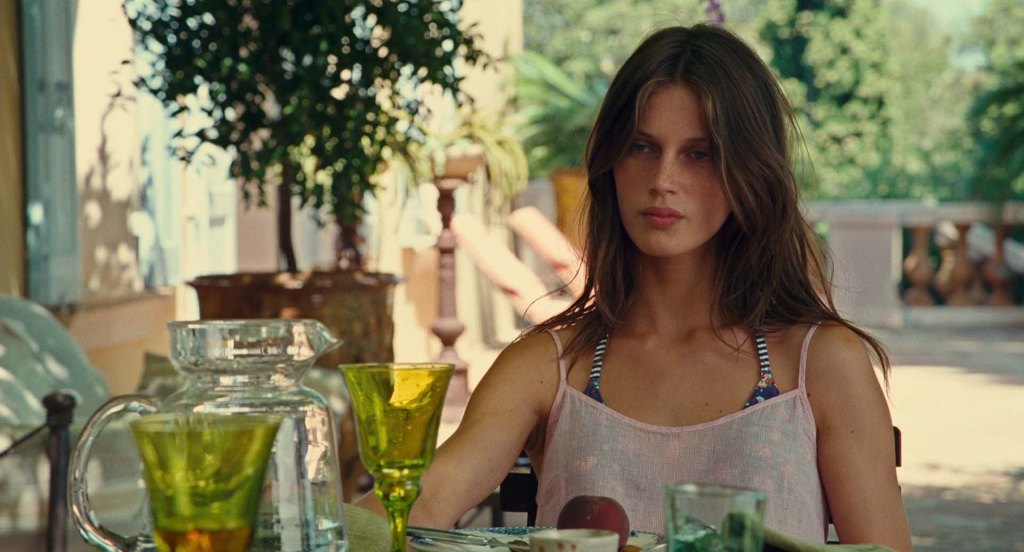
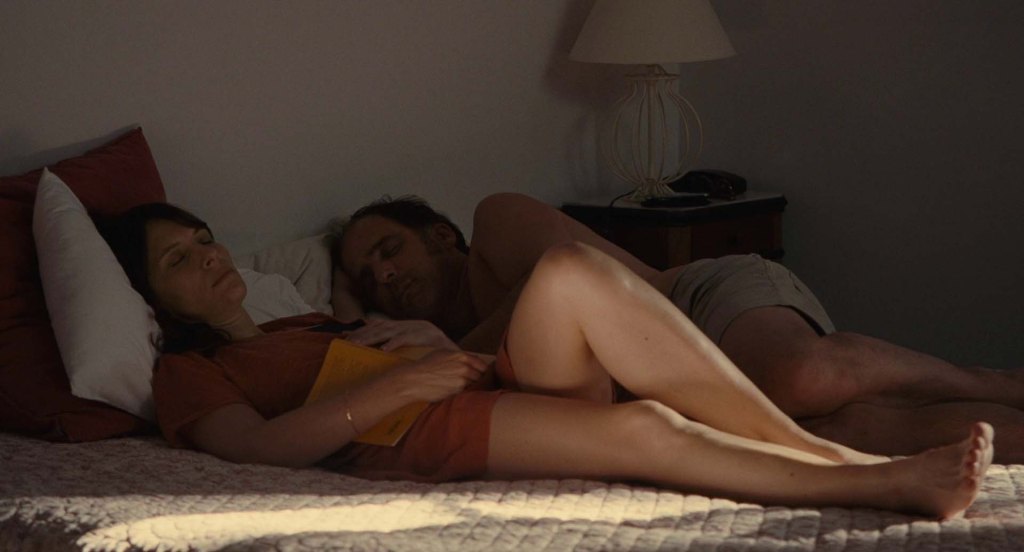
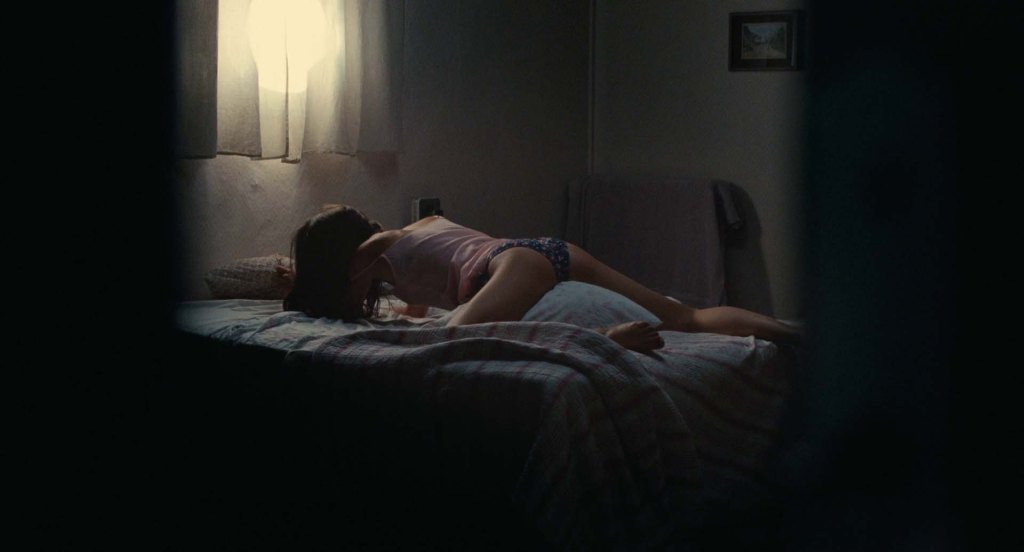
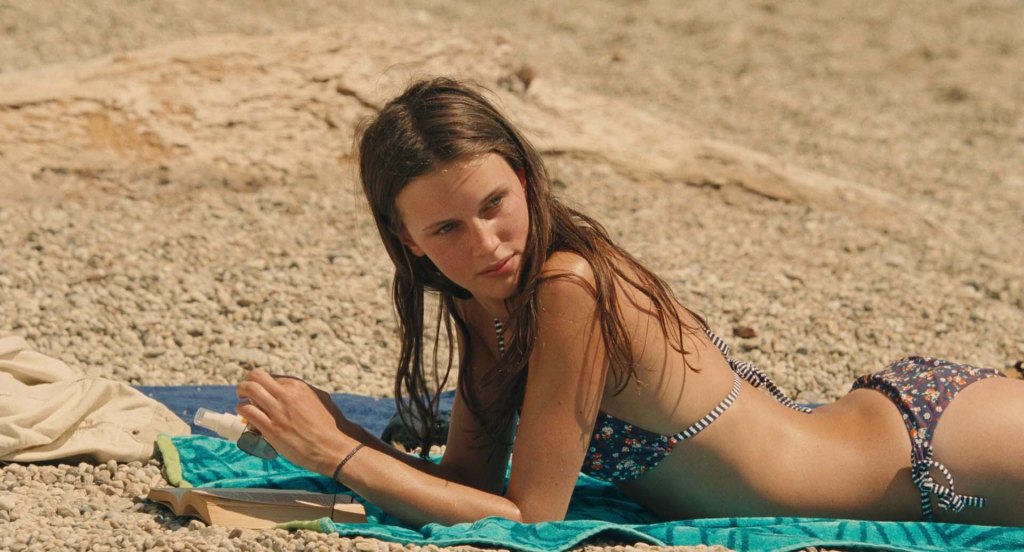

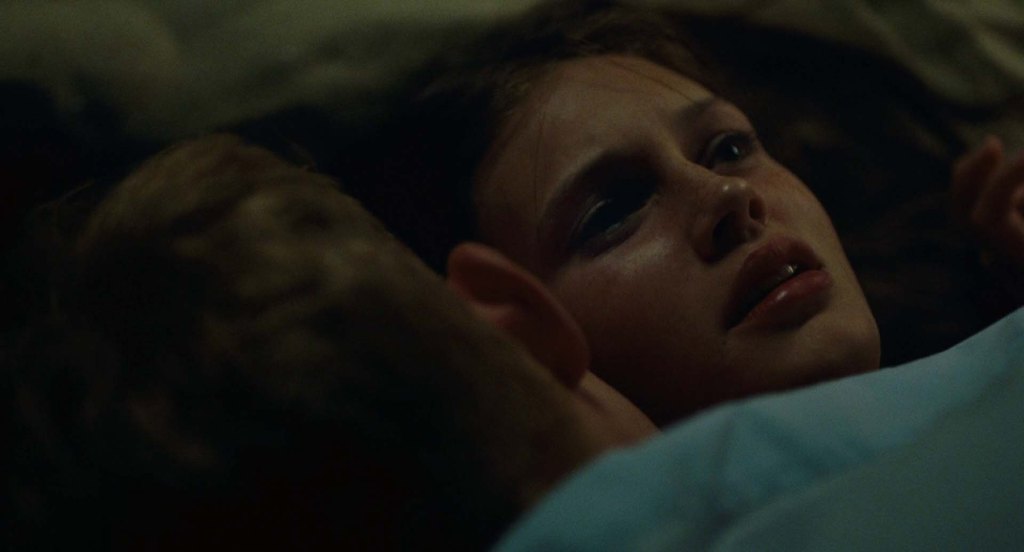
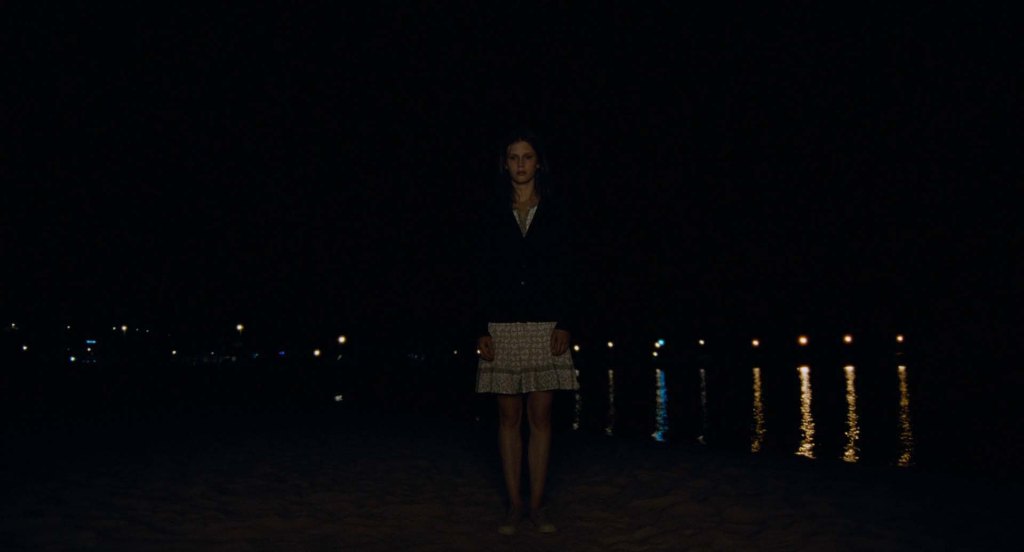
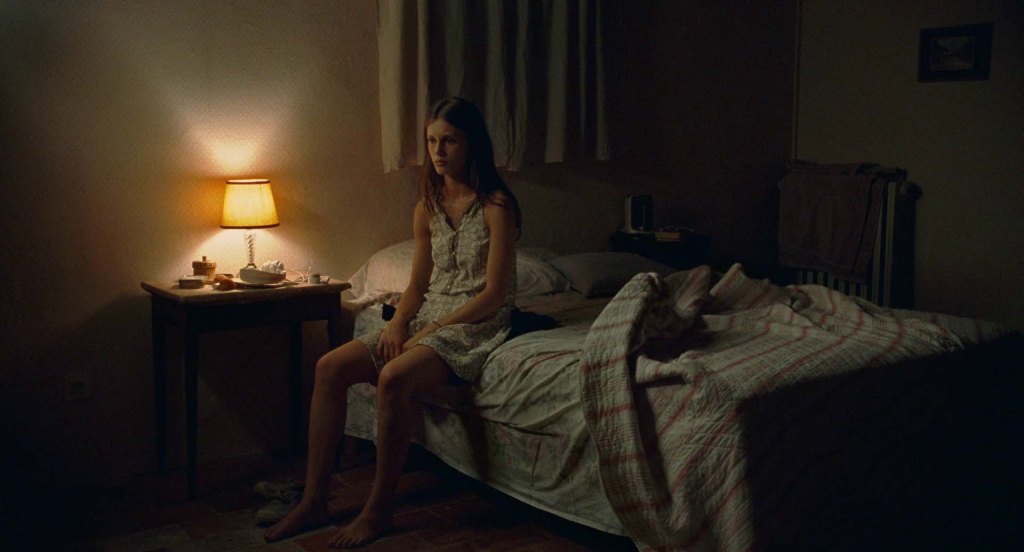
The story centers on Isabelle (Marine Vacth), a seemingly ordinary 17-year-old from a comfortable middle-class family. During a summer vacation by the sea, Isabelle experiences her first sexual encounter with a German boy she meets on the beach. The encounter is awkward, unsatisfying, and emotionally distant, leaving Isabelle more contemplative than romantic. This experience serves as a turning point for her, awakening her curiosity about her sexuality and her control over her own body.

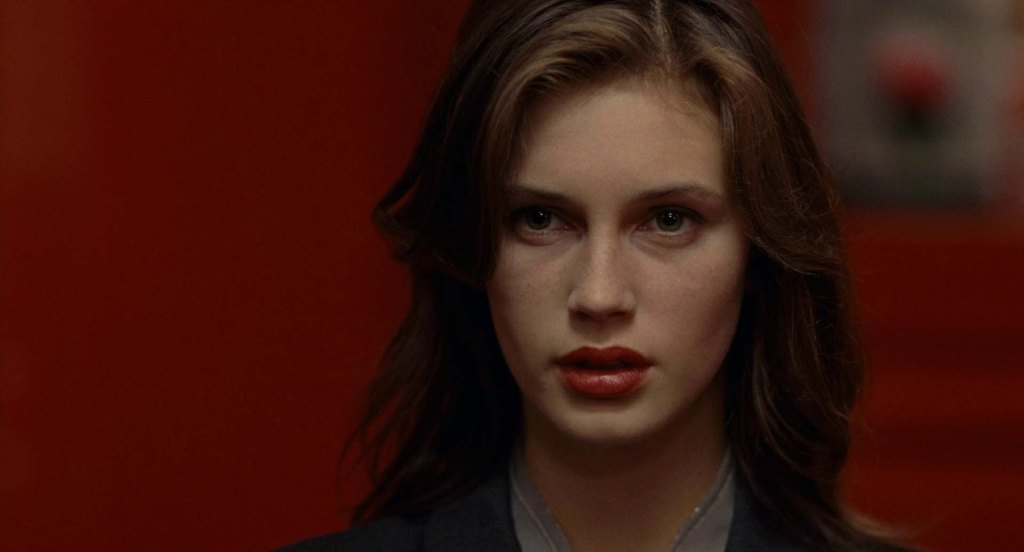
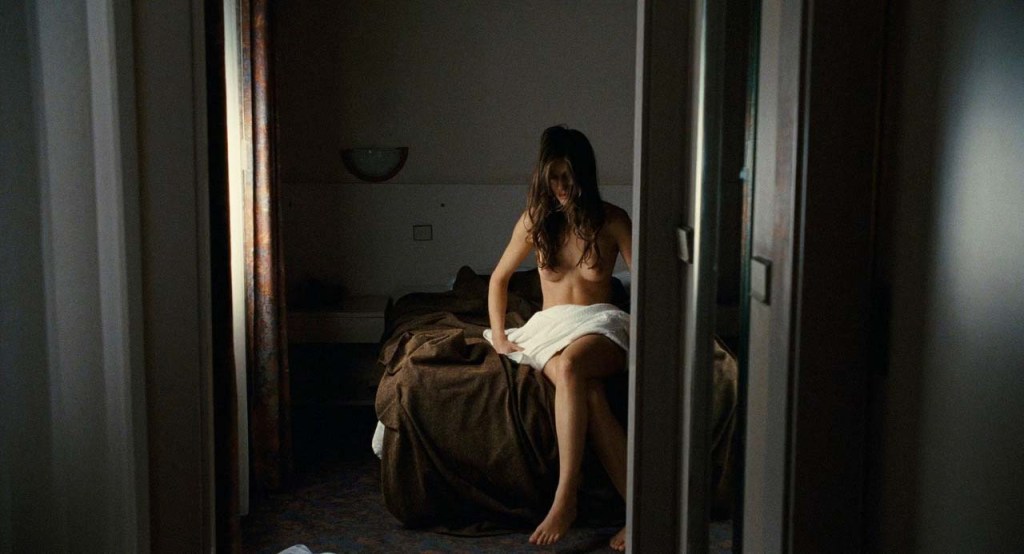
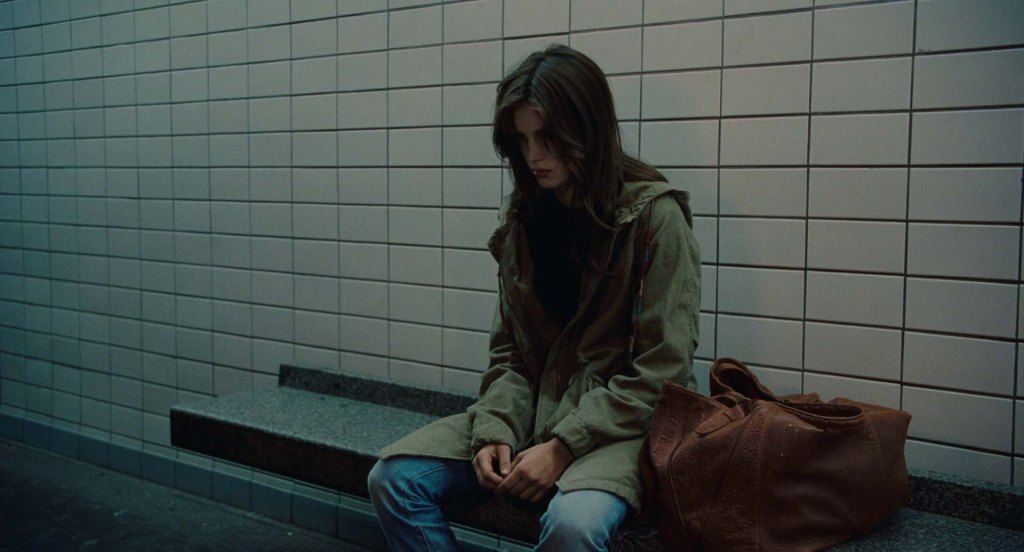
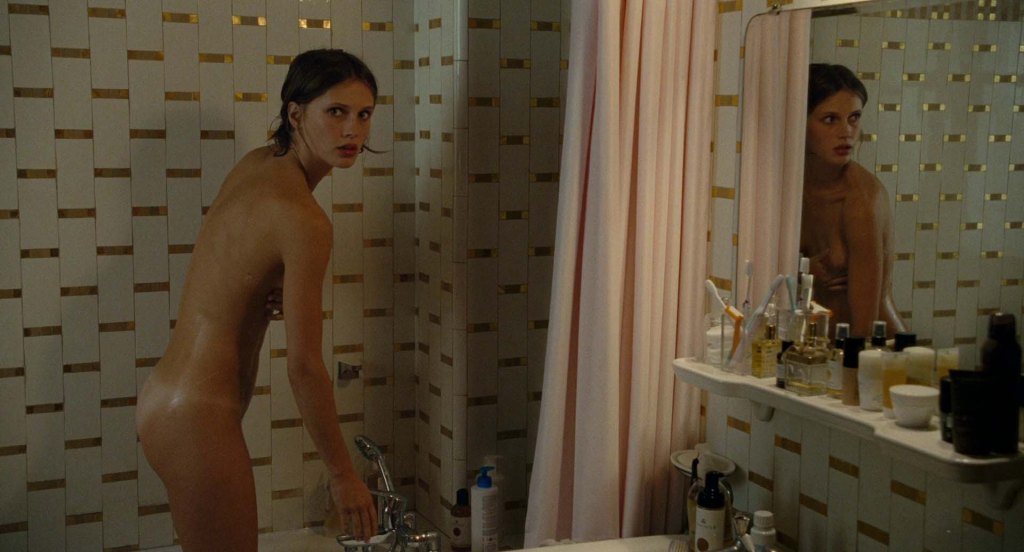
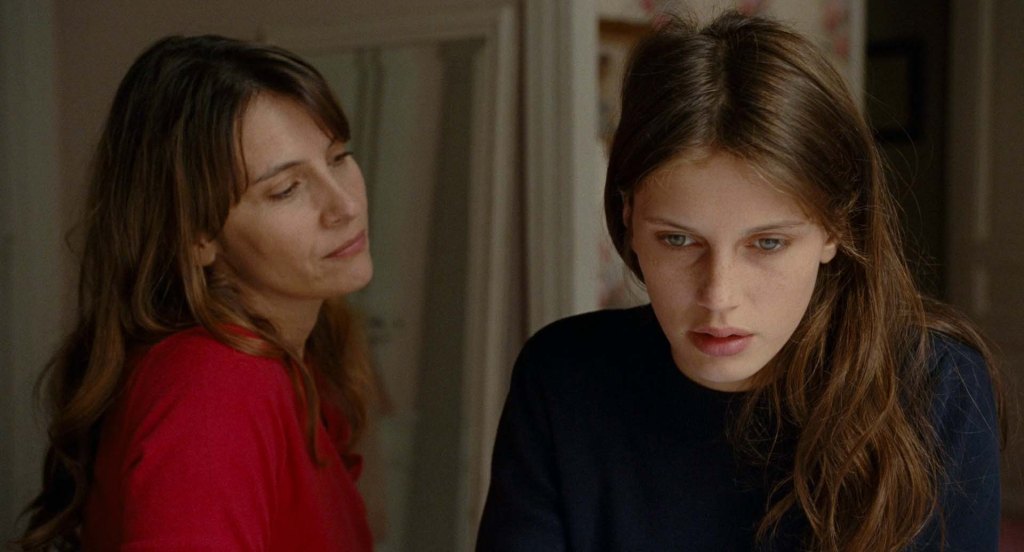
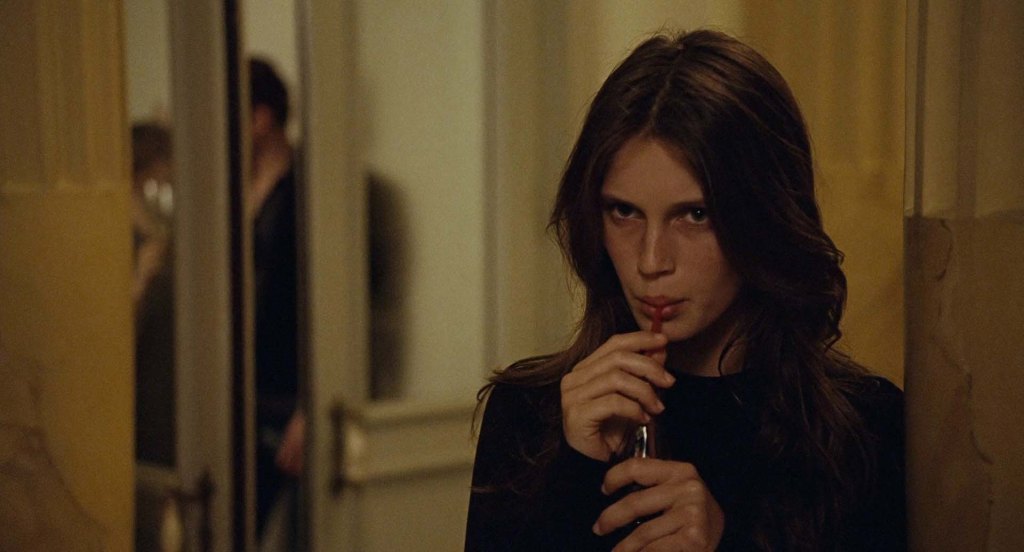
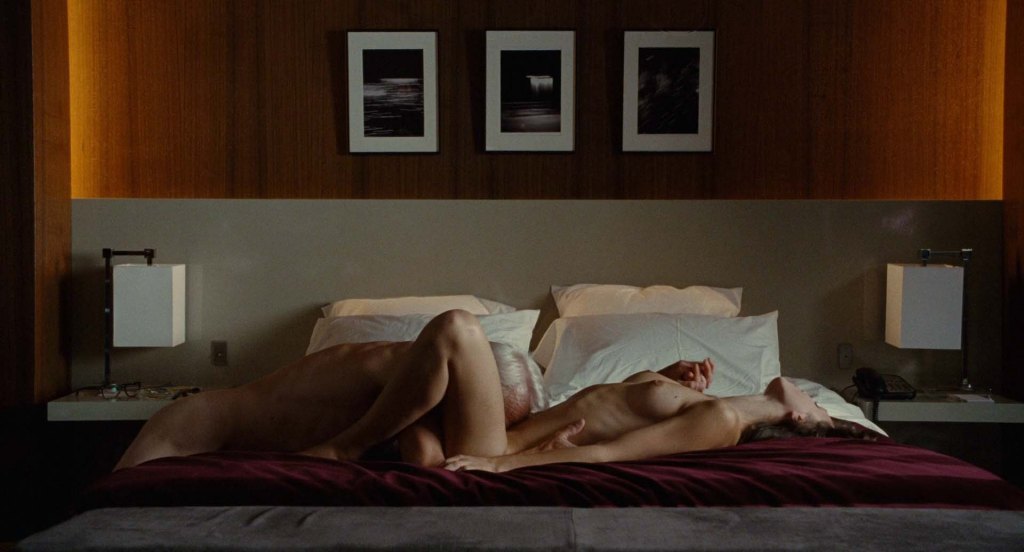
When autumn arrives, and Isabelle returns home to Paris, she begins to lead a secret double life. Without any clear financial need or apparent coercion, she creates an online profile under the pseudonym “Léa” and starts meeting older men as a high-end escort. Isabelle approaches these encounters with a detached, almost clinical calm. She keeps her activities hidden from her parents—her attentive mother, Sylvie (Géraldine Pailhas), and her stepfather, Patrick (Frédéric Pierrot)—and continues to attend school while interacting normally with her friends.
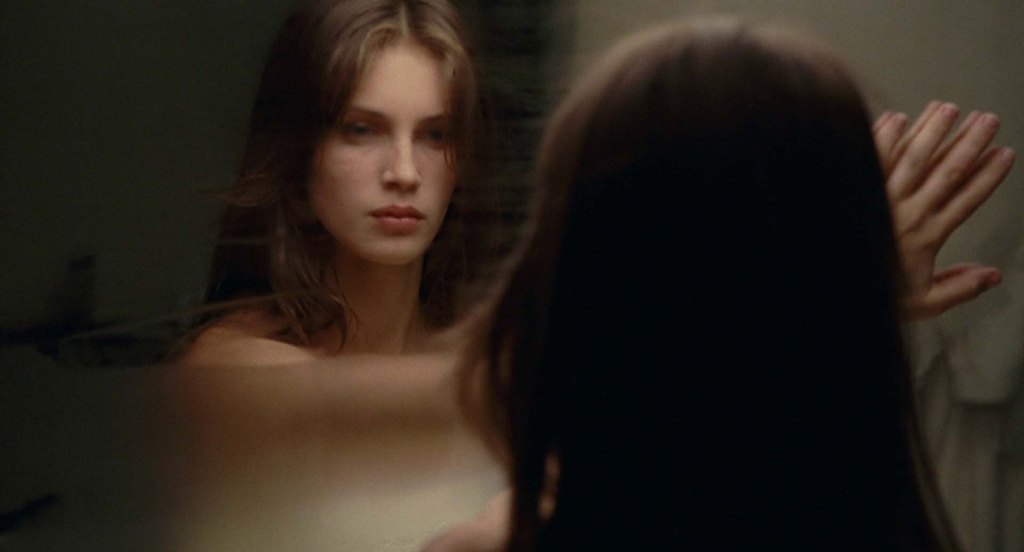
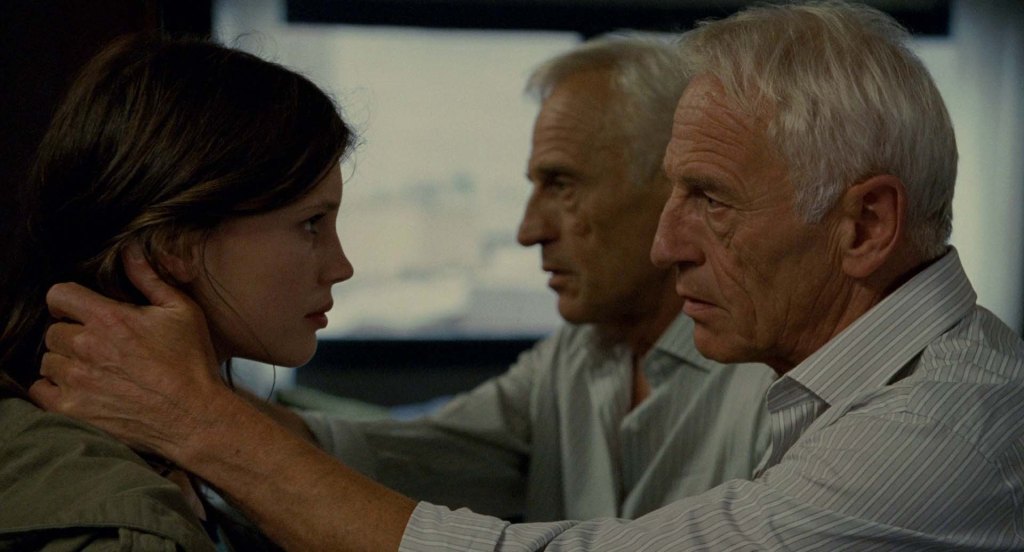
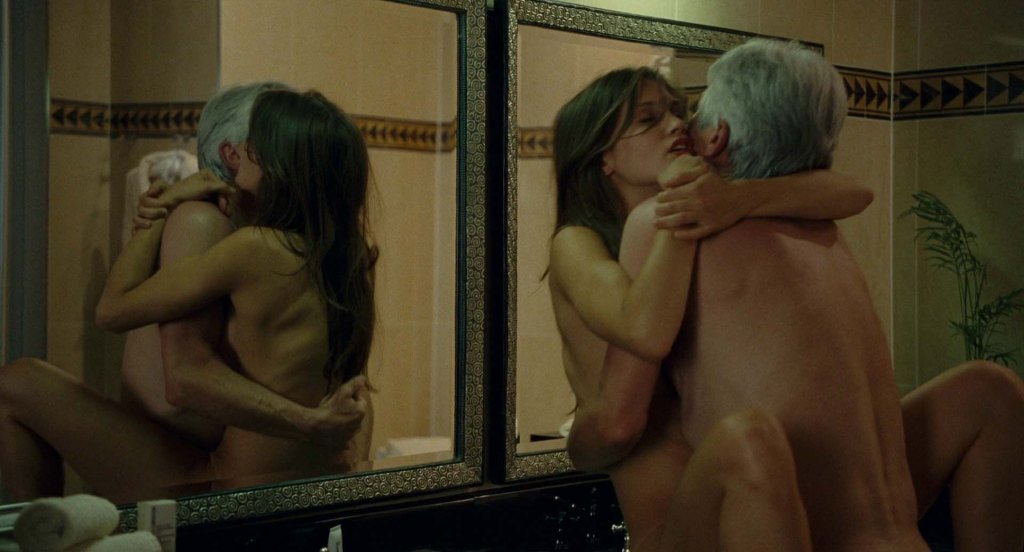
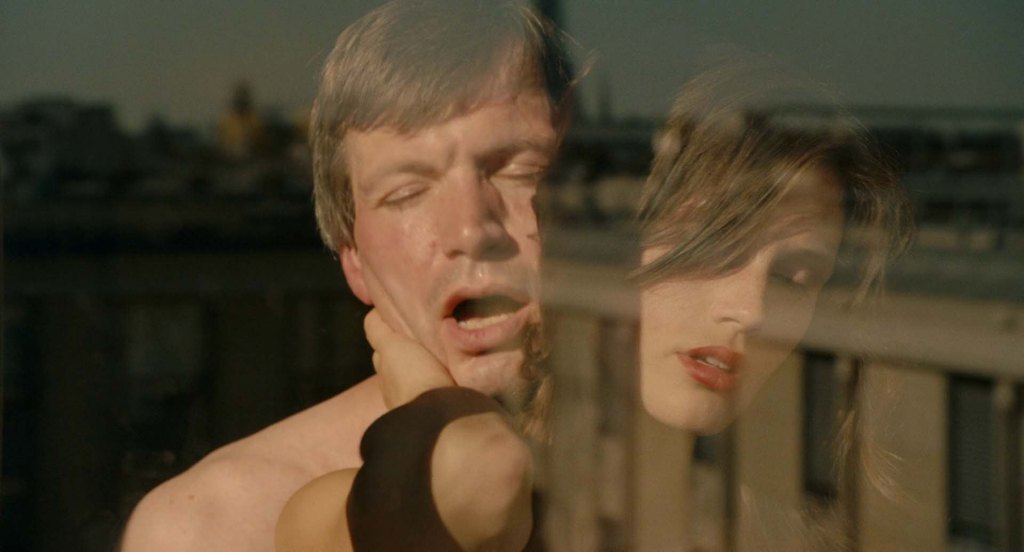
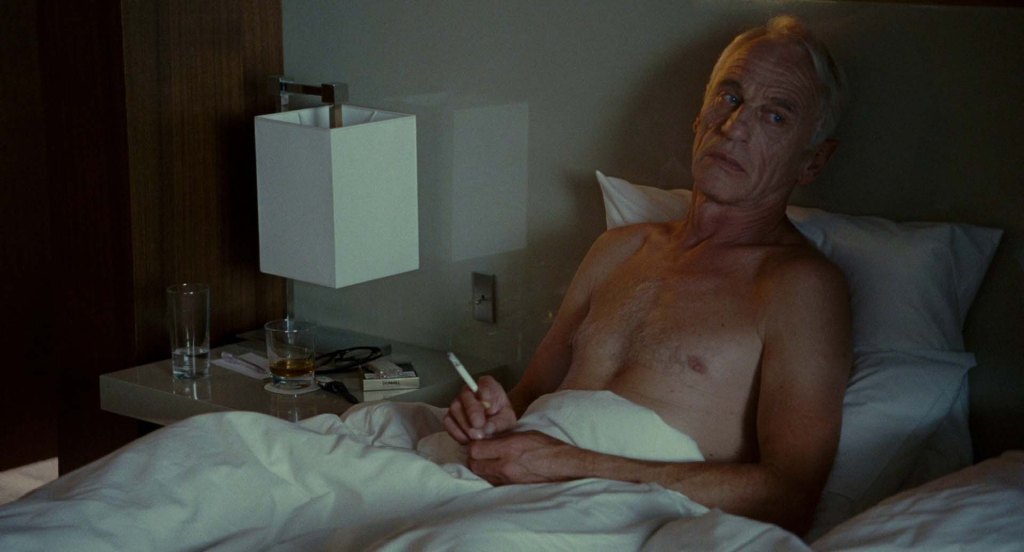
Isabelle’s encounters with clients are portrayed with emotional distance, emphasizing her internal detachment. She seems neither overtly troubled nor enthusiastic, but rather curious and searching. Among her regular clients, she forms a tentative connection with Georges, an older man who treats her gently and respectfully. This relationship becomes the closest thing to emotional intimacy that Isabelle experiences in her secret life.
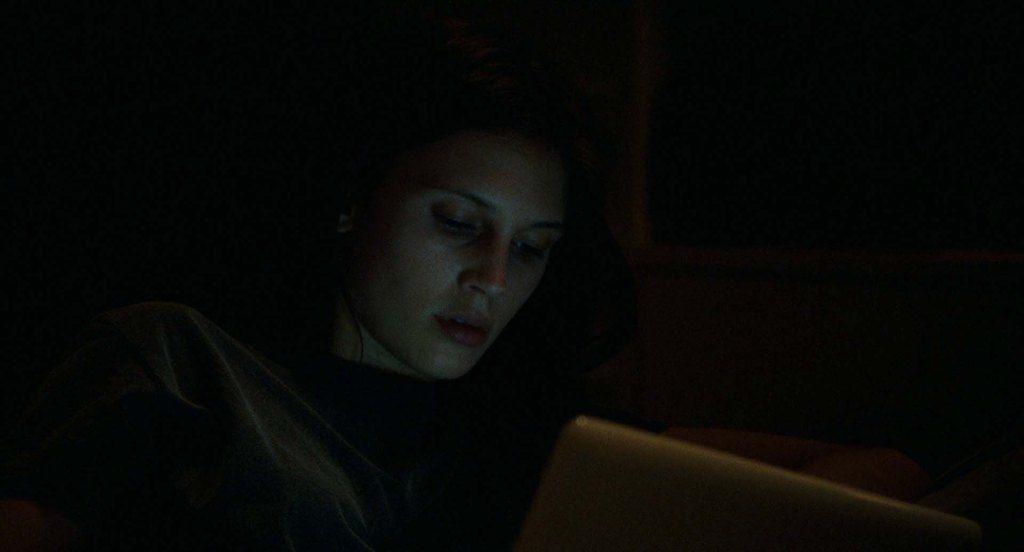

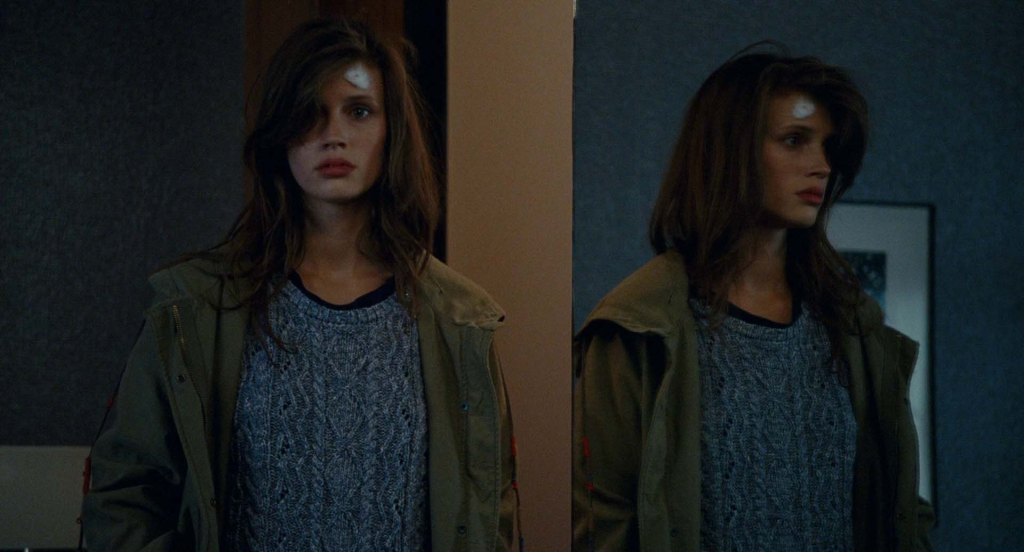
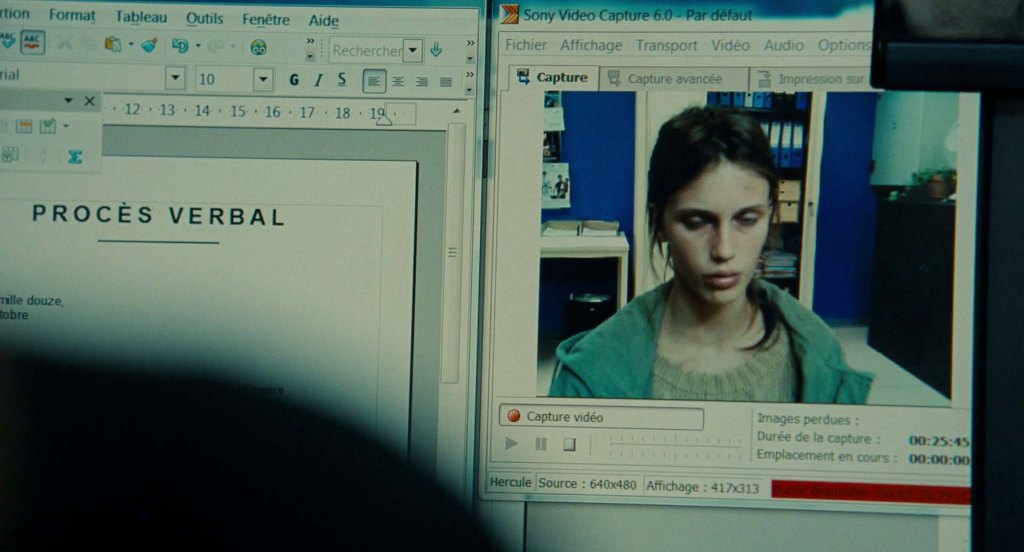
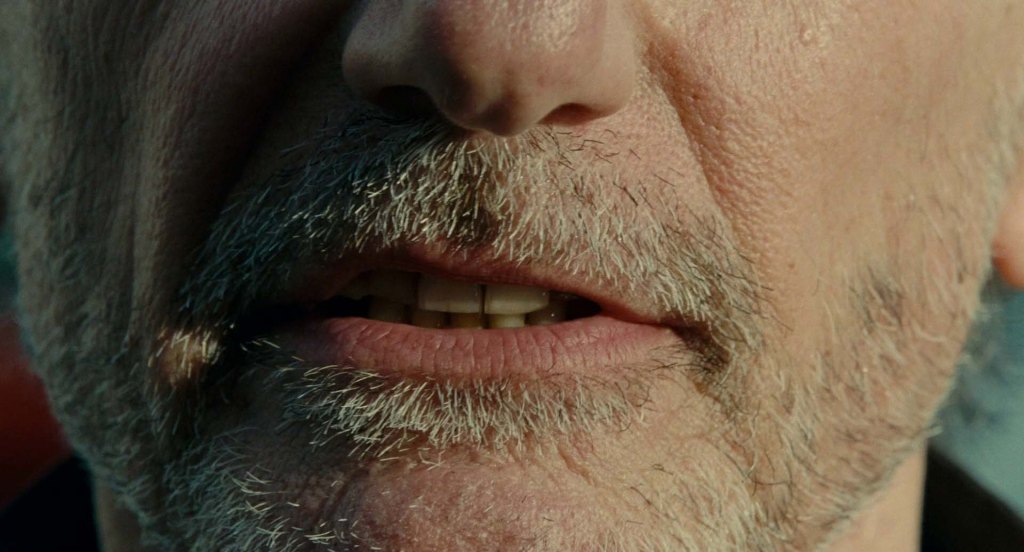

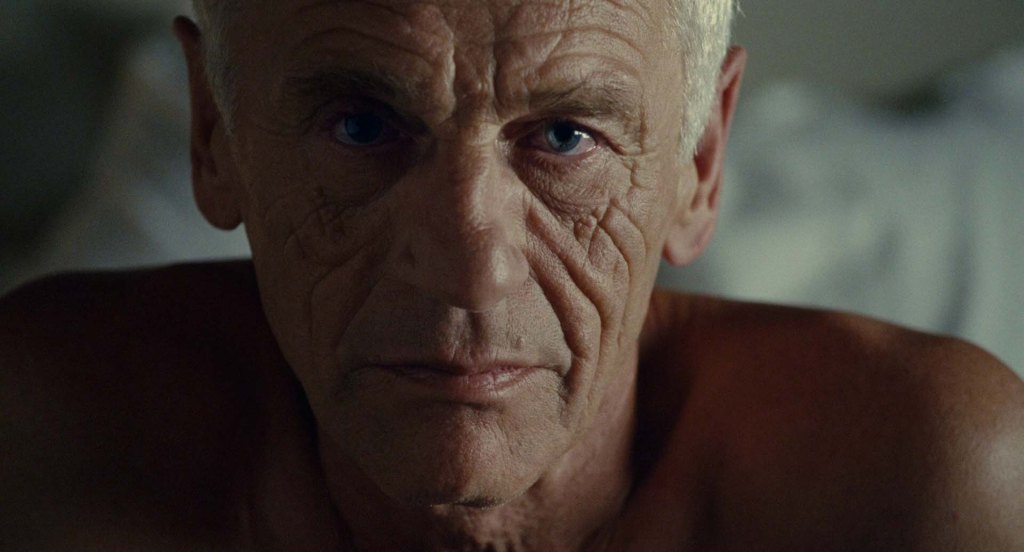
However, the situation takes a dramatic turn when Georges dies unexpectedly during one of their meetings. This incident exposes Isabelle’s hidden life when authorities contact her family. Her parents are shocked and confused, struggling to understand Isabelle’s motivations. Sylvie, in particular, becomes desperate to comprehend her daughter’s choices, oscillating between anger, concern, and compassion.
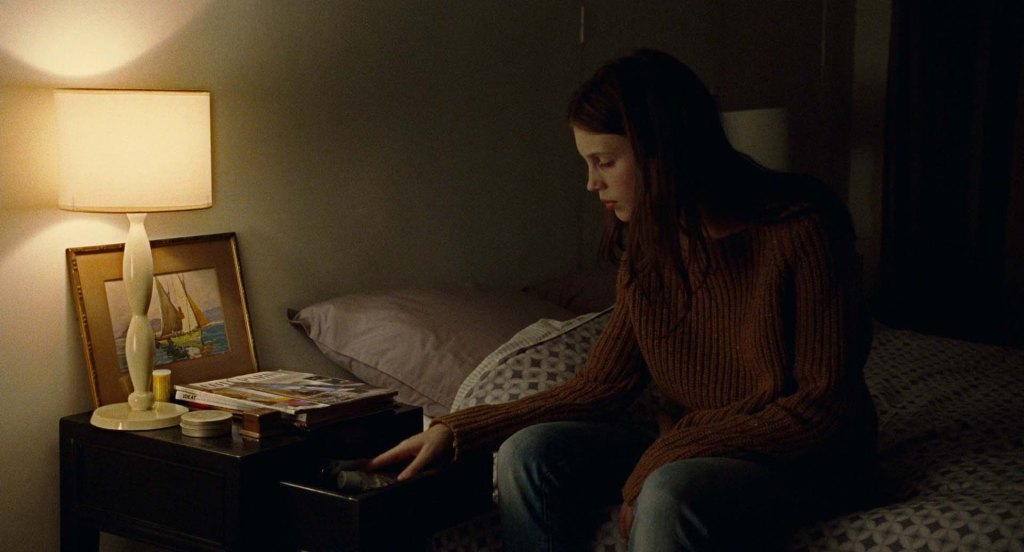
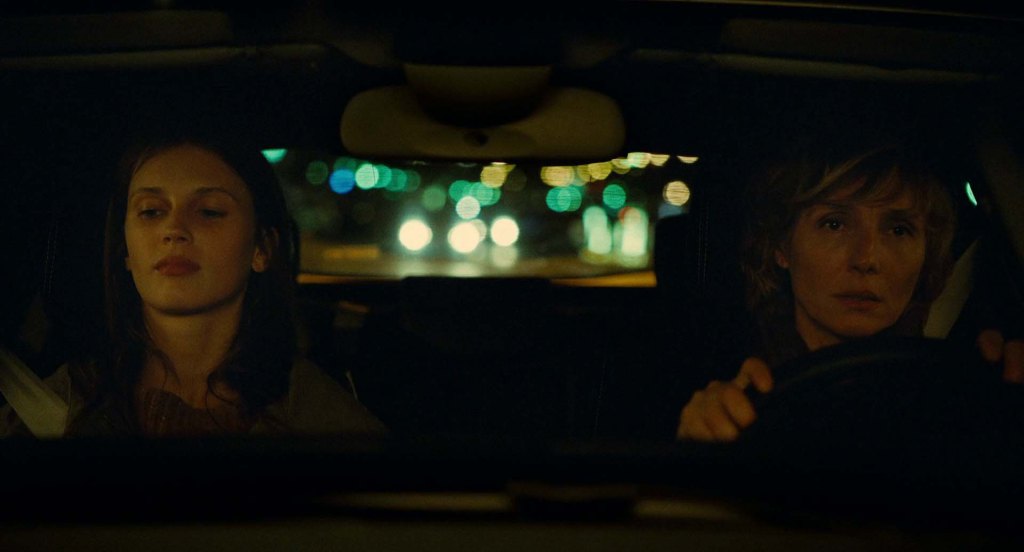
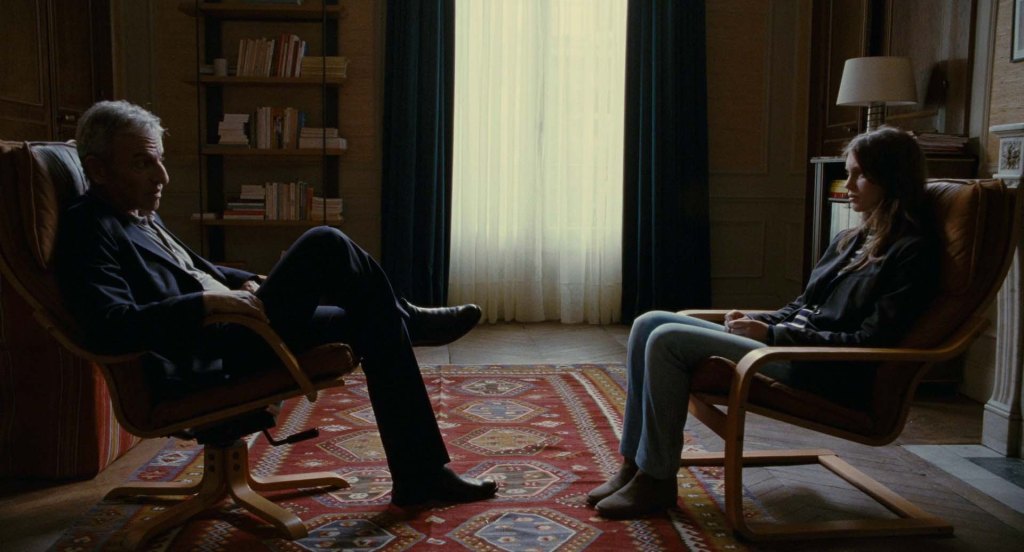
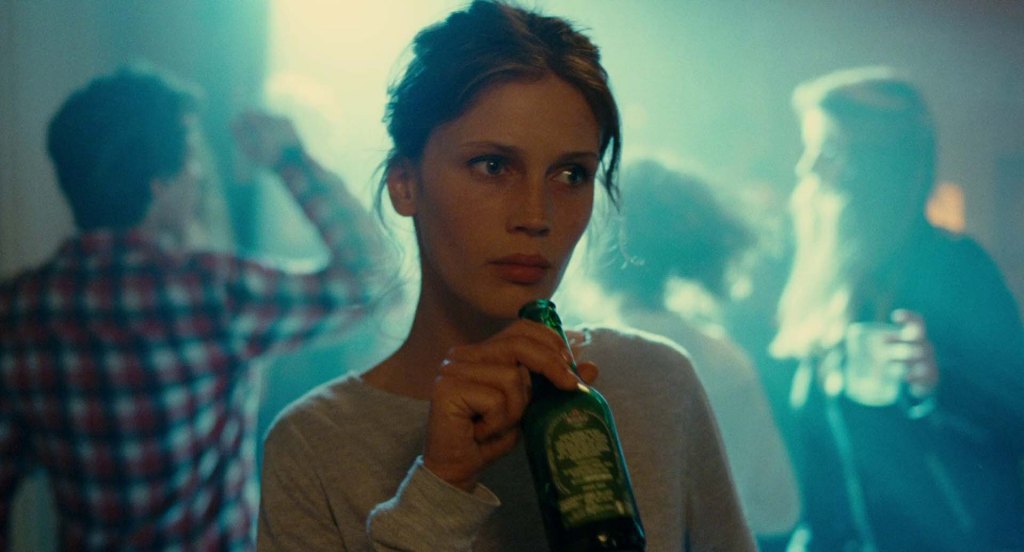
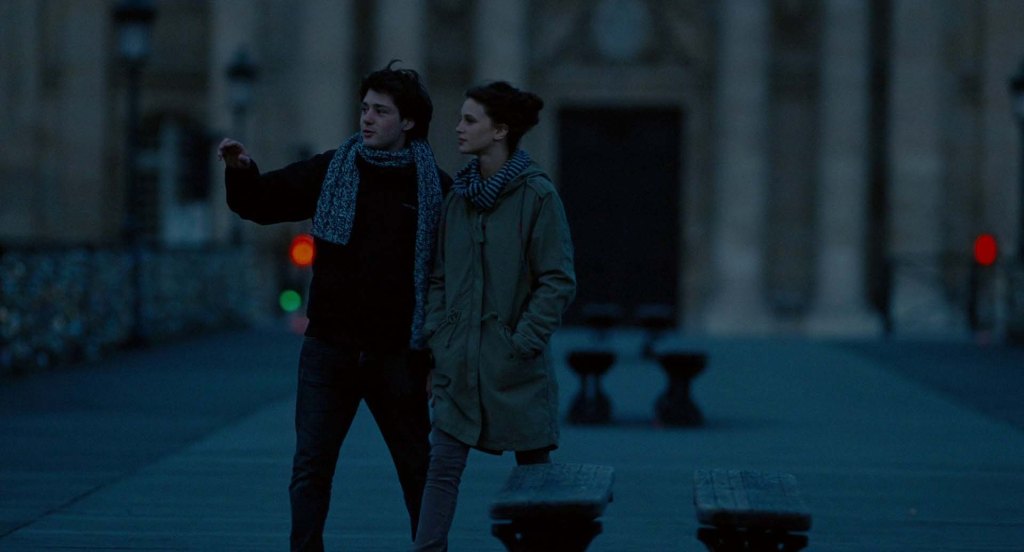
Isabelle is sent to therapy with a psychologist played by Charlotte Rampling. Throughout their conversations, the film deliberately avoids providing clear answers about Isabelle’s motivations. She appears uncertain, describing her actions as a blend of curiosity, independence, and emotional detachment, rather than outright rebellion or trauma.


In the final act, Isabelle quietly returns to certain aspects of her former life, but subtle indications suggest that her emotional journey is still ongoing. The film concludes with Isabelle having a brief reconnection with Georges’ widow in a quiet, ambiguous moment that reflects its contemplative tone. The ending leaves open questions about Isabelle’s emotional growth and her evolving understanding of intimacy and identity.
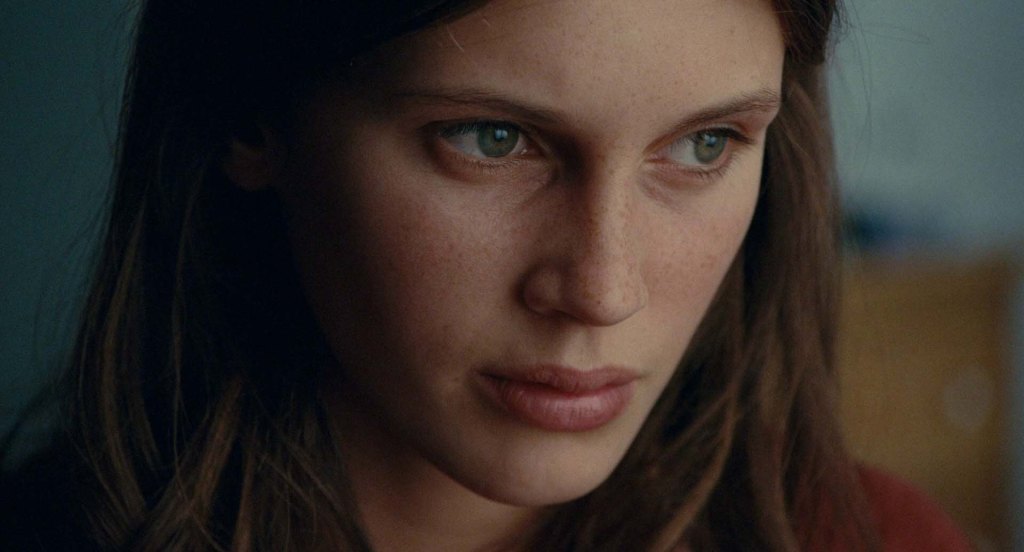
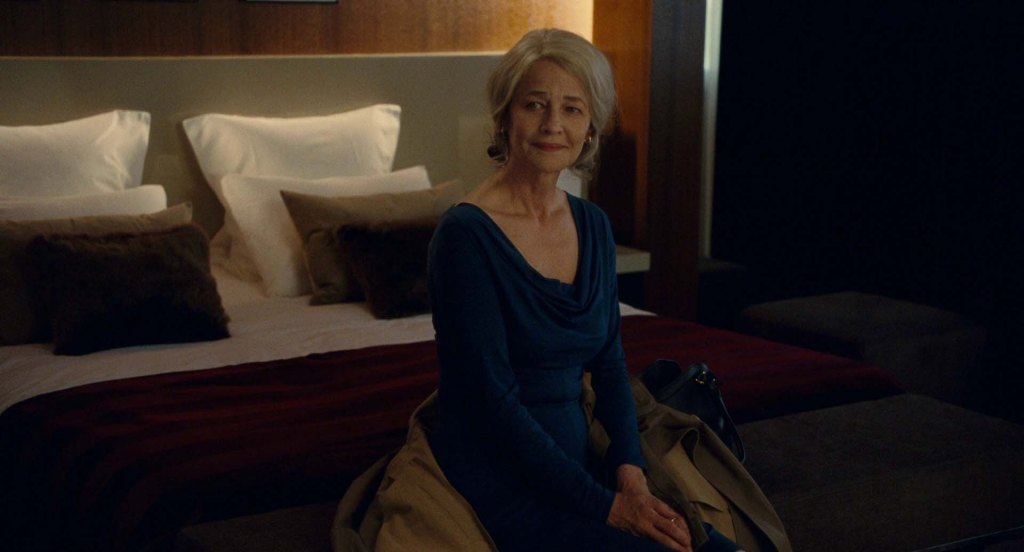
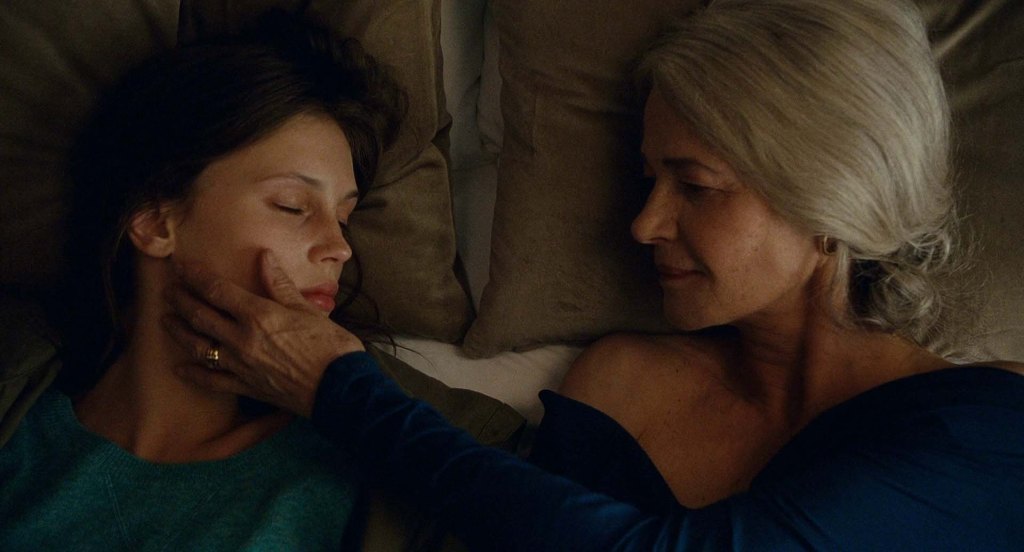
Structured around the four seasons and featuring recurring songs by Françoise Hardy, “Jeune & Jolie” presents a restrained and introspective portrait of adolescence. It offers a subtle and ambiguous exploration of youth, desire, and emotional isolation, inviting viewers to interpret Isabelle’s motivations.