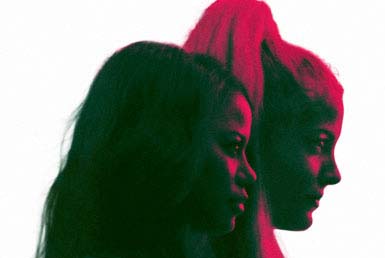
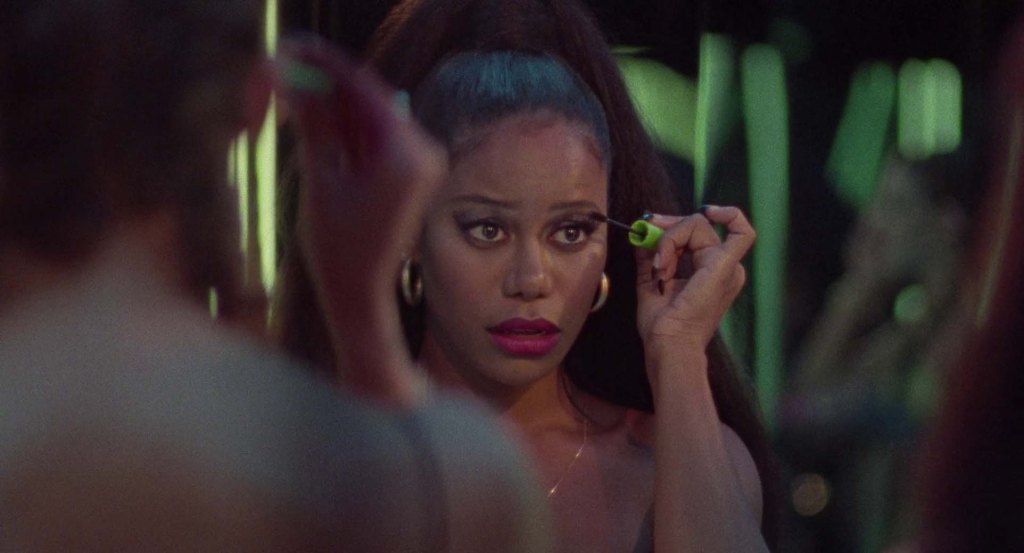

“Zola” (2020) is a darkly comedic crime drama directed by Janicza Bravo, who co-wrote the screenplay with Jeremy O. Harris. The film is inspired by a viral 2015 Twitter thread by A’Ziah ‘Zola’ King, which describes a chaotic road trip that descends into danger, manipulation, and survival. The cast includes Taylour Paige as Zola, Riley Keough as Stefani, Nicholas Braun as Derrek, Colman Domingo as X, and Ari’el Stachel as Sean.
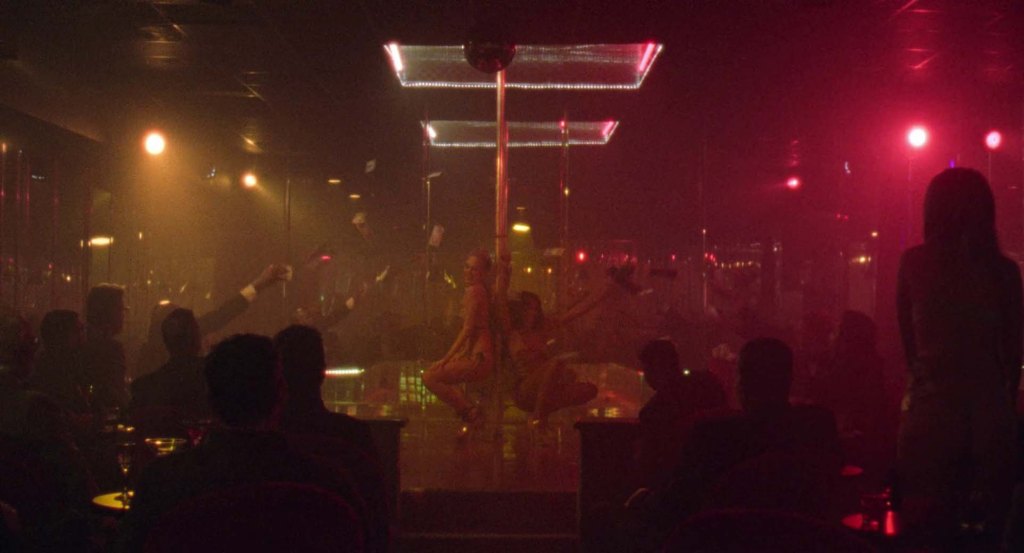
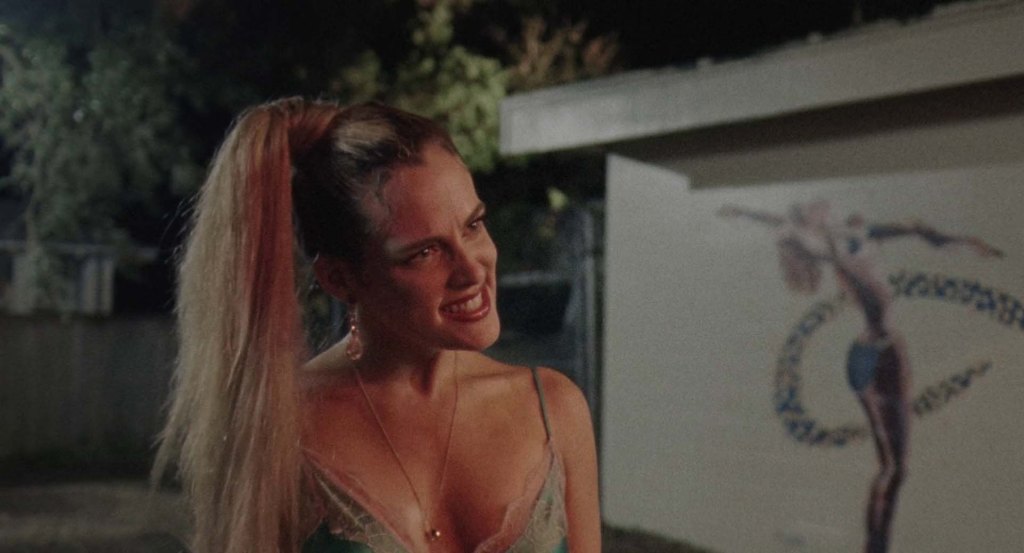
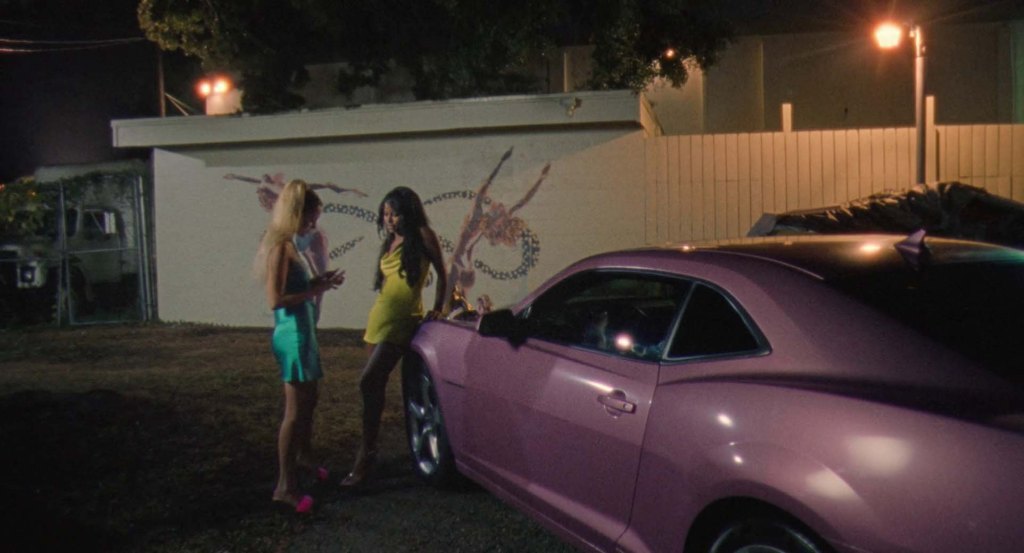
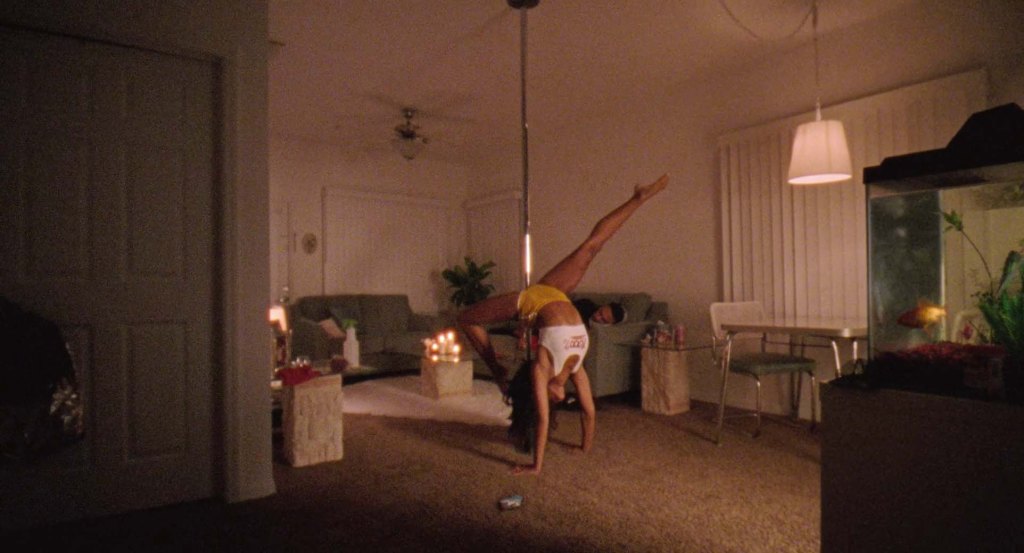
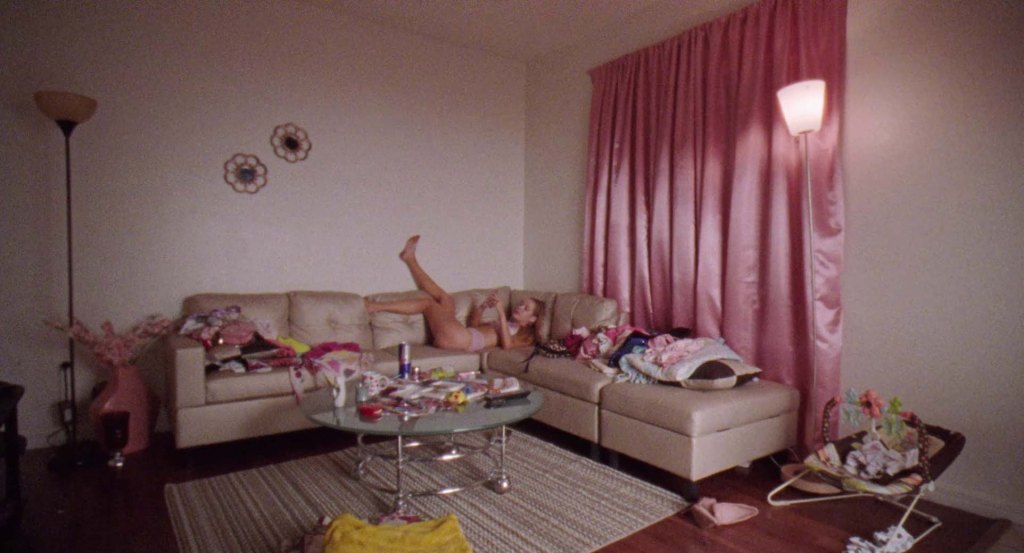
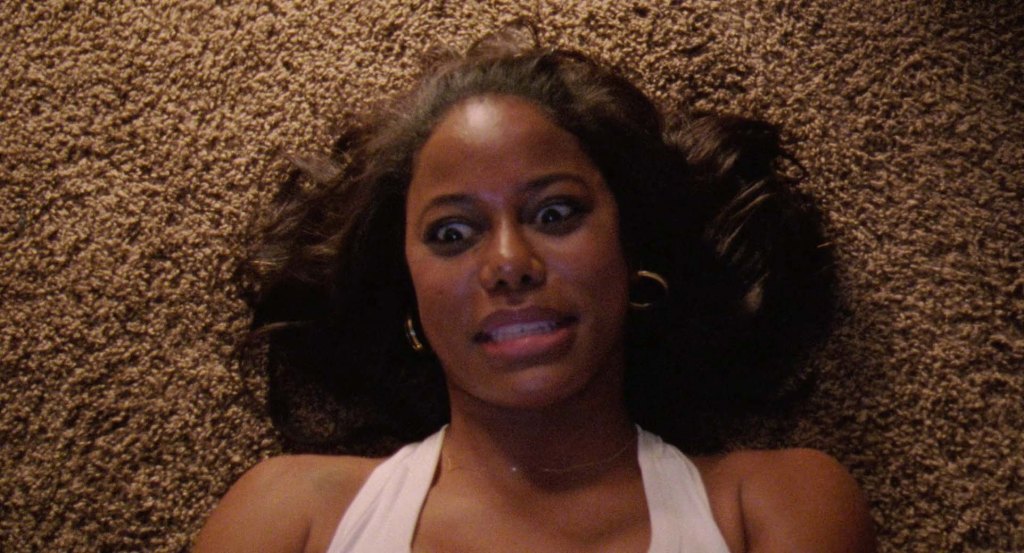
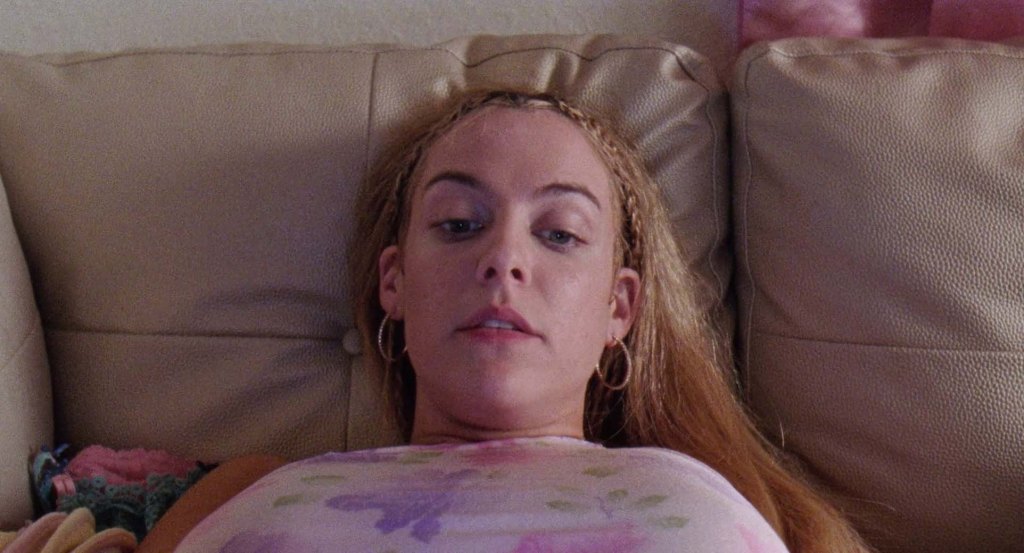
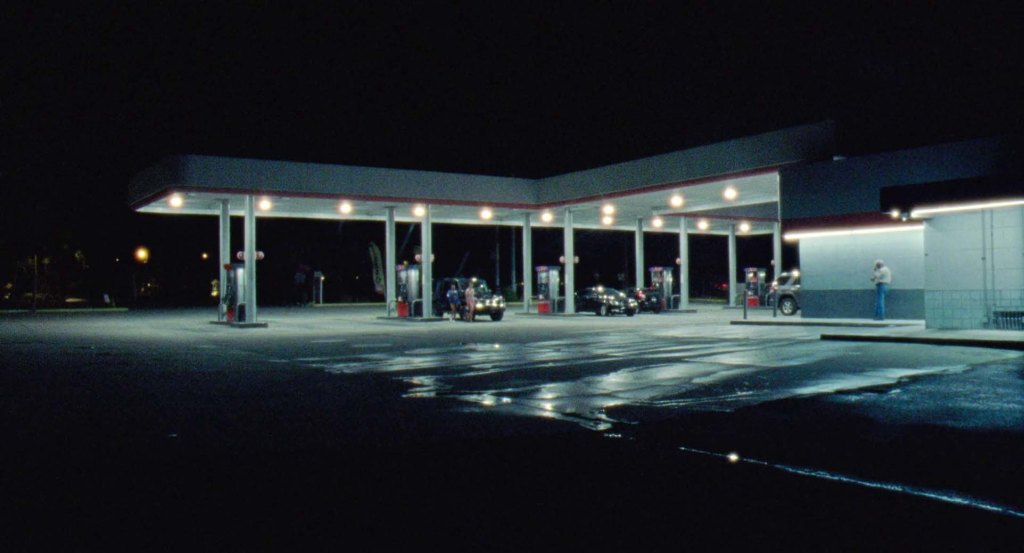
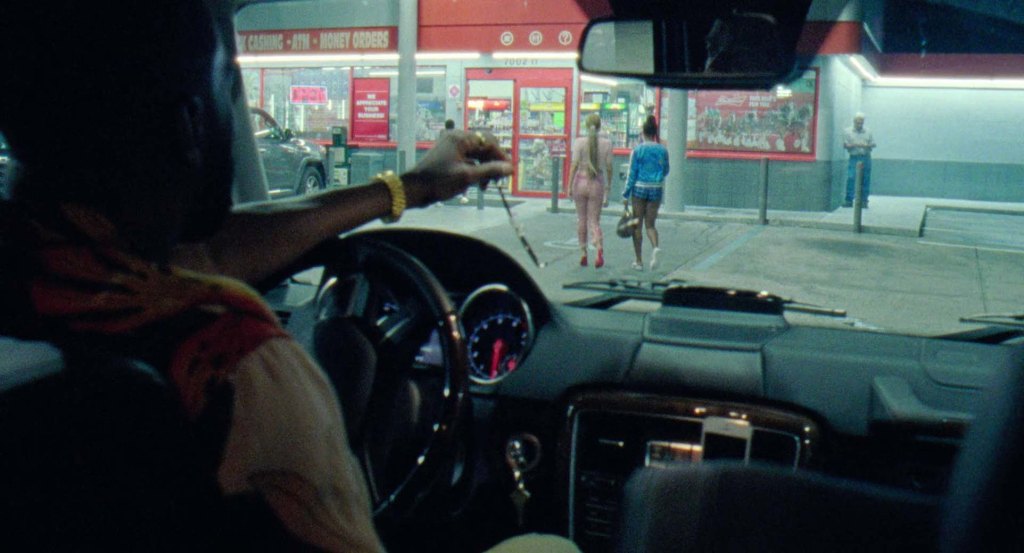
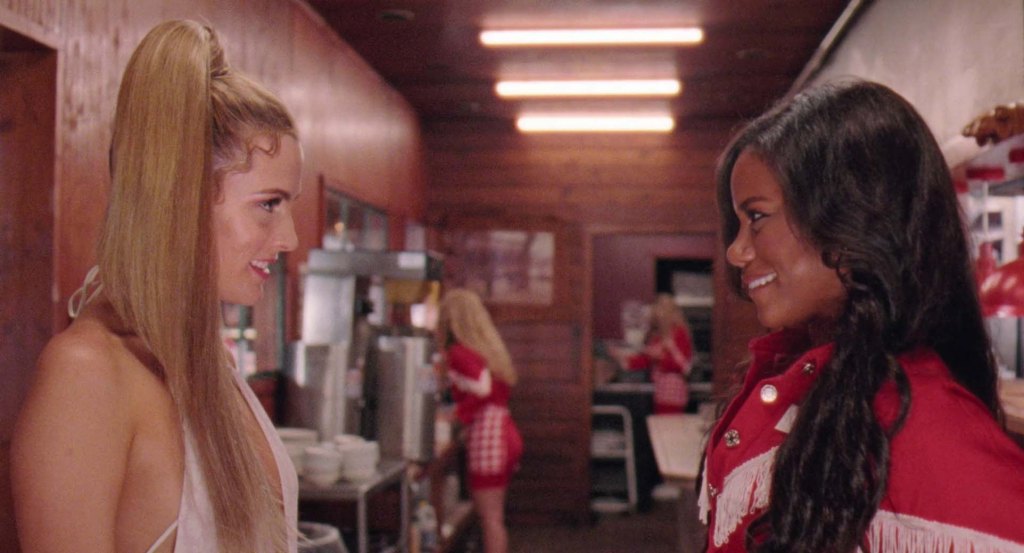
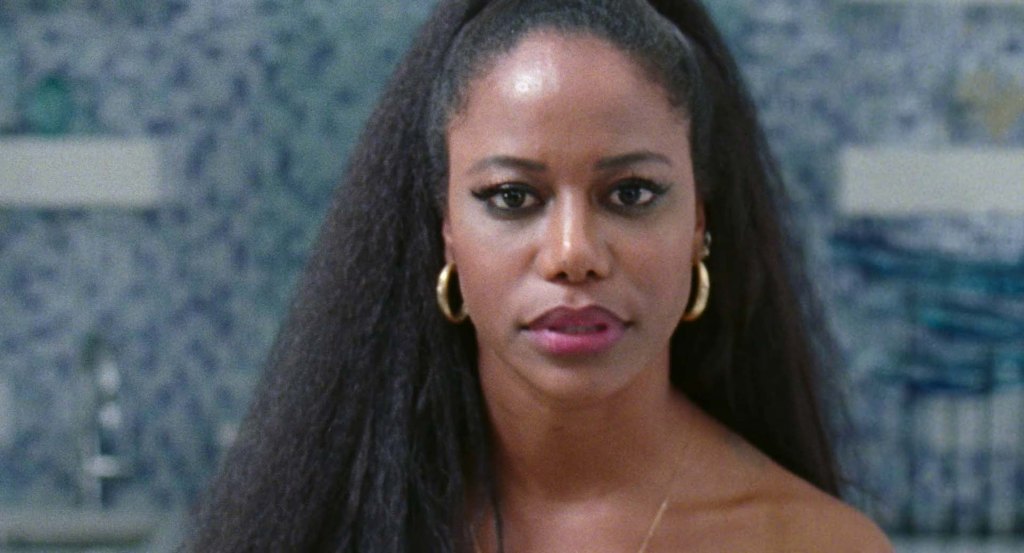
The film follows Aziah “Zola” King (Taylour Paige), a waitress and part-time dancer from Detroit. While working at a restaurant, she meets Stefani (Riley Keough), a bold and unpredictable white woman. The two quickly bond over their shared experiences as dancers. Stefani enthusiastically invites Zola to join her on a spontaneous weekend trip to Florida, promising easy money and adventure. Accompanying them are Stefani’s awkward yet well-meaning boyfriend, Derrek (Nicholas Braun), and her mysterious roommate, X (Colman Domingo), a quiet yet intimidating presence.
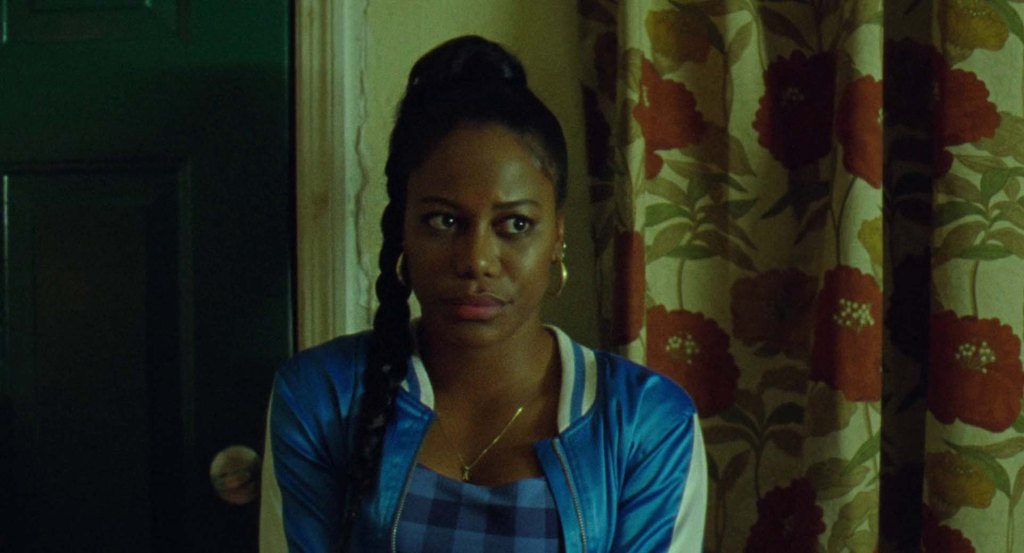
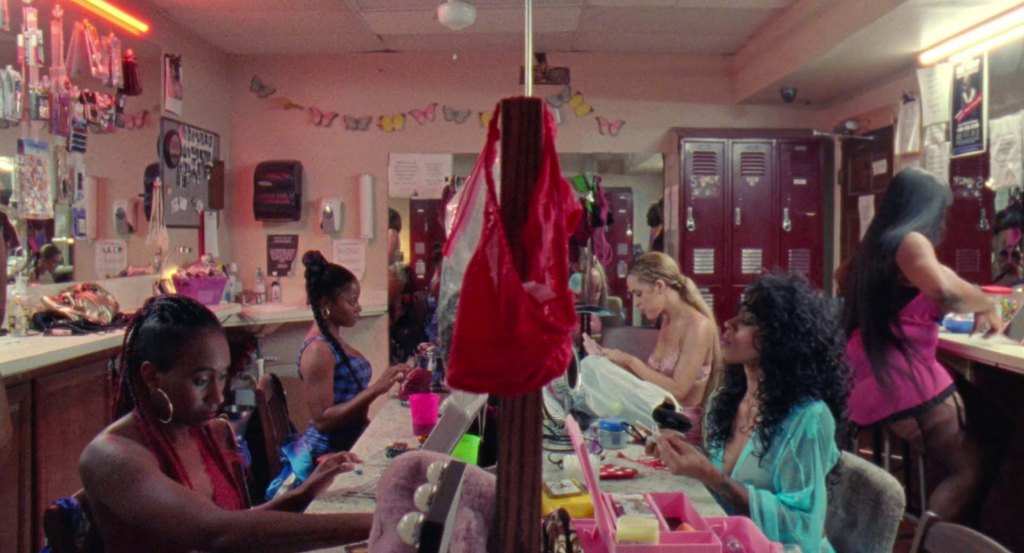
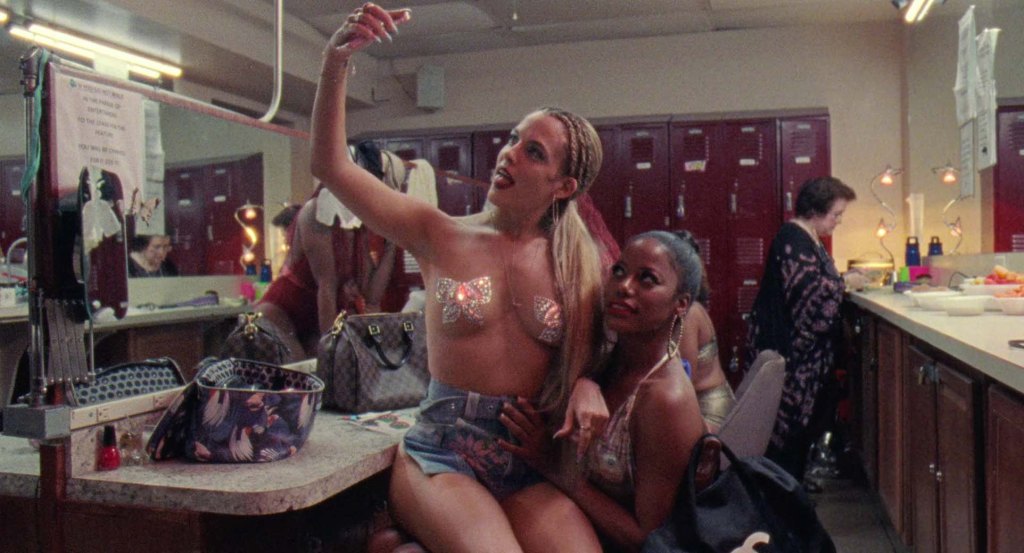

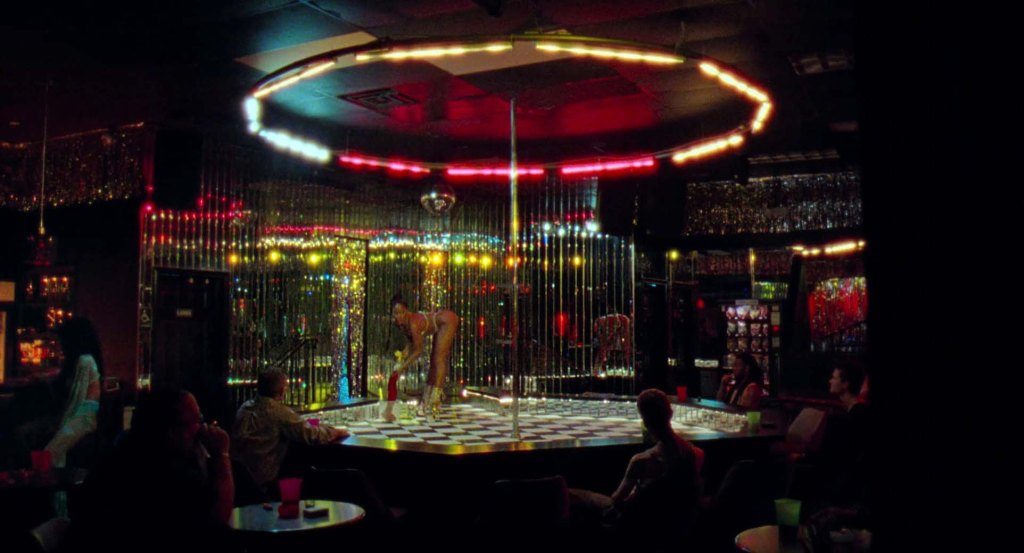
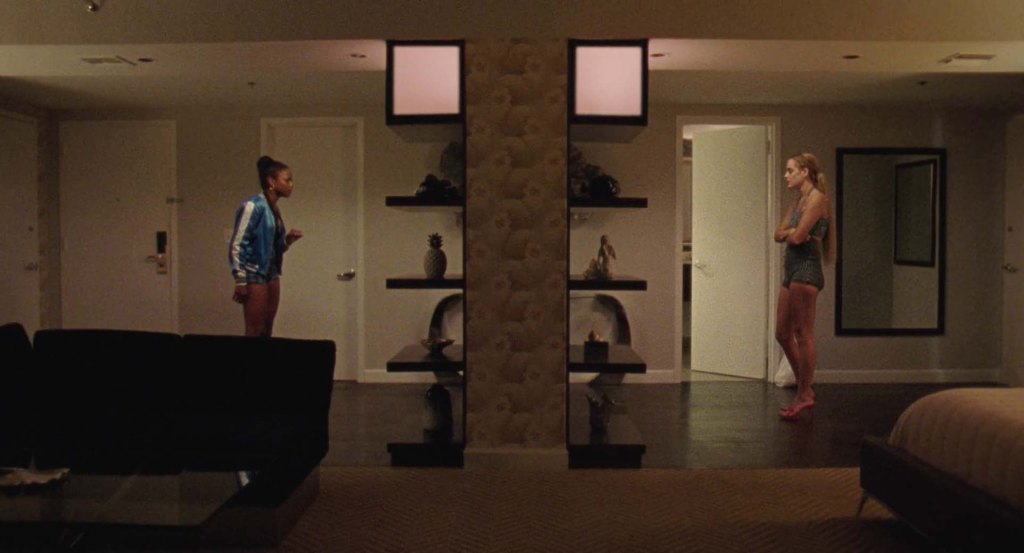

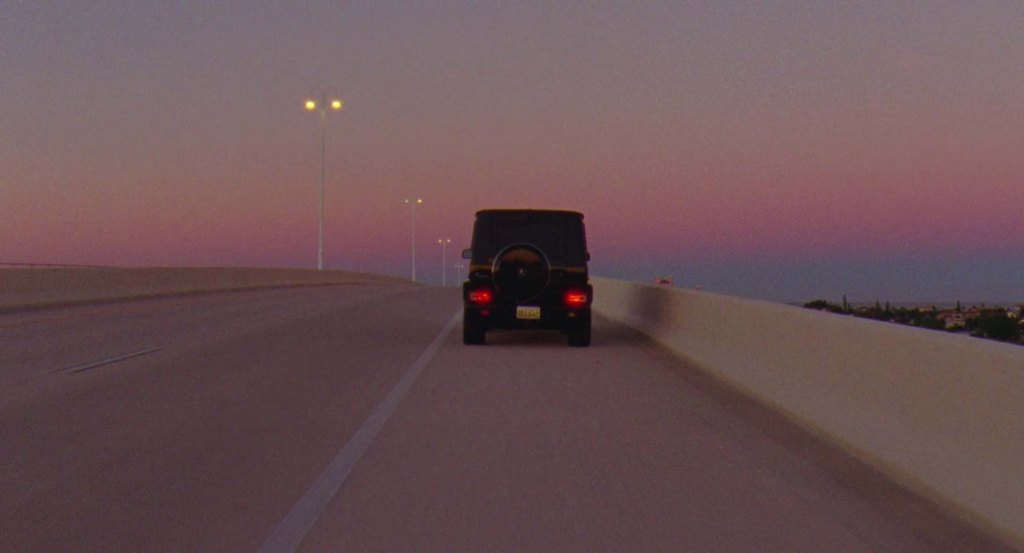
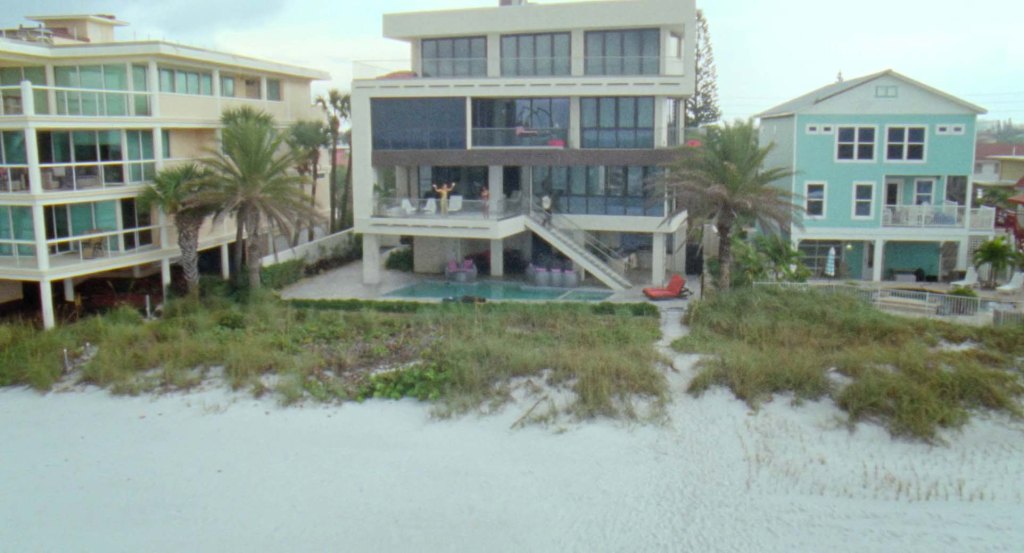
What starts as an impulsive road trip quickly becomes unsettling. During the drive, Zola notices inconsistencies in Stefani’s stories, especially concerning her relationship with X. When they arrive in Tampa, Florida, Zola uncovers the truth: X is actually Stefani’s controlling pimp, and the trip is not about casual dancing but rather about prostitution. As Zola realizes she has been misled into a dangerous situation, her wariness grows.
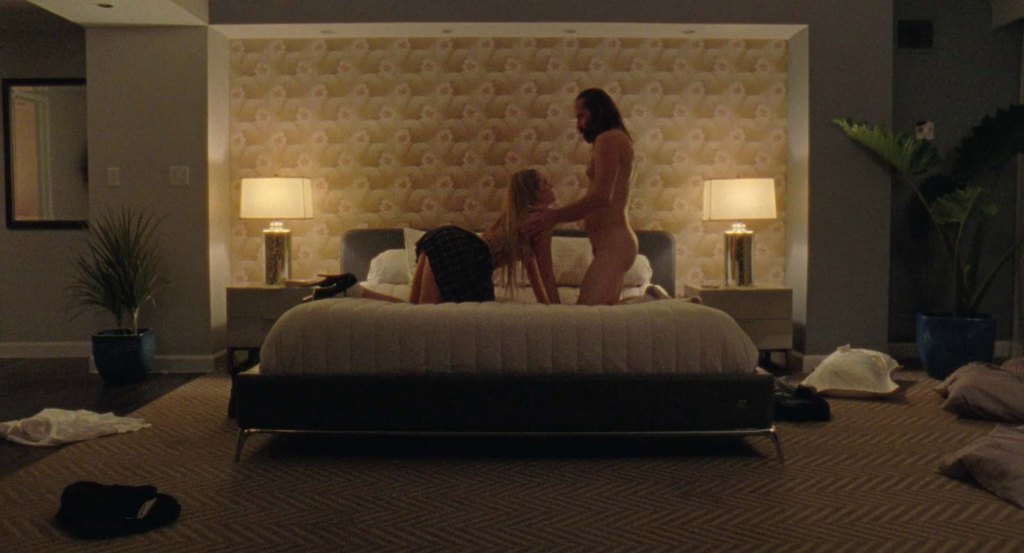

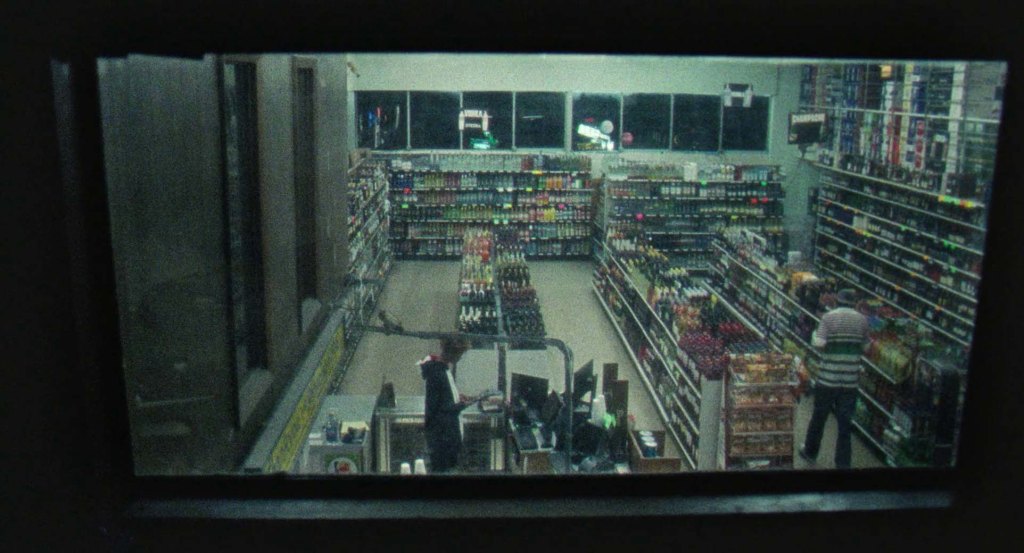
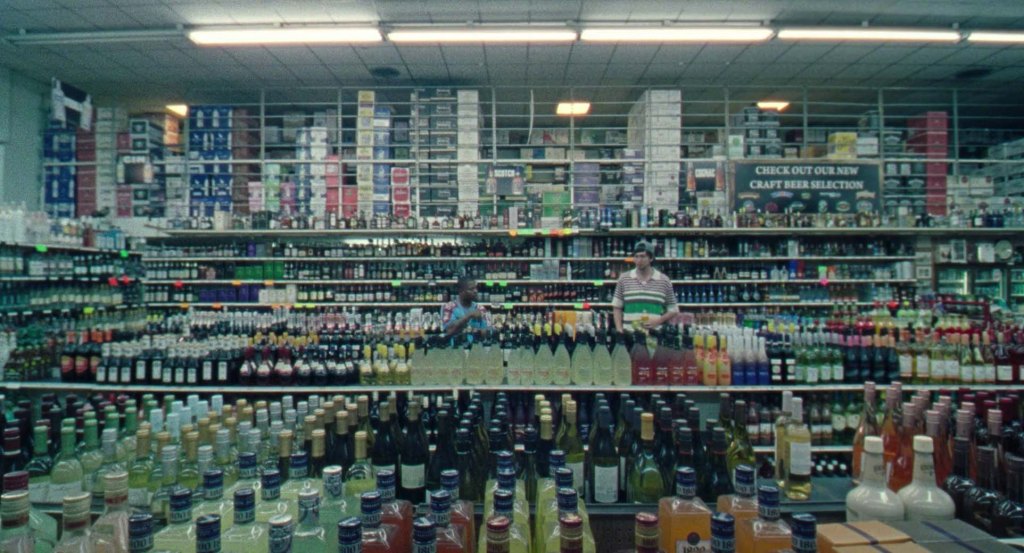
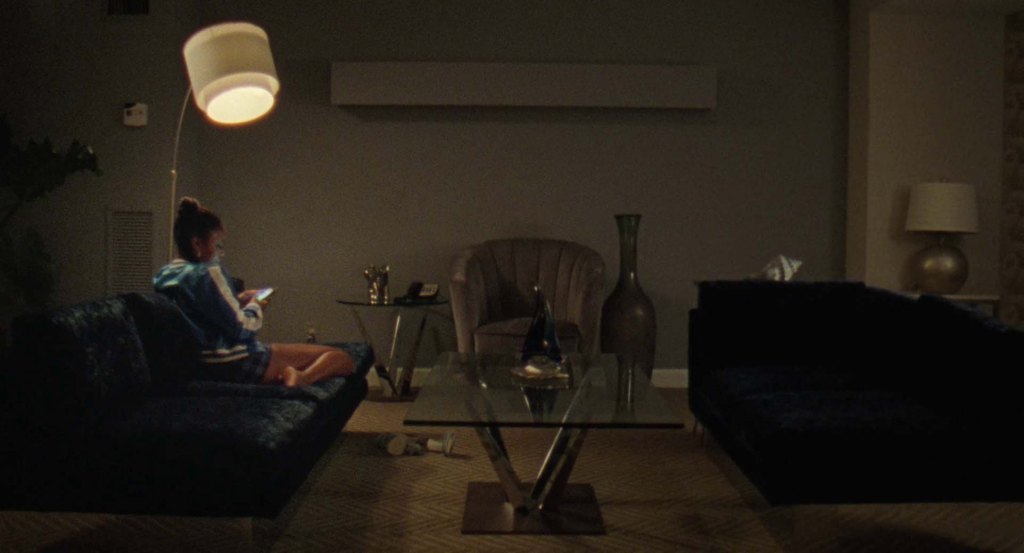
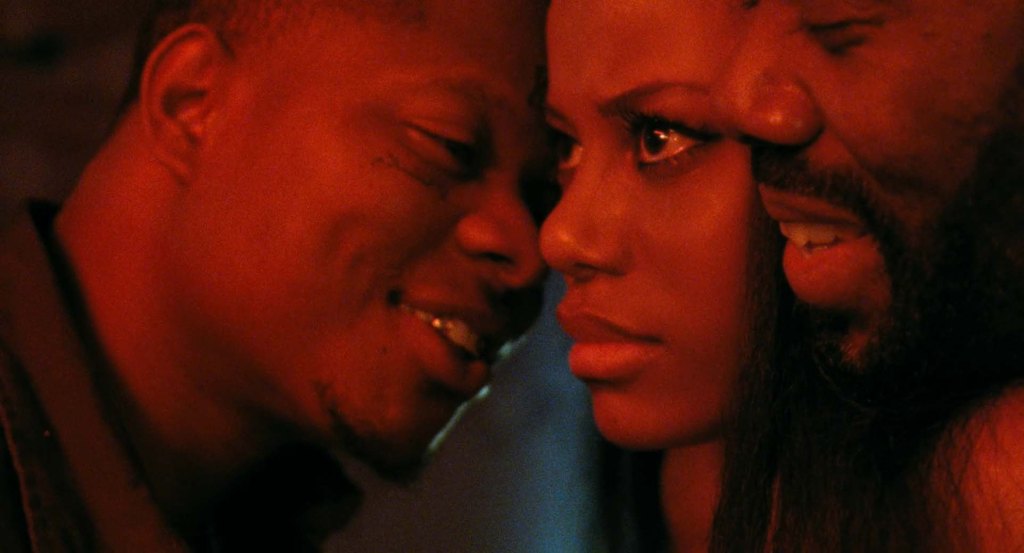
X pressures Stefani to meet with clients while Zola, who is reluctant, assists by managing logistics and providing emotional support. As the situation escalates, tensions within the group rise. Derrek, largely unaware of the reality of Stefani’s work, grows uncomfortable and insecure. His emotional instability worsens when he discovers Stefani’s involvement with other men, culminating in a dramatic, tense confrontation. This culminates in Derrek attempting suicide in a motel room, further deepening the sense of chaos and volatility.
Zola’s discomfort grows as she realizes just how manipulative and dangerous X can be. The group becomes involved with increasingly risky clients, culminating in a violent encounter that pushes Zola to her limits.
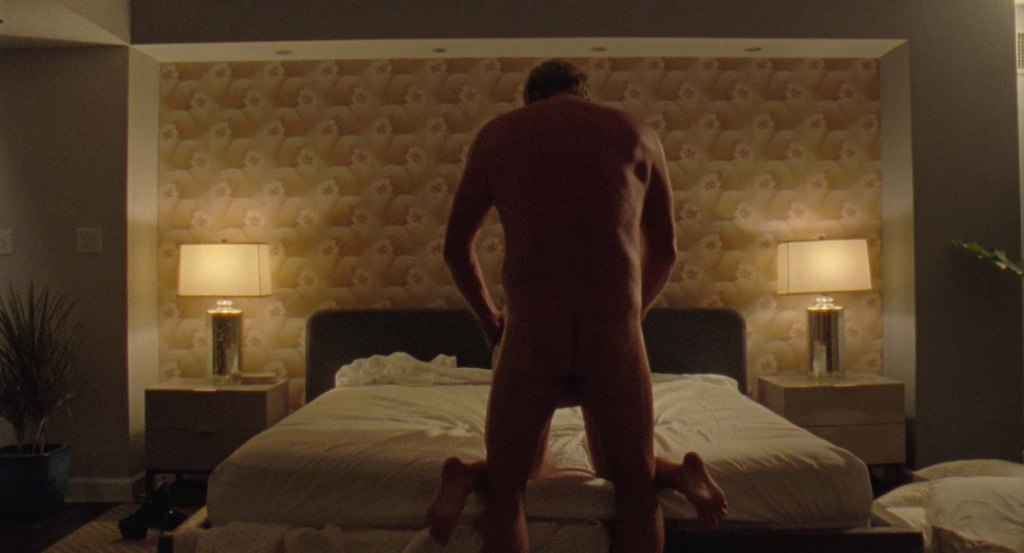

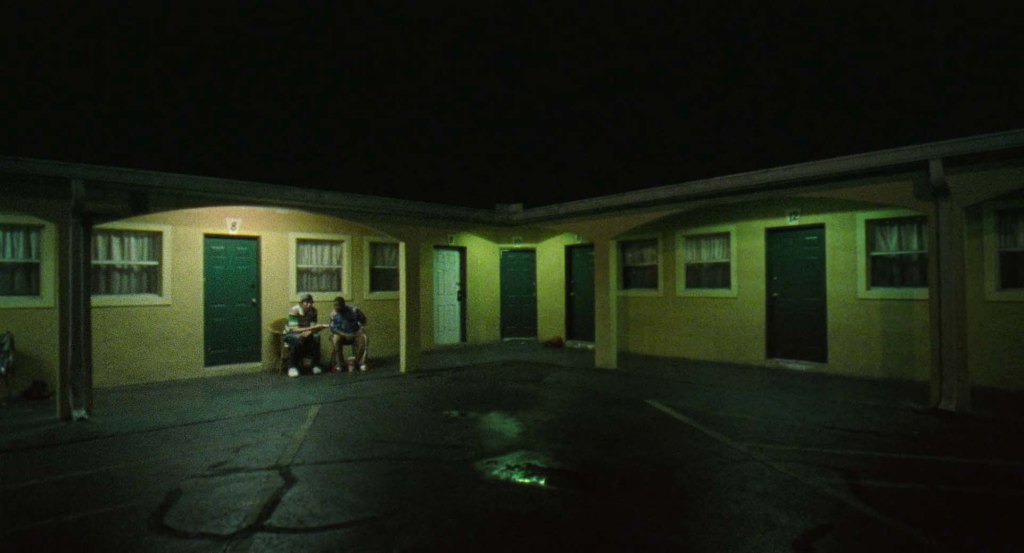
The situation escalates when X coerces Stefani into attending a particularly dangerous meeting, leading to a confrontation that involves weapons and threats. This incident underscores the precariousness of their situation.
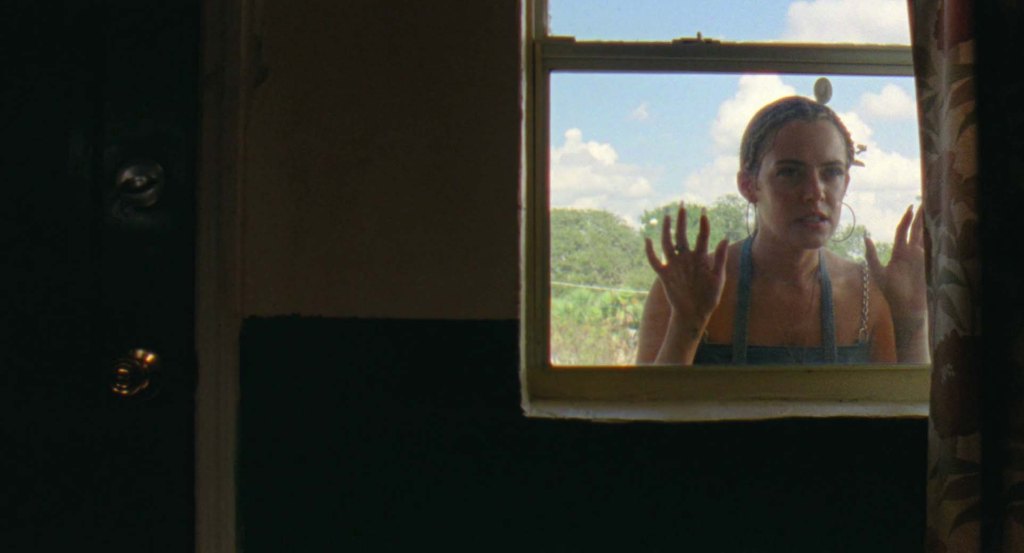
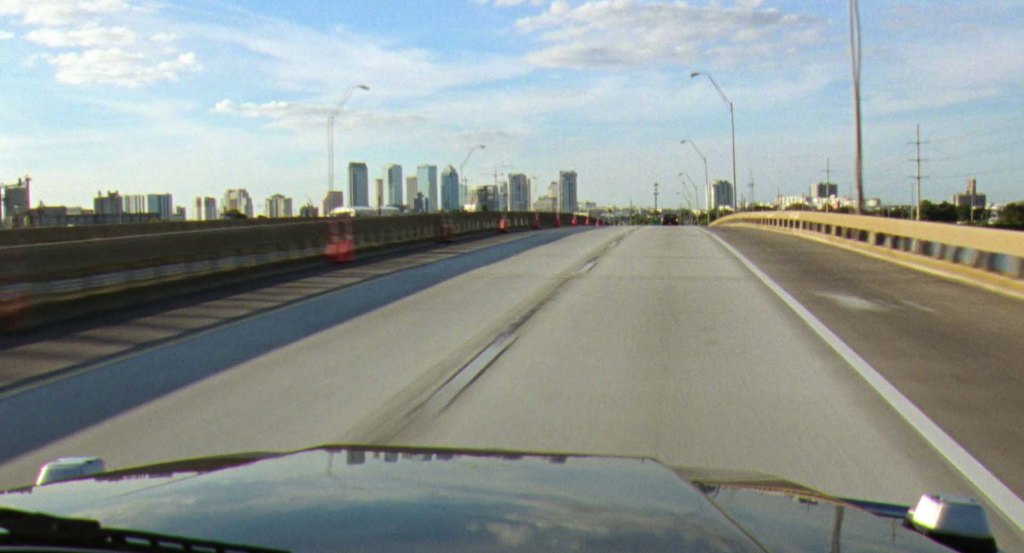
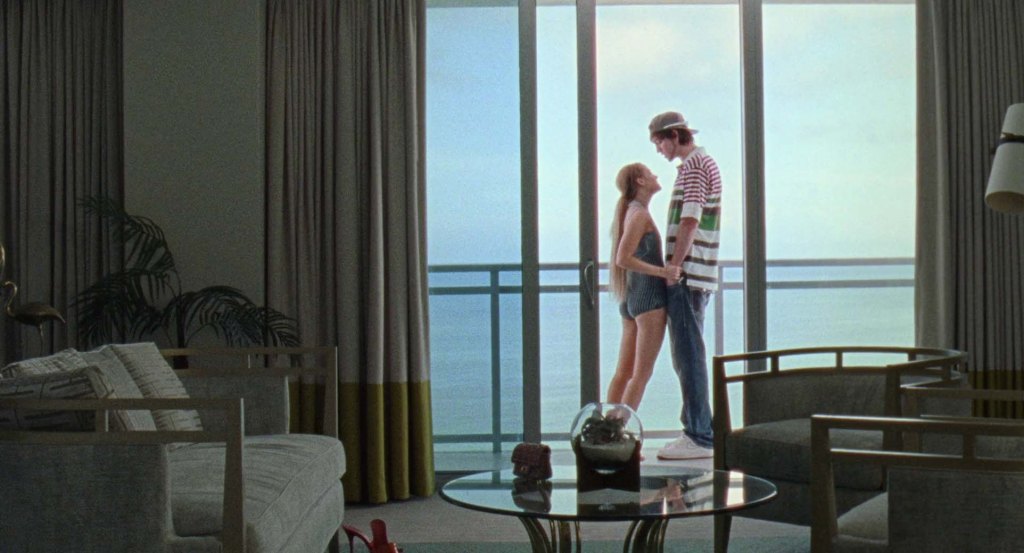
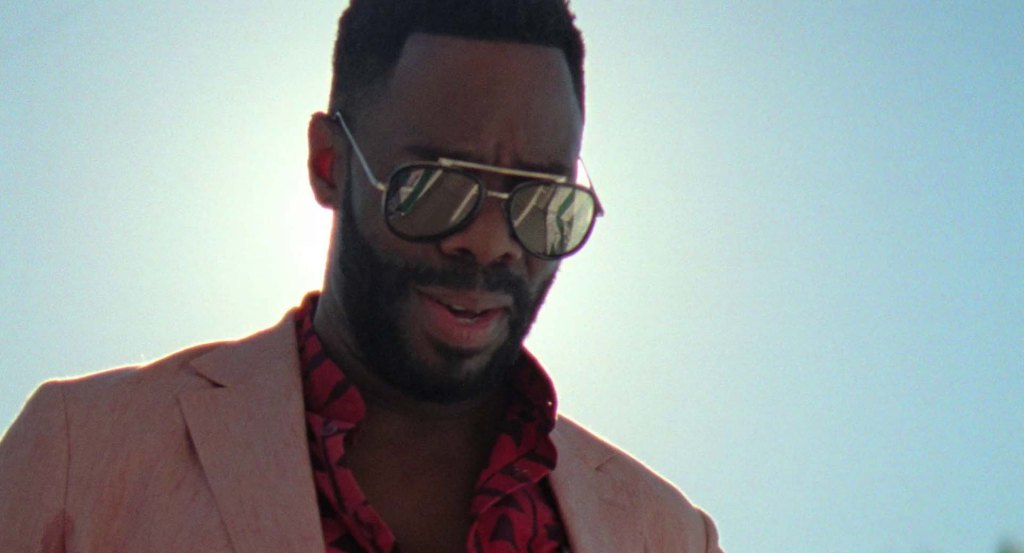
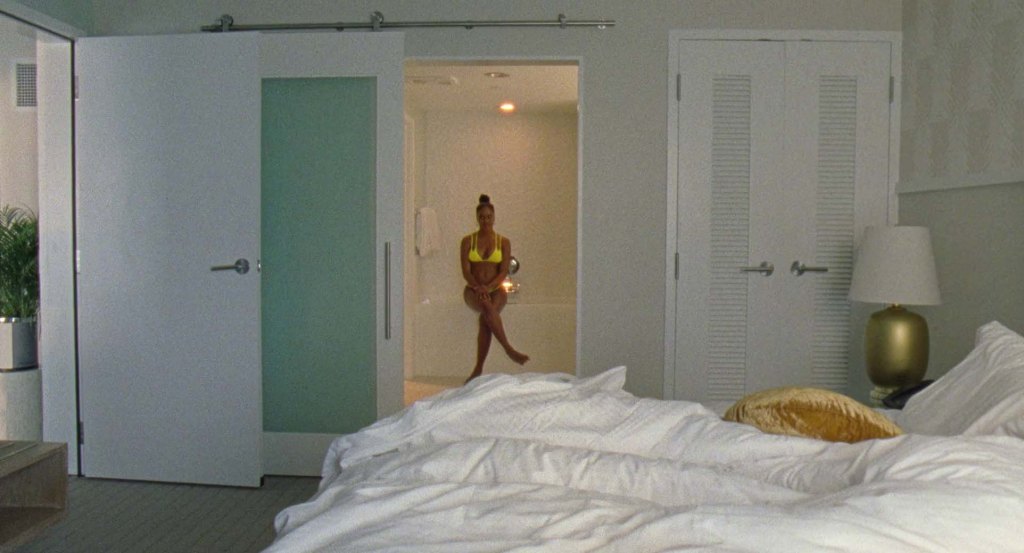
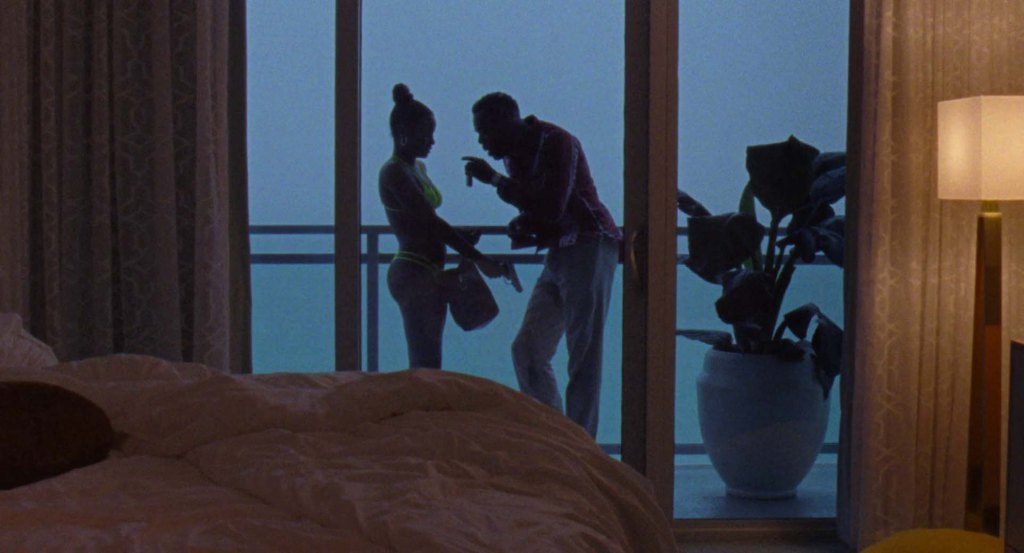
Throughout the experience, Zola maintains a cautious distance, narrating the events with dry humor and disbelief. Her perspective shapes the film, highlighting her realization that she has entered a situation much more dangerous than she expected. Ultimately, Zola decides to remove herself from the situation, determined to return home safely.
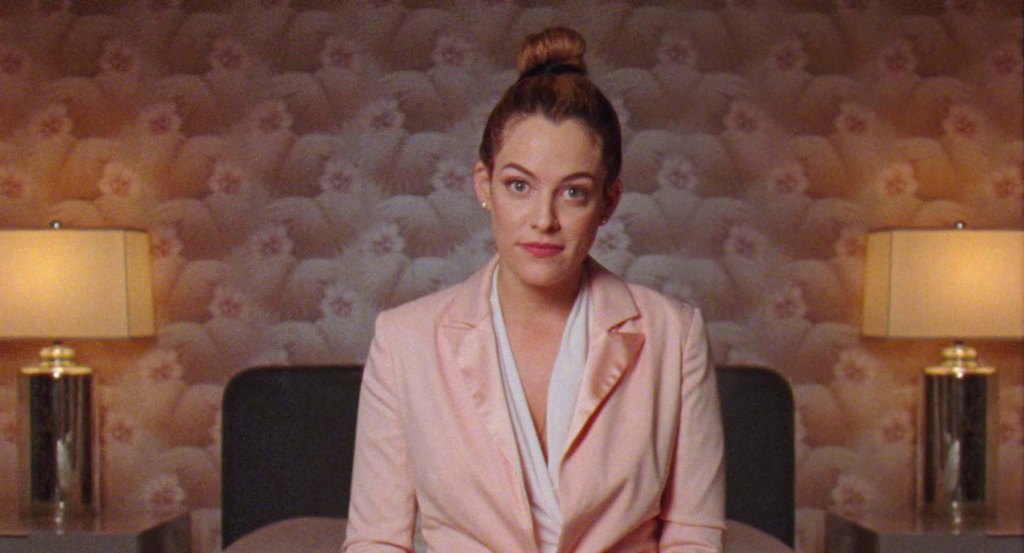
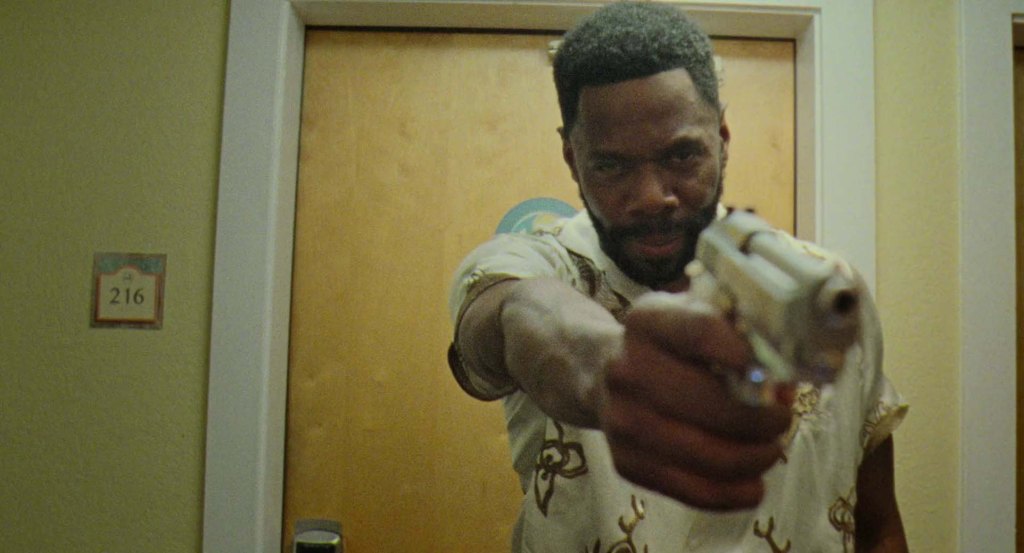

The film concludes with Zola leaving Florida, reflecting on his surreal and chaotic journey. The ending is ambiguous, highlighting the bizarre, almost unbelievable nature of the events and mirroring the original Twitter thread’s tone. The final moments emphasize themes of survival, agency, exploitation, and the unusual intimacy that can form during shared crises.
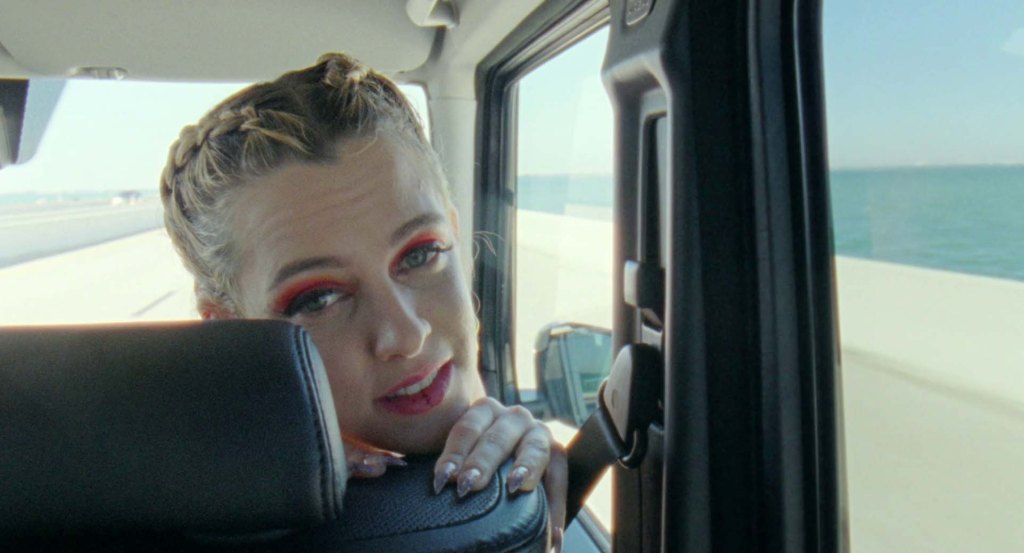
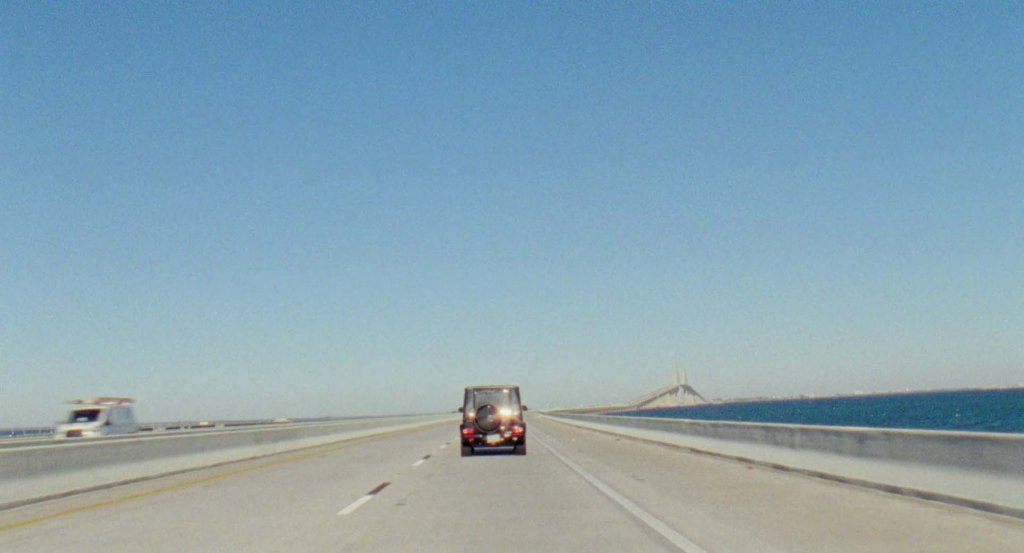
Zola combines dark comedy, thriller elements, and social commentary while exploring themes of race, class, exploitation, internet culture, and female autonomy. The tone shifts between humorous absurdity and genuine danger.