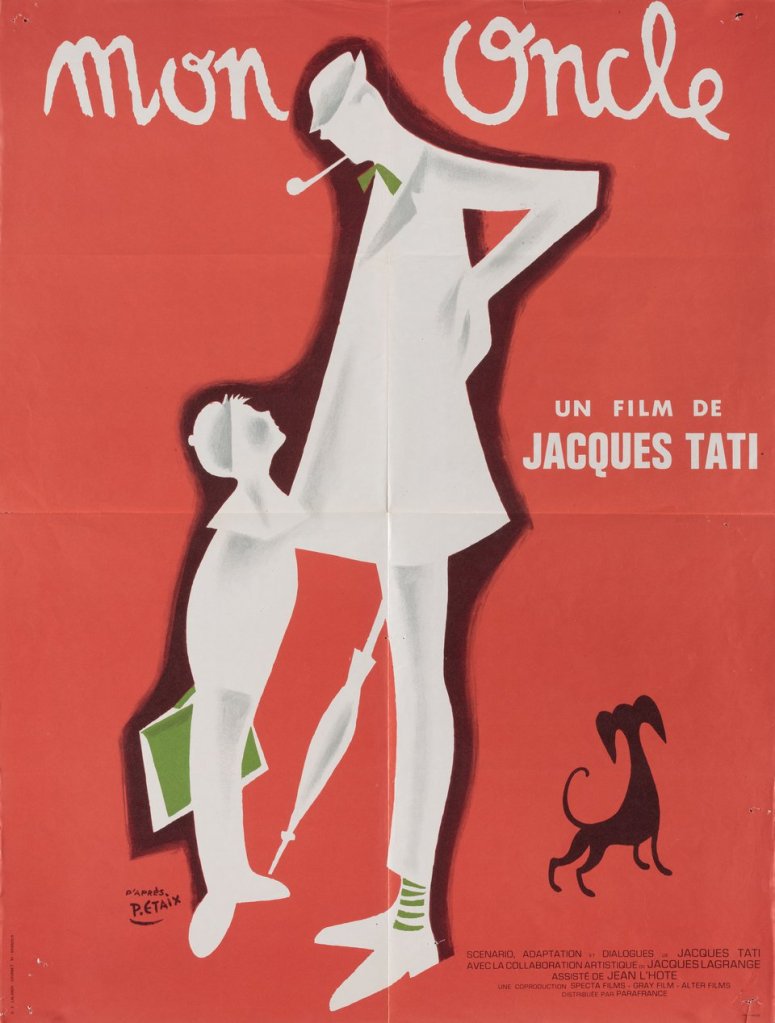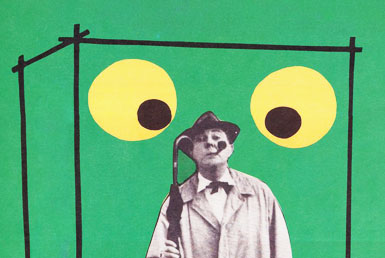
“Mon Oncle,” also known as “My Uncle,” is a 1958 French-Italian comedy directed by, written by, and starring Jacques Tati as the lovable and perpetually bewildered Monsieur Hulot. The film also features Jean-Pierre Zola as Monsieur Arpel, Adrienne Servantie as Madame Arpel, Alain Bécourt as Gérard Arpel, Lucien Frégis as Monsieur Pichard, and Betty Schneider as Betty. This is Tati’s second feature film, which features the character Hulot. “Mon Oncle” offers a gently satirical examination of modernity, consumer culture, technology, and the increasingly mechanized nature of everyday life.
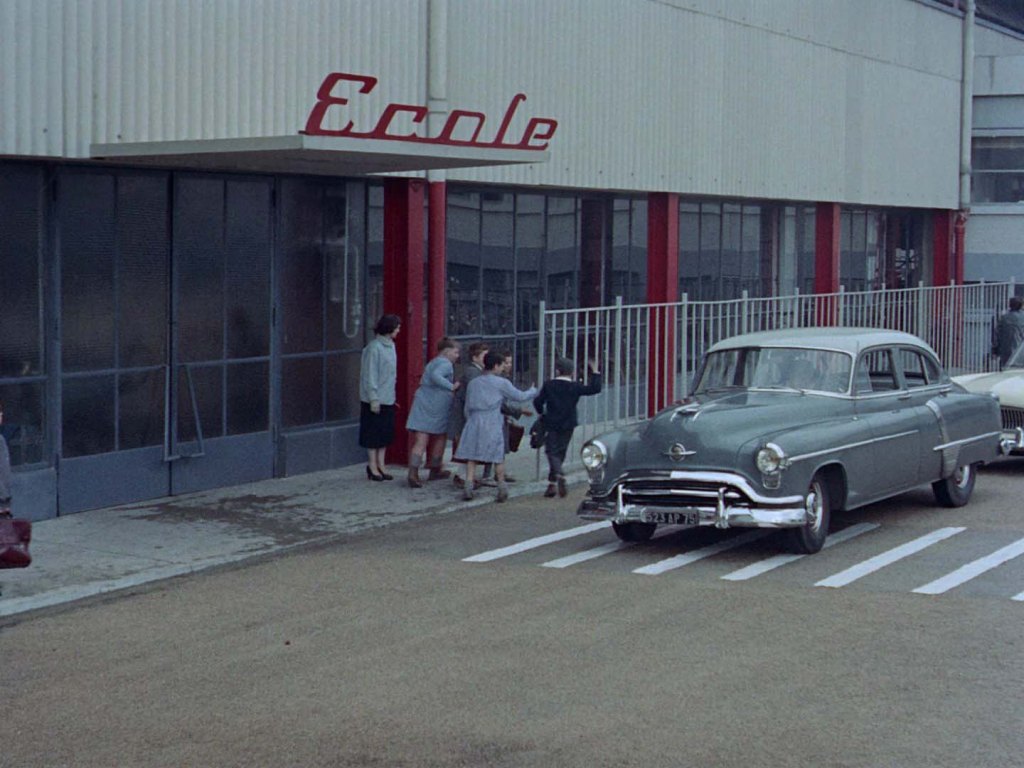
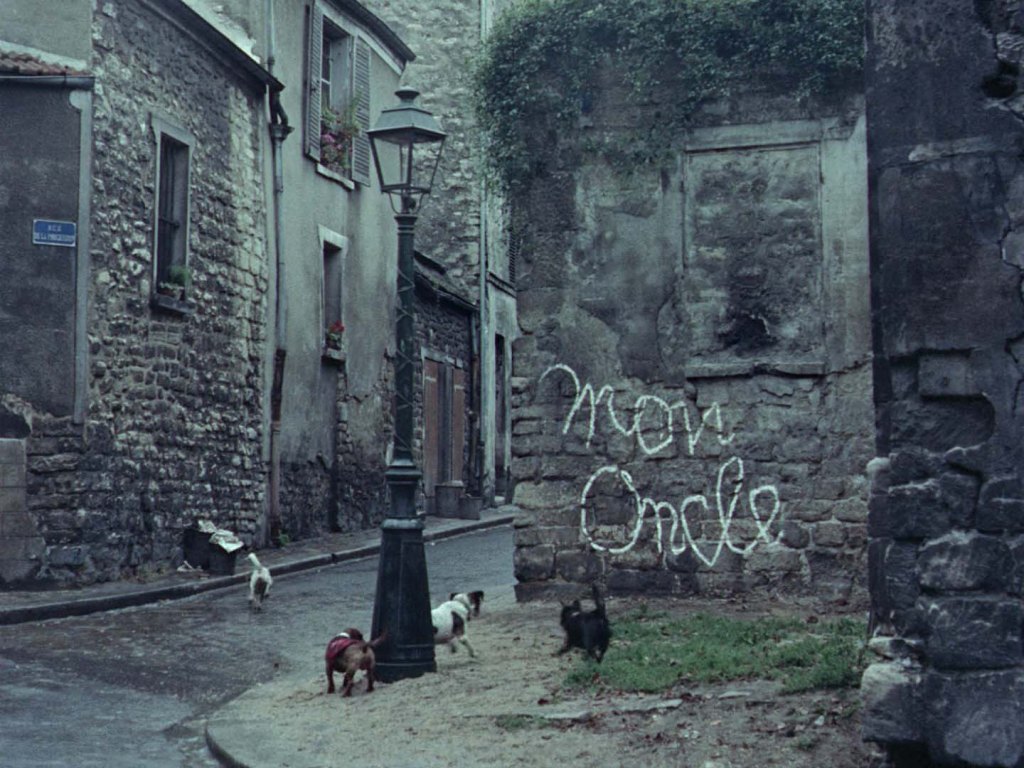
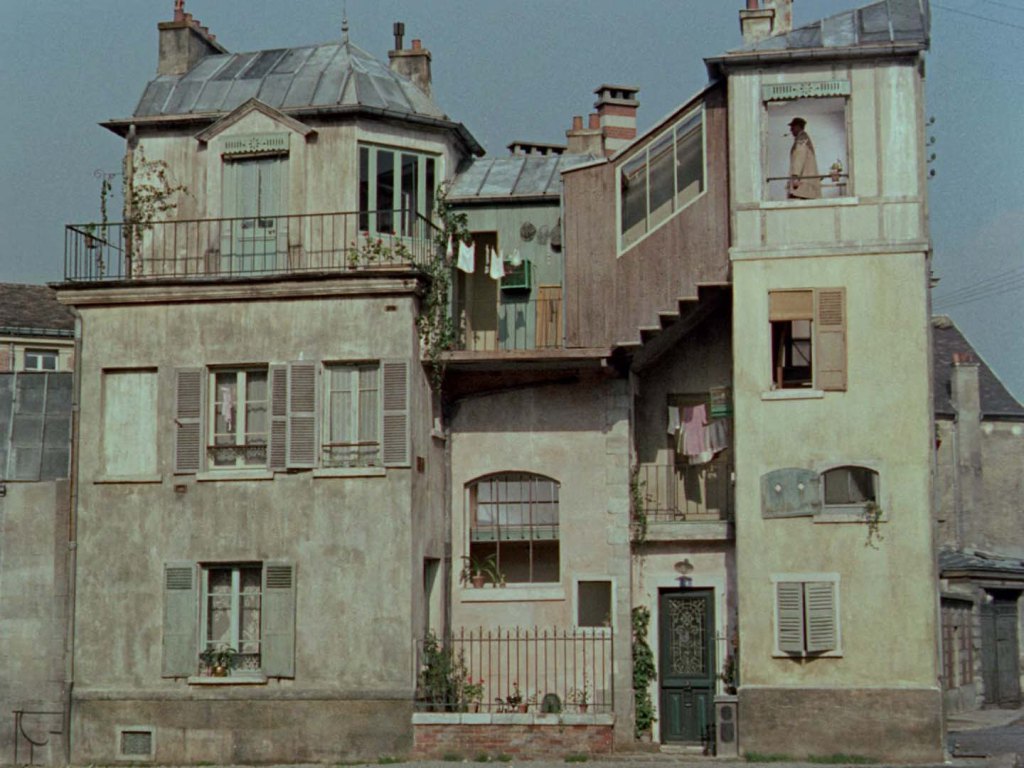
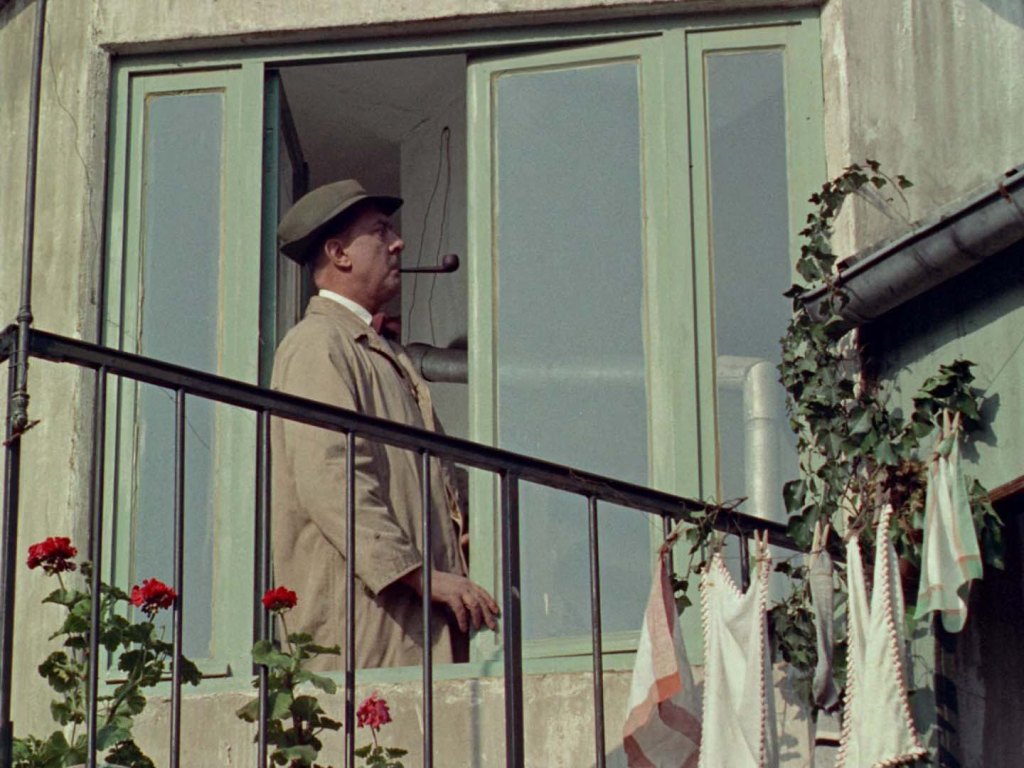
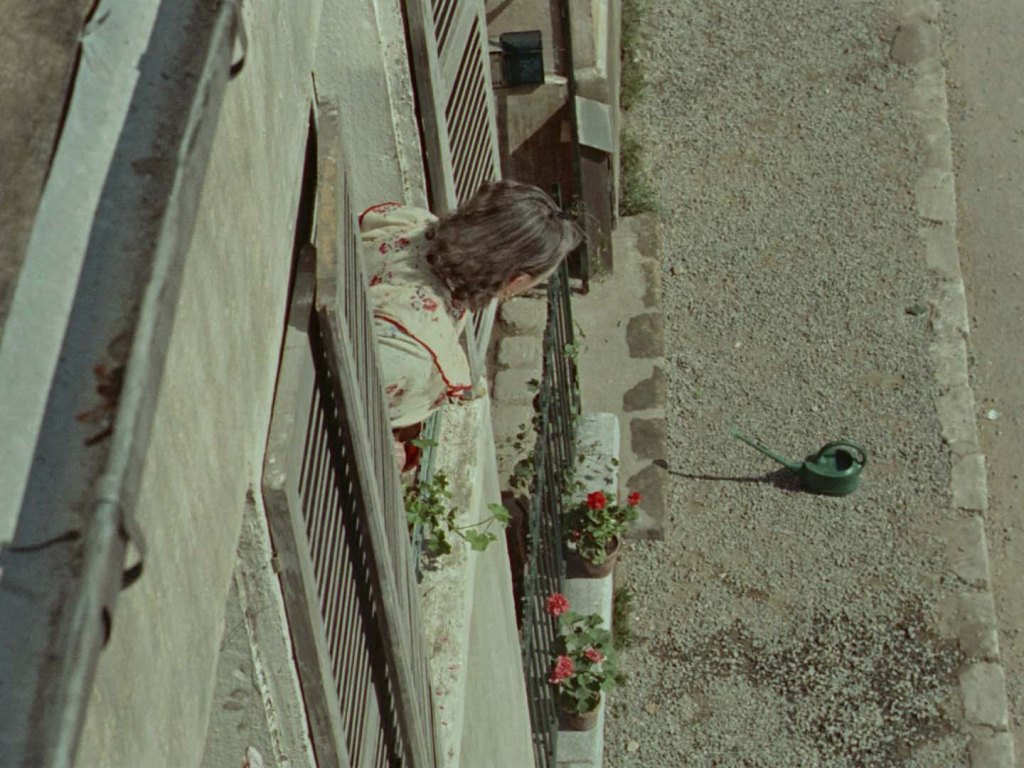
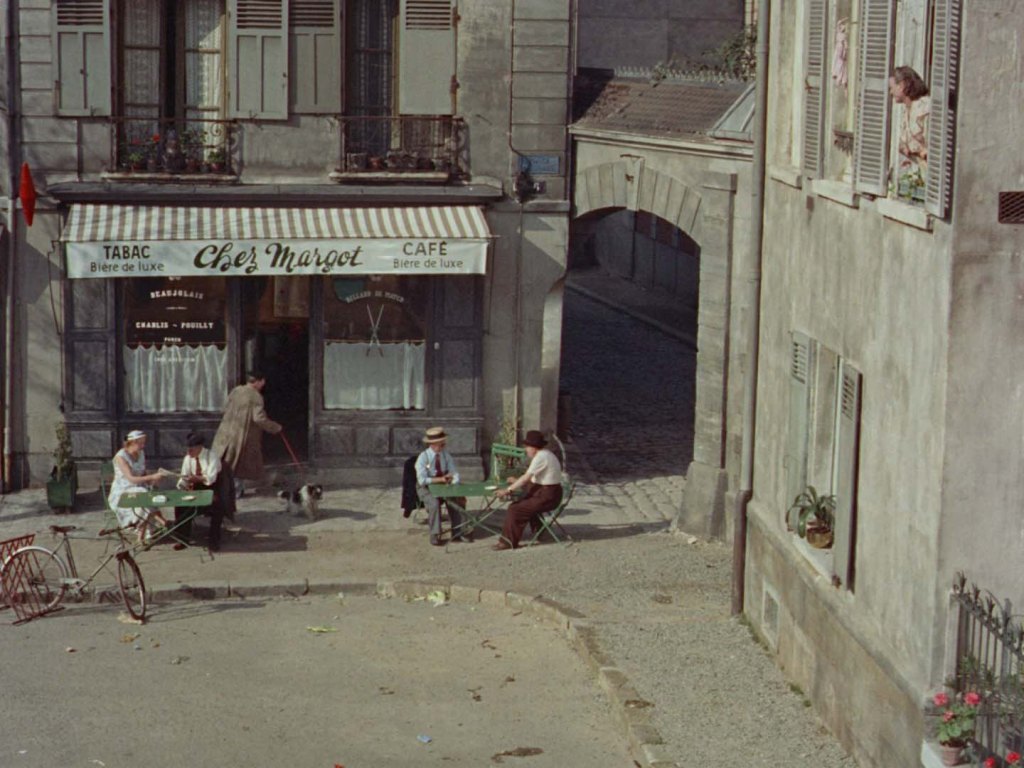
The film follows Monsieur Hulot (Jacques Tati), a tall, pipe-smoking man who is slightly awkward and lives in an old, modest neighborhood on the outskirts of a rapidly modernizing French city. Hulot’s life is intentionally simple. He meanders through narrow streets, greets his neighbors, visits small shops, and spends his days without any clear profession or schedule. He feels completely at ease in his environment, where human interaction and spontaneous encounters matter more than efficiency or material possessions.
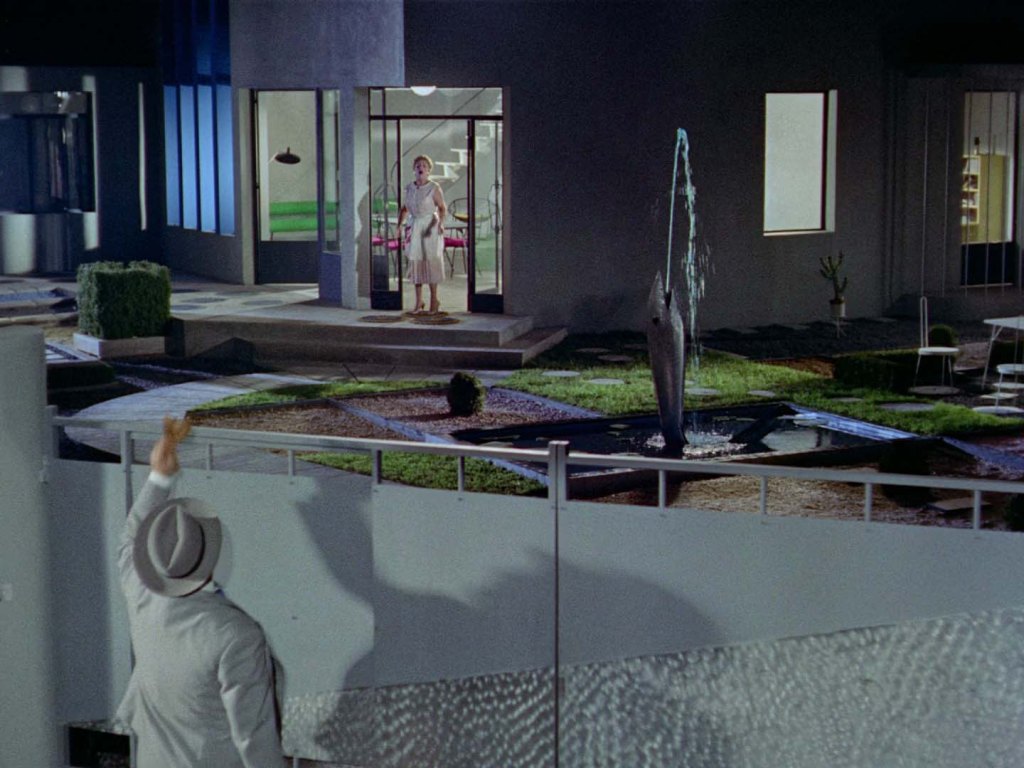
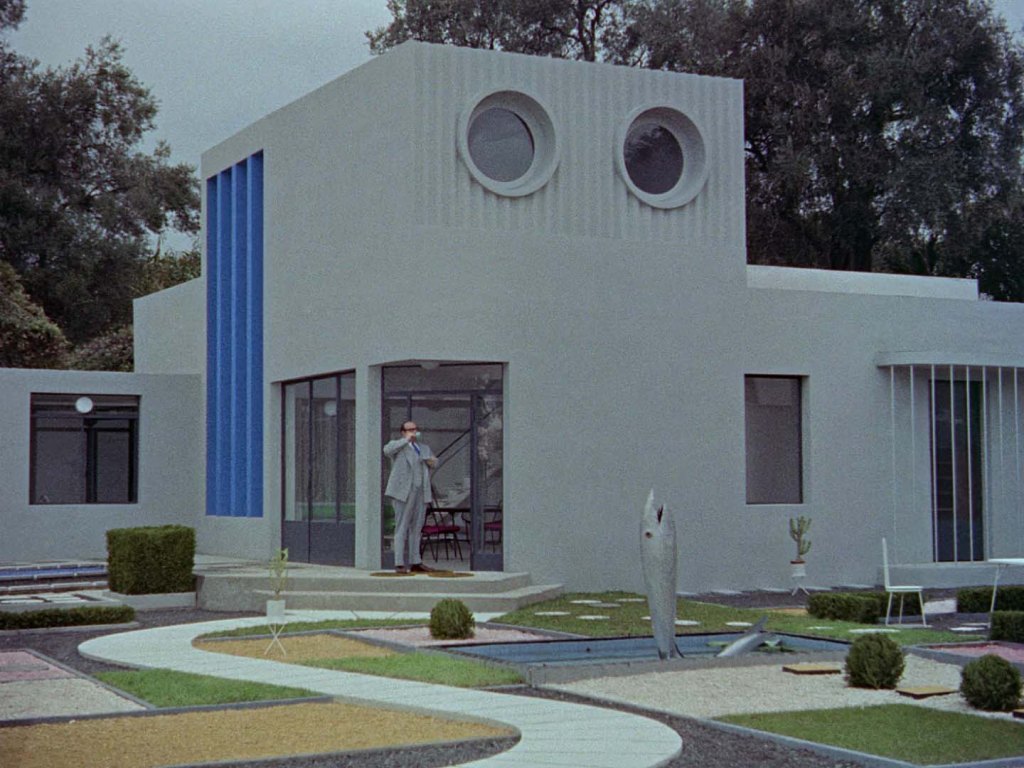
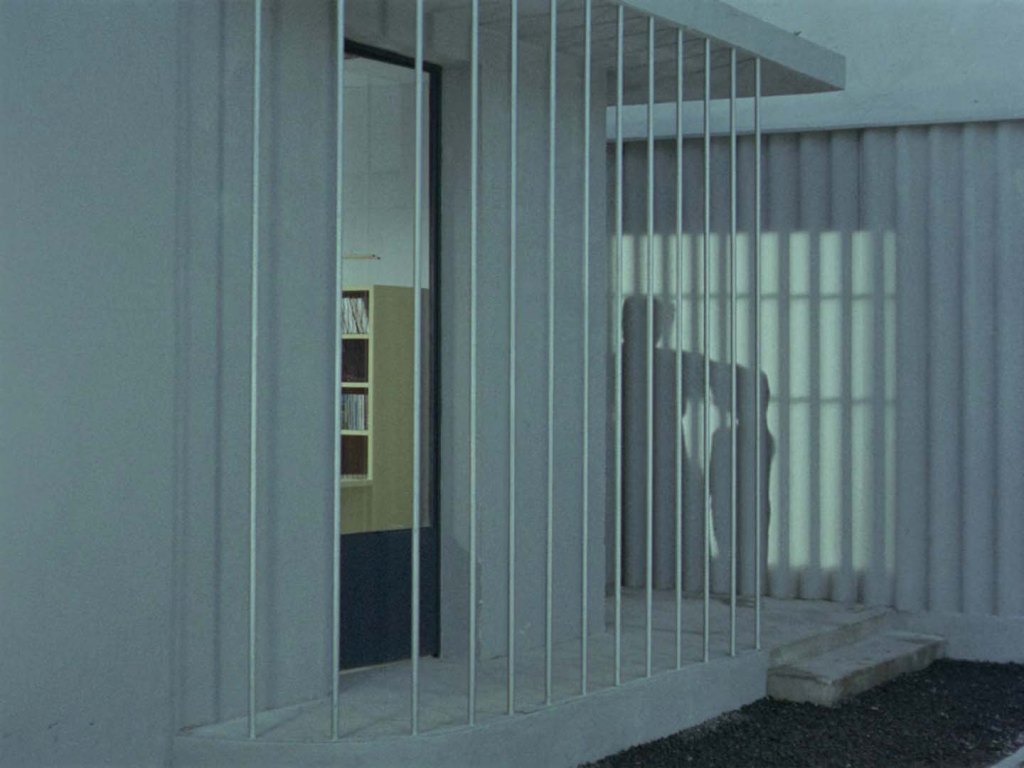
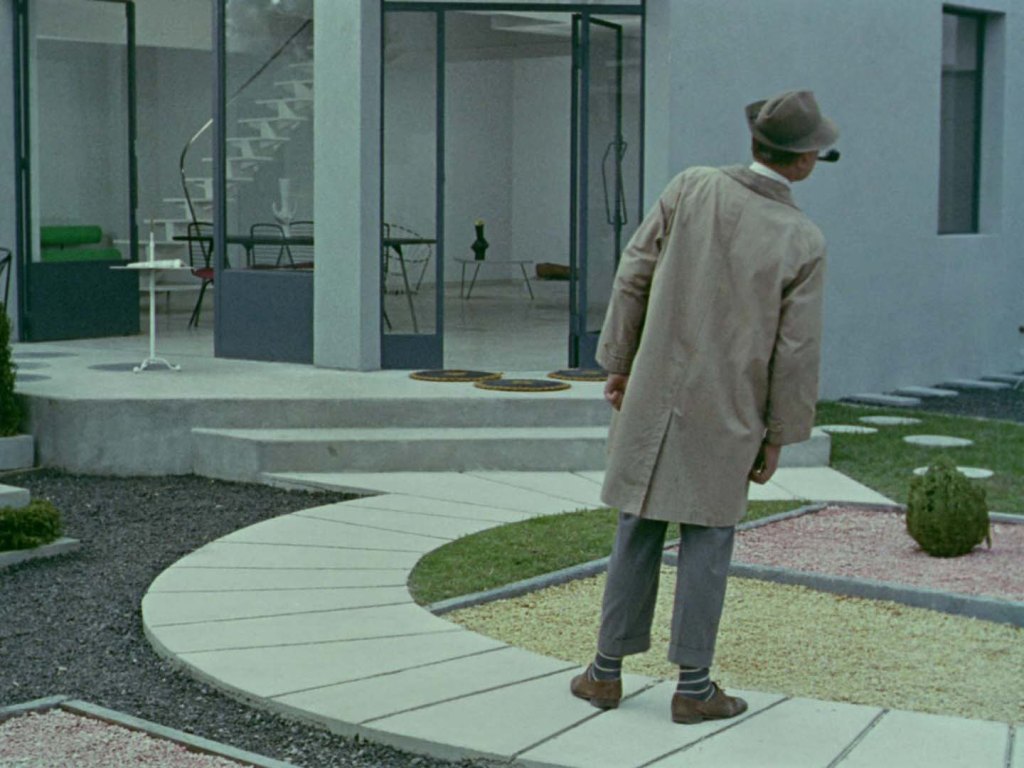
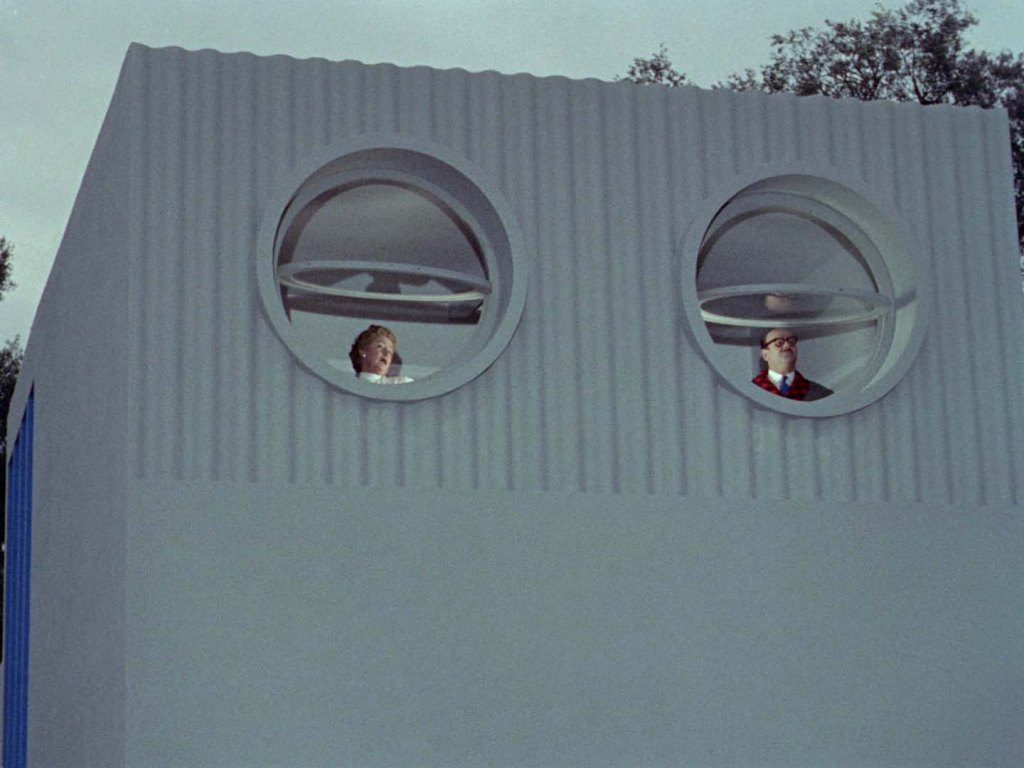
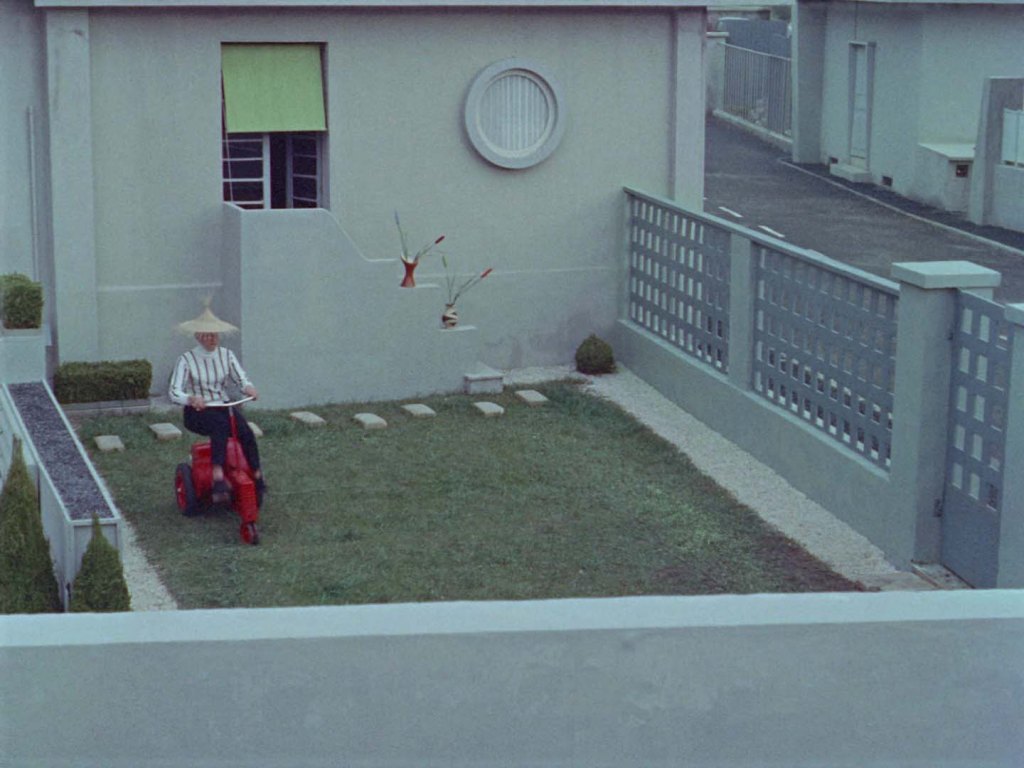
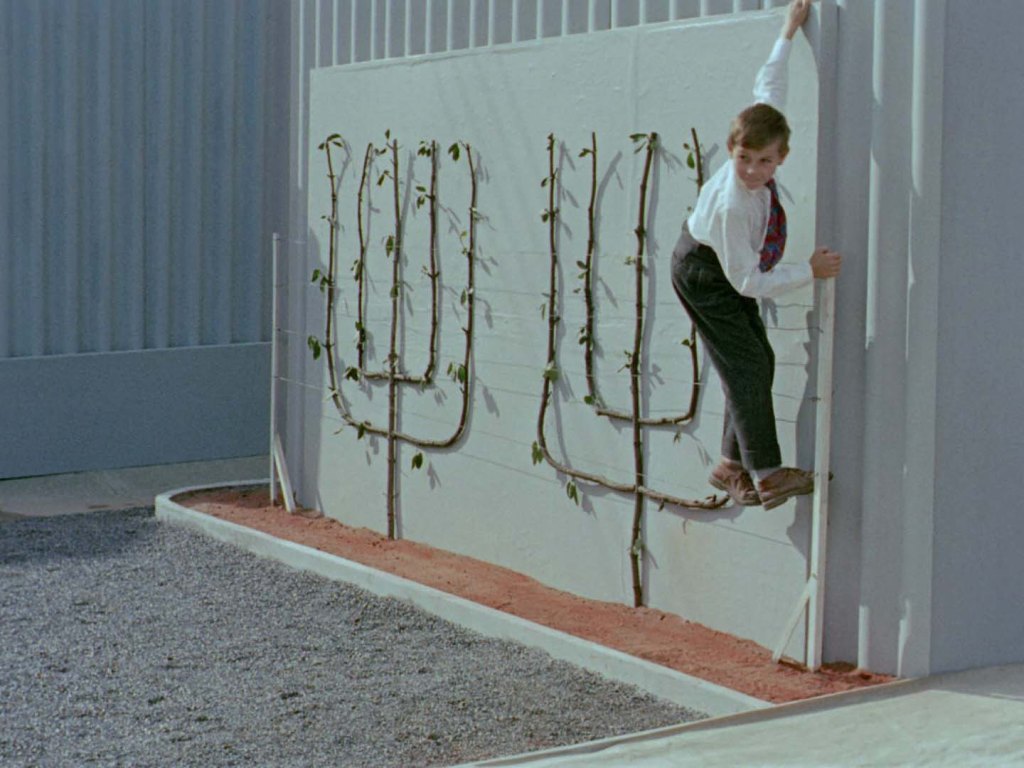
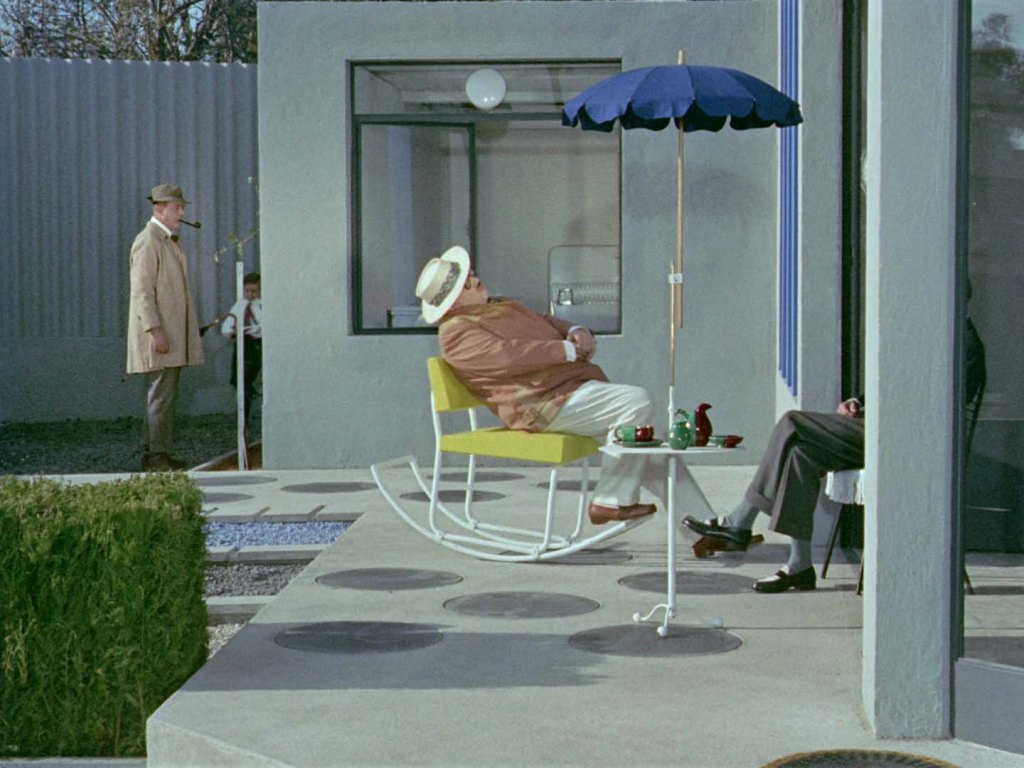
Hulot’s sister, Madame Arpel (Adrienne Servantie), is married to Monsieur Arpel (Jean-Pierre Zola), a prosperous industrialist eager to showcase his family’s social success. The Arpels reside in a newly constructed suburban home characterized by sleek geometric shapes, polished surfaces, automated appliances, and meticulously landscaped gardens.
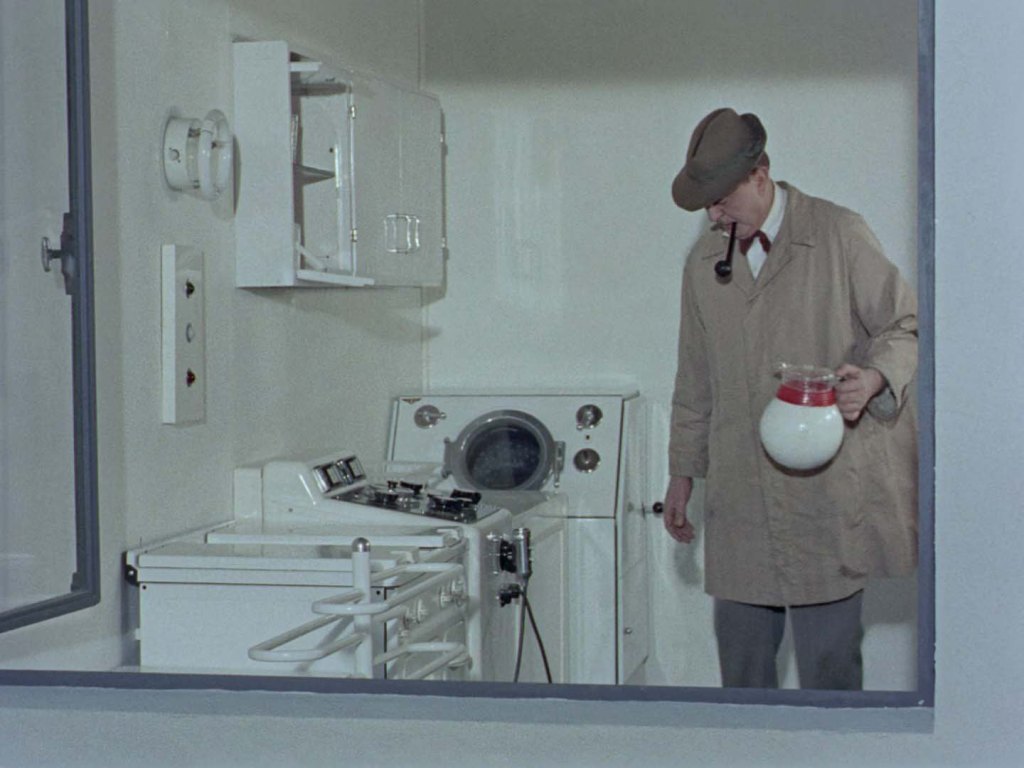
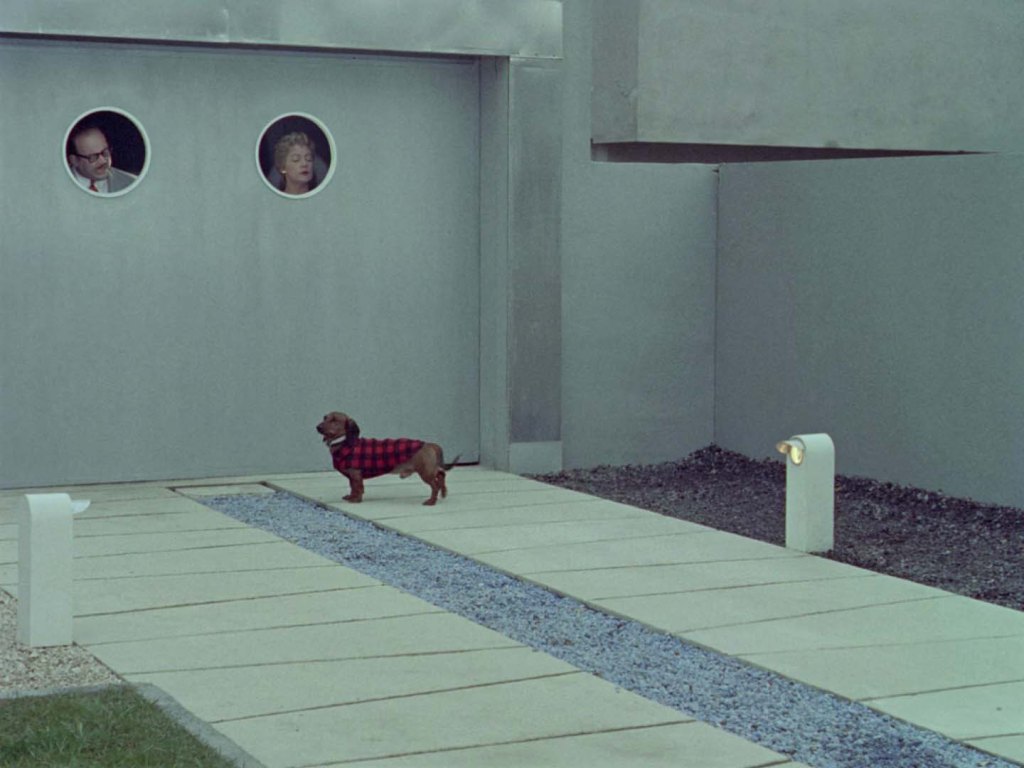
The Arpel family’s house is designed to represent the ideal modern home, but Tati immediately presents it as a comedic nightmare. Nearly everything in the house is automated, overly complicated, or designed primarily to impress guests. A futuristic fish-shaped fountain stands in the center of the garden and activates whenever visitors arrive. The house features electrically operated doors, elaborate kitchen appliances, and machines whose primary purpose often seems less significant than their role in showcasing the family’s sophistication.
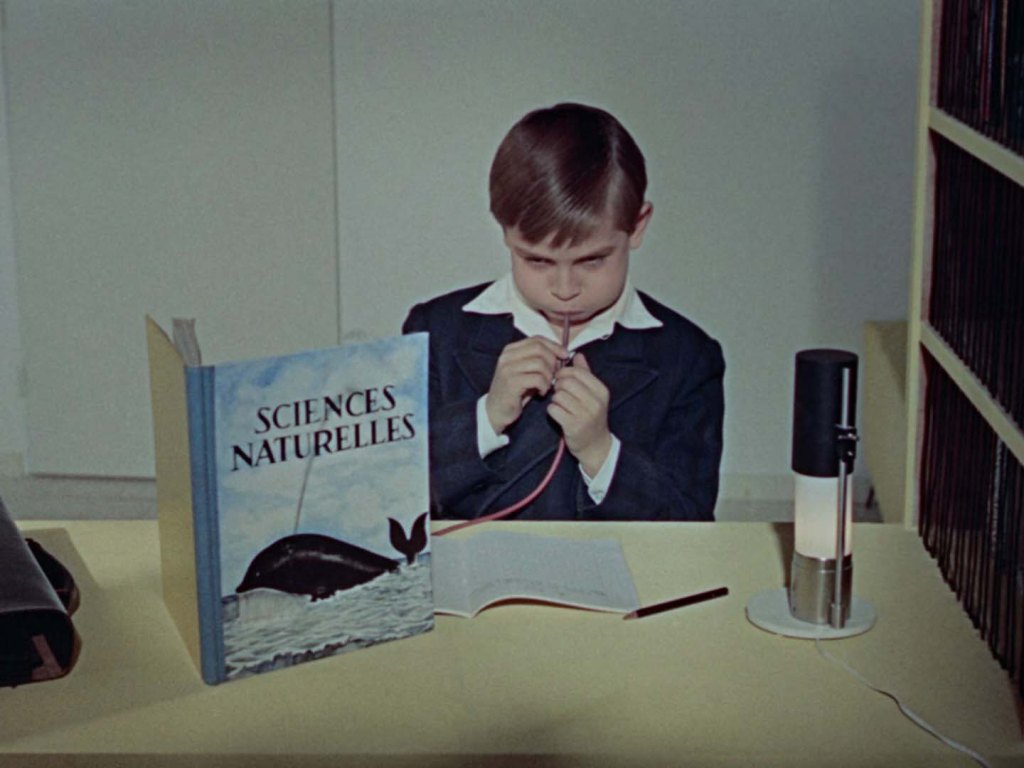
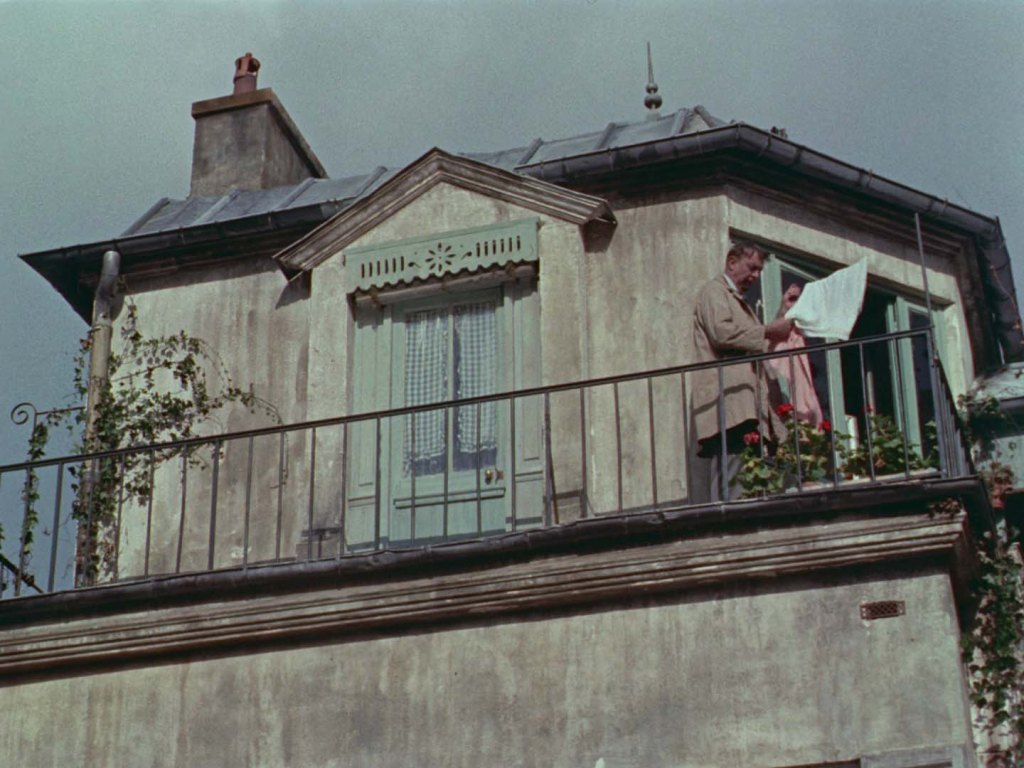
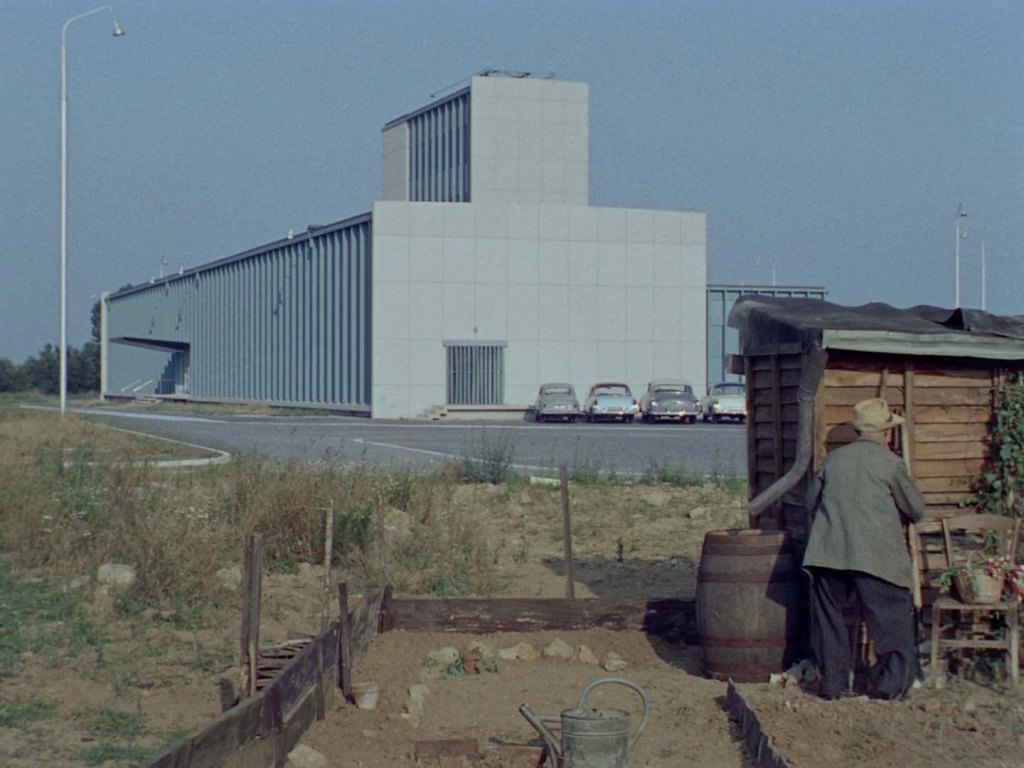
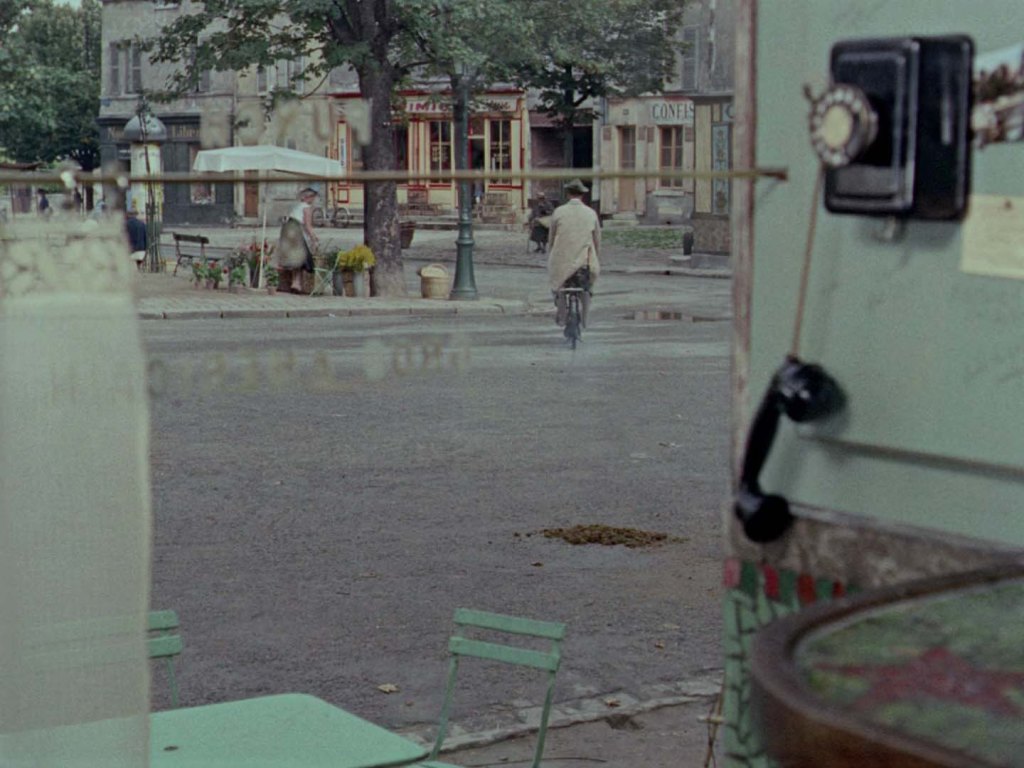
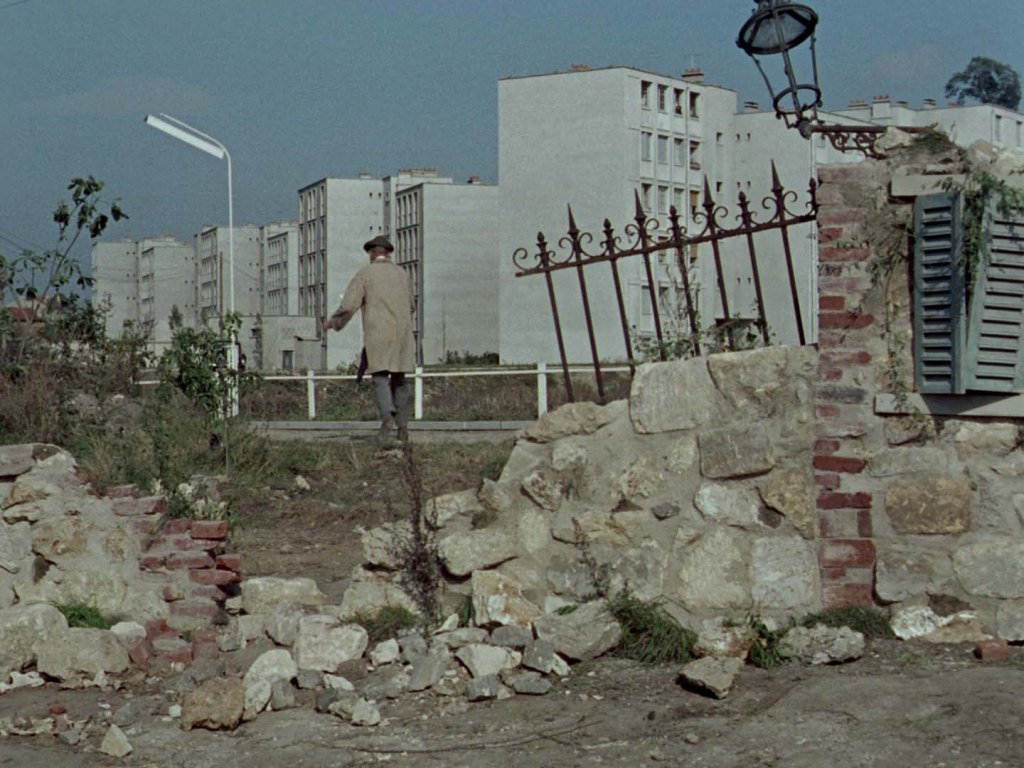
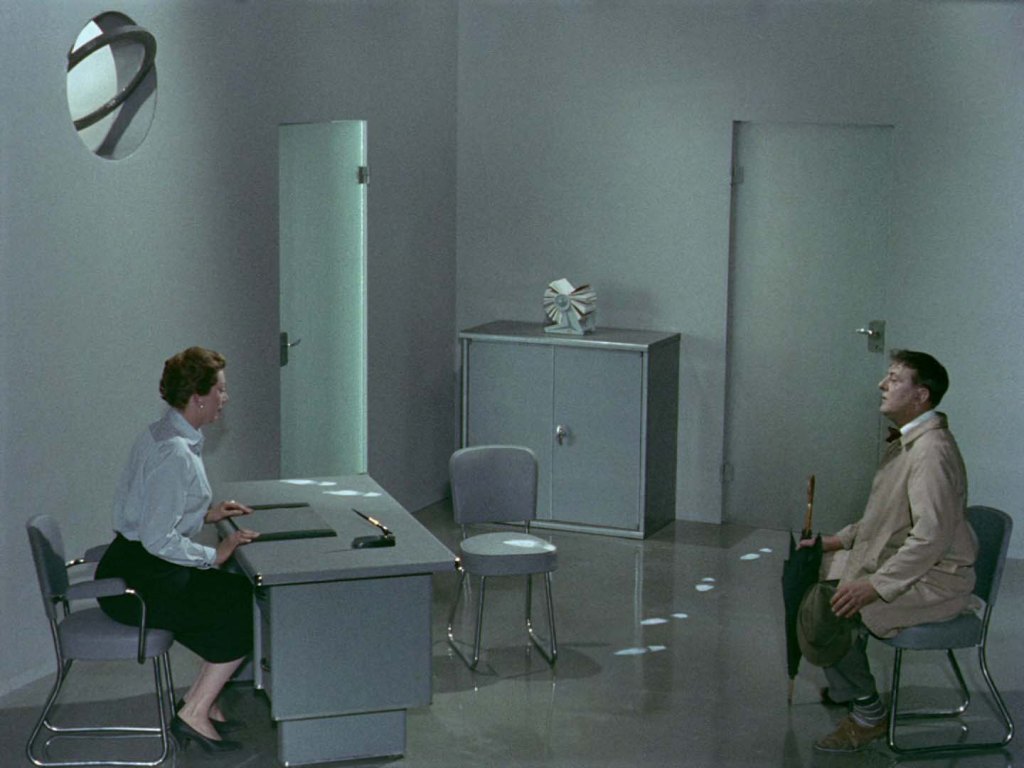
The stark contrast between Hulot’s old neighborhood and the Arpels’ modern home serves as the film’s central visual joke. Hulot’s world is irregular, crowded, noisy, and rich in human interaction, while the Arpels’ environment is clean, symmetrical, sterile, and oddly impersonal. Tati rarely explains this contrast through dialogue; instead, he uses architecture, movement, sound, and visual composition to convey the difference.
Hulot’s most significant connection to the Arpel family is his young nephew, Gérard (Alain Bécourt). Gérard adores his uncle because Hulot interacts with him differently from his parents. Monsieur Arpel wants his son to become disciplined, successful, and accustomed to the conveniences of modern life. In contrast, Hulot encourages Gérard to explore, play, and enjoy himself.
Gérard’s enthusiasm for his uncle causes anxiety for his parents. Monsieur and Madame Arpel believe that Hulot’s informal lifestyle negatively influences their son. However, they also recognize that Hulot’s lack of a respectable career presents a problem that must be addressed.
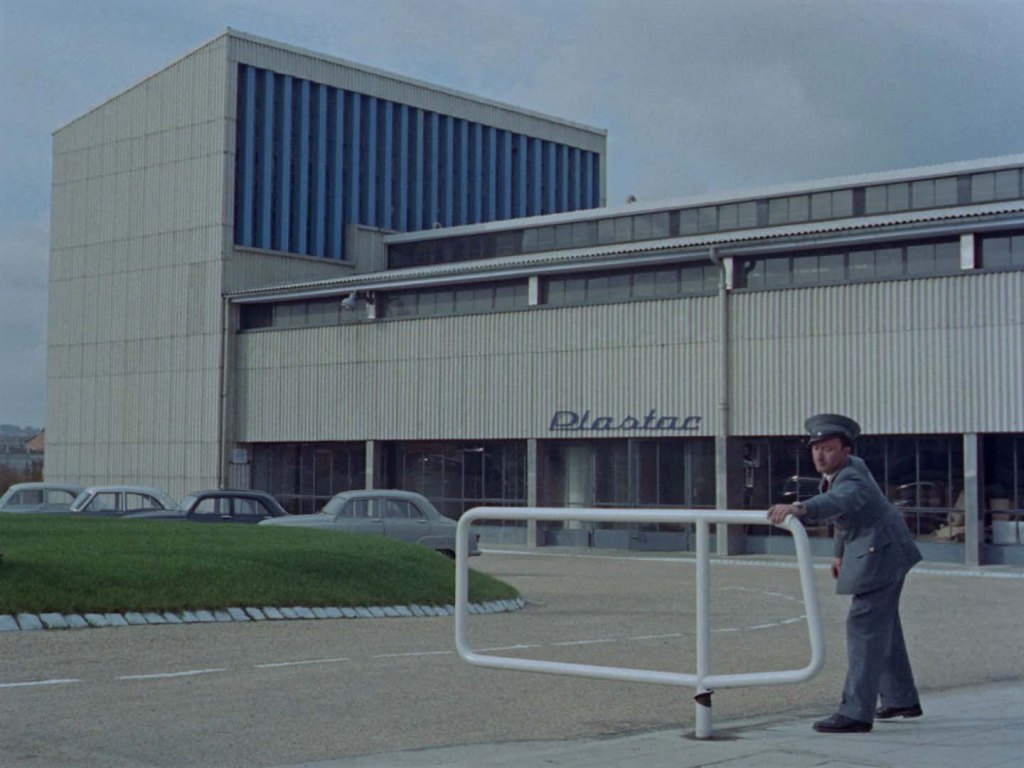
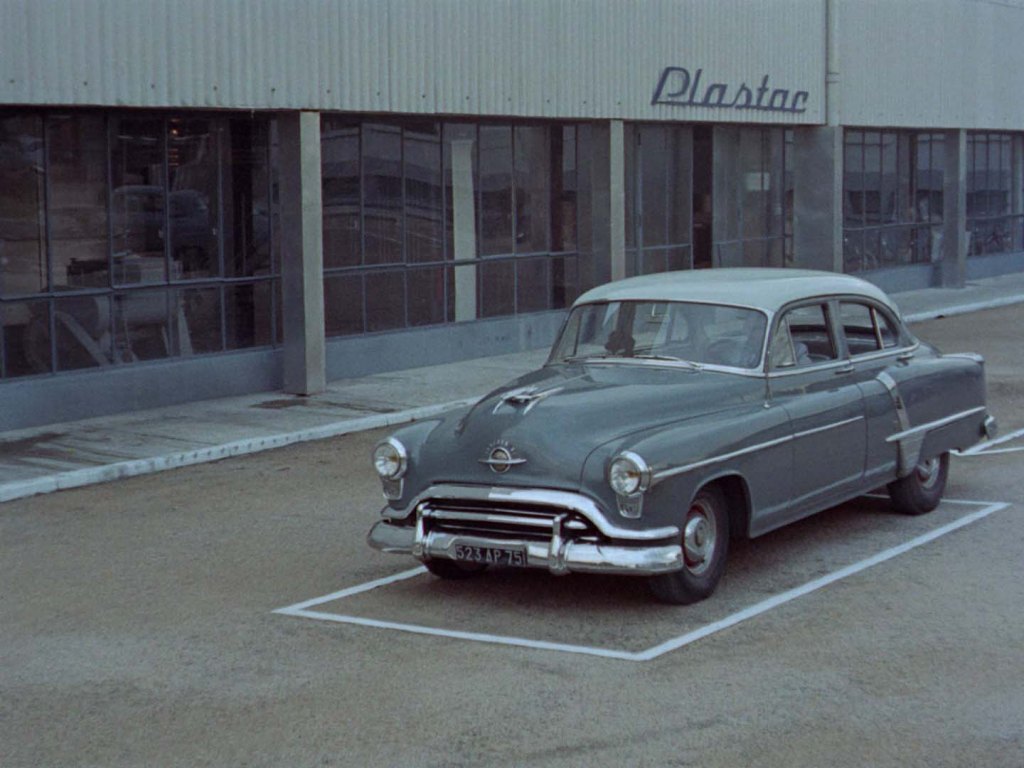
To resolve this, Monsieur Arpel decides that Hulot should get a job at his plastics factory. He hopes that employment will provide Hulot with stability while also keeping him away from Gérard. Hulot is introduced to the modern industrial workplace, where machines and workers operate under strict production systems.
As expected, Hulot struggles to fit into this environment. His natural curiosity and tendency to get distracted frequently disrupt the carefully controlled machinery of modern industrial life. The comedy in Tati’s work arises from small mechanical failures, awkward encounters, and Hulot’s inability to navigate the world according to the established rules.
Meanwhile, the Arpels continue their efforts to integrate Hulot into their social circle. Madame Arpel is particularly concerned about appearances and is determined to make her brother appear respectable. She introduces him to friends and potential romantic interests, including her neighbor Betty (Betty Schneider), hoping that he will establish a more conventional adult life.
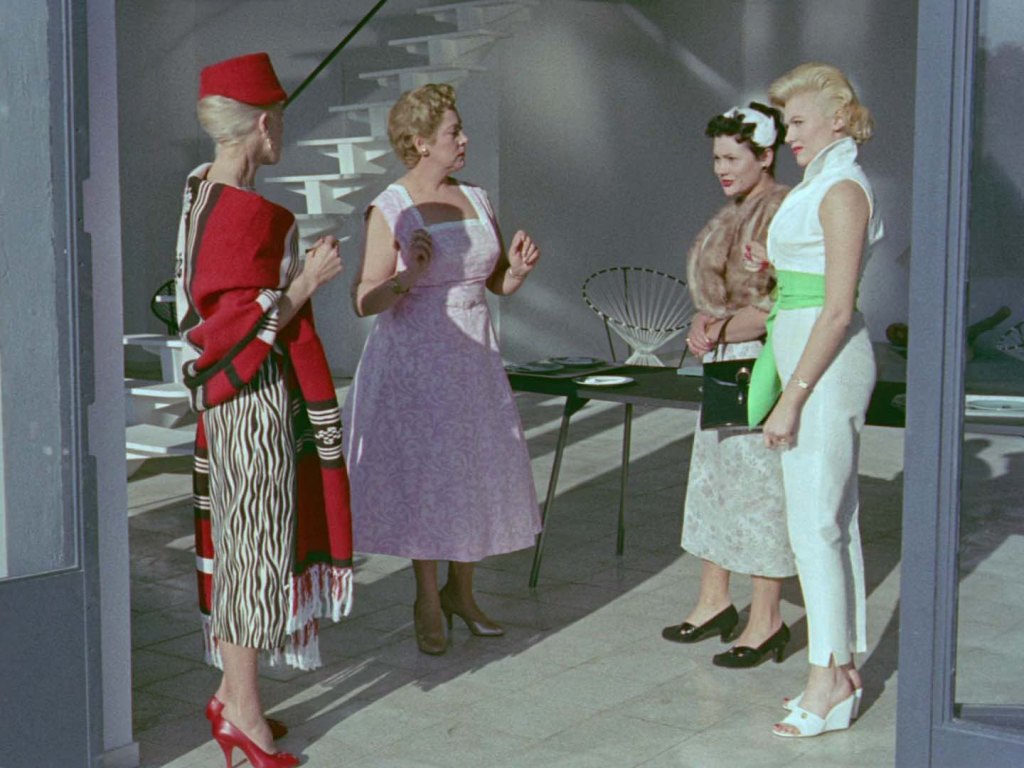
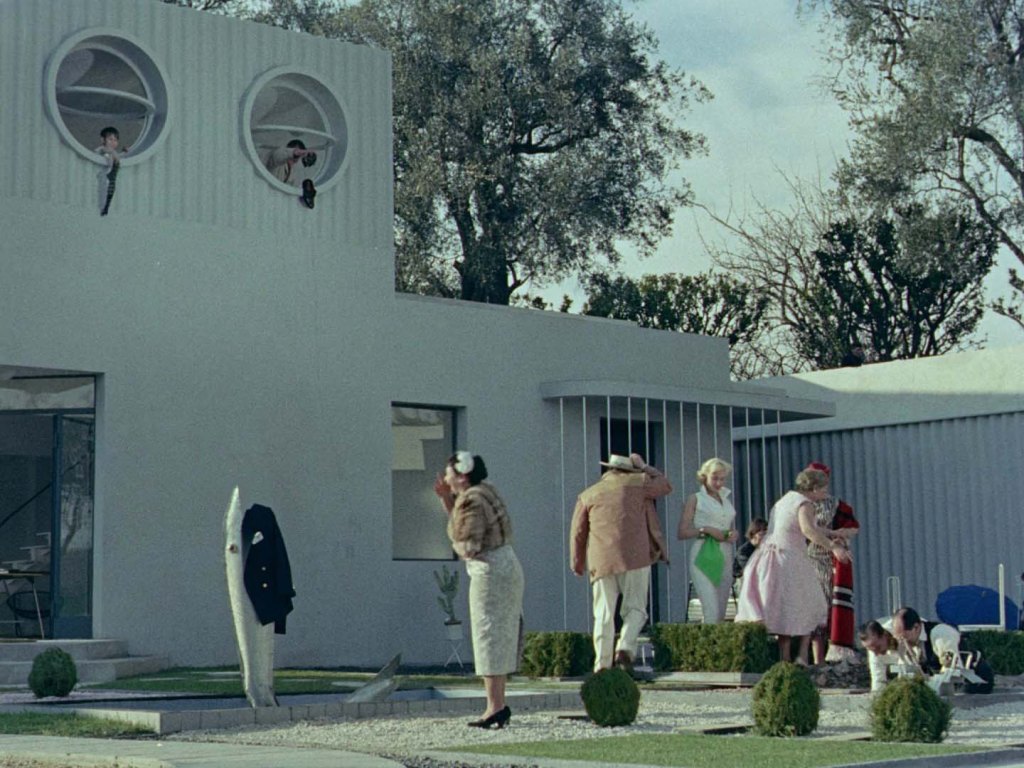
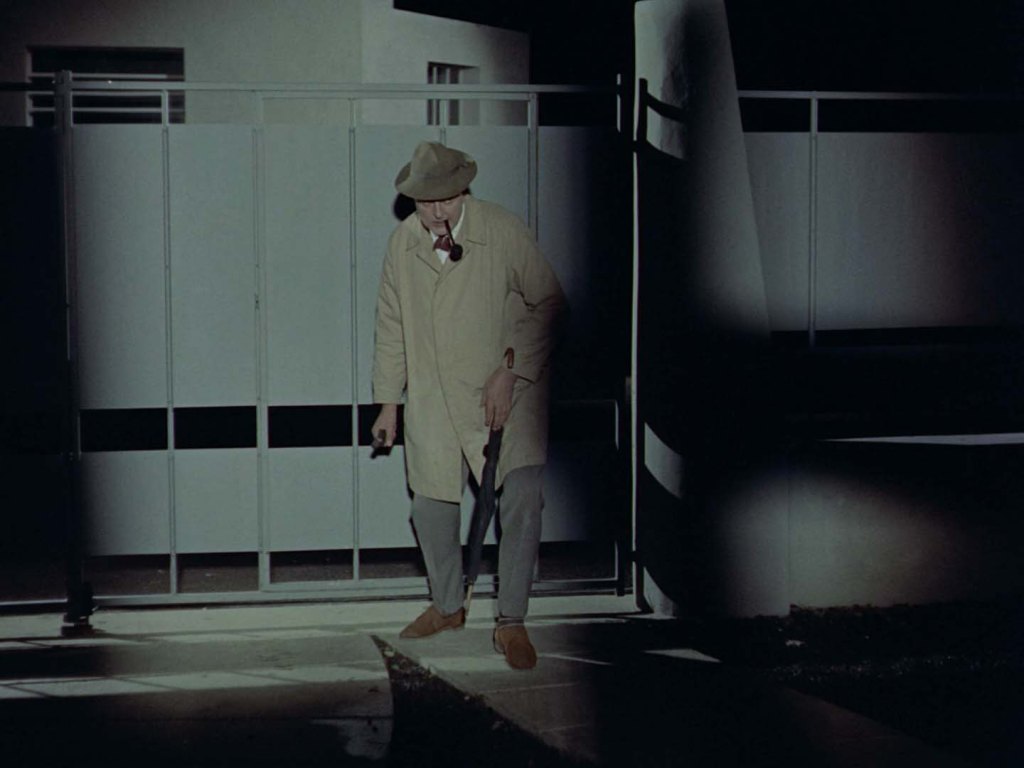
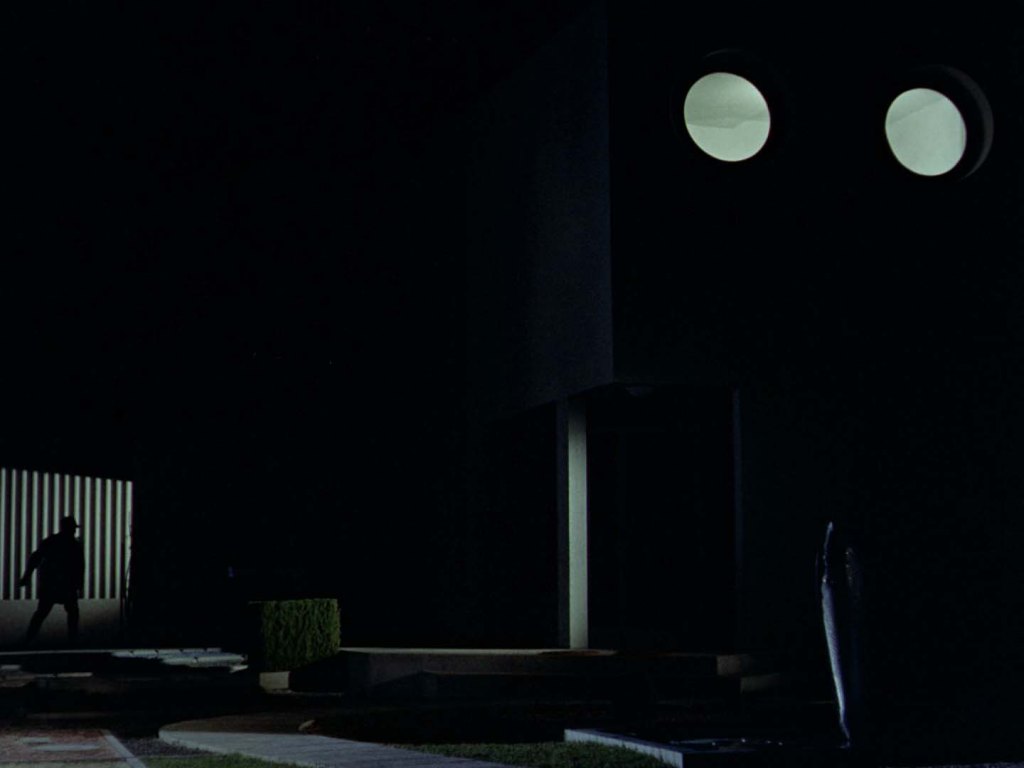
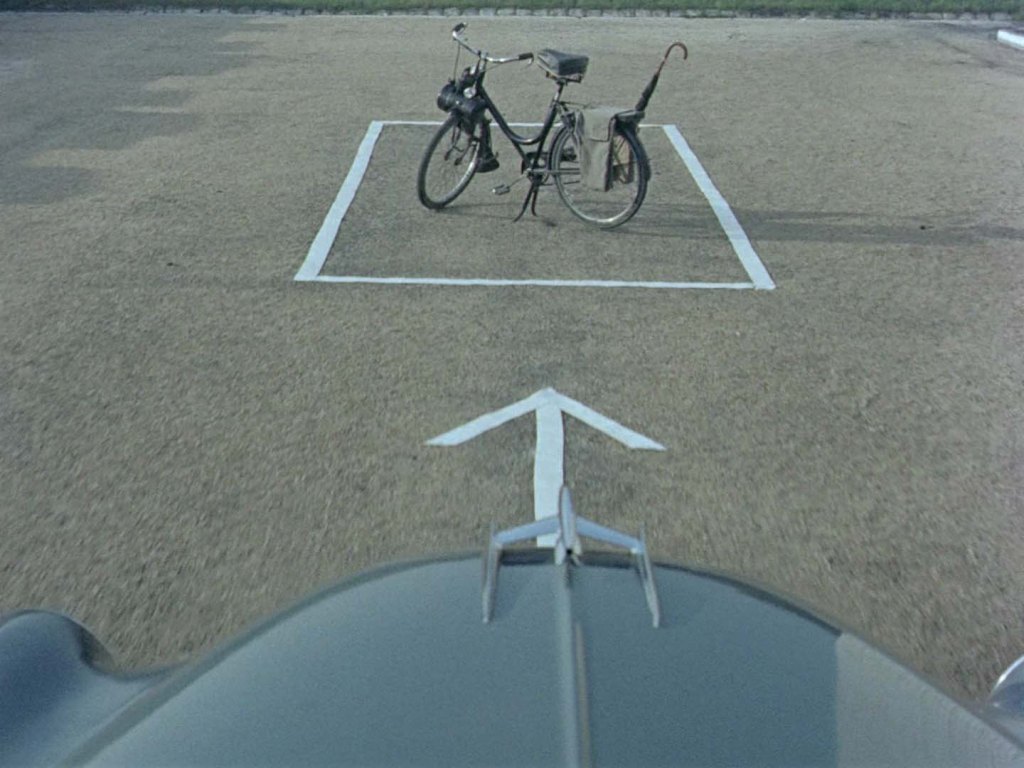
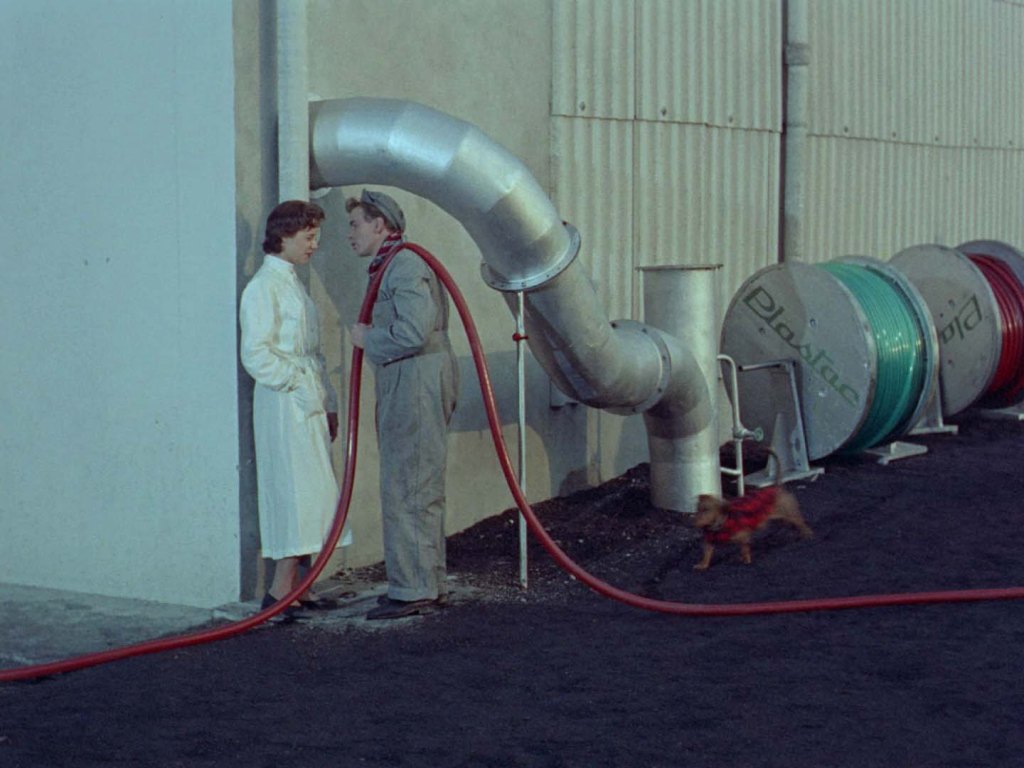
One of the film’s funniest sequences occurs when guests visit the Arpel home, where they are expected to admire its futuristic design. Madame Arpel meticulously prepares the house to showcase its technological sophistication. The visitors are treated to a garden fountain that becomes an elaborate performance rather than a functional household feature. The absurdity of the situation lies in the family’s complete seriousness; they take pride in objects whose primary purpose is to impress others.
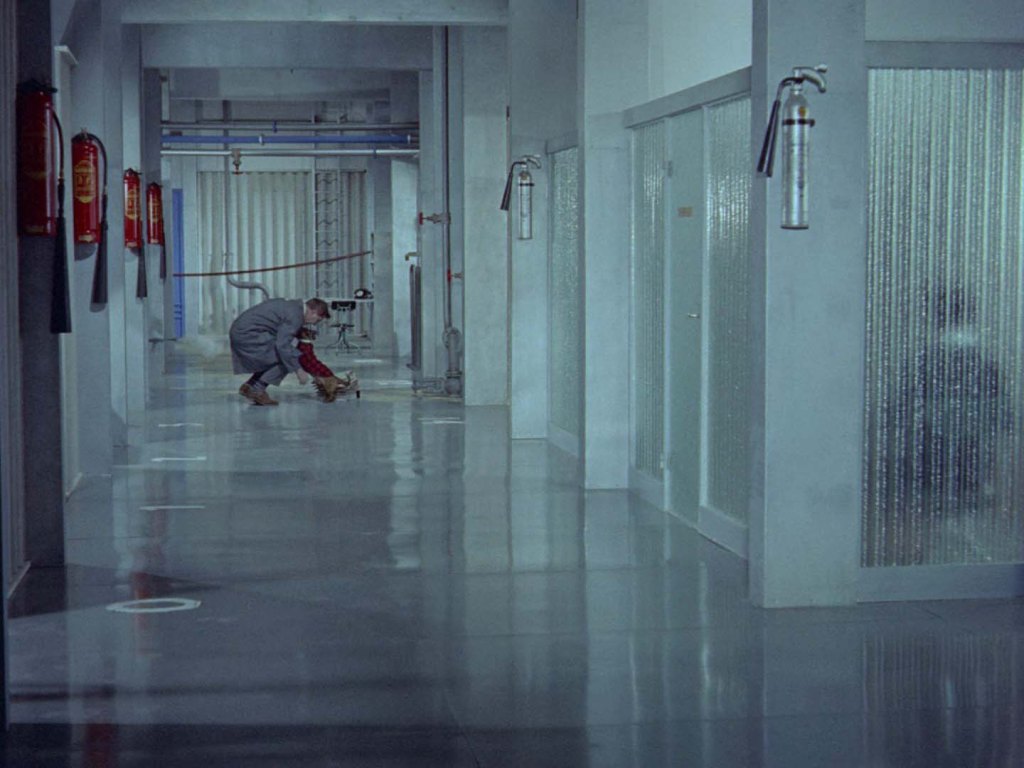
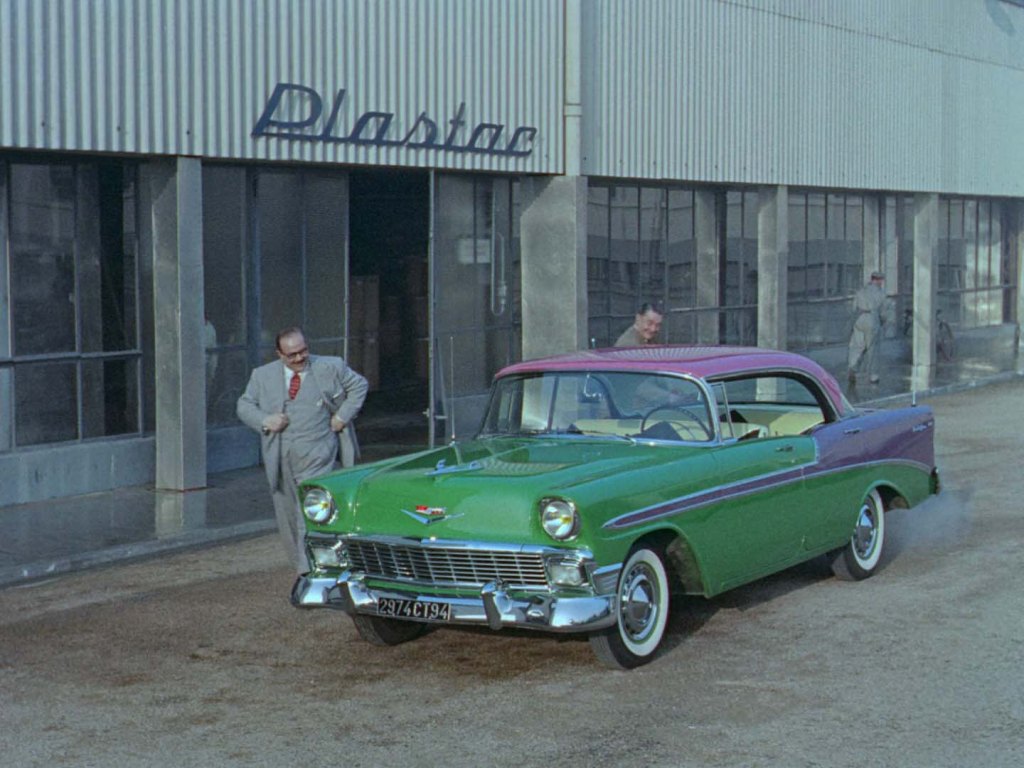
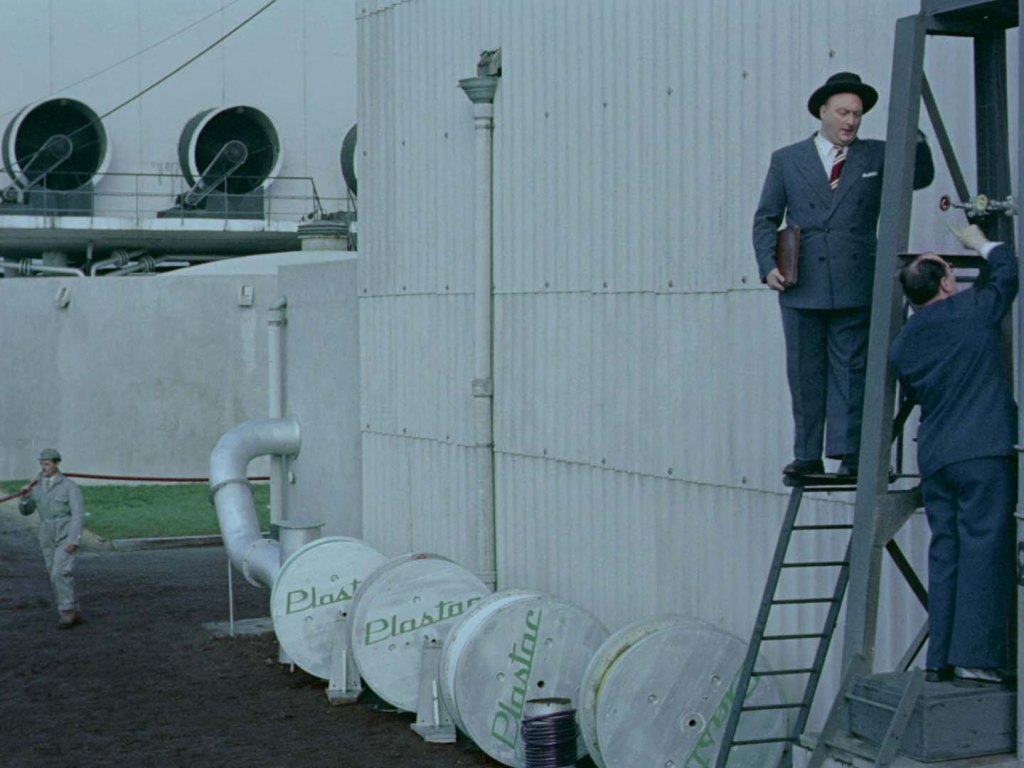
Hulot’s presence inevitably disrupts these carefully organized social rituals. His awkward movements and spontaneous behavior reveal the ridiculousness of the Arpels’ obsession with appearances. He does not intentionally rebel against their lifestyle; rather, his very existence highlights the artificiality of their world.
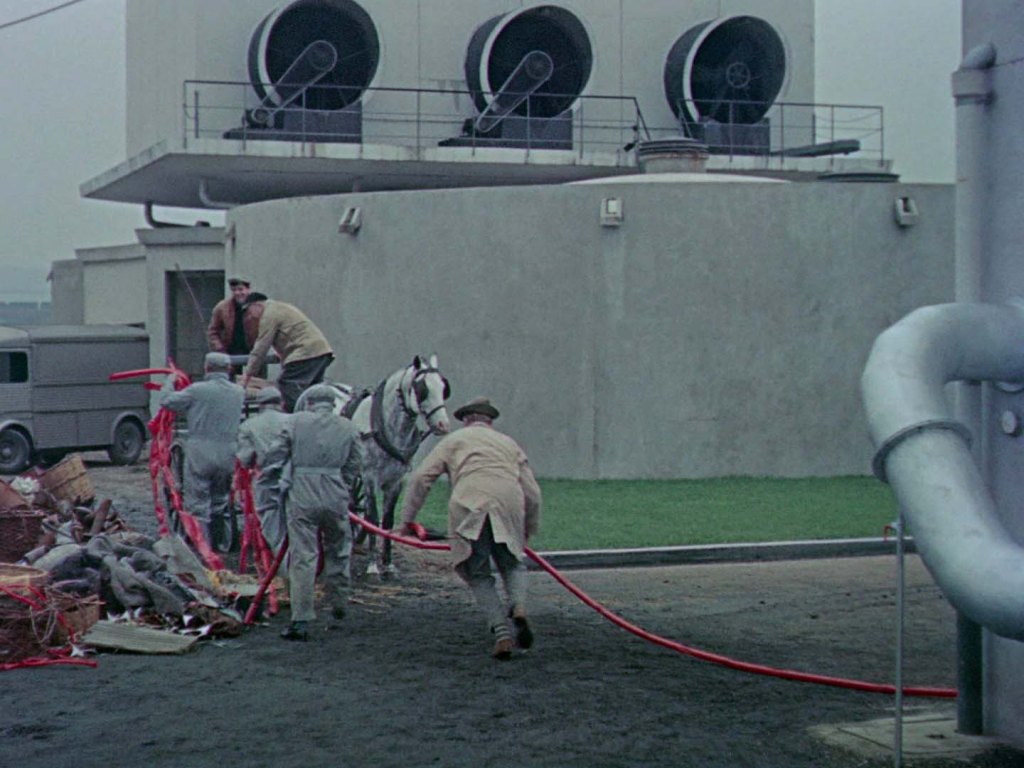
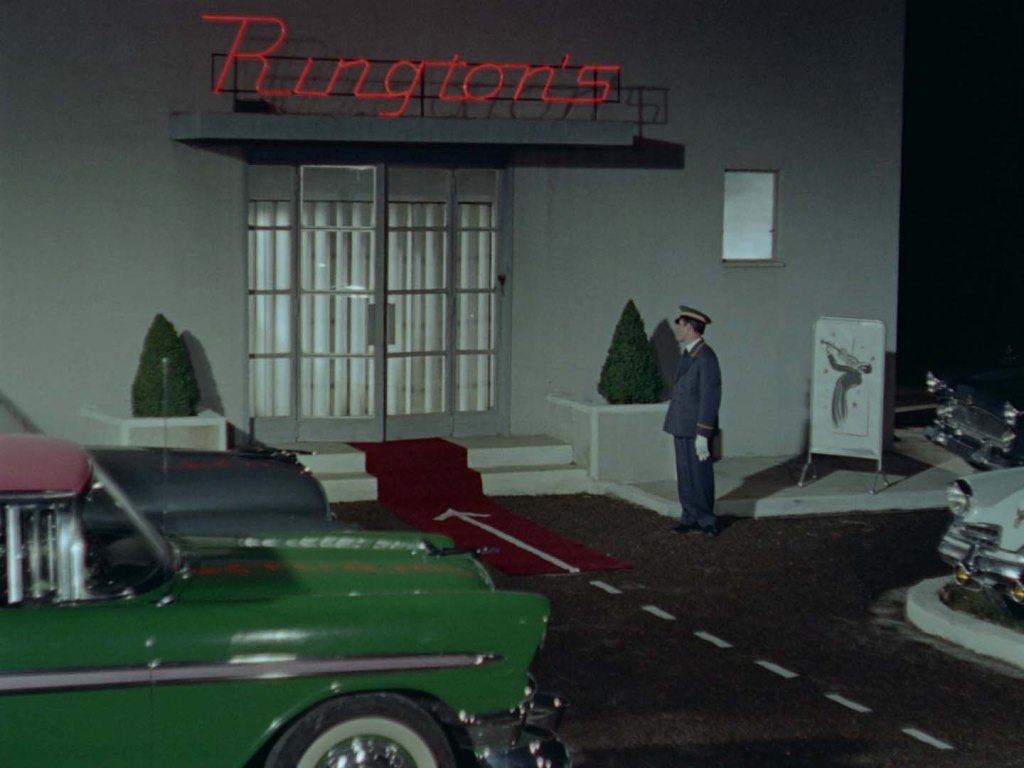
The relationship between Hulot and Gérard becomes increasingly significant. Gérard is bored by the regimented life imposed on him by his parents. Whenever he is with Hulot, he feels a sense of adventure and freedom. Together, they wander through the neighborhood, interact with shopkeepers and street performers, and find joy in ordinary situations.
Gérard’s attachment to Hulot highlights the emotional limitations of his parents, Monsieur and Madame Arpel. While they love their son, their concern often manifests through material possessions, strict rules, and attempts to control his behavior. In contrast, Hulot offers something entirely different: attention, playfulness, and genuine companionship.
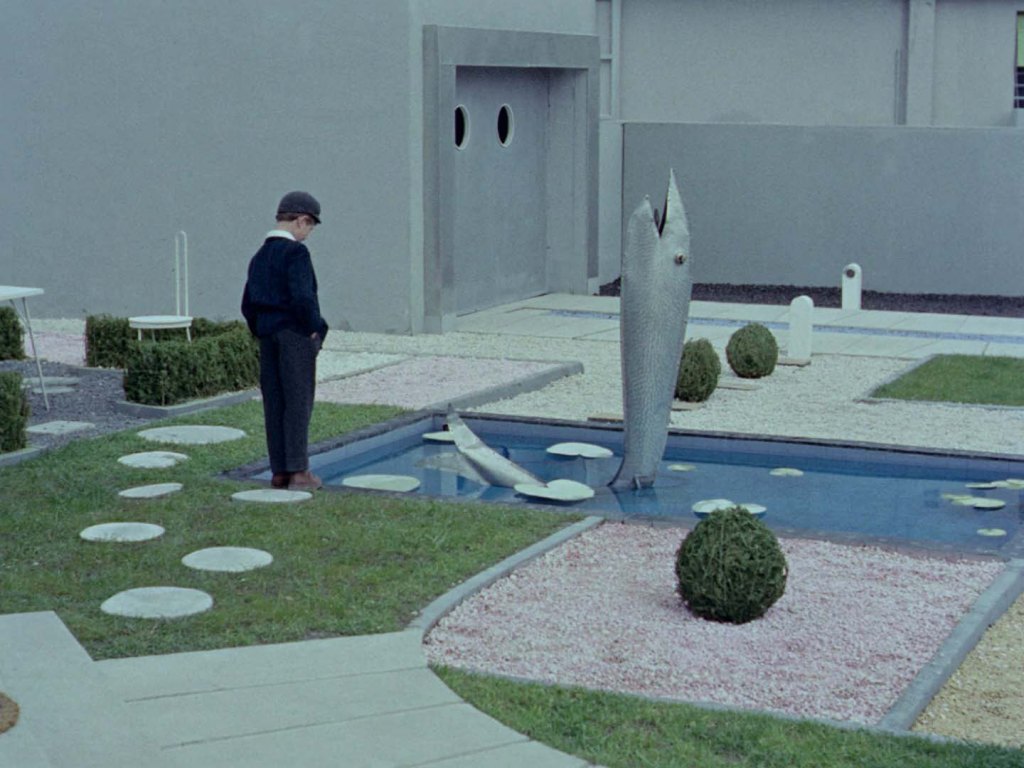
The film’s satire becomes particularly sharp when the Arpels try to use technology to solve problems that do not actually exist. Appliances, furniture, architecture, and household gadgets repeatedly complicate their lives rather than simplify them. Their modern house becomes a machine that its inhabitants must constantly operate, maintain, and showcase to others.
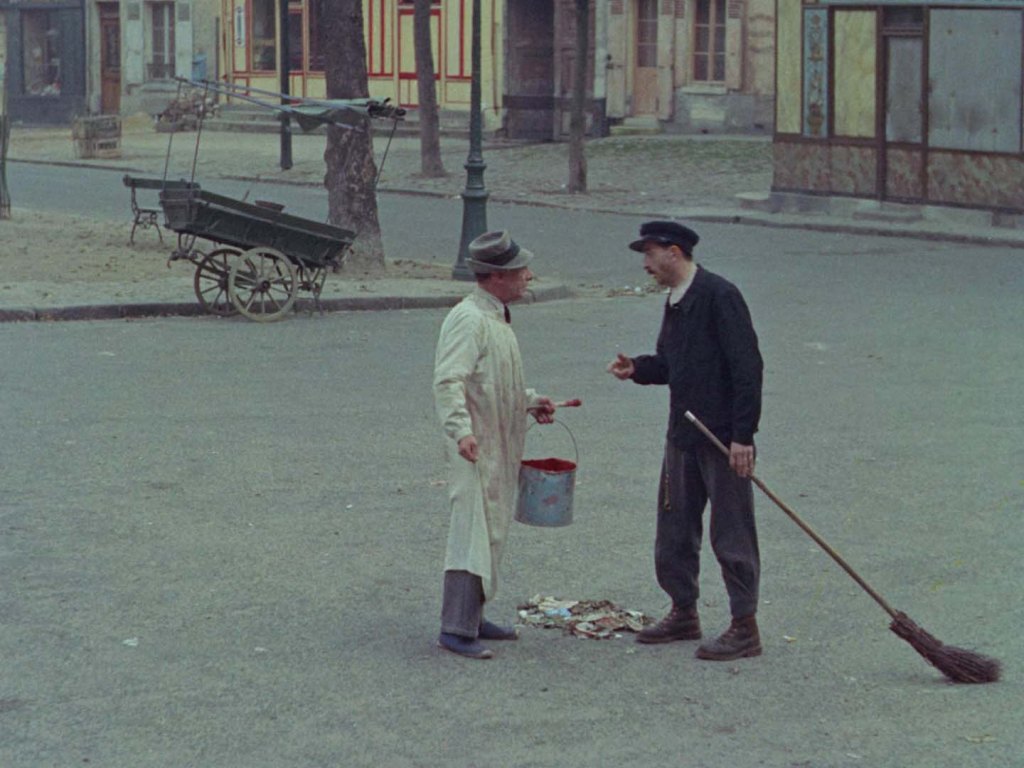
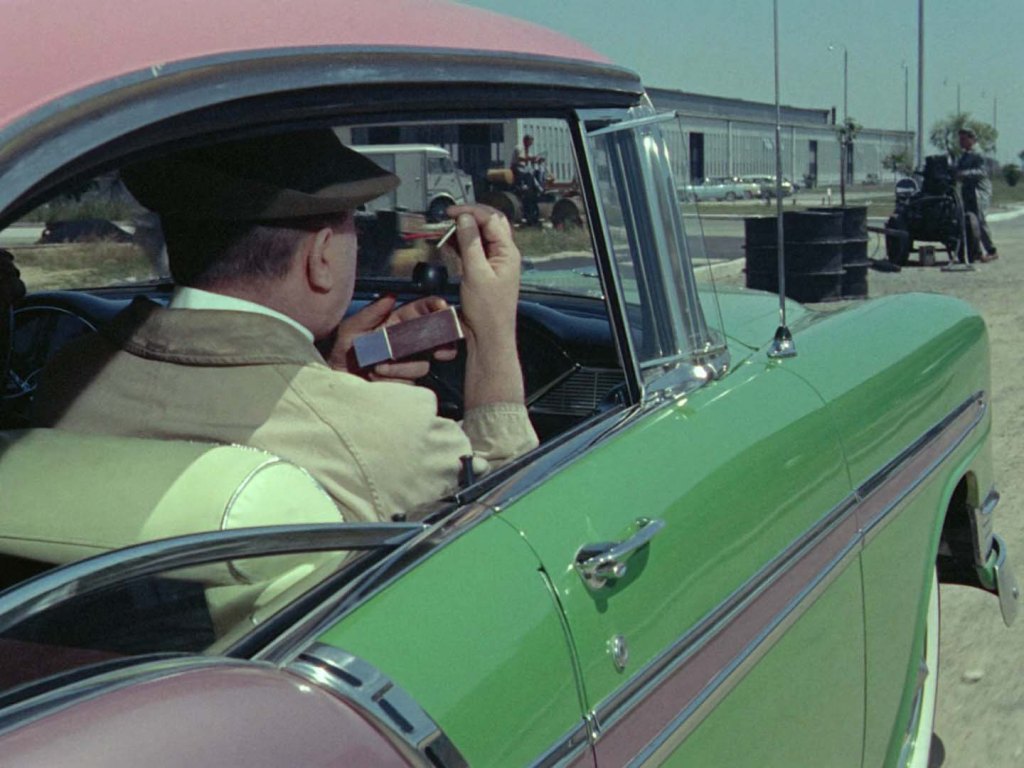
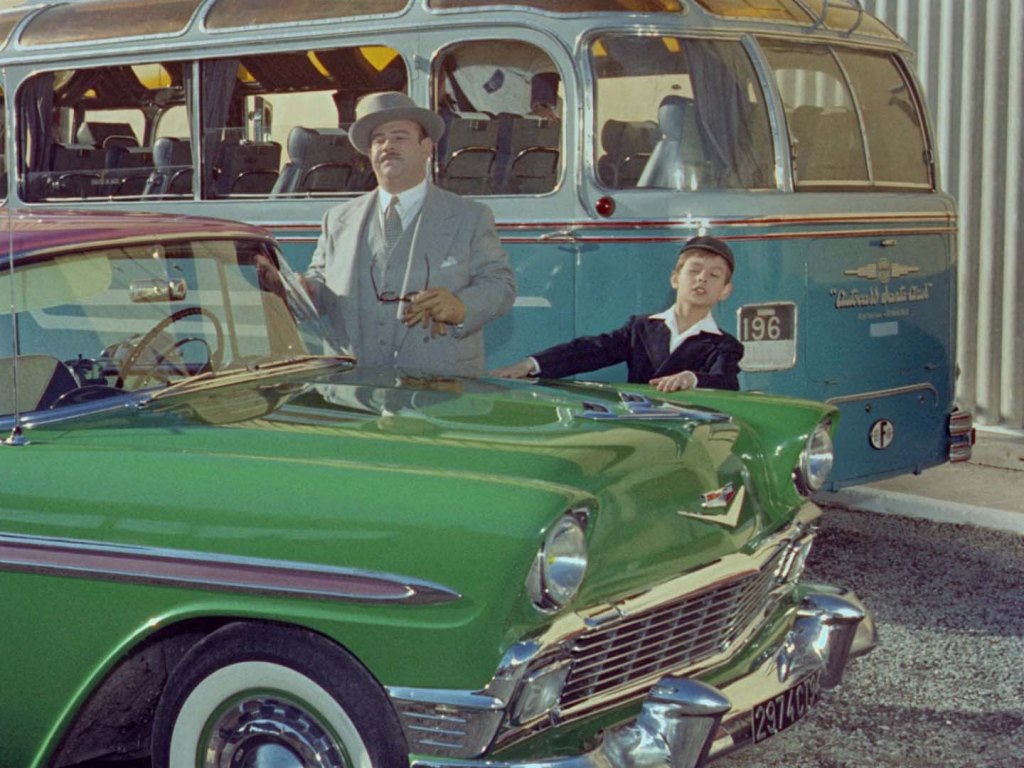
Tati’s approach to comedy is largely visual. Although dialogue is present, it often takes a back seat to background action and sound effects. Key jokes frequently occur at the edge of the frame, encouraging the audience to explore the image rather than simply follow a central protagonist. Conversations overlap, machines hum, doors click, footsteps echo, and seemingly insignificant movements become sources of humor.
Sound design is especially important in the film. The modern world is filled with mechanical noises: electric motors, intercoms, appliances, telephones, cars, and factory equipment. These sounds create a comic contrast with the quieter, more organic atmosphere of Hulot’s neighborhood. In this sense, “Mon Oncle” is almost as much about the changing soundscape of modern life as it is about architecture or technology.
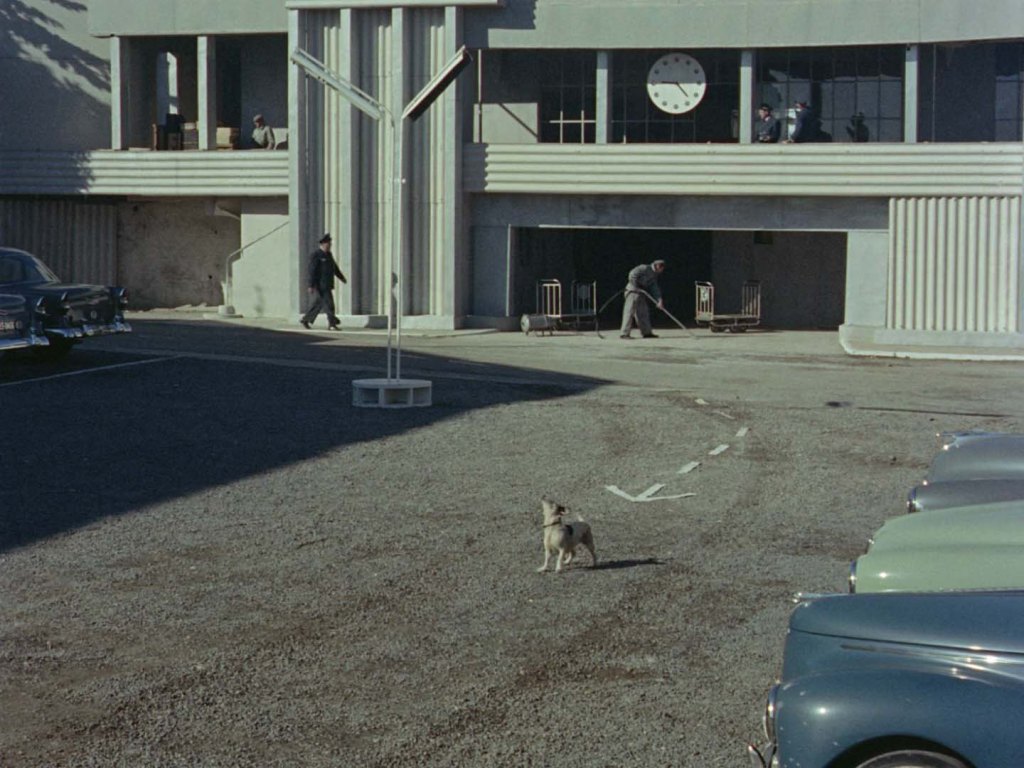
As the tension between Hulot and the Arpels escalates, Monsieur Arpel decides that Hulot must leave their lives. Hulot’s lack of practicality and inability to adapt to modern society make him an embarrassment and a liability. Ultimately, Hulot is given a job that takes him away, allowing the Arpels to restore their carefully controlled existence.
Gérard remains emotionally attached to his uncle, suggesting that the adults’ obsession with progress has come at the expense of something more fundamental. Although Hulot may seem impractical, he has provided Gérard with experiences and affection that the modern world cannot replicate.
The film concludes without a traditional dramatic resolution. Hulot leaves, while the Arpel family continues their lives in a technologically advanced environment. However, Tati leaves the audience with the impression that Hulot’s seemingly chaotic existence may actually contain more humanity than the perfectly organized world from which he has been excluded.
“Mon Oncle” does not claim that technology is inherently evil. Instead, Tati questions what happens when technological progress becomes an end in itself—when people buy machines because they are fashionable, design homes to impress neighbors, and organize their lives around efficiency, neglecting the importance of spontaneity and human connection.
Visually, the film is one of Tati’s most remarkable achievements. The modernist architecture of the Arpel home is designed to resemble the futuristic domestic environments that were increasingly celebrated in postwar Europe. Tati employs wide compositions to allow multiple comedic actions to occur simultaneously, transforming the frame into something resembling a miniature stage.
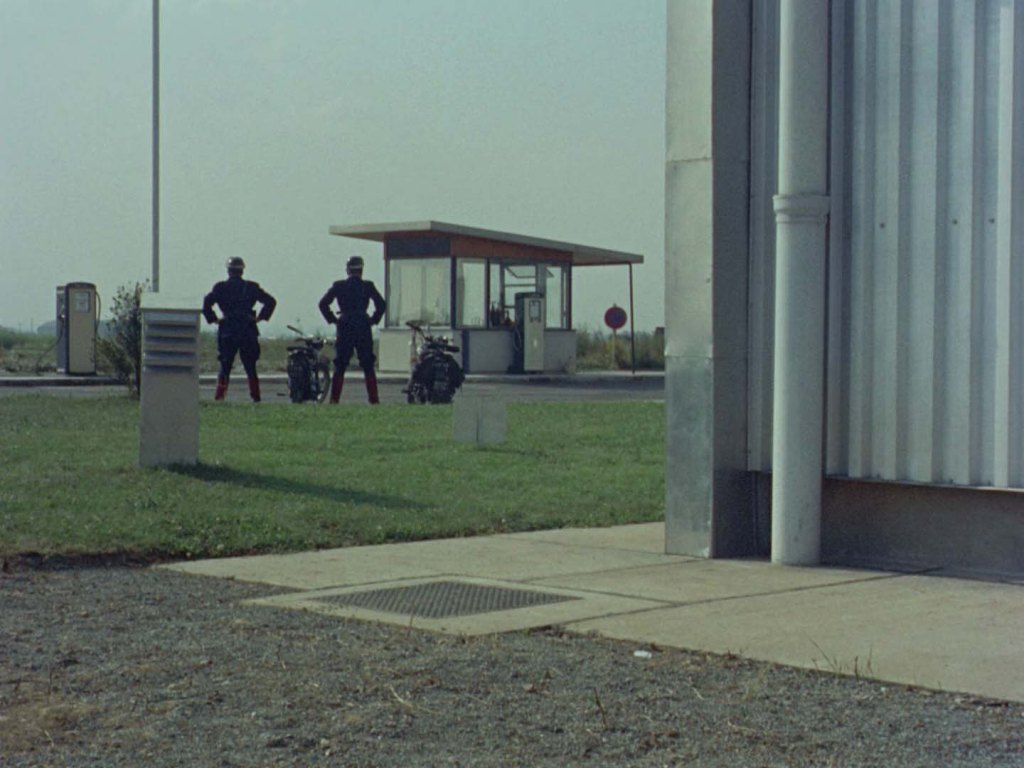
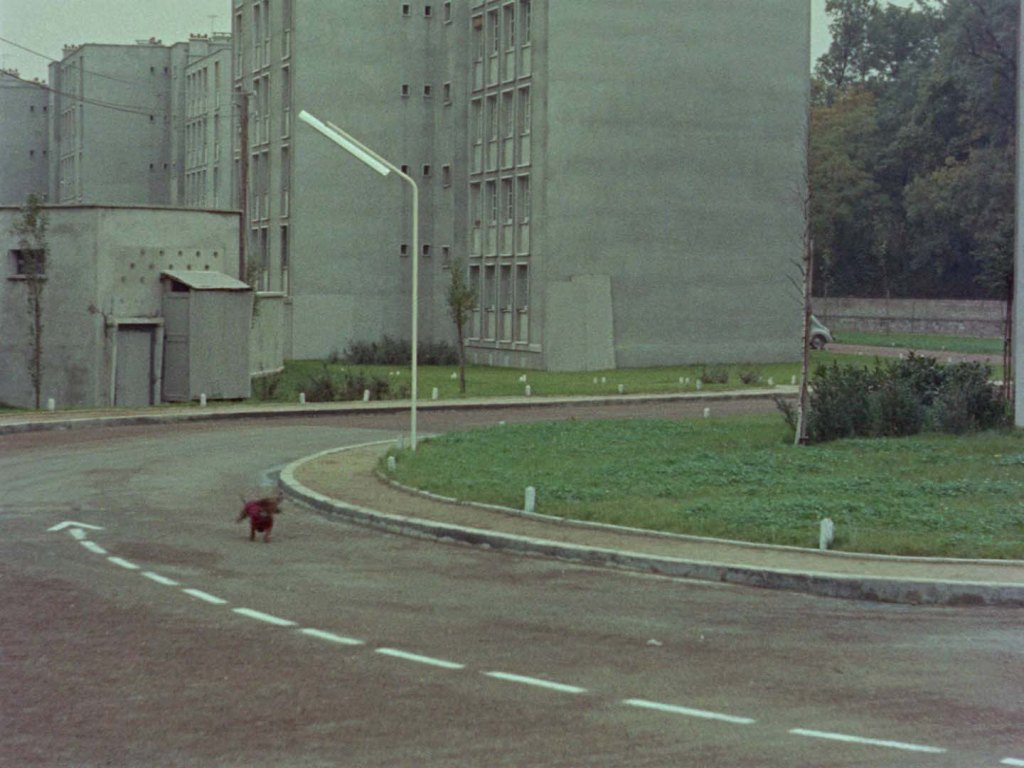
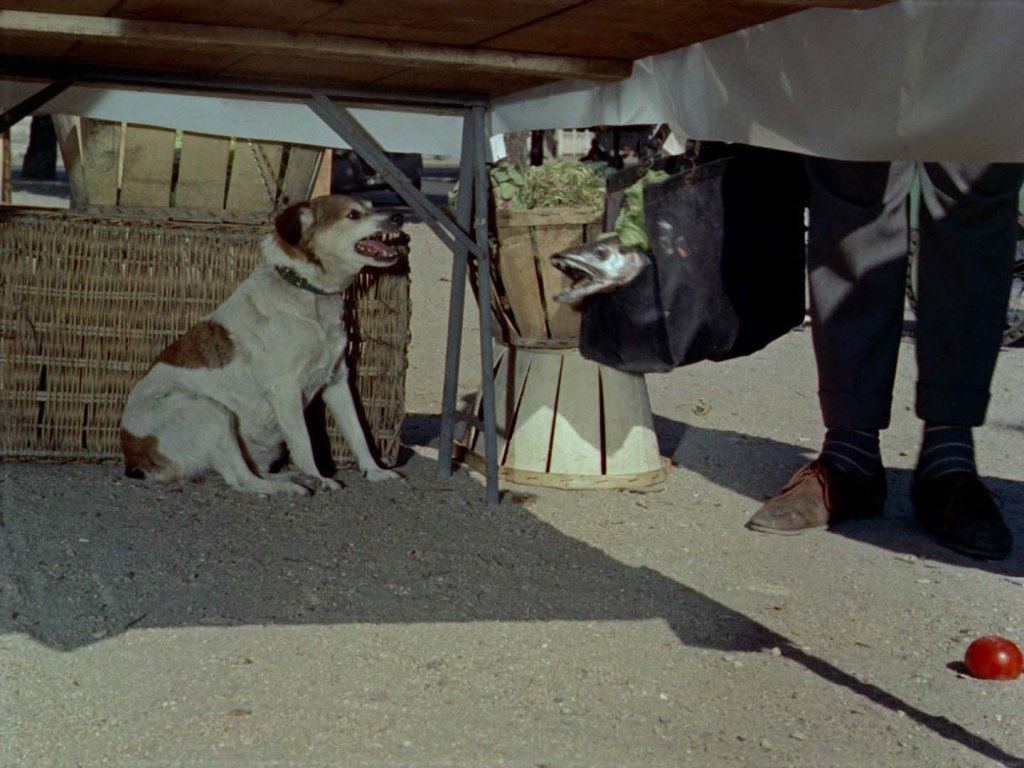
In contrast, the old neighborhood exudes warmth and irregularity. Its streets are teeming with people, animals, children, vendors, and unpredictable activity. There is little distinction between public and private life. The modern suburb attempts to eliminate this unpredictability, but Tati demonstrates that in doing so, it also strips away much of the joy.
Ultimately, “Mon Oncle” functions as a bittersweet comedy about the clash between human nature and modern technology. Monsieur Hulot is not necessarily more intelligent or capable than those around him, but he remains open to the world. He notices details, gets distracted, makes mistakes, and forms connections. His inability to function efficiently paradoxically becomes a form of resistance to a society increasingly obsessed with efficiency.