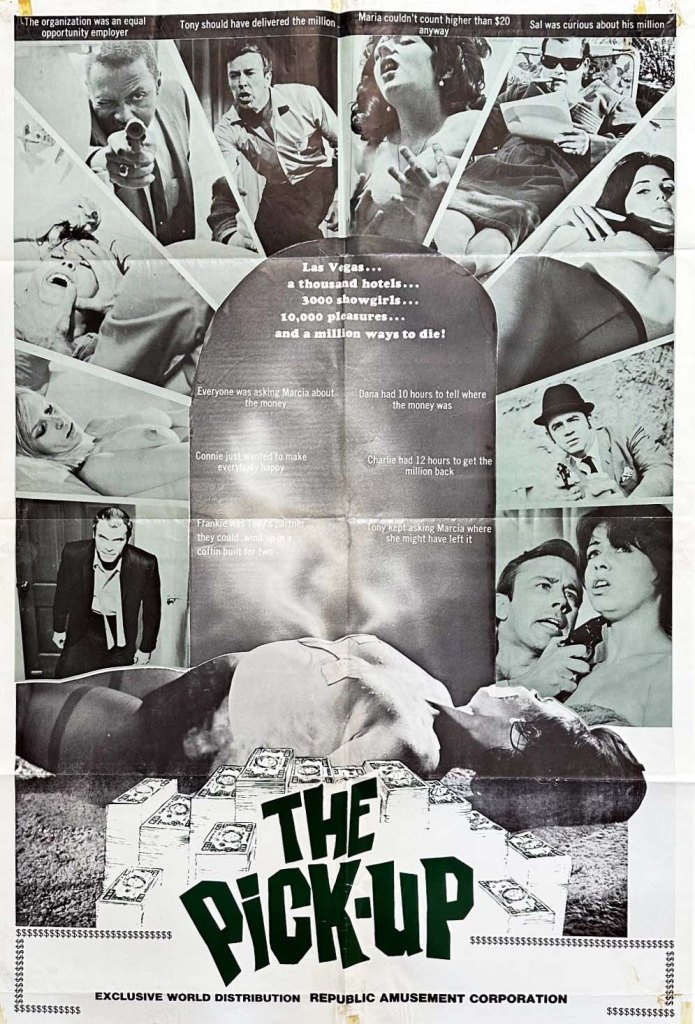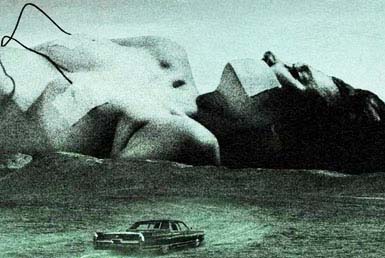
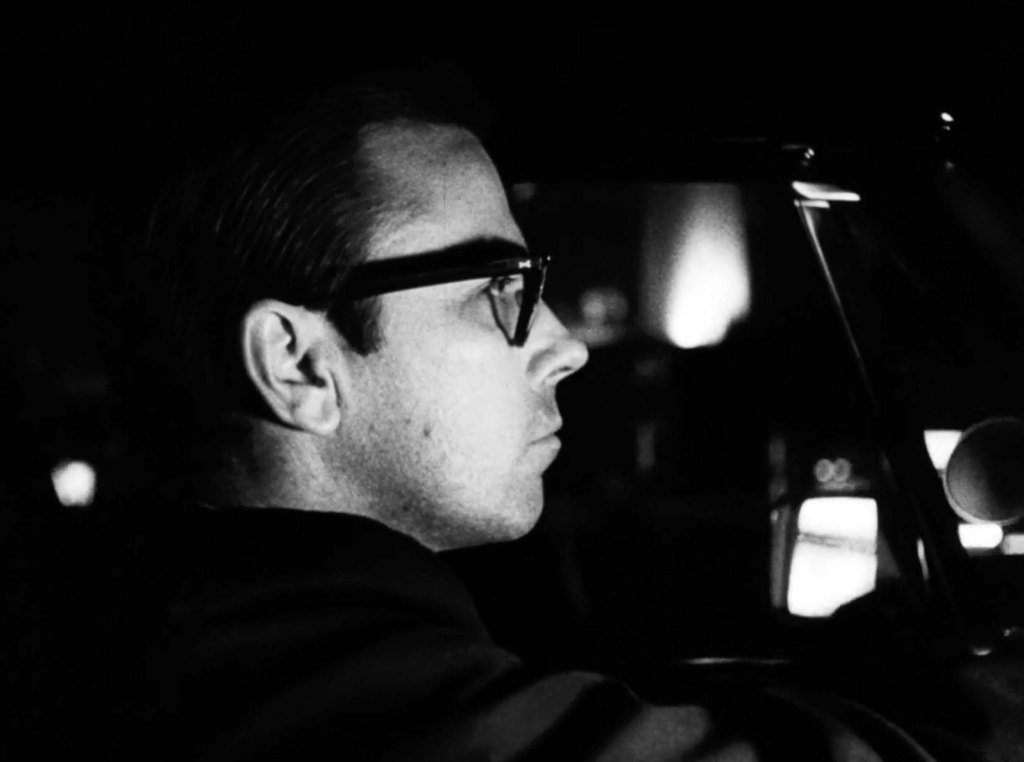
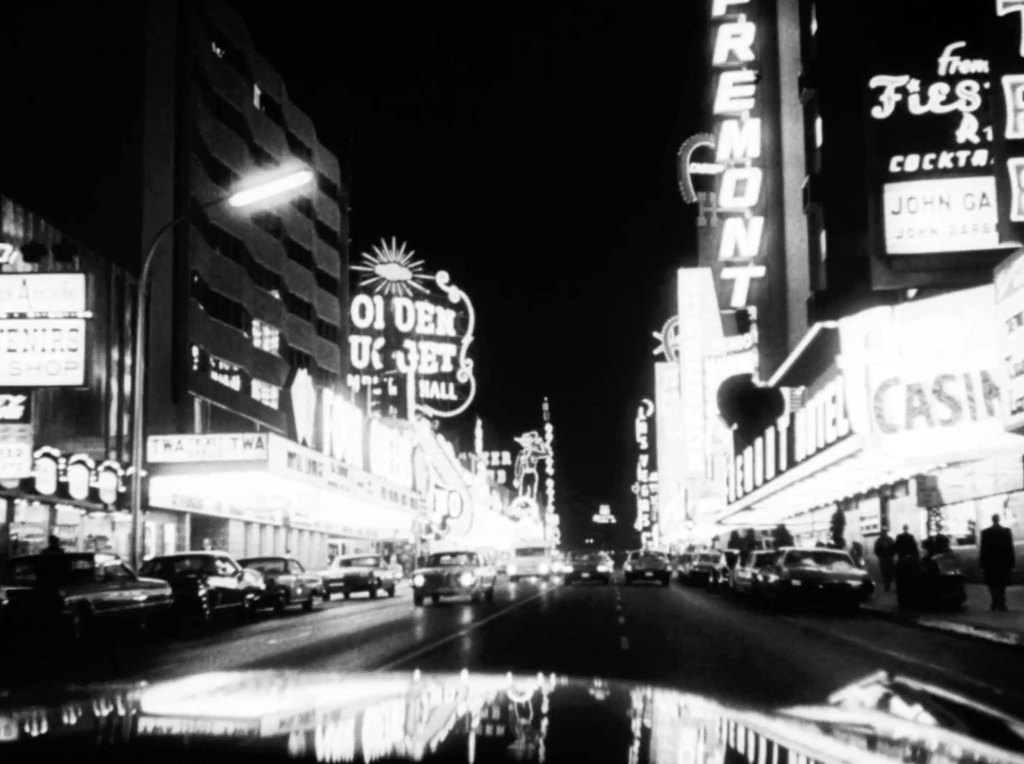
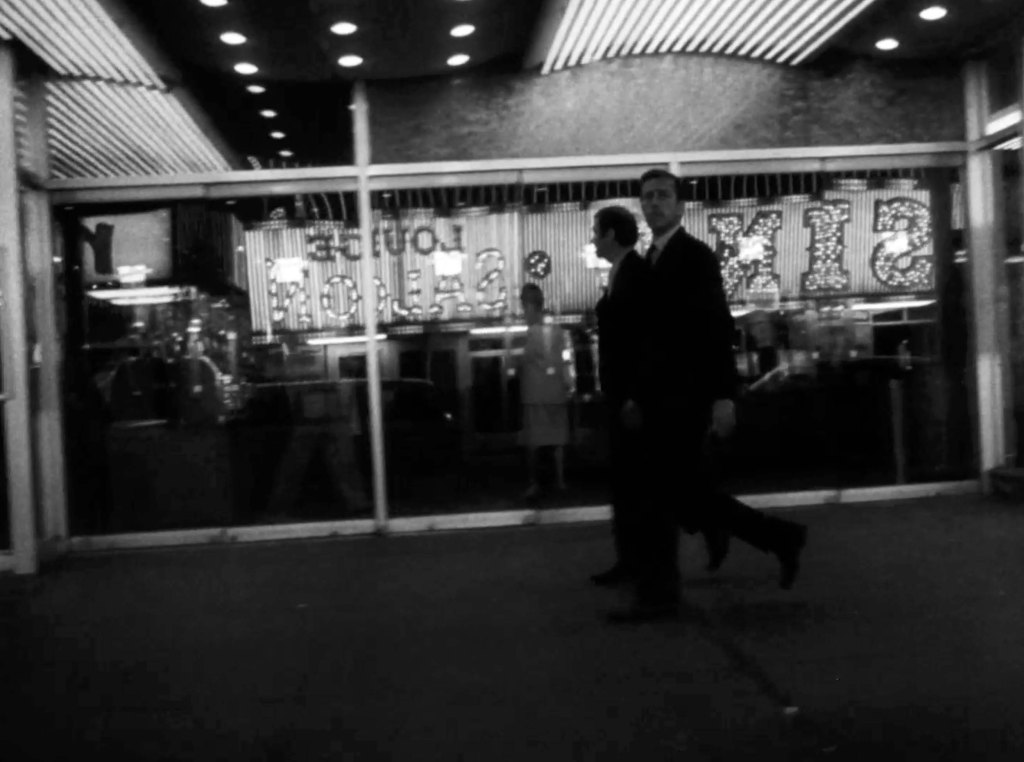
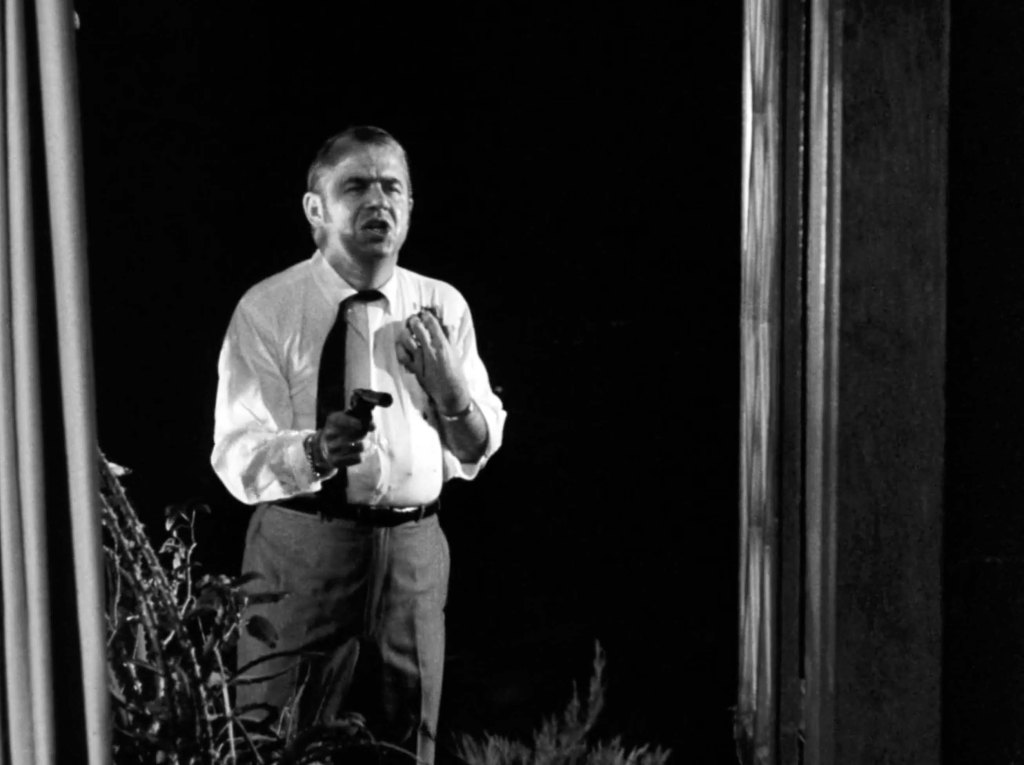
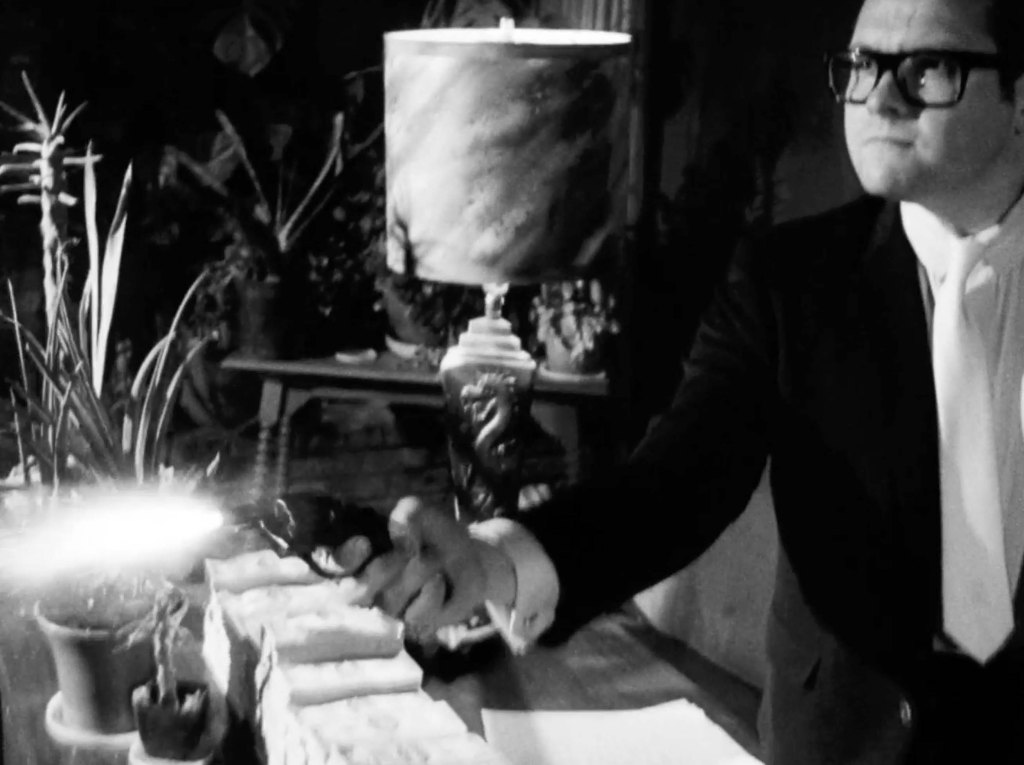
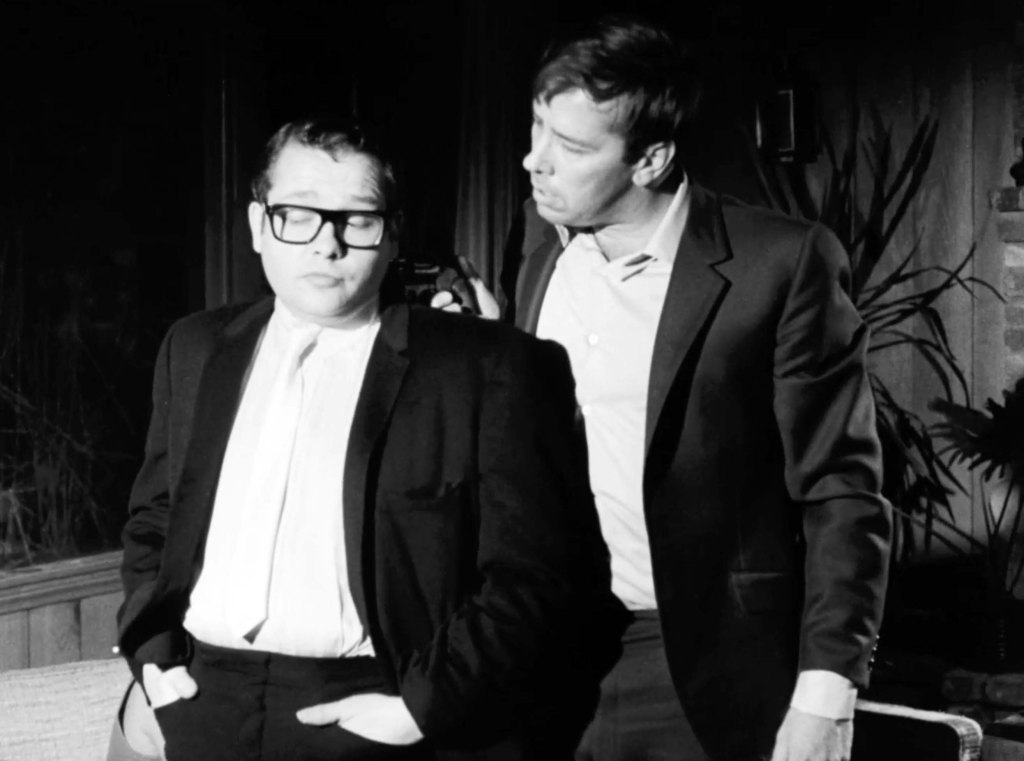
“The Pick-Up” is a 1968 American crime thriller directed by Lee Frost (no relation), who also wrote the original story and served as the cinematographer. The screenplay was co-written by Frost and Wes Bishop, who also produced the film and star as the character Tony. The cast includes Stefan Zema as Frankie, Lois Ursone (credited as Tracy Saunders) as Dana, Lynn Harris as Marcia, David F. Friedman as Charlie Rosa, Bob Cresse as Sal, James E. McLarty as Eddie, and John Alderman as Gordon.
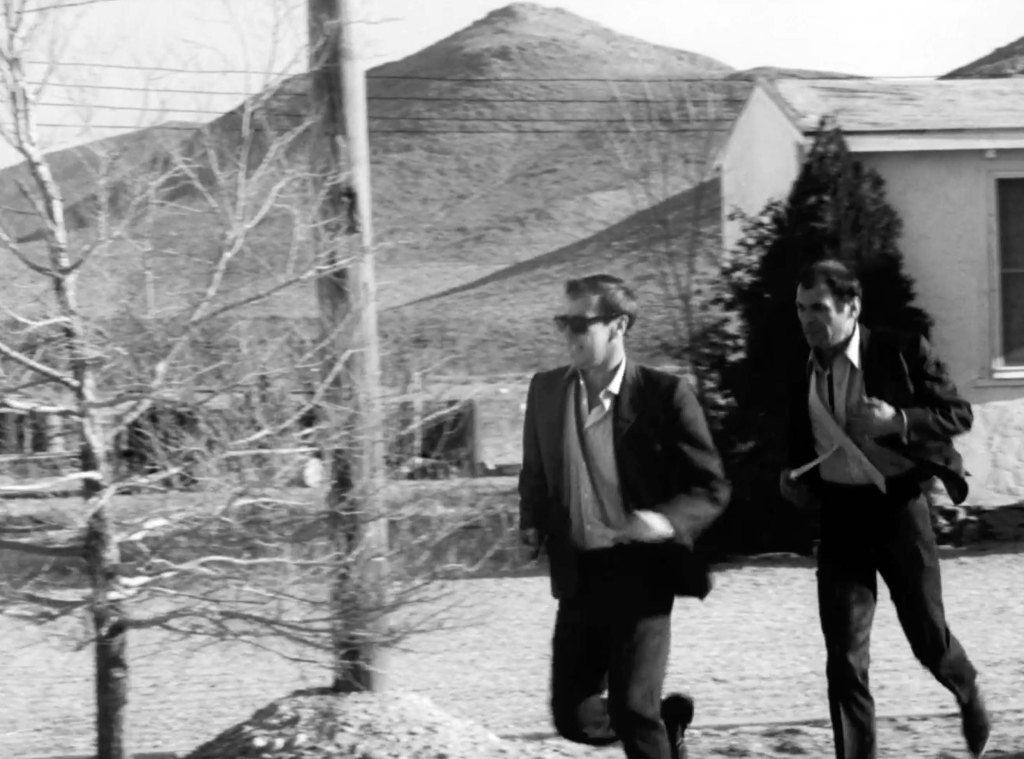
The story begins with Frankie (Stefan Zema) and Tony (Wes Bishop), two couriers working for a criminal organization that profits from money skimmed from gambling in Las Vegas. Their job is simple but extremely dangerous: they must transport bags of cash from Las Vegas to Los Angeles without making unnecessary stops. The money belongs to the syndicate, and they fully understand that losing it would have serious consequences. The film clearly establishes that Frankie and Tony are not independent criminals; rather, they are expendable employees within a larger criminal network.
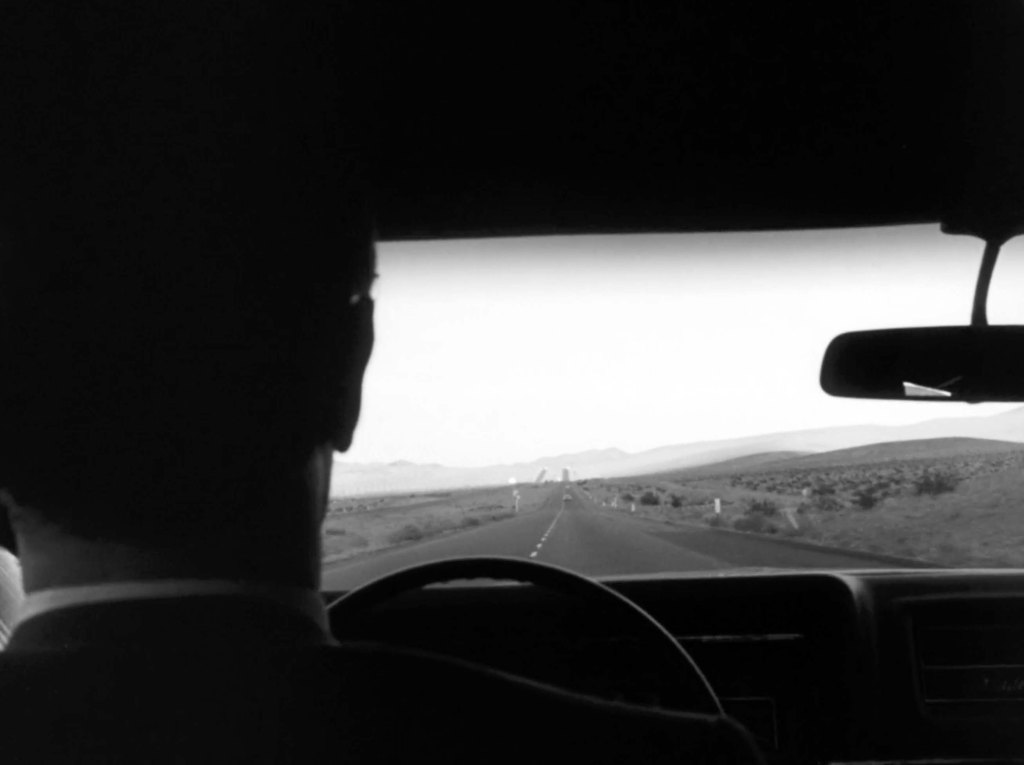
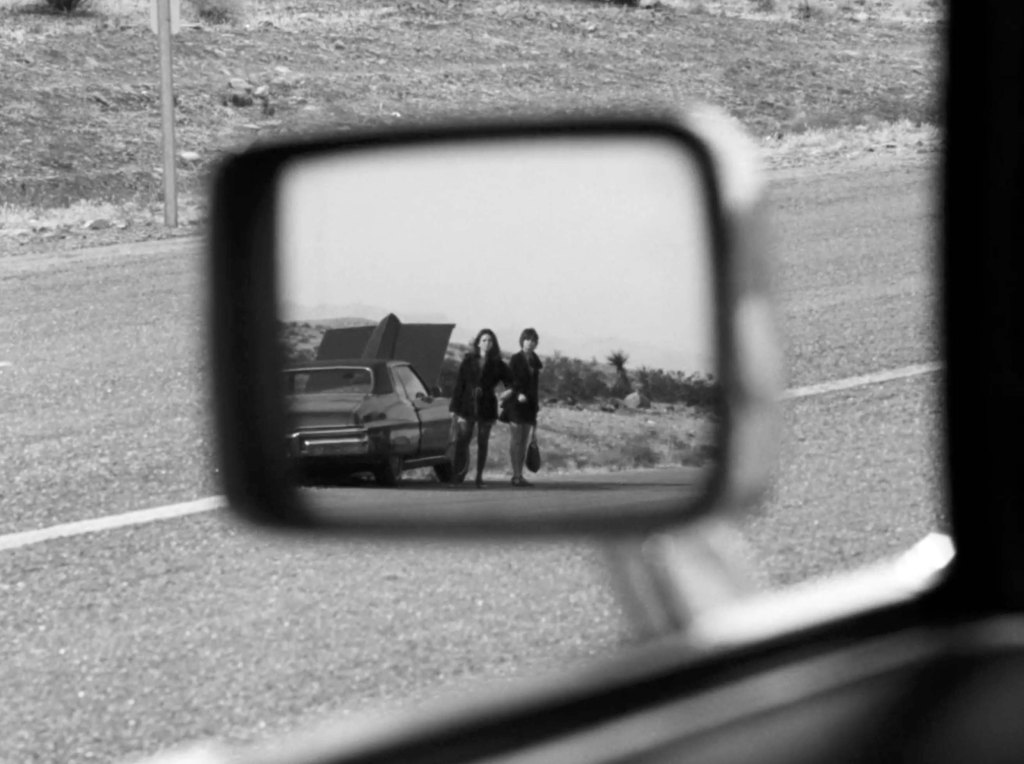
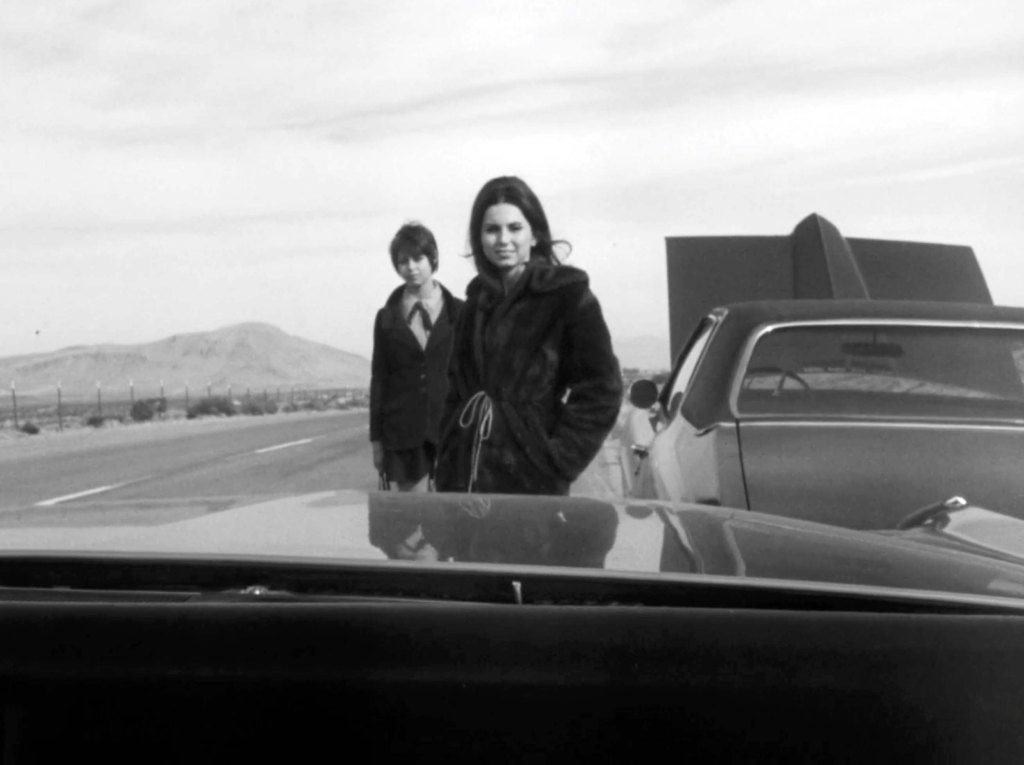
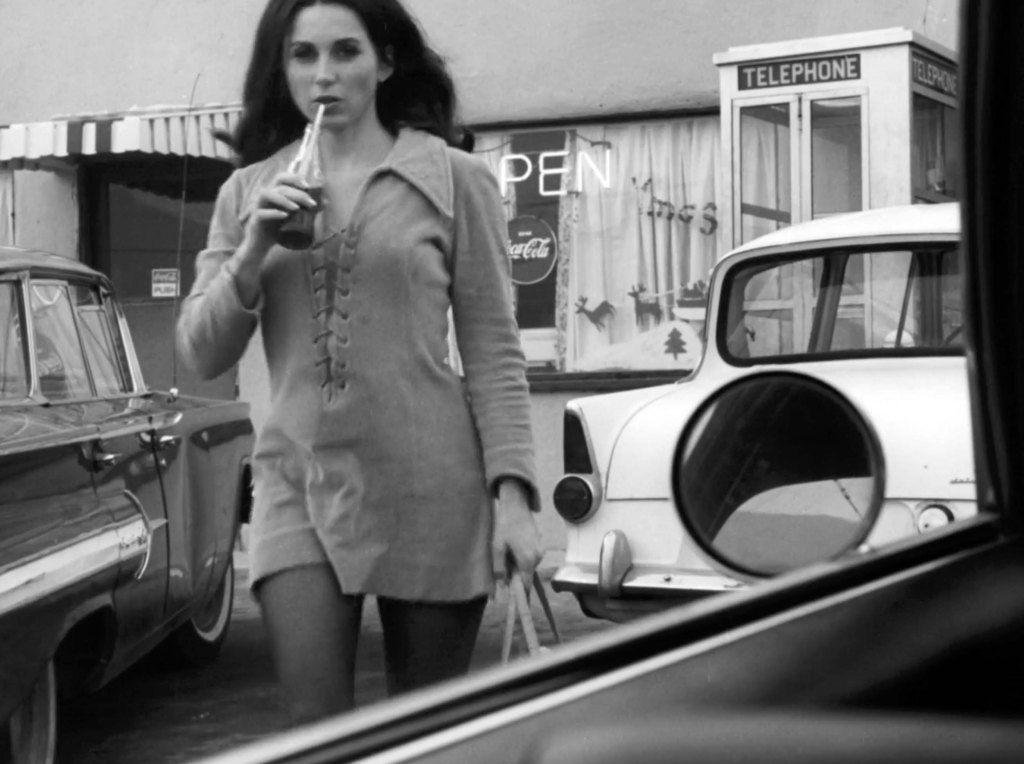
During one of their journeys, the two men encounter Dana (Lois Ursone) and Marcia (Lynn Harris), two attractive women who appear to be stranded along the desert highway. Despite their instructions to make no stops, Frankie and Tony decide to pick up the women. This seemingly innocent act becomes the crucial mistake that the entire plot hinges on.

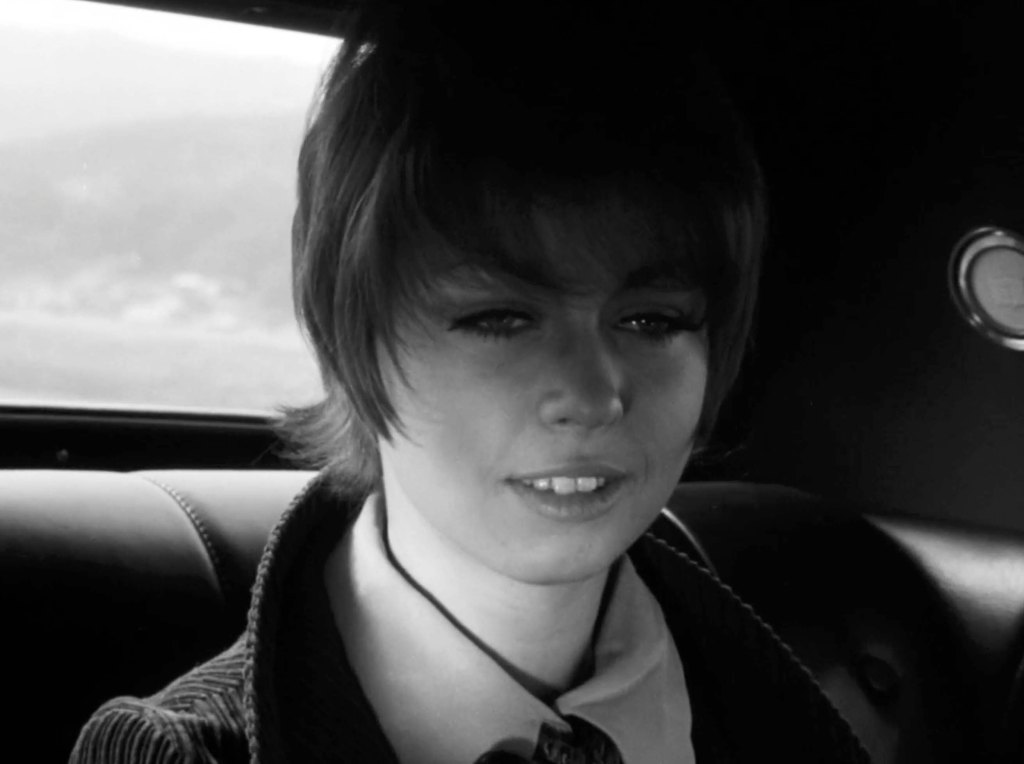
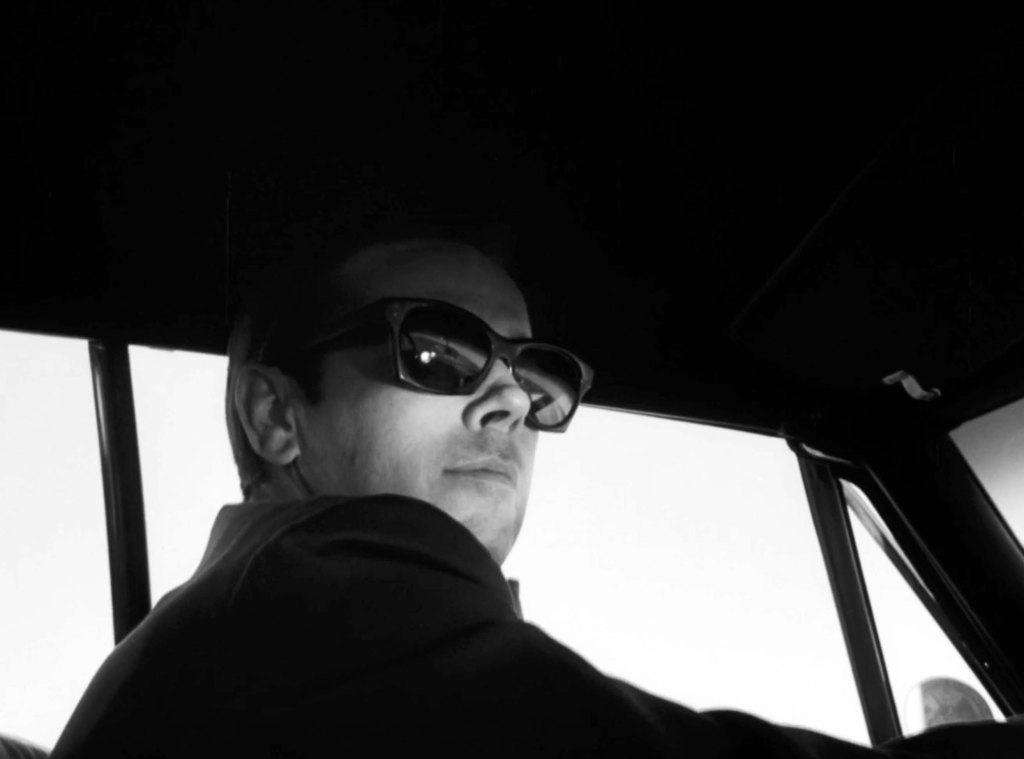

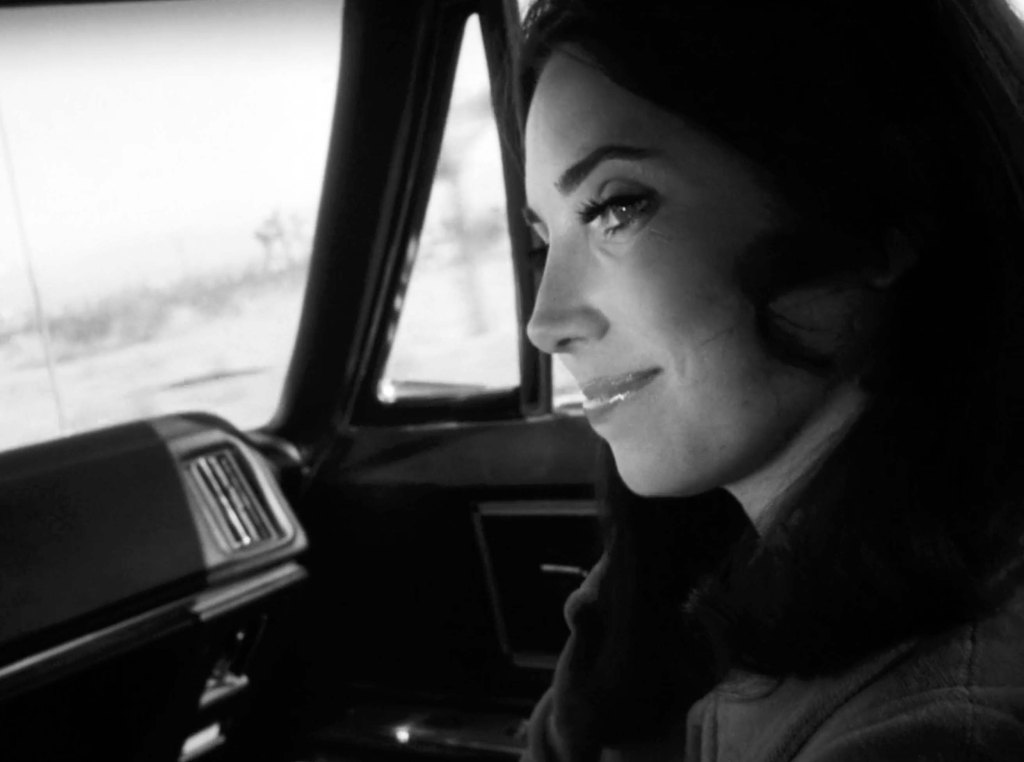


The women quickly establish a flirtatious rapport with the two men. What Frankie and Tony initially interpret as a chance encounter—and perhaps an opportunity for romance—turns out to be an elaborate con. Dana and Marcia recognize that the men are carrying something valuable and skillfully maneuver them toward a roadside motel.
At the motel, the atmosphere shifts from casual flirtation to calculated deception. The women seduce the couriers to gain access to the money. Once Frankie and Tony are sufficiently distracted, Dana and Marcia reveal that they have been manipulating the men from the start. They produce guns, seize the one million dollars, and make their escape. The two couriers are left humiliated and robbed, facing a much more serious issue than merely losing a personal possession: they have lost a fortune belonging to the crime syndicate.
The robbery turns the film into a desperate pursuit. Frankie and Tony understand that returning to their employers empty-handed is not an option. They have disobeyed orders, allowed themselves to be distracted, and lost a million dollars. If they fail to recover the money, they risk being blamed for the syndicate’s loss.
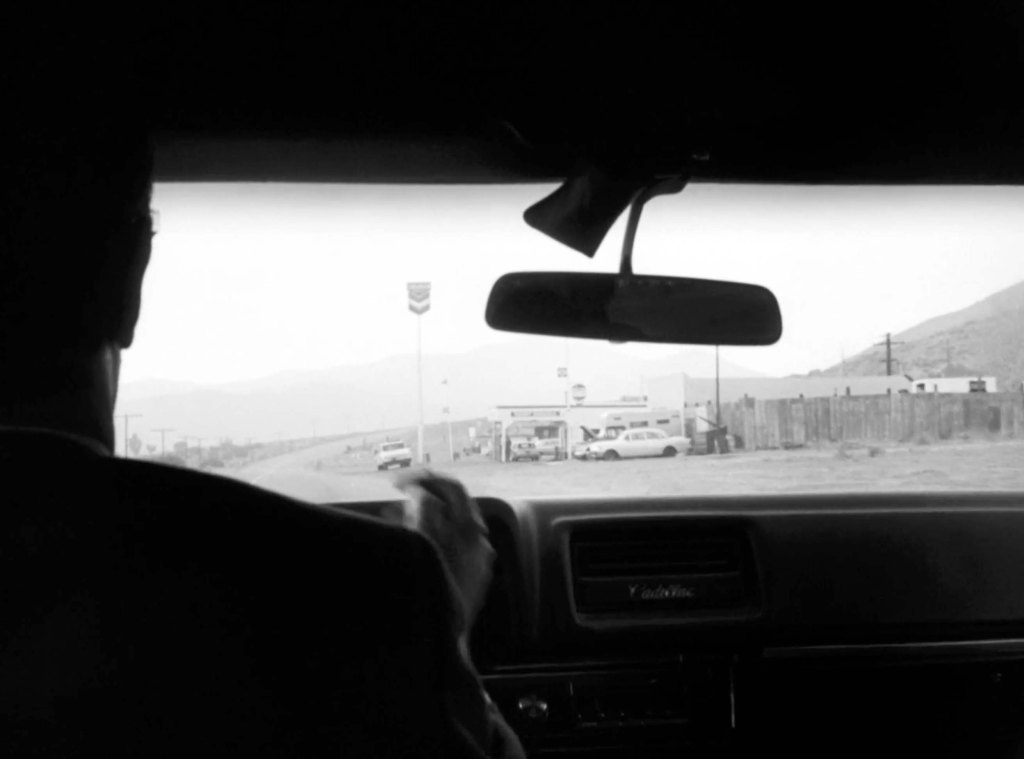
Their search takes them from the desert to Los Angeles. Instead of relying on conventional police procedures, they use their connections within the criminal underworld to track down the women. The investigation eventually leads them to an apartment where Dana and Marcia are hiding. The pursuit becomes increasingly aggressive as Frankie and Tony abandon any pretense that this is merely about recovering stolen property.
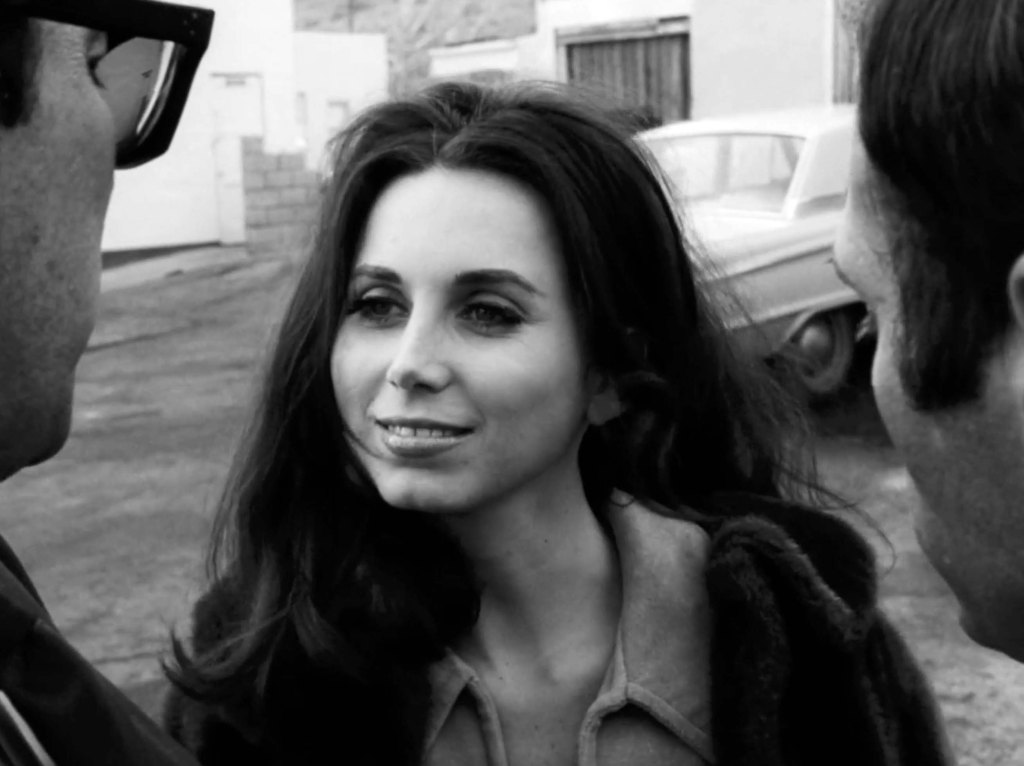

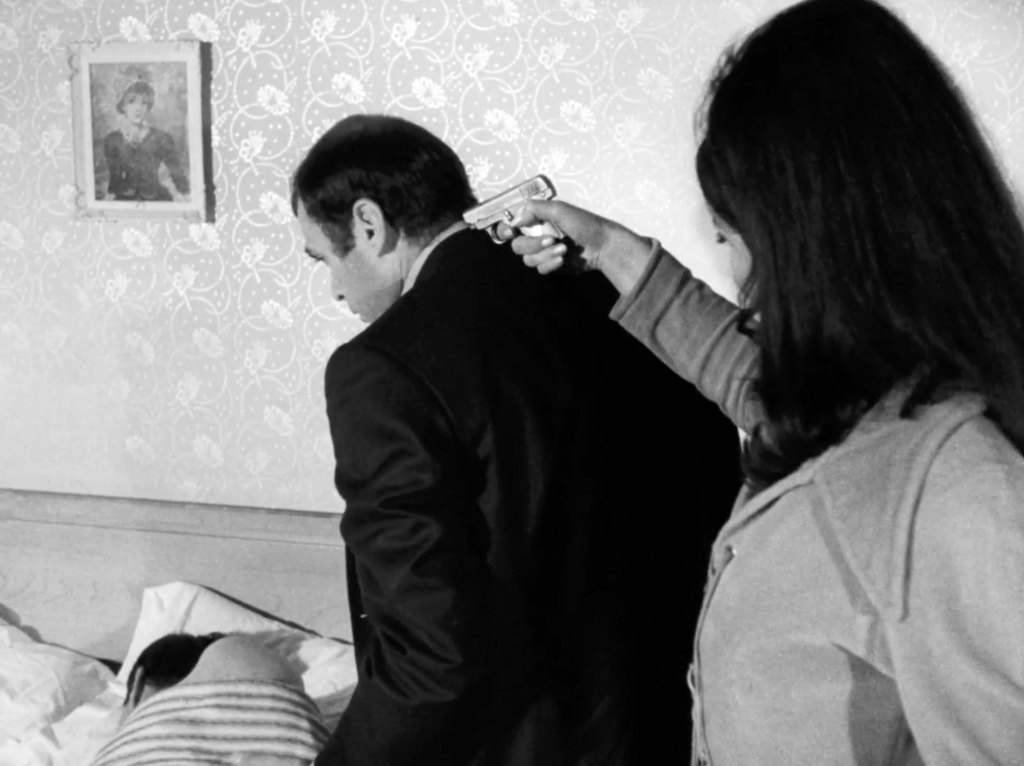
A central reversal in the film is that the apparent victims of the robbery become perpetrators themselves. Dana and Marcia are not simply frightened women caught in a criminal situation; they deliberately engineered the encounter, exploited the men’s weaknesses, and stole the money. However, the film also makes it clear that they have entered a world where violence is the ultimate currency. Their success at deception places them directly in the path of individuals who are considerably more dangerous than the two men they robbed.
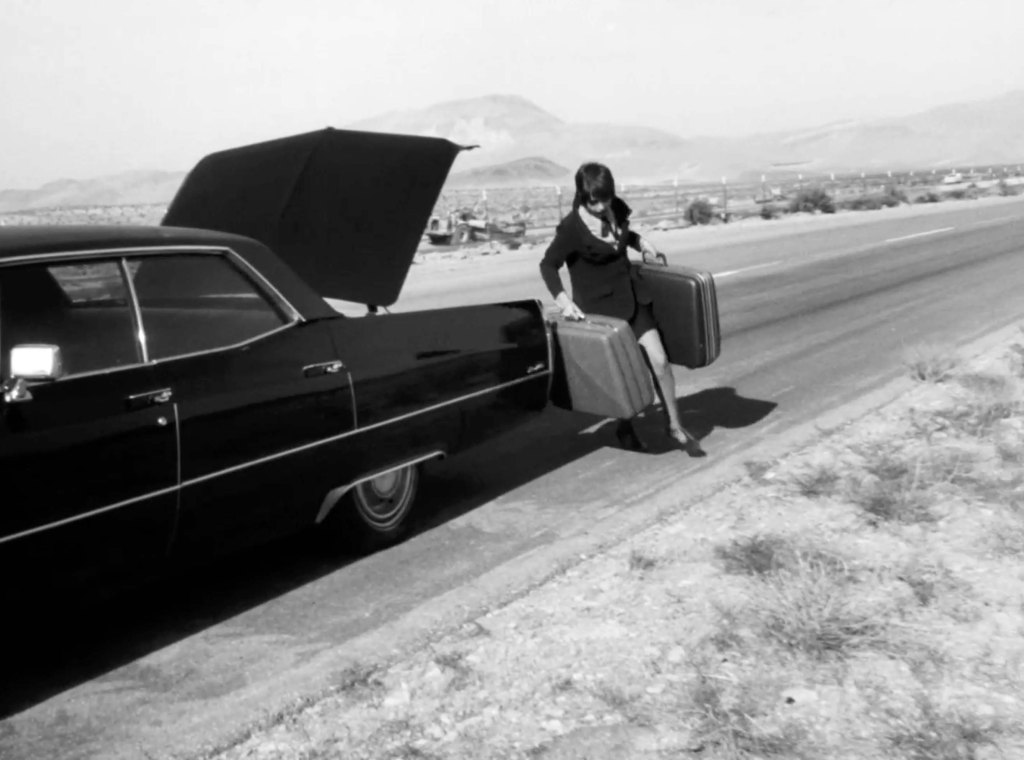
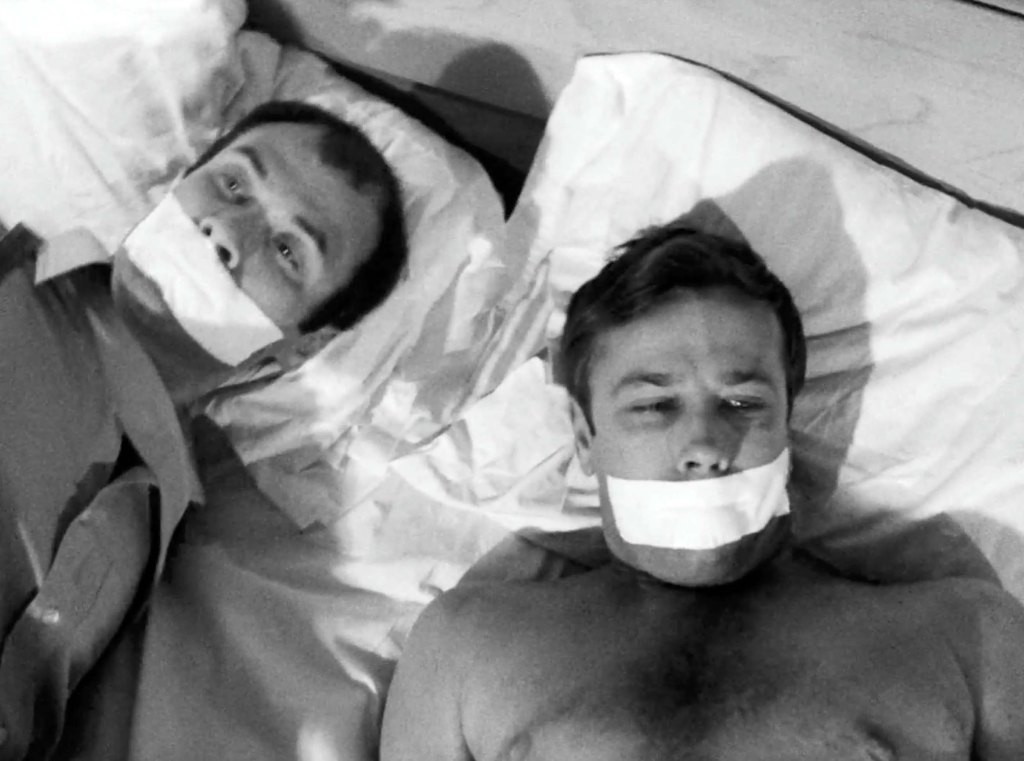


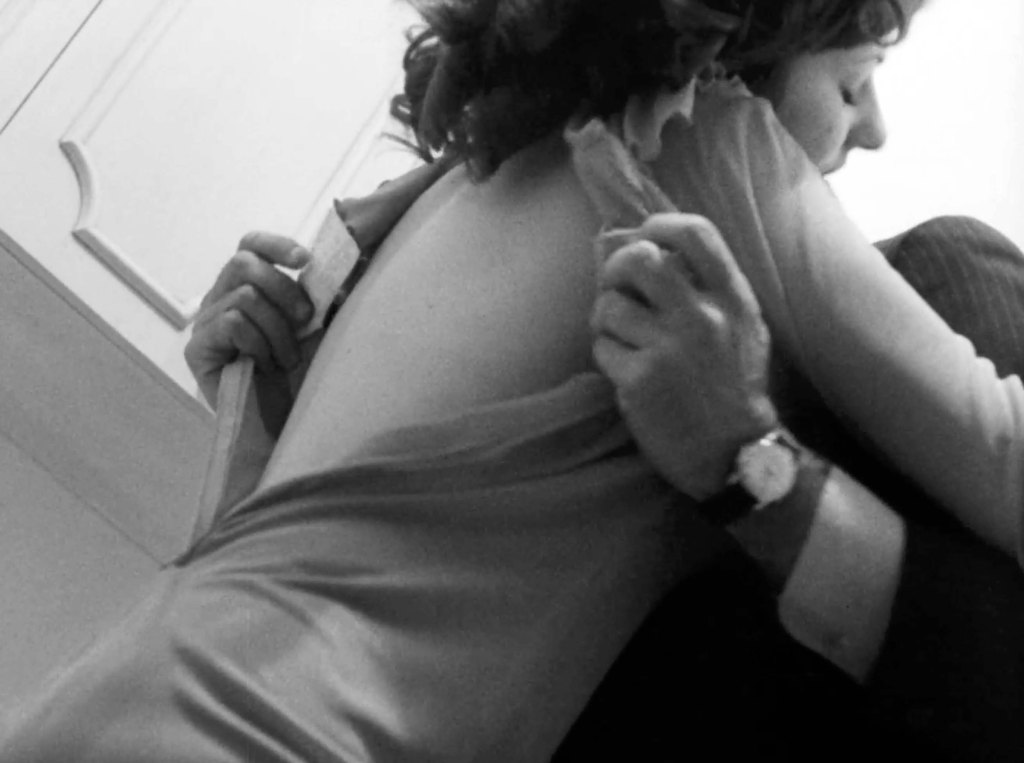
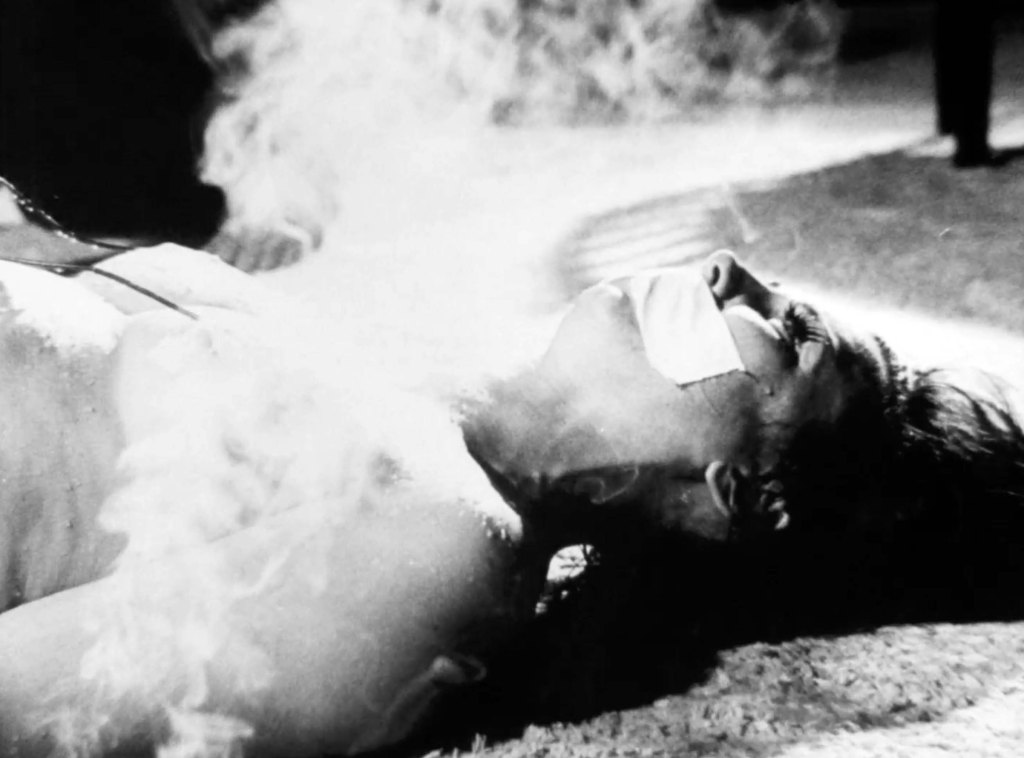
Frankie and Tony eventually capture the women and begin to force information out of them. The film becomes progressively darker as the couriers resort to brutal methods to uncover the location of the million dollars. What began as a chance roadside encounter evolves into a cycle of betrayal, pursuit, coercion, and violence.
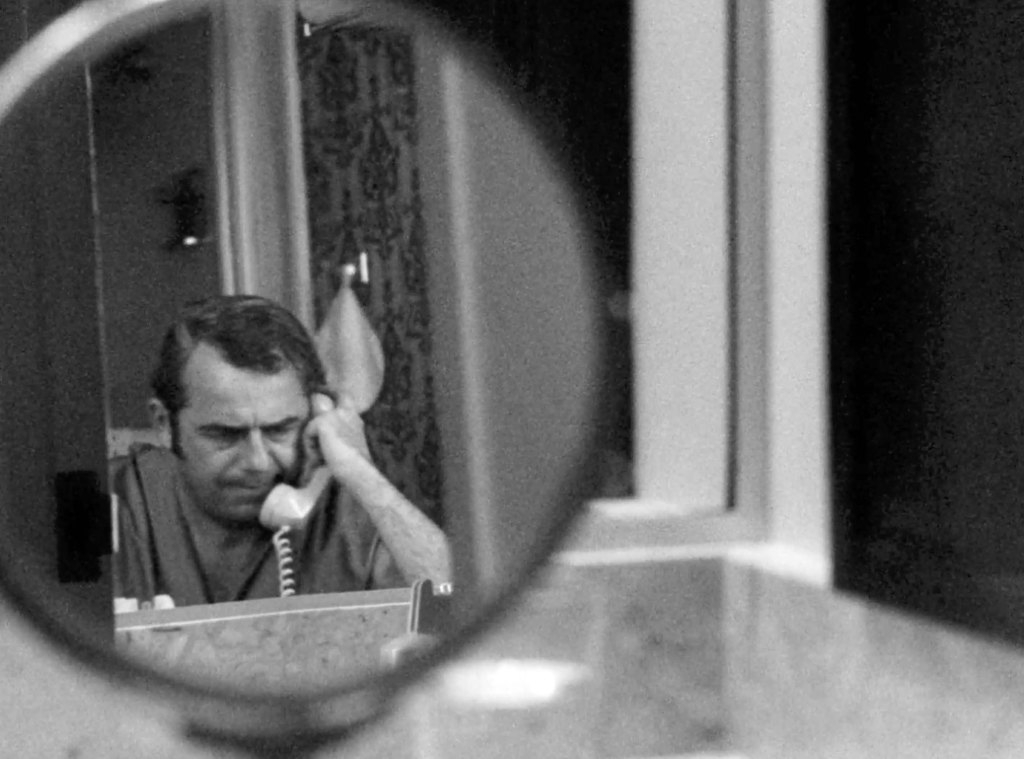


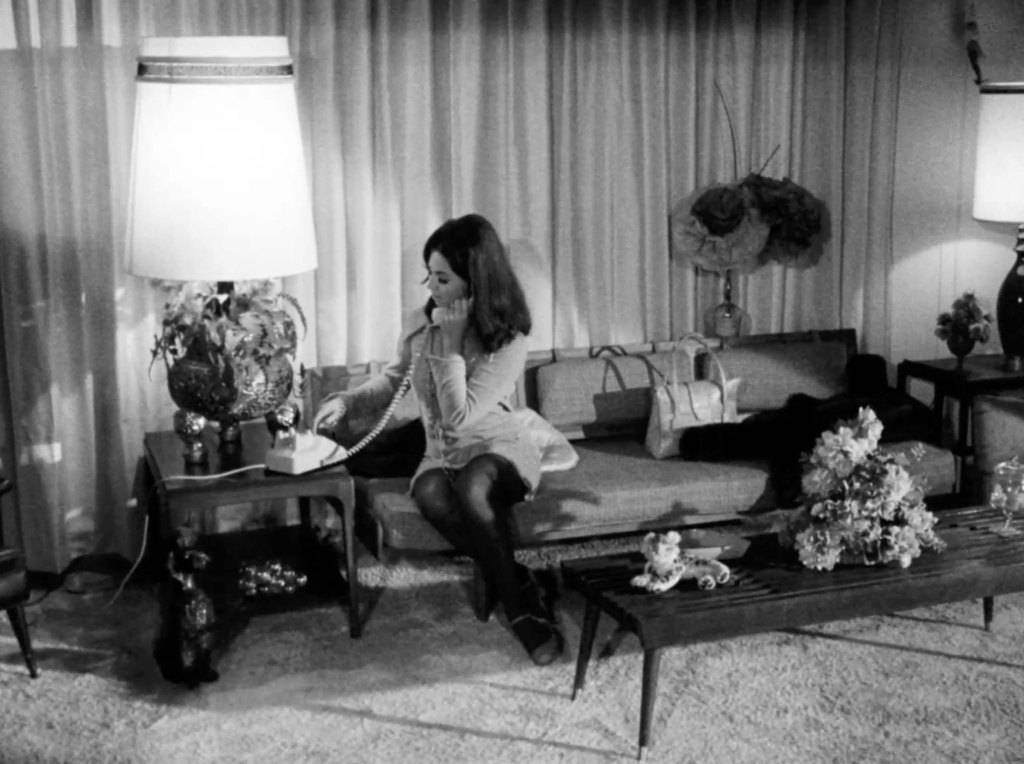
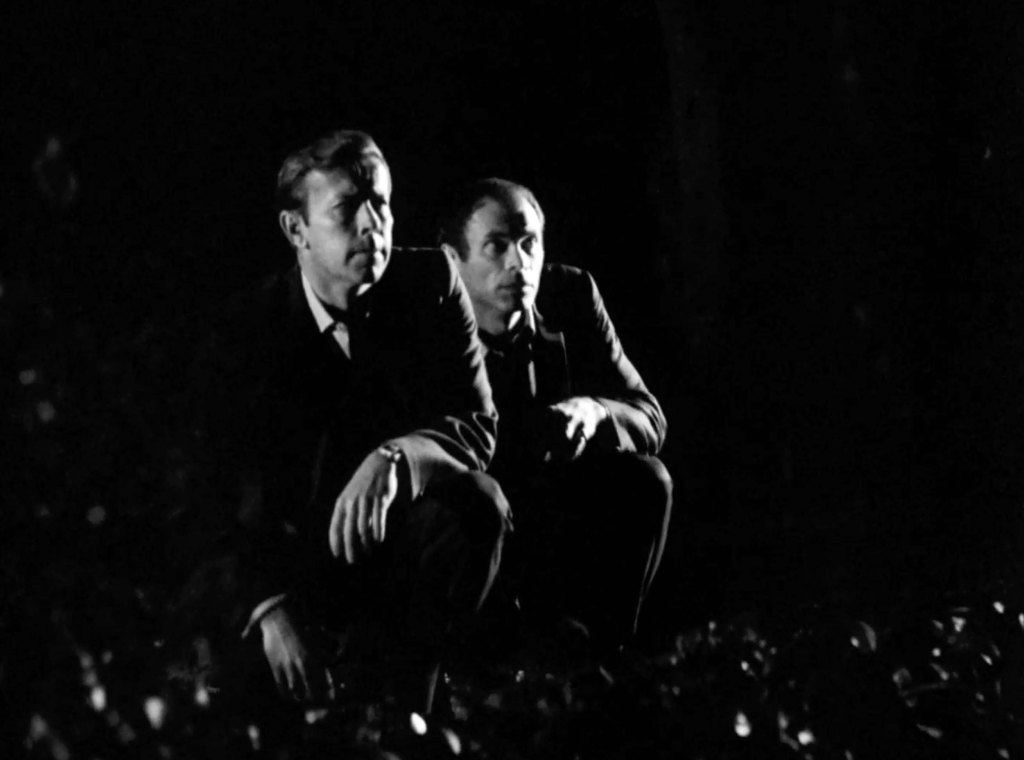
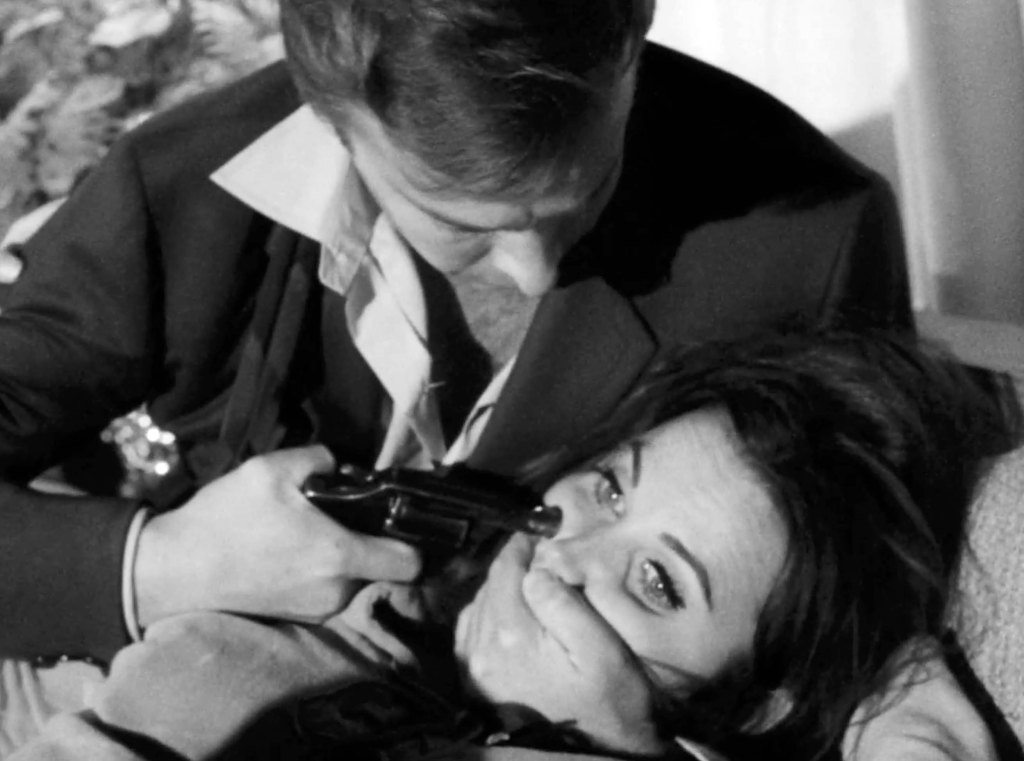
The presence of Sal (Bob Cresse) and other members of the criminal organization heightens the pressure on Frankie and Tony. Sal represents the authority behind the operation and the consequences that await if the money cannot be recovered. Other supporting characters—including Eddie (James E. McLarty), Gordon (John Alderman), Howie (Warren James), Riazzi (John Riazzi), and Sal’s thugs (Robert B. Williams and Don Baker)—populate the underworld through which the protagonists navigate.
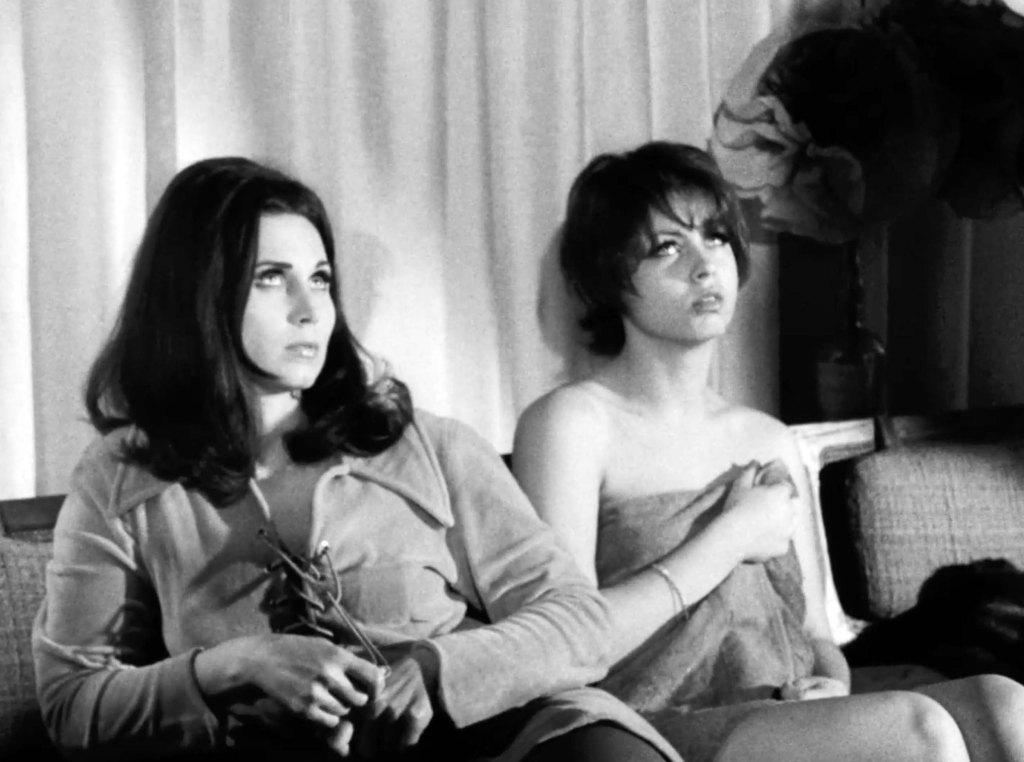

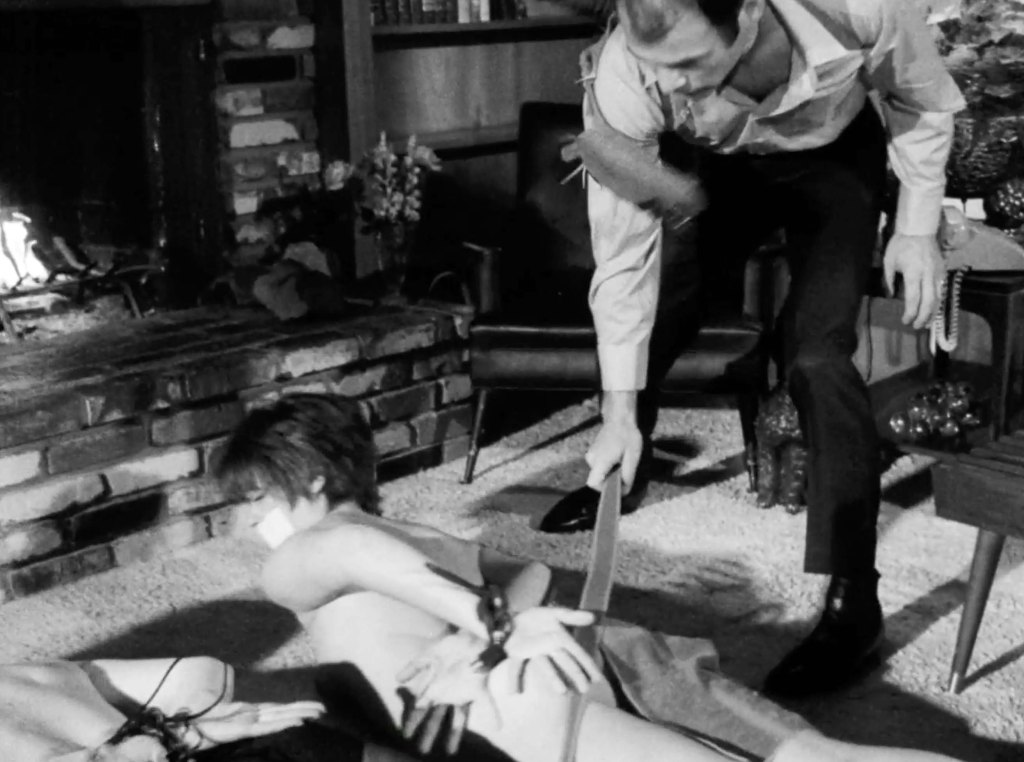

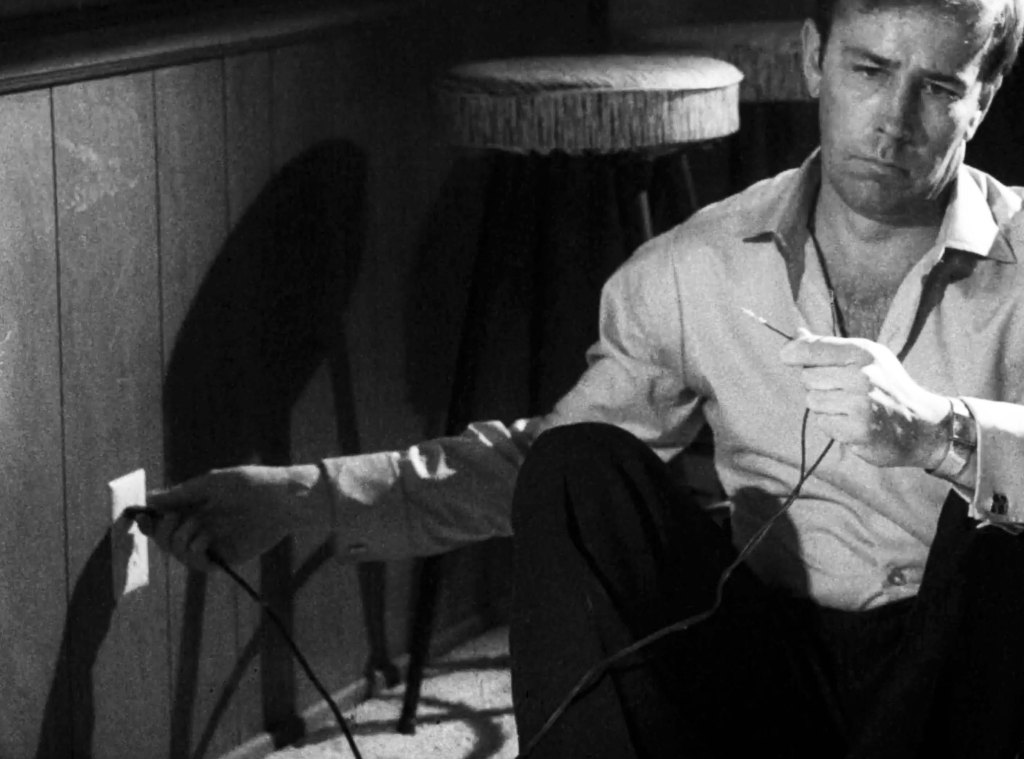
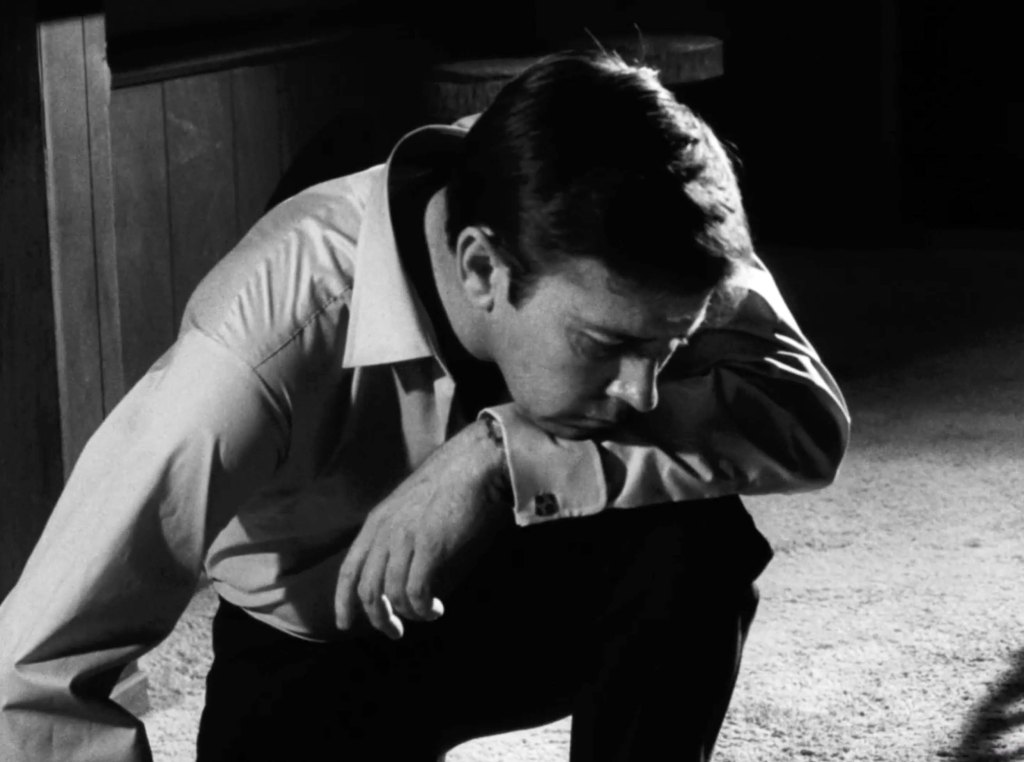

The film’s characters are intentionally portrayed within the conventions of late-1960s exploitation crime cinema. No one can be fully trusted, and the line between victim and victimizer constantly blurs. Frankie and Tony are criminals who find themselves as victims of a robbery, while Dana and Marcia are cunning con artists who become vulnerable when they are caught. Meanwhile, the larger syndicate operates under a brutal logic where human lives are ultimately deemed less important than the money they carry.
The story in “The Pick-Up” has an intriguing hybrid quality. On one level, it is a straightforward crime thriller centered around a stolen fortune and the search for those responsible. On another level, it evokes a stripped-down film noir in which an apparently random encounter triggers a series of inevitable consequences. Elements like the desert highway, a roadside motel, various locations in Los Angeles, the criminal underworld, betrayal, and shifting loyalties all contribute to its noir atmosphere.


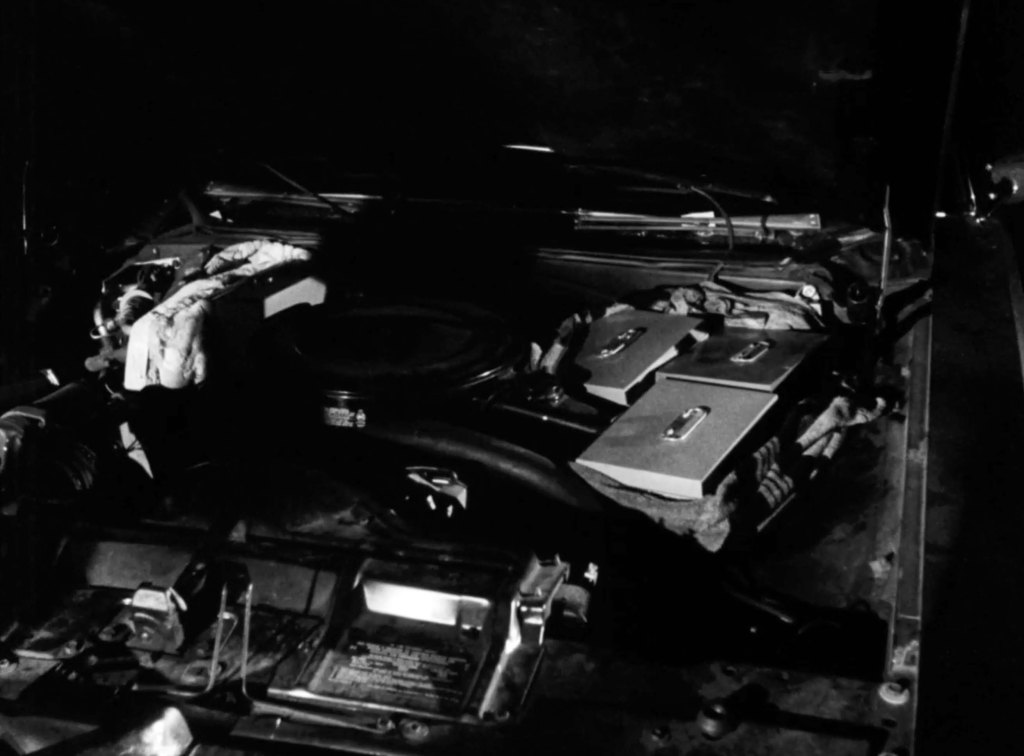
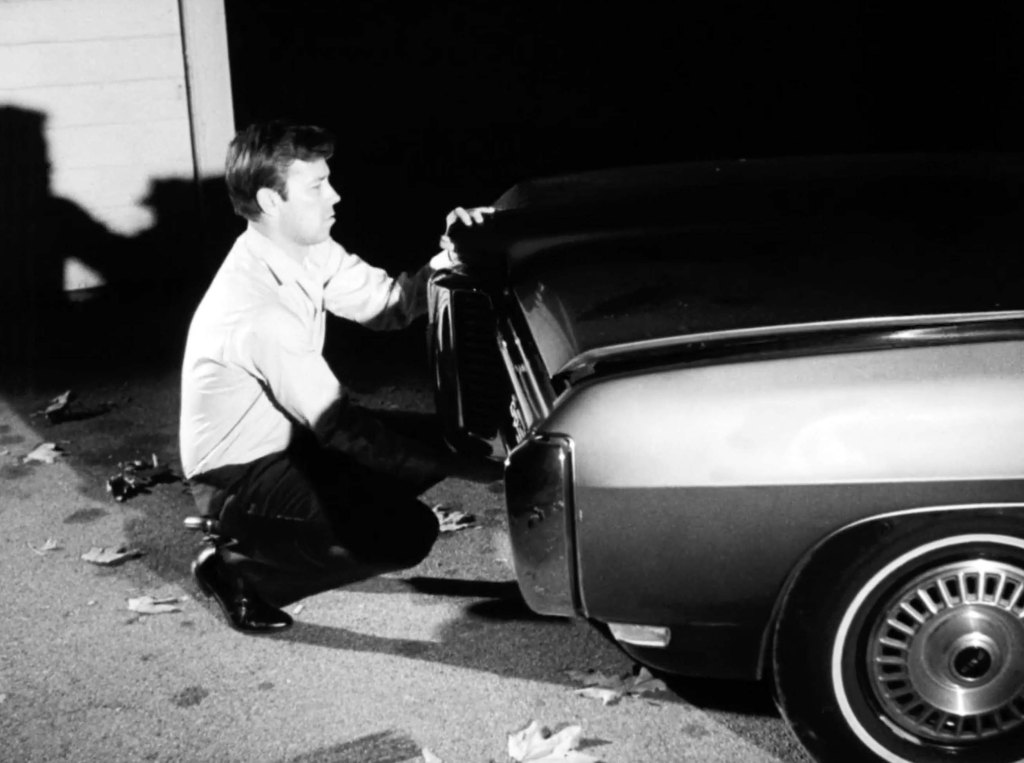
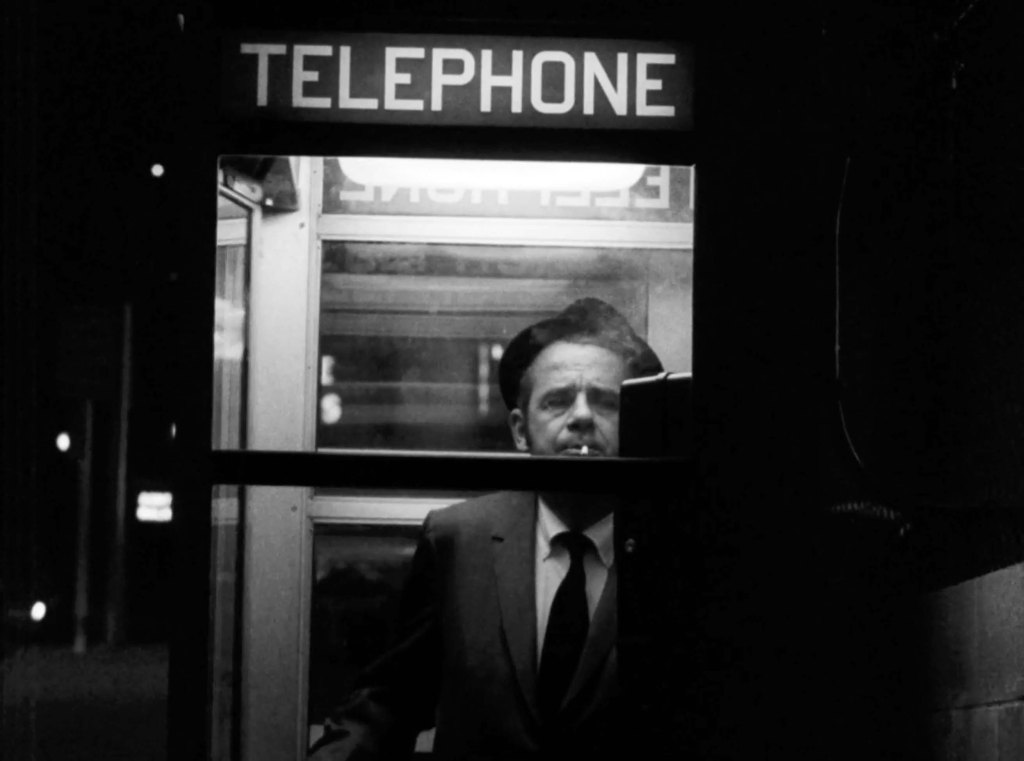
The story ultimately revolves around one central question: Where is the million dollars? Frankie and Tony must find the answer before their employers discover the extent of their failure. Meanwhile, Dana and Marcia face the consequences of having stolen money from individuals who have both the resources and the willingness to retaliate.
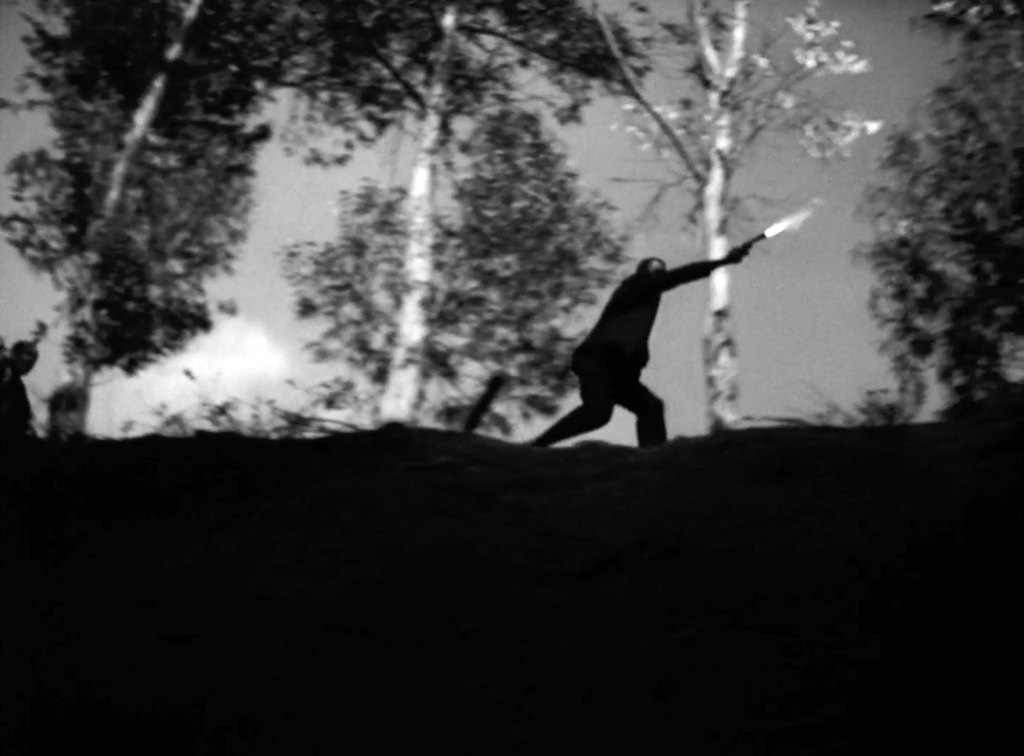
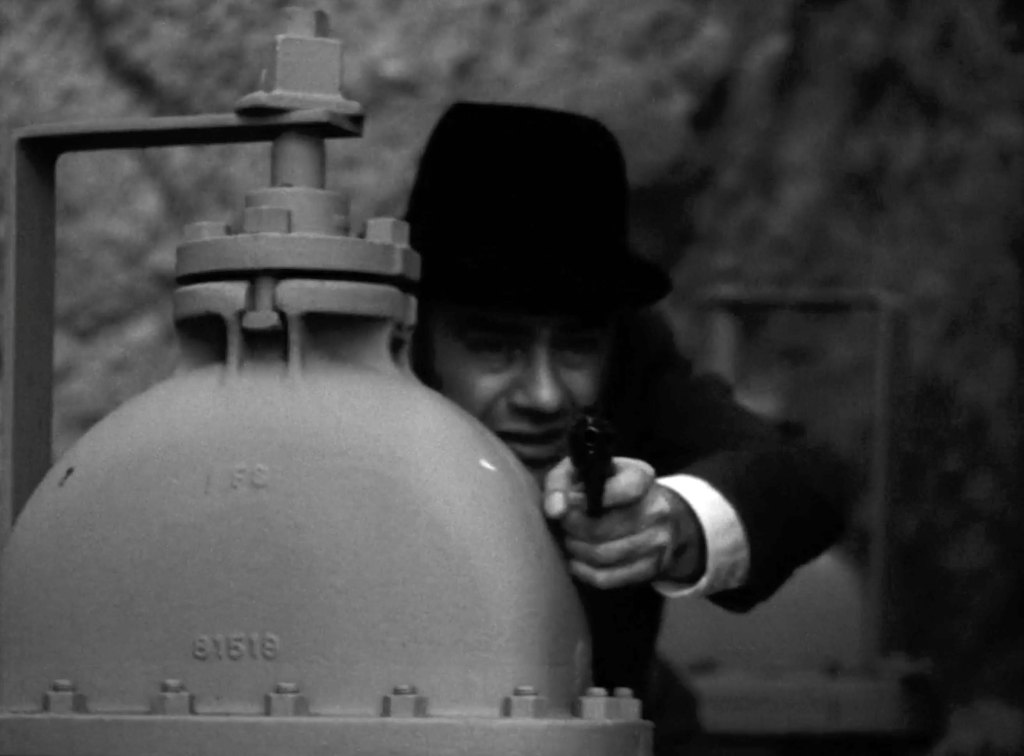
As the conflict escalates, the confrontations become increasingly violent, including the torture of the women in an attempt to force them to reveal the location of the hidden cash. This brutality reflects the exploitation cinema of the time and marks a significant departure from the more subdued crime films of classical Hollywood. Furthermore, the violence highlights the fragile nature of the women’s apparent victory: while stealing the money was relatively easy, surviving the wrath of those who want it back proves to be far more challenging.
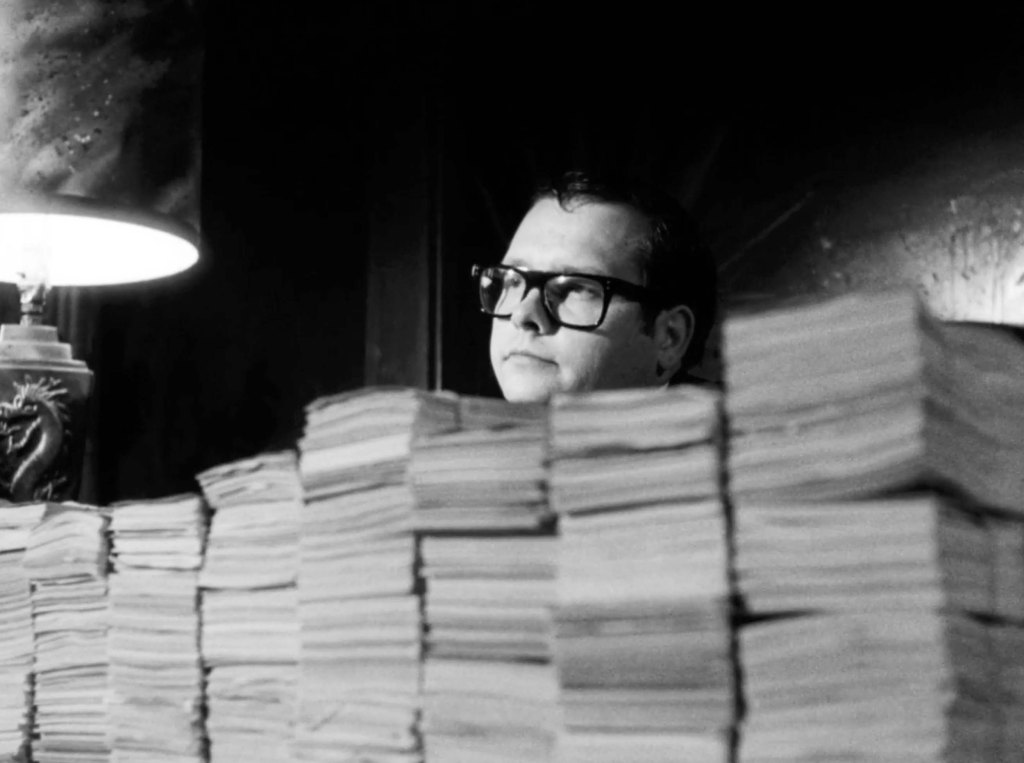
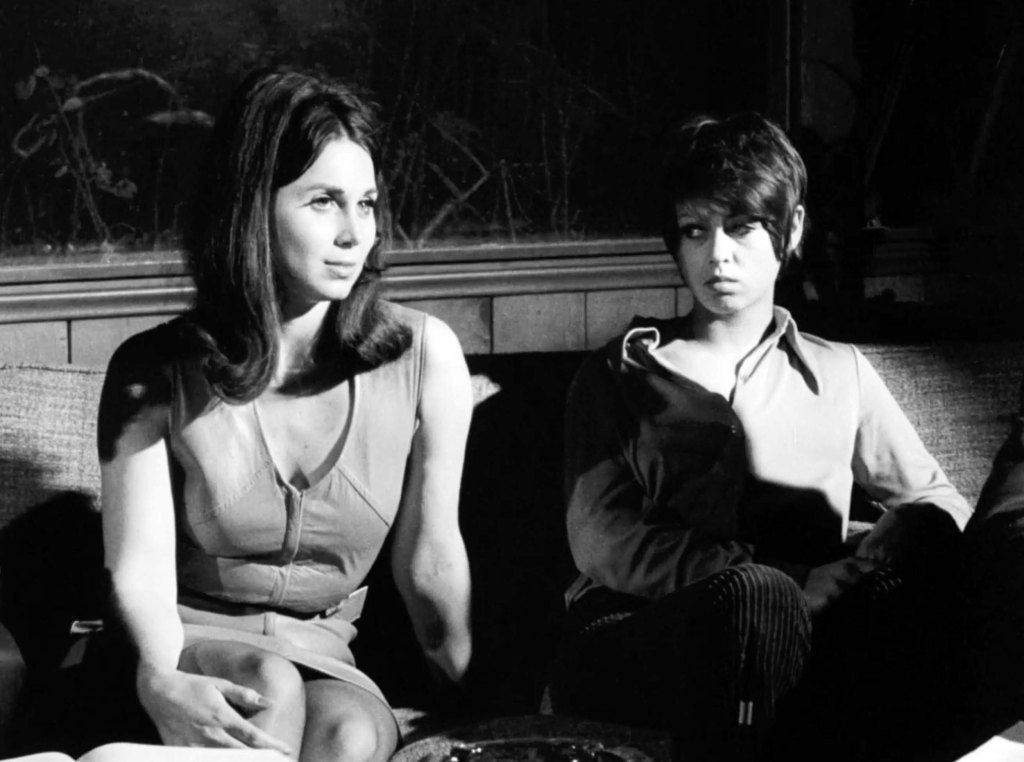
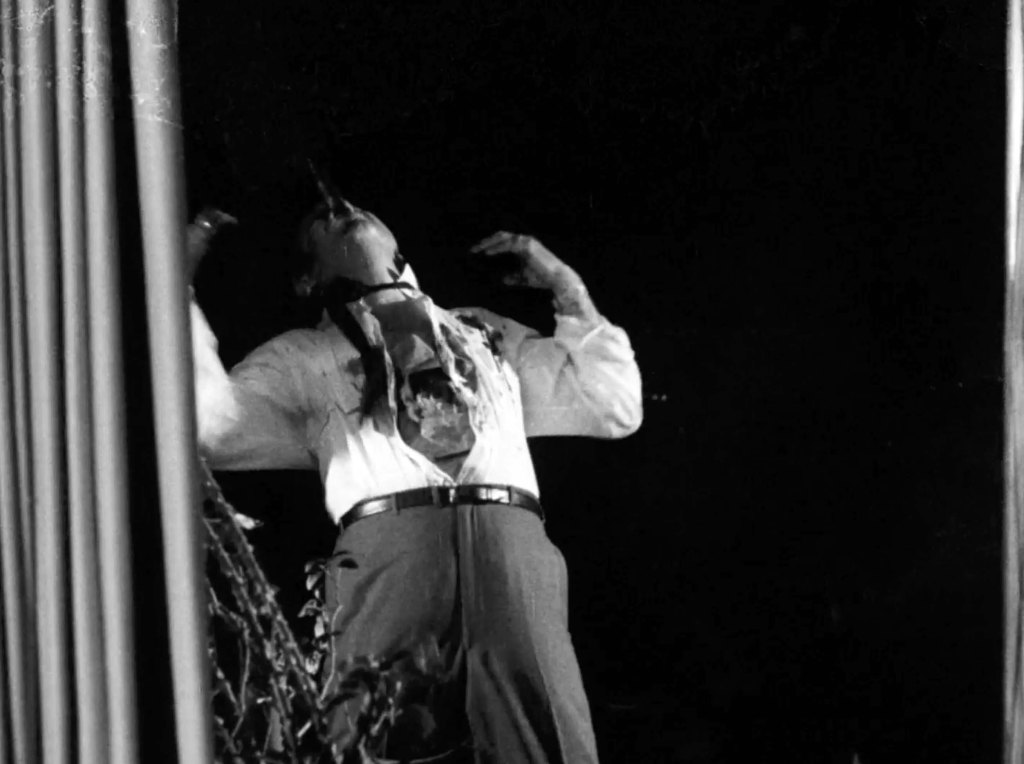
Rather than delivering a conventional moral resolution, “The Pick-Up” leaves its characters ensnared in the consequences of their own greed and deception. What began as a simple premise—two men tasked with transporting money from one city to another—quickly escalates into robbery, pursuit, betrayal, and violence. This transformation occurs because the individuals involved consistently prioritize personal desires over the rules governing their criminal world.

The film’s title has multiple meanings. Initially, the term “pick-up” refers to Frankie and Tony stopping to assist two seemingly stranded women. However, this encounter quickly morphs into a setup where each participant seeks to gain something valuable—be it money, information, leverage, or control. Thus, the roadside encounter becomes the pivotal turning point of the entire story.
“The Pick-Up” holds a notable position within the late-1960s American exploitation film movement. Directed by Lee Frost, a filmmaker known for his work in sexploitation and crime genres, and produced by Wes Bishop along with Dementia Productions, the film blends hard-boiled crime narratives with erotic elements and sensational violence.

At its core, “The Pick-Up” is a gritty, fast-paced crime story built around a straightforward exploitation-noir premise: two couriers transporting a million dollars impulsively pick up two strangers, and that decision shatters their carefully controlled lives. The film’s unique blend of black-and-white cinematography, desert settings, erotic deception, criminal intrigue, and rising violence makes it a distinctive example of late-1960s American exploitation cinema.