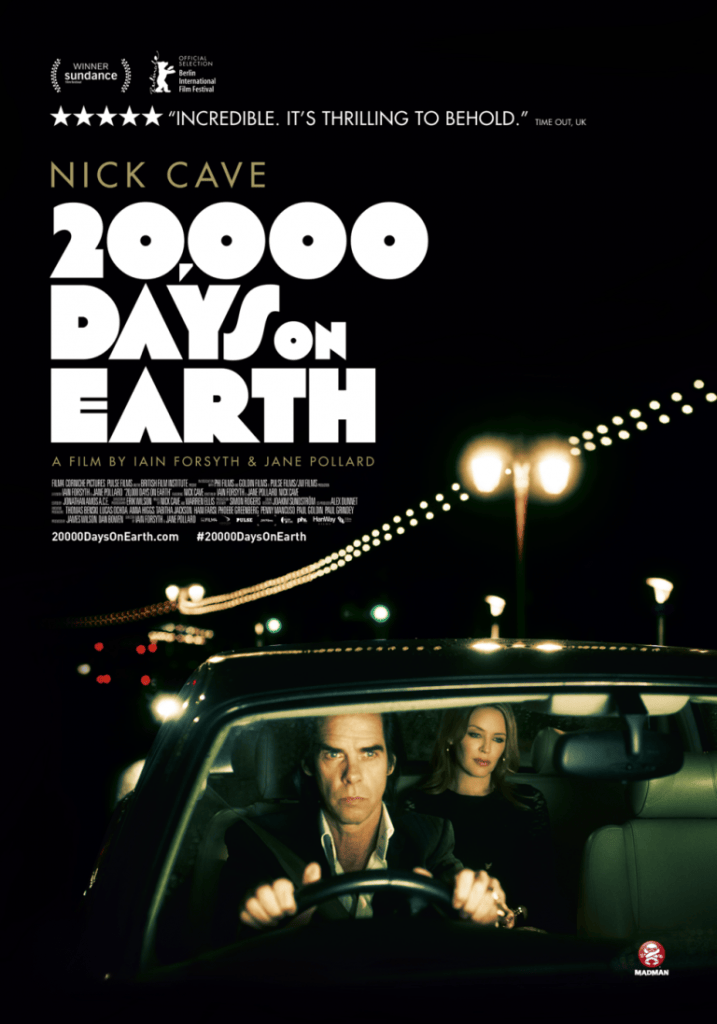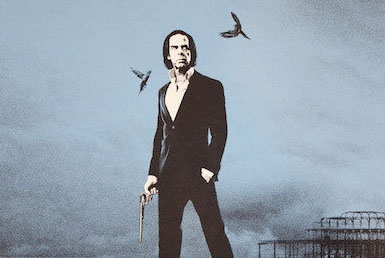
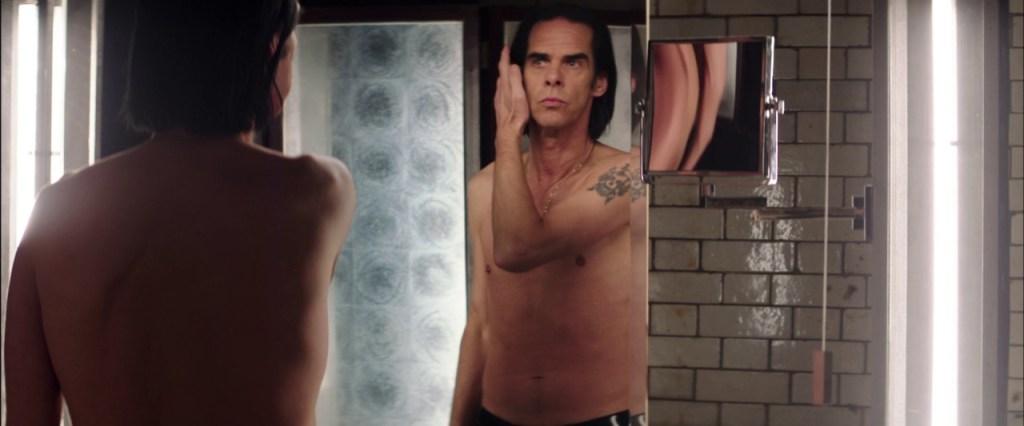
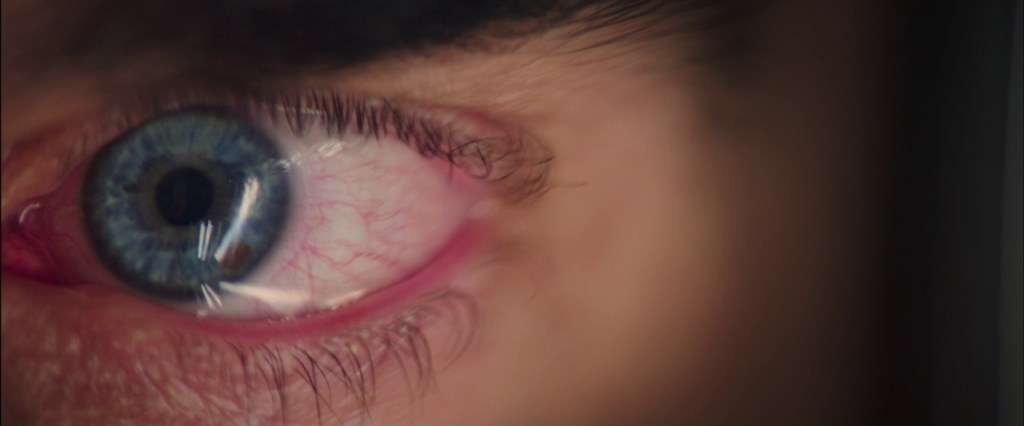
“20,000 Days on Earth” is a hybrid documentary-drama released in 2014, directed by Iain Forsyth and Jane Pollard. The film features Nick Cave playing himself and combines elements of documentary, fiction, and performance to create a stylized portrait of the artist’s life and creative process. Additional appearances include Ray Winstone, Kylie Minogue, and members of Nick Cave and the Bad Seeds, such as Warren Ellis and Blixa Bargeld.
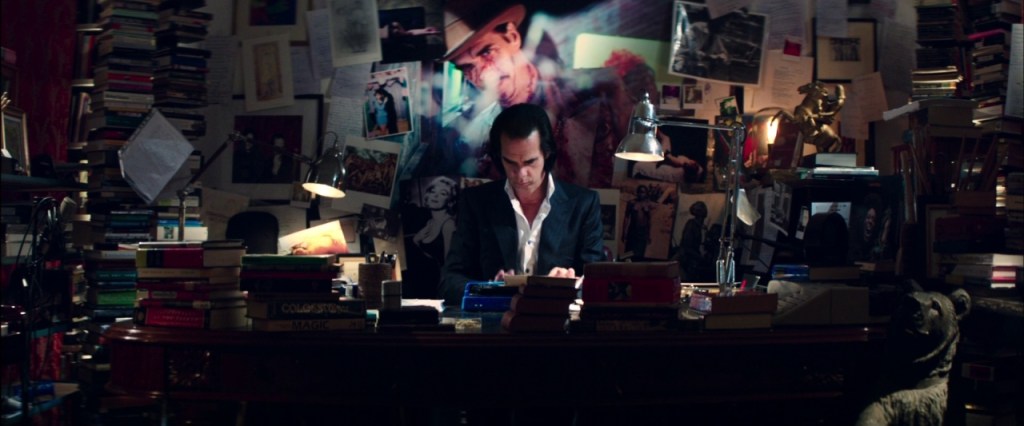
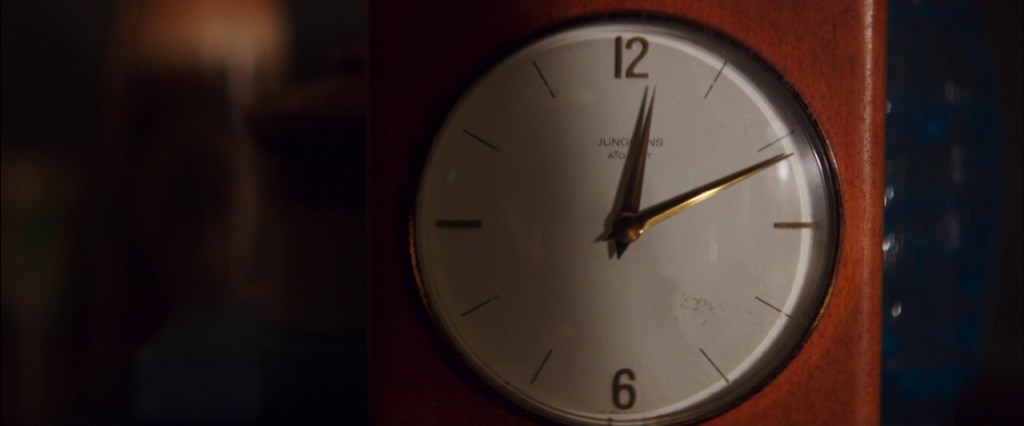
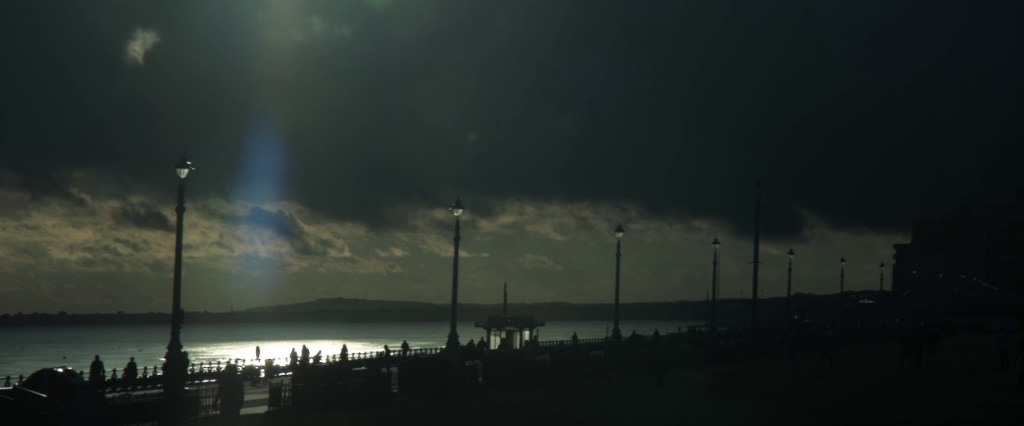
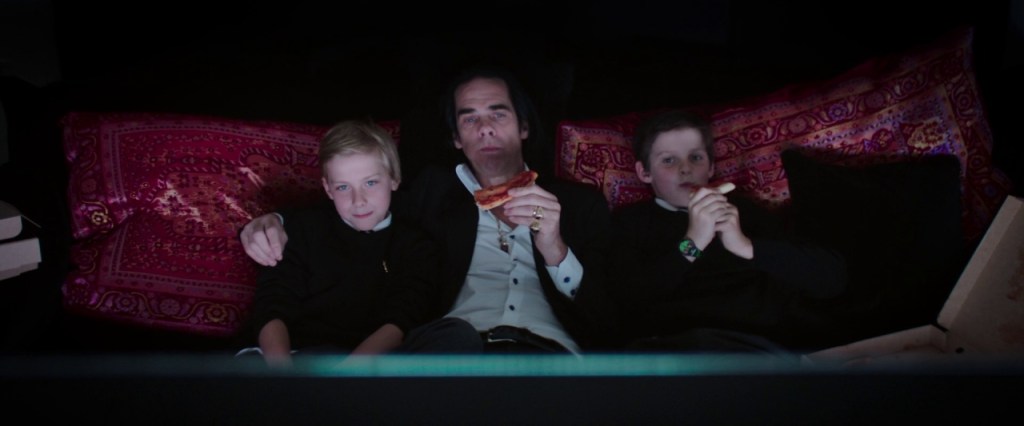
“20,000 Days on Earth” portrays a fictionalized “day in the life” of Nick Cave, celebrating what the film identifies as the 20,000th day of his life. Primarily set in Brighton, England, where Cave resides and works, the film blends elements of documentary and scripted narrative, creating a poetic exploration of themes such as memory, creativity, and identity.
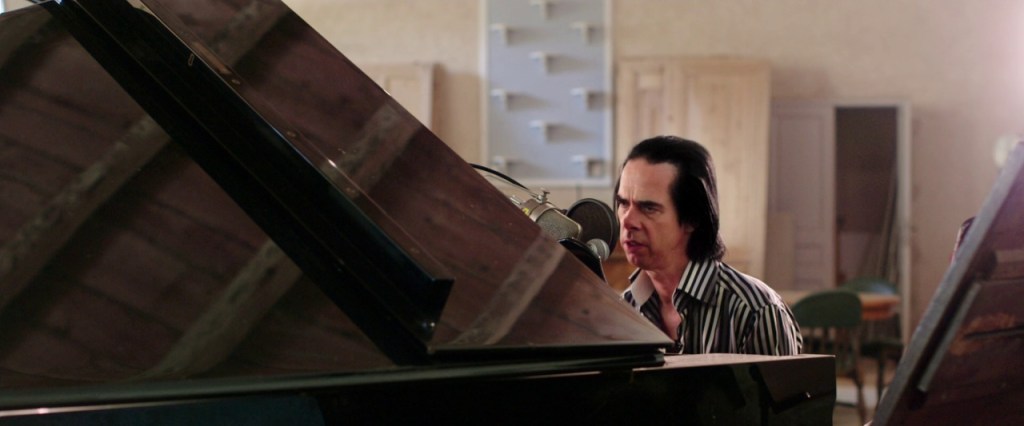
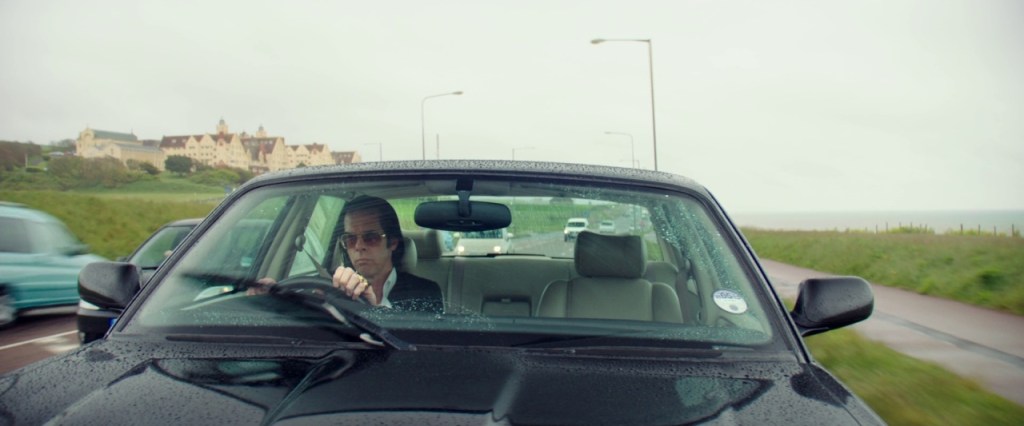
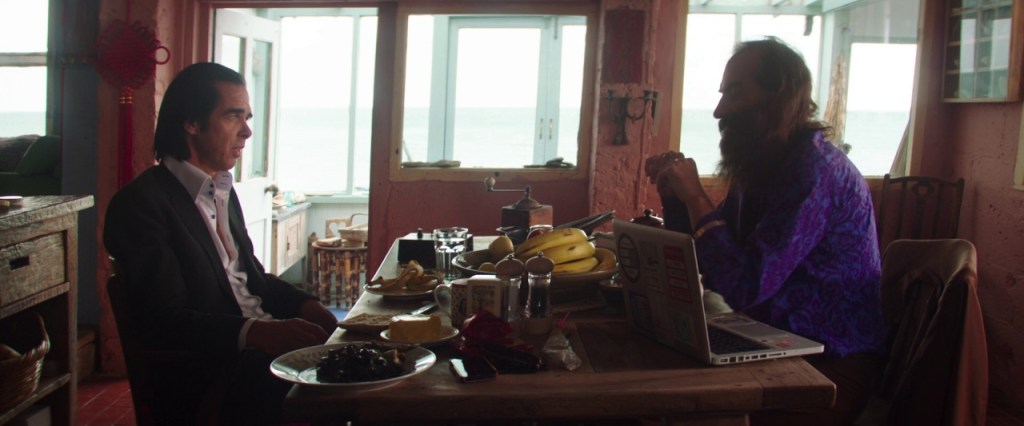
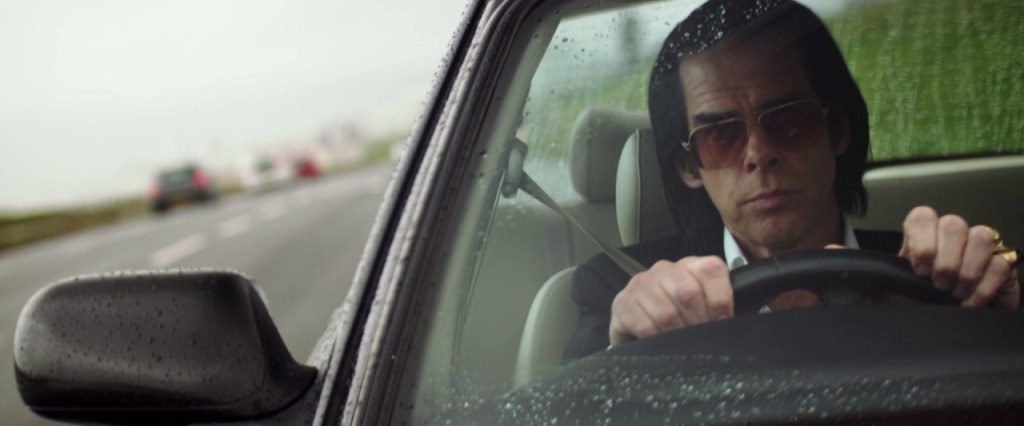
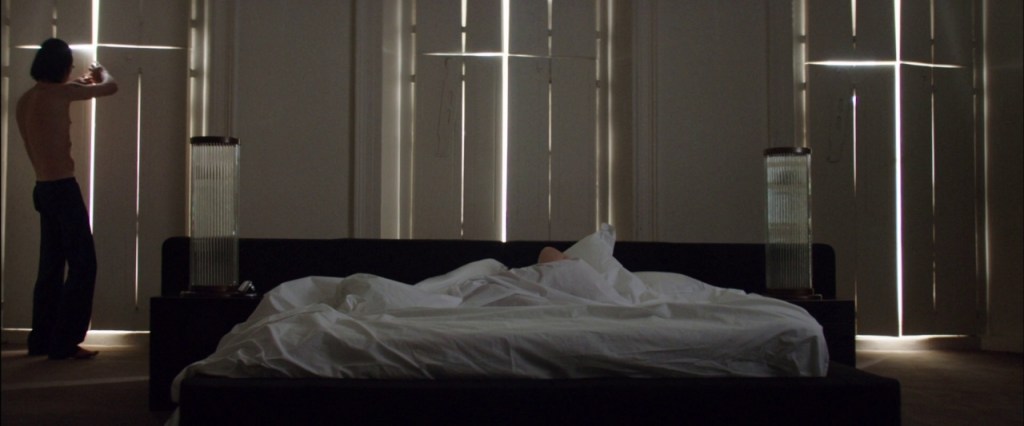
The film begins with Nick Cave waking up in his home in Brighton. He shares reflections on his life and artistic philosophy through narration. As he goes about his morning routine—writing, reflecting, and driving through the seaside town—his voiceover creates a thoughtful, philosophical, and introspective tone. The narrative unfolds as if the viewer is witnessing a carefully crafted version of Cave’s everyday life.
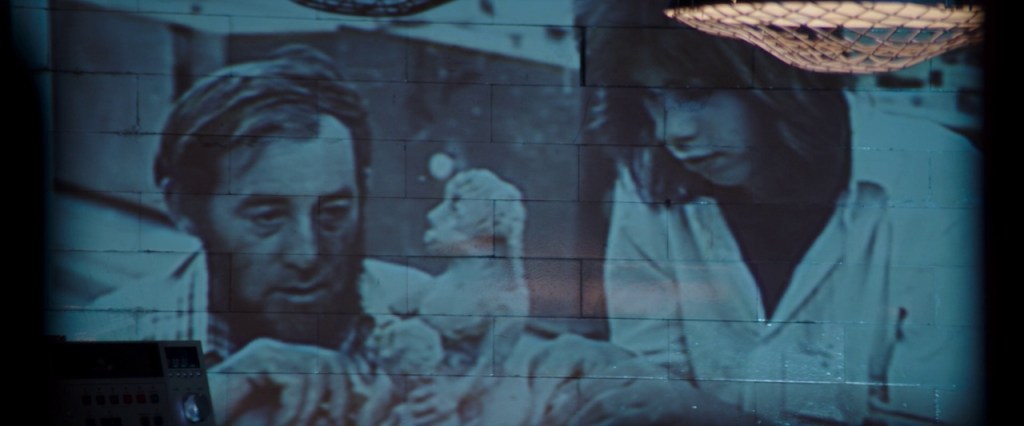
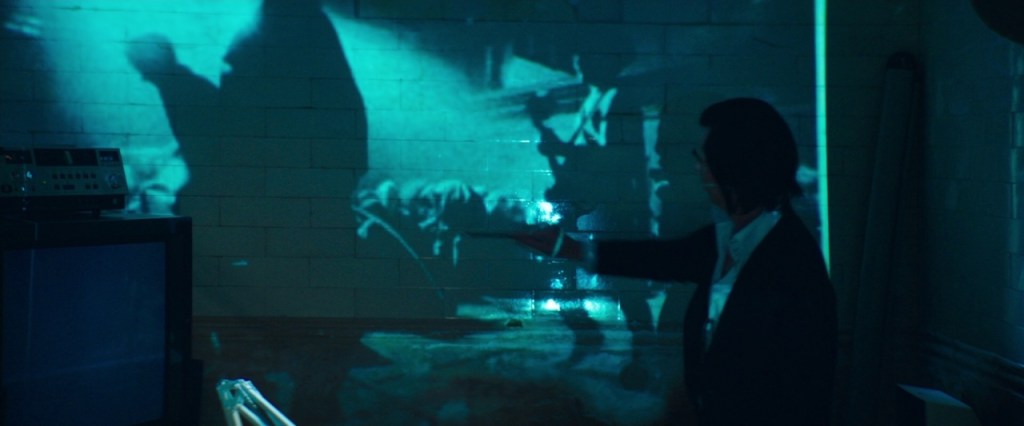
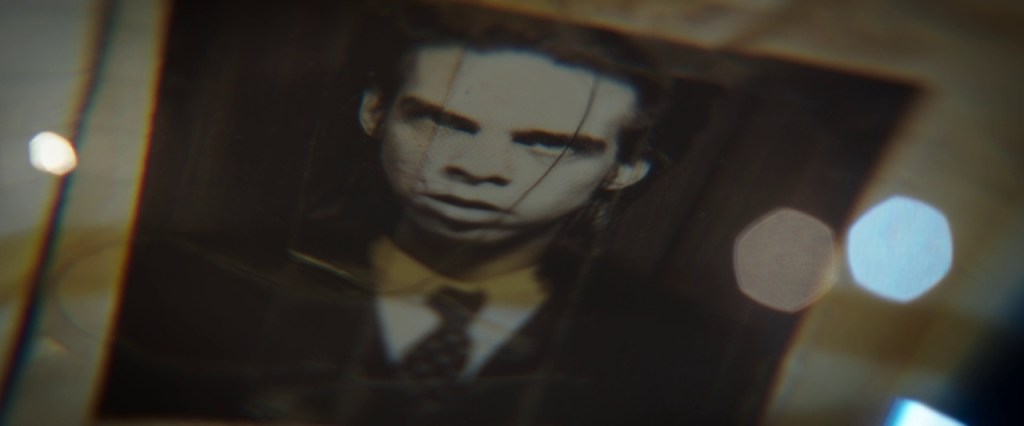
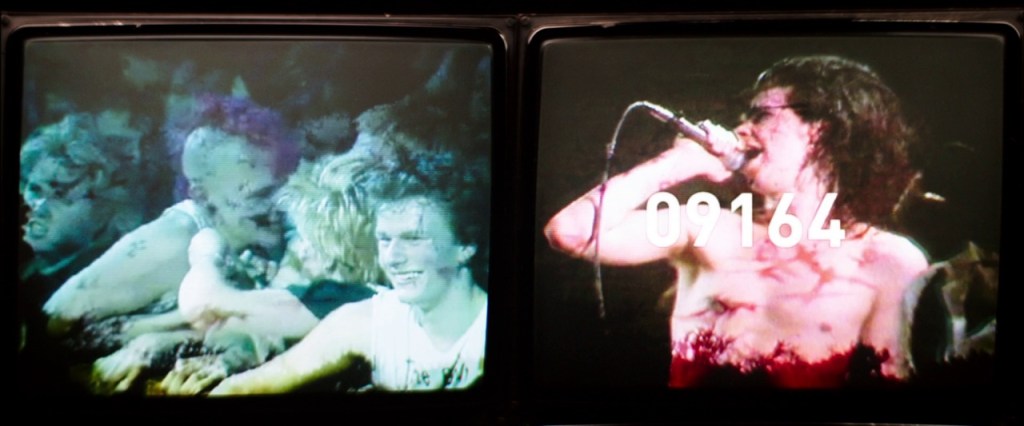
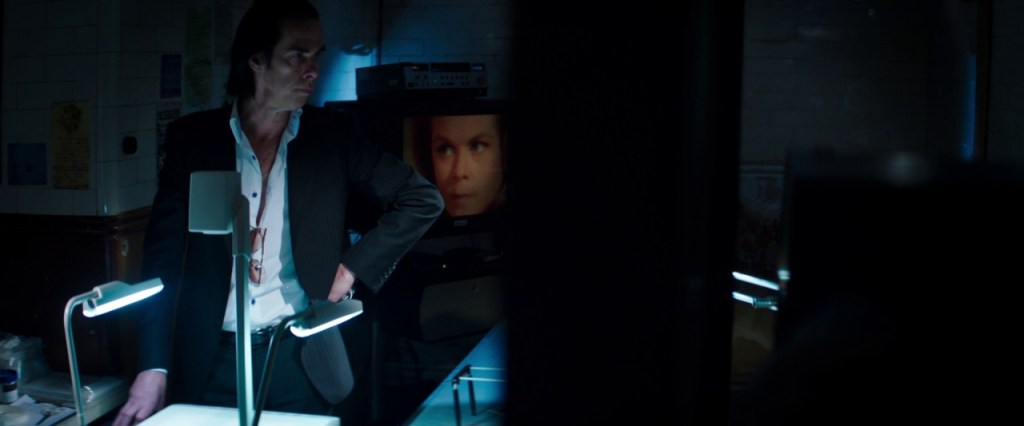
Cave visits his office, where he works on lyrics and reflects on the significance of mythmaking in art. He discusses how memory is selective and subjective, suggesting that artists shape their identities through storytelling. The film frequently transitions between staged moments and archival footage, including images from Cave’s childhood in Australia, early performances, and his rise in the post-punk music scene.

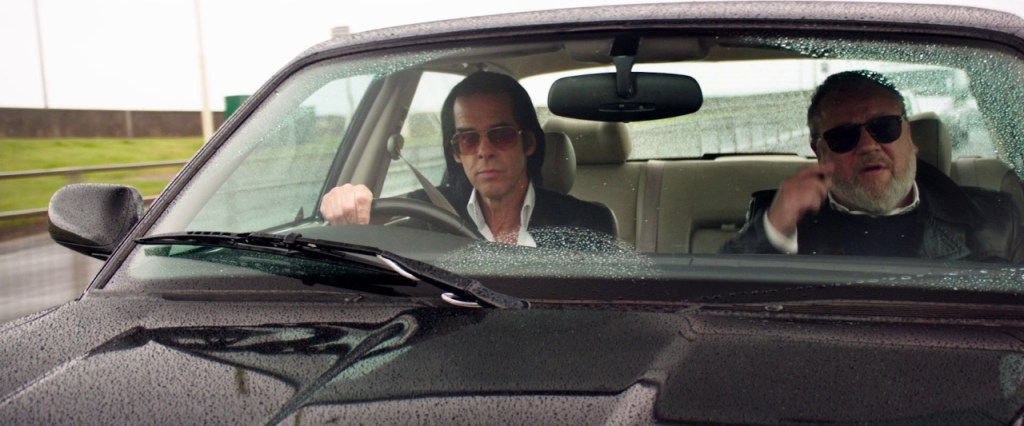
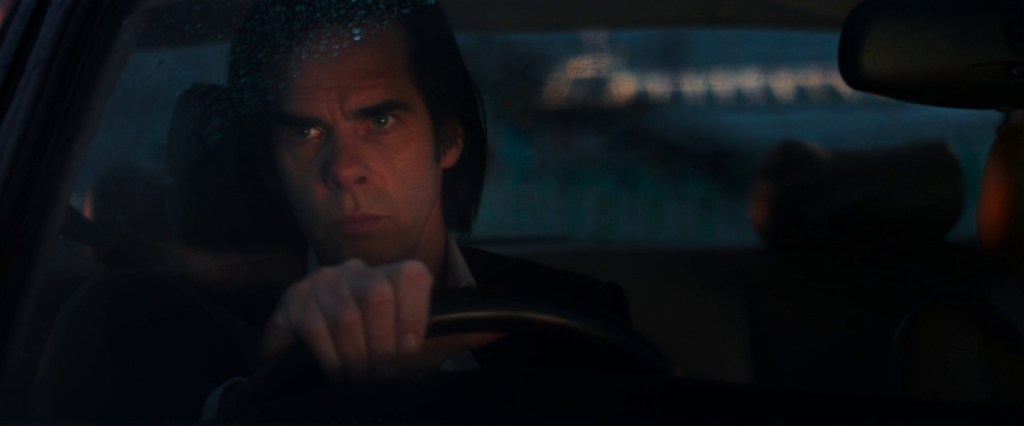
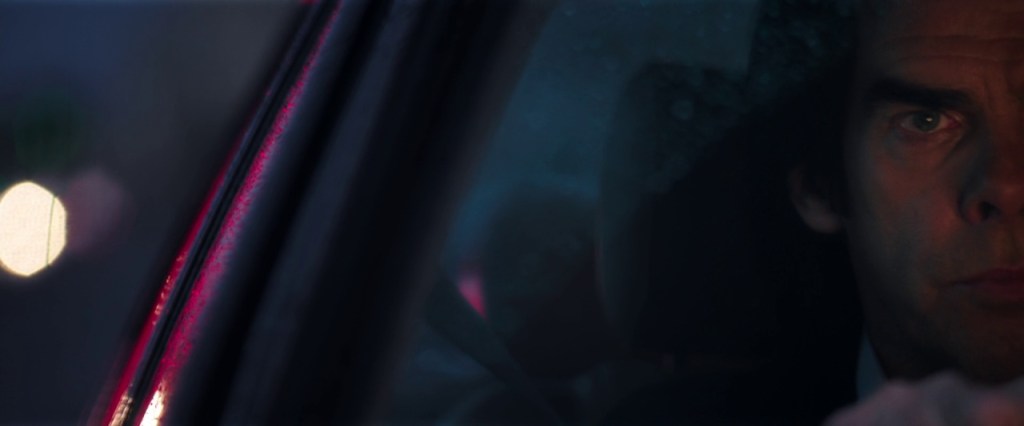
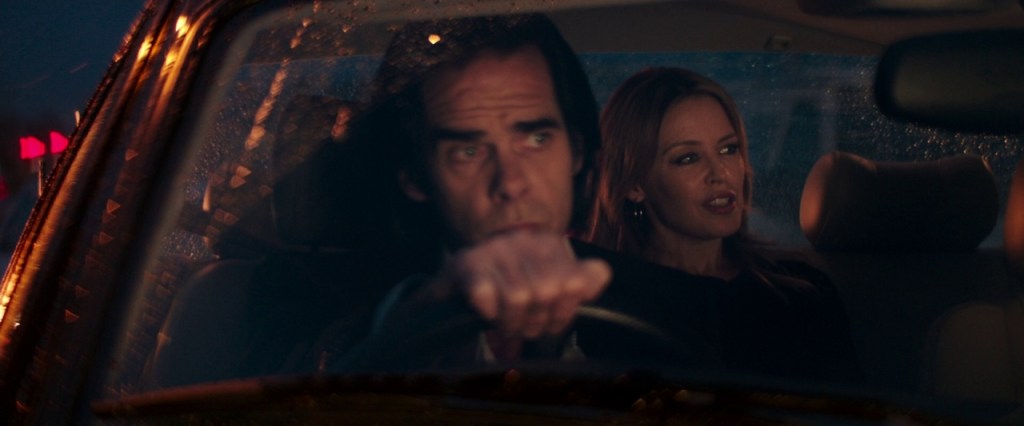
One of the film’s recurring motifs involves Cave driving his car while various figures from his past sit in the passenger seat. In one sequence, actor Ray Winstone joins him, and they engage in a conversation about violence, storytelling, and masculinity, blending casual dialogue with philosophical reflections. These surreal encounters persist throughout the film, symbolizing Cave’s internal dialogue with his influences and history.
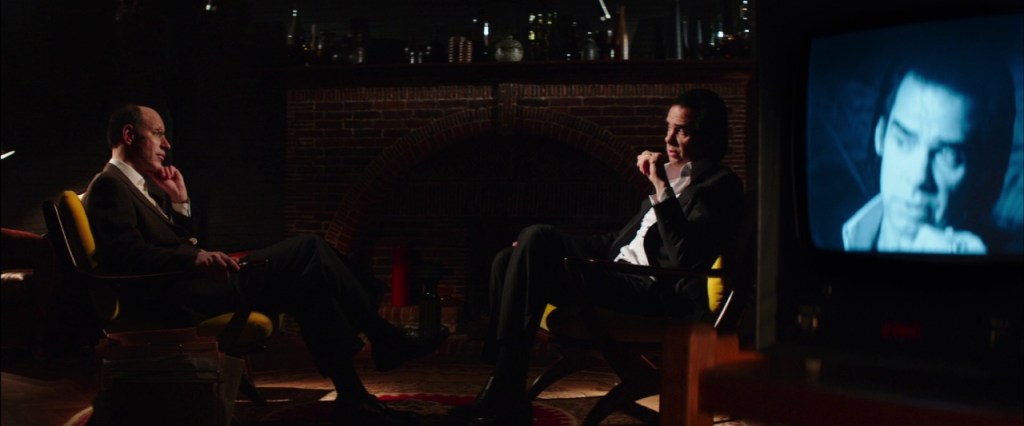
Cave also visits his therapist, Darian Leader, in a staged session where he discusses childhood memories, creativity, and emotional experiences. These therapy scenes deepen the film’s introspective tone, as Cave reflects on how personal experiences have shaped his music and persona.
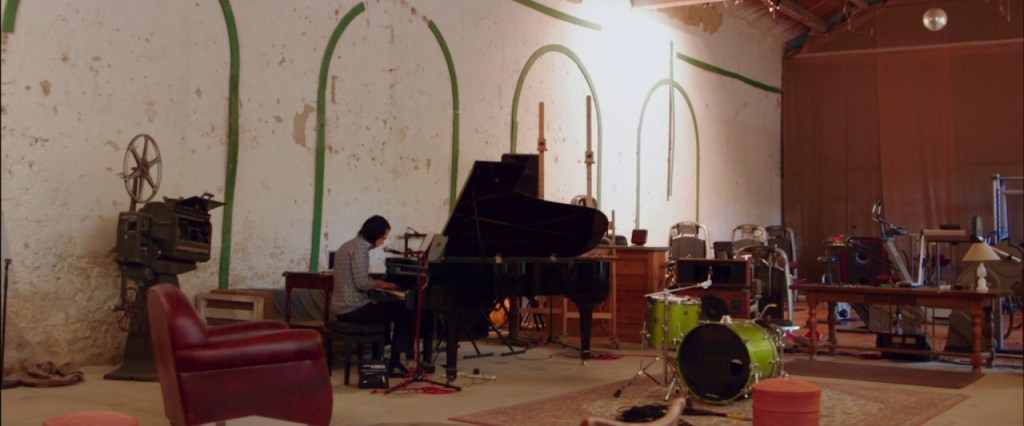
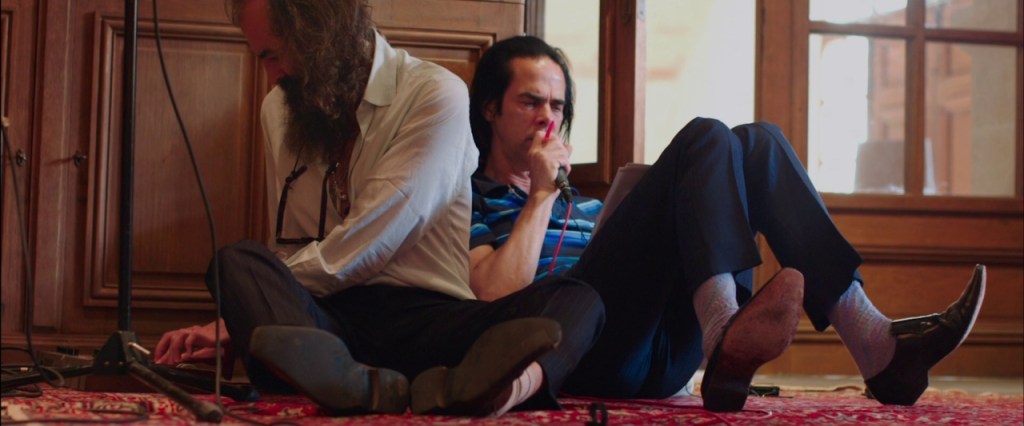
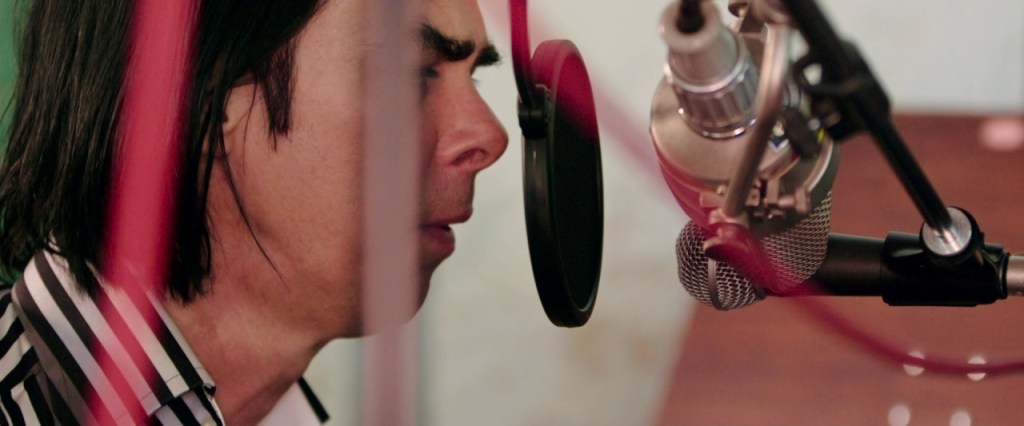
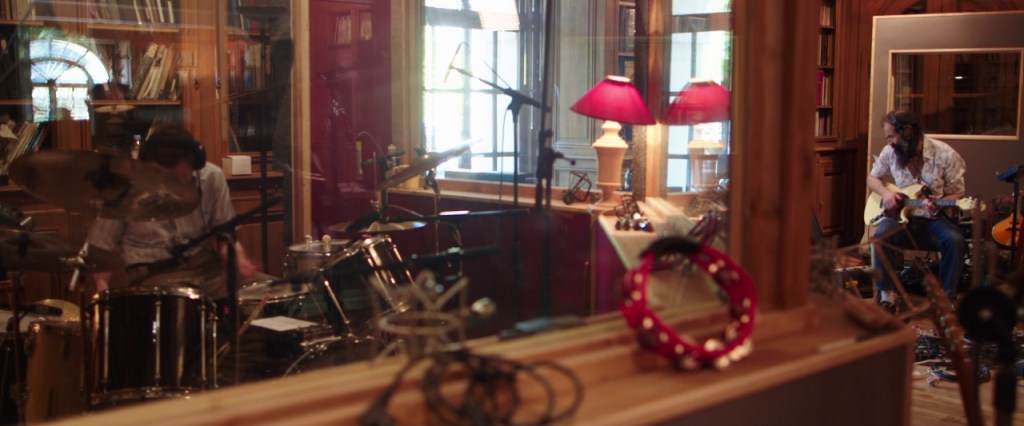
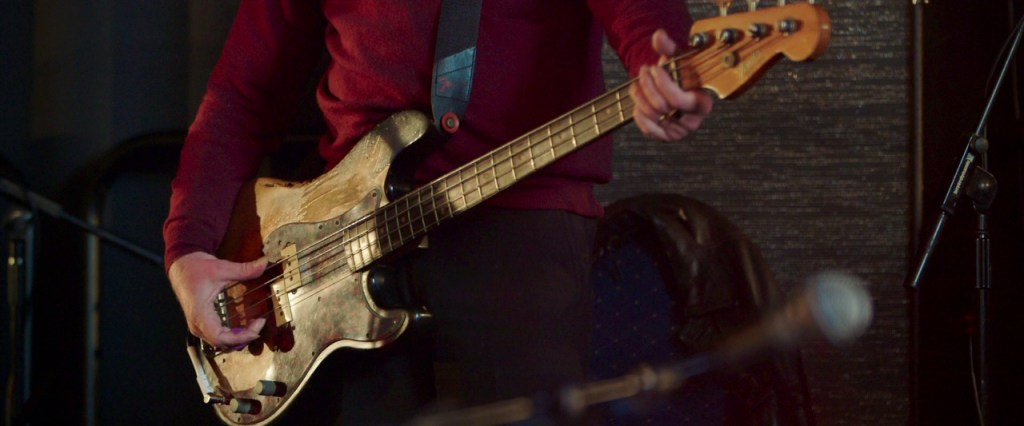
The film then transitions to the recording studio, where Nick Cave collaborates with Warren Ellis and other members of the Bad Seeds. These scenes illustrate the songwriting and recording process, capturing moments of improvisation, tension, and creative discovery. They emphasize how abstract ideas evolve into music.
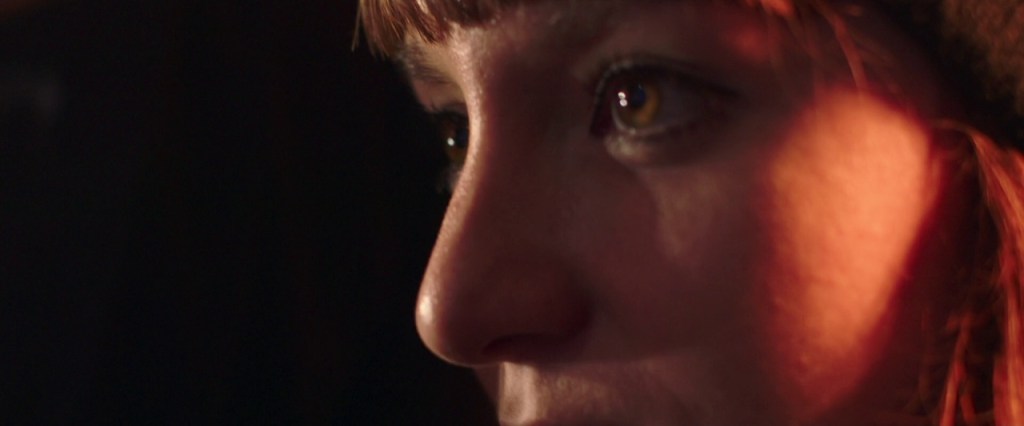
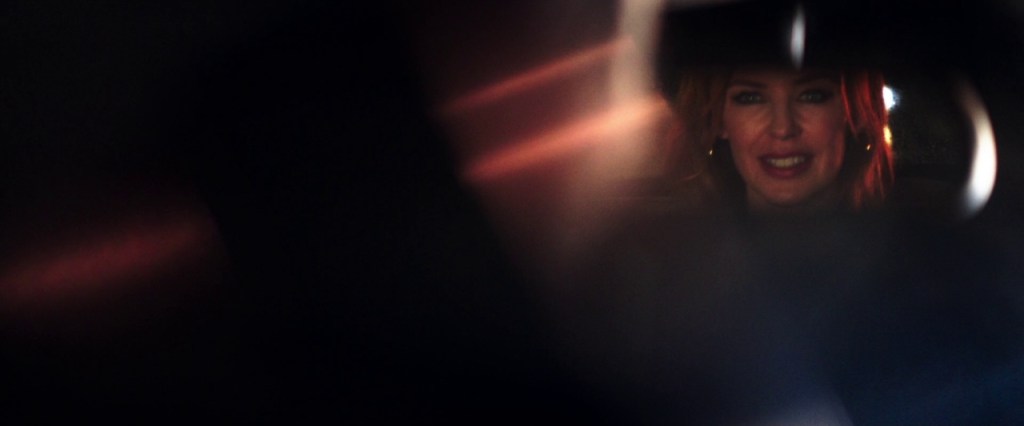
In another memorable sequence, Kylie Minogue is seen in the passenger seat during a nighttime drive. The two reminisce about their collaboration on the song “Where the Wild Roses Grow,” reflecting on performance, image, and fame. Their conversation is intimate and reflective, highlighting the constructed nature of celebrity identity.
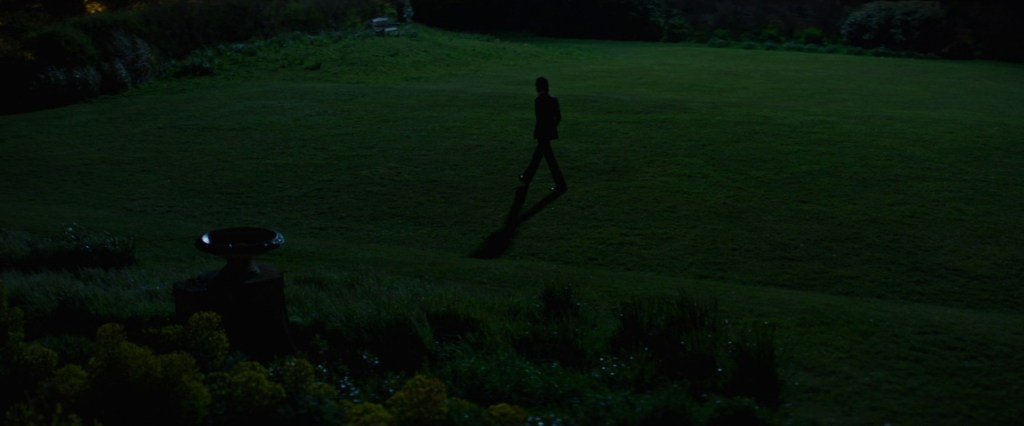
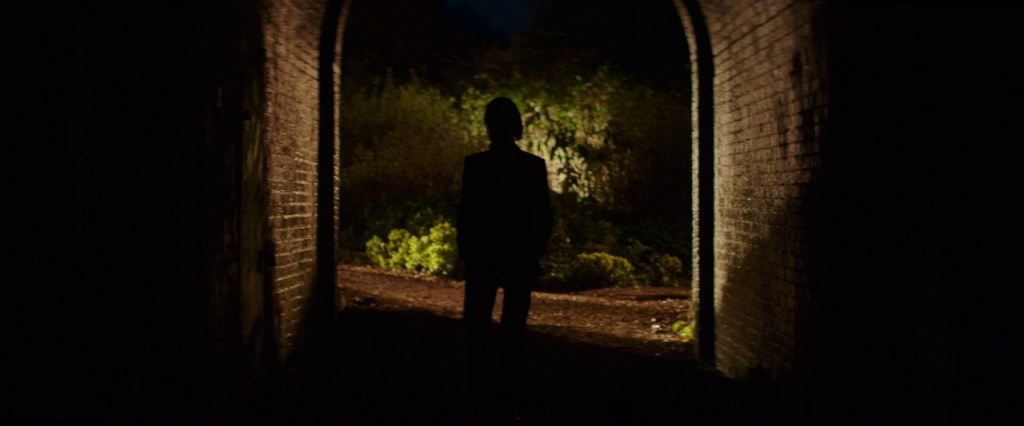
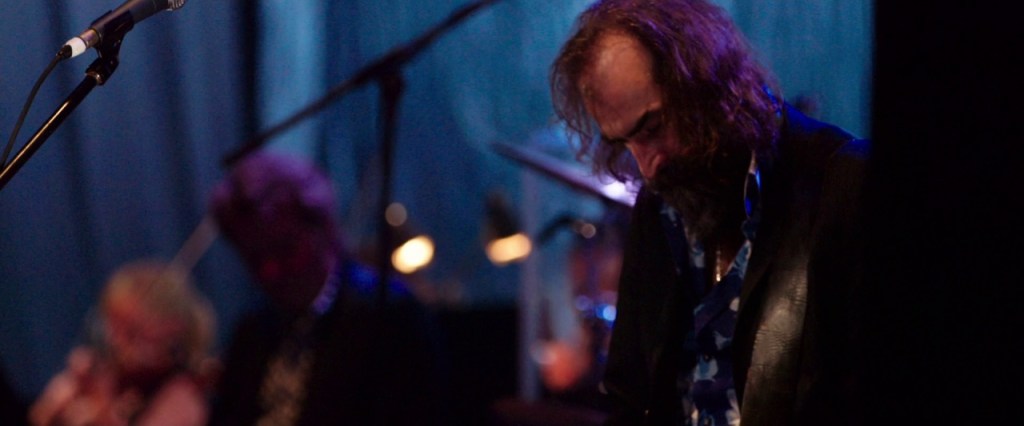
Throughout the film, archival footage of Nick Cave’s earlier bands, such as The Birthday Party, and live performances are interwoven with the present-day narrative. These moments trace Cave’s evolution as an artist, from chaotic beginnings to a more mature, reflective creative figure.
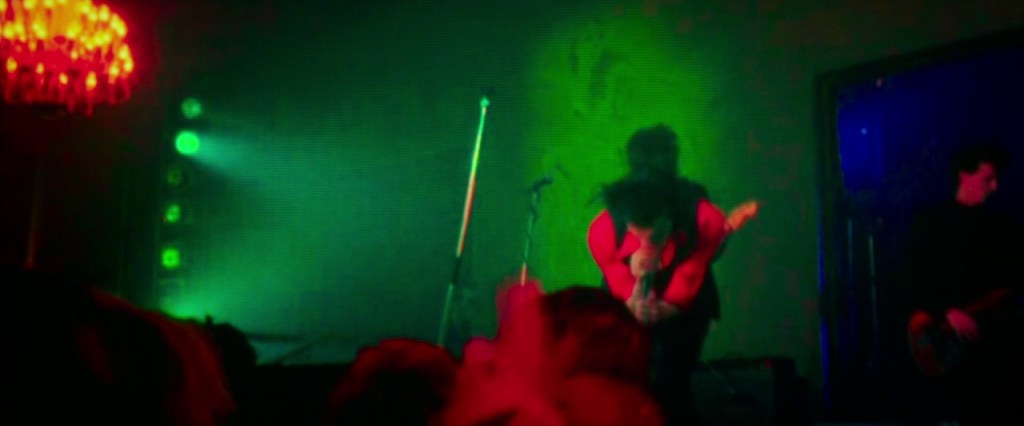
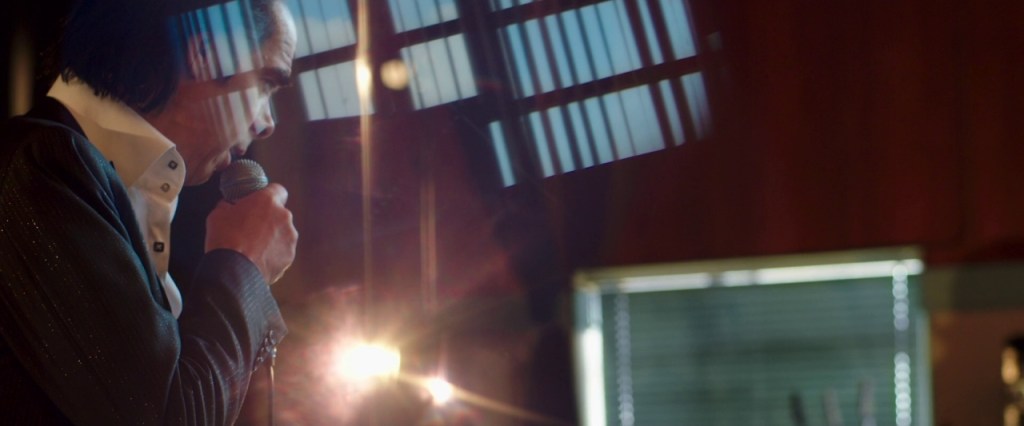
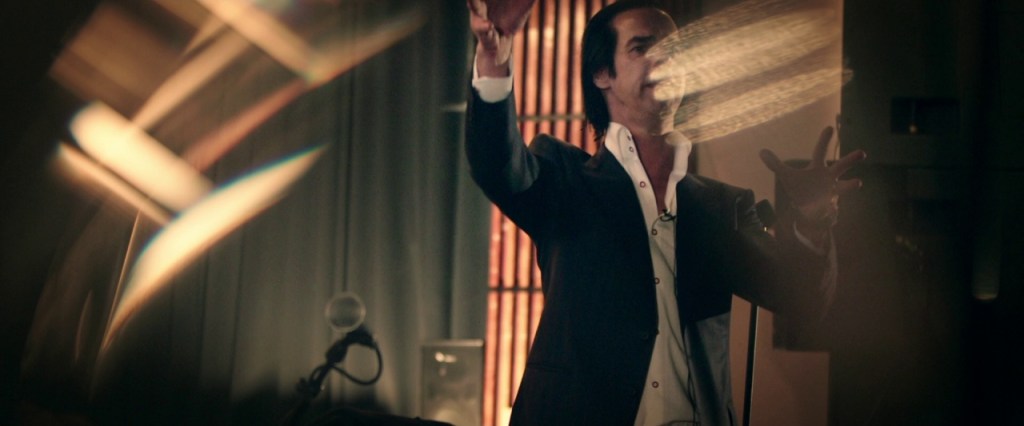
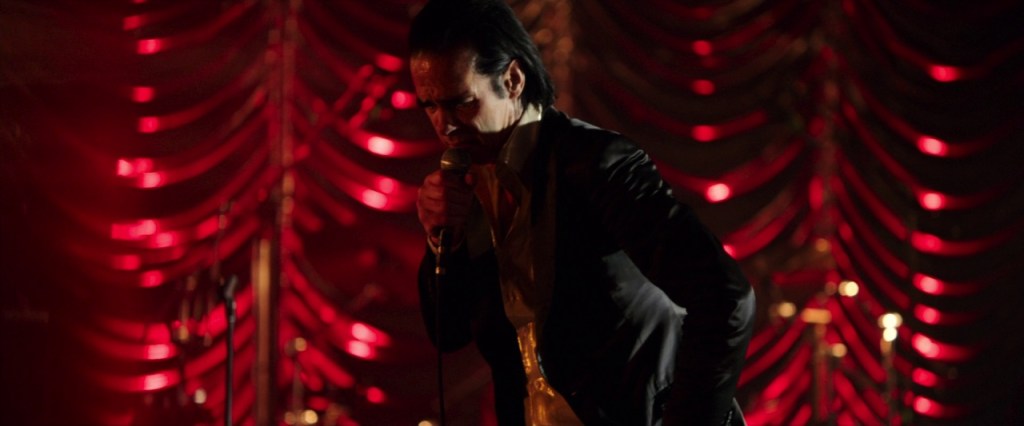
The film culminates with the preparations for a live performance. Cave and his band rehearse, fine-tune their arrangements, and eventually take the stage. The concert sequences provide a powerful contrast to the film’s introspective tone, revealing Cave at his most dynamic and commanding.
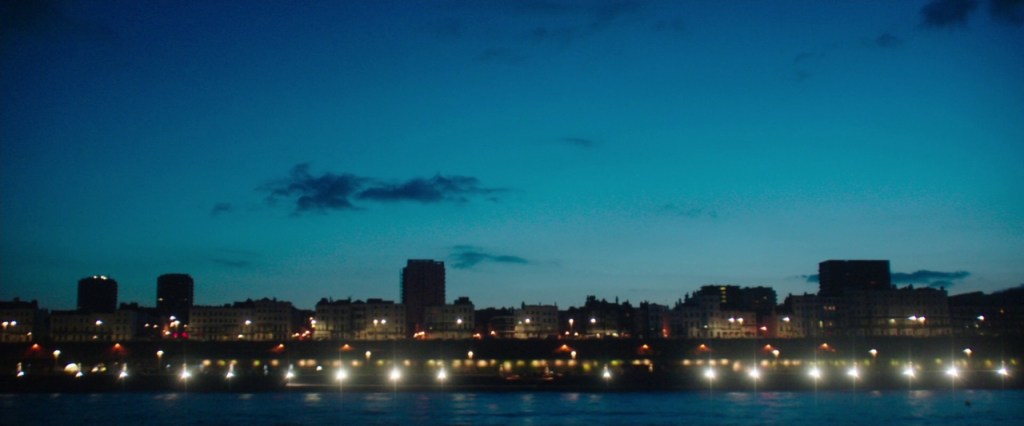
The film’s final moments return to Cave’s reflections on creativity, memory, and time. It concludes as it began, with Cave navigating his daily life, suggesting that the process of creation and self-reinvention is ongoing. The 20,000th day symbolizes not only a milestone but also the continuous evolution of an artist.
FOR TAGS
- Creativity and artistic identity
- Memory and mythmaking
- Aging and legacy
- Performance and persona
- The relationship between life and art