
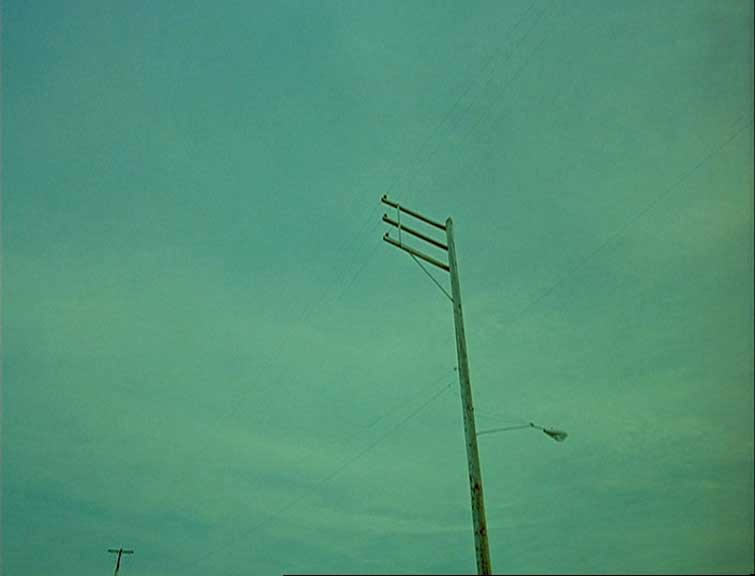
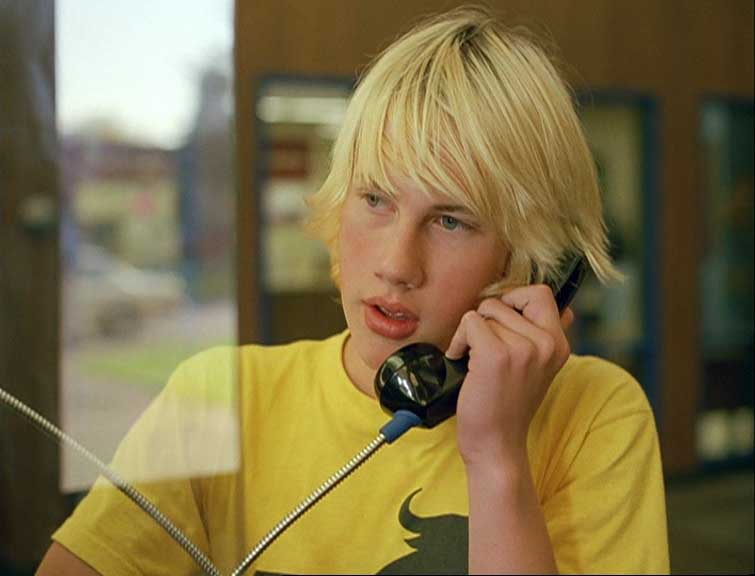

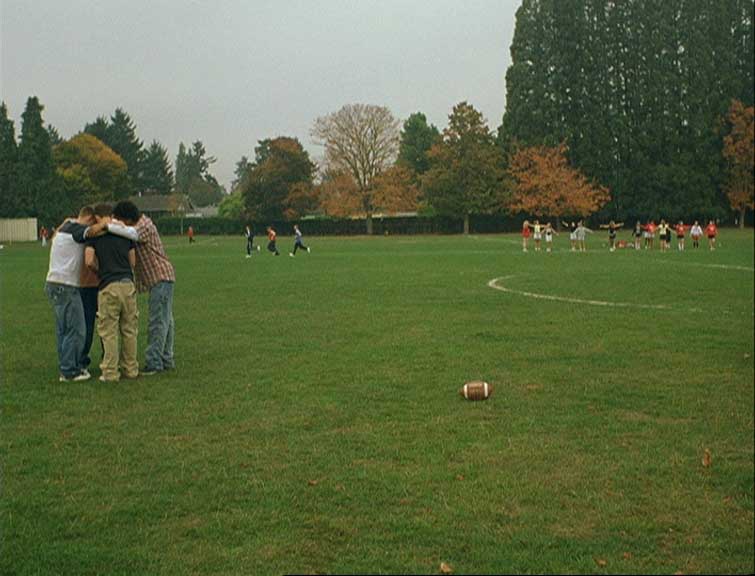
“Elephant,” a 2003 film directed by Gus Van Sant, features a largely non-professional cast, including John Robinson, Alex Frost, Eric Deulen, and Elias McConnell. This stark observational drama is inspired in part by the Columbine High School massacre. The film unfolds over a single day at an American high school, presenting overlapping perspectives that gradually build to an act of violence.
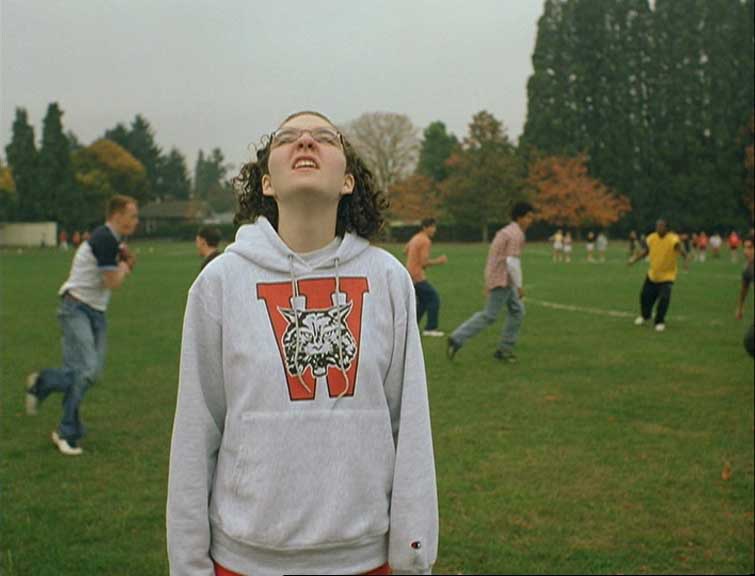
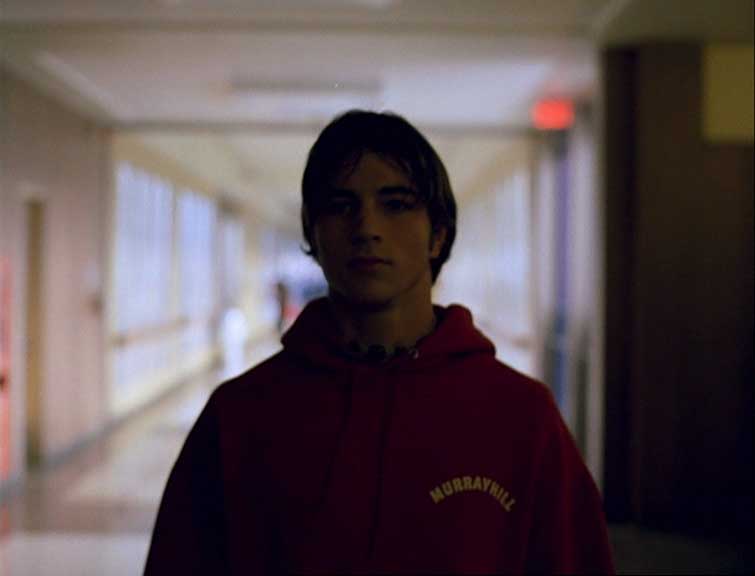

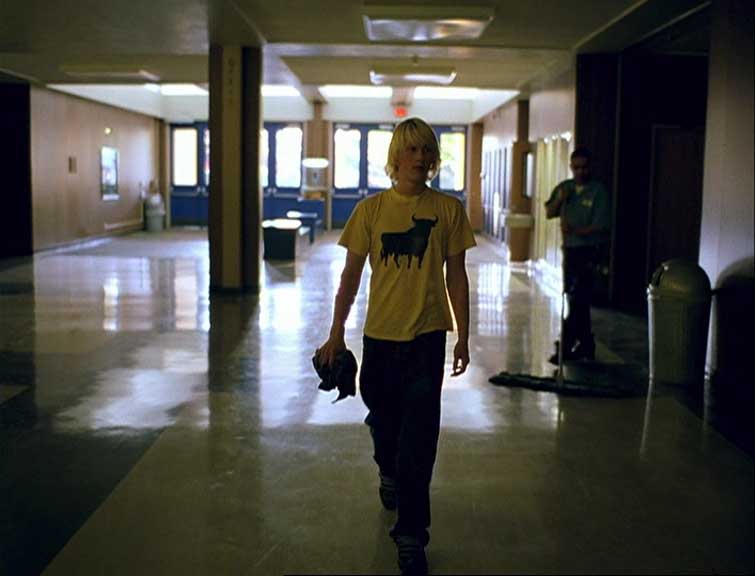
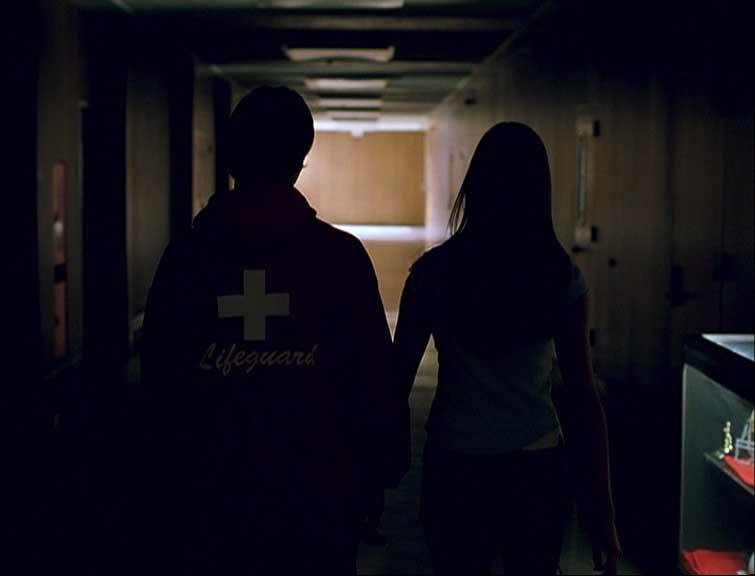
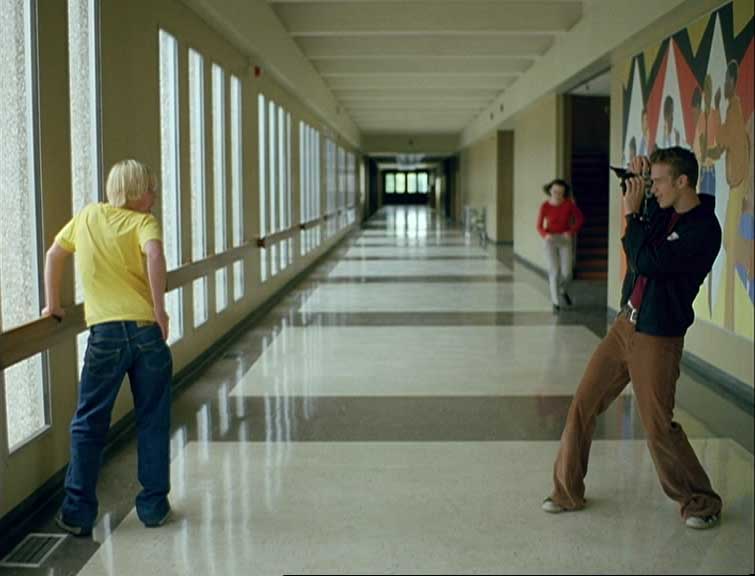
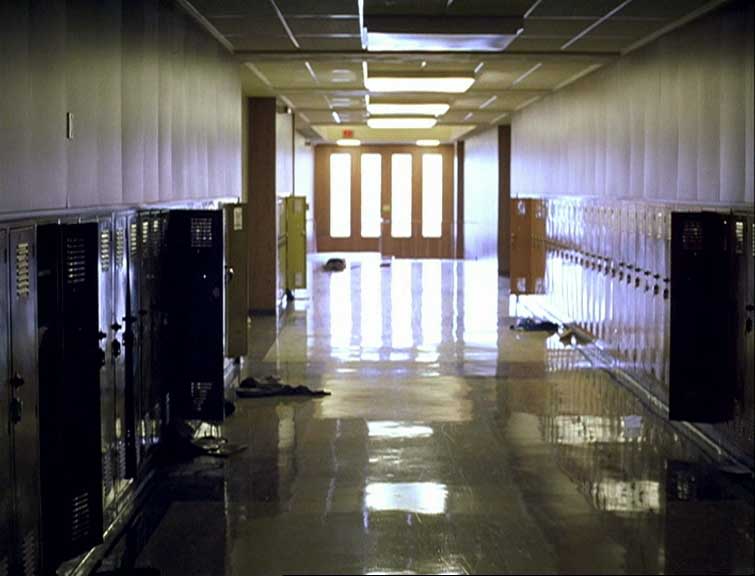
Instead of following a traditional narrative structure, Van Sant builds the film through a series of drifting, interconnected vignettes. Long tracking shots follow various students as they move through the school’s hallways, classrooms, and grounds, often revisiting the same moments from different perspectives. The dialogue is sparse and naturalistic, and the pacing is deliberately slow, creating a haunting sense of normalcy and inevitability.
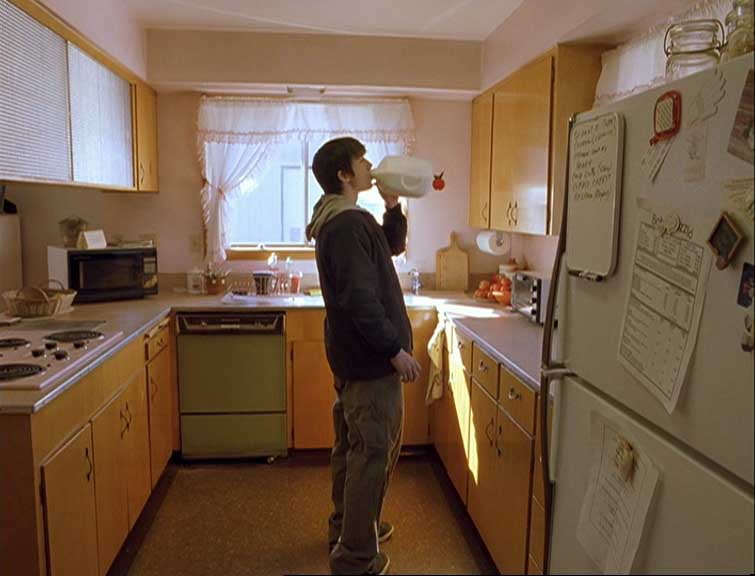
The film begins with John (John Robinson), a quiet student who is dealing with his alcoholic father, whom he has to drive to school. John’s day starts with a reprimand for tardiness, but otherwise unfolds without incident as he moves through the campus.
As the day progresses, other students’ lives intersect with John’s in subtle ways:
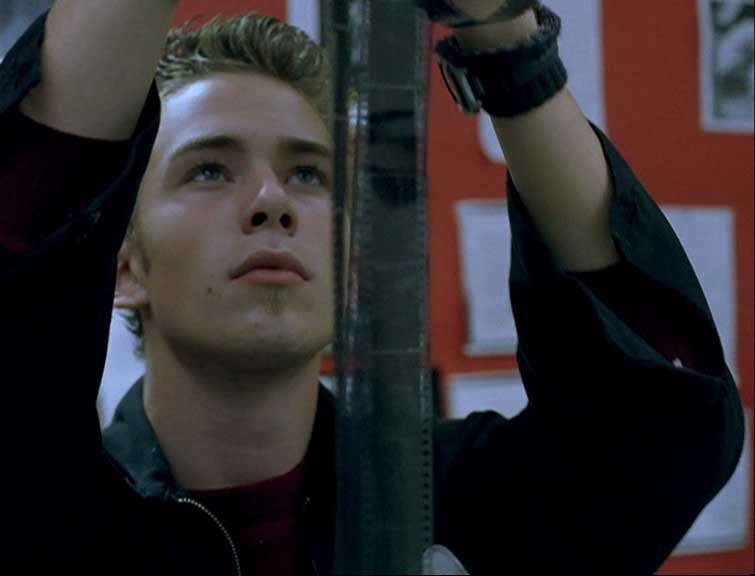
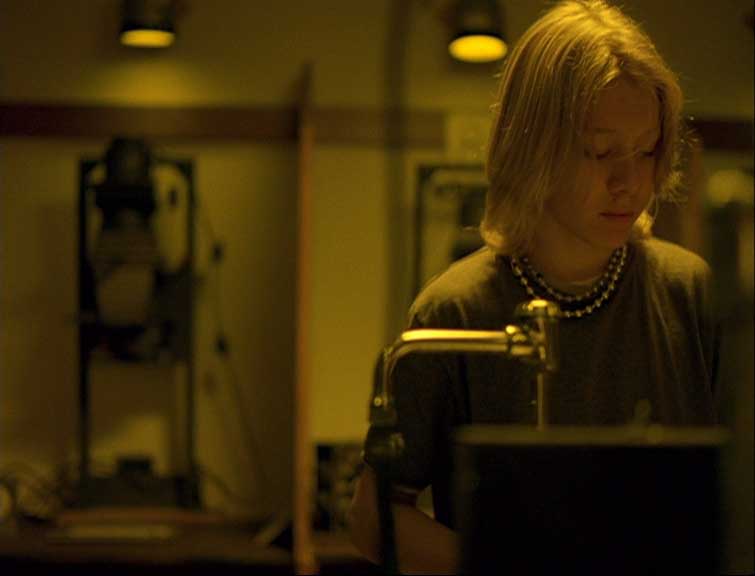
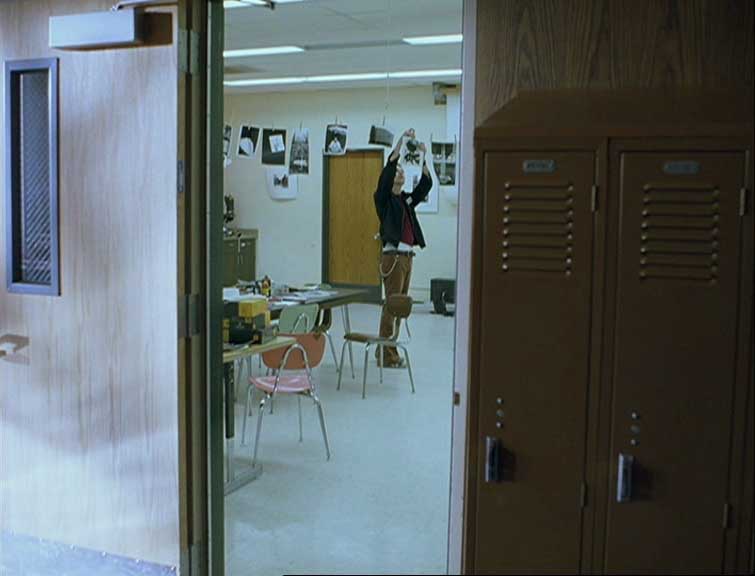
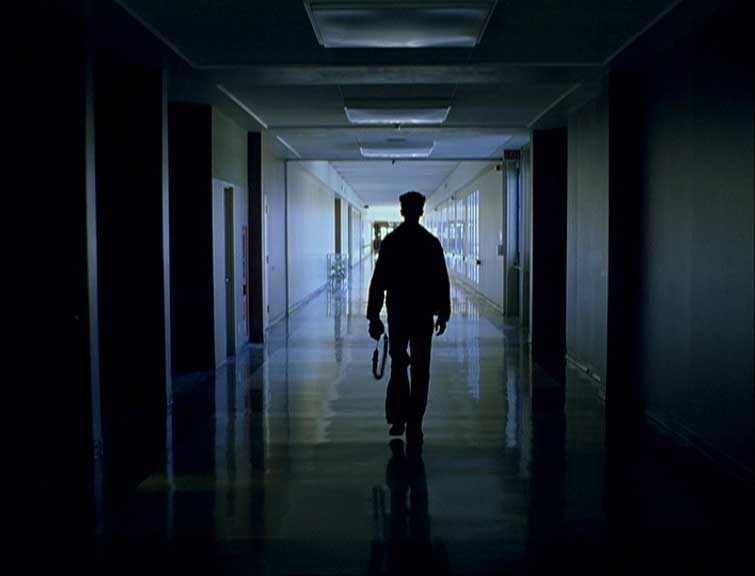
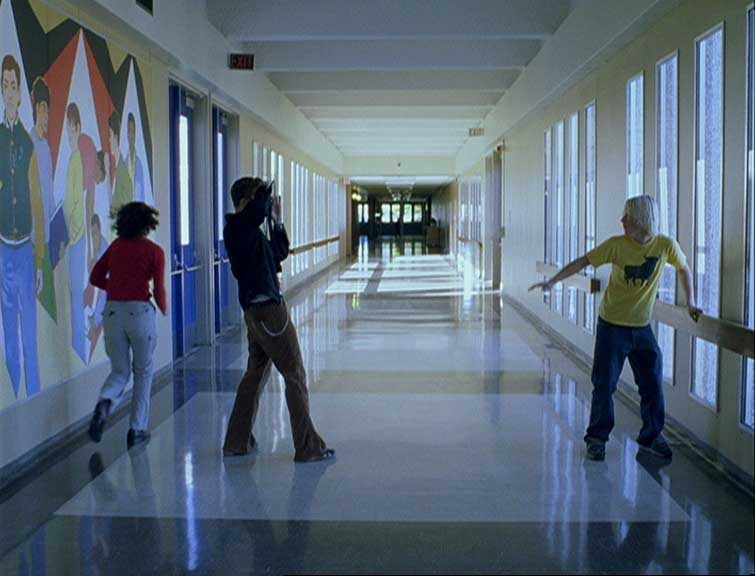
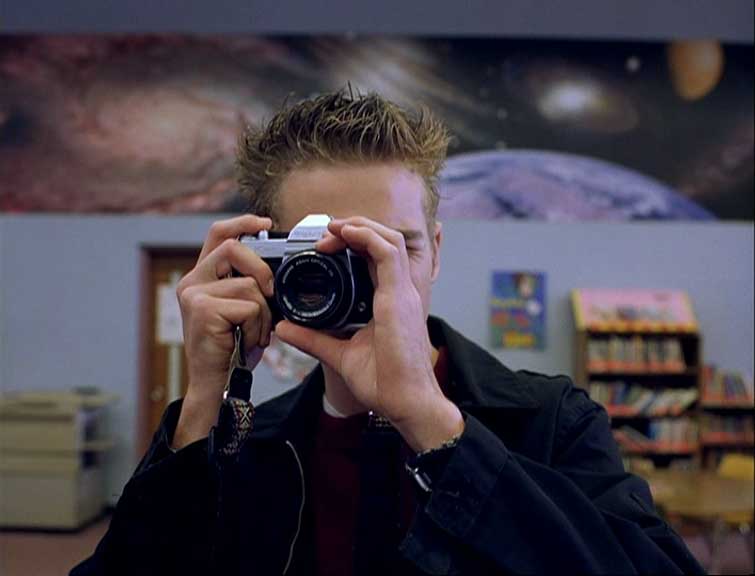
Elias (Elias McConnell), a gentle photography student, roams the school taking portraits and observing others with quiet curiosity.
Nathan (Nathan Tyson) and his girlfriend, Carrie (Carrie Finklea), represent a more typical high school couple, moving through their day comfortably.
A trio of girls—Brittany (Brittany Mountain), Jordan (Jordan Taylor), and Nicole (Nicole George)—struggles with body image issues, engaging in a cycle of eating and purging that reflects their underlying anxieties.
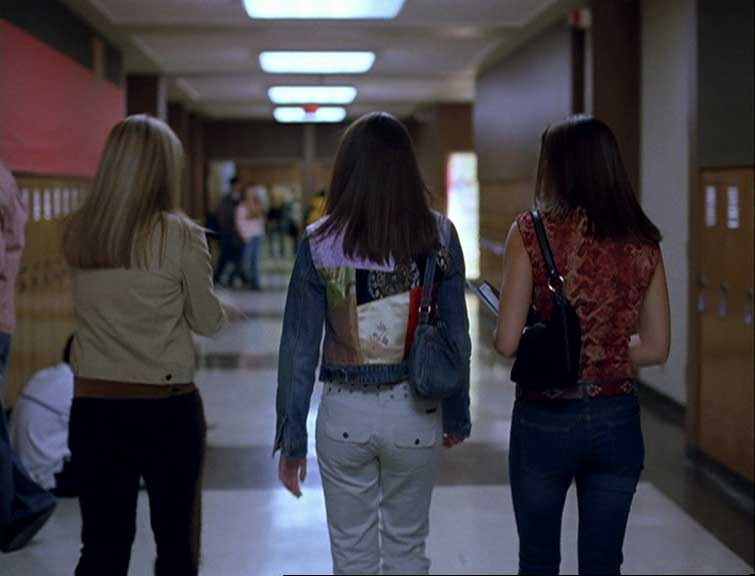

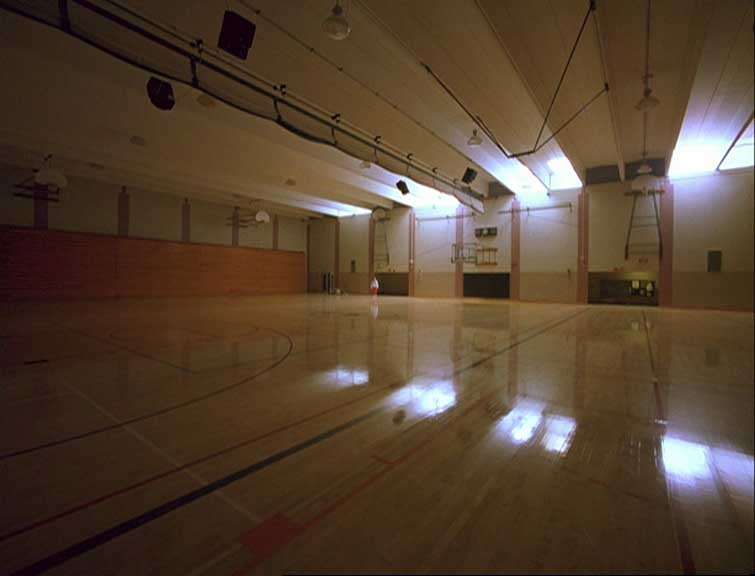
Michelle (Kristen Hicks), an awkward and bullied student, faces isolation and humiliation, particularly in gym class.
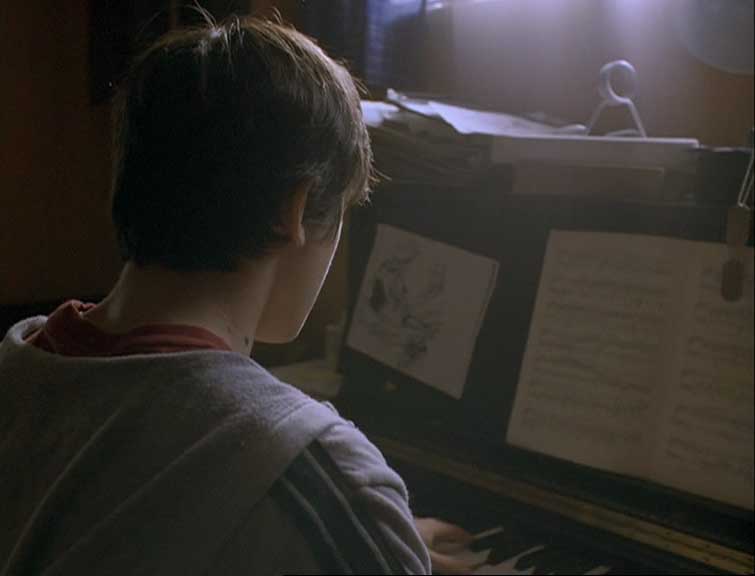
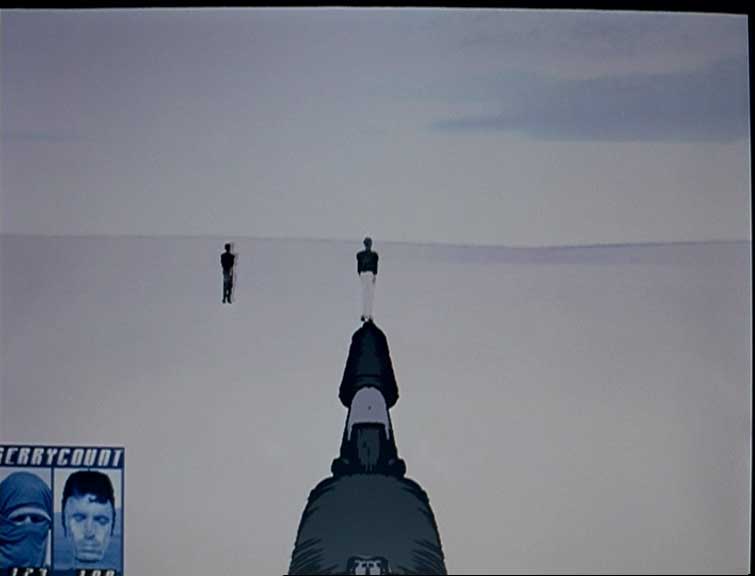
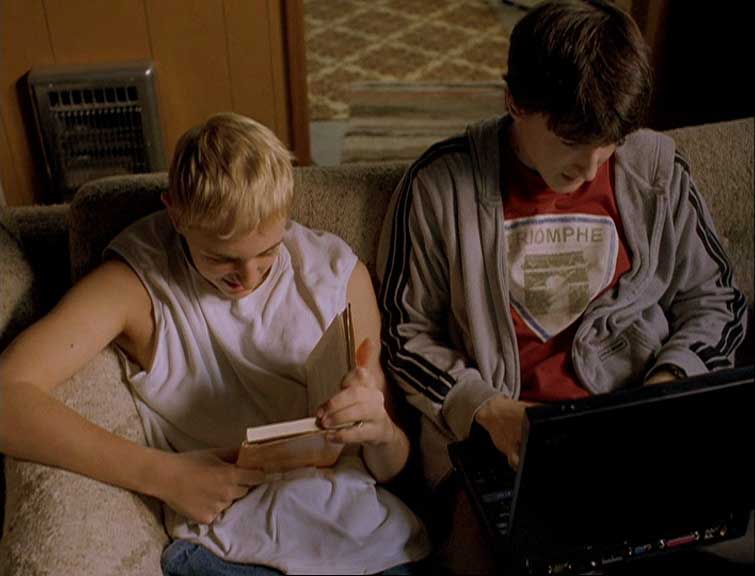
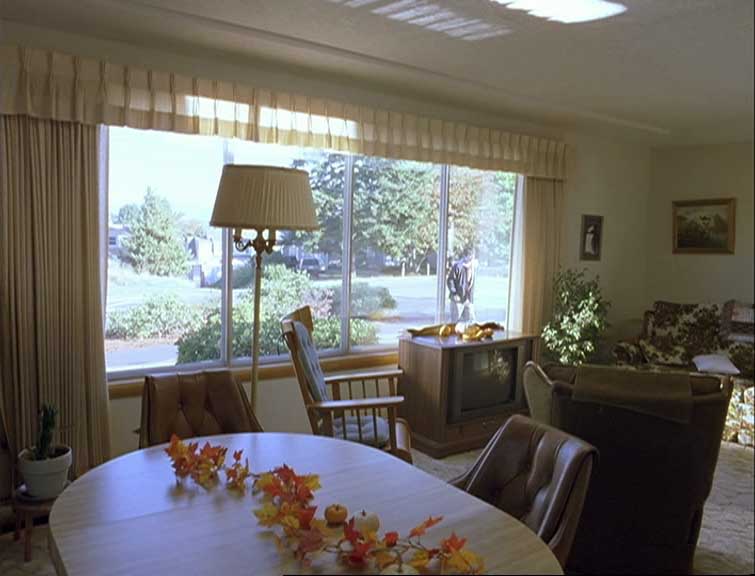
Each storyline is concise and subtle, yet together they create a mosaic of adolescent life—mundane, disconnected, and quietly tense. Interspersed with these everyday moments are scenes featuring Alex (Alex Frost) and Eric (Eric Deulen), two alienated students. At home, Alex plays Beethoven on the piano while Eric watches television; their interactions are minimal but filled with unease. The film steers clear of overt psychological explanations, providing only fragments—hints of bullying, social isolation, and an immersion in violent video games.

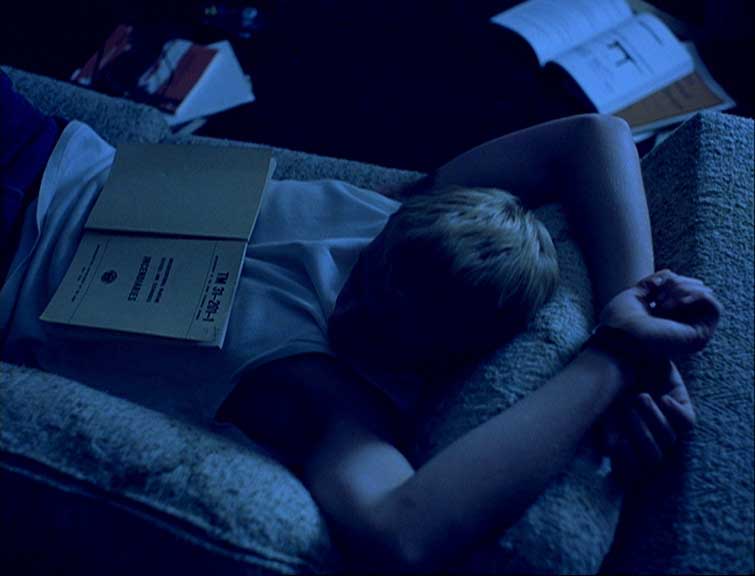
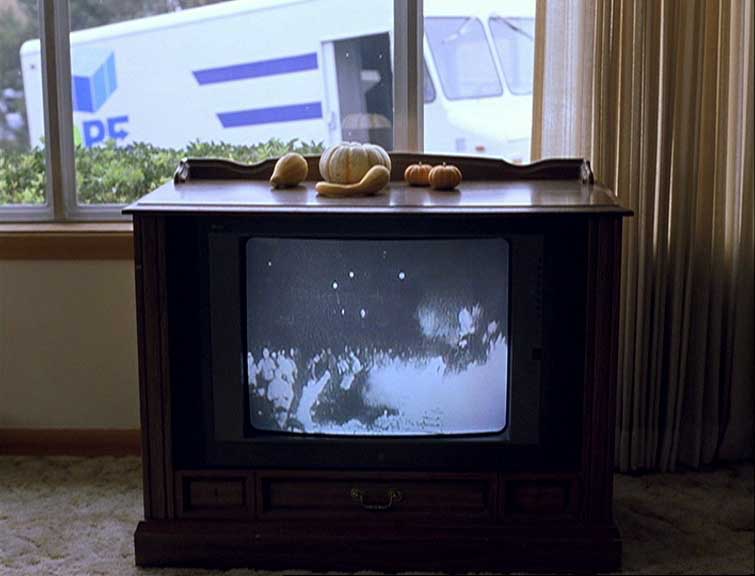
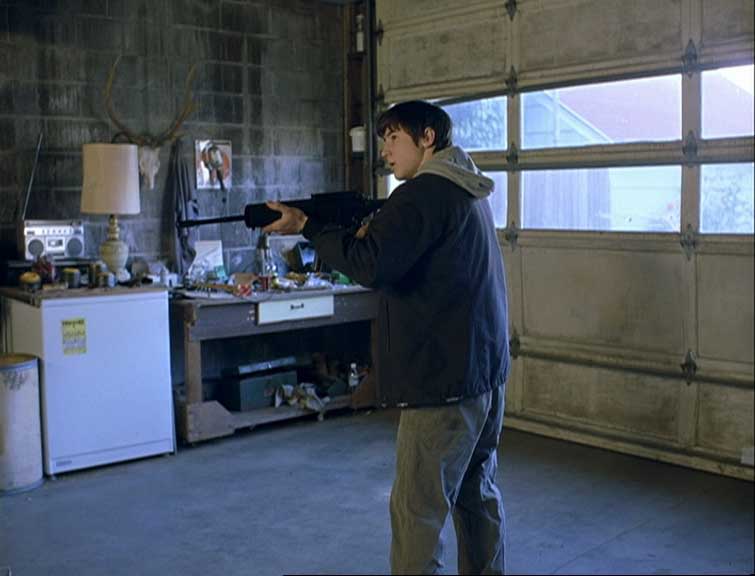
They receive a shipment of firearms ordered online and begin to methodically plan their attack. A brief, ambiguous scene suggests a complex, possibly intimate relationship between the two, further complicating their portrayal.
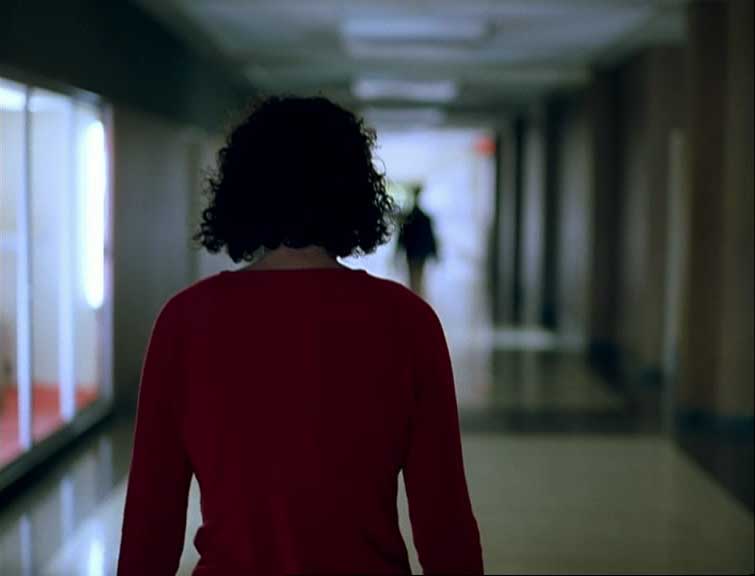

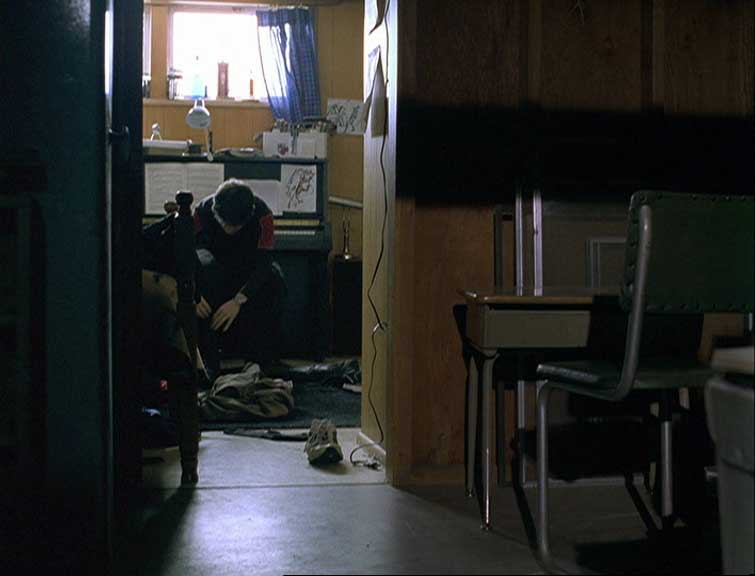
As the school day continues, the film’s multiple timelines converge. Students cross paths in hallways and classrooms, often unaware of each other’s presence or significance. The repetition of scenes from different angles builds a sense of quiet dread.
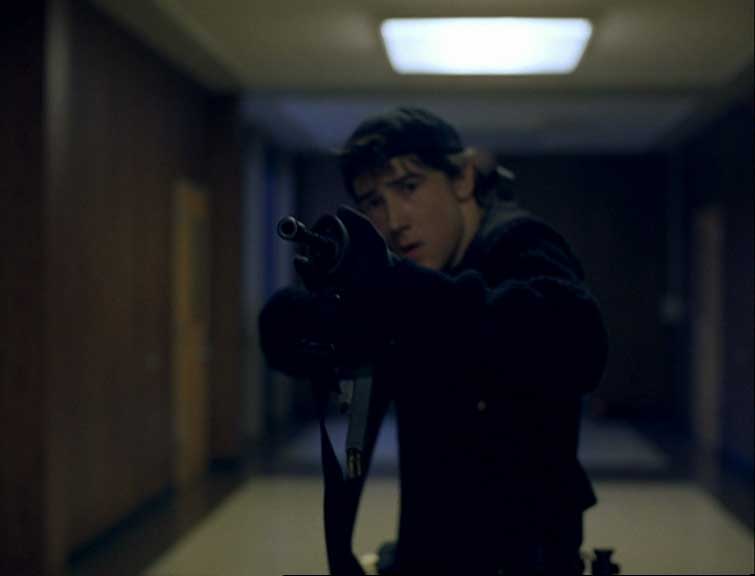
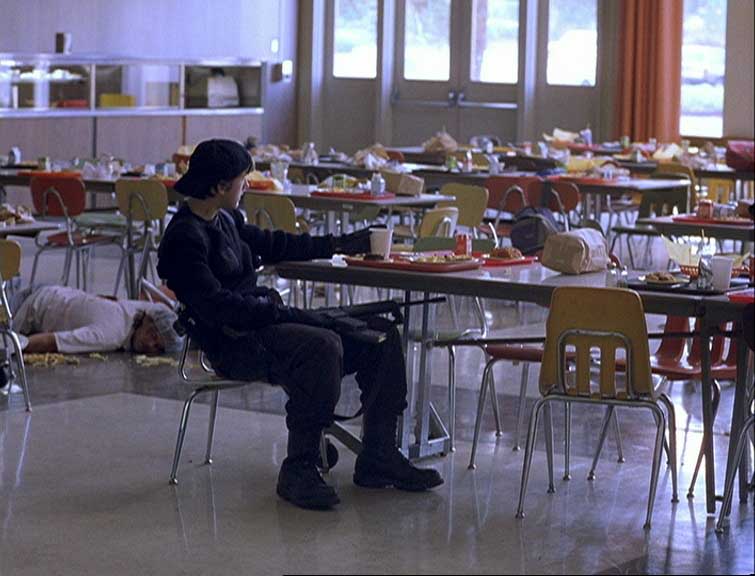
Eventually, Alex and Eric arrive at school armed. Without warning, they begin shooting students and staff. The violence is depicted in the same detached, observational style as the rest of the film—no dramatic score, no heightened editing—making it all the more unsettling.
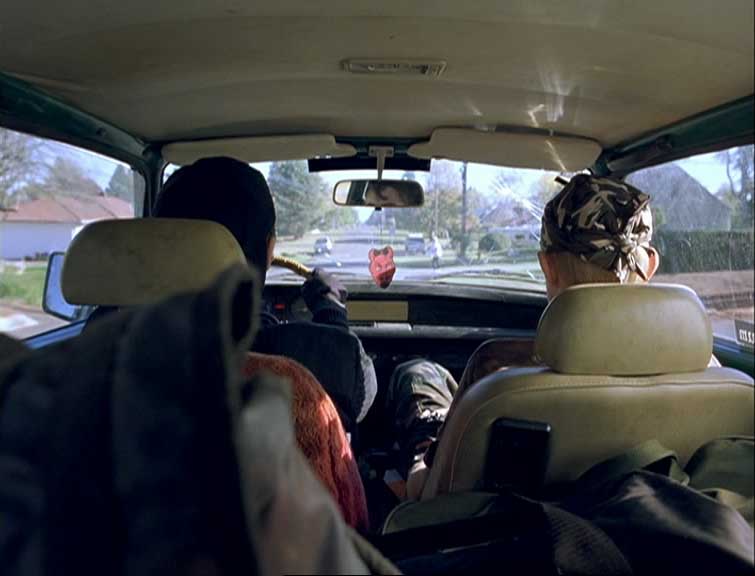
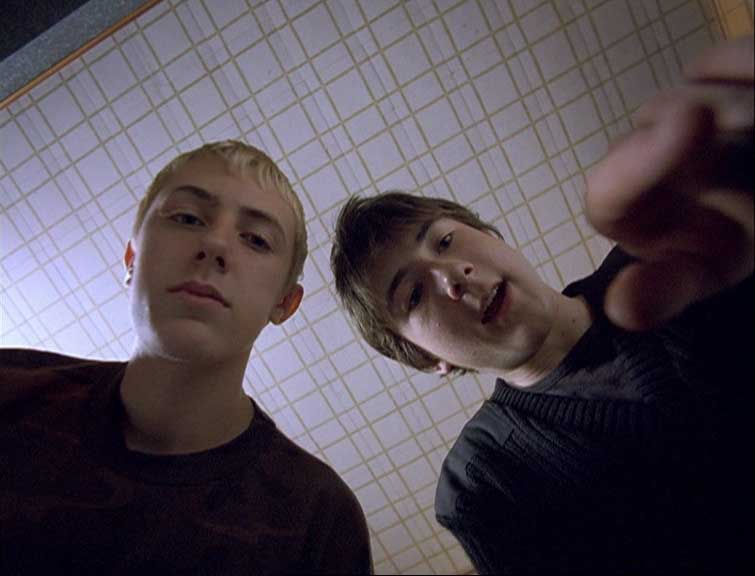
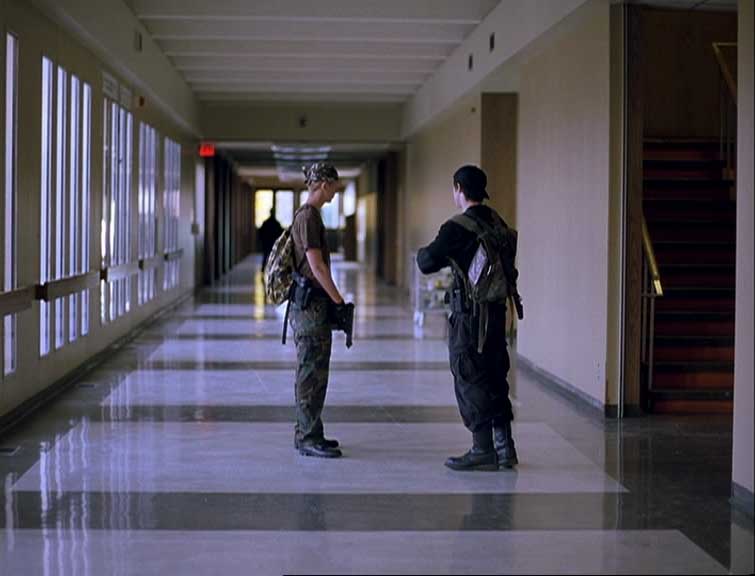
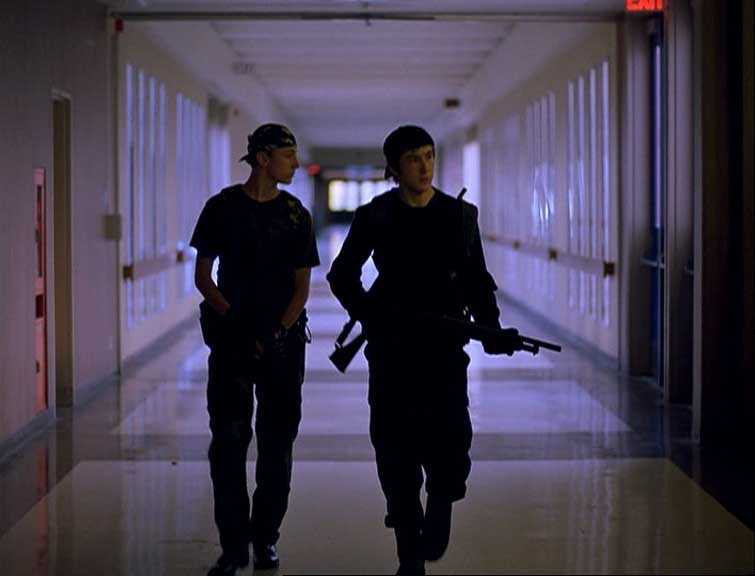
Familiar characters find themselves unexpectedly caught in chaos. John, who had previously encountered the shooters, tries to warn others. Unfortunately, Michelle becomes a victim. Elias continues to take photographs until he is confronted. The randomness of who survives and who does not highlights the film’s refusal to impose narrative justice or provide closure.

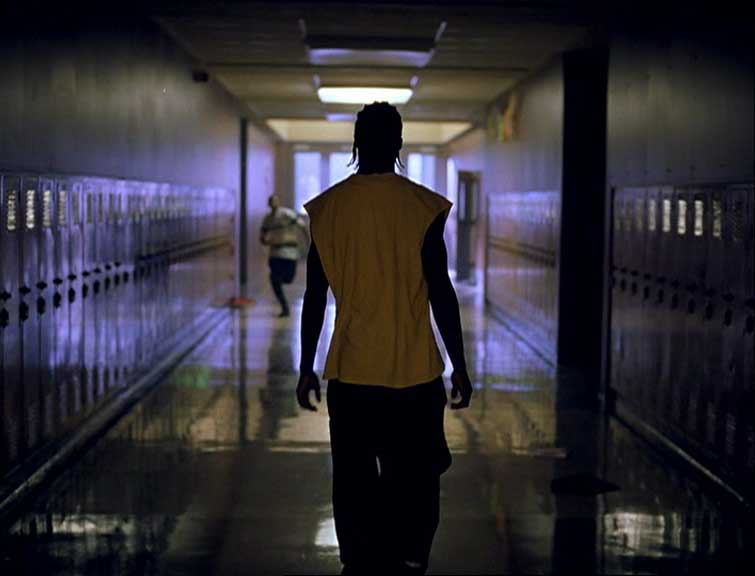
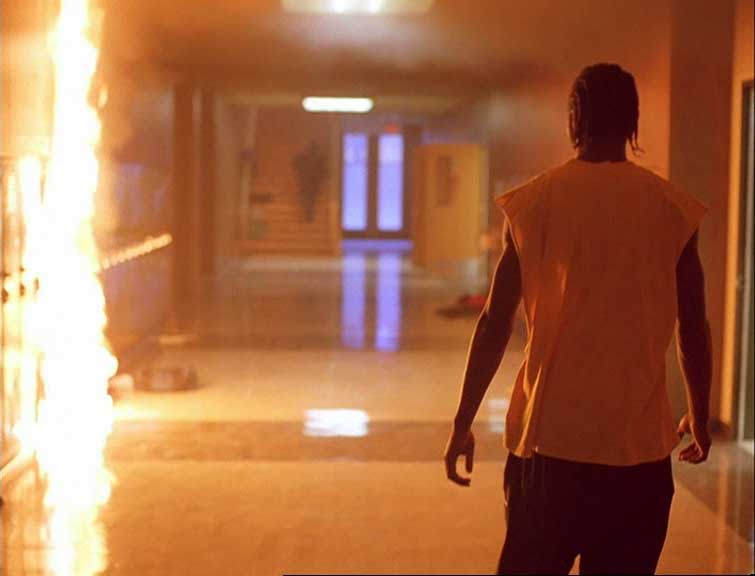
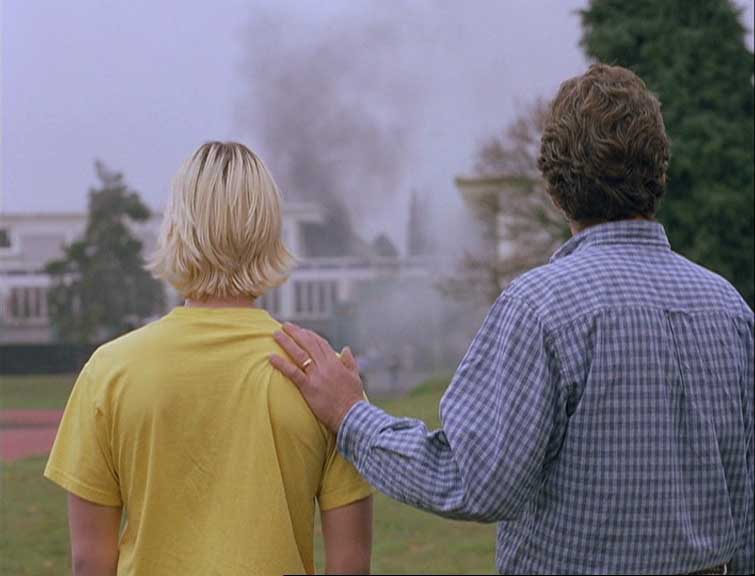
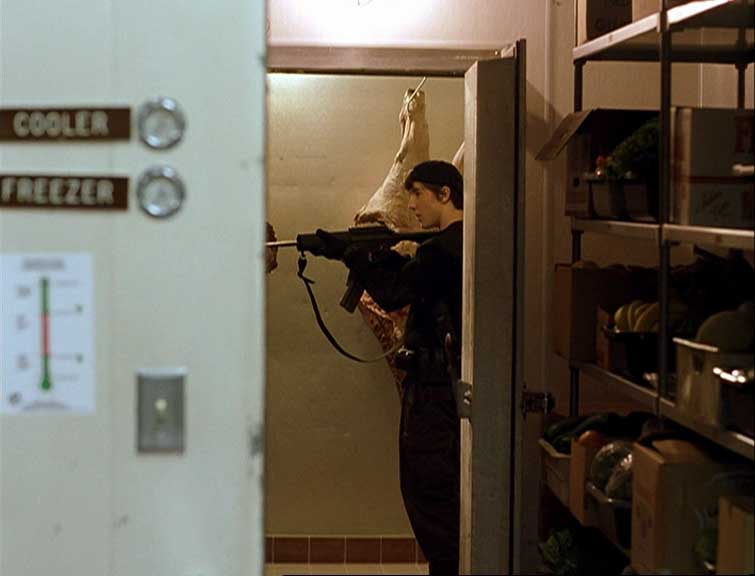
The film ends without a resolution. In the final sequence, Alex traps two remaining students in a freezer, forcing them to make a cruel and arbitrary choice before the scene abruptly cuts to black. This ending is abrupt and unresolved, reflecting the senselessness of the violence throughout the film.

The film “Elephant” defies simple explanations. Instead of offering clear motives or moral judgments, Van Sant presents a fragmented portrayal of youth, isolation, and violence. The title—reportedly a reference to the parable of the blind men and the elephant—implies that it’s impossible to fully understand these events from any single perspective.
The result is a haunting, minimalist meditation on modern alienation and the thin veneer of normalcy that can precede tragedy. It’s certainly a difficult film to watch, especially if you remember the Columbine attacks (which I watched live on TV like so many others), or any acts of school violence that have plagued American society since then. However, it serves as an important reminder that art reflects society and vice versa, and we, as a society, can dictate what art mirrors.