
Tag: Italian
-
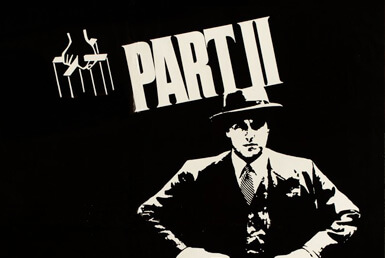
THE GODFARTER PART II
“The Godfather Part II” is a masterfully constructed dual narrative that serves as a sequel and a prequel to The Godfather (1972). Directed by Francis Ford Coppola, the film interweaves two parallel stories: the rise of young Vito Corleone in early 20th-century New York, and the descent of his son Michael Corleone into ruthless isolation…
-

SMOG
“Smog” (1962) is an Italian drama directed by Franco Rossi that explores through a satirical lens the alienation and cultural contrasts experienced by Europeans—particularly Italians—when confronted with the modern, industrialized world of the United States. Set in Los Angeles, the film explores themes of materialism, displacement, and the existential loneliness of urban life through the…
-

AMARCORD
Amarcord is a 1973 film directed by Federico Fellini, it stars Bruno Zanin, Pupella Maggio, Armando Brancia, Magali Noël, and Ciccio Ingrassia. “Amarcord” (which means “I Remember” in the dialect of Rimini, Fellini’s hometown) is a semi-autobiographical, coming-of-age film that nostalgically and surrealistically portrays life in a small Italian coastal town during the 1930s under…
-

DO THE RIGHT THING
“Do the Right Thing” (1989), directed by Spike Lee, is a powerful exploration of race relations and urban tension set on a hot summer day in the predominantly Black neighborhood of Bedford-Stuyvesant, Brooklyn. The film examines the buildup of racial tensions over a single day, ultimately erupting into violence. As a side note, I was…
-

LA DOLCE VITA aka THE SWEET LIFE
“La Dolce Vita” (1960) is an iconic Italian film directed by Federico Fellini. It is considered one of Fellini’s masterpieces and one of the greatest films in world cinema. The film is a sprawling, episodic exploration of the decadence and disillusionment of post-war Rome, capturing a society in moral decay. Blending drama, satire, and surrealism,…
-

1900 (NOVECENTO)
“1900” (original title: Novecento, 1976) is an epic historical drama directed by Bernardo Bertolucci. The film spans several decades in 20th-century Italy, from the early 1900s to the rise of fascism (an occurring theme in Bertolucci’s earlier films), and it explores the lives of two men from different social classes whose fates are intertwined with…
-
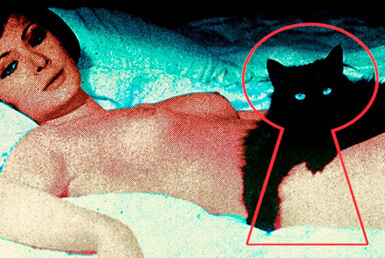
YOUR VICE IS A LOCKED ROOM AND ONLY I HAVE THE KEY
“Your Vice Is a Locked Room, and Only I Have the Key,” directed by Sergio Martino in 1972, is an Italian Giallo film known for its intricate plot, psychological tension, and stylistic flair. The story centers on Oliviero Rouvigny (Luigi Pistilli), a dissolute, alcoholic writer living in a decaying villa with his estranged wife, Irina…
-
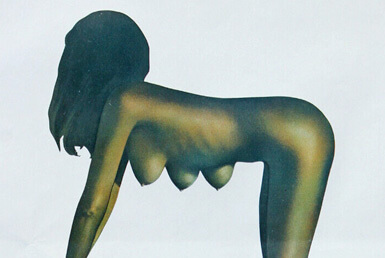
ROMA (72)
“Roma,” released in 1972, is a poignant and visually stunning film directed by the acclaimed Italian filmmaker Federico Fellini. The story revolves around two trips made to Rome by a director. The first trip was taken when he was a young man in the late 1930s and early 1940s. The second trip was made when…
-
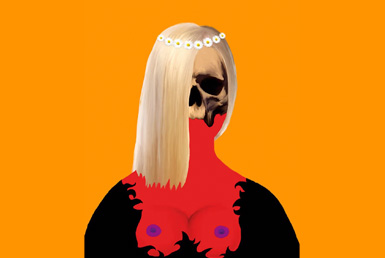
DIE WEIBCHEN aka THE FEMALES
‘Die Weibchen,’ aka “The Females,” is a 1970 horror drama film directed by Zbynek Brynch. The film centers around an attractive 24-year-old Eve (played by Uschi Glas) who is mentally exhausted and close to a nervous breakdown. She travels to an exclusive health spa for women for a six-week treatment on her doctor’s advice. Upon…
-
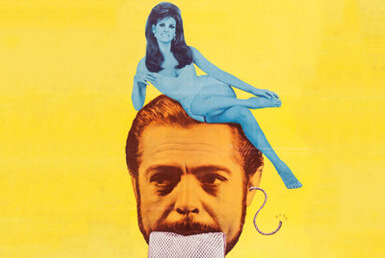
SHOOT LOUD, LOUDER, I DON’T UNDERSTAND
“Shoot Loud, Louder, I Don’t Understand” is a 1973 Italian comedy-drama film directed by Eduardo De Filippo, which was adapted from his play. The film presents a satirical and poignant commentary on the complexities of human communication, misinterpretation, and the absurdities of everyday life. Set in Naples, the story revolves around Alberto Saporito (portrayed by…
 The Other Cinema