
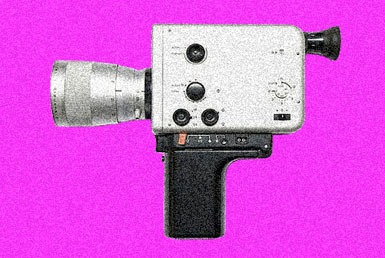
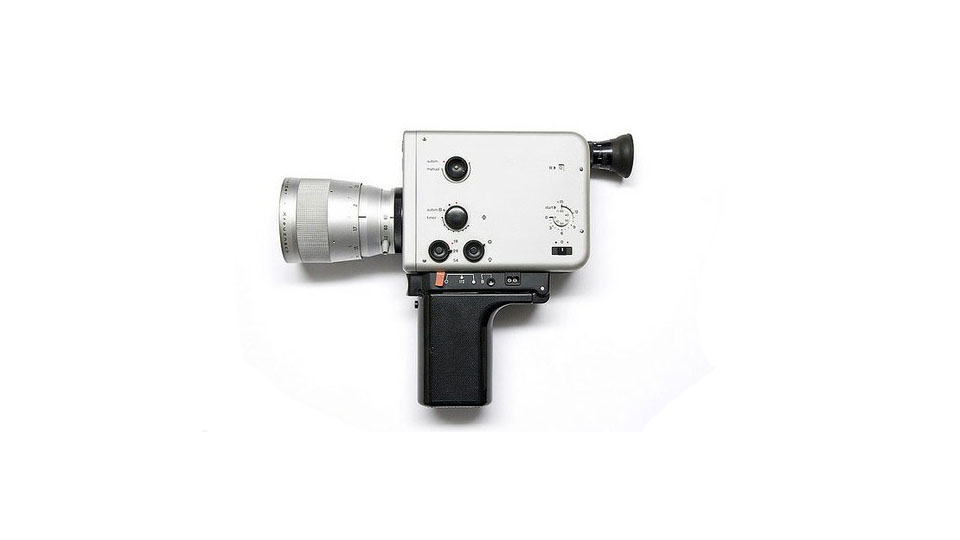
The story begins with a company based in Munich. Founded in 1925, Niezoldi & Krämer started by manufacturing an amateur 35mm movie camera with a clockwork mechanism. Just a year later, they introduced Europe’s first 16mm camera equipped with a built-in clockwork drive. The name “Nizo” is a combination of the founders’ names: NIezoldi and Zo, which comes from Krämer’s nickname.
The company struggled to keep up with technological and production changes. In 1962, Braun AG, like other radio manufacturers, began producing electronic flash units and expanded into the photography equipment market. It was a logical step for them to further grow by purchasing Niezoldi & Krämer. As a result, Braun AG became the main shareholder, with Niezoldi & Krämer GmbH operating as a subsidiary of the Braun Group while retaining the “Nizo” brand name.
This acquisition was transformative as it placed the Nizo cameras under the creative direction of one of the greatest industrial designers of the 20th century. With this takeover, the design team — led by chief designer Dieter Rams, along with Richard Fischer and Robert Oberheim — had the opportunity to give the Nizo cameras a distinctive look. This new design was already noticeable in 1963 with the “Nizo FA3,” the last spring-wound camera produced.
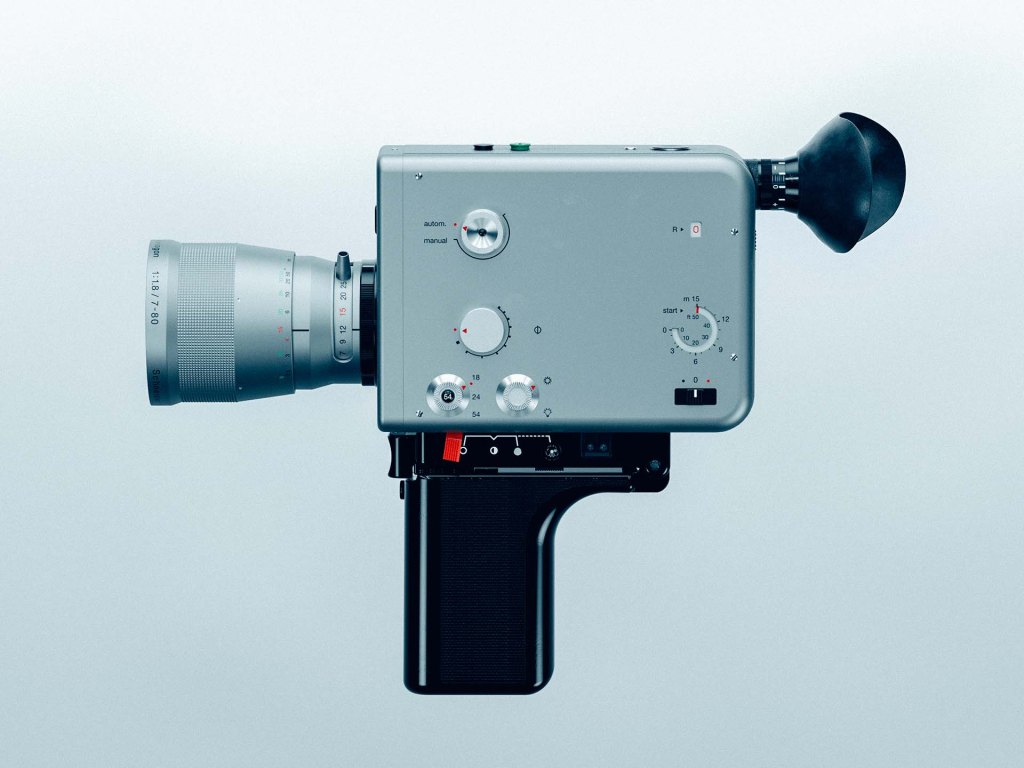
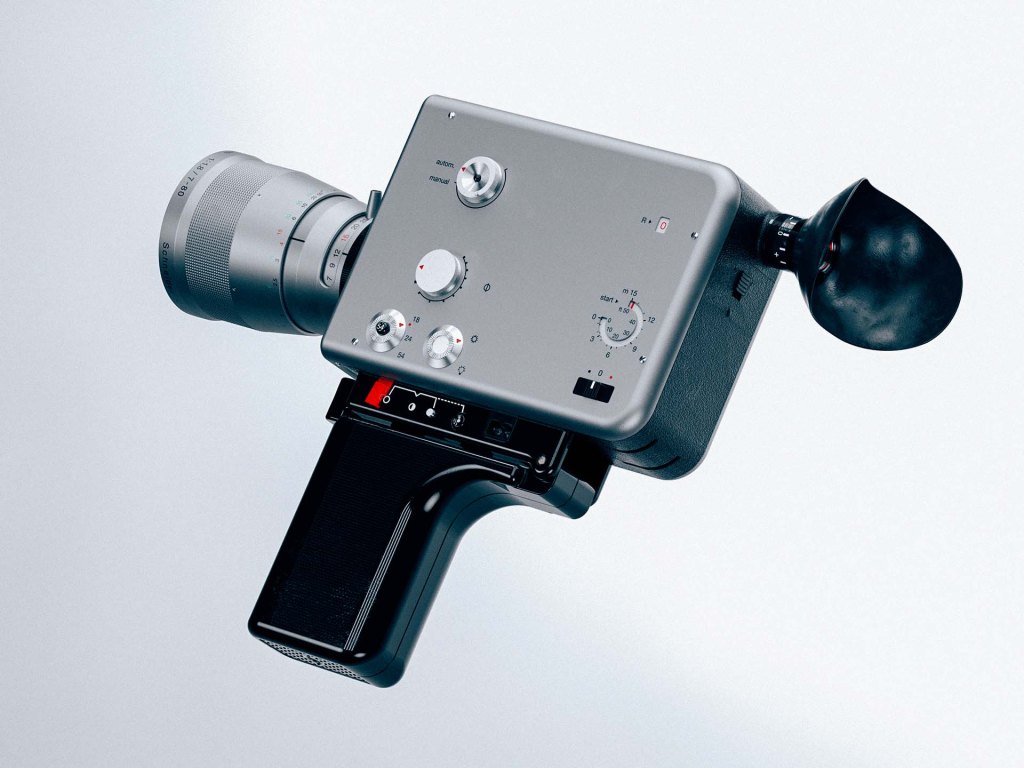
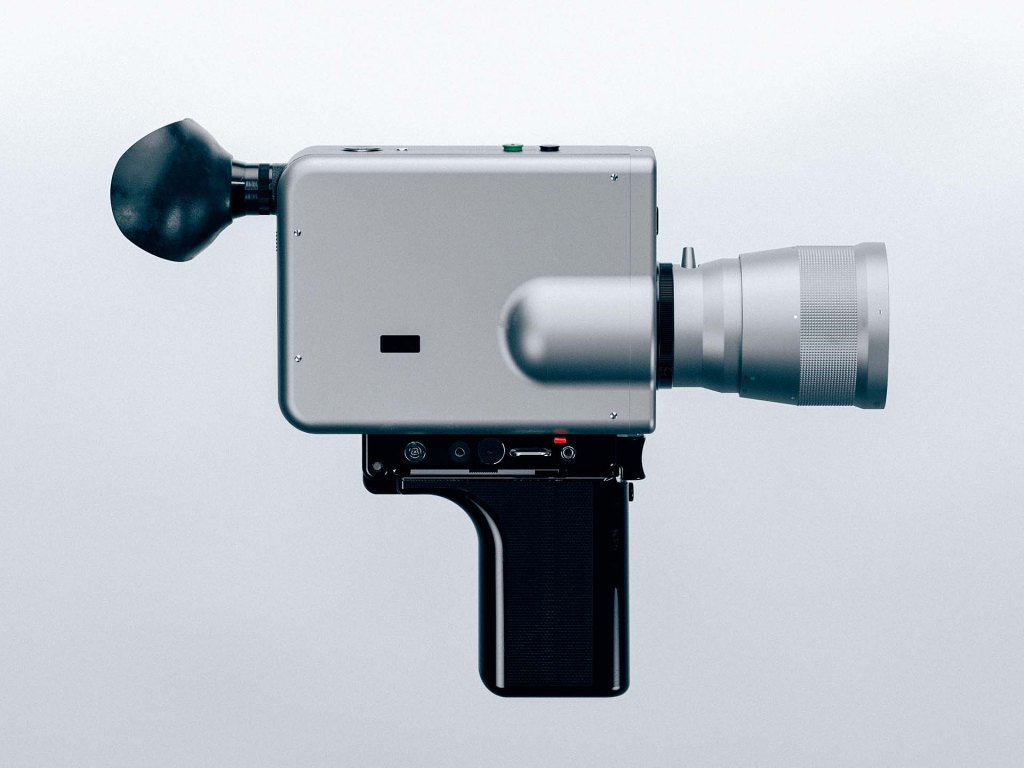
In 1965, Super 8mm film was introduced to the market. The launch of the Super 8 film cassette, developed by Kodak, significantly influenced the design of Nizo film cameras. That same year, the Nizo S8, designed by Robert Oberheim, was presented. Its successor, the Nizo S80, released in 1968, was later acquired by the Museum of Modern Art in New York for its collection.
For nearly two decades, the design of various cameras remained largely unchanged. They featured a clean, geometric shape with a main housing made of matte-polished anodized aluminum, a lens, and a black plastic handgrip. The Nizo S800, released in the early 1970s, was the first model available in black.
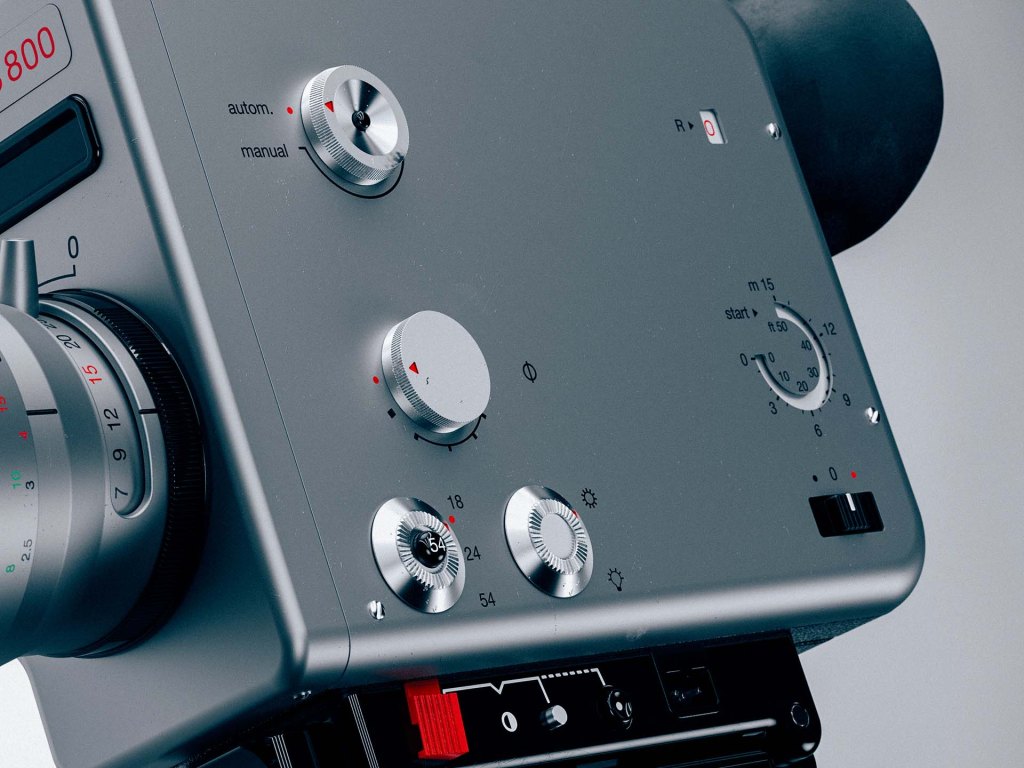
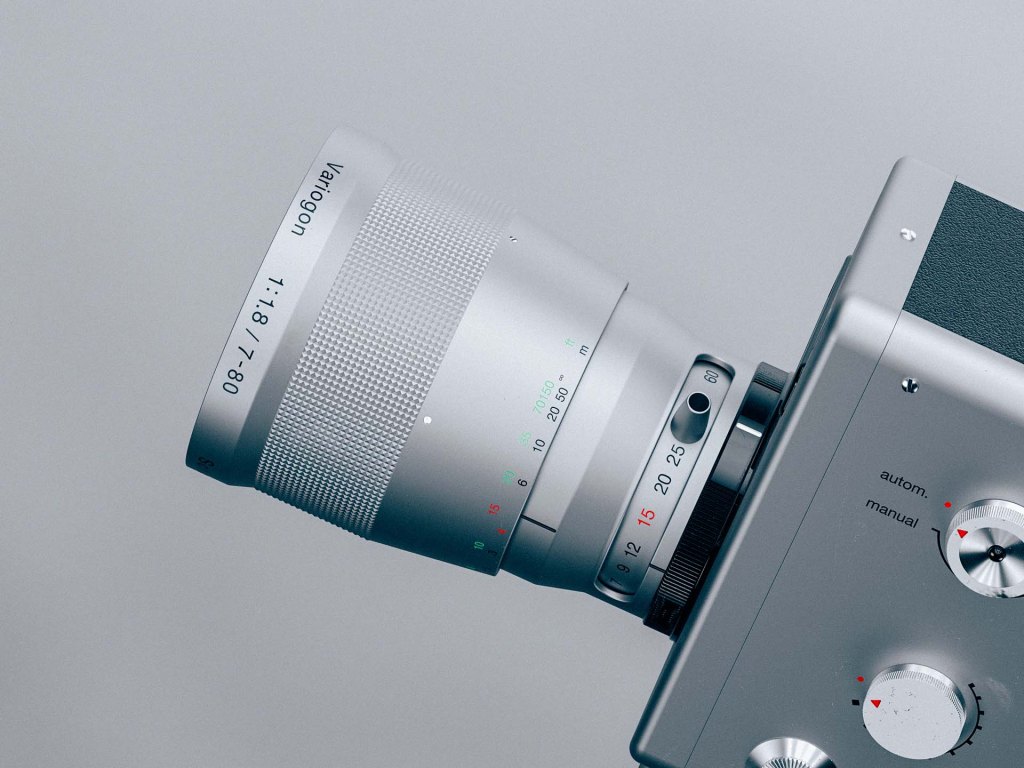
Most Nizo cameras, made by Braun, have unique features not found in other cameras. One standout feature is the automatic B-function available on models 480–801. This function allows the camera to expose a single frame for as long as needed before advancing to the next one, making it ideal for stop-motion and time-lapse photography.
In 1975, Braun-Nizo introduced the Nizo Professional as its flagship model. This camera featured a large 12x zoom lens capable of macro photography and weighed 2 kg. The Nizo Professional was the first camera of its kind, equipped with a Schneider Macro-Variogon 1.8/7–80mm lens system.
Notable users of the Nizo Professional included Steve Jobs, an avid Super 8 filmmaker, as well as renowned explorers Jacques Cousteau and Thor Heyerdahl.
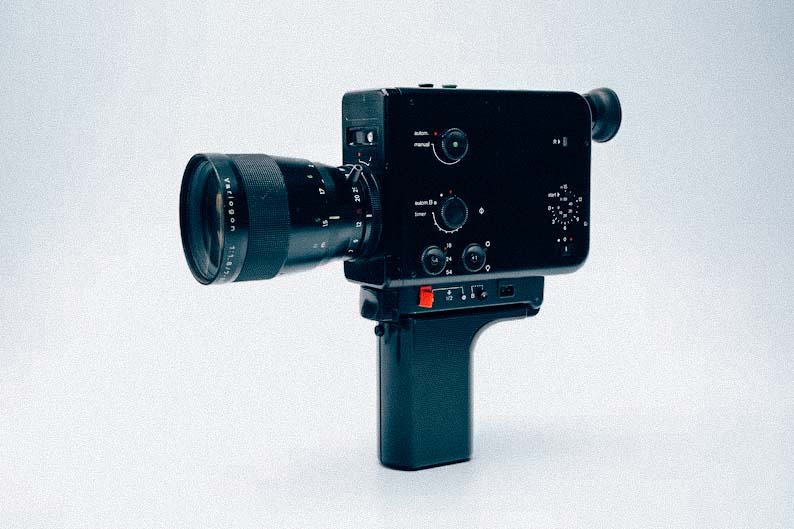
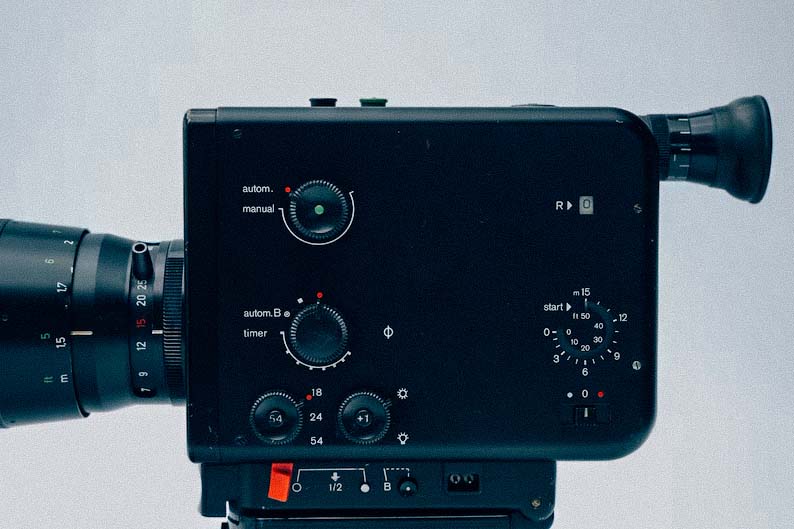
Dieter Rams led Braun’s design department for over 40 years. His work and that of his team greatly influenced modern product design, inspiring many designers today, including Jonathan Ive from Apple. The philosophy of “less is more” in the design of Nizo cameras resulted in what many consider the most beautifully designed Super 8 cameras ever created.
As early as 1976, the Super 8 camera market began to stagnate, leading to a decline in sales. In 1980, Niezoldi & Krämer GmbH and Braun’s flash unit production were sold to Eugen Bauer GmbH in Stuttgart, a subsidiary of Robert Bosch GmbH. By 1982, production was halted, the Munich factory was closed, and approximately 500 employees were laid off. Bosch ultimately ceased all Super 8 activities between 1985 and 1986.
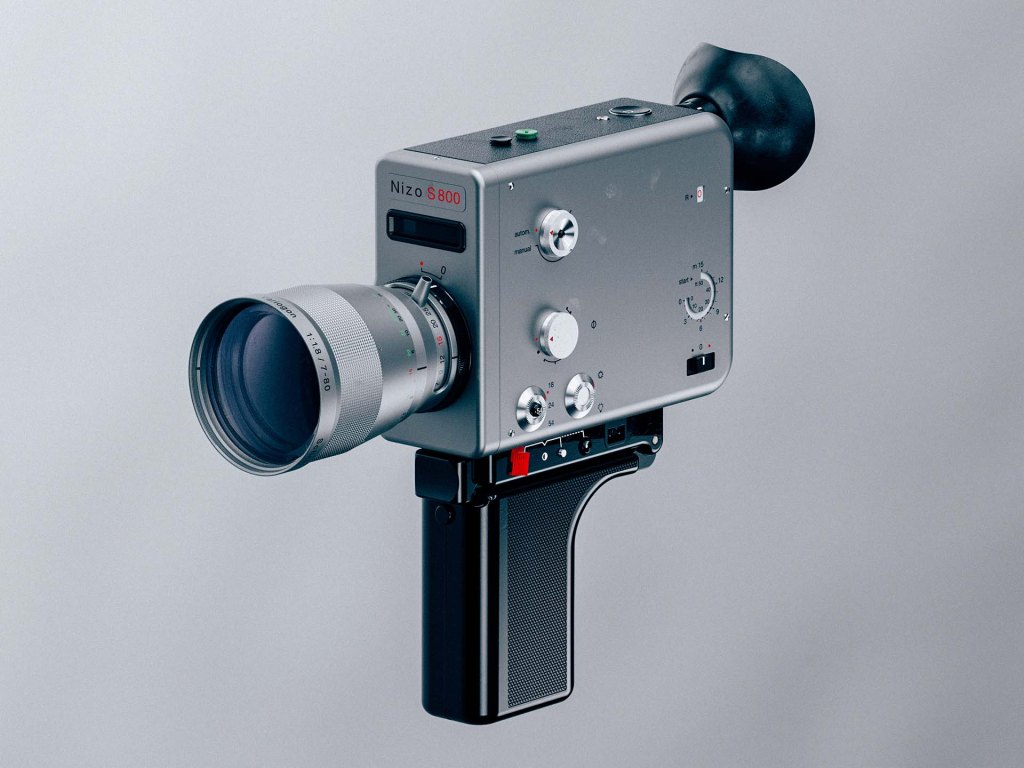
Despite this decline, the high-quality cameras produced until 1982 remain favorites among the few small-format filmmakers today. Super 8 Nizo cameras are highly sought after in the vintage market, valued for their exceptional build quality, Schneider-Kreuznach optics, and timeless Bauhaus-influenced design—serving as a lasting testament to the partnership between German engineering and one of history’s greatest design philosophies.


Leave a comment