
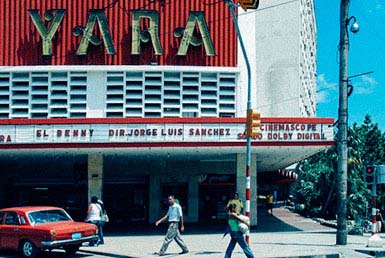
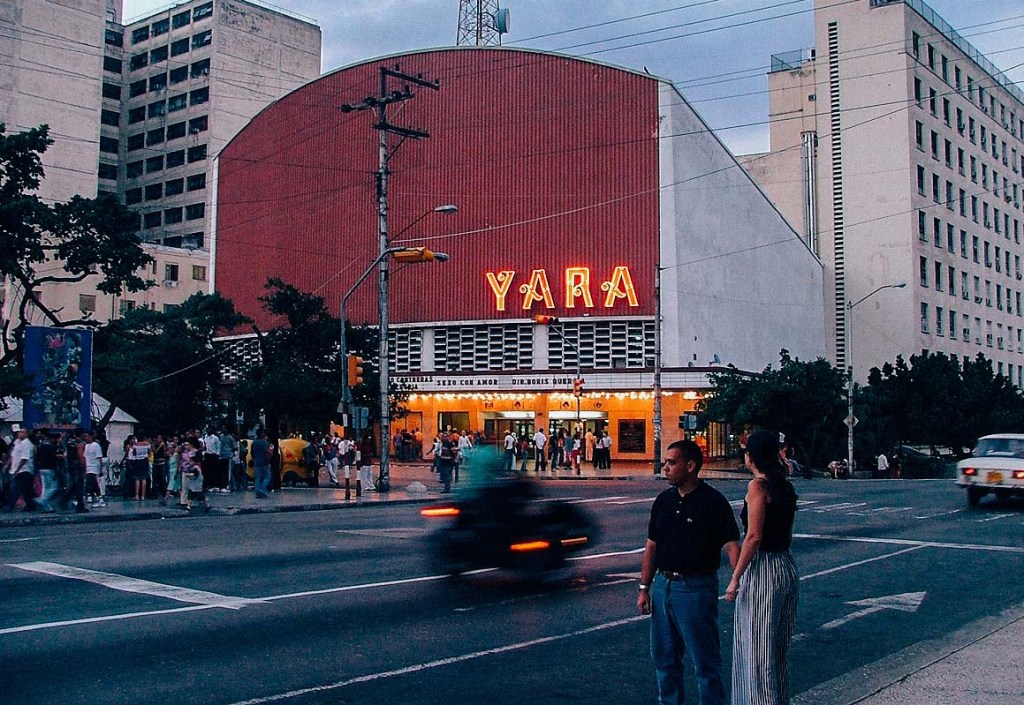
In this edition of the “Sacred Houses Series,” we pay homage to Cine Yara in Havana, Cuba, as we continue to honor notable movie theaters worldwide.
The Yara Cinema, also known as Cine Yara, is one of the most famous and historically significant movie theaters in Havana. Located in the Vedado district at the intersection of Avenida 23 and Calle L, it has become the cultural heart of Cuban cinema over the decades. It is one of the most recognizable theaters in the country.
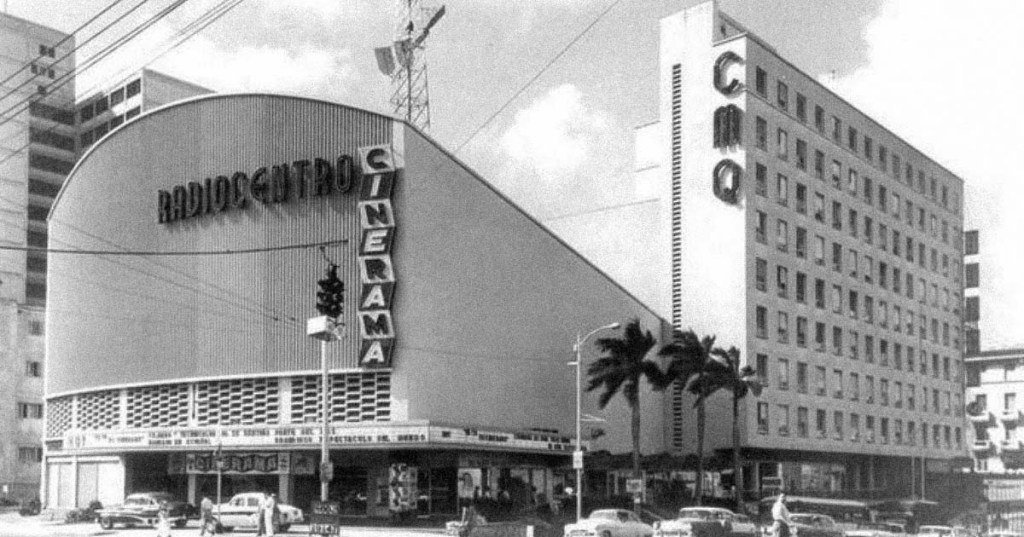
The cinema was built between 1945 and 1947 as part of the Radiocentro CMQ complex, a modern media center that included radio studios, offices, and entertainment venues. The building was designed by Cuban architects Emilio del Junco, Miguel Gastón, and Martín Domínguez.
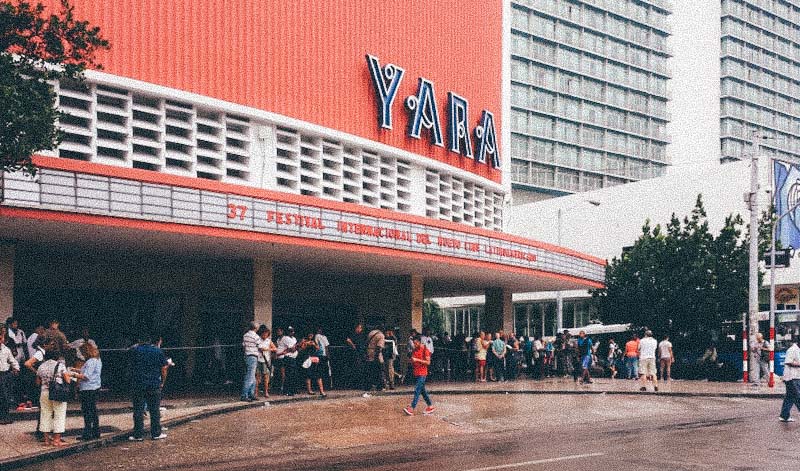
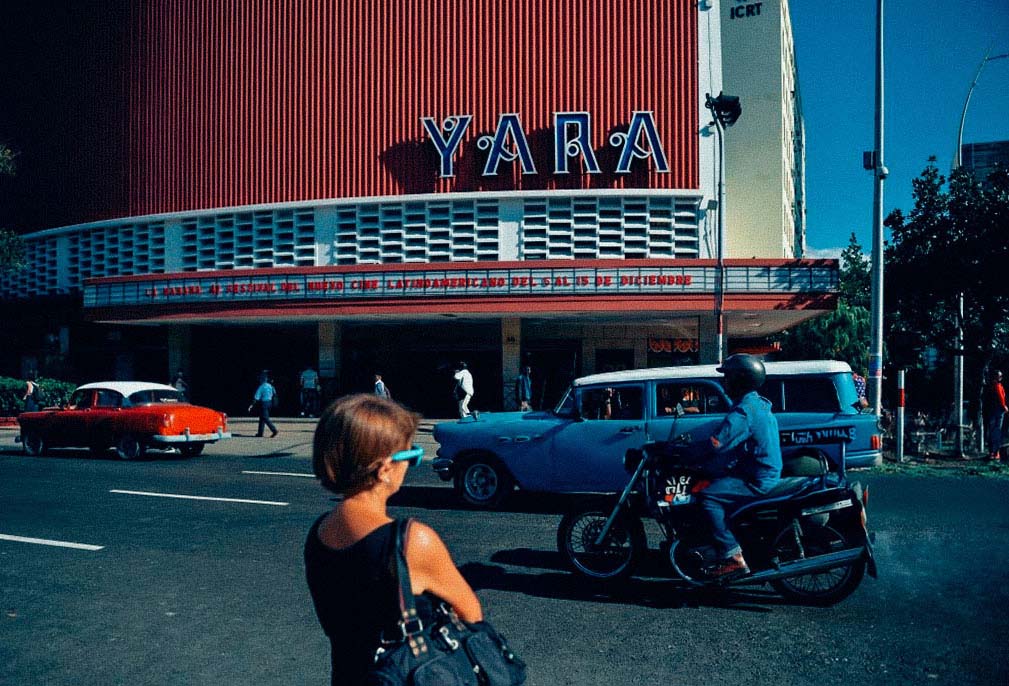
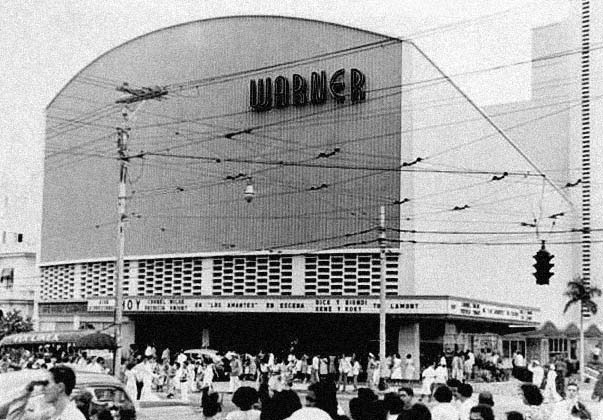
When it opened on December 23, 1947, the theater was named Teatro Warner Radiocentro, as it was operated by Warner Bros. The venue had a seating capacity of approximately 1,650, making it one of the largest and most technologically advanced cinemas in Cuba at the time. It featured modern projection equipment, sophisticated acoustics, advanced lighting systems, and air conditioning—luxuries that were rare in Cuban cinemas during the 1940s.
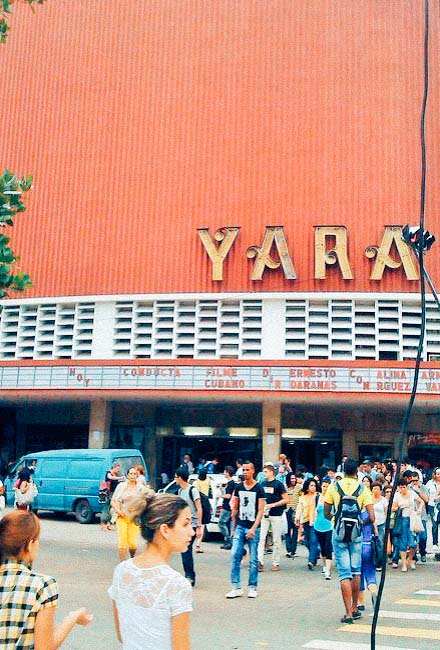
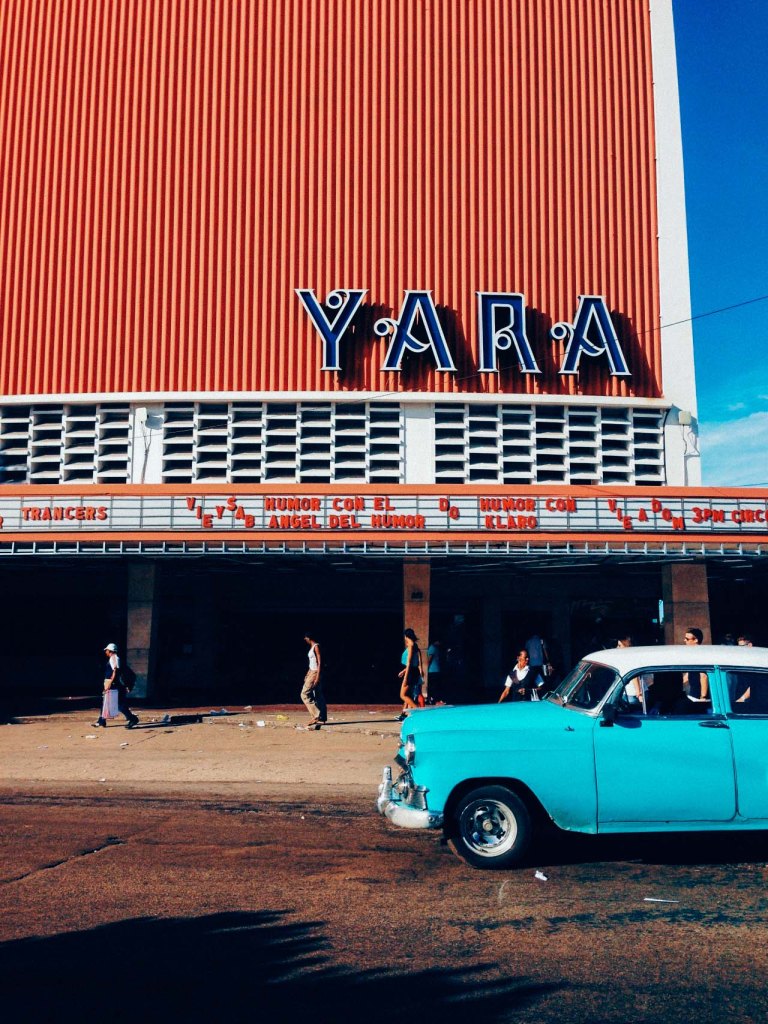
After the Cuban Revolution, Cuba nationalized a significant portion of its entertainment industry. In 1960, the theater was renamed Cine Yara to align with the new cultural direction of the revolutionary government. Ownership and programming were transferred to state cultural institutions, including the Cuban Institute of Cinematographic Art and Industry. This institute was responsible for promoting Cuban filmmaking and distributing films throughout the island.
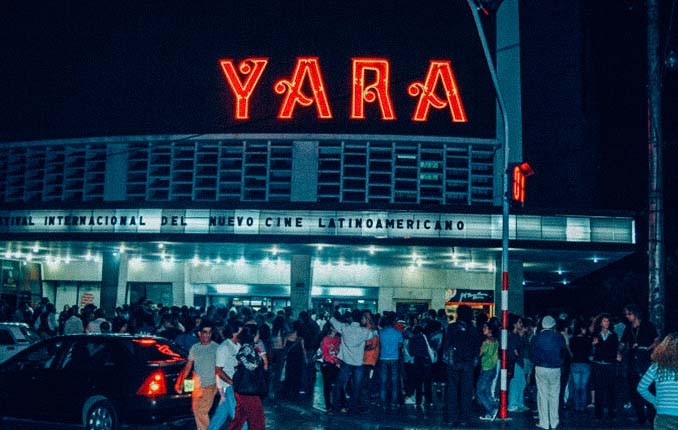
Over time, Cine Yara developed a reputation as Havana’s main cinema. It hosted premieres, special screenings, and film festivals, making it a central gathering place for filmmakers, critics, and moviegoers.
Due to its prime location—across from the renowned Coppelia Ice Cream Parlor and near the historic Habana Libre Hotel—the cinema has become a central social gathering spot for residents of Havana.
In 2015, it became one of the first theaters in Cuba to install digital projection equipment, while still maintaining a 35mm projector for classic films.
If you know of a theater that deserves recognition in our “Sacred Houses” series, please contact us and provide details about its location, name, and significance to you or your community. We are passionate about supporting local theaters and believe they should be celebrated alongside the more well-known historic venues.


Leave a Reply